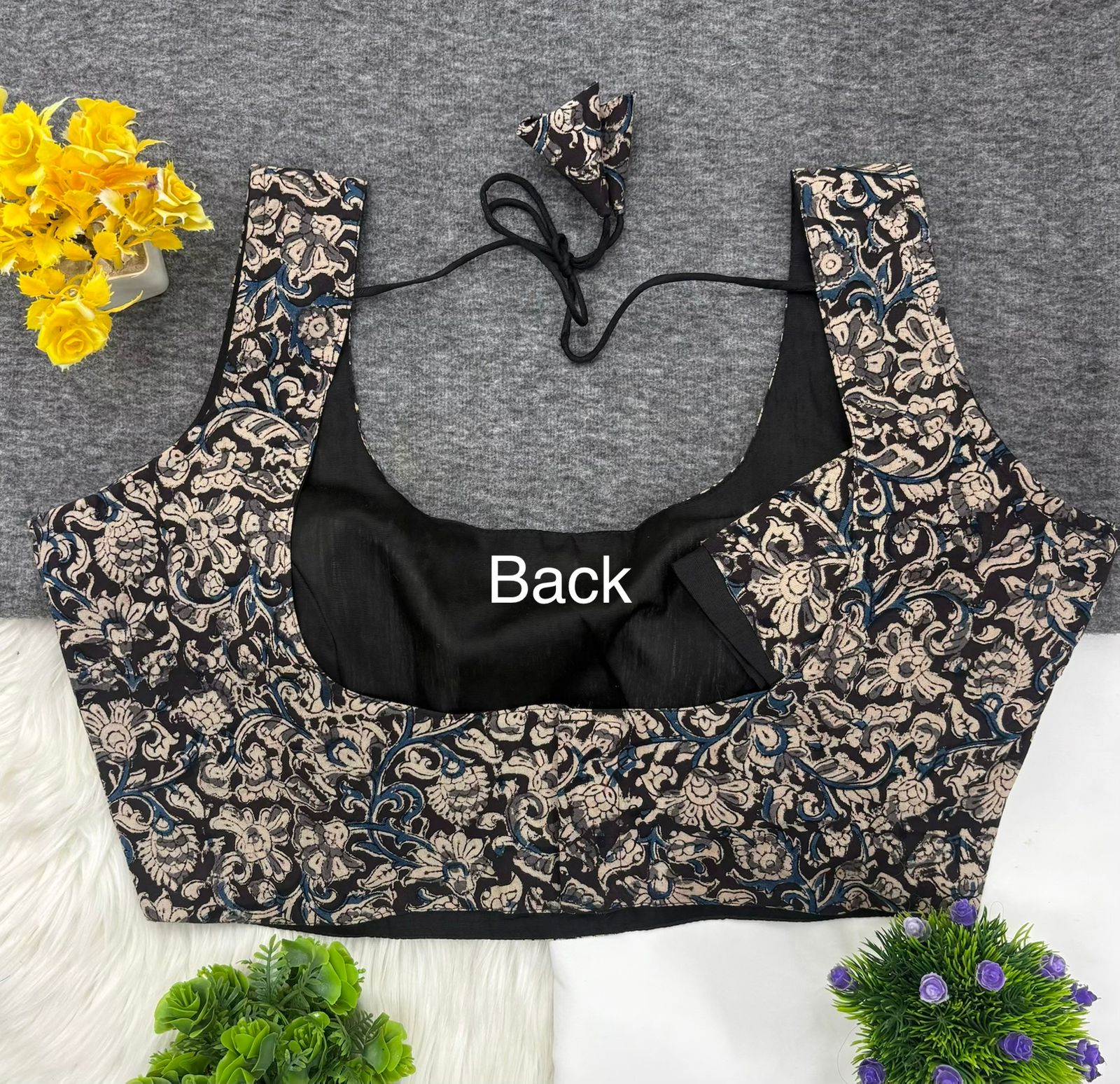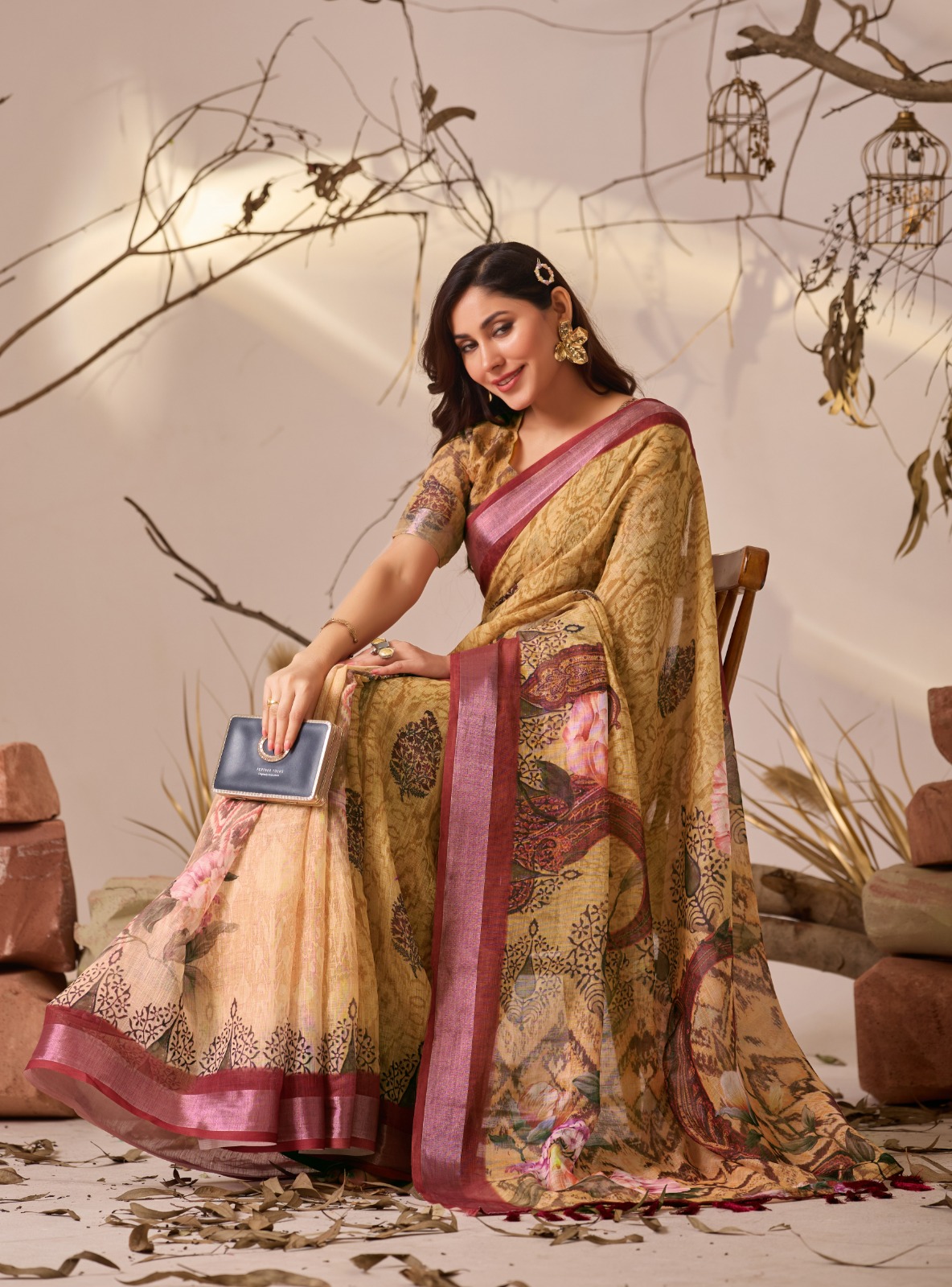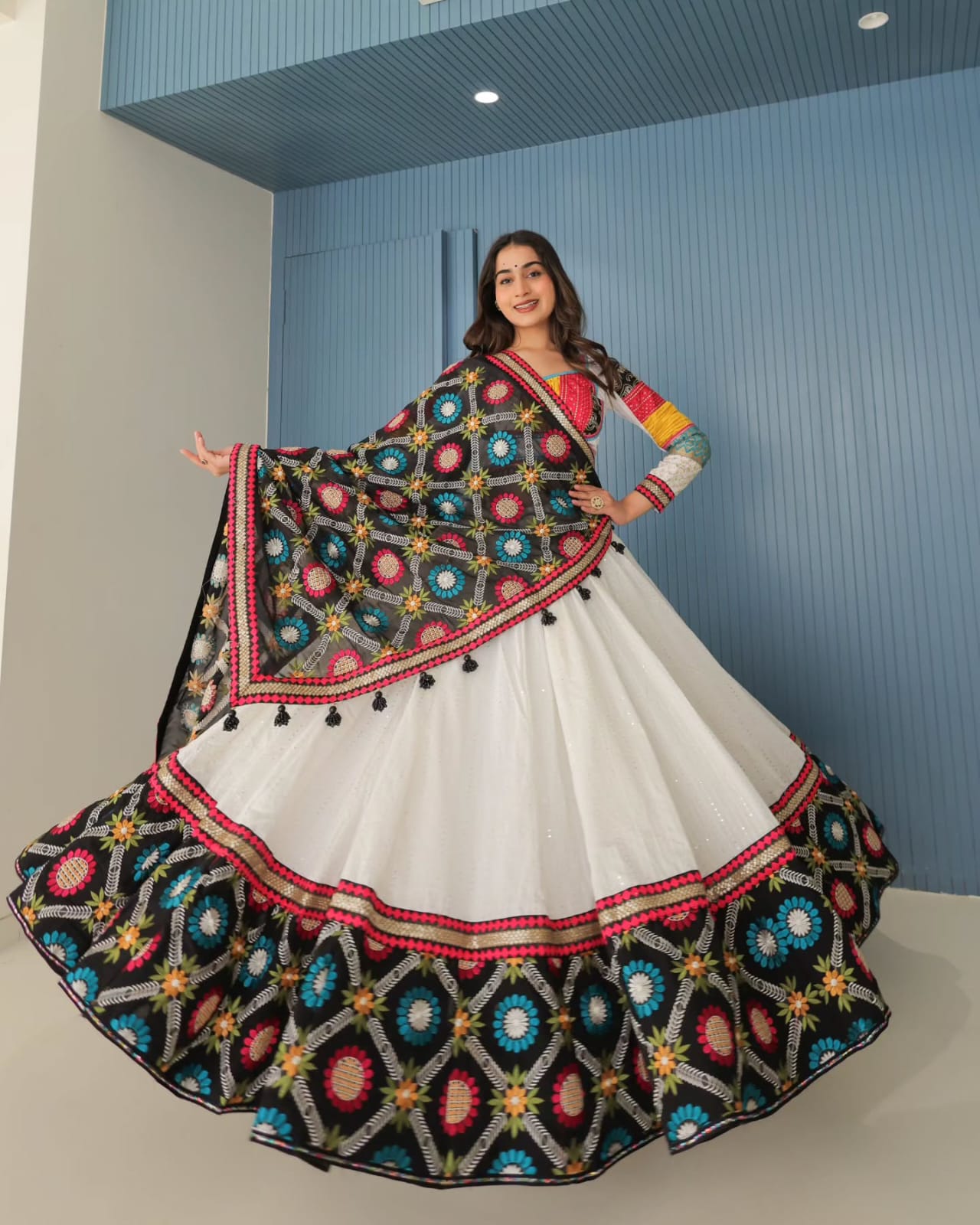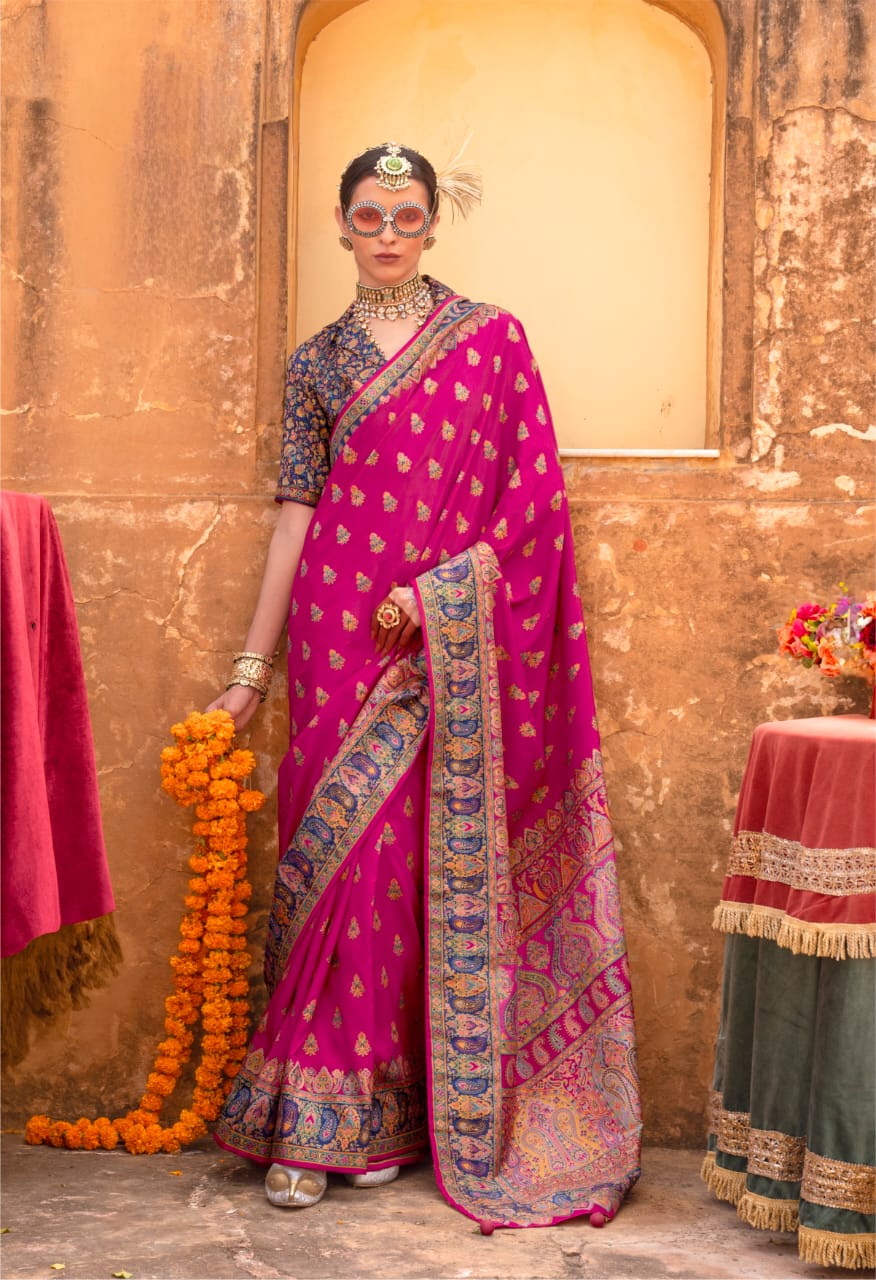
Traditional Gujarati Dress Styles for Modern Navratri Fashion begin with a practical question: can the outfit handle several hours of Garba without restricting movement? A classic chaniya choli answers that question through a flared skirt, fitted or semi-fitted choli, and an odhani arranged for dancing. Modern versions add lighter fabrics, adjustable waistbands, digital prints, sequins, and ready-to-wear construction while retaining the recognisable Gujarati silhouette.
Navratri clothing also carries visual signals from Gujarat, including bright colour contrasts, mirror work, embroidered borders, bandhani-inspired patterning, and swirling skirt volume. Knowing what each element does helps you shop more intelligently. A beautiful lehenga that twists at the waist, sheds heavy embellishment, or needs constant pinning will be less useful than a simpler set with a reliable fit.
Traditional Gujarati Dress Styles for Modern Navratri Fashion and Garba Movement
A Gujarati chaniya choli suits Garba when the skirt has comfortable flare, the waistband stays secure, and the choli allows the arms and shoulders to rotate freely. Garba involves repeated steps, turns, claps, and changes of direction, so comfort is a functional part of the design rather than an optional extra.
The chaniya is the flared skirt, usually cut with multiple panels or gathered volume. A wider hem creates a stronger twirl, but extra volume also adds weight and requires more room while walking. A choli is the blouse worn with the skirt; its neckline, sleeve length, back fastening, and bust fit determine how easily you can move. The odhani or dupatta completes the outfit and can be draped over one shoulder, crossed across the torso, or secured at both shoulders.
For a crowded Garba venue, check the hem before buying. A skirt that falls 2 to 4 centimetres above the floor with your chosen footwear is generally easier to manage than a trailing hem. The waistband should sit flat without digging into the stomach. Sit, raise both arms, and take a few wide steps during a fitting. Those three tests reveal problems that a mirror-only fitting can hide.
Traditional Gujarati Dress Styles for Modern Navratri Fashion: How much flare should a lehenga have?
A Navratri lehenga should have enough flare for comfortable turns but not so much fabric that the hem catches on other dancers. A moderate flare works well for smaller venues, while a fuller multi-panel skirt creates a more dramatic twirl in open spaces.
Height, footwear, and the weight of the fabric all affect the ideal flare. Lightweight cotton, muslin, viscose, and similar fluid materials can carry generous volume without feeling as tiring as densely embellished fabric. If the skirt has heavy mirror work or multiple lining layers, prioritise a stable waistband and a hem with clean finishing.
Traditional Gujarati Dress Styles for Modern Navratri Fashion in wearable silhouettes
Traditional Gujarati dress styles for modern Navratri fashion work best when heritage details are balanced with contemporary fit and ease. The following combinations preserve the identity of Gujarati festive dressing without requiring every traditional detail at once.
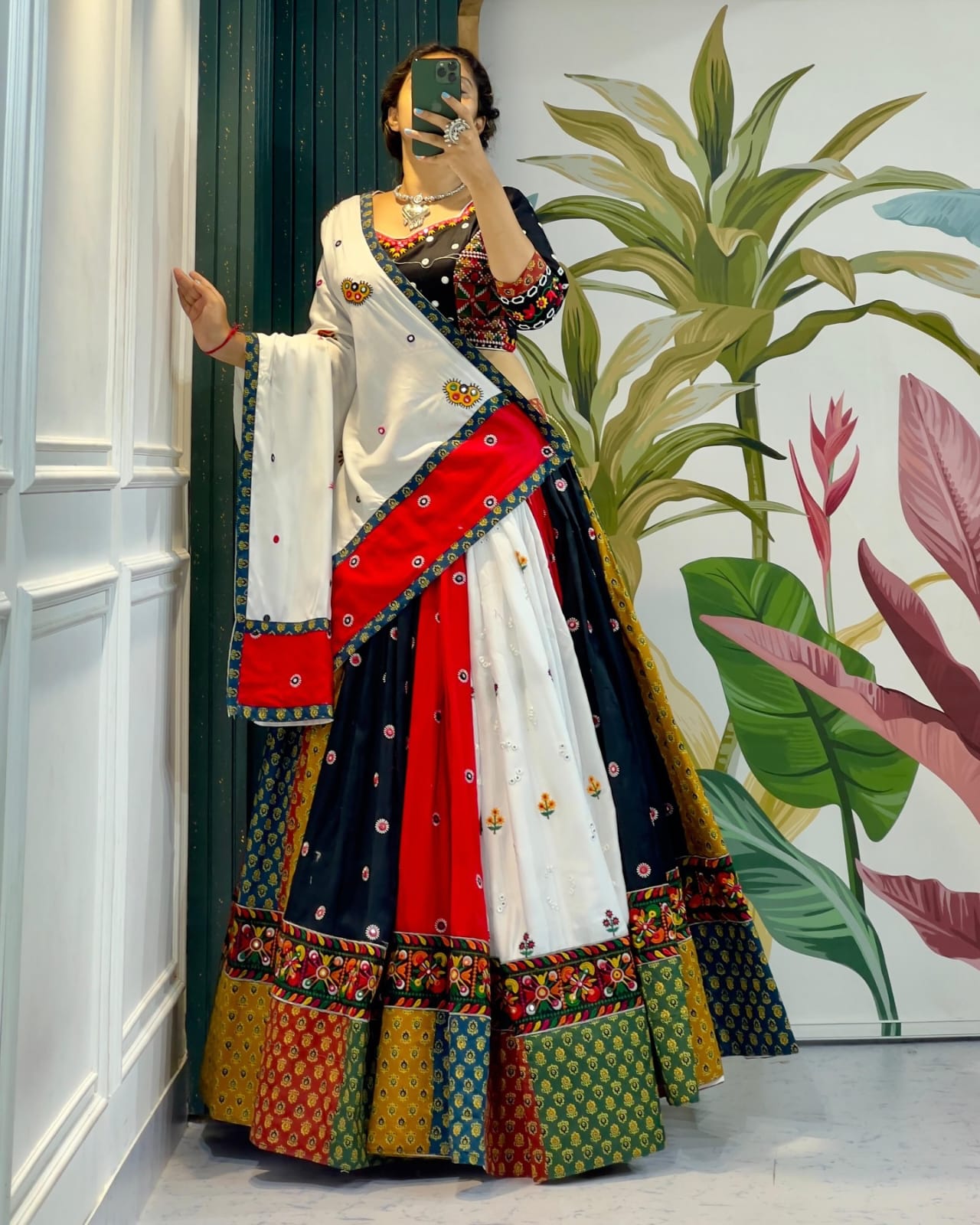
- Classic chaniya choli: Pair a bright chaniya with a contrasting choli and a matching or deliberately contrasting odhani. Mirror work, embroidered borders, and patterned panels provide the traditional visual focus.
- Printed modern lehenga: A digital or ethnic print can replace dense surface embellishment when you want a lighter outfit. The silhouette remains recognisably festive even when the decoration is less elaborate.
- Mirror-work statement set: Mirror work catches movement and light during evening Garba. Keep jewellery restrained if the choli and skirt already contain reflective detailing.
- Kurta-set interpretation: A Gujarati-inspired kurta set suits people who prefer a less voluminous outfit. A kurta with trousers or a palazzo can be styled with jhumkas, a colourful dupatta, and embroidered footwear for smaller gatherings or daytime celebrations.
- Contemporary black or jewel-tone look: Traditional Navratri dressing doesn't require only neon shades. Black, deep blue, maroon, or mustard can look festive when paired with zari, mirror accents, colourful jewellery, or a contrasting odhani.
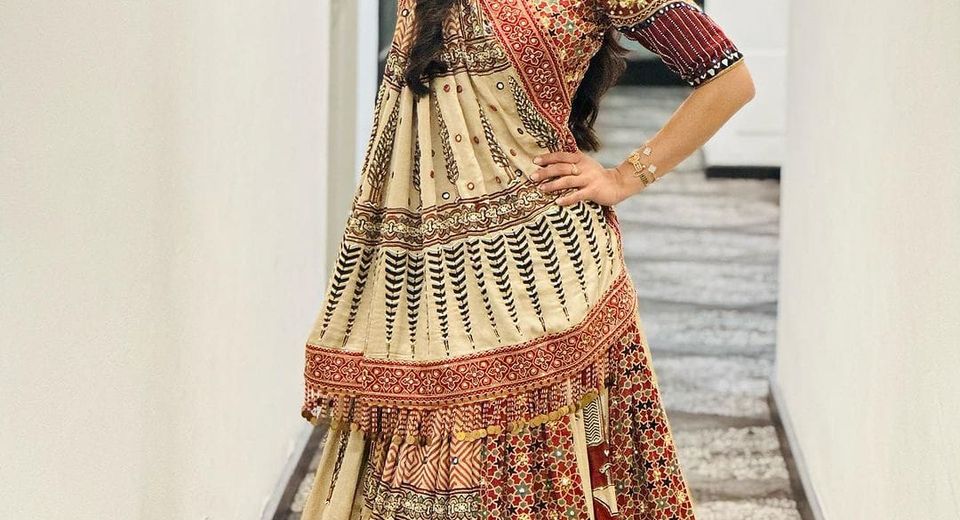
The Beige Ethnic Printed Lehenga Set for Navratri and Garba demonstrates how an understated base colour can still feel festive when the print and silhouette carry the outfit. The Vibrant Multicolor Navratri Lehenga Choli Set takes the opposite approach with colour contrast, making accessories easier to keep simple.
Traditional Gujarati Dress Styles for Modern Navratri Fashion through fabric and colour
The right Navratri fabric depends on dancing duration, venue temperature, embellishment weight, and how much care you can provide after wearing the garment. A lightweight, breathable construction is generally more practical for several hours of movement than a heavily layered outfit.
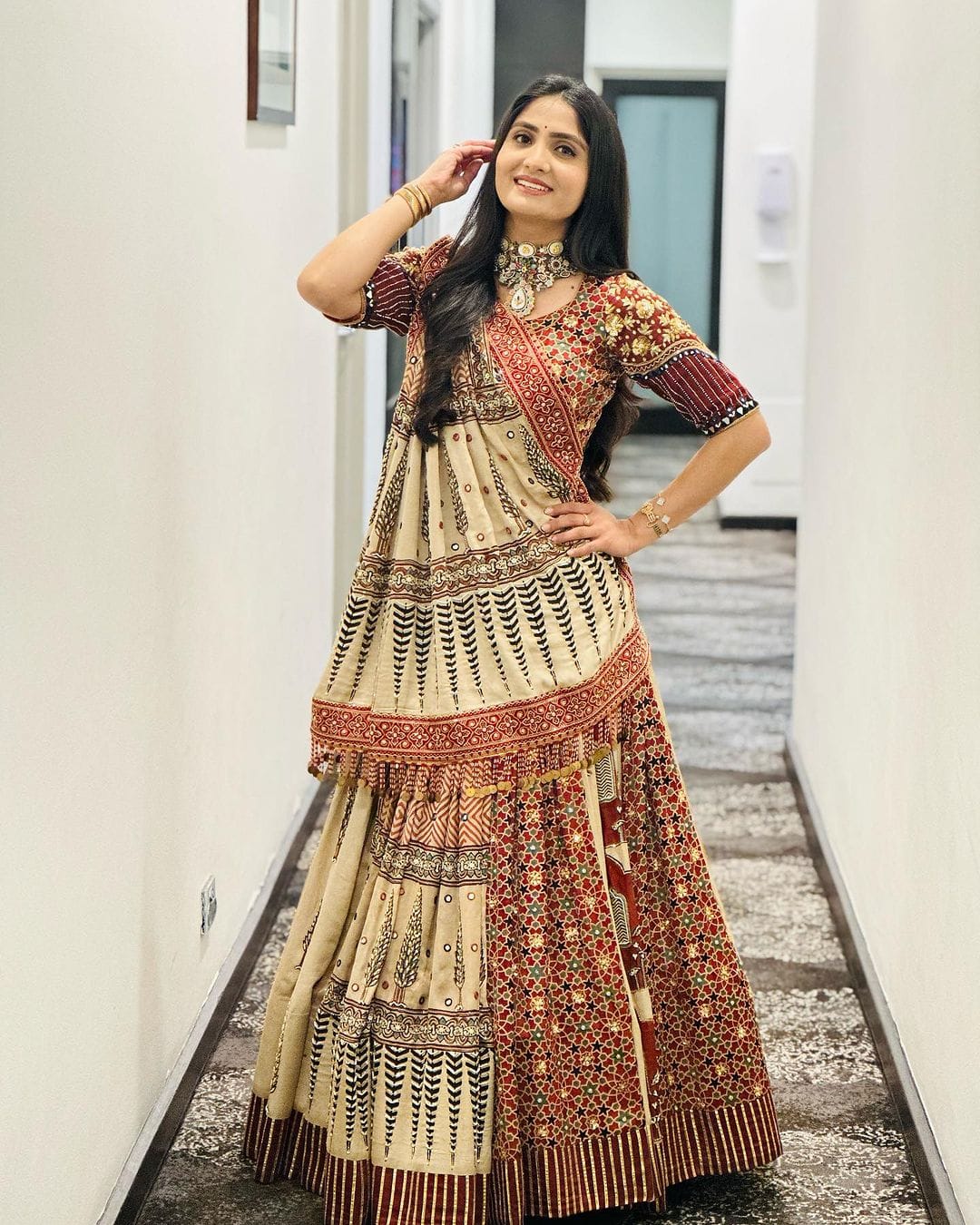
Cotton and muslin can feel comfortable in warm, crowded spaces, while viscose blends often provide fluid movement and a soft fall. Chanderi has a lighter, dressier appearance and can work well for a family gathering or a shorter celebration. Polyester-rich or densely embellished fabrics may be visually striking, but they can feel warmer and less forgiving if the lining is stiff. Always check the garment's fibre composition and lining rather than judging the material from photographs alone.
Mirror work, sequins, zari, and metallic embroidery create the light-catching surface associated with many festive Gujarati outfits. These details vary in weight and finish. Large mirrors can press against the body if placed near the waist or under the arm, while rough embroidery can snag an odhani. Run your hand over the inside seams and inspect the reverse side of decorative panels before purchasing.
The Elegant Mirror Work Navratri Lehenga Choli Set is an useful example of a high-impact surface treatment, while the Festive Multicolor Muslin Cotton Lehenga Choli Set points toward a lighter, colour-led approach. The Mustard Viscose Chanderi Kurta Set with Sequence Embroidery shows how Chanderi and sequined detail can translate Gujarati festive energy into a kurta-based outfit.
Traditional Gujarati Dress Styles for Modern Navratri Fashion: Which colours are easiest to restyle?
Jewel tones, mustard, red, blue, black, beige, and multicolour prints are practical because they can be restyled with different odhanis and jewellery. A single strong colour can also become more versatile when the blouse and skirt are not covered in competing motifs.
Red creates a traditional festive impression and pairs easily with gold, green, or ivory accessories. Blue works with silver, white, or contrasting pink. Mustard looks effective with maroon, green, rust, and antique gold. Black provides a modern base for colourful mirror work, although you should check venue dress preferences if a community celebration requests brighter colours.
Traditional Gujarati Dress Styles for Modern Navratri Fashion in a readymade chaniya choli
A readymade chaniya choli becomes comfortable when the waist, blouse, hem, and odhani are adjusted before Navratri night rather than at the venue. Ready-made clothing saves tailoring time, but the listed size can't account for every body shape or preferred footwear.
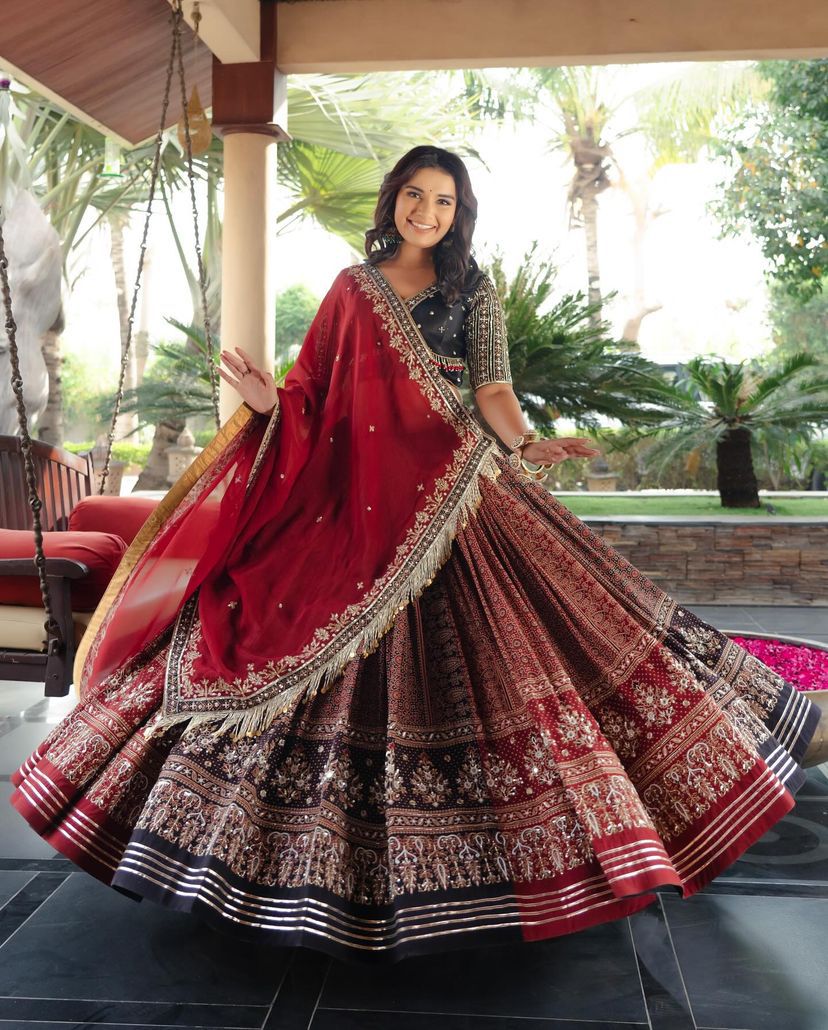
- Measure the waist and bust: Take measurements over the undergarments you expect to wear. Compare them with the garment's size chart, and don't rely on your usual letter size across different labels.
- Test the blouse: Lift your arms, rotate your shoulders, and bend slightly. Tight armholes or a fixed padded cup can become uncomfortable after repeated movement.
- Check the skirt fastening: Tie-up waists offer some flexibility, while concealed zips and elastic sections provide different kinds of support. Confirm that the fastening sits flat beneath the choli.
- Plan the odhani: Use small safety pins or discreet brooches at the shoulder and waist. Place pins through sturdy seam allowances instead of delicate embroidered areas.
- Wear the final footwear: Check the skirt length with the shoes or sandals planned for the event. A hem that's safe in bare feet may drag after a different styling choice.
- Practise movement: Spend five minutes walking, turning, and raising your arms at home. A practical trial is more useful than judging the outfit while standing still.
The Designer Black Garba Lehenga Choli for Festive Season can form a strong base for colourful bangles and a bright odhani. The Red Ethnic Lehenga Choli with Digital Print Design offers another route for shoppers who want print to provide the visual interest without relying entirely on heavy embellishment.
Traditional Gujarati Dress Styles for Modern Navratri Fashion when shopping in Ahmedabad or online
Chaniya Choli Ahmedabad shopping gives the advantage of seeing colour, flare, lining, embellishment, and fit in person before paying. Local shopping is particularly useful when you need same-week alterations or want to compare several skirt constructions by touch.
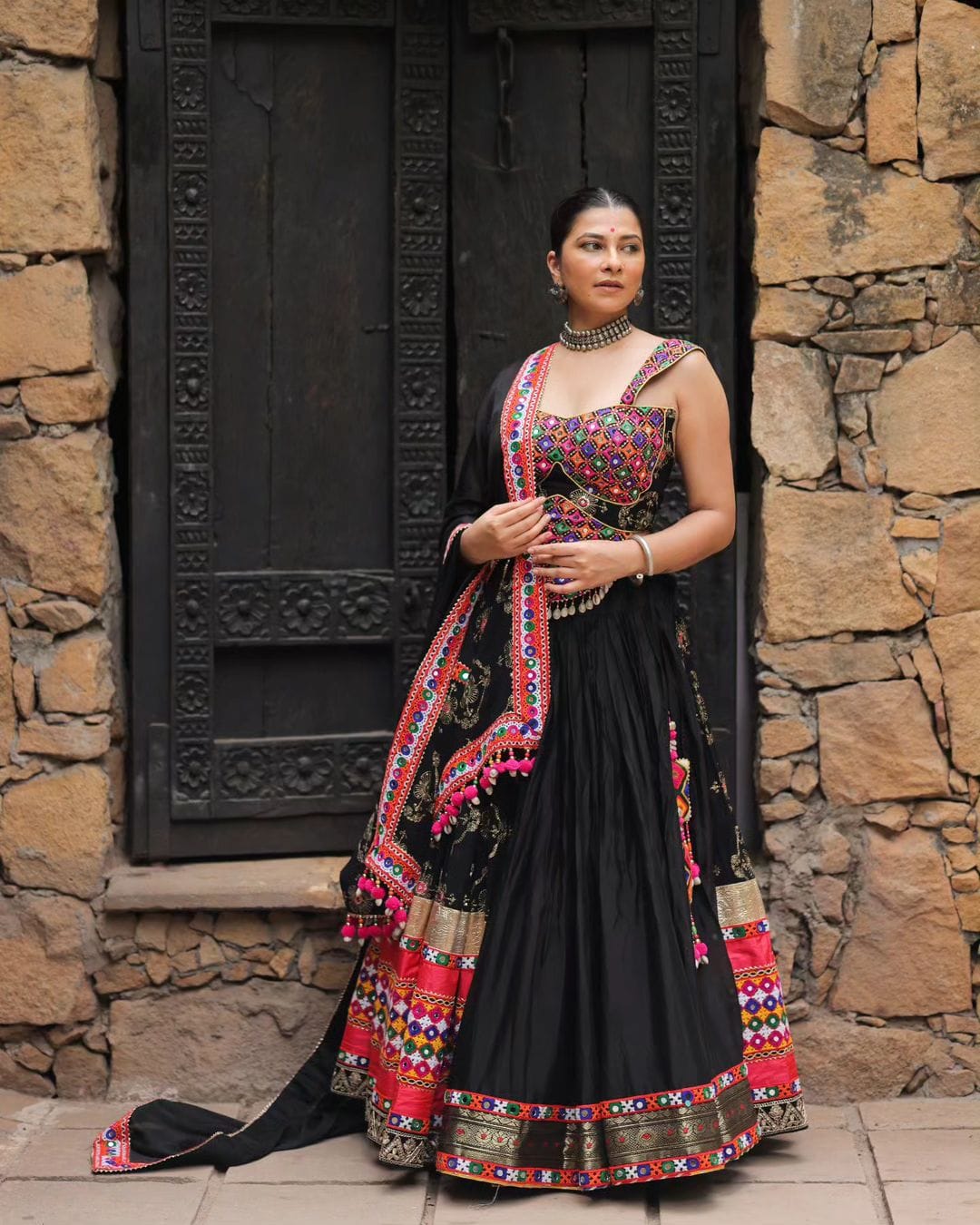
Online shopping brings broader access to readymade Navratri lehenga choli designs and makes it easier to compare prices, measurements, fabric descriptions, and delivery timelines. A reliable product page should state the size chart, garment components, fabric composition, care instructions, closure type, lining information, and whether the photographed accessories are included. If those details are absent, treat the outfit as higher-risk even when the photographs look appealing.
Allow at least 10 to 14 days before the first planned event when ordering online. That buffer covers delivery, fitting, minor alterations, and a careful inspection after opening the parcel. Read the exchange conditions before removing tags or using a garment, because festive outfits can be difficult to return after alteration or wear.
Compare the total cost rather than the displayed garment price alone. Tailoring, blouse adjustments, delivery fees, accessories, and replacement fastenings can change the final amount. A mid-priced readymade set that needs no major alteration may provide better value than a cheaper set requiring extensive fitting work.
Traditional Gujarati Dress Styles for Modern Navratri Fashion with accessories and care
Accessories should support the movement, colour, and neckline of the chaniya choli rather than compete with every decorative element. Choose one main statement detail, such as oxidised jhumkas, a layered necklace, colourful bangles, or a maang tikka, and keep the remaining pieces lighter.
Comfortable footwear matters as much as jewellery during Garba. Select cushioned juttis, low wedges, or secure sandals that won't loosen during repeated turns. Avoid untested shoes on the first night, and check that anklets don't catch on the skirt hem.
Care begins immediately after wearing the outfit. Air the lehenga and odhani away from direct sunlight, then remove surface dust with a soft, dry brush. Do not rub mirror work, sequins, zari, or digital prints aggressively. Store the skirt folded with lightweight tissue or a clean cotton cloth between heavily embellished sections to reduce snagging.
Follow the garment label before washing. Many embellished lehengas require dry cleaning or gentle spot cleaning, while cotton and some muslin garments may tolerate more careful home washing. Never iron directly over mirrors, sequins, metallic thread, or printed surfaces; use a pressing cloth and low heat only when the care instructions permit it.
The Exclusive Blue Traditional Navratri Lehenga Choli can be restyled with silver-toned jewellery, while a multicolour set can be paired with one-colour accessories for a more balanced look. Thoughtful repetition matters: a well-cared-for chaniya choli can serve for family puja, Garba nights, weddings, and regional cultural events beyond a single Navratri season.
Traditional Gujarati Dress Styles for Modern Navratri Fashion: practical final checklist
A successful Navratri outfit should pass five checks: movement, fit, fabric comfort, secure styling, and realistic care. These checks matter more than following every trend visible in a shopping feed.
- Movement: Can you walk, turn, clap, and raise your arms without pulling at the seams?
- Fit: Does the waistband stay in place, and does the choli remain comfortable after several minutes of movement?
- Fabric: Is the material suitable for the temperature, venue, lining, and number of hours you expect to wear it?
- Security: Are the odhani, blouse closures, jewellery, and footwear stable enough for dancing?
- Care: Do you know how to clean, dry, fold, and store the outfit after the celebration?
Traditional Gujarati dress styles for modern Navratri fashion become genuinely useful when cultural character and everyday practicality meet. A well-chosen chaniya choli doesn't merely look festive in photographs; it lets you participate comfortably, move confidently, and wear the garment again with different styling choices.
Questions Shoppers Ask About Gujarati Chaniya Choli for Navratri
Where can I buy a Garba chaniya choli online?
You can buy a Garba chaniya choli online from established ethnic-wear stores and marketplaces that publish garment measurements, fabric details, lining information, and delivery timelines. Compare the waist, bust, skirt length, closure, and exchange conditions before ordering, and allow 10 to 14 days for delivery and possible alterations.
Where can I buy a chaniya choli for Navratri in Ahmedabad?
You can shop for a chaniya choli in Ahmedabad through local ethnic-wear markets, boutiques, and festive clothing stores. In-person shopping helps you assess flare, mirror-work weight, blouse comfort, and colour accuracy, while online stores can offer a wider range of readymade designs.
What should I check before buying a readymade chaniya choli?
Check the size chart, waist fastening, blouse armhole, skirt length, lining, fabric composition, embellishment finish, and return conditions. Wear or carry the footwear planned for Navratri so the hem can be assessed at the correct height.
Which fabric is comfortable for a long Garba night?
Lightweight cotton, muslin, and fluid viscose constructions are often comfortable for long Garba nights, especially in warm or crowded venues. Dense embellishment, stiff lining, and multiple heavy layers can increase heat and fatigue, so inspect both the outer fabric and inner construction.
How should I style a Gujarati chaniya choli without looking over-accessorised?
Choose one main statement accessory and keep the remaining jewellery restrained. Mirror-work clothing pairs well with simpler earrings or bangles, while a plain printed lehenga can support brighter jewellery, a contrasting odhani, or a more elaborate necklace.
How should I store a Navratri lehenga after wearing it?
Air the lehenga away from direct sunlight, remove dust gently, and follow the care label before cleaning. Store embellished pieces folded with tissue or a clean cotton layer between decorative sections, and never iron directly over mirror work, sequins, zari, or metallic embroidery.