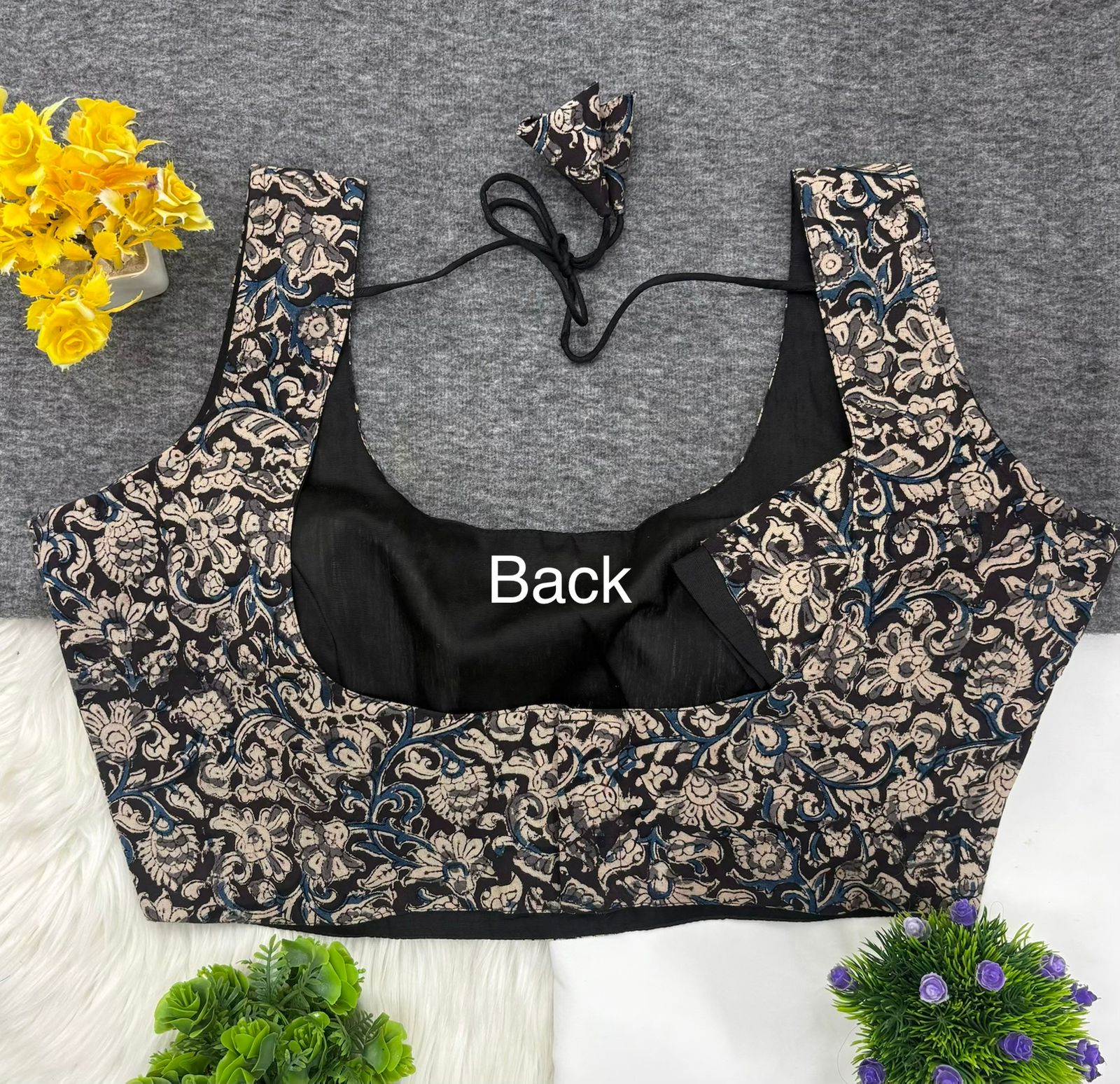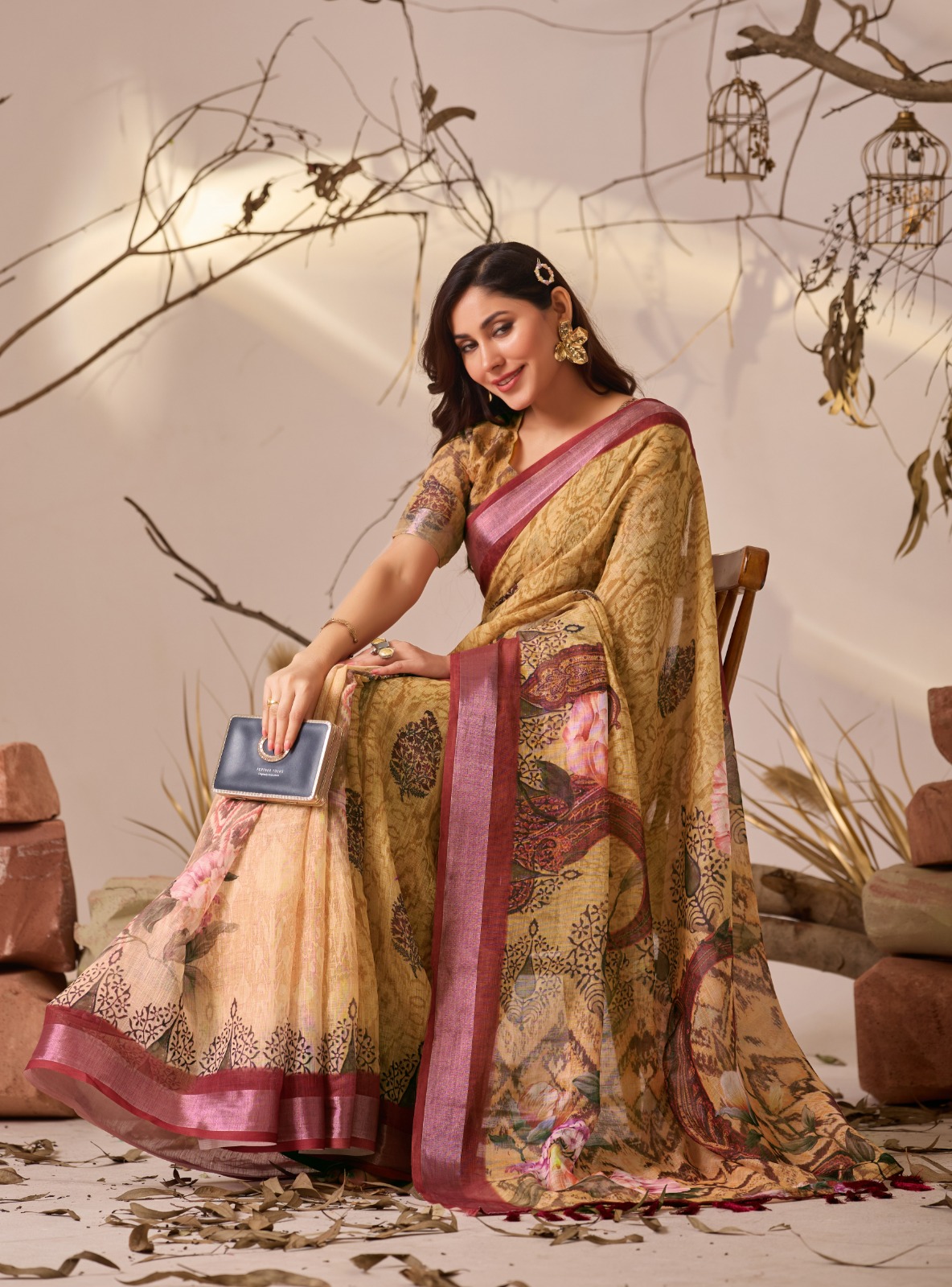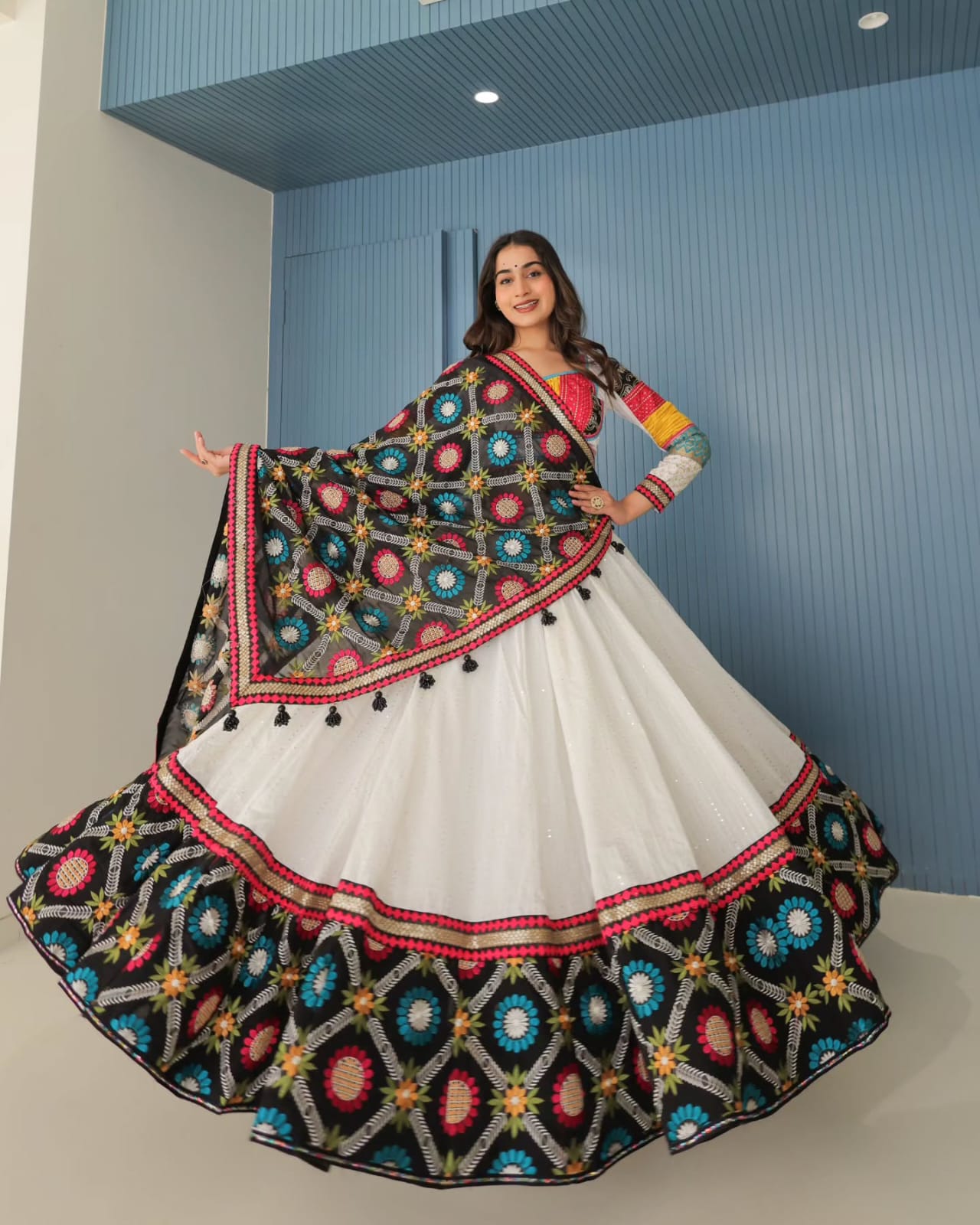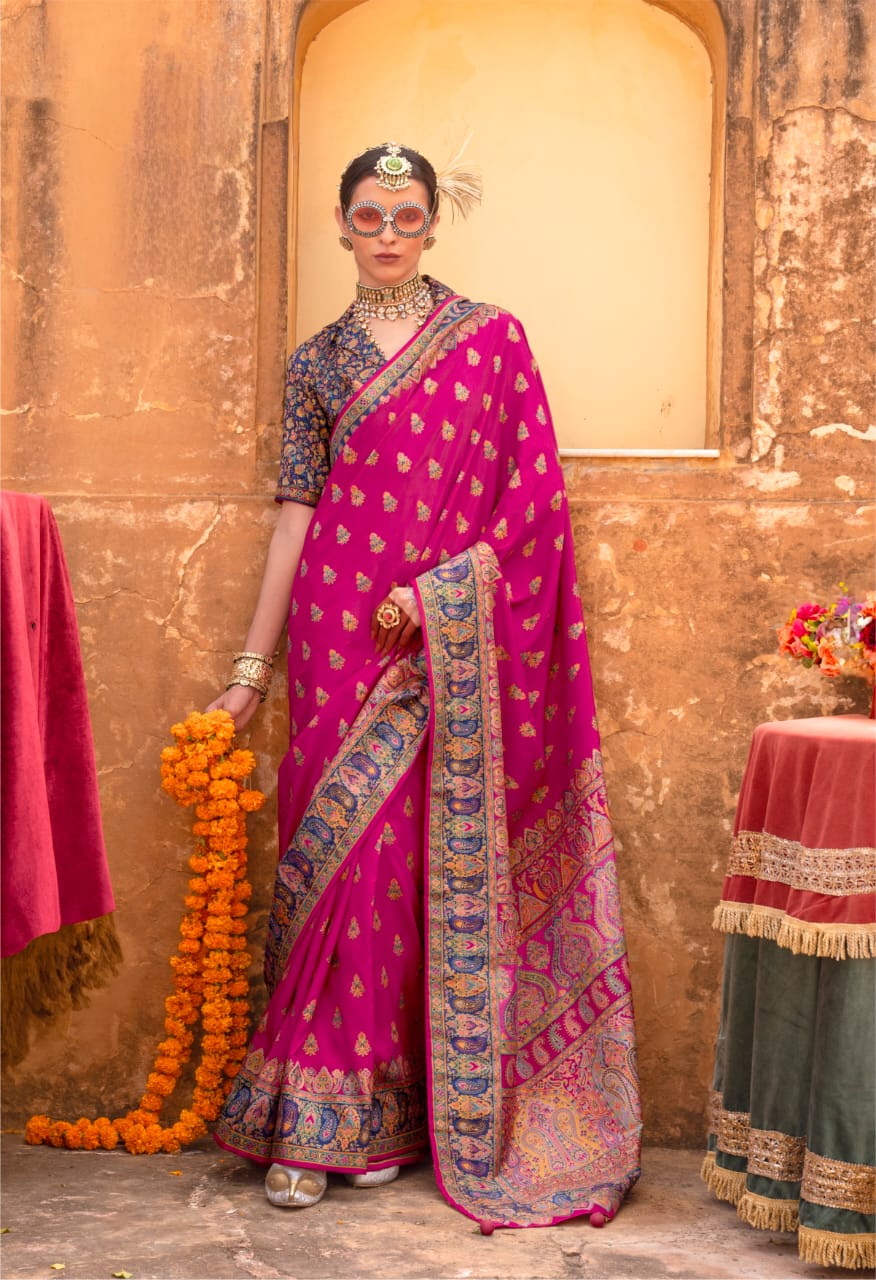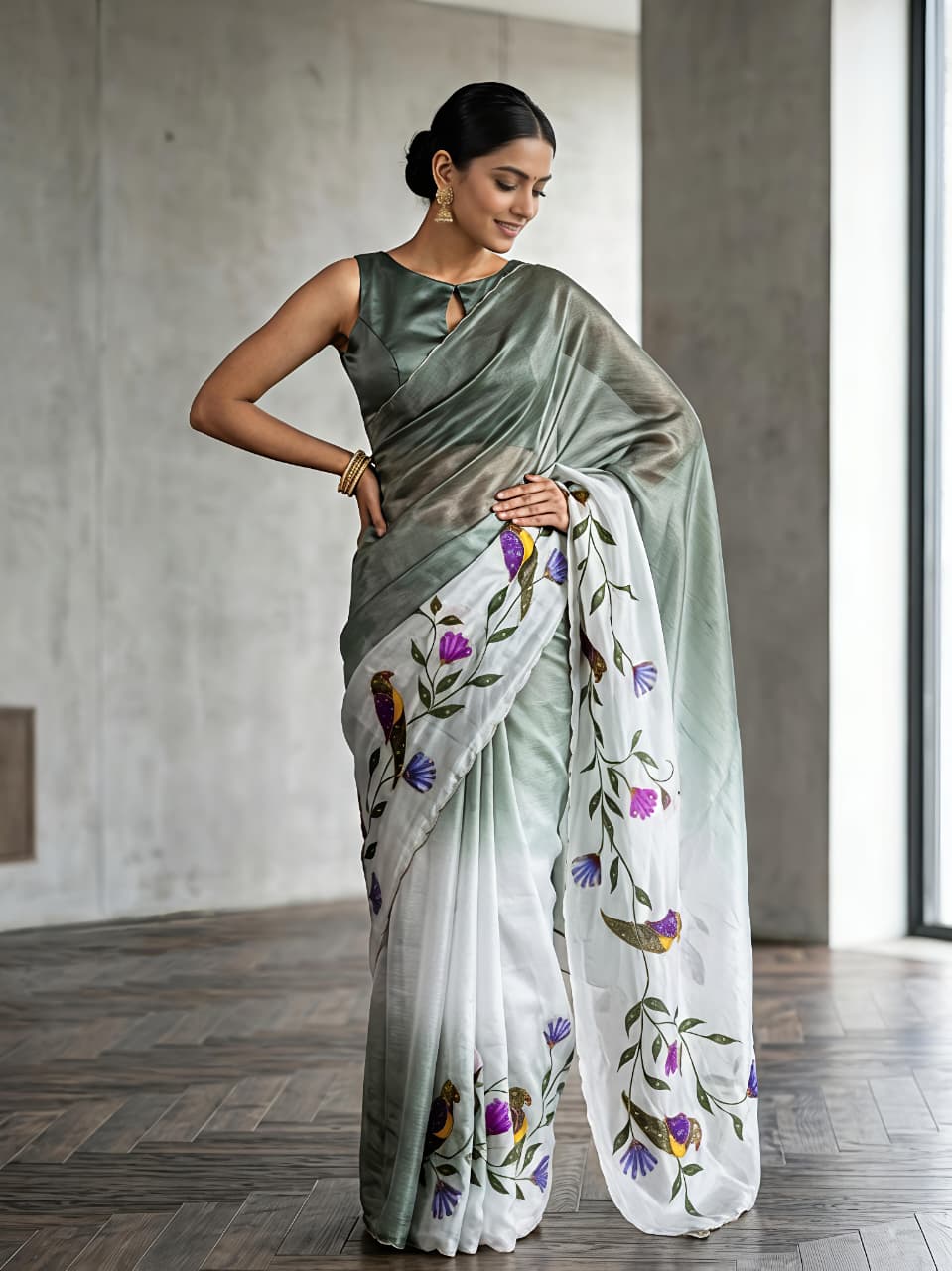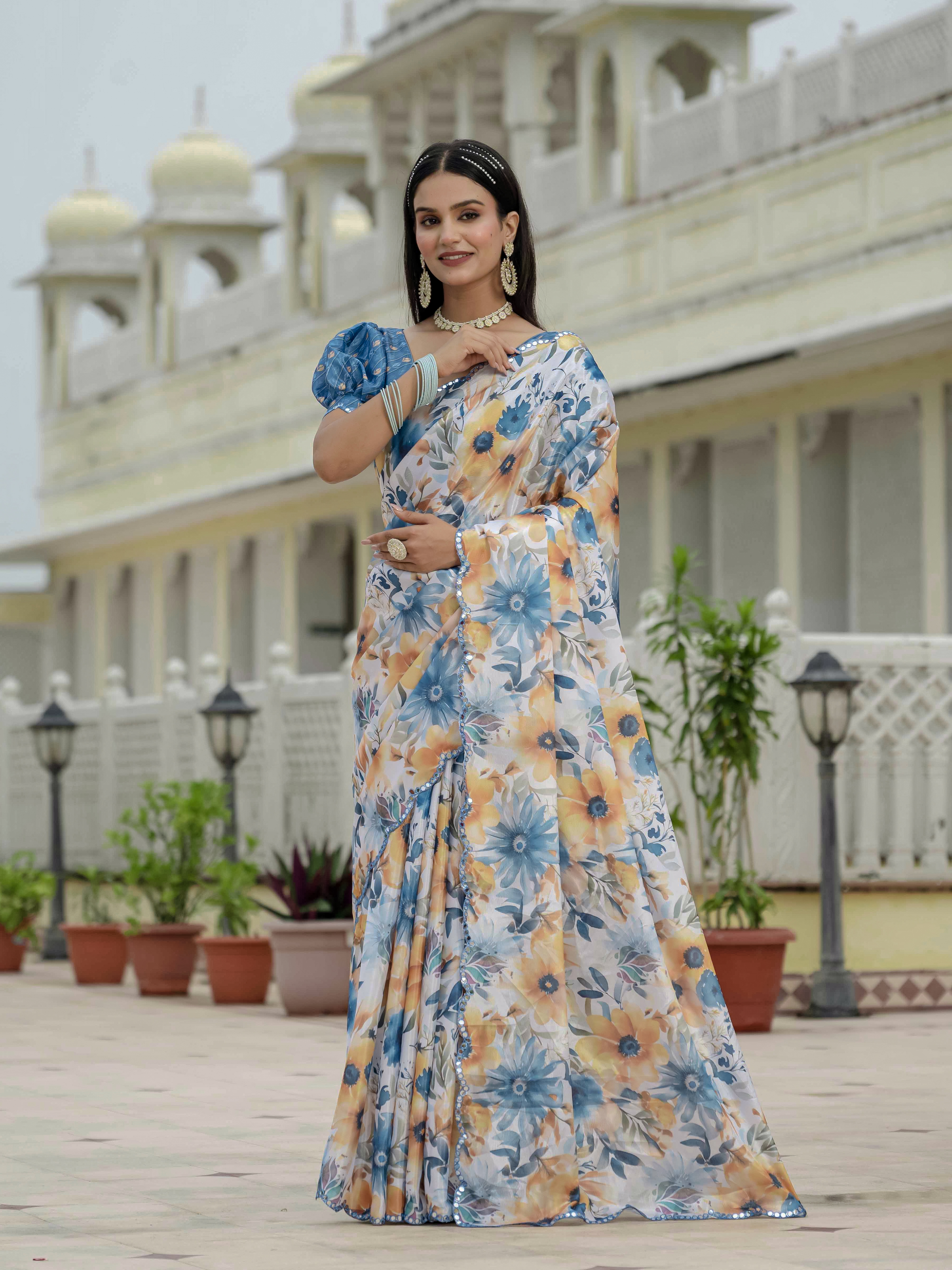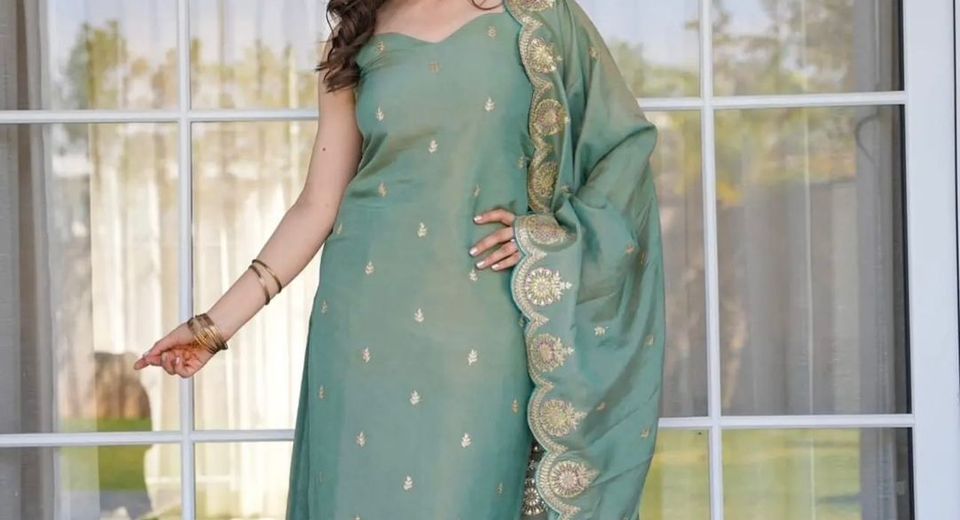
Traditional Goan Dress for Women: Complete Fashion Guide begins with an important fact: Goa doesn't have one single women's costume. Clothing traditions differ between Hindu Kunbi communities, Catholic Goan families, fishing villages, temple celebrations and urban festive wardrobes. The Kunbi saree, Pano bhaju, lugra-style drapes, embroidered blouses and Portuguese-influenced dresses each belong to different social and historical contexts.
A thoughtful outfit therefore does more than copy a colour or add seashell accessories. A well-informed choice identifies the garment, understands when it's worn and adapts the styling without presenting a modern fusion outfit as an exact historical costume. The guide below explains the main silhouettes, fabrics, jewellery, occasions and practical styling choices that make a Goan-inspired ensemble feel considered rather than merely tropical.
Traditional Goan Dress for Women: What Are the Main Garments?
Traditional Goan dress for women includes the Kunbi saree, Pano bhaju, sari-and-blouse combinations, lugra-inspired drapes and regional Catholic festive clothing. Each form reflects a different community, occupation, period and occasion rather than representing a uniform statewide dress code.
The Kunbi saree is widely recognised for its checked or striped cotton fabric, practical length and movement-friendly drape. Traditional versions are associated with Kunbi and other agrarian communities of Goa. The saree is generally worn above the ankle or in a shorter working length, allowing easy movement through fields and village paths. Red, black, white and earthy tones appear frequently in regional interpretations, although contemporary weavers also make brighter shades.
Pano bhaju refers to a traditional Goan ensemble associated especially with women from Hindu communities. The outfit is commonly described as a sari-like lower garment worn with a blouse or choli, and regional versions can vary in draping, fabric and ornamentation. The name should not be used loosely for every saree worn in Goa.
Goan Catholic clothing developed through a layered history of local textiles, Portuguese influence and church-community life. For some families, festive dress may include a western-style dress, skirt and blouse, lace details or a formal gown rather than a saree. A wedding, feast-day procession and temple celebration can consequently make very different ideas of traditional dress.
Traditional Goan Dress for Women: How Does a Kunbi Saree Differ?
A Kunbi saree differs from a regular contemporary saree through its sturdy cotton construction, shorter practical drape, checked or striped surface and movement-friendly styling. The Kunbi saree was designed for active daily work, so comfort and security matter as much as decoration.
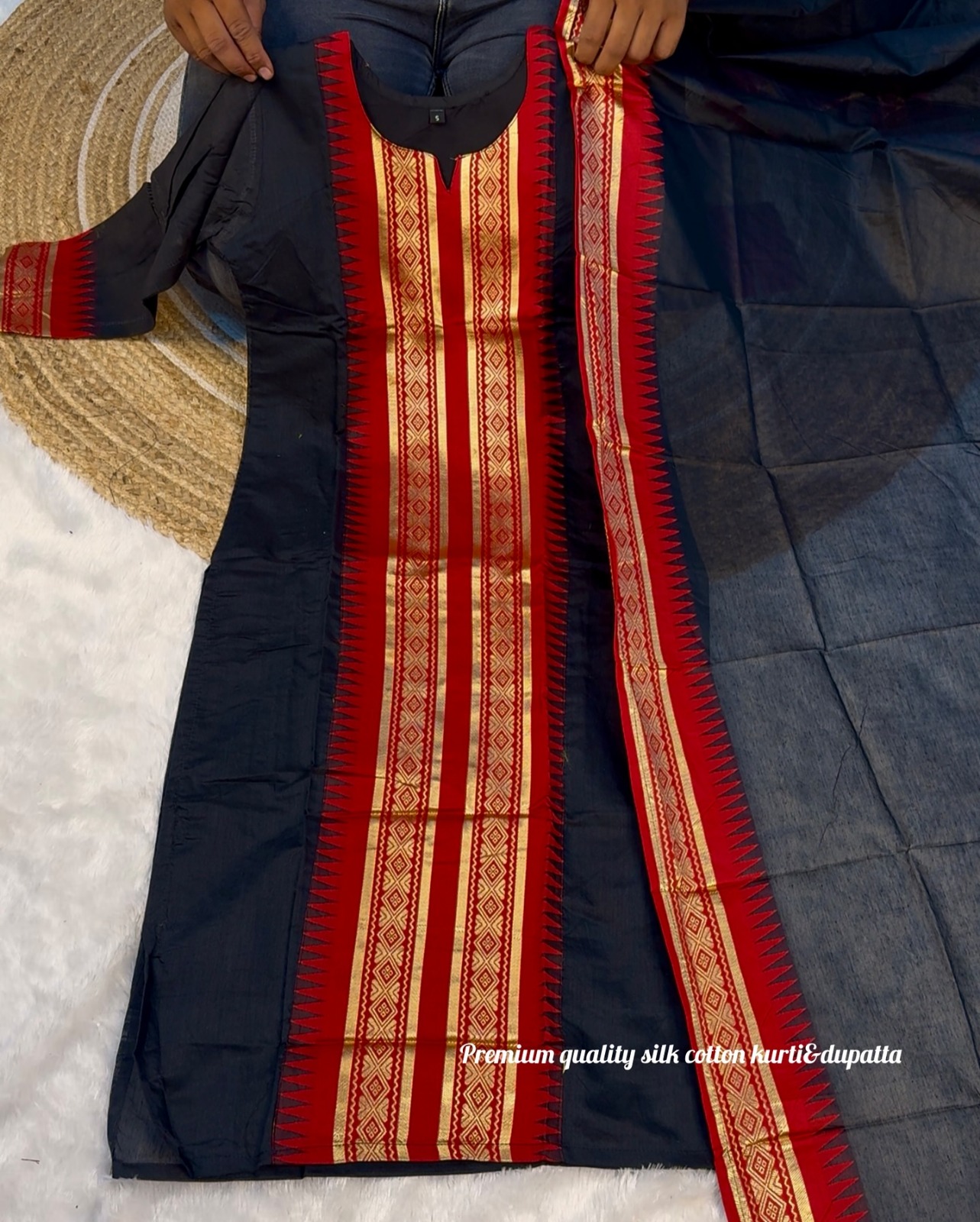
Fabric and pattern
Handloom cotton is the most useful reference point when identifying a Kunbi-inspired saree. The fabric usually has a breathable, slightly firm hand rather than the glossy fall of Banarasi silk or the translucent finish of Chanderi. Checks and stripes may be woven into the cloth instead of printed on top, giving the pattern a more integrated appearance.
A genuine handloom check can show small irregularities in yarn spacing, while a mill-made imitation often has perfectly uniform repeats. Irregularity alone doesn't prove authenticity, but a buyer can ask whether the check is woven, printed or digitally produced. Asking about fibre composition and washing instructions is equally important because cotton blends behave differently from handloom cotton.
Drape and blouse
A practical Kunbi-inspired drape should keep the pleats compact, secure the pallu and avoid a loose hem that catches underfoot. A tucked pallu or shoulder pin can make the outfit suitable for a procession, cultural performance or long family gathering. A close-fitting cotton blouse with elbow-length sleeves creates a more grounded regional appearance than a heavily padded or highly embellished party blouse.
A modern cotton saree can provide the same ease without claiming to be an archival Kunbi garment. Teal Green Cotton Saree for Women Online India, for example, can be styled with a simple contrast blouse, a low-ornament waist belt and traditional-looking earrings for a contemporary Goan-inspired day outfit. The styling should make clear that the look is inspired by regional simplicity, not a museum reconstruction.
Traditional Goan Dress for Women: Which Outfits Suit Different Occasions?
A Goan festive wardrobe can include a cotton Kunbi-style saree, a Pano bhaju-inspired set, a silk saree, a kurta set or a sharara, depending on the event and the wearer's community. Garment choice should follow the formality, weather, movement required and whether the event is Hindu, Catholic, civic or family-based.
Temple visits and traditional ceremonies
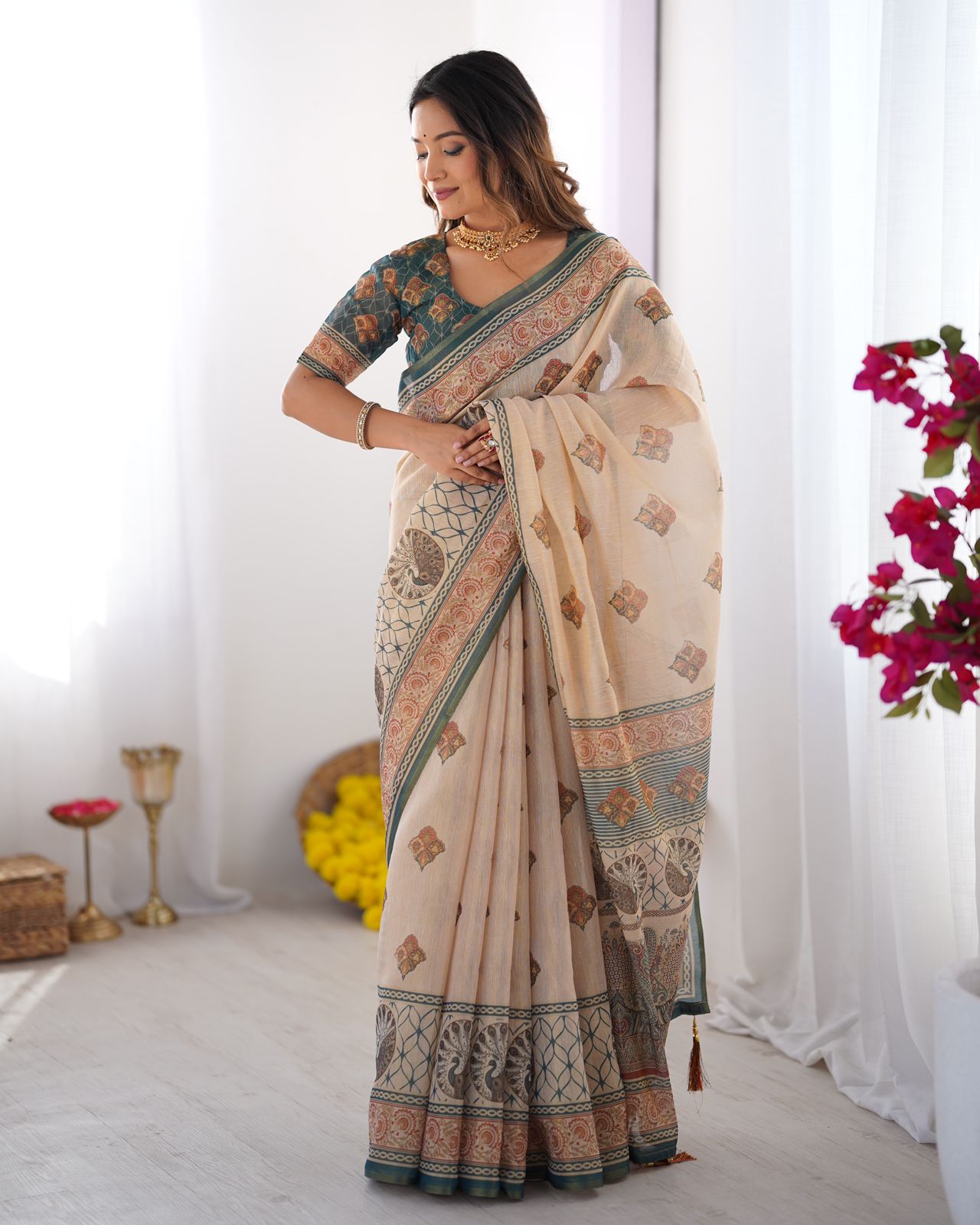
A breathable saree with a modest blouse is a reliable choice for a temple ceremony. Cotton, soft silk and lightweight silk blends work well in Goa's warm climate. Teal Floral Printed Linen Cotton Saree With Matching Blouse offers an easy day option because linen cotton allows air circulation and the matching blouse removes the difficulty of coordinating separates.
For a more formal evening ceremony, Maroon Banarasi Soft Silk Saree with Golden Zari Border introduces zari without requiring heavy jewellery. Banarasi silk belongs to the broader Indian textile tradition rather than exclusively to Goa, so the Goan connection comes through the styling: restrained jewellery, a practical hairstyle, fresh flowers and colours suited to the family event.
Family celebrations and festive lunches
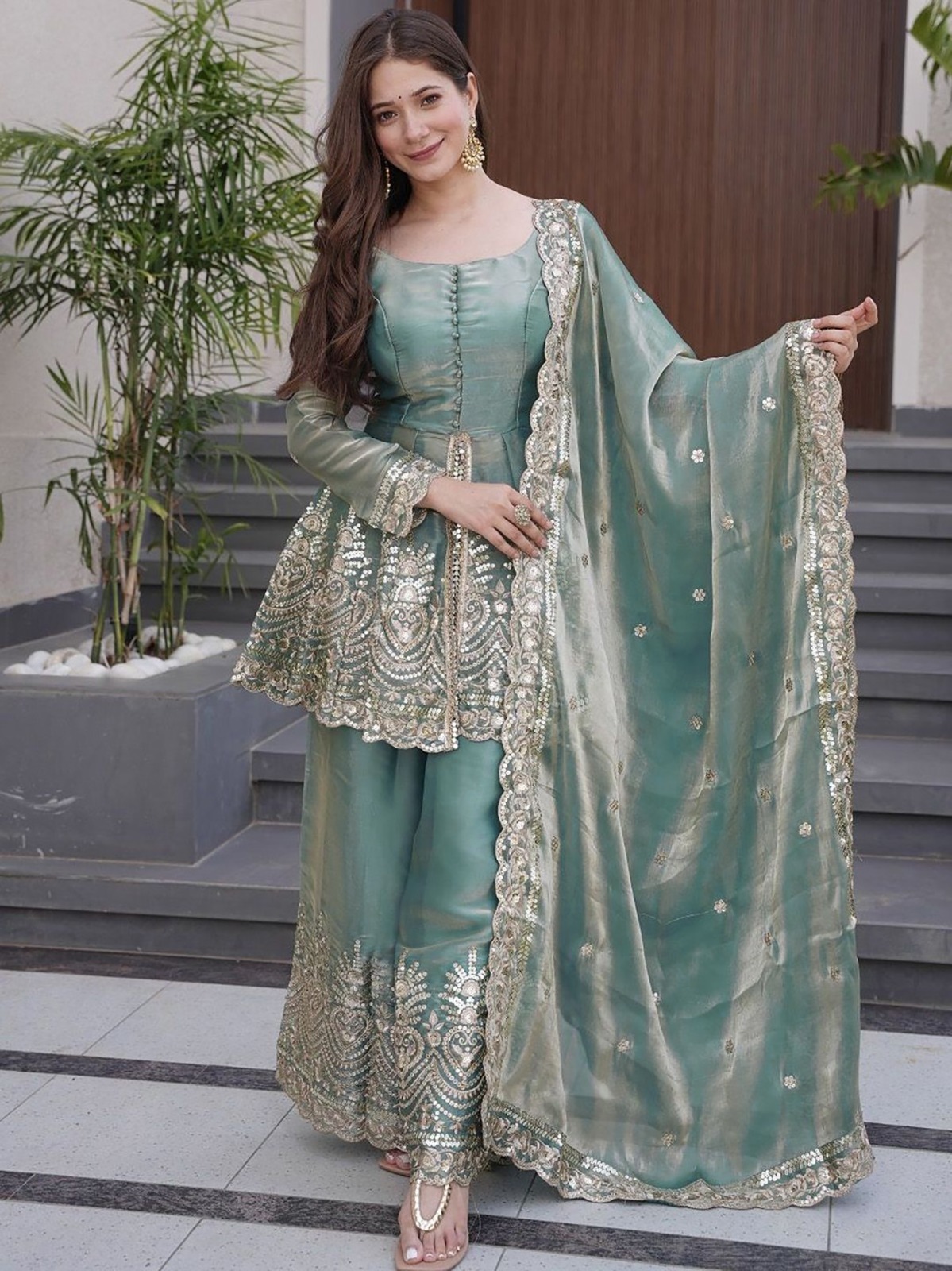
A kurta set gives useful coverage and easy movement for a daytime family gathering. Sea Green Embroidered Silk Kurta Set with Dupatta can work for a polished festive lunch when the dupatta is pinned securely and the accessories remain light. Sea Green Zari Chanderi Kurta Pant Dupatta Set Women brings a dressier alternative, although Chanderi's delicate surface needs more careful handling than everyday cotton.
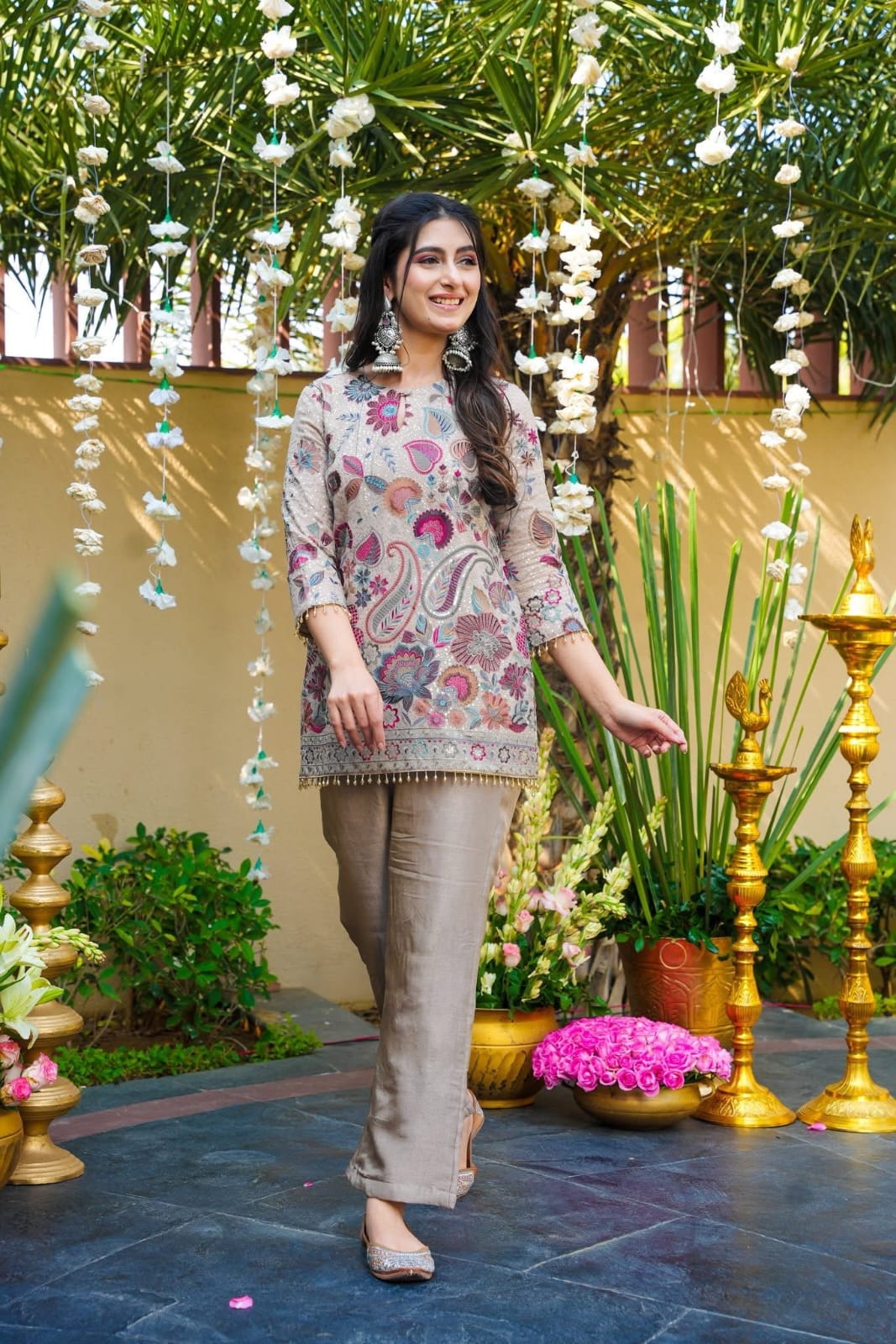
For a younger fusion wardrobe, Modern Taupe Vichitra Silk Embroidered Co-Ord Set for Women can be balanced with traditional jhumkas, a small potli and flat sandals. The neutral taupe colour keeps the outfit understated, while embroidery supplies enough formality for a family celebration without imitating a specific community costume.
Evening receptions
An evening reception permits richer surfaces, deeper colours and more elaborate accessories. Black Georgette Kurta Set with Heavy Embroidery and Dupatta is suited to a formal night setting when worn with low, secure heels and a small clutch. A sharara can also create a festive silhouette, but heavy mirror work and multiple layers may feel uncomfortable in humid weather unless the event is indoors.
Pink Mirror Work Zari Sharara Suit Set Online - Varnavi demonstrates the high-shine direction of contemporary occasion wear. Mirror work, zari and a wide sharara are modern festive elements, not automatically traditional Goan dress. Pairing the set with understated coastal-inspired jewellery is more balanced than adding several large shell, bead and metallic accessories at once.
Traditional Goan Dress for Women: Which Fabrics and Colours Work Best?
Cotton, linen cotton, lightweight silk blends and airy georgette are practical fabrics for Goa, while very dense velvet, layered brocade and thick synthetic linings can become uncomfortable in humid weather. Colour should be chosen according to the event, but indigo, red, black, ivory, turmeric, green and coral work naturally with Goa's coastal and craft associations.

Cotton is the best choice for a daytime outdoor ceremony because it absorbs moisture and allows airflow. Linen cotton gives a crisp appearance with reasonable breathability, although it can crease during travel. Soft silk gives a richer fall for evening wear, while Banarasi silk and zari are better reserved for shorter periods in hot conditions because metallic details and dense weaves add weight.
Georgette is light and drapes close to the body, but a synthetic georgette lining can trap heat. A wearer should check whether a garment is made from silk georgette, polyester georgette or a blend before buying. Chanderi is airy and elegant, but its fine weave can snag on rough jewellery, sharp bangles and exposed handbag hardware.
Colour carries visual meaning without having one fixed interpretation across Goa. Red may suggest festive energy, black can create a strong contrast against gold jewellery, and green recalls vegetation and monsoon landscapes. A palette of one dominant colour, one supporting neutral and one metallic accent usually looks more considered than combining several bright shades and heavy embellishments.
Traditional Goan Dress for Women: How Should Jewellery Be Styled?
A Goan-inspired outfit is best accessorised with one or two clearly chosen elements, such as gold-toned earrings, a traditional bangle stack, fresh flowers or a small woven bag. Accessories should complement the textile and occasion rather than turning coastal references into a costume.
Jewellery choices
Gold-toned jhumkas, small hoops, temple-style pendants and glass bangles can complement a saree or kurta set. A traditional Hindu ceremony may call for more conventional gold jewellery, while a casual beachside family gathering may suit oxidised silver or handmade beads. Jewellery choices should follow the wearer's own tradition rather than treating every shell or cross-cultural motif as universally Goan.
Portuguese influence is often discussed in relation to Goan Catholic culture, but a cross pendant, lace accessory or western dress should not be added automatically to a Hindu Goan outfit. Cultural details have meaning when they're connected to the wearer, family or event. A neutral gold chain and small earrings are safer choices when the dress code is unclear.
Hair, footwear and bags
A low bun, braid or half-up hairstyle keeps the face comfortable in humid weather and works with a saree or kurta set. Fresh jasmine flowers can suit a temple event, while a simple hairpin is more practical for travel. Flat sandals, juttis and low block heels are more reliable than stilettos on old stone lanes, grass or uneven outdoor venues.
A small potli, woven clutch or structured shoulder bag can hold essentials without pulling at a delicate dupatta. Metallic handbag chains can snag Chanderi, georgette and fine zari, so smooth fabric-covered straps are preferable for long wear.
Traditional Goan Dress for Women: How Can Regional Styling Remain Respectful?
Respectful regional styling requires naming a garment accurately, avoiding invented cultural claims and recognising that Goa contains several religious and community traditions. A modern outfit may be Goan-inspired without being described as the definitive traditional costume of every Goan woman.
Comparisons with other regional collections can help clarify differences. Sikkim Traditional Women's Dress Collection and Traditional Northeast Indian Dress Occasion Collection represent Himalayan and Northeast Indian clothing contexts that should not be blended casually with Goan styling. Traditional Uttarakhand Dress for Women and Traditional Himachal Dress for Women likewise have their own textiles, drapes and climate-based construction.
Traditional Goa Dress for Women is the most relevant reference when researching regional silhouettes, but even a Goa-focused collection should be read alongside community and occasion context. The Kunbi saree, Pano bhaju and Catholic festive dress don't communicate the same history. Using one term as a label for all three removes useful cultural detail.
A good styling test is simple: can the wearer explain what the garment is, why the fabric suits the occasion and which details are contemporary additions? If the answer is yes, the outfit is likely to feel intentional. If the ensemble depends mainly on shells, palm-leaf props or vague "beach culture" references, removing one or two accessories will usually make it more refined.
Traditional Goan Dress for Women: How Should Each Garment Be Cared For?
Traditional Goan garments should be cared for according to fibre, dye and embellishment, with cotton washed separately and silk, zari, Chanderi and mirror work generally receiving gentler treatment. Proper storage matters because Goa's humidity can encourage mildew, tarnish and fabric deterioration.
Handloom cotton can usually be gently hand-washed in cool water with mild detergent, but the care label should take priority. Dark red, indigo and black cotton may release excess dye during the first few washes, so separate washing prevents colour transfer. Dry cotton in shade rather than intense direct sunlight to reduce fading.
Banarasi silk, soft silk, zari and heavily embroidered garments are safest with professional dry cleaning unless the manufacturer specifies another method. Store silk folded in breathable cotton or muslin, refolding the garment every few months to prevent permanent crease lines. Avoid plastic covers for long-term storage because trapped moisture can damage fibres and metallic work.
Chanderi and georgette should be kept away from rough jewellery and exposed hooks. Air embellished garments after wearing, brush away loose surface dust gently and inspect mirror work before storage. A clean, dry cupboard with a moisture absorber is more useful in Goa than strongly scented products placed directly against the fabric.
Common Questions About Traditional Goan Dress for Women
What is the traditional saree worn by women in Goa?
The Kunbi saree is one of the best-known traditional sarees associated with women in Goa. It is generally made from cotton and recognised for checks or stripes, a practical shorter drape and colours such as red, black, white and earthy tones.
What is a Pano bhaju in Goan clothing?
Pano bhaju is a traditional Goan women's ensemble commonly associated with Hindu communities. Regional versions vary, but the outfit generally includes a sari-like lower garment worn with a blouse or choli.
Can I wear a Kunbi saree to a Goan wedding?
You can wear a Kunbi-inspired saree to a Goan wedding if the hosts' dress code permits it and the drape is secure. For a formal evening wedding, soft silk or a restrained zari saree may be more appropriate than everyday-weight cotton.
Which fabric is most comfortable for traditional Goan clothing in summer?
Cotton is usually the most comfortable fabric for summer in Goa because it is breathable and absorbs moisture. Linen cotton is another practical option, while heavy brocade, velvet and dense synthetic lining can feel hot in humid weather.
How should I accessorise a Goan-inspired saree?
Choose one or two elements such as gold-toned jhumkas, glass bangles, fresh flowers or a woven clutch. Avoid combining large shell accessories, heavy metallic jewellery and multiple coastal motifs because the outfit can quickly look theatrical rather than regionally informed.
Is Catholic Goan traditional dress the same as a Kunbi saree?
Catholic Goan traditional dress is not the same as a Kunbi saree. Catholic festive clothing may include western-style dresses, skirts, blouses, lace or formal gowns, while the Kunbi saree belongs to a different regional and community tradition.