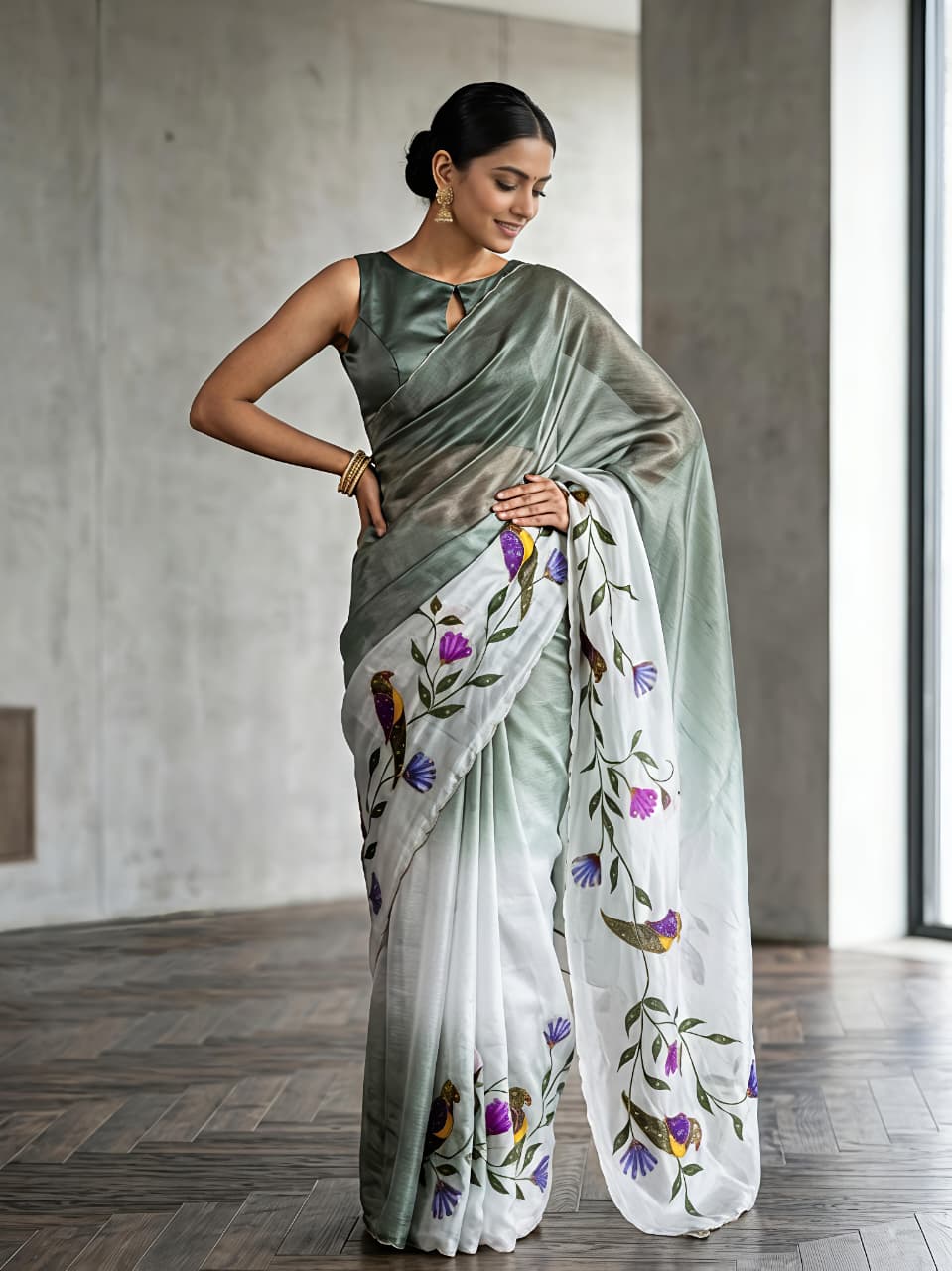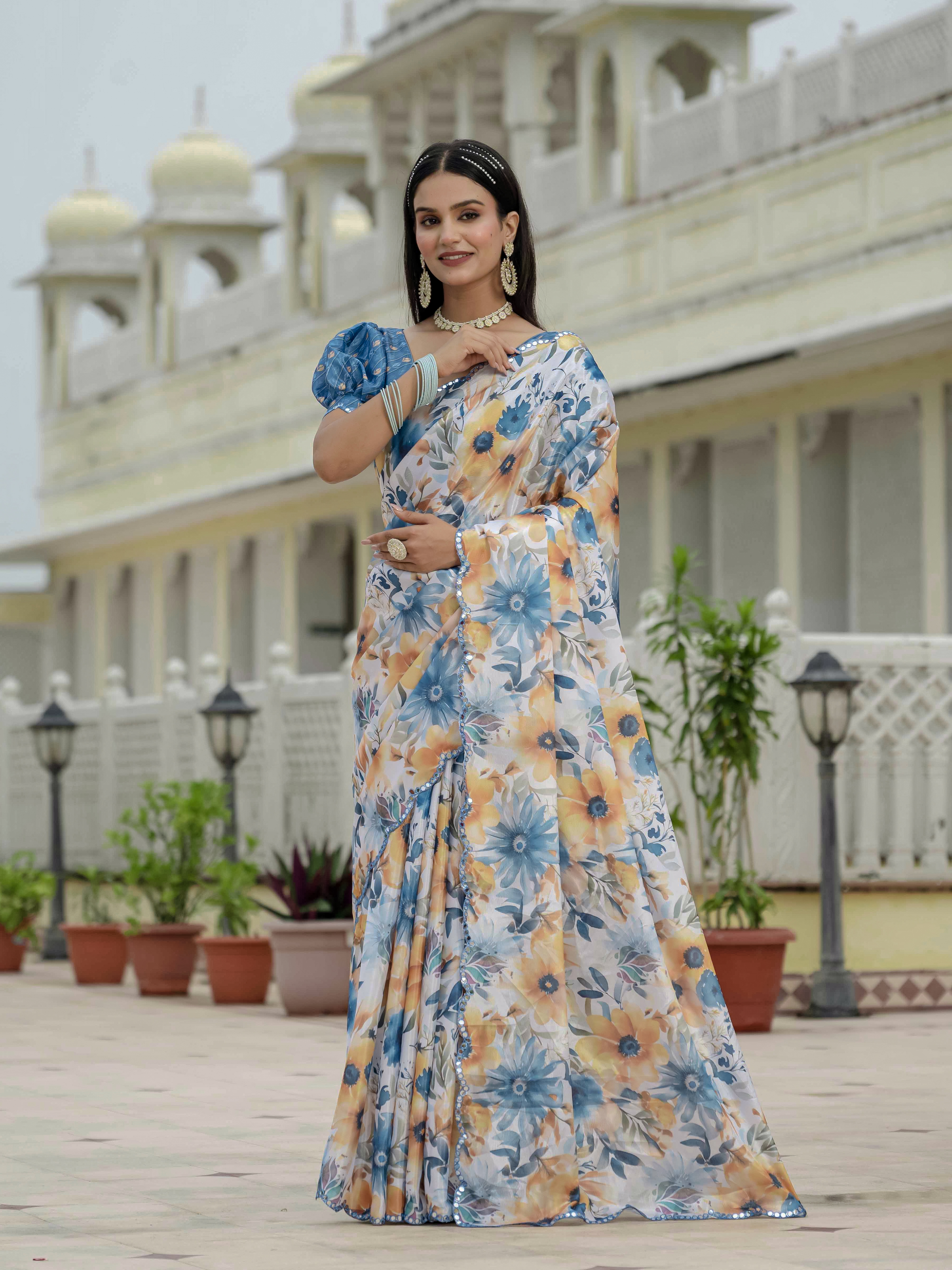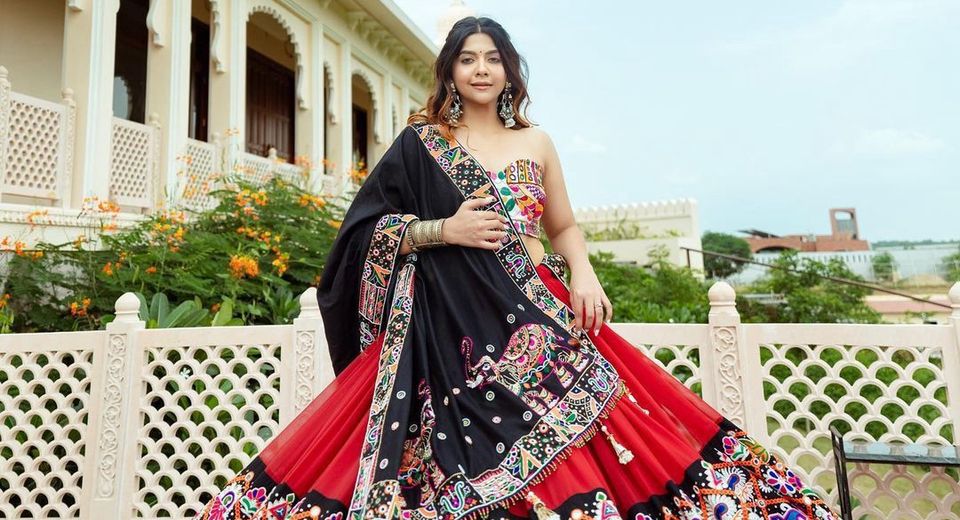
A Gujarati Navratri outfit needs more than bright colour and mirror work: it needs a dupatta that stays secure while you spin, clap and dance for several hours. Traditional Dupatta Styles for Gujarati Navratri Outfits usually balance three demands-regional character, graceful movement and practical fastening. The right drape can also change the proportion of a chaniya choli, make a blouse more comfortable and prevent a dupatta edge from catching during Garba.
Gujarati chaniya choli traditionally carries a lively visual language of colour, mirror work, embroidery, printed motifs and swirling volume. A dupatta may be worn over one shoulder, across the front in a seedha-pallu arrangement or secured around the waist for stronger movement control. The best choice depends on your fabric, blouse neckline, lehenga flare, height and the pace of your Navratri plans.
Why the Dupatta Matters in Gujarati Navratri Dress
A dupatta completes a Gujarati Navratri look by adding colour, movement and a visible layer of regional styling without requiring a completely different outfit. The accessory also provides practical coverage for sleeveless or fitted blouses and creates a vertical line that can balance a full lehenga.
Gujarati Garba clothing is designed to be seen in motion. A dupatta with a narrow border can accent the rotation of a skirt, while a broader border frames the torso and photographs clearly under event lighting. Mirror work and zari reflect light, but extra embellishment also increases weight, so a heavily decorated dupatta needs stronger anchoring than a light printed one.
Not every Gujarati chaniya choli requires a conventional dupatta. Some traditional Navratri sets use a short odhani, while contemporary readymade chaniya choli sets may include a longer stole-like layer. The important distinction is whether the fabric supports dancing. A very slippery satin may look polished but can slide from the shoulder; cotton, muslin and textured silk generally offer more grip.
An useful Navratri rule is simple: if a dupatta needs repeated adjustment during a five-minute trial dance, it needs a different drape or better fastening before the event.
Traditional Dupatta Styles for Gujarati Navratri Outfits
Shoulder pleats with a waist tuck
The shoulder-pleat drape is the most secure traditional option for active Garba because one end is anchored at the waist. Pleat the dupatta into sections approximately 7-10 centimetres wide, place the pleated centre on your shoulder, and tuck the shorter end into the waistband on the opposite side. Use one concealed safety pin at the shoulder and another at the waist.
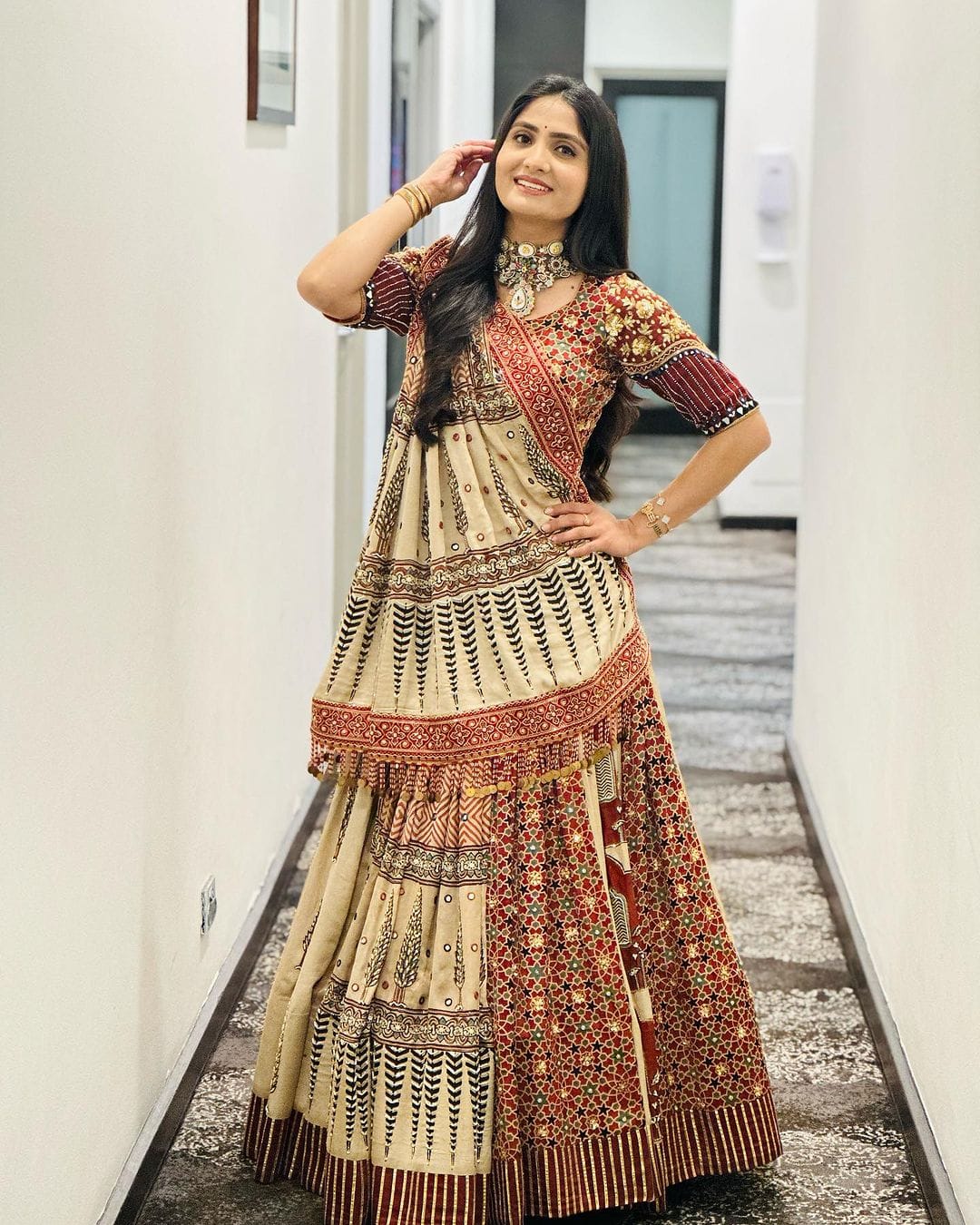
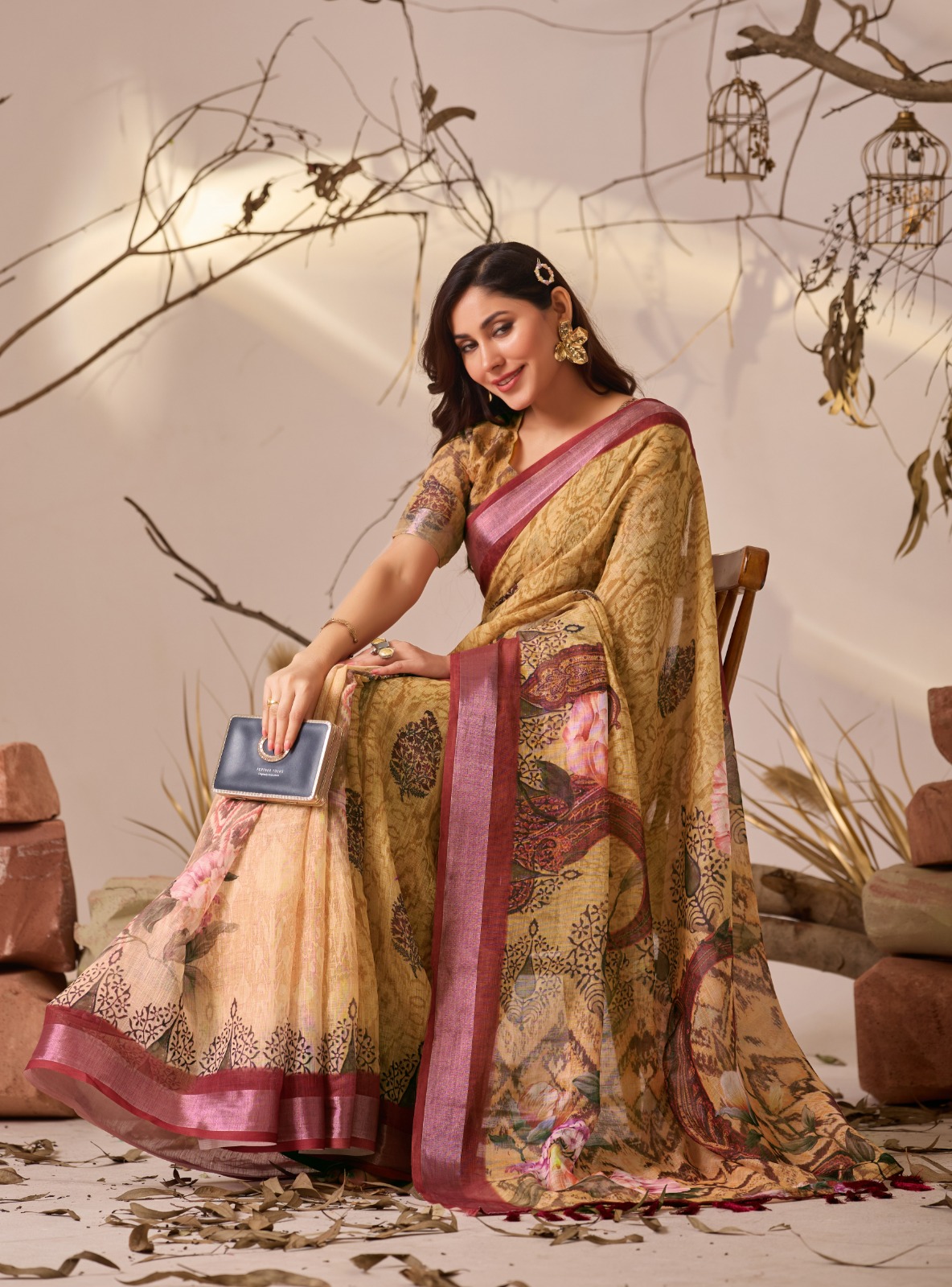
This arrangement keeps both hands relatively free and lets the border fall in a controlled vertical line. The drape works especially well with a broad, flared lehenga because the tucked end prevents the dupatta from sweeping into the skirt. A cotton or muslin dupatta usually stays in place more easily than a highly polished synthetic fabric.
Gujarati seedha pallu
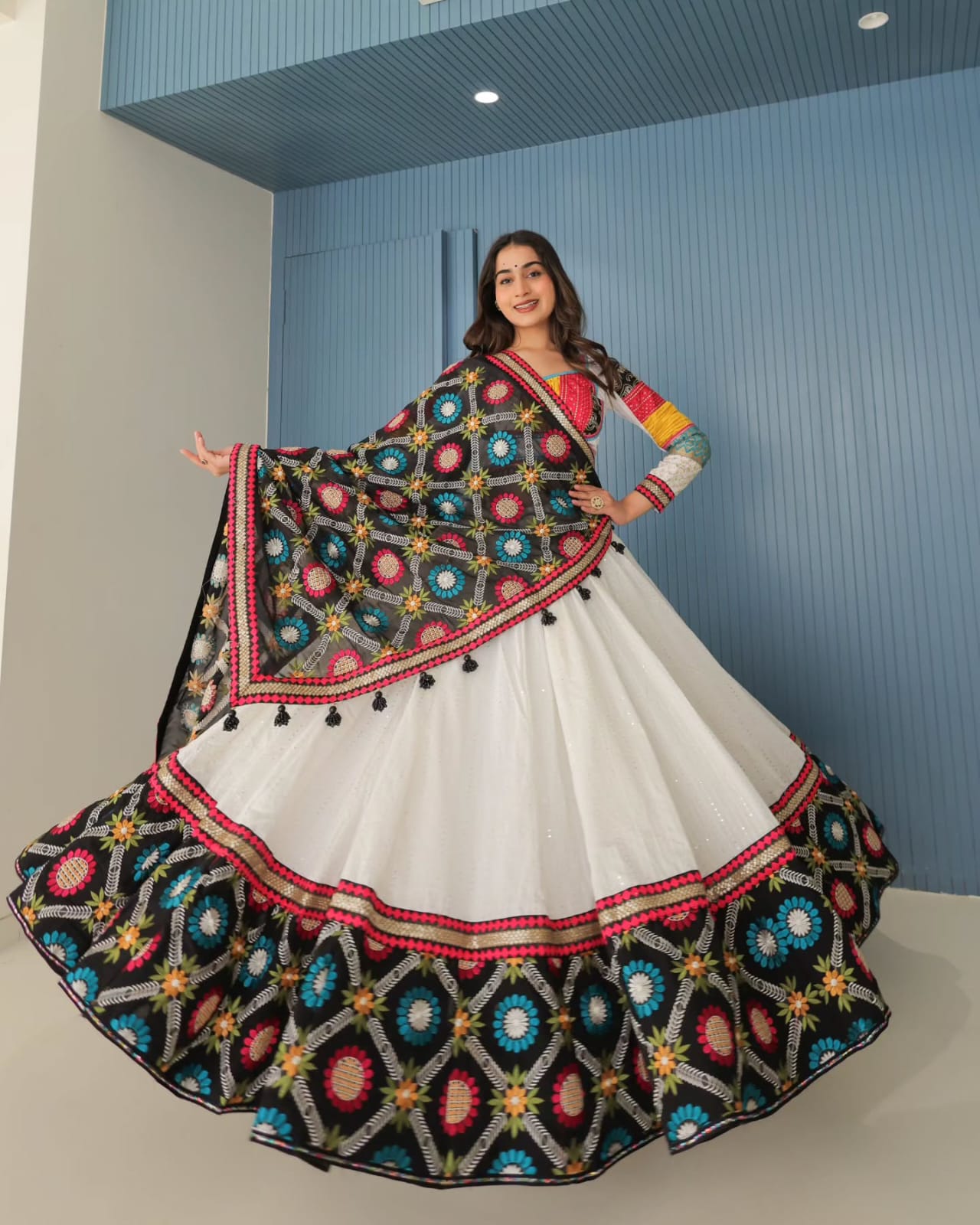
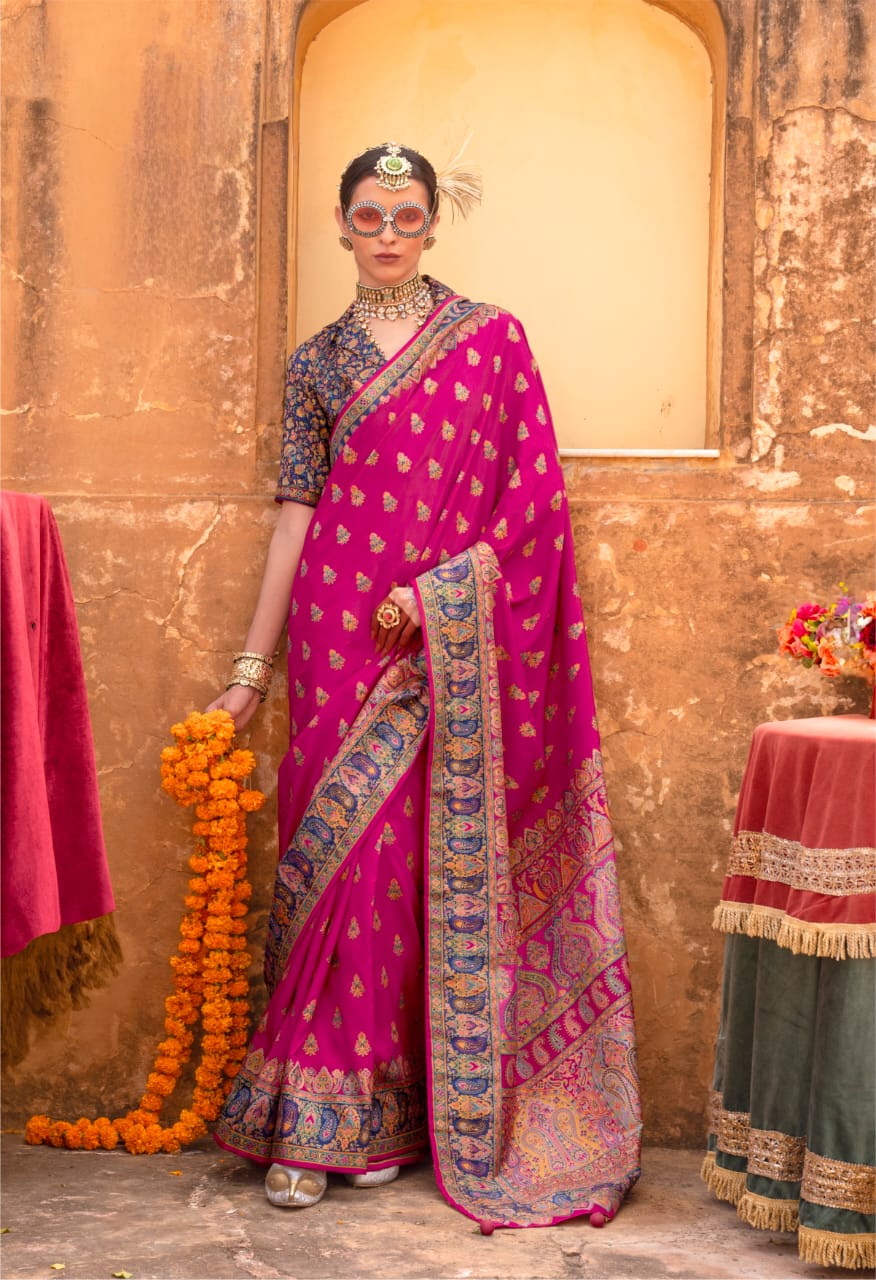
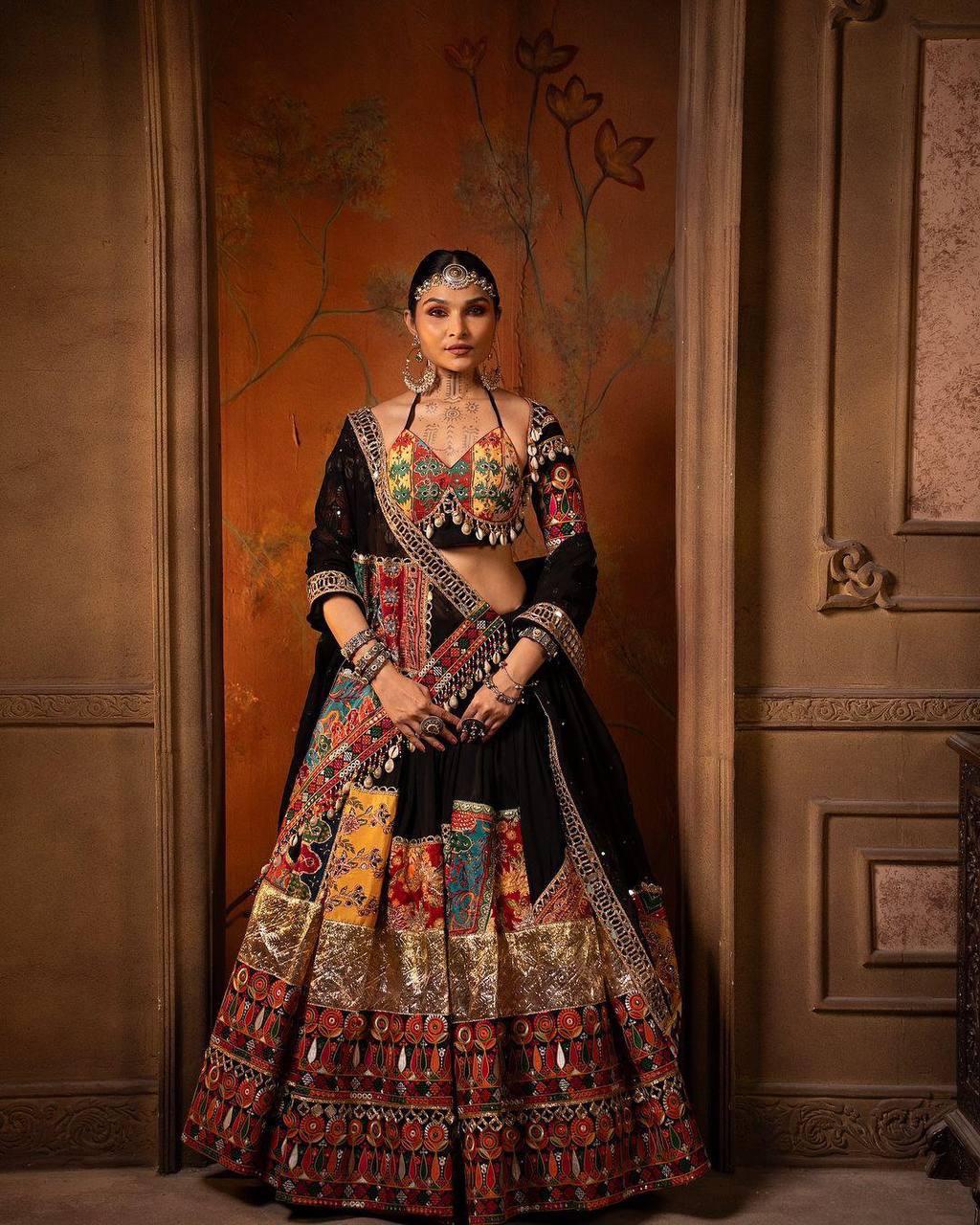
The Gujarati seedha-pallu style places the decorated end across the front of the body, making the border and motifs visible. Start by securing one end over the left shoulder, bring the remaining length across the front, and tuck the lower edge at the right waist or left hip, depending on your comfort and blouse construction.
This drape is ideal when the dupatta has an ornate pallu, a contrast border or a large central motif. The front-facing arrangement gives mirror work and embroidery maximum visibility in photographs. Keep the pleats shallow and secure the upper edge near the shoulder blade so the front panel doesn't loosen during turns.
One-shoulder open drape
The open one-shoulder drape offers the greatest visual movement but requires the most careful pinning for Garba. Place the dupatta over one shoulder, allow the fabric to fall behind and bring a small section across the front to tuck at the opposite waist.
This style suits a lighter dupatta with a clearly finished border. It can soften a fitted blouse and create an elongated silhouette, particularly when the lehenga and dupatta share one colour family. Avoid leaving the entire length loose if you expect crowded dance circles, because trailing fabric can brush against another dancer's footwear.
Waist-wrapped dupatta
A waist-wrapped dupatta gives the strongest control during energetic Dandiya because the fabric is anchored around the body rather than relying only on the shoulder. Fold the dupatta lengthwise, wrap it once around the waist over the lehenga waistband, and bring the remaining section across one shoulder or diagonally over the torso.
The wrap works best with a medium-weight dupatta that doesn't create excessive bulk beneath the choli. Place the waist tuck above the lehenga's widest point rather than directly over a heavy belt, because stacked layers can press uncomfortably into the stomach while sitting or dancing.
Matching the Drape to Your Chaniya Choli
The most flattering dupatta drape depends on the outfit's volume, neckline, surface decoration and colour contrast. A simple outfit can carry a dramatic front pallu, while an already ornate lehenga often looks more polished with restrained pleats and a visible border.
Mirror work and embellished lehengas
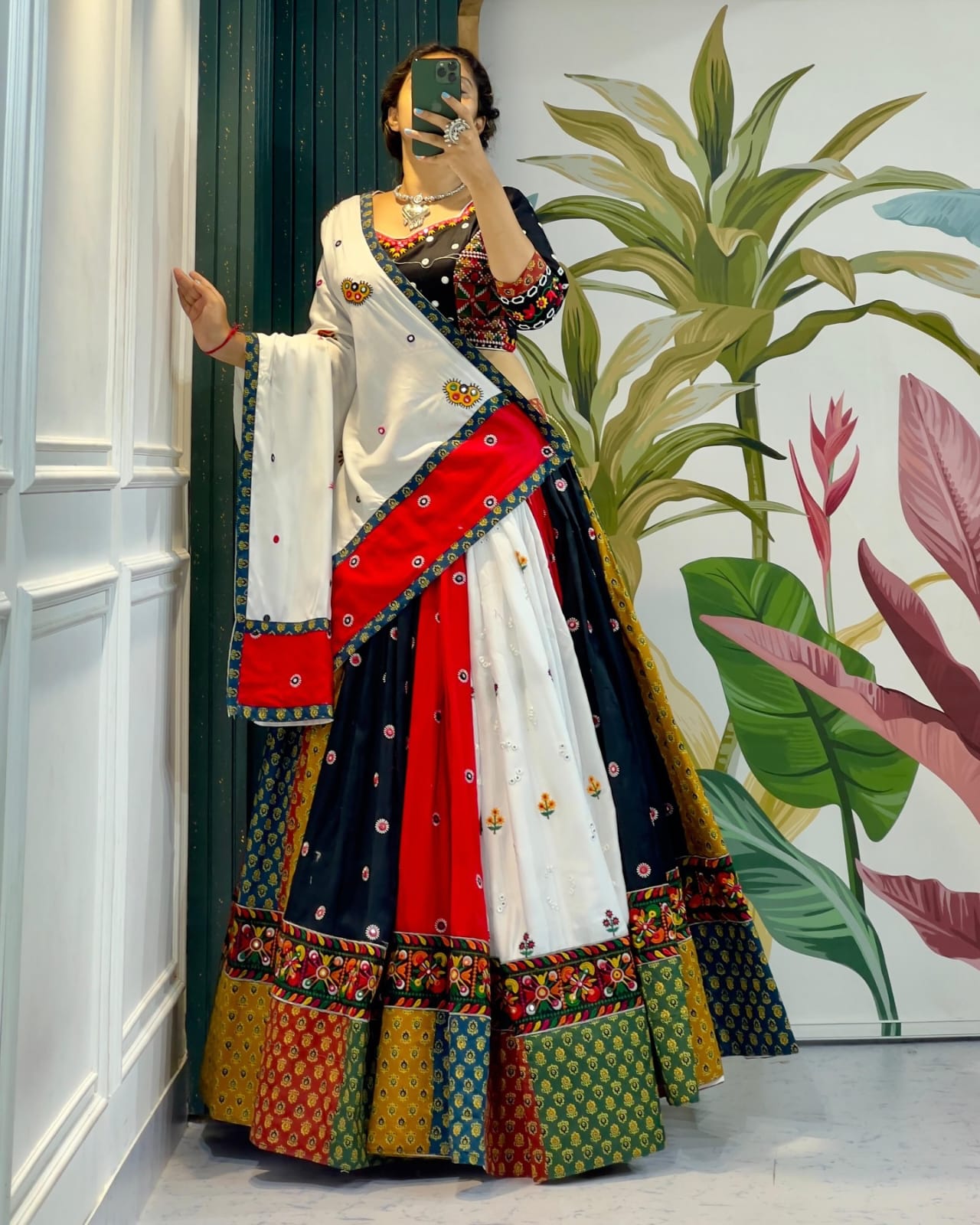
Mirror-work chaniya choli sets benefit from a dupatta that repeats one existing colour instead of introducing several new shades. The Elegant Mirror Work Navratri Lehenga Choli Set can be styled with shoulder pleats when the aim is to show the blouse and mirror detailing without covering the bodice completely. The Cream Ethnic Lehenga Choli with Mirror Work Design can take a contrasting red, orange or multicolour border if the rest of the jewellery remains controlled.
Heavy embellishment needs a stable anchor. A small brooch can hold the shoulder pleats, but a concealed safety pin placed from the inside is more dependable for long dancing. Test the pin against the fabric before wearing it because metal points can catch delicate net, organza or loose embroidery.
Printed and multicolour outfits
Printed lehengas can handle a simpler drape because the surface already supplies visual rhythm. The Beige Ethnic Printed Lehenga Set for Navratri and Garba works with a seedha-pallu drape in a contrasting rust, green or pink shade, while the Red Ethnic Lehenga Choli with Digital Print Design can be balanced with a solid dupatta and a narrow border.
Multicolour outfits need one visual anchor. The Vibrant Multicolor Navratri Lehenga Choli Set looks more coordinated when the dupatta repeats two colours from the skirt rather than matching every shade. A waist tuck can also prevent several competing prints from moving across the front at once.
Dark and blue festive outfits
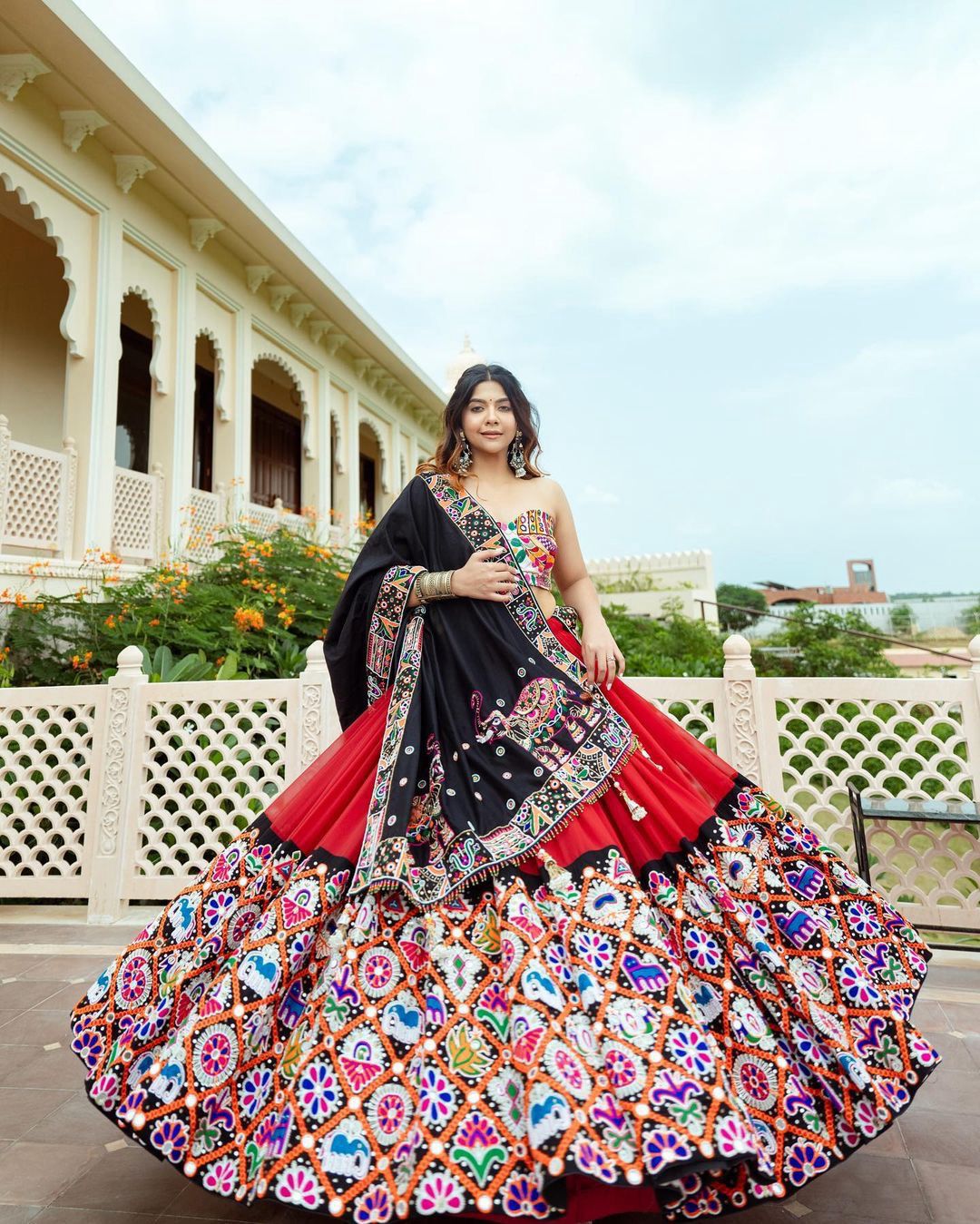
Dark lehengas allow metallic or jewel-toned dupattas to become the focal point. The Designer Black Garba Lehenga Choli for Festive Season pairs well with a bright bandhani-inspired colour family, a mirror-work border or a metallic accent, provided the dupatta remains light enough for dancing.
The Exclusive Blue Traditional Navratri Lehenga Choli can be styled with a lighter blue, pink, yellow or silver-edged dupatta. A front-facing Gujarati drape will display the border more clearly than a loose shoulder fall, especially when the blouse and skirt already share a deep shade.
Choosing Fabric, Length and Border for Garba
A practical Garba dupatta should be light enough to move, long enough to anchor and textured enough to resist constant slipping. For most adults, a length of approximately 2.25-2.5 metres gives enough fabric for shoulder pleats and a waist tuck without leaving a dangerous trail.
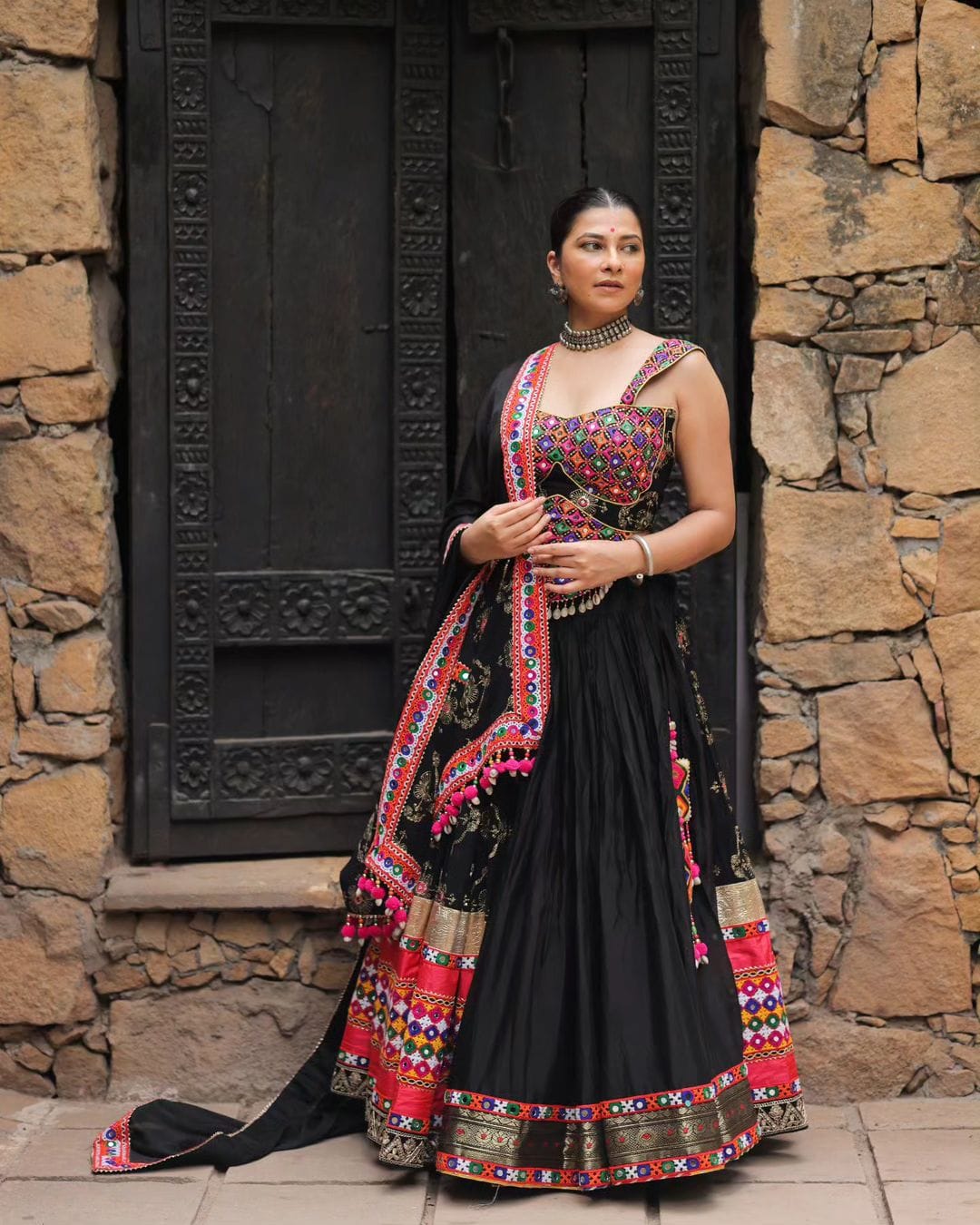
Cotton gives breathability and grip during warm October evenings. Muslin cotton is especially useful when you want volume without weight; the Festive Multicolor Muslin Cotton Lehenga Choli Set demonstrates why a breathable textile can suit extended dancing. Chanderi has a crisp, elegant fall but may need secure pins because its smooth surface can shift. Banarasi silk gives a rich sheen and firm structure, although a full Banarasi silk dupatta can become tiring after several hours.
Border width also changes the visual effect. A 2-4 centimetre border looks light and contemporary, a 5-8 centimetre border reads as traditionally festive, and a very broad embellished border becomes a major styling element. Keep a heavily decorated border away from the floor by using a waist tuck or a shorter front fall.
Check the dupatta's finished edges before buying. A properly finished hem prevents fraying, while loose zari, exposed threads and weak tassel attachments can worsen with repeated movement. A chiffon-like fabric may need a narrow anti-slip shoulder patch or an extra pin hidden under the blouse seam.
How to Secure a Dupatta Without Losing Comfort
A secure dupatta requires anchoring at two points: the shoulder and either the waist or opposite hip. One shoulder pin alone can't reliably control a long fabric during spinning, especially when the dupatta has a heavy border.
Wear the blouse and lehenga with the footwear planned for Navratri before arranging the dupatta.
Set the shoulder position first, keeping the fabric away from the neck so breathing and arm movement remain comfortable.
Pin from the inner side through a seam allowance, waistband or sturdy border rather than through a delicate embroidered motif.
Anchor the lower end at the opposite waist or hip, leaving enough ease to sit and raise both arms.
Walk, turn slowly and perform several Garba steps for at least five minutes before making final adjustments.
Use small, sharp safety pins with locking heads, and carry two spares in a small pouch. Double-sided fashion tape can help at the shoulder for lightweight fabric, but tape should not replace a pin when the dupatta has zari, mirrors or dense embroidery. Avoid pins placed near exposed mirrors because pressure can crack the reflective pieces.
Shopping for a Readymade Navratri Chaniya Choli
Readymade shopping saves alteration time, but buyers should inspect the dupatta and not judge the set only by the lehenga's photographs. Confirm whether the listed length includes the border, whether the blouse has usable seam allowance and whether the dupatta is included in the quoted set.
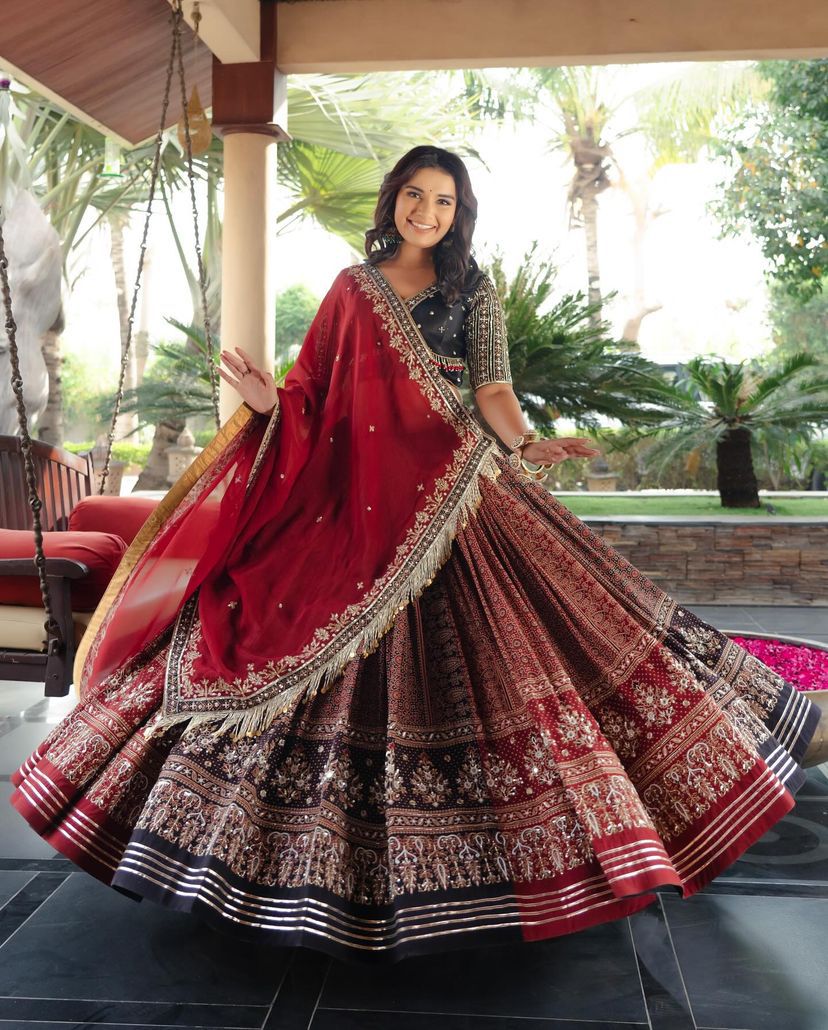
The phrase Chaniya Choli Ahmedabad often signals a search for Gujarati styling, local shopping references or inspiration from Ahmedabad's Garba culture. Online shoppers can use that intent to compare colour palettes and silhouettes, but measurements still matter more than a location label. Measure your bust, underbust, waist and preferred lehenga length, then compare those numbers with the seller's size chart rather than relying on a familiar clothing size.
Ask three practical questions before completing a purchase: can the blouse be altered, is the waistband adjustable, and does the dupatta have a finished border strong enough for pinning? A good online shopping choice should also include clear fabric information, close-up images of mirror work or zari, dispatch timing and washing guidance.
The Beige Ethnic Printed Lehenga Set for Navratri and Garba may suit shoppers who want a softer, less reflective look, while the Festive Multicolor Muslin Cotton Lehenga Choli Set is a sensible reference for breathable styling. The Cream Ethnic Lehenga Choli with Mirror Work Design and Elegant Mirror Work Navratri Lehenga Choli Set call for greater attention to dupatta weight because embellished layers can become uncomfortable when combined.
A Practical Navratri Dupatta Trial Before the Event
A complete outfit trial should happen at least two days before the first Garba night. Wear the same blouse, lehenga, footwear, jewellery and underlayers that you expect to use, then test the chosen drape under movement rather than judging it while standing still.
Raise both arms, rotate in both directions, bend to pick up a Dandiya stick and sit on a chair. The dupatta should not tighten at the neck, pull the blouse off the shoulder, cover the hands or drag under the heel. Check the waist tuck again after ten minutes because loose fabric often reveals itself only after the body warms up.
If the dupatta repeatedly slips, shorten the free end, add a second anchor or change to shoulder pleats with a waist tuck. If the outfit feels too heavy, remove one statement accessory before removing the dupatta, because the dupatta often supplies the strongest regional styling cue. Traditional Dupatta Styles for Gujarati Navratri Outfits work best when the styling looks intentional but feels almost invisible while you dance.
Questions About Gujarati Navratri Dupatta Draping
Where can I buy Garba chaniya choli online?
You can buy Garba chaniya choli from established Indian ethnic-wear websites that publish complete size charts, fabric details and clear images of the blouse, lehenga and dupatta. Compare waistband measurements, blouse alteration allowance and dispatch dates before ordering, especially during the weeks before Navratri.
Where can I buy a chaniya choli for Navratri online in Ahmedabad?
You can shop online from sellers serving Ahmedabad and compare Gujarati-style mirror work, printed designs and multicolour readymade sets without depending only on a local search label. Check delivery estimates, return conditions, measurement instructions and whether the dupatta is included in the set.
Which dupatta drape is safest for dancing Garba?
Shoulder pleats secured with a waist tuck are usually the safest dupatta drape for Garba because the fabric has two anchor points. A waist-wrapped style also offers strong control, while a completely loose one-shoulder drape needs more frequent adjustment.
How long should a Navratri dupatta be?
A dupatta around 2.25-2.5 metres is generally versatile for shoulder pleats, a front pallu and a waist tuck. Shorter lengths may suit a compact drape, while longer lengths should be anchored carefully so the edge does not reach the floor or catch under footwear.
Which fabric is comfortable for a long Navratri night?
Cotton and muslin cotton are usually comfortable for extended dancing because they breathe and offer moderate grip. Chanderi, Banarasi silk and smooth synthetic fabrics can also look elegant, but heavier or slippery versions need stronger pinning and may feel warmer or less secure.
Can I wear a dupatta with a readymade chaniya choli?
You can wear a dupatta with a readymade chaniya choli when the set includes a suitable length and the waistband or blouse has a secure area for pinning. Trial the complete outfit before Navratri to confirm that the drape does not cover the blouse excessively or interfere with the lehenga flare.