

Traditional Chhattisgarhi Blouse Designs for Festive Sarees begin with a practical question: how can a blouse support the character of a regional saree without making the outfit uncomfortable or costume-like? The answer lies in fabric, colour, sleeve proportion, neckline depth and small craft details. Chhattisgarh's clothing traditions connect handwoven textiles, forest-based craft cultures and practical dressing, so a festive blouse can be expressive while remaining easy to wear for several hours.
there's no several blouse pattern worn across every Chhattisgarhi community. Styles change between urban festive dressing, handloom saree styling and the clothing traditions of Adivasi communities such as the Gond, Baiga and Muria. A respectful modern interpretation therefore takes inspiration from regional colours, woven textures and ornament rather than claiming that one cut represents the entire state.
Classic Chhattisgarhi Blouse Designs for Festive Sarees and Their Regional Character
A Chhattisgarhi-inspired blouse gains regional character from handloom texture, earthy colour, modest structure and locally inspired surface detail. The silhouette may be contemporary, but the visual language can draw from Kosa silk, cotton weaving, metallic accents and nature-based motifs associated with central Indian craft traditions.
Kosa silk, the distinctive tussar silk associated with Chhattisgarh, has a slightly textured surface and a warm natural sheen. Kosa sarees are frequently seen in muted gold, beige, rust, maroon and deep brown, although contemporary dyeing offers brighter shades. A blouse made from Kosa silk can echo the saree's texture, while a cotton blouse can create useful contrast against the silk.
Chhattisgarhi textile styling also works well with woven patterns instead of heavy embroidery. Small geometric motifs, checks, stripes and nature-inspired forms can bring regional depth without covering the entire blouse in decoration. Handwoven cotton, Ikat and Kalamkari are not interchangeable with Chhattisgarhi textiles, but they can complement a regional festive wardrobe when selected with attention to colour and scale.
Jewellery influences the final impression as much as the blouse itself. Oxidised silver earrings, a broad metal necklace, glass bangles, a classic nose ring or a cluster of red and green bangles can create a folk-inspired Indian aesthetic. One or two strong jewellery elements usually look more considered than combining every heritage accessory at once.
Time-honoured Chhattisgarhi Blouse Designs for Festive Sarees: Silhouettes That Work
The most versatile silhouette is a structured blouse with a comfortable round or shallow square neckline, elbow-length sleeves and enough ease across the upper arm. This shape suits family pujas, cultural events and festive meals because it provides coverage while allowing the wearer to move, sit and raise the arms comfortably.
Why are elbow-length sleeves useful for festive sarees?
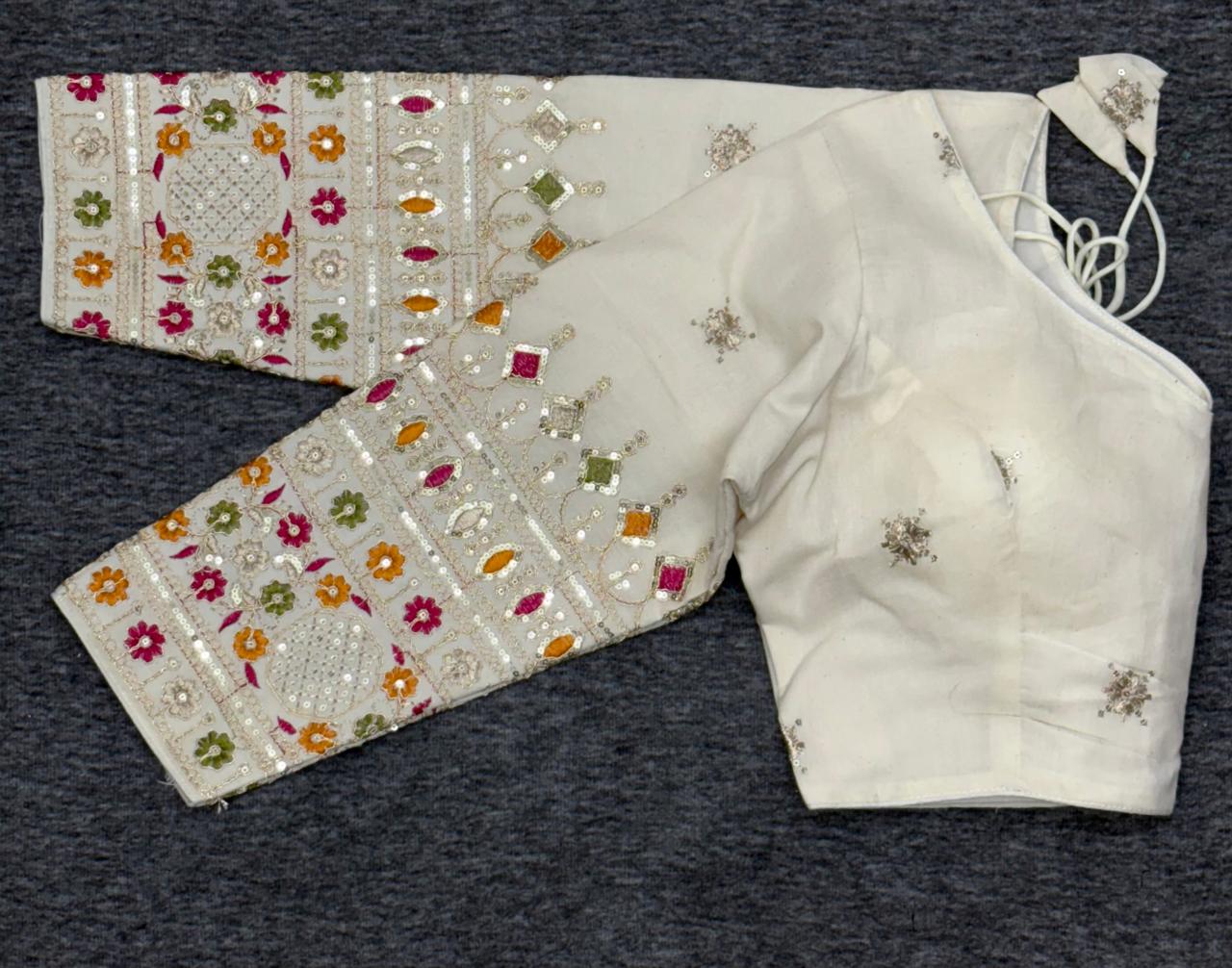
Elbow-length sleeves create a balanced proportion with handloom sarees and make a blouse look more heritage-inspired without becoming restrictive. A sleeve ending two to four centimetres above the elbow usually avoids bunching when the arm bends. A narrow border at the sleeve edge can repeat the saree pallu without requiring heavy embellishment.
When do short sleeves work well?
Short sleeves work well when the shoulder seam sits correctly and the sleeve opening doesn't cut into the arm. A sleeve length of approximately 10 to 15 centimetres from the shoulder is adaptable for lightweight cotton, Chanderi and silk-blend sarees. Thin padding can help the blouse hold its shape, but padding should remain subtle enough to preserve a natural silhouette.
How can a high neck or keyhole neckline look heritage?
A high round neck or small keyhole neckline gives a festive blouse a composed appearance and leaves room for an oxidised silver necklace or long bead strand. A keyhole should be secured with a hook, button or fabric loop that doesn't press against the neck. Heavy embroidery should not sit directly on the clasp area because repeated opening can loosen the stitches.
Can a contemporary cut still suit a regional saree?
A modest peplum or wrap-inspired blouse can suit a regional saree when the fabric and colours remain grounded. A slightly extended waistline gives extra midriff coverage for wearers who prefer it. The flare should remain controlled so the saree pleats stay visible instead of competing with the blouse.
Heritage Chhattisgarhi Blouse Designs for Festive Sarees: Fabrics and Colours
Kosa silk, cotton, silk-cotton and textured handloom fabrics are reliable choices for a festive blouse inspired by Chhattisgarh. The right fabric depends on the saree, weather, event length and amount of surface work planned for the garment.
Kosa silk suits a Kosa saree or another textured silk because similar surfaces create a coherent outfit. For softer contrast, pair a Kosa saree with cotton or silk-cotton in a deeper shade. Cotton is practical for daytime pujas and warm indoor gatherings, while silk or silk-blend fabric gives more structure for evening celebrations.
Colour combinations can follow the natural palette associated with central Indian handloom dressing. Rust with cream, brick red with beige, indigo with mustard, forest green with dull gold and maroon with warm brown are strong combinations for festive wear. Black can provide striking contrast, but a black blouse may look severe with an already dark saree unless jewellery or the border introduces brightness.
A red or vermilion blouse is a dependable choice for a festive saree because red carries strong ceremonial associations across many Indian communities. A mustard blouse works beautifully with indigo, maroon and brown sarees. Cream is useful when the saree has a dramatic border because a quiet blouse keeps attention on the woven pallu.
Metallic work should be selected according to the saree border. Zari in antique gold, copper or muted silver usually integrates better with handloom textures than highly reflective machine embroidery. If the saree has a broad zari border, use zari only on the neckline, sleeve edge or back tie instead of repeating a heavy motif across the whole blouse.
Heritage Chhattisgarhi Blouse Designs for Festive Sarees with Different Drapes
A regional blouse should either repeat one visual element from the saree or create a deliberate contrast; random colour matching rarely produces a polished result. Compare the saree's dominant colour, border width, weave density and level of shine before selecting the blouse.
Which blouse suits a Kosa silk saree?
Kosa silk sarees pair well with textured silk, cotton-silk or contrasting Ikat blouses. A rust Kosa saree can take a cream blouse with antique-gold edging, while a beige Kosa saree can support maroon, indigo or bottle-green. Blouse embroidery should remain restrained because Kosa's natural texture already gives the outfit visual interest.
What works with a cotton handloom saree?
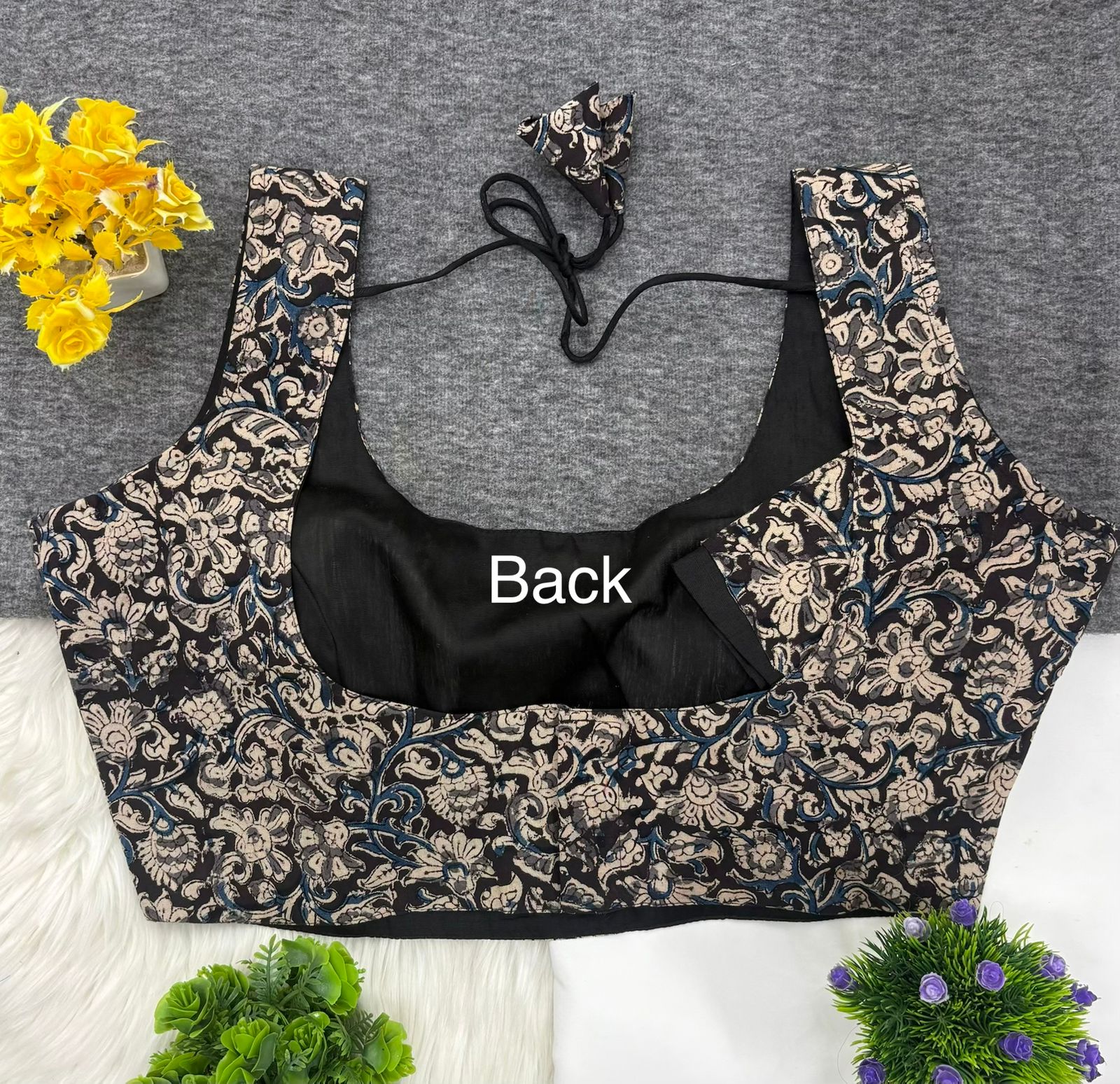
Cotton handloom sarees suit printed, woven or lightly padded blouses that echo one colour from the saree border. The Pure Kalamkari Cotton Padded Blouse for Women demonstrates how a printed cotton blouse can add pattern to a simple drape. Kalamkari belongs to a different textile tradition from Chhattisgarhi weaving, so it should be presented as a complementary craft element rather than labelled as regional Chhattisgarhi work.
How should a blouse be chosen for Banarasi silk?
Banarasi silk requires a quieter blouse when the saree has dense zari, brocade or a large pallu. A plain blouse in the border colour can make the outfit look intentional. Kanjeevaram sarees also benefit from controlled blouse detailing, especially when the saree already contains a contrasting temple border or heavy zari.
What blouse balances a Chanderi saree?
Chanderi sarees work well with light cotton, silk-cotton or printed blouses because their translucent texture needs a balanced base. A structured blouse in maroon, rust or deep green can make a pale Chanderi saree suitable for an evening celebration. Very bulky sleeves should be avoided with Chanderi because the light drape looks best when the upper half remains neat.
Time-honoured Chhattisgarhi Blouse Designs for Festive Sarees in Four Practical Directions
Four adaptable blouse directions cover most festive styling needs: a classic structured style, a printed cotton style, an Ikat sleeveless style and a darker Ikat statement style. Each direction can be adjusted through sleeve length, neckline and finishing rather than treated as a fixed costume.
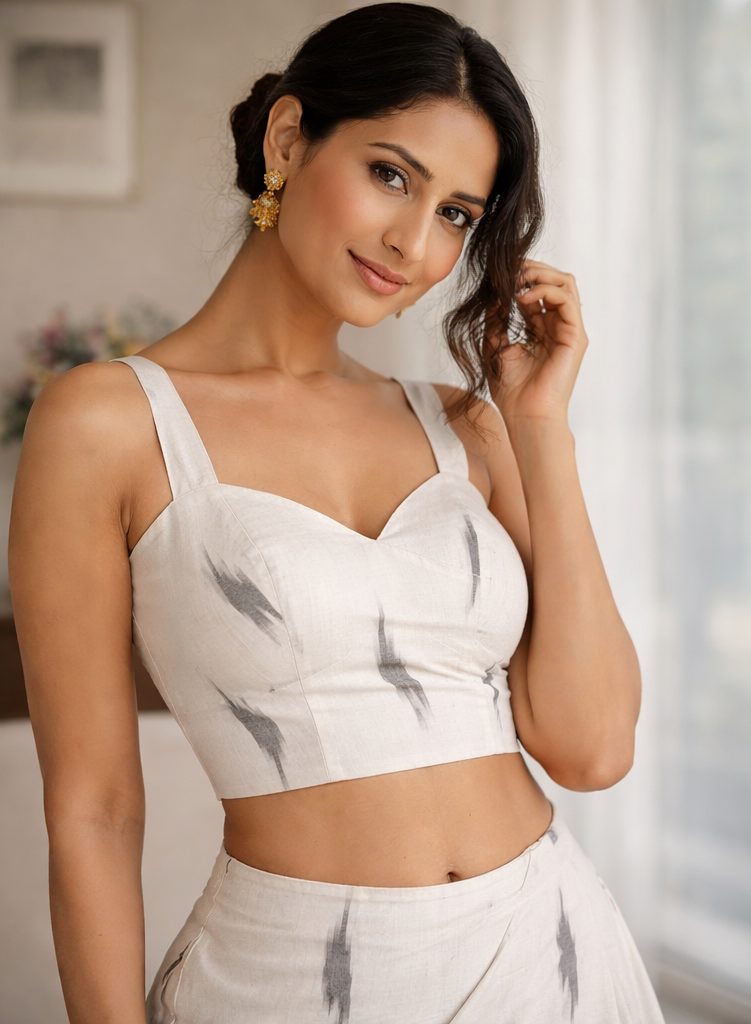
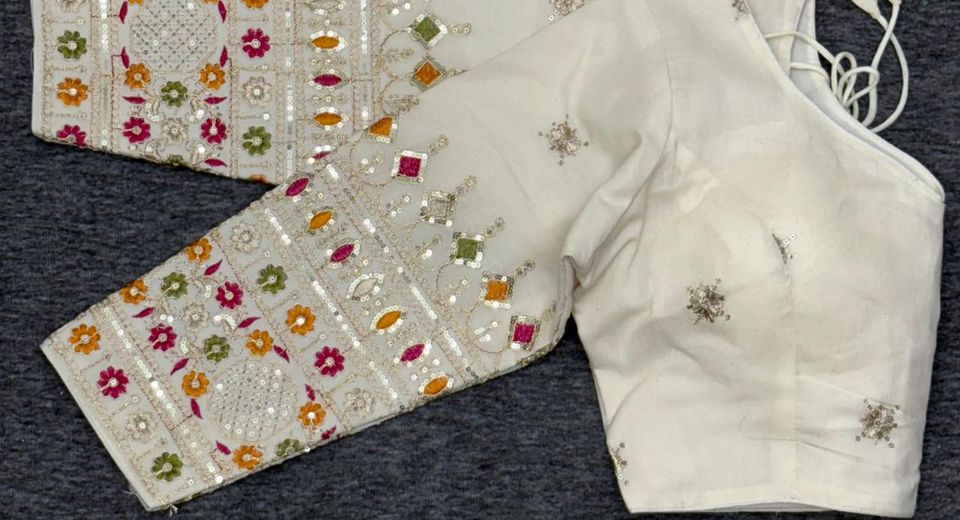
The Classic Festive Wear Blouse for Stylish Saree Look is an useful reference for a conventional festive wardrobe. A classic blouse works particularly well with a saree that has a strong border when the drape and pallu should remain the main focus. Regional character can come through oxidised silver jewellery, a woven waist belt or a small motif at the sleeve edge.
The Pure Kalamkari Cotton Padded Blouse for Women brings a printed surface and practical structure to a cotton or light silk saree. Choose a saree in one of the quieter colours found in the print. A busy Kalamkari blouse and heavily patterned saree can compete, so one garment should remain visually calm.
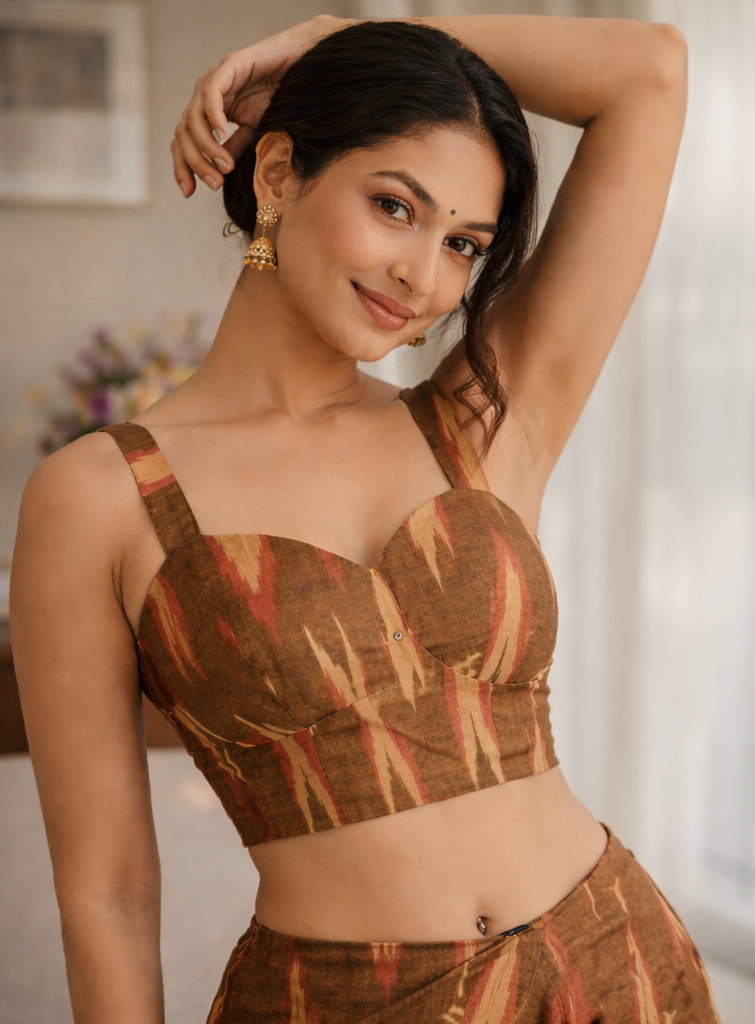
The Brown Ikat Cotton Padded Blouse Sleeveless Stylish brings an earthy colour and geometric textile surface. Brown works particularly well with cream, mustard, rust, red and indigo sarees. The sleeveless cut is suitable for an indoor evening event when the armhole sits securely and the blouse doesn't ride upward during movement.
The Cream Ikat Cotton Padded Blouse Sleeveless Trendy creates a lighter base for a dark or saturated saree. Cream allows a maroon, bottle-green, indigo or black saree to remain visually dominant. A bold necklace or pair of earrings can complete the outfit, but every accessory need not match the Ikat pattern.
Heritage Chhattisgarhi Blouse Designs for Festive Sarees and Better Fit
A comfortable festive blouse needs correct shoulder placement, sufficient bust ease, stable armholes and closures that don't strain while sitting or lifting the arms. Decorative detail can't compensate for a blouse that pulls across the front or cuts into the underarm.
Measure the bust at the fullest point while wearing the bra intended for the saree. Measure the underbust, shoulder width, arm circumference and blouse length separately. A fitted blouse generally needs approximately 5 to 8 centimetres of total ease at the bust, although the exact amount depends on fabric stretch, lining and personal preference.
The shoulder seam should end where the shoulder naturally slopes into the upper arm. A seam that sits too far outward can make the sleeve fall awkwardly, while a seam that sits too far inward can restrict movement. The blouse hem should remain level when the wearer lifts both arms and sits down.
Blouse padding is optional rather than essential. Light padding can provide structure under thin cotton or silk, while a well-cut lined blouse can remain comfortable without padding. Padded blouses should be checked for removable inserts, breathable lining and enough room around the bust to prevent pressure after several hours.
Back openings are practical for fitted festive blouses, but hooks should be reinforced with fabric strips and closely spaced enough to prevent gaping. Side openings can be easier to reach, especially for older wearers or anyone dressing without assistance. Fabric-covered buttons, small potli buttons and simple loops can add interest without making the back difficult to fasten.
Time-honoured Chhattisgarhi Blouse Designs for Festive Sarees: Care and Styling Decisions
Care depends on the fibre, dye and embellishment, but most festive blouses last longer when they're aired after use, stored unpressed and washed according to the fabric label. Kosa silk and zari-heavy pieces generally require specialist dry cleaning, while colourfast cotton may tolerate gentle hand washing in cool water.
Test dye bleed on an inside seam before washing a dark cotton or Ikat blouse. Use mild detergent, avoid soaking for more than five minutes and dry the blouse inside out away from direct sunlight. Direct heat can fade natural-looking dyes and weaken elastic or padded components.
Store a clean blouse in a breathable cotton cover rather than sealed plastic. Fold padded blouses around the padding without compressing the cups, and place tissue paper between zari or metallic surfaces to reduce friction. Refold silk and brocade pieces every few months so a permanent crease doesn't develop.
Styling should follow the scale of the saree. A broad-bordered saree usually needs a clean neckline and controlled sleeve decoration, while a plain saree can support an Ikat panel, printed fabric, zari edging or a more sculpted sleeve. Hair, jewellery and footwear should complete the colour story rather than introduce several unrelated accent colours.
For a daytime Haldi ceremony, breathable cotton, short or elbow-length sleeves and washable finishes are practical. For an evening Diwali gathering, Kosa silk, antique zari, a deeper colour and structured tailoring can create a richer effect. For a family puja, a modest neckline and secure blouse closure are usually more useful than dramatic cut-outs.
How to Build Traditional Chhattisgarhi Blouse Designs for Festive Sarees Responsibly
Responsible regional styling means distinguishing documented textile traditions from up-to-date interpretation and avoiding broad claims about every Chhattisgarhi community. Kosa silk and handloom cotton can be identified by name, while an Ikat or Kalamkari blouse should not be described as Chhattisgarhi simply because it's worn with a Chhattisgarhi-inspired saree.
Ask where a textile was woven, which fibre it contains and how it was dyed when those details matter to your purchase. A handwoven label doesn't automatically identify the region, and a machine-made print can imitate a traditional motif without carrying the same production process. Clear descriptions help wearers appreciate several Indian craft traditions without blending them into one vague category.
A corporate festive outfit can therefore combine a Kosa saree, a cotton blouse, oxidised silver jewellery and a restrained border while remaining comfortable and culturally aware. The strongest interpretation isn't necessarily the most embellished one. Good proportion, named textile references, precise craft context and careful fit make regional dressing feel personal rather than theatrical.
Common Questions About Traditional Chhattisgarhi Blouse Designs for Festive Sarees
What fabric is best for a Chhattisgarhi-inspired festive blouse?
Kosa silk, cotton, silk-cotton and textured handloom fabrics are practical choices. Kosa silk suits a Kosa saree, while cotton works well for warm daytime events and creates useful contrast with a silk drape.
Which blouse colours pair well with a Kosa silk saree?
Cream, rust, maroon, indigo, mustard, forest green and antique gold pair well with Kosa silk. Choose a contrasting colour for a plain saree, or repeat one shade from the saree border for a more coordinated outfit.
Can an Ikat blouse be worn with a Chhattisgarhi saree?
Yes, an Ikat blouse can complement a Chhattisgarhi-inspired saree when the colours and pattern scale work together. Ikat belongs to a distinct textile tradition, so it should be described as a complementary craft rather than automatically called Chhattisgarhi.
Are sleeveless blouses suitable for festive sarees?
Sleeveless blouses are suitable when the armhole fits securely, the shoulder seam is correctly placed and the blouse does not ride upward during movement. A cream or brown Ikat sleeveless blouse works especially well with a darker or richly coloured saree.
How much ease should a fitted saree blouse have?
A fitted blouse generally needs about 5 to 8 centimetres of total ease at the bust, depending on the fabric, lining and personal comfort. Shoulder width, underarm depth and arm circumference should also be measured because bust measurement alone cannot ensure a good fit.
How should a festive silk blouse be stored?
Air the blouse after wearing it and store it clean in a breathable cotton cover. Kosa silk and zari-heavy blouses generally need specialist dry cleaning, while zari surfaces should be protected from friction with soft tissue paper.




