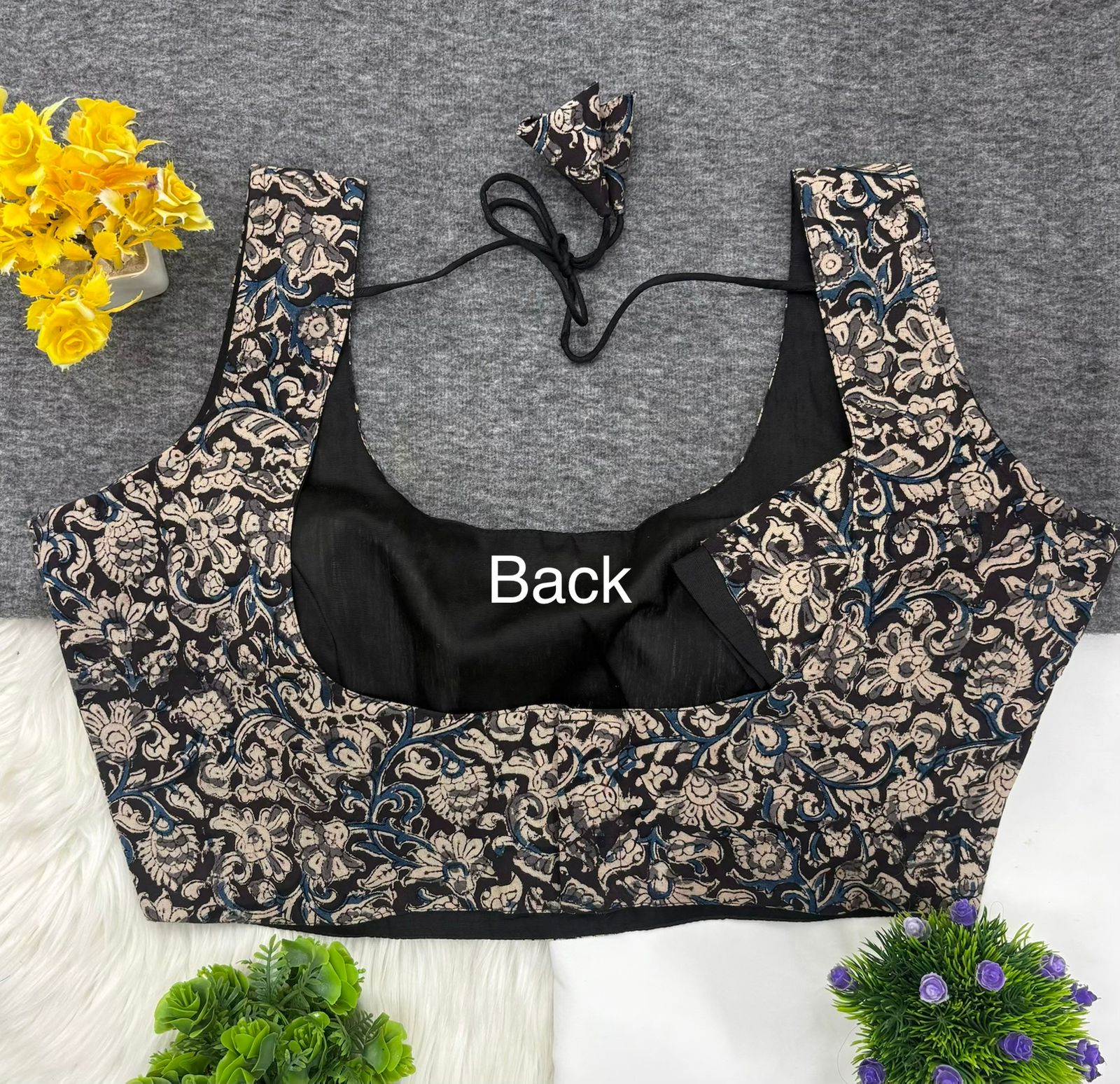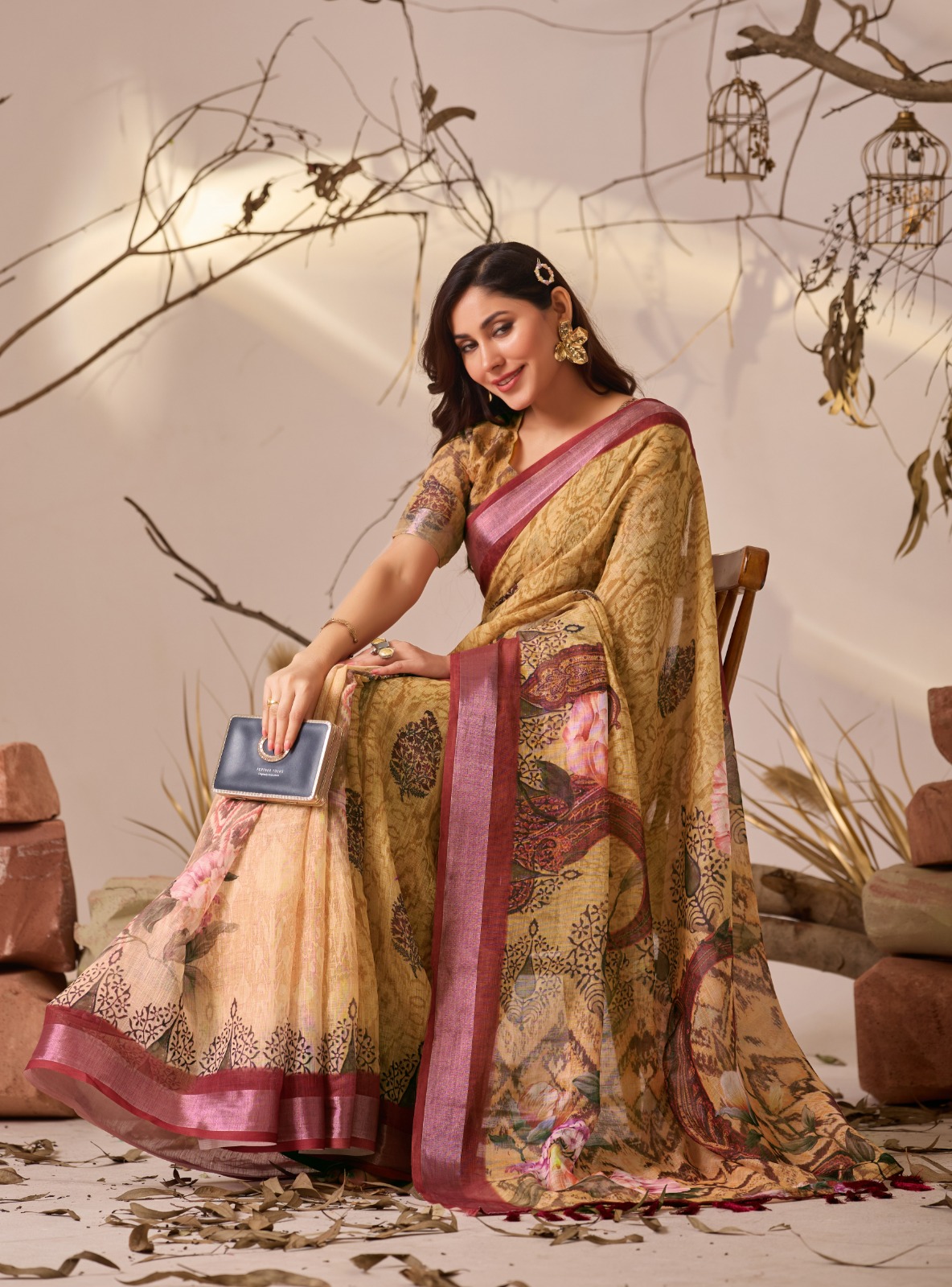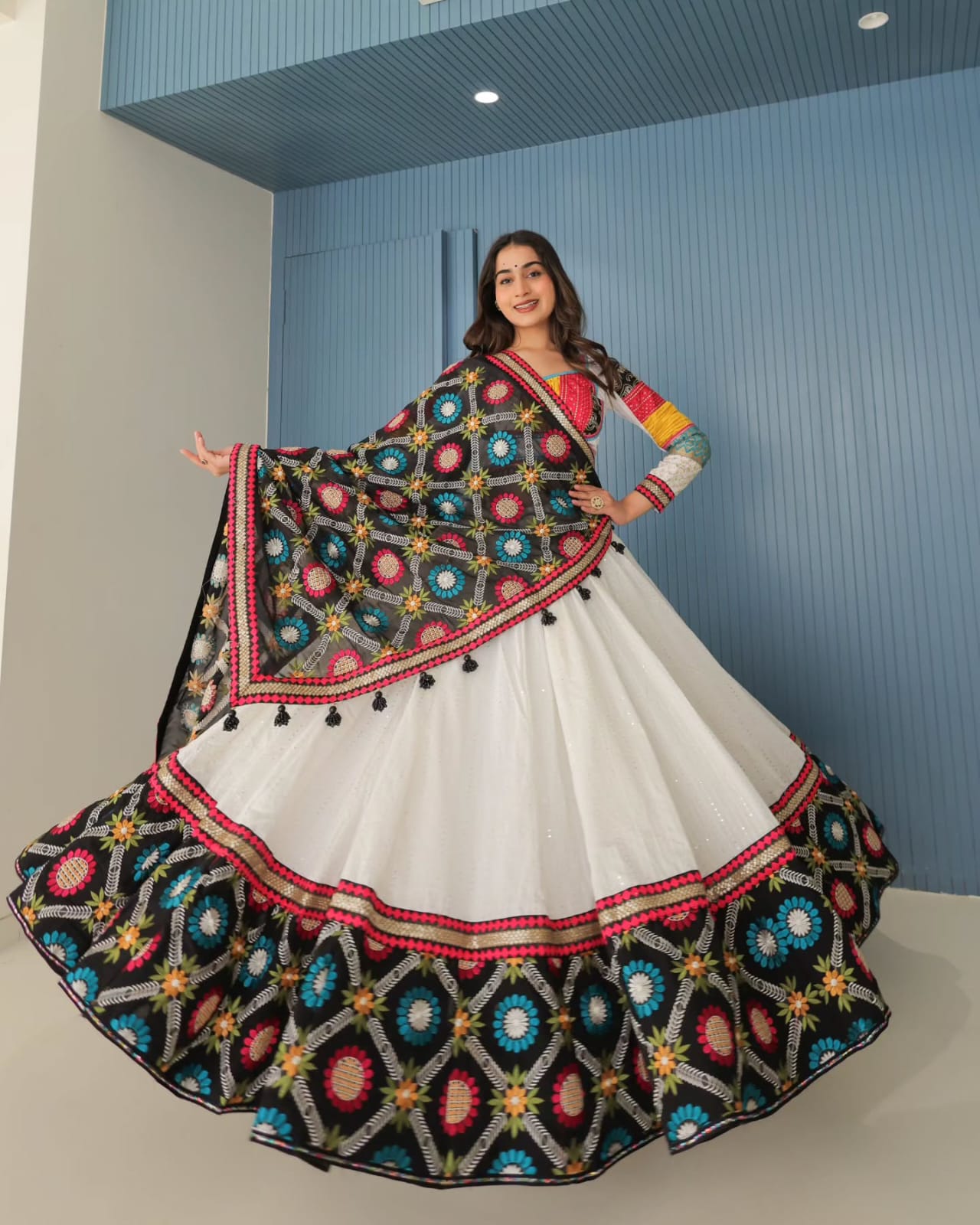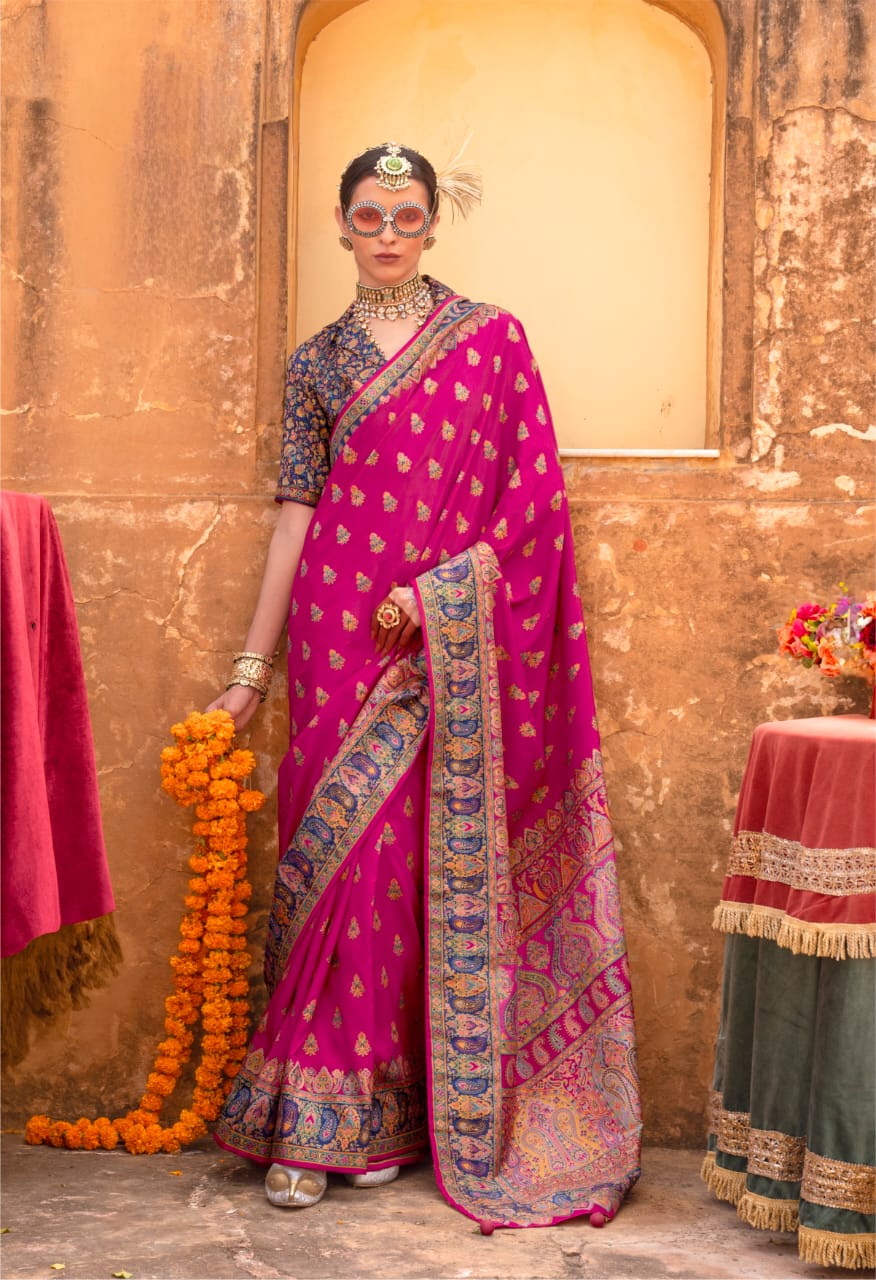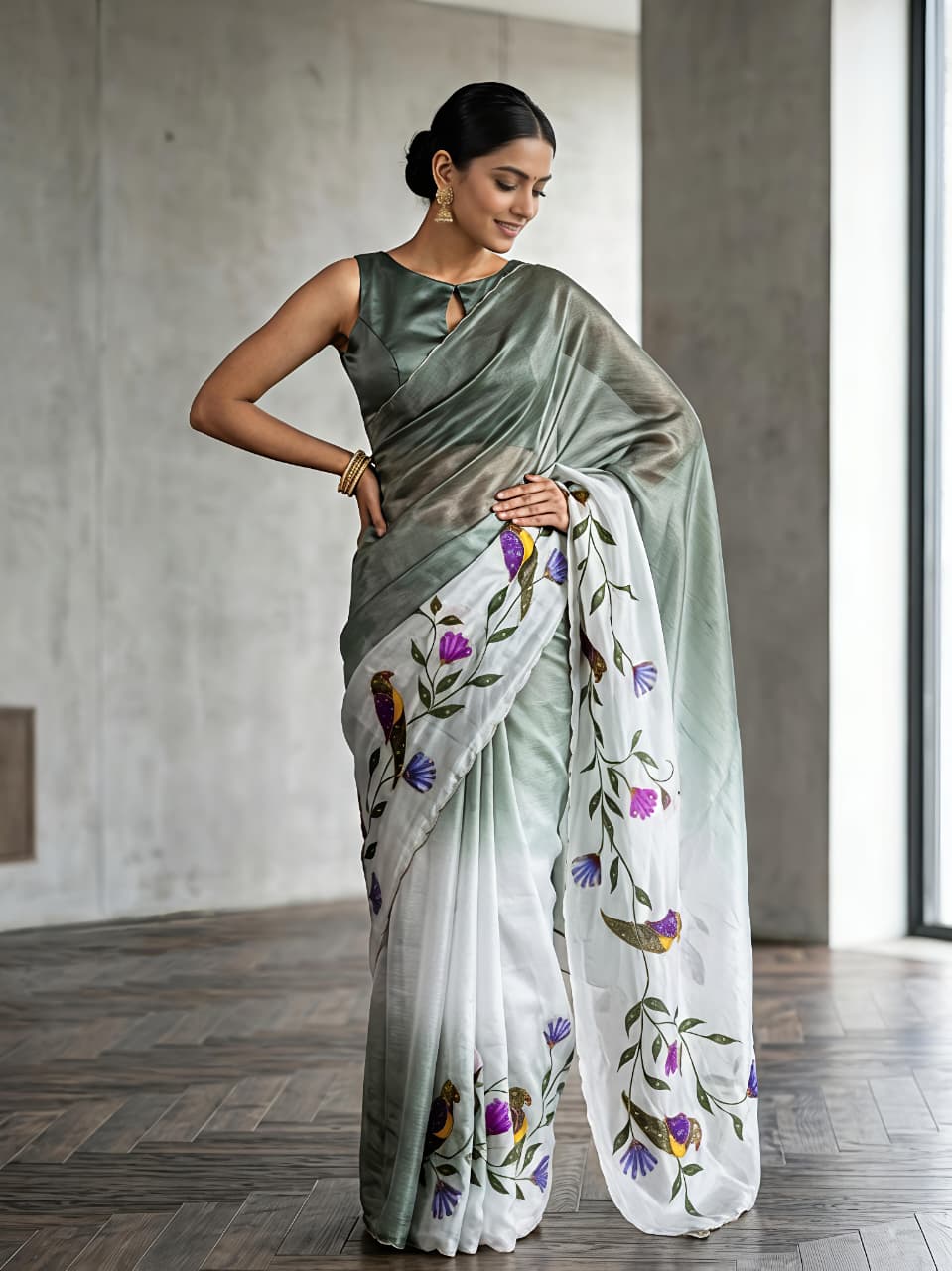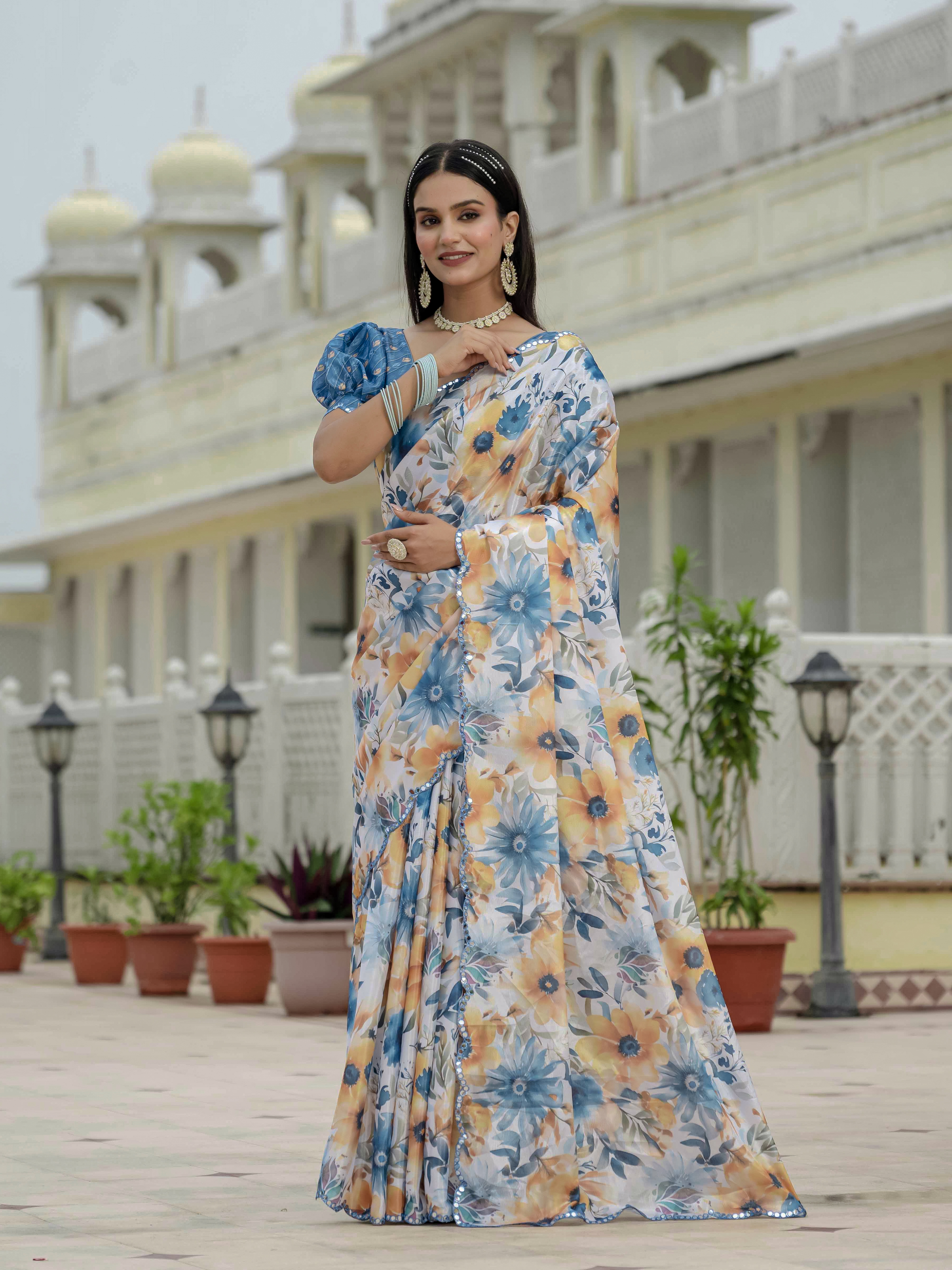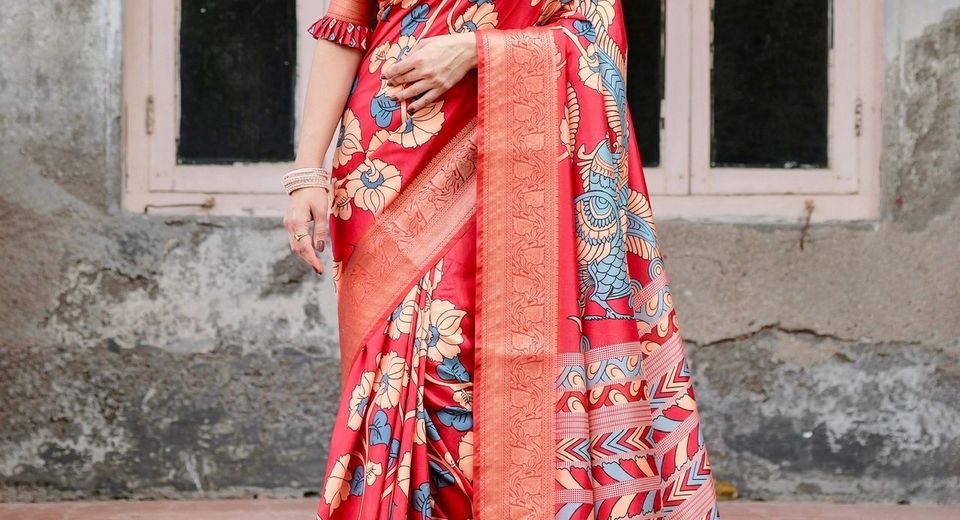
Traditional Bihari Sarees for Festivals & Weddings carry the visual language of Bihar's silk weaving, handloom traditions and regional art. Bhagalpur silk, tussar, Bawan Buti motifs and Madhubani-inspired details each create a different kind of occasion saree. Knowing how those elements differ helps you choose a drape that suits the ceremony, weather, movement and level of formality instead of selecting only by colour.
A useful distinction comes first: a Banarasi saree is traditionally associated with Varanasi in Uttar Pradesh, while Bhagalpur silk comes from Bihar. Banarasi silk can still be an excellent choice for a Bihari wedding wardrobe, but calling every ornate silk saree Bihari erases the regional differences that make Bihar's textiles interesting.
Traditional Bihari Sarees for Festivals & Weddings: What makes them suitable?
Traditional Bihari Sarees for Festivals & Weddings become suitable for an event when their fabric, motif scale, colour and drape match the ritual and the amount of movement required. Bhagalpur silk and tussar create a textured, softly lustrous look, while Bawan Buti provides a more recognisable Bihar-linked motif tradition.
Traditional Bihari Sarees for Festivals & Weddings are not defined by one universal silhouette. A lightweight cotton handloom saree may be right for Chhath Puja, a daytime Haldi ceremony or a summer family gathering. A heavier silk saree may be more appropriate for a wedding reception, engagement or evening baraat celebration.
Three practical tests are especially helpful when comparing sarees:
- Fabric test: Check whether the saree will remain comfortable for four to eight hours of sitting, walking and greeting guests.
- Motif test: Decide whether the weave should lead the look or whether jewellery and a detailed blouse should take the focus.
- Border test: A broad zari or contrast border creates ceremony-ready definition, whereas a narrow border usually feels lighter and more versatile.
A saree doesn't need heavy embroidery to look formal. A good silk texture, a controlled border and a carefully chosen blouse can create a wedding-appropriate outfit without excessive weight.
Traditional Bihari Sarees for Festivals & Weddings: Which fabrics matter?
Bhagalpur silk, tussar silk, cotton handloom and Bawan Buti textiles are the most useful fabric categories to consider for a Bihar-inspired festive or wedding wardrobe.
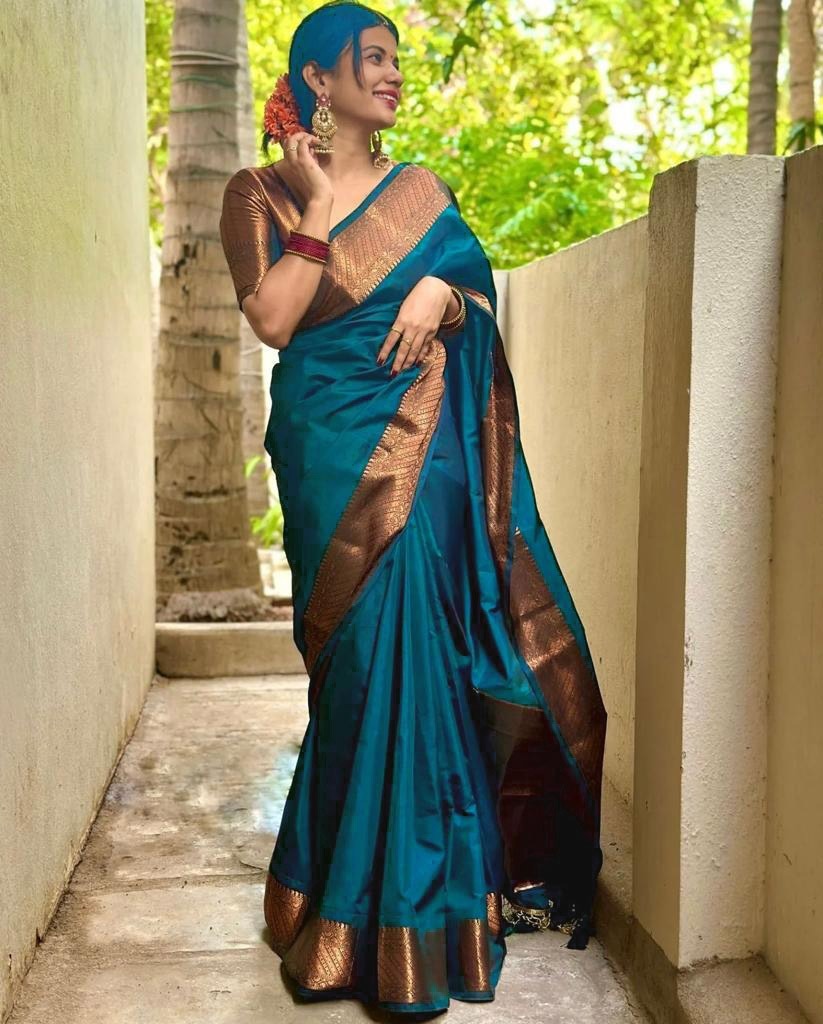
Bhagalpur silk and tussar
Bhagalpur silk is associated with Bhagalpur's long-established silk-weaving industry and its textured surface. Tussar silk generally has a slightly irregular, earthy sheen rather than the mirror-like smoothness of some highly processed silks. That texture pairs well with temple jewellery, oxidised silver, antique gold and woven blouses.
For a close family wedding, a deep maroon, rust, indigo, purple or red tussar saree can look rich without relying on dense surface decoration. For a daytime ceremony, cream, beige, muted yellow or madder tones keep the outfit visually lighter. Always check the product description before assuming that silk means pure silk, because silk blends and silk-look fabrics require different expectations and care.
Bawan Buti and regional motifs
Bawan Buti sarees are recognised by repeated small motifs distributed across the field, traditionally linked with Bihar's Nalanda region. The name refers to bawan, or fifty-two, and the motif arrangement creates a measured, all-over pattern rather than one large central design.
Small butis work particularly well when you want visible textile detail in photographs without a very broad contrast border. Pairing a Bawan Buti saree with a plain blouse lets the repeated motifs remain legible. A blouse with only a narrow sleeve border can add finish without competing with the field.
Cotton, khadi and art-inspired surfaces
Cotton and khadi are practical choices for hot-weather festivals, daytime pujas and ceremonies that involve standing or travelling. Madhubani-inspired paintings and folk motifs can add a Bihar reference, but a printed saree inspired by Madhubani art isn't automatically a hand-painted Madhubani textile. Ask whether the motif is hand-painted, block-printed, screen-printed or digitally printed before paying a premium.
The Cream Pink Tissue Handloom Cotton Saree with Zari demonstrates how a cotton-based saree can still feel festive through a tissue-like surface and zari detailing. The Pastel Linen Cotton Floral Print Saree with Designer Blouse takes a more contemporary route for a daytime function, especially when a softer floral look is more suitable than traditional silk.
Traditional Bihari Sarees for Festivals & Weddings: How should you choose colour?
Choose saree colours according to the ritual, time of day, complexion preference and the amount of contrast in the blouse and jewellery. Red and maroon communicate wedding formality, while yellow, orange, green and cream are especially useful for daytime festive dressing.
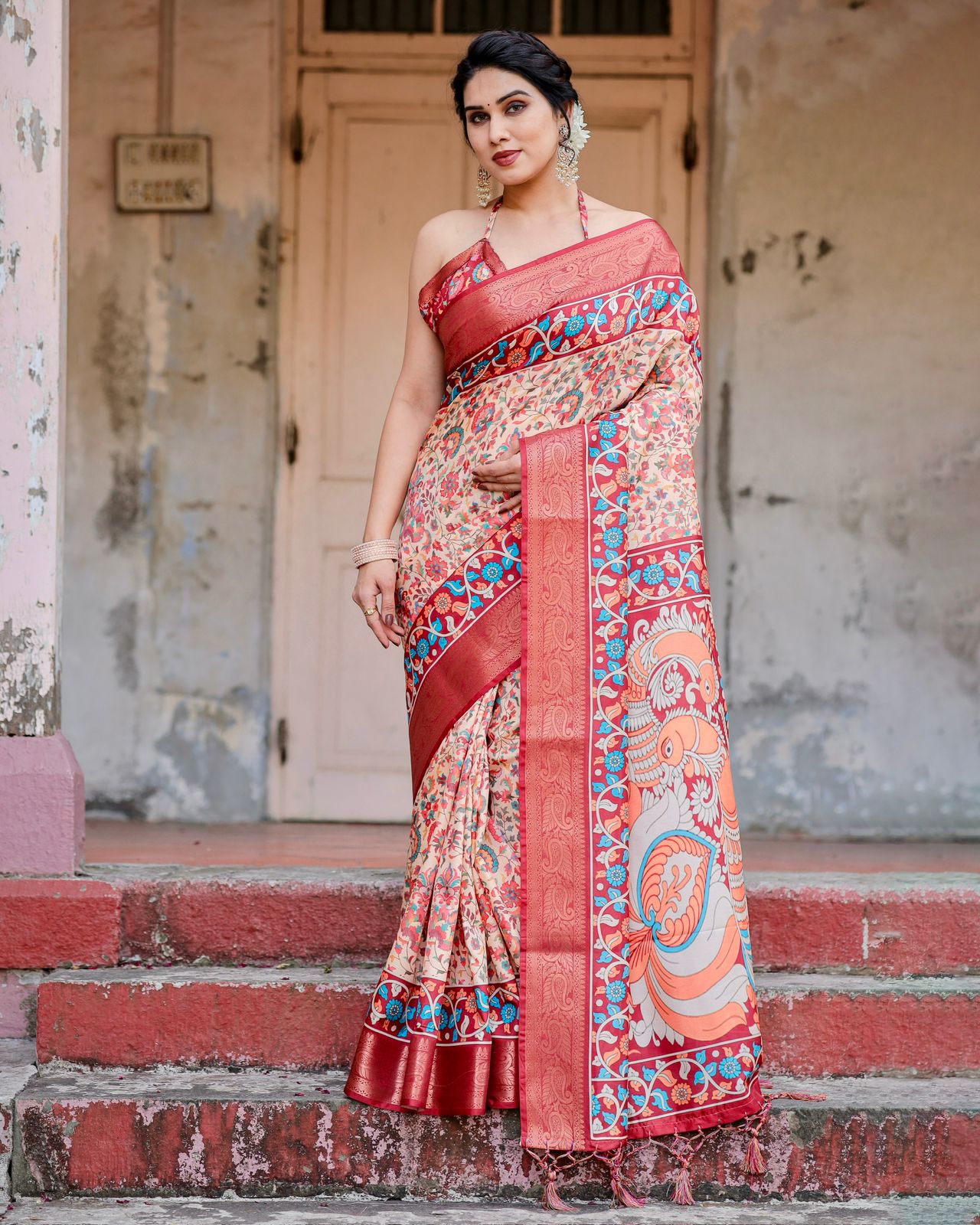
For a Haldi ceremony, turmeric yellow, marigold, lime, pistachio and warm pink photograph well in daylight and tolerate the cheerful visual energy of the ritual. Select a washable or easily maintained saree when turmeric paste, flower water or food may come into contact with the garment. A heavy dry-clean-only silk can be impractical for an event involving active rituals.
For a wedding ceremony, red, wine, rani pink, purple and jewel green provide depth against gold jewellery. The Wedding Special Purple Banarasi Silk Saree for Women offers a useful example of how purple can provide bridal-event richness without repeating the most expected red palette. The Elegant Red Banarasi Silk Saree for Festive & Wedding Wear is a more conventional choice when you want a strong red-and-gold visual statement.
For a reception or sangeet, teal, navy, charcoal, magenta and metallic neutrals can look polished under indoor lighting. The Traditional Teal Banarasi Saree for Festive Wear shows why teal works well with antique gold, kundan, pearls and even a contrasting fuchsia blouse.
Colour should also be tested beside the blouse. A red saree with a matching red blouse creates a continuous, formal line; a red saree with a green, pink or antique-gold blouse creates stronger contrast. Cream and blush tones give jewellery more prominence, while dark jewel tones make zari appear brighter.
Traditional Bihari Sarees for Festivals & Weddings: How do Banarasi styles fit?
Banarasi styling refers primarily to the silk-and-zari vocabulary associated with Varanasi, while specifically Bihari textile traditions include Bhagalpur silk, tussar and Bawan Buti. The two can be worn together in a Bihar wedding wardrobe, but they should not be described as the same regional craft.
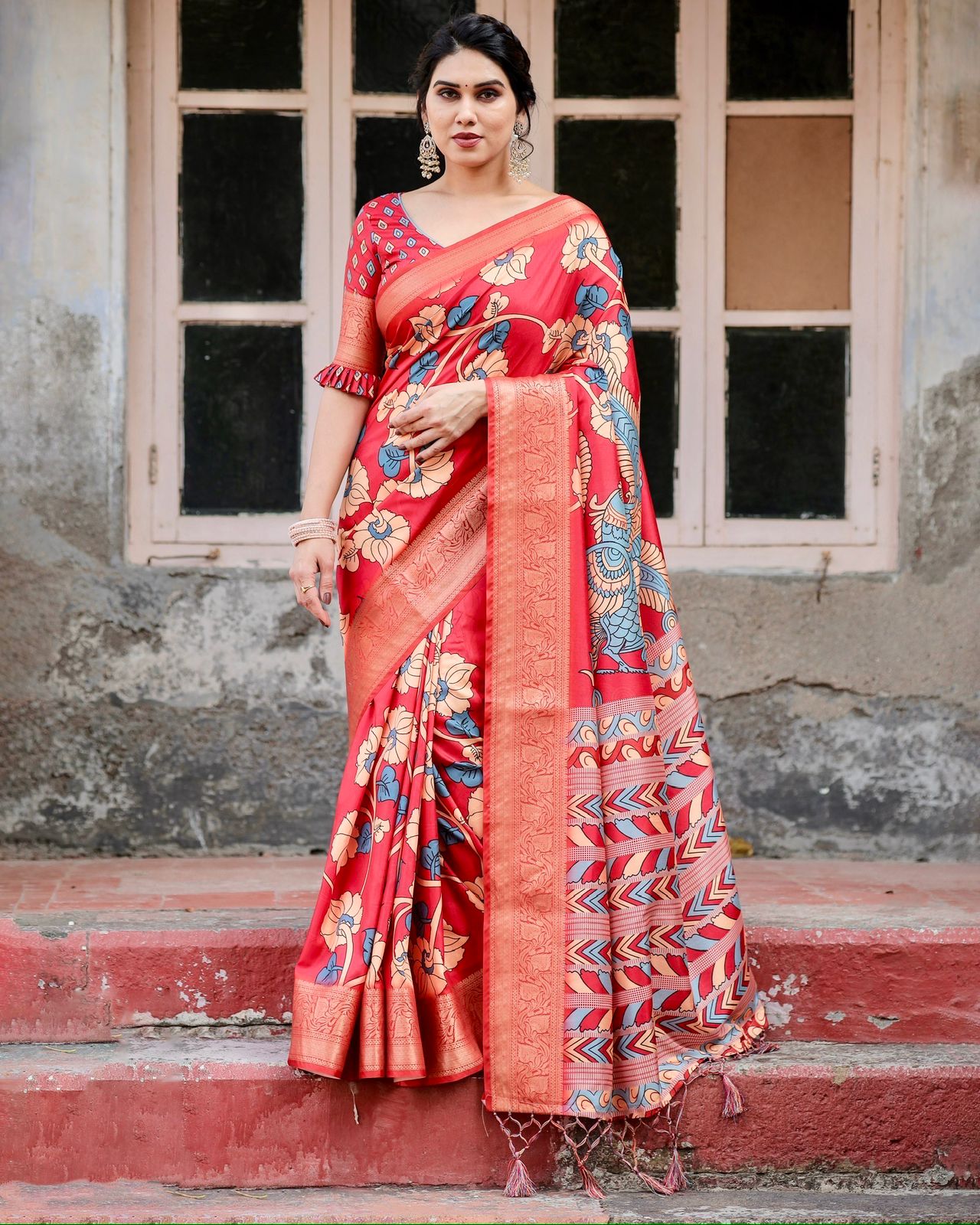
Banarasi silk typically appeals when you want visible zari, a formal sheen and a classic wedding presence. The Red Banarasi Silk Saree With Elegant Zari Borde and Royal Banarasi Soft Silk Zari Weave Saree illustrate two directions within that broader look: one foregrounds a red, border-led festive effect, while the other suggests a softer silk handfeel with zari woven into the design.
Banarasi sarees can sit comfortably beside Bihari pieces in a multi-event wedding wardrobe. Wear a Bhagalpur or tussar saree for a daytime family ritual, then choose Banarasi silk for the evening reception. That approach gives each event a distinct textile identity rather than making every appearance look identical.
Price labels also need careful reading. A discount in the Silk Sarees Under 3000 With Discount collection may reflect a blend, lighter zari, sale inventory or a simpler weave rather than the same construction as a high-value pure silk saree. Compare fibre composition, weave description, border details, blouse length and return conditions before comparing prices alone.
The Latest Wedding Sarees Collection can be useful when you want to compare ceremonial colours and fabrics in one place. The Wedding Sarees Collection Under 4000 is more relevant when a fixed budget matters, while Red Banarasi Silk Sarees for Weddings Under 1100 may suit shoppers seeking a specific colour and formal Banarasi appearance at a lower price point. Verify fibre content and finishing details before treating a low price as evidence of a particular weave.
Traditional Bihari Sarees for Festivals & Weddings: Which blouse and jewellery choices work?
A blouse with a controlled neckline, secure fit and deliberate colour contrast makes a traditional saree look more polished than a heavily decorated blouse chosen without regard to the textile.
Blouse proportions
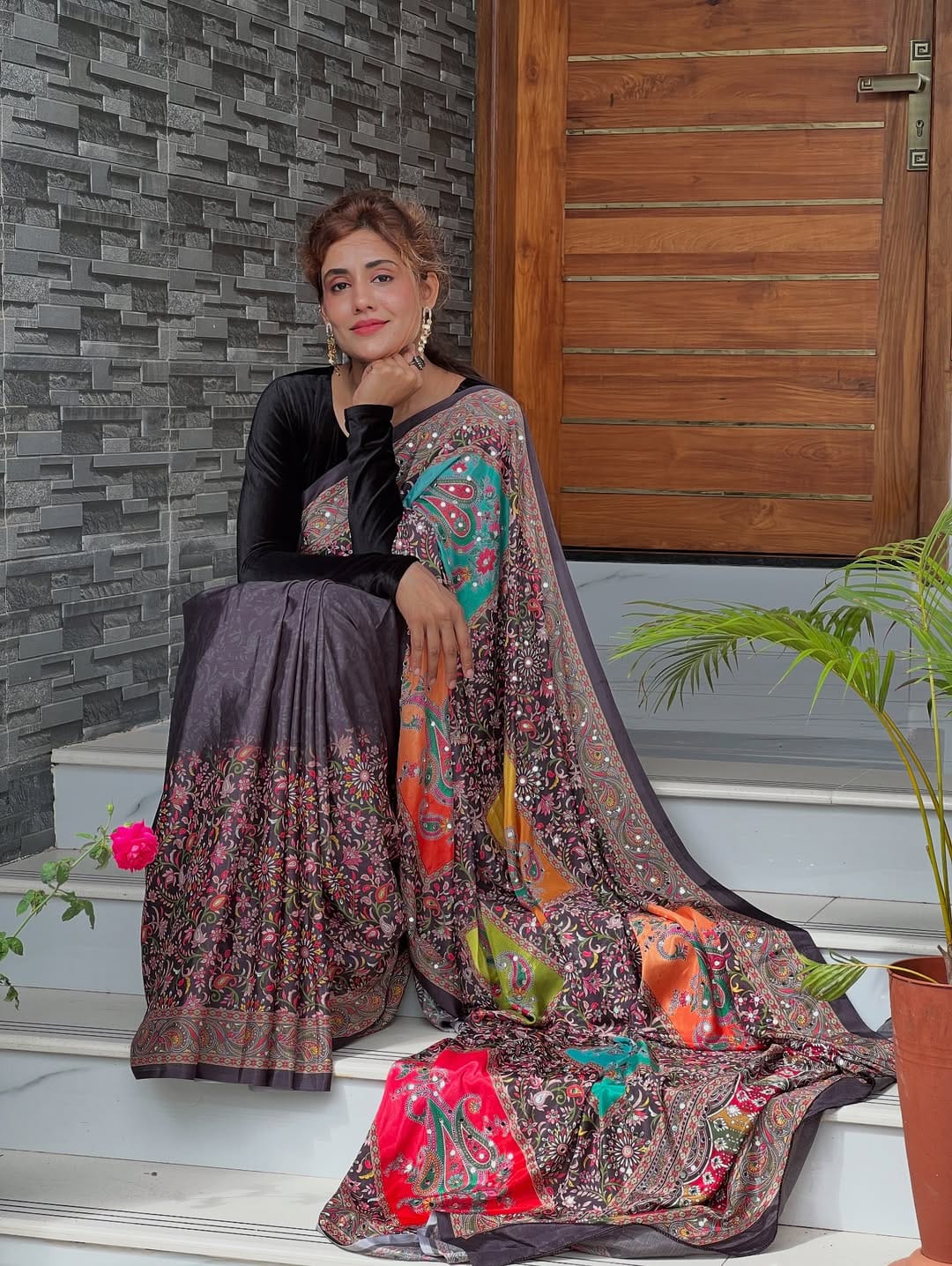
Broad zari borders benefit from a clean blouse with minimal embroidery, because excessive decoration can make the upper half look crowded. A plain silk blouse, elbow-length sleeves and a modest round or boat neckline are dependable choices for wedding ceremonies. For a small-buti saree, a blouse with a woven border, tiny motifs or textured sleeves can echo the field without duplicating every detail.
Fit matters more than sleeve trend. The blouse should support the bust without pulling at the armhole, and the shoulder seam should remain in place when you raise your arms. If alterations are needed, allow at least seven to ten days before the event rather than relying on last-minute stitching.
Jewellery and accessories
Antique gold jewellery complements tussar, Bhagalpur silk and earthy reds because the slightly aged finish echoes their texture. Kundan and polished gold work well with zari-heavy Banarasi silk. Pearls, silver-toned jewellery and enamel accents can soften a pastel saree or a contemporary linen-cotton drape.
Use one principal statement element: a broad necklace, large earrings, a waist belt or a dramatic matha patti. Combining all four can conceal the saree's border and make movement uncomfortable. A structured potli, low block heel and firmly pinned pallu are practical additions for a long wedding day.
Drape and movement
The standard Nivi drape is a reliable choice when walking, sitting and dancing are part of the schedule. Pin the pleats at the waist and secure the pallu at the shoulder with two discreet pins, one near the shoulder seam and one lower down. A belt can steady a slippery silk saree, but it should not compress the pleats or distort the zari border.
For a formal Bihari wedding look, a neatly pleated pallu keeps motifs visible in photographs. For a puja or Chhath-related gathering, leave enough pallu length to cover the head or shoulders if the family custom requires it. Tradition varies by household, so comfort and respectful observance should guide the final drape.
Traditional Bihari Sarees for Festivals & Weddings: How should they be checked and cared for?
Check fibre composition, weave description, zari type, measurements, colour representation and care instructions before buying a saree for a major event.
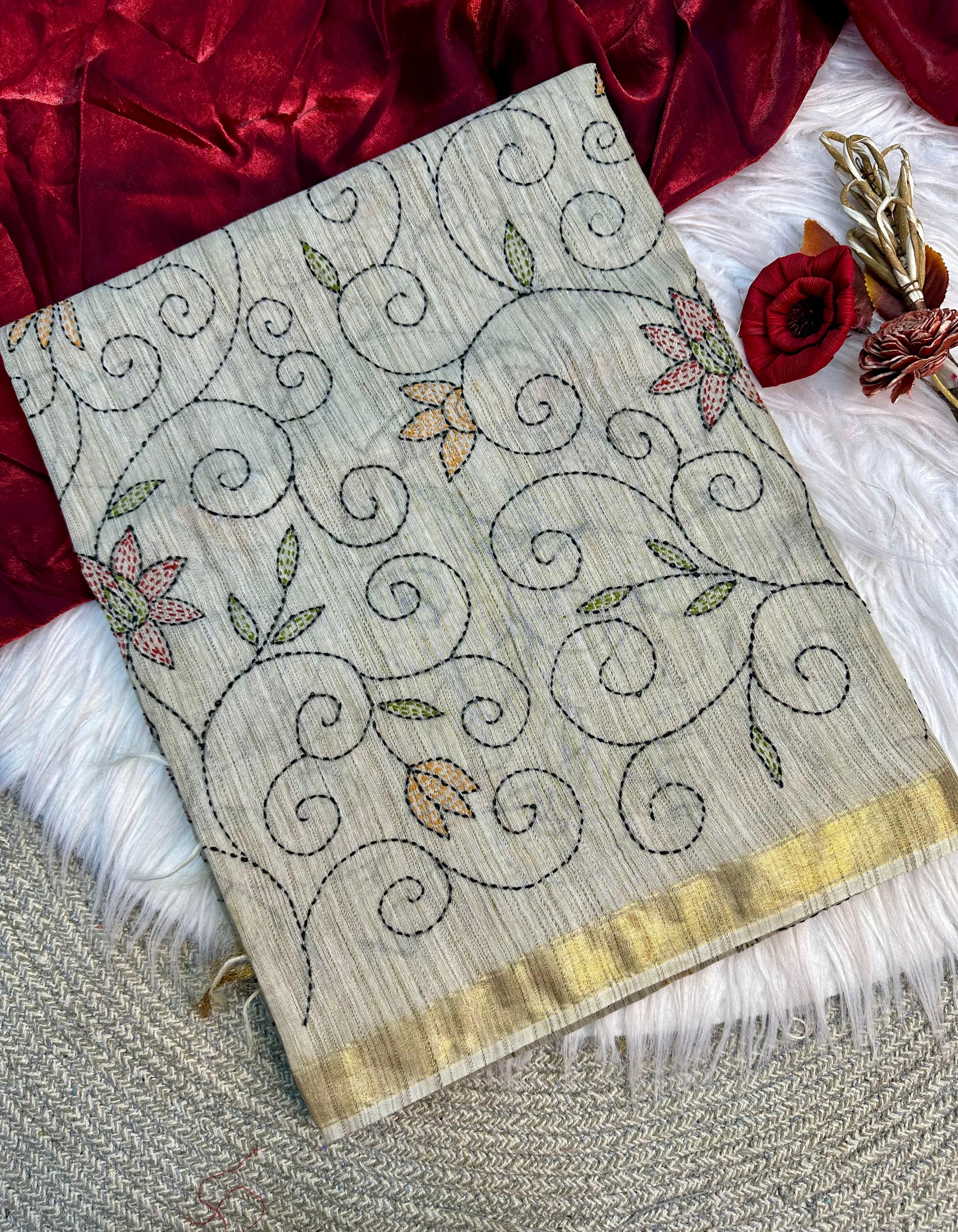
Product photographs can show surface appearance but can't confirm whether zari is metallic, synthetic or imitation. Look for specific information about silk percentage, cotton content, lining, blouse-piece length and whether the border is woven or attached. A saree described as handloom should ideally include a clear construction or origin description rather than relying only on the word handloom.
Order wedding sarees at least two to three weeks before the function when possible. That timeframe allows for delivery, inspection, blouse stitching, fall and pico work, steaming and an exchange if the colour or fabric differs from expectations. Try the complete outfit once with footwear and jewellery before the event.
Store silk sarees folded in breathable cotton muslin, refolding them every few months to reduce permanent crease lines. Keep zari away from direct contact with perfume, deodorant, moisture and untreated wood. Air a saree in shade after wearing it, and use professional dry cleaning for silk or zari unless the care label specifically permits another method.
Wash cotton sarees only according to the care label, because tissue effects, zari and dark dyes may react differently to water. Do not wring a zari saree, scrub printed motifs or iron directly over metallic details. Place a thin cotton cloth between the iron and the saree, use low heat, and test an inconspicuous section first.
The best choice is ultimately the saree that connects regional textile knowledge with the actual demands of the event. A Bhagalpur silk or Bawan Buti saree can express Bihar's craft identity, while a Banarasi silk saree can provide formal zari richness for a later ceremony. Comparing fabric, motif, colour, fit and care requirements produces a more considered wardrobe than choosing only the most heavily embellished option.
Common Questions About Traditional Bihari Sarees for Festivals & Weddings
Which saree is traditionally associated with Bihar?
Bhagalpur silk, tussar silk and Bawan Buti sarees are strongly associated with Bihar's textile traditions. Cotton and khadi handloom sarees are also suitable for regional festivals and daytime ceremonies.
Is a Banarasi saree the same as a Bihari saree?
No. Banarasi sarees are traditionally associated with Varanasi in Uttar Pradesh, while Bhagalpur silk, tussar and Bawan Buti are linked with Bihar. Banarasi silk can still be worn as part of a Bihari wedding wardrobe.
Which colour saree is suitable for a Haldi ceremony?
Yellow, marigold, orange, green, pistachio and warm pink are suitable choices for a Haldi ceremony. Choose a fabric that is practical to clean because turmeric paste and flower water may contact the saree.
What is a Bawan Buti saree?
A Bawan Buti saree features repeated small motifs spread across the saree field and is traditionally linked with Bihar's Nalanda region. The measured pattern works well with a plain blouse because the motifs remain the main visual detail.
How early should I buy a saree for a wedding?
Buy a wedding saree at least two to three weeks before the event when possible. The extra time allows for delivery, inspection, blouse alterations, fall and pico work, steaming and an exchange if necessary.
How should a zari or silk saree be stored after a wedding?
Store a silk or zari saree folded in breathable cotton muslin and refold it every few months. Keep the saree away from perfume, moisture and direct sunlight, and follow the care label or use professional dry cleaning.