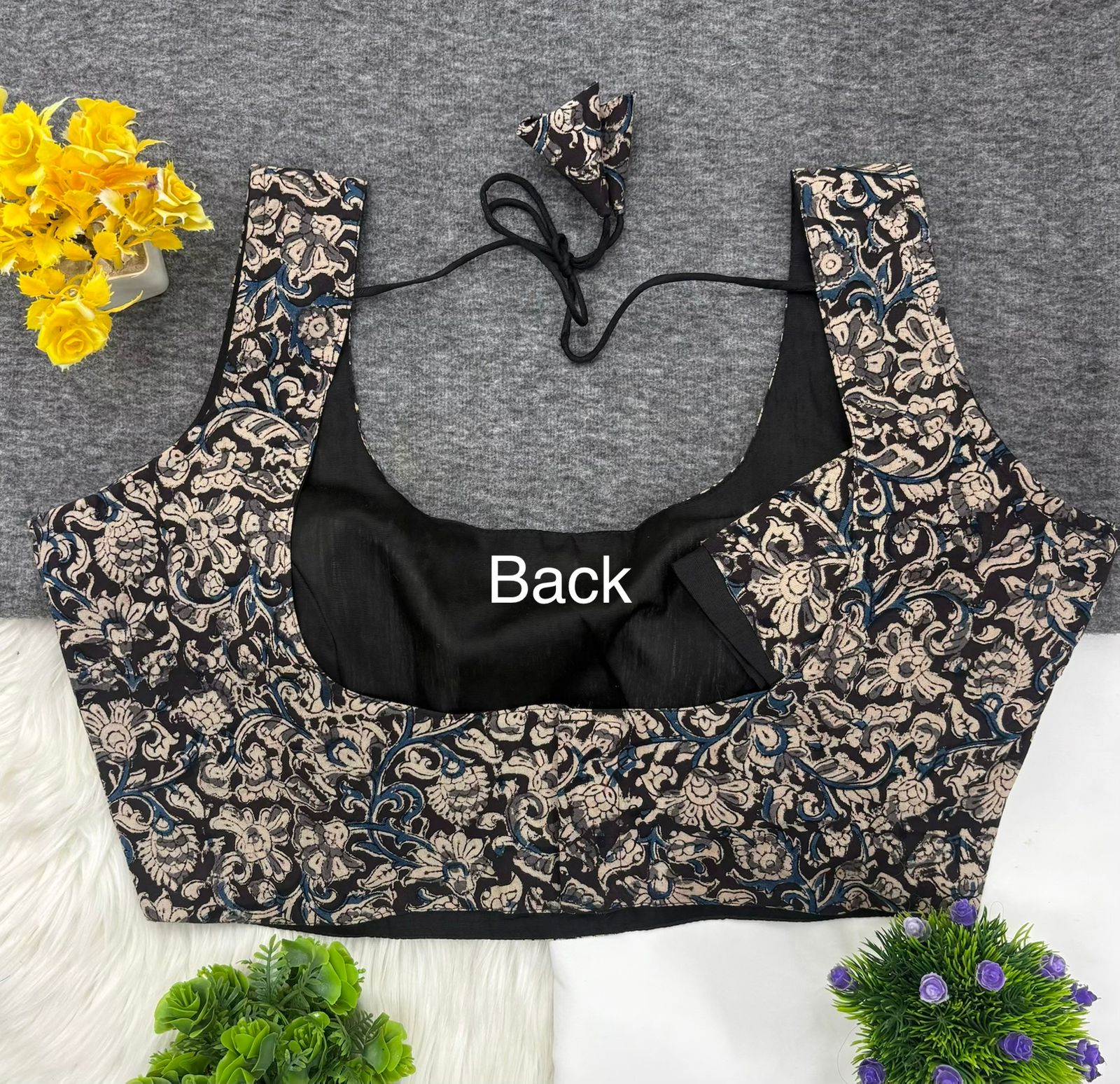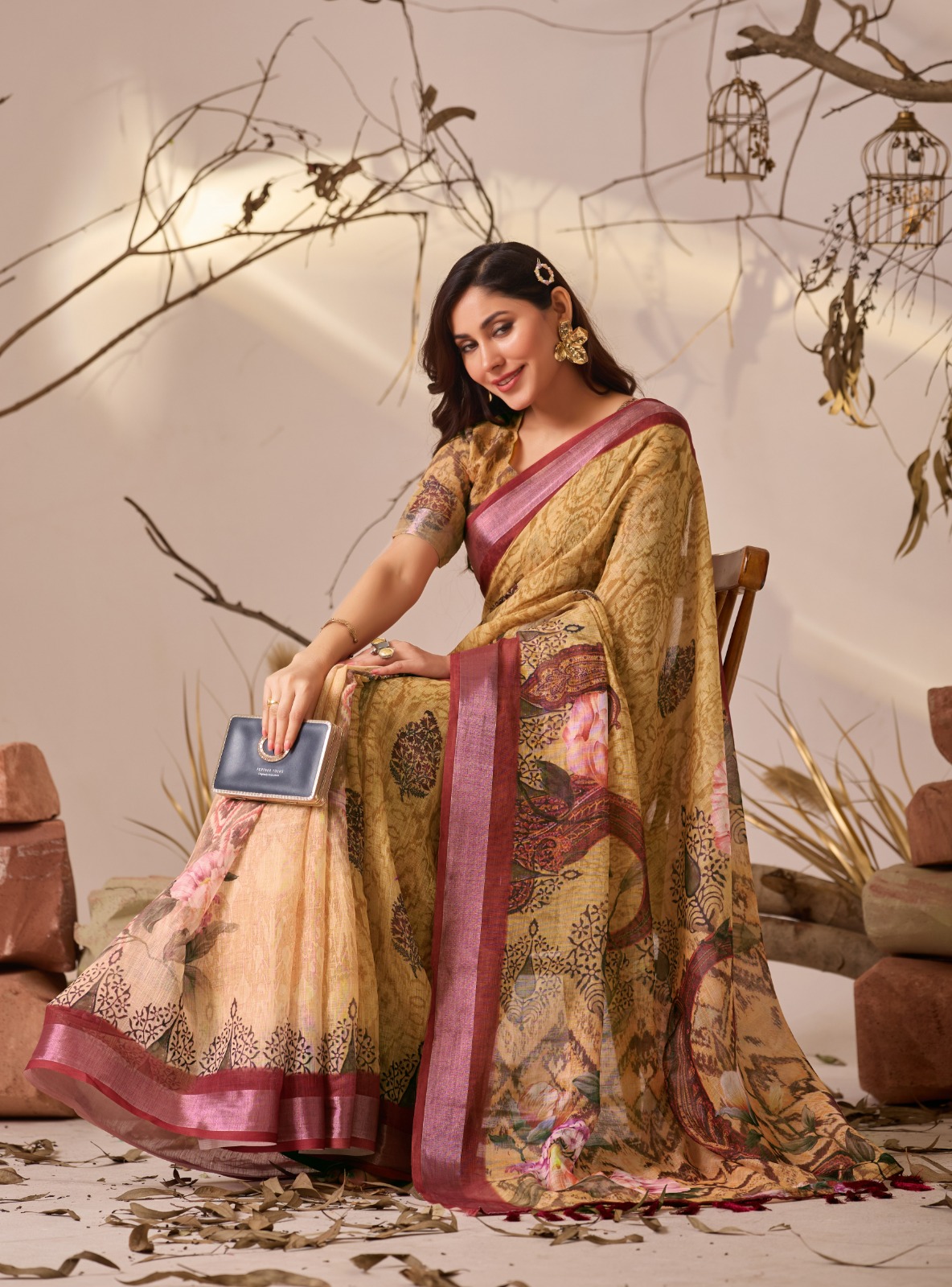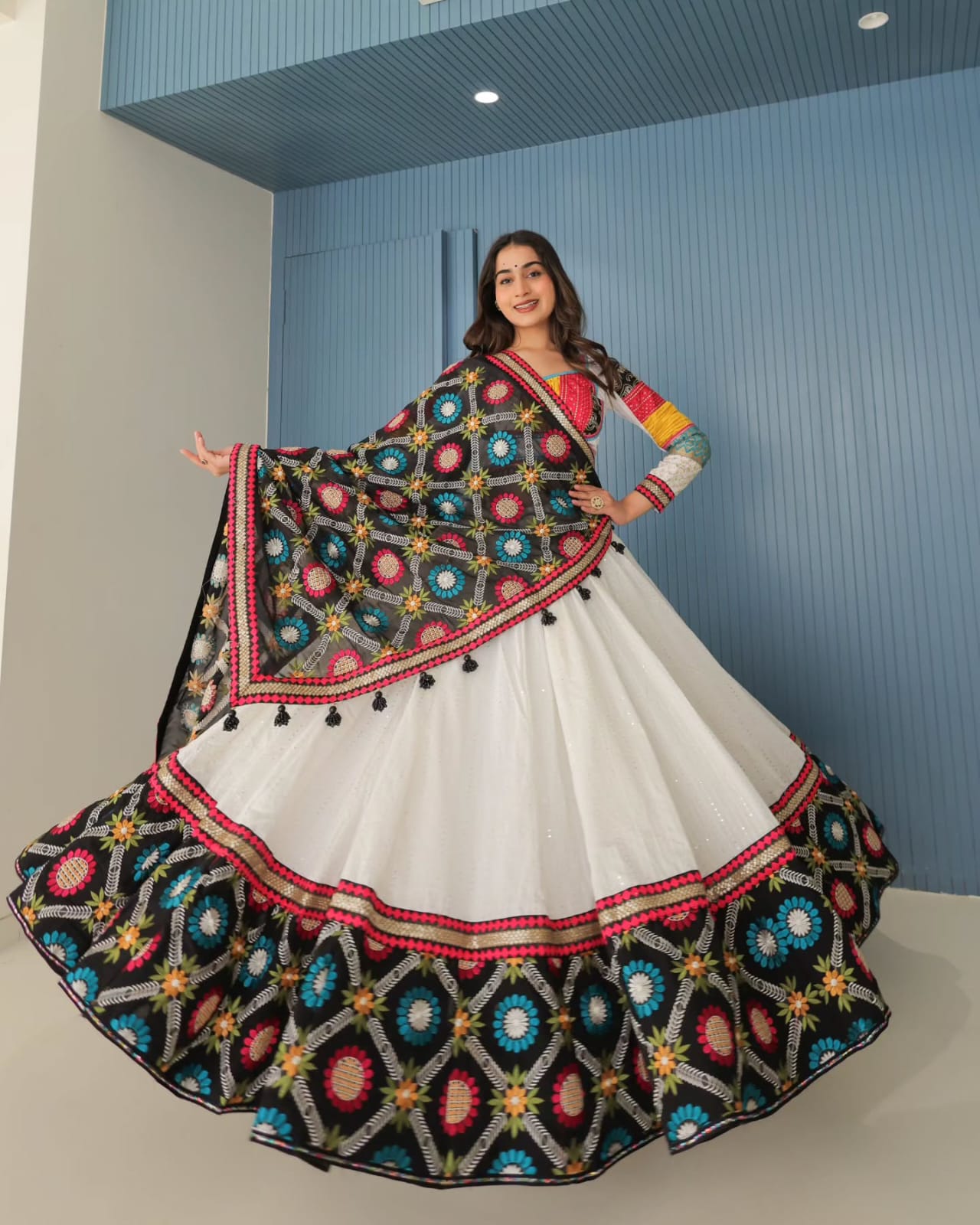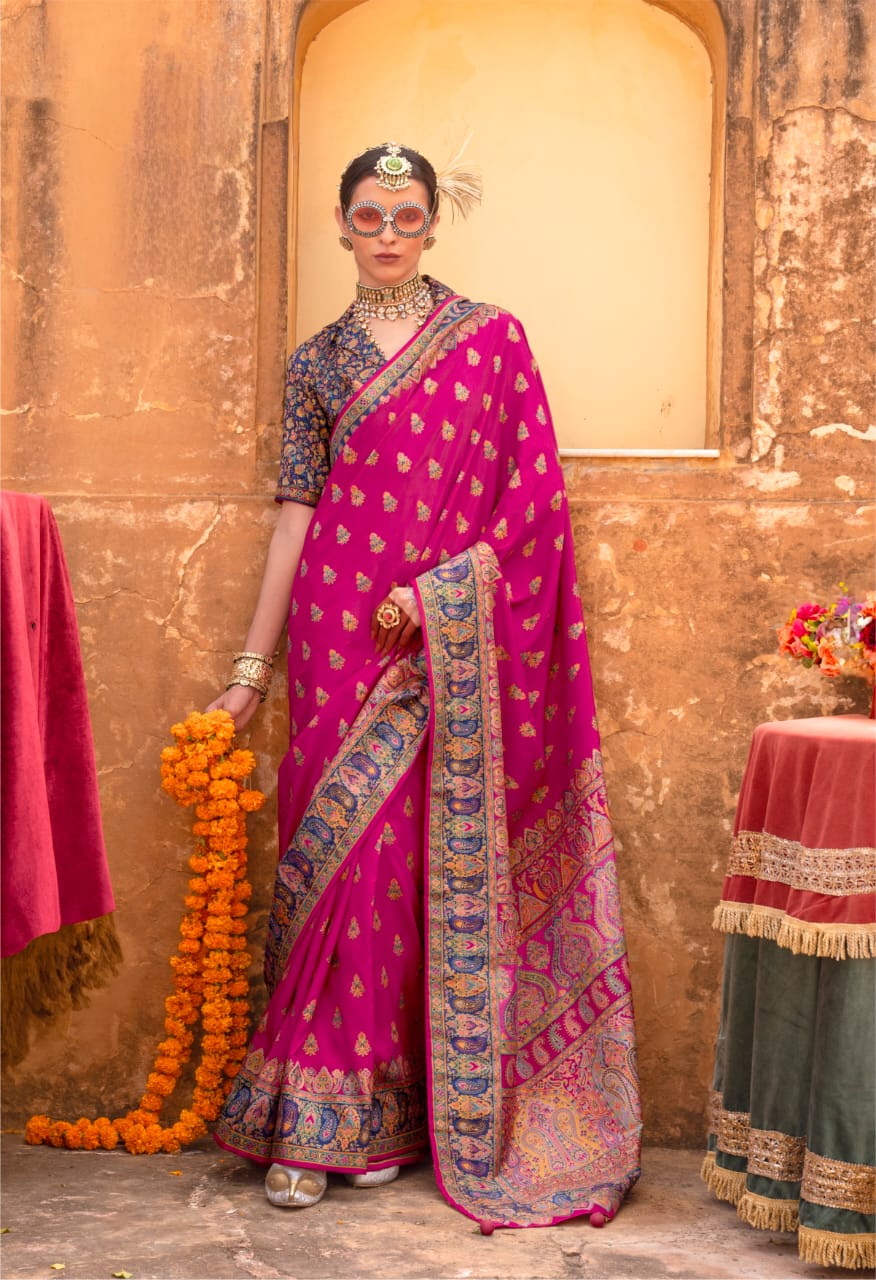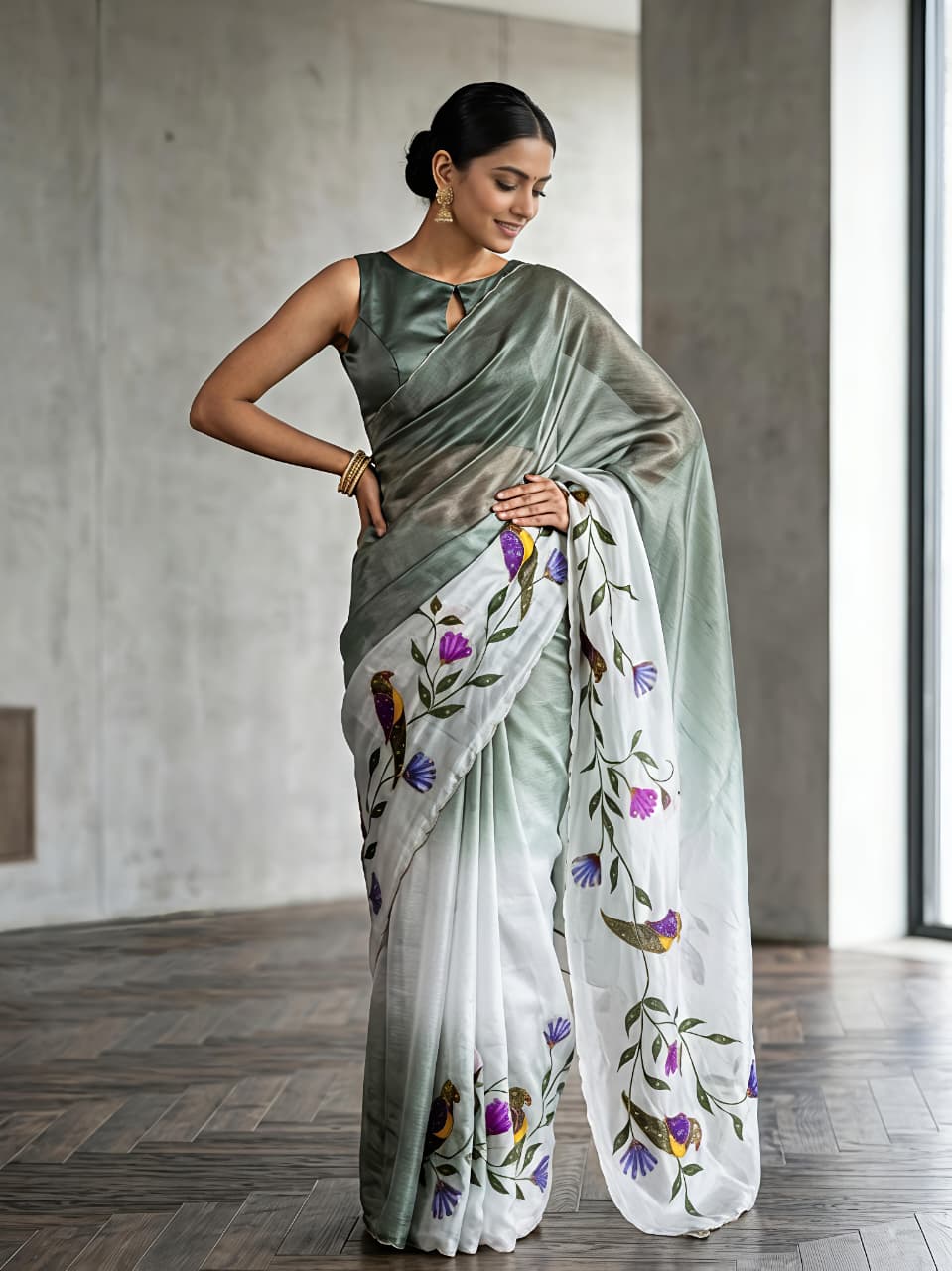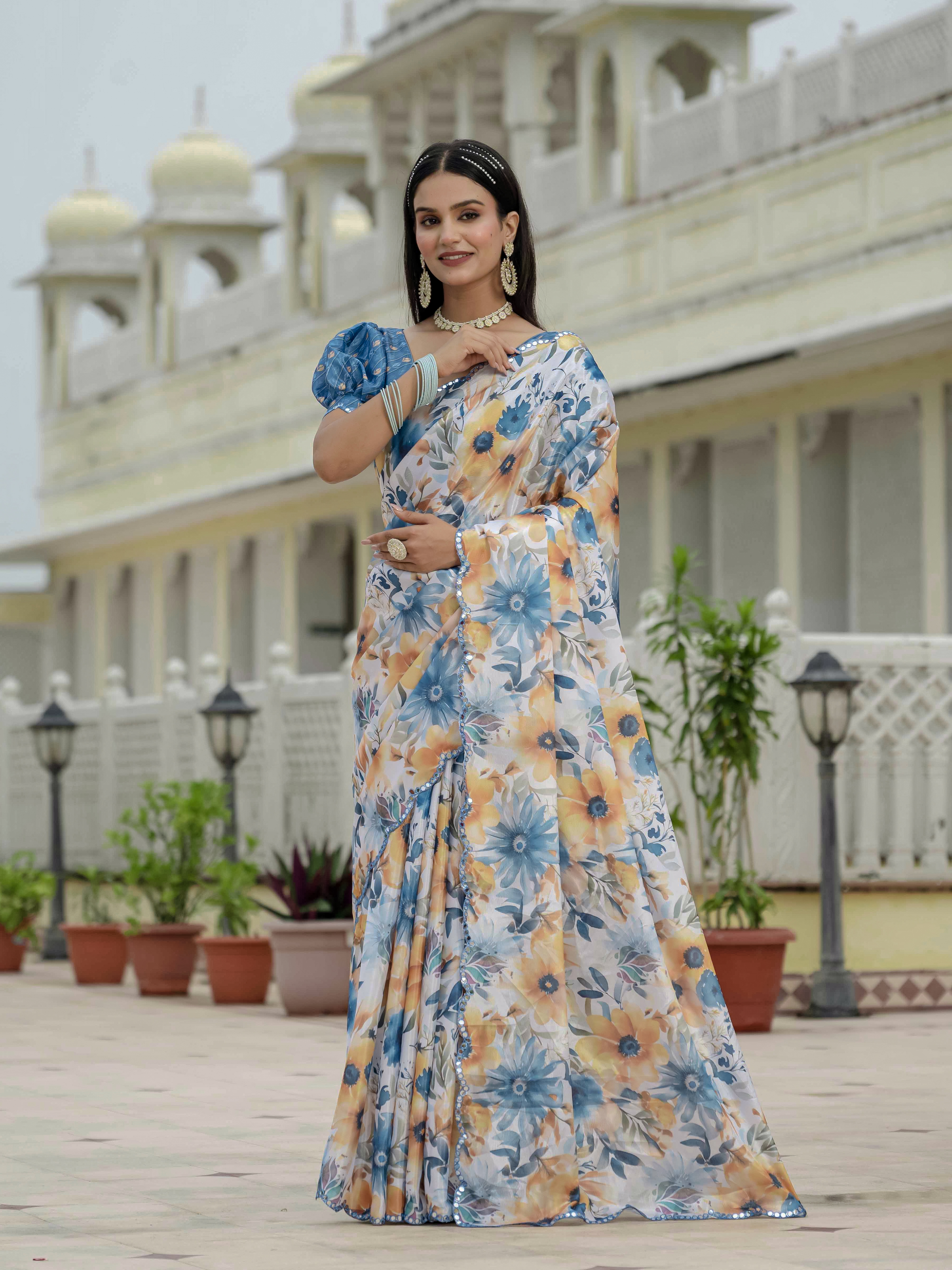
Traditional Arunachal Colours & Textile-Inspired Fashion offers a thoughtful way to bring the visual language of Arunachal Pradesh into contemporary occasion dressing. The strongest references come from handwoven textiles, high-contrast colour combinations, geometric bands and cultural diversity across the state, not from copying one single Arunachal look. A modern saree, blouse or drape can acknowledge those ideas through colour and structure while remaining comfortable, versatile and respectful.
Arunachal Pradesh has many communities, each with distinct dress traditions, weaving practices and ceremonial contexts. The Adi, Apatani, Nyishi, Monpa, Mishmi, Galo and Wancho communities, among others, can't be represented by one universal costume or colour code. Understanding that variety is the first step towards styling textile-inspired clothing responsibly.
Traditional Arunachal Colours & Textile-Inspired Fashion begins with regional textile knowledge
Traditional Arunachal Colours & Textile-Inspired Fashion begins with recognising that Arunachal Pradesh contains several textile traditions rather than one standard design vocabulary. Community identity, geography, climate, fibre availability and ceremonial use have all influenced how garments are woven and worn.
Woven clothing has historically carried practical and social information. A textile could indicate community identity, age, marital status, ceremonial purpose or the skill of the maker. Wool, cotton and locally available plant fibres have been used in different areas, while backstrap and other traditional looms have supported narrow-width weaving and repeated patterns. The result is a visual language that often feels graphic: stripes, stepped forms, diamonds, checks and strong bands remain legible even from a distance.
Climate also affects the appearance and construction of Arunachal dress. Mountain regions require warmer layers and denser fabrics, while other areas support lighter woven garments. Deep red, black, white, orange, yellow, green and blue appear in different combinations, but the cultural meaning of a shade depends on the community, textile and situation. A red stripe should not automatically be presented as having one universal meaning throughout Arunachal Pradesh.
Traditional Northeast Indian Dress Occasion Collection can offer useful comparative context when considering how regional clothing varies across the Northeast. The collection should be approached as a broader styling reference, not as proof that every Northeast Indian textile shares the same history or symbolism.
Traditional Arunachal Colours & Textile-Inspired Fashion and the meaning of colour
Traditional Arunachal Colours & Textile-Inspired Fashion uses colour most effectively when colour is treated as a cultural reference and design tool, not as a set of fixed symbolic translations. A careful outfit can acknowledge a palette without making unsupported claims about what every shade means.
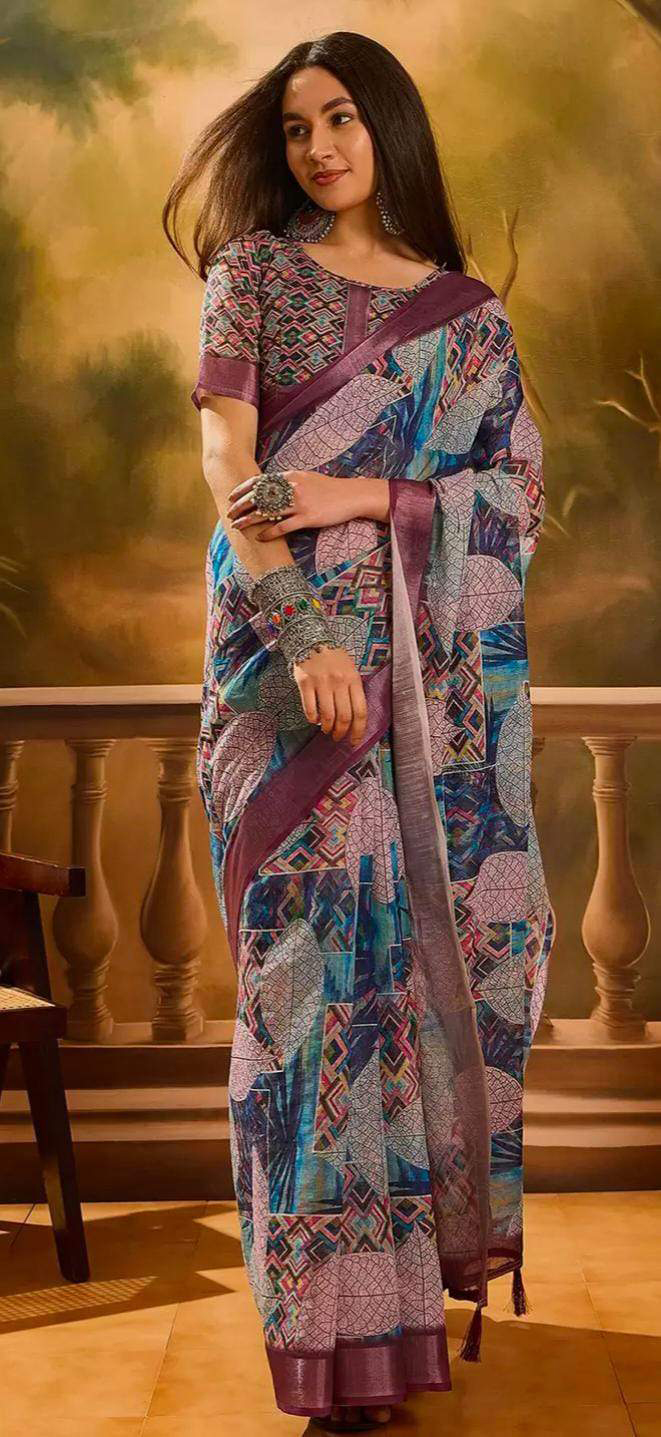
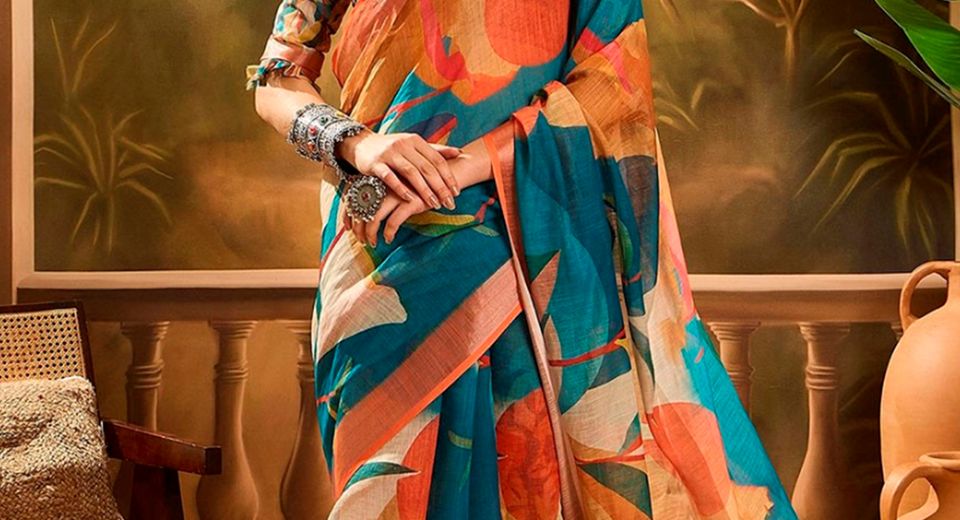
Red, orange and yellow
Red, orange and yellow create warmth and visual energy in an occasion outfit. These shades can suggest festivity when used in borders, woven bands or accessories, but an individual red tone doesn't represent every Arunachali community. Vermilion red, rust, turmeric yellow and burnt orange also respond differently to indoor and outdoor light, so checking a fabric swatch is useful before buying.
The Teal Orange Floral Linen Cotton Saree With Blouse shows how a warm orange accent can energise a cool teal base. A plain orange, rust or ivory blouse would allow the colour relationship to remain clear without adding another competing print.
Black, ivory and white
Black and white provide the high contrast that makes many geometric textile arrangements visually powerful. Black can ground a bright red or orange border, while ivory gives a handwoven-inspired pattern breathing space. Ivory Red Folk Art Print Linen Cotton Saree demonstrates how a restrained ground can carry a strong graphic accent without appearing visually heavy.
Blue, green and teal
Blue, green and teal introduce depth to an occasion palette, although landscape associations should not be confused with formal cultural meanings. Teal works especially well with orange, cobalt blue, rust and ivory because the combinations balance coolness with warmth. A blue border can also create a clear visual line when the saree is pleated or the pallu is arranged over the shoulder.
Traditional Arunachal Colours & Textile-Inspired Fashion through woven motifs
Traditional Arunachal Colours & Textile-Inspired Fashion can use woven motifs through repeated geometry, measured contrast and deliberate placement rather than literal imitation of a community garment. The aim is to borrow a design principle, such as a banded border or stepped rhythm, while keeping the outfit contemporary.
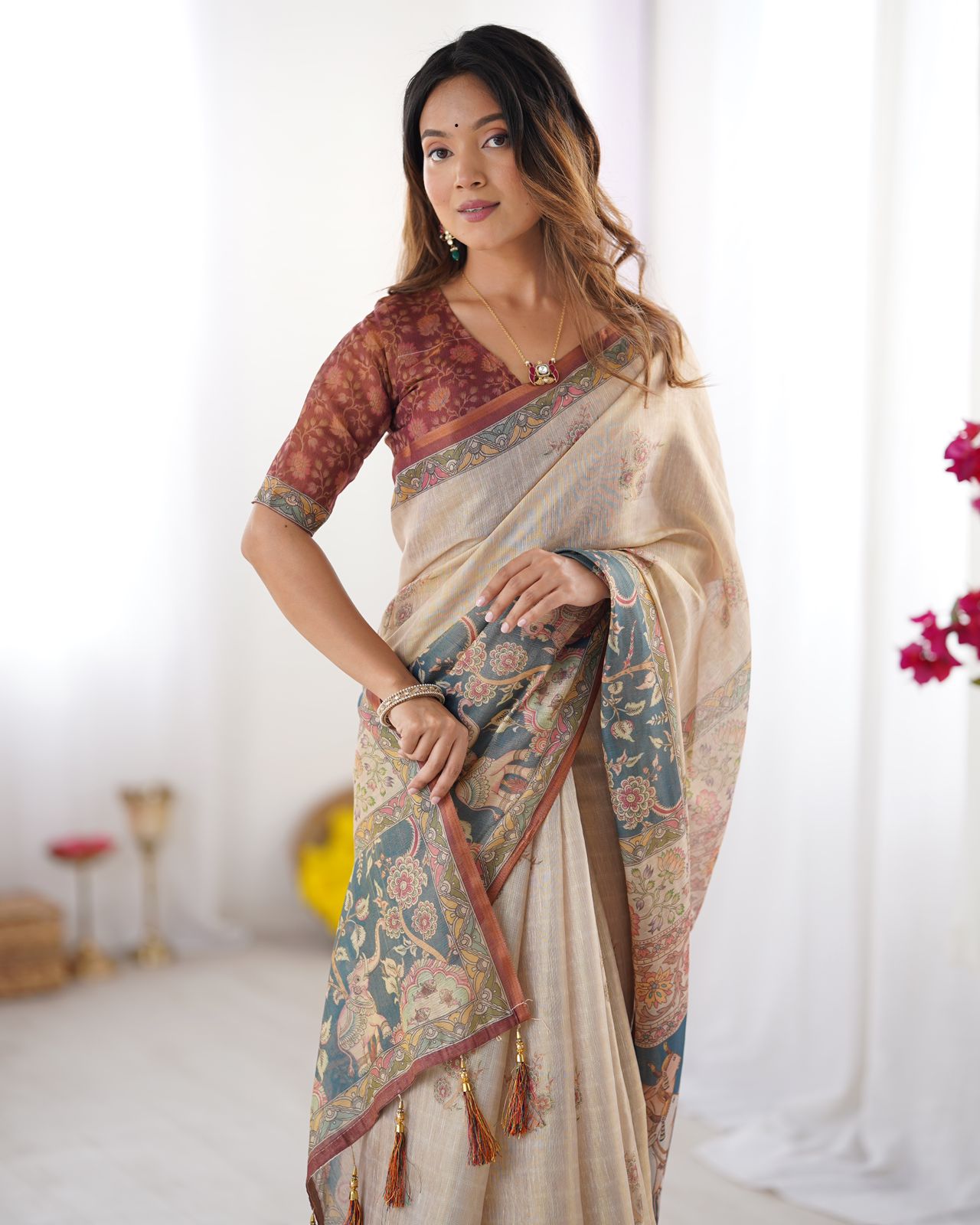
Geometric references work best when one element leads and the rest remains calm. A saree with a strong border can be paired with a solid blouse in one colour taken from that border. Linear jewellery, a textured clutch or a narrow belt can reinforce the structure without creating a second focal point.
Blue Red Ikat Silk Saree Online with Zari | Varnavi brings an example of how a woven-looking pattern, red-blue contrast and zari can coexist. Ikat isn't the same as a specific Arunachal textile tradition, so it should be described as a complementary textile reference rather than an Arunachal reproduction. That distinction matters in product descriptions, social captions and personal styling.
Floral printing can also become more architectural through draping. Teal Floral Linen Cotton Saree with Elegant Contrast Border can be pleated with the contrast border clearly visible along the pallu, allowing the edge to act like a woven band. A neatly folded pallu and structured blouse create a sharper silhouette than a very loose, heavily layered drape.
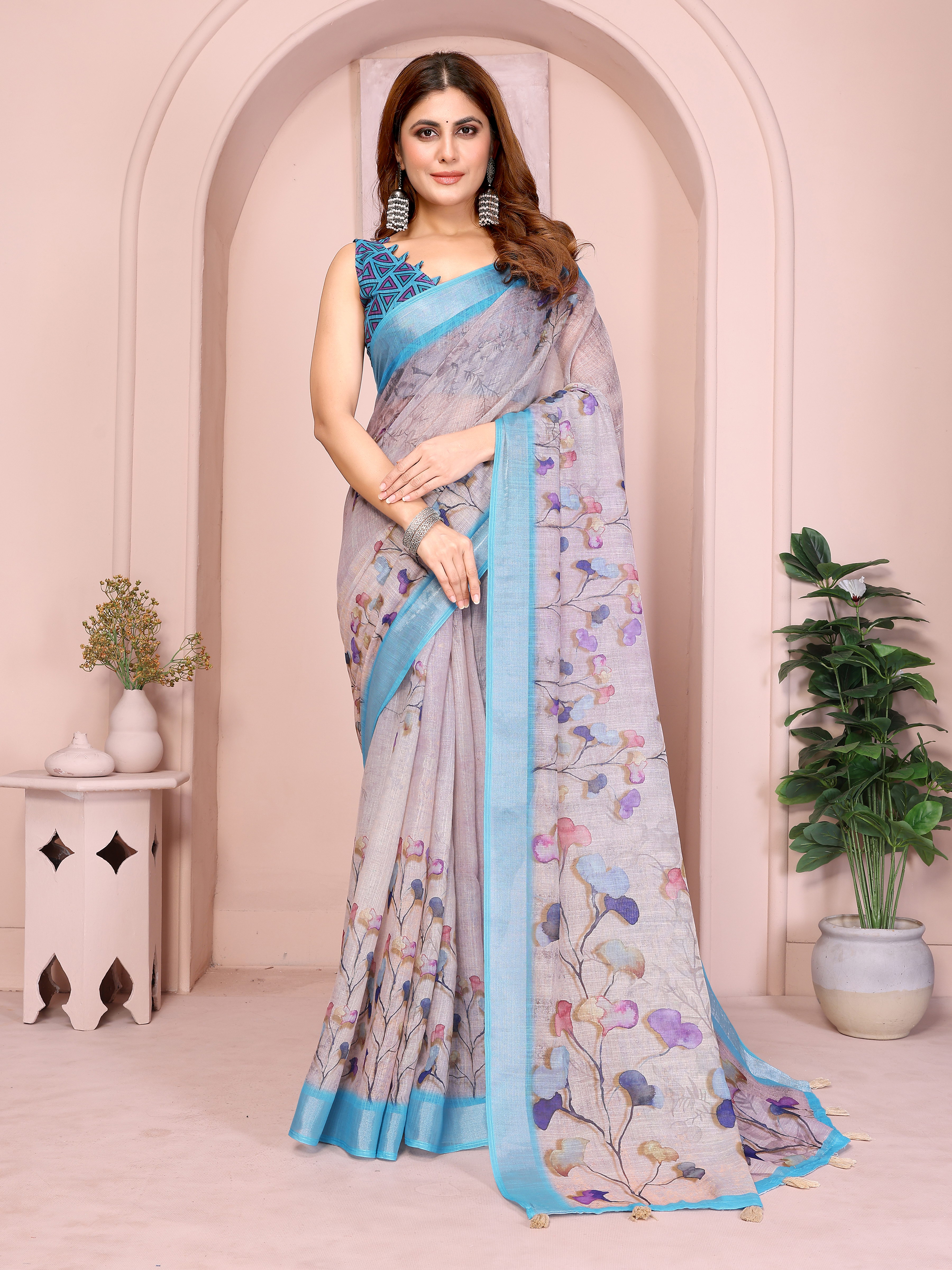
Multicolour Floral Linen Cotton Saree with Blue Border Look supports a similar approach. Let the blue border determine the blouse colour, then keep jewellery small and the footwear neutral. The floral field remains the expressive element while the border supplies the visual order associated with banded textile design.
Traditional Arunachal Colours & Textile-Inspired Fashion for respectful occasion styling
Traditional Arunachal Colours & Textile-Inspired Fashion becomes respectful occasion styling when it uses selective references rather than combining every visible element from a traditional dress at once. Select one primary reference, such as colour, border, texture or proportion, and support that reference with quieter choices.
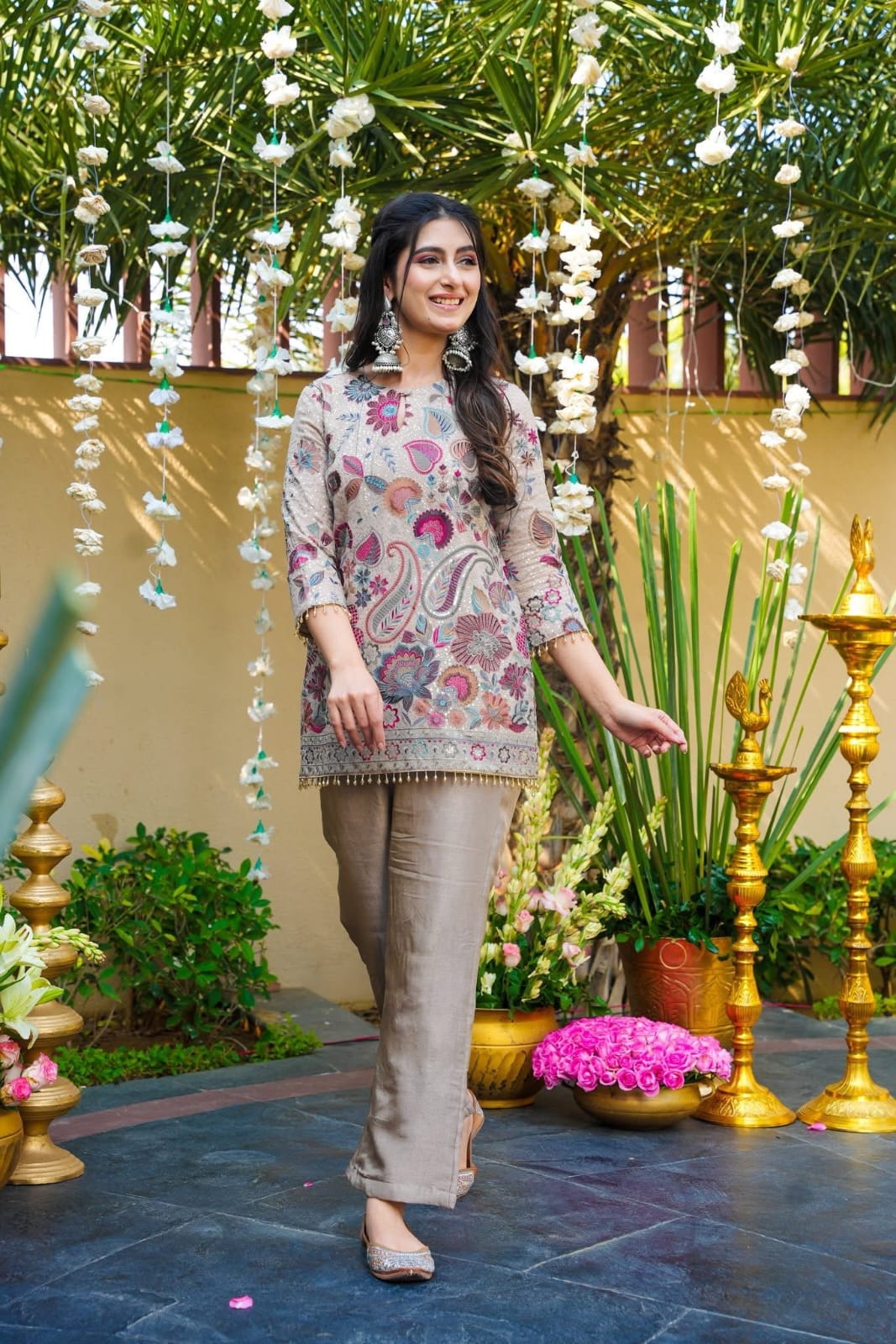
Choose a controlled colour formula
A three-colour formula is usually enough for a polished textile-inspired outfit: one base shade, one dominant accent and one small highlight. Ivory with red and black feels graphic; teal with orange and gold feels festive; navy with rust and cream feels grounded. Limiting the palette prevents printed fabric, jewellery and makeup from competing for attention.
Use texture to carry the reference
Texture often communicates a textile influence more effectively than a literal motif. Linen cotton, handloom cotton, raw silk, matka silk and cotton-silk blends create tactile surfaces associated with weaving and work well for daytime ceremonies. Matte fabrics also photograph with more depth than very glossy synthetic materials.
Teal Floral Linen Cotton Saree With Blue Border by Varnavi Women can be styled with a matte blouse and one metal accessory so that the fabric surface remains visible. If the saree is crisp, use a thin petticoat and careful pleating. If the fabric is fluid, avoid excessive pinning that can flatten the drape.
Keep the blouse structurally simple
A high boat neck, modest square neck, elbow-length sleeve or narrow contrast piping can echo the discipline of a woven border without copying a traditional garment. A solid blouse is preferable when the saree has a busy field. A small motif or woven texture on the blouse works better when the saree itself is relatively quiet.
Sikkim Traditional Women's Dress Collection and Traditional Uttarakhand Dress for Women can provide broader ideas about layering, colour balance and regional occasion dressing. Those collections represent different cultural histories, so their details should not be merged indiscriminately with Arunachal references.
Traditional Arunachal Colours & Textile-Inspired Fashion for different occasions
Traditional Arunachal Colours & Textile-Inspired Fashion can suit several traditional occasions when fabric weight, coverage and colour intensity match the setting. A palette suitable for an evening reception may need lighter fabric and simpler accessories for a morning ceremony.
Daytime ceremonies and family gatherings
Daytime ceremonies suit breathable linen cotton, cotton-silk or light handloom fabrics in teal, ivory, blue, yellow and soft red. Teal Floral Linen Cotton Saree With Matching Blouse provides a coordinated starting point because the matching blouse reduces styling decisions. Add a low bun, fabric-covered sandals and compact earrings rather than heavy jewellery that may be impractical in warm weather.
Festive evening events
Evening events can carry deeper red, cobalt, black, emerald or orange with a restrained metallic accent. Zari works best as a highlight when the intention is textile-inspired subtlety. A silk saree with an ikat-style arrangement, a plain blouse and one antique-gold bangle can look festive without becoming a costume interpretation.
Haldi ceremony and outdoor celebrations
A Haldi ceremony calls for washable, breathable and movement-friendly clothing because turmeric paste, dust and outdoor seating can affect delicate fabrics. Yellow, orange, teal, green and red create a lively palette, but darker borders or a shorter, easier-to-manage pallu are safer when staining is likely.
Multicolor Floral Print Ready To Wear Chinnon Saree can be practical for someone who wants a pre-pleated silhouette, provided the fabric and embellishment suit the venue. Ready-to-wear construction also helps guests who need to move between sitting, standing and participating in rituals.
Traditional Goa Dress for Women gives a separate regional occasion reference, particularly for relaxed celebrations and lighter styling. Regional inspiration should remain clearly attributed instead of being presented as part of Arunachal dress history.
Traditional Arunachal Colours & Textile-Inspired Fashion: jewellery, draping and care
Traditional Arunachal Colours & Textile-Inspired Fashion looks most cohesive when jewellery, hair and accessories reinforce the chosen textile reference without collecting unrelated symbols. Oxidised silver, brushed brass, wood, cane, beadwork and matte gold can all support a handwoven-inspired look, but one dominant material usually creates a more polished result.

For a red, black and ivory palette, choose silver or darkened metal and keep stones minimal. For teal, orange and blue, brushed gold or warm brass can connect the palette without competing with the print. A structured potli, woven clutch or plain leather sandal is enough; an additional heavily embroidered bag may make the outfit feel overcrowded.
A low bun, side braid or controlled half-up style keeps attention on the border and pallu. Hair accessories should remain small when the saree already has strong colour contrast. A narrow bindi in deep red, black or brown can provide definition, while makeup in warm neutral tones generally supports textile-inspired colour better than several bright shades at once.
Care protects the colour and surface that make a textile-inspired outfit effective. Air linen cotton and cotton sarees after wearing, remove surface dust with a soft brush and store them folded in breathable cotton rather than sealed plastic. Wash printed fabrics according to the care label, keep dark and light garments separate, and avoid direct sunlight for long drying periods because strong light can fade red, orange and teal.
Store zari and silk in muslin or another breathable fabric, refold stored sarees every few months to reduce permanent creasing, and never iron directly over metallic thread. Place a clean cotton cloth between the iron and the garment, use the lowest suitable heat setting and test an inconspicuous area first.
Thoughtful styling doesn't require claiming that a current printed saree is a traditional Arunachal garment. Accurate wording matters: describe a colour palette, geometric influence or textile-inspired approach honestly, name the specific community or textile only when the information is verified, and credit artisan traditions when a genuine handwoven textile is involved. That approach allows contemporary occasion wear to celebrate Arunachal Pradesh with curiosity, restraint and respect.
Questions About Traditional Arunachal Colours & Textile-Inspired Fashion
What colours are associated with traditional Arunachal clothing?
Red, black, white, orange, yellow, green and blue appear in different Arunachal textile traditions, but no single colour code represents the entire state. Colour combinations and meanings vary by community, garment and ceremonial context.
How can I style a saree with Arunachal-inspired colours?
Choose one strong palette, such as teal and orange or ivory, red and black, and pair a printed saree with a plain blouse in one border colour. Keep jewellery and accessories restrained so the border, texture or drape remains the main reference.
Are all Northeast Indian textiles the same as Arunachal textiles?
No, Northeast Indian textiles are highly diverse, and Arunachal Pradesh contains several distinct community traditions. Sikkim, Assam, Nagaland, Manipur, Meghalaya and other regions have their own histories, motifs, fibres and methods.
Can I wear textile-inspired fashion for a Haldi ceremony?
Yes, breathable linen cotton, cotton or lightweight ready-to-wear fabrics work well for a Haldi ceremony. Choose practical drapes, darker borders and washable materials because turmeric, dust and outdoor movement can stain delicate clothing.
What jewellery suits an Arunachal-inspired saree look?
Oxidised silver, brushed brass, wood, cane, beadwork and matte gold can complement a textile-inspired saree. Select one dominant material and avoid combining several large motifs or highly ornate accessories.
How should I care for a linen cotton or printed saree?
Follow the garment care label, separate dark and light colours, avoid prolonged direct sunlight and store the saree in breathable cotton. Air the saree after use and keep zari or silk away from direct heat and plastic storage.