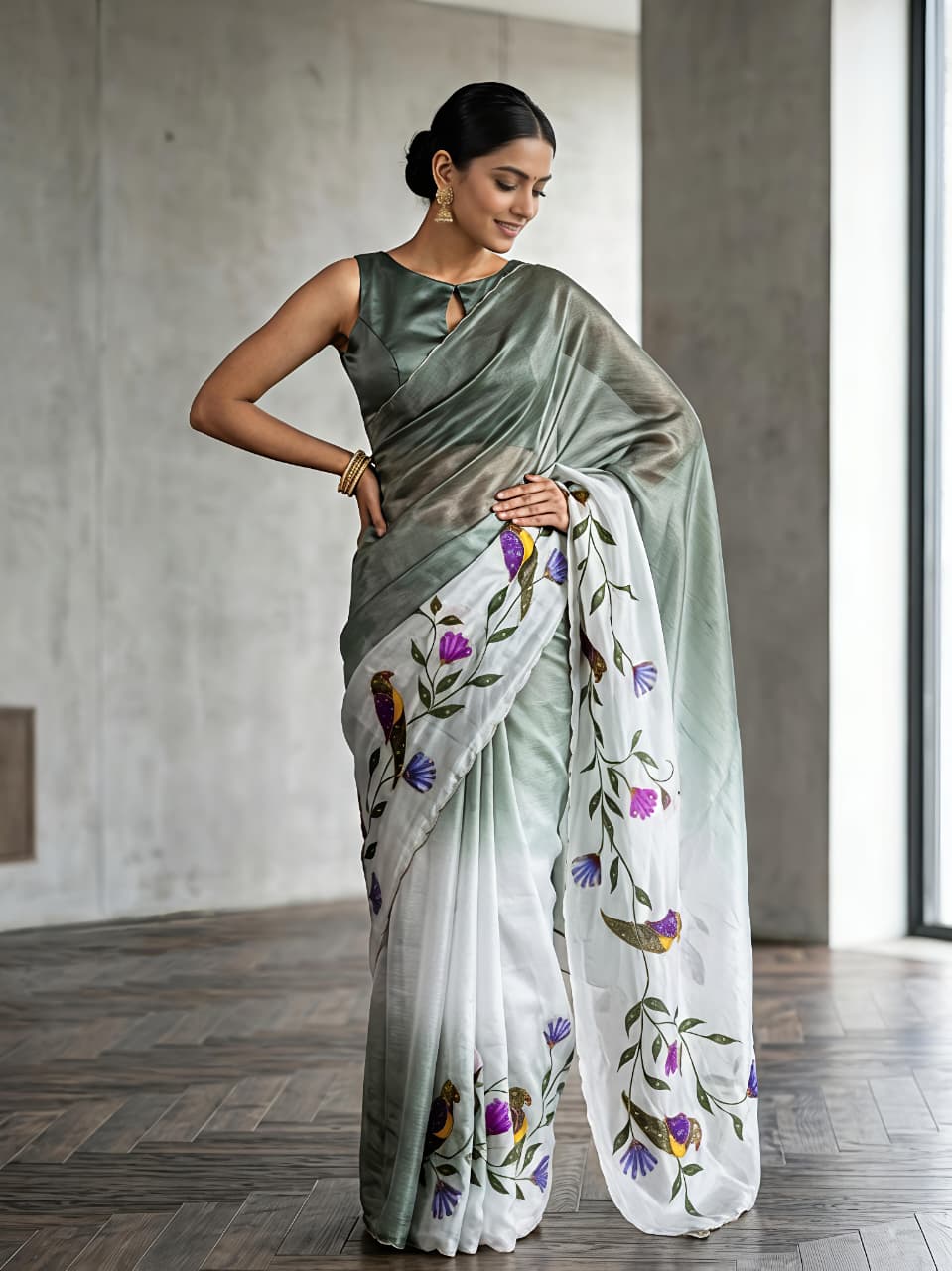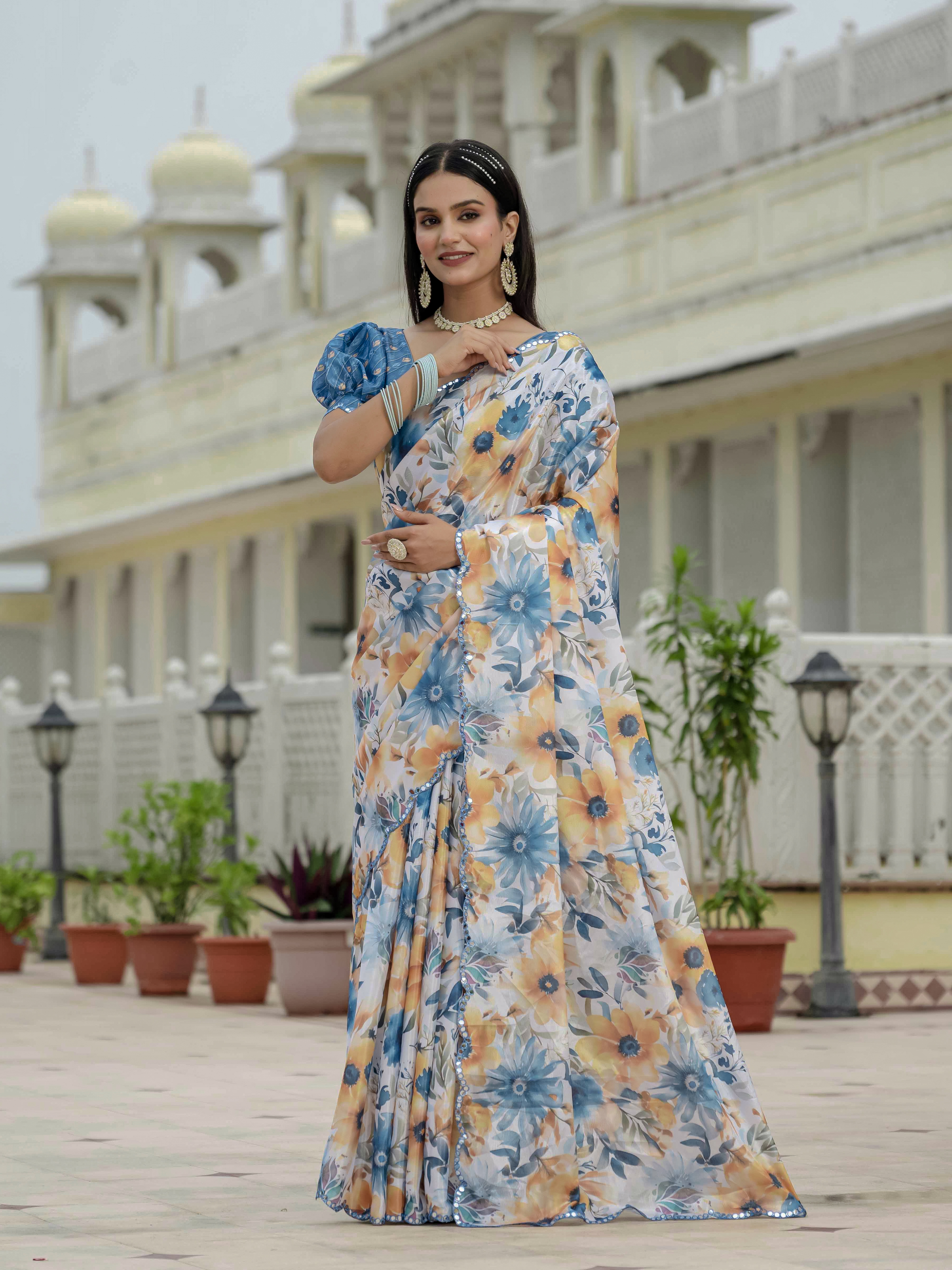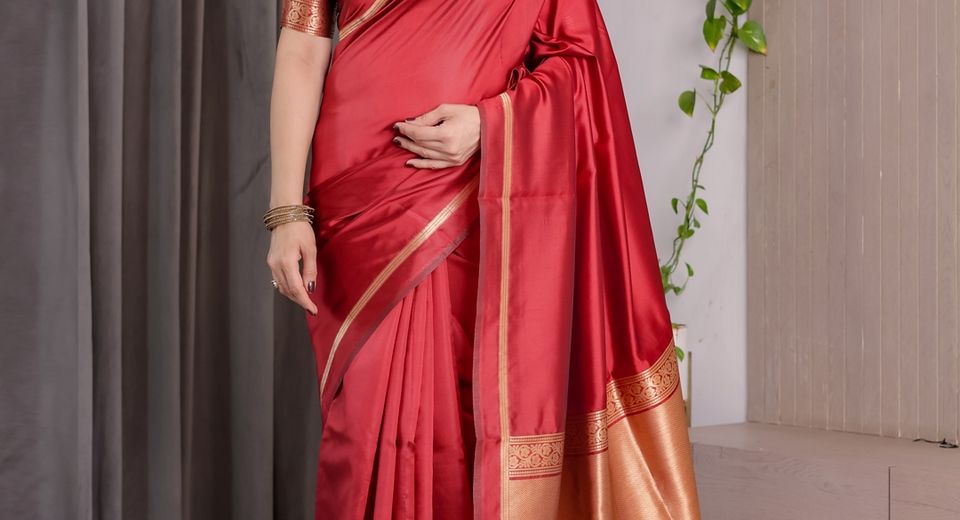
Traditional Andhra Saree Styles Every Woman Should Know begin with a simple distinction: Andhra Pradesh has several textile traditions, and each one creates a different experience on the body. Uppada sarees are known for airy silk and fine jamdani-like patterning, Mangalagiri sarees for firm cotton and characteristic zari borders, Venkatagiri sarees for lightweight cotton or silk-cotton softness, and Dharmavaram sarees for rich silk and broad ornamental borders. Knowing those differences helps you shop beyond colour and price.
Andhra saree traditions developed around distinct weaving centres, local climates and ceremonial needs. A breathable cotton saree can be ideal for a summer puja, while a heavy Dharmavaram silk may suit a wedding reception. The most useful question isn't simply whether a saree looks traditional; the useful question is which weave, yarn and border construction create that look.
What makes Andhra sarees distinctive?
Andhra sarees are distinctive because regional weaving centres combine practical fabrics with recognisable borders, layouts and surface techniques. Cotton, silk, silk-cotton blends, zari and supplementary patterning appear in different proportions across the state's textile traditions.
Andhra Pradesh's saree vocabulary includes both everyday handlooms and formal silk traditions. Mangalagiri cotton responds well to heat because its relatively light structure doesn't trap as much warmth as a dense silk. Dharmavaram silk uses a fuller body and elaborate pallu, creating the visual weight associated with bridal and festive dressing. Uppada weaving is prized for delicate texture and a graceful fall rather than a stiff, heavily embellished finish.
Regional names are not interchangeable with fabric names. "Silk" describes the fibre, while "Uppada" or "Dharmavaram" points toward a weaving and design tradition. A saree can also contain zari, printed motifs or a designer blouse without belonging to one specific Andhra weaving centre. Checking the fabric composition and the construction of the border prevents misleading assumptions.
Traditional Andhra Saree Styles Every Woman Should Know
Uppada sarees
Uppada sarees are lightweight silk sarees associated with Uppada in the East Godavari region of Andhra Pradesh. Their appeal comes from a soft drape, a luminous surface and finely arranged motifs that can resemble jamdani-style patterning.
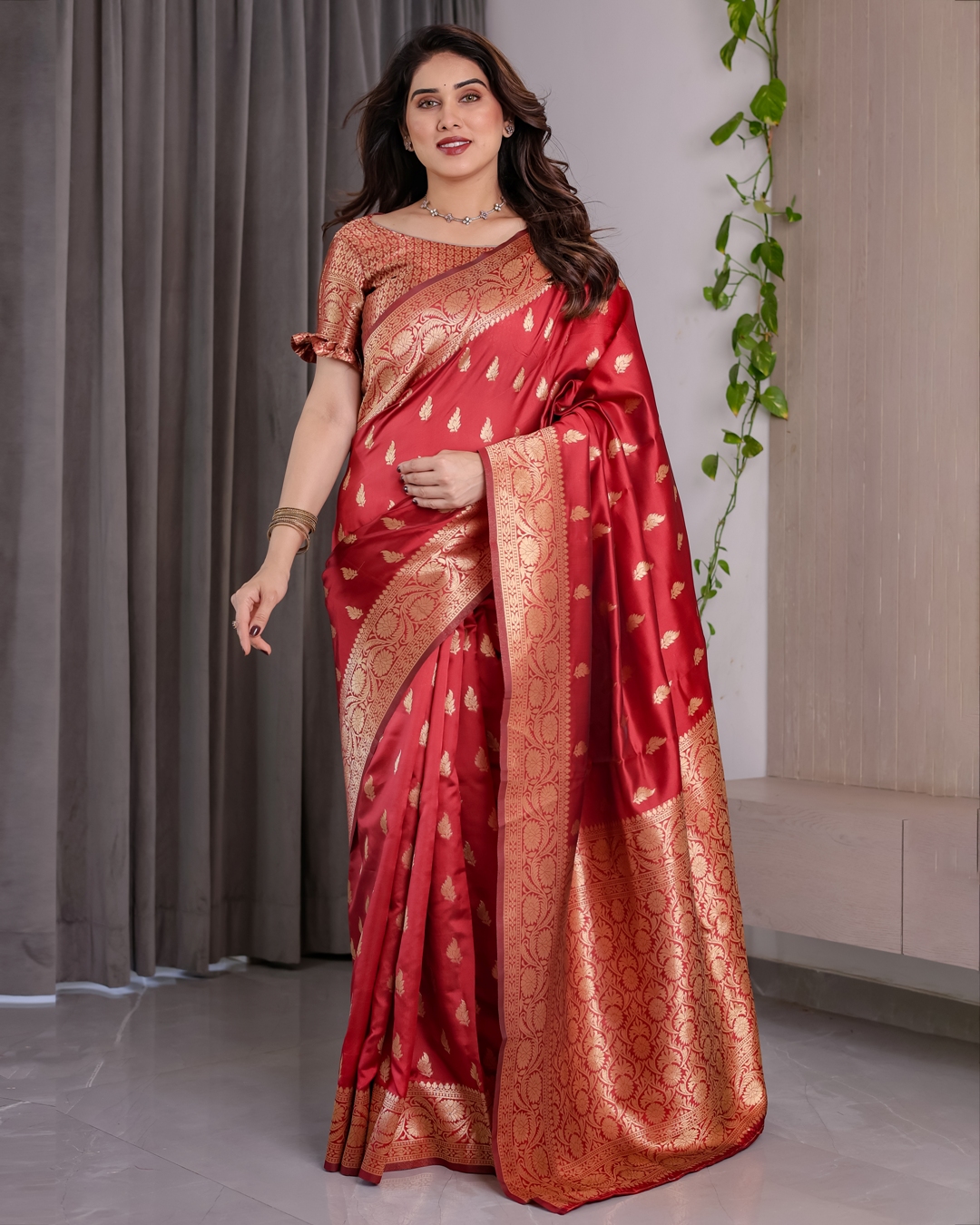
Traditional Uppada weaving is labour-intensive, and authentic pieces may show small variations in motif alignment or texture. Floral buttas, geometric accents and contrasting pallus are common visual cues, although designs vary by weaver and collection. Uppada silk works particularly well for festive lunches, engagement ceremonies and receptions where you want silk presence without an extremely rigid drape.
Pair an Uppada saree with a structured blouse in raw silk, brocade or matching silk. A short-sleeved blouse keeps the look contemporary, while elbow-length sleeves and temple jewellery create a more classical line. Pleat the front carefully because a light silk reveals uneven folding more readily than a thicker cotton saree.
Mangalagiri sarees
Mangalagiri sarees are cotton and silk-cotton handlooms from the Mangalagiri region, recognised for their clean body, restrained motifs and distinctive zari or woven borders.
Mangalagiri cotton is especially practical for warm weather, workwear and daytime ceremonies. The surface often looks comparatively plain, allowing the border to carry the design. Traditional borders may include zari stripes or temple-inspired geometry, and the pallu is usually neat rather than excessively ornate.
A Mangalagiri saree benefits from a blouse with one deliberate detail: a contrast sleeve edge, a small zari motif or a blouse colour taken from the border. Heavy necklaces can overpower the fabric. Silver jewellery, gold studs, a fabric potli and a low bun often support the saree's understated character better than layers of embellishment.
Venkatagiri sarees
Venkatagiri sarees are fine, lightweight sarees associated with Venkatagiri in Andhra Pradesh, traditionally available in cotton, silk-cotton and silk varieties.
Venkatagiri cotton is valued for softness and a comfortable fall, making it useful for long ceremonies where you may be seated or moving frequently. Delicate checks, stripes, floral details and zari borders can appear across different versions. The fabric generally feels less visually dense than a grand bridal silk, so it adapts easily to office events, pujas and understated festive dressing.
Choose a blouse with enough structure to balance the fine saree. A cotton-silk blouse, handloom blouse or matte raw-silk blouse can provide shape without creating a harsh contrast. Small jhumkas and a narrow bangle stack maintain the lightness of a Venkatagiri drape.
Dharmavaram silk sarees
Dharmavaram silk sarees are ceremonial silk sarees from the Dharmavaram weaving tradition, known for substantial fabric, dramatic pallus and broad borders with zari or woven ornamentation.
Dharmavaram silk is often selected for bridal wardrobes, wedding rituals and formal evening celebrations because its body holds pleats and its surface carries rich colour. Deep red, maroon, purple, green and gold combinations are strongly associated with festive styling, but contemporary versions may use softer palettes.
A Dharmavaram saree already supplies visual richness, so the blouse should repeat one border colour rather than introduce several competing shades. A high-neck blouse, elbow-length sleeves or a traditional round-neck cut can work well. If the saree has a broad pallu, pin the pallu in a clean pleated fall so the zari remains visible without becoming bulky.
Andhra Kalamkari sarees and printed traditions
Andhra Kalamkari sarees are textile pieces decorated with hand-drawn or block-printed narrative, floral or nature-inspired imagery, particularly through traditions associated with Srikalahasti and Machilipatnam.
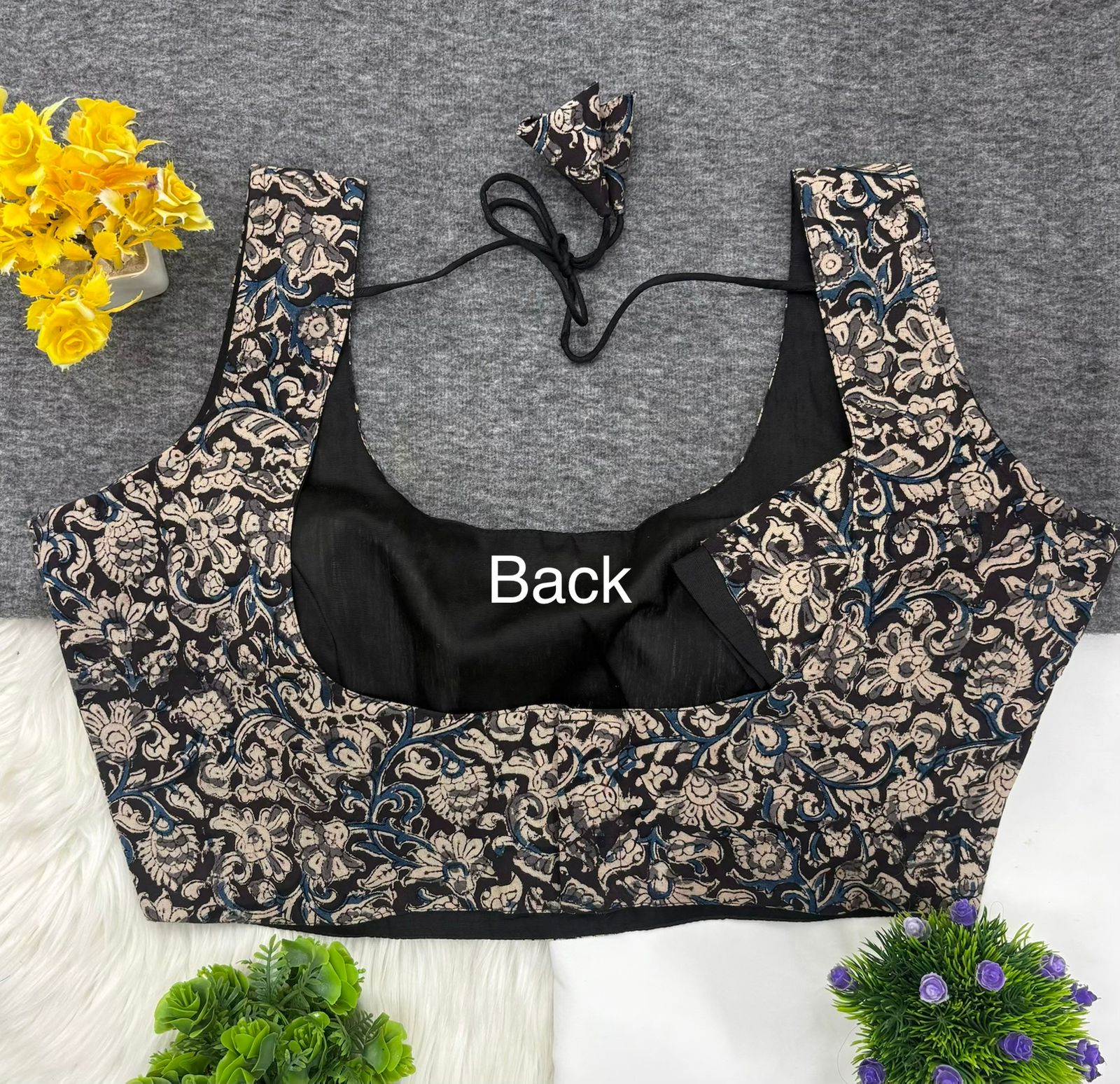
Kalamkari differs from a woven border tradition because the visual story comes primarily from the surface treatment. Motifs may include creepers, birds, mythological scenes or stylised florals. Printed sarees require careful attention to colour fastness and washing instructions because pigment or dye handling can differ between pieces.
Wear an Andhra Kalamkari saree with a solid blouse in one of the print's quieter colours. A busy printed blouse can make the overall outfit look crowded. Terracotta jewellery, wooden bangles or simple metal earrings can reinforce the textile's craft character without competing with the artwork.
How can you identify the right Andhra saree for an occasion?
You can identify the right Andhra saree by matching fabric weight, surface formality and comfort requirements to the event. Cotton and silk-cotton suit daytime and warm-weather gatherings, while substantial silk and broad zari borders suit weddings and formal ceremonies.
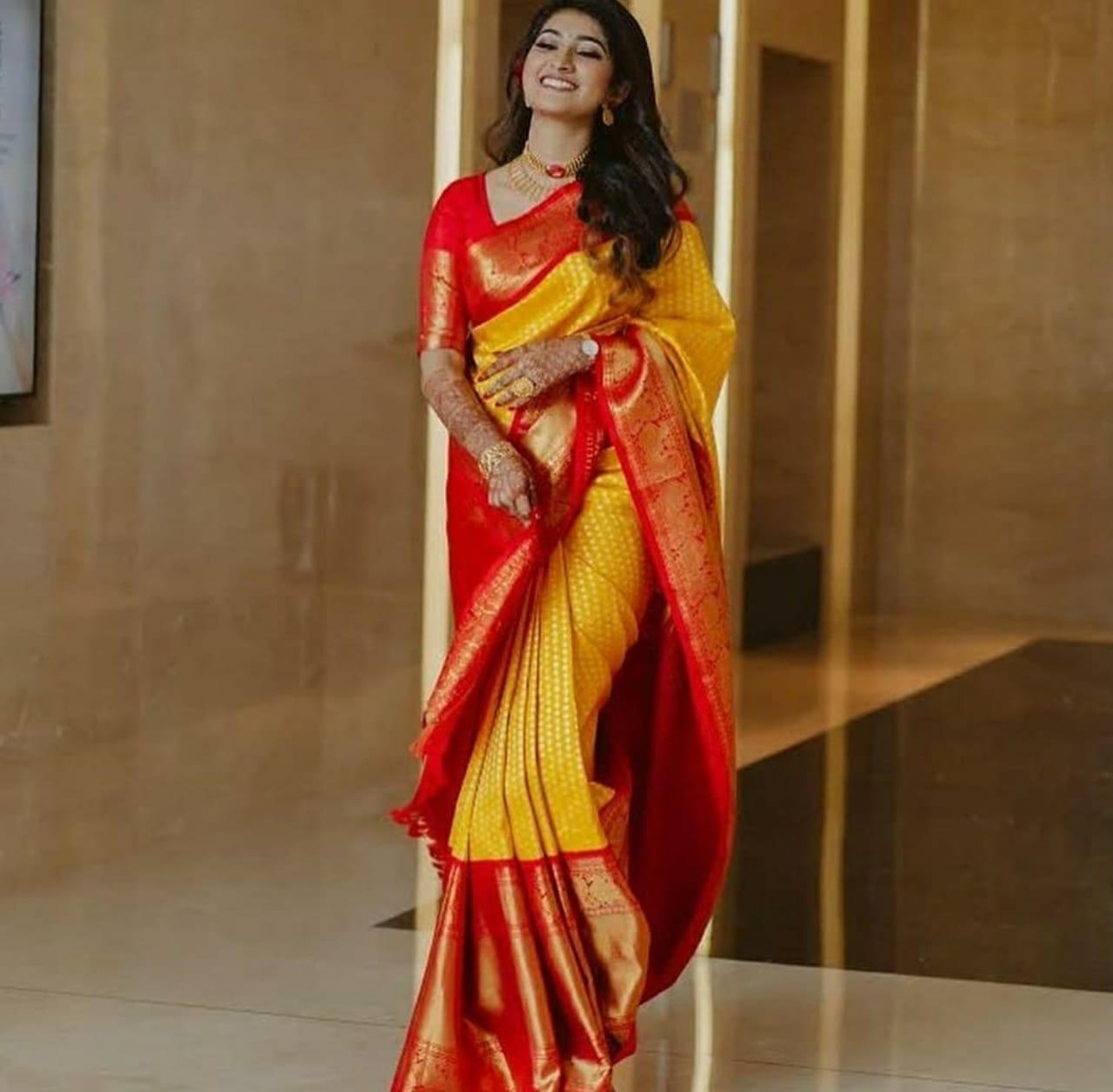
- For daily wear: Choose Mangalagiri cotton, Venkatagiri cotton or a light printed saree with a manageable pallu. These options are easier to wash, fold and repeat than heavy silk.
- For a Haldi ceremony: Choose a breathable cotton or linen-cotton saree in yellow, green, pink or a gentle floral print. Avoid delicate trailing embellishments if turmeric, water and outdoor movement are likely.
- For a puja or family lunch: Select Venkatagiri, Mangalagiri silk-cotton or a restrained Uppada saree. A medium-width border photographs well without making the outfit feel overdressed.
- For a wedding: Select Dharmavaram silk, a richer Uppada silk or another substantial silk with a stable pallu and secure zari border. Confirm the saree's weight before ordering online.
- For an evening reception: Use deep-coloured silk, a luminous tissue weave or a saree with a defined metallic border. Keep the blouse construction polished because indoor lighting highlights sleeve and neckline finishing.
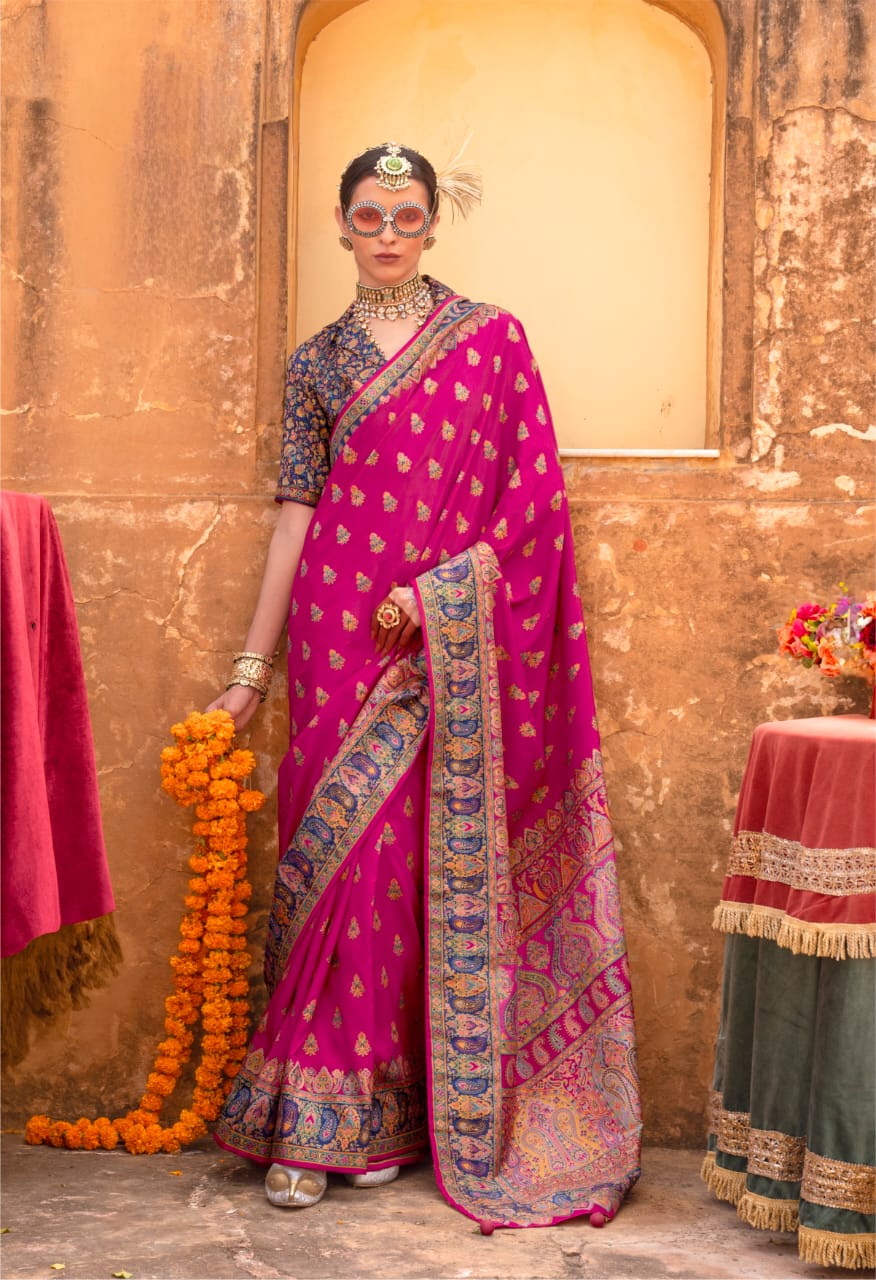
Available sarees can also help you compare the visual effect of different materials. Pastel Floral Tissue Handloom Cotton Saree with Zari Weaves demonstrates how a light ground and metallic thread can create festive interest without the weight of dense silk. Red Banarasi Soft Silk Saree With Golden Zari Floral Border and Maroon Banarasi Soft Silk Saree with Golden Zari Border show how soft silk and zari produce a more formal appearance, although Banarasi silk belongs to a different regional tradition from Andhra weaving.
Which blouse, jewellery and drape work with Andhra sarees?
The most effective styling choice is to let the saree's border determine the blouse's colour and level of ornamentation. A simple body with a detailed border needs restraint, while a plain cotton body can support a more expressive blouse.
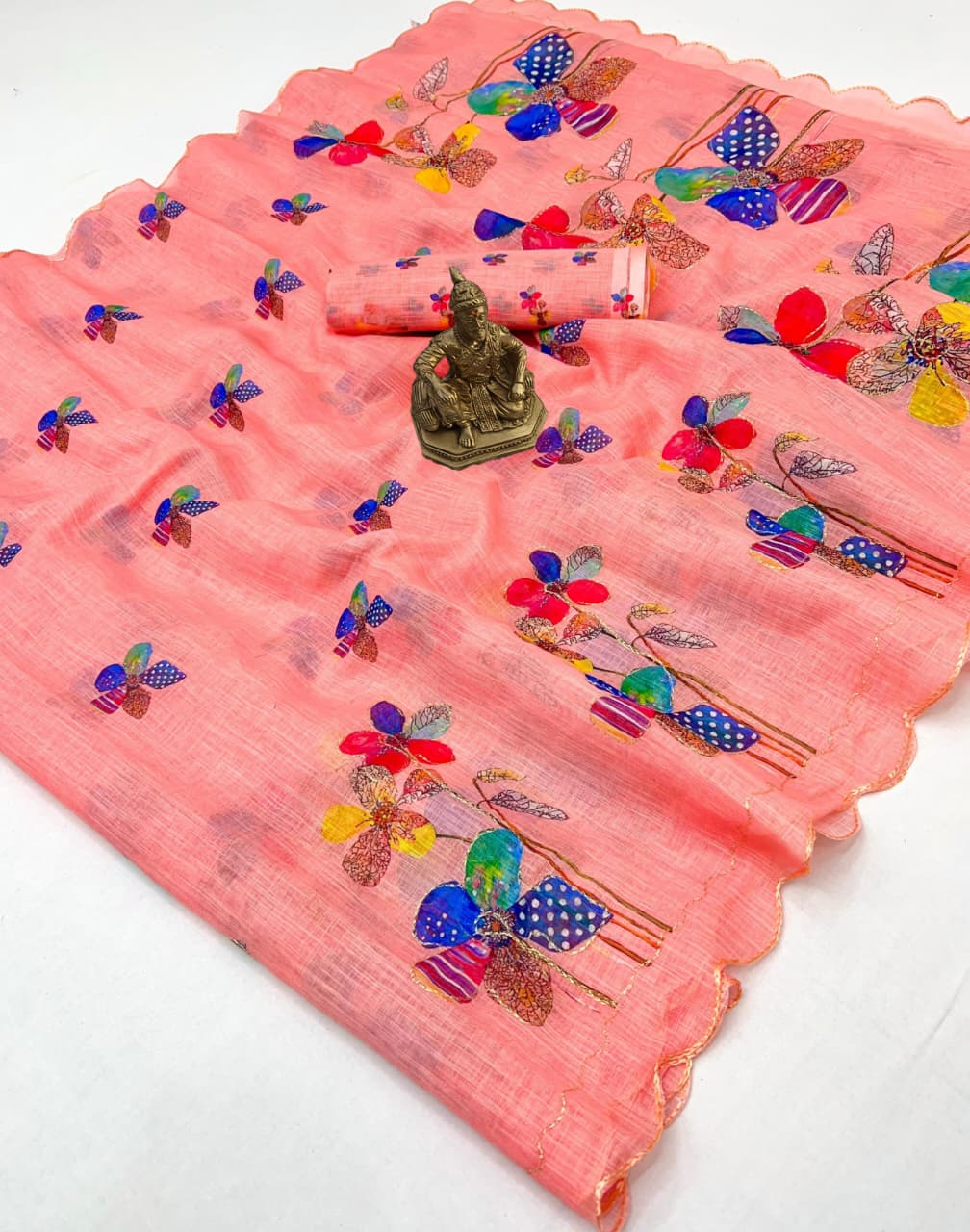
For Mangalagiri and Venkatagiri cotton, try a contrast blouse in cotton-silk, handloom cotton or matte silk. Necklines with clean piping look intentional and keep the outfit practical. For Uppada silk, use a blouse with a subtle woven texture or a small zari detail. For Dharmavaram silk, a blouse that repeats the pallu's dominant shade creates a cohesive bridal or festive appearance.
Gold jewellery traditionally complements zari, but silver, oxidised metal and terracotta can be equally convincing with cotton and Kalamkari. Match the scale of jewellery to the saree's density: a broad zari border can carry a choker and earrings, while a delicate printed saree often looks better with one focal accessory.
The Nivi drape is versatile for most Andhra sarees, but the pleat count should respond to fabric thickness. A lightweight cotton saree may take six to seven narrow pleats, while a fuller silk may sit better with five or six wider pleats. Use a secure waist tuck and two pallu pins for slippery silk; hidden safety pins reduce shifting without interrupting the visible fall.
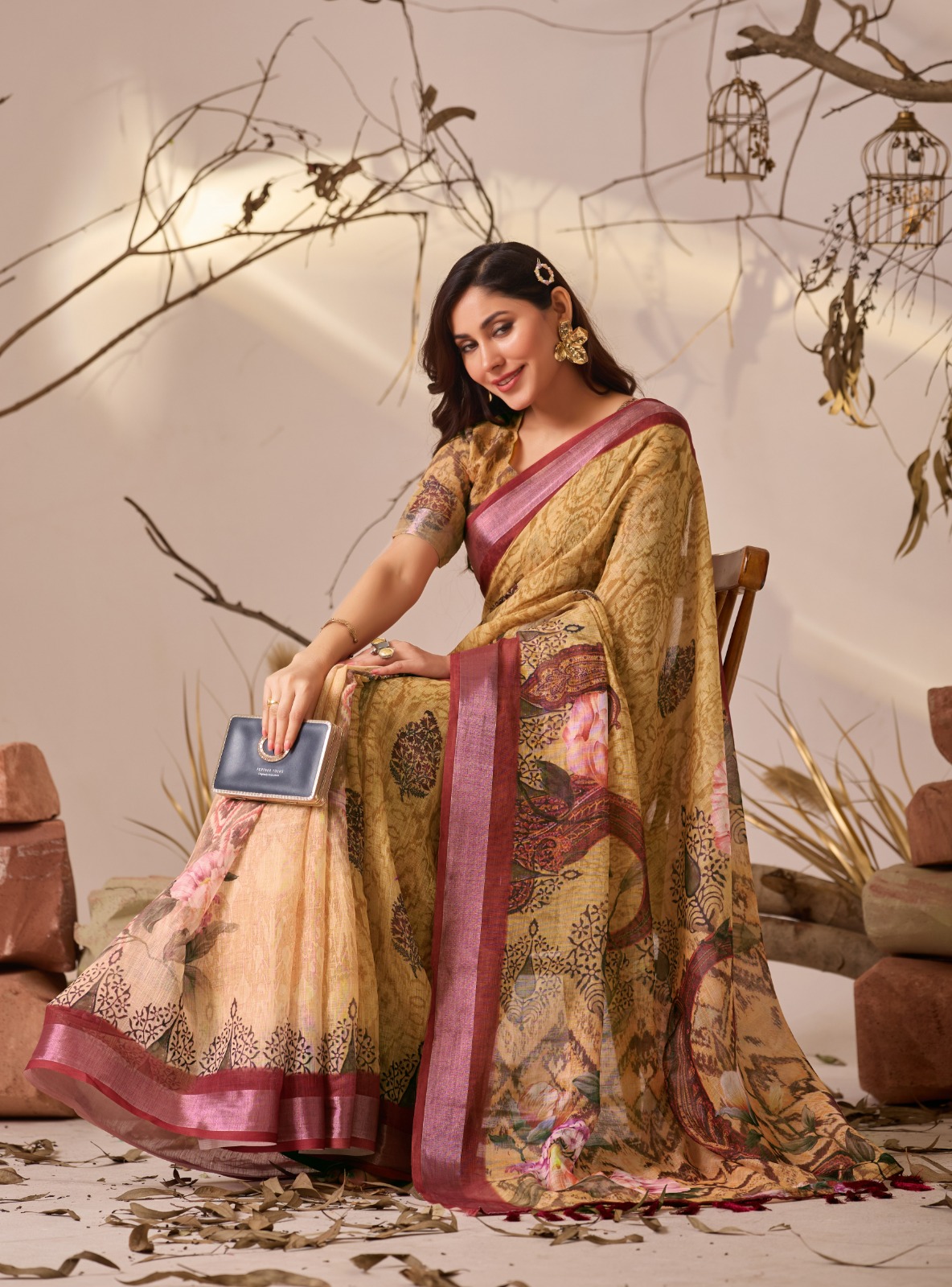
Pastel Linen Cotton Floral Print Saree with Designer Blouse and Traditional Beige Multicolor Printed Saree are useful references for styling lighter printed fabrics. Keep the blouse solid when the saree already contains several colours. A low bun, braid or half-up style also prevents the shoulder area from becoming visually crowded.
What should you check before buying an Andhra saree online?
Before buying an Andhra saree online, check the fibre composition, actual measurements, border construction, blouse-piece details and care instructions. A product photograph alone can't tell you whether a saree is pure silk, silk-cotton, cotton or a synthetic blend.

- Read the fabric specification: Look for terms such as pure silk, cotton, silk-cotton, linen-cotton or polyester. "Soft silk" can describe a finish or commercial category, so use the listed composition as the more useful clue.
- Check length and width: A typical saree may be around 5.3 to 5.5 metres, but width and blouse-piece length vary. Taller wearers or those who prefer a fuller pallu should confirm measurements before purchase.
- Inspect the border: Ask whether zari is real metallic zari, tested zari or imitation zari, and whether the border is woven, printed or attached. These details affect durability, price and care.
- Assess transparency: Hold the product image against the light mentally, then read reviews for comments about lining, fall and see-through areas. Pastel colours and tissue structures commonly need a suitable petticoat.
- Study the pallu: The pallu often reveals the saree's formality more accurately than the body. A plain body with an elaborate pallu may be ideal for a ceremony, while a uniform print can be easier for repeated wear.
- Compare value carefully: A sale price doesn't prove handloom origin or fibre quality. Compare composition, weaving details, blouse inclusion and finishing rather than comparing the rupee figure alone.
Budget browsing can begin with Sarees from Rs 1000 to Rs 1500, while Sarees Under 20% Off and Sarees Under 10% Off can help compare discounted options. Discount collections are useful for price discovery, but the product-level fabric description remains the deciding evidence.
How should Andhra sarees be washed and stored?
Andhra sarees should be washed according to fibre and dye type, with silk and zari receiving more cautious treatment than washable cotton. Dry cleaning or specialist silk cleaning is generally safer for Dharmavaram silk, Uppada silk and zari-heavy sarees.

Wash cotton sarees separately in cool water only when the care label permits it. Use a mild detergent, avoid long soaking and dry the saree inside out in shade. Direct, strong sunlight can fade printed colours and weaken some fibres over time.
don't machine-wash silk, zari-heavy sarees or delicate Kalamkari pieces unless the care label expressly permits that method. Store clean sarees completely dry, fold them along different lines every few months and place them in breathable cotton fabric rather than sealed plastic for long-term storage. Acid-free tissue between zari folds can reduce abrasion and tarnish transfer.
Red Banarasi Soft Silk Saree with Jacquard Zari Border illustrates why woven metallic borders need careful handling: repeated sharp folds can stress the border even when the silk body remains sound. A saree with visible zari should be refolded periodically and kept away from perfumes, damp walls and rough wooden shelves.
How do Andhra sarees fit a modern wardrobe?
Andhra sarees fit an up-to-date wardrobe when their regional identity is balanced with practical blouse shapes, lighter accessories and repeatable styling. A traditional weave doesn't require a fully traditional outfit at every wearing.
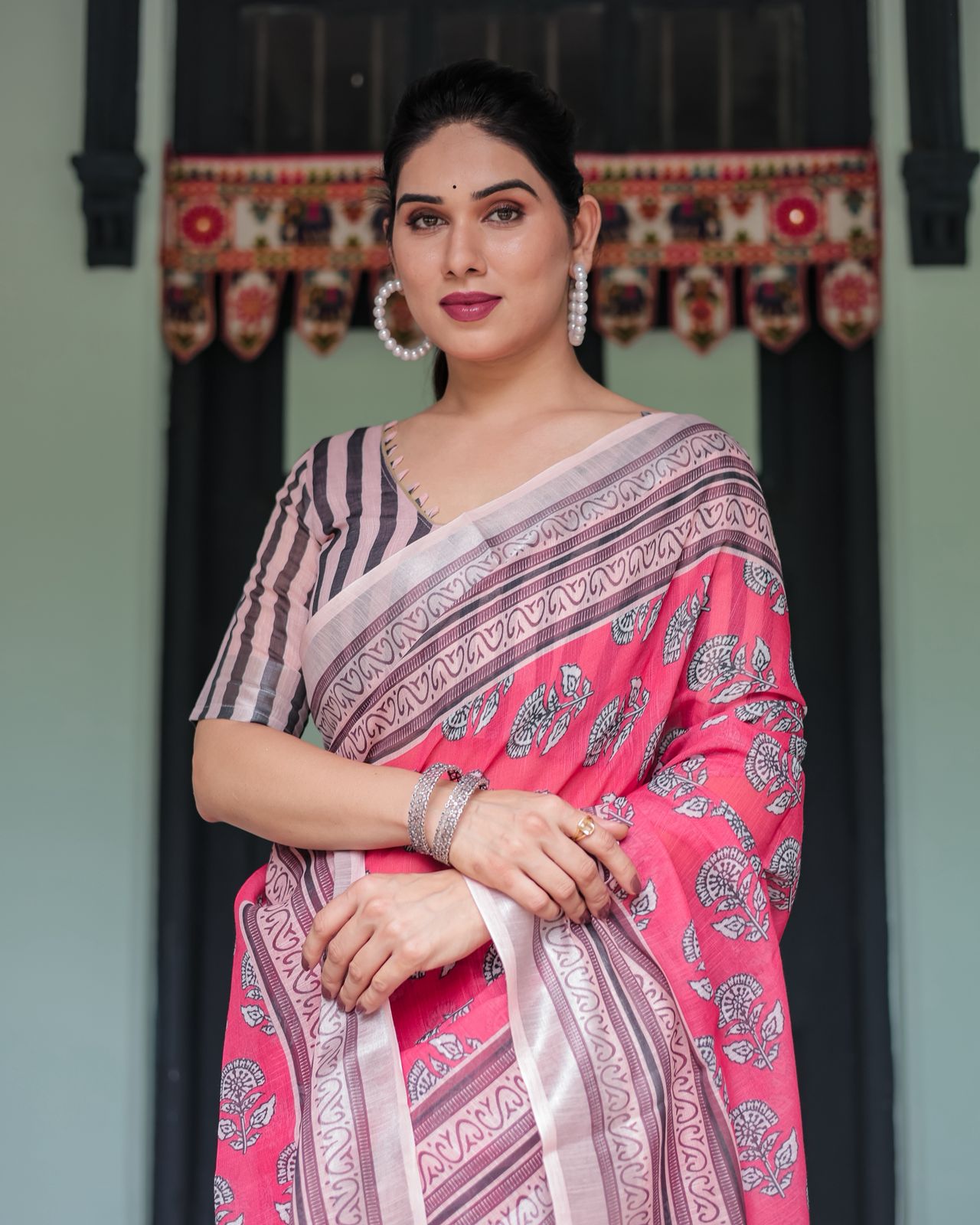
Wear a Mangalagiri cotton saree with a crisp shirt-style blouse for work, or pair a Venkatagiri saree with a sleeveless blouse for a daytime cultural event. An Uppada saree can take a contemporary belt if the fabric is stable and the pallu is pinned securely. Dharmavaram silk is better suited to classic styling because its broad border and heavy pallu provide the main silhouette.
Colour also changes perceived formality. Pastels, beige and muted florals feel lighter and daytime-friendly, while maroon, red and jewel tones make silk appear more ceremonial. Red Banarasi Soft Silk Saree With Golden Zari Floral Border can inspire a festive colour story, while a lighter floral saree can be repeated at brunches, cultural programmes and family gatherings.
Traditional Andhra Saree Styles Every Woman Should Know are easier to appreciate when the name, fibre, weave and intended use are considered together. Start with the climate and occasion, verify the material, then choose the border and blouse that make the saree comfortable enough to wear again. A saree earns a place in a wardrobe through its heritage, and also through the number of occasions on which it can be worn confidently.
Questions Women Ask Before Choosing an Andhra Saree
Which saree styles are traditionally associated with Andhra Pradesh?
Uppada, Mangalagiri, Venkatagiri and Dharmavaram are among the best-known Andhra Pradesh saree traditions. Andhra Kalamkari printed sarees are also important, although Kalamkari is a surface-art tradition rather than one single woven fabric.
Are Mangalagiri sarees suitable for summer?
Mangalagiri cotton sarees are suitable for summer because their cotton structure is generally light and breathable. Choose a lighter blouse, avoid excessive lining and check whether the specific saree contains silk or synthetic fibres.
What is the difference between Uppada and Dharmavaram sarees?
Uppada sarees are generally valued for lightweight silk, fine patterning and a graceful fall, while Dharmavaram silk sarees are usually fuller, richer and more heavily ornamented. Dharmavaram is commonly chosen for bridal and formal wear, whereas Uppada can suit both festive and semi-formal occasions.
Can Andhra sarees be worn for a Haldi ceremony?
Cotton, cotton-silk and light printed Andhra sarees work well for a Haldi ceremony because they are easier to move in and more comfortable in warm settings. Avoid very delicate silk or heavy zari if turmeric, water and outdoor activity are expected.
How can someone check whether an online saree is handloom?
Check the product description for fibre composition, weaving details, origin, certification information and close-up images of the selvedge and motifs. Price alone cannot establish handloom origin, and a regional name does not automatically prove that a saree was handwoven.
How should a silk Andhra saree with zari be stored?
Clean and dry the saree completely, fold it along changing lines and wrap it in breathable cotton with tissue placed around delicate zari folds. Keep silk and zari away from moisture, perfume, direct sunlight and rough storage surfaces.