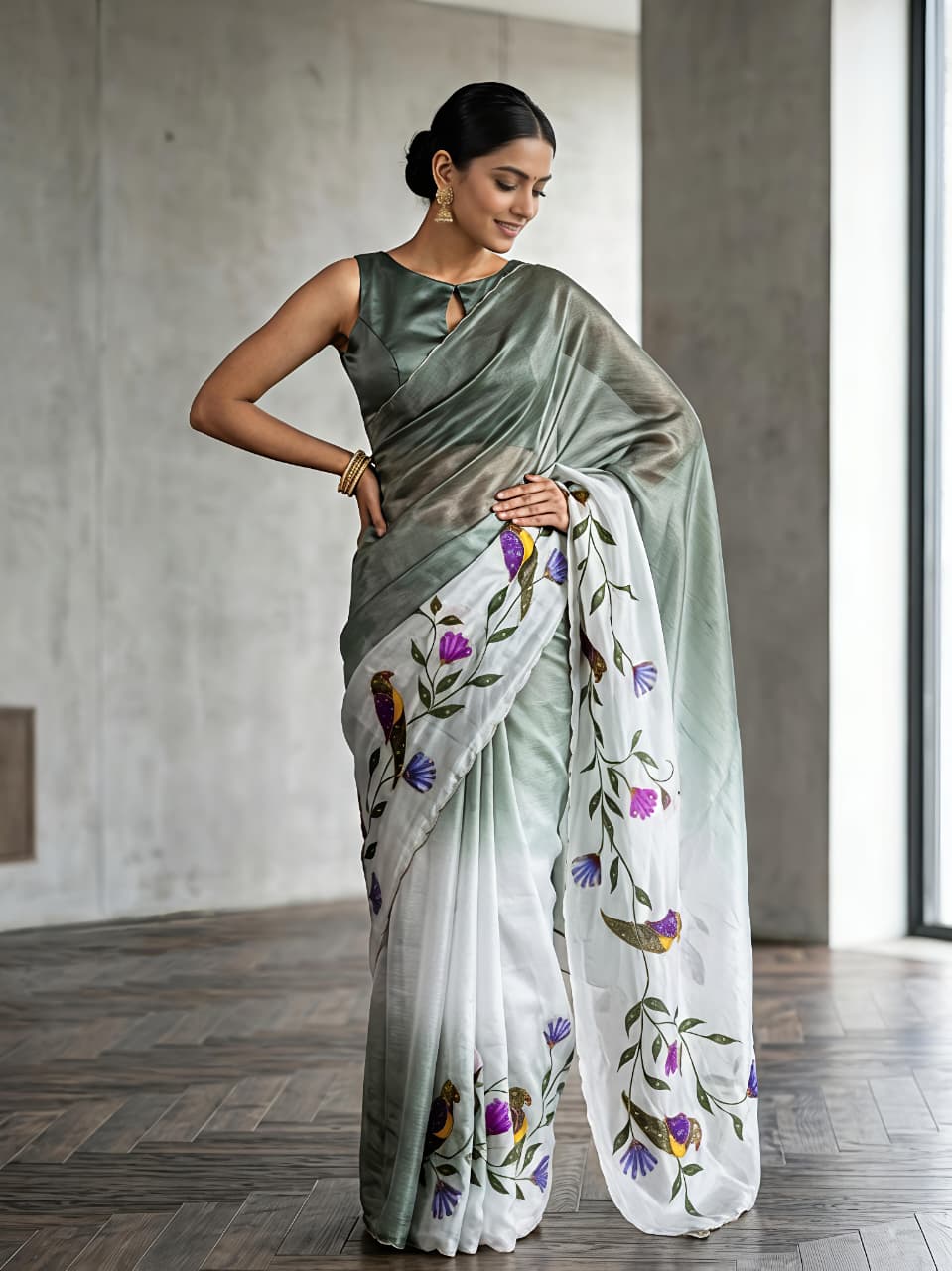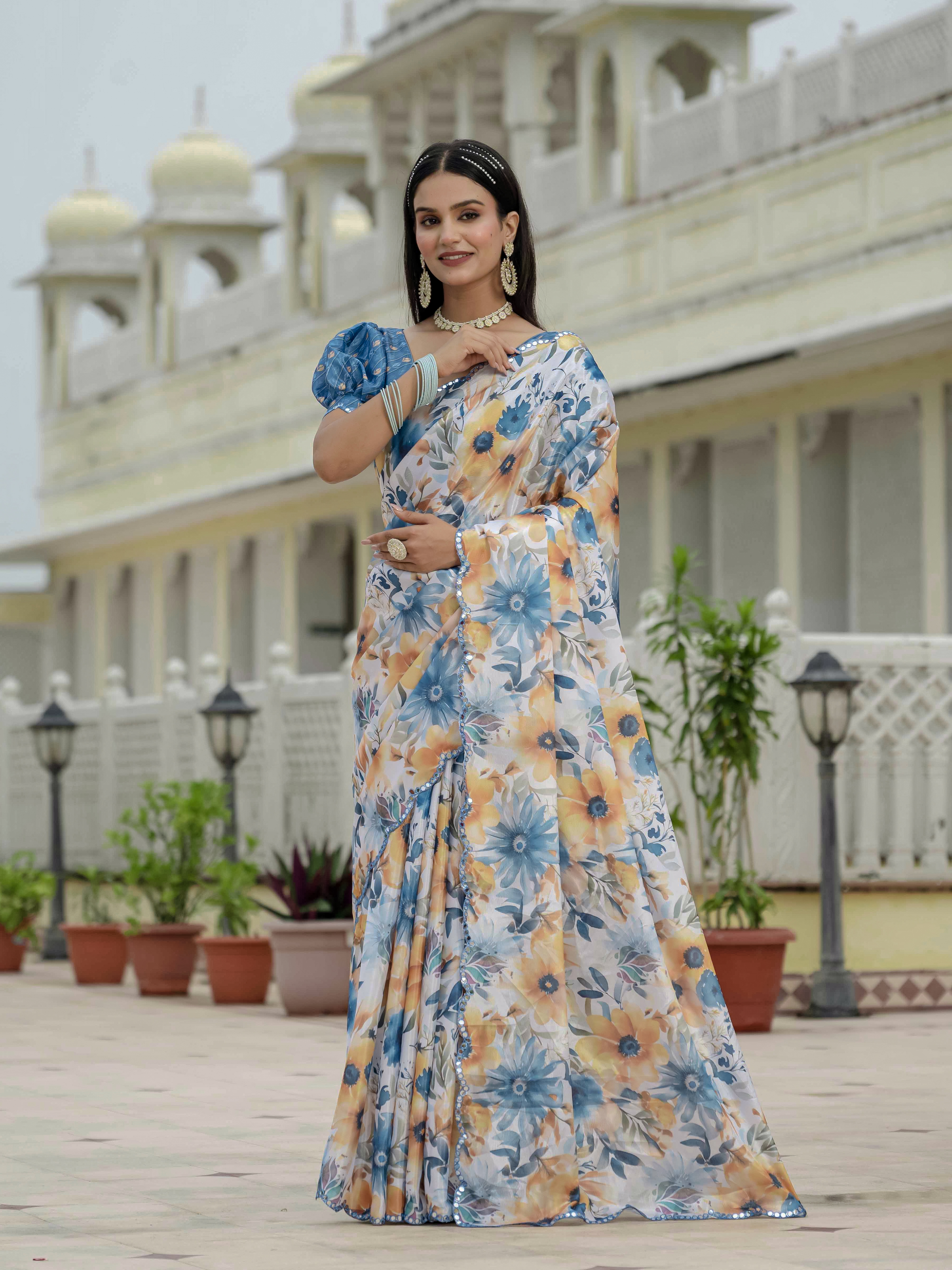
Tirumala Brahmotsavam: Traditional Sarees and Temple-Festival Fashion brings together devotion, regional textile heritage and the practical demands of a busy pilgrimage. The nine-day celebration at Tirumala includes processions, special worship and large crowds, so clothing needs to look festive while remaining modest, breathable and easy to manage. A saree with a secure drape, covered shoulders and comfortable footwear planning can make a long day of darshan considerably easier.
Brahmotsavam dates change each year according to the Hindu calendar, usually falling around September or October. The festival programme commonly includes Dhwajarohanam, daily vahana processions, Garuda Seva, Rathotsavam and Chakrasnanam. Visitors should confirm the official schedule and entry instructions before travelling because crowd levels, queue arrangements and access rules can differ between event days.
Tirumala Brahmotsavam: Traditional Sarees and Temple-Festival Fashion for respectful dressing
Respectful Tirumala Brahmotsavam dressing combines covered shoulders, a secure saree and clothing that permits comfortable movement. A beautiful saree is appropriate when the blouse covers the shoulders, the pallu stays in place and the lower hem doesn't drag across temple floors or crowded walkways.
Many festive sarees are designed for receptions, stage photographs or short visits, whereas Tirumala dressing may involve several hours of standing and movement. Heavy velvet, stiff embellishment and elaborate trailing drapes can become uncomfortable. Lighter handloom cotton, linen-cotton blends, soft silk and moderately weighted Banarasi silk offer a more practical balance.
Temple dressing also benefits from visual restraint. Zari borders, woven motifs, Kalamkari prints and traditional colour combinations create a festive appearance without requiring excessive jewellery or layers. A saree should allow the wearer to sit, walk, climb steps where required and adjust the pallu without constant assistance.
No single saree colour is universally mandatory for every visitor during Tirumala Brahmotsavam. Personal devotion, family custom and regional practice influence colour choices, while current temple instructions take priority over fashion advice. Red, yellow, green, pink, cream, maroon and gold-accented sarees are all commonly associated with festive Indian dressing, but comfort and respectful coverage matter more than a supposed compulsory shade.
Tirumala Brahmotsavam: Traditional Sarees and Temple-Festival Fashion by fabric choice
Breathable cotton, linen-cotton and lightweight silk are generally the most practical fabrics for a long Tirumala visit. These materials reduce the feeling of heat during waiting, pack more easily and are less demanding than heavily embellished occasion sarees.
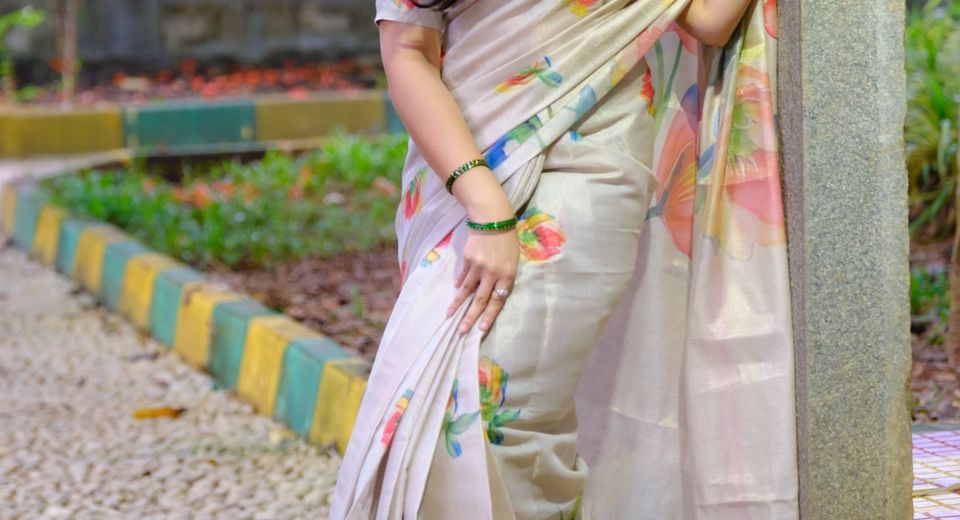
Handloom cotton and linen-cotton
Handloom cotton works well when the itinerary includes walking, waiting and changing between indoor and outdoor areas. The Pastel Floral Tissue Handloom Cotton Saree with Zari Weaves adds a festive zari accent while retaining the easy movement associated with cotton. The Cream Pink Tissue Handloom Cotton Saree with Zari offers a softer festive palette for visitors who prefer understated colour.
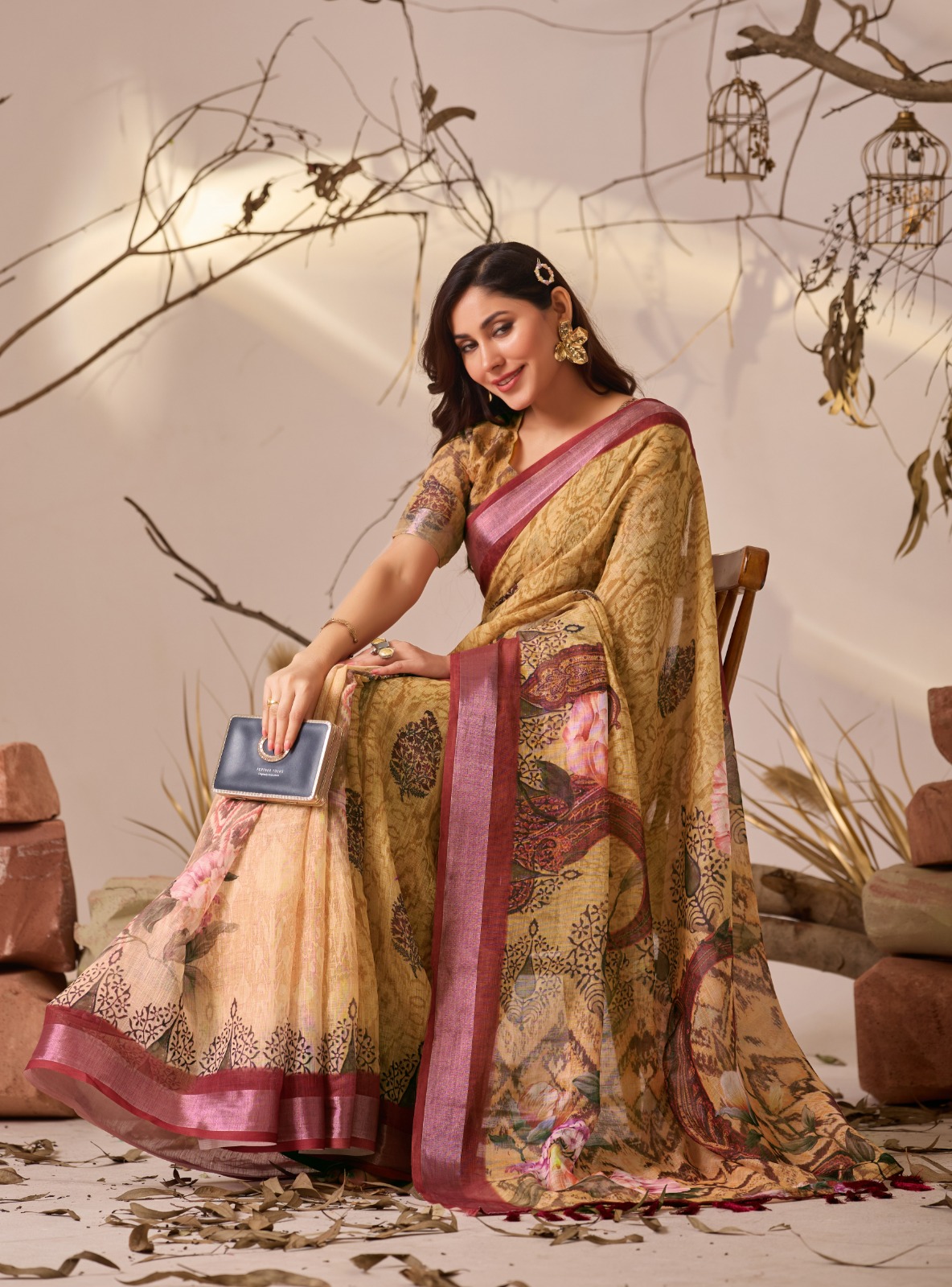
Linen-cotton sarees are another sensible choice because the blend has a naturally crisp appearance without the weight of thick brocade. The Pastel Linen Cotton Floral Print Saree with Designer Blouse and Peach Linen Cotton Floral Print Saree with Blouse for Women can suit daytime temple visits, especially when paired with a well-fitted blouse and a firmly tucked pleat section.
Lightweight fabrics may crease during a full day, but creasing isn't a practical failure. A few natural folds are preferable to choosing a heavy saree that causes discomfort, slips repeatedly or requires frequent adjustment in a crowded queue.
Silk, Tussar and Banarasi options
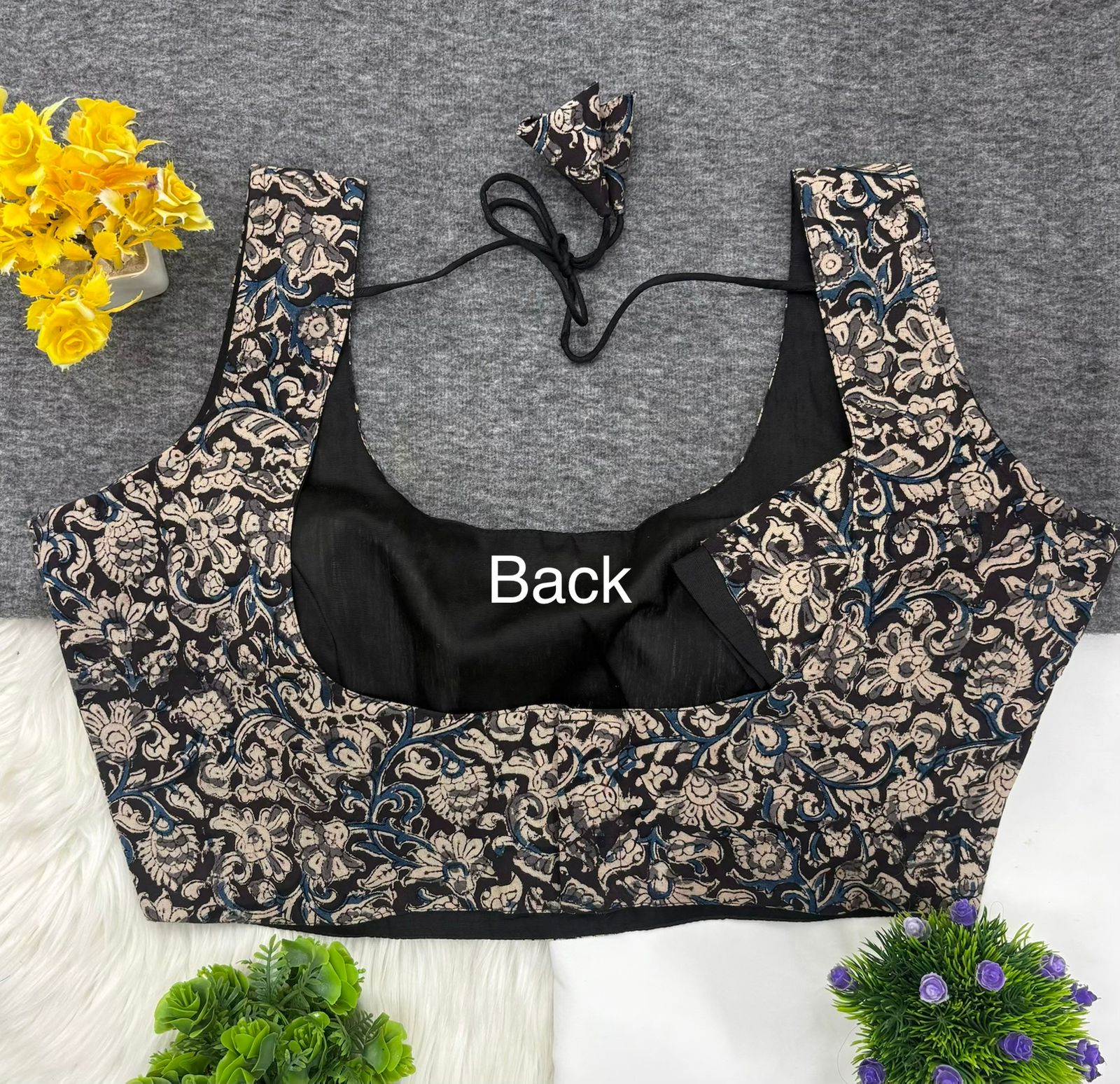
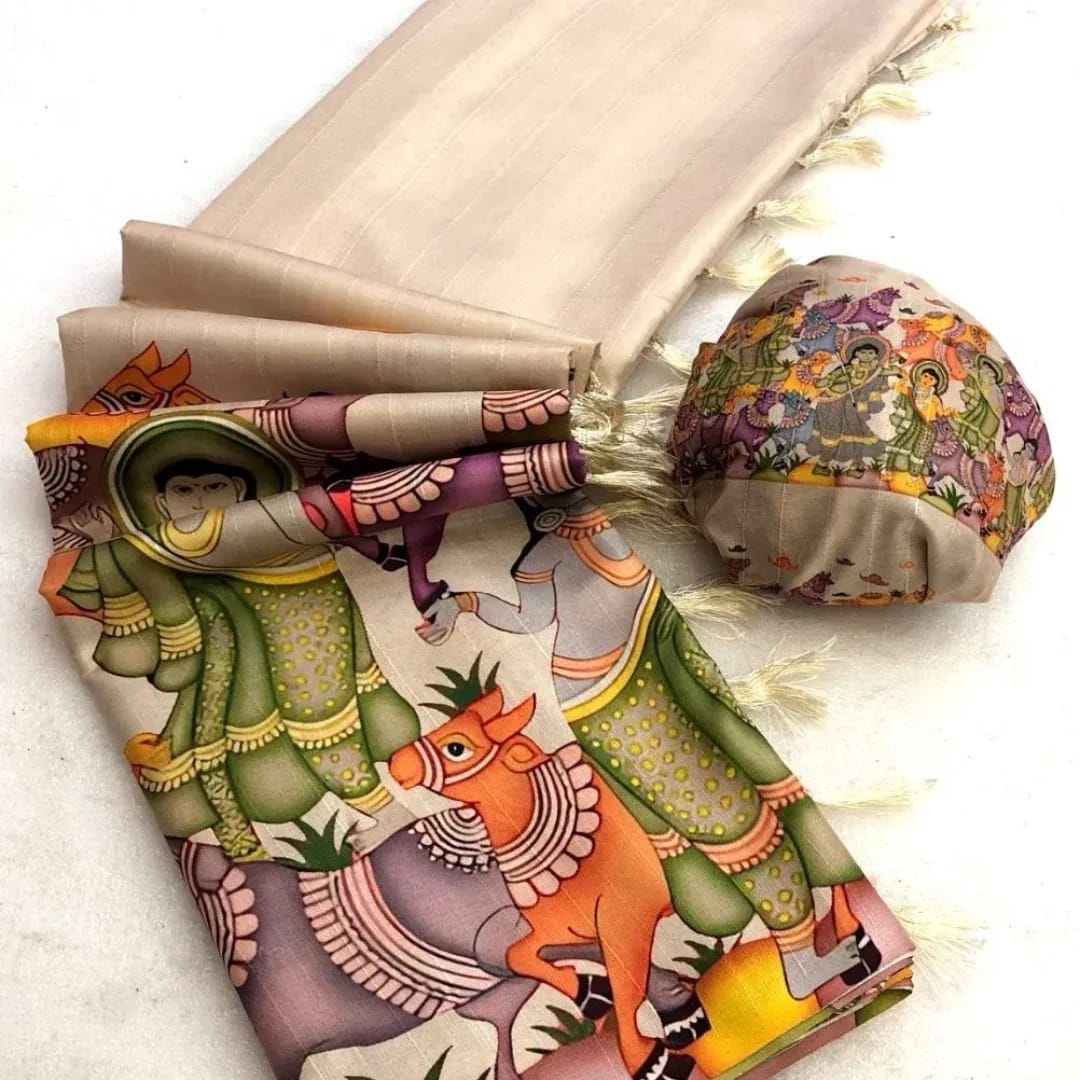
Silk sarees provide a more formal appearance for Garuda Seva or family photographs, but the weave and embellishment should be assessed before travelling. Tussar Silk Kalamkari Printed Saree with Blouse combines a textured silk surface with a traditional Kalamkari visual language, making it suitable for a person who wants heritage detail without an all-over glitter finish.
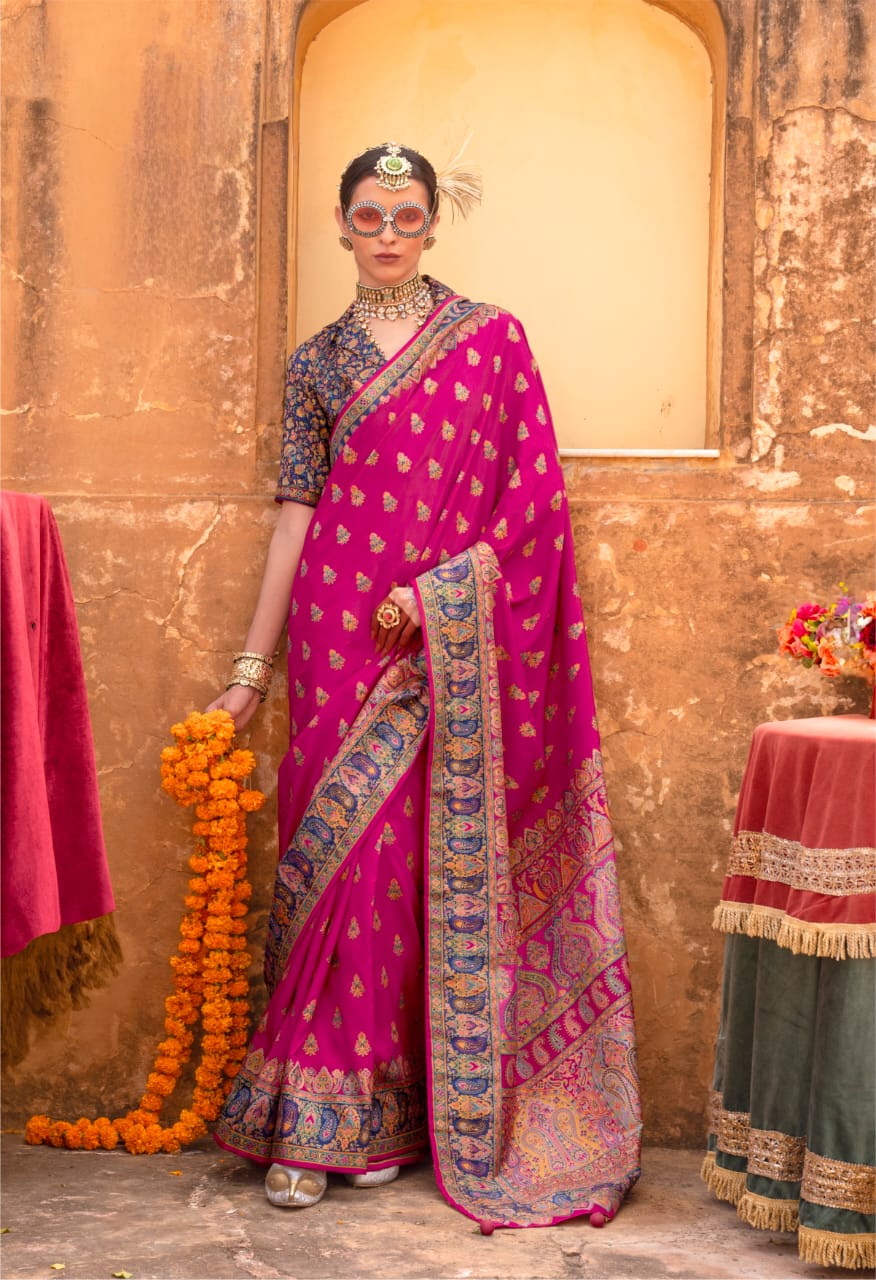
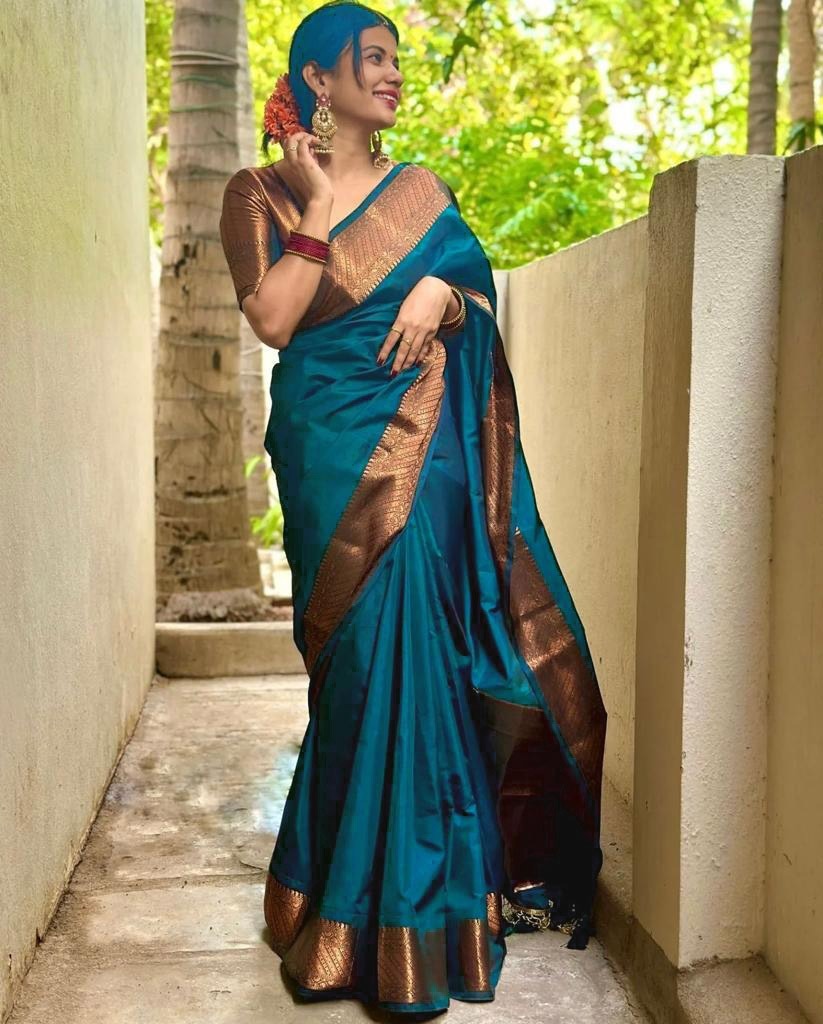
Banarasi silk has a characteristic woven richness created through zari and patterned structures, so it can feel warmer and heavier than cotton. Traditional Teal Banarasi Saree for Festive Wear is a strong choice for an evening celebration when the wearer is comfortable with its weight and has a secure drape planned in advance.
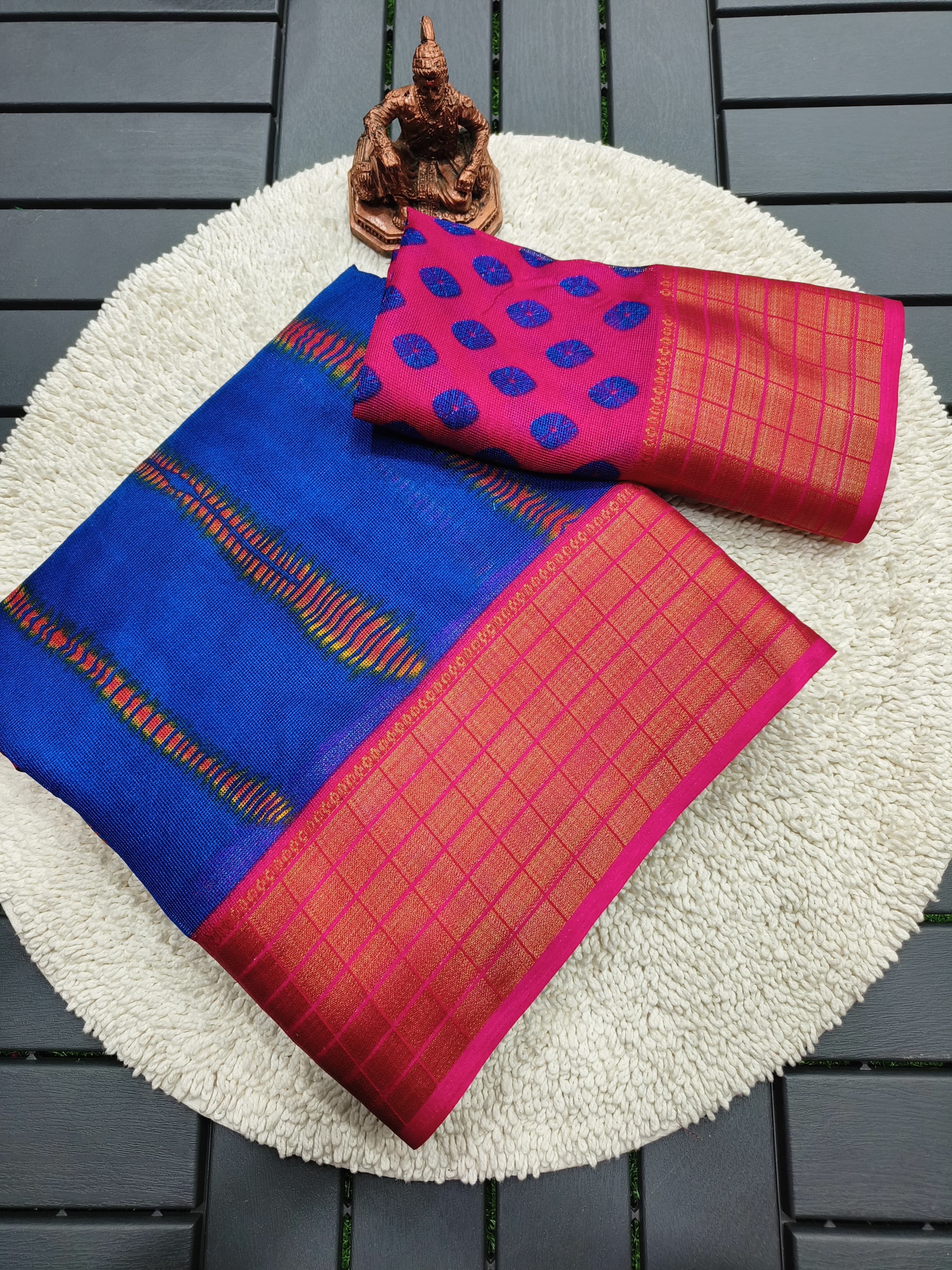
Wine Tissue Handloom Cotton Saree with Zari & Floral Prints provides another festive alternative for someone who wants a jewel-toned appearance without selecting a full heavy silk. Fabric weight, border stiffness and blouse construction are more useful decision points than the word "festive" in a product description.
Tirumala Brahmotsavam: Traditional Sarees and Temple-Festival Fashion with a secure drape
A secure Nivi drape with firmly pinned pleats and a shoulder-fastened pallu is usually the most practical saree style for Tirumala Brahmotsavam. The drape should keep the midriff appropriately covered, leave the feet clear and prevent the pallu from falling into food, railings or crowded passageways.
Begin with a comfortable underskirt that has a strong drawstring rather than a loose elastic waist. Tie the underskirt securely at the natural waist, then tuck the saree with enough room for walking. Over-tightening the underskirt can make standing difficult, while a loose foundation can cause the entire saree to descend during movement.
Make five to seven even front pleats, depending on the saree width and the wearer's height. Align the pleats vertically and tuck them firmly slightly to the left of the navel. A small safety pin inside the pleat bundle can prevent separation, but the pin should be placed away from the skin and checked before leaving home.
Bring the pallu over the left shoulder and use two small pins: one near the shoulder seam and another inside the blouse or saree edge near the upper chest. The second pin is particularly useful in wind, on open temple paths and while boarding transport. Avoid a very long loose pallu because it can catch on railings and become difficult to manage in a queue.
Wear the blouse before finalising the drape and test basic movements at home. Sit on a chair, climb a few stairs, raise both arms and walk for ten minutes. If the saree pulls across the knees, the blouse digs into the underarm or the pallu slides during these tests, adjust the fit before travelling.
Tirumala Brahmotsavam: Traditional Sarees and Temple-Festival Fashion with practical accessories
A well-fitted blouse with covered shoulders and a stable neckline is the most useful styling foundation for a temple visit. Elbow-length or short sleeves can both work, provided the blouse feels secure and doesn't require repeated adjustment in public.
Blouse colour doesn't have to match the saree border exactly. A cream blouse can soften a wine, teal or printed saree, while a pink or maroon blouse can bring out a small motif without making the outfit look overly coordinated. The blouse included with Peach Linen Cotton Floral Print Saree with Blouse for Women demonstrates why a coordinated top can save preparation time, although fit should still be checked before travel.
Choose jewellery that won't snag the saree or create pressure during a long day. Small jhumkas, a short chain, a modest bangle set and one secure ring are often more practical than layered necklaces, long tassels and multiple loose bangles. Hair should be tied securely, particularly if the itinerary includes outdoor vahana viewing or warm weather.
Footwear planning requires special attention because temple areas may require footwear removal and the route may include significant walking. Wear broken-in sandals or flat footwear for the journey, keep socks or washable slip-on footwear available if useful, and avoid new heels. Do not assume that comfortable footwear can be worn inside every temple zone; follow the instructions given by temple staff.
Tirumala Brahmotsavam: Traditional Sarees and Temple-Festival Fashion by colour and event
Daytime processions generally suit light or medium-weight sarees in colours that remain comfortable under bright sun. Pastel pink, cream, peach, soft yellow and pale green can look festive without absorbing as much heat as very dark fabrics. Pastel Linen Cotton Floral Print Saree with Designer Blouse represents a daytime-friendly direction.
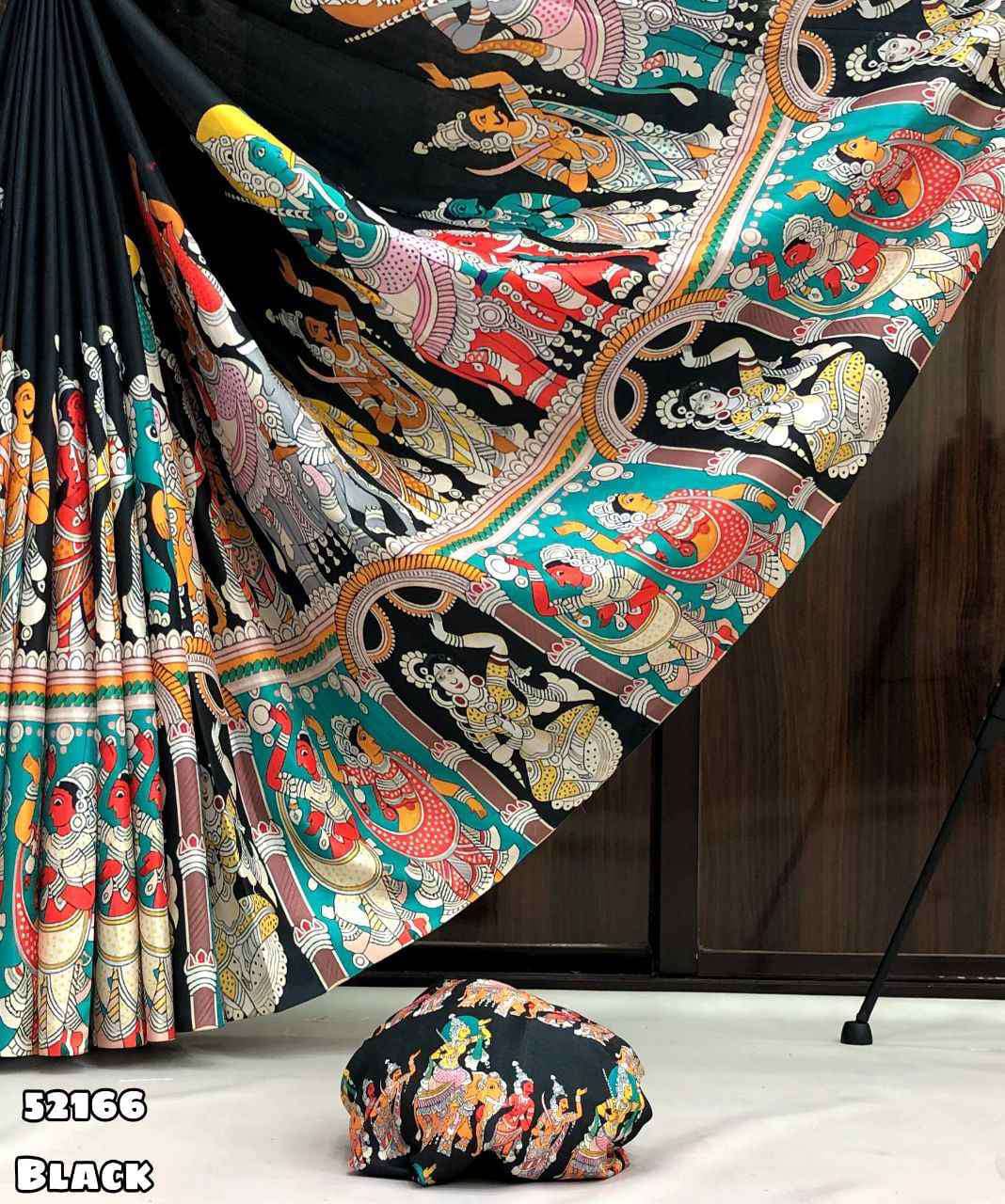
Evening events can accommodate deeper shades and more visible zari. Wine, teal, maroon and black create a richer appearance under artificial lighting, especially when the saree has a controlled metallic border rather than dense surface work. Black Traditional Kalamkari Print Silk Saree gives a dramatic traditional look, but a person sensitive to heat should consider the event duration and weather before selecting silk.
Cream and pink combinations work across morning and evening settings because they photograph softly and pair well with gold-toned accessories. Cream Pink Tissue Handloom Cotton Saree with Zari can be styled with a plain blouse and minimal jewellery when the goal is a devotional, polished appearance rather than a wedding-style ensemble.
Shoppers comparing options may also encounter themed edits such as Pink Georgette Sarees, Party Wear Sarees and Red Banarasi Silk Sarees for Weddings Under 1100. These collections can provide colour or weave inspiration, but a saree chosen for a wedding reception may not be the best choice for a long temple queue. Gray Color Sarees Under 1000 and Silk Sarees Under 3000 With Discount may also be useful for budget comparison, although price should never replace checking fabric, blouse fit and drape security.
Tirumala Brahmotsavam: Traditional Sarees and Temple-Festival Fashion packing and care checklist
A useful Tirumala saree checklist includes the saree, fitted blouse, secure underskirt, two to four safety pins, a small sewing kit, a spare blouse hook and a lightweight shawl or cotton stole. Pack pins in a closed pouch rather than loose inside luggage, and carry a small cloth bag for jewellery or footwear when required.

Iron cotton and linen-cotton sarees on the reverse side using the temperature recommended for the fibre. Place a thin cotton cloth between the iron and zari areas to reduce direct heat exposure. Do not fold a damp saree into a suitcase because moisture can create odour, mildew or colour transfer.
After returning, air the saree away from direct harsh sunlight before folding it. Banarasi silk, Tussar silk and zari sarees should be stored in breathable cotton or muslin rather than sealed plastic for long periods. Fold zari-heavy sarees in a way that changes the fold line occasionally, which helps reduce permanent creasing in one location.
Finally, check official Tirumala Tirupati Devasthanams guidance before departure. Queue rules, permitted items, darshan arrangements and event-day access can change, and temple instructions take precedence over styling preferences. Thoughtful clothing supports the pilgrimage when it remains respectful, secure and comfortable from the first journey segment to the return trip.
Common Questions About Tirumala Brahmotsavam Saree Dressing
What type of saree is suitable for Tirumala Brahmotsavam?
A breathable cotton, linen-cotton, lightweight silk or moderately weighted Banarasi silk saree is suitable for Tirumala Brahmotsavam. Choose a secure drape, a covered-shoulder blouse and a hem that will not drag during walking or queueing.
Is there a compulsory saree colour for Tirumala temple visits?
There is no single universally compulsory saree colour for every Tirumala visitor during Brahmotsavam. Personal custom and festive preferences can guide the choice, but official temple instructions should always take priority.
How can I stop my saree from slipping during darshan queues?
Use a well-tied underskirt, firm front pleats and two small pins for the pallu. Testing the complete drape by walking, sitting and climbing stairs before travel helps identify loose tucks or uncomfortable blouse fitting.
Can I wear a heavy silk saree to Tirumala Brahmotsavam?
A heavy silk saree can work for a shorter evening visit if the wearer is comfortable with its weight and the drape is secure. Lightweight cotton, linen-cotton or soft silk is usually more practical for long queues, outdoor processions and warm weather.
What jewellery is practical with a temple-visit saree?
Small earrings, a short chain, a few secure bangles and one ring are practical choices for a temple visit. Avoid loose tassels, very long necklaces and jewellery that can snag the saree or become uncomfortable during prolonged standing.
How should a saree be packed for a Tirumala trip?
Pack the saree completely dry in breathable cotton or muslin, with pins and blouse accessories in a separate pouch. Air the saree after use, avoid prolonged plastic storage and protect zari from direct high heat while ironing.