Theyyam Festival Fashion: Understanding Traditional Kerala Attire begins with an important distinction: the elaborate costume worn by a Theyyam performer is a sacred ritual ensemble, not ordinary festival clothing. Visitors usually dress in breathable Kerala cottons, modest silhouettes, and practical footwear while giving performers and temple customs appropriate respect. Understanding that difference makes it easier to choose clothing that feels festive without treating ritual symbols as accessories.
Theyyam Festival Fashion: Understanding Traditional Kerala Attire and Ritual Meaning
Theyyam attire represents the transformation of a human performer into a locally revered deity or spirit during a ritual performance. Every major element, from red-and-black face painting to towering headgear, supports the deity's identity, mythology, power, and relationship with the community.
Theyyam is practised mainly in the Malabar region of North Kerala, particularly in Kannur and Kasaragod, during the cooler and drier months that generally fall between October and May. Performances take place in sacred groves, family shrines, and temple compounds rather than conventional auditoriums. A ceremony can continue for several hours or return at different times across a night and morning.
The performer's costume may include layered red cloth, a decorated waist structure, anklets, metal ornaments, painted body areas, and dramatic extensions made from natural materials. Coconut leaves, areca-palm materials, bamboo, cloth, flowers, and lightweight wood can appear in different regional traditions. The exact design changes according to the deity, shrine, community, and ritual story.
Why is Theyyam costume different from regular Kerala dress?
Theyyam costume is different because it's made for ritual visibility, movement, and symbolic transformation, while regular Kerala dress is designed for daily comfort or social occasions. A performer may wear a large circular or fan-shaped headdress, painted facial details, layered textiles, and ornaments that would be impractical for a visitor standing in a crowded shrine courtyard.
Red frequently appears in Theyyam's visual language because it can suggest energy, protection, sacrifice, and divine force, but colour meanings should not be reduced to one universal code. Local oral traditions and the identity of each Theyyam matter more than a general fashion interpretation. Visitors should not copy a deity's face paint, crown, weapons, or signature body markings for a photograph.
Theyyam Festival Fashion: Understanding Traditional Kerala Attire in Kerala Dress
Traditional Kerala attire includes the mundu, kasavu saree, set mundu, blouse, neriyathu, melmundu, and simple cotton shirts or kurtas, with regional variations in fabric, border, drape, and ornamentation. White, off-white, cream, and unbleached cotton with a gold or zari border are strongly associated with Kerala ceremonial dressing, although coloured handloom textiles are also widely worn.
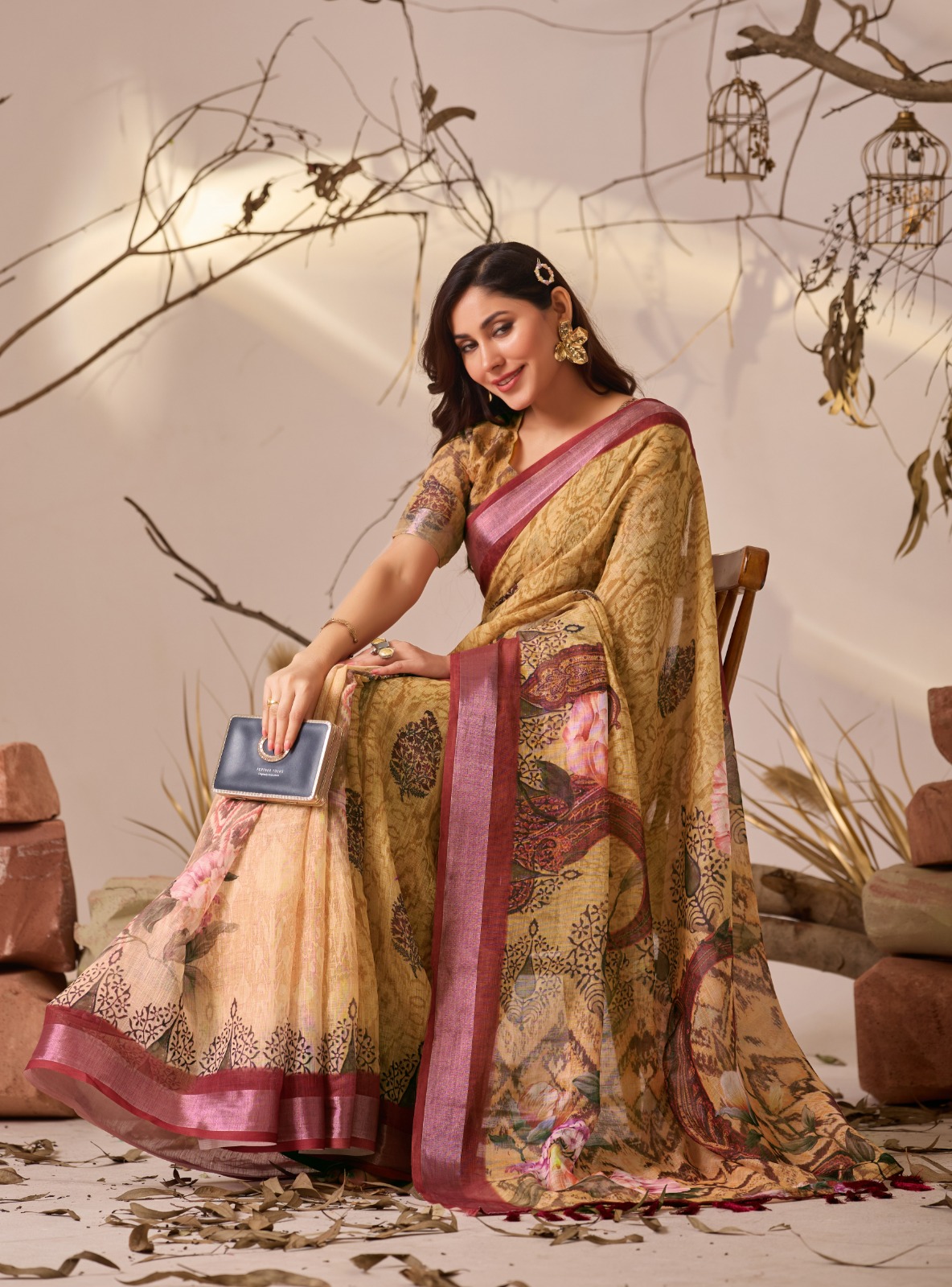
A Kerala saree is often draped in the familiar Nivi style, but the fabric and border create its visual identity. A kasavu saree traditionally uses a pale ground with a metallic-looking zari border, while contemporary handlooms may add coloured selvedges, printed motifs, tissue texture, or woven patterns. The blouse can be plain, matching, contrast-coloured, or lightly embroidered depending on the formality of the gathering.
The mundu is a rectangular lower garment worn by men and is usually folded or tucked for ease of movement. A cotton kurta with a mundu or straight cotton trousers is a practical choice for visitors who want a traditional appearance without wearing a full ceremonial ensemble. Women may choose a Kerala saree, cotton saree, salwar suit, kurta set, or long skirt with a modest blouse, depending on shrine customs and weather.
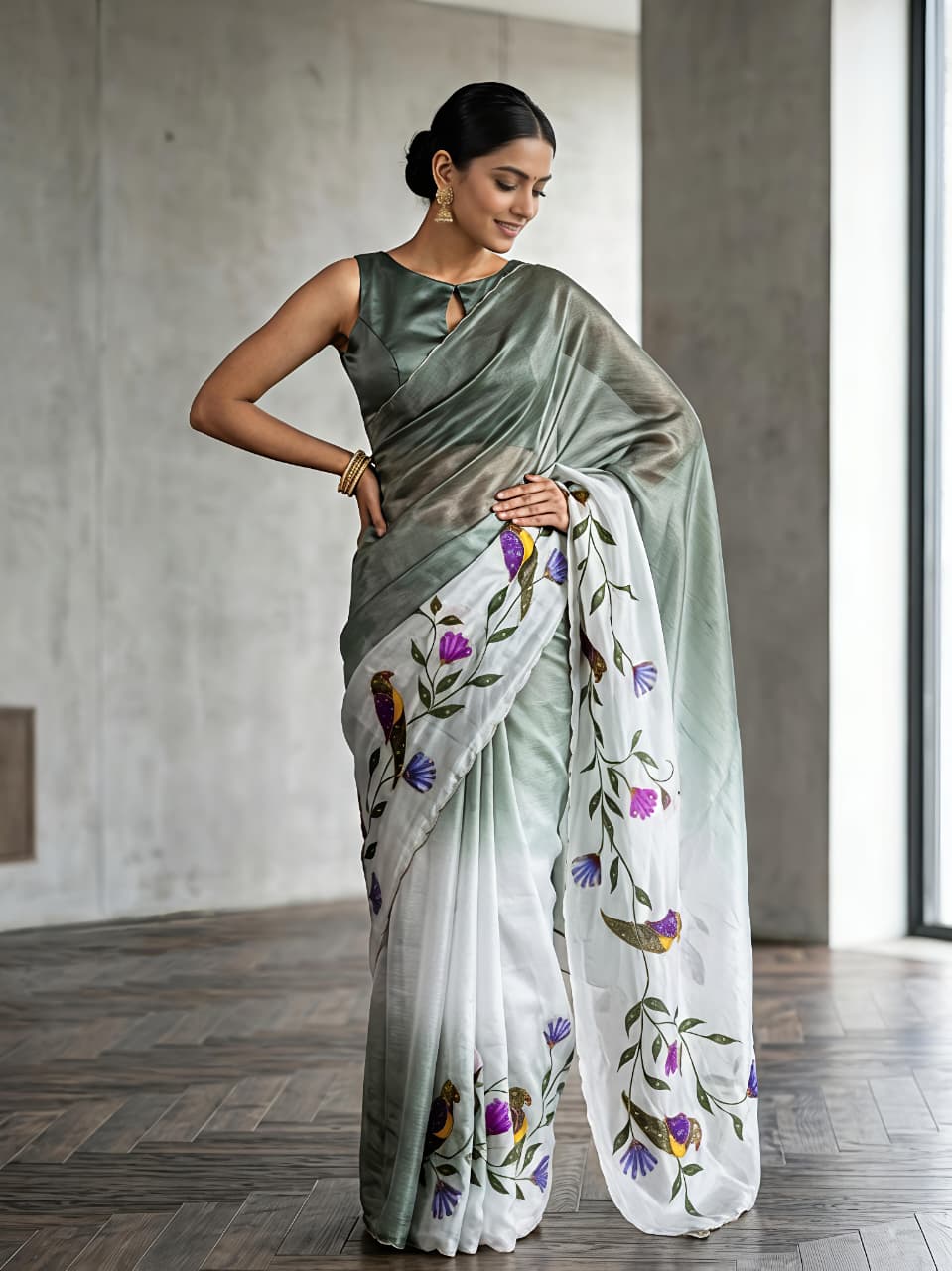
Textile weight matters in North Kerala. A pure cotton saree dries faster and allows more airflow than heavy silk, while Chanderi, Tussar silk, and tissue cotton can offer a dressier look with less bulk than heavily embellished brocade. Pastel Floral Tissue Handloom Cotton Saree with Zari Weaves demonstrates how a light handloom structure can retain a festive zari detail without becoming difficult to wear in humid conditions.
Theyyam Festival Fashion: Understanding Traditional Kerala Attire for Visitors
Visitors should choose clean, comfortable, modest clothing that covers the shoulders and knees and allows easy movement on uneven ground. Breathable cotton sarees, salwar suits, kurta sets, and simple mundu-based outfits are generally more practical than fitted partywear or heavily sequinned garments.

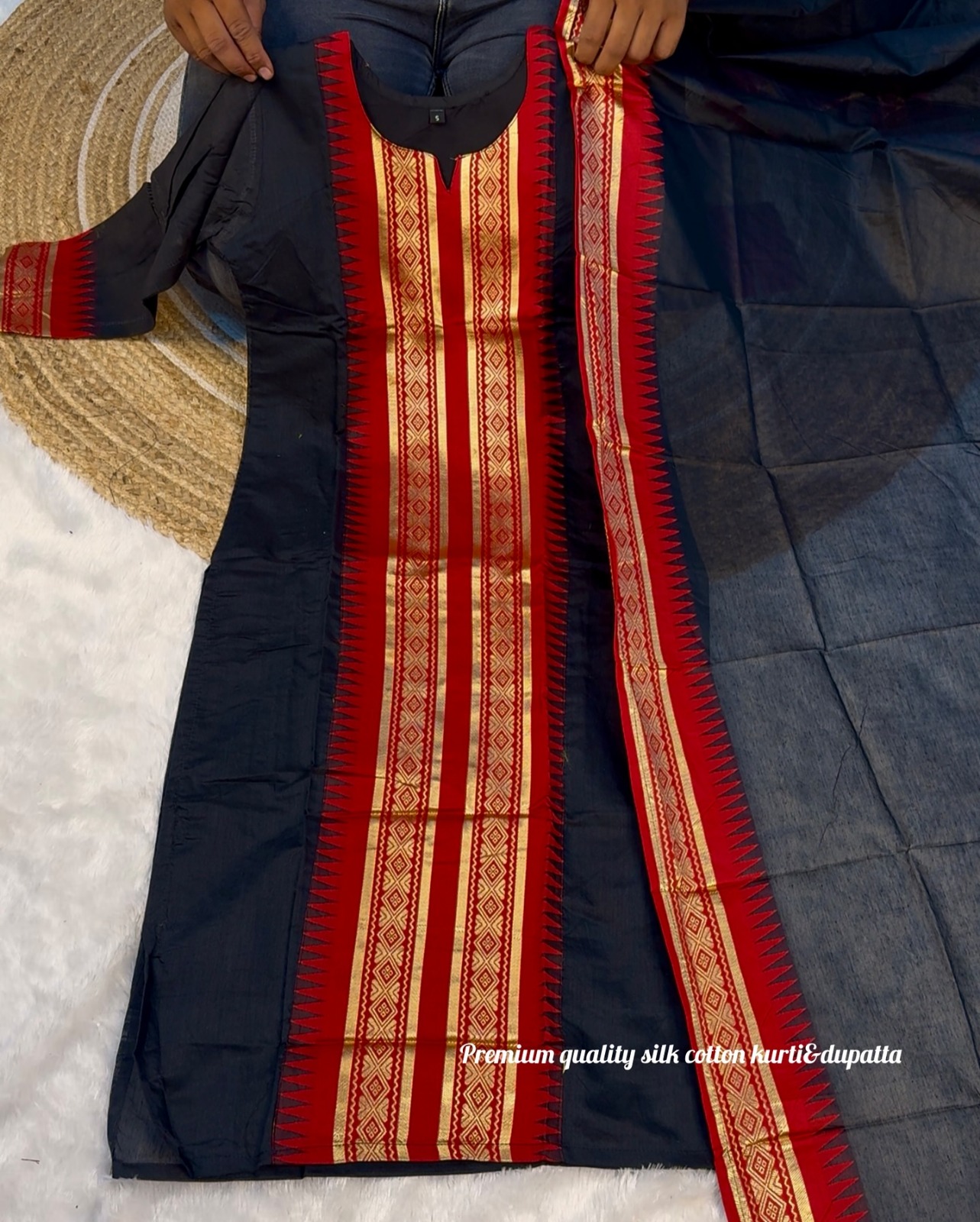
Morning and daytime events can become warm, particularly when a shrine courtyard fills with people. A light cotton kurta set with a dupatta provides coverage without trapping excessive heat. Kanchi Cotton Zari Woven Kurti Set with Traditional Dupatta offers a useful example of festive dressing that combines a woven accent with a manageable silhouette. Kanchi Cotton Woven Kurta Pant Dupatta Set can serve a similar purpose for someone who prefers trousers over a salwar or saree.
Evening performances may require a light shawl or an additional dupatta because waiting areas can feel cooler after sunset. Choose natural fibres or breathable blends, and avoid long trailing hems that can catch on temporary fencing, footwear, or crowded walkways. A dupatta should be pinned securely at one shoulder or carried in a way that leaves both hands free.
Footwear deserves as much attention as the outfit. Many sacred spaces require visitors to remove shoes, and outdoor grounds may contain gravel, mud, or damp earth. Flat sandals that are easy to remove are more suitable than delicate heels. A small cloth bag for footwear, a handkerchief, drinking water, and a compact umbrella can make a long festival visit more comfortable.
Can visitors wear bright colours to Theyyam?
Visitors can wear bright colours, but they should avoid using colours, face paint, props, or accessories that deliberately imitate a particular Theyyam performer. Yellow, maroon, indigo, green, and muted red can work beautifully in a saree or kurta without copying ritual makeup or deity-specific costume structures.
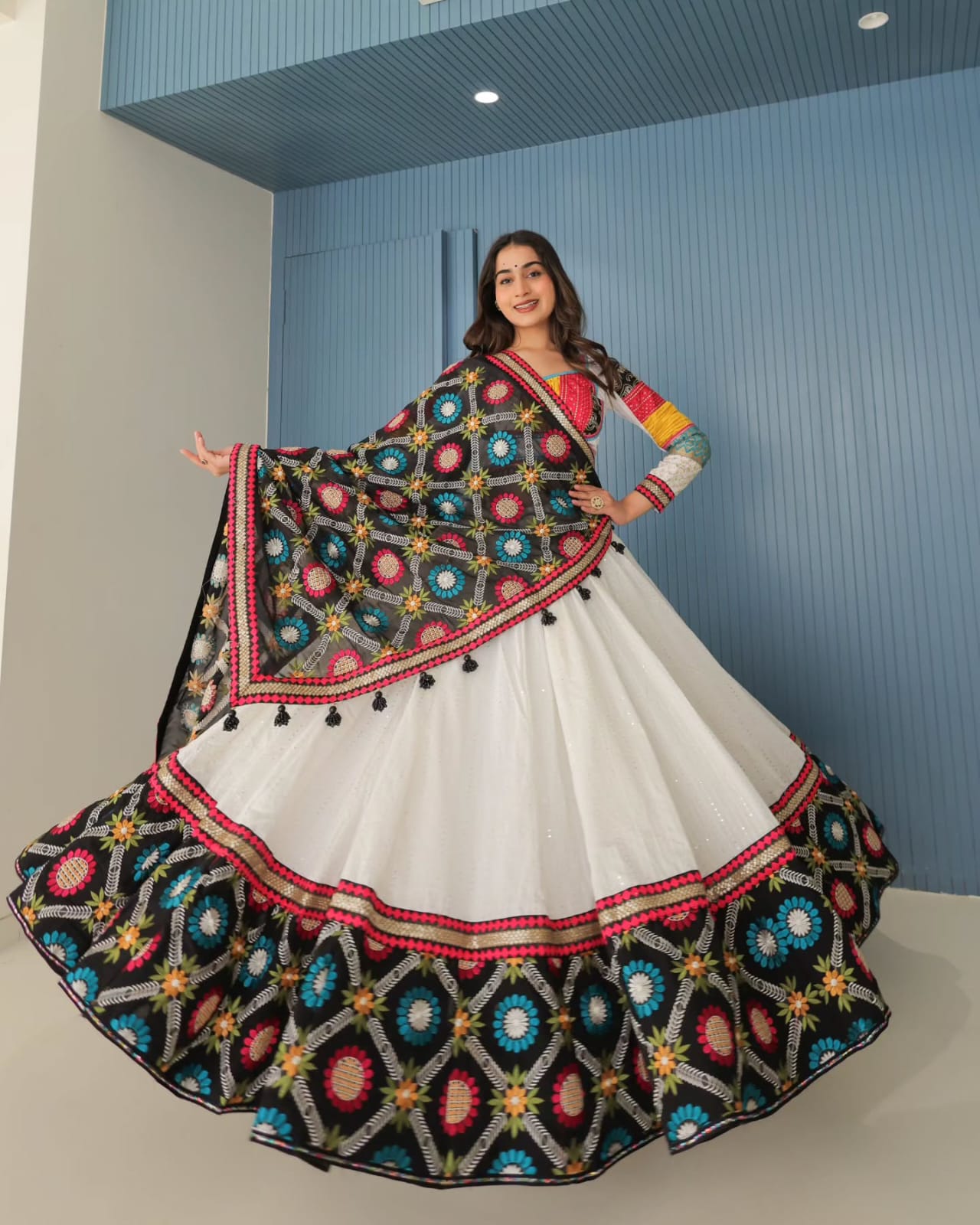
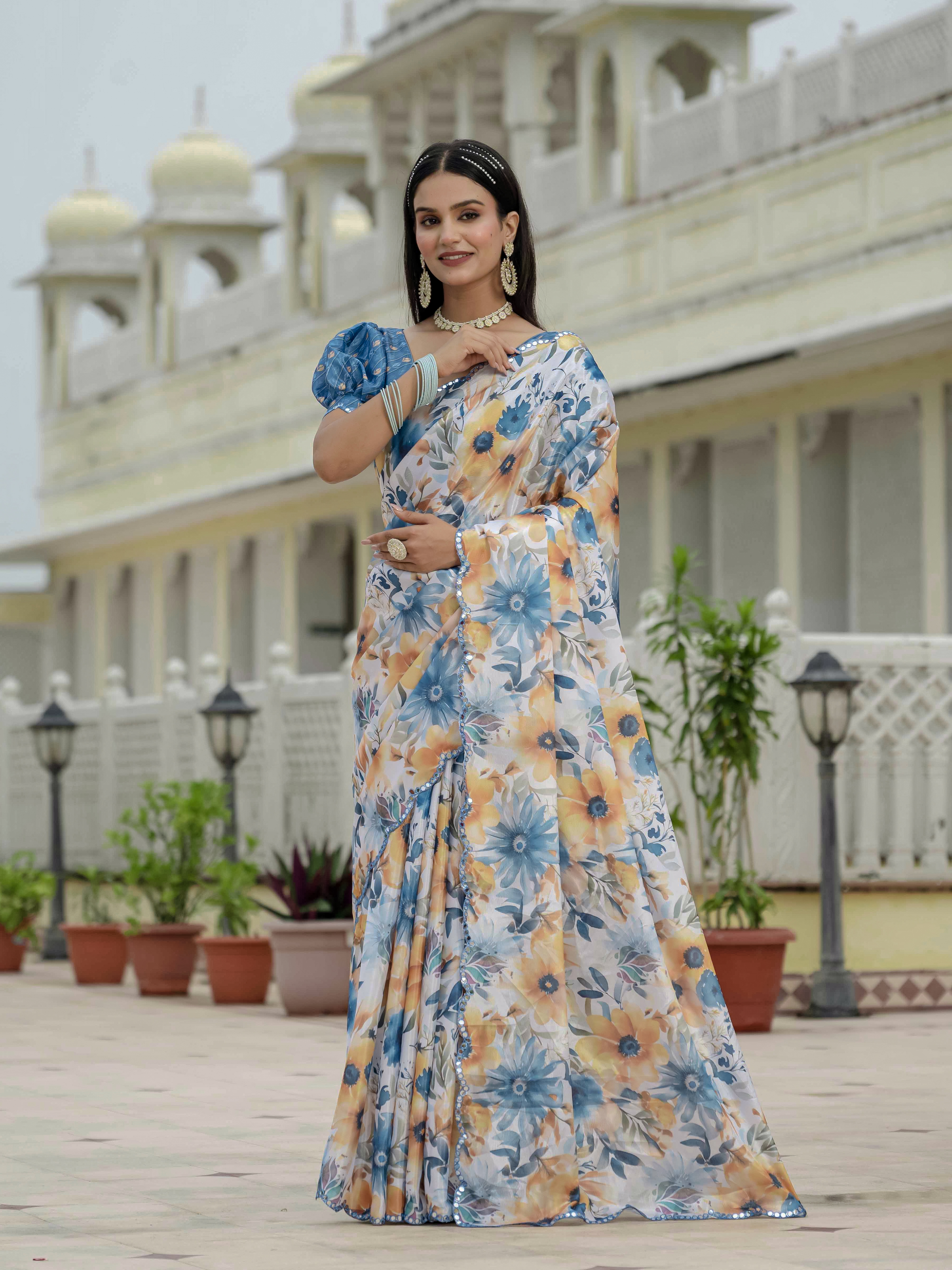
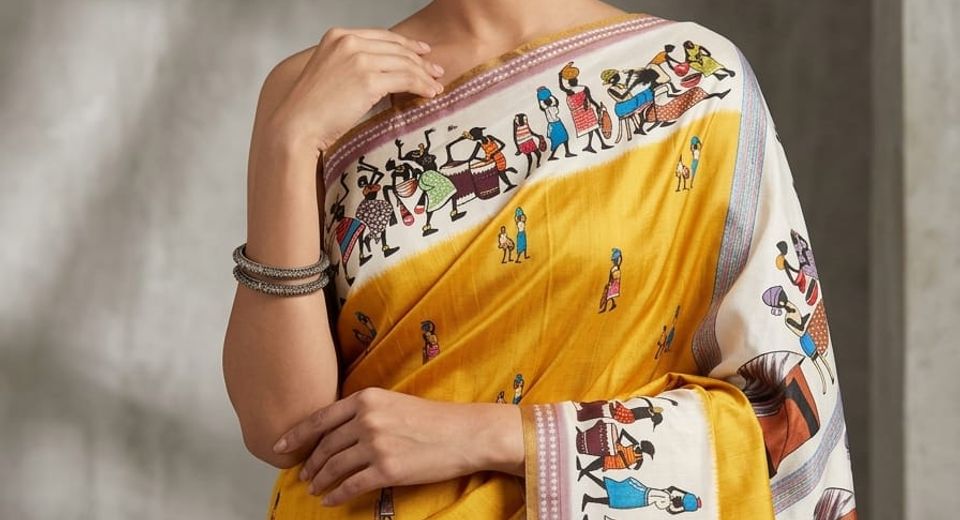
Festive Glow Warli Art Saree in Yellow brings an example of using a vivid colour through a textile motif rather than theatrical styling. Pastel Blue Embroidered Chanderi Kurta Set with Dupatta creates a quieter festive impression and may suit a daytime visit. The goal is to look occasion-ready while keeping the performer's ritual identity visually distinct.
Theyyam Festival Fashion: Understanding Traditional Kerala Attire Through Fabrics
Cotton, handloom cotton, Chanderi, and light Tussar silk are among the most practical choices for a Kerala festival because they balance airflow, structure, and visual richness. The best fabric depends on the time of day, expected walking, rain risk, and whether the outfit must remain comfortable for several hours.

- Handloom cotton: Handloom cotton absorbs moisture, allows ventilation, and works well for daytime performances. Handloom cotton may crease, but its creases are usually more manageable than those in stiff synthetic fabrics.
- Chanderi: Chanderi has a light, slightly sheer structure and a graceful fall. A lining or suitable inner layer may be necessary, especially for pale colours.
- Tussar silk: Tussar silk has a textured surface and a warmer hand feel. Tussar silk works well for an evening or more formal gathering but may feel less airy than cotton in peak afternoon heat.
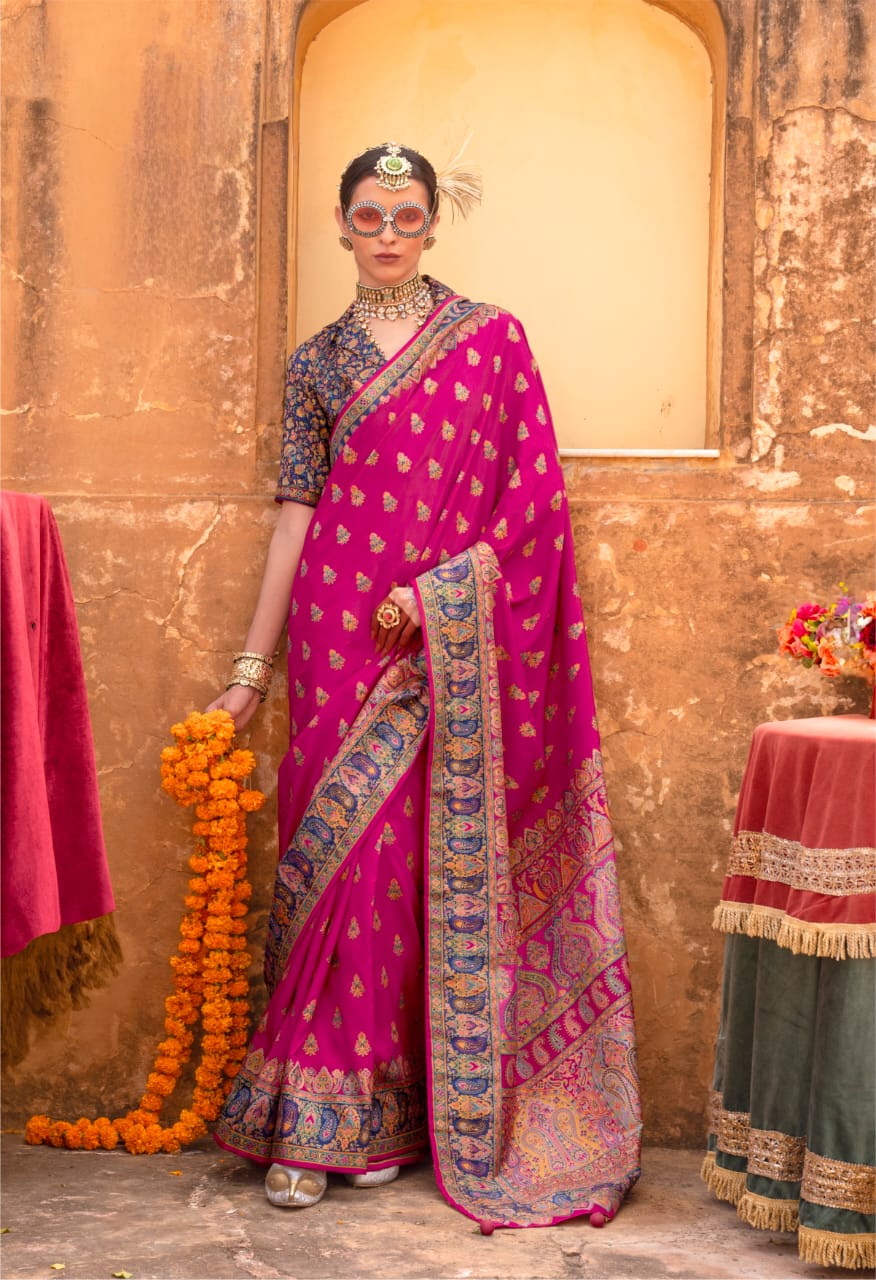
- Banarasi silk: Banarasi silk is rich in zari and often heavier, so Banarasi silk is better suited to a short ceremonial appearance than a long outdoor wait in humid weather.
- Tissue cotton: Tissue cotton can provide a crisp festive effect with less weight than silk. Zari sections should be protected from rough surfaces and excessive friction.
- Kalamkari cotton or silk: Kalamkari prints add visual interest without requiring dense embellishment. Printed silk may be more formal, while cotton Kalamkari is usually easier for daytime wear.
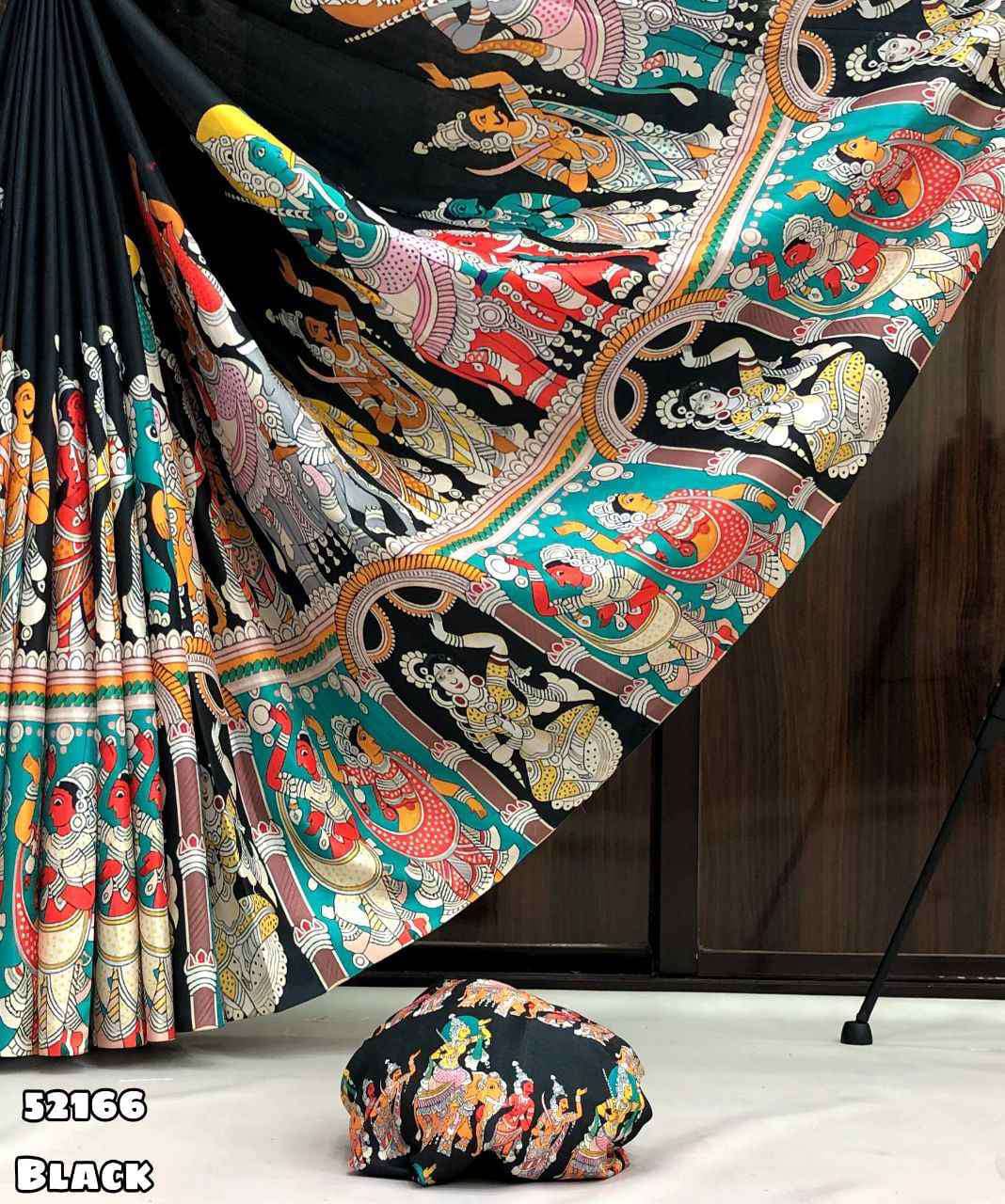
Tussar Silk Kalamkari Printed Saree with Blouse illustrates how a traditional narrative print can create a complete festive look without relying on heavy stonework. Black Traditional Kalamkari Print Silk Saree gives a stronger evening palette, although dark silk can feel warmer under direct sunlight. Fabric selection should therefore follow the event's practical conditions, not only its colour scheme.
Theyyam Festival Fashion: Understanding Traditional Kerala Attire Without Imitation
You can style Kerala-inspired clothing respectfully by using regional fabrics, modest drapes, and understated jewellery while leaving face painting, deity symbols, weapons, crowns, and ritual body decoration to the performers. Cultural appreciation is strongest when it acknowledges a living tradition rather than turning sacred identifiers into costume props.
A saree with a narrow zari border can be paired with a plain blouse, small gold-toned earrings, and a low bun or braid. Avoid oversized headpieces, dramatic red-and-black makeup, artificial facial markings, and accessories shaped like ritual weapons. Jasmine flowers may be appropriate in some social settings, but visitors should follow local guidance and avoid blocking sightlines during the performance.
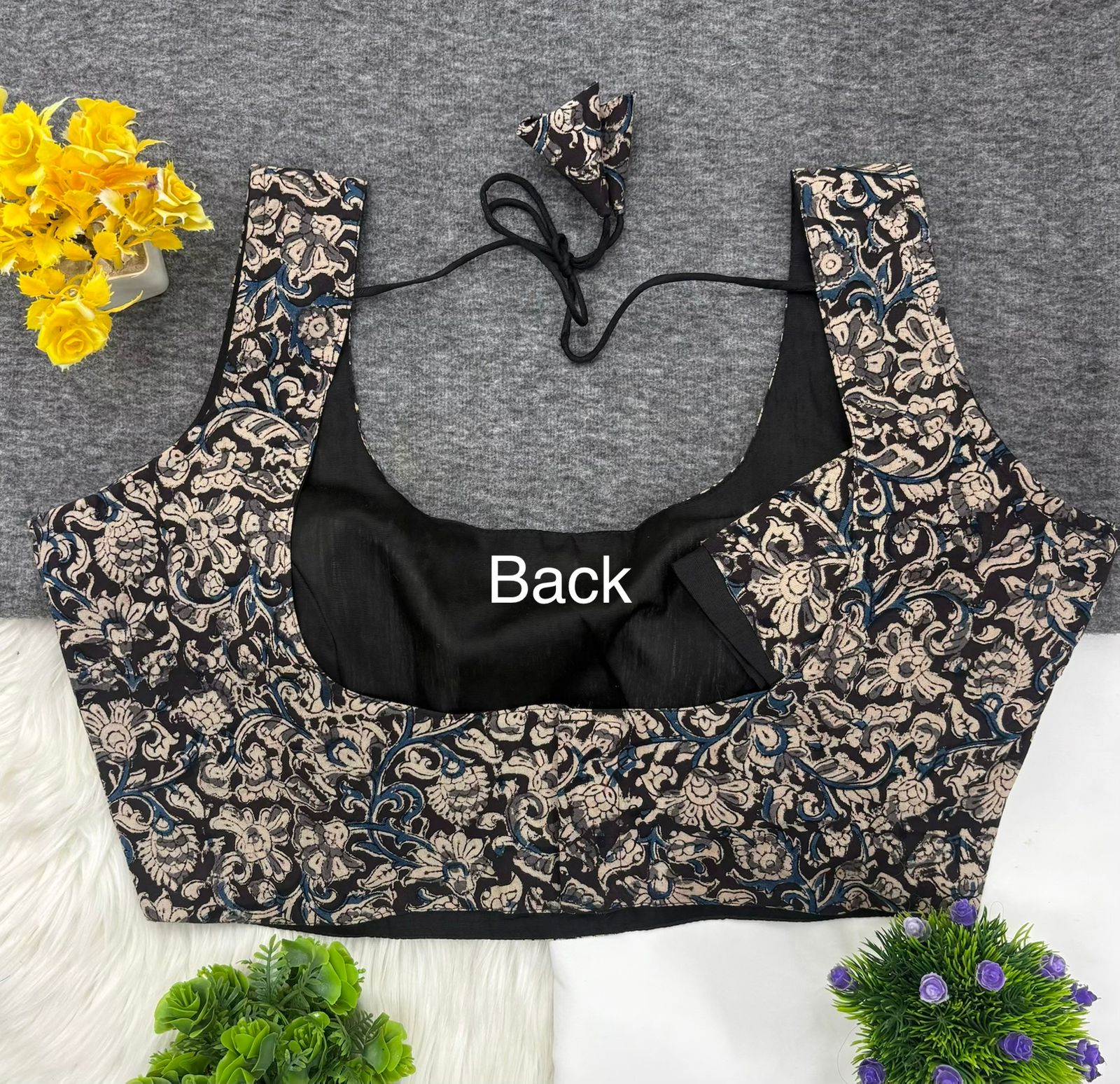
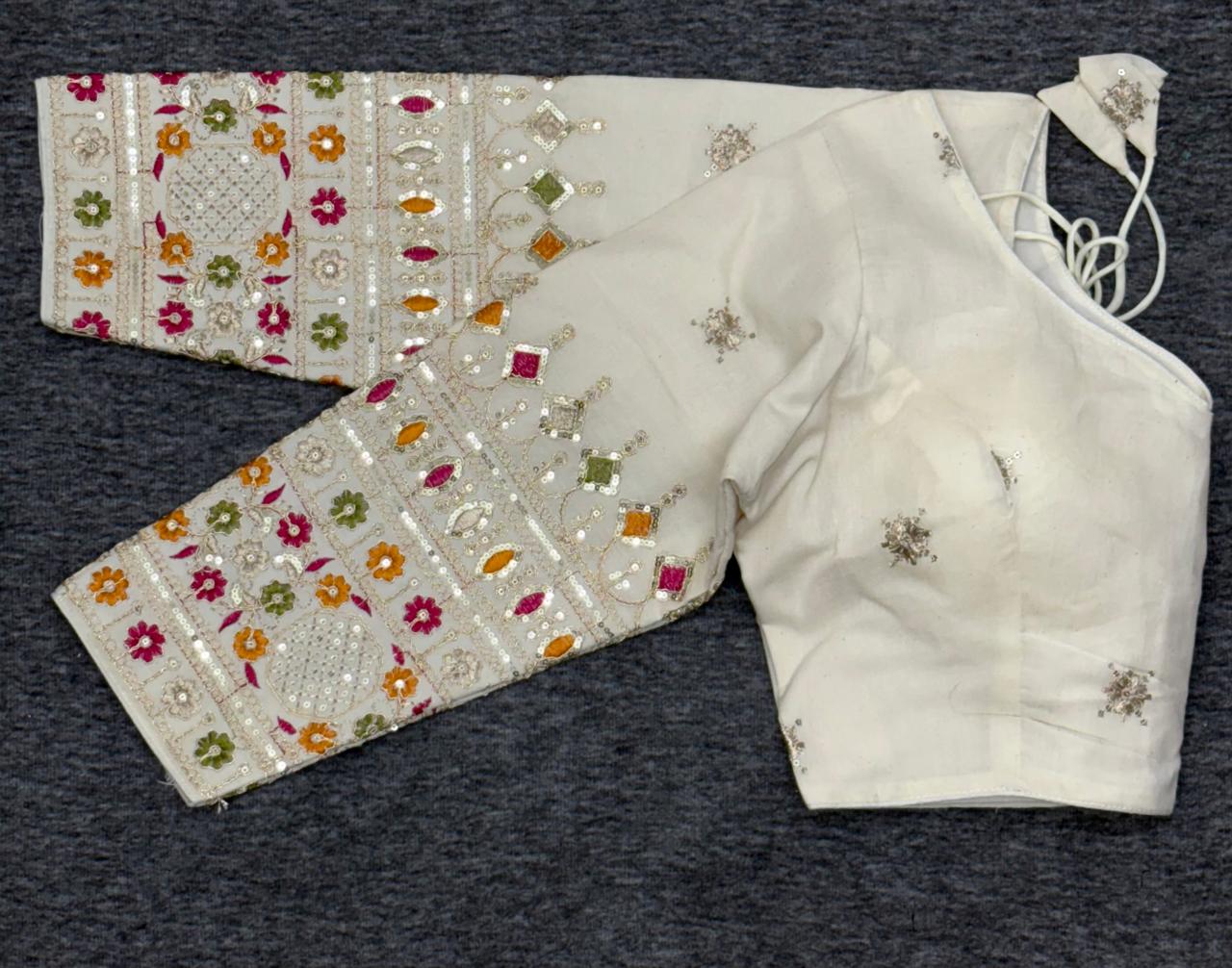
Blouse choice can change the formality of a Kerala-inspired outfit. A high-neck cotton blouse brings coverage and structure for a daytime saree, while a simple short-sleeved blouse works well with a lightweight handloom. Classic Festive Wear Blouse for Stylish Saree Look can be considered when a saree needs a polished blouse without theatrical detailing.
Printed textiles offer another way to acknowledge Kerala's wider relationship with storytelling and craft. Kalamkari, Warli-inspired motifs, woven zari, and handloom textures can create a festive appearance, but a print should not reproduce a deity's face, ritual weapons, or sacred emblem without understanding its context. Styling choices become more respectful when the outfit communicates appreciation for craft rather than an attempt to become a performer.
What should visitors avoid wearing at a Theyyam shrine?
Visitors should avoid face paint, oversized ritual-style headgear, fake weapons, very short garments, noisy accessories, and clothing that makes movement or photography intrusive. Visitors should also avoid touching performers, entering restricted spaces, or posing beside ritual objects without permission.
Photography rules vary by shrine and performance, so visitors should ask before using flash or taking close portraits. A modest outfit can't compensate for disrespectful behaviour. Standing at the designated viewing area, keeping voices low during important moments, and following instructions from temple volunteers are equally important parts of appropriate festival conduct.
Theyyam Festival Fashion: Understanding Traditional Kerala Attire and Care
Kerala festival clothing lasts longer when it's aired promptly, washed according to fibre requirements, and stored away from moisture and direct sunlight. Care is especially important for zari, Chanderi, Tussar silk, Kalamkari prints, and handloom cotton because each material responds differently to water, friction, and heat.
- Air the garment first: Hang a worn saree or kurta in shade for several hours before folding it. Airing allows perspiration and ambient moisture to evaporate.
- Read the care label: Use a specialist dry cleaner for many silk, embellished, and heavily zari-worked garments. Do not assume that every silk can be safely hand-washed.
- Wash cotton gently: Wash handloom cotton separately in cool or lukewarm water with mild detergent, unless the care label gives different instructions. Avoid prolonged soaking because dyes and zari areas may react unpredictably.
- Dry in shade: Direct midday sunlight can fade Kalamkari prints, dark silk, and coloured cotton. Dry garments inside out in a well-ventilated shaded area.
- Store zari carefully: Fold zari sections inward, place soft unprinted cotton or muslin between folds, and refold the saree every few months to reduce permanent creasing.
- Prevent damp storage: Store clean, completely dry garments in breathable cotton covers. Avoid sealing damp fabric in plastic, especially during Kerala's humid monsoon months.
A practical festival wardrobe can therefore include one breathable cotton outfit for daytime, one dressier Chanderi or silk option for an evening event, a tight dupatta, flat removable footwear, and a small weather-ready bag. The most successful Theyyam Festival Fashion choices respect the sacred setting, respond to Kerala's climate, and let the wearer to observe rather than imitate the ritual.
Common Questions About Theyyam Festival Fashion and Kerala Attire
What should I wear to a Theyyam festival?
Wear clean, modest, breathable clothing such as a cotton saree, salwar suit, kurta set, or mundu-based outfit. Choose flat footwear that is easy to remove and avoid long trailing hems, theatrical makeup, and clothing that imitates a performer's ritual costume.
Can I wear a saree to watch Theyyam?
Yes, a saree is suitable for watching Theyyam when the drape allows comfortable movement and provides appropriate coverage. Lightweight cotton, handloom cotton, Chanderi, and less heavily embellished sarees are usually more practical than heavy silk for a long outdoor gathering.
Can visitors wear red or yellow to a Theyyam performance?
Visitors can wear red, yellow, or other bright colours, but they should not copy the specific colour arrangement, face paint, crown, or ornaments of a Theyyam deity. A coloured saree or kurta is different from recreating a performer's sacred appearance.
Is Theyyam costume the same as traditional Kerala dress?
No, Theyyam costume is a sacred ritual ensemble used by a performer during transformation into a deity or spirit. Traditional Kerala dress includes garments such as the kasavu saree, mundu, set mundu, cotton kurta, and blouse, which are worn for everyday, festive, or ceremonial purposes.
Which fabric is most comfortable for a Theyyam festival in Kerala?
Handloom cotton is usually the most comfortable option for a warm daytime performance because it is breathable and absorbs moisture. Chanderi and light Tussar silk can work for dressier settings, while heavy Banarasi silk is better reserved for shorter appearances or cooler conditions.
Can I take photographs of Theyyam performers?
Photography depends on the shrine, ceremony, and instructions from organisers or temple volunteers. Ask before taking close portraits or using flash, remain outside restricted areas, and never touch a performer or pose with ritual objects without explicit permission.