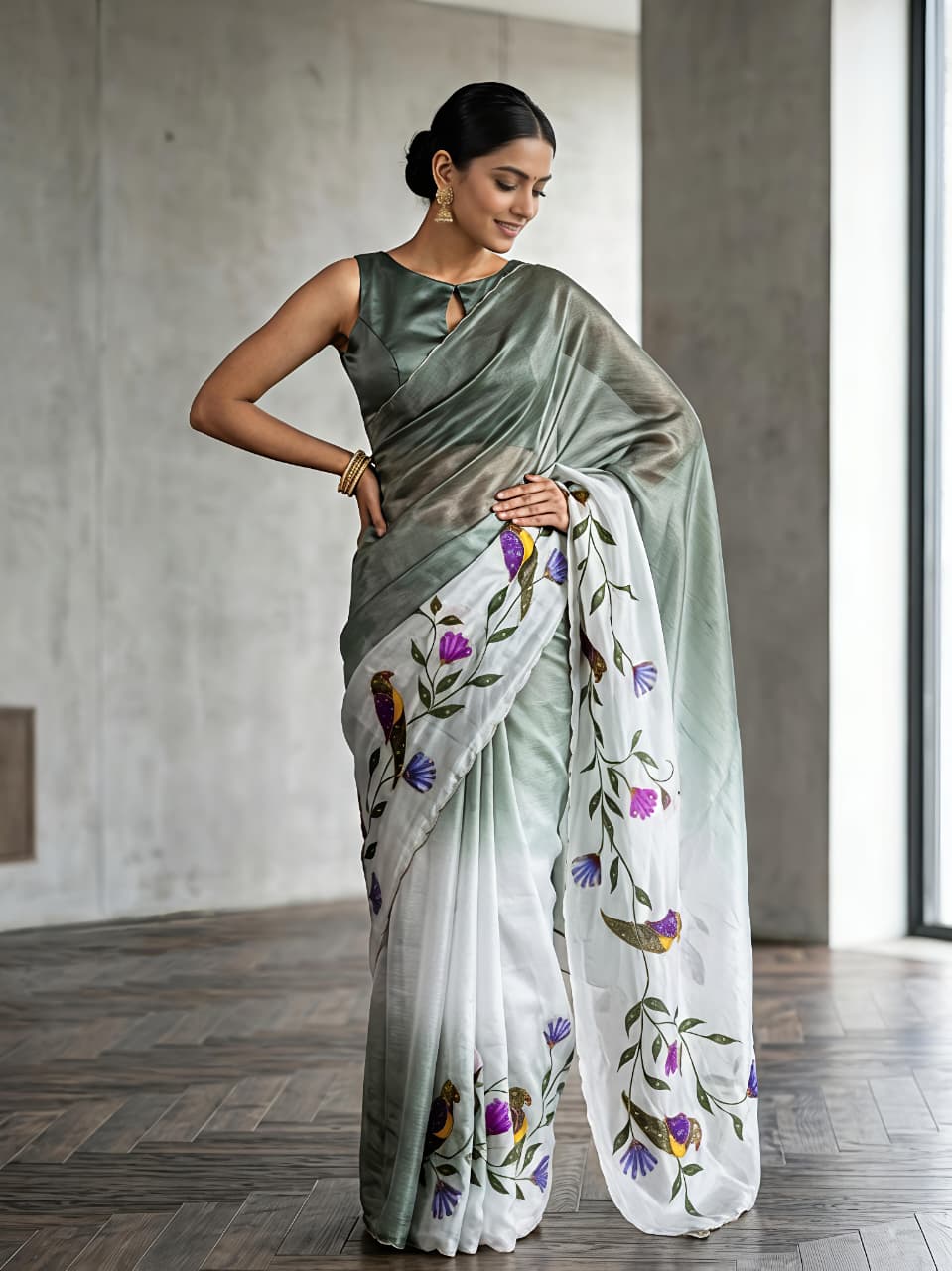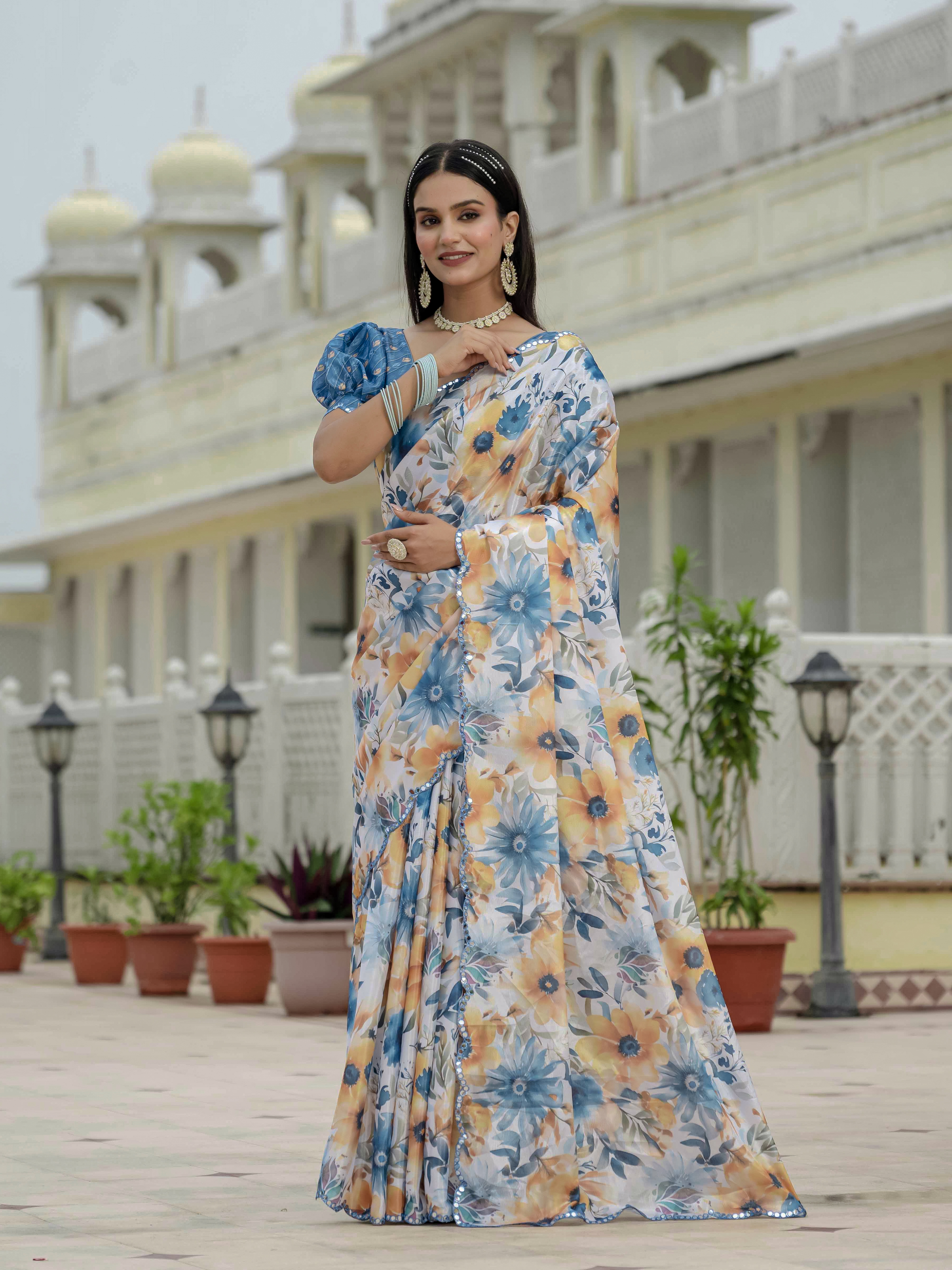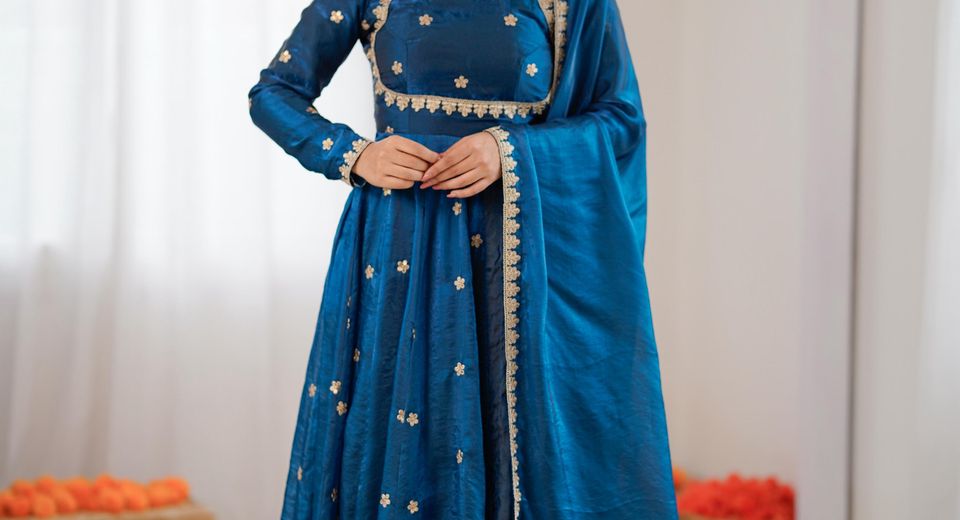
Telangana Wedding Guest Outfits need to balance regional tradition, long ceremony hours and personal comfort. A traditional saree works beautifully for the wedding and reception, while a well-cut salwar suit is often easier for travel, greeting relatives and sitting through rituals. The right choice depends on the ceremony, fabric, colour, weather, venue and amount of movement planned for the day.
What should a guest wear to a Telangana wedding?
A guest should wear a polished saree or an embellished salwar suit in a festive colour, with jewellery and footwear suited to the ceremony length. Telangana weddings commonly include several events rather than a single short function, so an outfit that photographs well and remains comfortable for four to eight hours is more useful than a heavily decorated look that restricts movement.
For the main wedding, silk, Banarasi silk, Chanderi, organza, tissue and dressy georgette are dependable choices. A silk saree with a woven border gives a more traditional impression, while a salwar suit with zari, resham embroidery or a brocade dupatta offers similar formality with easier mobility. For a reception, a pre-draped saree, embroidered gown set or refined co-ord set can look contemporary without appearing casual.
Guests should avoid wearing an outfit so white, pale or heavily gold-dominant that it resembles ceremonial dressing reserved for the immediate family. Guests should also avoid distressed fabrics, very short hemlines and dupattas that repeatedly slip during rituals. Personal style remains welcome, but modest coverage and secure construction are especially practical in a family-led wedding setting.
Telangana Wedding Guest Outfits for each ceremony
Different wedding functions call for different levels of embroidery, colour depth and ease of movement. An useful wardrobe plan assigns lighter outfits to daytime rituals, brighter traditional pieces to the wedding and more dramatic textures to the evening reception.
Haldi ceremony and daytime rituals
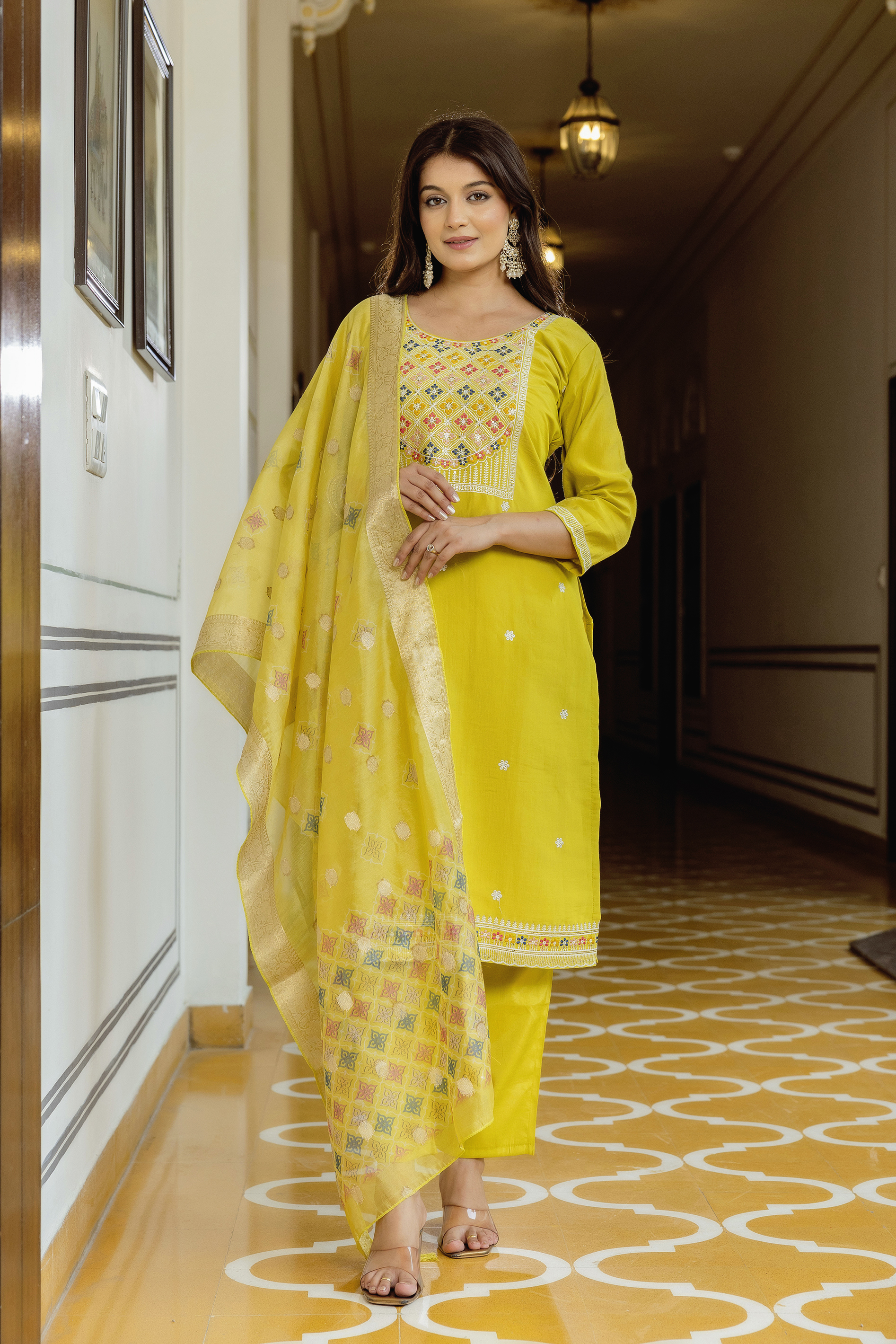
A Haldi ceremony suits a washable or easy-care salwar suit in yellow, green, peach or coral, preferably with limited surface embellishment. A cotton-silk blend, Chanderi or light georgette keeps the outfit breathable when guests move between indoor and outdoor spaces. The Designer Yellow Salwar Suit with Dupatta gives a clear example of the cheerful colour direction, while flat sandals and small earrings are safer than delicate heels or long dangling jewellery.
Yellow garments can show turmeric quickly, so guests should check cleaning instructions before wearing a valuable silk or heavily embroidered piece to Haldi. A spare dupatta or an inexpensive cotton stole can protect the main neckline and shoulder area without compromising the look in photographs.
Wedding ceremony
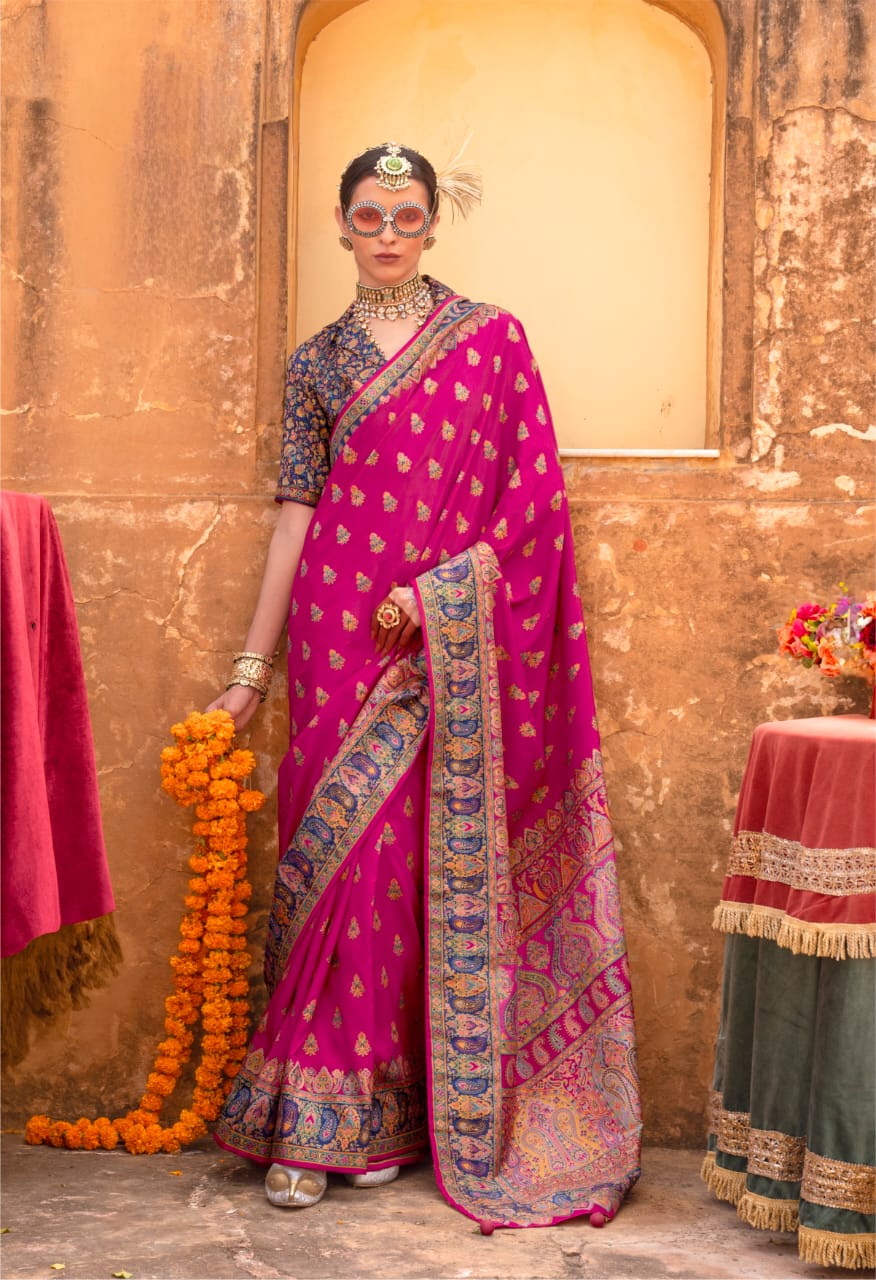
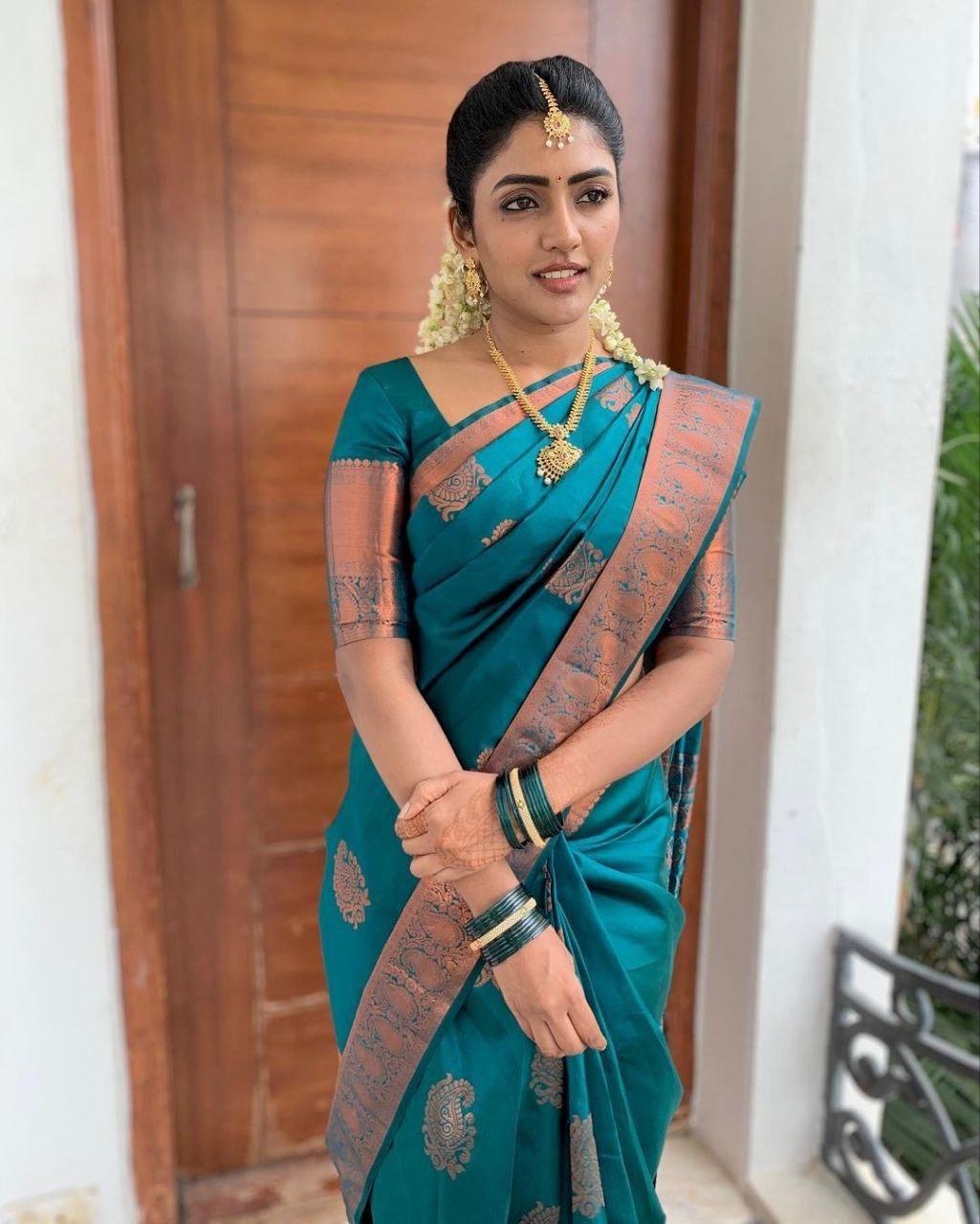
A silk saree or a richly finished salwar suit is the most appropriate choice for the central wedding ceremony. Festive Teal Banarasi Saree with Traditional Motifs demonstrates why a woven saree works well: Banarasi silk has visual depth from its patterned weave, and traditional motifs provide detail without requiring dense all-over sequins.
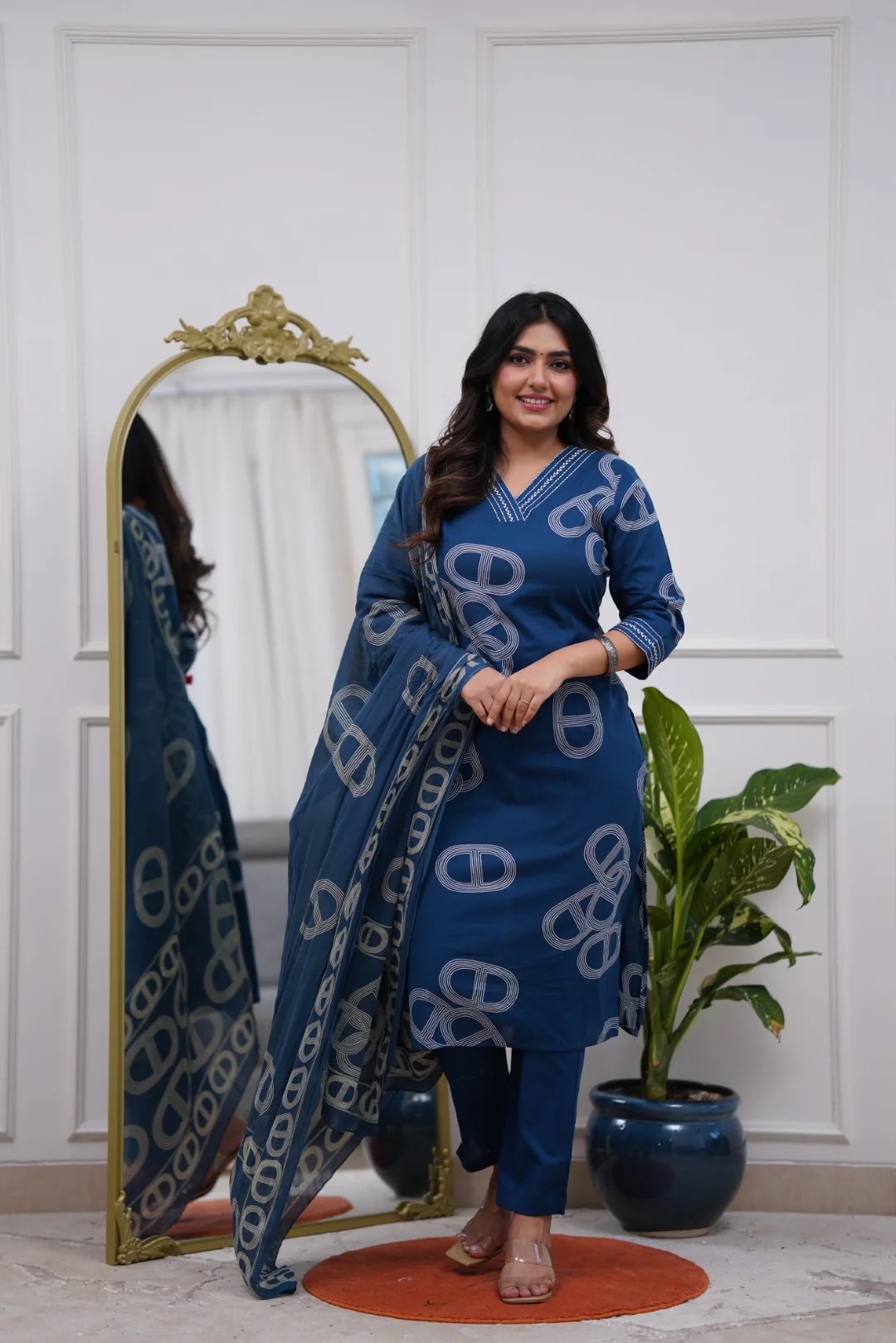
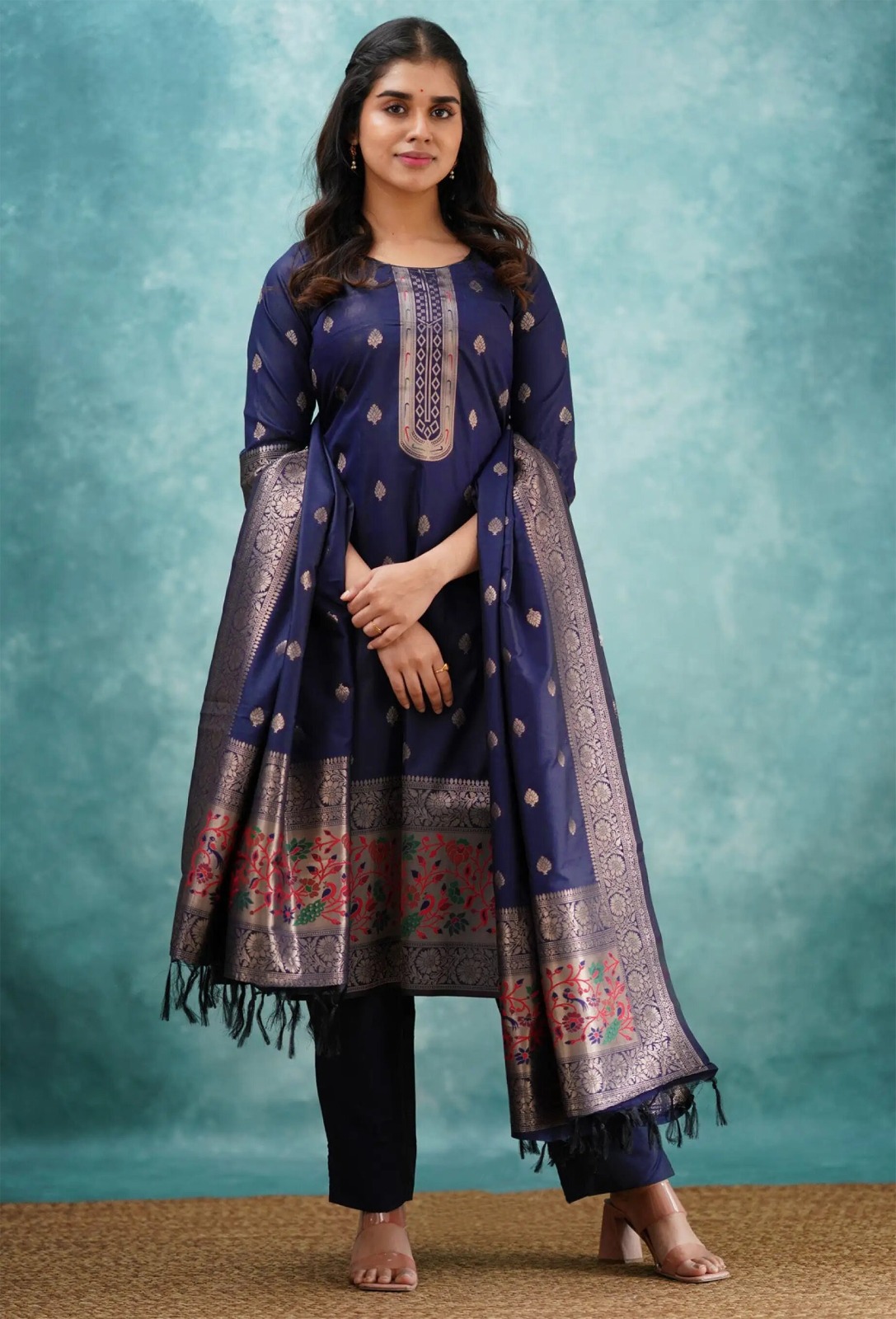
Guests who prefer a suit can choose a long kurta with coordinated trousers and a dupatta in silk, Chanderi or a structured blend. Navy Blue Traditional Kurta Pant Dupatta Ensemble gives a composed alternative to a saree, particularly for guests who will be walking, helping elders or sitting on the floor. Add a small bindi, jhumkas and a neatly pinned dupatta for a complete ceremonial appearance.
Reception and evening celebration
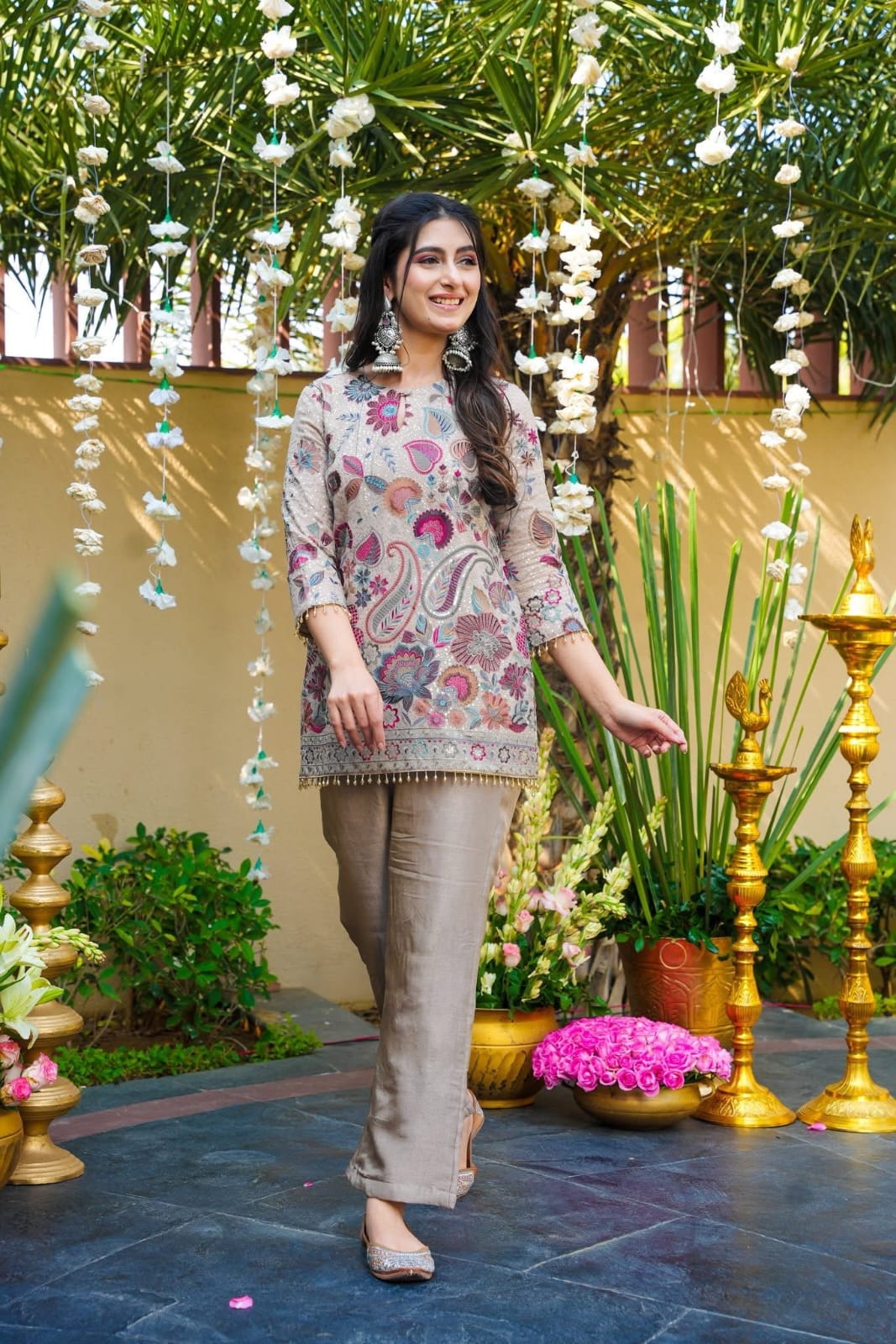
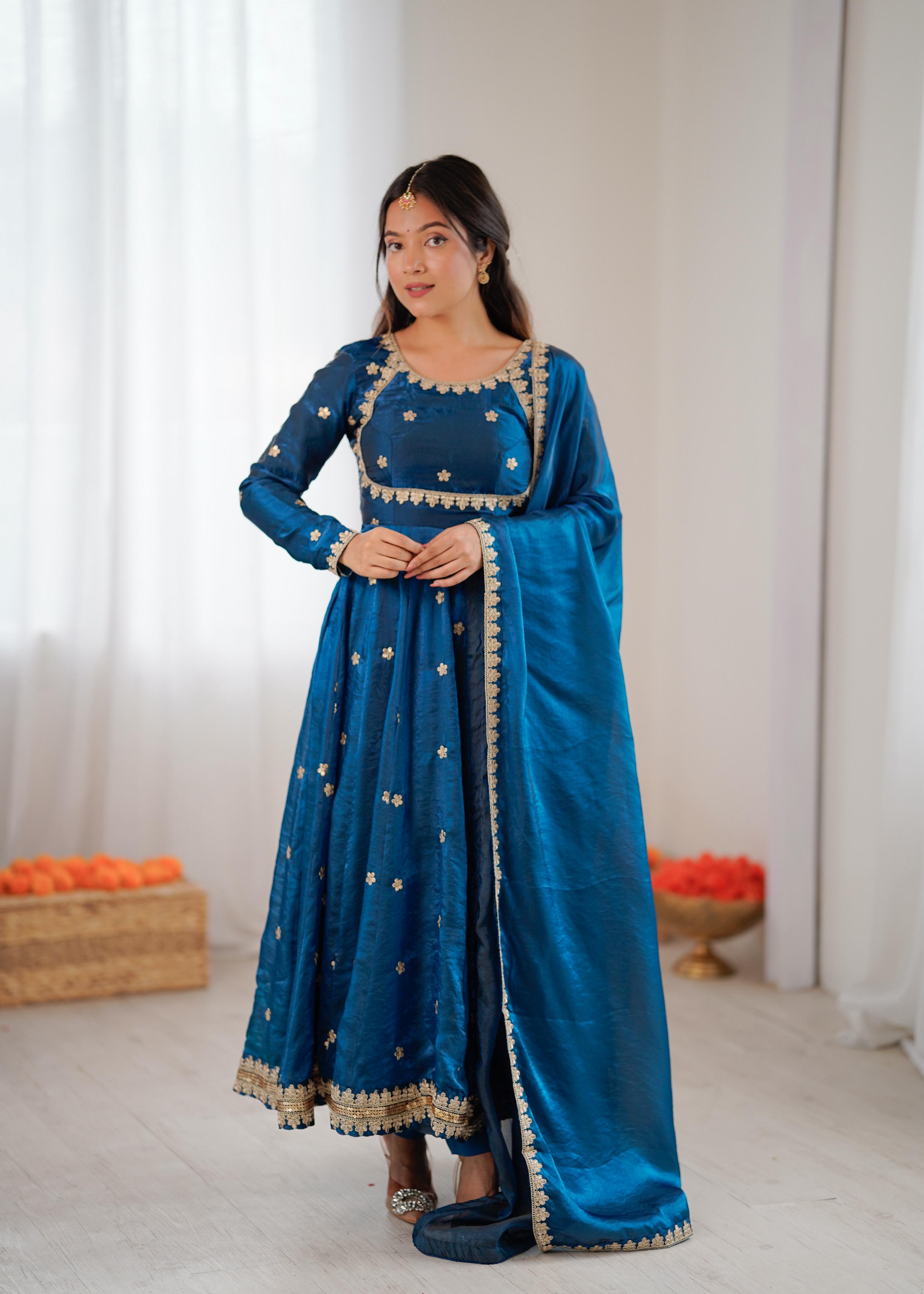
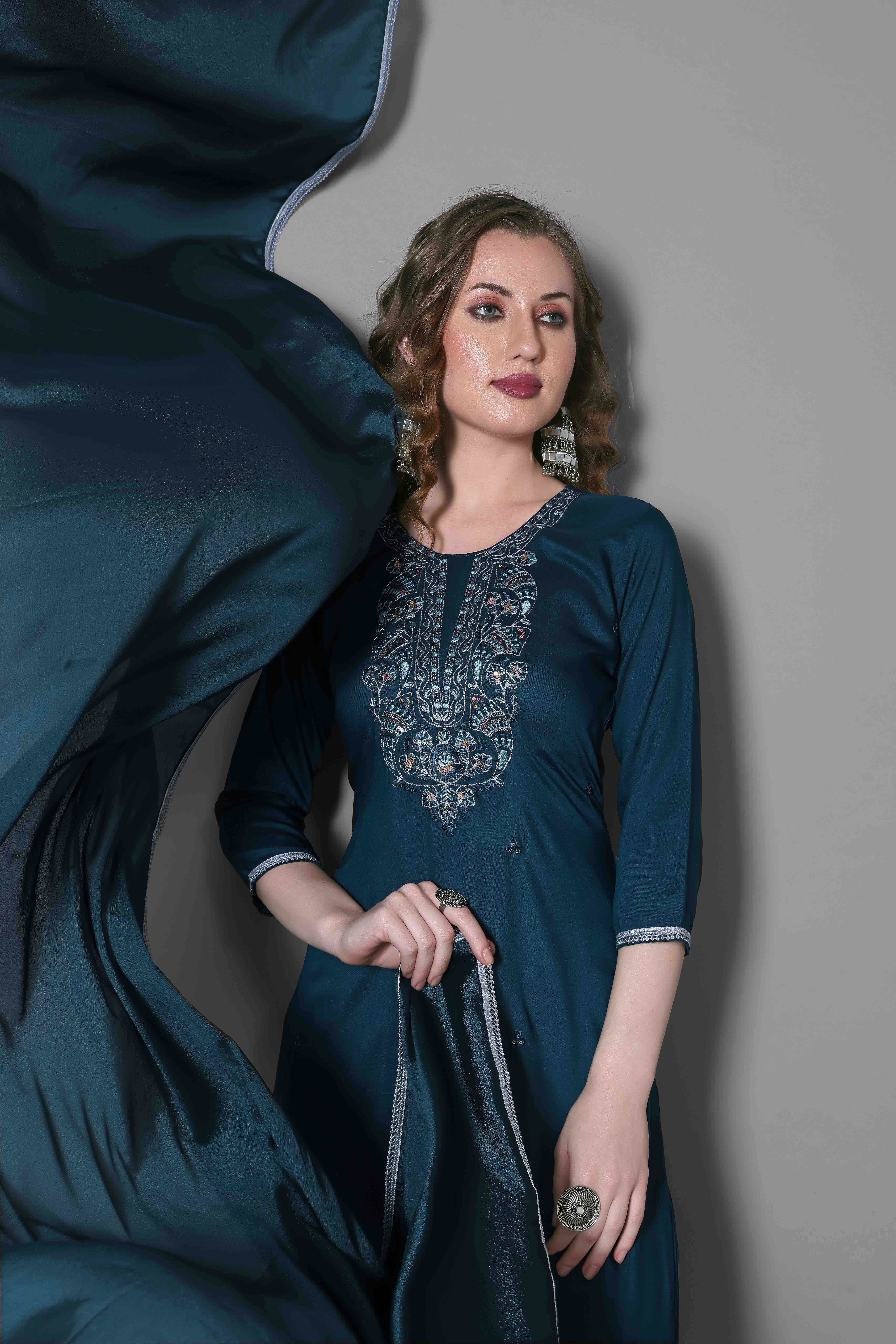
An evening reception allows more experimentation with silhouette, shine and modern tailoring. Teal Blue Silk Embroidered Gown Set with Dupatta creates a formal gown-style line, while Modern Taupe Vichitra Silk Embroidered Co-Ord Set for Women brings a quieter contemporary option for guests who don't want a conventional saree.
Reception dressing doesn't require maximum embellishment. One strong element, such as a zari border, embroidered bodice, metallic clutch or statement earrings, usually looks more refined than combining sequins, heavy jewellery and a heavily patterned dupatta in the same outfit.
How to choose between a saree and a salwar suit
A saree is the better choice when the guest wants stronger traditional impact, while a salwar suit is better when comfort, quick dressing and easy movement matter most. Both garments can be equally formal when the fabric, finishing and styling are appropriate.
When a saree makes sense
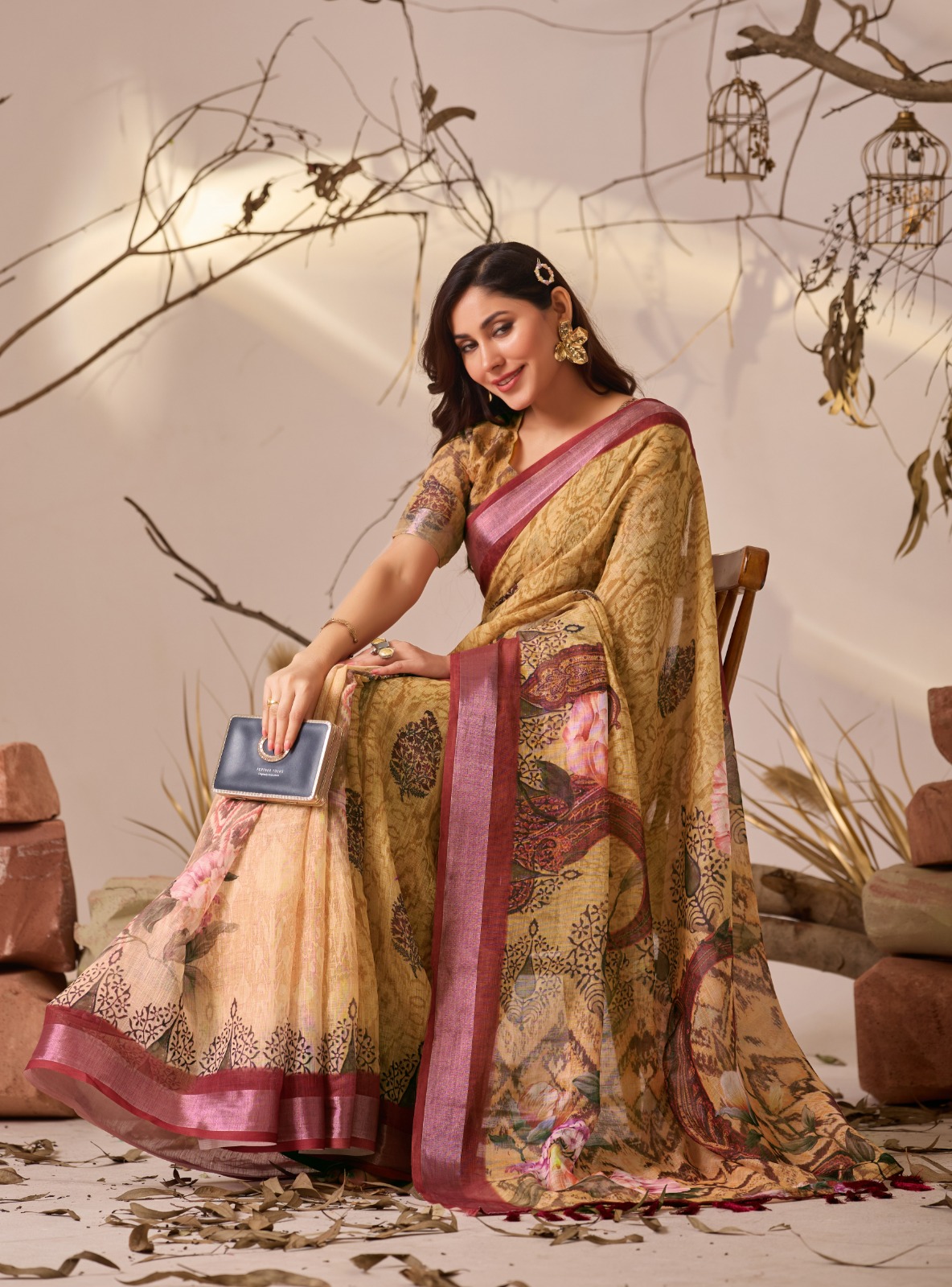
A saree suits guests who are comfortable with pleating and expect formal photographs, the main wedding muhurat or a reception with a traditional dress preference. Banarasi silk, Kanjeevaram-inspired silk, Paithani-inspired weaving and tissue sarees hold their shape well and create a clear vertical line in photographs.
Pre-stitching the pleats and testing the pallu before leaving home can prevent common problems. Secure the saree with four to six safety pins placed inside the pleats and near the shoulder, wear a fitted petticoat or saree shapewear that doesn't dig into the waist. Choose a blouse with sleeves or shoulder coverage if the ceremony involves extended sitting.
When a salwar suit makes sense
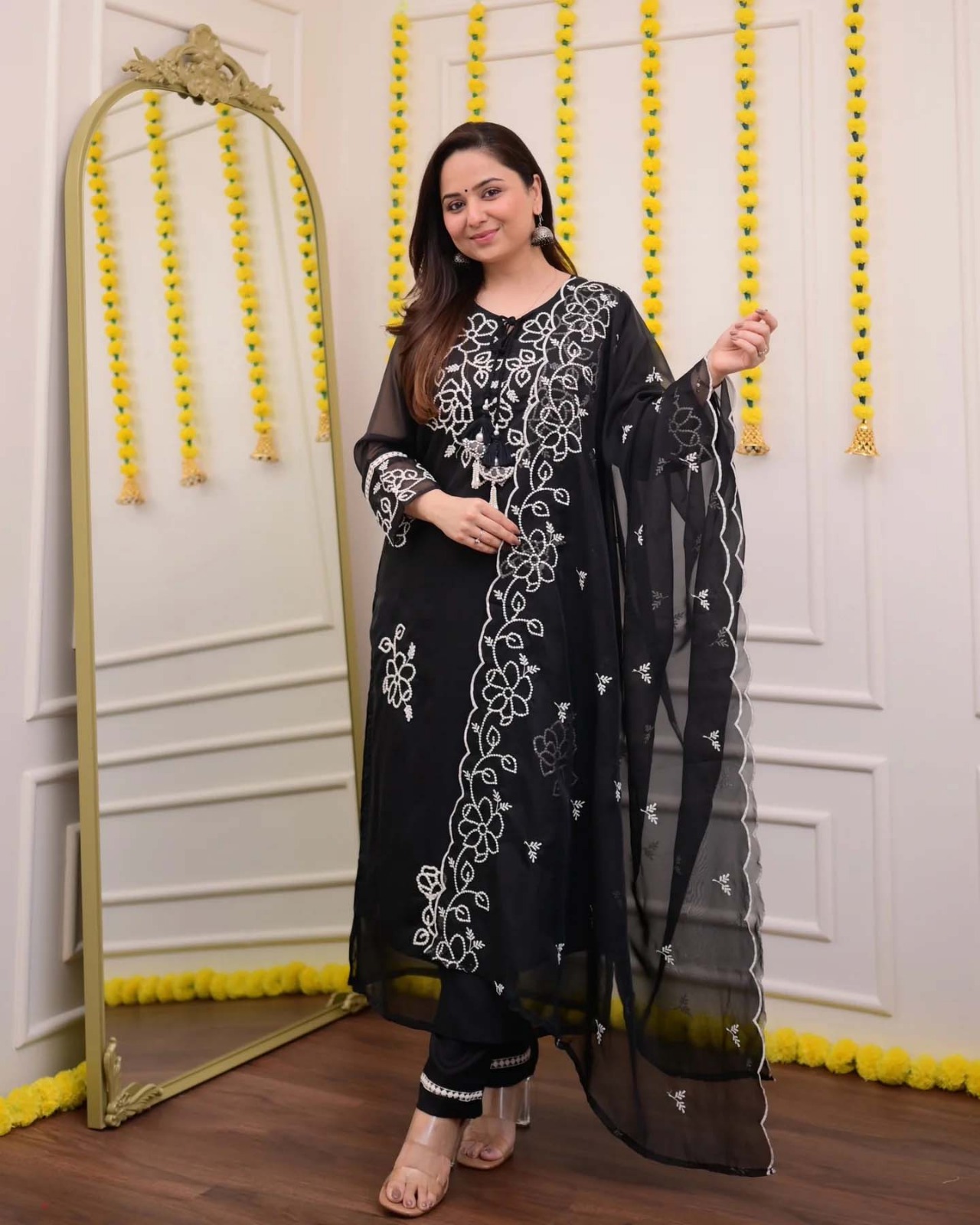
A salwar suit is the better choice for guests travelling between functions, caring for children, using public transport or attending a long daytime programme. Brown Chinon Silk Sharara Suit Set for Women adds festive volume through the sharara silhouette, while Navy Blue Embroidered Salwar Suit gives a more streamlined, versatile profile.
A salwar suit also brings more flexibility in temperature changes. A three-piece set can be worn with the dupatta over both shoulders in an air-conditioned hall, draped across one shoulder outdoors or folded neatly over the arm while eating. Ensure that the trouser length clears the floor by at least 1 to 2 centimetres when wearing flat footwear.
Which fabrics and colours work best?
Banarasi silk, Chanderi, silk blends, Chinon, georgette and cotton-silk are practical wedding fabrics, with each fabric performing differently in heat, movement and care. Colour selection should reflect the ceremony timing, venue lighting and the guest's existing jewellery rather than following a single rigid rule.
Banarasi silk is suitable for formal evening and wedding looks because its woven zari or silk motifs catch light without needing fragile surface decoration. Chanderi feels lighter and works particularly well for daytime functions, although delicate Chanderi may need careful handling around rough jewellery and crowded seating. Chinon has a fluid fall that suits shararas and dupattas, but the fabric should be checked for snag-prone embellishment.
Deep teal, rani pink, navy, emerald, magenta, rust and plum photograph strongly under indoor lighting. Rani Pink Chanderi Embroidered Kurta Set Dupatta shows how a vivid pink can remain elegant when the silhouette and embroidery are controlled. Navy is useful for evening events because gold, silver and antique-finish accessories all contrast clearly against it.
Pastels such as powder blue, blush and sage suit morning ceremonies, especially when paired with a stronger border or contrasting dupatta. Yellow, turmeric and saffron are natural choices for Haldi ceremony dressing, but guests should select shades that don't make staining impossible to conceal. Metallic gold works best as a border, thread or accessory rather than as the dominant colour for every function.
Regional textile influences that suit a Telangana wedding
Regional textile references can enrich a wedding guest wardrobe when they're used thoughtfully rather than mixed without a visual plan. Telangana itself has a strong handloom identity, and a guest can acknowledge South Indian dressing through silk, zari borders, woven motifs and restrained jewellery.
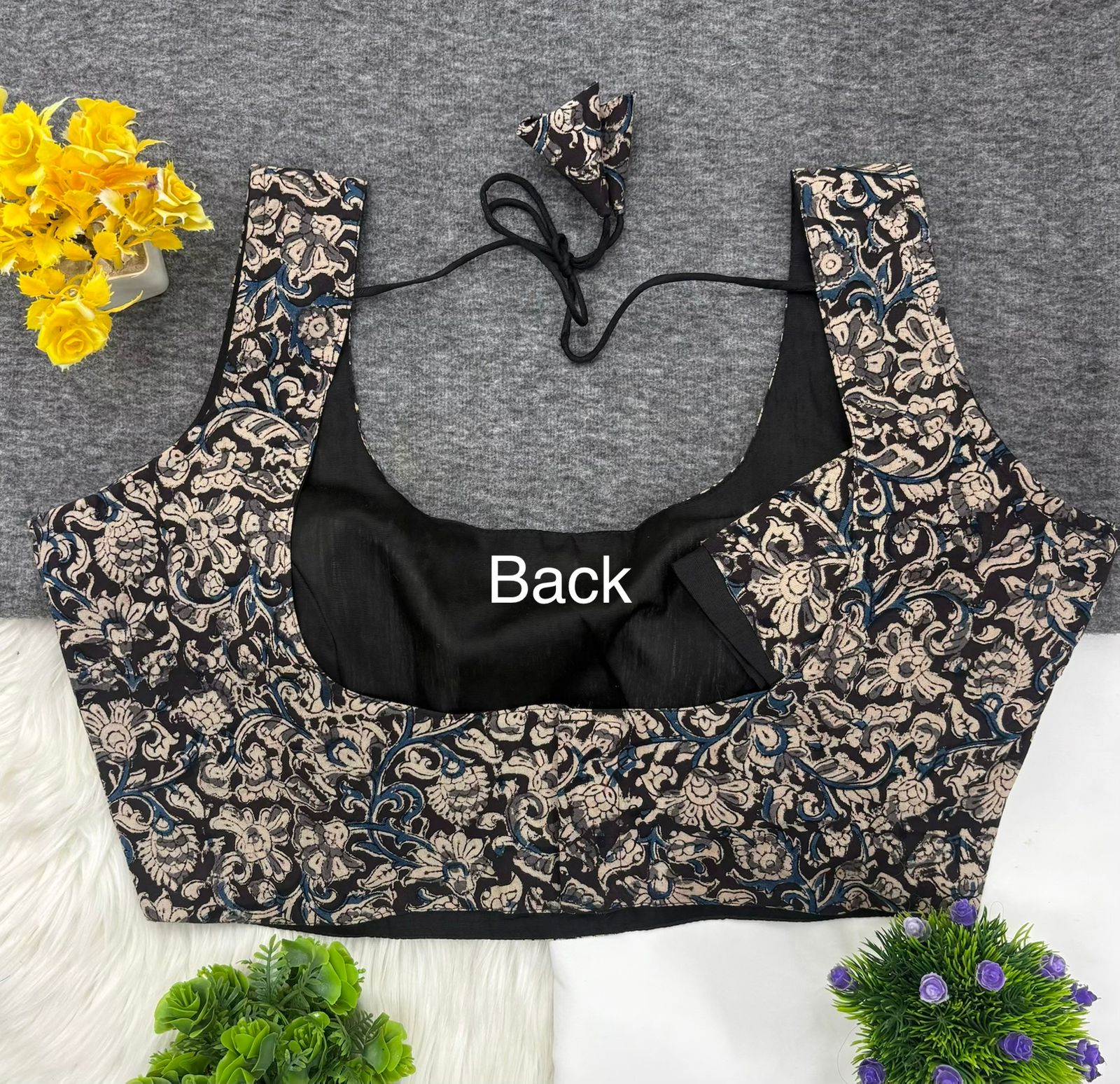
Kalamkari Print Salwar Suits bring narrative printed motifs and are more appropriate for a daytime pre-wedding event than for the most formal evening reception. Maharashtra Paithani Inspired Salwar Suits can echo the grandeur of a traditional woven border while offering the easier construction of a salwar set. Karnataka Silk Salwar Suits are an useful direction for guests who want a silk-led look with a South Indian visual character.
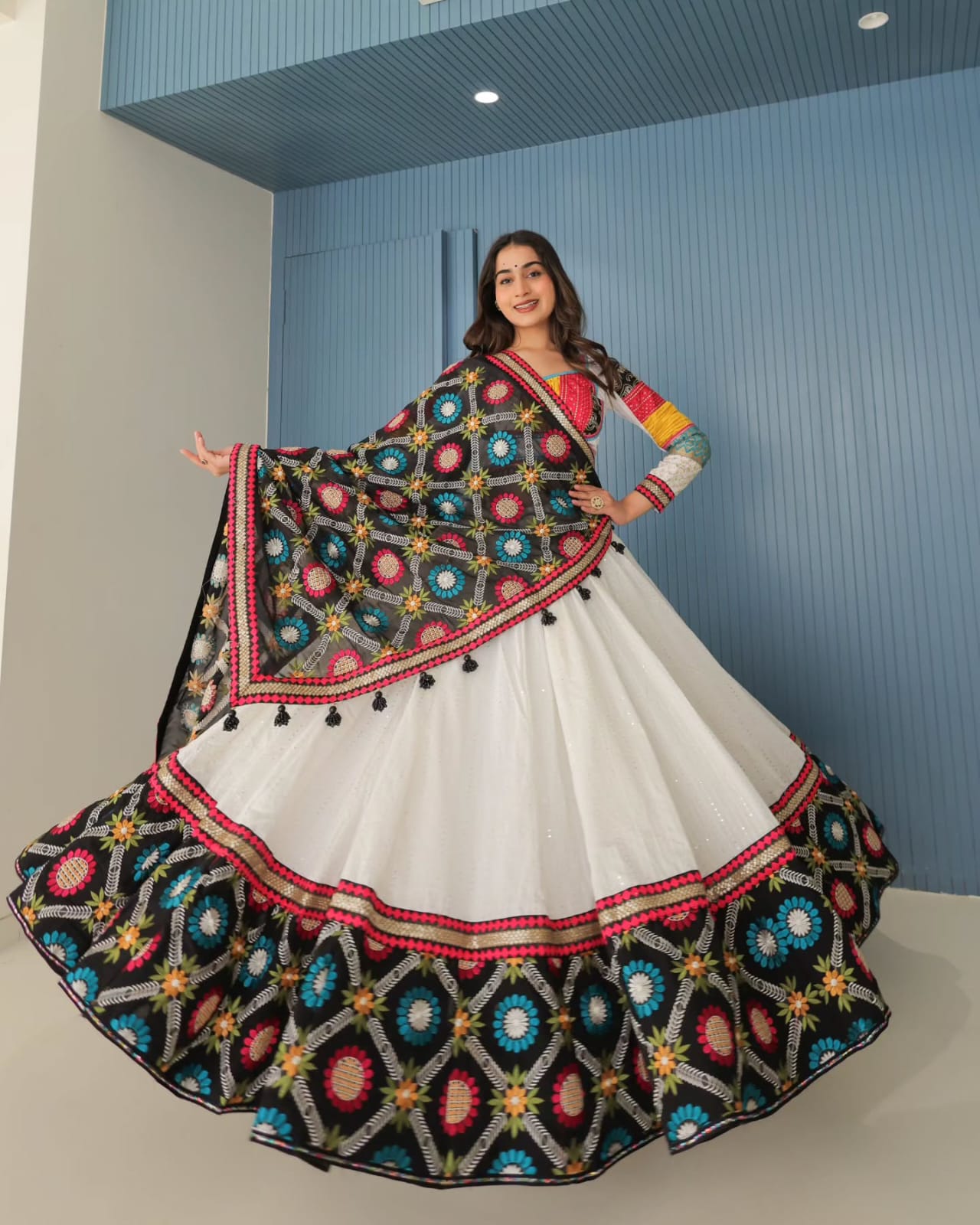
Punjab Phulkari Embroidered Salwar Suits bring colourful threadwork and are especially effective for a lively sangeet or family gathering. Kashmir Embroidered Salwar Suits introduce fine floral embroidery and softer layering, making them a good choice for an indoor winter wedding or an evening event where a graceful dupatta is useful.
These influences don't need to be treated as strict regional costumes. A teal silk suit with a modest border, a Chanderi kurta with antique jewellery or a Banarasi saree with a simple blouse can acknowledge Indian textile traditions without creating a costume-like result.
How should jewellery, footwear and a dupatta be styled?
Jewellery should repeat one visual detail from the outfit, such as gold zari, silver thread, pearl work or a dominant stone colour. Matching every accessory exactly can make a richly patterned outfit look crowded, while one coordinated metal creates a more deliberate finish.
Gold jhumkas, temple-style earrings and a slim bangle stack suit silk sarees and zari borders. Pearl drops, kundan studs or antique-finish earrings balance Chanderi and pastel outfits. A choker is best worn with a lower or wider neckline, whereas a long necklace works better with a high-neck kurta or a plain blouse. Keep bangles moderate if the guest will be eating, greeting elders or handling a handbag frequently.
Footwear should be selected before hemming a salwar trouser or practising a saree drape. Block heels between 2 and 3 inches provide stability on polished floors, while embellished juttis and cushioned sandals are practical for outdoor venues. New footwear should be worn indoors for at least two short sessions before the wedding to identify pressure points.
A dupatta should be secured according to the activity. Pin a lightweight dupatta at the shoulder and upper arm for a crowded ceremony, drape a heavier silk dupatta over both shoulders for formal photographs, and avoid placing a brooch where it can pull a delicate Chanderi or Chinon weave.
Fit, tailoring and packing checklist
Accurate measurements and a short movement test prevent more wedding-day problems than extra ornamentation. Sit on a chair, raise both arms, walk up a few steps and turn around while wearing the complete outfit, including footwear and jewellery.
A saree blouse should allow two fingers of ease around the upper arm and should not strain across the bust when the arms move forward. Kurta side slits should remain closed enough for coverage while walking, and trousers should have sufficient ease at the hip for sitting comfortably. Check that hooks, zippers and tassels are firmly attached at least three days before the event.
Pack a compact emergency kit with two safety pins, fashion tape, a small sewing kit, stain-removal wipes, blister plasters, hairpins and a transparent pouch for jewellery. Keep a dupatta separate from rough-textured accessories so zari and embroidery don't snag during travel. Carry a lightweight shawl for heavily air-conditioned halls, particularly when wearing a sleeveless blouse or thin georgette layer.
Care after the wedding
Wedding garments should be aired, inspected and cleaned according to fibre and embellishment within 24 hours of use. Do not leave perspiration, perfume or food residue against silk for several days because stains can oxidise and become harder to remove.
Dry-clean Banarasi silk, heavily embroidered silk, zari garments and embellished Chinon unless the care label specifically permits another method. Fold sarees with acid-free tissue or clean muslin between layers, refold them every few months to prevent a permanent crease, and store them away from direct sunlight. Never iron zari directly; place a cotton cloth between the iron and fabric and use the lowest suitable heat only when the care instructions allow it.
Light Chanderi and cotton-silk pieces may sometimes be hand-washed, but colour bleeding should be tested on an inside seam first. Store every garment completely dry, and avoid plastic garment bags for long-term storage because trapped moisture can encourage odour and fabric damage.
A practical formula for choosing the final look
The strongest Telangana Wedding Guest Outfits usually combine one traditional anchor, one comfortable construction and one restrained statement accessory. For example, a Banarasi saree can be paired with a plain blouse and antique earrings, while an embroidered salwar suit can be balanced with simple sandals and one polished clutch.
For a daytime function, choose Chanderi or cotton-silk, a bright or pastel colour and lightweight jewellery. For the wedding ceremony, choose silk, Banarasi silk or a formal embroidered suit with secure footwear. For a reception, choose deeper colour, controlled shine and a silhouette that photographs clearly from a distance.
Make the final decision at least one week before the wedding, allowing time for alterations, blouse adjustments and footwear testing. A garment that fits properly, suits the function and can be worn with confidence will look more graceful than a trend-led outfit that requires constant fixing.
Questions Guests Ask About Telangana Wedding Dressing
What should a female guest wear to a Telangana wedding?
A female guest can wear a silk or Banarasi saree for the main wedding, or an embroidered salwar suit for easier movement. Chanderi, silk blends and dressy georgette are suitable alternatives when the ceremony is long or held during warm weather.
Can I wear a salwar suit instead of a saree to a Telangana wedding?
Yes, a well-finished salwar suit is appropriate for a Telangana wedding, especially when it uses silk, zari, embroidery or a dressy dupatta. Choose a formal three-piece set for the wedding and reserve simpler printed suits for daytime pre-wedding events.
Which colours are suitable for Telangana Wedding Guest Outfits?
Teal, rani pink, navy, emerald, magenta, rust, plum, yellow and saffron are useful festive colours. Pastels work well for daytime ceremonies, while deeper colours and controlled metallic details suit evening receptions.
Is a Banarasi saree too heavy for a wedding guest?
A Banarasi saree is suitable when the guest chooses a manageable silk weight and secures the pleats and pallu properly. Guests expecting extensive travel or floor seating may prefer a lighter Banarasi blend, Chanderi saree or embroidered salwar suit.
What should I wear to a Haldi ceremony in Telangana?
A light yellow, green, peach or coral salwar suit in cotton-silk, Chanderi or washable fabric is practical for a Haldi ceremony. Avoid valuable delicate embellishment and carry a spare dupatta because turmeric can stain silk and pale fabrics.
How can I keep a wedding saree comfortable for several hours?
Use a well-fitted blouse, a supportive petticoat, pre-stitched pleats and four to six concealed safety pins. Wear tested block heels or cushioned flats, keep the pallu secure and carry a small repair kit for unexpected loosening.