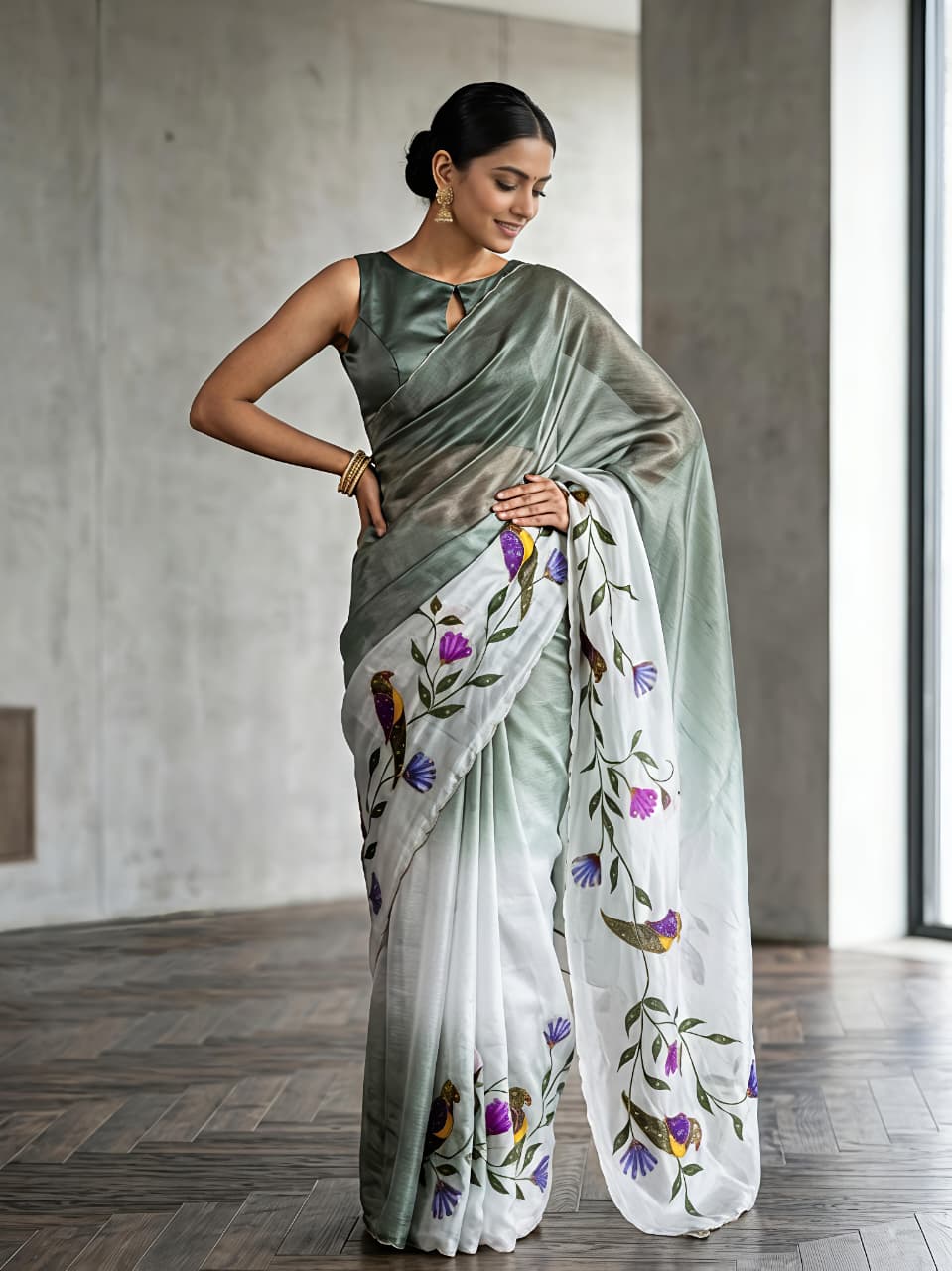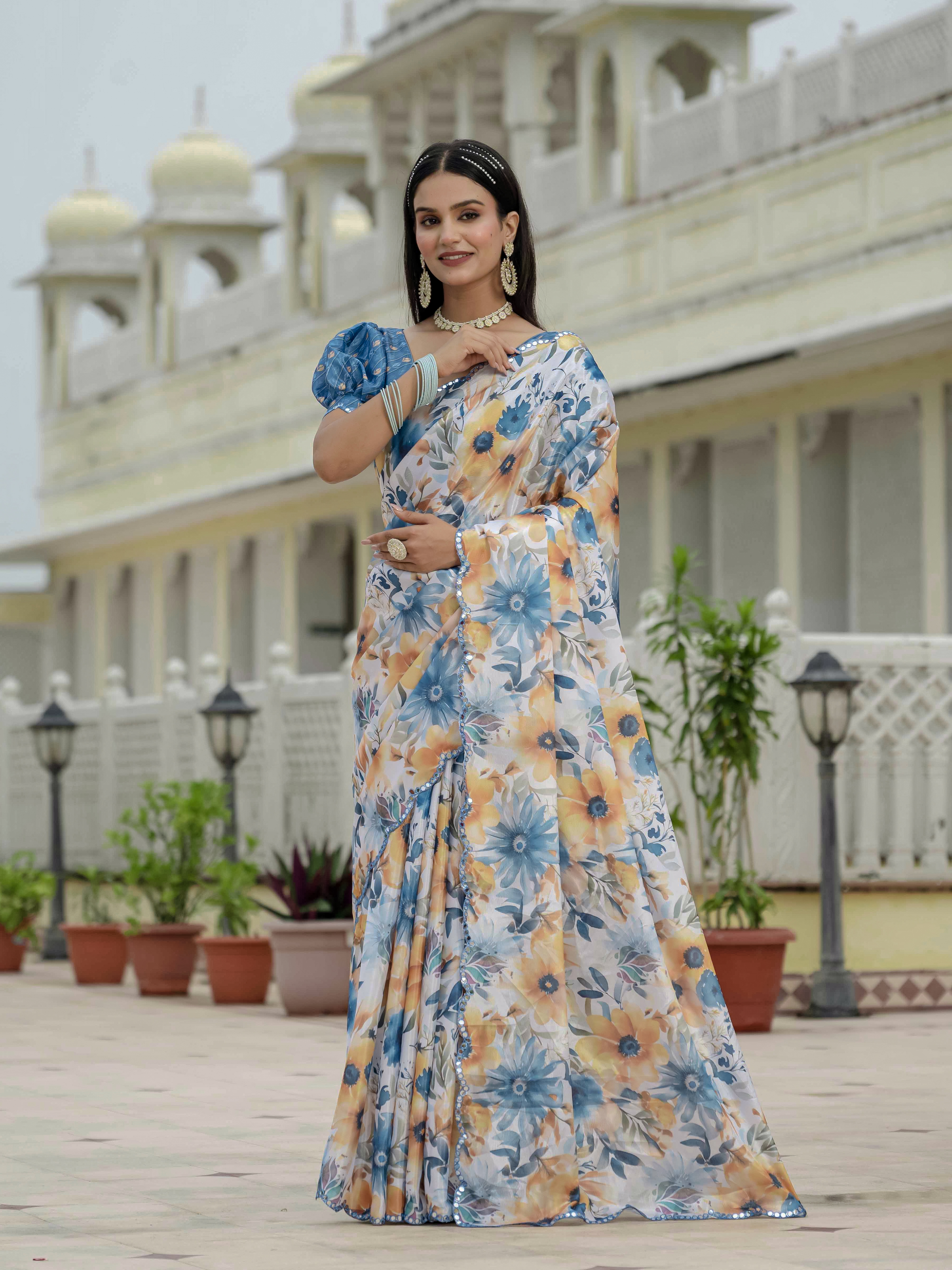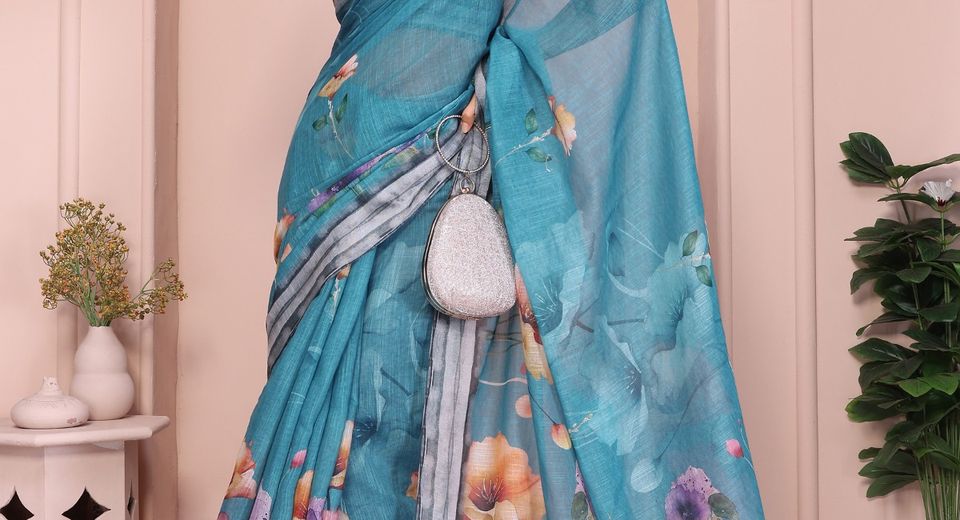
Telangana Traditional Sarees: Types, Fabrics and Regional Styles reflect the weaving identity of several districts rather than one single silhouette. Pochampally ikat is known for yarn-resist patterns, Gadwal sarees for their traditional silk-and-cotton construction, and Narayanpet sarees for practical cotton or silk-cotton weaves with distinctive borders. Learning these differences helps you choose according to climate, ceremony, drape and care instead of judging only by colour or ornament.
Telangana's saree heritage developed through handloom communities, temple culture, agricultural life and Deccan trade routes. A saree's regional origin can determine its yarn, border vocabulary, pallav structure and level of formality. A cotton saree from Pochampally can therefore look and feel very different from a cotton saree made in Narayanpet or Siddipet.
Telangana Traditional Sarees: Types, Fabrics and Regional Styles at a Glance
Telangana sarees are distinguished by the relationship between weaving technique, fibre, motif and regional history. The most recognised traditions include Pochampally ikat, Gadwal sarees, Narayanpet sarees and Siddipet cotton sarees.
Pochampally ikat uses resist-dyed yarns to make geometric patterns during weaving. Gadwal sarees traditionally promising a lighter cotton body with silk borders and a silk pallav. Narayanpet sarees are usually associated with wearable cotton or silk-cotton structures, stripes, checks and compact borders. Siddipet sarees are linked with Telangana cotton weaving and often feature checks, stripes and lively colour combinations.
Regional names are useful but should not be treated as complete specifications. A listing may use a place name while offering a powerloom interpretation, a blended fibre or a contemporary adaptation. The fibre composition, loom information and close-up photographs provide stronger buying evidence than a regional label alone.
What makes Telangana handloom sarees different from generic sarees?
Telangana handloom sarees often show a region-specific combination of texture, border construction, colour arrangement and repeated motifs. Small changes in yarn tension can create minor variations in alignment or surface texture, particularly in handwoven fabric.
Such variations are not automatically flaws. Slight irregularities at the selvedge, a subtly uneven motif or small differences in colour depth can occur when yarns are prepared and woven by hand. A powerloom saree usually has more mechanical uniformity, while a handloom saree may display greater surface character.
Telangana Traditional Sarees: Types, Fabrics and Regional Styles by Weaving Centre
The principal regional styles differ most clearly in how yarn is prepared, how the body joins the border and how motifs are arranged across the saree.
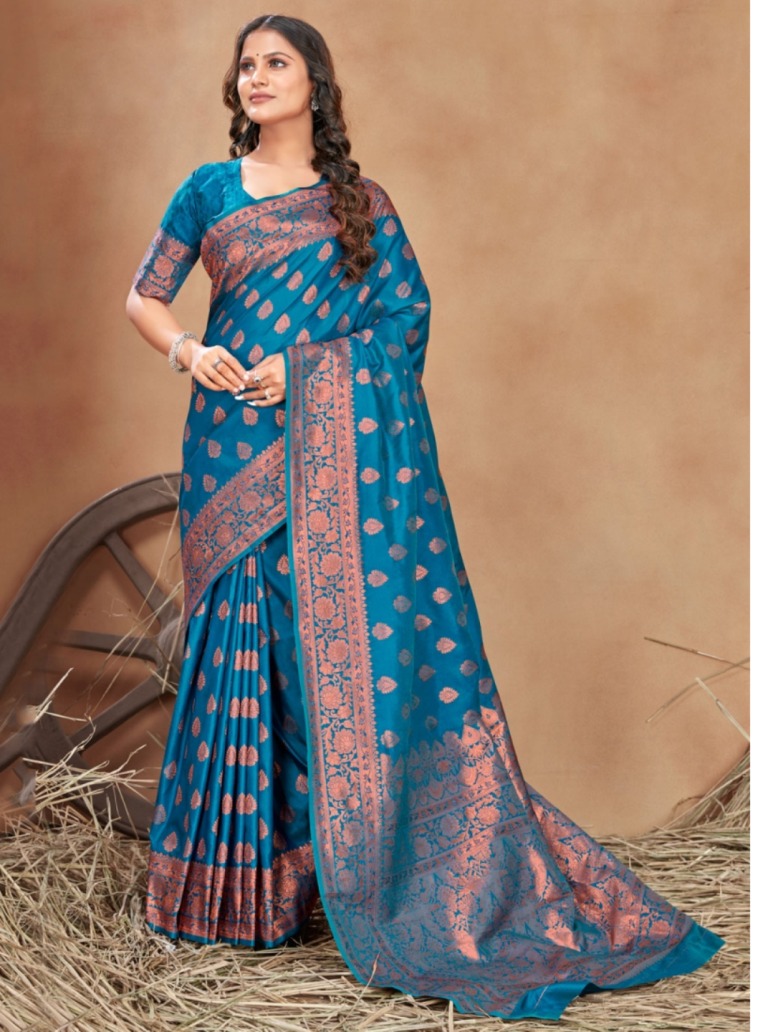
Pochampally ikat
Pochampally ikat is made by tying and dyeing selected sections of yarn before weaving, allowing the pattern to emerge when pre-coloured warp and weft threads intersect. Pochampally, also called Bhoodan Pochampally, is especially associated with diamonds, zigzags, checks and abstract geometric forms.
Ikat patterns commonly have softly blurred edges because resist-dyed sections don't meet with the sharp precision of a printed design. This feathered alignment is an useful visual clue. Pochampally sarees may be woven in cotton, silk or blended constructions, so the word "ikat" doesn't by itself identify the fibre or price level.
Gadwal sarees
Gadwal sarees are traditionally recognised for a cotton body combined with silk in the border and pallav, although modern versions can use varying fibre compositions. The lighter body provides comfort, while the silk sections create a more formal appearance.
Traditional Gadwal construction involves joining the body and border through a specialised weaving method often described as kuttu. A well-made Gadwal saree can fold into a relatively compact bundle despite its elaborate appearance. Temple borders, zari accents and contrasting colours are common, but a gold-coloured border alone can't authenticate a saree as Gadwal.
Narayanpet sarees
Narayanpet sarees are valued for light, wearable weaves, often in cotton or silk-cotton, with stripes, checks, small motifs and contrasting borders. The style suits people who want regional character without the weight or maintenance demands of a heavy bridal silk.
Narayanpet textiles often have compact borders and practical drapes. A cotton Narayanpet saree may suit office wear, a summer festival or a daytime family gathering, depending on its colour and embellishment. The fibre label still matters because the word "Narayanpet" may be used broadly in online descriptions.
Siddipet cotton traditions
Siddipet sarees are associated with Telangana cotton weaving and are often identified through checks, stripes and strong colour combinations. Siddipet-style cottons can be suitable for regular wear because cotton offers breathability and relatively easy movement.
Other Telangana districts and weaving communities contribute additional cotton, silk-cotton and decorative handloom forms. For shoppers, the practical conclusion is to ask whether the saree is handloom or powerloom, identify the fibre content and inspect the border and pallav rather than treating a district name as a complete product description.
Telangana Traditional Sarees: Types, Fabrics and Regional Styles by Fibre
Fabric determines how a Telangana saree feels in warm weather, how sharply it pleats, how much it creases and how carefully it must be stored.
Cotton for breathable everyday drapes
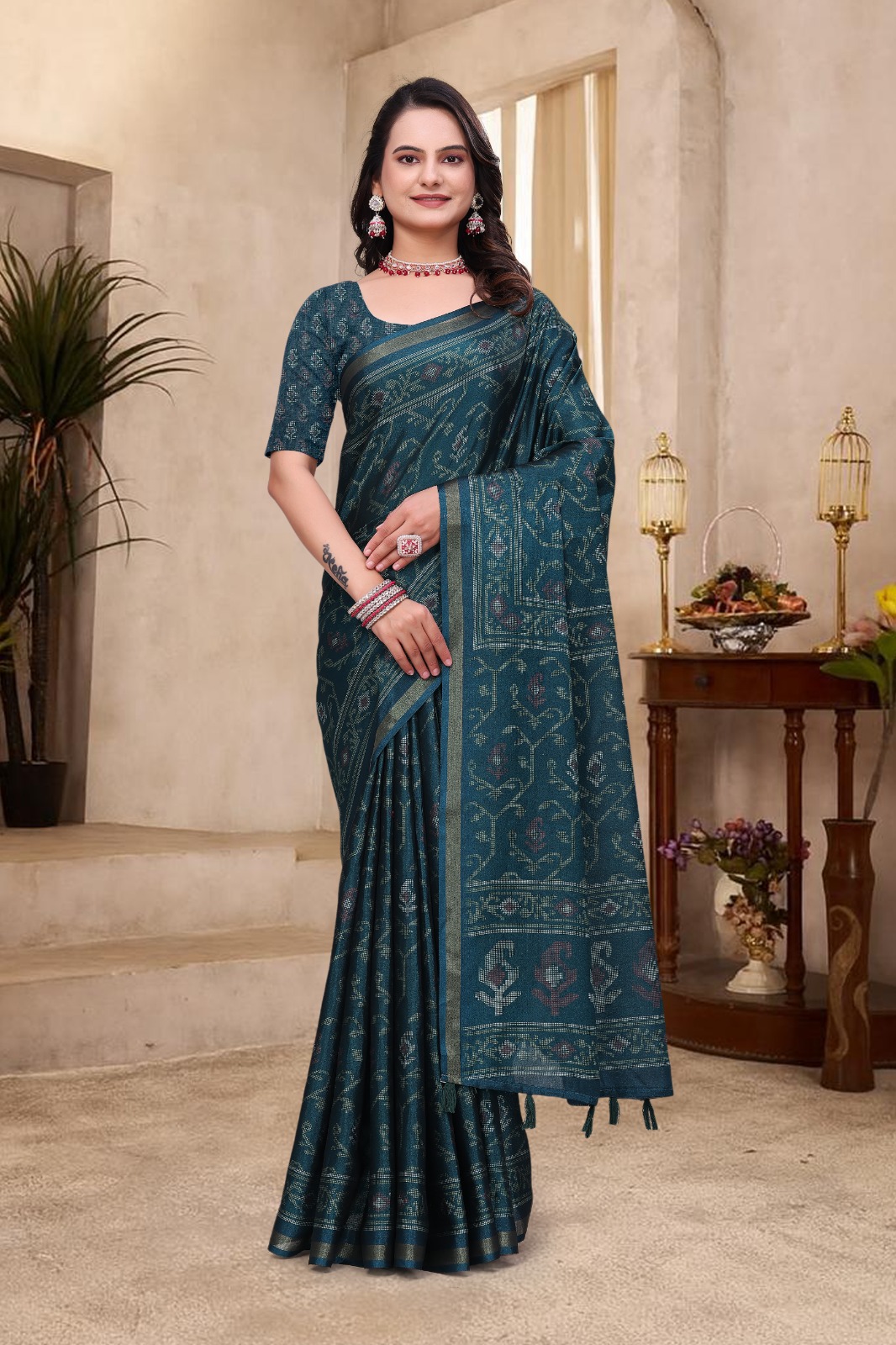
Cotton is usually the most practical choice for hot, humid or long daytime wear because cotton absorbs moisture and permits air movement. Cotton sarees can crease more readily than silk, but careful pressing, light starching and correct folding can improve their structure.
Teal Green Cotton Saree for Women Online India demonstrates why colour and fibre should be considered separately: a vivid festive shade can still belong to an everyday-friendly cotton category. Pastel Floral Tissue Handloom Cotton Saree with Zari Weaves gives another comparison by combining a cotton foundation with tissue-like surface interest and zari detailing.
Silk and silk-cotton for formal occasions
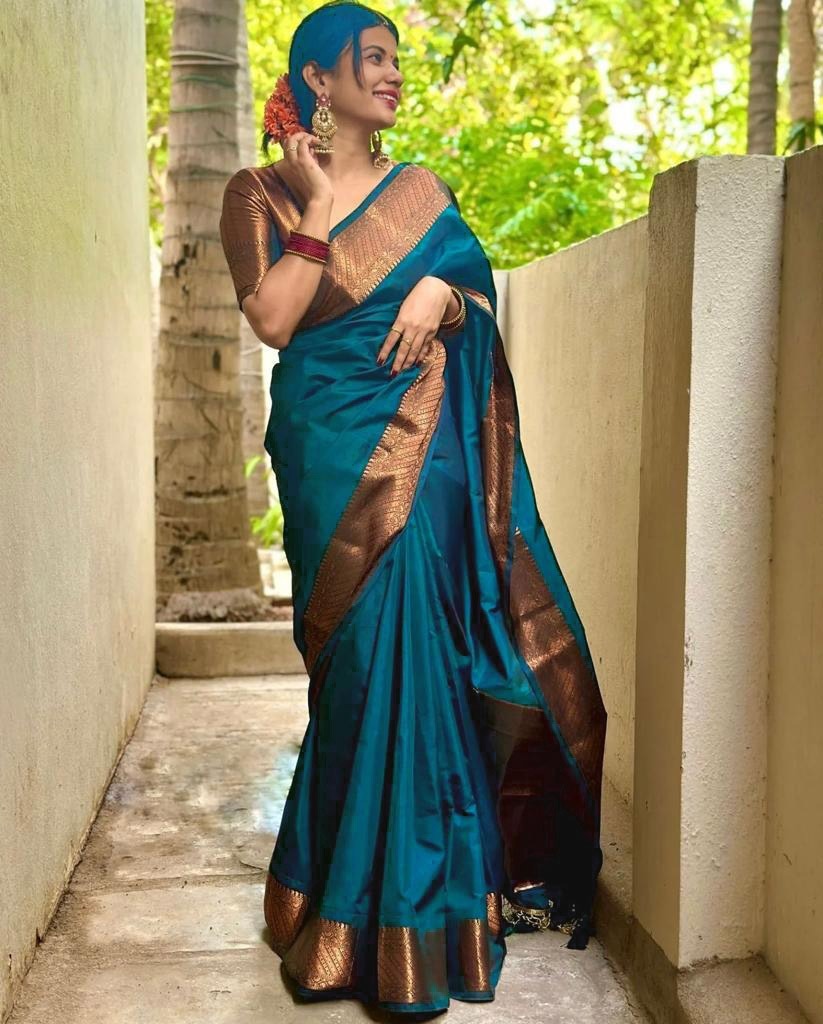
Silk gives a smoother surface, stronger lustre and more structured pleats, making silk sarees suitable for weddings, major festivals and formal evening functions. Silk-cotton generally feels lighter and less demanding than pure silk while retaining some sheen and drape.
Teal Traditional Silk Saree with Copper Jacquard Border shows how a metallic-looking border can raise the formality of a saree without dense embellishment across the entire body. Maroon Cotton Saree with Zari Work for Wedding takes the opposite approach: a breathable cotton base becomes ceremony-ready through zari work and a deep colour palette.
Traditional Teal Banarasi Saree for Festive Wear is an useful reminder that Banarasi silk belongs to a different weaving tradition from Telangana regional sarees, even when both use zari and formal festive styling. Comparing named traditions prevents shoppers from treating every zari saree as interchangeable.
Linen-cotton and tissue textures
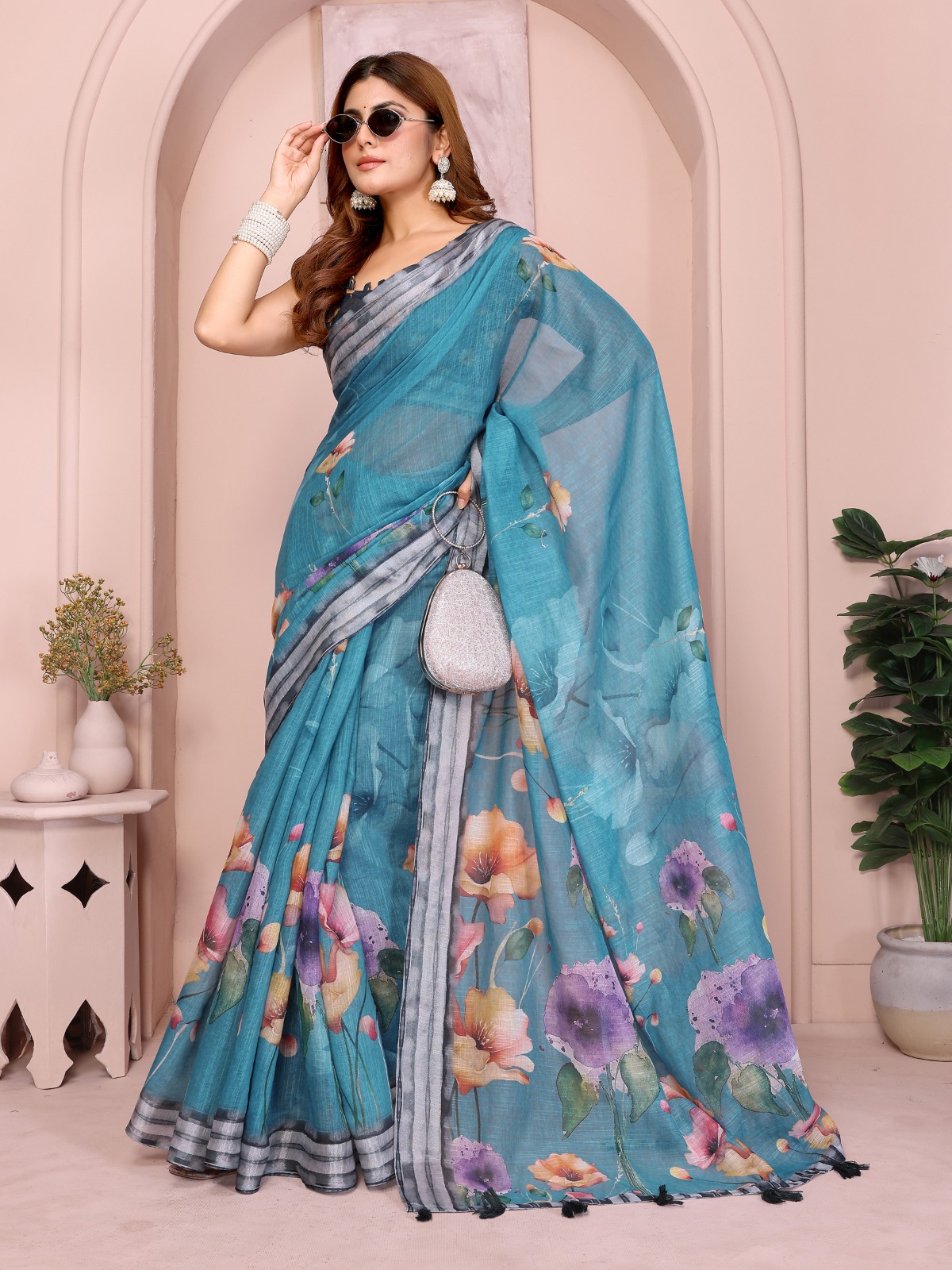
Linen-cotton blends have a dry hand-feel, easy movement and a lightly textured appearance. Linen-cotton can show creases more visibly than smooth silk, so broad hanger storage and prompt folding after wear are helpful.
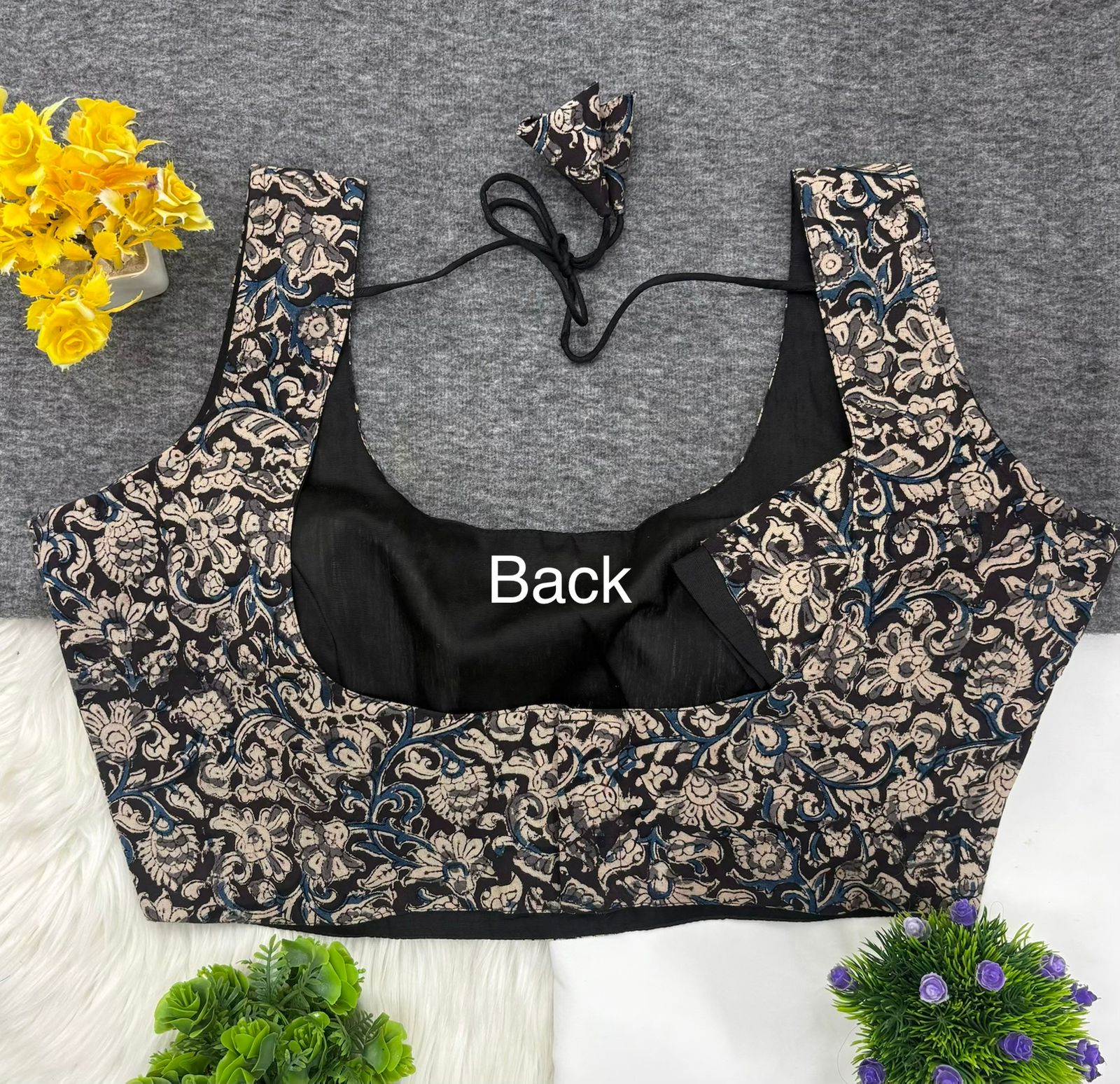
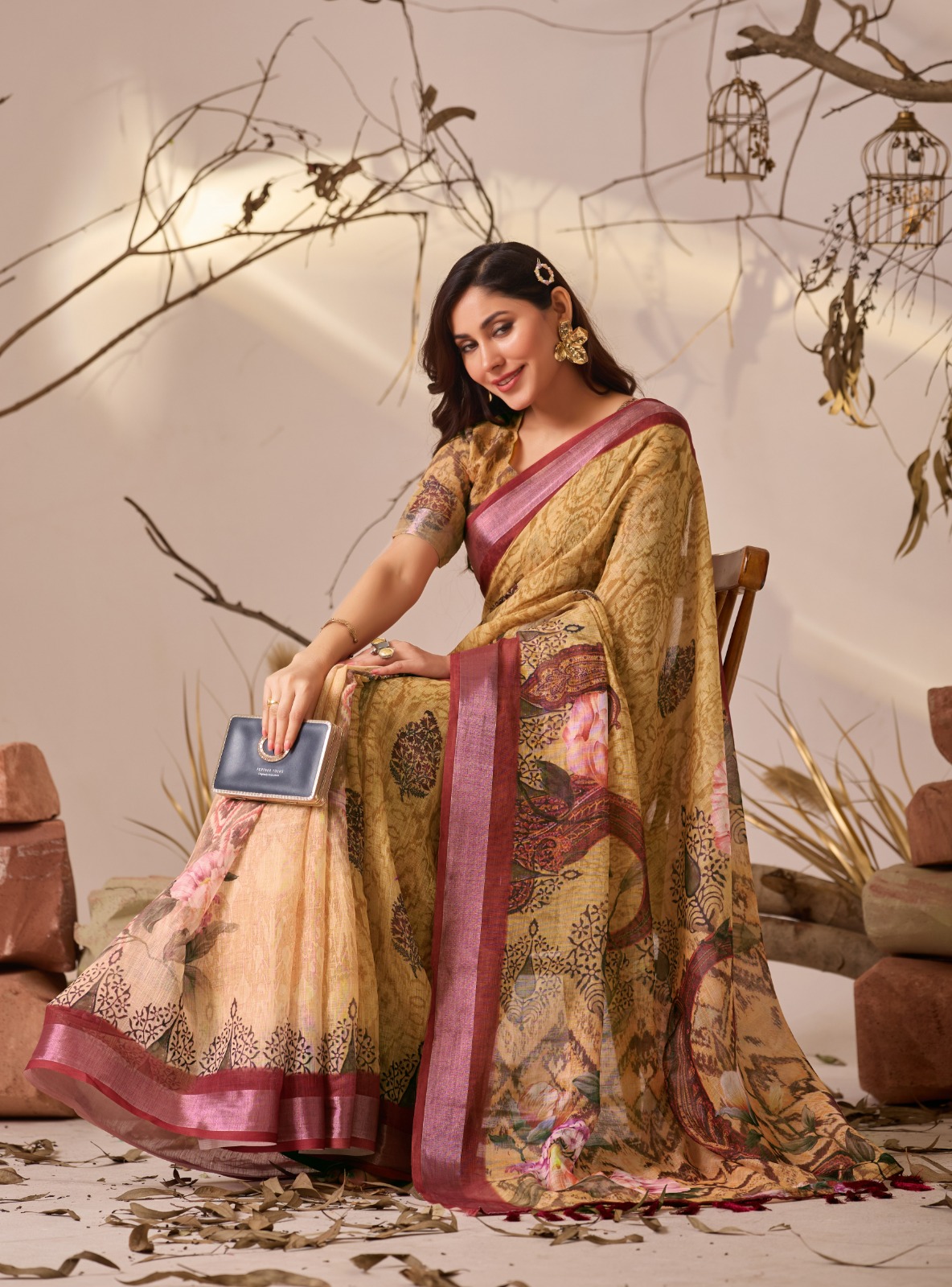
Pastel Linen Cotton Floral Print Saree with Designer Blouse and Peach Linen Cotton Floral Print Saree with Blouse for Women illustrate how floral printing and a coordinated blouse can make a lighter blend suitable for daytime celebrations. Cream Pink Tissue Handloom Cotton Saree with Zari adds reflective festive detail while remaining lighter than a dense silk saree.
Telangana Traditional Sarees: Types, Fabrics and Regional Styles for Online Buying
You can assess a regional saree online by checking fibre composition, weave claims, origin information, border construction, motif placement and close-up images. Product names alone are not sufficient evidence of technique or authenticity.
- Read the fibre line. Look for specific wording such as cotton, silk, silk-cotton, linen-cotton or a percentage breakdown. "Silk look" describes appearance rather than fibre content.
- Inspect the pattern edges. Pochampally ikat usually shows planned resist-dyed geometry with slight softness at colour boundaries. A digital or screen print may appear flatter on the fabric surface.
- Study the border and pallav. Gadwal-inspired sarees may have a contrasting body and more elaborate silk or zari sections. Narayanpet and Siddipet styles often use practical stripes, checks or restrained motifs.
- Ask about the loom. Handloom, powerloom and handwoven claims carry different meanings. Request clarification when the listing doesn't explain production method.
- Check zari wording. Zari may refer to real metallic thread, tested zari, zari-coated material or synthetic imitation. The listing should specify the material when long-term tarnish resistance matters.
- Compare close-up photographs. A border image, reverse-side photograph and blouse-piece photograph reveal more than a full-length studio image.
Price brings context but can't authenticate a regional style by itself. A lower price may reflect a cotton base, synthetic zari, machine production or a promotion. A higher price may reflect silk, labour, finishing or brand positioning.
Sarees from Rs 1000 to Rs 1500 can provide an useful starting point for budget comparison. Sarees Under 20% Off and Sarees Under 10% Off should still be judged through their fibre specifications, weave information and construction rather than discount percentage alone. Sarees Flat 60% Off and Sarees Flat 50% Off may offer worthwhile value, but a large markdown doesn't change the care requirements of silk, zari or linen-cotton.
Telangana Traditional Sarees: Types, Fabrics and Regional Styles for Every Occasion
A lightweight cotton or cotton-silk saree usually suits daytime gatherings, while silk, zari and stronger contrast borders are more appropriate for weddings and major festivals. Climate, event duration and the amount of movement required should influence the choice as much as the dress code.
- Haldi ceremony: Choose breathable cotton, linen-cotton or light cotton-silk in yellow, turmeric, peach, green or coral. Avoid very heavy zari if the ceremony involves sitting outdoors or moving between functions.
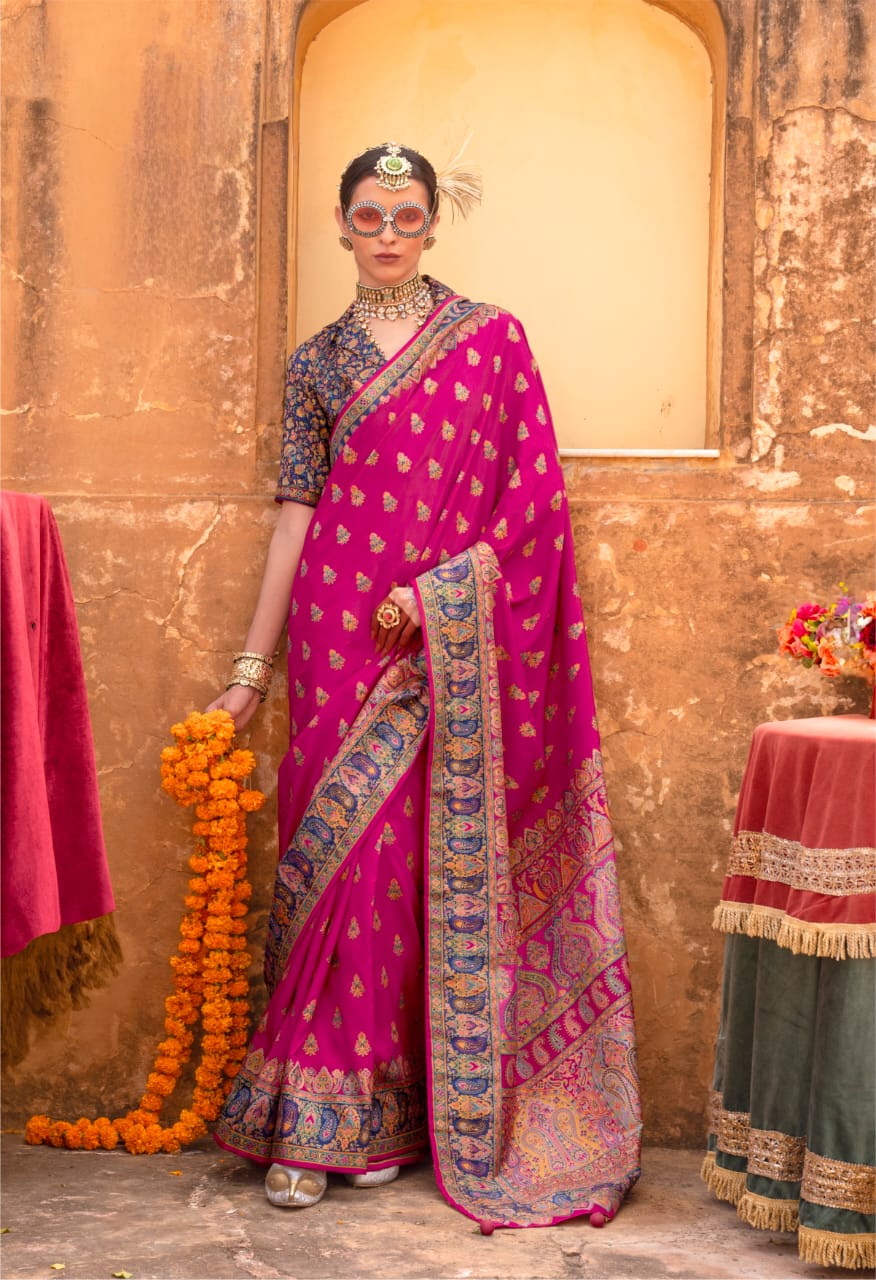
- Wedding guest dressing: Select silk, silk-cotton or cotton with substantial zari and a structured pallav. Maroon, teal, magenta and deep green create a formal effect without requiring a heavily embellished blouse.
- Festival puja: A Gadwal-style silk-and-cotton construction or a bright Narayanpet cotton brings traditional presence with manageable weight. A medium-width border is easier to pleat for long periods than an extremely wide, stiff border.
- Office or daytime wear: Choose cotton, Narayanpet cotton, Siddipet cotton or linen-cotton with restrained motifs. Smaller prints, checks and stripes generally pair more easily with plain blouses.
- Evening celebration: Silk, Banarasi silk or tissue-textured cotton with zari can catch artificial light effectively. Match the blouse finish to the saree's surface so that jacquard, sequins and metallic details don't compete.
A regional saree becomes easier to wear when the blouse repeats one colour from the border or pallav. Traditional jewellery works well with zari and temple borders, while oxidised silver can balance cotton ikat and earthy handloom colours.
Telangana Traditional Sarees: Types, Fabrics and Regional Styles Care Guide
Telangana saree care should follow the fibre and embellishment rather than the regional name. Cotton, silk, zari and linen-cotton each respond differently to water, heat, friction and storage.

Dry-clean pure silk and heavily zari-worked sarees unless the care label specifically permits another method. Wash cotton sarees gently in cool water with mild detergent, avoid prolonged soaking and dry them in shade. Linen-cotton sarees benefit from low-temperature ironing on the reverse side while slightly damp.
Store sarees in a clean, dry cupboard away from direct sunlight. Fold zari sarees with the metallic side inward or refold them every few months to reduce permanent crease stress. Keep silk away from unlined wood, rough cardboard and strong perfumes, and use breathable cotton covers instead of sealed plastic for long-term storage.
Air a saree fully before folding it after wear, especially when perspiration or food odour is present. A damp saree should never be placed directly into a storage box because moisture can encourage mildew and tarnish metallic threads.
Telangana Traditional Sarees: Types, Fabrics and Regional Styles
Telangana Traditional Sarees: Types, Fabrics and Regional Styles become easier to understand when the purchase is broken into four questions: where was the style developed, which technique created the pattern, what fibre forms the saree and what care will the garment require?
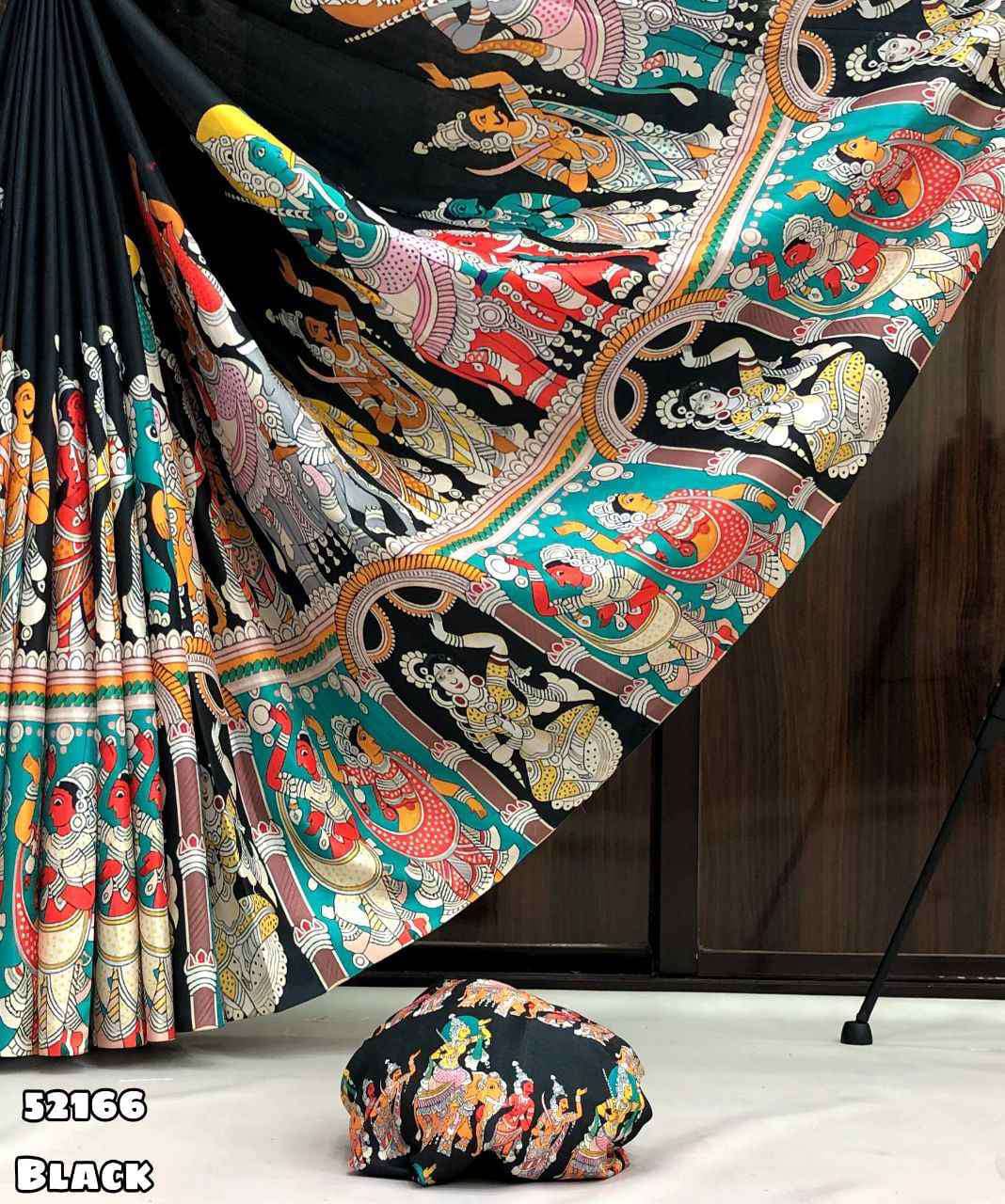
Choose Pochampally ikat when yarn-resist geometry and softened pattern edges appeal to you. Choose Gadwal when a lighter body with a more formal silk border suits your event. Choose Narayanpet or Siddipet cotton for breathable regional character, and choose silk-cotton or zari-accented cotton when you need festive polish without the weight of a full silk saree.
Reading the fibre label, examining the border and asking precise questions about the loom will produce a more informed choice than relying on words such as "traditional" or "designer." Regional knowledge turns online saree shopping from a colour search into a considered decision about material, construction and use.
Common Questions About Telangana Traditional Sarees
Which sarees are traditionally associated with Telangana?
Pochampally ikat, Gadwal, Narayanpet and Siddipet sarees are among the best-known Telangana traditions. Telangana also has several cotton, silk-cotton and handloom variations produced by different weaving communities.
What is special about a Pochampally ikat saree?
Pochampally ikat uses resist-dyed yarns that are prepared before weaving, creating geometric motifs with softly blurred edges. Common patterns include diamonds, checks, zigzags and abstract forms.
Are Gadwal sarees made from cotton or silk?
Traditional Gadwal sarees are commonly associated with a cotton body and silk border and pallav. Contemporary products may use different fibre combinations, so the product specification should be checked before purchase.
How are Narayanpet sarees different from Pochampally sarees?
Narayanpet sarees are often valued for light cotton or silk-cotton construction, stripes, checks and practical borders. Pochampally sarees are more strongly identified with yarn-resist ikat patterns and geometric motif alignment.
Which Telangana saree is best for hot weather?
Cotton sarees, including many Narayanpet and Siddipet styles, are generally the most comfortable for hot weather because cotton absorbs moisture and allows air movement. Linen-cotton can also work well, although it may crease more visibly.
How should Telangana sarees with zari be stored?
Zari sarees should be kept clean and completely dry in a breathable cotton cover away from sunlight and moisture. Refolding them periodically and avoiding sealed plastic helps reduce crease damage, tarnish and mildew.