

The Telangana Festival Calendar: Complete Traditional Fashion Guide helps families plan more than dates: it connects each celebration with regional customs, practical clothing choices and the right level of ornamentation. Bathukamma calls for movement-friendly festive dressing, Bonalu suits breathable silhouettes, and Sankranti welcomes colour, texture and easy outdoor wear. Festival dates follow lunar or regional calendars, so the exact day can change each year even when the seasonal fashion logic remains consistent.
Telangana Festival Calendar: Complete Traditional Fashion Guide for yearly planning
The Telangana Festival Calendar follows a mix of solar, lunar and community observances, so major festivals don't all fall on fixed Gregorian dates. Makar Sankranti usually arrives in January, Ugadi generally falls in March or April, Bonalu is observed during Ashada in June or July, and Bathukamma takes place during the Navratri season in September or October.
Telangana families may also observe Ramzan and Eid according to the Islamic lunar calendar, while Dasara and Diwali shift between October and November. Sammakka Saralamma Jatara is a major tribal pilgrimage held at Medaram in a two-year cycle, usually around the Magha month. Checking a current panchang, local temple notice or Telangana government holiday calendar is important before making travel or event plans.
An useful planning method is to divide the year into three wardrobe needs: lightweight cottons for hot outdoor celebrations, festive silk and zari for family rituals, and layered outfits for evening events in cooler January or November weather. This approach prevents buying a separate outfit for every date and makes each garment useful across several celebrations.
Record the expected date, location, duration and formality of each event before choosing clothing. A temple visit may require covered shoulders and stable footwear, while a Bathukamma gathering may involve standing, singing and repeated movement. A family puja at home usually needs less embellishment than a large evening reception.
Telangana Festival Calendar: Complete Traditional Fashion Guide for Sankranti and Ugadi
What should you wear for Sankranti in Telangana?
Sankranti dressing works best with bright traditional colours, breathable fabrics and silhouettes that allow movement during outdoor family activities. Cotton sarees, cotton-silk sarees, kurta sets and uncomplicated lehenga cholis are practical choices for kite flying, visiting relatives and rural celebrations.
January weather can be warm during the afternoon but cooler after sunset, particularly in northern Telangana. A cotton-silk saree or a kurta-pant set gives better comfort than heavy velvet or multiple dense layers. Elegant Pista Festive Wear Kurta Pant Set suits daytime gatherings because the coordinated silhouette looks festive without restricting walking or sitting on the floor.
Yellow, green, orange, pink and red connect naturally with harvest celebrations, although colour choices should also suit personal preference and the event setting. Gold-toned jhumkas, a compact potli and flat embellished footwear complete the look without creating unnecessary weight.
How can you dress for Ugadi?
Ugadi calls for polished traditional clothing in fabrics that remain comfortable during a springtime daytime celebration. A lightweight silk saree, a neatly tailored salwar suit or a modest blouse-and-skirt combination works well for visiting elders and attending a puja.
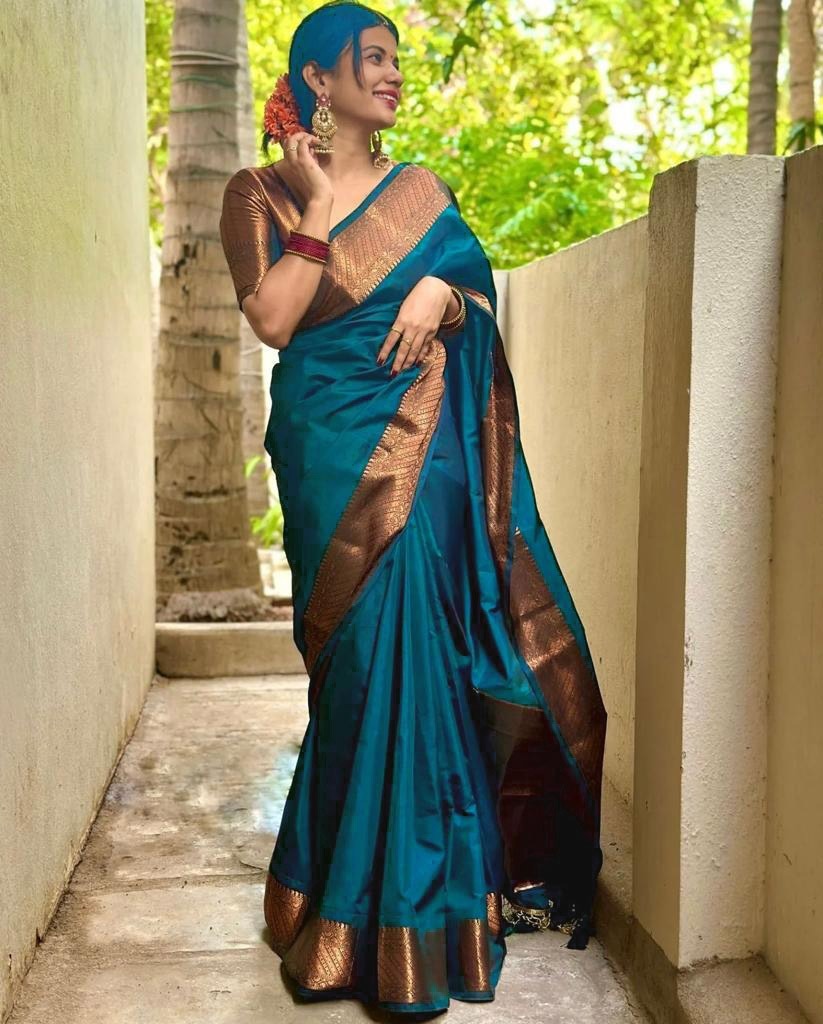
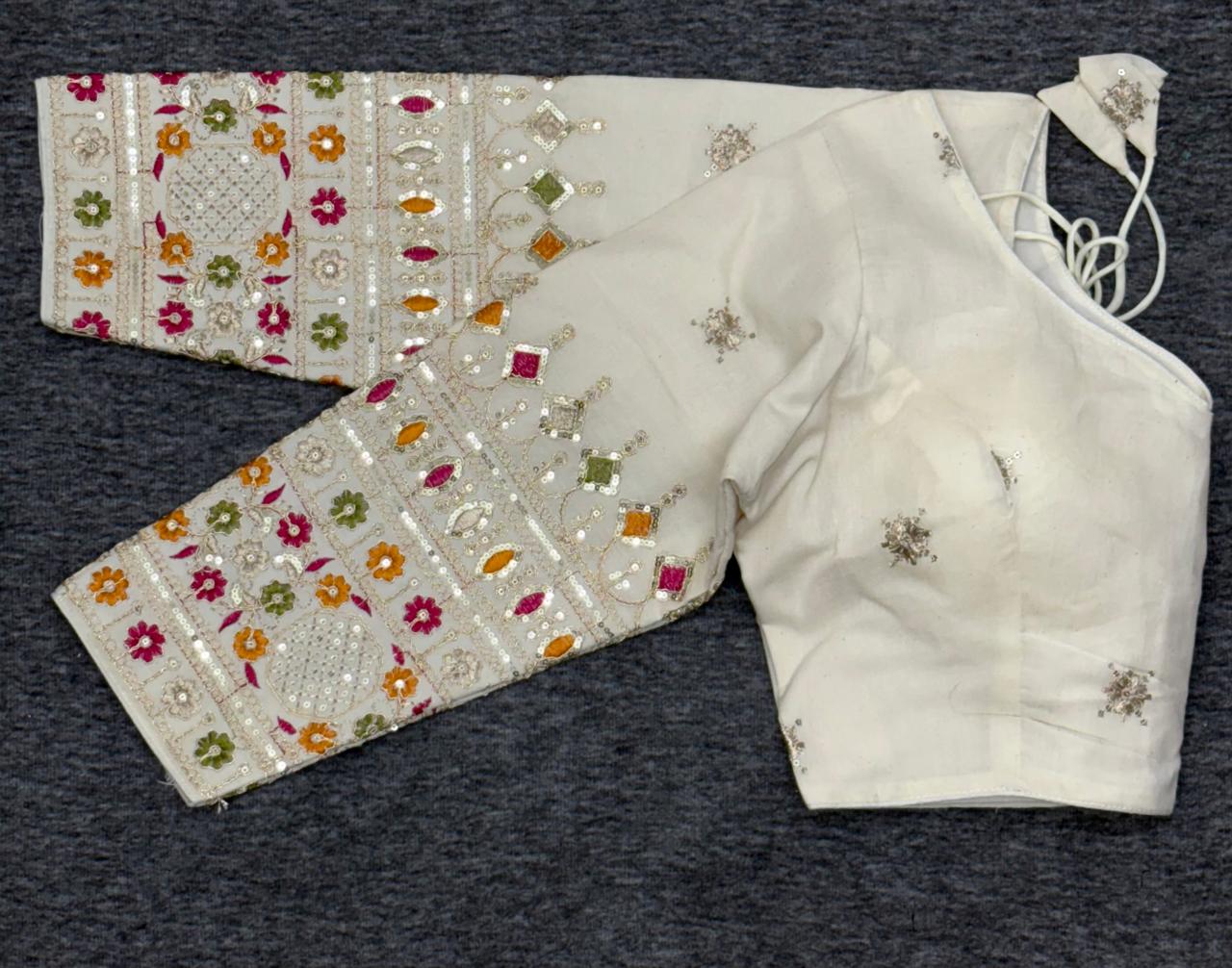
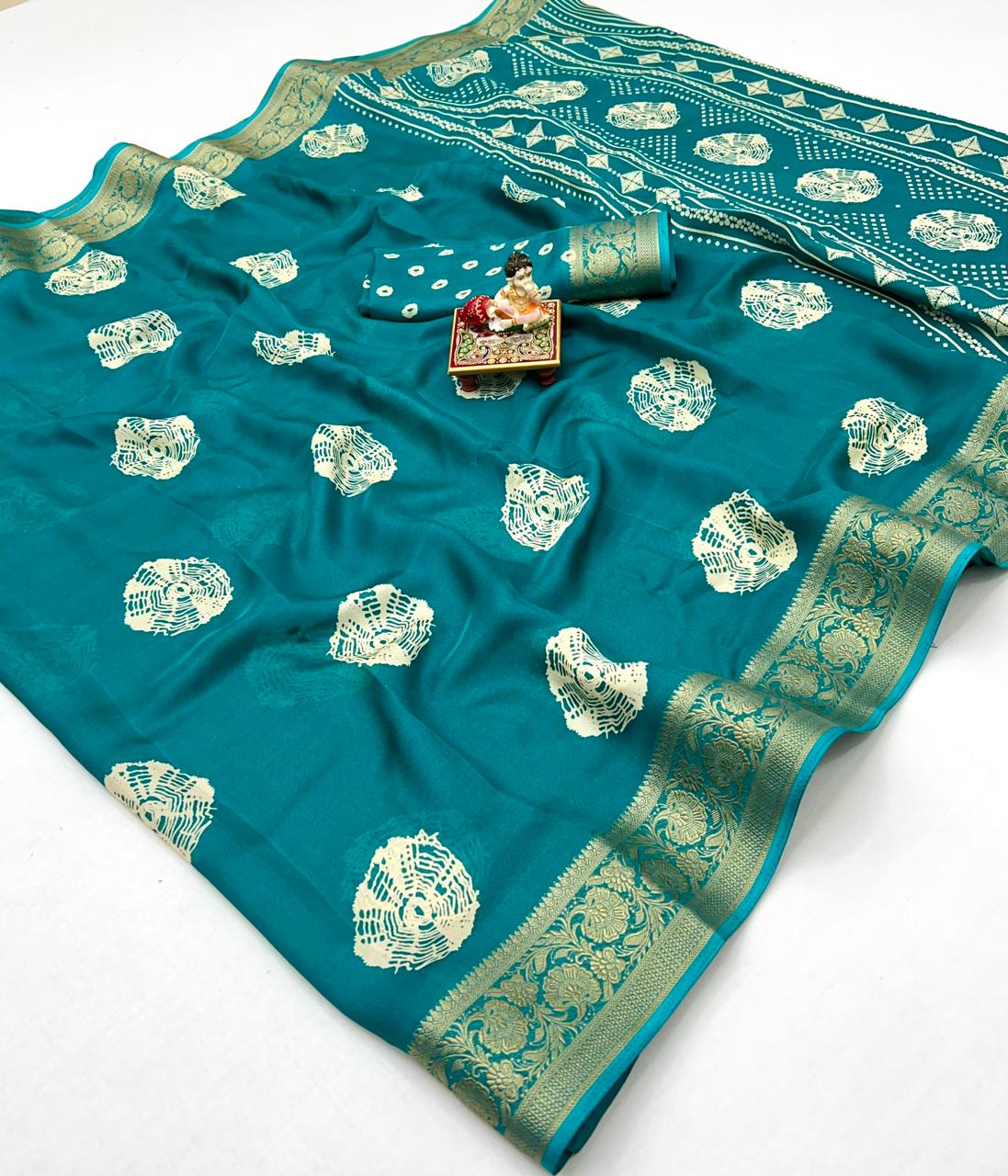
Chanderi, cotton-silk and light Banarasi silk provide festive texture without the bulk of heavily embroidered fabric. Traditional Teal Banarasi Saree for Festive Wear shows how a jewel-toned weave can carry an outfit with minimal jewellery. Classic Festive Wear Blouse for Stylish Saree Look can create a more structured finish when the event includes formal family photographs.
Ugadi marks a new year in the Telugu cultural calendar, so a fresh, well-maintained outfit is especially appropriate. Before wearing a saree, check the fall, petticoat fit and blouse hooks. Small alterations completed one week before the event are safer than last-minute tailoring.
Telangana Festival Calendar: Complete Traditional Fashion Guide for Bonalu
What is suitable traditional wear for Bonalu?
Breathable sarees, cotton-blend salwar suits and secure footwear are suitable for Bonalu because processions and temple visits can involve heat, crowds and extended standing. Bonalu is associated with the worship of Mahakali during Ashada, and celebrations take place across Hyderabad and other parts of Telangana.
Cotton, mulmul, linen blends and light georgette are more practical than thick brocade for a daytime Bonalu procession. A saree with a firm, comfortable drape reduces the chance of tripping, while a blouse with wider shoulder coverage can feel more secure in crowded spaces. Festive Red Georgette Saree With Rich Zari Border offers a festive example, but its zari border should be balanced with lightweight jewellery and stable sandals.
Hair should be tied securely if the event involves walking outdoors. Fresh flowers, especially jasmine, can be added near the bun, but hair accessories should not be so large that they catch on people in a dense procession. A small crossbody pouch is more practical than a loose clutch for carrying a phone, keys and essentials.
Bonalu clothing should also account for the possibility of turmeric, kumkum, flowers, oil or food coming into contact with the garment. Choose washable or professionally cleanable fabrics, and avoid wearing a fragile heirloom silk for a long outdoor procession. A detachable blouse lining and a washable cotton petticoat can make saree care easier after the event.
Telangana Festival Calendar: Complete Traditional Fashion Guide for Bathukamma
What should you wear for Bathukamma?
Bathukamma outfits should combine colour, movement and cultural respect, with sarees, half-sarees, lehengas and salwar suits all suitable depending on age, family custom and the event setting. Bathukamma is a floral festival celebrated over nine days, culminating in Saddula Bathukamma, and women often gather in groups to sing, arrange flowers and move around the floral display.
Bright pink, yellow, green, orange and magenta reflect the visual energy of Bathukamma, although a single strong colour with a contrasting border can look more refined than many competing shades. Stylish White Mirror Work Lehenga for Festive Wear can work for an evening gathering when paired with a comfortable dupatta arrangement and low-heeled footwear. A lehenga should have a secure waistband because group dancing and repeated movement can loosen an incorrectly fitted skirt.
For a more traditional saree appearance, Banarasi silk or lightweight georgette can be styled with a contrasting blouse and flowers in the hair. Black Traditional Kalamkari Print Silk Saree brings printed storytelling into a festive wardrobe and can be accessorised with oxidised silver or antique-gold jewellery. Avoid very long loose pallus when standing close to the Bathukamma arrangement, lamps or other participants.
Bathukamma styling should leave both hands reasonably free for singing, clapping and participating in group movement. Pin the saree pallu at the shoulder and waist, or secure a dupatta with two small safety pins hidden beneath the fabric. Choose a blouse that allows the arms to lift comfortably, because tight armholes become uncomfortable during a long evening.
Telangana Festival Calendar: Complete Traditional Fashion Guide for Dasara and Navratri
How should you dress for Dasara and Navratri?
Dasara and Navratri invite richer colours, embellished textiles and coordinated family outfits, but the best choice depends on whether the event is a puja, cultural programme or dance gathering. Sarees suit formal pujas, while lehenga cholis and anarkali-style outfits allow greater movement at Navratri celebrations.
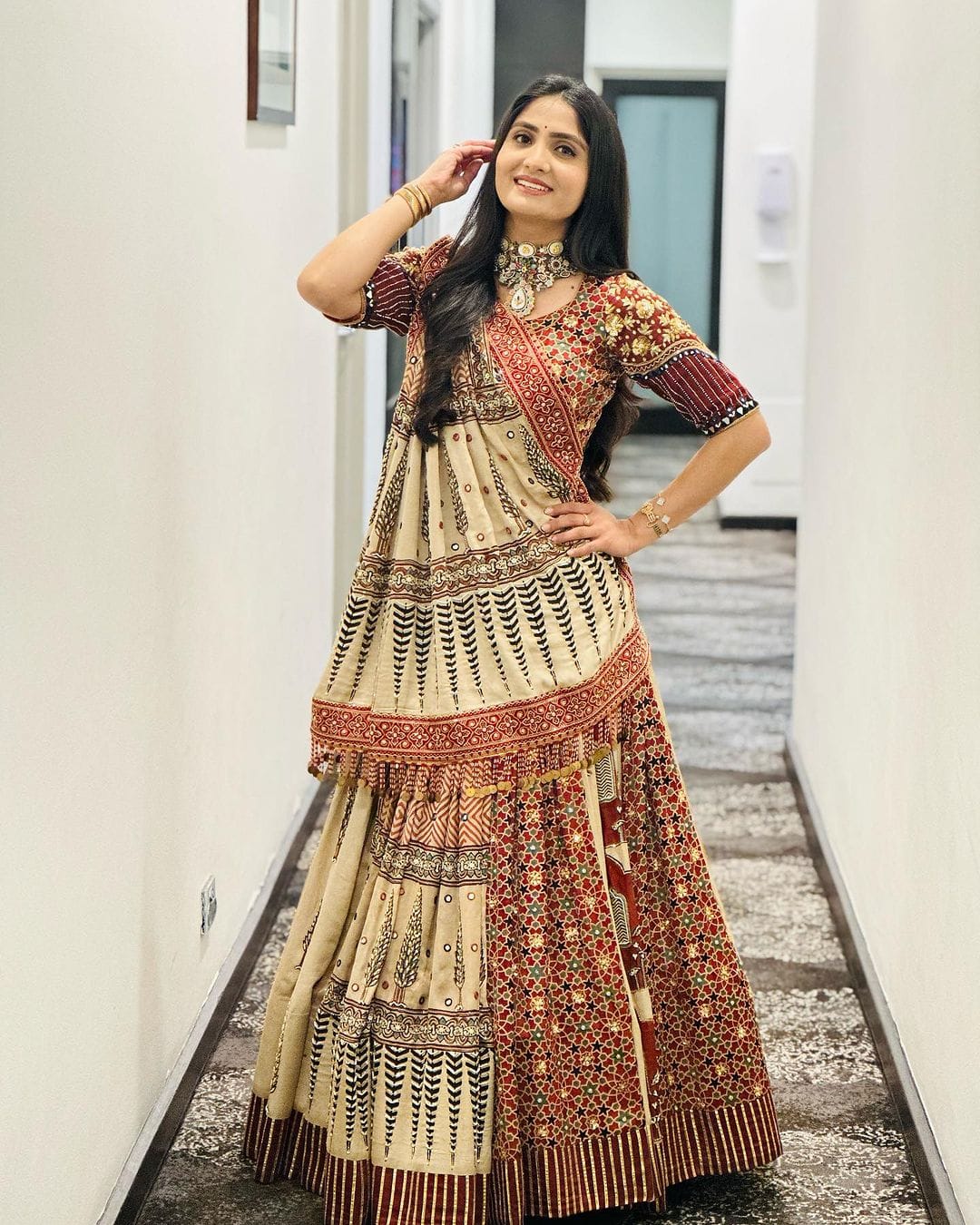
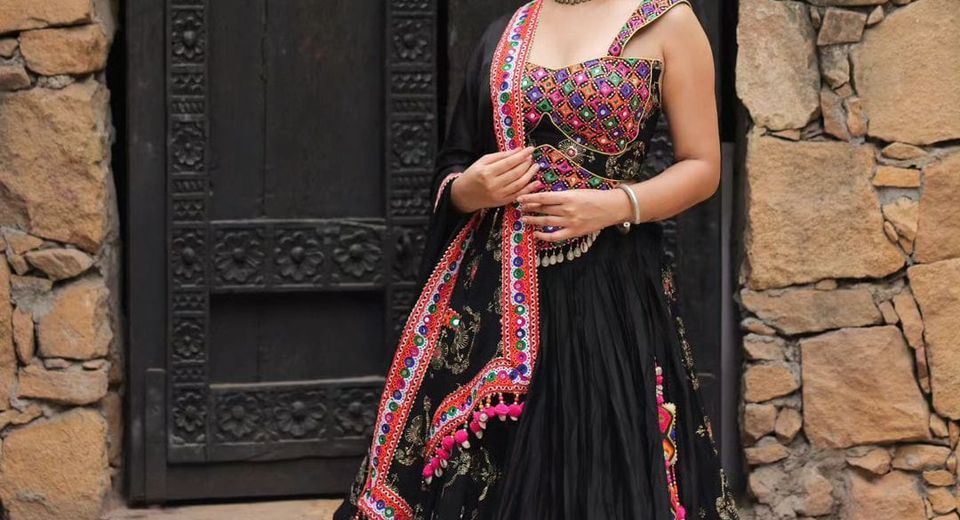
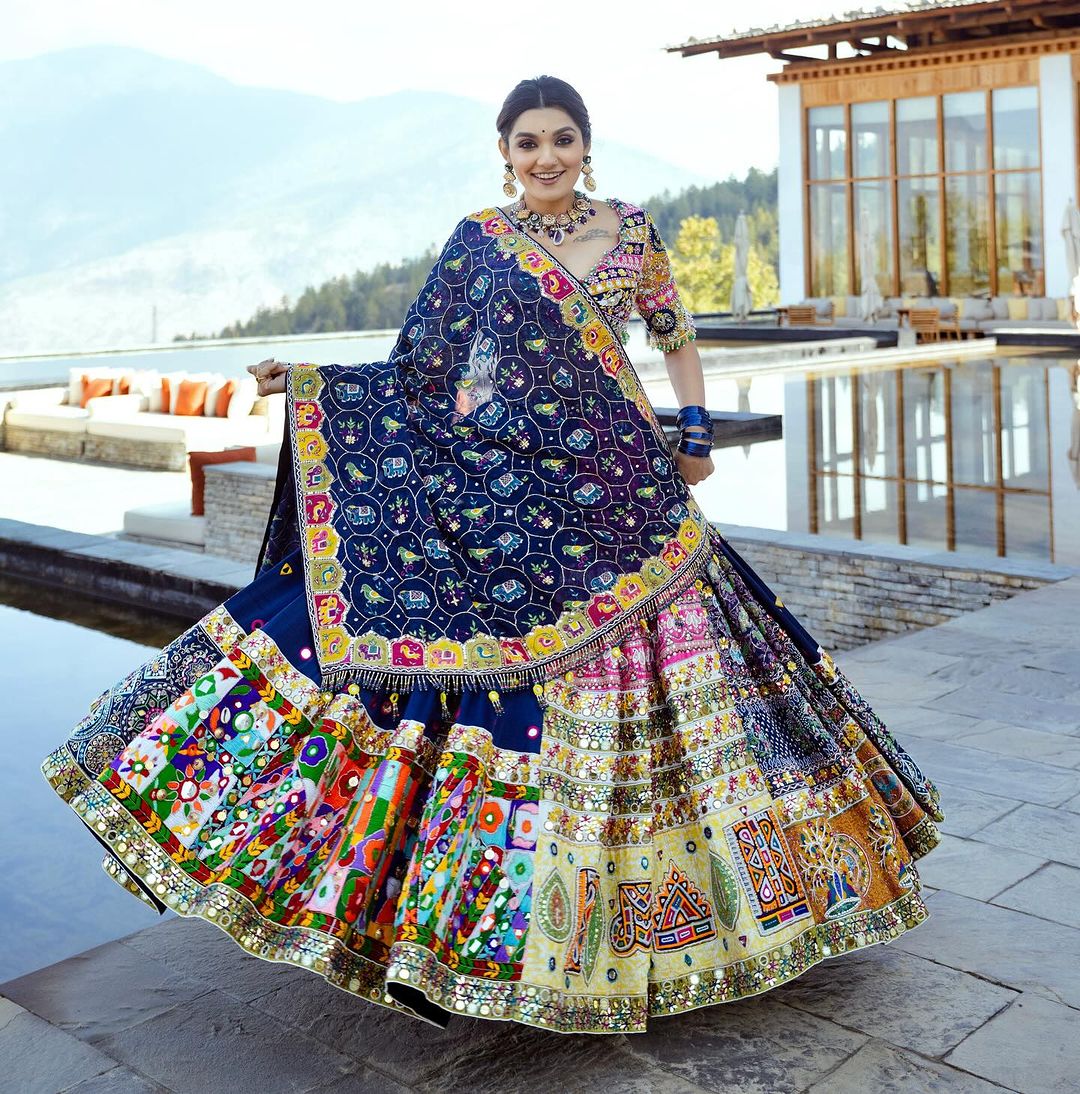
Zari, mirror work, sequins and brocade are appropriate for evening events, but embellishment should be checked for weight and scratchiness before purchase. A lehenga with a 3 to 4 metre flare usually gives comfortable movement without becoming difficult to manage in a crowded venue. Designer Black Garba Lehenga Choli for Festive Season provides a dramatic evening option, while Exclusive Blue Traditional Navratri Lehenga Choli brings a cooler jewel-toned alternative.
Telangana families may attend both Telugu Dasara observances and wider Navratri programmes, so clothing doesn't need to follow one rigid regional formula. Choose a modest neckline for temple visits, carry a dupatta that stays in place, and select jewellery that won't interfere with clapping or dancing. A pre-tied or carefully pleated dupatta can save considerable time during a long evening.
Test the full outfit before the event by walking, sitting, raising both arms and turning quickly. A lehenga waistband that feels comfortable while standing may become restrictive while dancing. Check that mirror work, hooks and zari edges don't scratch the skin, especially around the underarm, waist and neckline.
What works for Diwali celebrations?
Diwali dressing works best with festive fabrics that are polished indoors and safe around lamps and diyas. Silk sarees, embellished suits, manageable lehengas and well-finished blouses are reliable options for puja and family visits.
Keep loose fabric away from open flames, and avoid trailing tassels near diyas. A saree pallu can be pinned securely at the shoulder and side seam, while a dupatta can be draped over one shoulder and fixed with a discreet brooch. Festive Red Georgette Saree With Rich Zari Border suits a formal Diwali gathering, but a lighter blouse and restrained jewellery make the outfit easier to wear for several hours.
Diwali colour choices often include red, maroon, emerald, royal blue and gold. Black can also look sophisticated when the outfit has a festive surface, such as Kalamkari detailing, zari or a luminous border. Metallic accessories should be kept proportionate to the garment so that the overall look remains comfortable for hosting guests and moving between rooms.
Telangana Festival Calendar: Complete Traditional Fashion Guide to fabrics and care
Fabric selection should begin with the festival's weather, location and duration rather than colour or embroidery alone. Telangana summers can be hot, outdoor processions create additional heat, and evening celebrations may require a different weight from afternoon temple visits.

- Cotton: Cotton sarees and suits absorb moisture and work well for Sankranti, Ugadi and daytime Bonalu gatherings.
- Chanderi: Chanderi gives a light, slightly sheer texture that suits spring celebrations, but lining or suitable blouse coverage may be necessary.
- Banarasi silk: Banarasi silk gives a formal woven finish through zari and brocade, making it useful for family pujas and evening celebrations.
- Georgette: Georgette drapes easily and travels well, although embellishment and lining can increase its weight.
- Kalamkari: Kalamkari prints add visual detail without requiring heavy embroidery, making them useful for a distinctive daytime saree.
- Silk blends: Silk blends can provide festive sheen at a lower weight, but care labels should be checked before ironing or washing.
Store Banarasi silk and zari garments folded in soft muslin rather than plastic for long periods. Refold a stored saree every few months so permanent creases don't develop along the same lines. Keep perfumes, deodorants and hair sprays away from silk, zari and mirror work because alcohol and moisture can stain or dull delicate surfaces.
Georgette, chiffon and embellished lehengas should usually be professionally dry-cleaned when the care label requires it. Air a garment in shade after wearing it, remove temporary pins carefully, and never leave damp clothing sealed in a suitcase overnight. These steps reduce odour, mildew and metal tarnishing.
Telangana Festival Calendar: Complete Traditional Fashion Guide for buying and styling
The right festive outfit should fit the event's practical demands before it satisfies a colour trend. Measure the bust, waist, hip and shoulder width before ordering, and allow extra time for blouse alterations, lehenga hemming and petticoat adjustments.
Check the garment from the inside as well as the outside. A saree border should lie flat, a blouse lining should not pull at the armhole, and a lehenga zip should close without strain. Mirror work should be firmly attached, zari should not snag easily, and embroidery should not feel sharp against the neck or waist.
Accessories can change the formality of one outfit across the festival year. Antique-gold jewellery suits Banarasi silk and zari borders, oxidised silver works well with Kalamkari and mirror work, and pearl or enamel accents can soften a richly coloured saree. Choose one focal point rather than pairing a heavy necklace, oversized earrings, stacked bangles and a large hair ornament together.
Footwear deserves equal attention. Choose cushioned juttis, flat sandals or low block heels for temple visits and processions, and break in new footwear at home for at least two short sessions before the festival. Carry a spare pair of flats when a celebration involves several hours of standing or dancing.
A compact festival wardrobe can cover most of the Telangana calendar with three sarees, one versatile kurta set, one festive lehenga and interchangeable blouses or dupattas. A lightweight daytime saree can serve Ugadi and Bonalu, a richer Banarasi silk can serve family pujas and Diwali, and a movement-friendly lehenga can serve Bathukamma or Navratri. Thoughtful repetition is more practical than purchasing a new outfit for every festival.
Common Questions About Telangana Festival Dressing
What should women wear for Bathukamma in Telangana?
Women can wear sarees, half-sarees, lehengas or salwar suits for Bathukamma, depending on family custom and the event setting. Bright colours, secure drapes, comfortable footwear and pinned dupattas are practical because Bathukamma involves group singing, movement and standing.
Which fabric is best for a Bonalu procession?
Cotton, mulmul, linen blends and light georgette are suitable for a Bonalu procession because they are more comfortable in heat than heavy brocade or velvet. Choose secure footwear, a firmly pinned saree and jewellery that will not catch in a crowd.
Can I wear a Banarasi silk saree for Bathukamma?
You can wear Banarasi silk for an evening Bathukamma gathering when the drape is secure and the weather is comfortable. A lighter Banarasi silk or cotton-silk weave is easier for movement than a very heavy zari saree.
What colours are traditionally suitable for Telangana festivals?
Yellow, green, orange, pink, red, magenta, royal blue and gold are commonly suitable for Telangana festive dressing. Colour choices are not rigid rules, so comfort, personal preference, family custom and the specific ritual should guide the final selection.
How early should I alter a festive blouse or lehenga?
Complete blouse, waistband and hem alterations at least one week before the festival. Try the full outfit after alterations by sitting, walking and raising your arms so fit problems can be corrected before the event.
How should I store zari sarees after a festival?
Store zari sarees folded in soft muslin in a dry, shaded place, and refold them every few months to prevent permanent creases. Avoid plastic storage, direct sunlight, damp cupboards, perfume contact and frequent high-heat ironing.





