

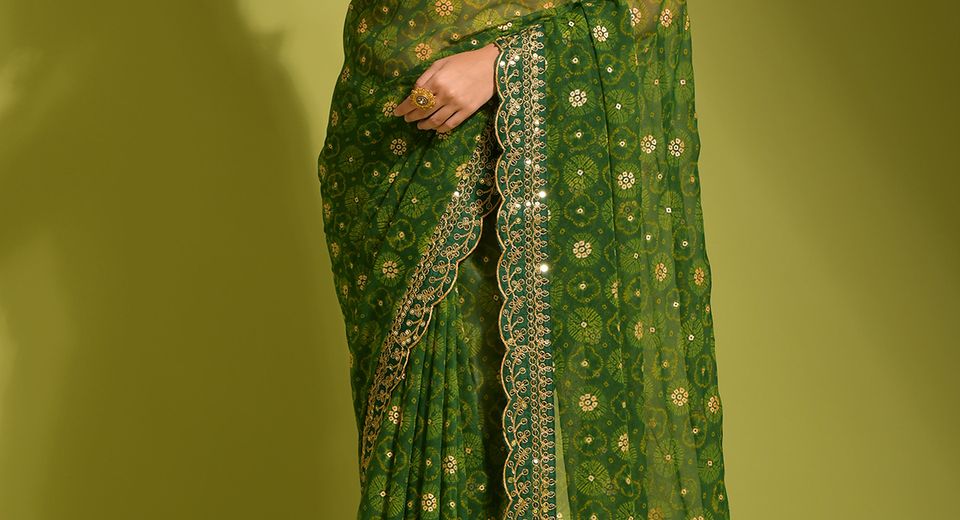
Teeja Festival Fashion in Chhattisgarh: Sarees & Traditional Looks begins with a simple truth: a festive outfit should carry cultural meaning without becoming difficult to wear. Teeja, wide observed by married women in Chhattisgarh, is associated with devotion to Shiva and Parvati, prayers for marital well-being and time spent with family. A saree therefore needs more than colour or ornament. The saree should feel sure at the waist, remain comfortable during rituals and look composed through visits, meals and photographs.
Chhattisgarhi festive dressing doesn't require one rigid uniform. A handloom cotton saree, a silk saree with zari or a floral linen-cotton drape can all work when the colour, blouse, jewellery and finish suit the setting. The most useful approach is to choose the desired level of visual richness first, then control weight, pleats and accessories so the complete outfit remains balanced.
Teeja Festival Fashion in Chhattisgarh: What Makes the Saree Look Distinctive?
Teeja saree dressing is distinctive because it combines devotional occasion-wear with the familiar comfort of a regional festive wardrobe. Bright or auspicious colours, a neat pallu, traditional jewellery and a well-finished blouse create a ceremonial impression without requiring heavy bridal embellishment.
Women may choose red, green, pink, yellow, teal or warm cream according to personal preference, family custom and the time of the celebration. Red and green carry familiar festive associations across many Indian traditions, while pink and yellow bring a softer daytime quality. Teal is useful when a wearer wants colour with a slightly contemporary appearance.
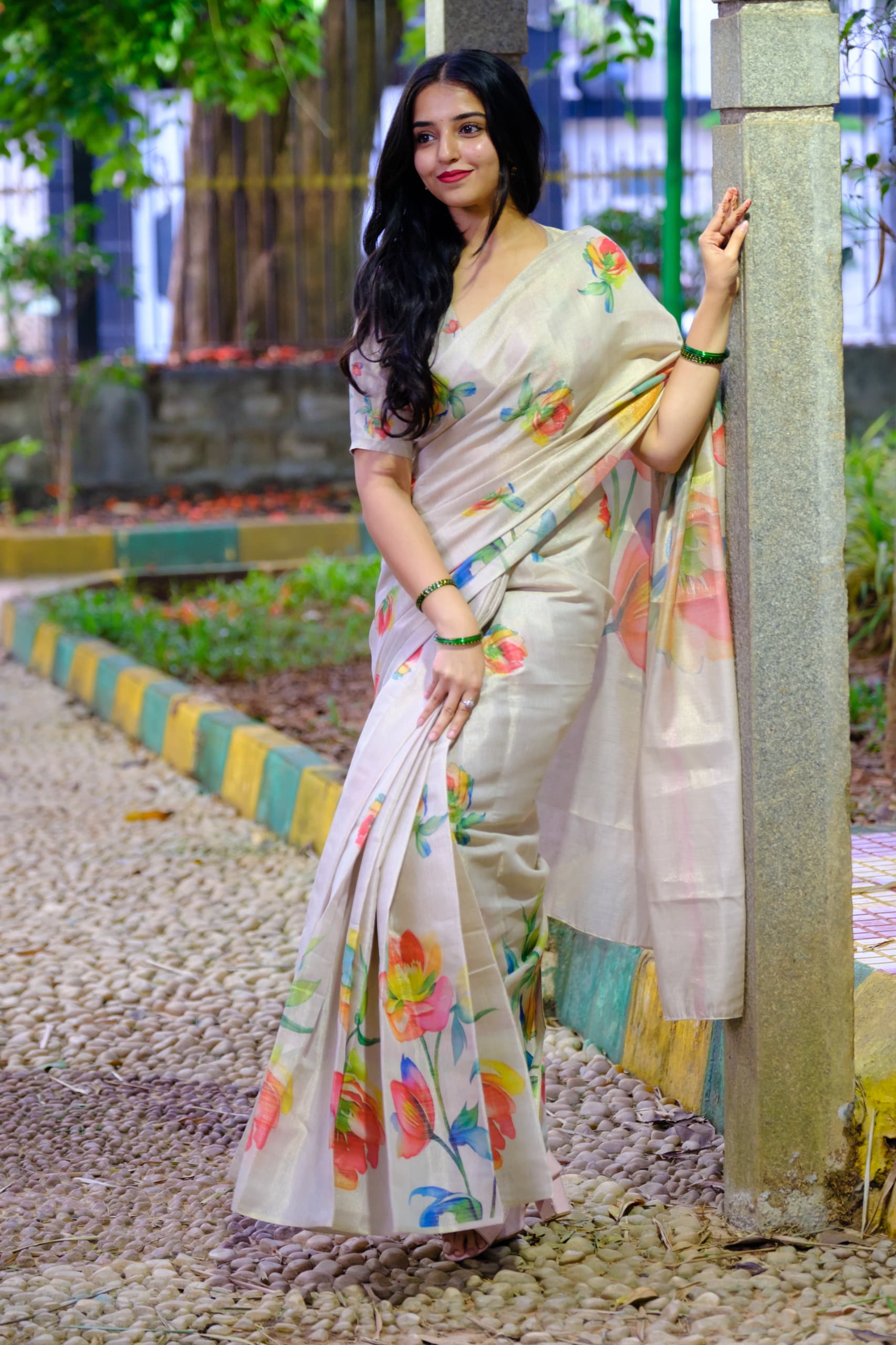
Prints can also look traditional when their scale is controlled. A small floral print, a restrained contrast border or a zari-woven pallu gives the saree detail without making the outfit appear like evening party wear. The goal isn't maximum shine; the goal is a composed look that photographs well and remains appropriate during prayer.
Teeja Festival Fashion in Chhattisgarh: Which Saree Fabric Works Best?
The best Teeja saree fabric depends on climate, ceremony length, personal tolerance for weight and the amount of shine desired. Cotton suits heat and extended wear, silk adds formality, and linen-cotton offers structure with easier movement.
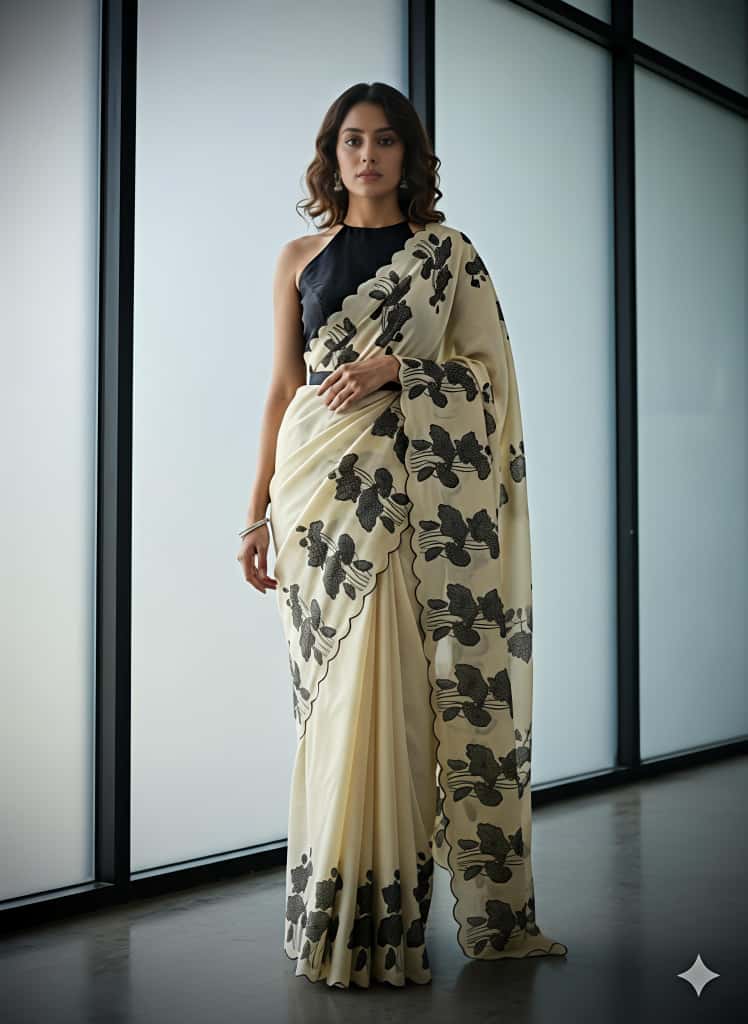
For a daytime ceremony
Handloom cotton and linen-cotton are practical choices for a daytime Teeja gathering because they allow air movement and usually feel lighter than densely woven silk. Pastel Floral Tissue Handloom Cotton Saree with Zari Weaves demonstrates how a light base can still look festive when zari is placed through the weave. Teal Green Cotton Saree for Women Online India brings a stronger colour direction while retaining the everyday ease associated with cotton.
Linen-cotton sarees bring a crisp fall to the pleats, although linen-cotton may need careful ironing before wearing. Teal Floral Linen Cotton Saree with Elegant Contrast Border works well when the border is intended to provide definition without adding substantial weight. Teal Floral Printed Linen Cotton Saree With Matching Blouse is useful for a coordinated look because the matching blouse reduces the guesswork involved in combining print and colour.
For a more ceremonial appearance
Banarasi silk and tussar silk create a richer Teeja look through texture, sheen and woven character. Traditional Teal Banarasi Saree for Festive Wear can anchor an outfit with a deeper colour and a more formal pallu. Premium Chikoo Floral Tussar Silk Ethnic Wear Saree gives a muted earth-toned alternative for someone who prefers warmth and texture over bright red or pink.
Silk doesn't automatically mean that a saree is difficult to wear, but heavier zari and dense borders can make pleats bulky. Before buying, check the saree's approximate weight, blouse-piece length and whether the fabric has enough fall to stay in place. A lighter silk is often more practical than a very stiff, heavily embellished saree for a day involving walking and sitting on the floor.
Teeja Festival Fashion in Chhattisgarh: How Should You Choose the Colour?
You should choose a Teeja saree colour by balancing festive symbolism, daylight, skin undertone and the amount of jewellery you plan to wear. A saturated saree needs simpler accessories, while a pastel saree can carry a more noticeable border or necklace.
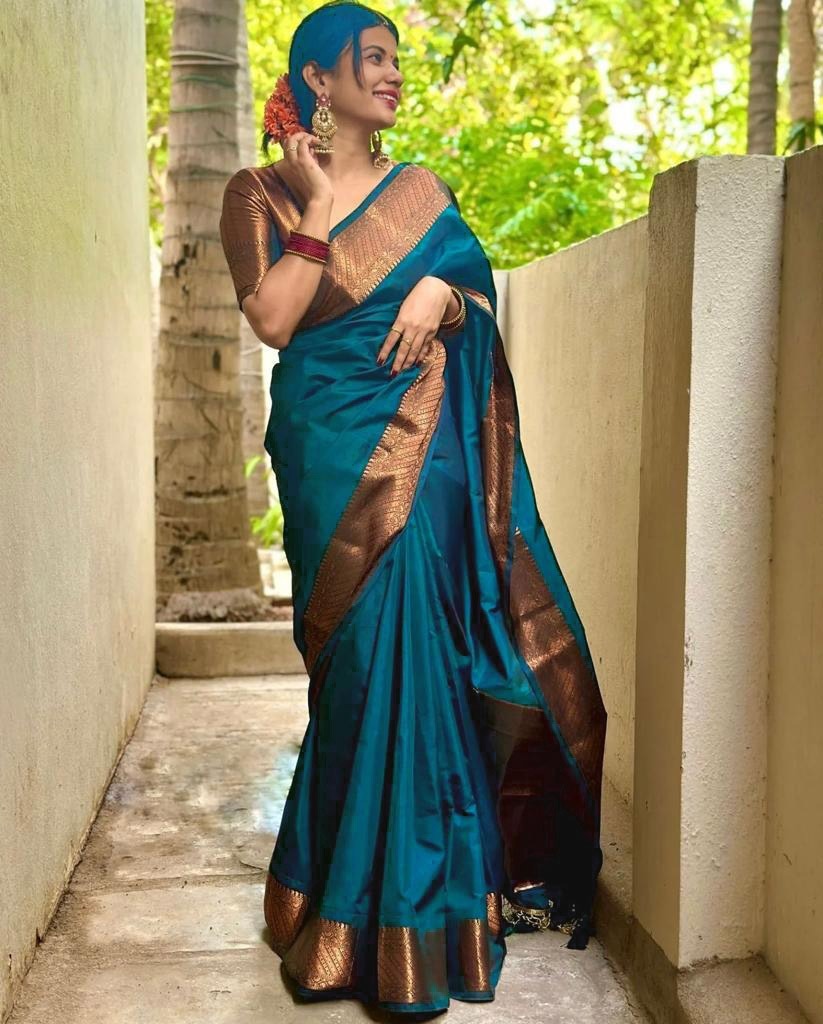
Red remains a strong traditional choice, especially with gold-toned zari, green glass bangles and a warm blouse. Pink creates a gentler festive impression and pairs effectively with antique gold, rose gold or pearl accents. Yellow and mustard look lively in daytime photographs, while cream allows a coloured border and jewellery to become the focus.
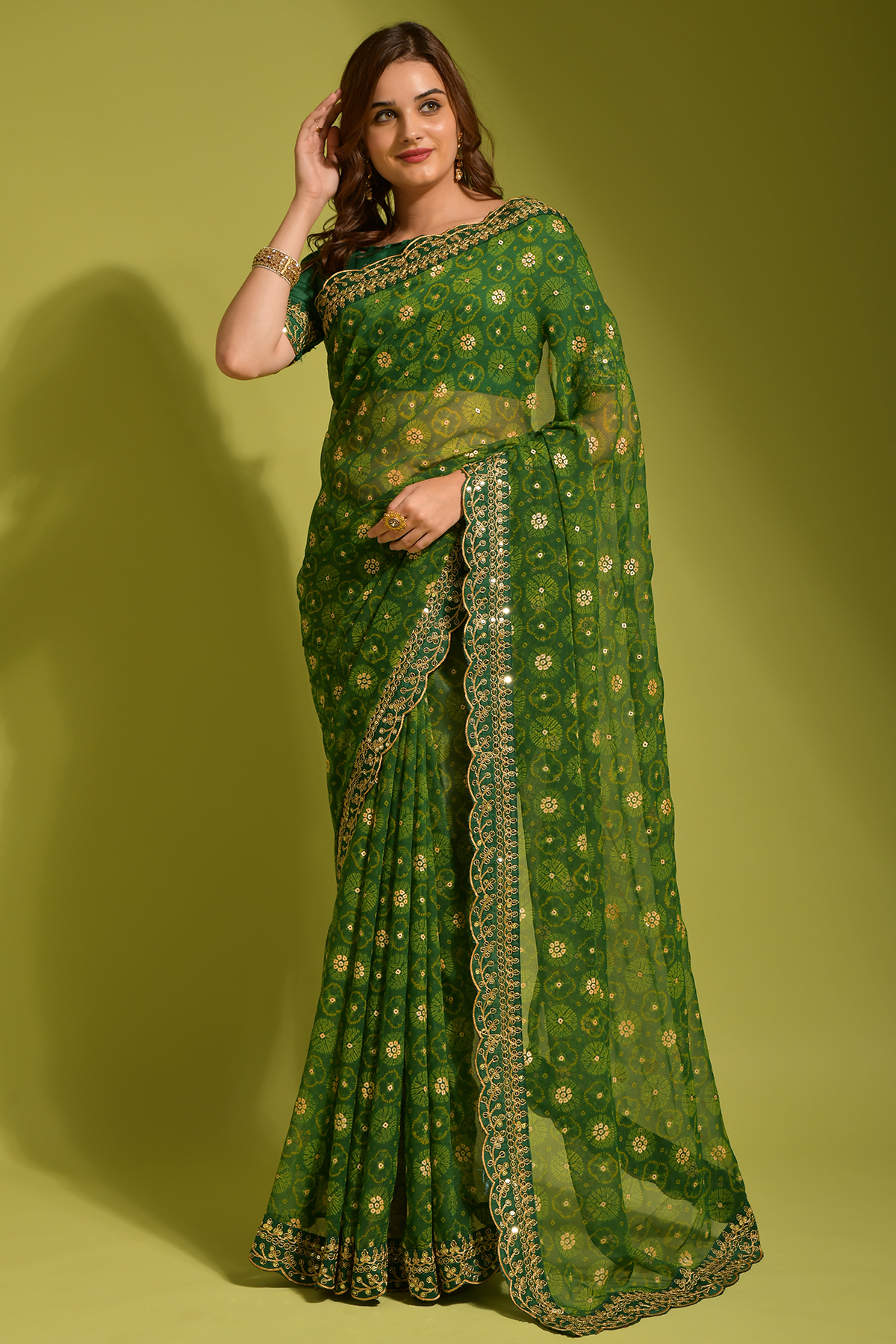
Teal, blue-green and deep green are useful for a less predictable palette. Teal works with gold, antique metal and even a restrained silver accent, but using too many metallic finishes can make the outfit appear disconnected. A teal saree with a plain gold blouse or a blouse in a closely related shade is usually more coherent than a contrasting blouse covered in sequins.
Pastel shades are suitable for Teeja when the overall styling retains a traditional anchor. Cream, blush pink or powder blue can be paired with a zari border, a gajra, a bindi and gold earrings. Cream Pink Tissue Handloom Cotton Saree with Zari shows how a soft palette can remain festive through woven shine rather than loud embellishment.
Teeja Festival Fashion in Chhattisgarh: Which Blouse and Jewellery Details Matter?
A well-fitted blouse, secure pleats and proportionate jewellery do more to finish a Teeja saree than adding multiple decorative elements. The blouse should support movement, the pallu should stay controlled and the jewellery should echo at least one colour or finish from the saree.
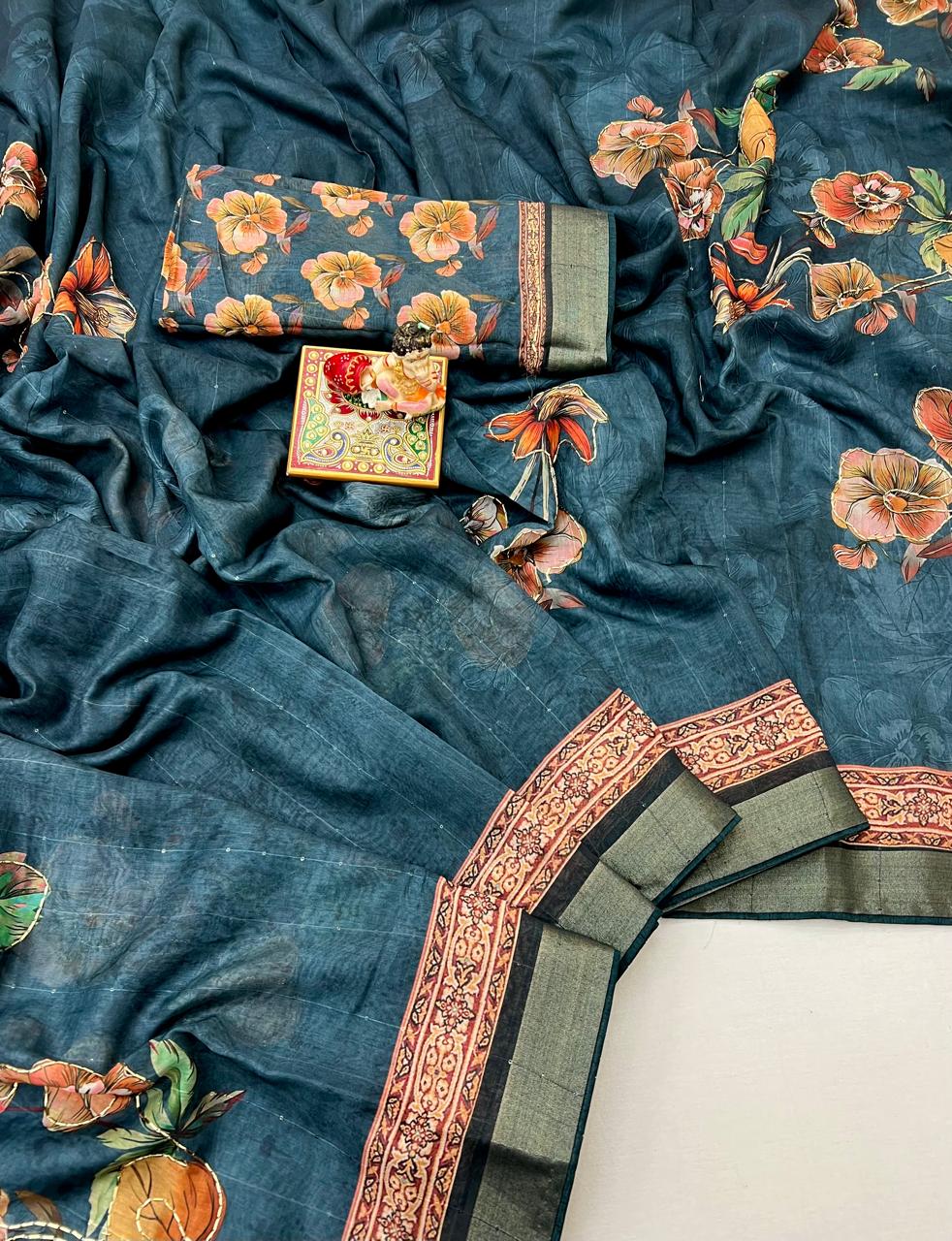
Blouse choices
A short-sleeved round-neck blouse is a dependable option for cotton, linen-cotton and floral sarees. A high-neck or elbow-sleeve blouse gives a more covered, traditional appearance and works particularly well with a plain saree or a saree with a strong border. For Banarasi silk, a blouse in the border colour can make the zari look intentional without requiring a printed blouse.
Pastel Linen Cotton Floral Print Saree with Designer Blouse shows why a coordinated blouse can be valuable: the print remains the visual centre while the blouse provides a finished silhouette. When a saree includes a matching blouse, check the unstitched measurements before tailoring. Add approximately 1 to 2 inches of ease around the bust if the blouse will be worn for several hours, while keeping the armhole secure enough for lifting and arranging the pallu.
Drape and accessory balance
Use narrow, even pleats for a polished Teeja drape and pin the pallu near the shoulder seam rather than relying only on the shoulder fold. A cotton saree may need a modest amount of starch or a good press, while silk generally benefits from soft folding and careful pinning instead of excessive clips.
Traditional jewellery can include jhumkas, a short necklace, bangles, a bindi and a maang tikka when the setting calls for it. Choose two dominant pieces rather than wearing every available ornament. A zari saree can pair with jhumkas and bangles, while a floral cotton saree can take a more prominent necklace or a traditional hair accessory.
Teeja Festival Fashion in Chhattisgarh: Three Wearable Traditional Looks
Three dependable Teeja outfit formulas are a breathable cotton look, a polished silk look and a soft floral look. Each formula works because the fabric, colour and accessories perform a clear role instead of competing for attention.

The breathable daytime look
Pair Teal Green Cotton Saree for Women Online India with a plain cream or gold blouse, small gold jhumkas and green bangles. Keep the pallu neatly pinned and use a compact potli or cloth handbag so the outfit remains easy to manage during family visits. A low bun decorated with jasmine can add ceremony without making the look heavy.
The traditional silk look
Wear Traditional Teal Banarasi Saree for Festive Wear with a blouse that repeats the saree's gold or teal rather than introducing a third dominant colour. Add a medium-length necklace, jhumkas and a small bindi; skip a heavily embroidered belt because the Banarasi weave already supplies visual richness. This combination suits a larger family gathering or an evening celebration.
The gentle floral look
Choose Premium Chikoo Floral Tussar Silk Ethnic Wear Saree or Teal Floral Linen Cotton Saree with Elegant Contrast Border with a simple blouse and warm-metal jewellery. This styling suits someone who wants a traditional silhouette without the high contrast of a bright red saree. A low bun, muted lipstick and a defined bindi keep the floral pattern looking intentional rather than casual.
Teeja Festival Fashion in Chhattisgarh: How Can You Shop More Thoughtfully?
A useful Teeja saree shopping checklist includes fabric, transparency, blouse-piece size, border stiffness, care requirements and the expected length of wear. Looking only at colour can lead to a saree that photographs well but becomes uncomfortable after an hour.
- Check the fabric: Cotton and linen-cotton generally suit heat; silk and tussar provide more formality but may need gentler care.
- Check the drape: Ask whether the saree is soft, crisp, fluid or structured, because each quality creates a different pleat shape.
- Check the border: A very stiff border can make sitting and walking awkward, especially when the saree is worn for a long ceremony.
- Check the blouse piece: Confirm its length and width before assuming a standard blouse pattern will fit.
- Check the care label: Handloom cotton may tolerate careful home washing, while Banarasi silk and tussar silk generally need gentler handling and safer storage.
Budget comparison is easier when collections are grouped by use rather than by colour alone. Silk Sarees Under 3000 With Discount may suit a buyer seeking a formal texture at a controlled price, while Party Wear Sarees can offer more decorative options that may be less practical for daytime rituals. Pink Georgette Sarees and Red Banarasi Silk Sarees for Weddings Under 1100 can help with colour research, but a wedding-focused saree should still be checked for weight, shine and comfort before being selected for Teeja.
Gray Color Sarees Under 1000 can also be useful for understanding how a muted base changes the role of jewellery and blouse colour, even when the final Teeja choice is brighter. A lower price doesn't remove the need to inspect finishing. Check the selvedge, stitching, border alignment, print clarity and whether the blouse fabric matches the saree's quality.
After Teeja, store a clean saree in a breathable cotton cover rather than airtight plastic. Fold silk and zari sarees along different lines every few months to reduce permanent creasing, and keep zari away from damp cupboards, perfume and direct sunlight. These small habits preserve colour, texture and woven metallic details for future festive wear.
Teeja Festival Fashion in Chhattisgarh: Final Styling Checklist
A complete Teeja look is ready when the saree, blouse, jewellery, footwear and hair arrangement support the same level of formality. Put on the blouse and footwear before finalising the pleat length, because heel height changes where the saree falls.
- Press or steam the saree according to its fabric and test the drape before the ceremony.
- Secure the waist pleats with a hidden pin or belt that doesn't show through the fabric.
- Carry two or three spare safety pins, a small comb, blotting tissue and a needle-and-thread kit.
- Choose footwear with a stable sole if the day includes temple visits, outdoor walking or prolonged standing.
- Keep jewellery proportionate to the saree border and remove one accessory if the outfit begins to look crowded.
Teeja Festival Fashion in Chhattisgarh works best when tradition and practicality meet in the same outfit. A breathable cotton saree can look ceremonial with zari, bangles and a neat drape; Banarasi silk can look graceful when the jewellery remains controlled; and a floral saree can feel culturally grounded through colour, bindi and hair styling. The most successful choice is the saree that lets the wearer participate fully in the celebration while feeling recognisably herself.
Common Questions About Teeja Sarees and Traditional Chhattisgarhi Looks
What saree is suitable for Teeja in Chhattisgarh?
Cotton, linen-cotton, tussar silk and lighter Banarasi silk sarees are suitable for Teeja, depending on weather and ceremony length. Cotton works well for daytime comfort, while silk provides a more formal appearance for larger gatherings.
Which colours are traditionally suitable for a Teeja saree?
Red, green, pink, yellow, teal, cream and deep green are all suitable festive choices for a Teeja saree. Colour preferences can vary by family and personal style, so the blouse and jewellery should be selected to support the chosen shade.
Can I wear a cotton saree for a festive Teeja celebration?
Yes, a cotton saree can be festive when it includes zari, a defined border, a refined print or carefully chosen jewellery. Handloom cotton and linen-cotton are particularly practical for warm weather and long daytime ceremonies.
How should I style a Banarasi saree for Teeja?
Style a Banarasi saree for Teeja with a well-fitted blouse, moderate gold jewellery, a bindi and neatly pinned pleats. Avoid adding too many embellished accessories because Banarasi silk and zari already provide substantial visual richness.
What jewellery goes well with a Teeja saree?
Jhumkas, gold or antique-finish bangles, a short necklace, a bindi and a maang tikka can complement a Teeja saree. Select two main jewellery pieces and let the saree's border or zari remain visible.
How can I keep a Teeja saree comfortable for several hours?
Choose a breathable or lightweight fabric, allow practical ease in the blouse, secure the pleats and wear stable footwear. Carry spare pins and avoid a very stiff border or overly heavy jewellery if the celebration involves walking, sitting or extended family visits.





