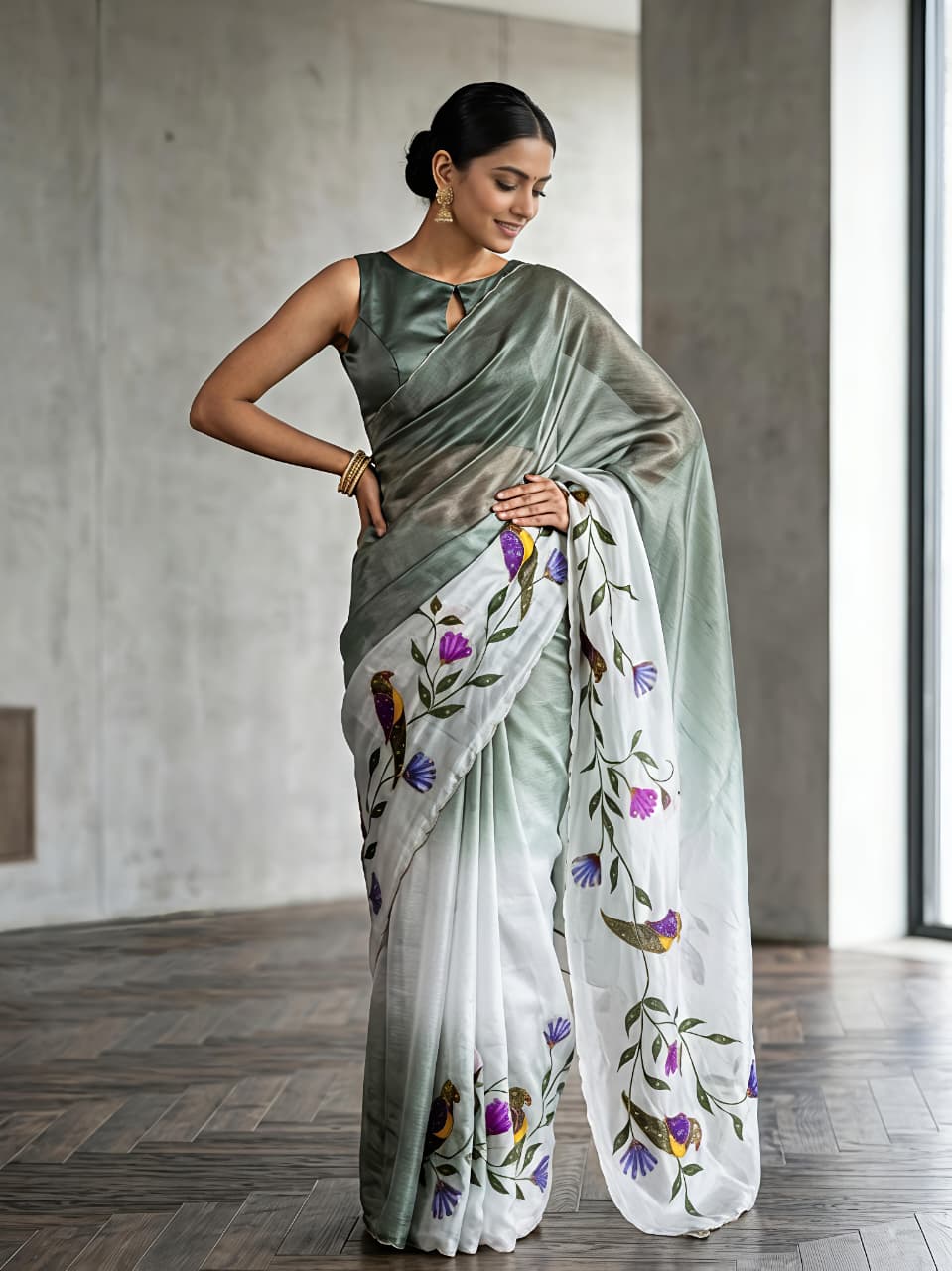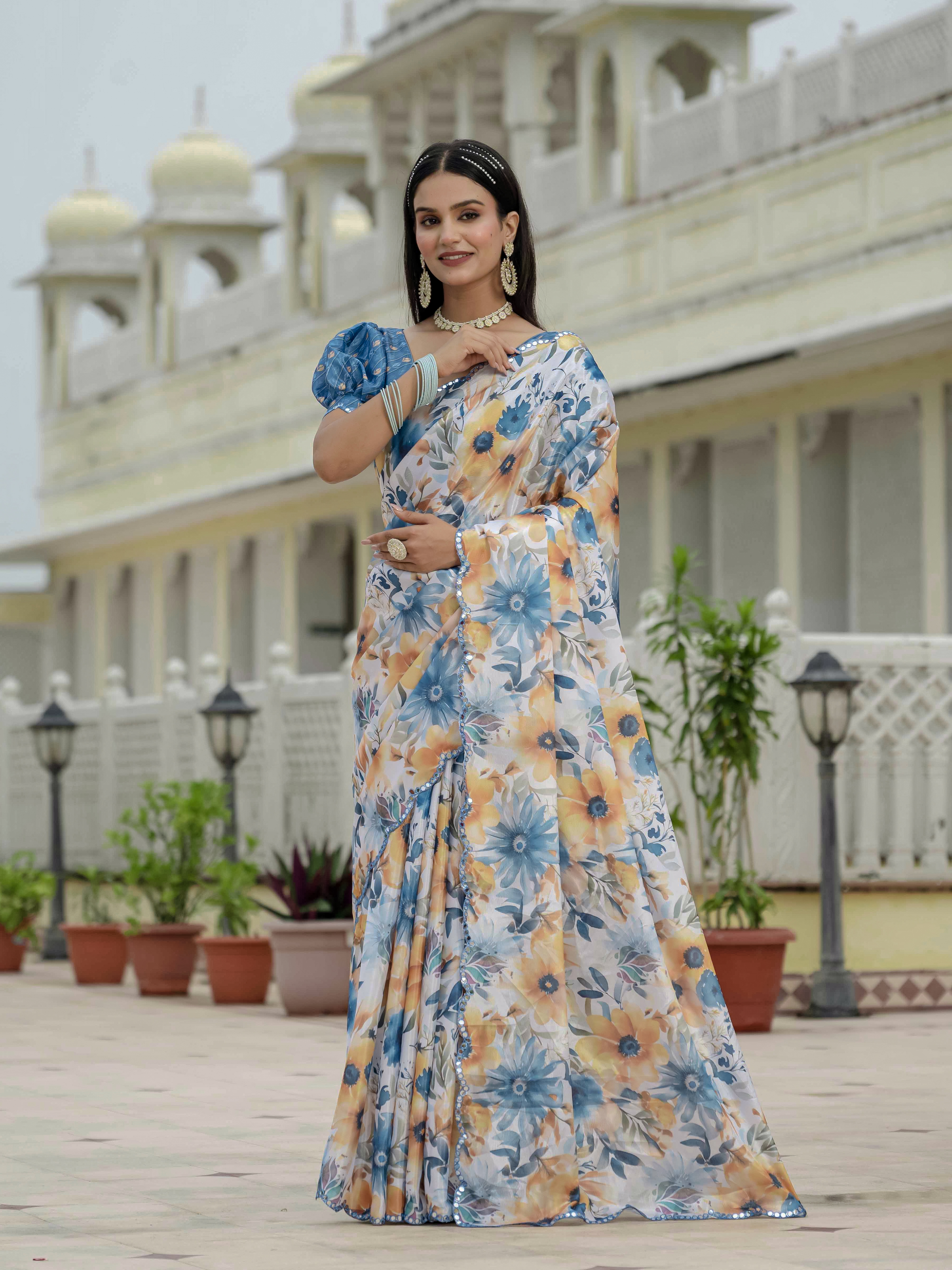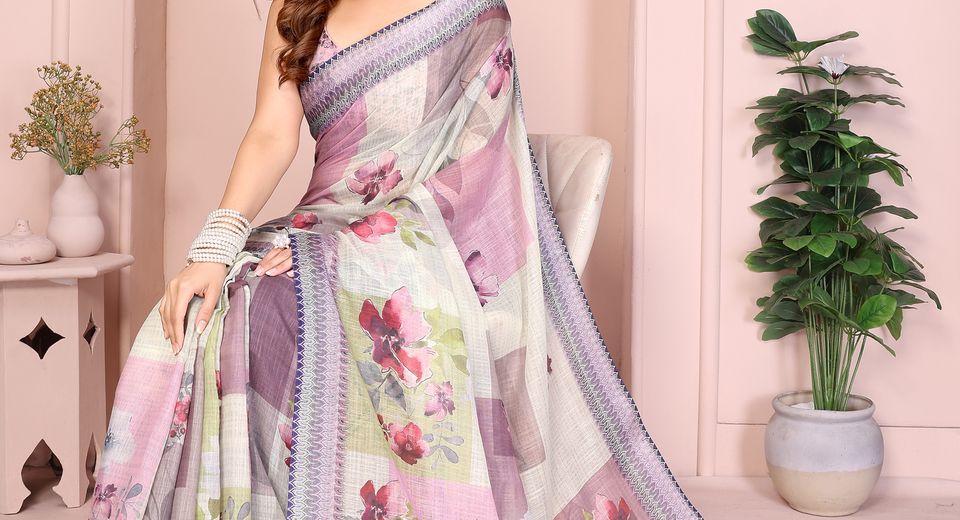
Teej Festival 2026: Best Leheriya Sarees for Women should combine the movement of traditional wave stripes with the practical comfort needed during a monsoon celebration. Teej dressing often brings together green, pink, red and yellow, floral jewellery, mehendi and festive rituals, but a beautiful outfit also needs a secure drape, breathable fabric and accessories that can handle humidity. The right leheriya-inspired saree can look ceremonial without becoming difficult to wear.
Leheriya is a resist-dyeing technique strongly associated with Rajasthan. Artisans create diagonal or wave-like bands by tightly tying sections of cloth before dyeing it, producing flowing stripes that resemble ripples. Not every striped saree is technically leheriya, so shoppers should distinguish between an authentic leheriya textile and a saree with a printed, woven or digitally created wave pattern.
Teej Festival 2026: Best Leheriya Sarees for Women and Their Festive Appeal
Leheriya suits Teej because its diagonal movement, bright colour contrasts and lightweight visual effect reflect the joyful character of a monsoon festival. The pattern photographs well, works with classic and contemporary blouses, and creates interest without requiring heavy embroidery.
Teej celebrations can include swings, songs, fasting traditions, prayers and family gatherings that involve standing, walking or sitting on the floor. A saree with a manageable fall and a stable pallu is more useful than a heavily embellished outfit that looks impressive only while standing still. Leheriya also pairs naturally with gota-inspired details, silver jewellery, lac bangles and fresh flowers.
Colour carries cultural meaning, although personal and regional preferences vary. Green is widely linked with vegetation, renewal and the rainy season. Pink and red create a more celebratory appearance, while yellow and orange bring warmth to an overcast day. A green saree with pink accents can suit a daytime Teej gathering, while maroon or red works well for an evening family event.
Teej Festival 2026: Best Leheriya Sarees for Women by Fabric
The best Teej saree fabric depends on the weather, duration of wear and amount of movement planned for the day. Cotton, linen-cotton and soft silk each solve a different dressing need.
Are cotton and linen-cotton sarees suitable for Teej?
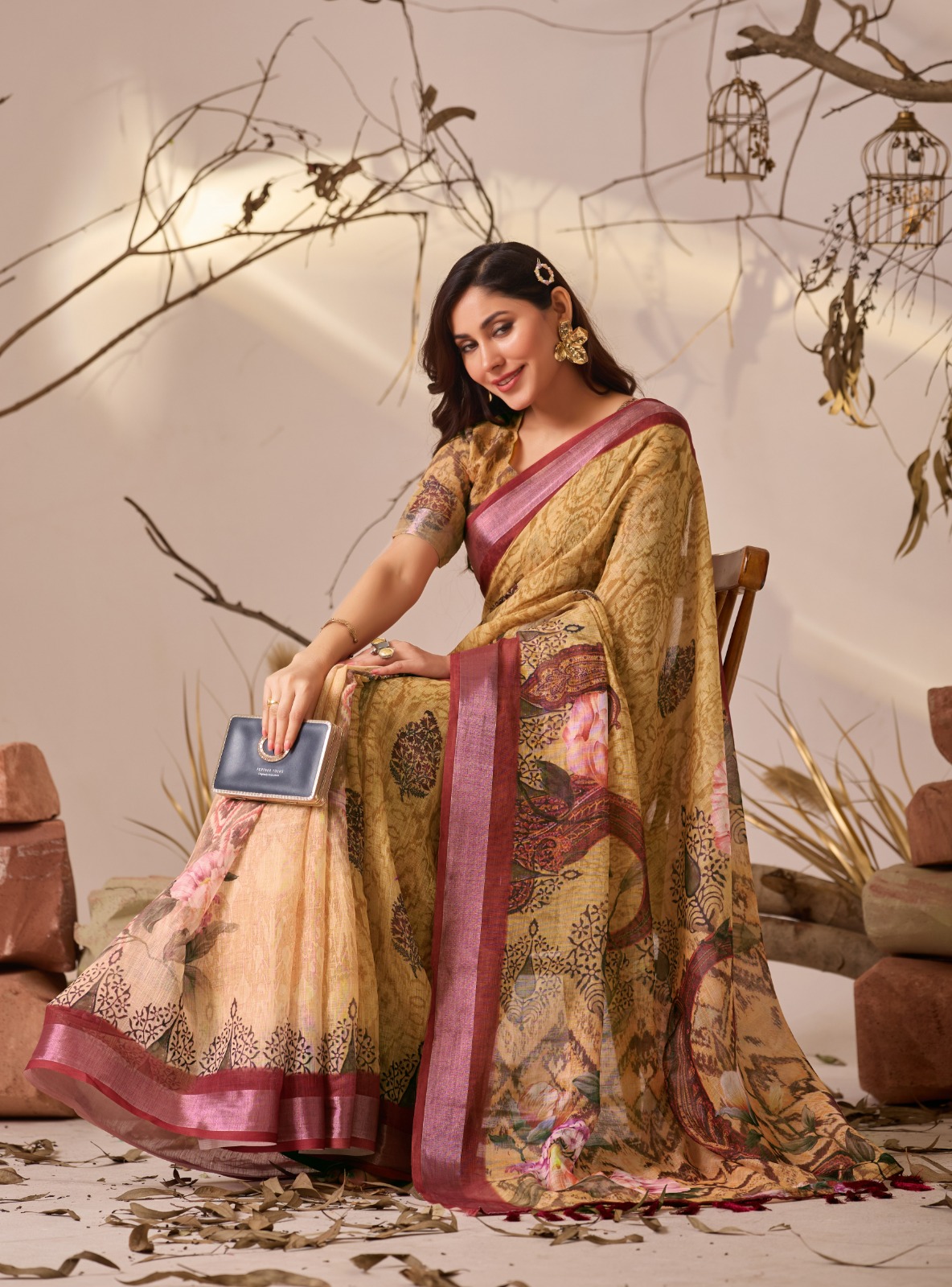
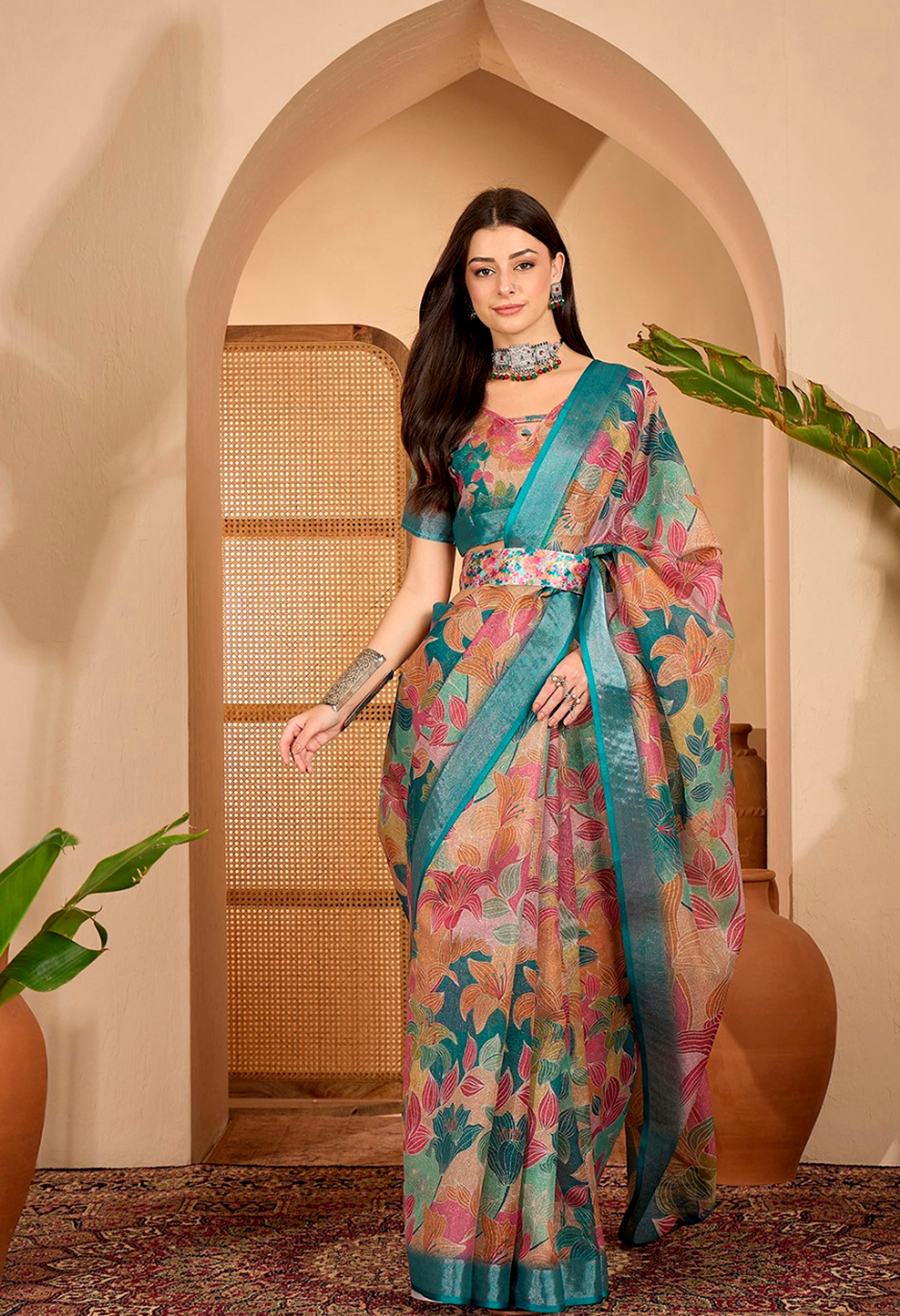
Cotton and linen-cotton sarees are suitable for a humid daytime Teej celebration because they allow more airflow than dense synthetic fabrics. These materials may crease, but small folds are usually less distracting in a printed or textured saree than in a plain satin finish.
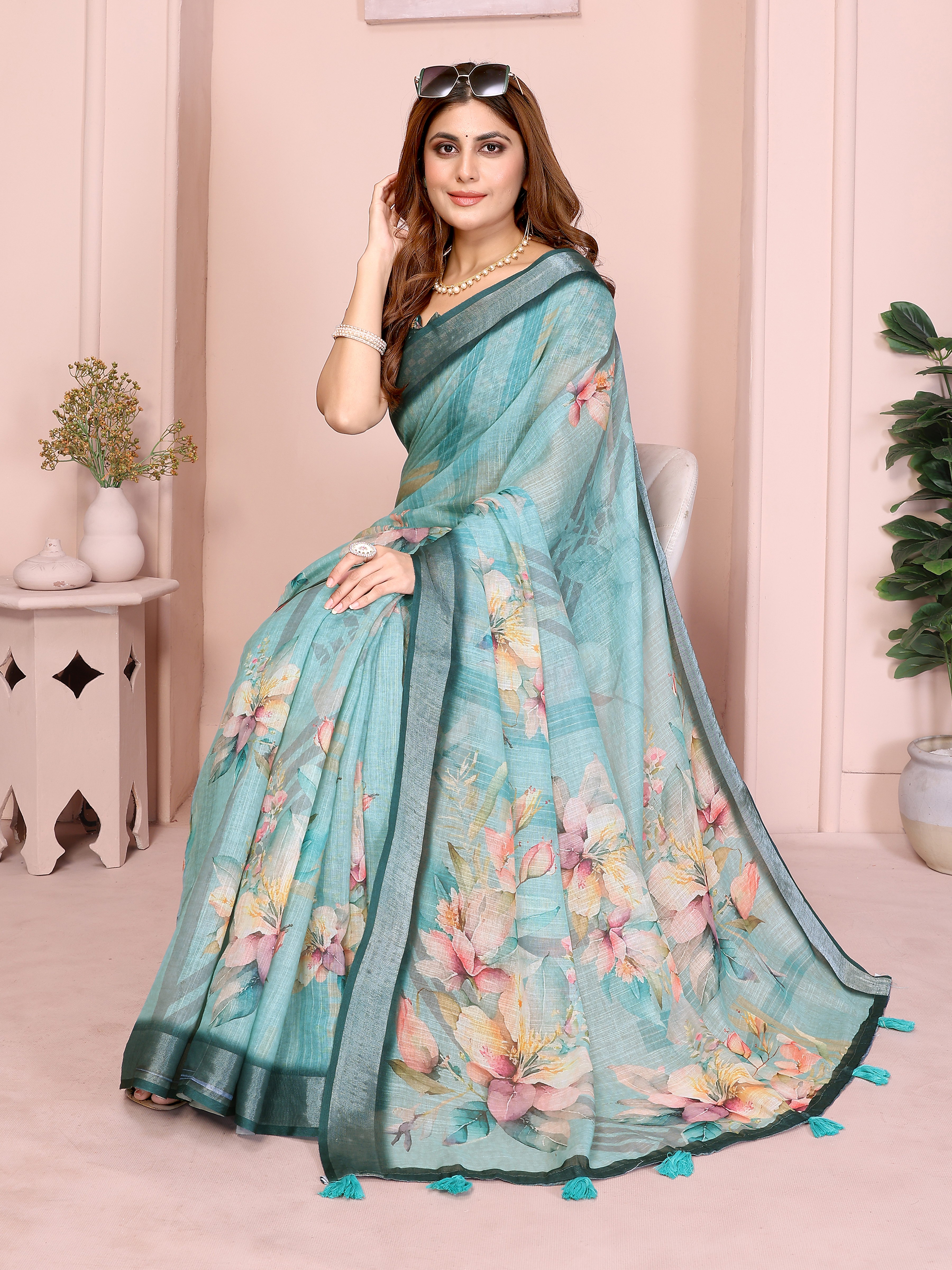
Lavender Floral Linen Cotton Saree with Elegant Blue Border offers an useful colour direction for women who want a soft daytime palette rather than the strongest pink or red. Mint Green Floral Linen Cotton Saree with Pink Border Style shows how green and pink can be combined without relying on heavy ornamentation. Teal Floral Linen Cotton Saree with Elegant Contrast Border provides a deeper alternative when you want the cool freshness of green-blue tones with a sharper border.
Choose cotton or linen-cotton when the event includes outdoor photographs, temple visits, extended travel or several hours of sitting and moving. A cotton petticoat with a firm waistband can improve comfort, while a well-ironed blouse prevents relaxed fabric from appearing untidy.
When should you choose Banarasi soft silk?
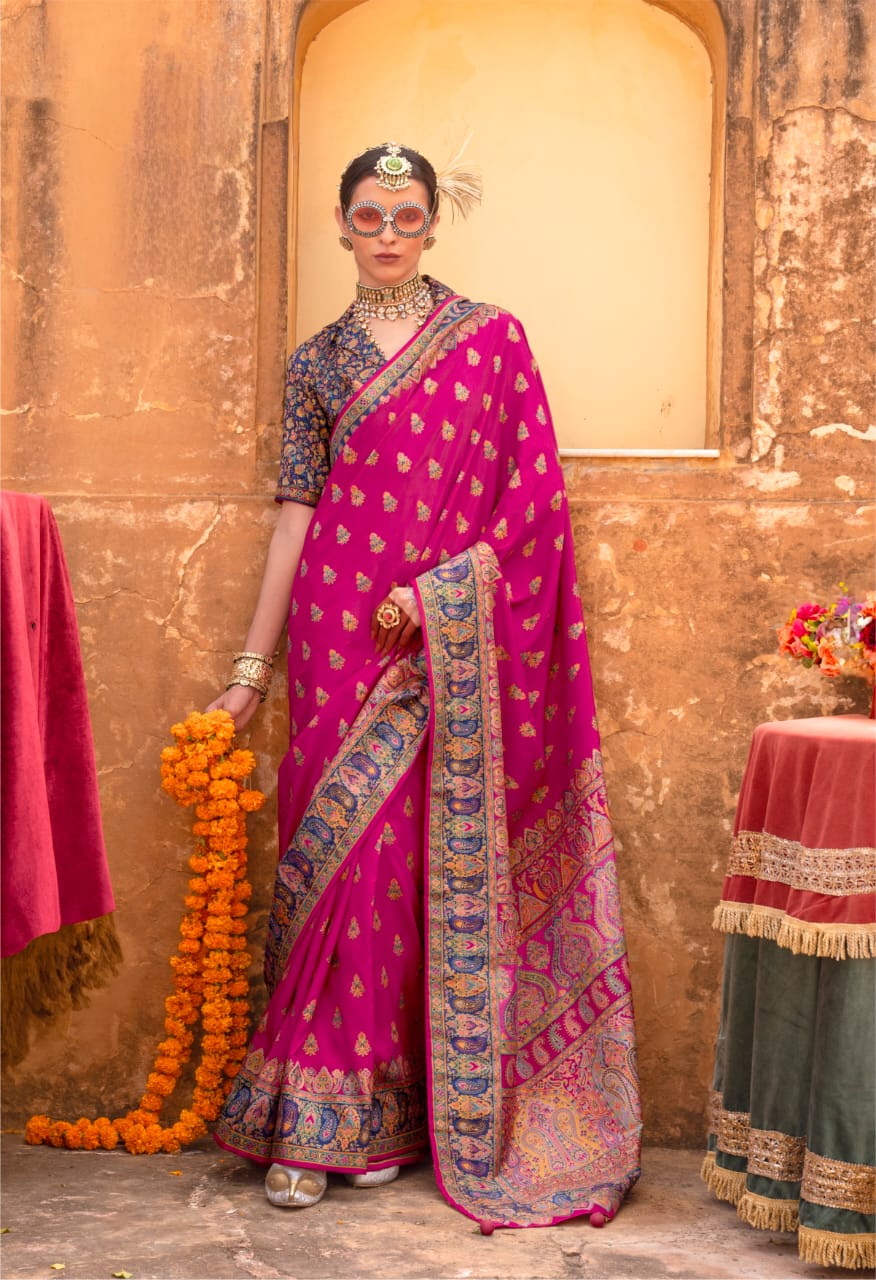
Banarasi soft silk works well when the Teej celebration is formal, held in the evening or centred on family portraits. Banarasi silk gives more sheen and structure than linen-cotton, while soft silk is generally easier to drape than very stiff brocade.
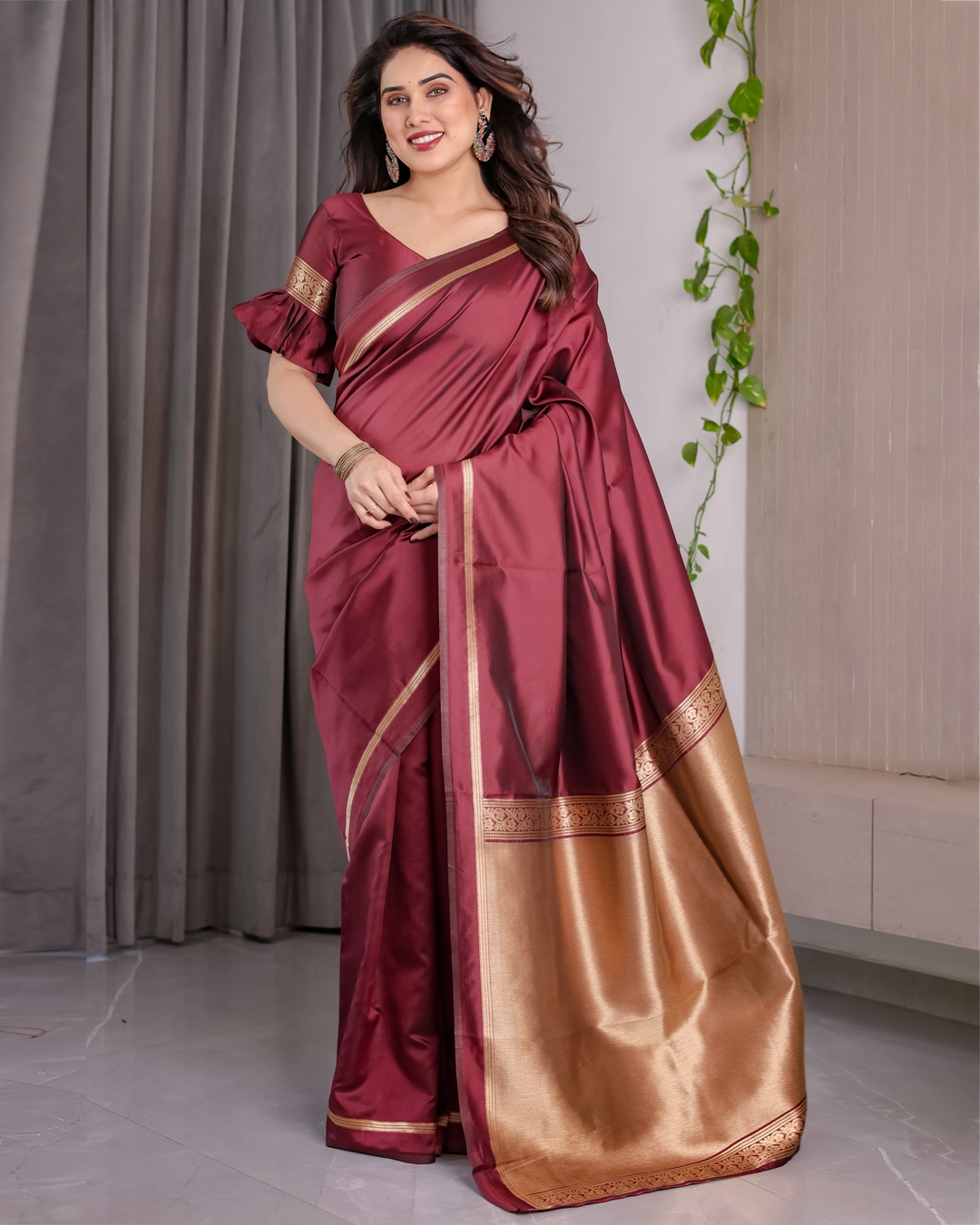
Teal Blue Banarasi Soft Silk Saree With Golden Zari Border demonstrates a polished blue-green and gold combination that can replace the more expected pink palette. Maroon Banarasi Soft Silk Saree with Golden Zari Border gives an evening-ready depth of colour. Red Banarasi Soft Silk Saree with Jacquard Zari Border and Green Banarasi Soft Silk Saree with Golden Jacquard Border offer two distinct festive directions: auspicious red with woven richness, and seasonal green with a heritage silk finish.
Zari can catch on rough jewellery, bangles or bags, so inspect the border before wearing a Banarasi silk saree. Keep safety pins covered or use pins with smooth heads to reduce the chance of pulling silk threads.
Can tissue handloom cotton create a festive look?
Tissue handloom cotton can create a festive look when you want a light, slightly luminous surface without the weight of full silk. Pastel Floral Tissue Handloom Cotton Saree with Zari Weaves suits a gentler Teej look for a daytime puja, brunch or intimate family gathering.
Pastel colours don't make a saree less festive when the border, zari, jewellery or blouse supplies enough contrast. A pastel saree can also be restyled for a family lunch or smaller festival celebration after Teej.
Teej Festival 2026: Best Leheriya Sarees for Women by Colour
Green, pink, red, yellow, teal and maroon are dependable Teej colours, but the best choice depends on lighting, time of day and the mood you want to create.
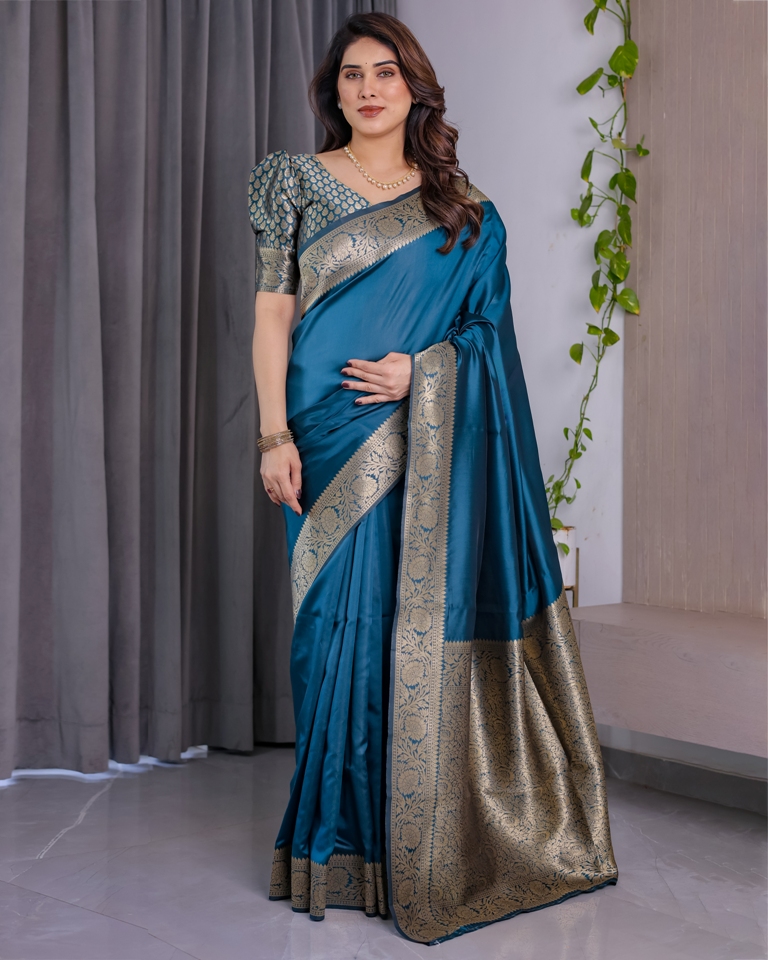
- Green: Emerald, mint, bottle green and leaf green connect naturally with the monsoon season. Green works particularly well with pink, antique gold and oxidised silver.
- Pink: Rose, rani and blush pink create a lively feminine palette. Pair bright pink with green or teal to avoid a flat, single-colour outfit.
- Red and maroon: Red reads as heritage and celebratory, while maroon feels more sophisticated for an evening event. Gold zari and warm-toned jewellery complement both shades.
- Yellow and orange: These colours brighten photographs and suit daytime gatherings. A green or pink border gives yellow a stronger Teej connection.
- Teal and blue-green: Teal brings a contemporary alternative to standard festive colours. Gold borders make teal feel ceremonial, while silver accessories make teal look cooler and more modern.
Women who prefer to shop by palette can compare Pink Georgette Sarees for softer, fluid colour ideas or browse Red Banarasi Silk Sarees for Weddings Under 1100 when seeking a strong red-and-gold festive direction. Those collections may not represent leheriya technique, but they can clarify the colour and finish that suit a Teej wardrobe.
Women seeking a more broadly heritage selection can also look at Silk Sarees Under 3000 With Discount, while Party Wear Sarees can provide ideas for evening styling. Gray Color Sarees Under 1000 gives an useful neutral reference for shoppers considering a silver, charcoal or grey blouse with a brighter saree.
Teej Festival 2026: Best Leheriya Sarees for Women with Blouse and Jewellery Styling
A leheriya saree looks most balanced when the blouse and accessories repeat one or two colours from the saree instead of competing with every stripe.
Which blouse colours pair with a leheriya saree?
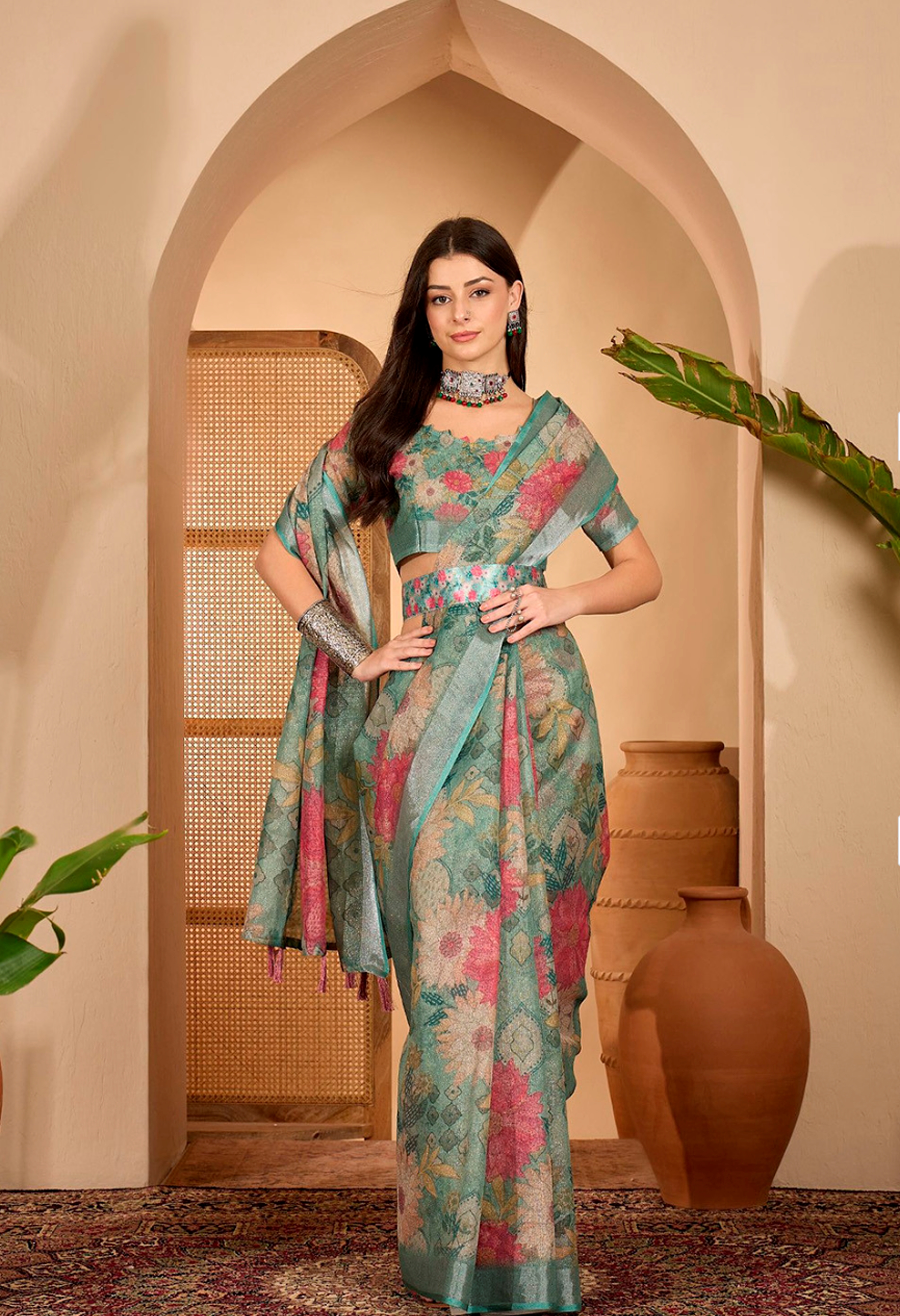
A solid blouse in a border colour is the safest pairing for a multicoloured leheriya saree. A green saree can take a pink, magenta, gold or deep green blouse; a pink saree can be grounded with green, maroon or ivory; and a teal saree can be paired with teal, navy, gold or muted rose.
Elbow-length sleeves suit a heritage Teej appearance and provide more coverage during a humid day. A fitted short-sleeve blouse feels lighter for outdoor celebrations. Avoid adding a large printed blouse to a saree with strong diagonal waves unless the prints share a clear scale and colour relationship.
Which jewellery works with Teej sarees?
Silver jhumkas, kundan-style earrings, lac bangles and a small maang tikka all work with Teej dressing. Gold zari calls for gold-toned jewellery, while a cool teal or pastel saree can accommodate oxidised silver or pearl accents. Choose one statement element, such as oversized earrings or a layered necklace, rather than wearing several competing pieces.
Fresh jasmine, mogra or roses can be placed in a bun for a classic finish. Artificial flowers are more practical if the celebration involves travel or high humidity. A low bun, braided hair or half-up style is usually more secure than loose hair when the pallu is heavily pinned.
Low block heels, embroidered juttis and embellished flats are practical footwear for a Teej celebration. Avoid slippery soles if the venue may have wet stone, grass or polished flooring. A small structured potli or crossbody bag should hold safety pins, tissues, a compact mirror and blotting paper without weighing down the saree.
Teej Festival 2026: Best Leheriya Sarees for Women with a Secure Drape
A comfortable Teej drape needs a correctly tied petticoat, evenly pleated front and pallu secured at both the shoulder and blouse.
- Wear a well-fitted blouse and tie the petticoat firmly at the natural waist before beginning the drape.
- Make the first tuck level with the floor so the hem doesn't drag or expose the feet unevenly.
- Create five to seven front pleats, depending on the saree width and preferred volume, and secure the pleats temporarily before final pinning.
- Keep the pallu long enough to cover the torso but short enough to avoid catching on chairs, swings or door handles.
- Place one safety pin inside the shoulder fold and another near the blouse side seam. Use small pins for silk and heavier pins only where the fabric can support them.
- Walk, sit and raise both arms briefly before leaving home. These simple tests reveal whether the saree will restrict movement during rituals or photographs.
A pre-stitched or lightly pleated pallu can save time for women unfamiliar with saree draping, but a time-honoured drape usually brings more control over pallu length. Use a belt beneath the saree if the fabric shifts easily; a discreet saree belt can reduce repeated adjustments during a long festival day.
Teej Festival 2026: Best Leheriya Sarees for Women and Monsoon Care
Monsoon care begins before wearing the saree and continues until the textile is completely dry and stored correctly.
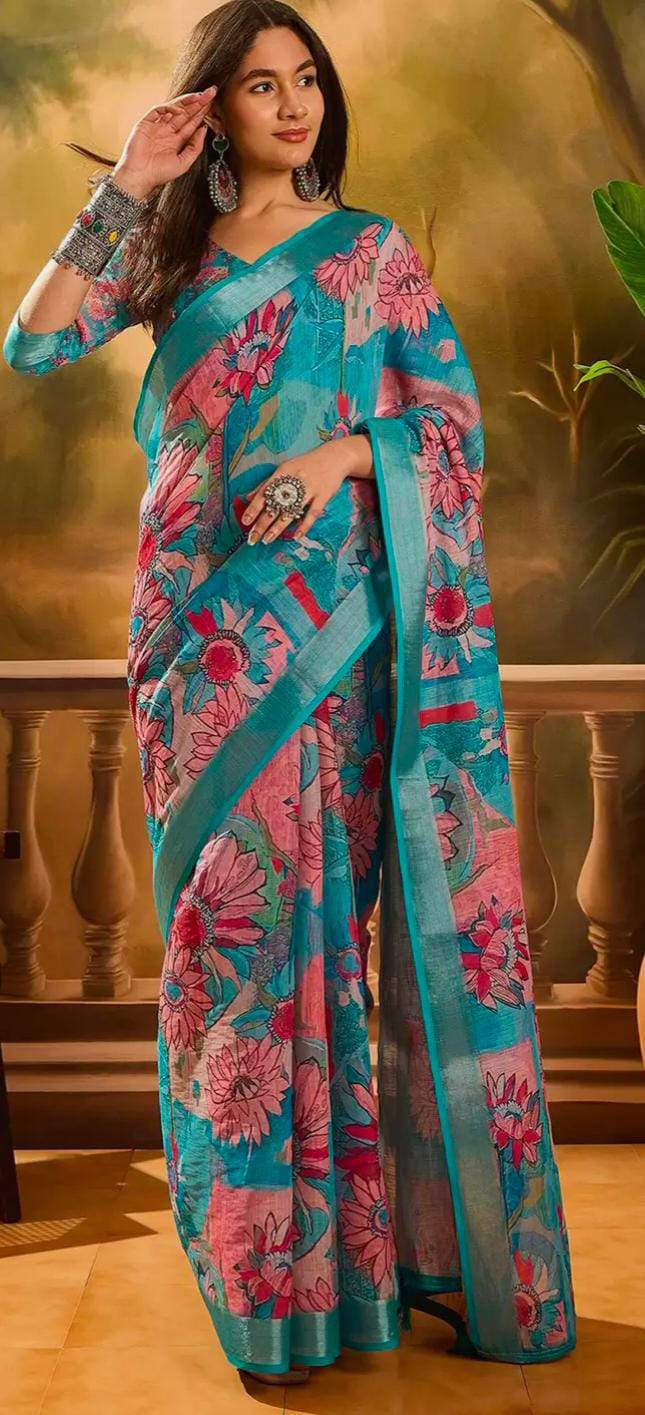
Keep a cotton or linen-cotton saree away from direct rain whenever possible. If the saree becomes damp, hang it in shade with enough air circulation and don't fold it until the fabric is fully dry. Direct harsh sunlight can fade bright resist-dyed colours over time, so shaded drying is safer.
Banarasi silk, zari and jacquard borders need gentler handling. Blot surface moisture with a clean, dry towel instead of rubbing the fabric. Professional dry cleaning is the safer option for significant stains, especially oil, makeup or food marks. Never apply perfume directly to silk or zari.
Store a clean, dry saree in a breathable cotton or muslin cover. Refold silk sarees every few months so permanent fold lines don't form in one place. Keep zari away from damp cupboards and plastic bags, which can trap moisture and encourage tarnishing or mildew.
Teej Festival 2026: Best Leheriya Sarees for Women Buying Checklist
A successful purchase should satisfy four tests: suitable fabric, appropriate colour, secure construction and realistic wearability.
- Check the fabric: Choose linen-cotton or cotton for humid daytime events and soft silk for more formal evening gatherings.
- Check the border: A zari or jacquard border should lie flat and should not have loose threads that can catch on jewellery.
- Check the blouse plan: Confirm that you already have, or can arrange, a blouse in a complementary solid colour.
- Check the drape: Consider saree length, width, fall and pallu weight before committing to a complicated style.
- Check the occasion: A family puja, outdoor swing ceremony and evening party may require three different levels of structure and embellishment.
- Check the care requirement: Select a fabric whose washing and storage needs fit the time you can realistically give it.
The strongest Teej outfit isn't necessarily the most ornate saree. A breathable fabric, well-matched blouse, stable drape and comfortable footwear allow you to participate fully in the celebration while retaining a polished festive appearance.
Common Questions About Choosing a Teej Leheriya Saree
Which colour saree is best for Teej Festival 2026?
Green is a classic Teej choice because the colour reflects monsoon greenery and renewal. Pink, red, yellow, teal and maroon also work well when matched with a suitable blouse and jewellery palette.
Is linen-cotton suitable for a Teej festival celebration?
Linen-cotton is suitable for a daytime Teej celebration, especially in humid weather or at an outdoor venue. The fabric is breathable and lightweight, although it may show more creasing than soft silk.
How can I make a leheriya saree look more festive?
Pair the saree with a solid blouse in a border colour, gold or silver jewellery, bangles and a neatly secured pallu. A zari border, fresh flowers or a statement pair of earrings can add ceremony without overcrowding the wave pattern.
Should I wear a Banarasi silk saree for Teej?
Banarasi soft silk is a good choice for a formal, evening or indoor Teej celebration. Cotton or linen-cotton is generally more comfortable for outdoor events, extended travel and humid daytime weather.
How do I keep a Teej saree secure throughout the day?
Tie the petticoat firmly, create five to seven even front pleats and use small safety pins inside the shoulder fold and near the blouse side seam. Walk, sit and raise your arms before leaving home to test the drape.
How should I care for a saree after a monsoon festival?
Dry a damp cotton or linen-cotton saree completely in the shade before folding it. For Banarasi silk, zari or jacquard borders, blot moisture without rubbing, use professional dry cleaning for serious stains and store the saree in a breathable muslin or cotton cover.