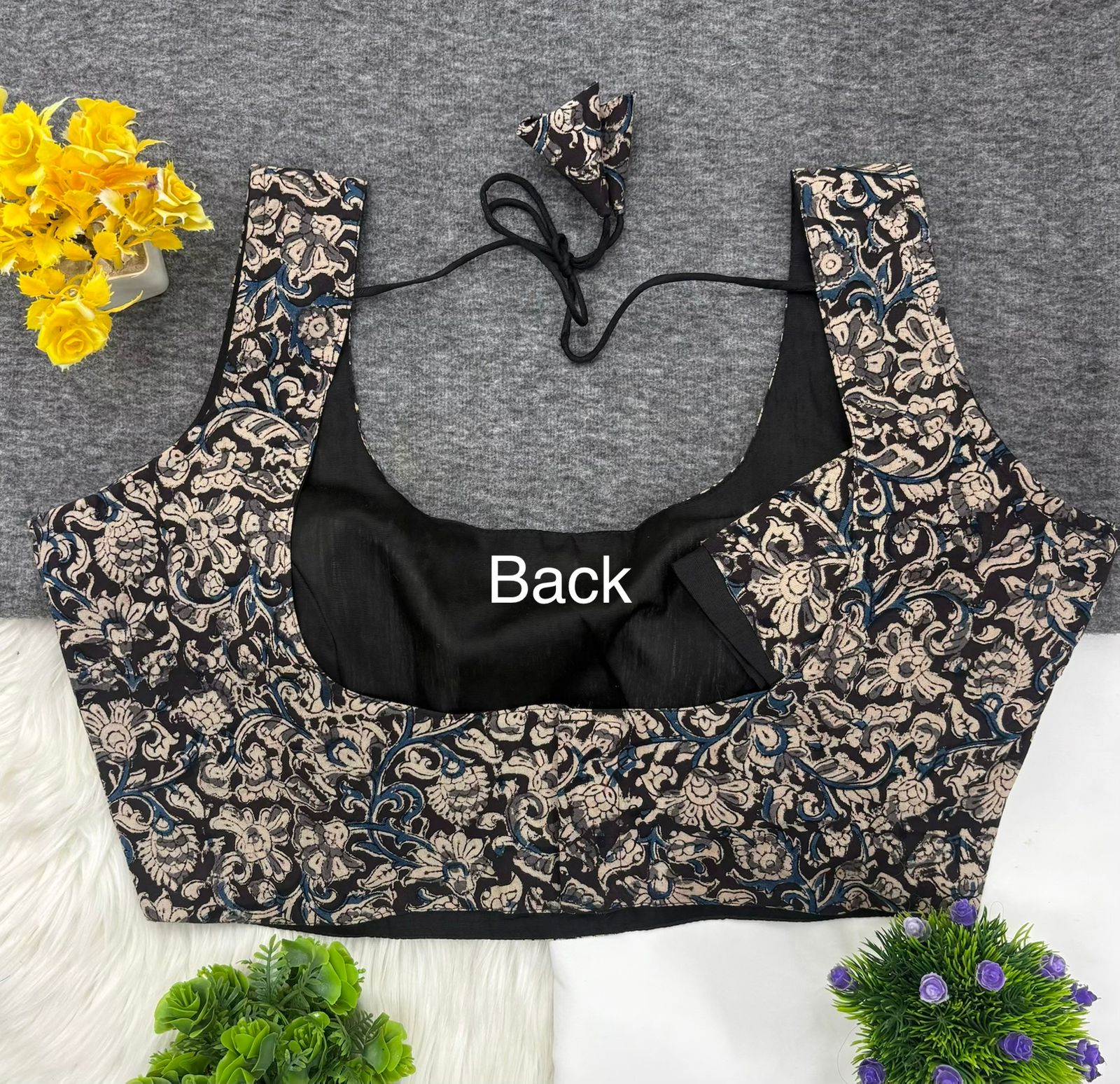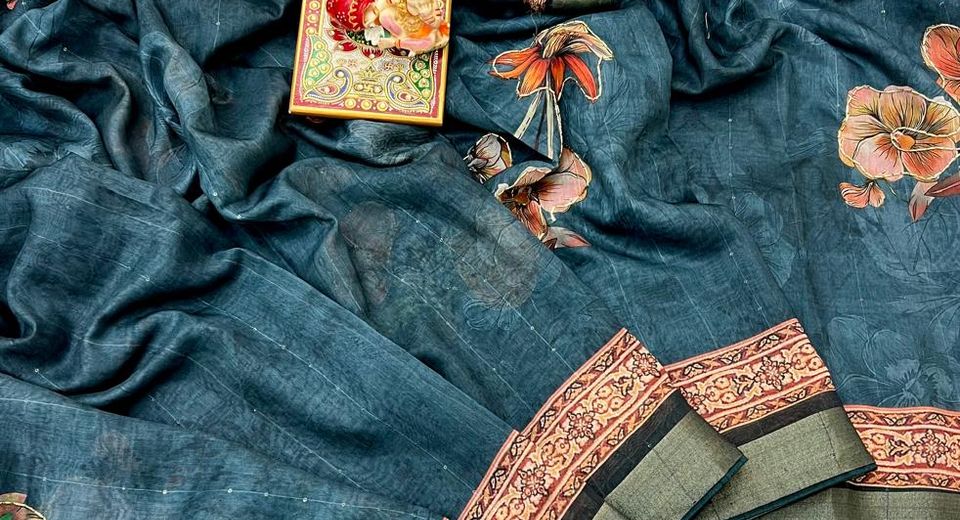
A Teej celebration brings colour, music, mehendi and long hours of festive movement, so the blouse deserves as much thought as the saree. The right Teej Blouse Designs balance tradition with comfort through a considered neckline, sleeve, fabric, colour and fit. Hariyali Teej often inspires green outfits, while Hartalika Teej and other regional observances allow easy reds, pinks, yellows and jewel tones. A well-planned blouse can also make a simple cotton saree look formal without making the outfit difficult to wear.
What makes Teej Blouse Designs suitable for a festive saree?
Teej Blouse Designs work well when they complement the saree's colour, weave and level of ornamentation while allowing comfortable movement. A festive blouse doesn't need heavy embellishment to look special; a distinctive sleeve, a neat contrast border or a carefully shaped neckline can create enough visual interest.
Teej outfits traditionally carry a sense of auspicious colour and feminine adornment. Green is strongly associated with Hariyali Teej because it reflects the monsoon season and new growth, but emerald, parrot green, teal, pink, red and yellow can all suit a festive saree. The most convincing pairing usually repeats one colour from the saree rather than introducing several unrelated shades.
Scale also matters. A saree with a broad zari border can support a quieter blouse with a clean neckline. A plain cotton saree can carry a blouse with embroidery, statement sleeves, tassels or a contrast back. Matching every detail exactly can make an outfit look flat, whereas one controlled contrast gives the saree and blouse separate definition.
Traditional Teej blouse details that still feel relevant
Traditional Teej blouses remain effective because they use recognisable festive details without depending on a particular trend. Elbow-length sleeves, round necklines, potli buttons, fabric-covered hooks, piping and modest back openings are reliable choices for puja visits and family gatherings.
Necklines and sleeves with a classic character
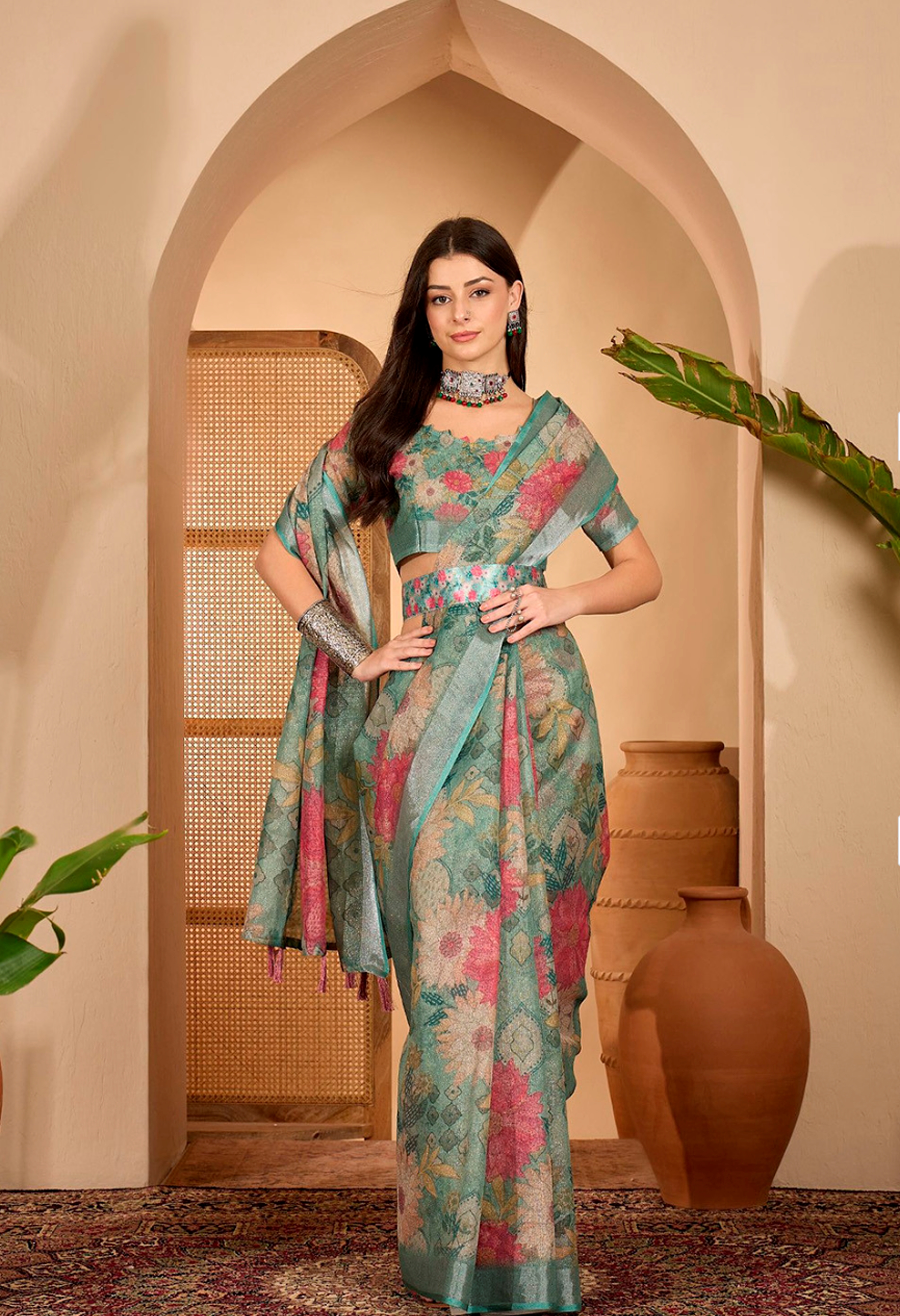
A round neckline suits most saree drapes and works particularly well with zari, woven motifs or a necklace. A square neckline creates a more structured look, while a modest V-neck can visually lengthen the upper body. Elbow-length sleeves offer coverage and leave room for embroidery at the cuffs, making them practical for daytime Teej celebrations.
Short puff sleeves can add a nostalgic festive note to lightweight cotton or linen sarees. Three-quarter sleeves create a graceful line with a neatly pleated pallu. A high boat neck looks polished with minimal jewellery, but the neckline should be tested while sitting because a close upper edge can feel restrictive after several hours.
Embroidery, zari and finishing touches
Zari, gota patti, resham embroidery and small mirror accents can give a blouse ceremonial presence. Zari is especially effective when a saree already contains gold or silver woven details, because the blouse then echoes the saree instead of competing with it. Gota patti suits a celebratory Teej mood, while thread embroidery offers a softer appearance for cotton sarees.
Traditional finishing is also visible in the back. A row of fabric-covered buttons, a tie-up with small tassels or a narrow keyhole can make the blouse distinctive without exposing too much skin. Blouse lining should be smooth, firmly attached and breathable; rough seam allowances can become uncomfortable during a long puja or outdoor gathering.
Modern Teej Blouse Designs for a contemporary saree wardrobe
Modern Teej Blouse Designs update festive dressing through cleaner silhouettes, controlled contrast and versatile construction rather than removing every traditional reference. A contemporary blouse may have a sleeveless cut, an one-shoulder shape, a sculpted sweetheart neckline or a cropped structured fit, provided the design remains comfortable and appropriate for the gathering.
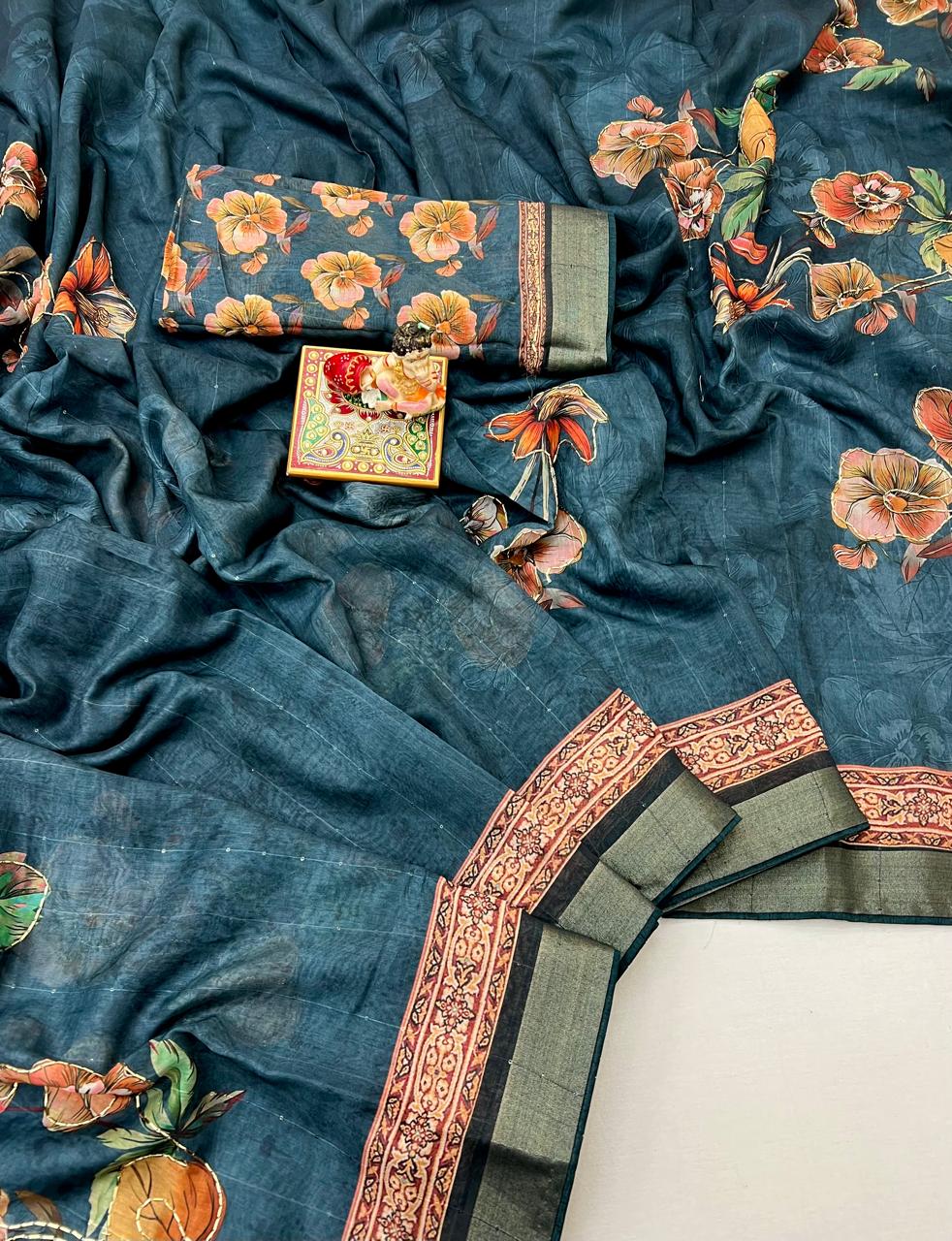
A high-neck blouse with short sleeves can make a printed saree look refined and is easy to repeat with other drapes. A sleeveless blouse creates a lighter monsoon outfit, especially when the saree is made from cotton or linen. A collared blouse gives a handloom saree a sharper, more urban character, while a peplum-inspired shape adds volume above the waist and works best with a firmly pleated saree.
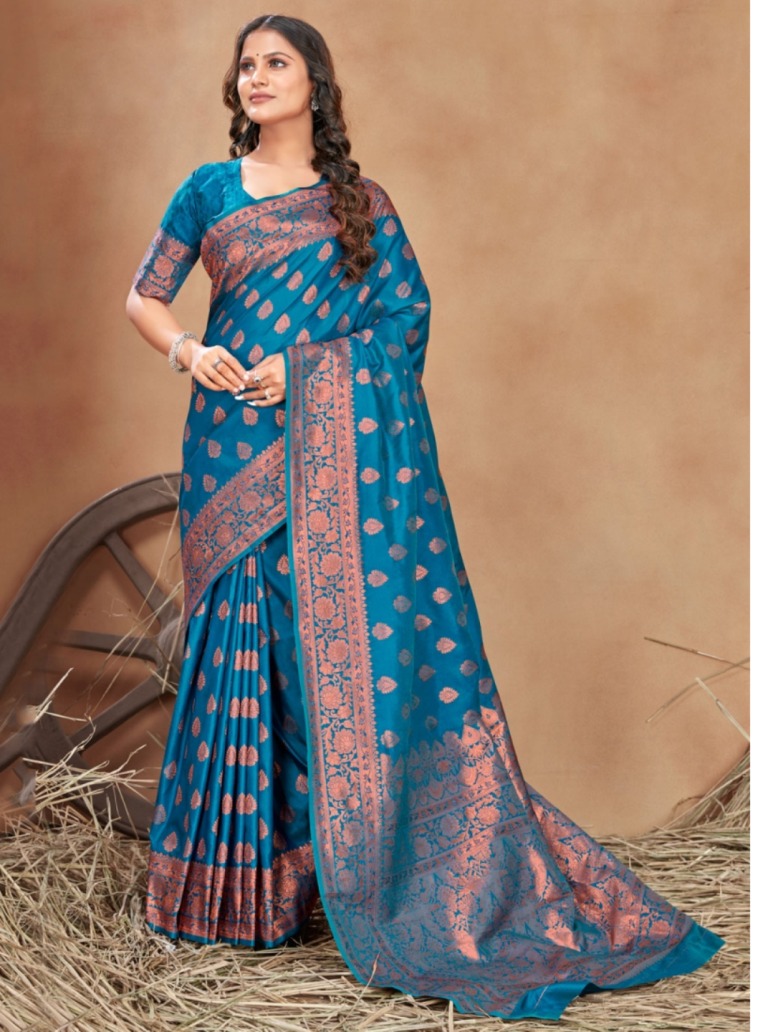
Contemporary styling doesn't require abandoning colour symbolism. A teal blouse with a green saree can look modern because the colours sit close together while offering enough contrast. A pink blouse with a green saree creates a brighter festive combination. A red blouse with a muted beige or gold saree gives stronger visual focus to the upper half of the outfit.
When a contrast blouse works better than a matching blouse
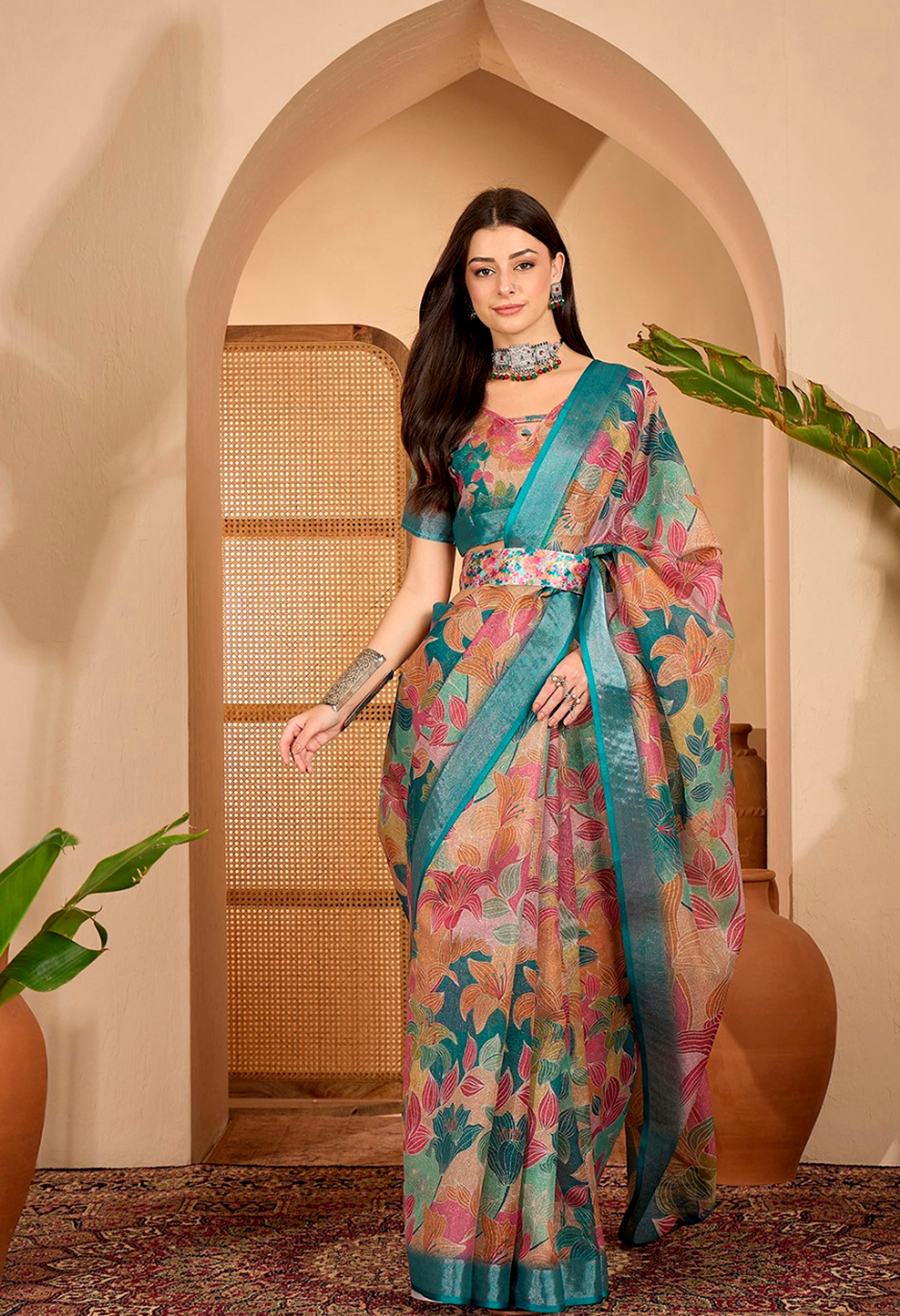
A contrast blouse works best when the saree has a restrained print, a plain body or a clearly defined border. The Teal Floral Linen Cotton Saree with Elegant Contrast Border already contains a contrast relationship, so a blouse in one of the border shades can reinforce its design without creating visual noise.
The Teal Green Cotton Digital Print Saree With Work Blouse demonstrates another practical approach: a coordinated work blouse can carry the festive detail while the printed saree remains easy to wear. A contrasting blouse should repeat at least one visible element from the saree, such as a flower colour, border tone or metallic accent.
How should you choose a blouse for the saree fabric?
The saree fabric should guide the blouse fabric because similar weights usually drape more smoothly together. Cotton, linen cotton, tissue and pashmina-inspired sarees each need a different balance of structure, lining and embellishment.
Cotton and linen cotton sarees
Cotton and linen cotton sarees pair well with breathable cotton, cotton-silk blends, lightweight raw silk or a matching linen-blend blouse. These materials hold shape without making a monsoon outfit feel excessively warm. The Teal Floral Cotton Digital Print Saree With Work Blouse is an useful example of how a printed cotton saree can take a coordinated blouse with surface work rather than a heavily padded, rigid construction.
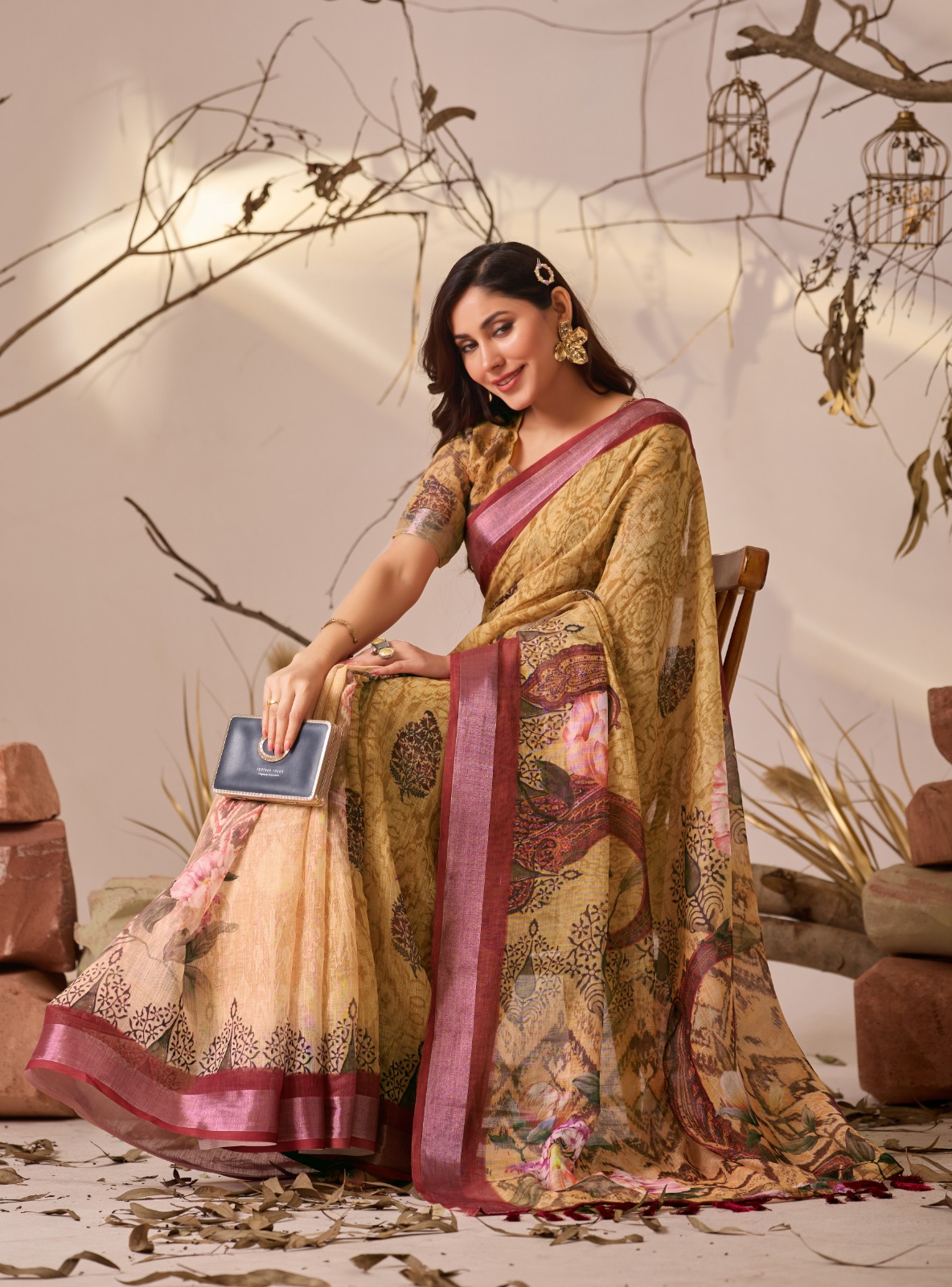
The Pastel Linen Cotton Floral Print Saree with Designer Blouse suits a softer styling direction. A rounded neckline, narrow sleeve border or delicate thread detail can preserve the pastel mood. Avoid very glossy blouse fabric with a matte linen cotton saree unless the shine is deliberately repeated in the jewellery or saree border.
Tissue, silk and warm drapes
Tissue sarees benefit from a blouse with enough body to support the fabric's light, slightly crisp fall. The Pastel Floral Tissue Handloom Cotton Saree with Zari Weaves can be balanced with a structured blouse that repeats the zari in a narrow cuff, neckline or piping. Too much additional sparkle may obscure the handloom texture.
A heavier drape needs a blouse with stable seams and dependable support. The Elegant Teal Pashmina Saree With Shawl & Blouse Set brings a coordinated foundation for cooler festive settings, where a full sleeve or high neckline may be more practical than a very open design. A blouse worn under a shawl should not have bulky shoulder embellishment, because raised details can disturb the shawl's fall.
Colour combinations that suit Teej celebrations
Green, pink, red, yellow and gold provide dependable Teej colour families, but the best shade depends on the saree's undertone and the time of day. A bright green blouse may overpower a soft pastel saree, while a muted sage or teal can create a more balanced result.
- Green with gold: This combination supports a traditional Hariyali Teej mood and works with zari borders, gold jewellery and warm skin undertones.
- Teal with pink: Teal and rose pink create contrast without the sharpness of pure red and green. This pairing suits floral prints and contemporary blouse cuts.
- Red with beige or gold: A red blouse brings festive intensity to a neutral saree and works well for evening gatherings.
- Yellow with green: Mustard, marigold and mango yellow brighten a daytime outfit and complement fresh green sarees.
- Pastel with antique gold: Blush, pistachio and powder blue look more festive when paired with restrained antique-gold detailing rather than dense sequins.
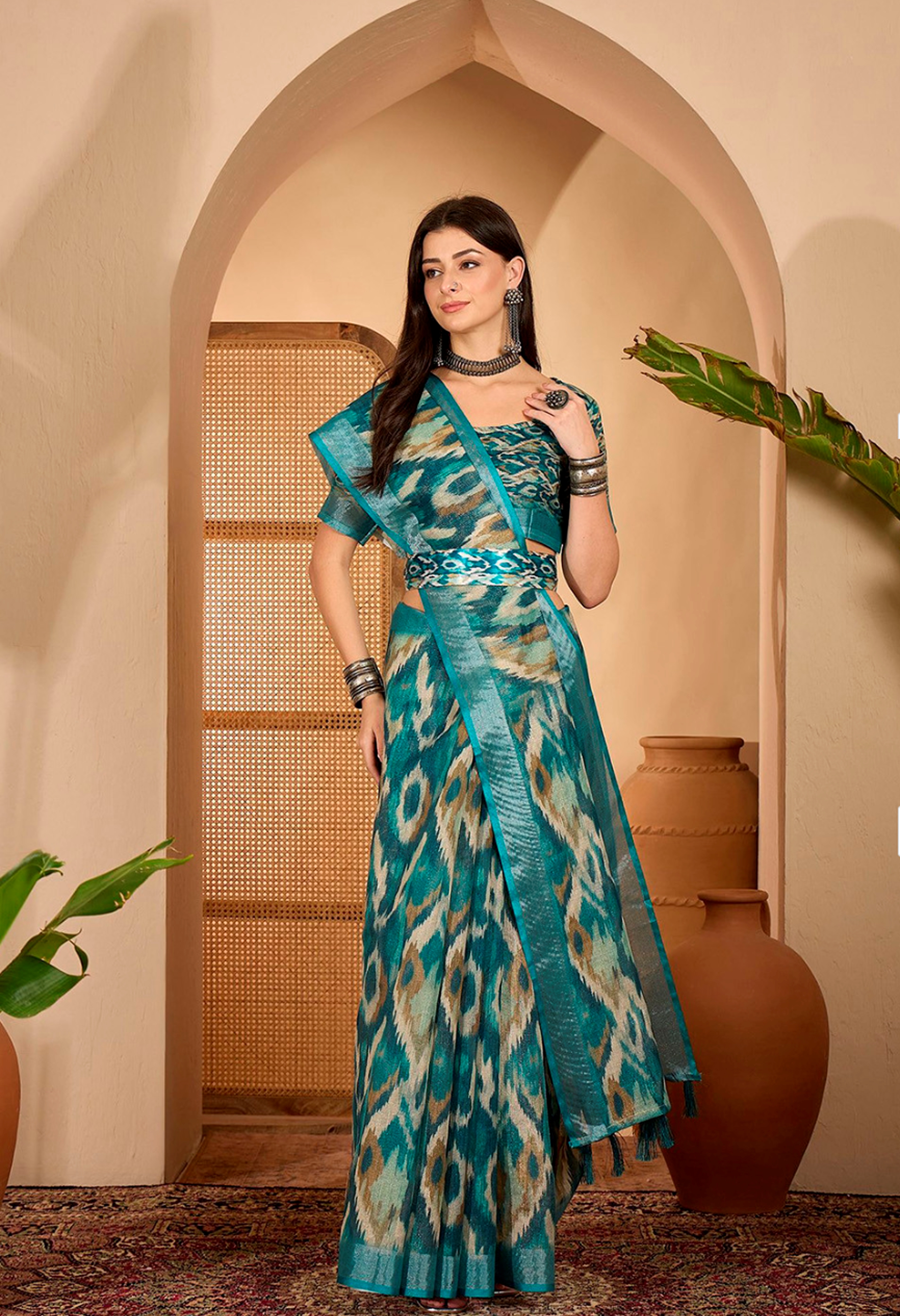
The Teal Floral Cotton Digital Print Saree With Work Blouse and the Teal Abstract Printed Linen Cotton Saree with Blouse both show why blue-green shades can be treated as festive neutrals. Teal accepts gold, pink, ivory and deep green accents, allowing one saree to support several blouse and jewellery combinations.
How to get the blouse fit right before Teej
A Teej blouse should be fitted at least seven to ten days before the event, leaving time for a second alteration after wearing it for fifteen minutes. The fitting should include sitting, raising both arms, bending slightly and practising the intended saree drape.
Measure the bust at the fullest point, the underbust, shoulder width, armhole and desired sleeve length. The blouse should lie smoothly across the bust without diagonal strain lines, and the armhole should not cut into the underarm when the arm is raised. A blouse that feels perfect while standing may still be too tight for eating, driving or participating in rituals.
Padding is optional rather than automatically necessary. Light cups can create a smooth line under a thin saree, but excessive padding may change the fit of the bust and armhole. A well-placed lining, supportive seam construction and correctly positioned darts often provide enough shape without additional volume.
Back depth should be chosen according to the drape and the setting. A deeper back may suit a reception, while a higher back with a tie or button detail can feel more appropriate for temple visits and family puja. Test the blouse with the actual bra, petticoat and saree because each layer changes the final position of the neckline and waist.
Using existing sarees to build more than one Teej look
An adaptable blouse can turn one saree into several outfits when the colour and neckline are selected carefully. A teal saree can take a pink blouse for a lively daytime look, an ivory blouse for a quieter family gathering or a gold-trimmed green blouse for a traditional celebration.
The Teal Floral Linen Cotton Saree with Elegant Contrast Border can be styled with a blouse that repeats its border shade, while a plain blouse can let the floral pattern remain the focus. The Pastel Floral Tissue Handloom Cotton Saree with Zari Weaves can shift from daytime elegance to evening dressing through a change from a short-sleeved cotton blouse to a structured blouse with antique-gold detailing.
Collections such as Party Wear Sarees can offer ideas for bolder sleeve and neckline combinations, while Pink Georgette Sarees show how a fluid saree can support a more fitted blouse. Red Banarasi Silk Sarees for Weddings Under 1100 can also provide useful colour inspiration for a red-and-gold Teej blouse, even when the final saree is cotton rather than Banarasi silk.
Budget-conscious shoppers can compare the styling value of pieces in Silk Sarees Under 3000 With Discount or Gray Color Sarees Under 1000 without assuming that a lower price means a less festive result. A carefully altered blouse, polished pleats and suitable jewellery often influence the finished appearance more than the cost of every individual garment.
Jewellery, draping and care details that complete the outfit
Jewellery should respond to the blouse neckline. A round or high neckline usually pairs well with earrings and bangles, while an open V-neck can accommodate a short necklace. Green glass bangles, meenakari earrings, jhumkas, a small bindi and floral gajra create a traditional Teej direction, whereas sculptural earrings and fewer bangles suit a modern blouse.

The pallu should not cover the blouse detail completely. A neat shoulder pleat, a slightly open pallu or a pinned drape can keep the sleeve and neckline visible while preserving modesty. Safety pins should be placed through seam allowances or sturdy border areas rather than delicate printed sections.
Perspiration and monsoon humidity make after-care important. Air the blouse and saree separately after wearing, remove jewellery before folding, and store embroidered blouses in a breathable cotton bag. Cotton and linen sarees should be folded along changing lines to reduce permanent creases, while zari should be kept away from direct contact with plastic and damp surfaces.
A successful Teej outfit feels festive in photographs and practical in real life. Choose the blouse silhouette according to the saree's weight, repeat one or two colours, allow enough movement at the armhole and finish the look with details that reflect your own comfort level. Traditional sleeves and zari remain beautiful choices, but a clean modern cut can be equally appropriate when the overall styling respects the celebration.
Questions to Ask Before Choosing a Teej Saree Blouse
Which blouse colour is best for a Teej saree?
Green is a traditional choice for Hariyali Teej, but teal, pink, red, yellow and gold also work well. Select a shade that repeats a colour from the saree's print, border or woven detail so the outfit looks coordinated.
What blouse sleeve length is comfortable for Teej celebrations?
Elbow-length and three-quarter sleeves are comfortable for long family gatherings, puja visits and outdoor movement. Short sleeves and sleeveless blouses can work in warm weather, but the armhole must allow unrestricted movement.
Can a modern blouse be worn for a traditional Teej celebration?
A modern blouse is suitable when the neckline, coverage and embellishment fit the setting. A contemporary high-neck, collared or sleeveless blouse can look festive when paired with traditional jewellery, a neat drape and colours associated with Teej.
Which fabric is suitable for a Teej blouse in humid weather?
Cotton, breathable linen blends and lightweight cotton-silk fabrics are practical for humid weather. Dense synthetic lining, heavy padding and thick embellishment can trap heat, so use them selectively and keep the blouse well ventilated.
How early should a Teej blouse be fitted?
Schedule the first fitting seven to ten days before Teej and leave time for a final adjustment. Wear the intended bra and test sitting, raising the arms and moving in the saree before approving the final fit.
How can one blouse be reused with different festive sarees?
Choose a blouse in a versatile colour such as teal, green, ivory, pink or gold with a moderate neckline and clean detailing. A blouse can then pair with printed cotton, linen cotton, tissue or silk sarees by changing the jewellery, pallu arrangement and accessories.