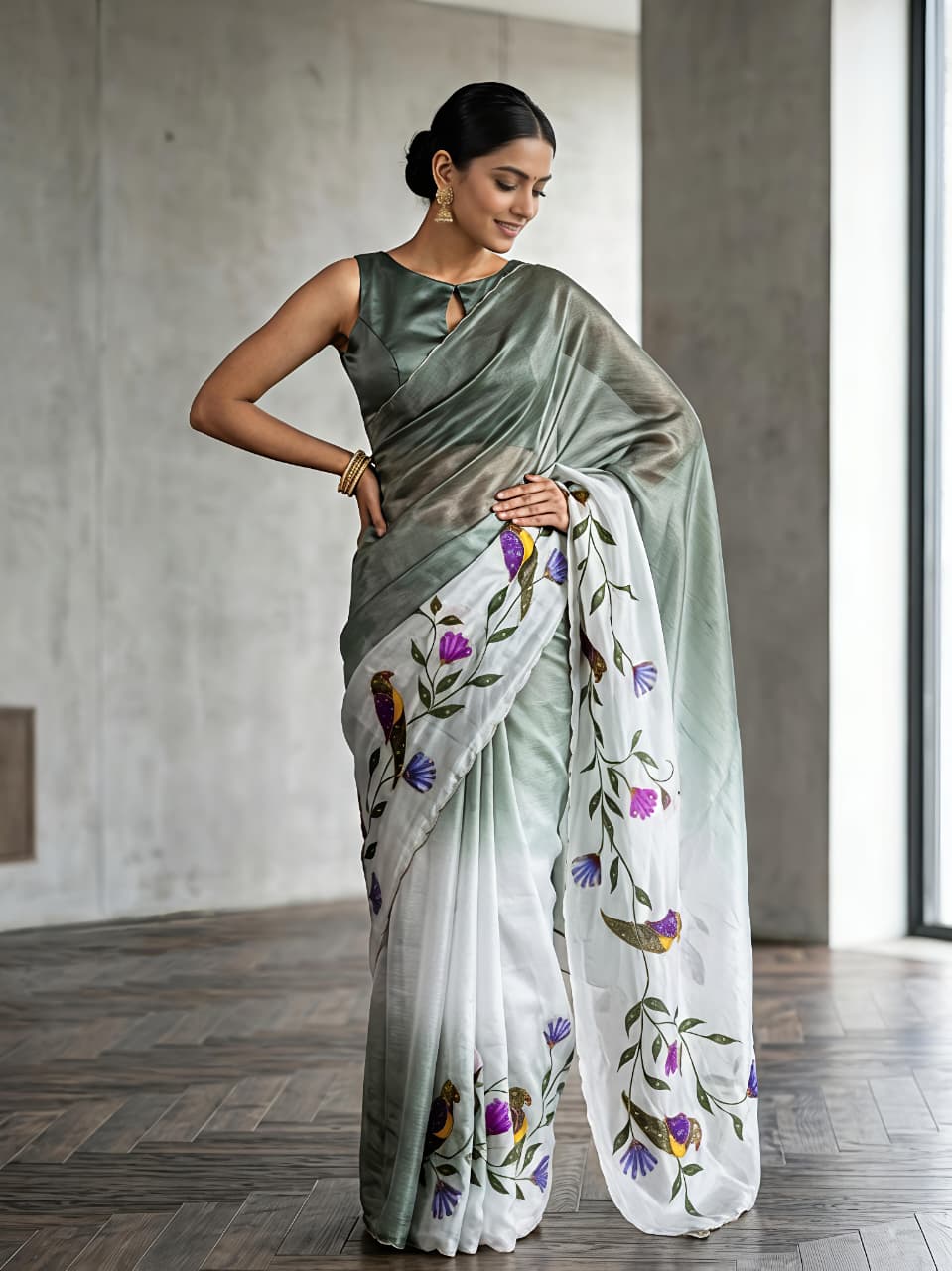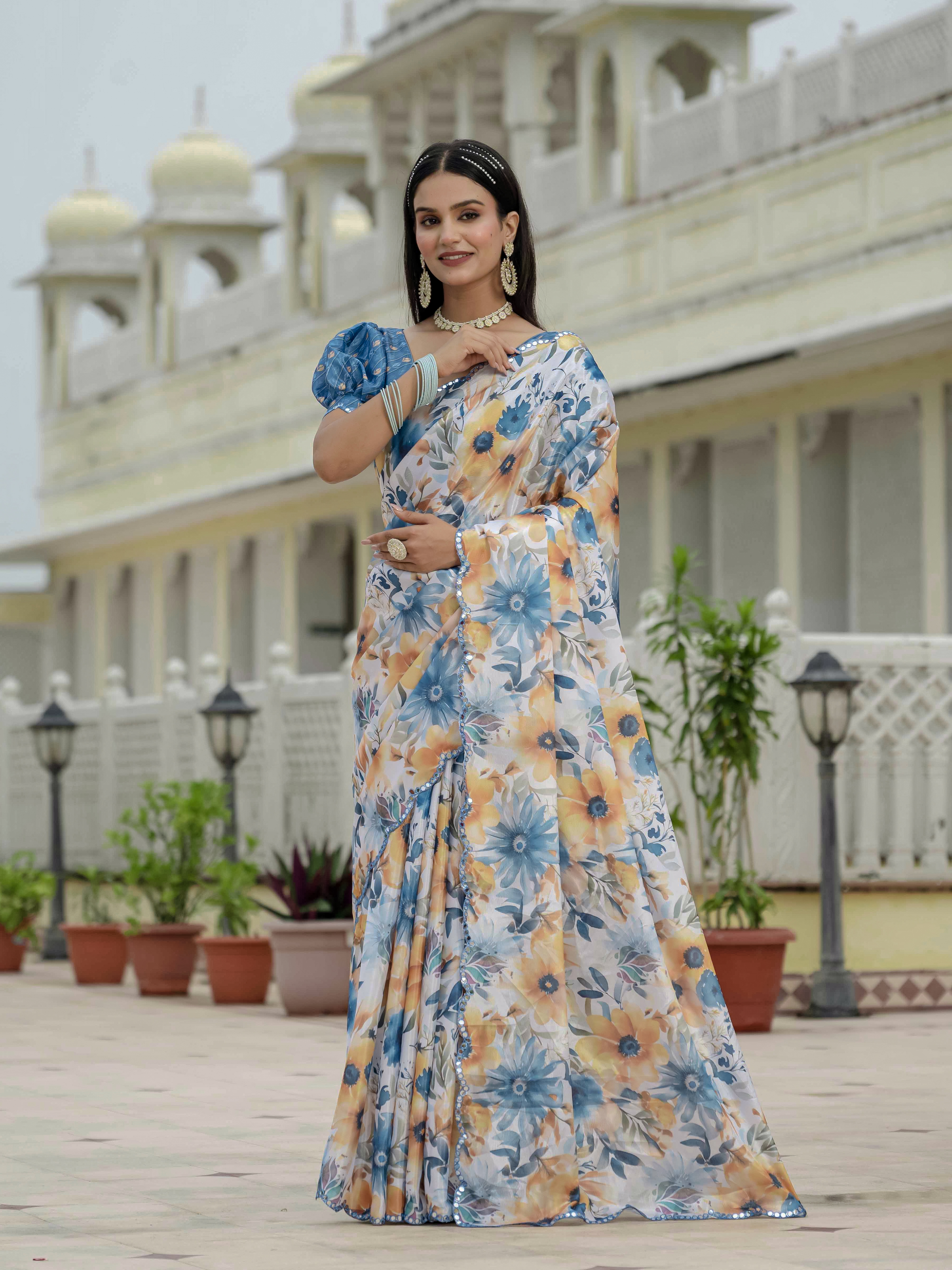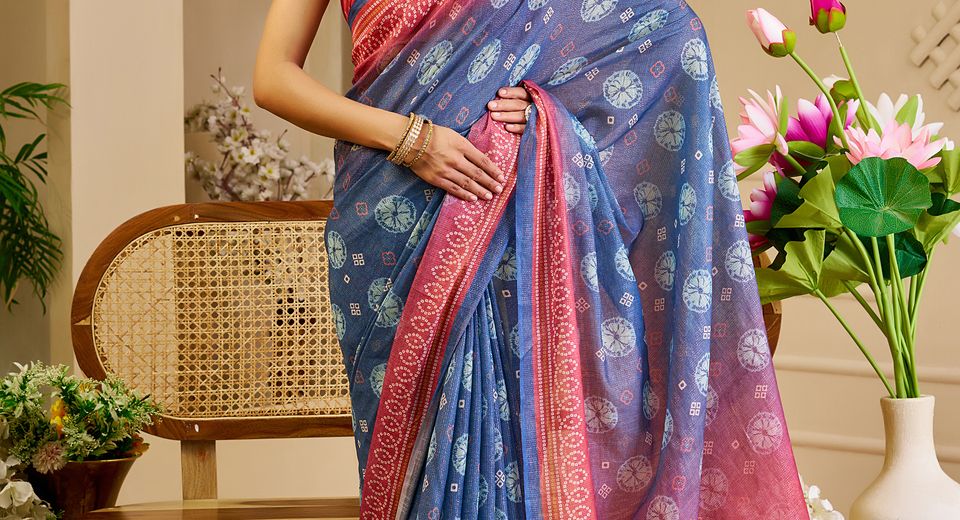
Across Bengal, a saree can carry family memory, seasonal comfort and regional identity in a single six-yard drape. Tant Sarees: Why Bengali Women Love This Traditional Handloom is a question answered by three qualities: breathable cotton, a crisp handwoven character and a design language rooted in Bengali life. Tant isn't simply a lightweight option for hot weather; Tant weaving connects village looms, puja dressing, daily routines and festive styling.
The word "tant" commonly refers to handwoven cotton sarees made on looms in West Bengal and parts of Bangladesh. Tant sarees are recognised for their airy structure, comparatively light weight and often starched finish. The exact texture, border, motif and degree of translucency vary by weaving centre and yarn, so the label describes a broad regional tradition rather than one single standardised fabric.
Tant Sarees: Why Bengali Women Love This Traditional Handloom and Its Airy Cotton
Tant sarees are distinguished by their airy cotton weave, crisp drape and strong Bengali design vocabulary. The fabric allows air to circulate more easily than dense silk or heavily embellished synthetic sarees, which makes Tant practical for humid summers and long hours of wear.
Many Tant sarees have a slightly firm body when new because starch gives the cotton definition. That firmness helps pleats hold their shape, especially in the classic Bengali drape. After repeated washing and wearing, the cotton usually becomes softer while retaining a recognisable handloom character.
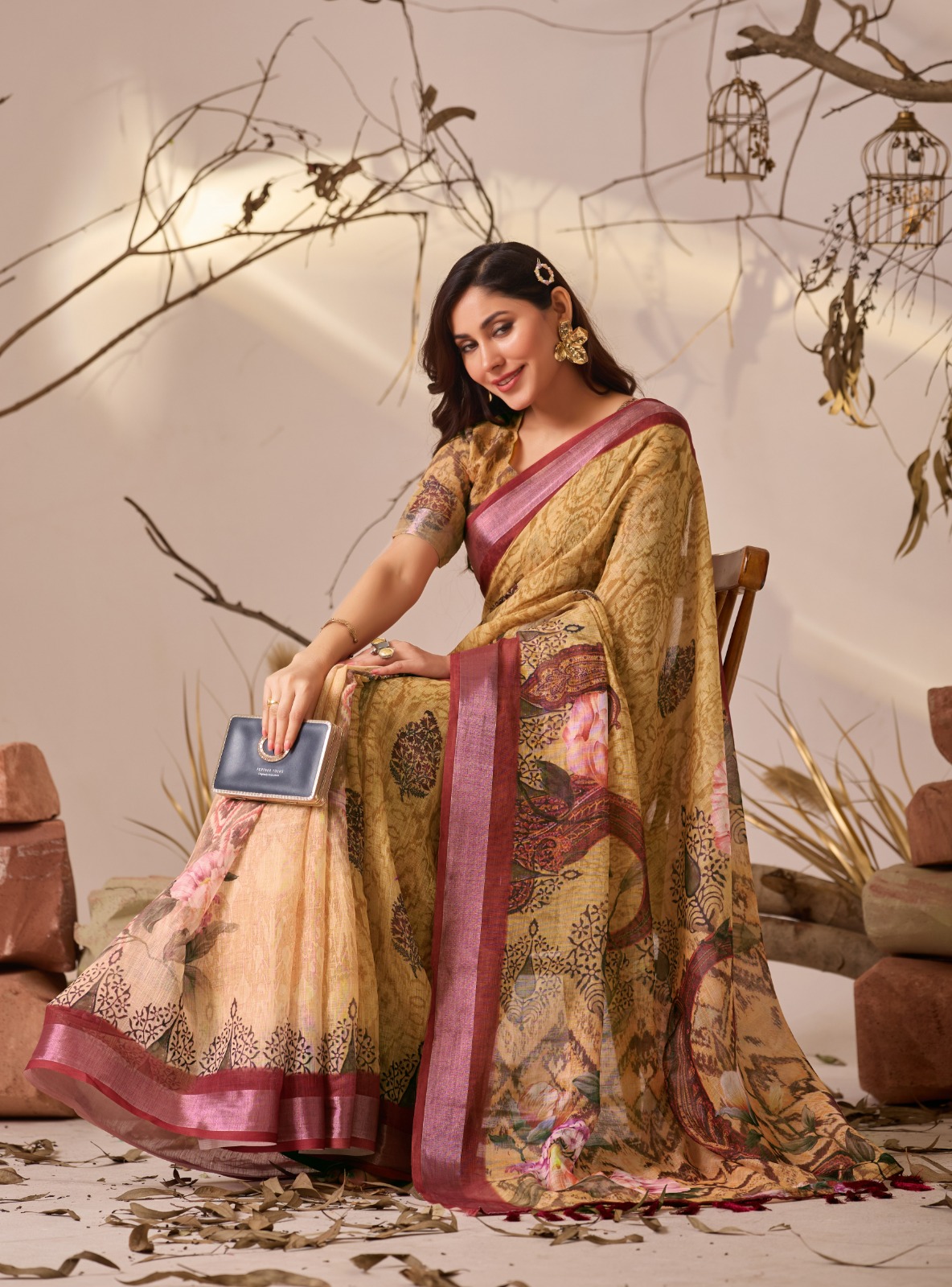
Traditional Tant sarees frequently feature a contrasting border and pallu. Red, black, deep blue, green and magenta borders may sit against white, cream or pastel grounds. Floral vines, checks, stripes, small butis and geometric lines are common visual elements, although individual weavers and regions interpret those details differently.
A cotton saree with a printed motif isn't automatically a Tant saree. Printing can reproduce a Bengali-looking pattern on mill-made cloth, while a handloom Tant may show subtle variations in spacing, selvedge, thickness or motif alignment. Those variations are not defects by themselves; they can indicate the human process behind the weave.
Tant Sarees: Why Bengali Women Love This Traditional Handloom for Daily Life
Bengali women choose Tant sarees because the fabric offers comfort, cultural familiarity and enough versatility for ordinary as well as ceremonial dressing. The saree works for a workday, family lunch, Saraswati Puja, Durga Puja visits and summer celebrations without requiring the weight of Banarasi silk.

Comfort is particularly important in Bengal's warm, humid climate. A breathable cotton body feels less restrictive during commuting, cooking, hosting guests or standing through a long puja programme. A well-finished Tant saree also absorbs moisture better than many polyester blends, although cotton can crease more readily.
Cultural association gives the saree an emotional value that fabric specifications can't capture. White-and-red combinations are strongly connected with Bengali festive dressing, especially during Durga Puja and Sindoor Khela. A red border on an off-white cotton body can look ceremonial without becoming as formal as bridal silk.
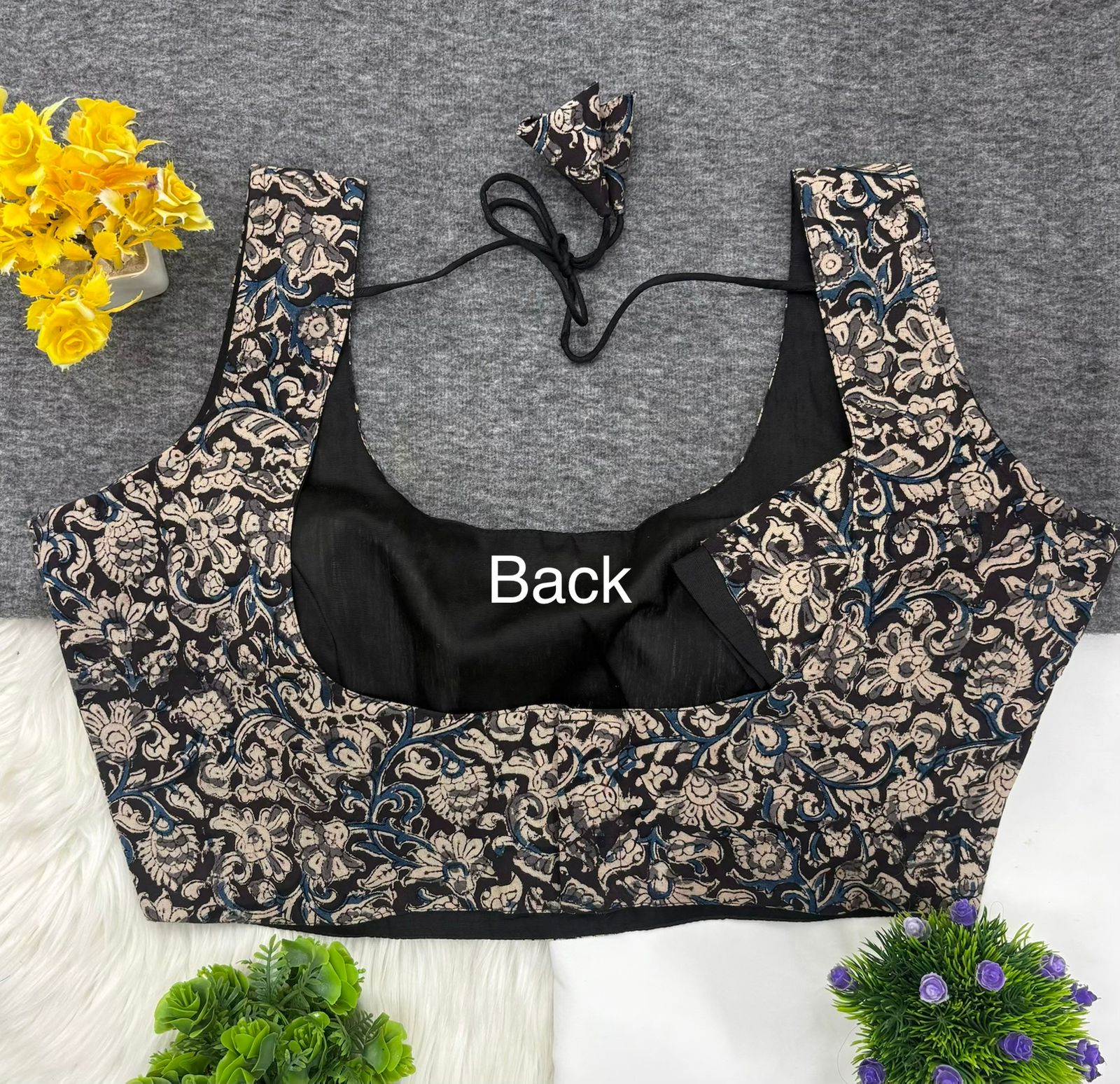
Tant is also easy to reinterpret. A woman may pair a traditional handloom saree with a short-sleeved blouse, sleeveless blouse, handcrafted belt or contemporary jewellery. The result can feel regionally grounded without looking costume-like. Younger wearers often use the saree for college events, cultural programmes and women's party wear because the fabric is easier to manage than slippery silk.
Tant's enduring appeal comes from its ability to bridge daily utility and Bengali festivity: the same cotton tradition can be dressed down with a simple blouse or elevated with jewellery, makeup and a formal drape.
Tant Sarees: Why Bengali Women Love This Traditional Handloom Weaving
A traditional Tant saree is created by interlacing cotton warp and weft yarns on a handloom, with the border and pallu often requiring additional planning for colour and motif placement. The process begins with yarn preparation, followed by setting the warp, arranging the loom and weaving the body, border and pallu in sequence.
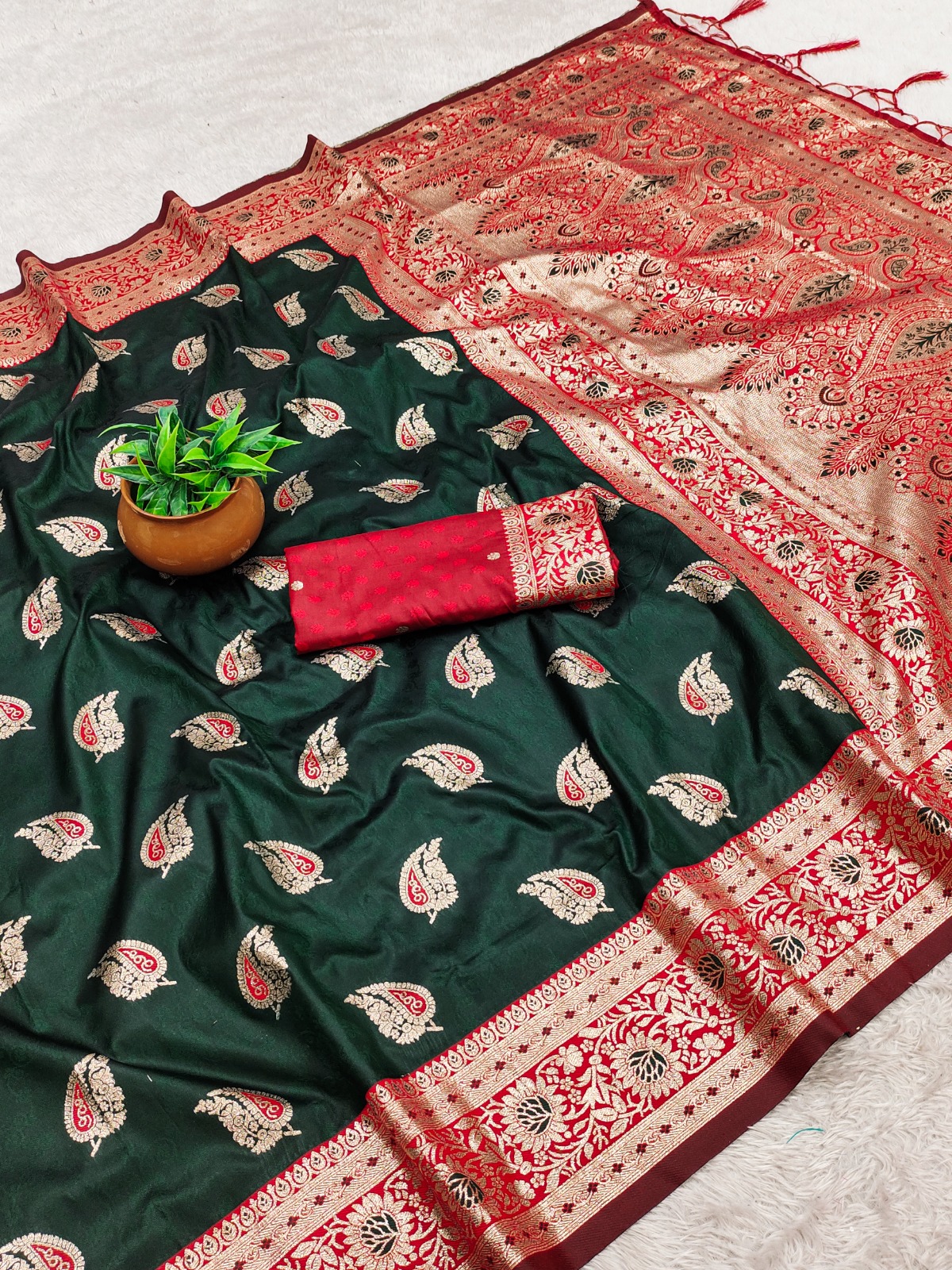
Warp, weft and the handloom surface
The warp consists of the lengthwise yarns stretched on the loom, while the weft passes across the width. Small changes in yarn count, tension and beating alter the final density of the cotton. A looser weave feels lighter and more breathable; a tighter weave generally gives greater opacity and a more substantial fall.
Handloom production can create minor irregularities in yarn thickness or motif alignment. Responsible buyers should distinguish between a harmless handloom variation and a serious flaw such as an open tear, broken selvedge or unstable dye. Clear product descriptions and close photographs are especially valuable when shopping through websites.
What do the border and pallu contribute?
The border and pallu give a Tant saree much of its visual identity and help determine how formal the drape feels. A narrow contrast border suits everyday use, while a broad zari-edged or patterned border can support festive styling.
Zari may be woven into contemporary handloom cotton designs to add controlled shine without turning the whole saree into a heavy occasion garment. Pastel Floral Tissue Handloom Cotton Saree with Zari Weaves illustrates how a light cotton base can be paired with floral detailing and metallic accents. A similar approach appears in Cream Pink Tissue Handloom Cotton Saree with Zari, where soft colour creates a gentler festive effect.
Tant Sarees: Why Bengali Women Love This Traditional Handloom When Shopping Online
You can assess a Tant saree online by checking the fibre description, weave visibility, selvedge, border construction, finish, measurements and care instructions before buying. These checks are more dependable than relying on words such as "traditional," "premium" or "designer."
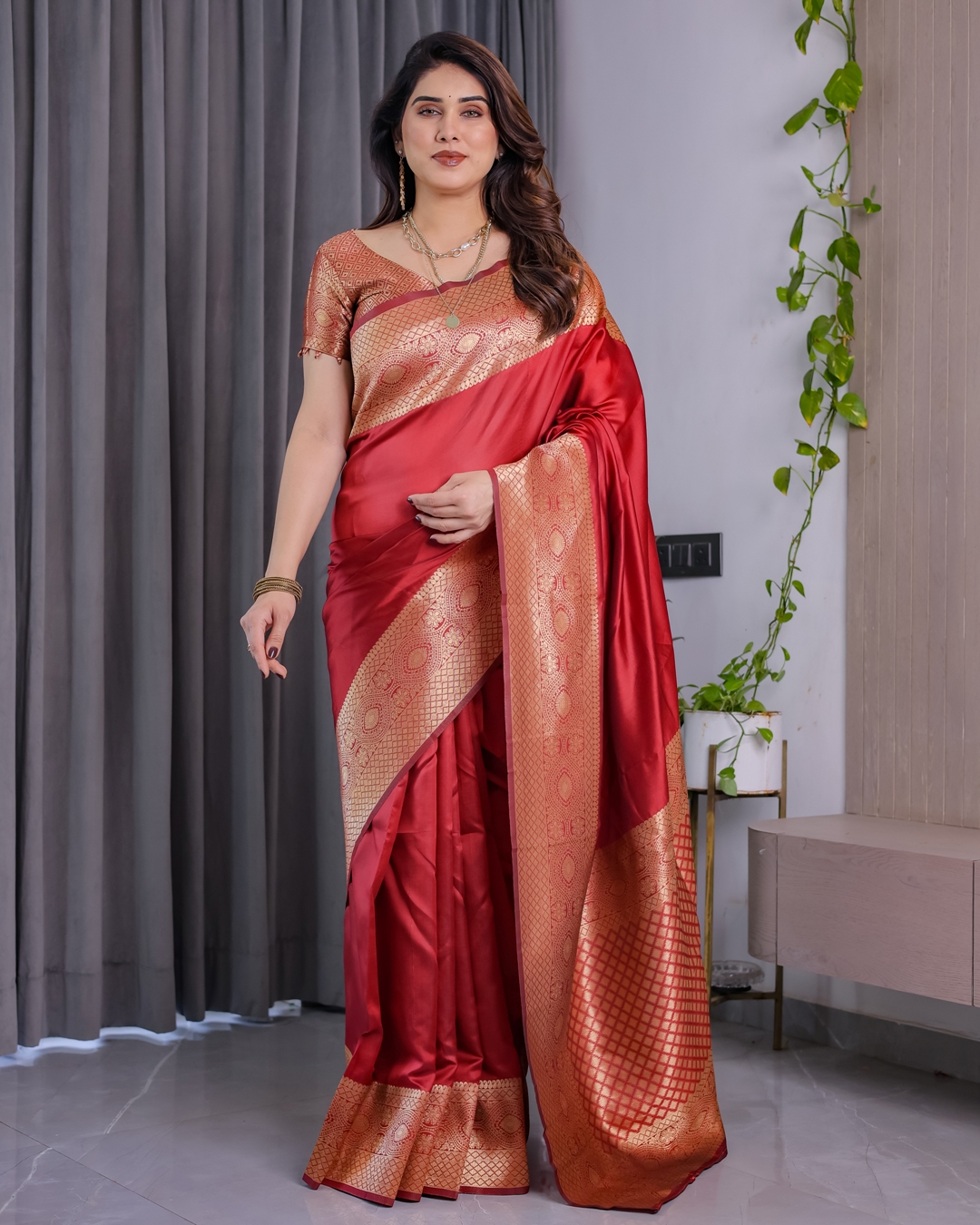
- Read the fibre details. Look for cotton content stated clearly rather than an unexplained "silky cotton" or "soft fabric" claim. Tissue, zari or blended constructions may have a different feel from plain cotton Tant.
- Inspect the close-up image. A detailed photograph can reveal the interlaced surface, border joins and whether a motif is woven or printed. A single distant image isn't enough to judge texture.
- Check the measurements. Confirm saree length, blouse-piece length and width. A saree around 5.3 to 5.5 metres with a separate blouse piece is common, but measurements differ across products and should never be assumed.
- Study the finish. A crisp starched feel may be intentional. A strong chemical smell, loose threads at several points or uneven stitching at the blouse-piece edge deserves clarification.
- Ask about colour bleeding. Deep red, navy and black dyes may need extra care during the first wash. A seller's washing recommendation is useful evidence of how the garment should be maintained.
Online shopping requires a second level of caution because a cotton saree photographed under studio lighting may appear brighter or more lustrous than it feels in person. Compare the listed fabric, weave description and return conditions before deciding. Price alone doesn't prove handloom authenticity: a low-priced saree can be good value, while a high-priced saree may include zari, tissue construction, finishing or branding rather than a denser weave.
Contemporary options help a shopper understand the range. Blue Tissue Handloom Cotton Saree With Zari | Varnavi's combines a cool colour family with a metallic border, while Tissue Handloom Cotton Saree with Zari Weave & Floral Print places festive detail beside a floral surface. These examples show that modern handloom-inspired styling can sit alongside more restrained traditional Tant design.
Other useful comparisons include Cream Floral Tissue Handloom Cotton Saree with Zari Weaving and Blue Tissue Handloom Cotton Saree with Zari Floral Print. Both demonstrate how floral placement and metallic accents can make a lightweight saree suitable for a family gathering without the weight of a formal silk garment.
Tant Sarees: Why Bengali Women Love This Traditional Handloom for Styling
Tant sarees can be styled for daily wear, puja, office dressing and evening gatherings by changing the blouse fabric, jewellery, pleat structure and footwear. The saree doesn't need heavy ornamentation to look intentional because its border and drape already provide structure.
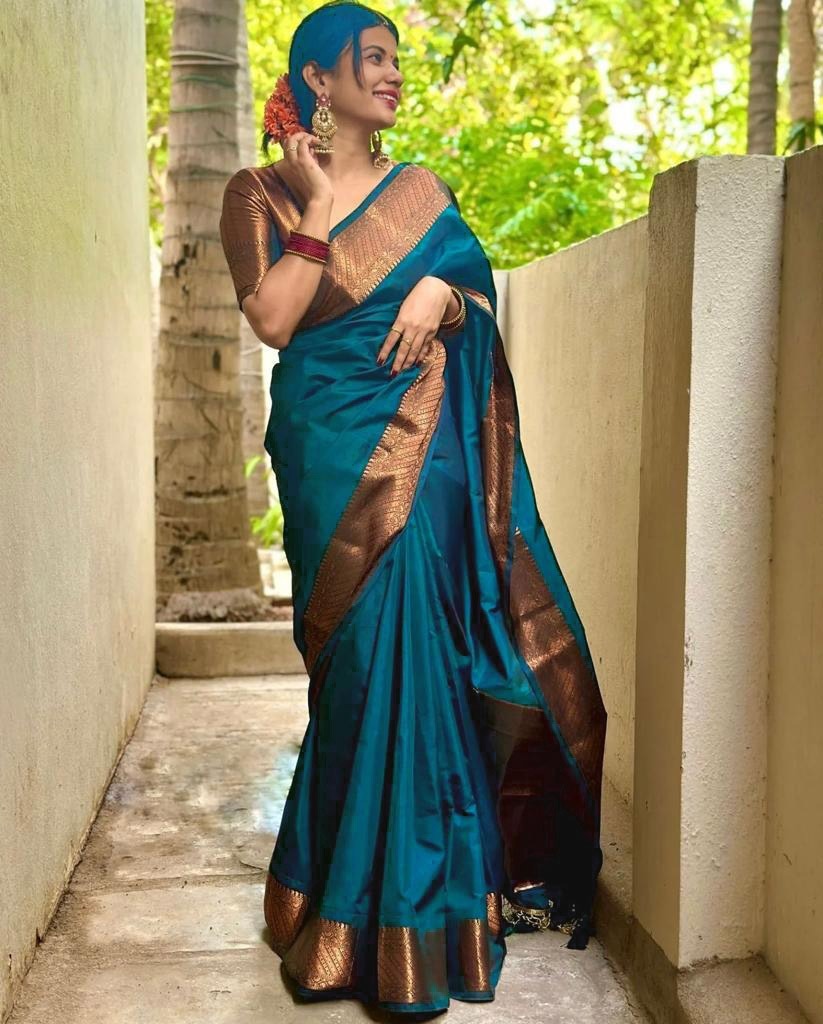
For everyday and office dressing
A solid cotton blouse in ivory, charcoal, indigo or a colour taken from the border creates a composed weekday outfit. Keep the pallu neatly pleated, use a medium-sized bindi and choose flat sandals or low block heels. A cotton tote and small metal earrings reinforce the practical character of the weave.
Pastel shades are especially useful when a saree needs to move between work and a casual dinner. Sea Green Tissue Handloom Cotton Saree With Floral Patterns can be paired with a cream blouse for daytime or a deeper green blouse for an evening change. Cream Floral Tissue Handloom Cotton Saree with Zari Weaving benefits from minimal jewellery because the floral surface and zari already provide detail.
For puja and Bengali festive dressing
A red-bordered white or cream saree, red blouse and traditional gold-toned jewellery create a recognisable Bengali festive look. A broad pallu can be pleated carefully or allowed to fall over the shoulder, depending on comfort and the desired silhouette. Red glass bangles, a low bun and a small red bindi add cultural references without requiring elaborate styling.
When the saree includes zari, choose one dominant metallic finish rather than mixing several competing tones. A blue cotton saree with zari can work with silver-toned jewellery, while a warm cream saree usually sits more naturally with gold-toned accents.
For weddings and evening events
A Tant saree can suit a daytime wedding function when paired with a silk blouse, structured clutch and dressier earrings. For a more formal evening appearance, Red Banarasi Soft Silk Saree with Jacquard Zari Border may be a better choice because Banarasi silk and jacquard zari create a richer, more ceremonial surface than lightweight cotton.
Shoppers comparing regional cotton with silk can also browse Silk Sarees Under 3000 With Discount, Red Banarasi Silk Sarees for Weddings Under 1100 and Party Wear Sarees to understand how fabric weight and ornamentation change the occasion suitability. Pink Georgette Sarees may offer a softer, fluid drape, while Gray Color Sarees Under 1000 can provide a restrained palette for casual events.
Tant Sarees: Why Bengali Women Love This Traditional Handloom Drape
The classic Bengali drape is recognised by a broad pallu and distinctive pleating, but Tant sarees can also be worn in a standard Nivi drape for easier movement. The best choice depends on the wearer's comfort, blouse design, border width and the activity planned for the day.
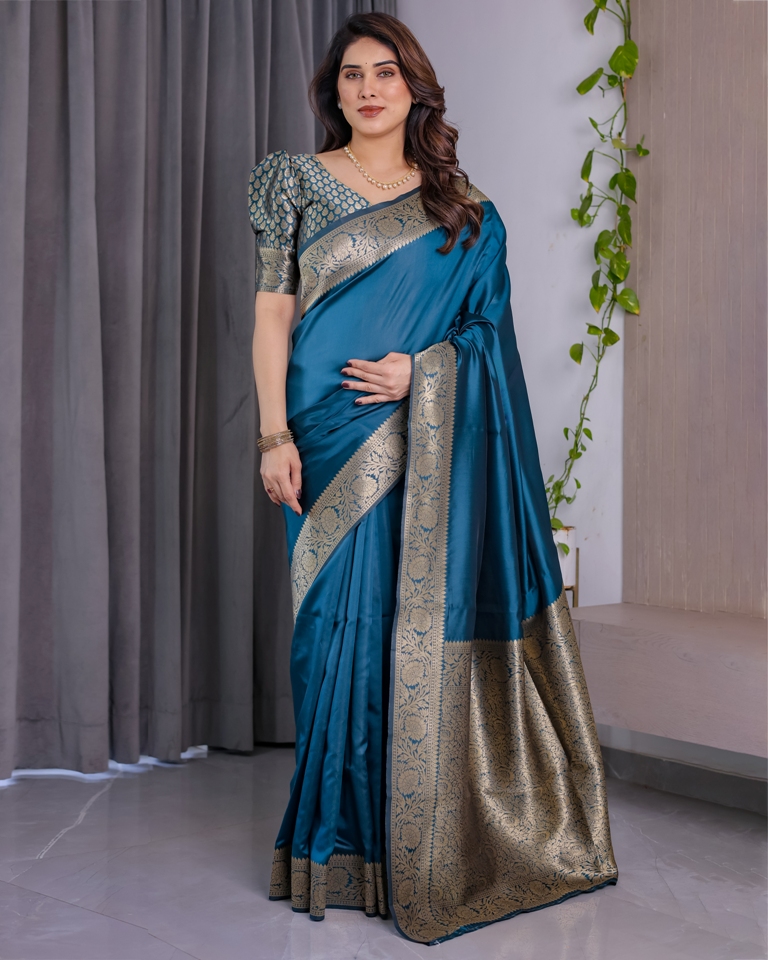
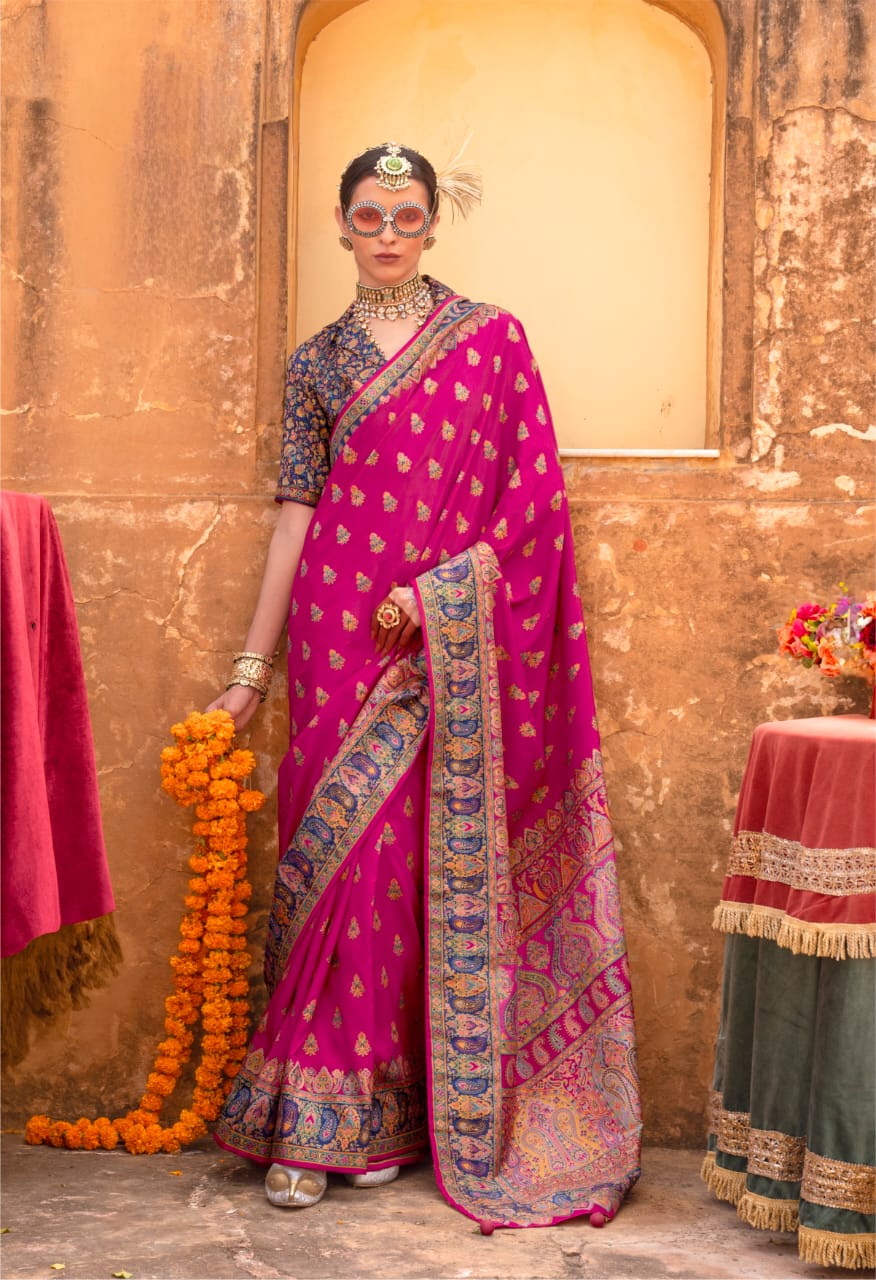
For a Bengali drape, make the front pleats firm and evenly spaced, secure the pallu over the left shoulder and use a decorative key ring or brooch at the shoulder if additional support is needed. The broad pallu can then be brought back over the right shoulder or left loose according to the traditional variation being followed. A safety pin hidden inside the waistband can prevent slipping during long events.
A standard Nivi drape creates a more familiar silhouette for first-time saree wearers. Cotton Tant generally holds pleats well after light starching, but excessive starch can make the fabric brittle over time. Wearing a cotton petticoat with a secure waistband also reduces dragging and helps preserve the lower edge.
Tant Sarees: Why Bengali Women Love This Traditional Handloom Care
Tant sarees last longer when they're washed gently, dried away from harsh sunlight and stored without heavy folding pressure on the zari or border. Cotton care is straightforward, but dye transfer, starch and metallic thread require attention.

For the first wash, test a hidden corner with cool water and a white cloth if the colour is deep or strongly contrasting. Hand-wash the saree separately in cool water with a mild detergent, avoid prolonged soaking and never wring the body. Press out excess water gently, roll the saree in a clean towel if necessary and dry it in shade with the fabric spread evenly.
Iron Tant on the reverse side at a cotton setting while the saree is still slightly damp. Place a thin cotton cloth over zari or metallic details to reduce direct heat. Excessive ironing along the same fold can flatten the texture and create permanent shine.
Fold the saree along different lines every few months rather than pressing one crease indefinitely. Store the garment in a breathable cotton cover in a dry cupboard. Avoid sealed plastic for long-term storage because trapped moisture can encourage mildew, especially in humid climates.
Before wearing an older Tant saree for a major puja or celebration, inspect the selvedge, underarm area and folded edges. Early repairs are usually easier than repairing a tear after the yarn has unravelled. A professional handloom or saree specialist should handle fragile borders, loose zari and significant dye damage.
Tant Sarees: Why Bengali Women Love This Traditional Handloom Today
Tant remains relevant because the handloom gives a rare combination of climate suitability, visual identity and styling flexibility. Its value isn't limited to nostalgia: a breathable cotton saree can answer practical needs that heavier occasion fabrics can't.
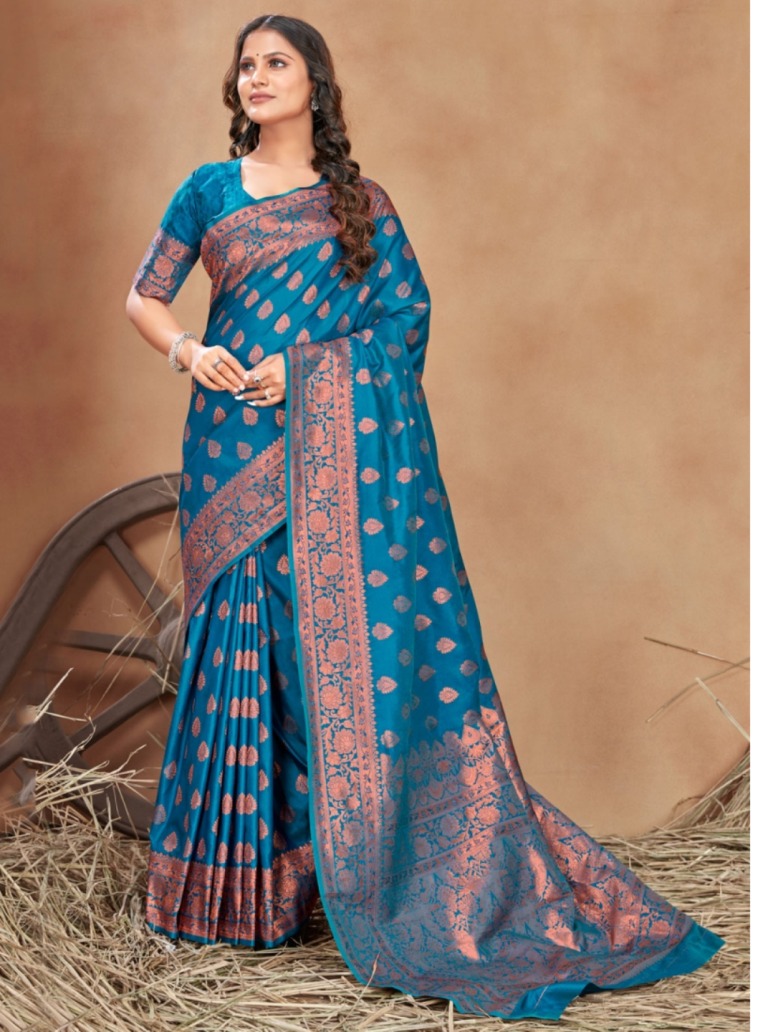
Current buyers can support better decisions by asking precise questions about fibre, weave, measurements, dye and care rather than treating every Bengali-looking cotton saree as identical. Understanding the difference between a handwoven surface, a printed design and a zari-accented tissue construction makes online shopping more transparent.
The strongest reason for Tant's continued popularity is its ability to belong to several parts of life at once. Tant can accompany a morning errand, a work meeting, a Haldi ceremony, a Saraswati Puja visit or a Durga Puja gathering. Bengali women love that adaptability because the saree preserves cultural character without demanding discomfort or excessive ceremony.
Questions Bengali Shoppers Ask About Tant Sarees
What is a Tant saree made of?
A Tant saree is generally made from cotton yarn woven on a handloom, although contemporary versions may include zari, tissue construction or blended elements. Check the product's fibre description because the word Tant alone does not guarantee one fixed yarn composition.
How can I tell whether a Tant saree is handwoven?
Look for a clear handloom description, close-up photographs, a visible selvedge and minor variations in yarn or motif alignment. These clues support a handloom claim, but a reliable seller's product information and certification provide stronger evidence than texture alone.
Are Tant sarees suitable for summer and humid weather?
Yes, lightweight cotton Tant sarees are well suited to warm and humid weather because their breathable structure allows air movement and absorbs moisture. Cotton can crease and may need occasional pressing, so a light starch finish can help maintain pleats.
Can Tant sarees be worn for a Bengali wedding or festive event?
Tant sarees work particularly well for daytime weddings, puja visits and festive gatherings when styled with a silk blouse, jewellery and a carefully arranged pallu. For a more formal evening wedding, Banarasi silk or another heavier fabric may provide greater ornamentation and structure.
What is the safest way to wash a Tant saree?
Wash a Tant saree separately in cool water with mild detergent, avoid prolonged soaking and never wring the fabric. Dry the saree in shade, iron it on the reverse side and protect zari with a thin cotton cloth during pressing.
Is Tant better than silk for everyday saree wear?
Tant is usually more practical than silk for everyday wear because lightweight cotton feels breathable and is easier to manage in warm weather. Silk, including Banarasi silk and Kanjeevaram, offers greater lustre and ceremony, so the better choice depends on climate, occasion and care preferences.