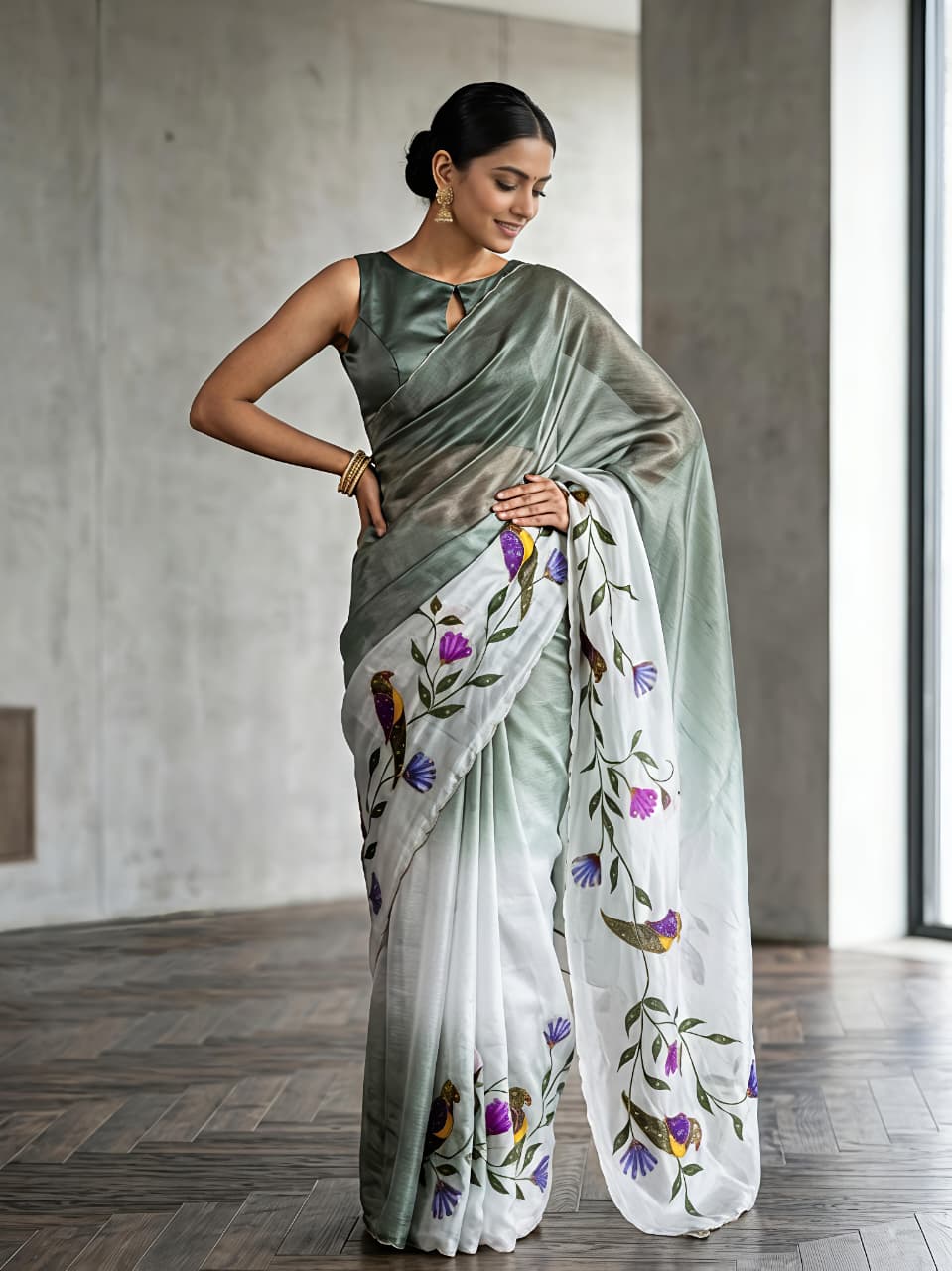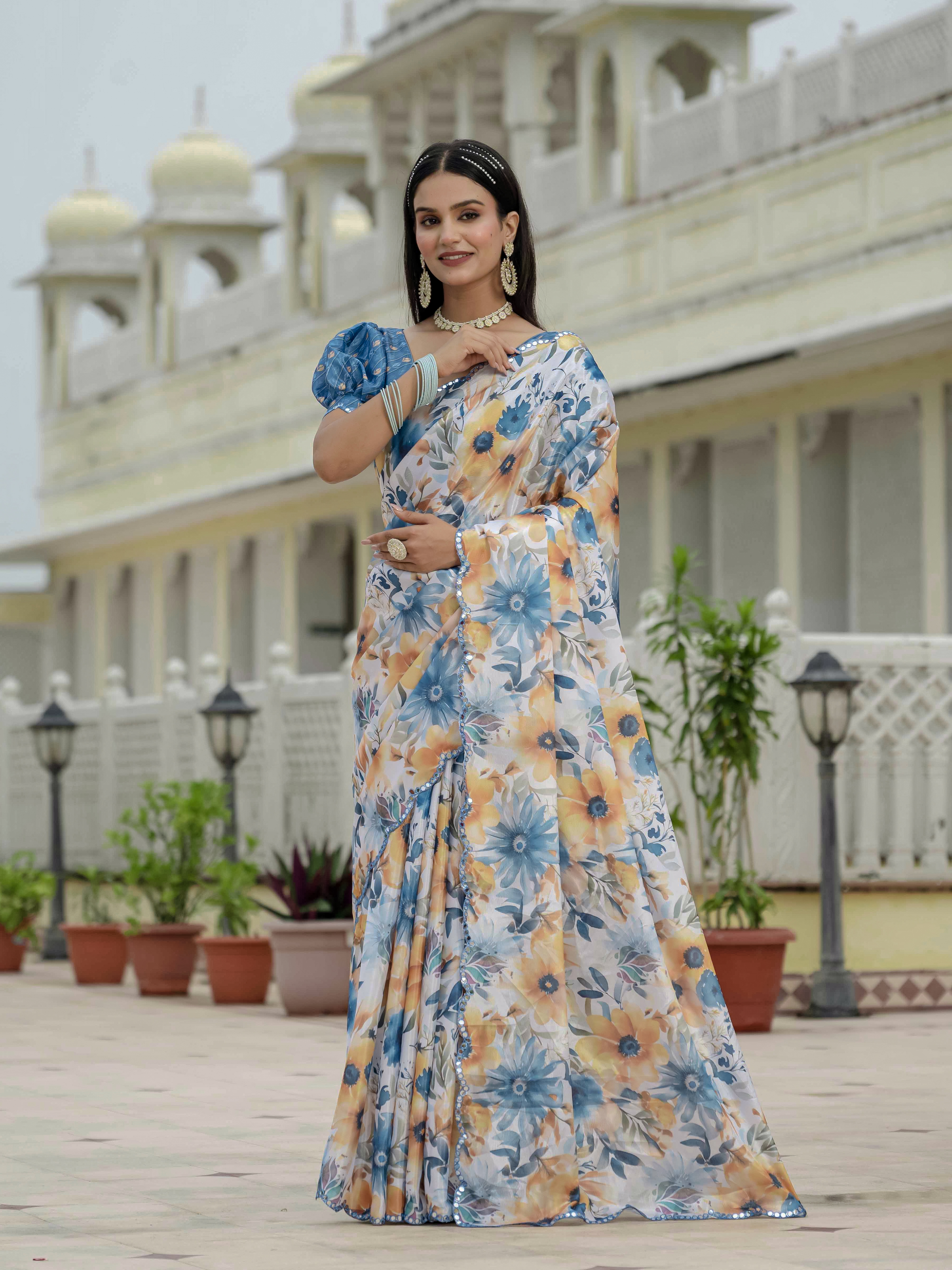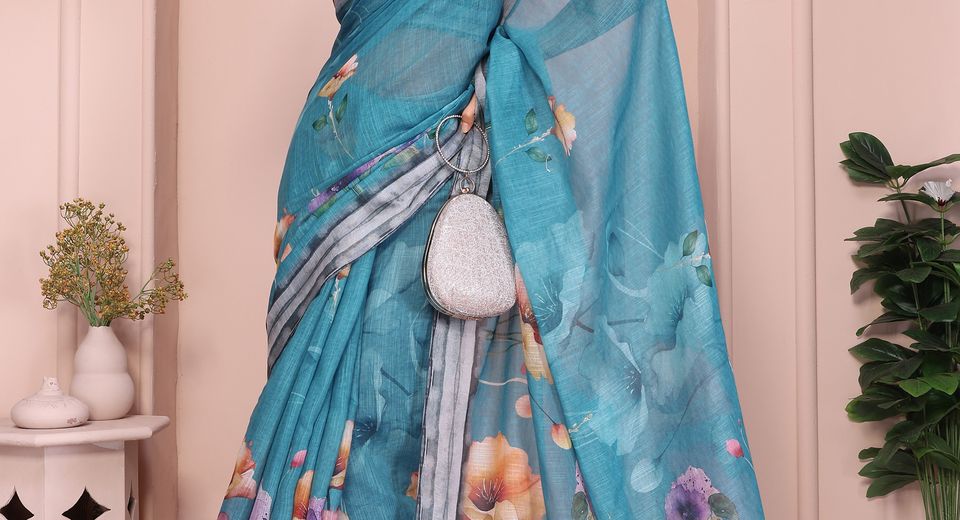
Tamil New Year Fashion for Puthandu should respect tradition while remaining comfortable through a warm April day. A traditional saree in cotton, linen cotton, tissue cotton or silk can work beautifully when its colour, border, blouse and jewellery are chosen for the celebration you'll attend. Puthandu dressing doesn't require heavy embellishment; a graceful drape, a polished blouse and a few meaningful details often create the most balanced look.
Puthandu, also called Tamil Puthandu, marks the first day of the Tamil calendar and usually falls in April. Many families begin the day with prayers, a kani arrangement, temple visits, festive cooking and greetings with relatives. Those plans involve sitting, walking, serving food and spending time outdoors, so fabric weight and ease of movement matter as much as visual richness.
Tamil New Year Fashion begins with choosing a saree for the day's plans
Choose a Puthandu saree according to the length of your celebration, the weather and the amount of movement required. Lightweight cotton or linen cotton is practical for temple visits and daytime family gatherings, while tissue cotton or silk can provide a more dressed-up appearance for a formal lunch or evening celebration.
For an early-morning temple visit, select a breathable saree with a secure pallu and a blouse that permits comfortable arm movement. For a home celebration, a decorative border or floral print can add festivity without making the outfit cumbersome. For a reception or family photograph, a saree with zari, a stronger contrast border or a richer jewel tone will hold visual presence under indoor lighting.
Pay attention to the saree length and blouse fit before Puthandu morning. A standard saree is often around 5.5 metres, with an additional blouse piece, but personal height, footwear and pleat width affect the final fit. Try the complete outfit at least two days before the festival, including the sandals and jewellery you intend to wear.
Consider whether the outfit will be worn for two hours or ten hours. A substantial Banarasi silk saree may look striking for a short evening gathering, but a cotton saree can be the wiser choice for a full day involving travel, prayer and cooking. Tamil New Year Fashion works best when visual tradition and practical planning support each other.
Tamil New Year Fashion and the best fabrics for April celebrations
Cotton and linen cotton are dependable fabrics for a comfortable daytime Puthandu outfit. Both generally allow more airflow than dense synthetic fabrics, and both suit the understated elegance associated with temple and family dressing.
Handloom cotton for a classic festive look
Handloom cotton works well when you want a saree that feels rooted, breathable and easy to wear for several hours. Pastel Floral Tissue Handloom Cotton Saree with Zari Weaves combines a light colour story with zari detail, making it suitable for someone who wants a festive finish without the weight of a heavy silk saree.
Wine Tissue Handloom Cotton Saree with Zari & Floral Prints offers a deeper colour direction for an evening gathering or for someone who prefers stronger contrast. Wine, maroon and red-family shades photograph well against gold jewellery, but they can look visually dense if paired with an equally dark blouse. A cream, antique-gold or muted green blouse can create more balance.
Linen cotton for a crisp summer drape
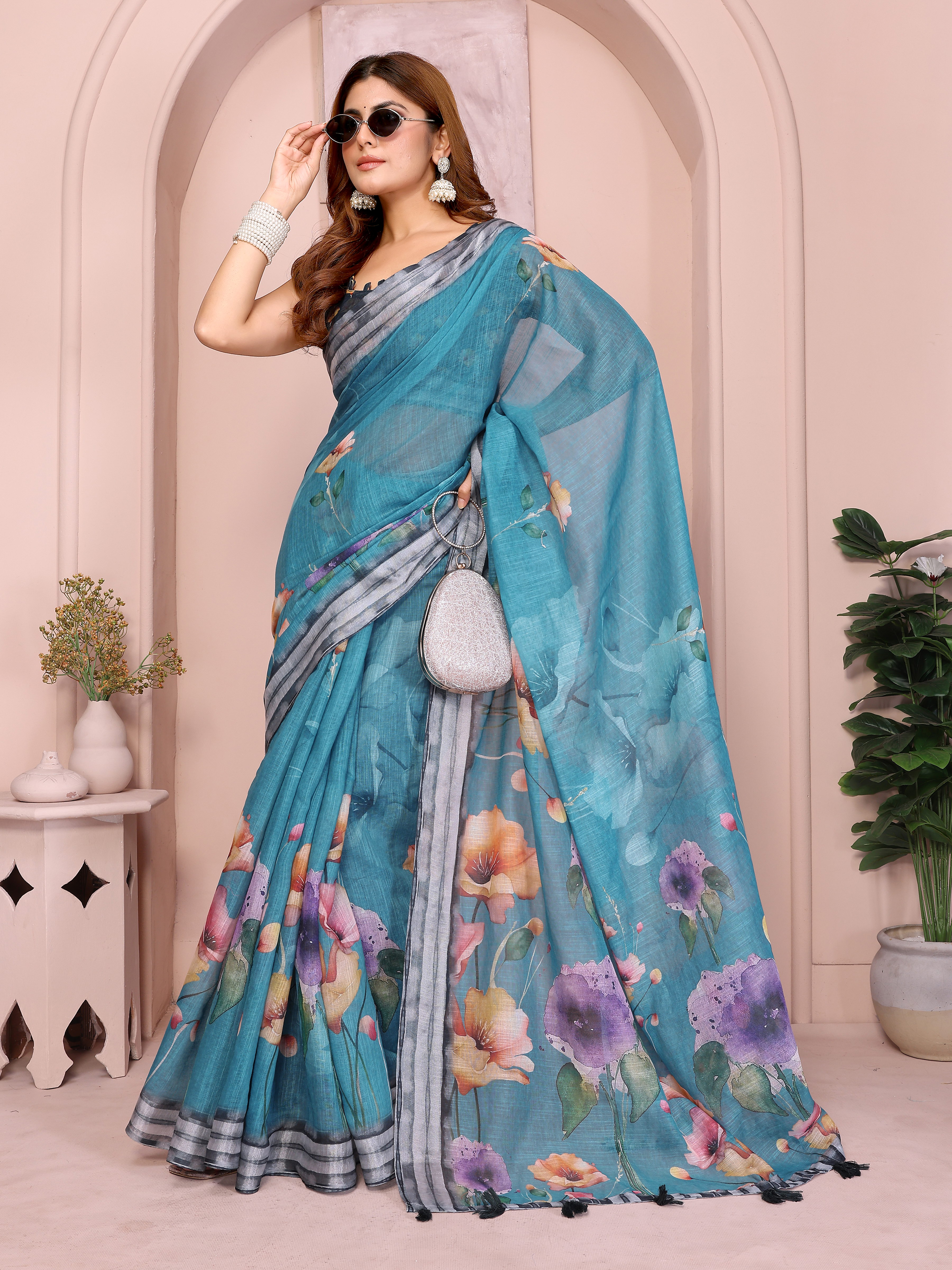
Linen cotton gives a slightly crisp fall and a fresh surface that suits warm-weather festival dressing. Teal Floral Linen Cotton Saree with Elegant Contrast Border gives a cool jewel tone with a defined border, while Red Floral Linen Cotton Saree with Beautiful Printed Border creates a brighter Puthandu look without depending on metallic embellishment.
Floral linen-cotton sarees are useful for daytime celebrations because printed detail adds interest without adding the weight of dense embroidery. Pink Floral Linen Cotton Saree with Green Border for Ladies uses a pink-and-green combination that feels festive and lively; pair it with simple gold-toned jewellery rather than competing with the border.
Teal Floral Printed Linen Cotton Saree With Matching Blouse simplifies outfit planning because the blouse already supports the saree's colour relationship. Peach Floral Linen Cotton Saree with Statement Blue Border brings a softer base with a sharper accent, which can be echoed through blue glass bangles, a blue stone pendant or a small blue hair accessory.
When a silk look makes sense
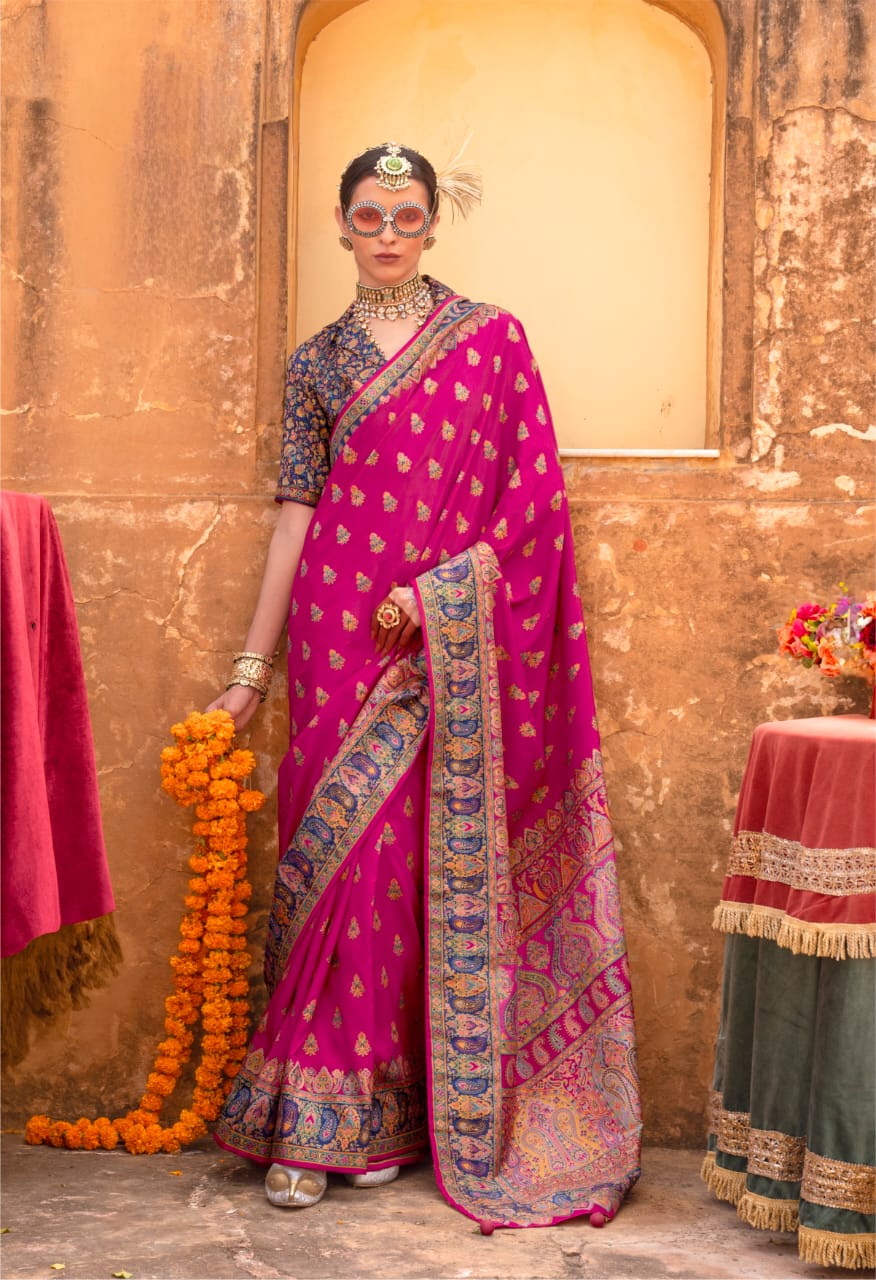
A silk saree or silk-look saree is appropriate when the Puthandu event is formal, the celebration continues into the evening or family photographs are a major part of the day. Banarasi silk is known for its woven pattern and zari presence, while Kanjeevaram is traditionally associated with distinctive silk structure and temple-inspired borders; both can be more substantial than cotton and therefore less comfortable in intense midday heat.
A lighter tissue cotton can provide some of the festive sheen associated with silk while remaining easier to manage. Silk Sarees Under 3000 With Discount may be useful for shoppers comparing a silk-inspired appearance with a planned budget, but fabric weight, lining and return measurements deserve attention before purchase.
Tamil New Year Fashion uses colour to balance tradition and personal style
Red, yellow, green, pink, orange, cream and gold are commonly associated with auspicious Indian festival dressing, but Puthandu doesn't require one compulsory saree colour. Choose a shade that complements your skin tone and then introduce heritage accents through the border, blouse, jewellery or flowers.
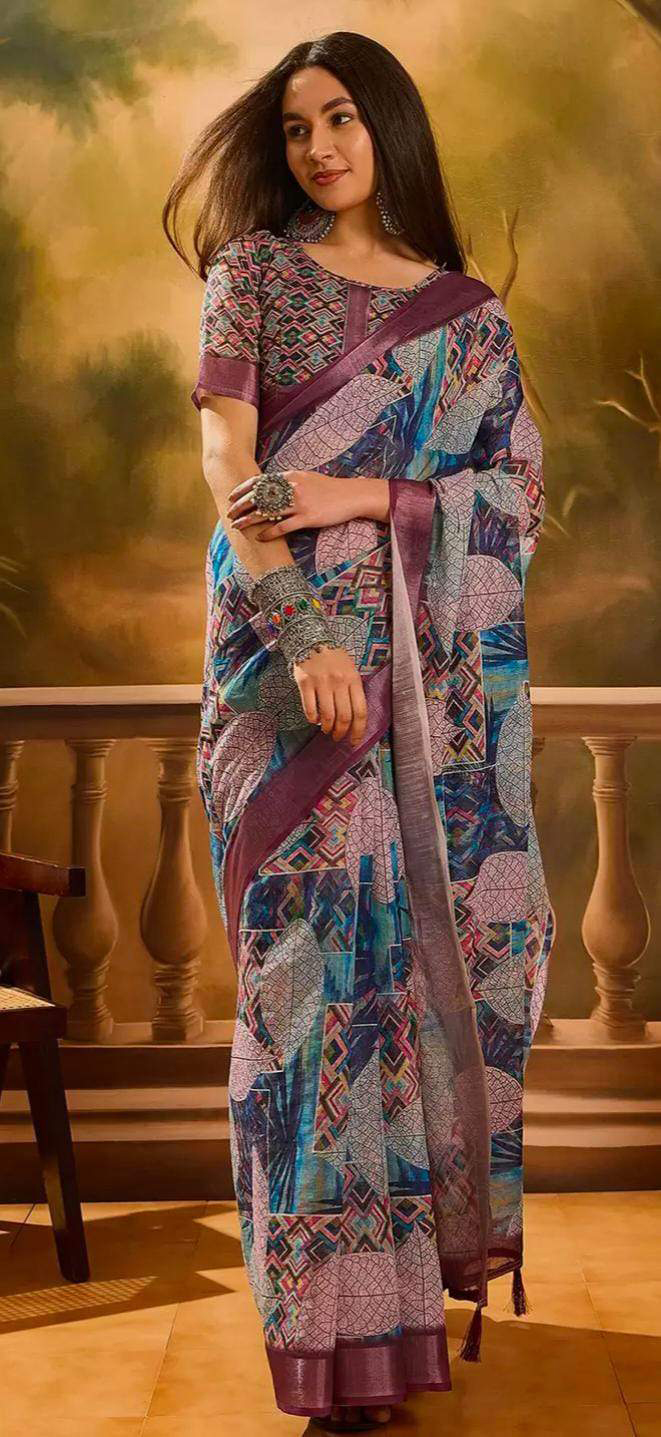
Yellow and saffron can echo the brightness of a new beginning and work especially well for a morning celebration. Green connects naturally with mango leaves and fresh foliage used in many festive decorations. Red and maroon provide a more ceremonial effect, while pink and peach create a softer look for daytime family gatherings.
Teal can be a strong choice when you want something contemporary that still looks festive. A teal saree with a contrasting border has enough colour depth for photographs, while a gold blouse or warm-toned jewellery prevents the overall look from appearing too cool. Neutral shades such as ivory, beige and soft grey can also work when paired with a bright blouse or zari border.
Colour symbolism should never override comfort or confidence. A person who dislikes bright red can achieve a classic appearance with a cream saree, a green blouse, jasmine flowers and gold jewellery. A person who prefers modern colour can retain a classic drape and temple jewellery while choosing teal, peach or dusty pink.
Pink Georgette Sarees can inspire a dressier evening direction, particularly when the celebration includes dinner or photographs indoors. Red Banarasi Silk Sarees for Weddings Under 1100 may suit someone seeking a stronger wedding-style visual language, although a Puthandu gathering usually benefits from lighter styling and fewer heavy accessories.
Tamil New Year Fashion depends on the saree's border, zari and print
The border controls how time-honoured or contemporary a saree appears from a distance. A wide zari border creates a ceremonial impression, a narrow contrast border looks lighter and more current, and a printed border brings detail without metallic weight.
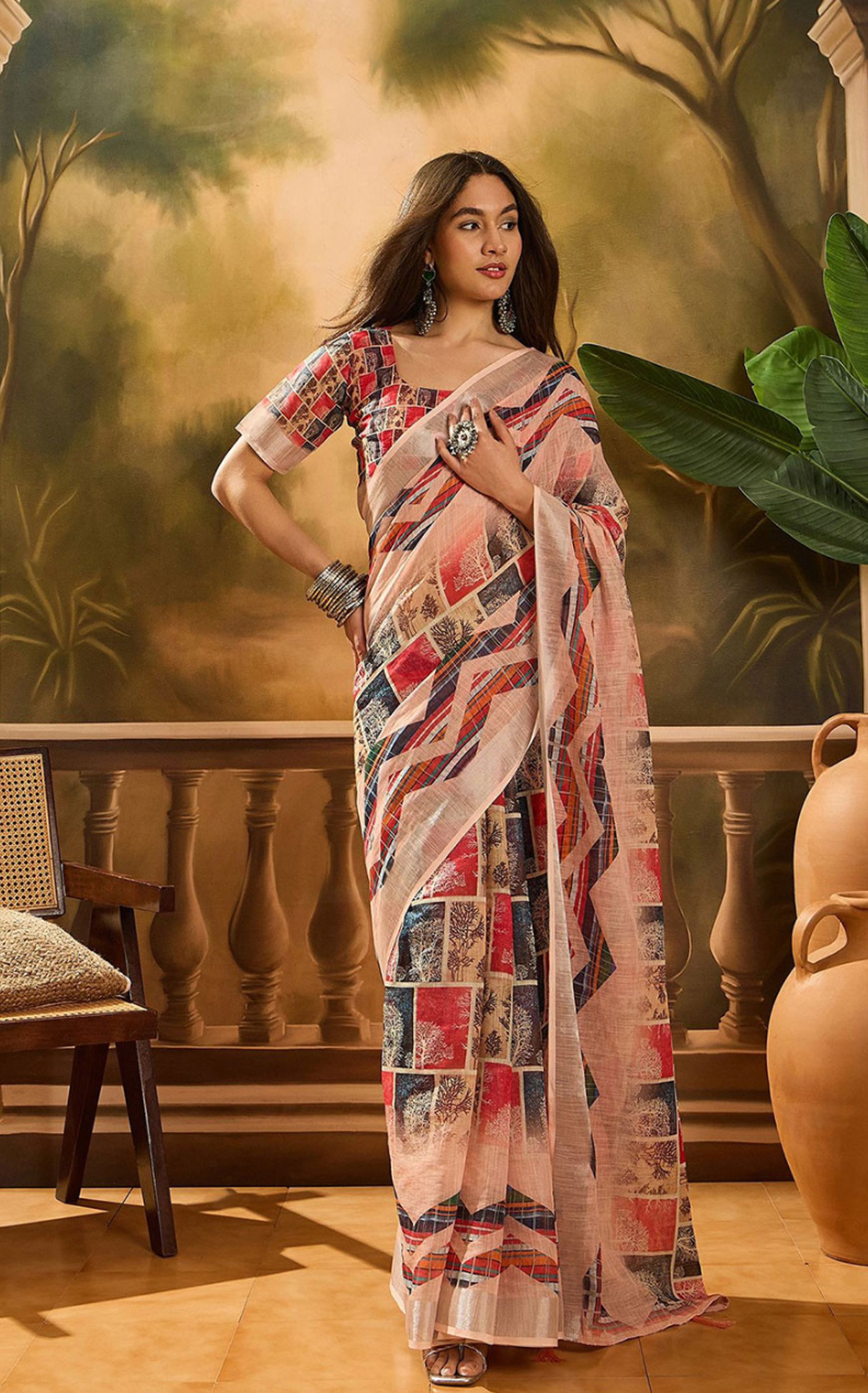
Zari is a metallic thread used to create woven or embroidered patterns, traditionally in gold or silver tones. Zari can be genuine metallic thread, imitation zari or a blended decorative yarn, so care requirements vary by saree. Avoid assuming that every shiny border should be treated identically; follow the garment's care instructions and keep zari away from moisture, perfume and rough surfaces.
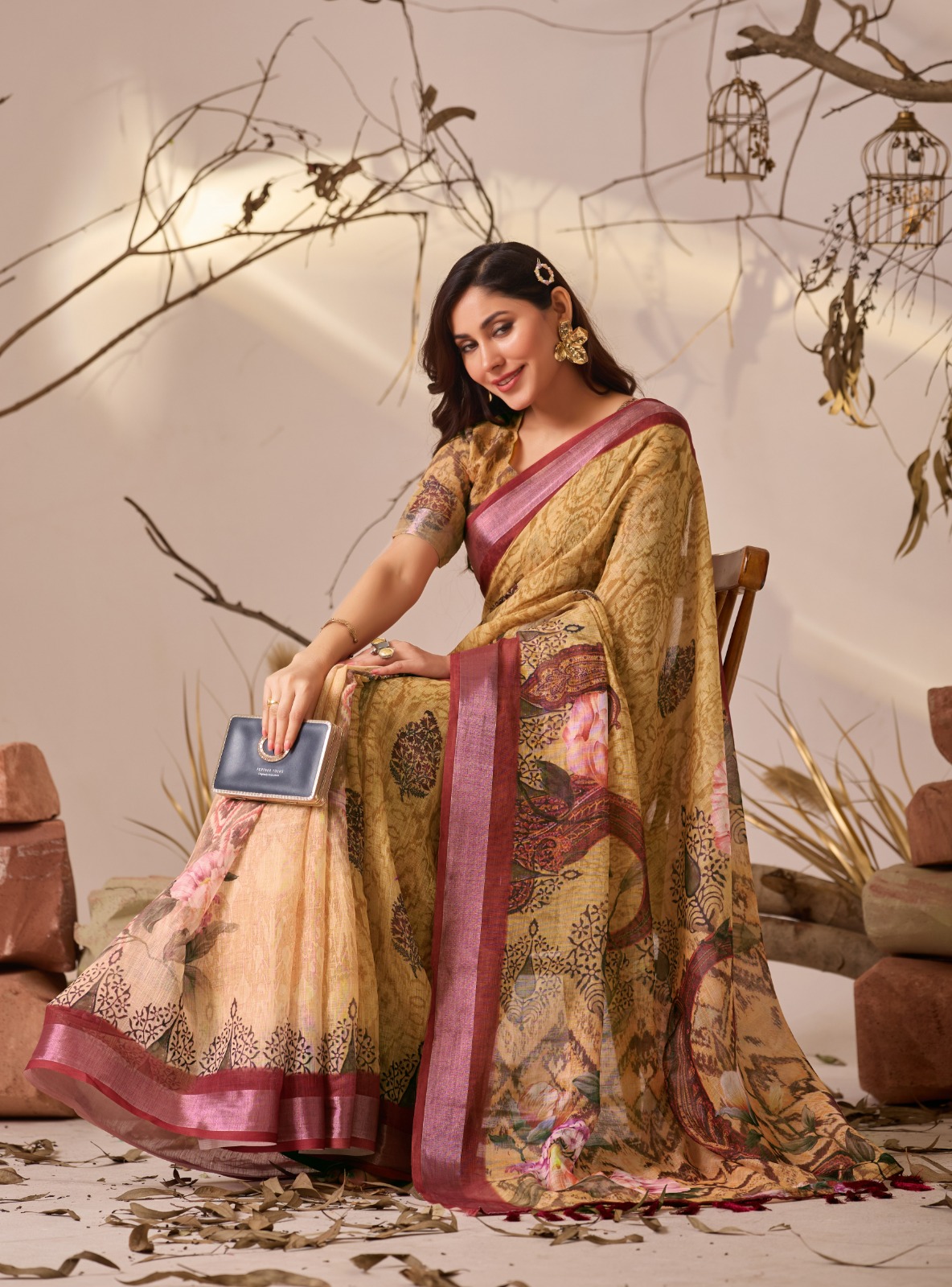
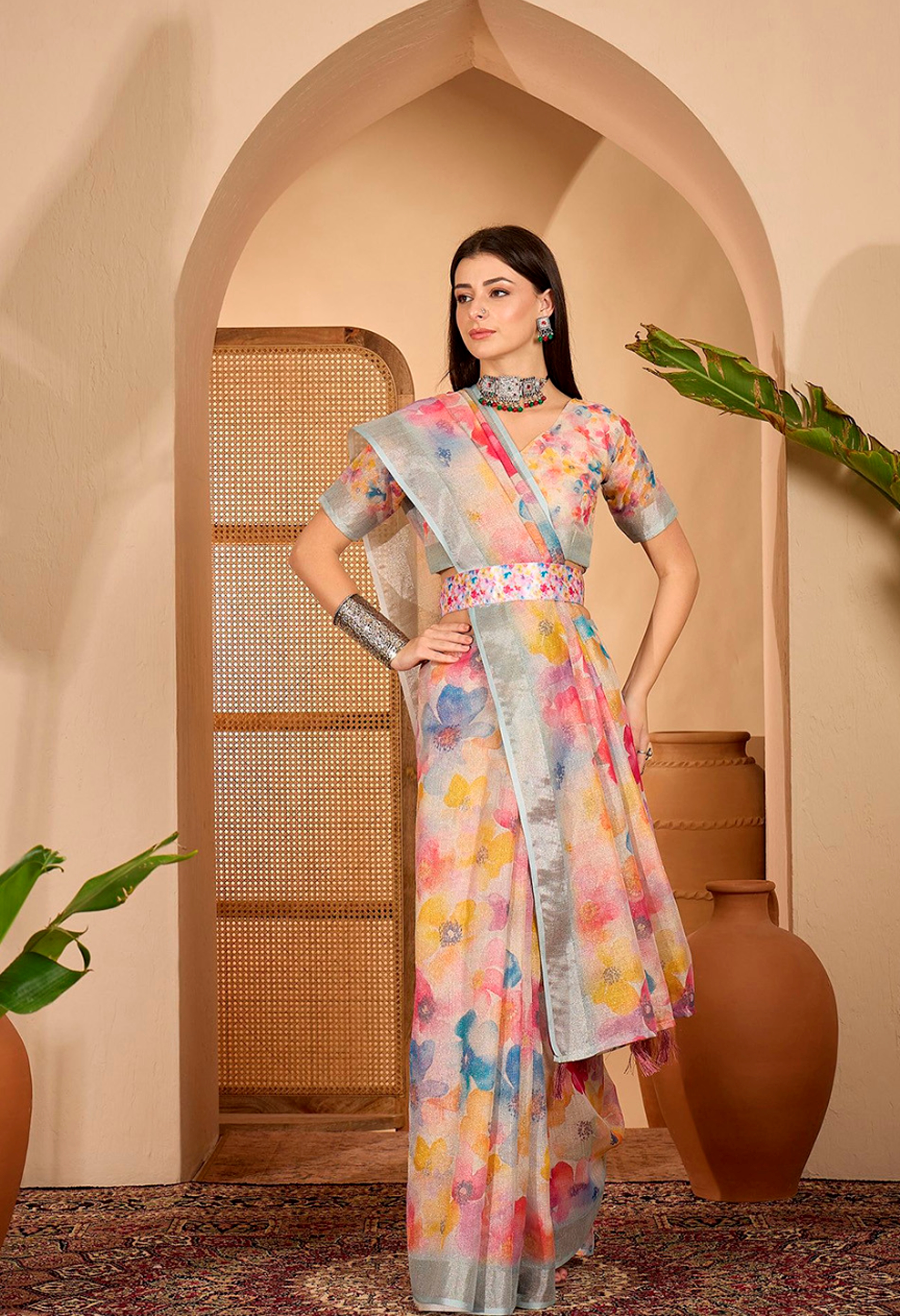
Floral prints soften the structure of a festive saree and can be especially effective for daytime Puthandu events. A floral saree usually needs fewer additional embellishments because the print already creates movement across the fabric. Choose one visual focus: a statement border, a bold blouse, elaborate jewellery or flowers in the hair.
Small motifs can be more versatile than large motifs if you plan to reuse the saree for office events, family lunches or other festival celebrations. A statement border, however, may be the better choice when the saree needs to look distinctive in a group photograph.
Party Wear Sarees can offer useful styling references for an evening Puthandu gathering, but sequins and dense embellishment are not essential to a festive appearance. A well-defined border, a clean pleat structure and coordinated jewellery can create enough occasion value while preserving comfort.
Tamil New Year Fashion looks finished when the blouse and drape are secure
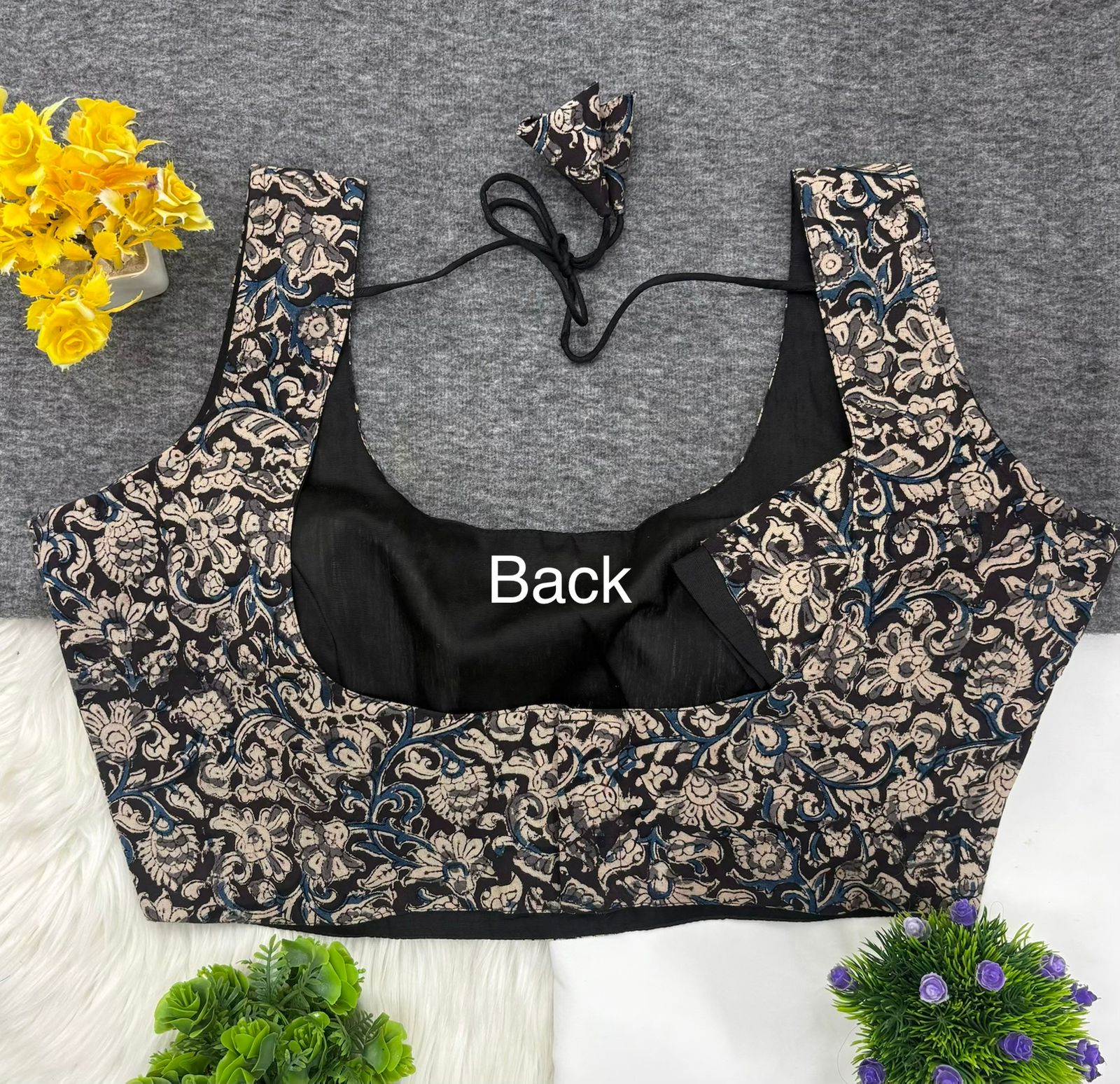
A well-fitted blouse improves both the appearance and security of a Puthandu saree. The blouse should sit firmly at the shoulder and underarm without pulling across the bust, because loose stitching can make the pallu shift during greetings, prayer or meal service.
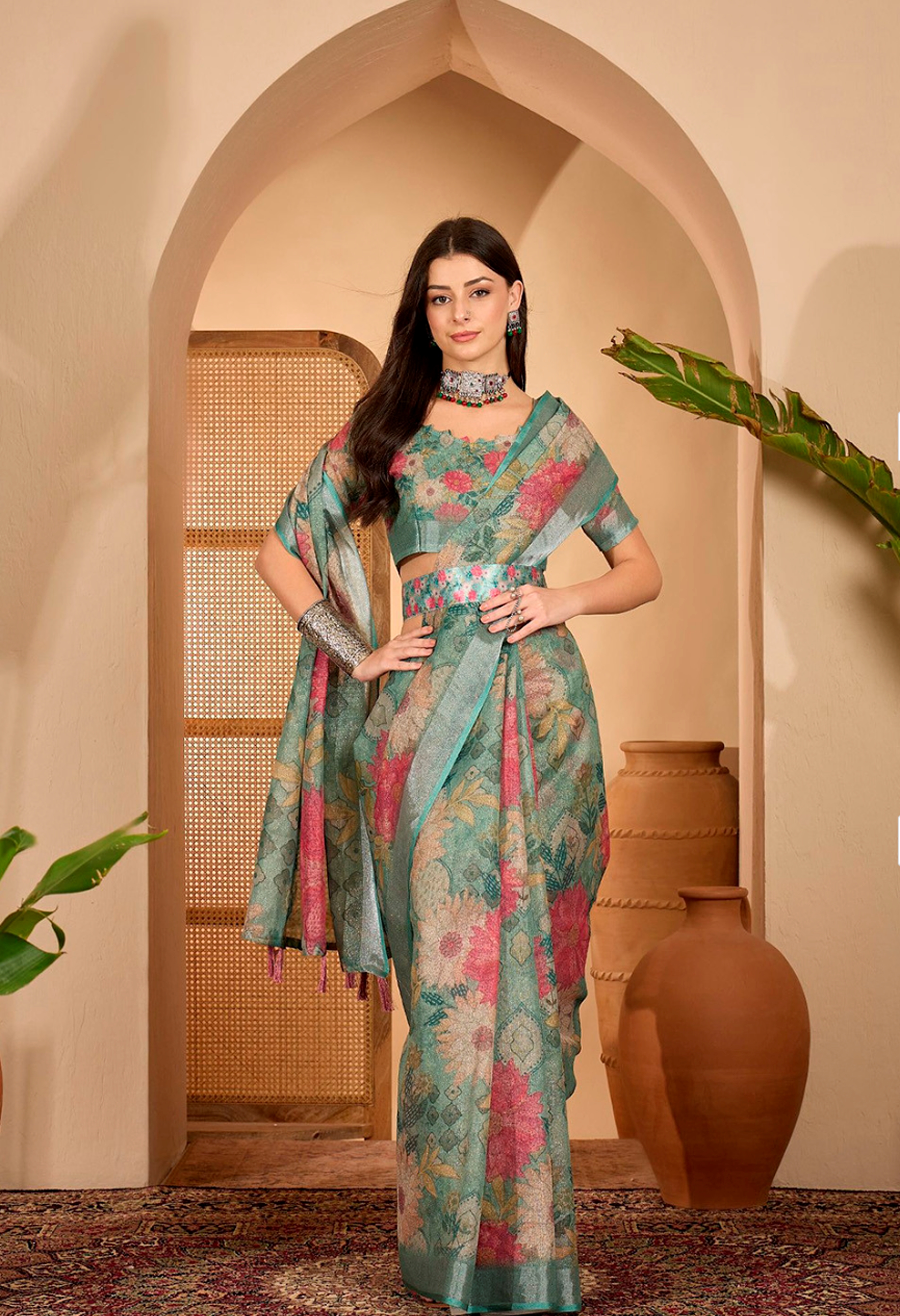
For a printed saree, a solid blouse in a border colour usually creates the cleanest result. A green blouse can draw attention to the green border of a pink saree, while a blue blouse can make a peach saree's blue border more intentional. Matching the blouse exactly to the base colour isn't necessary and can sometimes make the outfit look flat.
A high round neck or modest boat neck suits a temple visit and gives a composed appearance. Short sleeves are practical for warm weather, while elbow-length sleeves offer a more formal silhouette. Avoid excessive sleeve embellishment when the saree already includes zari or a strong printed border.
The classic Nivi drape, with front pleats and the pallu over the left shoulder, is suitable for most Puthandu settings. Make five to seven even pleats, secure the pleats discreetly and pin the pallu at the shoulder if you'll be walking or serving food. A slightly shorter pallu is easier to control, but the pallu should still fall below the hip for a balanced line.
Press cotton and linen-cotton sarees on the reverse side when possible, using moderate heat and a thin cotton cloth between the iron and delicate zari. A crisp pleat line helps the saree hold its shape, but excessive pressing can flatten texture or damage metallic thread.
Tamil New Year Fashion is completed by practical jewellery, flowers and footwear
Gold-toned jewellery, jasmine flowers and comfortable footwear complete a Puthandu saree without requiring excessive styling. Select jewellery according to the saree's visual weight rather than wearing every festive accessory at once.
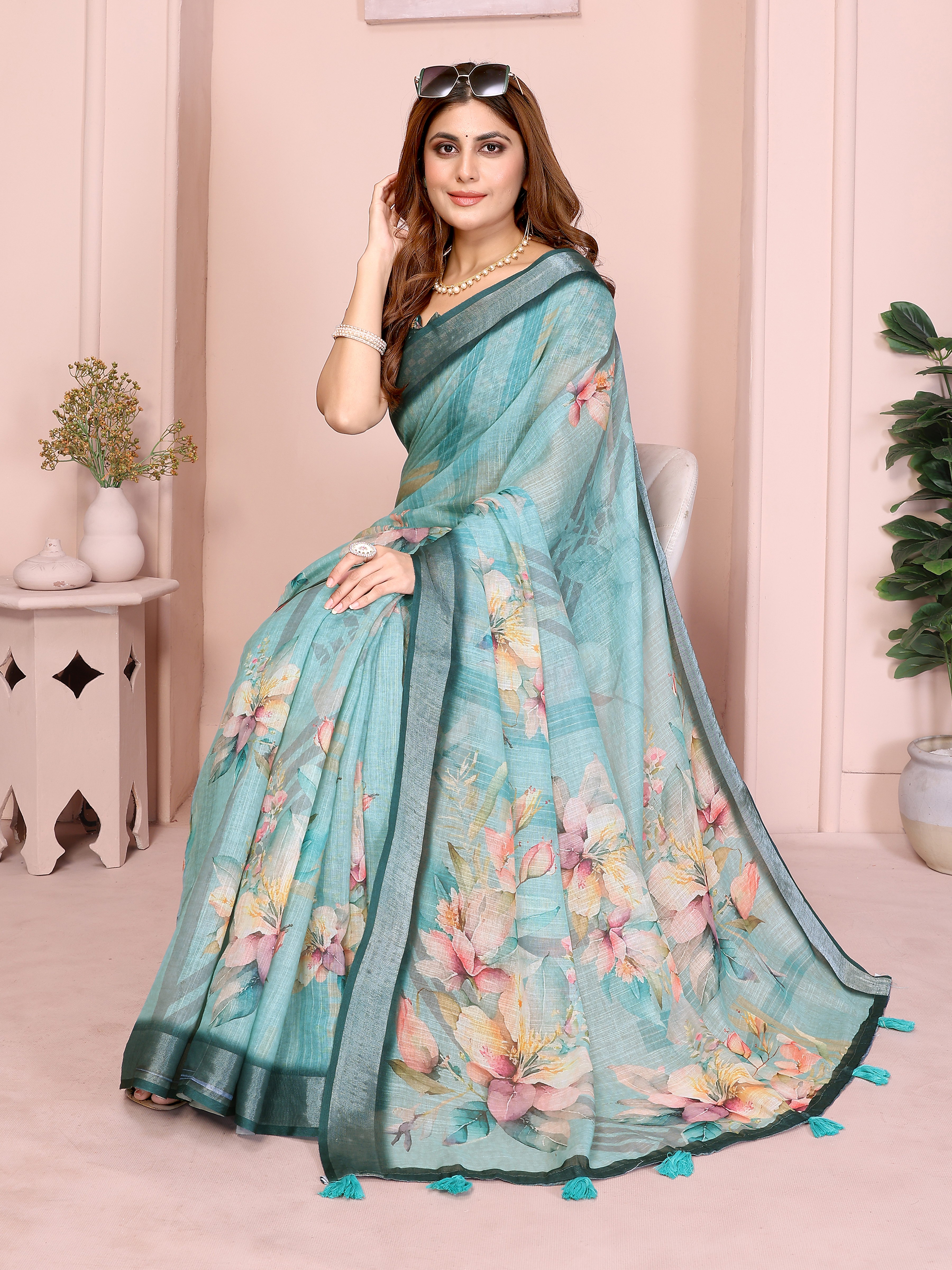
Small jhumkas, a chain, two or four bangles and a watch can suit a floral linen-cotton saree. A silk or zari-rich saree can support a longer chain, temple-style earrings or a structured necklace, but one prominent necklace is usually more elegant than several competing pieces. Antique gold works well with maroon, red and mustard, while polished gold or pearl accents suit pastel pink, peach and teal.
Jasmine is a natural choice for Puthandu because the flowers add fragrance and reinforce the festive mood. A short gajra works with an open braid or low bun, while a few jasmine buds can be tucked into a simpler hairstyle. Secure flowers with hairpins so they remain comfortable during travel and don't pull at the hairstyle.
Choose sandals with a stable sole and a low heel if the day includes temple steps, outdoor walking or extended standing. Traditional juttis or embellished flats can work for a more formal look, but test them indoors first. Saree pleats should clear the floor by approximately one to two centimetres when worn with the intended footwear.
Keep makeup light enough for warm weather. A breathable base, defined eyes, a small amount of colour on the cheeks and a long-wearing lip shade are usually sufficient. Apply perfume to the skin rather than directly onto zari, silk or delicate printed areas, because alcohol and oils can mark some textiles.
Tamil New Year Fashion questions about buying, styling and caring for Puthandu sarees
Compare fabric, measurements and care instructions before buying a saree online for Puthandu. Product photographs can show colour and border placement, but fabric composition, blouse-piece details, transparency and washing instructions determine whether the saree will work for a long festival day.
Check the product description for the saree length, blouse-piece length, weave or print information and closure details. Order early enough to allow delivery, a blouse alteration and a full drape test. A practical buffer of at least seven to ten days is useful when a blouse needs stitching or the saree requires minor finishing.
Store a clean, completely dry saree in a breathable cotton cover rather than sealed plastic. Fold it along different lines every few months to reduce permanent crease stress, and keep zari sarees away from direct sunlight, damp cupboards and rough jewellery boxes.
Hand-wash instructions should be followed exactly, especially for dyed cotton, linen cotton and zari. If dry cleaning is recommended, use a reputable cleaner and mention the presence of metallic thread or printed borders. Never iron a damp saree or leave a folded saree wet after washing.
Tamil New Year Fashion Questions for Choosing a Puthandu Saree
Which saree fabric is most comfortable for Puthandu in April?
Cotton and linen cotton are usually the most comfortable choices for a warm April Puthandu celebration because they are lightweight and breathable. Tissue cotton can provide a festive sheen, while silk is better suited to shorter or more formal events if the weather is hot.
Which colours are traditionally suitable for a Puthandu saree?
Yellow, green, red, pink, orange, cream and gold are all suitable festive choices for Puthandu. No single colour is compulsory, so select a shade you enjoy and add traditional character through a border, gold jewellery, jasmine or a classic drape.
Can I wear a floral saree for a Tamil New Year celebration?
A floral saree is well suited to a daytime Tamil New Year celebration, particularly in cotton or linen cotton. Keep the blouse and jewellery relatively simple when the print is prominent, so the overall outfit remains balanced rather than visually crowded.
Is a Kanjeevaram or Banarasi silk saree suitable for Puthandu?
Kanjeevaram and Banarasi silk sarees are suitable for formal Puthandu celebrations, evening events and family photographs. Their heavier structure and zari may feel warm during a long daytime programme, so a lighter tissue cotton or linen-cotton saree can be more practical for outdoor plans.
How should I style a Puthandu saree without looking overdressed?
Choose one main statement element, such as a zari border, bold blouse, prominent necklace or jasmine flowers. A clean Nivi drape, small jhumkas, restrained bangles and comfortable sandals can look festive without competing with the saree.
How early should I buy a saree for Puthandu?
Buy the saree at least seven to ten days before Puthandu when possible, especially if the blouse needs stitching or alterations. The extra time allows you to inspect the fabric, test the full drape, arrange accessories and correct the fit before the celebration.