

This Tamil Festival Fashion Guide helps you choose an outfit that remains comfortable through rituals, family visits, meals, travel and photographs. The most useful decision isn't simply whether to wear silk or cotton; it's matching the saree, blouse, jewellery and footwear to the festival setting, weather and amount of movement required.
Tamil festive dressing covers a wide range. Kanjeevaram silk suits a formal wedding or milestone ceremony, while linen cotton, Chanderi, cotton silk and lightweight printed sarees work better for daytime gatherings and warm weather. A carefully chosen border, a neat blouse and secure pleats can make a relatively simple saree look fully ceremonial.
Tamil Festival Fashion Guide: How should you choose a saree?
Choose a saree according to the celebration's formality, the local weather and how much walking or standing the day involves. Heavy silk creates a formal appearance, whereas linen cotton or soft cotton offers greater comfort for daytime rituals, outdoor visits and long family gatherings.
Linen cotton is a particularly practical choice for a Tamil festival held in hot or humid weather because the blend usually feels lighter and less clingy than dense silk. Linen cotton also holds printed motifs and contrast borders clearly, giving the outfit visual interest without requiring extensive jewellery. Chanderi provides a lighter, slightly luminous alternative for an evening celebration, although its delicate texture needs careful handling.
Use the border to judge how festive a saree will look. A wide zari border immediately raises the formality of a plain saree, while a printed or contrasting border gives a more relaxed festive effect. Floral motifs work well for daytime events because they bring colour without the visual weight of dense brocade.
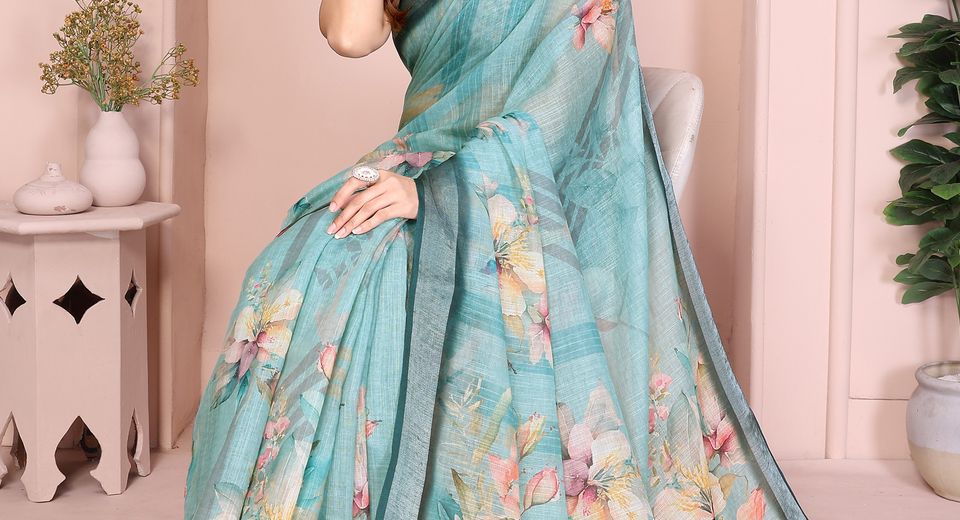
Teal Floral Linen Cotton Saree with Elegant Contrast Border shows how a contrast edge can define the drape. Teal creates a composed base for gold, pearl or oxidised silver accessories, while the border gives the saree enough structure for a family celebration. Teal Floral Printed Linen Cotton Saree With Matching Blouse is useful when a coordinated blouse matters more than extensive styling.
Check the saree length before an important event. Most adults need approximately 5.5 metres for a standard saree drape, while a longer pallu or more elaborate pleat arrangement may require additional fabric. A trial drape at home reveals whether the pallu reaches the desired height and whether the blouse sleeve sits comfortably.
Tamil Festival Fashion Guide: What should you wear for Pongal?
Wear a breathable saree in a bright, warm or harvest-inspired colour for Pongal, with practical jewellery and footwear suitable for household rituals. Mustard, turmeric yellow, leaf green, rust, red, orange and deep pink connect naturally with the festival's agricultural symbolism.
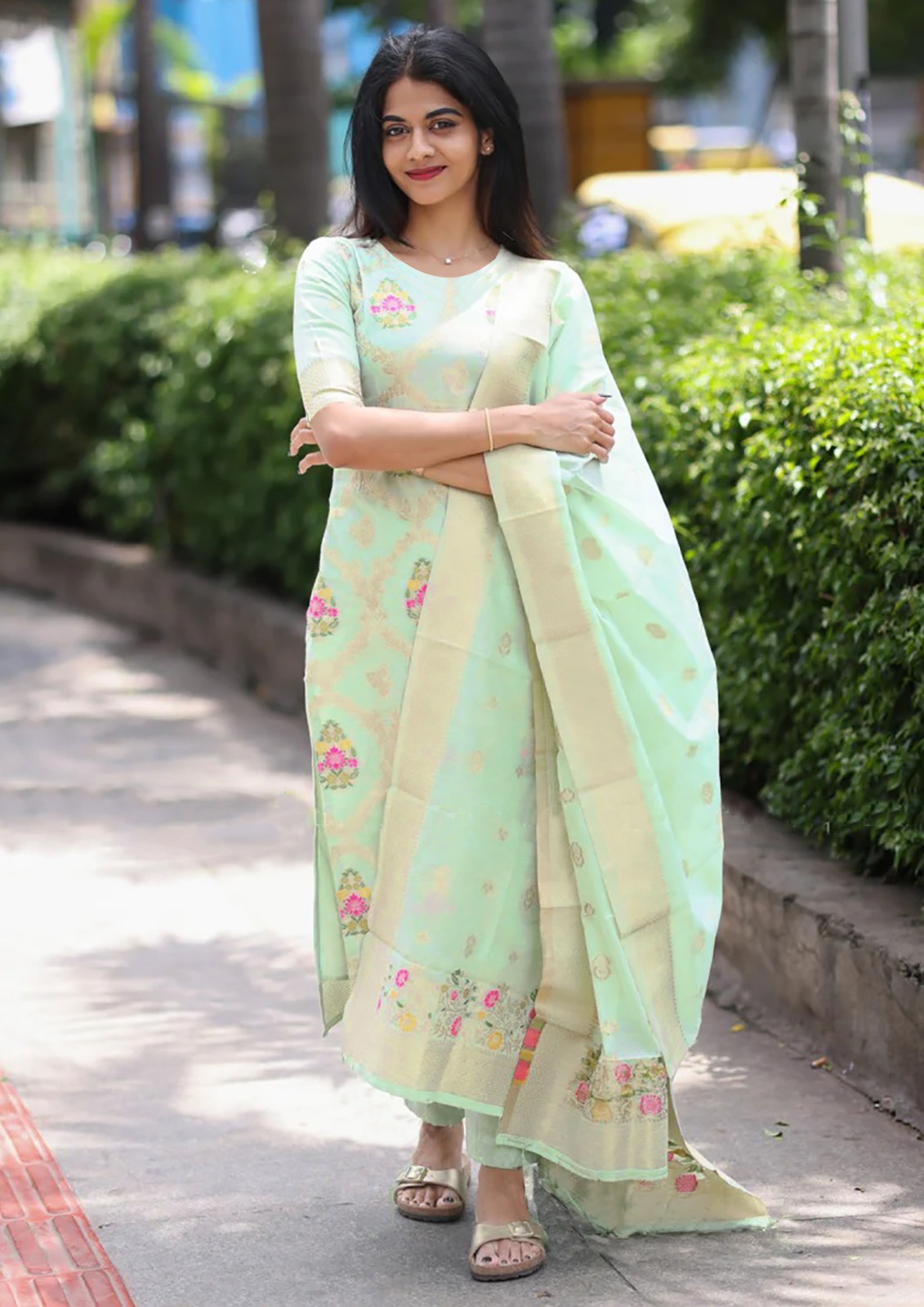
Pongal often includes cooking, kolam decoration, visiting relatives and standing near outdoor spaces, so clothing should permit movement. Linen cotton, cotton silk and handloom cotton are generally more manageable than a heavily embellished silk saree for a morning Pongal gathering. A secure shoulder pin and firmly tucked pleats are more valuable than excessive ornamentation.
Red Floral Linen Cotton Saree with Beautiful Printed Border suits a cheerful Pongal setting because red photographs well in daylight and floral details soften the intensity of the colour. Pair the saree with a mustard, green or red blouse if the print contains related tones. A three-quarter sleeve blouse can offer coverage while remaining comfortable during cooking or travel.
Gold-toned jhumkas, a small chain, two or three glass bangles and a compact bindi are enough for a polished Pongal look. Choose low block heels, embellished flats or sandals with a secure strap rather than narrow stilettos if the celebration includes a temple visit or time outdoors.
Hair can remain simple and functional. A low bun decorated with jasmine suits a traditional Pongal outfit, while a braid or half-up style works better when the weather is humid. Apply fragrance lightly because jasmine, cooking aromas and crowded indoor spaces can make heavy perfume uncomfortable.
Tamil Festival Fashion Guide: What works for Tamil New Year?
A colourful but adaptable saree works best for Tamil New Year, also called Puthandu, especially when the day includes several visits, meals and photographs. Teal, coral, peach, pink, green and red offer festive colour without forcing the outfit into wedding attire.
Puthandu often involves visiting elders, receiving blessings and sharing a meal. A saree with a printed floral design or moderate border is appropriate for these activities because it looks celebratory while remaining easy to wear for several hours. A coordinated blouse creates a finished appearance quickly, which is helpful when the morning schedule is crowded.
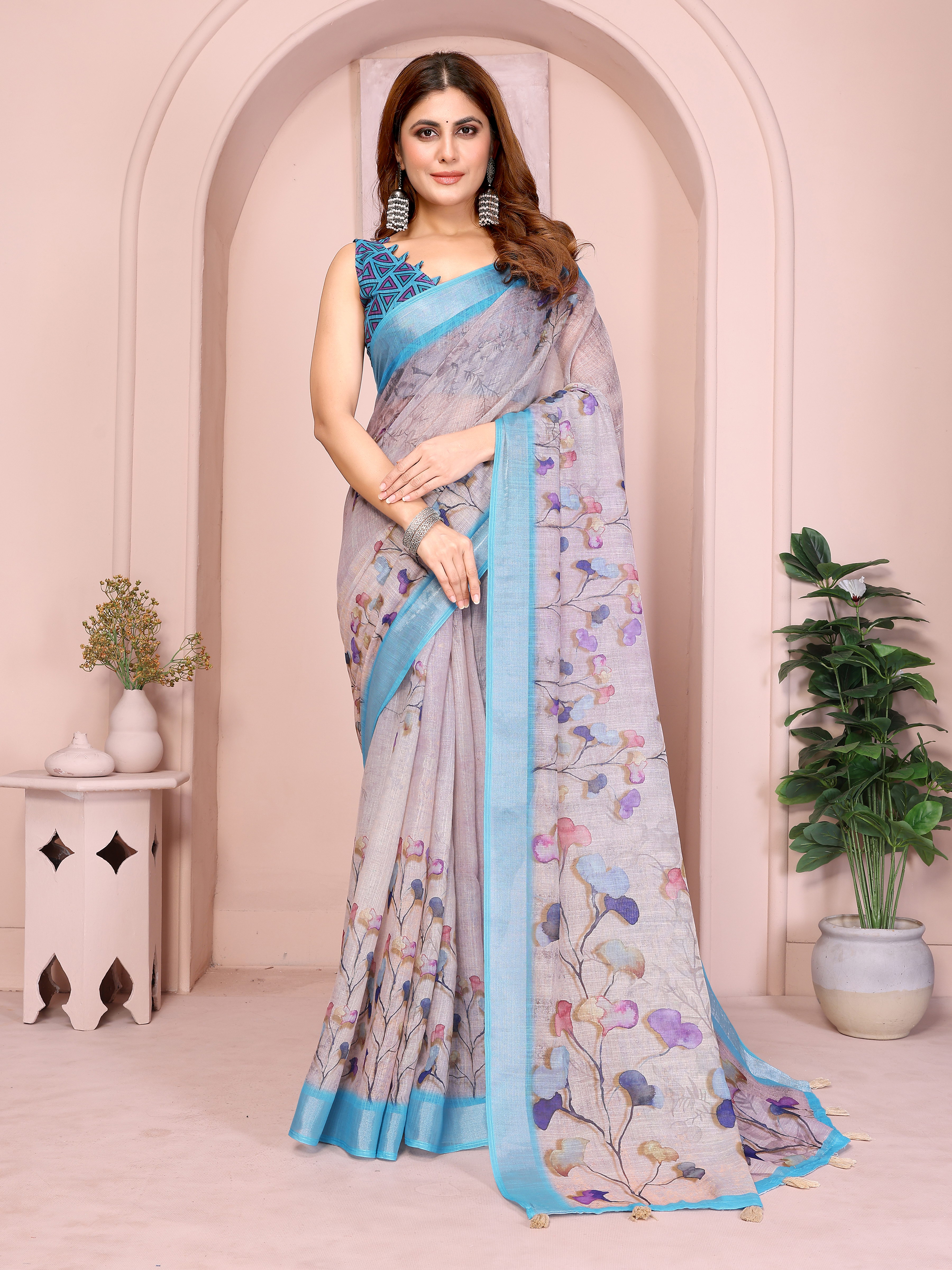
Multicolor Linen Cotton Floral Printed Saree at VARNAVI shows how several colours can make accessory selection easier rather than harder. Choose one accent shade from the print for the blouse, bindi or bangles instead of adding a different colour to every accessory. Gold jewellery gives the outfit a classic direction, while pearls or antique-finish pieces make the same saree feel quieter.
For a more delicate palette, VARNAVI Peach Linen Cotton Floral Saree with Border Tassels can be styled with a cream, peach or muted gold blouse. Border tassels add movement to the pallu, so keep the necklace and earrings relatively clean in shape. A small pendant, pearl drops and a slim bracelet prevent the look from becoming visually crowded.
Family celebrations often involve sitting on the floor, climbing stairs and moving between homes. Pin the pallu at the shoulder and consider a safety pin inside the waist pleats. A lightweight underskirt with a firm waistband can also prevent slipping, particularly when the saree fabric has a smooth finish.
Tamil Festival Fashion Guide: Which saree suits a Tamil wedding?
Kanjeevaram silk or another structured silk saree suits a formal Tamil wedding, while a lighter silk blend, Banarasi silk or richly bordered linen cotton works well for an engagement or daytime wedding function. The right level of ornament should match your role rather than compete with the bride.
Close family members may choose heritage Kanjeevaram with zari, temple borders or contrasting pallus. Wedding guests can select jewel tones such as emerald, magenta, peacock blue, wine or red, but guests should avoid an outfit that looks unmistakably bridal if the family has specified a dress code. Banarasi silk brings a distinct woven sheen, while Kanjeevaram is recognised for its strong structure and classic zari work.
A wedding saree needs more support than a casual festive saree. Use a well-fitted blouse with adequate shoulder coverage, a supportive inner layer and secure pins at the shoulder and waist. Heavy zari can pull on the shoulder, so test the complete outfit for at least 20 minutes before leaving home.
Jewellery should follow the saree's metal tone. Gold zari pairs naturally with gold jewellery, whereas silver-toned embellishment can work with a cooler border or contemporary Banarasi silk design. Temple jewellery, kasu mala necklaces, jhumkas and bangles are strong choices for a heritage Tamil wedding, but wearing every available piece at once can obscure the saree's border and blouse details.
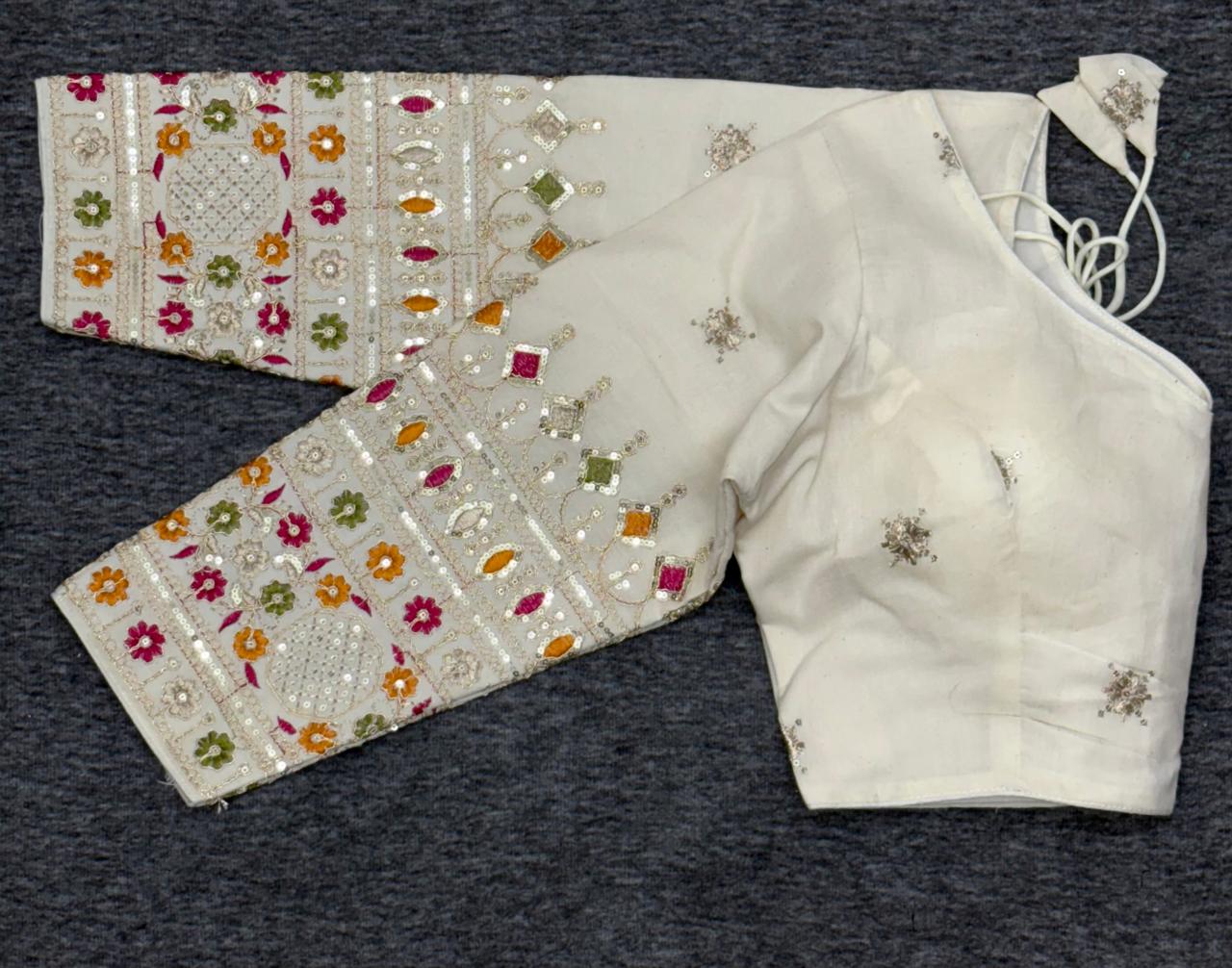
Pastel Linen Cotton Floral Print Saree with Designer Blouse is better suited to a daytime engagement, reception at home or wedding guest appearance than to a highly formal muhurtham unless the invitation calls for lighter dressing. A designer blouse can supply structure and detail while the pastel base keeps the outfit comfortable in warm weather.
Tamil Festival Fashion Guide: How should you dress for temple festivals?
Temple festivals call for modest, secure and breathable clothing that allows walking, queueing and sitting comfortably. Sarees with manageable drapes, covered shoulders and practical footwear are usually more suitable than very long pallus or fragile embellishments.
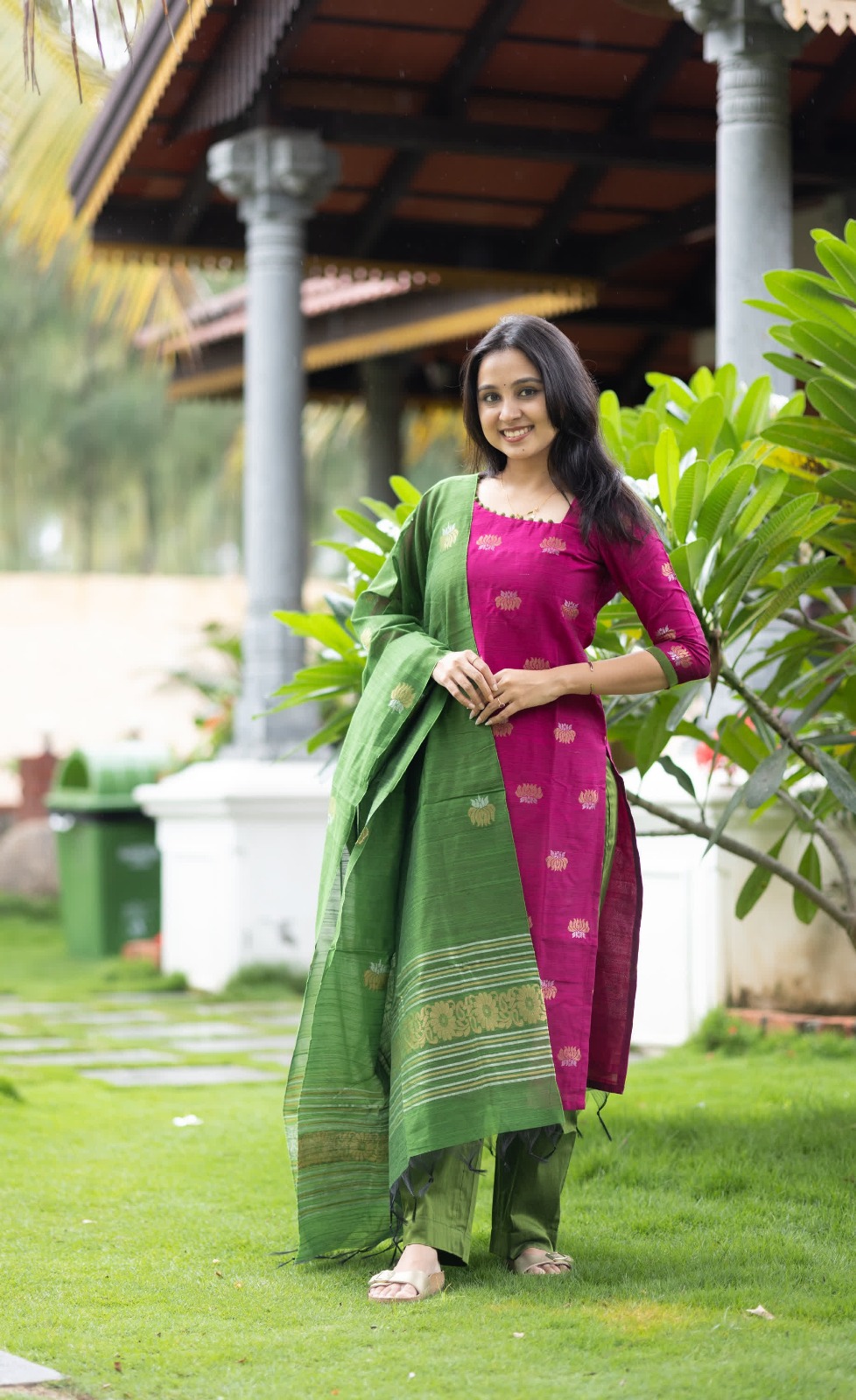
Temple customs vary, so follow the specific rules of the temple or family before choosing an outfit. Some places may require covered shoulders, removal of footwear or avoidance of certain materials. A blouse with sleeves and a saree pallu that can be pinned across the chest brings adaptable coverage without making the outfit feel heavy.
Cotton, linen cotton and lightweight silk blends are useful for temple festivals because they handle warm conditions better than dense velvet or heavily layered net fabrics. Choose a border that won't drag on the ground and avoid loose tassels if the crowd is dense. A compact crossbody bag or cloth potli keeps both hands available for offerings and footwear.
Wear flat sandals, juttis or cushioned slip-ons that can be removed and put back on easily. New footwear should be tested before the festival because blisters can make a temple visit uncomfortable. Keep jewellery close to the body; small studs, medium jhumkas and a short necklace are safer than long pieces that can catch on people or railings.
Teal Orange Floral Linen Cotton Saree With Blouse | Varnavi can work for a daytime temple visit when the blouse gives comfortable coverage and the pallu is pinned securely. The orange details bring warmth to the outfit, while the linen cotton base helps prevent the heaviness associated with dense ceremonial fabrics.
Tamil Festival Fashion Guide: Which colours and blouses create balance?
Balanced festive styling comes from repeating one saree colour in the blouse or accessories while allowing one contrasting shade to provide definition. Matching every item exactly can look flat, whereas too many unrelated colours can distract from the saree.
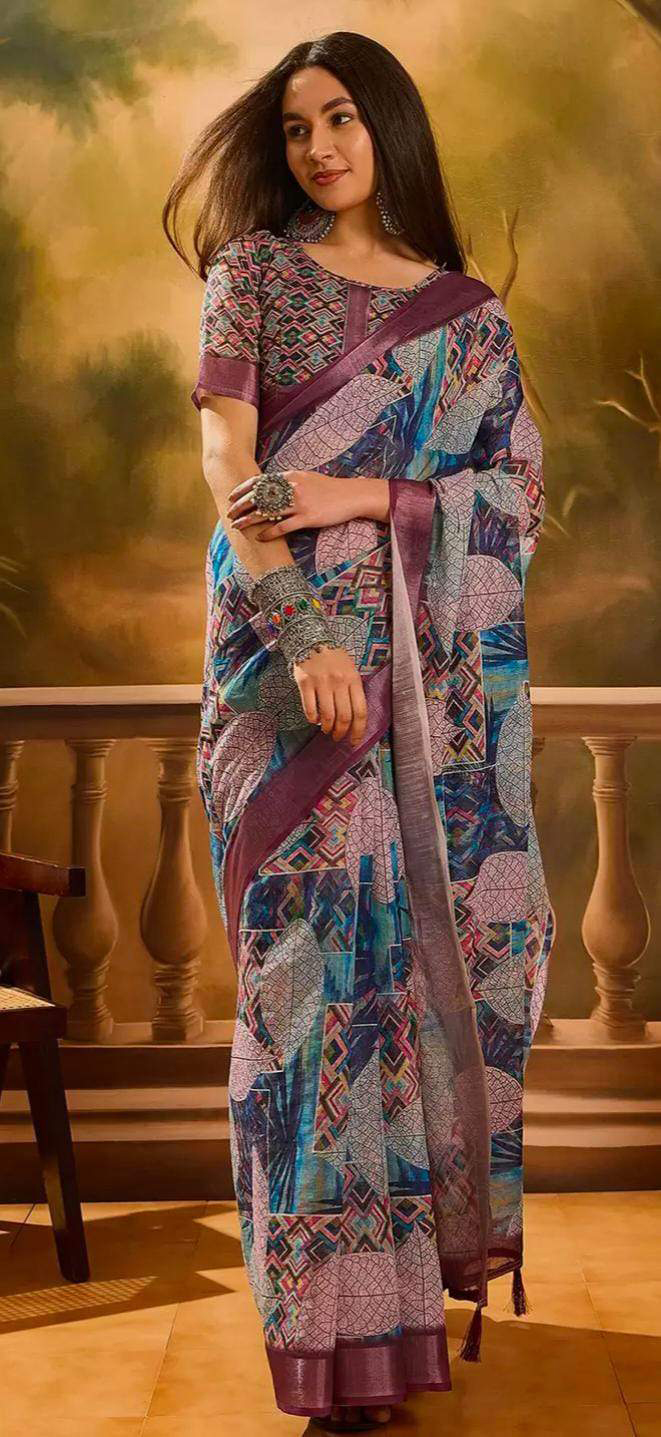
Red sarees pair effectively with green, mustard, antique gold, black or a related red blouse. Teal works with orange, rust, gold, cream and deep pink. Peach can be styled with champagne, ivory, muted gold or a slightly deeper coral. A multicolour floral saree becomes easier to style when the blouse repeats one small colour from the print.
Choose a blouse neckline according to the saree's visual weight. A high round neck or modest boat neck supports a delicate printed saree, while a deeper square or sweetheart neckline can balance a substantial silk border when the event is formal. Elbow-length sleeves create a classic line, short sleeves feel lighter for daytime, and three-quarter sleeves provide useful coverage for temple or family gatherings.
Blouse fit matters more than decoration. The shoulder seam should sit at the shoulder edge, the armhole should allow comfortable movement, and the blouse should not pull across the bust when the arms are raised. Leave enough ease to sit and eat comfortably. A blouse that's too tight can make the saree appear untidy because the shoulder drape keeps shifting.
Red Floral Linen Cotton Saree with Beautiful Printed Border can take a green or mustard blouse for a harvest-inspired look, while a tonal red blouse creates a more streamlined appearance. The repeated product name represents a second available listing reference, but the styling principle remains the same: use one print colour as the bridge between saree and blouse.
Tamil Festival Fashion Guide: How can you make festive dressing comfortable?
Festive comfort improves when the saree is tested, secured and paired with footwear before the event rather than assembled at the last minute. A complete trial should include the blouse, inner layer, jewellery, shoes and handbag.
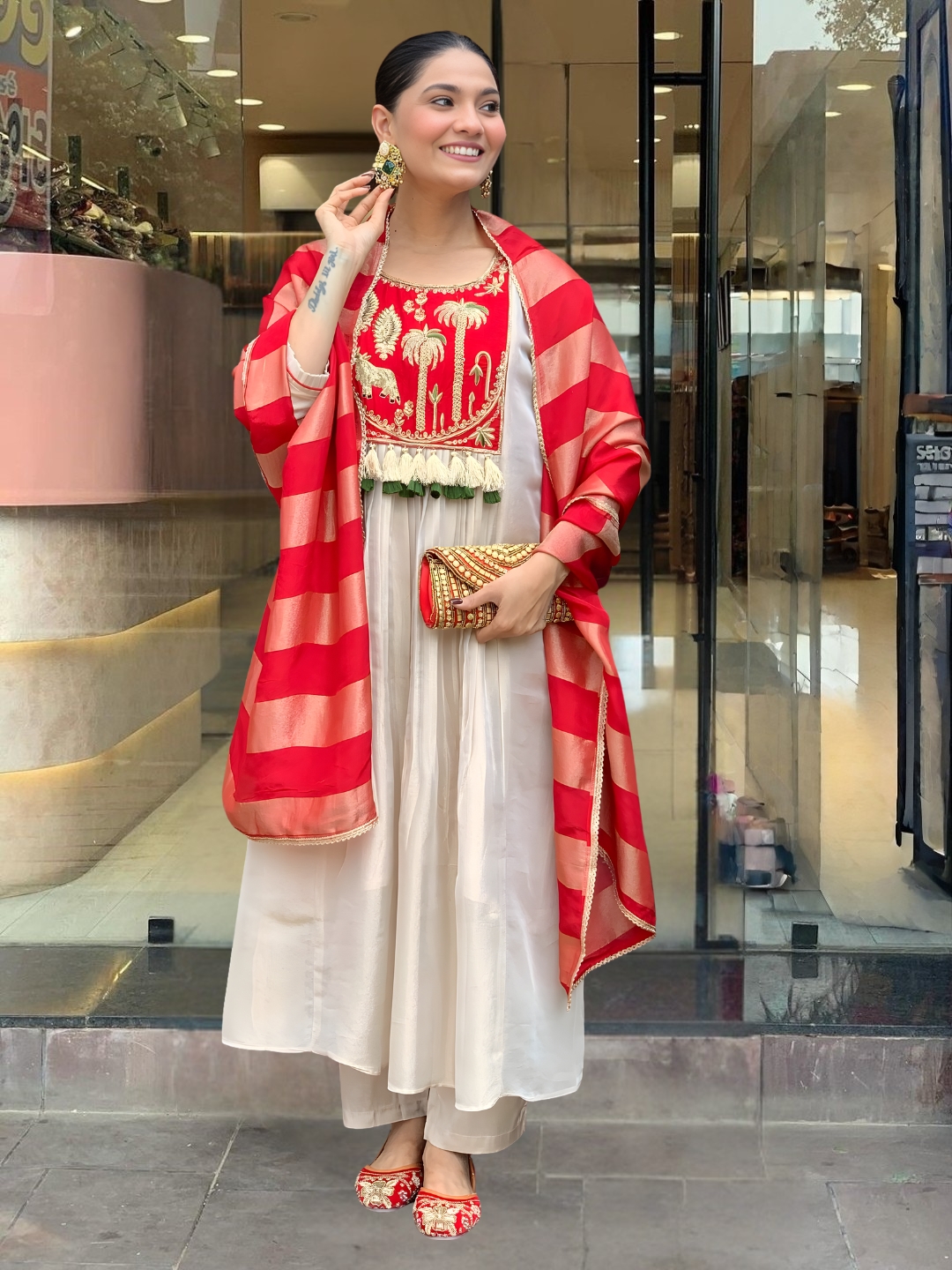
Steam or press the saree according to its fibre content, then drape it at least once before the celebration. Linen cotton often benefits from gentle pressing that sharpens the pleats without flattening the natural texture. Do not use high heat on zari, delicate embellishments or synthetic trims, and place a thin cotton cloth between the iron and sensitive surfaces when care instructions require it.
Use one safety pin at the shoulder and another inside the waist pleats if the drape will be worn for several hours. Avoid placing pins directly through visible zari or delicate embroidery because repeated punctures can damage the yarn. A small emergency kit containing extra pins, a stain-removal wipe, hairpins and a spare earring back is useful for travel.
Care for linen cotton by checking the garment label before washing. Many printed sarees are safest with gentle hand washing or professional cleaning, cool water and mild detergent. Dry the saree away from harsh direct sunlight to reduce fading, and store it folded with clean muslin or another breathable fabric rather than sealed in plastic for long periods.
Keep jewellery proportional to the saree. A printed linen cotton saree may need only jhumkas and bangles, while a plain silk saree can support a kasu mala or layered necklace. Matching the accessory scale to the border prevents the outfit from looking either unfinished or overloaded.
The most reliable Tamil festive outfit is the one that respects the event while allowing the wearer to participate fully. A breathable saree, secure drape, comfortable blouse and sensible footwear can look more polished over six hours than an elaborate outfit that requires constant adjustment.
Common Questions About Tamil Festival Fashion and Saree Styling
What saree should I wear for Pongal?
A breathable linen cotton, cotton silk or handloom cotton saree in red, mustard, yellow, green, orange or rust suits Pongal well. Choose secure pleats, a pinned pallu and practical footwear because Pongal celebrations often include cooking, kolam decoration and outdoor activities.
What should I wear for Puthandu or Tamil New Year?
A colourful printed saree with a moderate border is suitable for Puthandu family visits and meals. Teal, peach, coral, pink and green are festive choices, and a coordinated blouse makes the outfit look finished without requiring heavy jewellery.
Can I wear a linen cotton saree to a Tamil wedding?
You can wear a richly bordered linen cotton saree to a daytime wedding, engagement or reception when the dress code is not highly formal. A Kanjeevaram silk saree is usually more appropriate for a formal muhurtham, especially for close family members.
Which blouse colour goes with a teal saree?
Orange, rust, gold, cream, deep pink and tonal teal can all work with a teal saree. Select one colour from the saree's print or border so the blouse connects visibly with the overall design.
What should I wear to a Tamil temple festival?
Choose a breathable saree with a secure drape, covered shoulders and footwear that is easy to remove. Cotton, linen cotton and lightweight silk blends are practical, while flat sandals and close-fitting jewellery are safer for walking and crowded queues.
How do I keep a saree comfortable for an all-day festival?
Trial-drape the complete outfit before the event, use secure pins, select a supportive blouse and wear tested footwear. Carry a small emergency kit with spare pins, hairpins, a stain-removal wipe and an extra earring back.





