A full day at Surajkund Mela involves walking between craft stalls, sitting for performances, eating regional food and carrying purchases through changing weather. The Surajkund Mela Fashion Guide: Handloom Sarees & Indian Ethnic Wear helps you choose an outfit that can handle that schedule without losing its festive character. A suitable saree should offer more than a striking colour: it should allow movement, resist awkward dragging and remain comfortable after several hours outdoors.
Surajkund Mela celebrates crafts and cultural traditions from across India, so clothing with visible texture, regional character and thoughtful styling feels especially appropriate. A breathable cotton saree suits a warm afternoon, while Banarasi silk can work for an evening visit, a cultural programme or a polished women party wear look. The useful distinction isn't between simple and elaborate clothing; it's between clothing that supports your day and clothing that makes every step difficult.
Surajkund Mela Fashion Guide: Handloom Sarees & Indian Ethnic Wear for Daytime Comfort
A lightweight handloom saree with a secure drape, comfortable footwear and a hands-free bag is the most practical choice for a daytime visit to Surajkund Mela. Cotton, tissue handloom cotton and light blends generally offer better ventilation than heavily embellished fabrics when the fair is busy and you expect to walk for several hours.
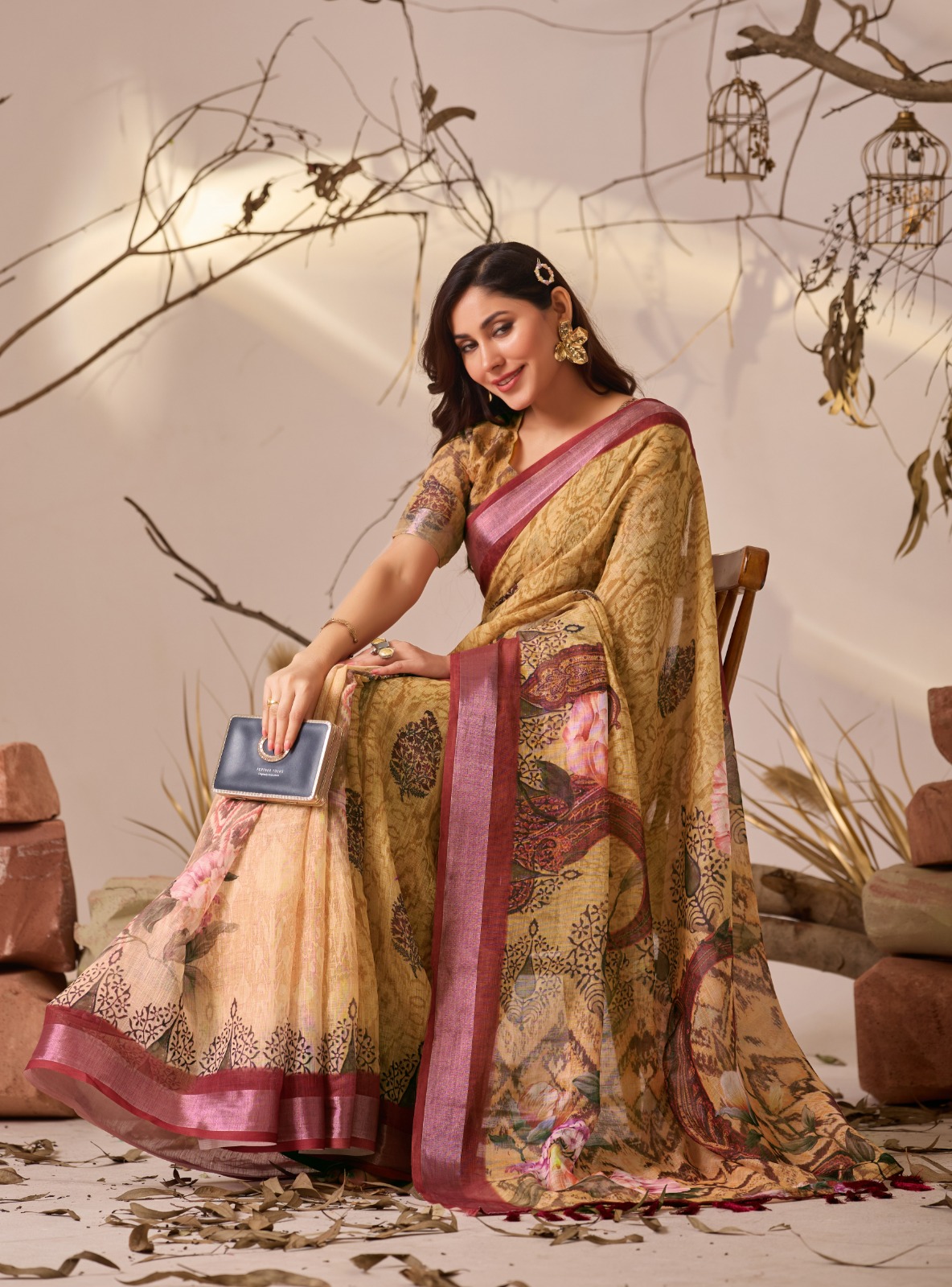
A saree gives you room to express an interest in Indian textiles without looking overdressed for a craft fair. A printed pallu, a restrained zari border or a textured weave can provide visual interest while keeping the outfit useful. A fitted blouse with sleeves, a breathable lining and a neckline that doesn't require constant adjustment is more suitable than a restrictive blouse.
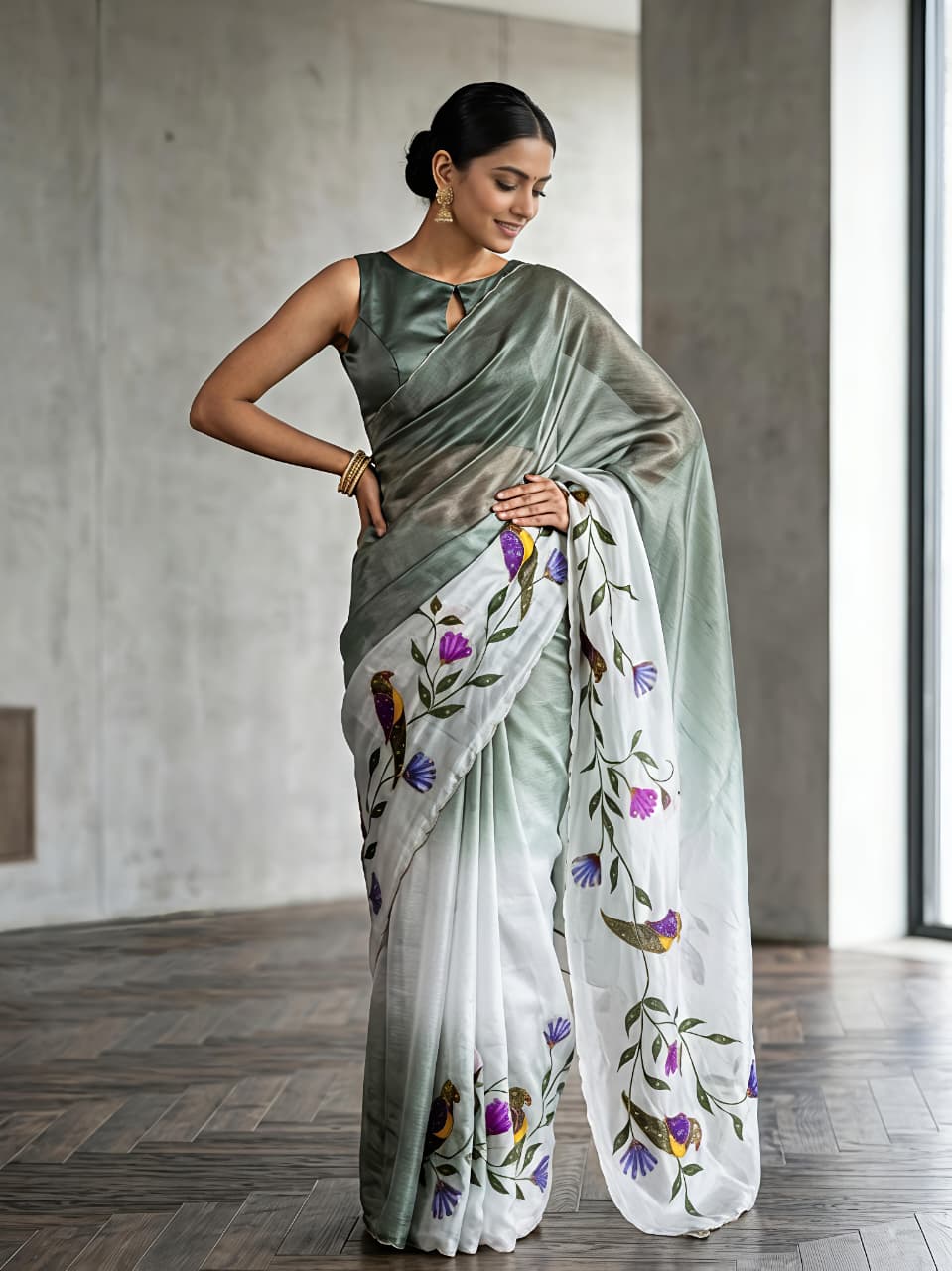
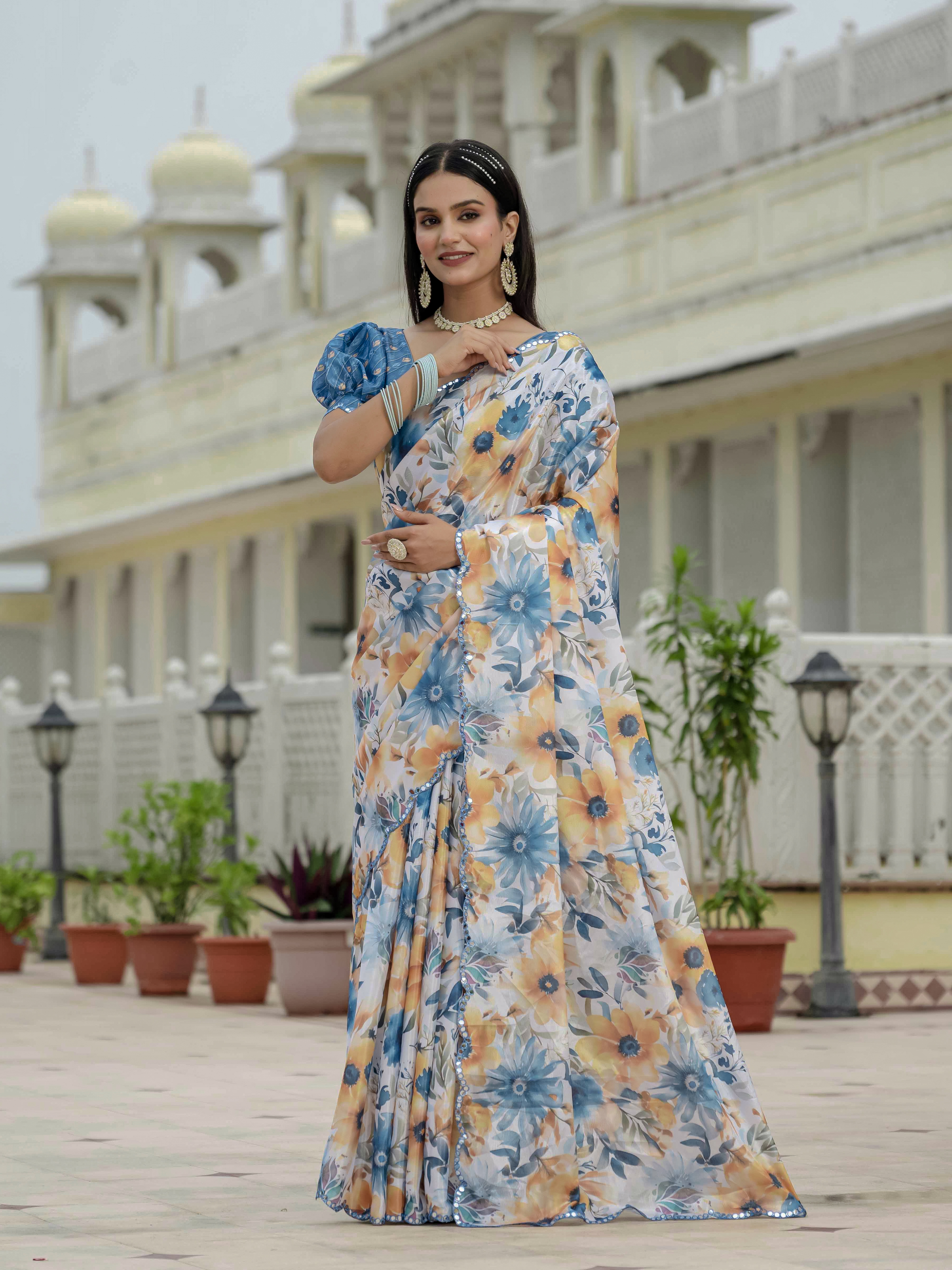
Teal Green Tissue Handloom Cotton Saree With Printed Pallu creates a clear focal point without depending on heavy ornamentation. The printed pallu can be arranged over the shoulder in a way that shows the design while leaving both hands available for browsing. Pastel Floral Tissue Handloom Cotton Saree with Zari Weaves offers another balanced option when you want floral detail and a festive glimmer without the visual weight of dense bridal work.
Surajkund Mela Fashion Guide: Handloom Sarees & Indian Ethnic Wear by Fabric
Choose the saree fabric according to the weather, duration of the visit and amount of walking planned. Handloom cotton is usually the safest daytime option, tissue handloom cotton adds light structure and sheen, and Banarasi soft silk works best when the visit is shorter or the outfit needs a more formal finish.

Handloom cotton for daytime comfort
Handloom cotton absorbs moisture, allows air circulation and usually becomes easier to manage as the day progresses. Cotton sarees may crease, but controlled creasing is preferable to wearing a fabric that traps heat or slips repeatedly. A medium-width border is also easier to keep clear of the ground than a broad, heavily decorated edge.
Cream Pink Tissue Handloom Cotton Saree with Zari combines a soft colour story with a small festive accent. Cream and pink are easy to coordinate with a blouse in either shade, while zari can connect the saree to gold-toned earrings or bangles. Sea Green Tissue Handloom Cotton Saree With Floral Patterns works well for visitors who prefer a fresh, nature-inspired palette suited to a craft-focused environment.
Silk for a polished cultural visit
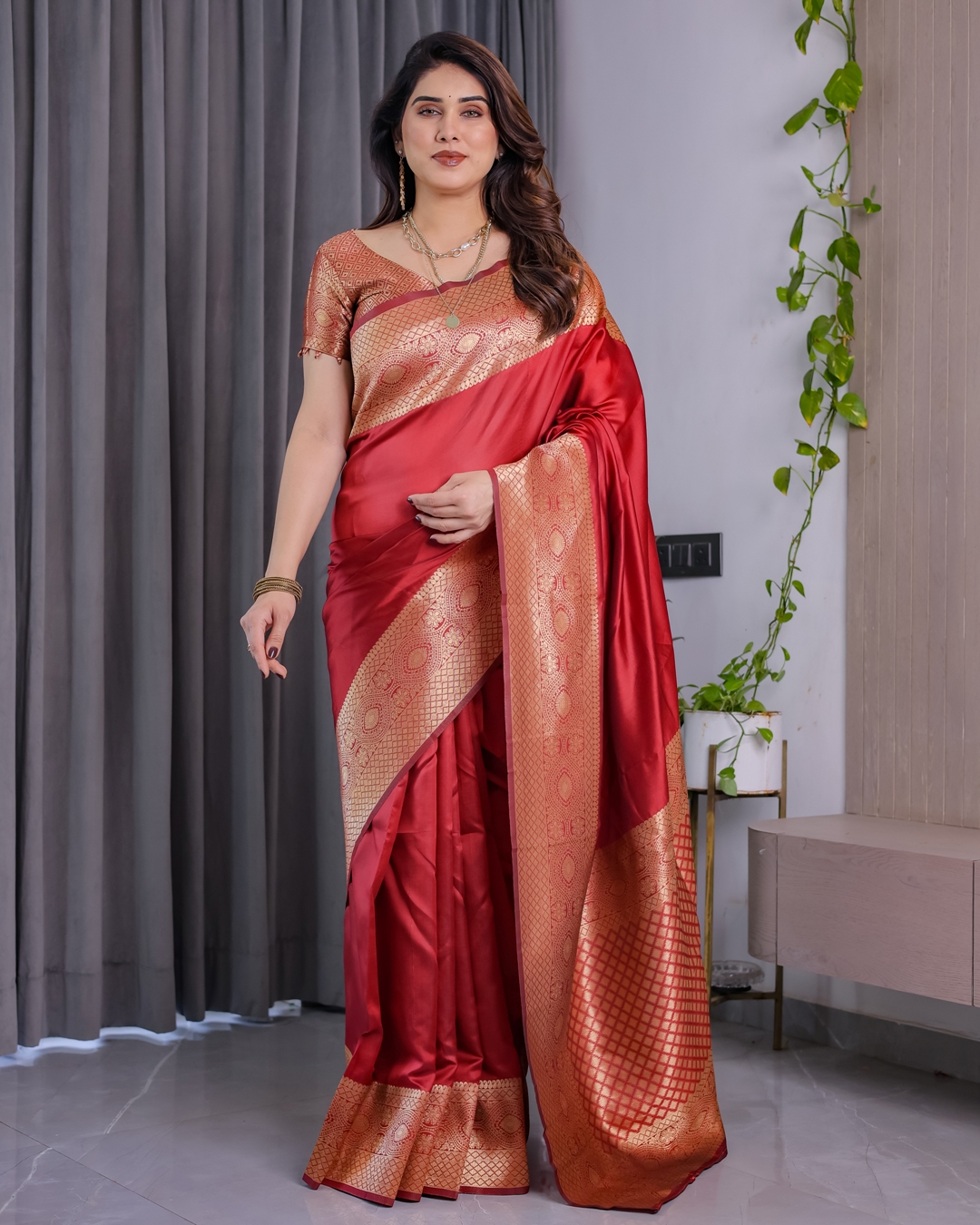
Banarasi soft silk is appropriate when you want stronger sheen, richer colour and a more formal Indian ethnic wear appearance. Banarasi silk can be warmer and more slippery than cotton, so a well-fitted blouse, a firm waist tuck and safety pins placed discreetly at the shoulder are important for a long outing.
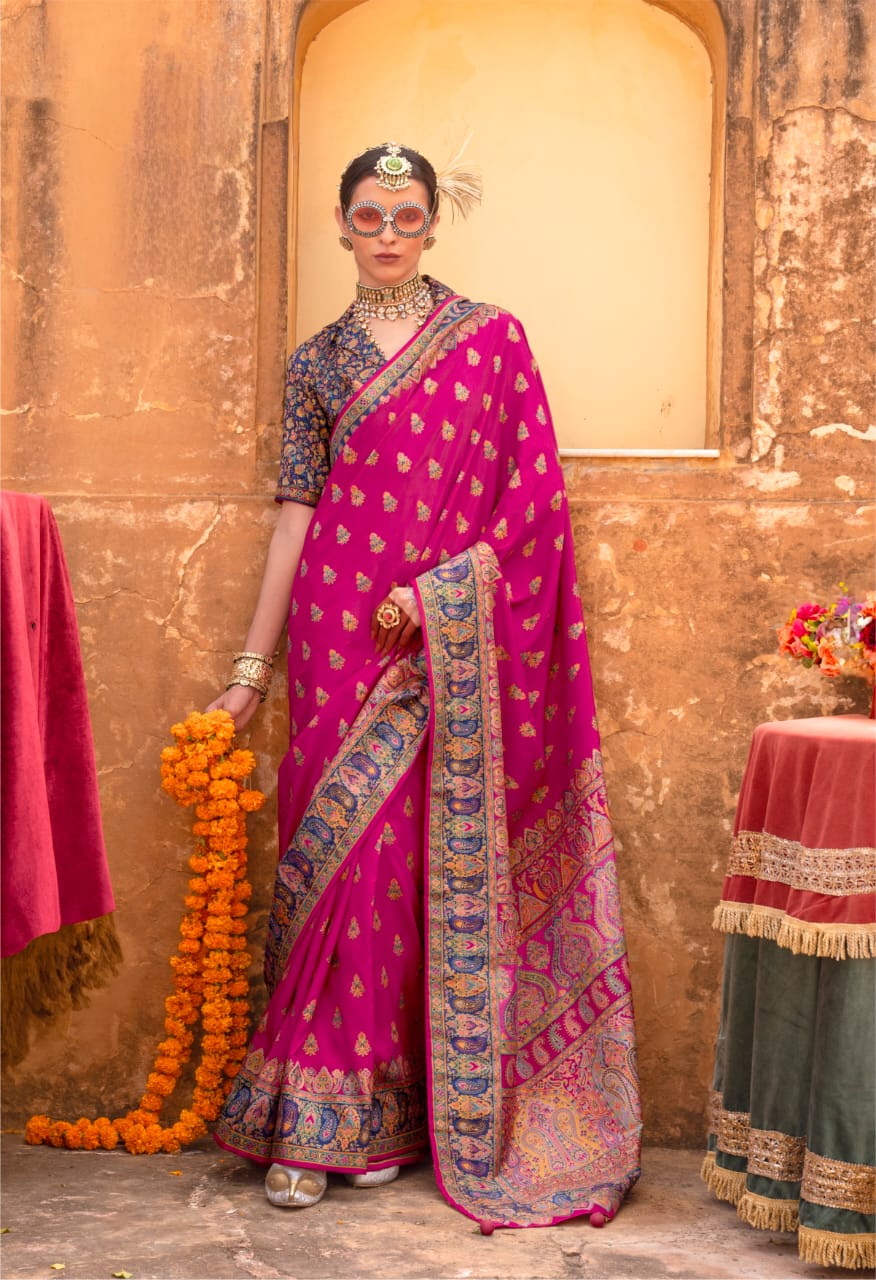
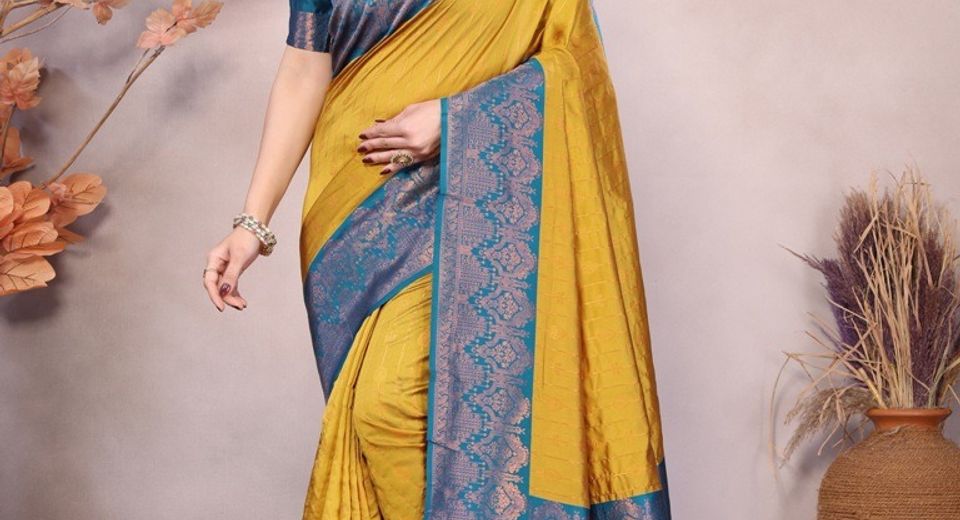
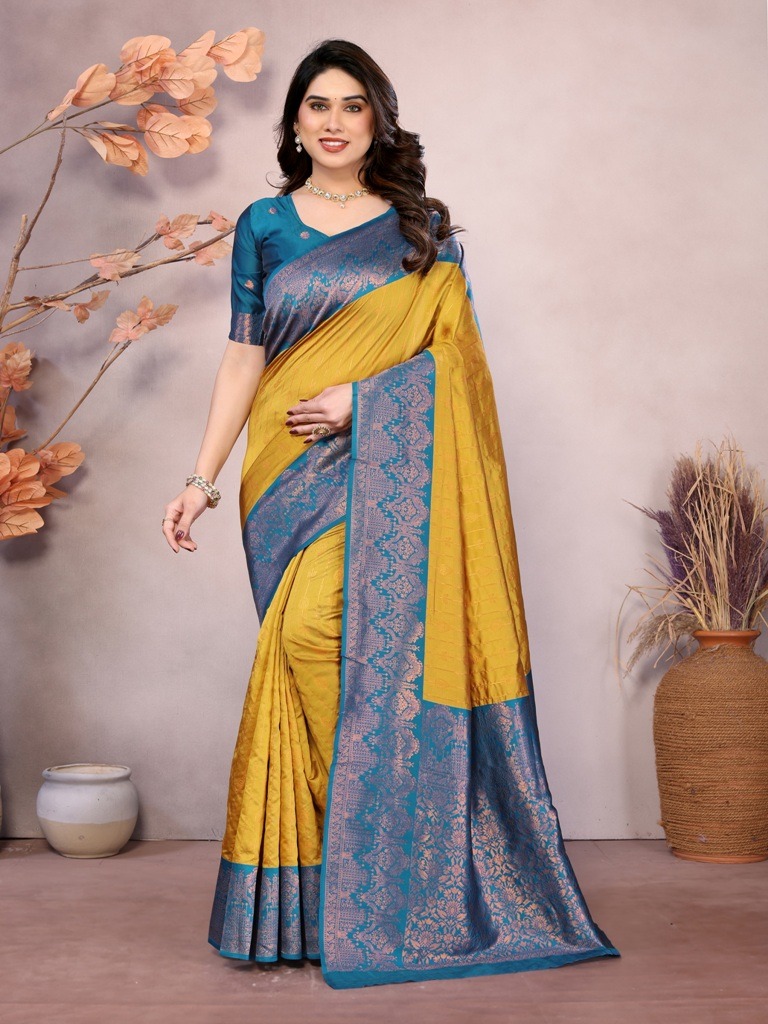
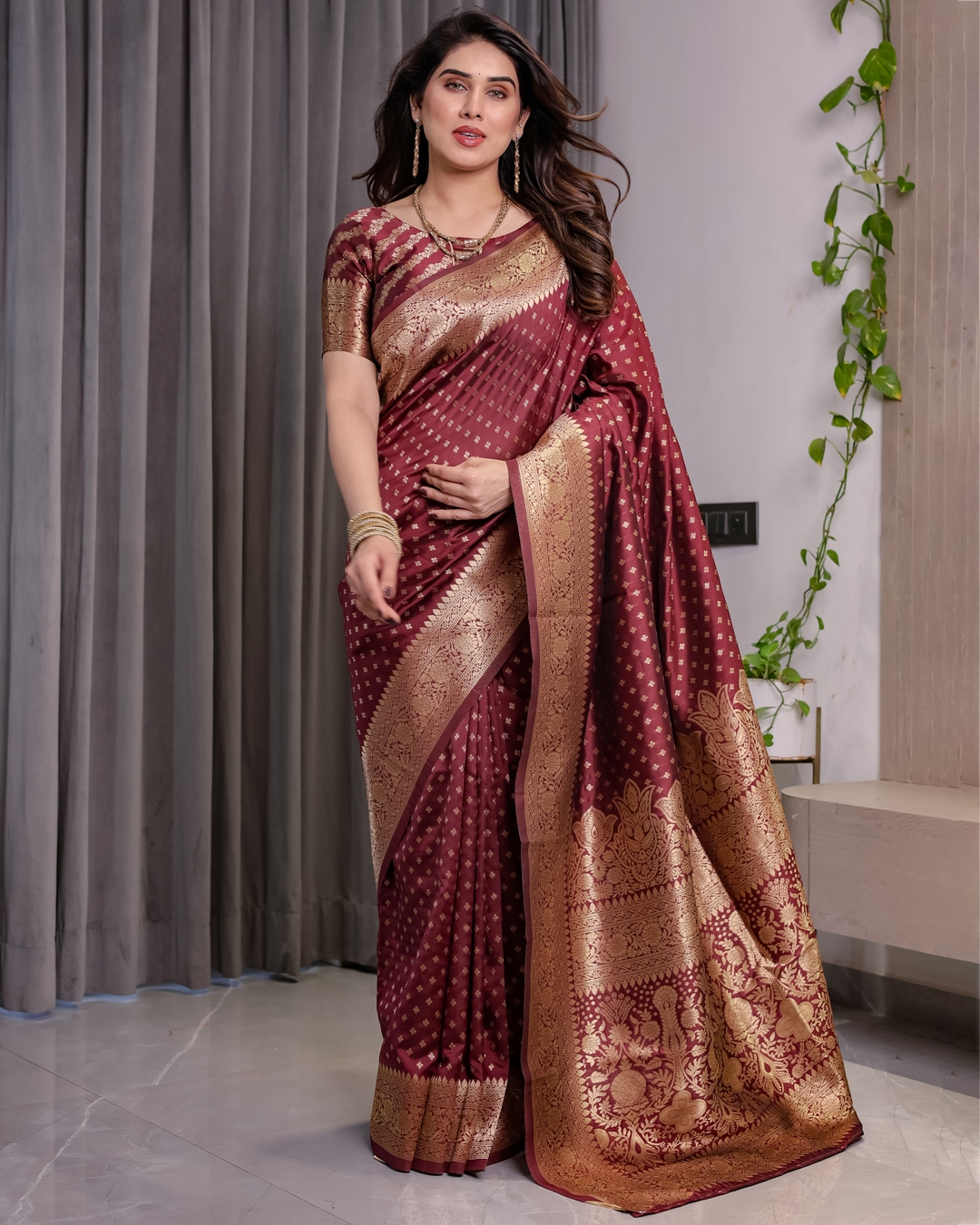
Maroon Banarasi Soft Silk Saree with Golden Zari Border gives a classic evening-ready impression through the contrast between deep maroon and golden zari. Mustard Teal Banarasi Soft Silk Zari Weave Saree creates a more distinctive palette, particularly when paired with a plain teal or mustard blouse. A Banarasi saree isn't automatically reserved for weddings; the styling becomes more suitable for a fair when jewellery and makeup remain controlled.
Surajkund Mela Fashion Guide: Handloom Sarees & Indian Ethnic Wear Colours
Colours inspired by craft traditions, foliage, natural dyes and regional textiles suit Surajkund Mela without requiring a costume-like look. Teal, mustard, maroon, cream, sea green, rust, indigo and pink provide visual richness, while one clearly chosen accent prevents the outfit from becoming busy.
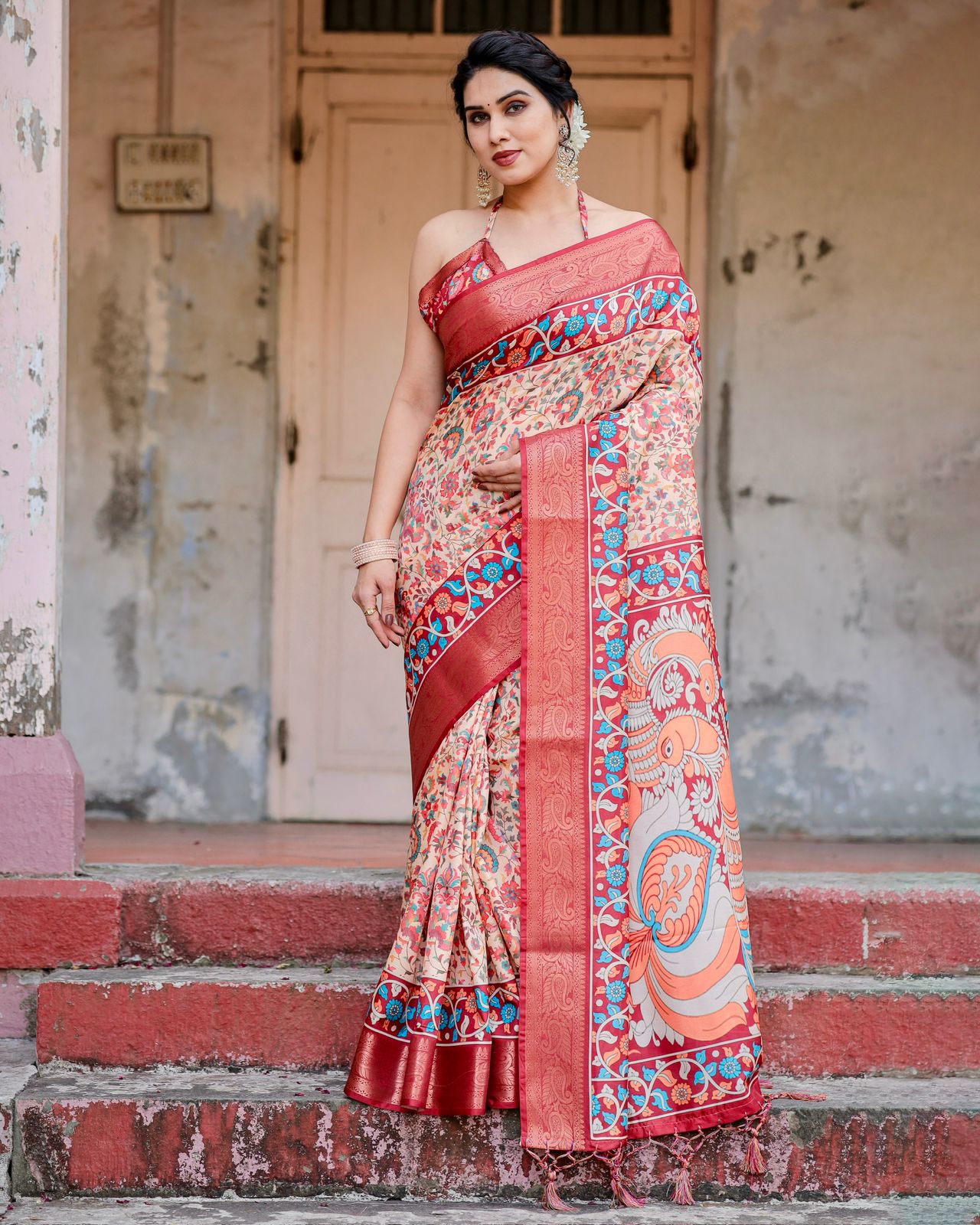
Printed pallu details, floral patterns, woven zari and jacquard borders add interest through textile construction rather than layers of detachable embellishment. Zari is a metallic thread used to create decorative woven or embroidered surfaces. Zari doesn't always mean that a saree is heavy, but dense zari across the entire body can increase weight and care requirements.
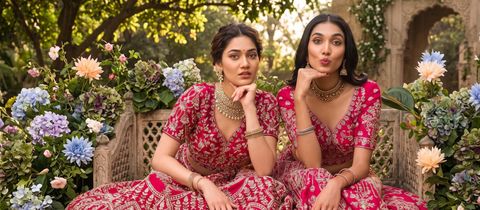
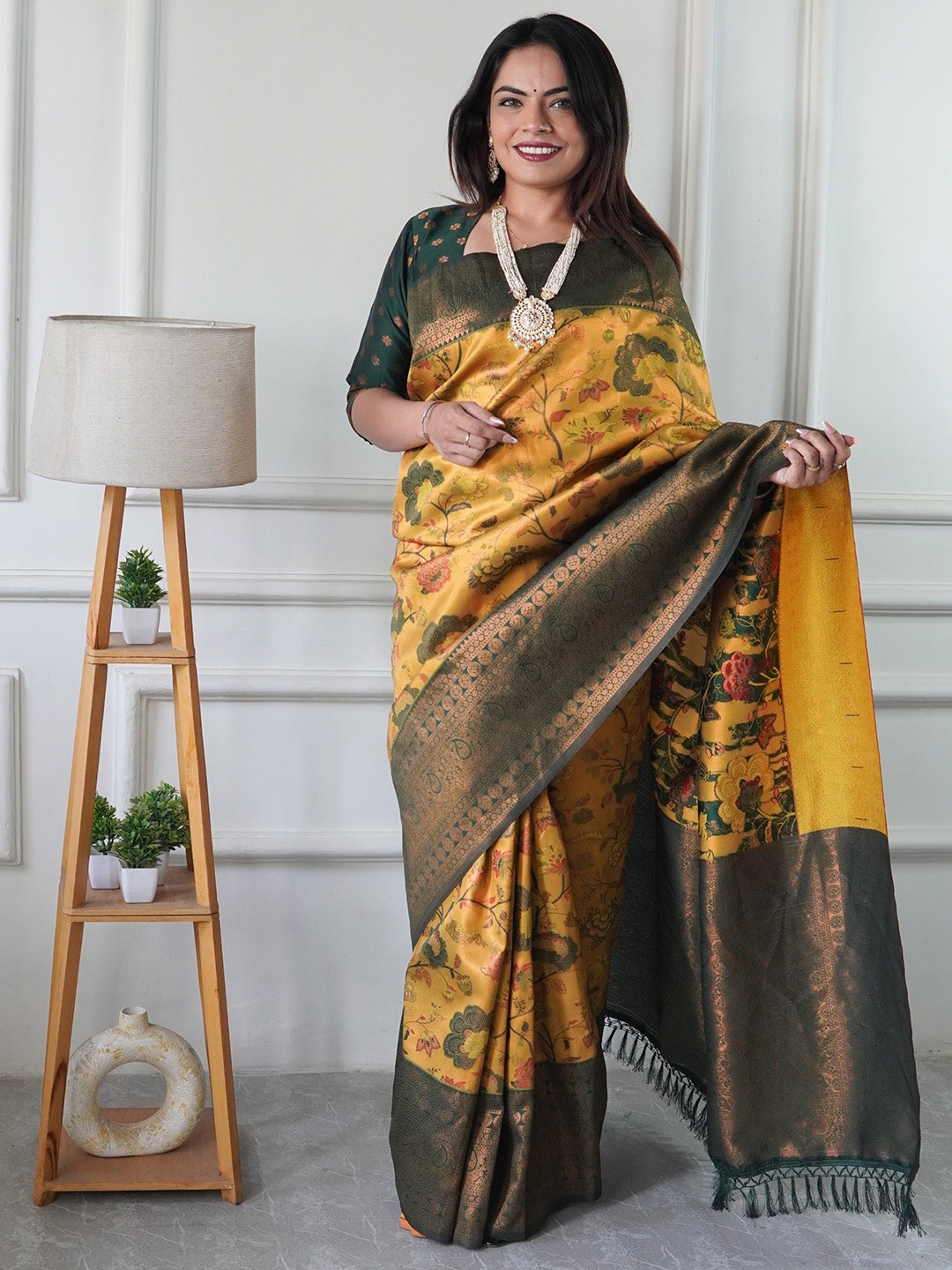
Red Banarasi Soft Silk Saree with Jacquard Zari Border demonstrates why the border matters. Jacquard weaving can create a patterned surface with a more integrated appearance than scattered sequins, making the saree feel festive while retaining a traditional textile character. Royal Mustard Bloom Banarasi Silk Saree suits a visitor who wants a saturated colour and floral richness, especially for a late-afternoon or event-led visit.
Keep the blouse comparatively calm when the saree already has a strong border, floral body or prominent pallu. A solid blouse in a related shade often photographs better than a competing print. A contrast blouse can work when the saree has a quiet body, but matching every accessory to every colour usually makes the outfit look less intentional.
Surajkund Mela Fashion Guide: Handloom Sarees & Indian Ethnic Wear Draping
A secure Nivi drape with a firm waist tuck, moderate pleats and a pinned pallu is the most practical saree drape for walking around Surajkund Mela. The lower edge should finish above the ground, and the pallu should remain long enough for coverage without reaching into food, dust or passing stalls.
Wear the blouse and petticoat before leaving home and test the complete outfit by walking up stairs, sitting on a chair and reaching forward. The petticoat should hold the saree without cutting into the waist; a drawstring that loosens during the day can make the pleats collapse. Five to seven front pleats are usually easier to manage than a large number of narrow pleats, although the final number depends on the saree width and your preferred volume.
Use one pin at the shoulder and, if necessary, a second discreet pin near the waist or under the pallu fold. Too many pins can damage delicate silk and make quick adjustments difficult. A thin underskirt or well-fitted petticoat prevents transparent tissue fabrics from clinging, while a cotton petticoat can improve comfort under silk.
People who don't usually wear sarees can choose a pre-pleated drape, a belt-supported drape or a saree with a lighter fall. A belt should sit over the saree at the natural waist rather than tightening across the ribs. The aim is stability, not compression, because a fair visit may include hours of standing and walking.
Surajkund Mela Fashion Guide: Handloom Sarees & Indian Ethnic Wear Accessories
Comfortable footwear, a compact crossbody or sling bag and lightweight jewellery make Indian ethnic wear more functional at Surajkund Mela. Accessories should support movement and security rather than add weight that becomes tiring after several hours.
Choose cushioned juttis, low block heels, kolhapuris or well-broken-in sandals with a secure strap. New footwear is risky because blisters can develop before you've a chance to sit down. A heel of approximately 1 to 2 inches can provide shape without the instability of a narrow high heel on uneven paths. Carry blister plasters in the bag if you expect extensive walking.
A crossbody bag keeps both hands free for examining craftwork, while a small zip pouch inside the bag separates cash, phone and keys. A large tote may suit shopping but can catch on people and display racks. A foldable cloth shopping bag is useful for lightweight purchases, but fragile purchases should remain in the vendor's protective packaging until you return home.
Oxidised silver earrings, small jhumkas, a slim bangle stack or a textile bracelet can complement handloom sarees without competing with zari. If the saree has golden zari, gold-tone metal creates continuity; if the saree has a strongly printed pallu, neutral metal keeps the look composed. A small bindi and a low bun or braid can complete the outfit while reducing the need for frequent hair adjustments.
Surajkund Mela Fashion Guide: Handloom Sarees & Indian Ethnic Wear Weather Planning
Adapt the saree for weather by choosing breathable layers, carrying a light wrap and planning for dust, sun or a sudden change in temperature. Surajkund Mela visits are easier when the outfit includes protection rather than relying only on appearance.
For a warm afternoon, select cotton or tissue handloom cotton, apply sunscreen to exposed areas and carry a compact umbrella or scarf. A breathable cotton blouse with sleeves can reduce sun exposure without making the outfit feel formal. For a cooler evening, a thin shawl or stole is more practical than a heavy jacket over a delicate pallu.
Dust can collect along a saree hem, especially when the drape is too long. Check the length with your chosen footwear before leaving home and lift the front slightly when crossing crowded or uneven areas. Avoid dragging tissue cotton or silk across rough ground because snagging can damage the weave and pull zari threads.
Weather planning also affects colour and maintenance. Pale cream and pastel sarees can show dust more readily than teal, maroon or mustard shades, although careful handling matters more than colour alone. Carry a clean cotton handkerchief for small spills, but don't rub food or oil into the fabric. Blot gently and arrange professional cleaning for a serious stain.
Surajkund Mela Fashion Guide: Handloom Sarees & Indian Ethnic Wear Shopping
Compare weave details, fabric composition, measurements, care instructions and return terms before buying a saree online for Surajkund Mela. A reliable website should provide more than styled photographs; useful information includes the saree length, blouse-piece details, border description, lining information where relevant and dispatch timeframe.
Online shopping is particularly useful when you need a specific colour or budget. Silk Sarees Under 3000 With Discount can help narrow a search for accessible silk options, while Party Wear Sarees is relevant when the same outfit needs to work for an evening programme or a family gathering. Pink Georgette Sarees may suit shoppers looking for a lighter, fluid drape, but georgette should be checked for lining and transparency before purchase.
Price alone doesn't prove quality. Compare the listed fabric, weave description, zari details and finishing rather than assuming that a higher price always means a more suitable saree. Red Banarasi Silk Sarees for Weddings Under 1100 can be useful for budget-conscious festive shopping, while Gray Color Sarees Under 1000 gives a neutral direction for shoppers who prefer understated styling.
When comparing brands or websites, check whether customer photographs, measurements and care guidance are available. A stated dispatch period matters if the fair visit is within the next 7 to 10 days. Order early enough to inspect the saree, test the blouse fit and arrange an exchange if the colour or fabric differs from your expectation.
Surajkund Mela Fashion Guide: Handloom Sarees & Indian Ethnic Wear Aftercare
Store the saree according to its fibre and zari content, and clean stains promptly without applying household chemicals. Cotton can usually be washed according to its care label, while Banarasi silk and zari-rich sarees are safer with professional dry cleaning.

Air a worn saree in shade before folding it. Direct sunlight can gradually affect some dyed fabrics, and damp storage can encourage mildew. Fold silk sarees with the zari surface inward or place soft, acid-free tissue between folds to reduce friction. Refold long-stored sarees every few months so permanent crease lines don't form in one place.
Keep sarees in breathable cotton covers rather than sealed plastic for long-term storage. Never spray perfume directly onto silk, zari or delicate handloom cotton because alcohol and oils can leave marks. Small snags should be handled by a specialist rather than pulled from the surface.
The best Surajkund outfit is one that lets you observe craftwork, walk comfortably and enjoy the cultural programme without repeatedly fixing your clothes. A thoughtful fabric choice, secure drape and restrained accessory plan will usually make more difference than adding another decorative layer.
Common Questions About Surajkund Mela Saree Styling
What is the best online store for sarees in India?
The best online store is one that provides clear fabric descriptions, accurate measurements, care instructions, customer support and transparent delivery and return terms. For a Surajkund Mela purchase, check the saree length, blouse-piece information, dispatch timeline and real customer images before ordering.
Which company saree is best in India?
No single company makes the best saree for every wearer because the right choice depends on fabric, budget, occasion and comfort. Banarasi silk suits a richer formal look, while handloom cotton and tissue handloom cotton are generally more practical for a warm, walking-heavy fair visit.
Which app is best for saree shopping in India?
The best shopping app is the one that gives verifiable product information rather than only attractive images. Compare fabric composition, measurements, seller ratings, customer photographs, delivery dates and return conditions before placing an order.
Which online site is the best for buying silk sarees?
A suitable silk-saree website should identify the silk type, zari or border construction, saree length, blouse-piece details and cleaning method. Buyers should also check whether the listed price includes discounts, whether the colour may vary on screen and whether returns are available.
Is a Banarasi silk saree suitable for Surajkund Mela?
A Banarasi silk saree is suitable for a shorter visit, an evening programme or a more formal styling plan. Choose a secure drape, comfortable footwear and moderate jewellery because Banarasi silk can feel warmer and less forgiving than cotton during several hours of walking.
Which saree fabric is most comfortable for a full day at a fair?
Handloom cotton is usually the most comfortable choice for a full day because it is breathable and absorbs moisture. Tissue handloom cotton offers a little more sheen and structure, while lightweight silk can work when the weather is cooler and the visit is not entirely outdoors.