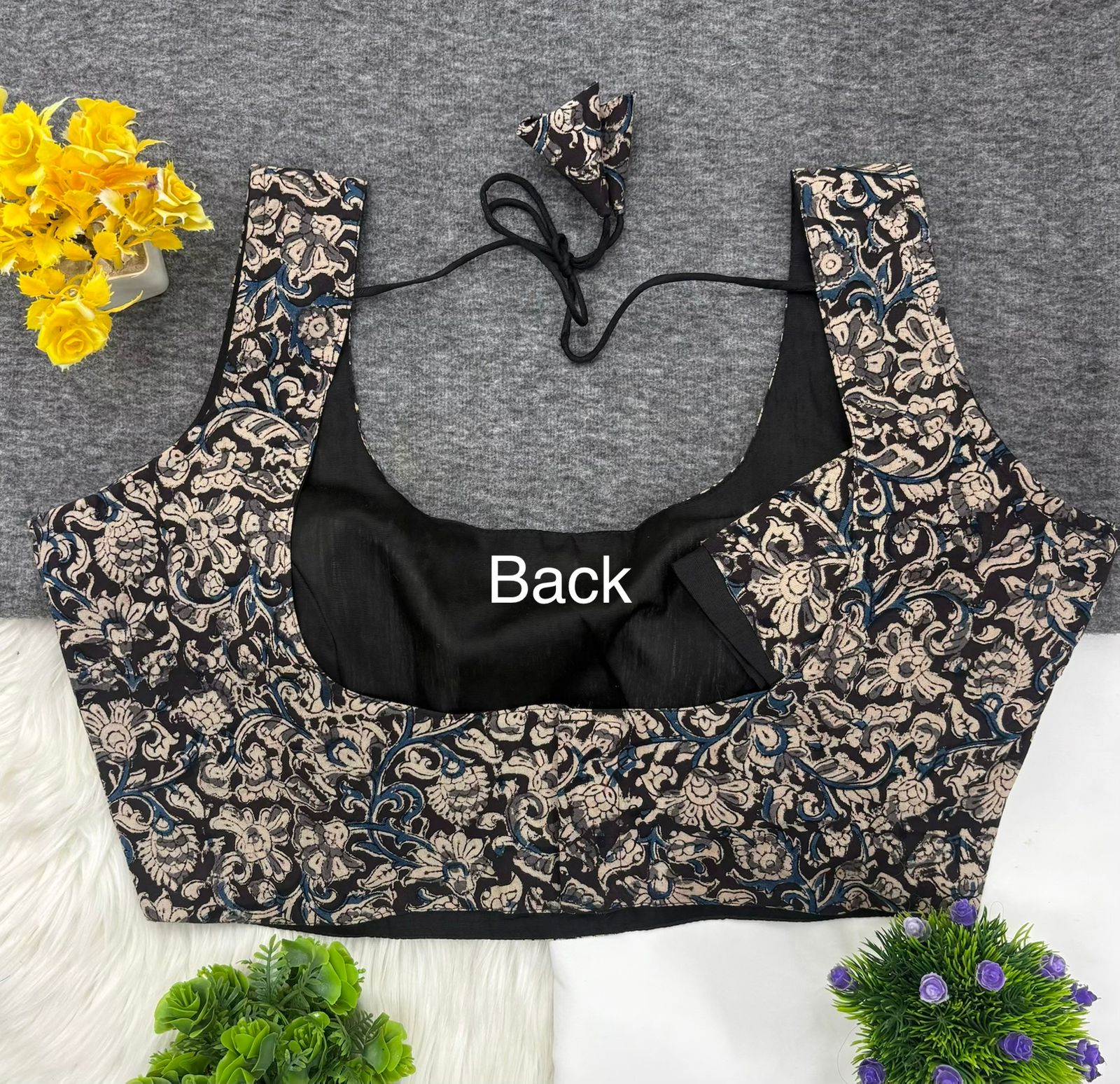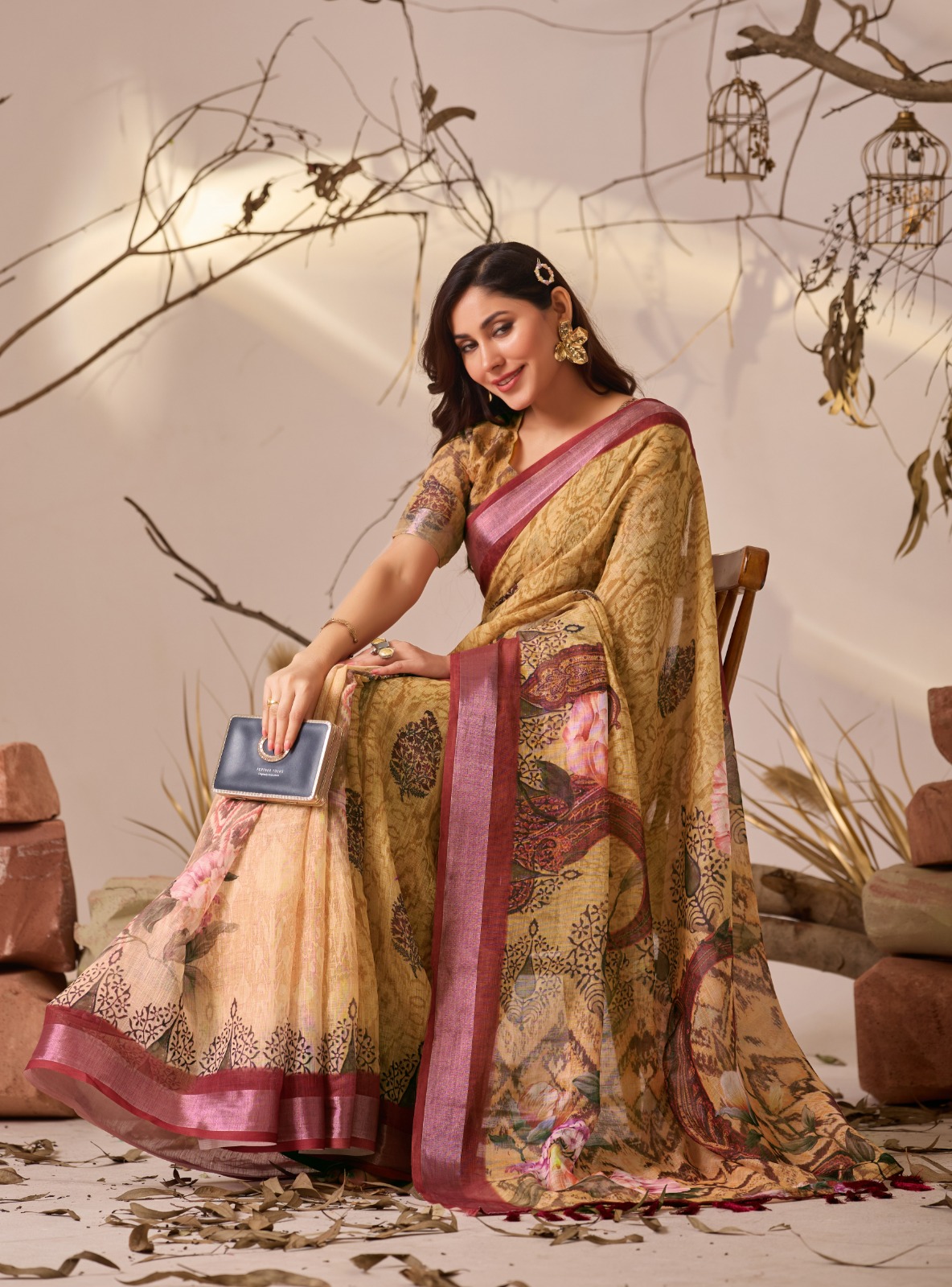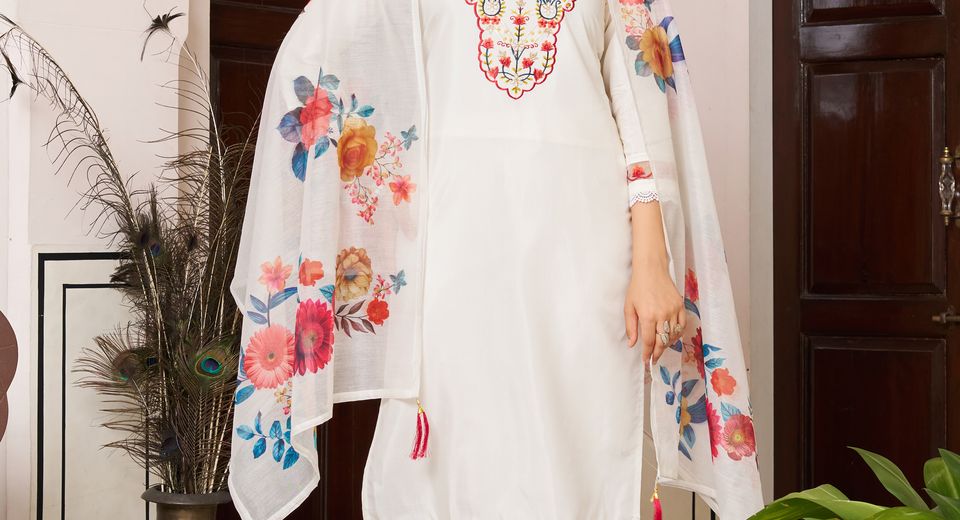
Cold mornings don't require you to abandon colour, embroidery or Indian silhouettes. Stylish Salwar Suits for Winter Wear can work beautifully when the fabric, fit and layering are chosen for the temperature you'll actually face. A light layer for a sunny Delhi afternoon won't serve the same purpose as a warm outfit for a foggy Lucknow morning or a wedding reception in Jaipur after sunset.
The most useful winter salwar suit wardrobe combines breathable base layers, sleeves that allow movement, a substantial dupatta and colours that suit the season. The right combination keeps the outfit comfortable without hiding the shape of the kurta or creating unnecessary bulk around the arms and waist.
What makes a salwar suit suitable for winter?
A winter-ready salwar suit uses a fabric, lining or layering combination that reduces heat loss while remaining comfortable indoors. Fabric weight matters, but coverage, weave density and the number of practical layers matter just as much.
Three-piece sets are especially useful because the kurta, bottom and dupatta create separate opportunities for warmth. A full-sleeve kurta over a thin cotton or thermal camisole can handle a mild winter day, while a lined kurta and a dense dupatta provide more protection for evening wear.
Rayon, viscose, silk blends, velvet accents and closely woven fabrics generally feel more substantial than very thin, open-weave cottons. Banarasi silk and heavy brocade can be appropriate for festive winter events, although they may feel too warm in heated indoor spaces. Chanderi offers elegance and some structure, but a Chanderi suit often benefits from a lining, a warm inner layer or a heavier dupatta when temperatures drop.
Avoid choosing a very loose kurta solely to fit a sweater underneath. Excess fabric can catch under a shawl and distort the silhouette. A better approach is to select a straight or gently A-line kurta with enough room at the chest and upper arm for one thin layer beneath it.
How should you layer Stylish Salwar Suits for Winter Wear?
Layer Stylish Salwar Suits for Winter Wear with one slim base layer, one structured outer layer and a dupatta that adds warmth without overwhelming the neckline. Three controlled layers usually look more polished than several loose garments.
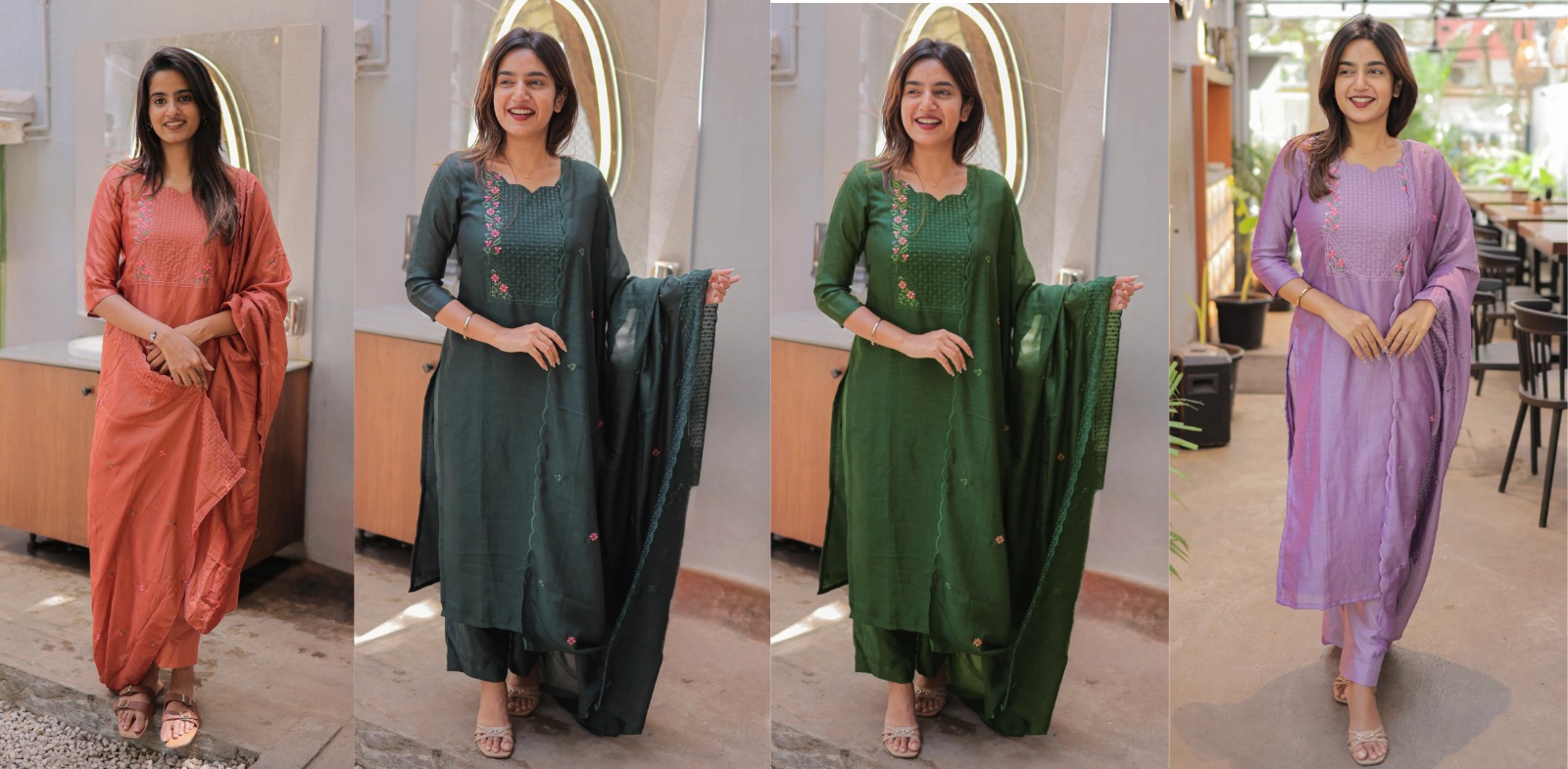
Start with the base
A fitted cotton camisole, long-sleeved thermal top or fine-knit mock-neck can sit beneath a kurta. Choose a base in black, ivory, beige or a colour close to the kurta so that a small glimpse at the neckline looks intentional. Seamless fabric is preferable because thick seams can show through silk, satin or closely fitted sleeves.
Add the visible layer
A cropped cardigan, tailored jacket or sleeveless Nehru-style waistcoat can sit over a salwar suit while keeping the kurta visible. A long wool-blend coat works for commuting, but the coat should open easily indoors rather than remain wrapped around a heavily embroidered neckline.
For a simple office outfit, pair a solid kurta with a fine cardigan in a related shade and a printed dupatta. For a family gathering, use a full-sleeve embroidered suit with a velvet or woollen shawl. For travel, a lightweight quilted jacket is more practical than a long, loose shawl because it stays secure while moving through stations or airports.
Use the dupatta as a functional layer
A dupatta adds meaningful warmth when it's wide enough to cover the shoulders and upper arms. Drape a dense silk, velvet-border or wool-blend dupatta over both shoulders for maximum coverage, or pin one side near the shoulder if you need both hands free.
Pinning the dupatta at two points prevents repeated adjustment in cold weather. Place one small pin near the shoulder seam and another near the waist or side seam, using a safety pin that won't snag delicate embroidery. A narrow, heavily embellished dupatta may look festive but won't provide the same warmth as a broad, softly woven layer.
Which fabrics work best in Indian winter weather?
The best winter fabric depends on the region, indoor heating and occasion, but medium-weight rayon, silk blends, lined Chanderi and dense woven textiles are versatile starting points. Fabric choice should also account for how the suit will be washed and stored.
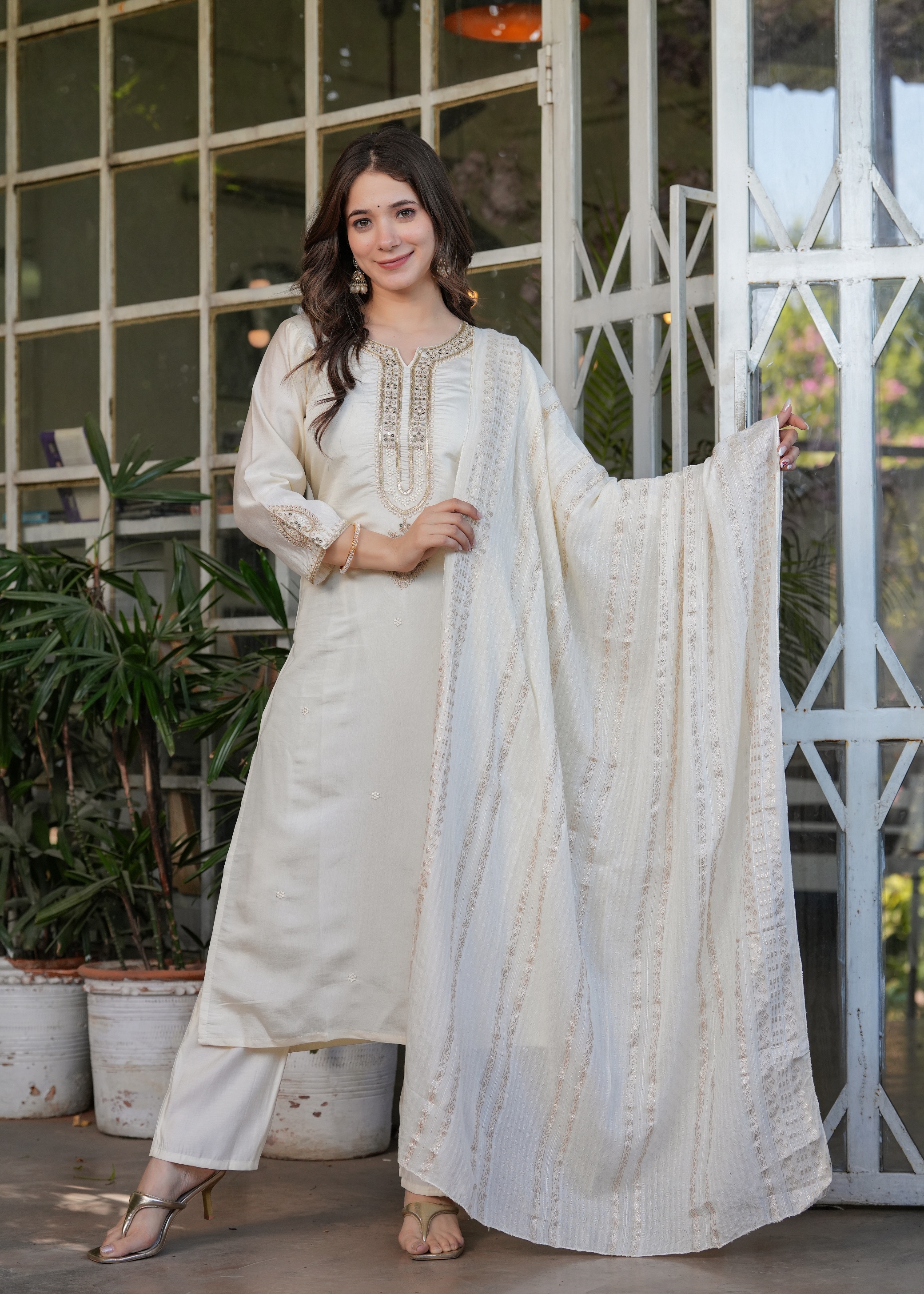
- Silk and silk blends: Black Red Fendy Silk 3 Piece Readymade Salwar Suit Set demonstrates why silk-based outfits suit winter celebrations: the surface looks festive, the fabric has body and a three-piece format allows additional coverage. Wear silk with a smooth inner layer rather than a bulky sweater to preserve the fall.
- Chanderi: White Chanderi Blossom Salwar Suit has a lighter, more delicate character. Chanderi works well for a mild winter lunch or a heated indoor celebration when paired with a thermal camisole, lined kurta or textured shawl.
- Rayon and viscose: These fabrics are comfortable for everyday wear and usually drape well over a thin base layer. Check whether the garment is lined before wearing it in a cold outdoor setting, because a thin rayon kurta alone may not retain enough warmth.
- Cotton: Cotton is breathable and practical, but lightweight cotton isn't automatically warm. Layer cotton with a full-sleeve inner, cardigan or dense dupatta when the temperature falls below approximately 15°C.
- Velvet details: Velvet sleeves, borders or waistcoats add visual depth and block some wind. Full velvet garments can feel heavy, so a velvet accent is often easier to wear for long events.
Fabric labels should be read alongside construction details. A lined kurta, full sleeves, a higher neckline and a substantial dupatta can make a moderate fabric more useful in winter than an unlined garment made from a nominally heavier textile.
Which winter salwar suit colours and patterns look current?
Deep jewel tones, warm neutrals and controlled contrast make winter salwar suits look considered without relying on excessive embellishment. Navy, burgundy, forest green, camel, black, ivory and mustard are particularly easy to combine with winter accessories.
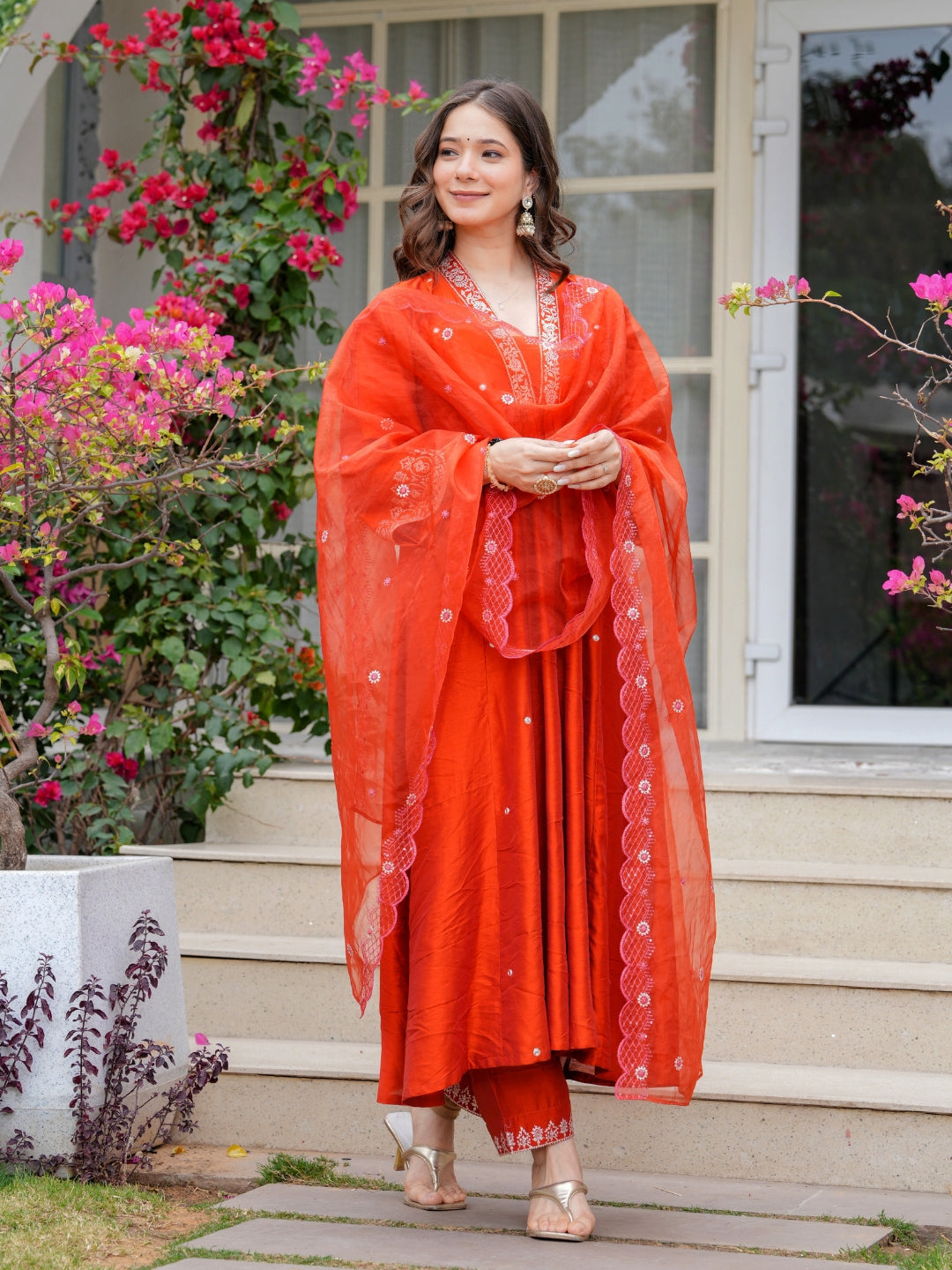
Navy Blue Embroidered Salwar Suit can be styled with tan footwear, a camel shawl or silver jewellery. Elegant Camel Shade Salwar Suit Set can take on a richer winter mood with burgundy lipstick, dark brown boots or an embroidered maroon dupatta. Black White Floral Embroidered Readymade Salwar Suit creates a clean monochrome base for a bright rust, wine or emerald outer layer.
Winter florals don't need to be pastel. Dark-ground florals, block-inspired motifs and small buti patterns feel seasonally appropriate because they provide contrast against deeper background colours. A floral suit with a plain shawl also balances decoration and warmth more successfully than pairing several highly patterned layers.
Mustard and yellow bring useful brightness to grey winter days. Designer Yellow Salwar Suit with Dupatta can be grounded with brown sandals for a daytime event, or with antique-gold jewellery and a deep green shawl for a festive evening. Pista Royale Salwar Suit gives a softer green option; pair it with ivory, beige or muted gold rather than a very bright neon accessory.
How can you style salwar suits for work and daily wear in winter?
Workwear salwar suits need a neat base layer, a controlled hemline and accessories that remain comfortable during commuting and desk work. A straight kurta, tapered trousers or churidar-style bottoms and a medium-width dupatta are usually easier to manage than very flared layers.
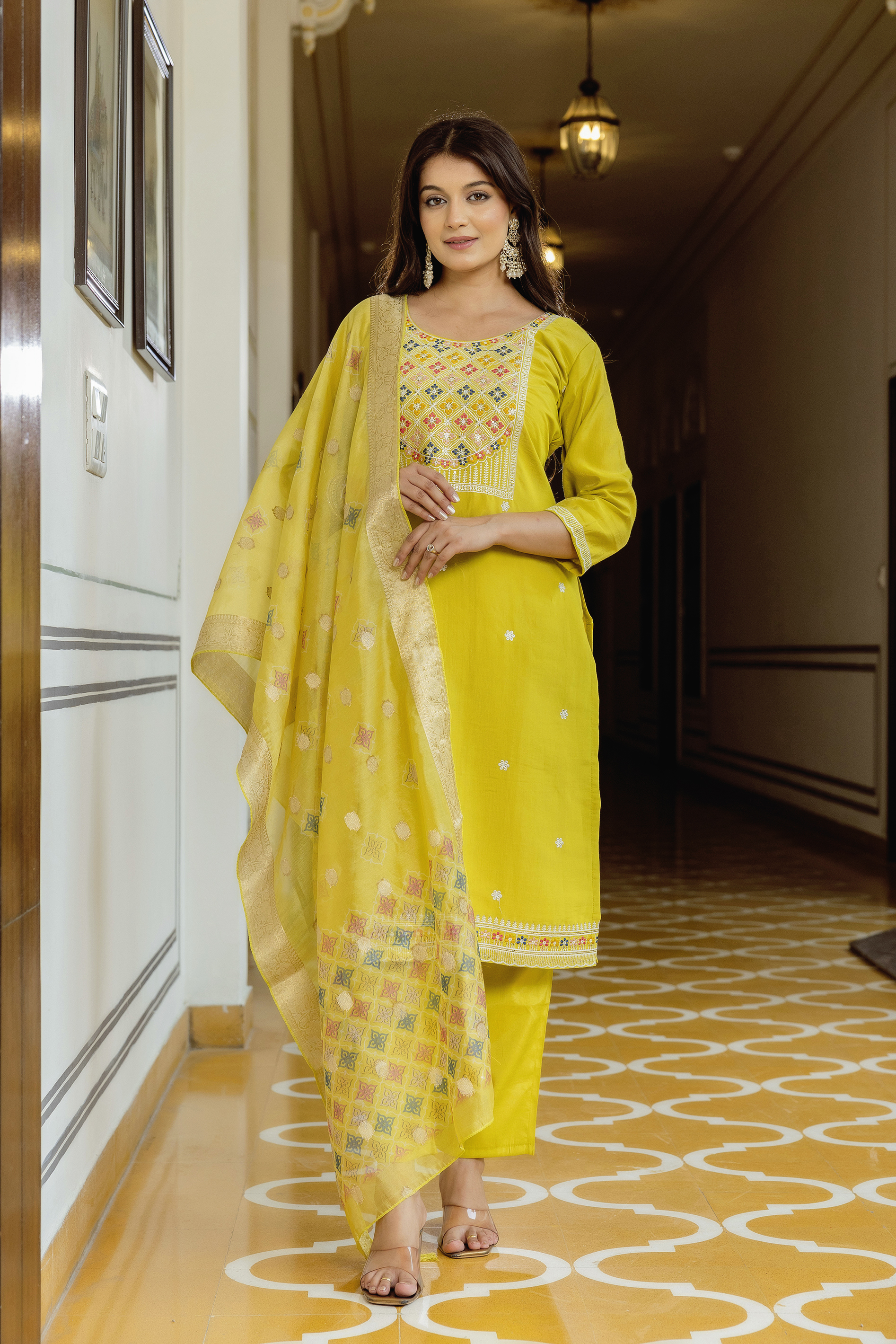
An Embroidered Salwar Suit Set for Women can become office-appropriate when worn with minimal earrings, closed-toe flats and a solid cardigan. Keep the cardigan in a neutral shade and allow only the neckline or sleeve embroidery to provide detail. A structured tote and a low bun reinforce the practical proportions.
For everyday errands, choose a readymade suit with room at the shoulders and a dupatta that can be folded into a bag. Black White Floral Embroidered Readymade Salwar Suit works as a repeatable weekday base because black and white can support different shawls, cardigans and footwear.
Winter commuting also changes footwear decisions. Closed loafers, ankle boots or padded juttis protect the feet better than thin sandals, particularly during early-morning travel. Keep the trouser hem clear of wet pavements and avoid very long dupattas around escalators, bicycle wheels or crowded public transport.
What should you wear to a winter wedding or evening function?
A winter wedding outfit should combine festive surface detail with a warm outer layer that can be removed indoors. Embroidery, zari, silk, velvet borders and jewel colours provide occasion presence without requiring multiple uncomfortable garments.
Navy Blue Embroidered Salwar Suit suits a formal evening when paired with silver or diamond-look earrings and a dark shawl. Black Red Fendy Silk 3 Piece Readymade Salwar Suit Set brings a stronger festive contrast; keep the jewellery focused near the face and let the red-and-black colour relationship remain visible.
For a morning wedding or family lunch, White Chanderi Blossom Salwar Suit can be layered with a pale gold, camel or blush shawl. Chanderi may need careful protection from rough jewellery, so choose smooth bangles and avoid a handbag chain that can catch the weave.
A Haldi ceremony often calls for yellow, green or ivory rather than heavy black and red. Designer Yellow Salwar Suit with Dupatta provides a cheerful base, while Pista Royale Salwar Suit brings a fresh alternative for guests who prefer a quieter colour palette. Choose washable or easy-care accessories if turmeric, flower petals and food are likely to come into contact with the outfit.
When selecting a winter wedding layer, match the formality of the outer piece to the suit. A plain fleece jacket may be warm but can look disconnected from zari or brocade. A velvet shawl, embroidered cape, silk stole or tailored long coat usually integrates more naturally with festive salwar kameez.
How do fit and accessories prevent winter outfits from looking bulky?
Proportion prevents bulk: keep one garment close to the body, one layer structured and one layer fluid. A slim base, a kurta with controlled ease and a draped dupatta create a clearer outline than an oversized sweater under a loose Anarkali.
Choose sleeves carefully. Full sleeves provide warmth, but very wide bell sleeves can bunch under a coat or cardigan. Straight sleeves, fitted cuffs and three-quarter sleeves with a long inner layer are easier to manage. A high-neck inner can also make a modest round-neck kurta feel more winter-appropriate without altering the garment.
Jewellery should support the neckline rather than compete with a thick shawl. Studs, medium hoops, a pendant on a short chain and one statement ring are practical choices for layered outfits. Heavy necklaces can sit awkwardly over a high-neck inner and may pull at delicate Chanderi or silk.
Belts can define a straight kurta, but a belt should be placed over a jacket or waistcoat rather than cinched tightly over heavily embroidered fabric. A medium belt in leather or woven textile gives shape without compressing the layers beneath it.
Collections such as Ladies Dress Anarkali Salwar Suits are useful for comparing fuller silhouettes, while Dress Materials suit shoppers who want control over lining, sleeve length and winter layering. Salwar Suits with 30% Off, Salwar Suits Flat 40% Off and Salwar Suits On Sale can help with budget planning, but discount percentage should never replace checking measurements, fabric composition and care instructions.
How should winter salwar suits be cared for?
Winter salwar suits last longer when they're cleaned according to fibre, dried away from harsh heat and stored only after complete drying. Care mistakes can damage embroidery, shrink lining and leave odours trapped between layers.
- Check the label first: Silk, zari, Chanderi and embellished garments may require dry cleaning or gentle hand washing. Do not assume that a readymade suit is machine washable.
- Dry naturally: Direct, intense sunlight can fade black, red, navy and yellow dyes. Dry garments inside out in moving air and keep embroidered surfaces away from rough drying lines.
- Store with airflow: Fold heavy suits rather than hanging them for months, because embroidery and wet fabric can stretch shoulders. Use breathable cotton covers instead of airtight plastic for long-term storage.
- Remove winter odours: Air a suit after wearing it, especially when a shawl or coat was used over it. Storing a damp or perspiration-marked garment encourages mildew and colour transfer.
- Protect embellishment: Place tissue paper between densely embroidered surfaces before folding. Keep zari away from abrasive hooks, metal chains and rough woollen accessories.
A careful winter purchase therefore features more than colour and design. The most reliable choice has enough ease for a thin inner layer, a fabric suited to the local temperature, a practical dupatta and care requirements that fit your routine.
Questions About Choosing and Layering Winter Salwar Suits
Which fabric is warmest for a winter salwar suit?
Silk blends, medium-weight rayon, lined fabrics and dense woven textiles generally feel warmer than lightweight cotton or open-weave materials. A full-sleeve cut and substantial dupatta can make a moderate fabric more useful than an unlined heavy-looking fabric.
Can I wear a Chanderi salwar suit in winter?
You can wear Chanderi in mild winter weather or heated indoor settings with a thermal camisole, lining or warm shawl. White Chanderi Blossom Salwar Suit is better suited to layered daytime and indoor occasions than very cold outdoor travel without an additional outer layer.
How do I wear a salwar suit with a sweater?
Wear a thin fitted sweater or thermal top underneath a straight or gently A-line kurta rather than choosing a bulky pullover. A cropped cardigan, tailored jacket or waistcoat over the kurta usually preserves the salwar suit silhouette more effectively.
Are salwar suits suitable for winter weddings?
Salwar suits are suitable for winter weddings when silk, embroidery, zari, velvet accents or a dense dupatta provide festive texture and warmth. Add a coordinated shawl, cape or long coat that can be removed comfortably indoors.
What colours look best in winter salwar suits?
Navy, black, burgundy, forest green, camel, mustard, ivory and deep red are versatile winter colours. A dark or neutral suit also makes it easier to change the look with rust, emerald, gold or wine-coloured layers.
How can I keep a winter dupatta from slipping?
Pin the dupatta near the shoulder and waist, or use a discreet brooch at one shoulder for a formal outfit. A wider dupatta with a slightly textured border generally stays in place better than a very smooth, narrow stole.