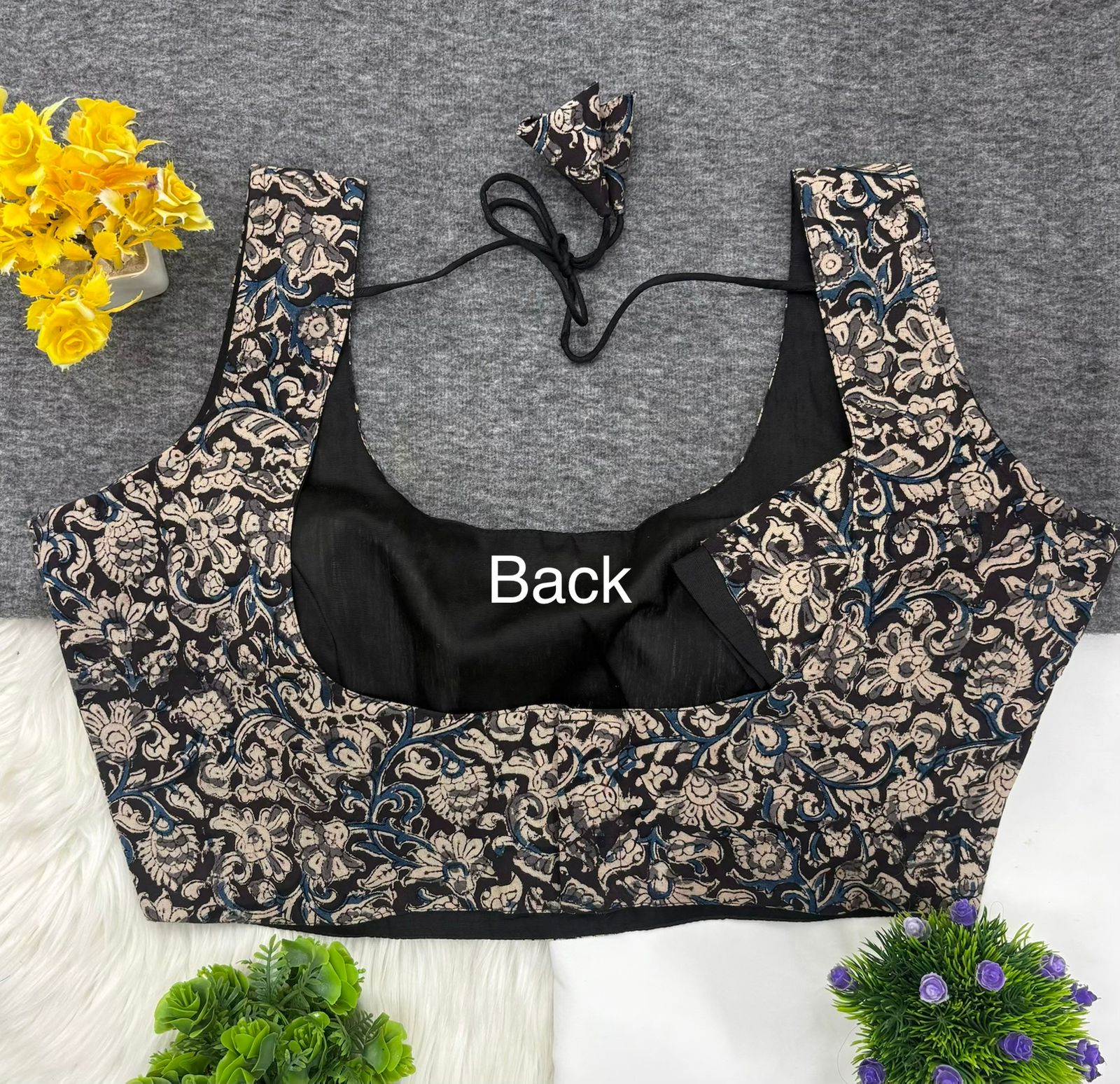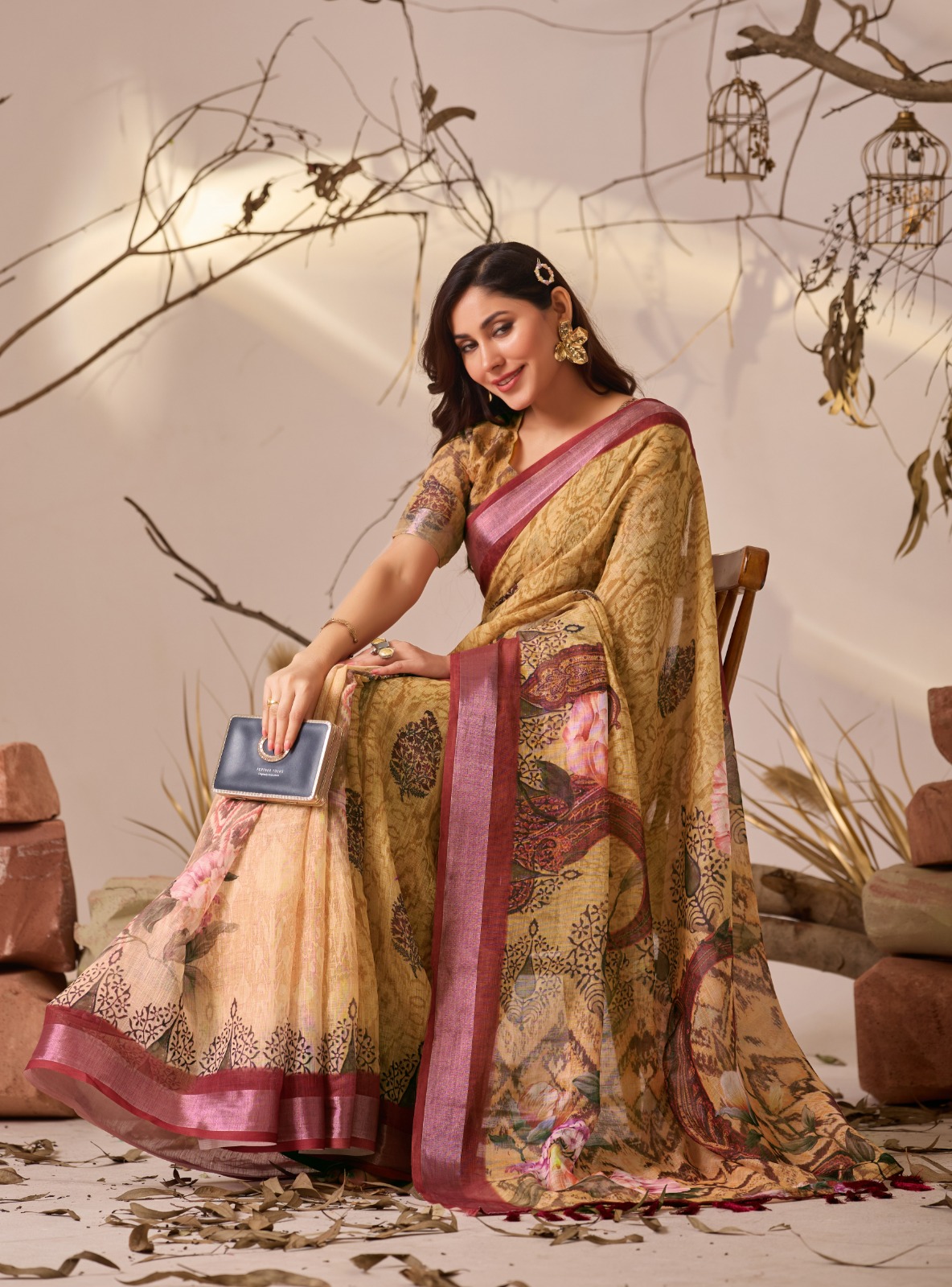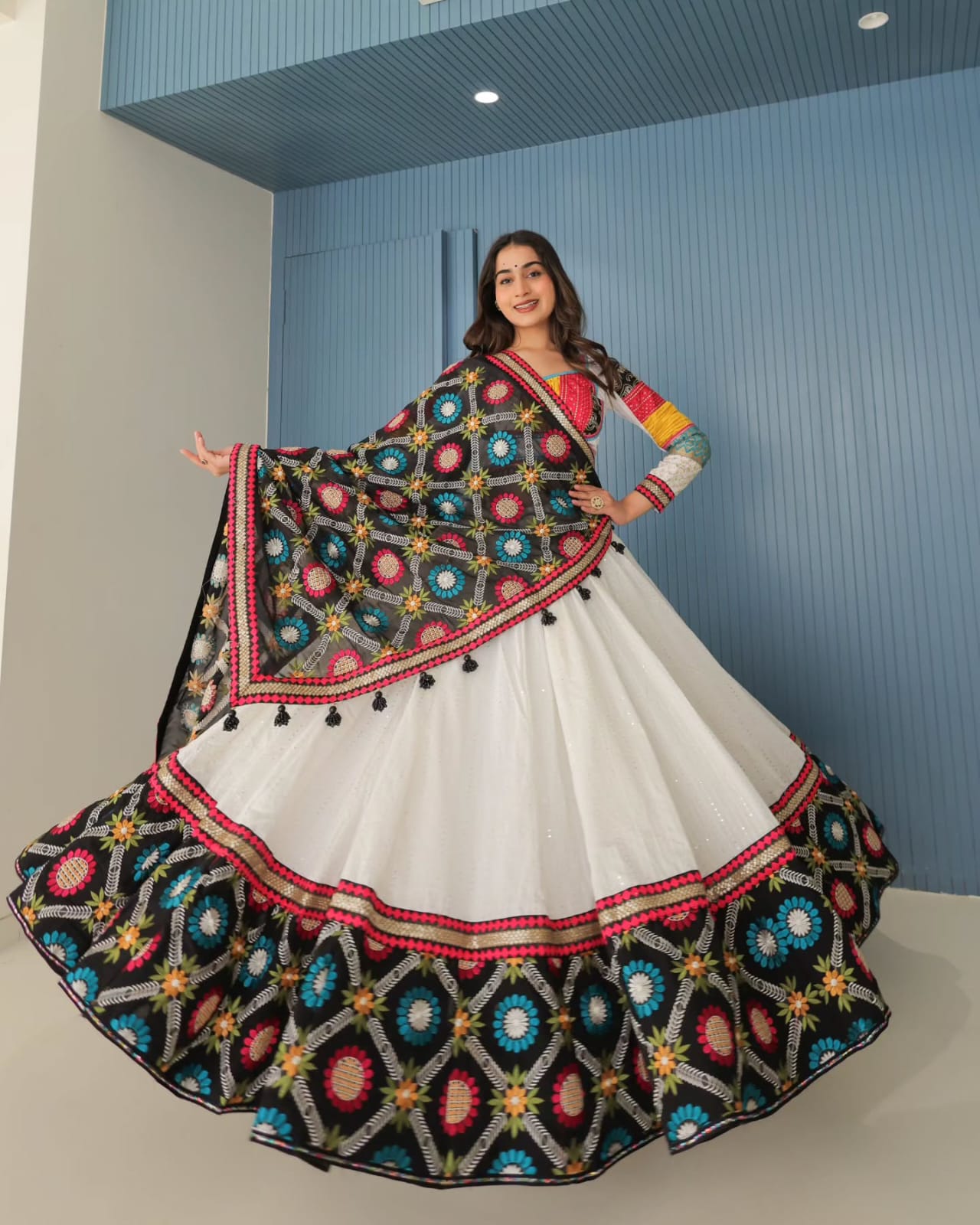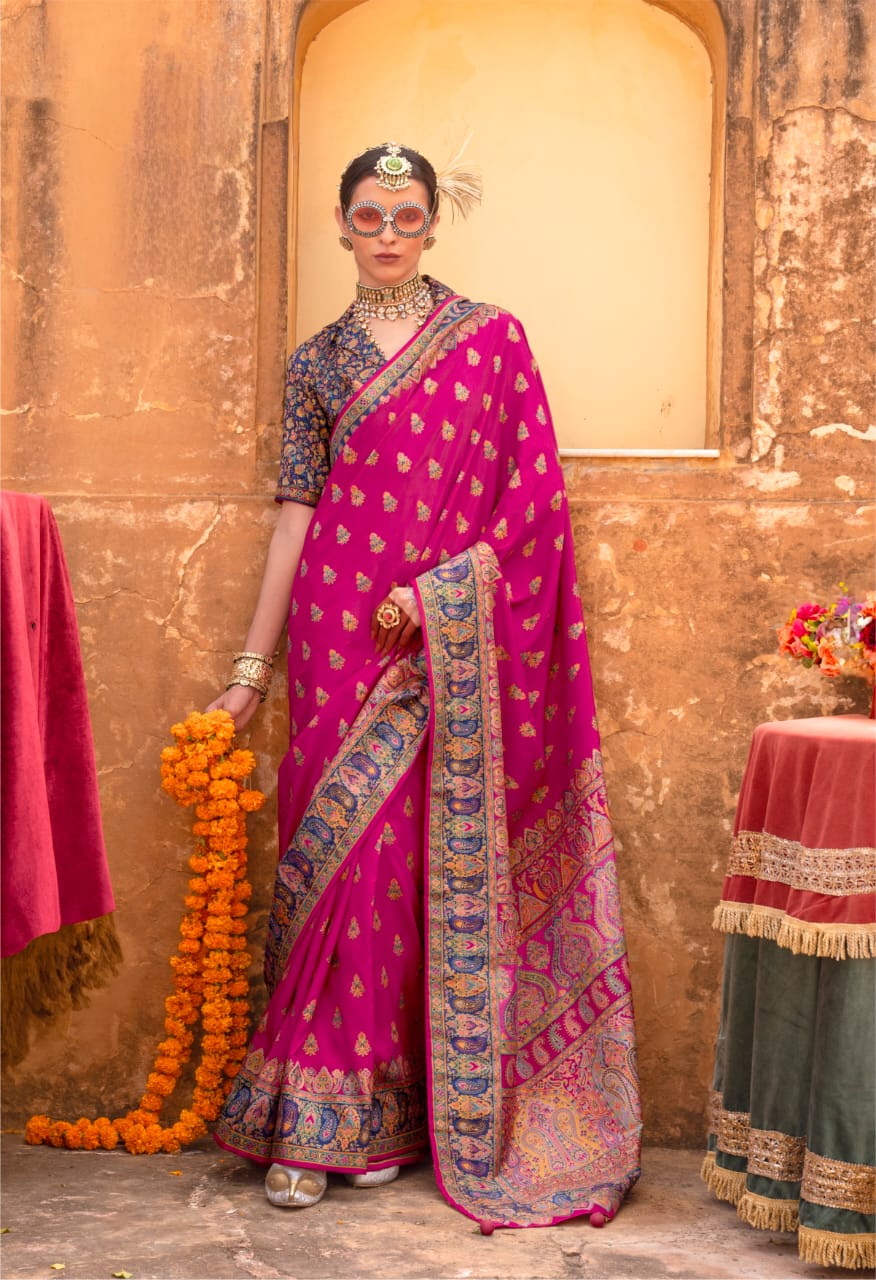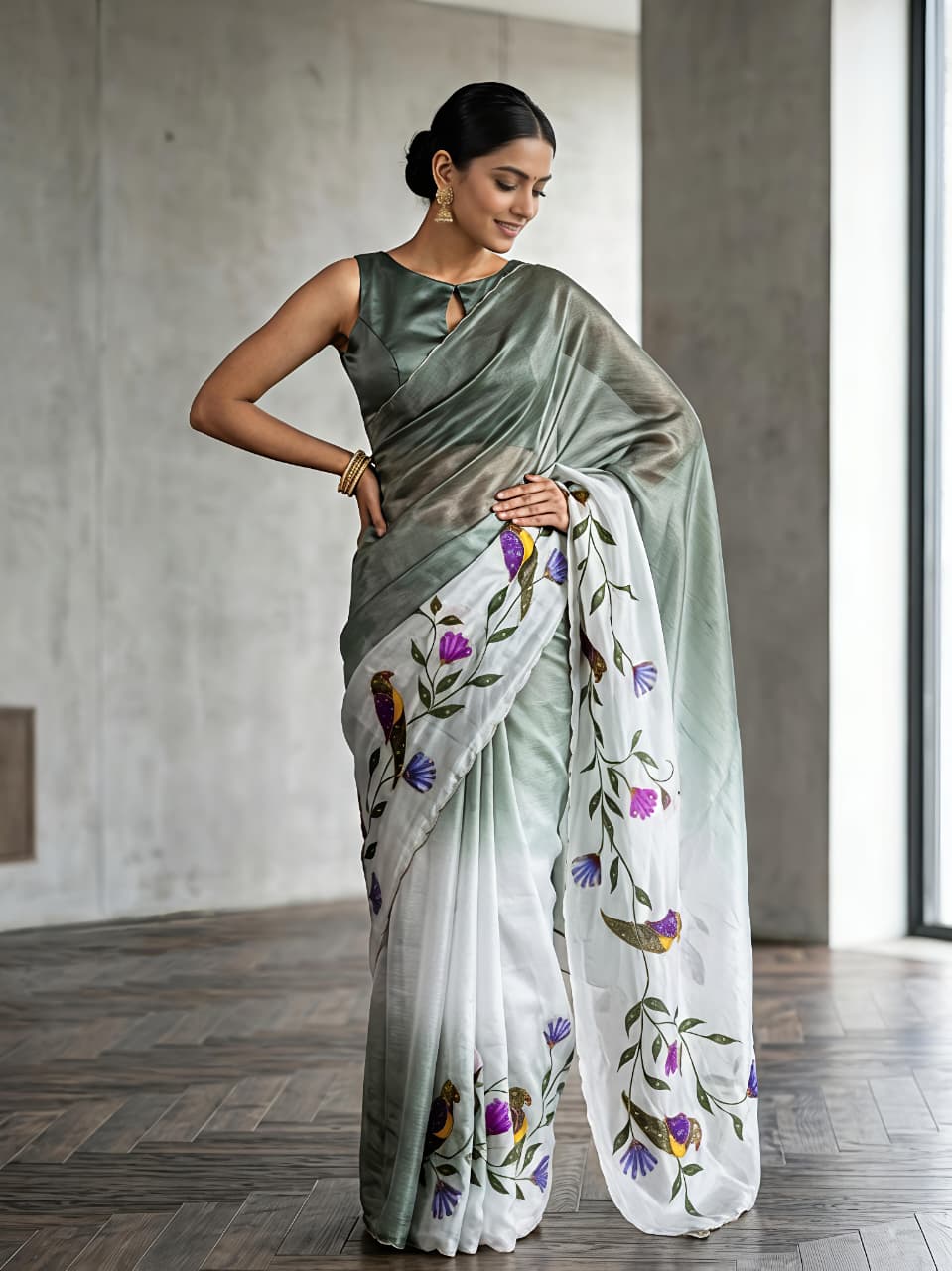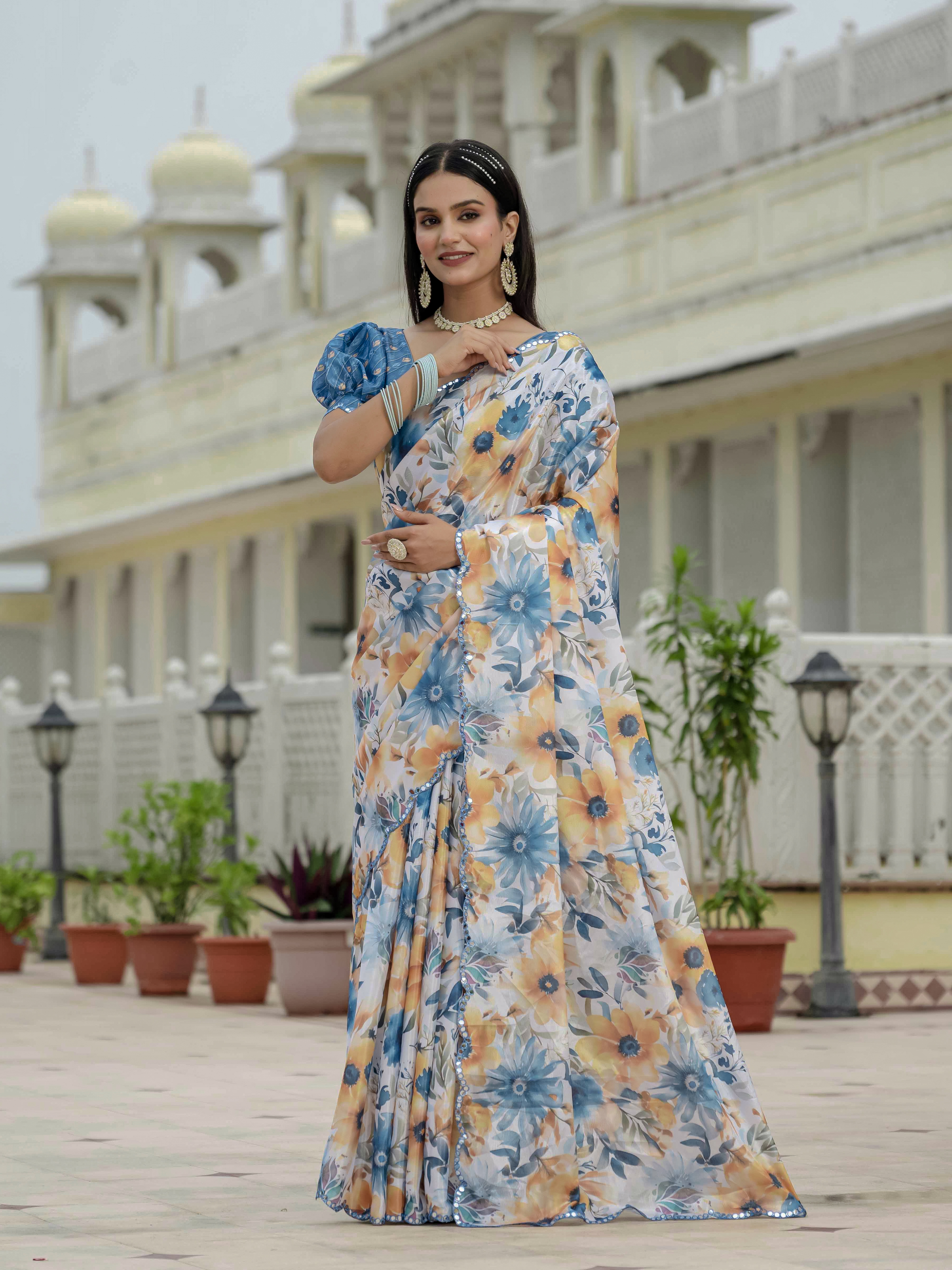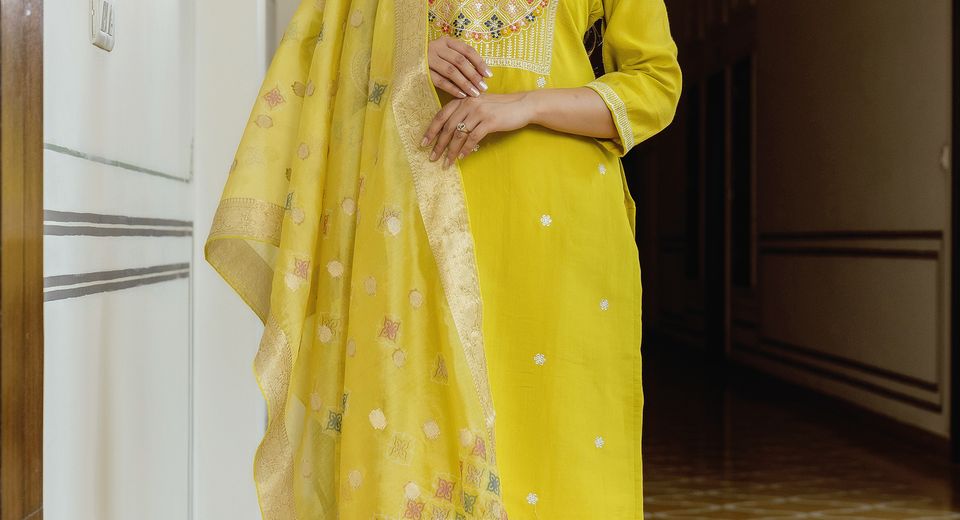
A sleeve can alter the balance, comfort and perceived formality of a salwar suit more quickly than almost any other detail. Stylish Salwar Suit Sleeve Designs range from easy three-quarter sleeves to sculpted cuffs, slit sleeves, layered flares and delicate embroidery. The right choice depends on the fabric, kurta silhouette, weather, jewellery and amount of movement you need. A sleeve that looks beautiful in a photograph may feel restrictive during a long ceremony, while a practical cotton sleeve can look polished when its proportions are specially planned.
Why do sleeves matter so much in a salwar suit?
Sleeves matter because they frame the upper body, affect arm movement and determine where visual attention lands. A narrow sleeve makes a straight kurta look cleaner, while a wide sleeve adds volume to an otherwise simple outfit. Sleeve length also changes how bracelets, rings and dupattas sit on the body.
Salwar suits usually combine several visible lines: the shoulder seam, neckline, sleeve edge, side seam and hem. When these lines are balanced, the outfit appears intentional. For example, a heavily flared Anarkali usually benefits from a relatively controlled sleeve, whereas a minimal straight kurta can carry a statement cuff or shaped sleeve.
Fabric changes the result as well. Cotton holds a crisp cuff and suits everyday tailoring. Rayon printed straight suits create a softer fall and work well with uncomplicated sleeves. Banarasi silk and zari details call for sleeves that support the richness without adding excessive bulk. Chanderi can carry delicate embroidery, narrow borders and translucent layered effects, but a lining may be needed for comfort and coverage.
Which Stylish Salwar Suit Sleeve Designs work for different occasions?
Three-quarter, full-length, short, flared and cuffed sleeves are the most versatile choices because each can be adapted to a different setting. Occasion, climate and required movement should guide the final selection.
Everyday cotton and office wear
Three-quarter straight sleeves are the most practical choice for daily wear and office dressing. The sleeve usually ends between the elbow and wrist, leaving enough room for a watch or slim bangle without exposing too much arm. A narrow hem of 1 to 2 centimetres keeps the sleeve neat and prevents it from looking unfinished.
Vertical Cotton Straight Kurta Set with Dupatta demonstrates why a clean sleeve line works with a practical silhouette. Pairing a straight sleeve with a cotton kurta gives the outfit a tidy vertical shape. A small side slit at the cuff or a contrast piping detail can add interest without making the garment difficult to wash or iron.
For a formal workplace, choose opaque sleeves with moderate ease at the bicep and avoid very wide openings that can catch on desks or handbags. A full sleeve is useful in air-conditioned offices, but cotton sleeves should not be so tight that they restrict typing or driving.
Festive gatherings and family functions
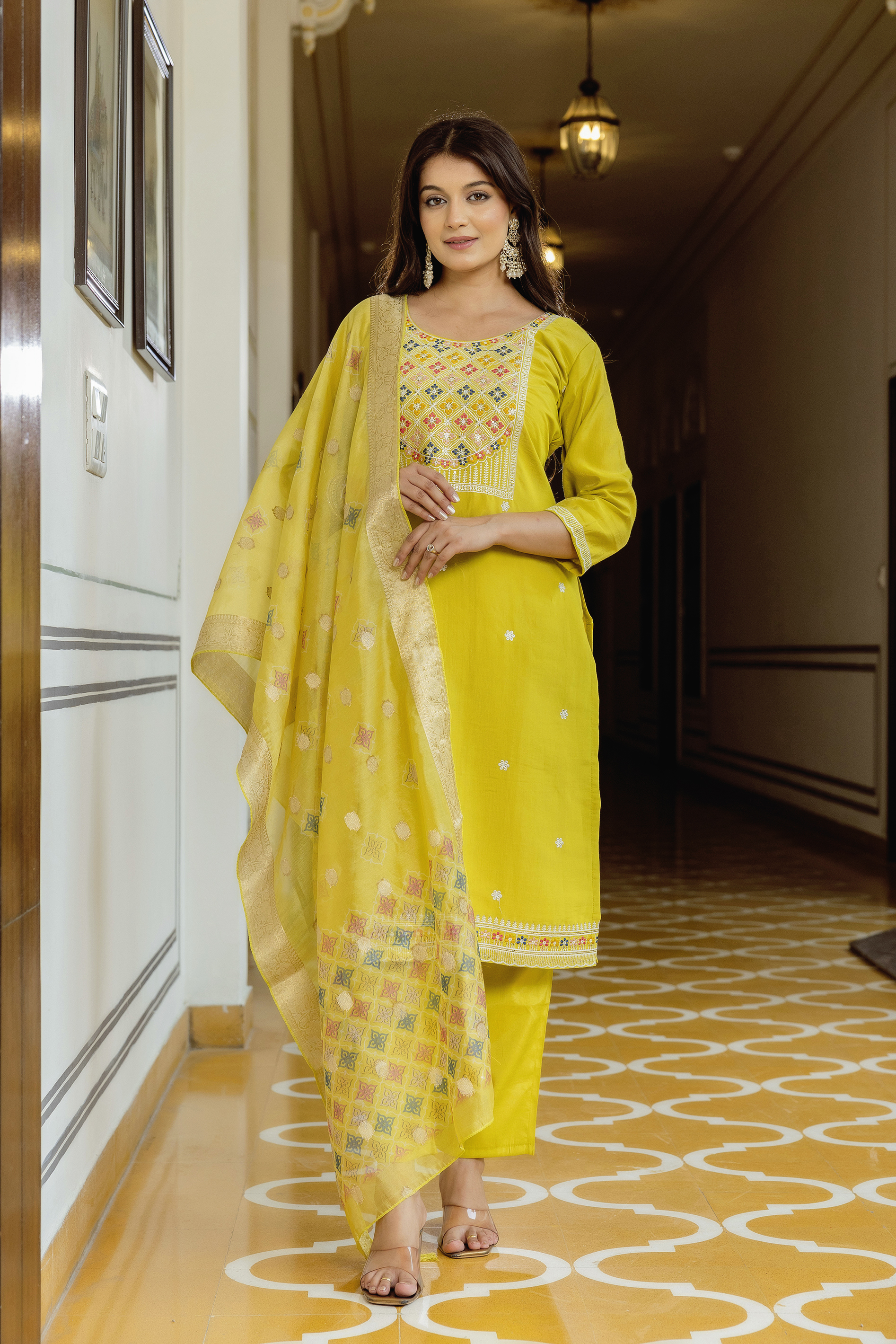
Elbow-length sleeves, embroidered cuffs and gently puffed shoulders suit festive family gatherings because they provide decoration without competing with the dupatta. A slim sleeve with zari, threadwork or a narrow border works particularly well when the neckline and hem already contain detail.
Designer Yellow Salwar Suit with Dupatta can be styled with a sleeve border that repeats the yellow tone or introduces a restrained metallic accent. Keep one area dominant: if the sleeve has dense embroidery, use lighter jewellery near the wrist and let the dupatta fall from the opposite shoulder.
For a Haldi ceremony, sleeves should allow the arms to move freely and should not have fragile hanging embellishments. Short sleeves, elbow sleeves and washable cotton blends are easier to manage around turmeric, flowers and outdoor seating.
Evening events and weddings
Long fitted sleeves, sheer overlay sleeves and structured flares create a more formal effect for evening events. These designs work best when the sleeve fabric matches the weight of the kurta and the armhole has enough room for comfortable movement.
Navy Blue Embroidered Salwar Suit is an useful example of how embroidery can make a controlled sleeve feel occasion-ready. A sleeve with embroidery concentrated at the cuff allows the navy colour and overall silhouette to remain visible. For a wedding, a narrow zari edge or small sequin motif can connect the sleeve to the dupatta without repeating the same pattern everywhere.
How should sleeve length be chosen?
Sleeve length should be chosen according to movement, climate, jewellery and the visual proportion of the kurta. The most useful measurements are the shoulder point to the sleeve edge and the circumference around the fullest part of the upper arm.
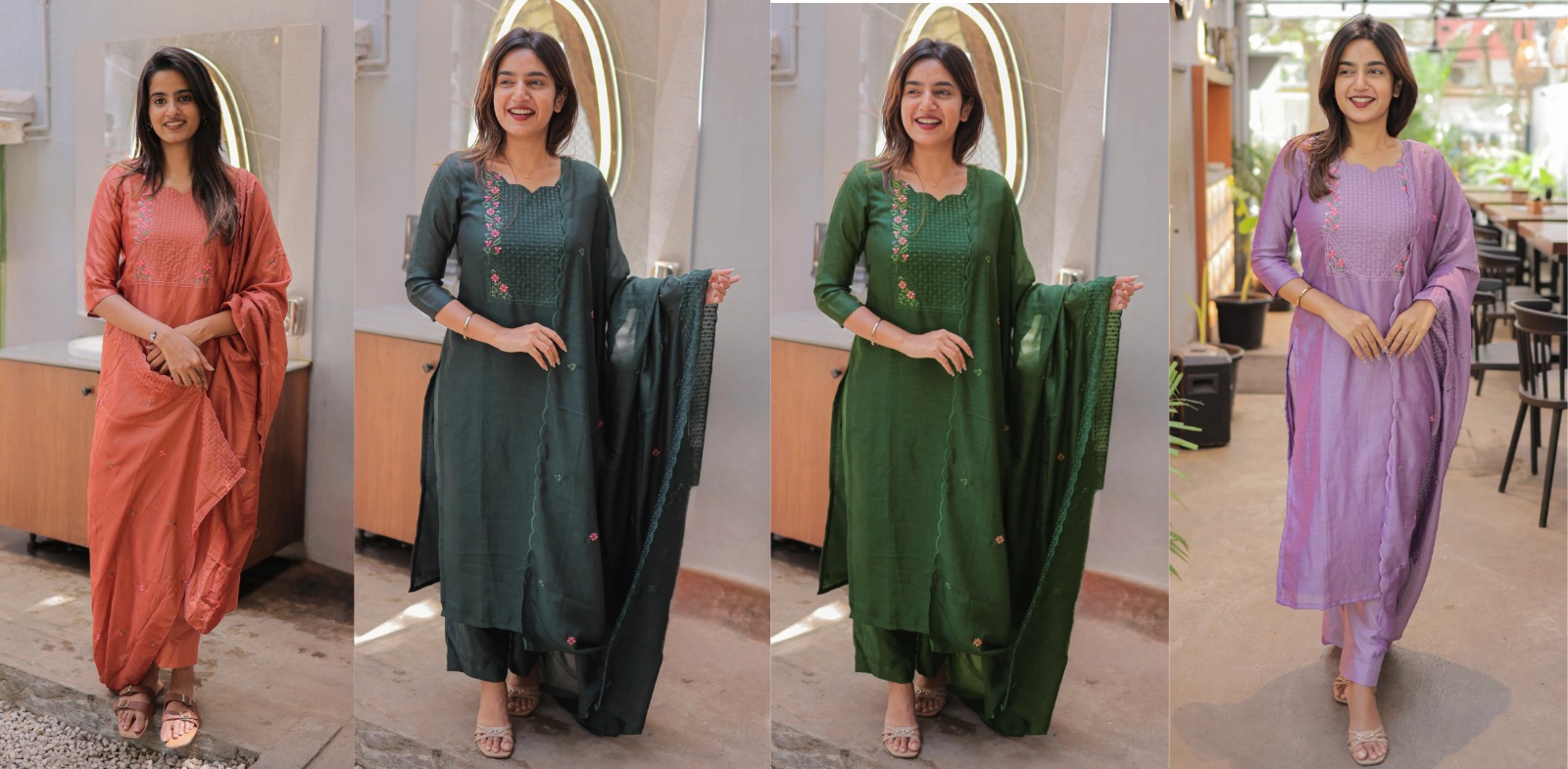
- Short sleeves: A 5 to 8 inch sleeve keeps the look fresh and works well with summer cotton, printed suits and bold bangles. A slightly wider opening prevents the sleeve from pulling when the arm is raised.
- Elbow sleeves: An elbow or just-below-elbow length is flexible for festive and semi-formal dressing. The sleeve ends at a visually noticeable point, so a clean border or tailored hem improves the finish.
- Three-quarter sleeves: A 14 to 17 inch sleeve, depending on height, is a dependable choice for straight kurtas and office wear. The length leaves the wrist visible and works with watches, bracelets and rings.
- Full sleeves: Full-length sleeves look elegant with darker colours, embroidered suits and winter layering. Add at least 2 to 3 inches of ease around the upper arm if the fabric has little stretch.
- Bracelet sleeves: A bracelet sleeve ends slightly above the wrist and suits formal tailoring. The exposed wrist creates space for a cuff bracelet or a narrow watch.
Height also affects proportion. A very long sleeve paired with a long kurta can make a petite frame appear visually covered, while a three-quarter sleeve can create a lighter break. Taller wearers can carry longer sleeves, wide cuffs and layered flares more easily, although comfort remains more important than a fixed rule.
What sleeve shapes create a stylish silhouette?
Sleeve shape determines whether a salwar suit looks streamlined, romantic, contemporary or dramatic. The best shape repeats one element already present in the outfit instead of introducing unrelated volume.
Clean straight sleeves
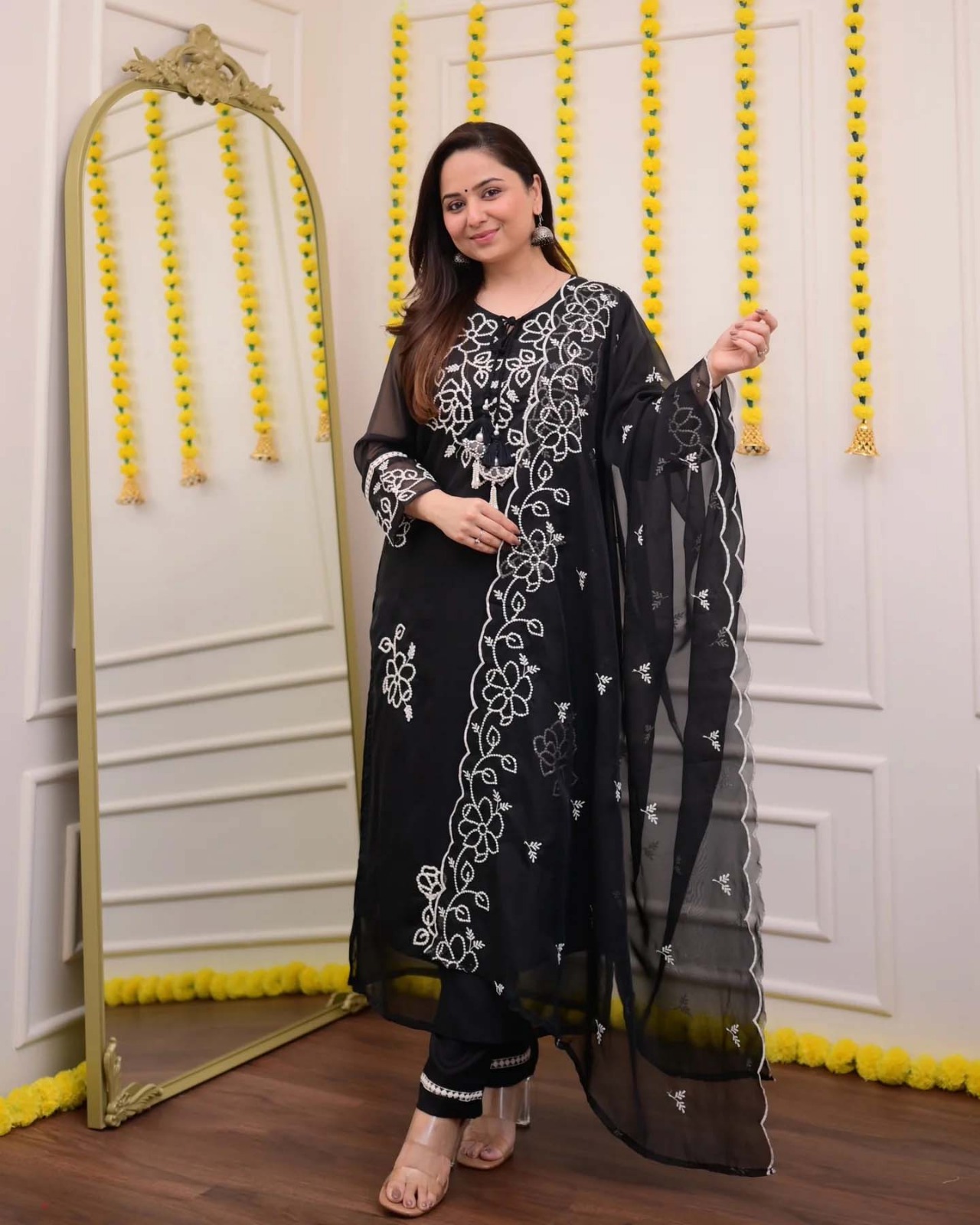
Straight sleeves follow the arm with moderate ease and suit almost every kurta cut. Straight sleeves are especially effective with printed cotton, solid rayon and minimal embroidery because they keep the overall outfit visually calm.
Black White Floral Embroidered Readymade Salwar Suit benefits from a controlled sleeve because the floral pattern already creates visual movement. A plain black cuff, narrow white piping or a small floral border can finish the sleeve without making the print look crowded.
Bell and flared sleeves
Bell sleeves widen from the elbow or forearm and add movement to a plain kurta. A modest flare of 3 to 5 inches is easier to wear than an exaggerated flare, particularly when eating, travelling or carrying a handbag.
Flared sleeves look strongest with a relatively simple neckline and hem. If the sleeve, dupatta and kurta hem all have heavy borders, the outfit can lose definition. A light Chanderi overlay or soft rayon makes the flare fall more naturally than a stiff, bulky fabric.
Puff and gathered sleeves
Puff sleeves add volume at the shoulder or upper arm and create a youthful, fashion-led effect. The gathered section should be balanced by a clean lower sleeve or a simple kurta body.
Pista Royale Salwar Suit can carry a softly gathered sleeve when the green tone is allowed to remain the main visual statement. Small gathers are more comfortable than tight elastic gathering, and a lined armhole prevents rough embroidery or seams from irritating the skin.
Slit, layered and statement cuffs
Slit sleeves expose a narrow section of the forearm and add movement without requiring a wide silhouette. Layered sleeves combine two lengths or fabrics, while statement cuffs use embroidery, contrast fabric, buttons or zari to focus attention at the wrist.
Statement cuffs are most flattering when the sleeve above the cuff has enough room to fall smoothly. A cuff that's too tight can cause pulling across the forearm, and a cuff that's too wide can slide over the hand. Measure the wrist, the hand at its widest point and the intended cuff opening before ordering a custom style.
How can sleeve details improve the fit?
Sleeve details improve fit when they add controlled ease at the shoulder, upper arm and wrist rather than merely adding decoration. Seam placement, cuff opening and armhole depth deserve as much attention as embroidery.
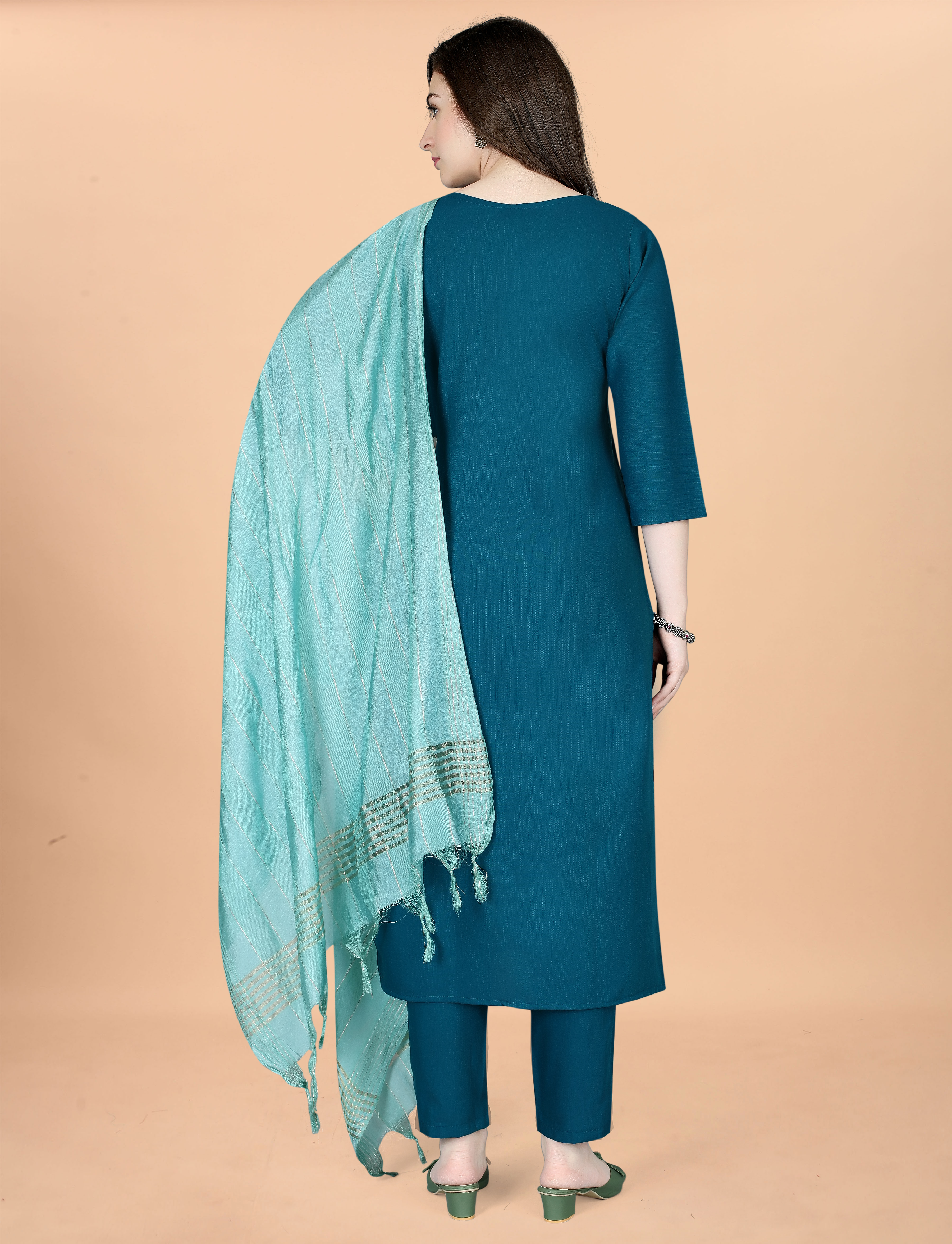
A comfortable armhole allows the wearer to lift the arms without pulling the kurta upward. For a non-stretch fabric, the upper-arm circumference should include wearing ease; a close fit may look sharp while standing but become uncomfortable during driving or dining. A small underarm gusset can improve movement in a fitted sleeve without visibly changing the design.
Vertical sleeve panels can make the arm appear longer, while horizontal borders draw attention across the arm. A narrow border at the sleeve edge is usually more adaptable than a wide border placed at the fullest part of the upper arm. Contrast piping can define a sleeve seam without adding weight.
Elegant Camel Shade Salwar Suit Set shows the value of restrained detailing. A camel sleeve with tonal threadwork, a slim cuff or a small button detail can look refined because the neutral base gives the construction room to show. Matching the sleeve border to the dupatta edge also creates a coherent three-piece outfit.
How should sleeves be matched with prints, embroidery and dupattas?
Sleeves should repeat one colour, motif or texture from the kurta or dupatta, not every decorative element at once. Coordinated repetition makes a salwar suit look complete without making every surface equally busy.
With a floral print, choose a sleeve in a ground colour from the print or use a very small version of the floral motif. Pink Flower Printed Salwar Suit can be paired with a pink, ivory or green sleeve detail drawn from the print rather than with an unrelated bright contrast. A plain sleeve is also a strong option when the flowers are large.
With dense embroidery, place decoration at the cuff, shoulder or sleeve border and leave the middle section comparatively quiet. Embroidered Salwar Suit Set for Women can be styled with matching threadwork at the cuff while the rest of the sleeve remains smooth. This placement keeps the wrist visible and allows bangles or a watch to sit comfortably.
With a heavily decorated dupatta, keep the sleeve shape simple. With a plain dupatta, a shaped sleeve, contrast cuff or delicate cutwork can supply the outfit's focal detail. Kanjeevaram-inspired colour combinations, Banarasi silk texture and zari borders often need clean sleeve construction so the metallic work doesn't appear excessive.
How can you choose sleeves for comfort and care?
Comfort depends on fibre, seam finishing, ease and washing requirements as much as on appearance. Check the care label and construction before choosing a highly detailed sleeve for frequent wear.
Cotton sleeves are breathable and practical for warm weather, but cotton can shrink if washed in hot water. Wash cotton salwar suits in cold or lukewarm water, avoid harsh bleaching agents and dry strong colours away from direct midday sunlight. Rayon needs gentler handling because twisting or high heat can distort its drape.
Embroidery, sequins and zari require extra care. Turn embellished sleeves inside out, place the garment in a mesh laundry bag and use a mild detergent. Avoid wringing embroidered cuffs because concentrated weight at the wrist can pull the fabric. Air-dry the garment flat or on a broad hanger, depending on the care instructions.
Collections such as Ladies Dress Anarkali Salwar Suits are useful when comparing sleeve proportions across fuller silhouettes. Dress Materials can suit shoppers who want to customise sleeve length, cuff width or fabric placement. Sale collections such as Salwar Suits with 30% Off, Salwar Suits Flat 40% Off and Salwar Suits On Sale can offer value, but measurements and return conditions should still be checked before purchase.
What should you check before buying a salwar suit with statement sleeves?
Check the sleeve measurement, armhole construction, fabric composition, cuff opening and care instructions before buying a salwar suit with statement sleeves. Product photographs alone can't confirm ease or movement.
- Measure the upper arm: Measure around the fullest point while keeping the tape level. Compare that measurement with the garment's size chart.
- Check sleeve length: Confirm whether the listed length runs from the shoulder seam or from the armhole. The difference can be several centimetres.
- Inspect the cuff: A buttoned, elasticated or open cuff behaves differently. Make sure the opening can pass over the hand if there's no fastening.
- Consider the dupatta: Wide or embellished sleeves may catch on a textured dupatta. Smooth sleeves are easier to pair with heavily bordered fabrics.
- Match the maintenance level: Choose machine-washable cotton for regular use and reserve delicate zari or sequin sleeves for garments you can wash carefully.
- Plan the jewellery: Choose slimmer bangles for fitted cuffs and wider bracelets for bracelet-length sleeves with enough wrist exposure.
A sleeve should support the way you actually wear a salwar suit. The most successful Stylish Salwar Suit Sleeve Designs balance a clear silhouette with enough room to move, wash and layer. Once sleeve length, fabric weight and cuff proportion are considered together, choosing between a straight cotton sleeve, a festive embroidered cuff or a dramatic flared shape becomes far more straightforward.
Practical Questions About Salwar Suit Sleeve Styling
Which sleeve length is best for a salwar suit?
Three-quarter sleeves are the most versatile length for salwar suits because they work with office wear, festive clothing and most climates. Elbow sleeves suit warmer weather, while full sleeves provide more coverage and a formal finish.
What sleeve design suits a straight salwar suit?
Straight sleeves, narrow cuffs and modest slit sleeves suit a straight salwar suit particularly well. A small border or contrast piping adds detail without competing with the kurta's clean vertical shape.
Are flared sleeves comfortable for everyday salwar suits?
Moderately flared sleeves can be comfortable for everyday wear when the flare begins below the elbow and does not catch on bags or work surfaces. Very wide bell sleeves are better reserved for occasions where unrestricted arm movement is not essential.
How much ease should a salwar suit sleeve have?
A non-stretch sleeve needs enough ease to let the wearer bend and raise the arm without pulling at the armhole. Compare the upper-arm measurement with the size chart and allow additional room for thicker fabrics, lining or winter layers.
Which sleeves work best for a Haldi ceremony?
Short, elbow-length and washable three-quarter sleeves work well for a Haldi ceremony because they allow movement and are easier to clean. Avoid delicate hanging embellishments and choose sturdy seams around the armhole and cuff.
How should embroidered salwar suit sleeves be washed?
Embroidered sleeves should generally be turned inside out, placed in a mesh laundry bag and washed with mild detergent according to the care label. Avoid wringing or high heat because embroidery, sequins and zari can snag, pull or lose their finish.