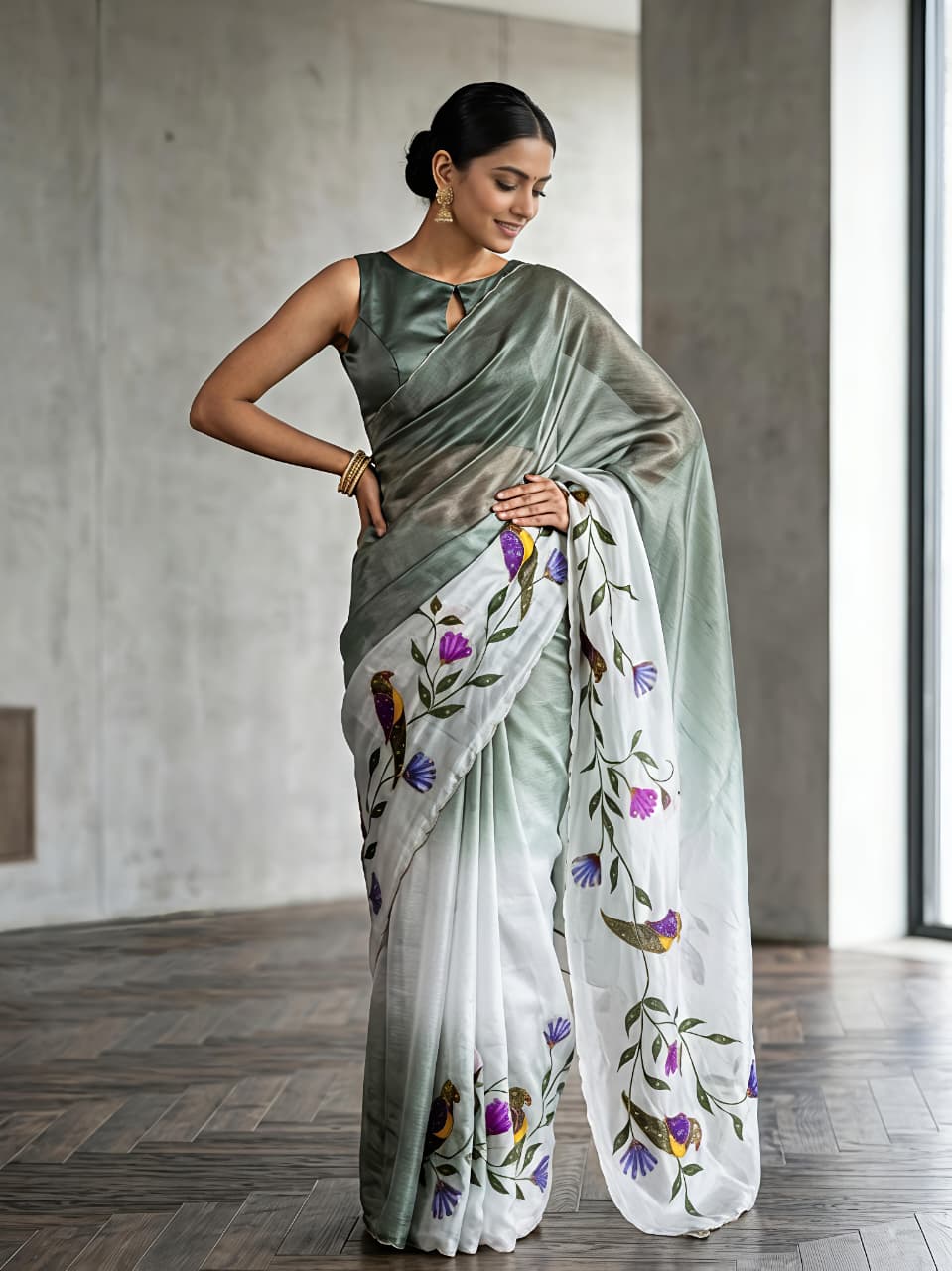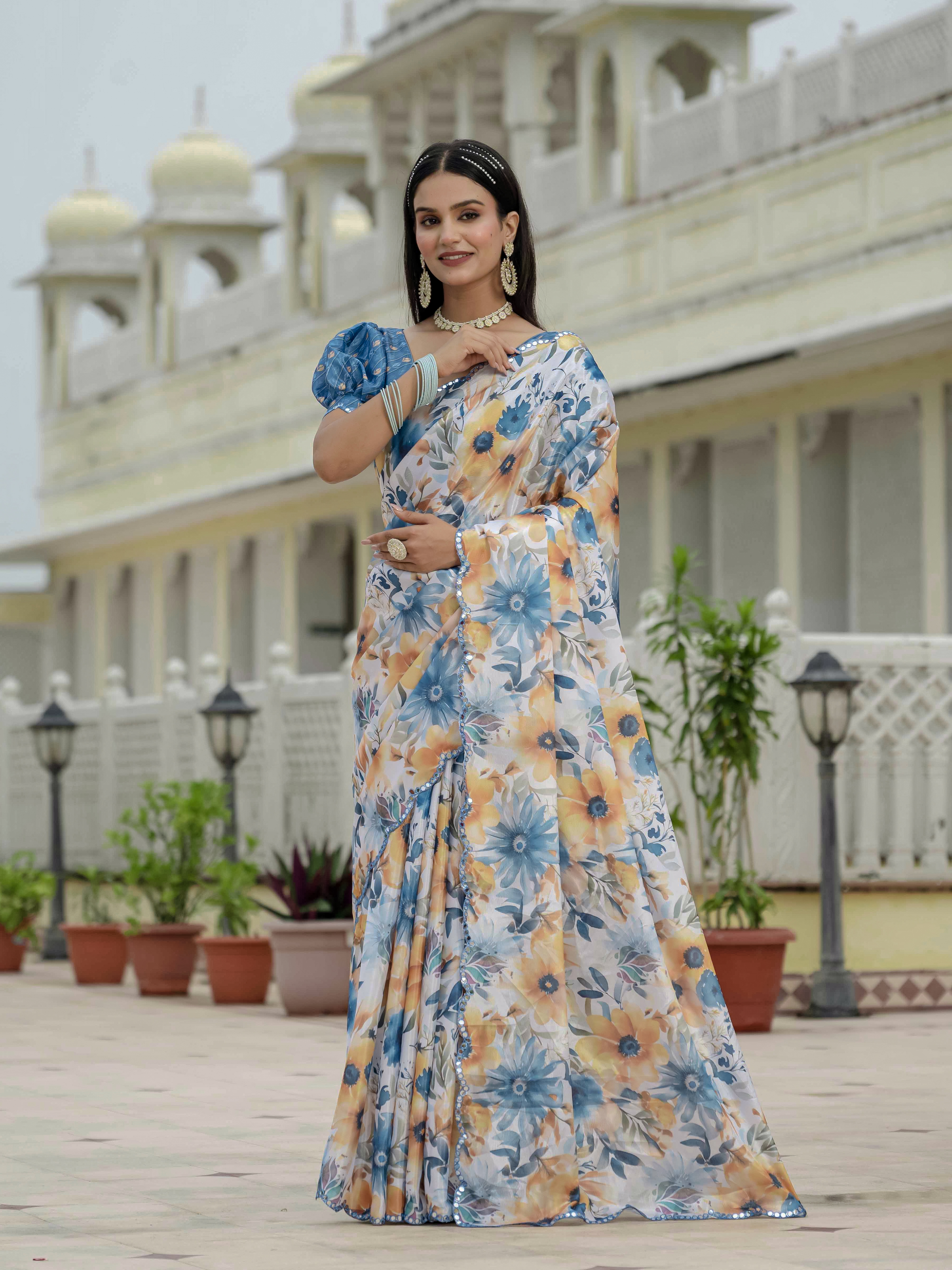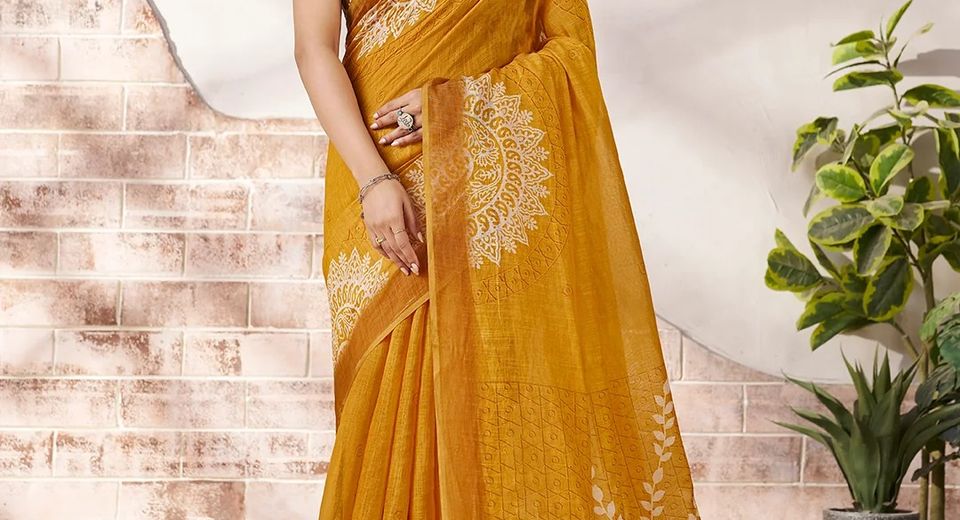
South Indian Traditional Wear: Complete Tamil Nadu Saree Style Guide helps you choose a saree by fabric, border, colour, drape and occasion instead of relying on appearance alone. A Tamil Nadu saree can signal a wedding, temple visit, family celebration or everyday elegance through details such as zari, contrasting pallus, woven motifs and blouse construction.
Tamil Nadu's saree tradition includes Kanjeevaram silk, Chettinad cotton, Madurai cotton, Sungudi, silk-cotton blends and contemporary linen-cotton styles. Each fabric behaves differently in humid weather, photographs differently under indoor light and needs a different approach to pleating, jewellery and care.
South Indian Traditional Wear: Complete Tamil Nadu Saree Style Guide to regional fabrics
Tamil Nadu regional fabrics differ mainly in weight, surface, structure, motif and level of formality. Understanding those differences makes online and in-store saree shopping more practical.
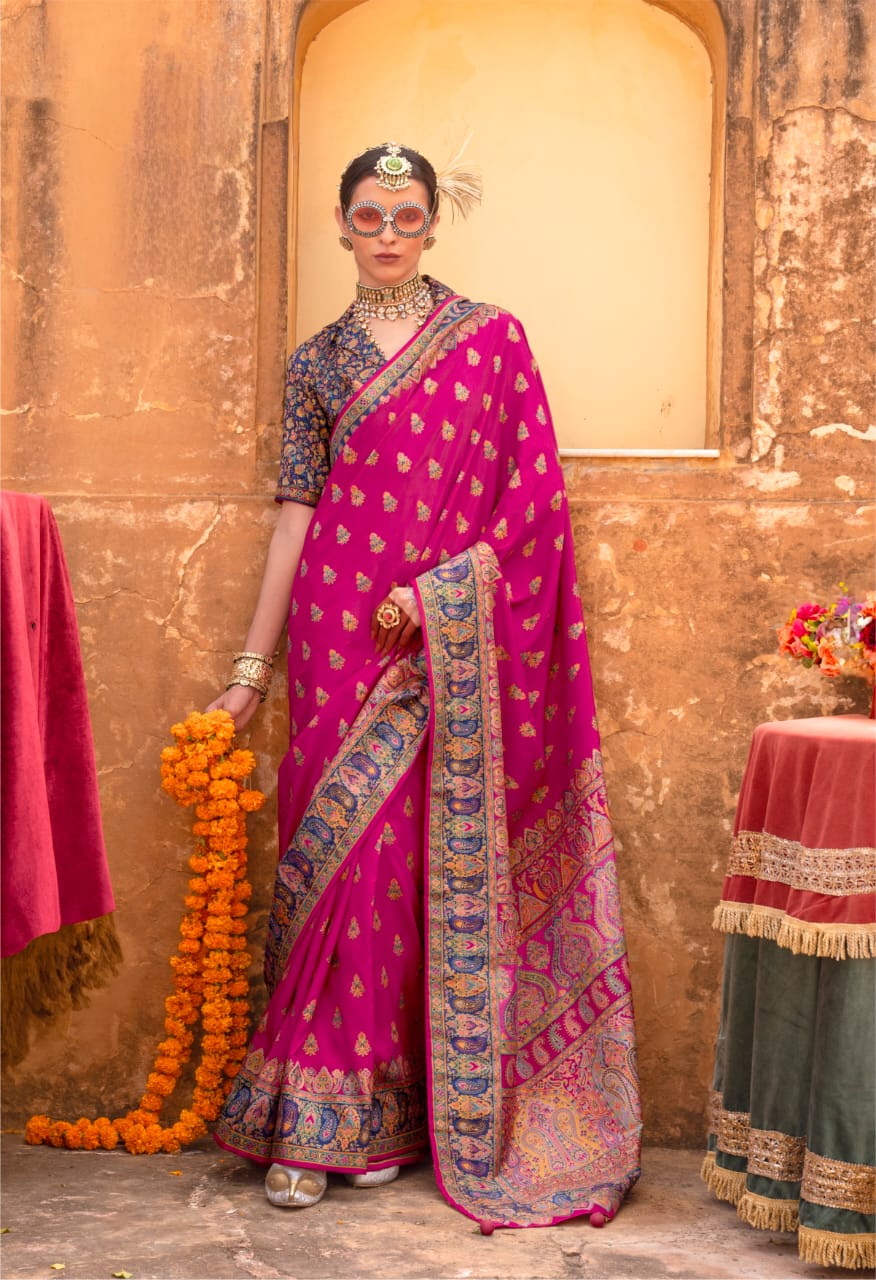
Kanjeevaram sarees, also called Kanchipuram silk sarees, are recognised for their substantial silk body, structured fall and richly woven zari borders. Traditional motifs include temple towers, rudraksha, paisley, mango, peacock and floral forms. Many Kanjeevaram sarees use a contrasting pallu and border, although tonal versions are increasingly popular for understated formal dressing.
Chettinad cotton is associated with bold checks, stripes and high-contrast colour combinations. Chettinad cotton has a crisp hand feel and suits shoppers who want a clearly regional textile reference for daytime celebrations. Madurai cotton is generally valued for lightness and comfortable daily wear, while Sungudi is known for dotted or tie-dye-inspired surfaces.
Silk-cotton sarees occupy an useful middle position between the structure of silk and the lighter feel of cotton. Linen cotton has a gently textured surface and works well with printed borders. Mal cotton is soft, breathable and comparatively easy to drape, making it suitable for long family gatherings and warm-weather events.
Which fabric suits a Tamil Nadu wedding?
Kanjeevaram silk suits a Tamil Nadu wedding when the event calls for a formal, structured and richly bordered saree. Cotton, linen cotton and Mal cotton are more comfortable choices for pre-wedding rituals, daytime functions or guests who expect to move frequently.
Pure zari may contain a silver core with gold plating, whereas imitation zari generally uses metallic polyester or another non-precious material. Buyers should read the product description and invoice instead of assuming that a gold-coloured border contains pure zari. A silk and zari certification, when supplied, provides more reliable information than visual shine.
South Indian Traditional Wear: Complete Tamil Nadu Saree Style Guide for colour and motifs
Colour selection should consider the time of day, event setting, jewellery and personal comfort rather than following a rule that every Tamil ceremony requires red or gold.

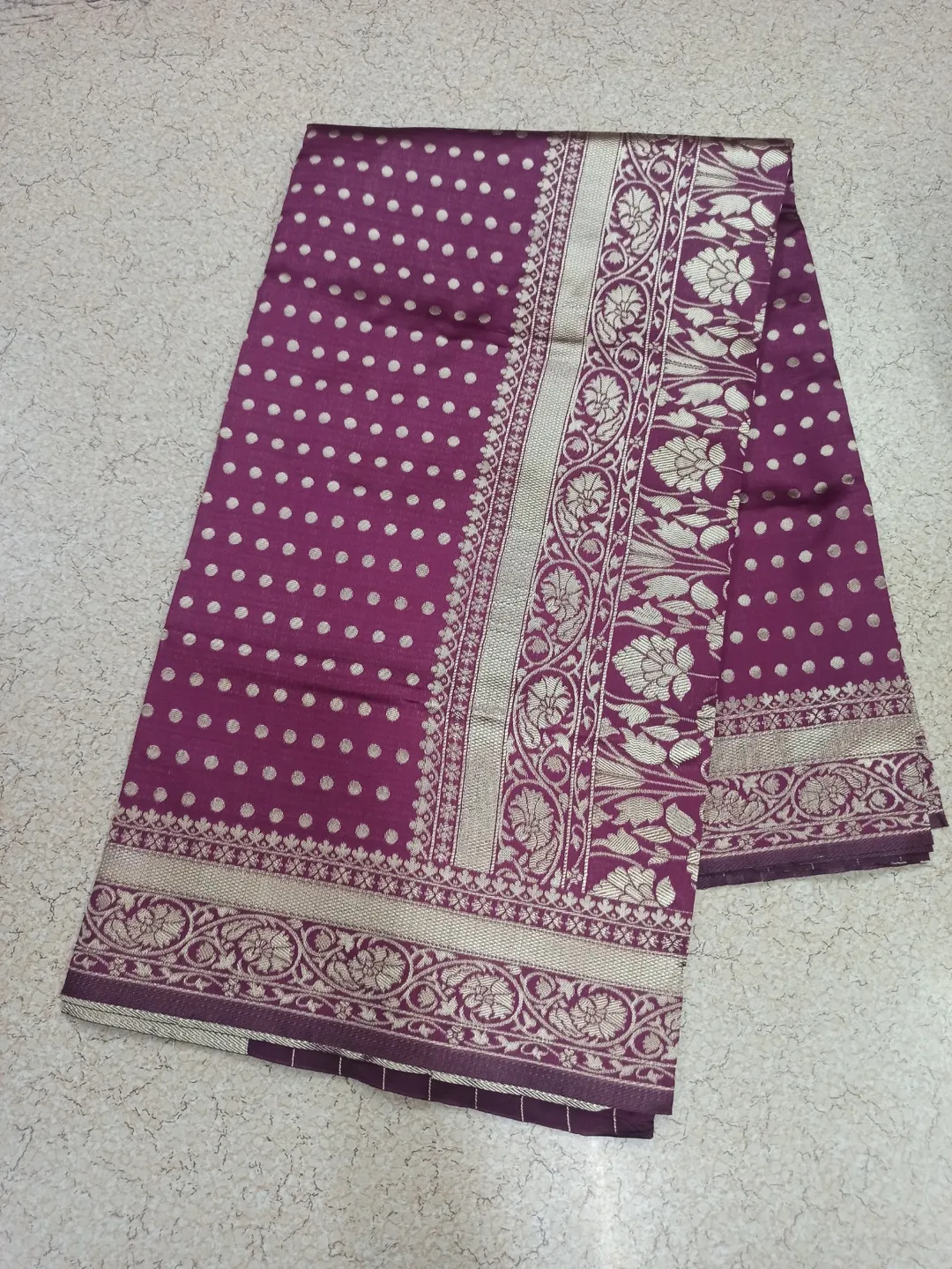
Red, maroon and wine shades work well for wedding receptions, engagement ceremonies and evening celebrations because warm colours respond strongly to gold jewellery and indoor lighting. Mustard pairs naturally with antique gold, rust, brown and green accessories. Teal creates a cooler contrast with gold, pearls, silver or oxidised-metal jewellery.
Floral motifs are suitable for both casual and festive sarees. Small florals look refined with a plain blouse and restrained jewellery, while large florals need simpler accessories so the saree remains the visual focus. Temple, mango, paisley and peacock motifs create a more recognisably traditional vocabulary, especially when combined with a contrasting border.
Red Floral Linen Cotton Saree with Beautiful Printed Border shows how a defined border and floral surface can create a celebratory look without the weight of formal silk. Teal Floral Printed Linen Cotton Saree With Matching Blouse offers coordinated colour planning because the matching blouse removes some of the guesswork involved in selecting a complementary top.
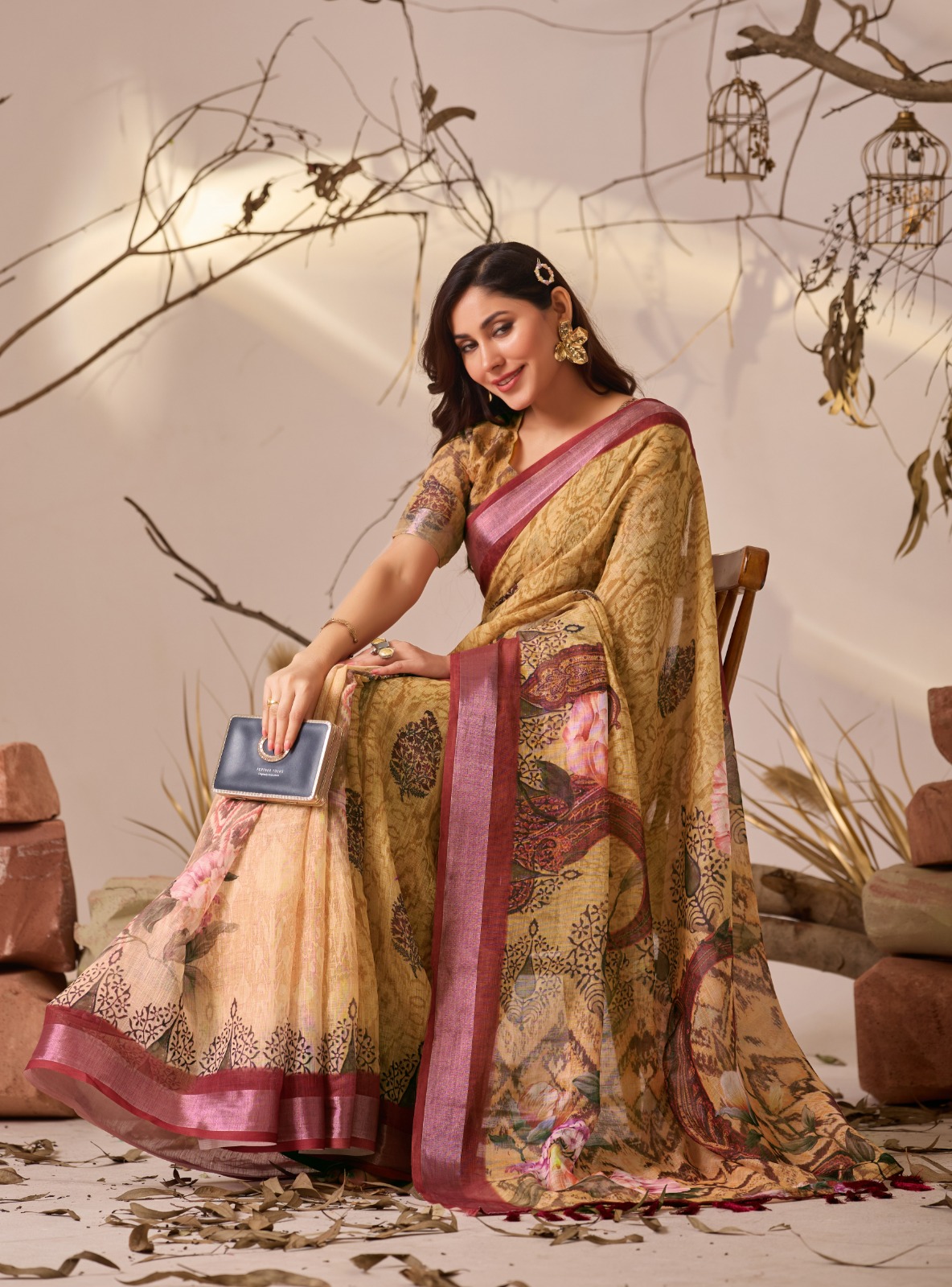
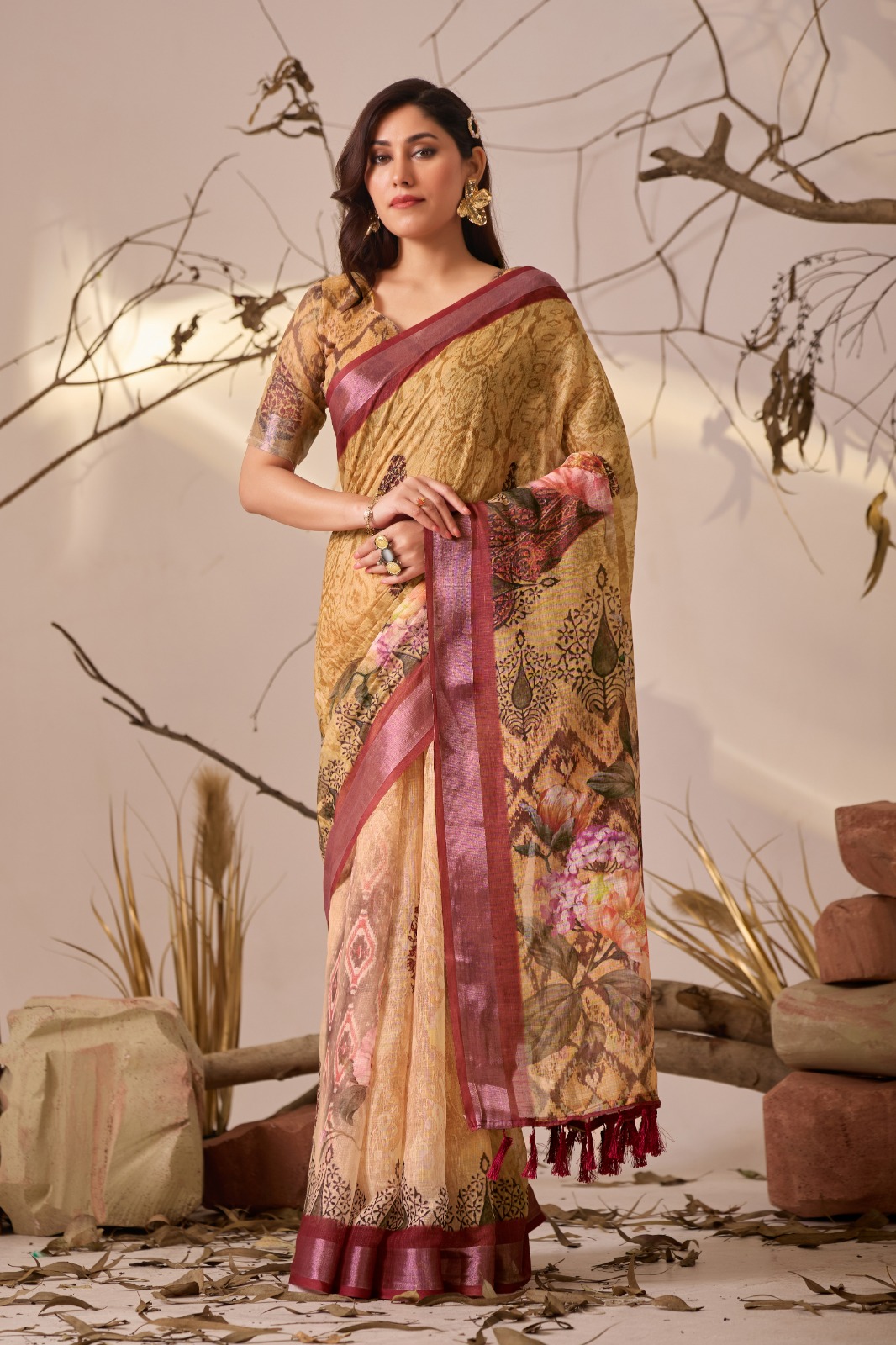
VARNAVI Mustard Linen Cotton Floral Printed Saree demonstrates how mustard can retain a traditional visual character while linen cotton and floral printing keep the result suitable for daytime dressing. Wine Blue Mal Cotton Floral Saree With Blouse - VARNAVI uses a deeper palette that can move from a family lunch to an evening gathering with a change of earrings and footwear.
South Indian Traditional Wear: Complete Tamil Nadu Saree Style Guide for blouse design
A blouse changes the perceived formality of a saree through its neckline, sleeve length, fabric contrast and degree of embellishment. Blouse fitting also affects comfort, pleat alignment and the way the pallu sits over the shoulder.

A high round neck and elbow-length sleeve create a classic temple or family-function silhouette. A square neck, modest V-neck or short sleeve can feel more contemporary while remaining appropriate for festive wear. A blouse should allow the arms to move freely without pulling across the back or creating folds under the arm.
A saree with a strong border usually benefits from a blouse with minimal additional border work. A plain silk blouse can make an ornate Kanjeevaram look elegant, while a printed blouse can make a simple cotton saree feel more styled but also visually busier. When the saree contains several colours, match the blouse to one secondary shade rather than attempting to reproduce every colour.
A teal saree can take a blouse in teal, deep green, antique gold or a carefully selected contrast shade. A printed saree generally looks more polished with a solid blouse unless the print is small and evenly distributed. A wine or blue saree can use a blouse in one of those dominant shades for a longer, cleaner visual line.
Teal Mal Cotton Woven Print Saree With Blouse - VARNAVI illustrates the convenience of a coordinated blouse for daytime festive dressing. Purple Mal Cotton Printed Saree & Blouse Set brings another example of a ready pairing in which the blouse supports the saree's colour story without requiring separate fabric matching.
South Indian Traditional Wear: Complete Tamil Nadu Saree Style Guide to draping and pleats
The familiar Tamil saree drape uses front pleats, a neatly secured pallu over the left shoulder and enough length to create a clean waistline. Pinning the pleats from the inside and using a low-profile waist belt can improve stability during ceremonies without changing the traditional appearance.
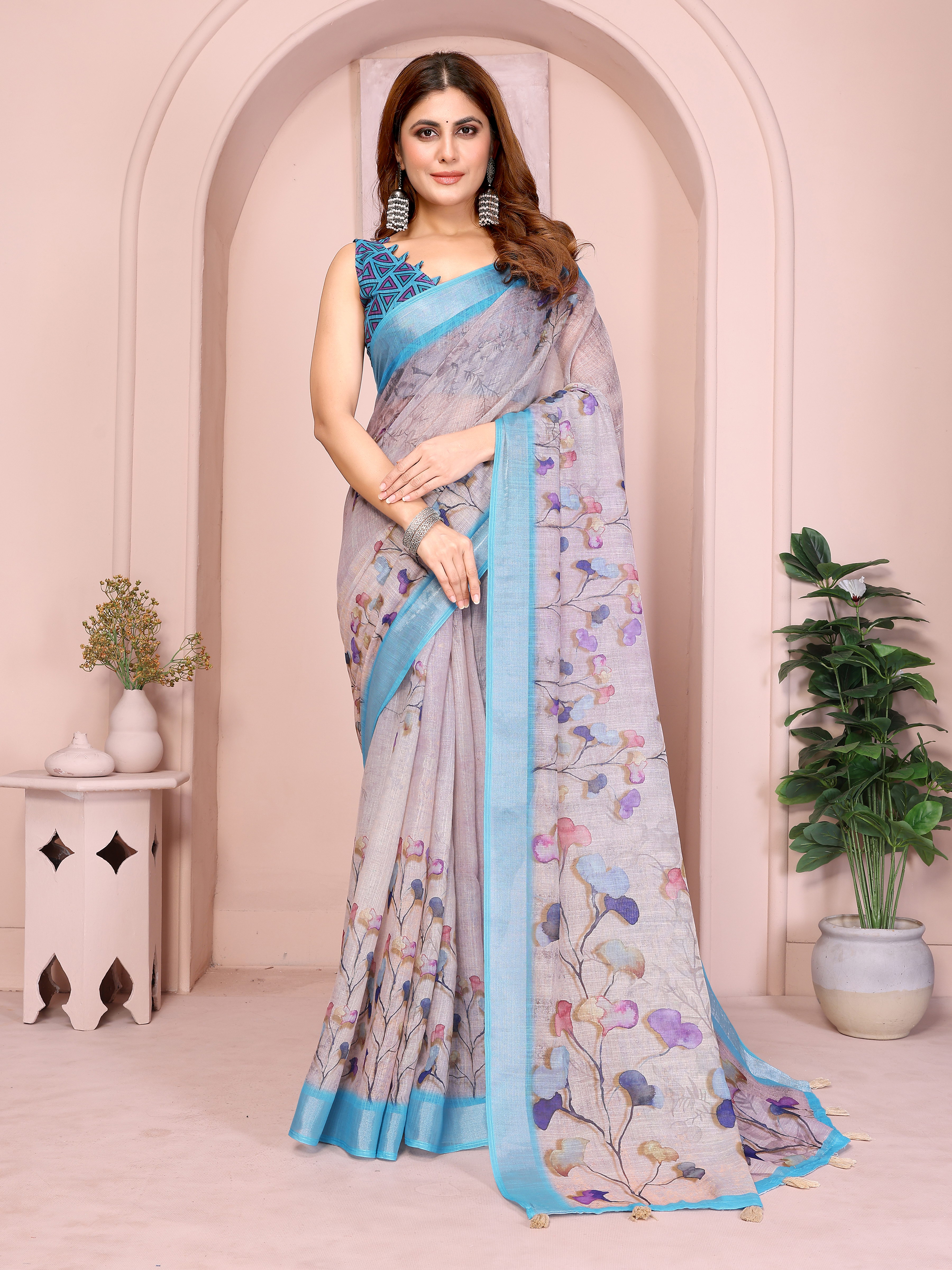
Broad, even pleats display the border of a formal Kanjeevaram and preserve the saree's architectural structure. Narrower pleats can reduce bulk in linen cotton and Mal cotton sarees, making walking and sitting easier. A traditional hand drape brings more control over pallu length and pleat width than a pre-stitched drape, while assisted draping can save time for a reception.
Try the complete outfit at least one day before the event. Walk for five minutes, sit on a chair, raise both arms and check whether the blouse pulls at the shoulder. A saree that looks perfect while standing may need a shorter pallu, more secure pleats or a slightly higher underskirt for comfortable movement.
The underskirt should support the saree without creating a visible ridge beneath the waist. A cotton underskirt gives useful grip for lighter sarees, while a smooth petticoat can reduce friction under silk. The final saree length should be checked with the footwear that will be worn at the event because a three-inch heel can change the fall significantly.
South Indian Traditional Wear: Complete Tamil Nadu Saree Style Guide for jewellery and hair
Jewellery should repeat one dominant detail from the saree, such as zari, temple motifs, pearls or a contrasting colour. Gold jhumkas, a short chain, bangles and a bindi create a balanced traditional foundation without overwhelming a printed or lightweight saree.
Temple jewellery works particularly well with Kanjeevaram silk because Lakshmi, peacock and temple-architecture motifs echo the border vocabulary. Antique-finish earrings or a simple gold-toned chain suit printed linen cotton sarees. Silver jewellery can sharpen teal, wine, purple and blue palettes, but earrings, bangles and footwear details should remain visually consistent.
A low bun decorated with jasmine flowers is a classic choice for a Tamil ceremony. A braid or low ponytail may be more comfortable for a daytime event or an outdoor venue. A traditional bindi, fresh flowers and a restrained hair accessory can provide cultural context without requiring a large jewellery set.
Stable sandals, block heels or embellished flats are practical footwear choices. Footwear should be worn during the final pleat and fall fitting because the heel height changes the saree length. A saree that brushes the floor can become difficult to manage on stairs, grass or crowded ceremony halls.
South Indian Traditional Wear: Complete Tamil Nadu Saree Style Guide for buying and care
A practical Tamil Nadu-inspired wardrobe needs one formal silk saree, one breathable cotton or linen-cotton saree, one versatile printed saree and one statement colour. That four-saree structure covers weddings, pujas, daytime family events and semi-formal celebrations without repeating the same level of ornamentation.
Sarees from Rs 1000 to Rs 1500 can be a sensible starting point when testing colours, prints and fabric preferences. Sarees Under 20% Off and Sarees Under 10% Off can help compare modest discounts, but the final decision should still consider fabric composition, blouse inclusion, border finish and return conditions.
Sarees Flat 60% Off and Sarees Flat 50% Off may be useful for shoppers building a larger occasion wardrobe, especially when selecting lightweight sarees for different seasons. A discount doesn't indicate fabric quality by itself, so check the stated weave, measurements, blouse details and care instructions before purchasing.
Store silk sarees folded with the fold direction changed every few months to reduce permanent creasing. Wrap zari sarees in breathable muslin rather than plastic, keep them away from direct sunlight and refold them after airing. Avoid spraying perfume directly on silk because alcohol and oils can mark the surface.
Wash cotton and linen-cotton sarees according to the care label, using mild detergent and cool water when hand washing is permitted. Do not wring a saree with zari or strong printed borders. Dry sarees in shade, press them on the reverse side at a moderate temperature and store completely dry to prevent mildew during humid weather.
Check five details before buying any Tamil Nadu saree online: the fibre composition, saree length, blouse-piece availability, border description and washing instructions. A final check of customer photographs or measurement information can also reveal whether the fabric is crisp, fluid, sheer or structured.
Common Questions About Tamil Nadu Sarees and South Indian Traditional Wear
Which saree is traditionally worn for a Tamil wedding?
Kanjeevaram silk is traditionally worn for a Tamil wedding because its structured silk body, contrasting pallu and zari border suit formal ceremonies. Lighter silk-cotton or cotton sarees are practical alternatives for daytime guests and pre-wedding functions.
What is the difference between Kanjeevaram silk and Chettinad cotton?
Kanjeevaram silk is a heavier, structured saree associated with formal ceremonies, while Chettinad cotton is lighter, crisper and recognised for checks, stripes and bold colour combinations. Chettinad cotton is generally more comfortable for warm daytime events.
How should a Tamil saree be draped for a family function?
A Tamil saree can be draped with even front pleats and the pallu secured over the left shoulder. Pinning the pleats from inside and checking the drape while walking, sitting and raising the arms improves comfort and stability.
What blouse goes with a printed Tamil Nadu saree?
A solid blouse matching one secondary colour in the print usually works best with a printed Tamil Nadu saree. A high round neck or elbow-length sleeve gives a traditional finish, while a square neck or shorter sleeve creates a more contemporary appearance.
Can linen-cotton sarees be worn for South Indian festivals?
Linen-cotton sarees are suitable for many daytime South Indian festivals, family gatherings and cultural events when a lightweight outfit is preferred. A defined border, festive colour, traditional jewellery and a well-fitted blouse can make linen cotton look more ceremonial.
How should zari sarees be stored at home?
Zari sarees should be stored folded in breathable muslin, away from direct sunlight and moisture. Refolding them every few months reduces permanent creases, and perfume should not be sprayed directly on the fabric.