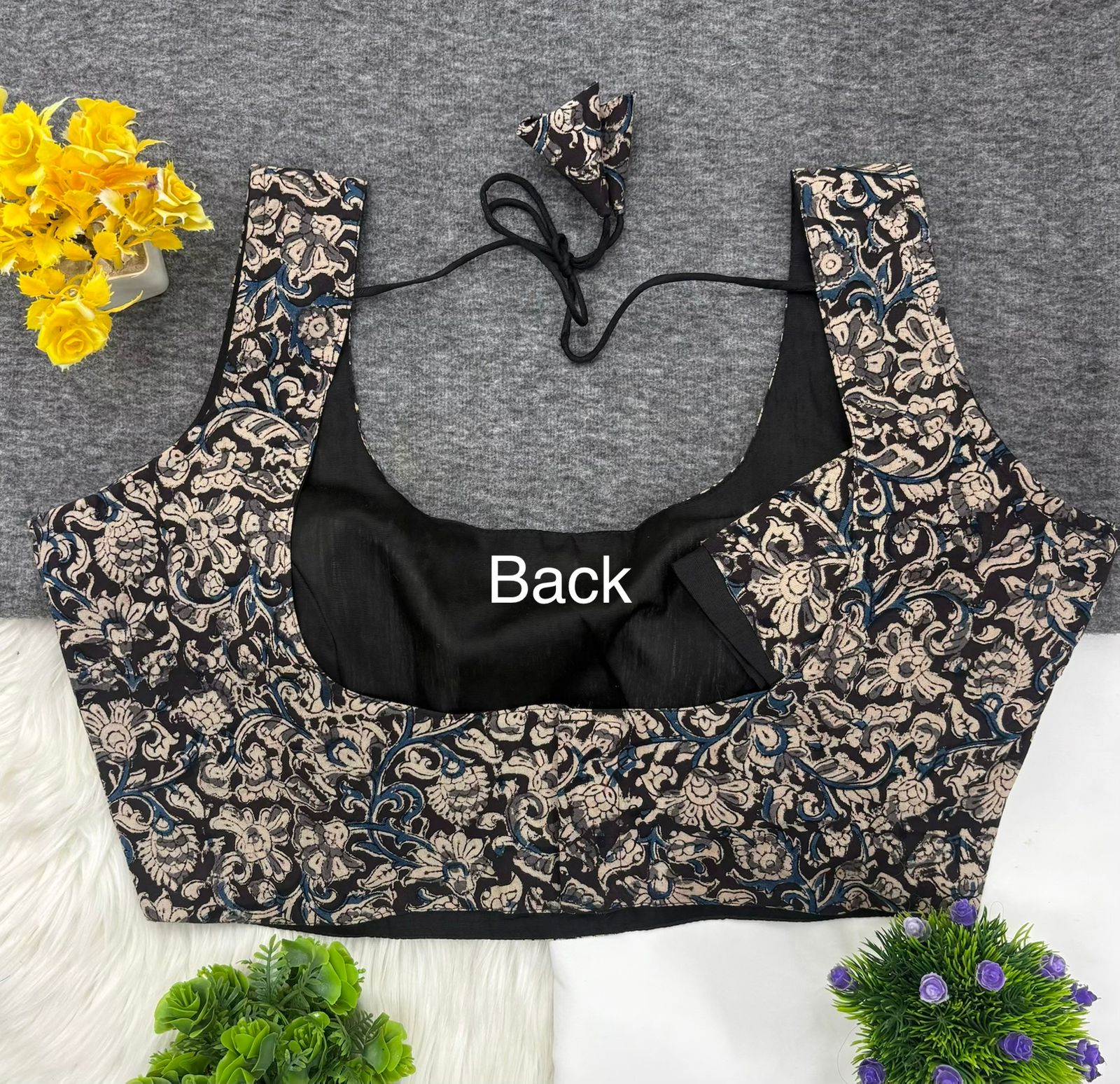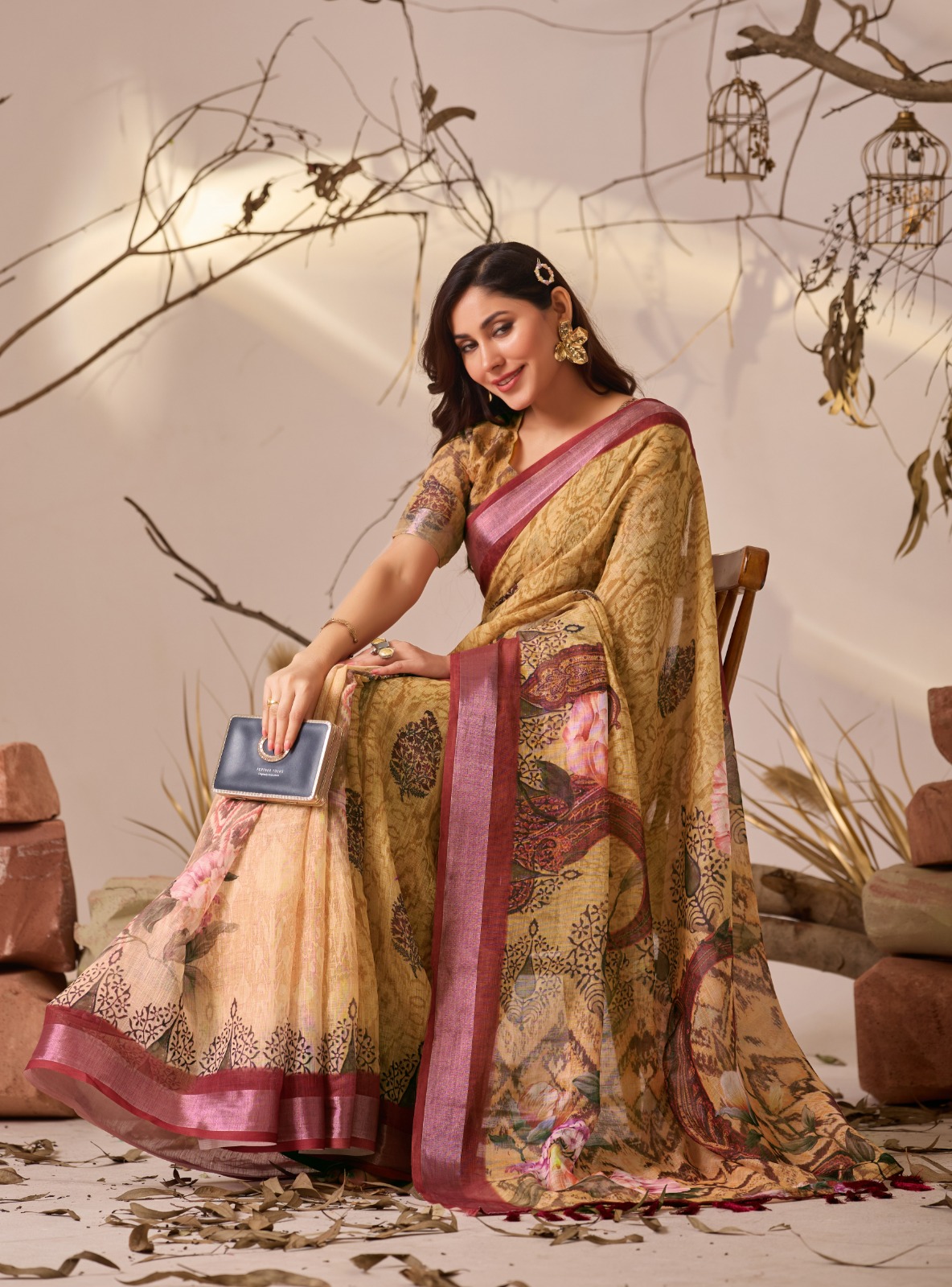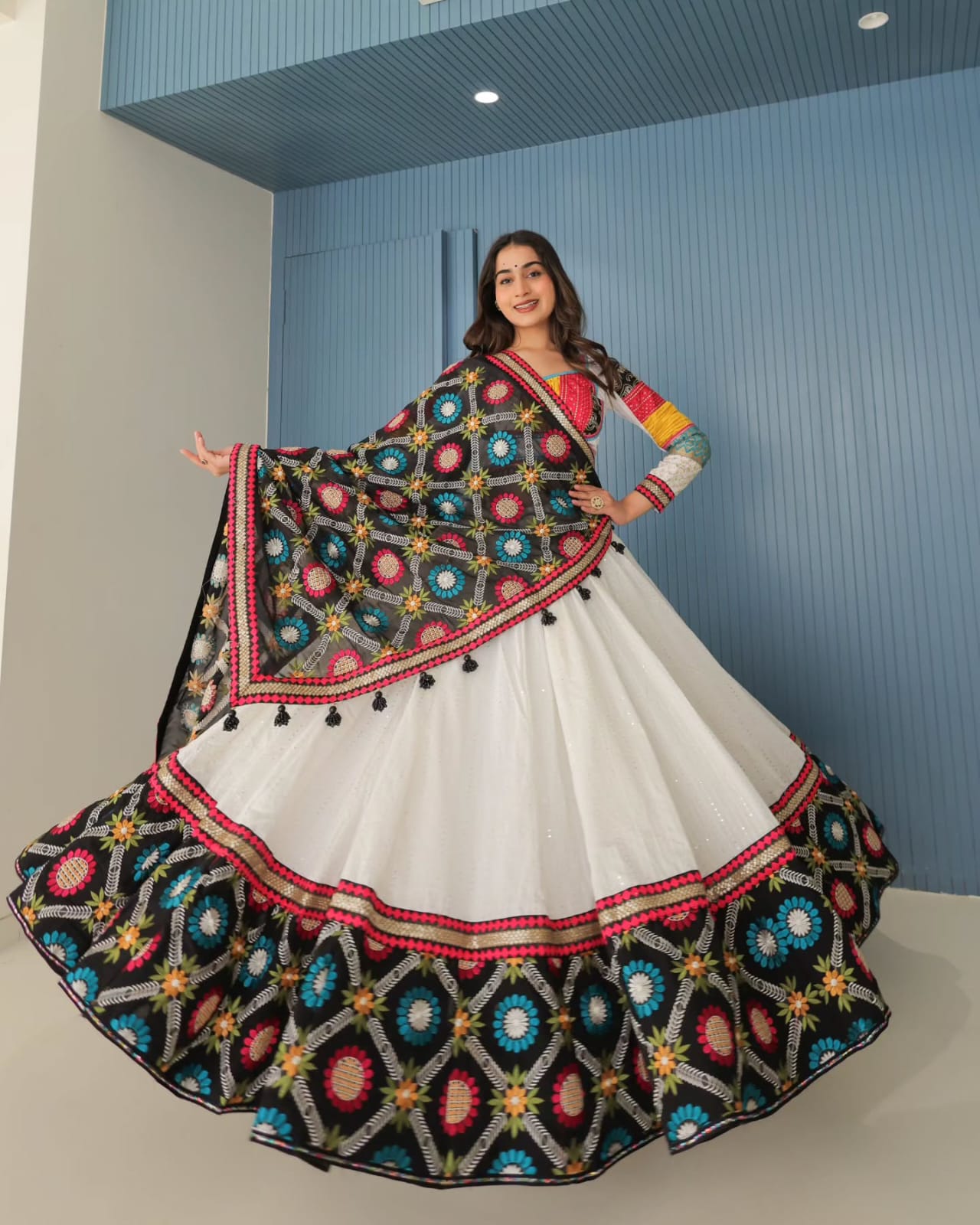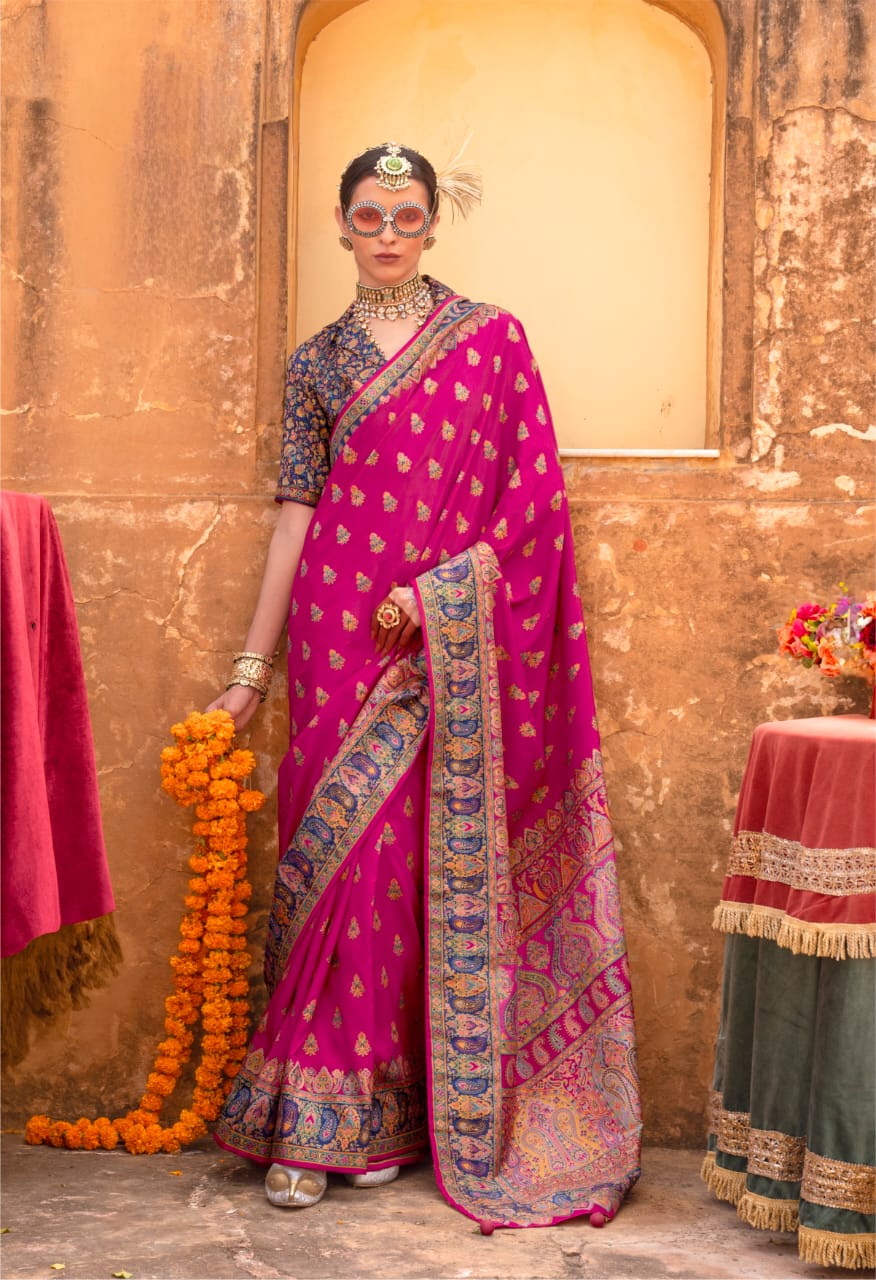
A wedding saree from Kanchipuram doesn't behave like a lightweight Pochampally cotton, even when both carry a traditional South Indian identity. This South Indian Saree Guide: Traditional Sarees From Tamil Nadu to Telangana explains how regional fibres, weaving techniques, borders and drapes affect the way a saree looks and feels. The guide also covers practical choices for weddings, festivals, office wear and gifting.
South Indian Saree Guide: Traditional Sarees From Tamil Nadu to Telangana and Regional Identity
South Indian sarees are identified by strong regional weaving traditions, purposeful borders and textile techniques that developed around local climates, communities and ceremonial customs.
Silk, silk cotton, cotton and ikat are all important, but the weave matters as much as the fibre. A Kanjeevaram saree is associated with lustrous silk, contrast borders and woven zari, while a Pochampally saree is recognised by ikat patterns created through resist-dyeing yarn before weaving. A Gadwal saree often combines a lightweight body with a richer silk border. A Kerala Kasavu saree usually uses an ivory or off-white ground with a metallic zari edge.
Traditional terminology can vary between sellers. "Silk saree" may refer to pure silk, silk cotton or a synthetic blend, so a buyer should check the fabric composition, zari description, weave information and care label rather than relying only on a regional name.
South Indian Saree Guide: Traditional Sarees From Tamil Nadu and Kanjeevaram
Tamil Nadu is best known for Kanjeevaram silk, but the state also has important cotton and printed-textile traditions that suit less formal wardrobes.
Why is Kanjeevaram silk chosen for weddings?
Kanjeevaram silk is chosen for weddings because its substantial silk body, defined border and zari work create a formal, structured drape that photographs well and carries ceremonial significance.
Kanjeevaram, also called Kanchipuram silk, commonly features bold checks, stripes, temple-inspired motifs, florals and contrasting pallus. Traditional versions may use korvai construction, in which the body and border are woven separately and joined with a distinctive interlocking technique. Not every saree sold as Kanjeevaram uses the same construction, so buyers seeking a particular weave should ask for certification or detailed product information.
Pure silk Kanjeevaram can feel heavy, especially when a saree has dense zari. A silk-cotton version offers a softer and lighter alternative for daytime ceremonies. Deep red, maroon, mustard, emerald, royal blue and purple are established choices, while pastel Kanjeevaram colours suit contemporary wedding wardrobes.
Which Tamil Nadu sarees work for everyday wear?
Cotton sarees, Chettinad cotton and Madurai Sungudi are practical Tamil Nadu choices for warm weather and regular wear.
Chettinad cotton is known for checks, stripes and lively colour combinations, while Madurai Sungudi is associated with tie-dye dots and a soft cotton hand. These sarees generally need less jewellery and can be worn with a simple blouse, flat sandals and a compact shoulder bag.
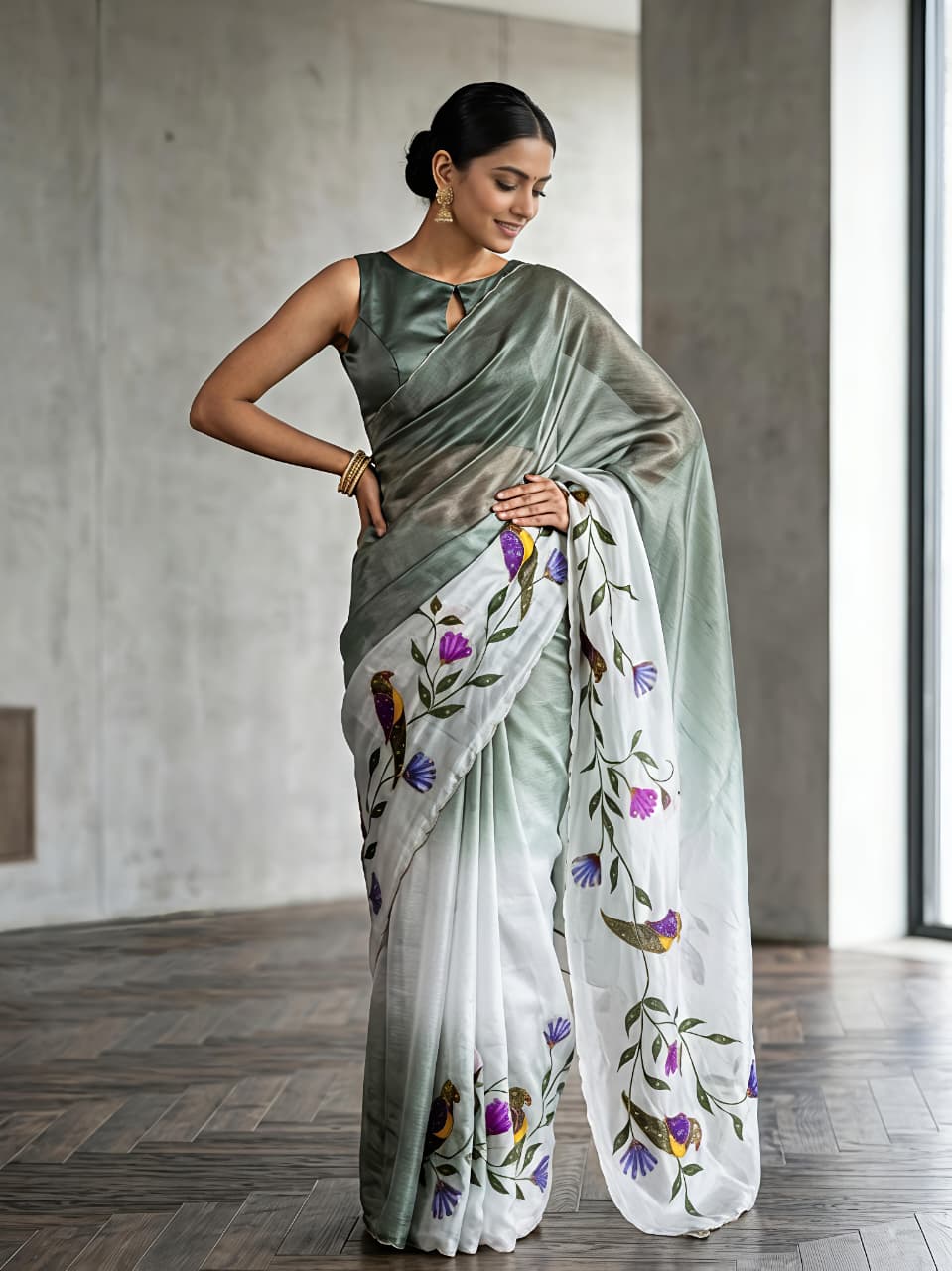
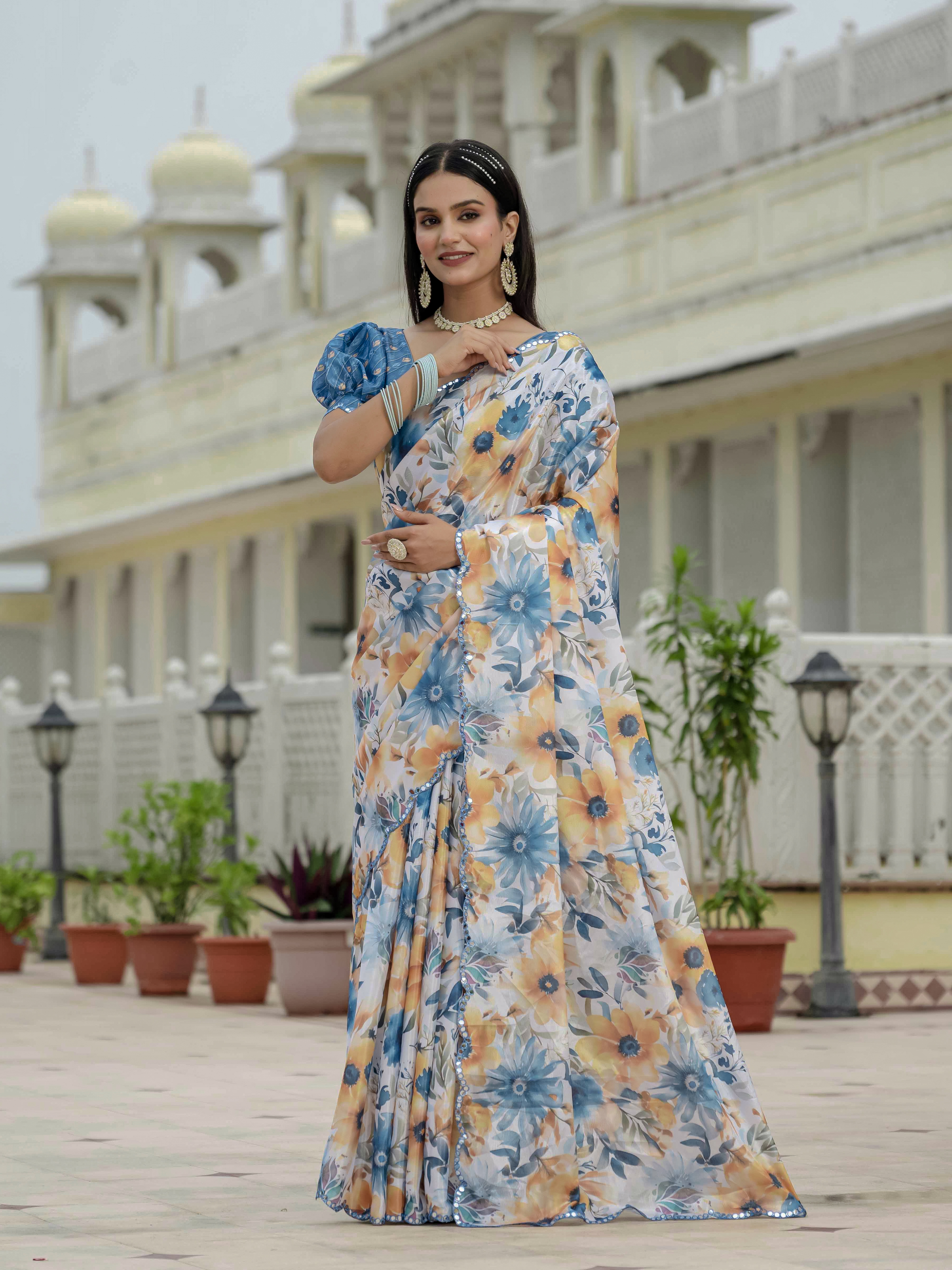
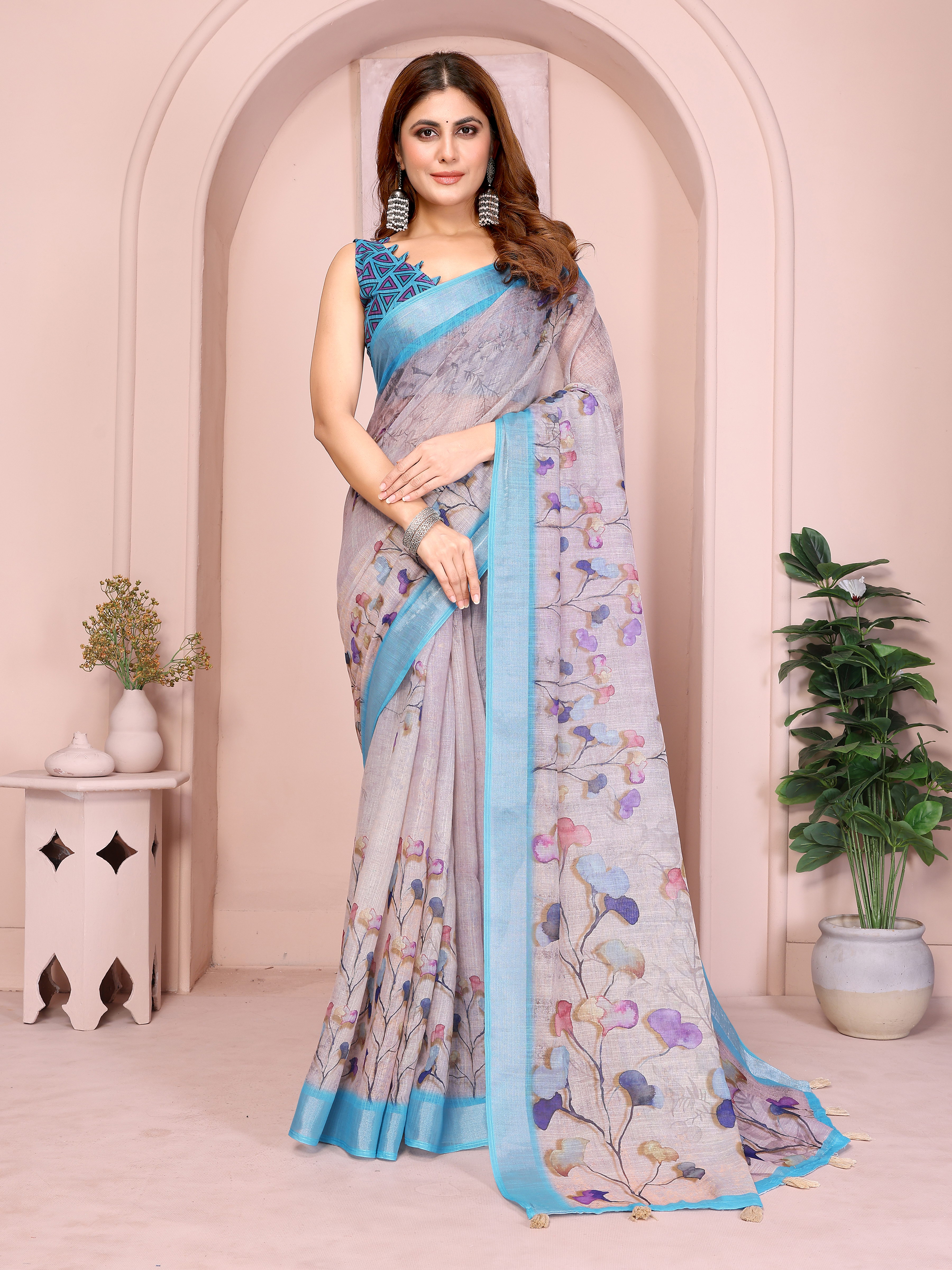
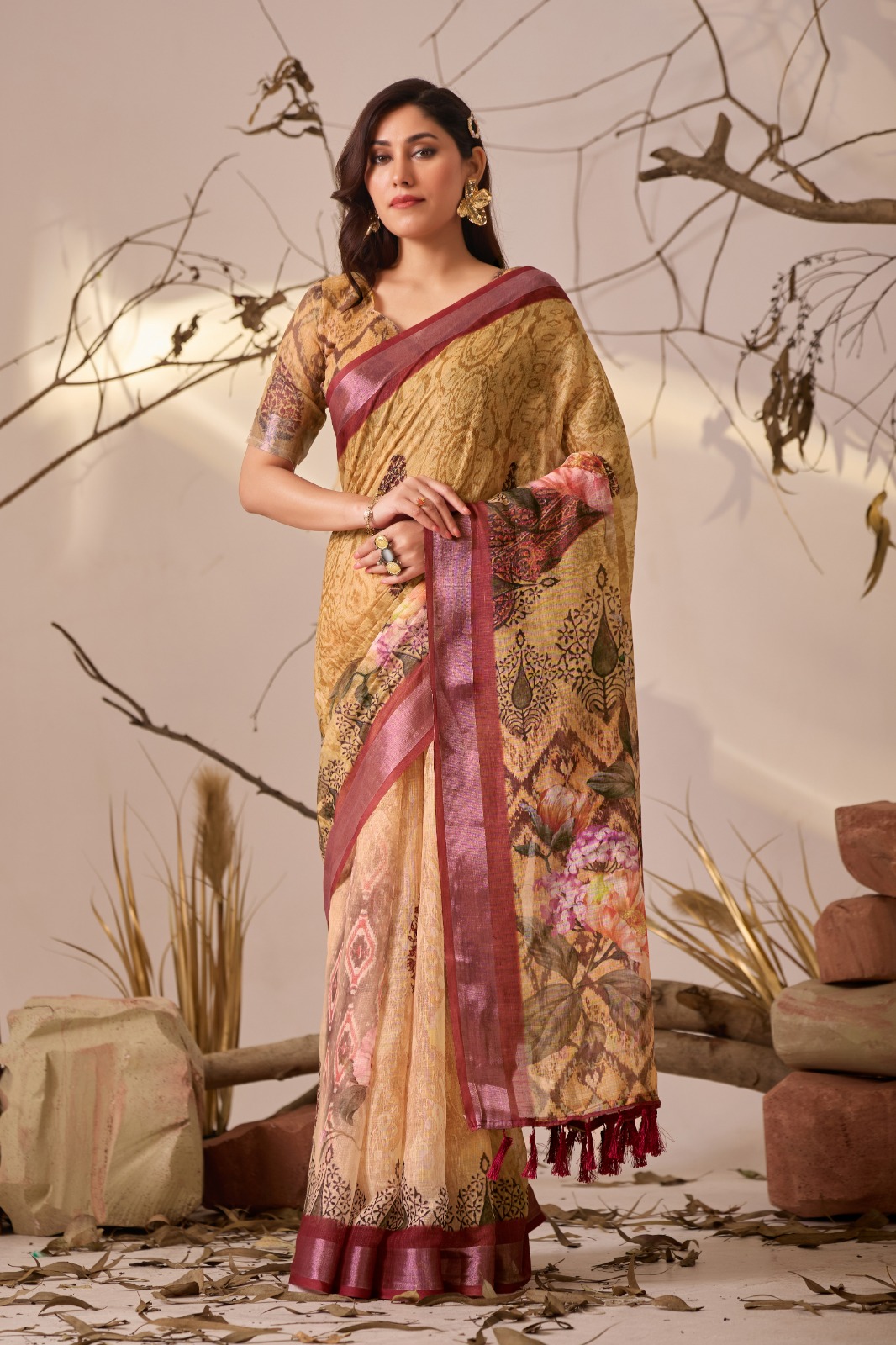
Pastel Linen Cotton Floral Print Saree with Designer Blouse demonstrates how a breathable linen-cotton style can be adapted for modern daytime dressing without losing the saree silhouette. Pastel Floral Tissue Handloom Cotton Saree with Zari Weaves can bridge the gap between daily wear and a small celebration, making it suitable for a puja, daytime lunch or festive office gathering.
South Indian Saree Guide: Traditional Sarees From Tamil Nadu to Telangana Across the Deccan
Karnataka, Kerala and Andhra Pradesh each contribute recognisable saree traditions, but their visual language differs in fibre, surface pattern and border treatment.
Mysore silk from Karnataka is generally appreciated for a smooth, light silk body and restrained zari detailing. Ilkal sarees use a distinctive pallu and border structure, often with geometric patterns and strong colour contrasts. A Karnataka saree is useful when a wearer wants silk polish without the heavier feel associated with some wedding silks.
Kerala Kasavu sarees use an ivory, cream or white body with a gold-toned zari border. Kasavu suits Onam, Vishu, temple visits and daytime celebrations because the pale base is cool-looking and visually uncluttered. Gold jewellery, jasmine flowers and a blouse in red, green, black or gold create a familiar Kerala festive combination.
Andhra Pradesh is associated with Uppada silk, Mangalagiri cotton and Venkatagiri textiles. Uppada silk is valued for a smooth texture and fine appearance, while Mangalagiri cotton often has a clean body and a characteristic border. Venkatagiri sarees are known for lightweight fabric and delicate patterning, making them useful in hot weather.
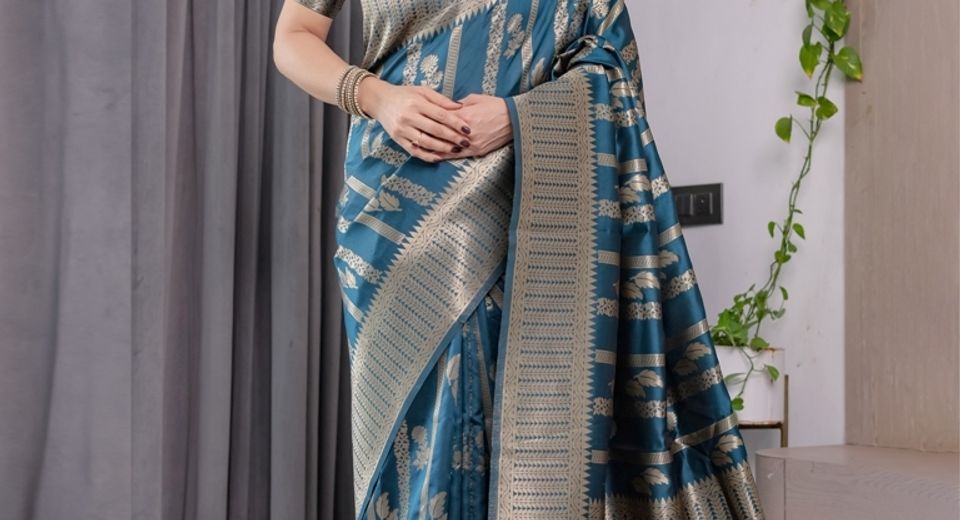
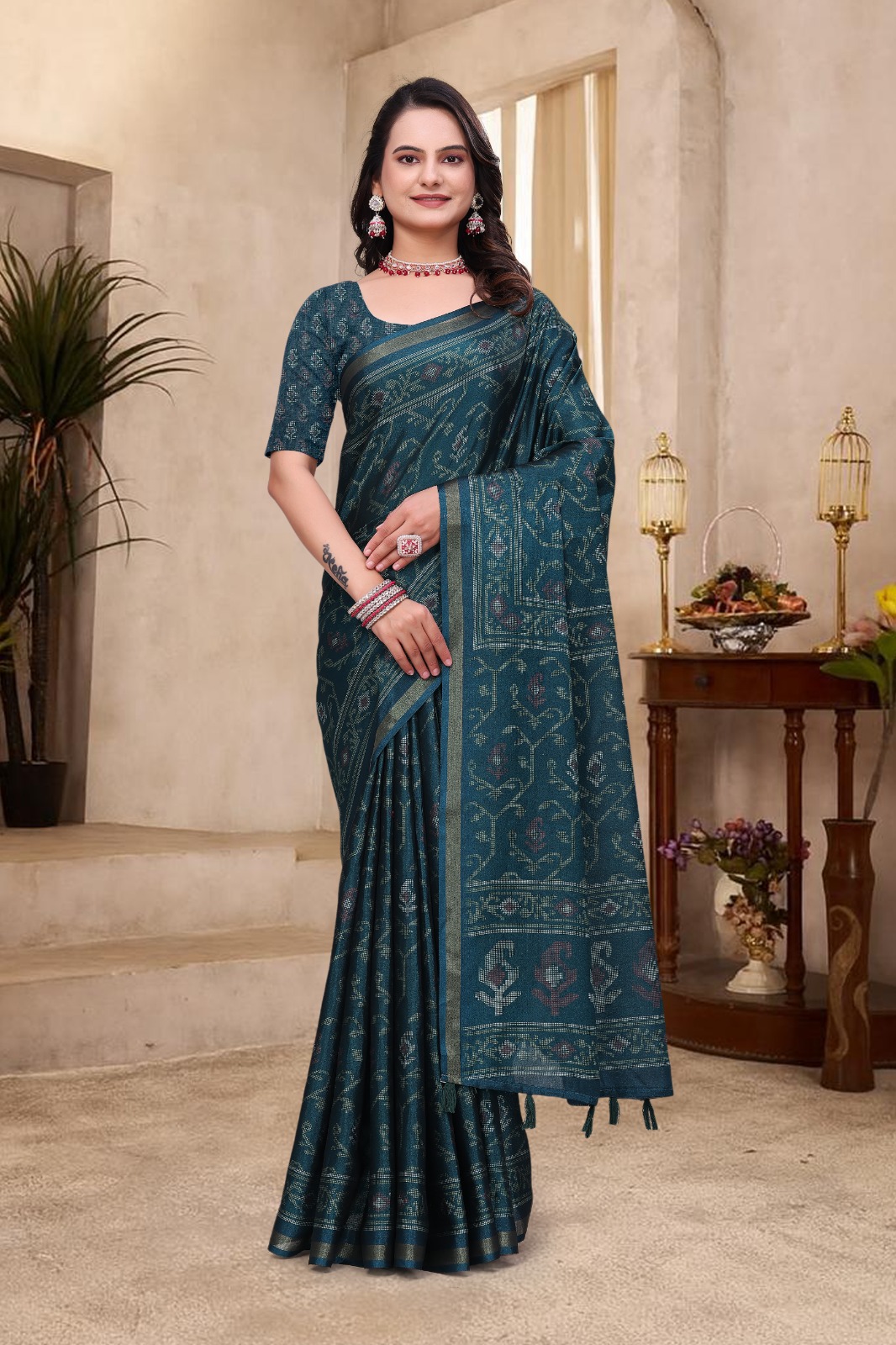
Colour can help distinguish styling moods, but colour alone can't authenticate a regional weave. A teal saree may look South Indian when paired with zari, a temple border or a traditional blouse, yet the actual regional identity comes from textile construction and documented origin.
South Indian Saree Guide: Traditional Sarees From Tamil Nadu to Telangana in Telangana
Pochampally ikat and Gadwal sarees are two of the most recognisable Telangana-linked traditions, with very different visual and tactile qualities.
What is special about Pochampally ikat?
Pochampally ikat is special because yarns are resist-dyed in planned sections before weaving, producing blurred geometric motifs that align across the fabric.
Common Pochampally patterns include diamonds, zigzags, checks and abstracted florals. The small softness at the edges of the pattern is a feature of ikat, not necessarily a defect. Cotton Pochampally is comfortable for regular use, while silk and silk-cotton versions can suit festive dressing. Pochampally designs work particularly well with plain blouses because a patterned saree already supplies visual interest.
Why is Gadwal silk-cotton useful for formal dressing?
Gadwal silk-cotton is useful for formal dressing because it can combine a relatively manageable body with a prominent silk border and pallu.
Traditional Gadwal construction is associated with a cotton body and silk border, although contemporary versions vary. Zari, temple motifs, paisleys and contrasting borders can make a Gadwal saree suitable for weddings, religious ceremonies and festive family events. The lighter body may be easier to pleat than a very heavy pure silk saree, but the zari border still gives the outfit formal definition.
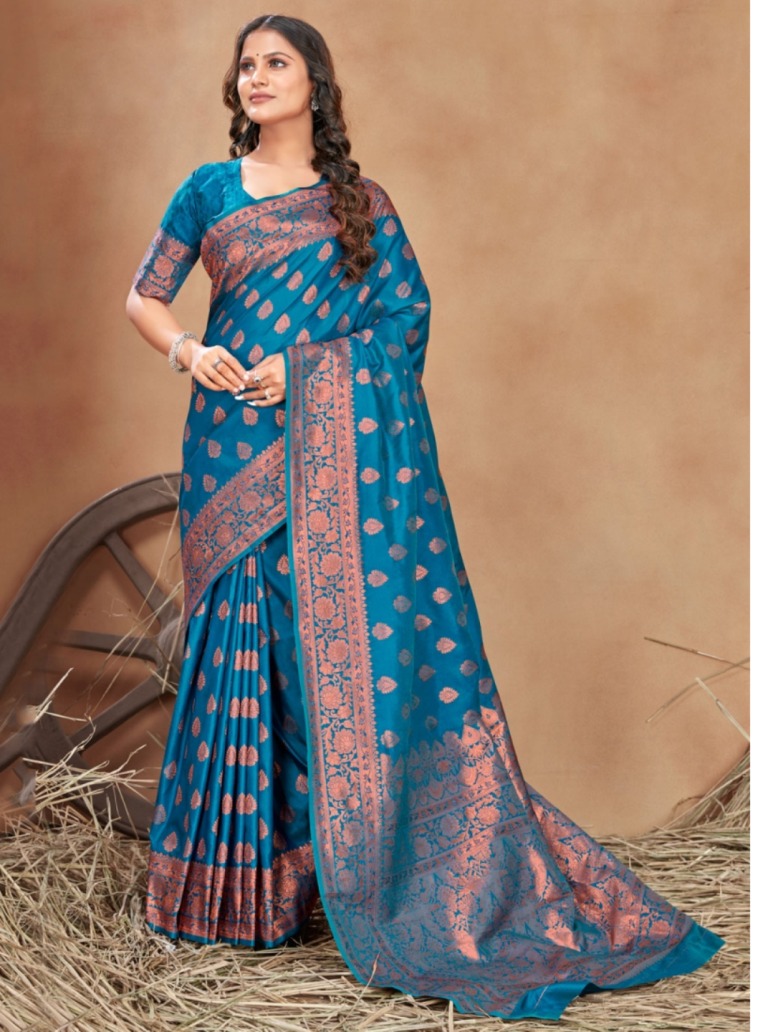
Teal Traditional Silk Saree with Copper Jacquard Border and Teal Blue Banarasi Soft Silk Saree With Elegant Zari Border show how a saturated body colour and a defined metallic border can carry a traditional styling direction without requiring an elaborate print.
South Indian Saree Guide: Traditional Sarees From Tamil Nadu to Telangana for Each Occasion
Choose a South Indian saree by matching fabric weight, surface detail and maintenance needs to the event rather than selecting only by colour.
- For a wedding ceremony: Choose Kanjeevaram silk, Gadwal silk-cotton or a rich Banarasi silk with zari when a structured, formal appearance is appropriate. Red Banarasi Soft Silk Saree With Golden Zari Floral Border illustrates the classic impact of a warm silk ground and gold-toned floral border.
- For a wedding reception: Teal Blue Banarasi Soft Silk Saree With Golden Zari Borders can work with statement earrings and a sleek blouse. Keep the blouse neckline simple if the saree already has a wide zari border.
- For a puja or festival: Cotton silk, silk cotton, Kasavu, Chanderi or a lightly embellished handloom saree brings polish without excessive weight. A pastel body with a modest zari edge is suitable for daytime light.
- For office or regular wear: Select cotton, linen cotton, Mangalagiri, Chettinad or lightweight ikat. Teal Green Cotton Saree for Women Online India shows how a saturated colour can make a simple cotton saree feel intentional without heavy embellishment.
- For travel: Choose a saree that resists crushing and doesn't require specialist pressing. Avoid dense zari when luggage space, repeated folding or uncertain hotel ironing facilities are involved.
Price can provide a rough indication of fibre and workmanship, but price isn't proof of authenticity. Sarees from Rs 1000 to Rs 1500 can be a useful starting point for accessible cotton and blended styles, while Sarees Under 20% Off and Sarees Under 10% Off may help compare reduced-price options. A buyer should still inspect fabric details, measurements and care instructions before purchasing.
South Indian Saree Guide: Traditional Sarees From Tamil Nadu to Telangana for Modern Styling
A traditional South Indian saree looks contemporary when the saree remains the focal point and the accessories repeat one or two colours from its border or pallu.
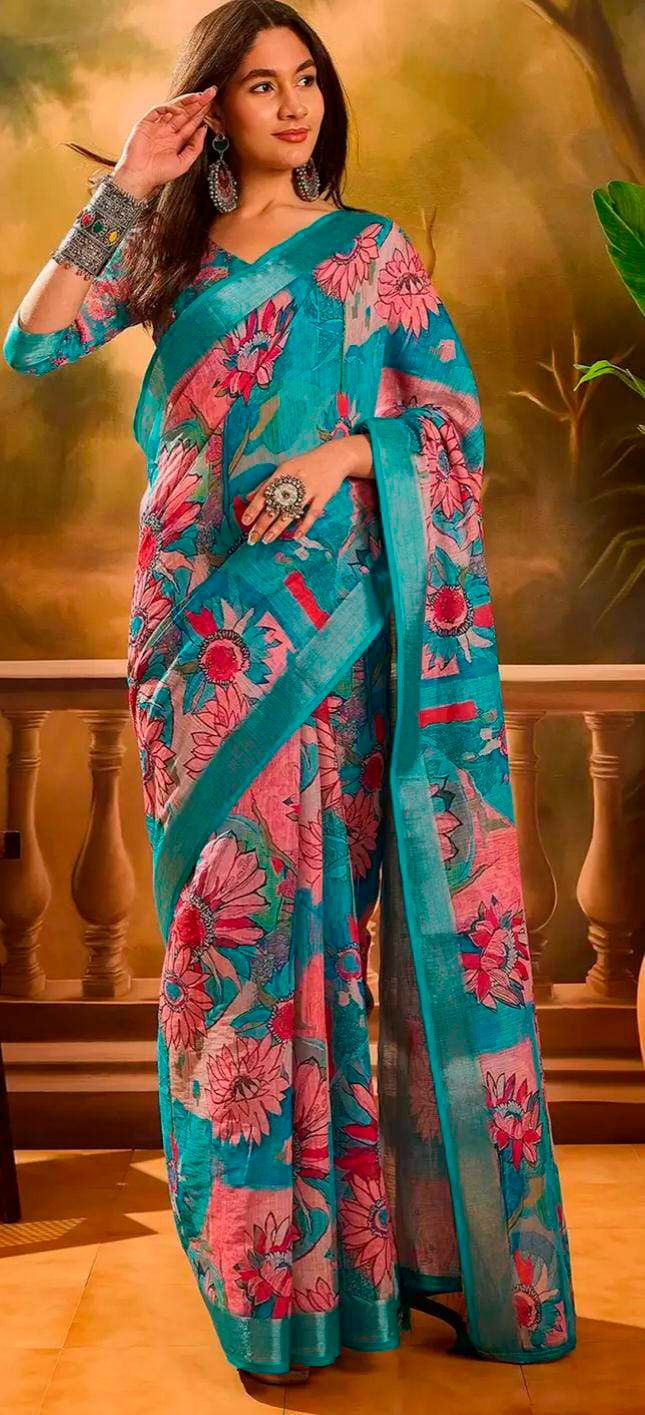
Use a well-fitted blouse with sleeve length suited to the saree's formality. Elbow-length sleeves, a square neckline or a high round neckline can complement silk without competing with zari. For cotton sarees, a contrast blouse in a solid colour often gives more definition than a heavily embroidered blouse.
Gold-toned jewellery suits zari, but silver, oxidised metal and temple-inspired pieces can also work when the saree has copper, muted or earthy detailing. A jasmine gajra, low bun and small bindi create a recognisable South Indian festive look, while a sleek bun and minimal earrings make a silk saree more appropriate for a formal evening.
The drape should match the fabric. Crisp cotton often benefits from narrow, even pleats and a firmly pinned pallu. Soft silk and Banarasi silk need careful pleat alignment because uneven folding can distort the border. A heavier Kanjeevaram may sit securely with fewer pins, while a slippery silk-cotton blend may need discreet shoulder and waist pins.
Sarees Flat 60% Off and Sarees Flat 50% Off may be useful for shoppers comparing seasonal reductions, but a discount should never replace checking the blouse piece, length, fabric composition and zari description.
South Indian Saree Guide: Traditional Sarees From Tamil Nadu to Telangana Care and Buying Checks
Correct storage, gentle cleaning and fabric verification preserve a South Indian saree longer than frequent dry cleaning or plastic packaging.
Store silk sarees folded in a clean cotton muslin cloth and refold them every few months to prevent permanent creases along the same lines. Keep zari away from moisture, perfume and direct sunlight. Do not iron silk, Banarasi silk or zari directly; place a thin cotton cloth over the saree and use low heat only when the care label permits it.
Cotton sarees can usually be aired after wear and folded only when completely dry. Wash printed, dyed and ikat sarees according to the care label because strong detergent, prolonged soaking and direct sunlight can cause colour bleeding or fading. Pochampally ikat deserves particular care because repeated harsh washing can weaken the clarity of resist-dyed patterns.
Before buying online, check whether the listed fabric is pure silk, silk cotton, cotton, linen cotton or a blend. Confirm saree length, blouse-piece inclusion, border width, zari description, transparency and return conditions. Product photographs can make a border appear wider or a fabric appear heavier than it's, so written specifications are essential.
A thoughtful choice balances regional identity with personal use. Kanjeevaram silk may be ideal for a wedding heirloom, Pochampally cotton may serve a hot-weather wardrobe, and Gadwal silk-cotton may offer formal impact with easier handling. The best saree is the one whose fabric, construction, care requirements and occasion genuinely match the wearer's life.
Common Questions About South Indian Sarees From Tamil Nadu to Telangana
Which saree is most associated with Tamil Nadu weddings?
Kanjeevaram silk is the saree most associated with Tamil Nadu weddings. Its substantial silk body, contrast borders, pallu designs and zari work create a formal drape, although silk-cotton Kanjeevaram can be a lighter alternative.
What is the difference between Kanjeevaram and Pochampally sarees?
Kanjeevaram sarees are generally associated with Tamil Nadu silk weaving, contrast borders and zari, while Pochampally sarees are known for Telangana ikat patterns. Pochampally motifs are created by resist-dyeing yarn before weaving, which gives geometric designs softly blurred edges.
Are South Indian sarees suitable for everyday wear?
Cotton, linen cotton, Mangalagiri, Chettinad and lightweight Pochampally sarees are suitable for everyday wear. These fabrics are generally easier to manage in warm weather than heavily embellished pure silk sarees.
Which South Indian saree is best for a summer festival?
Cotton, silk cotton and Kerala Kasavu sarees are strong choices for a summer festival. Cotton offers breathability, silk cotton balances comfort with polish, and Kasavu provides a light-coloured festive appearance with a zari border.
How should a South Indian silk saree be stored?
A South Indian silk saree should be folded in clean cotton muslin, kept away from moisture and refolded every few months. Avoid direct perfume, prolonged sunlight and direct ironing over silk or zari.
How can I check a traditional saree before buying it online?
Check the stated fibre, saree length, blouse-piece inclusion, border width, zari description, care instructions and seller-provided weave information. Regional names alone do not confirm authenticity because similar colours and motifs can appear across different textile traditions.