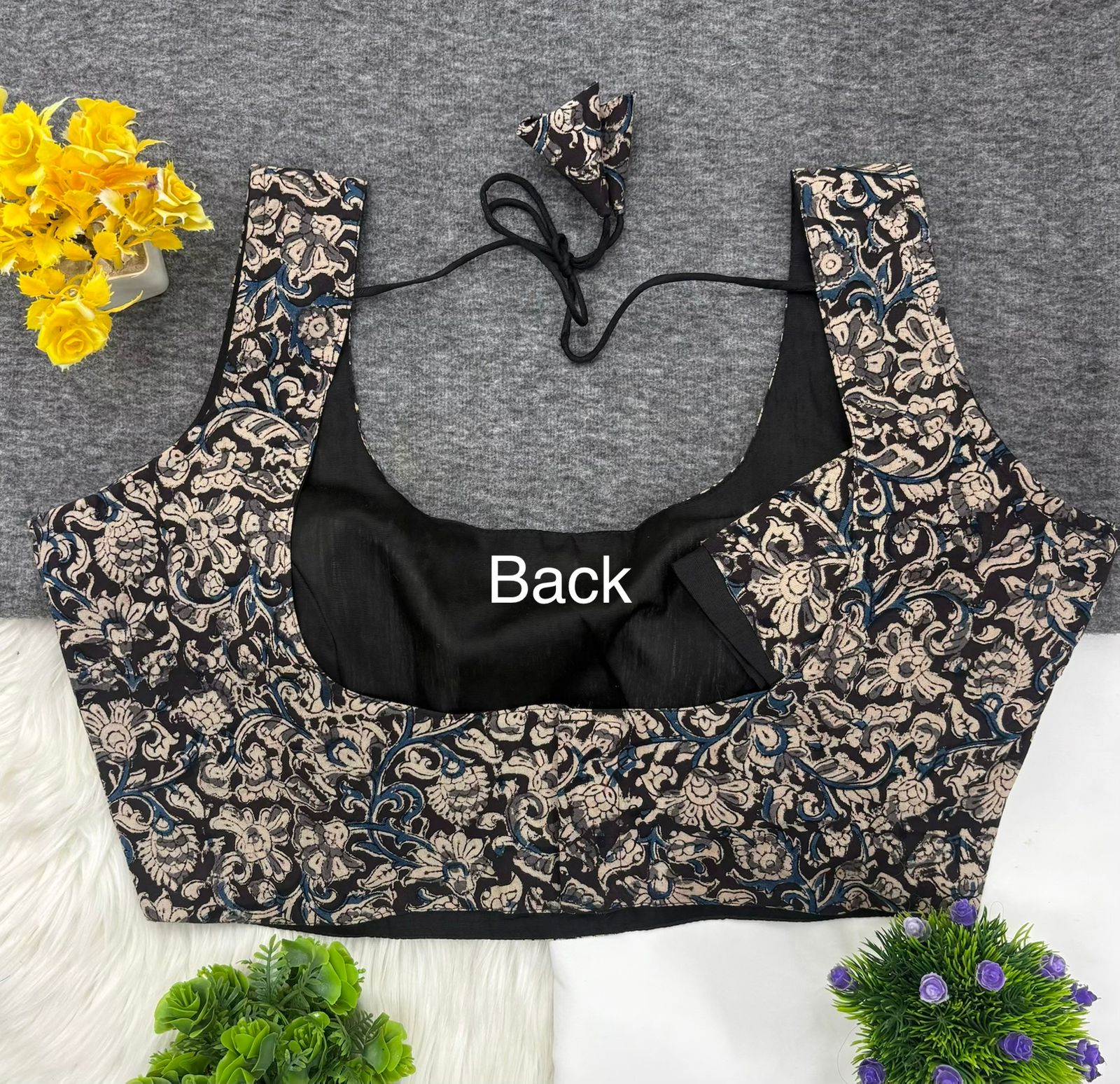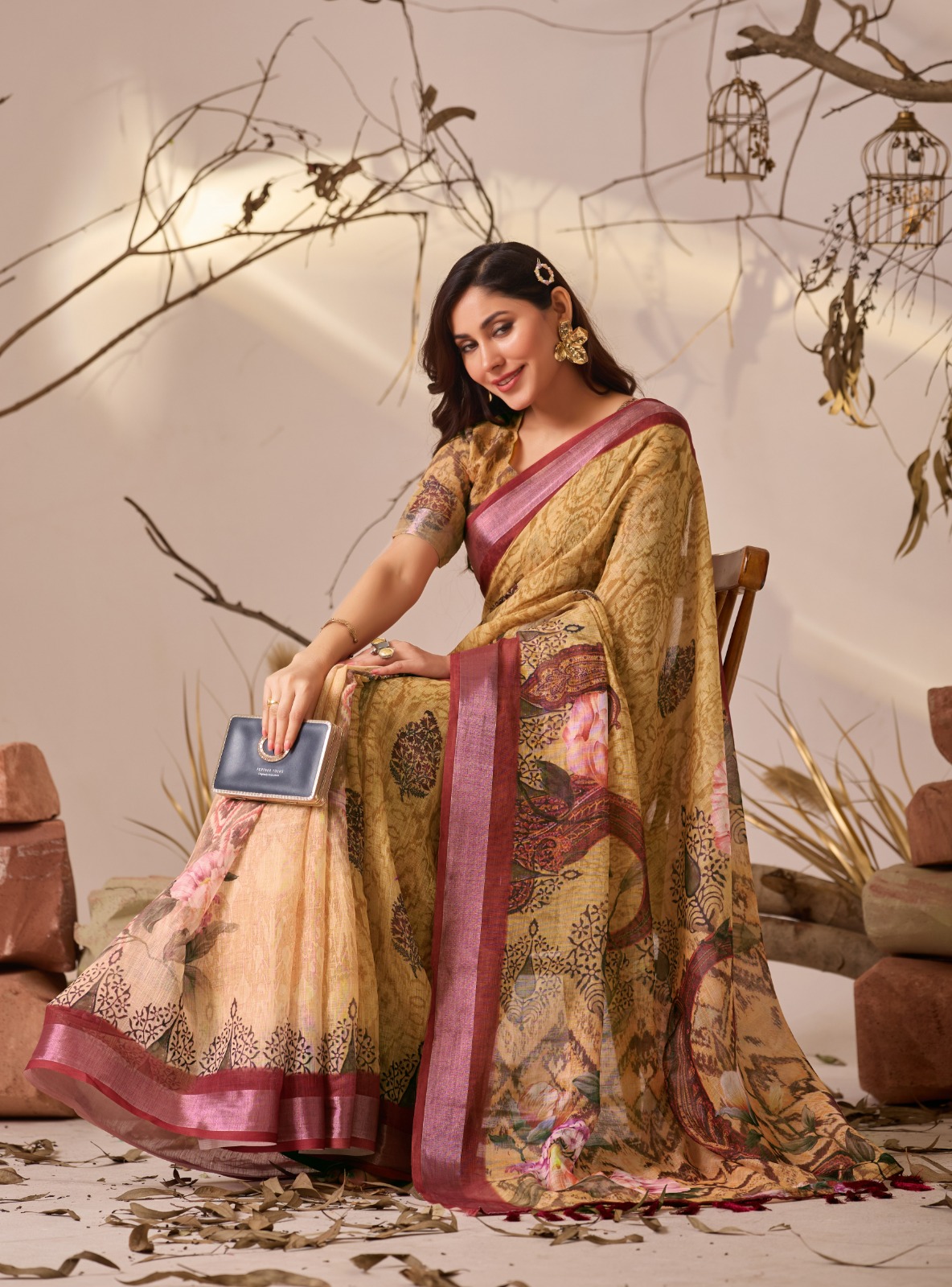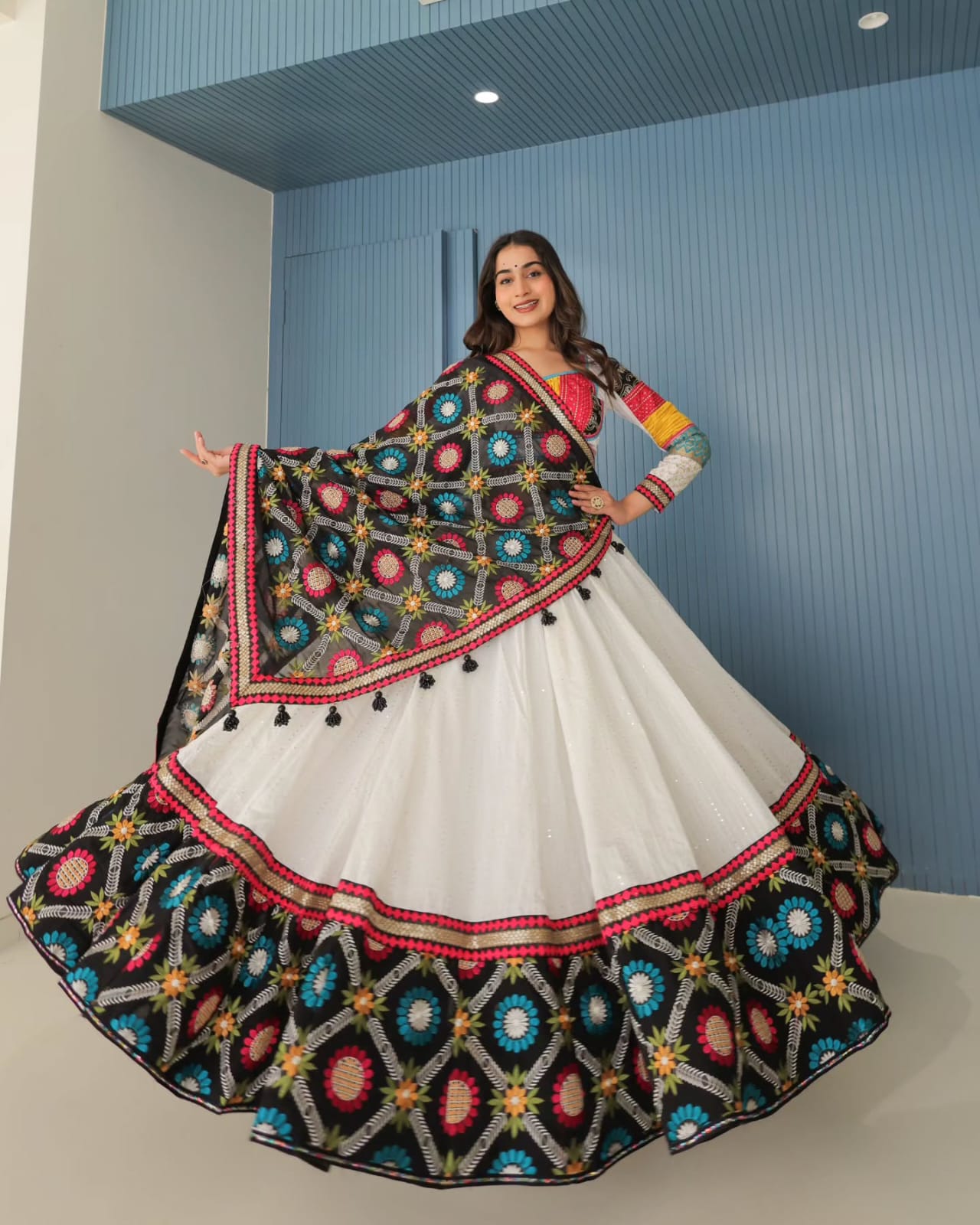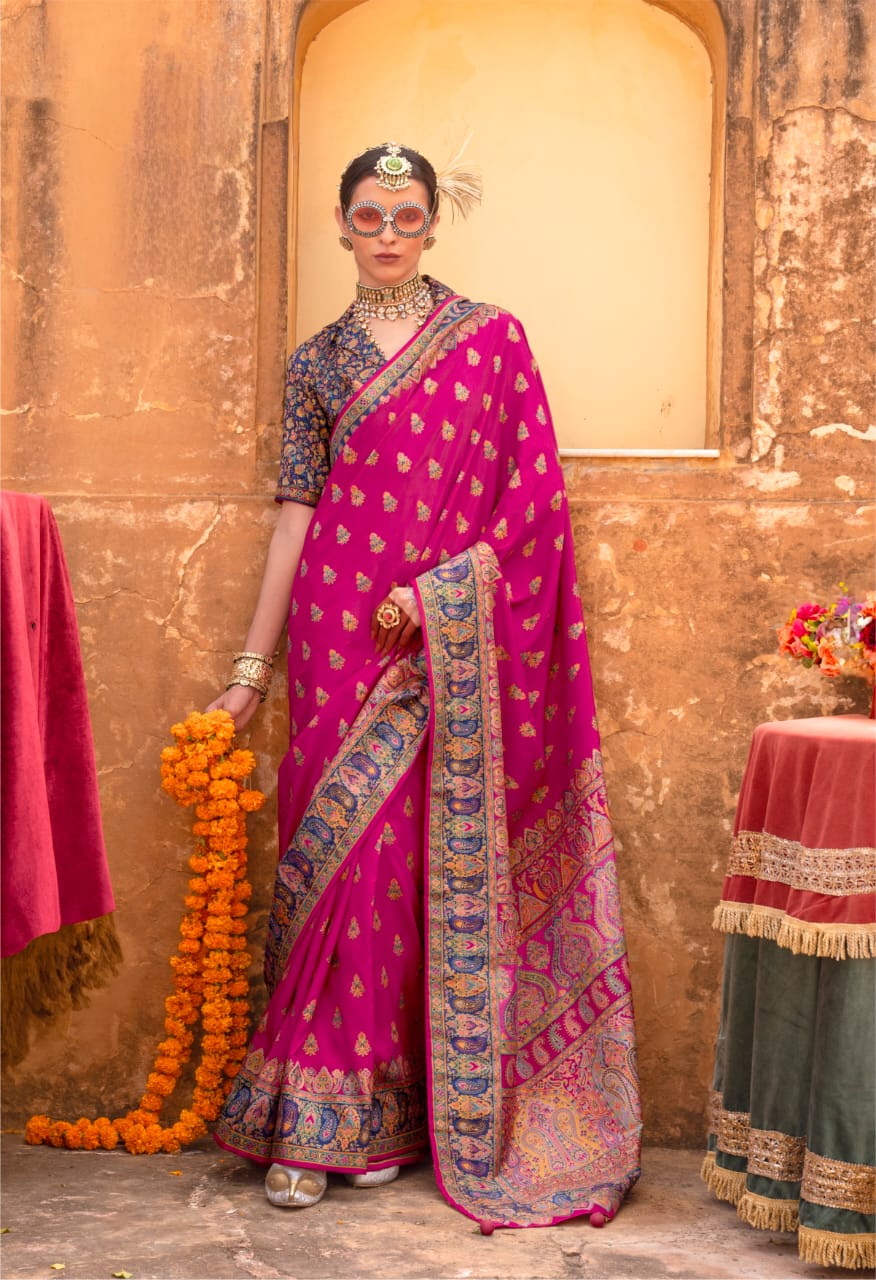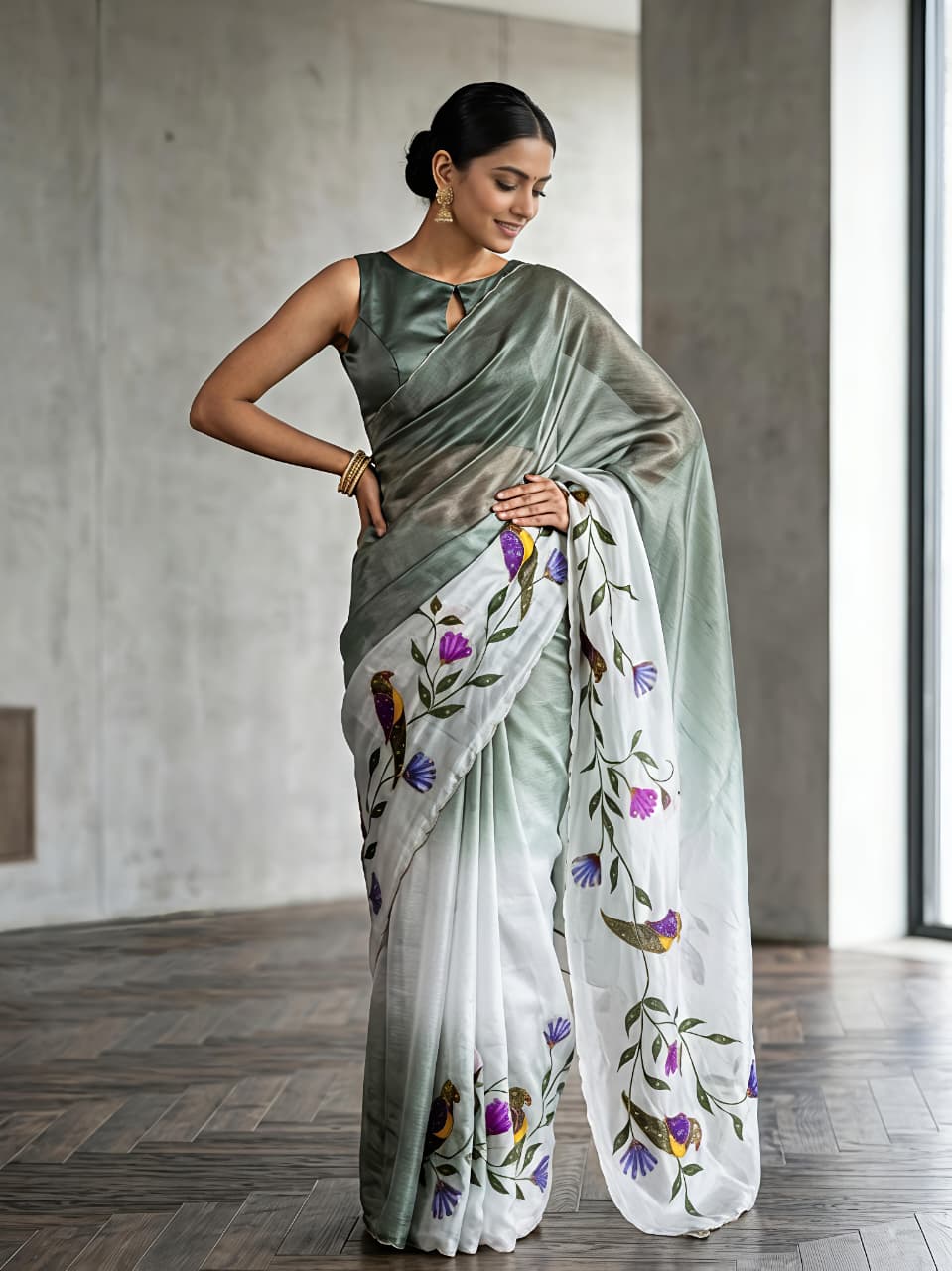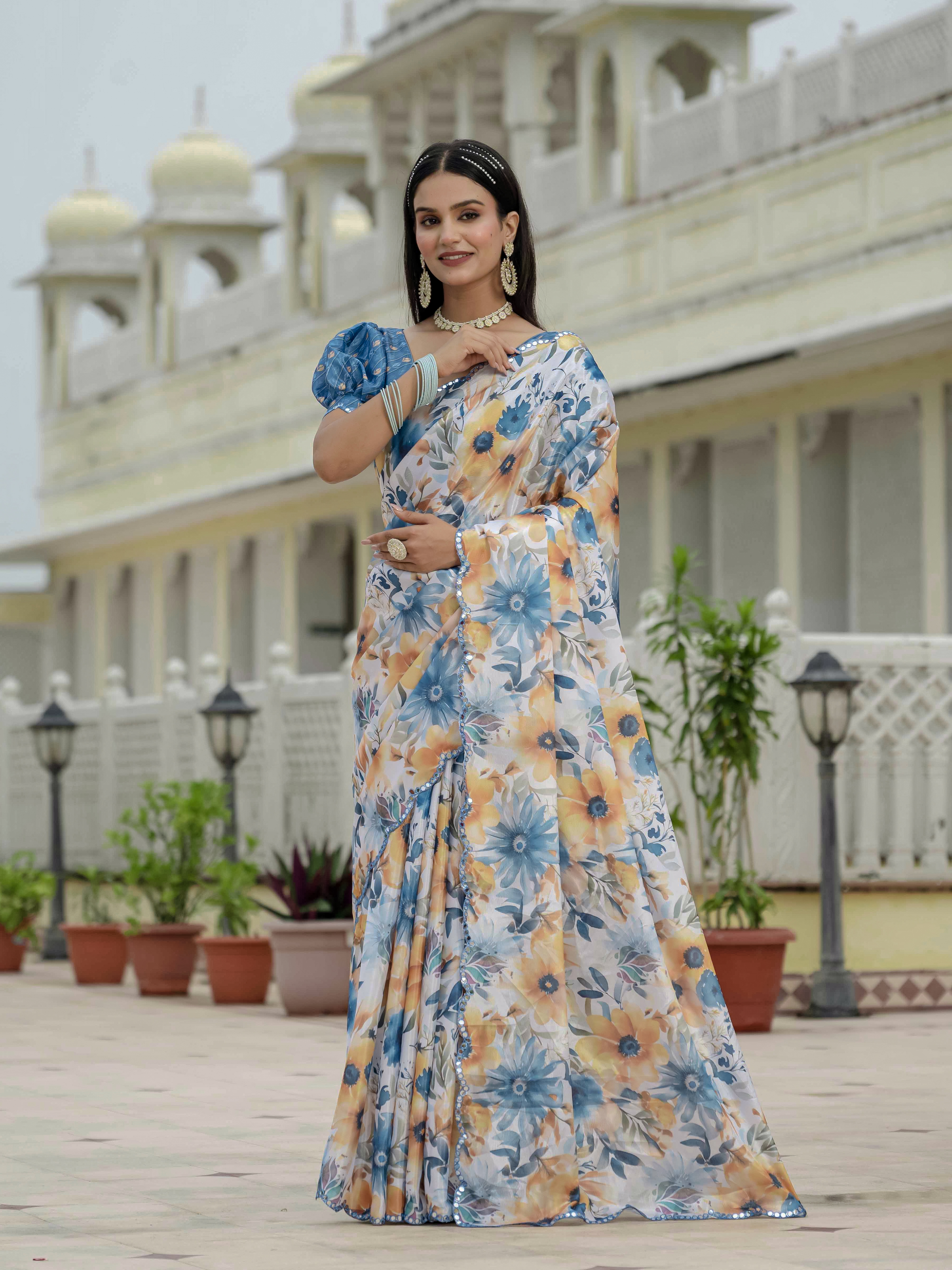
South Indian Festival Fashion Guide: What to Wear Month by Month becomes far more useful when clothing choices follow the climate, ritual and mood of each celebration. A crisp cotton saree can be more appropriate for a January harvest morning than a heavy silk, while a silk saree with zari may make better sense for a temple visit, wedding or evening Diwali gathering. The calendar below connects major South Indian festivals with practical fabrics, colours, blouse choices and accessories.
Festival dates change according to regional calendars, so the month-by-month sequence is a planning framework rather than a fixed annual schedule. Pongal usually falls in January, Ugadi and Vishu arrive in March or April, Onam is celebrated in August or September, and Navratri and Diwali generally occur between September and November. Local customs also vary across Tamil Nadu, Kerala, Karnataka, Andhra Pradesh and Telangana.
South Indian Festival Fashion Guide: What to wear throughout the year
A balanced South Indian festival wardrobe needs three categories: breathable daytime outfits, polished traditional pieces and versatile festive separates. Cotton and linen cotton work well for heat, humidity and long family gatherings, while Banarasi silk, Kanjeevaram silk and silk blends provide structure for formal celebrations.
Start by checking four practical details before selecting an outfit: the expected temperature, the length of the event, whether you'll sit on the floor and whether the celebration includes cooking or outdoor rituals. A five-hour temple visit requires easier movement and secure pleats, whereas a short evening reception allows a heavier pallu, statement blouse or embellished co-ord set.
Colour can support tradition without turning every outfit into a costume. Marigold yellow, turmeric, vermilion red, leaf green, ivory, royal blue and peacock teal all connect naturally with festive dressing. White-and-gold clothing has particular importance in Kerala, while red, green and gold are widely associated with auspicious celebrations across South India.
Keep one neutral blouse, one colourful blouse and one well-fitted petticoat available throughout the year. A blouse with a 14- to 16-inch sleeve opening and a firm shoulder seam usually gives better saree support than an overly loose design. Comfortable footwear, a small crossbody bag and safety pins are practical additions that matter as much as jewellery.
The South Indian Collection - VARNAVI is useful for comparing lightweight prints, border treatments and coordinated blouse options before a festival season begins. The South Indian Collection - VARNAVI can also serve as a wardrobe-planning reference when one outfit needs to move from a family puja to a casual festive lunch.
South Indian Festival Fashion Guide: January Pongal and Makar Sankranti
For January Pongal celebrations, choose a breathable cotton or linen cotton saree in a warm harvest colour with a neatly finished blouse. January mornings can be cool, but cooking, kolam drawing and outdoor family rituals often make heavy clothing uncomfortable by midday.
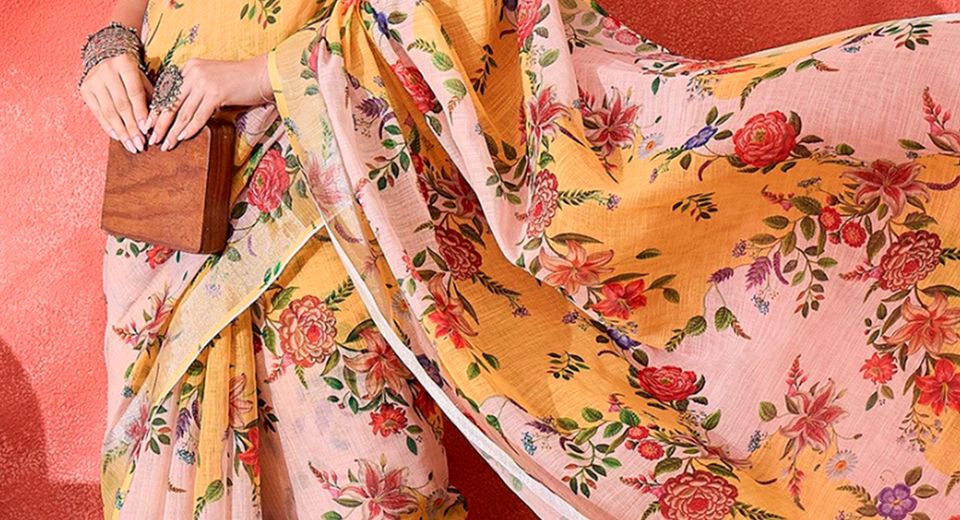
Mustard, sugarcane green, terracotta, rust, turmeric yellow and brick red suit the agricultural symbolism of Pongal. A simple printed saree with a defined border looks festive without creating a risk of snagging near the Pongal pot or wood fire. Mustard Floral Linen Cotton Saree with Unstitched Blouse offers an useful starting point because an unstitched blouse can be tailored for comfortable arm movement and a modest neckline.
For a second Pongal gathering, Red Floral Linen Cotton Saree with Beautiful Printed Border brings colour through the border rather than relying on heavy embellishment. Pair the saree with antique-gold jhumkas, a slim bangle stack and a low braid decorated with kanakambaram or jasmine. Flat sandals are safer than narrow heels when rituals take place outdoors.
Family members can coordinate through colour instead of wearing identical outfits. A mustard saree can be paired with a cream kurta, while a red border can be echoed in a shawl or blouse. Small, washable accessories are sensible when turmeric, sugarcane juice and sweet-making are part of the day.
South Indian Festival Fashion Guide: February temple visits and family events
February festival dressing works best with lightweight fabrics, moderate ornamentation and colours that transition from daytime temple visits to evening dinners. South Indian weather is often dry and warm in February, so linen cotton, soft cotton and Chanderi can offer more comfort than dense brocade.
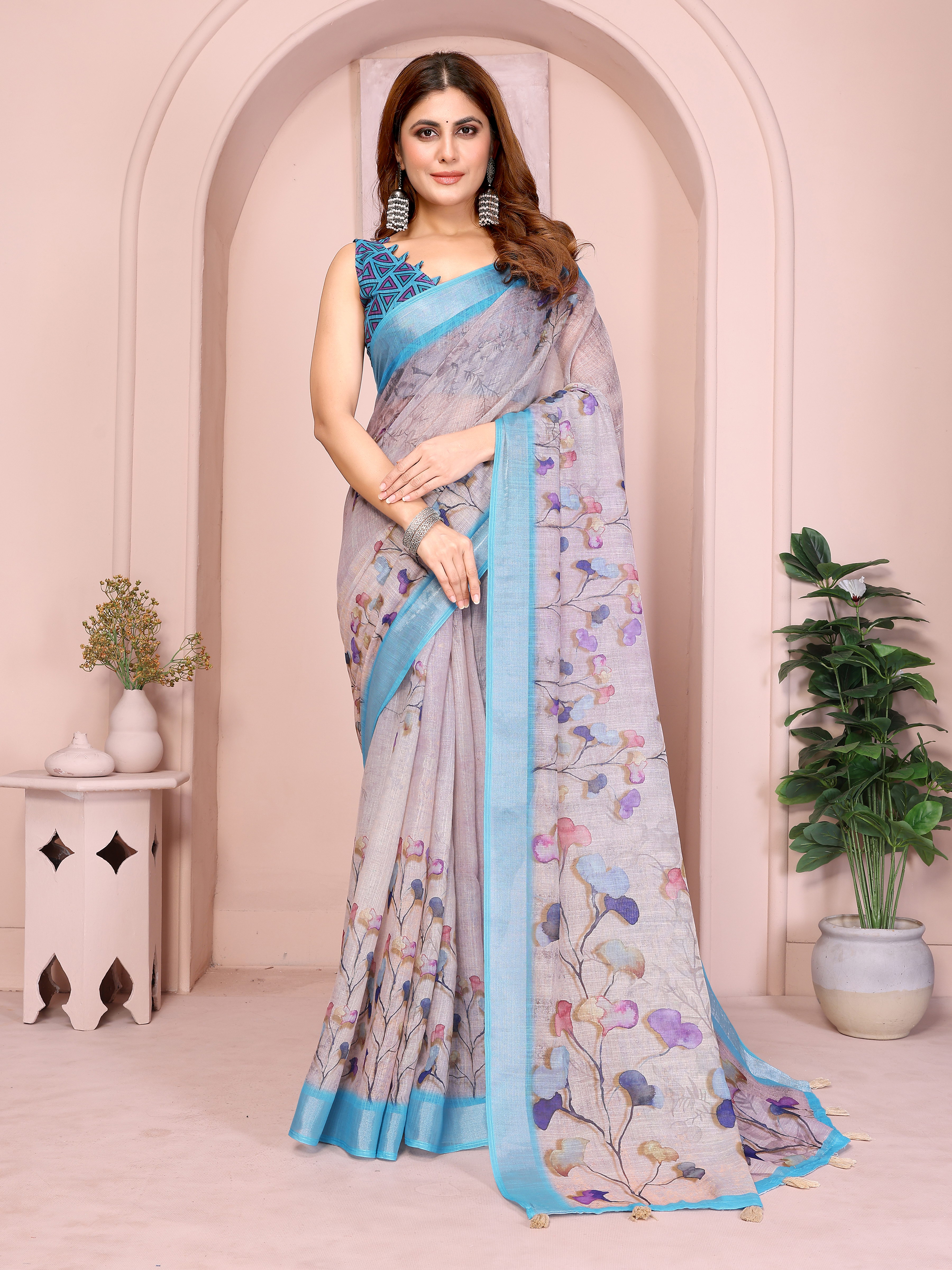
Blue, parrot green, coral, magenta and ivory create a fresh palette before the heavier wedding and festival season begins. Multicolour Floral Linen Cotton Saree with Blue Border Look demonstrates how a strong border can define the silhouette while keeping the body of the saree visually light. A blue blouse, pearl studs and silver-gold mixed jewellery prevent the floral print from looking overly busy.
Temple dressing benefits from a blouse that covers the shoulder securely and a pallu that stays in place. Use a hidden safety pin at the shoulder and a second pin near the waist, but avoid pinning through delicate zari. A cotton or silk-cotton petticoat with a firm waistband also prevents the saree from slipping during barefoot walking.
South Indian Festival Fashion Guide: March and April Ugadi, Vishu and Tamil New Year
Ugadi, Vishu and Tamil New Year celebrations suit bright, elegant outfits that remain comfortable in rising temperatures. Lightweight sarees, modest blouse designs and low-maintenance jewellery are reliable choices for family visits, temple blessings and festive meals.
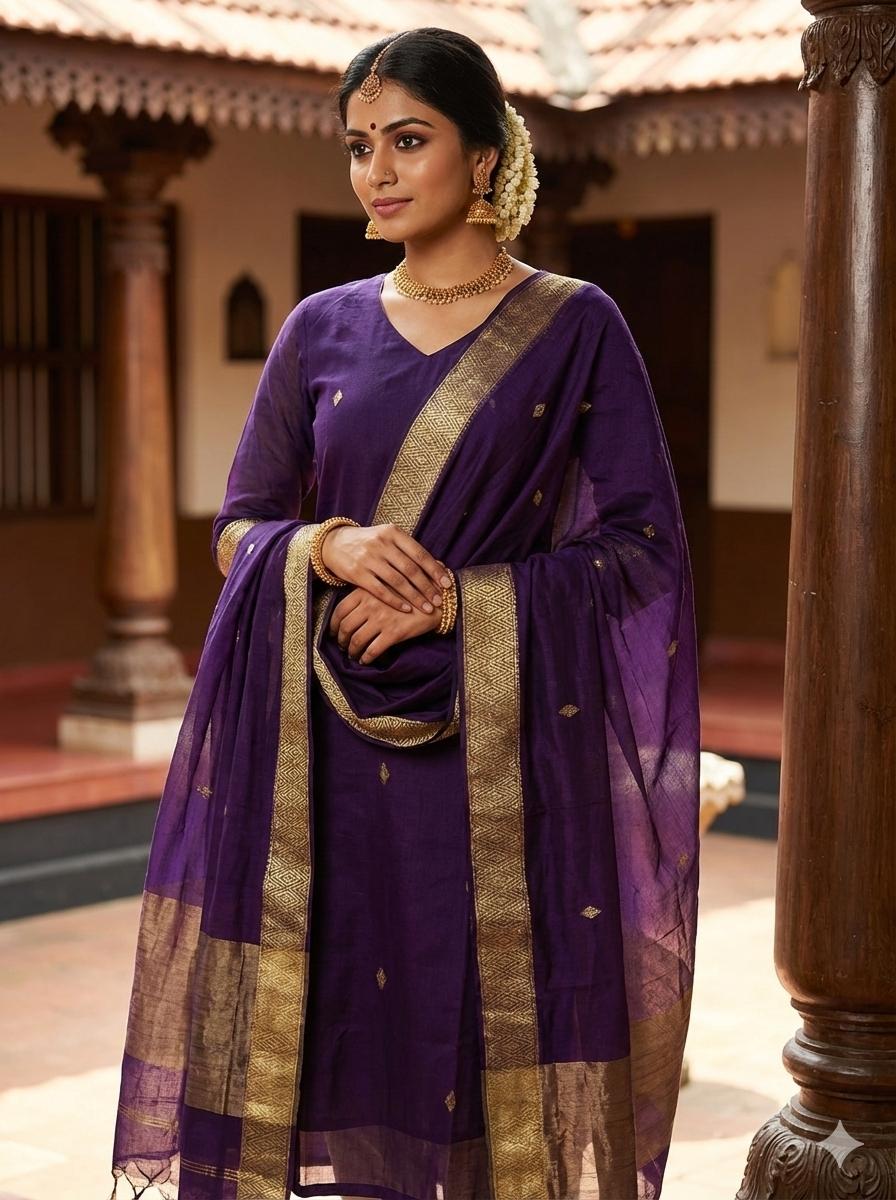
For Ugadi, choose mango green, yellow, pink or cream, colours that reflect spring and new beginnings. A printed linen cotton saree can be styled with a contrast blouse and a small gold pendant. Teal Floral Printed Linen Cotton Saree With Matching Blouse provides a coordinated option for someone who wants a finished look without spending time matching separate blouse fabric.
Vishu dressing often includes the visual language of Kerala kasavu: ivory, cream or off-white fabric with a gold border. A cream saree with a narrow zari edge, gold studs, a jasmine braid and a simple bindi can look more authentic and comfortable than excessive embellishment. Avoid dragging the pallu on the floor near the Vishukkani arrangement, and choose a blouse with enough ease for sitting cross-legged.
Tamil New Year outfits can move between classic and contemporary styling. A floral saree with a structured blouse works for a morning puja, while a cropped jacket or a polished belt can make the same drape suitable for a later cultural programme. Gold-toned accessories need not all match exactly; antique gold, polished gold and temple jewellery can be combined when one element remains visually dominant.
South Indian Festival Fashion Guide: May and June warm-weather dressing
May and June demand the lightest festive fabrics because high temperatures and humidity can make synthetic or heavily layered clothing uncomfortable. Linen cotton, mul cotton, handloom cotton and light Chanderi are better choices for daytime ceremonies, especially in coastal cities.
Mul cotton is soft, airy and easy to drape, although it can crease more quickly than silk or polyester blends. Printed Mal Cotton Saree With Designer Pallu by VARNAVI shows how a distinctive pallu can provide occasion value while the main fabric stays relatively light. Wear the saree with a sleeveless or short-sleeved blouse only when the event and personal comfort make that choice appropriate.
Pastel pink, powder blue, mint, ivory and soft peach create a visually cool palette. Pastel Linen Cotton Floral Print Saree with Designer Blouse works well for a daytime engagement, summer pooja or cultural event because the floral print supplies interest without requiring layered jewellery. Choose a fabric-lined blouse rather than a heavily padded one when ventilation matters.
Hair and makeup also need seasonal adjustment. A low bun or braid is more secure than loose waves in humidity, and waterproof kajal is more dependable for long outdoor functions. Blotting paper, a spare handkerchief and a small packet of safety pins belong in the event bag during the hottest months.
South Indian Festival Fashion Guide: July and August Aadi, Varalakshmi Vratham and Onam
July and August celebrations call for festive clothing that can handle humidity, occasional rain and long hours of sitting. Cotton sarees, linen cotton sarees and lightweight silk-cotton blends are usually easier to manage than heavily embroidered garments during the monsoon season.
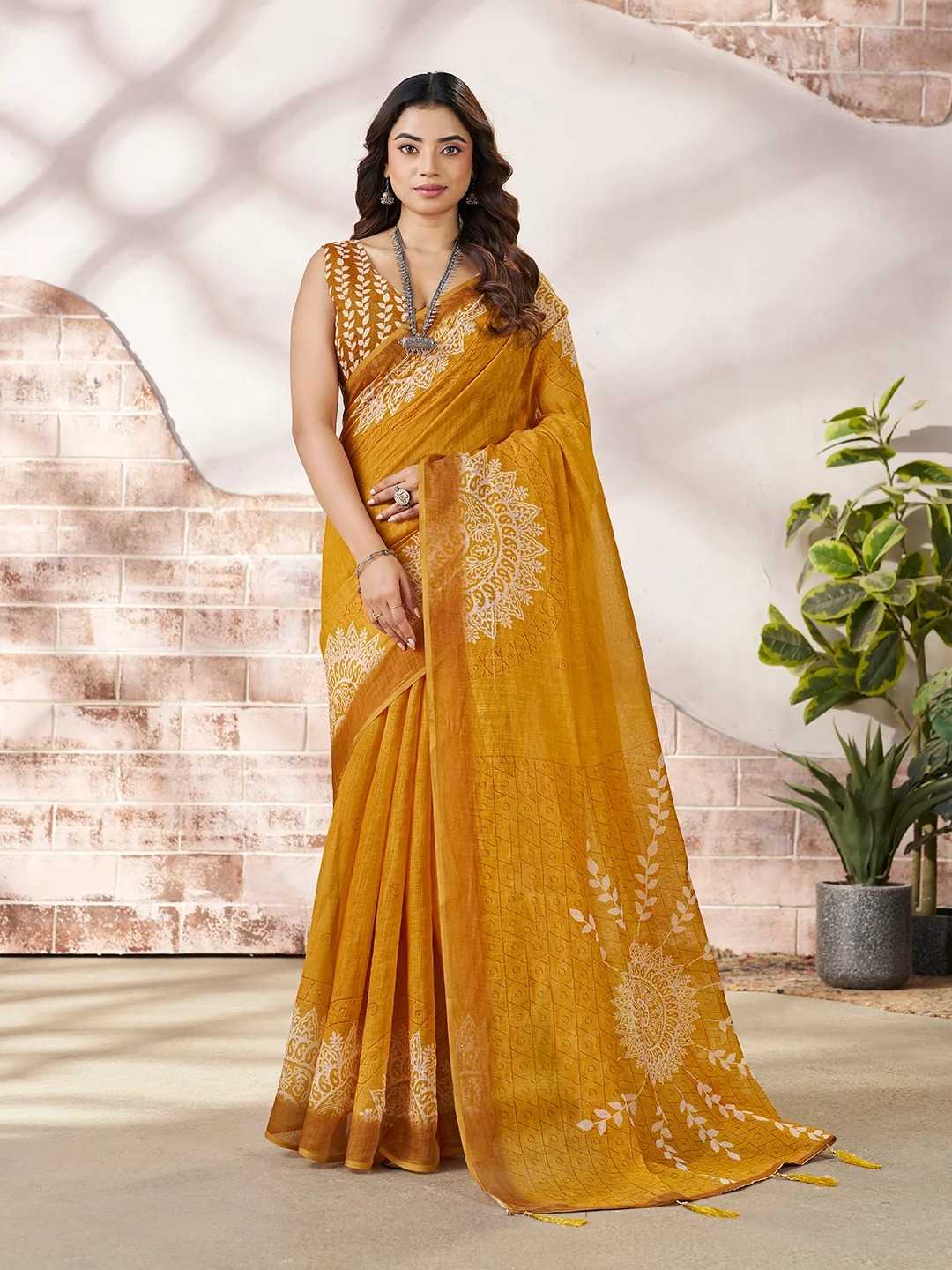
Varalakshmi Vratham often calls for a time-honoured saree, but comfort still matters during extended puja rituals. Red, green, yellow and gold are common auspicious choices. A saree with a stable border and a blouse with elbow-length sleeves creates a composed appearance while keeping the outfit practical for arranging offerings.
Onam is strongly associated with Kerala kasavu sarees featuring cream or white grounds and gold borders. The styling is intentionally restrained: jasmine, gold jewellery, a neat braid and a fresh, well-pleated drape often look more appropriate than dense contrast prints. A narrow gold border can be worn for a daytime gathering, while a broader border suits an evening celebration.
Floral sarees can also work for Onam when the event isn't a formal temple ritual. Multicolor Linen Cotton Floral Printed Saree at VARNAVI adds colour while retaining a relaxed daytime feel. Pair a multicolour print with one blouse shade taken directly from the saree, not with a second competing print.
South Indian Festival Fashion Guide: September and October Navratri, Dasara and festive evenings
September and October are ideal for moving from breathable daytime sarees to richer textures, brighter contrast and more detailed blouses. Navratri and Dasara events often include music, dancing, cultural performances and evening gatherings, so clothing should allow movement as well as visual impact.
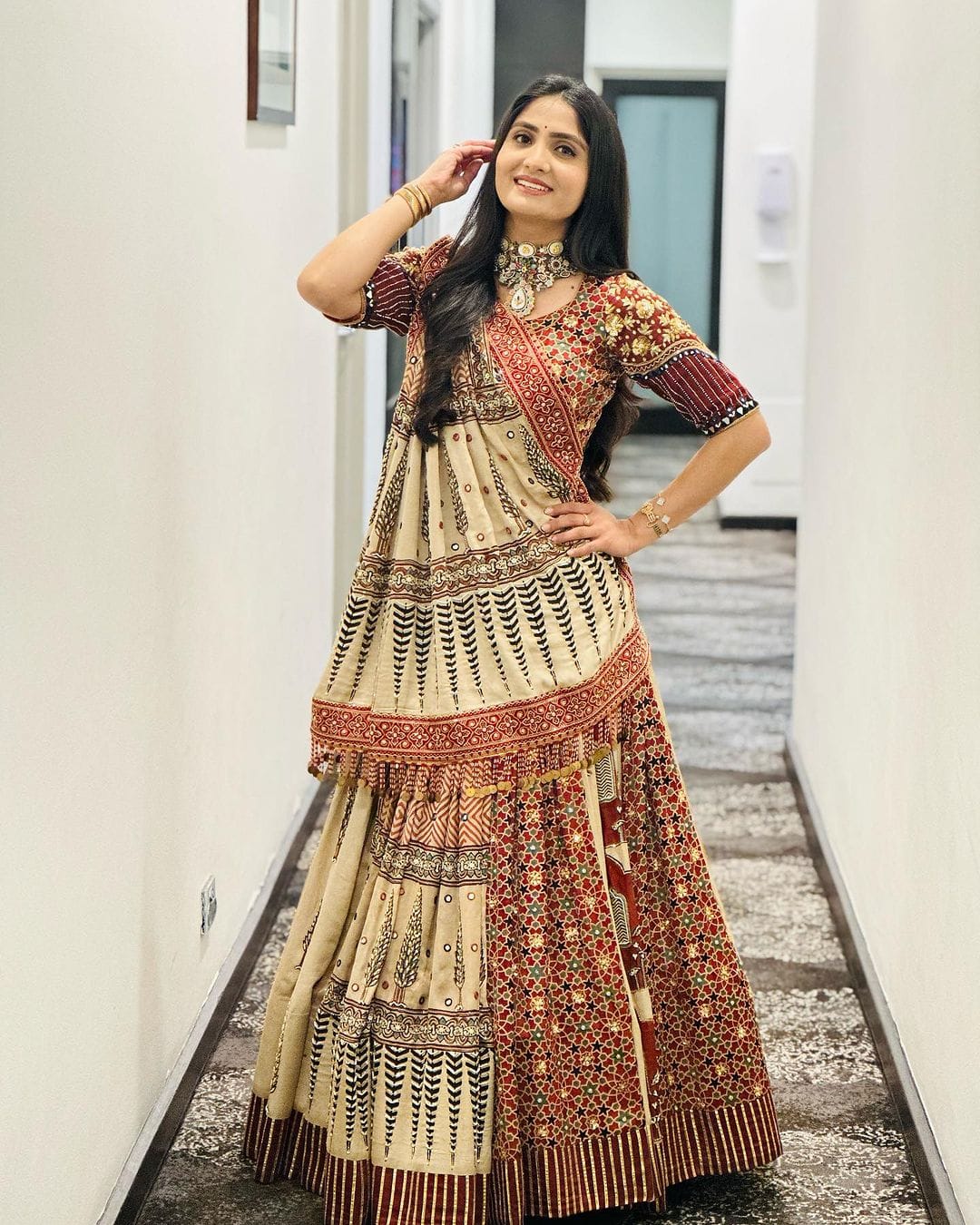
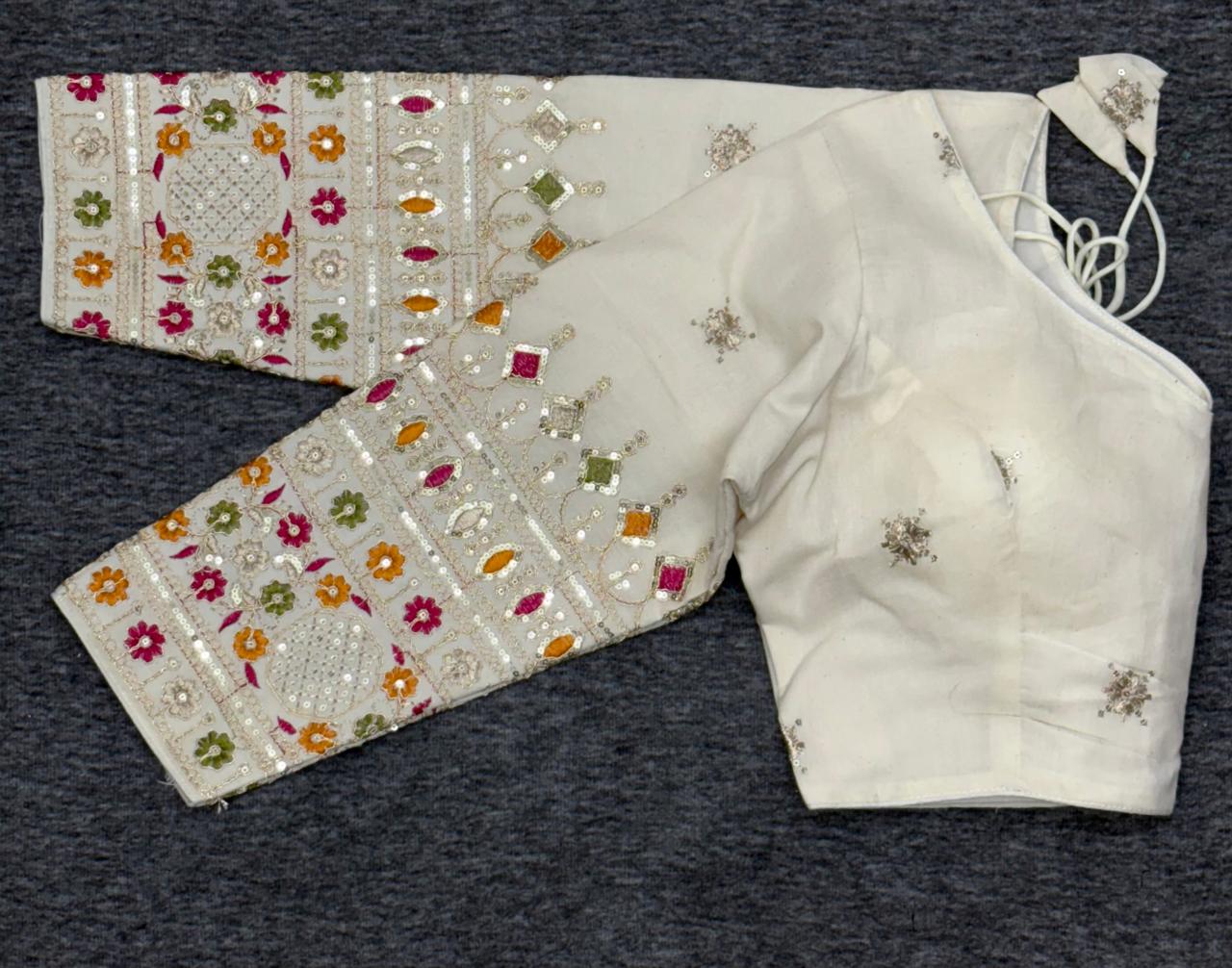
For Navratri, select a saree or lehenga in a strong colour such as fuchsia, cobalt, emerald, orange or royal purple. Lightweight georgette, crepe, Chanderi silk and soft silk blends allow easier movement than very stiff brocade. A Modern Taupe Vichitra Silk Embroidered Co-Ord Set for Women can suit a contemporary festive evening when a saree isn't practical, particularly for a cultural programme or dinner after a puja.
Dasara dressing can be more regal without becoming excessively heavy. A jewel-toned blouse, zari border or temple-style necklace gives a plain silk saree enough presence. If the event involves standing for processions or visiting several homes, choose a pallu that can be secured at the shoulder and avoid long dangling earrings that catch on hair or clothing.
Jewellery should respond to the scale of the outfit. A heavily woven silk saree generally needs only one prominent necklace or earring style, while a simple printed saree can carry layered chains, bangles or a statement jhumka. This balance keeps the outfit legible in photographs and reduces visual clutter.
South Indian Festival Fashion Guide: October and November Diwali and wedding season
Diwali and the wider November wedding season are the right time for richer silk, zari, embroidery and dressier separates, provided the weight suits the venue. Evening celebrations usually allow deeper colours such as wine, emerald, navy, ruby and antique gold.
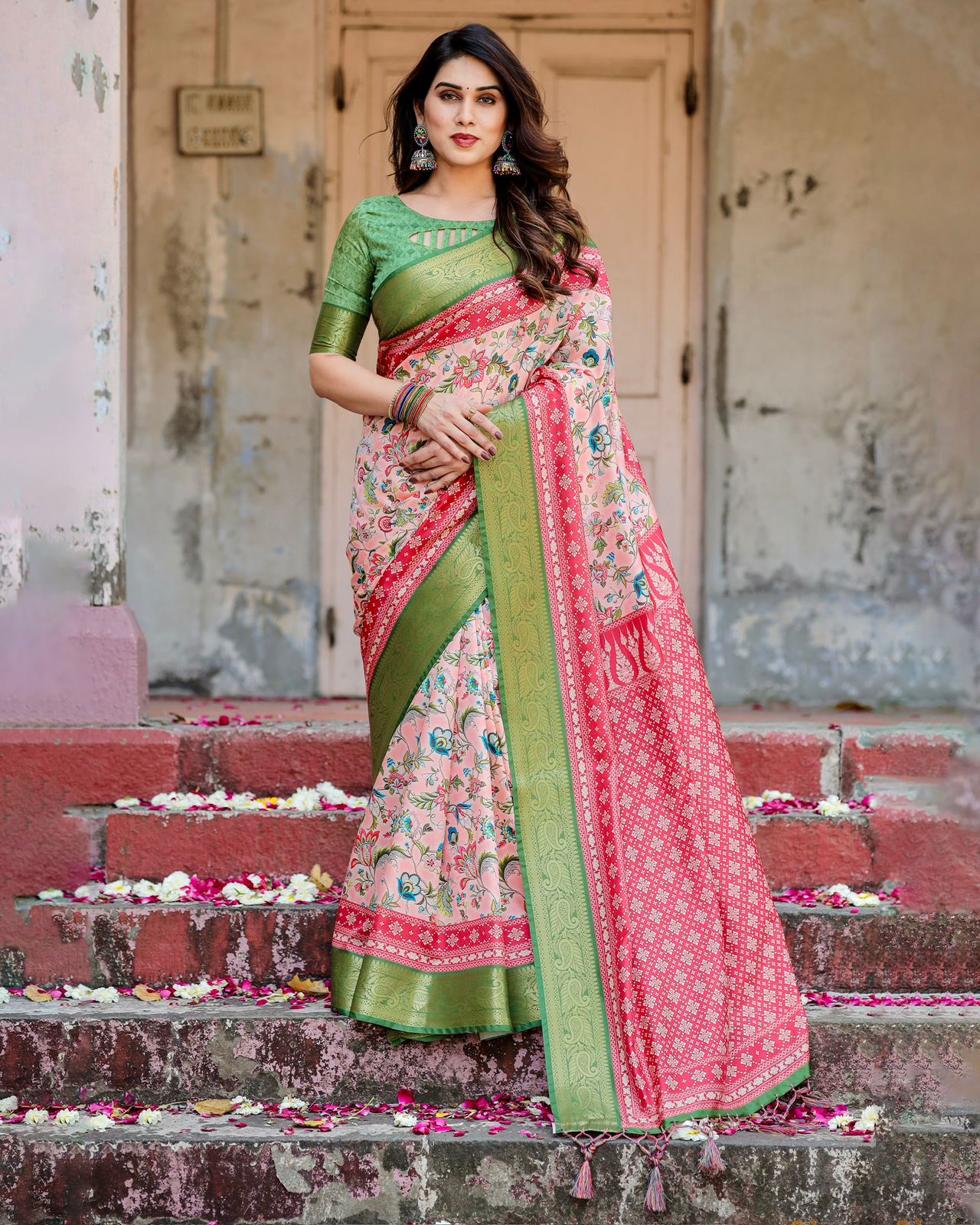
Banarasi silk works well when the outfit needs a luminous woven surface, while Kanjeevaram silk suits formal temple weddings and major family ceremonies because its heavier body holds structured pleats. A silk saree weighing approximately 700 to 900 grams is often easier to manage for several hours than a heavily embellished garment that exceeds 1.2 kilograms.
Diwali styling can be festive without using every classic element at once. Choose either a richly woven saree, an embellished blouse or bold jewellery as the principal feature, then keep the other two elements controlled. A printed saree with a silk blouse can feel more comfortable for home celebrations involving diyas, sweets and repeated movement between indoors and outdoors.
Fire safety deserves attention during Diwali. Keep loose dupattas and long pallu ends away from diyas, candles and sparklers, and secure a saree border that could trail near an open flame. Closed-toe or low-heel footwear is useful when the floor may contain oil, wax or rangoli powder.
South Indian Festival Fashion Guide: fabric care and final outfit checks
Festival clothing lasts longer when it's aired after use, folded with acid-free tissue or clean muslin and stored away from direct sunlight. Cotton and linen cotton sarees should be washed according to their care label, while zari sarees should generally be dry-cleaned only when necessary and stored with the zari folded inward.

Check five details on the evening before the event: blouse fit, petticoat tightness, saree fall, pallu security and footwear comfort. A blouse that feels acceptable for ten minutes can become restrictive after three hours, so sit, raise both arms and walk several steps before finalising the outfit.
Steam creases rather than pressing zari directly with a hot iron. Never spray perfume onto silk, zari or delicate embroidery because alcohol and oils can leave marks. When a saree becomes damp from rain or perspiration, dry it completely in shade before folding it for storage.
The most effective festival wardrobe isn't the one with the greatest number of outfits. The most effective festival wardrobe contains breathable sarees for daytime rituals, one or two formal silk options, an adaptable blouse system and accessories that can be reused across regional celebrations. Planning by month makes heritage dressing more comfortable, respectful and practical.
Common Questions About Month-by-Month South Indian Festival Dressing
What should I wear for Pongal in January?
A breathable cotton or linen cotton saree in mustard, turmeric yellow, terracotta, green or red is a practical Pongal choice. Select a secure blouse, flat footwear and jewellery that will not interfere with cooking, kolam drawing or outdoor rituals.
Which saree is suitable for Onam?
A Kerala kasavu saree with an ivory or cream ground and a gold border is the most recognisable Onam choice. Jasmine, a neat braid and restrained gold jewellery complete the look, while a lightweight floral saree can suit less formal Onam gatherings.
What should I wear for Ugadi or Tamil New Year?
Choose a lightweight saree in mango green, yellow, pink, cream or teal, and pair it with a contrast blouse or a coordinated blouse. Cotton, linen cotton and light Chanderi are comfortable choices for warm-weather temple visits and family meals.
Can I wear a printed saree to a South Indian festival?
A printed saree is suitable for many daytime pujas, family gatherings and cultural events, especially when the fabric is breathable and the border is neatly finished. For formal temple weddings or major evening celebrations, Banarasi silk, Kanjeevaram silk or another structured silk may be more appropriate.
How can I keep a saree comfortable during a long festival?
Choose a fabric suited to the weather, tailor the blouse with enough arm and shoulder ease, and secure the pallu at the shoulder and waist. Test the outfit while sitting, walking and raising your arms before the event, and carry spare safety pins and a small handkerchief.
What should I wear for Diwali in South India?
A silk saree, silk-blend saree, lehenga or embellished co-ord set in jewel tones works well for an evening Diwali celebration. Keep loose fabric away from diyas and sparklers, and balance one statement element with simpler jewellery or a quieter blouse.