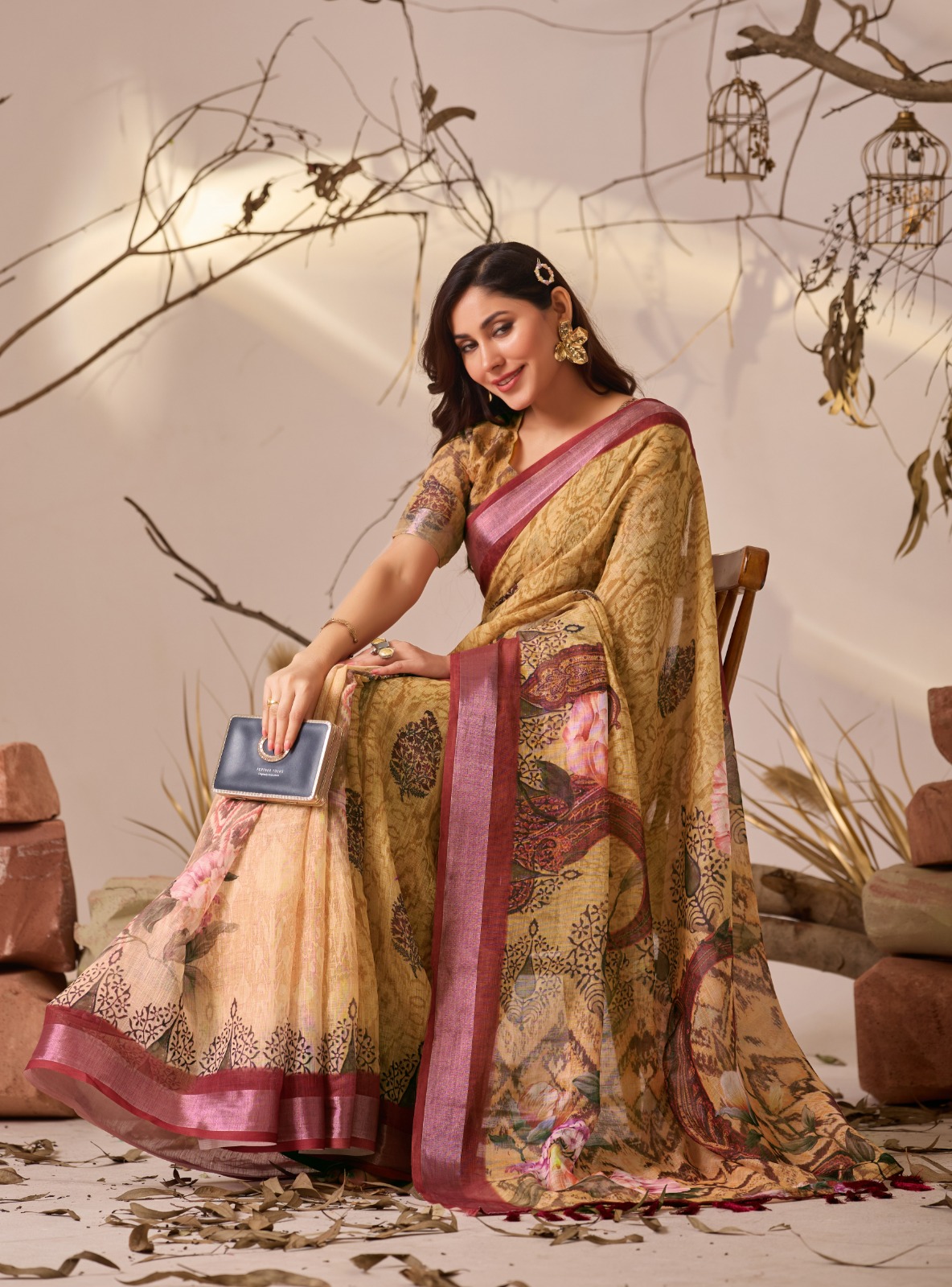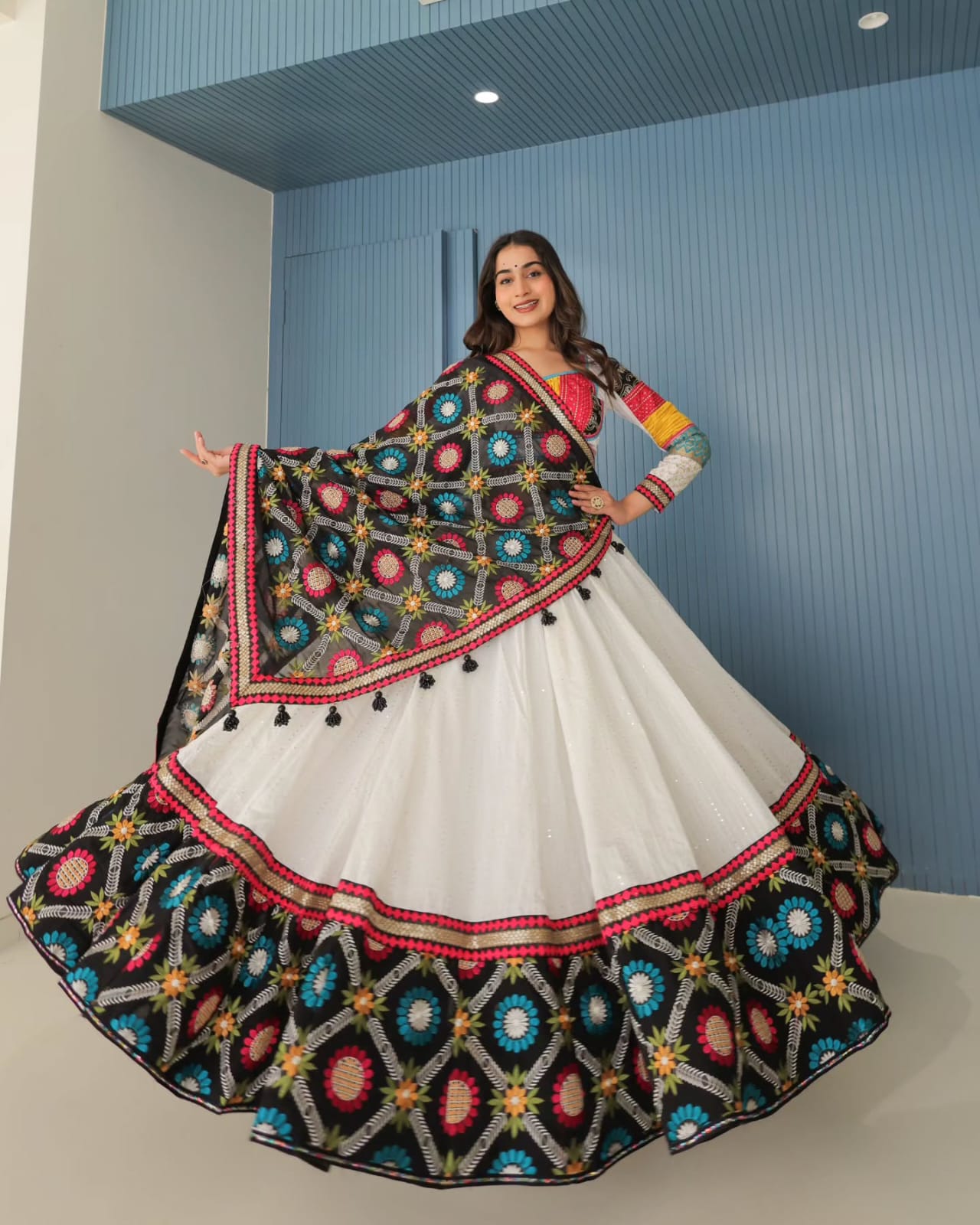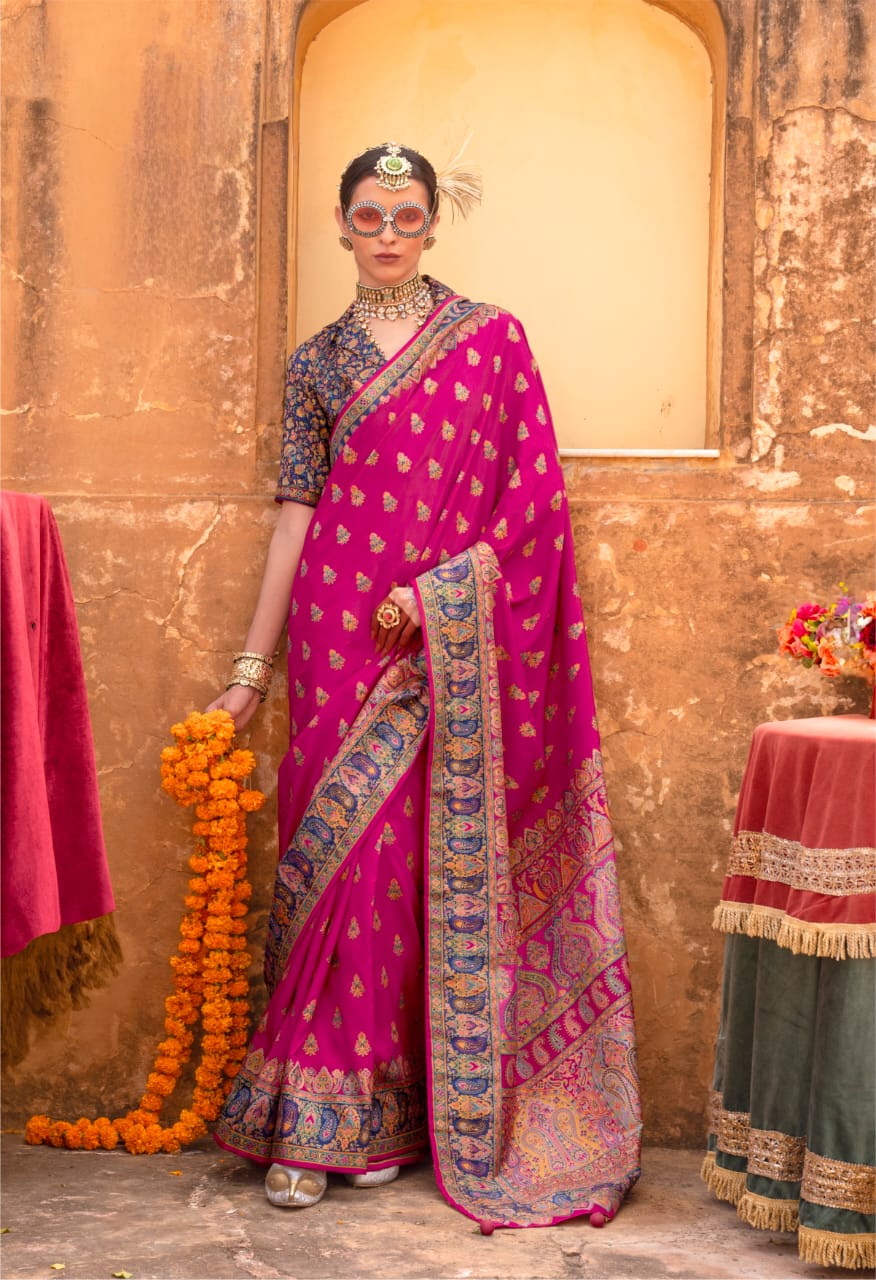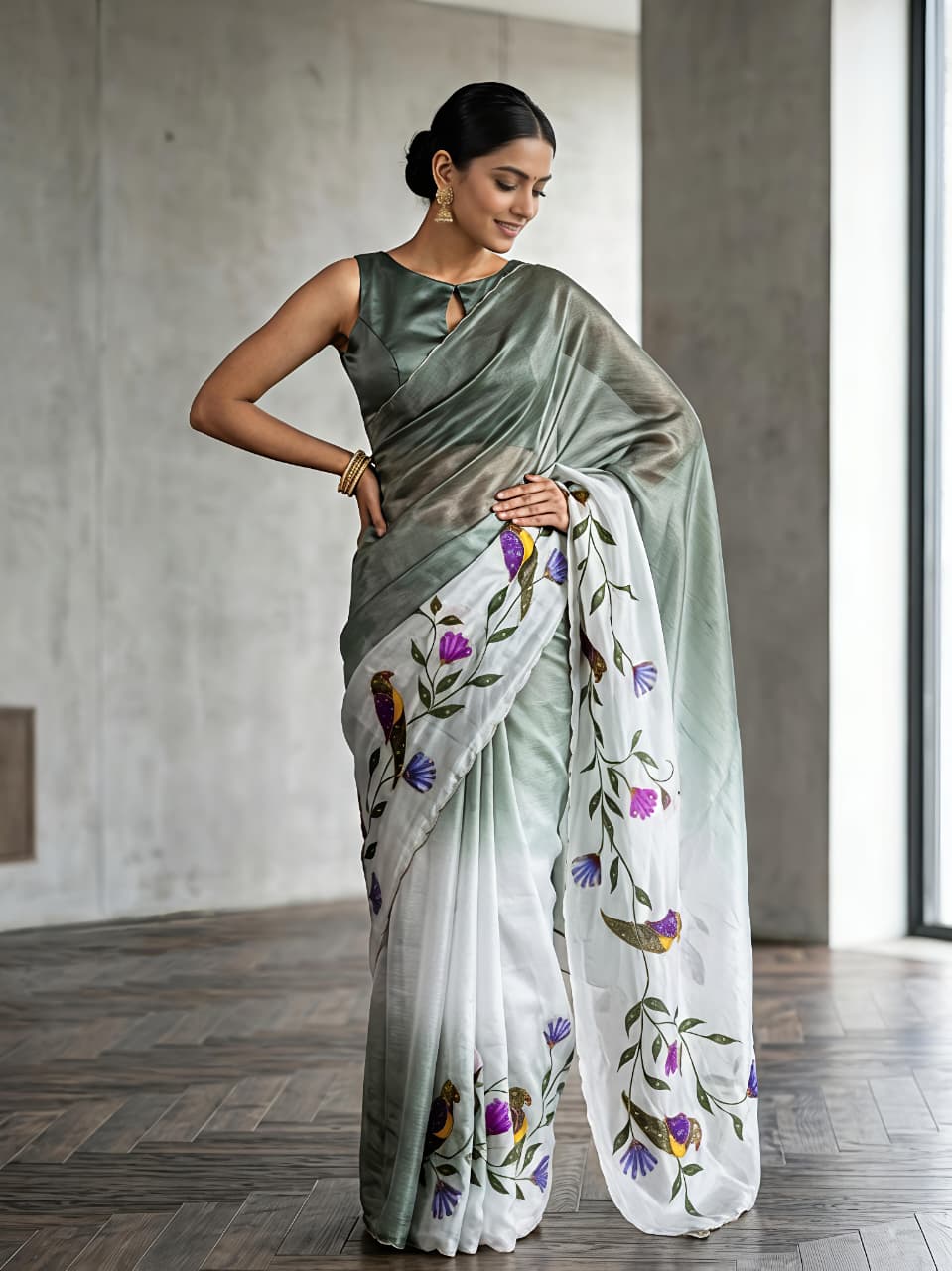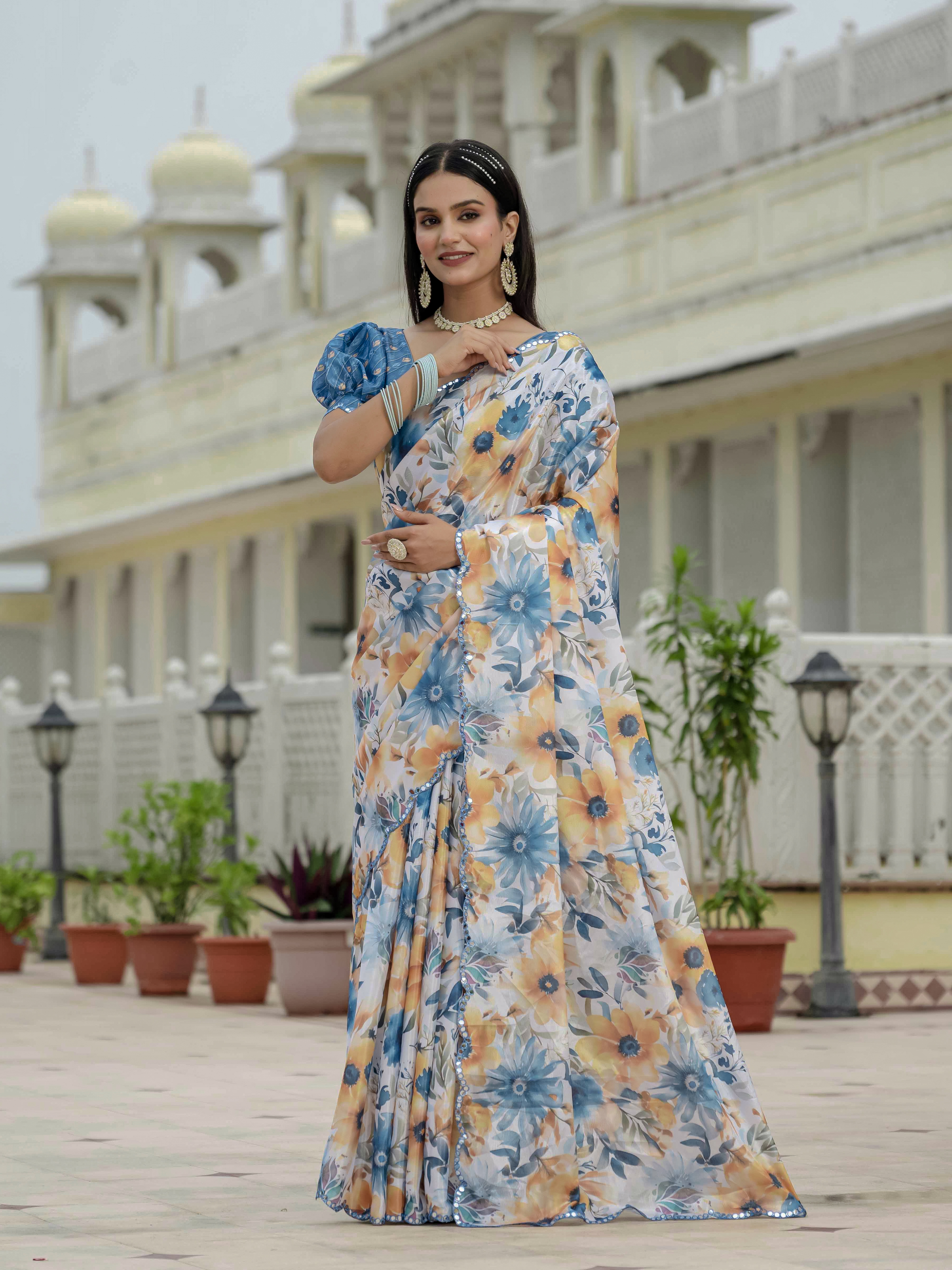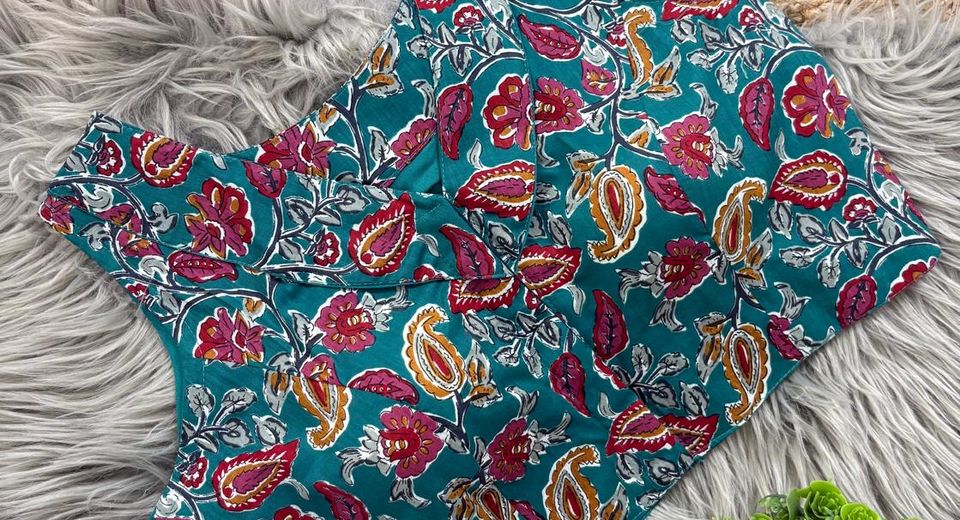
South Indian Blouse Designs: 50 Traditional and Modern Ideas can help you choose more intelligently than a quick scroll through photographs. A blouse changes the proportion, formality and comfort of a saree, so the right choice depends on fabric, neckline, sleeve length, embroidery, fit and the event. A Kanjeevaram wedding saree needs different visual weight from a Chanderi day saree, while a cotton saree can support prints, contrast borders and relaxed tailoring.
South Indian Blouse Designs: 50 Traditional and Modern Ideas for Choosing the Right Shape
The most reliable method is to match the blouse's visual weight to the saree's border, texture and occasion. A broad zari border can support a structured blouse with elbow-length sleeves, whereas a lightweight handloom saree usually looks balanced with a simpler cotton or silk-cotton blouse.
Start by identifying the saree's dominant colour, secondary border colour and fabric density. For example, a magenta Kanjeevaram with antique-gold zari can take a green, mustard or antique-gold blouse, but a heavily embroidered blouse may compete with the border. A plain blouse in a border colour often creates a more polished result than an exact head-to-toe colour match.
Next, consider the event. Bridal ceremonies generally suit brocade, Banarasi silk, raw silk, velvet details and dense zari. Temple visits, family lunches and festive gatherings can accommodate Kalamkari cotton, Ikat cotton, printed silk or a blouse with modest piping. Reception dressing allows contemporary details such as a square back, sculpted neckline or sheer sleeve, provided the saree remains the visual anchor.
Fit matters more than decoration. A blouse should sit smoothly across the bust, stay flat at the shoulder and allow the wearer to raise both arms without the armhole cutting into the underarm. Padded construction can improve shape and reduce the need for extra layers, but padding should be light enough to preserve a natural line.
South Indian Blouse Designs: 50 Traditional and Modern Ideas to Save for Reference
The following 50 ideas cover traditional temple-inspired details, practical cotton styles and modern cuts suitable for silk, handloom and festive sarees. The numbered descriptions are intended as a planning list: a neckline can be combined with a different sleeve, and a traditional motif can be cut in a contemporary silhouette.
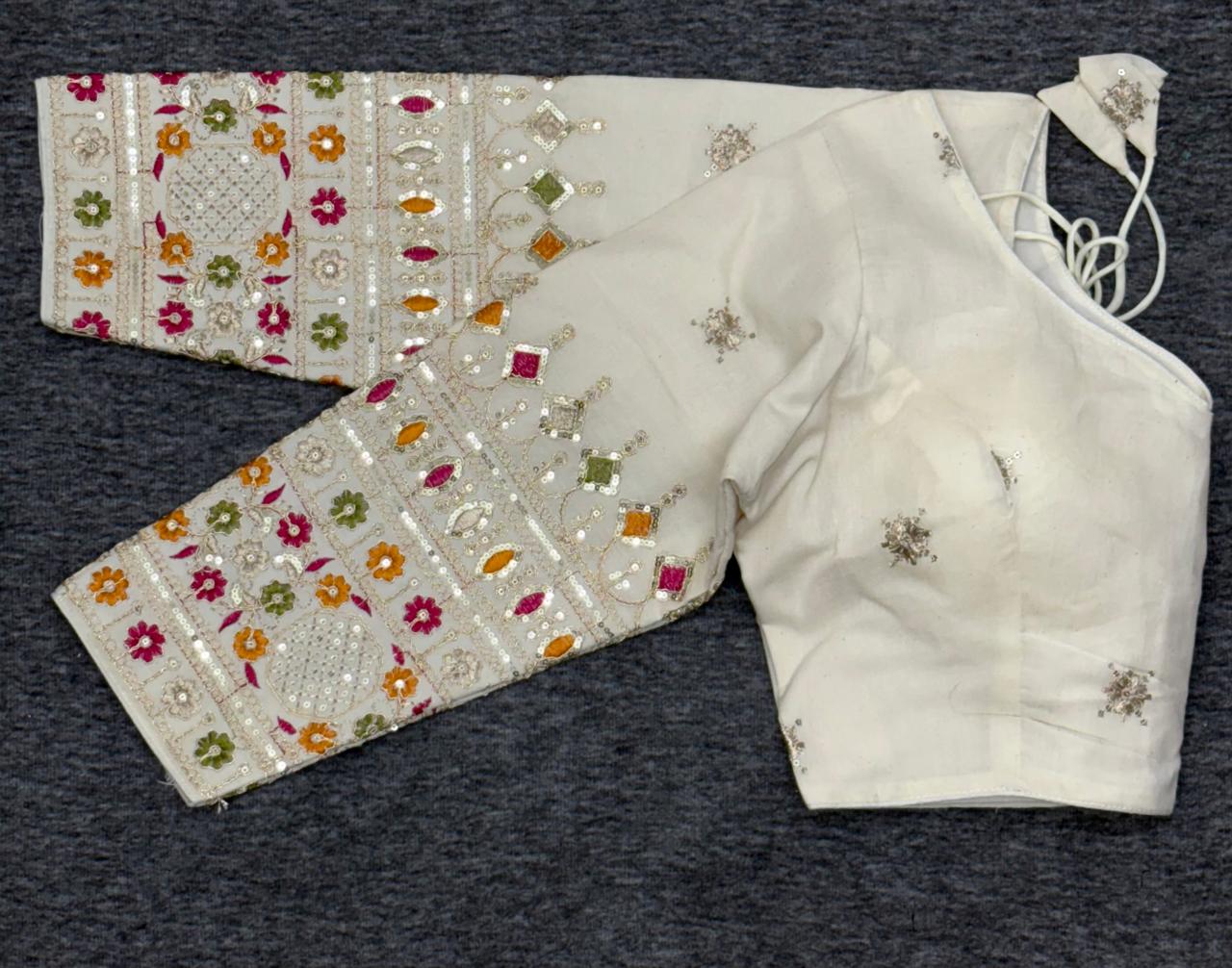
Traditional and festive ideas
- 1. Elbow-sleeve zari blouse: Pair antique-gold zari with a Kanjeevaram saree for a classic wedding silhouette.
- 2. Temple-border sleeve blouse: Repeat the saree's temple border along the sleeve hem.
- 3. Maggam-work bridal blouse: Use florals, paisleys and beads on the back or sleeve rather than covering every surface.
- 4. Peacock-motif blouse: A peacock embroidered at the back suits a silk saree with a restrained front neckline.
- 5. Mango-motif blouse: Paisley embroidery connects naturally with traditional South Indian jewellery.
- 6. Coin-border blouse: Small gold discs along the sleeve create movement without heavy all-over work.
- 7. High-neck brocade blouse: Brocade supplies texture when the saree itself has a plain body.
- 8. Round-neck silk blouse: A clean round neck works especially well with long harams and temple jewellery.
- 9. V-neck zari blouse: A moderate V-neck lengthens the upper body and balances a high-waisted saree drape.
- 10. Deep U-back blouse: Keep the front modest and place the dramatic detail at the back.
- 11. Potli-button blouse: Fabric-covered buttons provide a traditional fastening detail for silk and brocade.
- 12. Contrast-sleeve blouse: Use a blouse colour taken from a small accent in the saree border.
- 13. Gold tissue blouse: Tissue fabric creates a festive glow under warm indoor lighting.
- 14. Red bridal blouse: A red blouse pairs with gold, green, pink and maroon wedding sarees.
- 15. Green silk blouse: Bottle green and emerald work as versatile contrast colours for pink or mustard sarees.
- 16. Embroidered back-panel blouse: A framed central motif gives the back a deliberate, architectural finish.
- 17. Kasavu-inspired blouse: Gold edging on an ivory or cream blouse complements Kerala-style sarees.
- 18. Velvet-sleeve blouse: Velvet sleeves add depth to winter evening dressing and reception sarees.
- 19. Zari-cuff blouse: A narrow zari cuff makes a simple elbow sleeve look finished.
- 20. Peplum-inspired silk blouse: A gently flared waist creates a modern shape while retaining a festive fabric.
- 21. Checked silk blouse: Small checks introduce pattern without overpowering a richly woven saree.
- 22. Collar-neck silk blouse: A collar gives a crisp, formal line to a plain silk or cotton-silk saree.
- 23. Sleeveless brocade blouse: Wear this with a broad-shouldered drape and a lightweight saree for proportion.
- 24. Scalloped-sleeve blouse: Scallops soften the edge of a structured sleeve without looking overly ornate.
- 25. Kasuti-inspired motif blouse: Geometric hand-embroidery references craft traditions while remaining easy to style.
Modern and adaptable ideas
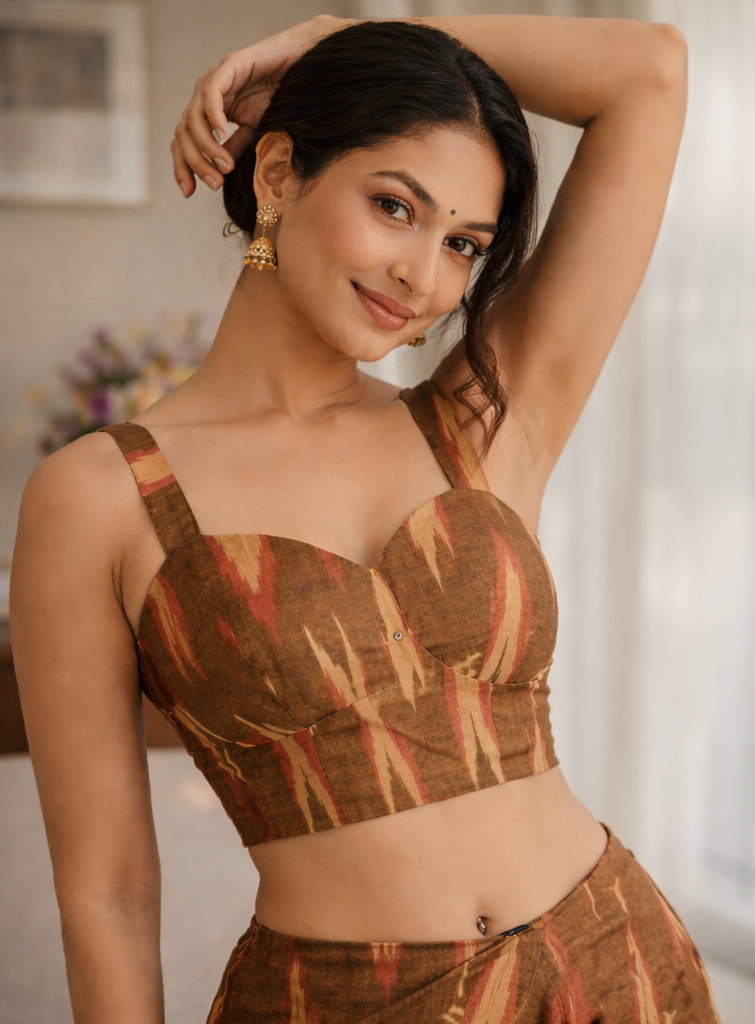
- 26. Sleeveless Ikat blouse: Ikat cotton brings graphic pattern and breathable comfort to a plain saree.
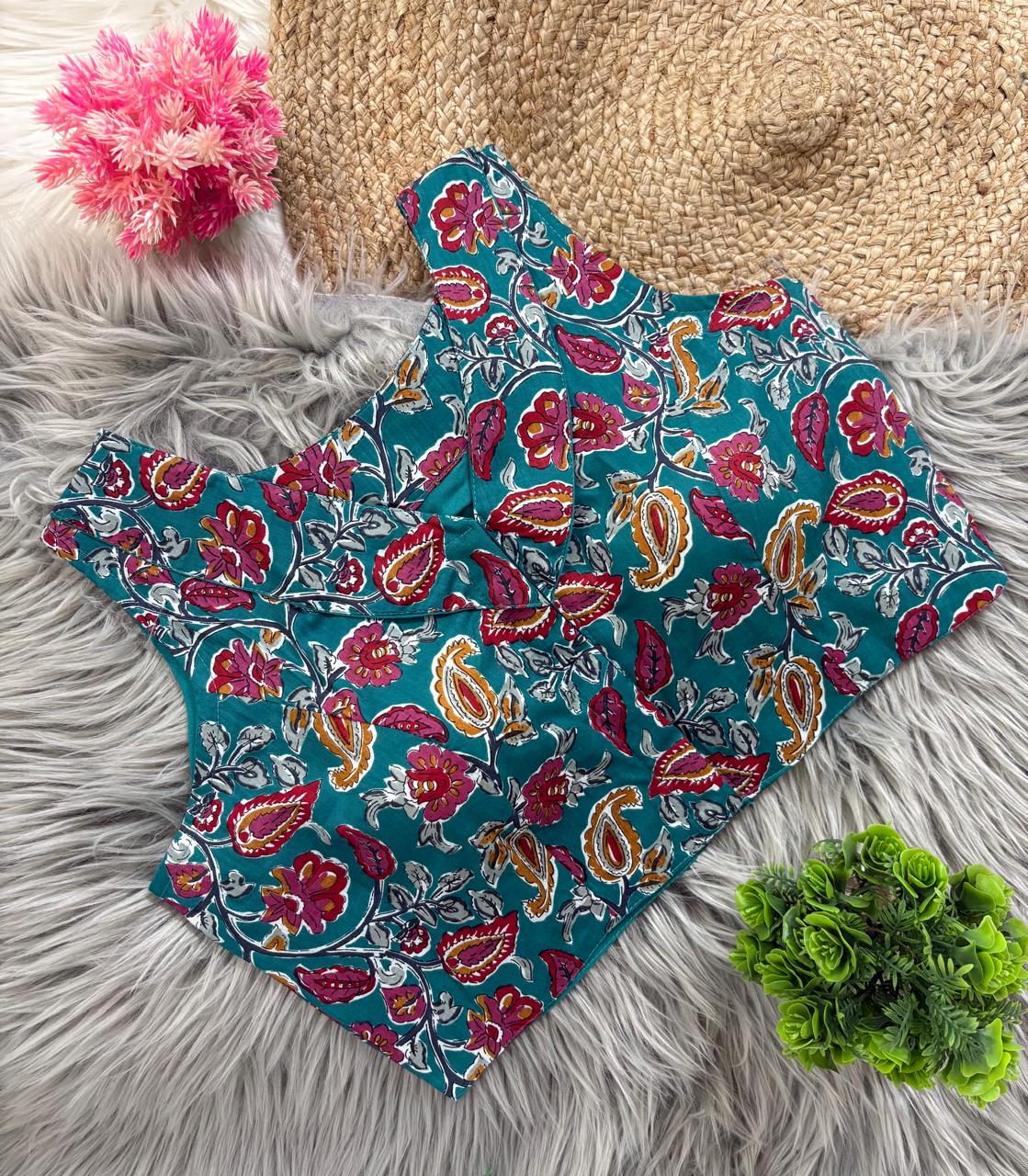
- 27. Kalamkari V-neck blouse: A printed V-neck blouse adds an artistic focal point to a solid handloom saree.
- 28. Square-neck blouse: A square neckline suits statement earrings and creates a clear frame for the collarbone.
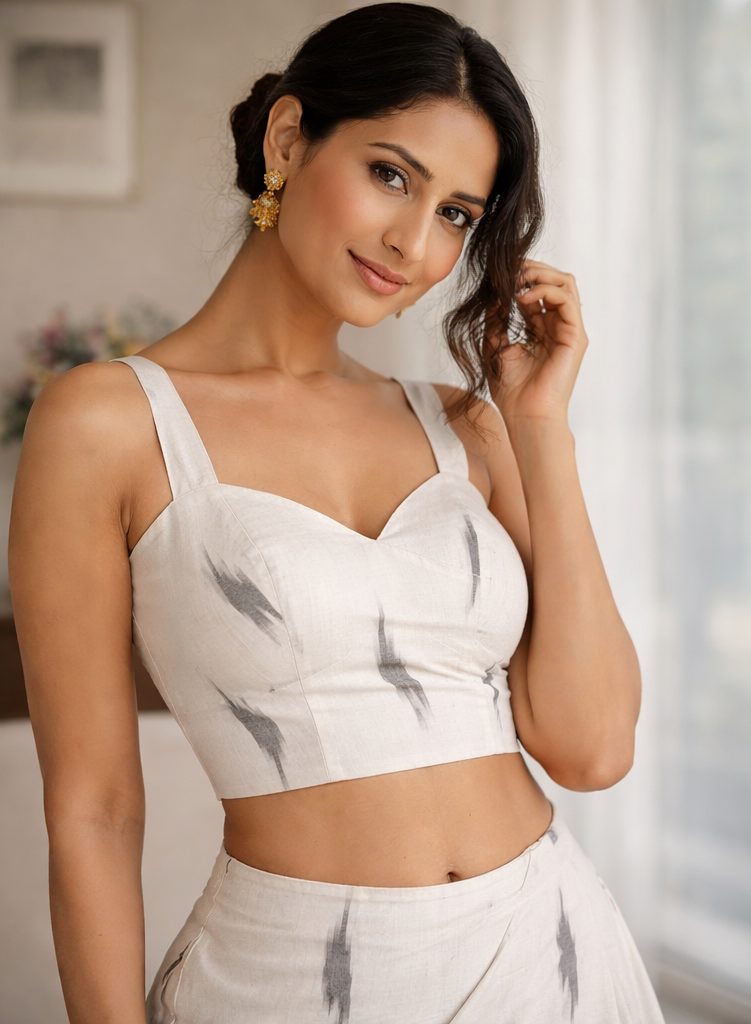
- 29. Sweetheart-neck blouse: A softly curved neckline adds a feminine shape beneath a transparent or lightweight drape.
- 30. Boat-neck blouse: A boat neck visually broadens narrow shoulders and works with three-quarter sleeves.
- 31. Keyhole-back blouse: A small keyhole gives interest without requiring a very deep back.
- 32. Tie-back blouse: Fabric ties allow small fit adjustments and add movement to a simple blouse.
- 33. Sheer-sleeve blouse: Net or organza sleeves lighten the look of a densely woven saree.
- 34. Puff-sleeve blouse: A controlled puff sleeve adds volume, especially with a slim saree drape.
- 35. Cap-sleeve blouse: Cap sleeves suit summer functions and keep the shoulder line neat.
- 36. One-shoulder-inspired blouse: Use this fashion-forward shape with a plain saree and minimal jewellery.
- 37. Asymmetric-hem blouse: A slightly uneven hem brings contemporary tailoring to a traditional drape.
- 38. Cropped high-neck blouse: A short, high-neck cut works with a high-waisted drape and long earrings.
- 39. Longline blouse: A longer hem provides additional coverage and creates a tunic-like silhouette.
- 40. Printed cotton blouse: A small floral or geometric print gives a neutral saree a daytime personality.
- 41. Contrast-piping blouse: Bright piping around the neck and sleeves defines a minimal blouse.
- 42. Mandarin-collar blouse: A short standing collar gives cotton, Ikat and silk-cotton sarees a polished finish.
- 43. Jacket-style blouse: A fitted front-opening layer adds structure for a reception or cultural programme.
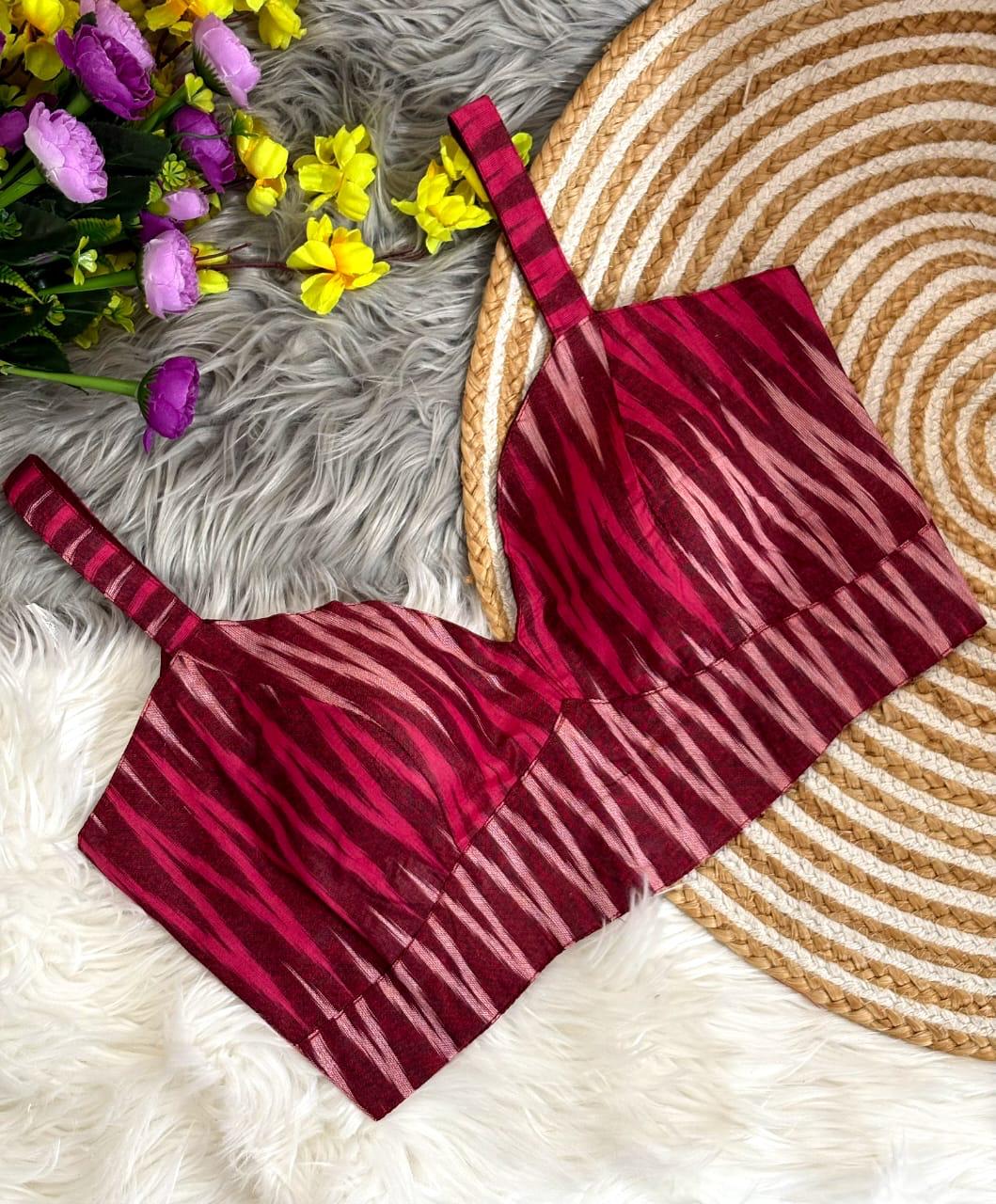
- 44. Sleeveless padded blouse: Light padding creates a clean base under a fluid chiffon, organza or crepe saree.
- 45. Metallic-cuff blouse: A metallic sleeve edge gives festive shine without full embroidery.
- 46. Appliqué-flower blouse: Fabric flowers create dimension while keeping the blouse lighter than stone work.
- 47. Back-button blouse: A row of covered or metallic buttons turns the back into a subtle design feature.
- 48. Colour-blocked blouse: Divide two complementary colours at the sleeve, yoke or side panel.
- 49. Minimal raw-silk blouse: A plain raw-silk blouse lets a heavily woven saree remain the centre of attention.
- 50. Reversible blouse: Two coordinated fabrics offer separate styling options for contrasting sarees.
South Indian Blouse Designs: 50 Traditional and Modern Ideas by Fabric
Silk, cotton, brocade, raw silk, velvet, linen blends and printed cotton each create a different finish. Banarasi silk gives a rich surface and is suited to weddings, while raw silk gives body without the reflective pattern of brocade. Cotton is practical for warm-weather ceremonies because it absorbs moisture and remains comfortable under jewellery.
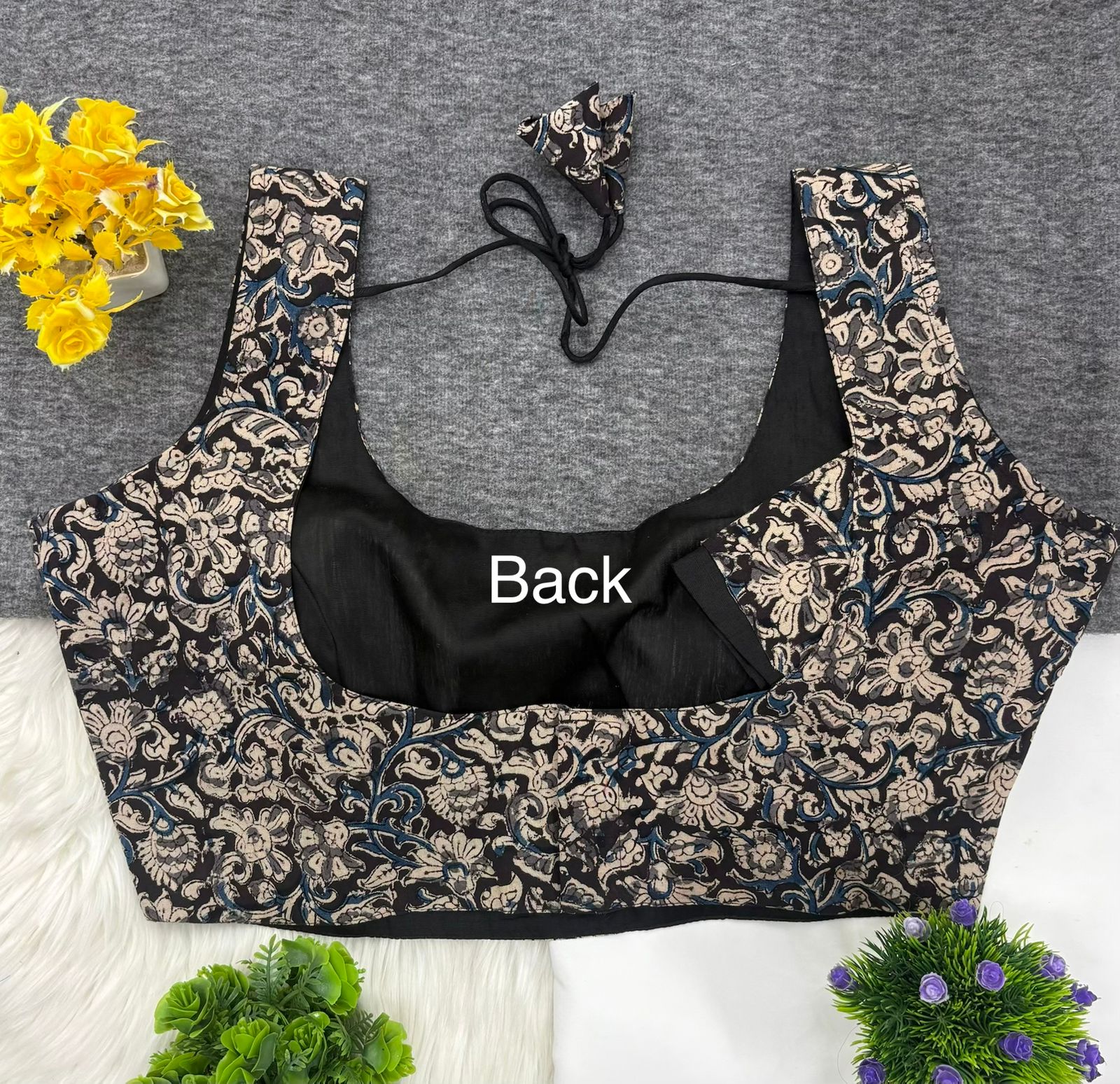
Kalamkari cotton creates a strong craft-led look through hand-drawn or block-printed florals, vines and mythological motifs. Kalamkari Cotton V Neck Collar Blouse for Women demonstrates how a collar and V-neck can make printed cotton feel structured rather than casual. Pure Kalamkari Cotton Padded Blouse for Women offers a more shaped option when a wearer wants print, support and a clean saree drape together.
Ikat cotton is useful when the saree is plain or lightly textured. Brown Ikat Cotton Padded Blouse Sleeveless Stylish gives a warm neutral base for mustard, rust, cream or indigo sarees, while Cream Ikat Cotton Padded Blouse Sleeveless Trendy can soften darker handloom colours. Ikkat Cotton Padded Blouse for Women Sleeveless brings another way to use geometric weaving with a lightweight drape.
Banarasi silk and zari are better suited to evening and ceremonial dressing than intense summer daytime wear. Banarasi Silk Golden Jari Padded Blouse for Women brings a concentrated metallic accent for a plain silk saree, a brocade saree or a Kanjeevaram saree with gold borders. Zari can look especially balanced when the blouse repeats only one metallic tone from the saree instead of introducing both silver and gold.
Classic Festive Wear Blouse for Stylish Saree Look is an adaptable reference point for a saree wardrobe because a relatively restrained festive blouse can be reused with more than one drape. A blouse made from cotton or silk-cotton may be more practical for repeated wear than a heavily embellished bridal blouse, particularly when the wearer attends several family functions in one season.
South Indian Blouse Designs: 50 Traditional and Modern Ideas for Necklines and Sleeves
Necklines should be selected according to comfort, jewellery and shoulder proportion rather than trend alone. A round neck creates a traditional frame for a long necklace, a V-neck gives visual length, and a boat neck adds width across the upper body.
A high neck or Mandarin collar works well with a shorter necklace, jhumkas or a single long chain. A square neckline gives definition to the collarbone and can make a plain blouse look designed without embroidery. A sweetheart neckline is softer, but the top edge should remain stable while the wearer moves, especially when the saree is pinned close to the shoulder.
Sleeve length changes the perceived formality of a blouse. Cap sleeves and sleeveless cuts feel lighter and suit daytime events, while elbow sleeves are associated with traditional silk-saree dressing. Three-quarter sleeves create a more covered silhouette and leave enough forearm visible for bangles.
Puff sleeves add volume around the shoulder, so they pair best with a relatively slim drape. Sheer sleeves reduce the visual weight of brocade and zari. A narrow zari cuff can make a plain sleeve look festive without the cost, weight or maintenance demands of dense embroidery.
South Indian Blouse Designs: 50 Traditional and Modern Ideas for Saree Pairing
A contrast blouse works best when its colour appears somewhere in the saree border, pallu or woven motif. A bottle-green blouse can support a pink Kanjeevaram saree because green often appears in traditional South Indian colour combinations, while a cream blouse can quieten a saree with a dark indigo or rust body.
Plain silk sarees can carry printed Kalamkari or Ikat blouses because the blouse supplies the missing surface interest. Conversely, an ornate Banarasi silk saree usually benefits from a plain raw-silk or matching silk blouse. Pairing a heavily printed saree with a heavily printed blouse can obscure both patterns unless the prints share a clear scale or colour family.
Chanderi and organza sarees need blouses with enough structure to prevent the upper half from appearing unfinished. Padded cotton, raw silk and brocade can provide that structure. A very stiff blouse may look disconnected from a fluid saree, so the fabric should still follow the drape's level of softness.
For a Haldi ceremony, breathable cotton, Kalamkari cotton and Ikat cotton are usually more practical than velvet or dense metallic embroidery. For a wedding ceremony, zari, Banarasi silk, brocade and embroidered raw silk provide the formal weight expected beside Kanjeevaram and other traditional silk sarees.
South Indian Blouse Designs: 50 Traditional and Modern Ideas for Fit and Care
Measure the fullest part of the bust, the under-bust, the shoulder width, the armhole and the desired blouse length before ordering or tailoring. A measurement taken over a thick padded bra can produce a blouse that feels too loose with the intended saree-wearing undergarment.
The armhole should permit comfortable movement without exposing excess fabric at the underarm. The side seam should sit vertically rather than twisting toward the front. The blouse hem should remain parallel to the floor when the wearer stands naturally, because a sloping hem usually signals an adjustment issue.
Allow at least one fitting before a wedding or major ceremony. A tailor can correct shoulder width, bust ease, sleeve circumference and hook placement more easily before embroidery or piping is added. A final trial should be performed with the actual saree, petticoat, jewellery and undergarment because each layer changes the fit.
Cotton blouses should be washed according to the care label, dried away from harsh midday sunlight and stored fully dry. Silk, Banarasi silk, zari, velvet and heavily embellished blouses are safer with professional dry cleaning. Zari can tarnish when exposed to perfume, sweat and damp storage, so allow a worn blouse to air completely before folding it in a breathable cotton cover.
Fold embellished blouses with acid-free tissue or a soft muslin layer between decorated surfaces. Avoid hanging heavy blouses on thin wire hangers because the shoulder seams can stretch. Store padded blouses flat when possible, and don't compress the cups under heavy saree stacks.
South Indian Blouse Designs: 50 Traditional and Modern Ideas for a Practical Wardrobe
An useful blouse wardrobe includes at least one neutral, one festive silk, one breathable cotton and one flexible contrast colour. Cream, gold, black, brown and deep green can work with several sarees, while a vivid red or magenta blouse makes a stronger statement for particular festive combinations.
Choose decoration according to expected use. Dense maggam work may be appropriate for a bridal blouse worn once or twice, but a zari cuff, contrast piping or woven border may provide better value for a blouse worn across festivals. A reversible blouse is practical only when both fabrics have comparable weight and the fastening remains comfortable on either side.
Traditional South Indian dressing doesn't require every component to be ornate. A plain raw-silk blouse can allow a Kanjeevaram border to remain visible, and a simple cotton blouse can make temple jewellery and a woven pallu appear more intentional. The strongest outfit usually has one primary focal point and supporting details that repeat its colour, texture or motif.
Before finalising a design, ask five questions: Does the fabric suit the weather? Does the neckline work with the jewellery? Does the sleeve balance the saree border? Can the blouse be worn comfortably for four to six hours? Can the blouse be cared for without damaging zari, prints or padding? Those answers are more dependable than a trend photograph alone.
Common Questions About South Indian Blouse Designs
Which blouse design looks best with a Kanjeevaram saree?
An elbow-sleeve silk blouse with zari, temple motifs, a round neck or a moderate V-neck is a dependable choice for a Kanjeevaram saree. A plain raw-silk blouse can also work when the saree has a broad or heavily patterned border.
Are Kalamkari blouses suitable for traditional South Indian sarees?
Kalamkari blouses suit cotton, silk-cotton and relatively plain silk sarees particularly well. Kalamkari cotton adds printed craft detail, while a simpler saree keeps the floral or narrative motifs from looking visually crowded.
What blouse sleeve length is most traditional for South Indian sarees?
Elbow-length sleeves are among the most traditional choices for South Indian silk sarees, especially for weddings and religious functions. Three-quarter sleeves offer more coverage, while sleeveless and cap-sleeve designs create a lighter modern appearance.
Can a padded blouse be worn with a silk saree?
A lightly padded blouse can be worn with a silk saree when the padding is smooth, proportionate and comfortable. Padded construction can create a clean drape, but the blouse should not be so structured that it fights the natural fall of the saree.
Which blouse colour goes with the most South Indian sarees?
Cream, antique gold, deep green, brown and red are versatile choices for many South Indian sarees. The best option depends on the border, because repeating a secondary border colour often looks more coordinated than choosing a generic neutral.
How should a zari blouse be stored?
A zari blouse should be aired fully after wear, folded with soft muslin or acid-free tissue and stored away from moisture, perfume and direct sunlight. Avoid compressing zari under heavy garments and use professional dry cleaning when the care label recommends it.