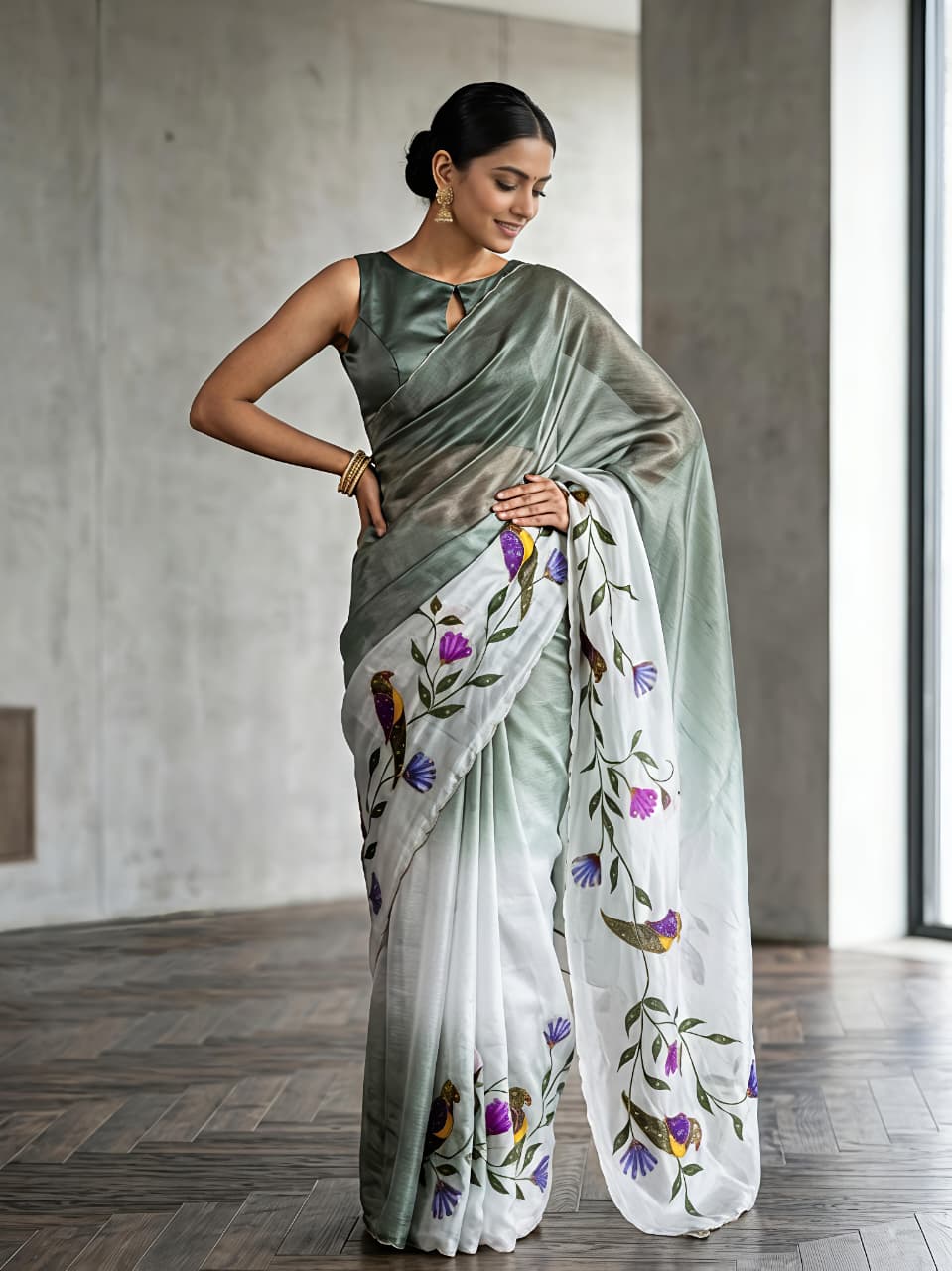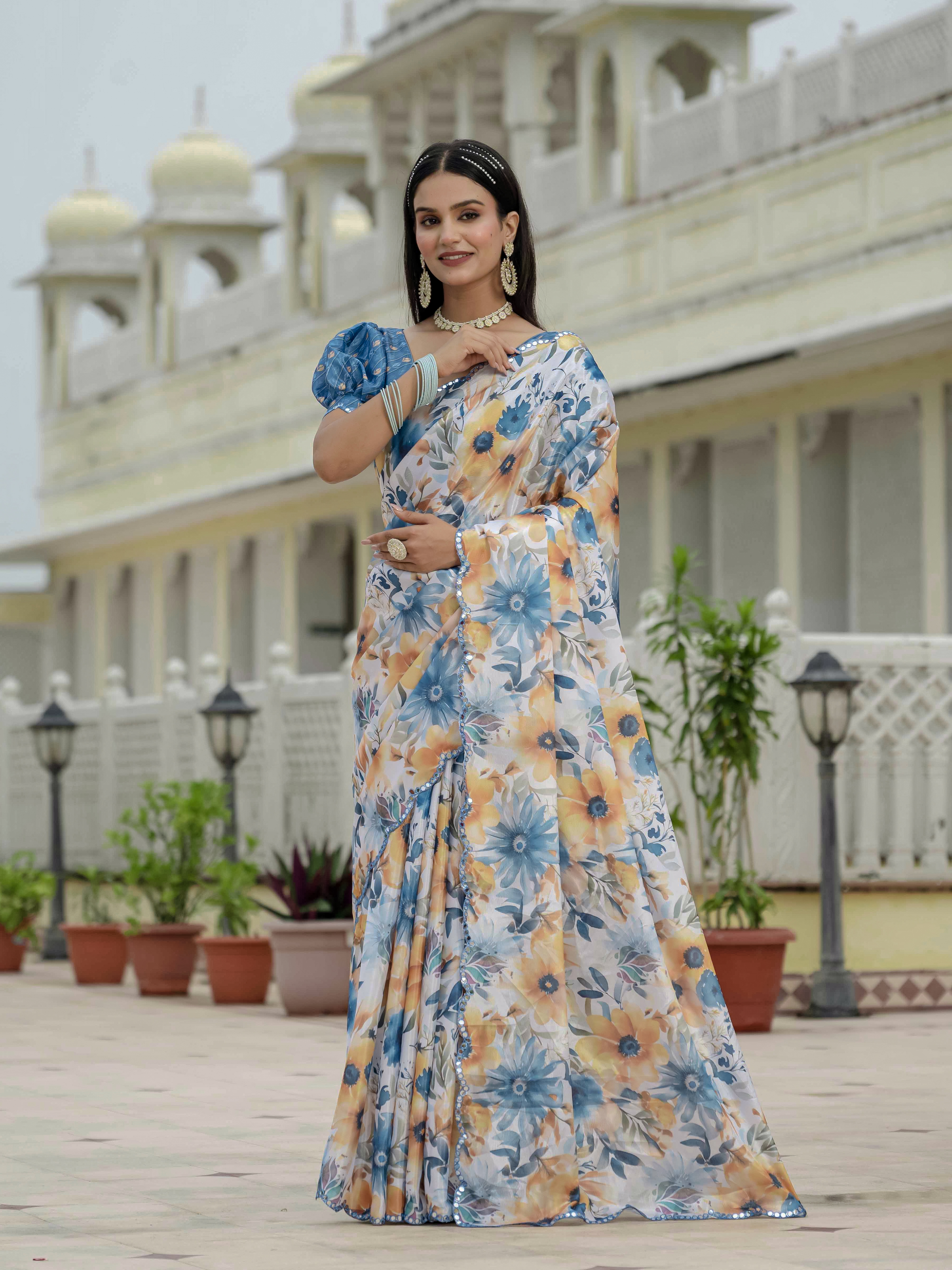
The Sonepur Mela Fashion Guide: Bihari Sarees & Ethnic Wear begins with a practical question: can your outfit handle a long day of walking, winter air, dust, crowds and photographs? Sonepur Mela, held near the confluence of the Ganga and Gandak in Bihar, brings together religious tradition, rural commerce, crafts, food and entertainment. A good saree look should respect that atmosphere while allowing easy movement, warm layering and secure draping.
Sarees with a handloom character, Banarasi silk detailing, zari borders, floral prints and regional colour stories work especially well for the fair. The right choice depends on whether you're visiting for a few hours, attending a cultural programme, taking family photographs or spending the entire day walking between stalls. Fabric weight, blouse fit, petticoat support and footwear matter as much as the saree's design.
Sonepur Mela Fashion Guide: What makes fair-day dressing different?
Sonepur Mela dressing needs to balance festive ethnic style with weather-ready comfort, because the fair involves outdoor walking, uneven ground and several hours away from home.
The fair traditionally takes place around Kartik Purnima, usually in November or December, when mornings and evenings in Bihar can feel distinctly cold. Midday sunlight may be warm, but the temperature can drop after sunset. Dusty paths and busy lanes make a trailing pallu or delicate floor-length hem inconvenient. A saree with a manageable drape, a firmly pinned pallu and a breathable blouse is more useful than a heavily embellished look that needs constant adjustment.
Traditional clothing also suits the visible character of Sonepur Mela. Deep maroon, magenta, teal, mustard, rust, indigo and white sit naturally beside craft stalls, festive decorations and open fairgrounds. Zari work adds a formal note without requiring a perfect wedding outfit. A Banarasi silk saree can therefore serve both a daytime temple visit and an evening family gathering when styled with compact jewellery.
Visitors should also consider modesty and local context. A saree, salwar suit or long ethnic kurta with a dupatta offers coverage and flexibility in crowded spaces. Compact shoulder bags, low heels and securely fastened jewellery are safer than oversized accessories that catch on people or stall displays.
Sonepur Mela Fashion Guide: Which saree fabrics work best?
Cotton, linen-cotton, tissue cotton and lighter Banarasi silk are practical saree choices for Sonepur Mela, with each fabric suited to a different kind of visit.
Cotton and linen-cotton for daytime walking
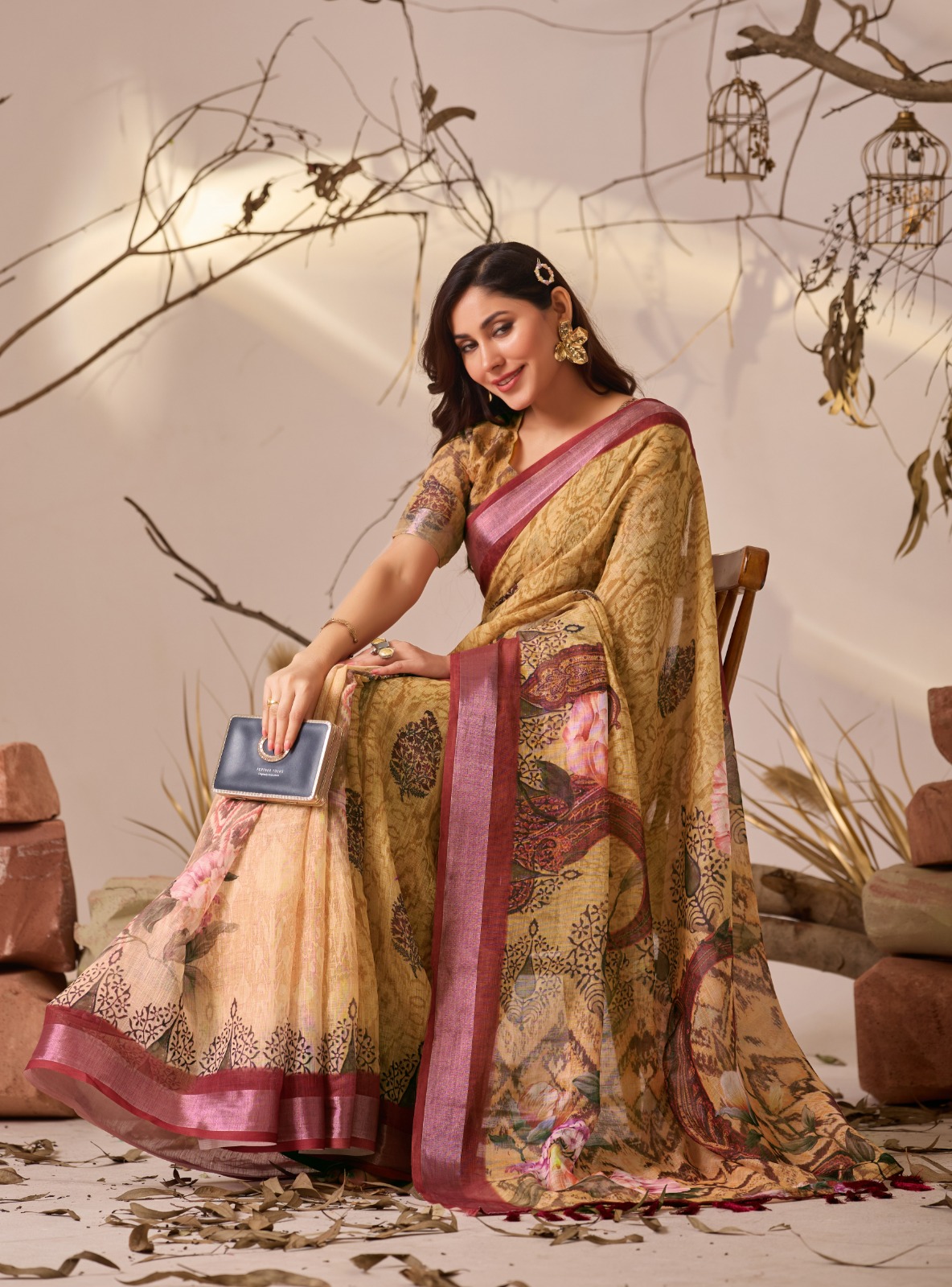
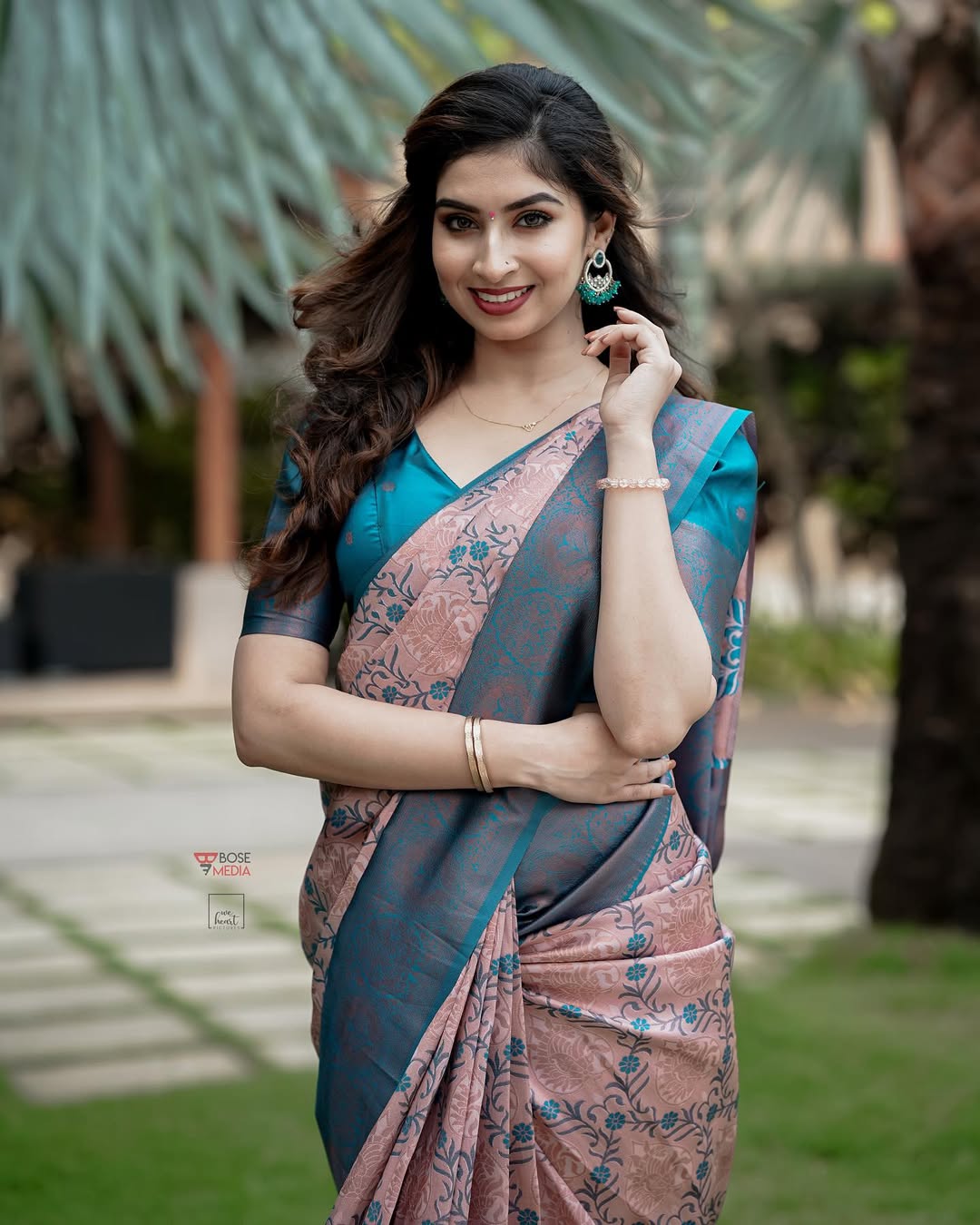
Linen-cotton and handloom cotton sarees handle daytime movement well because they allow airflow and usually feel less restrictive than dense silk. Pastel Linen Cotton Floral Print Saree with Designer Blouse brings a soft, approachable look for a morning visit, especially when paired with a full-sleeved blouse or a light shawl.
Pastel shades can show dust more quickly than darker colours, so a cotton saree in teal, rust, indigo or maroon may be easier to maintain during a full day outdoors. Cotton also creases naturally. Those creases are part of the fabric's character, but pressing the saree before leaving and using a firm cotton petticoat will keep the pleats more orderly.
Tissue cotton for a festive but breathable look
Tissue cotton with zari weaves creates festive shine without the weight of a heavily woven silk saree. Pastel Floral Tissue Handloom Cotton Saree with Zari Weaves is suitable for a cultural programme, family photographs or an afternoon visit when you want a visible zari accent without excessive embellishment.
Tissue surfaces deserve careful handling. Avoid dragging the saree across rough benches, wooden stall edges or dusty ground. Store tissue cotton folded inside a soft muslin cover, and don't place heavy jewellery boxes on top of the folded saree.
Banarasi silk for evening and ceremonial dressing
Banarasi silk works best when the Sonepur Mela visit includes an evening event, a family celebration or a more formal photograph rather than continuous walking.
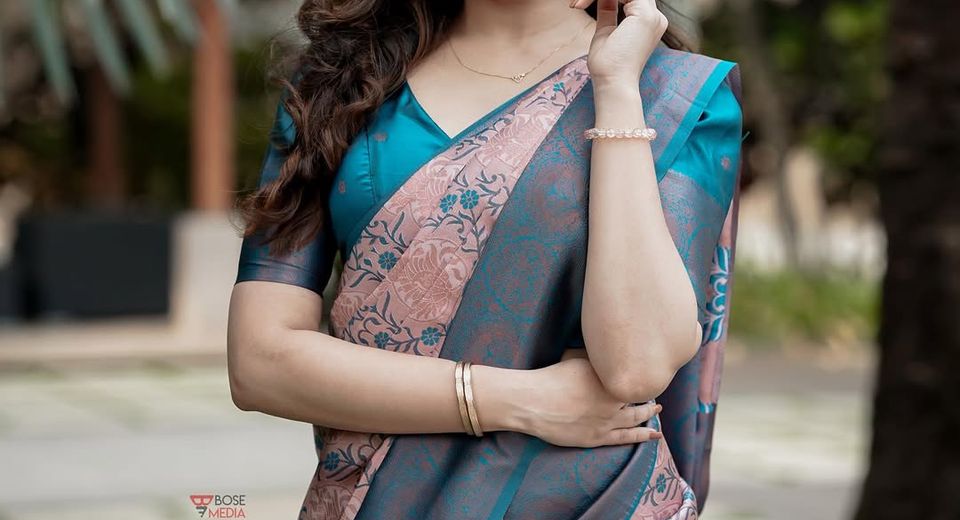
Banarasi silk has a structured fall and a celebratory appearance because of its woven motifs and zari. Pastel Peach Teal Banarasi Lichi Silk Saree Zari Work combines a gentle base with a classic metallic finish, while Maroon Banarasi Lichi Silk Saree With Zari Work creates a richer winter palette. A silk saree can feel warm after sunset, but the weight of zari may become tiring if you're walking for six or seven hours.
Blue Banarasi Silk Saree with Digital Ethnic Design gives another route for visitors who prefer a contemporary surface over an entirely classic motif layout. Heritage Teal Banarasi Saree for Festive Wear is easy to coordinate with gold-toned earrings, a plain blouse and a warm shawl. Choose a silk saree after considering the length of your itinerary, not only the visual effect.
Sonepur Mela Fashion Guide: How should you style a Bihari saree?
A secure drape, a practical blouse, compact jewellery and comfortable shoes create the most dependable Bihari saree look for a mela.
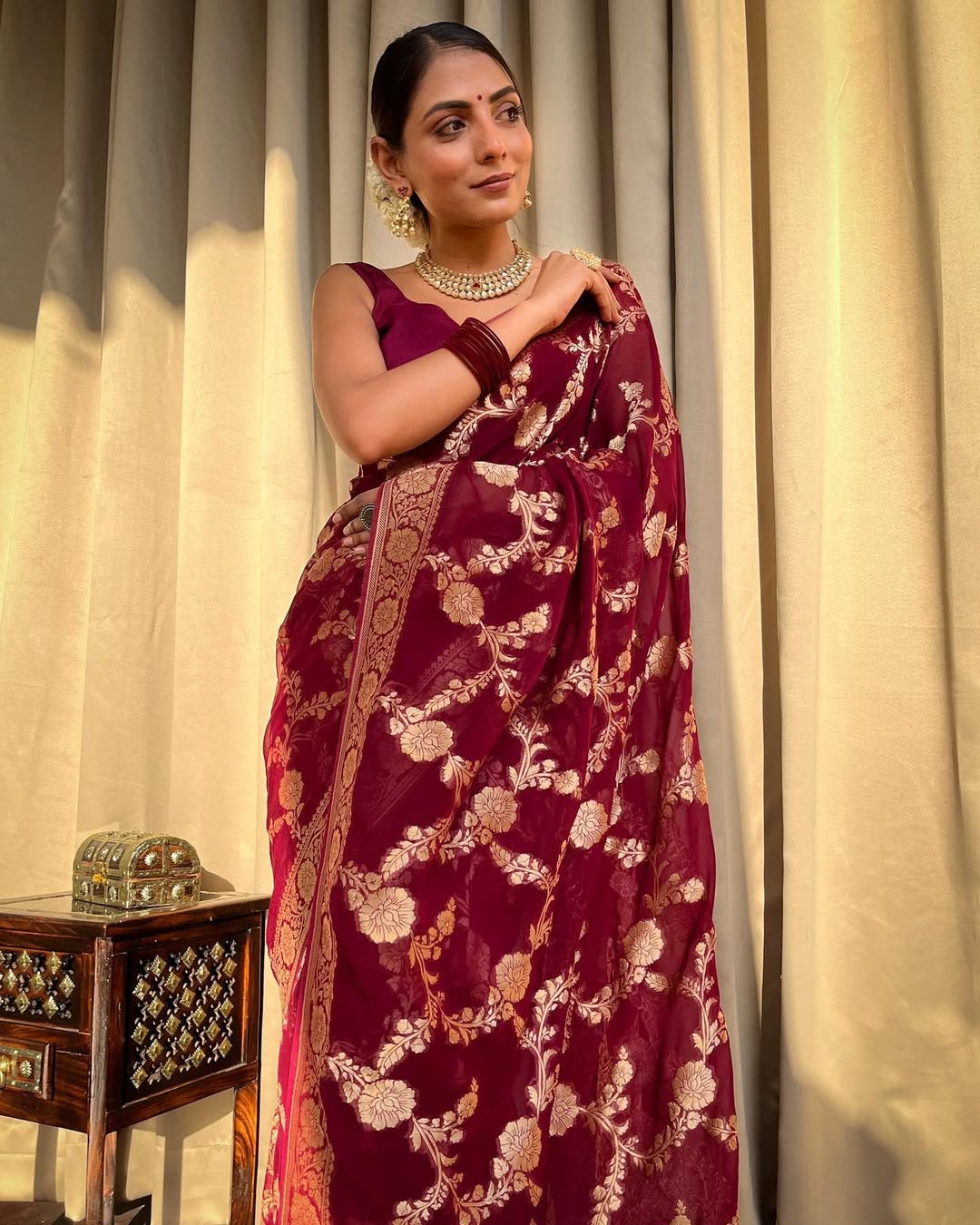
The Nivi drape is a strong choice because the front pleats remain familiar, the pallu crosses the torso and the overall shape is easy to pin. Keep the pallu at a medium length rather than letting it reach the ground. Two small safety pins at the shoulder and one hidden pin near the waist can prevent movement without making the drape look stiff. A cotton petticoat with a firm waistband helps maintain the tuck when walking.
A pre-pleated saree may be useful for a visitor who isn't accustomed to draping, but the pleats should still be checked while standing, sitting and climbing a step. The lower edge should remain clear of the ground by approximately one to two centimetres. A hem that brushes the floor can collect dirt and become a tripping hazard.
Blouse design changes the comfort level of the entire outfit. Three-quarter sleeves provide warmth and coverage during a winter fair. A high or moderate neckline supports a shawl more effectively than a very low neckline. If the saree has zari or a strong print, a plain blouse in maroon, teal, black, cream or gold can make the outfit look intentional instead of crowded.
Jewellery should be lightweight and close to the body. Small jhumkas, a single necklace, a watch and two or three bangles are enough for a daytime visit. Long layered necklaces and very large hoops can snag on shawls, bags or passing crowds. A bindi and a neatly secured braid or low bun complete the ethnic character without requiring frequent maintenance.
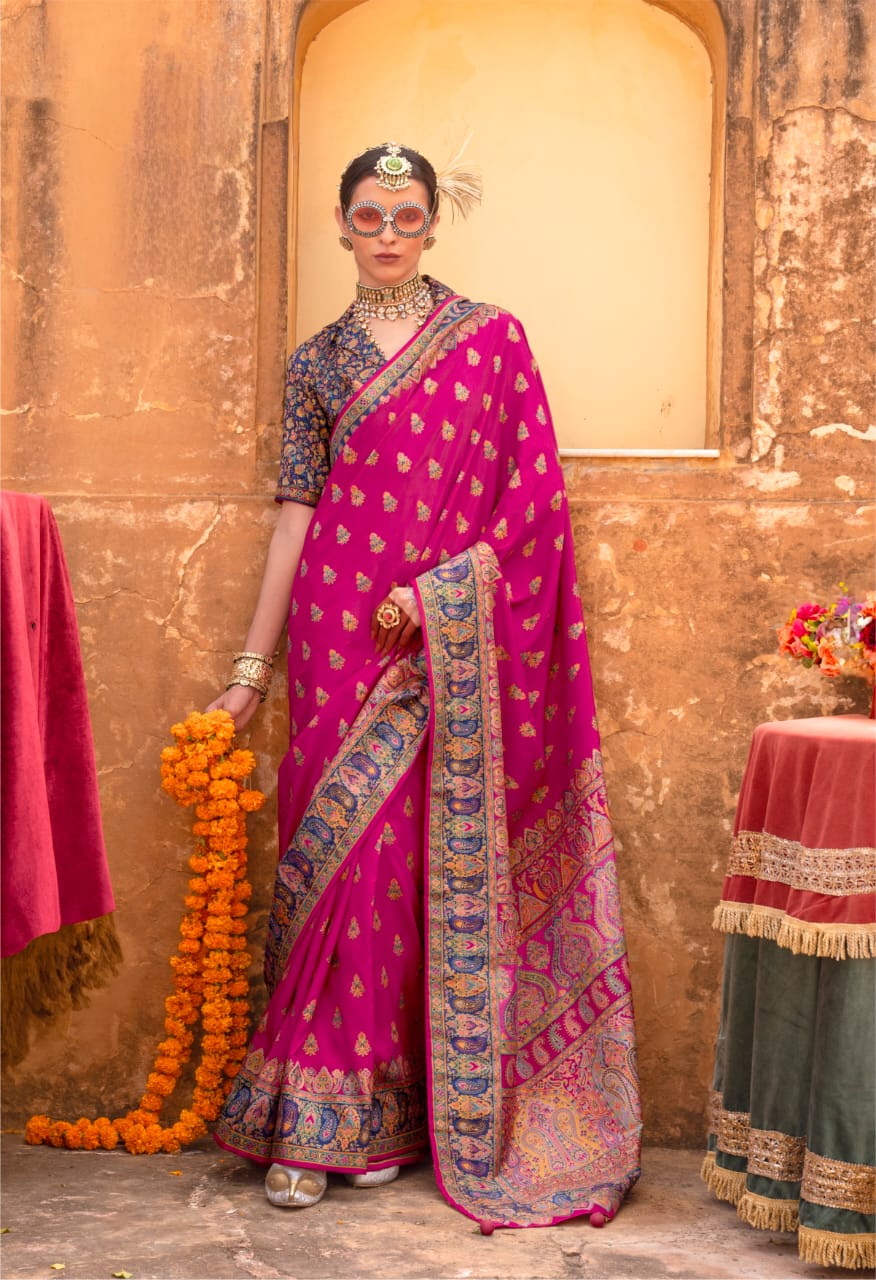
For a sharper evening look, Magenta Zari Banarasi Lichi Silk Saree With Blouse can be paired with a simple bun, gold-toned earrings and a shawl in cream or deep plum. The blouse coordination makes styling easier, but the fit should still be tested before the event. Sit down in the blouse for five minutes and raise both arms to check whether the sleeves or armholes restrict movement.
Sonepur Mela Fashion Guide: Which colours and motifs suit the fair?
Teal, maroon, magenta, black, mustard, rust and jewel-toned blue suit the winter setting and festive atmosphere of Sonepur Mela.
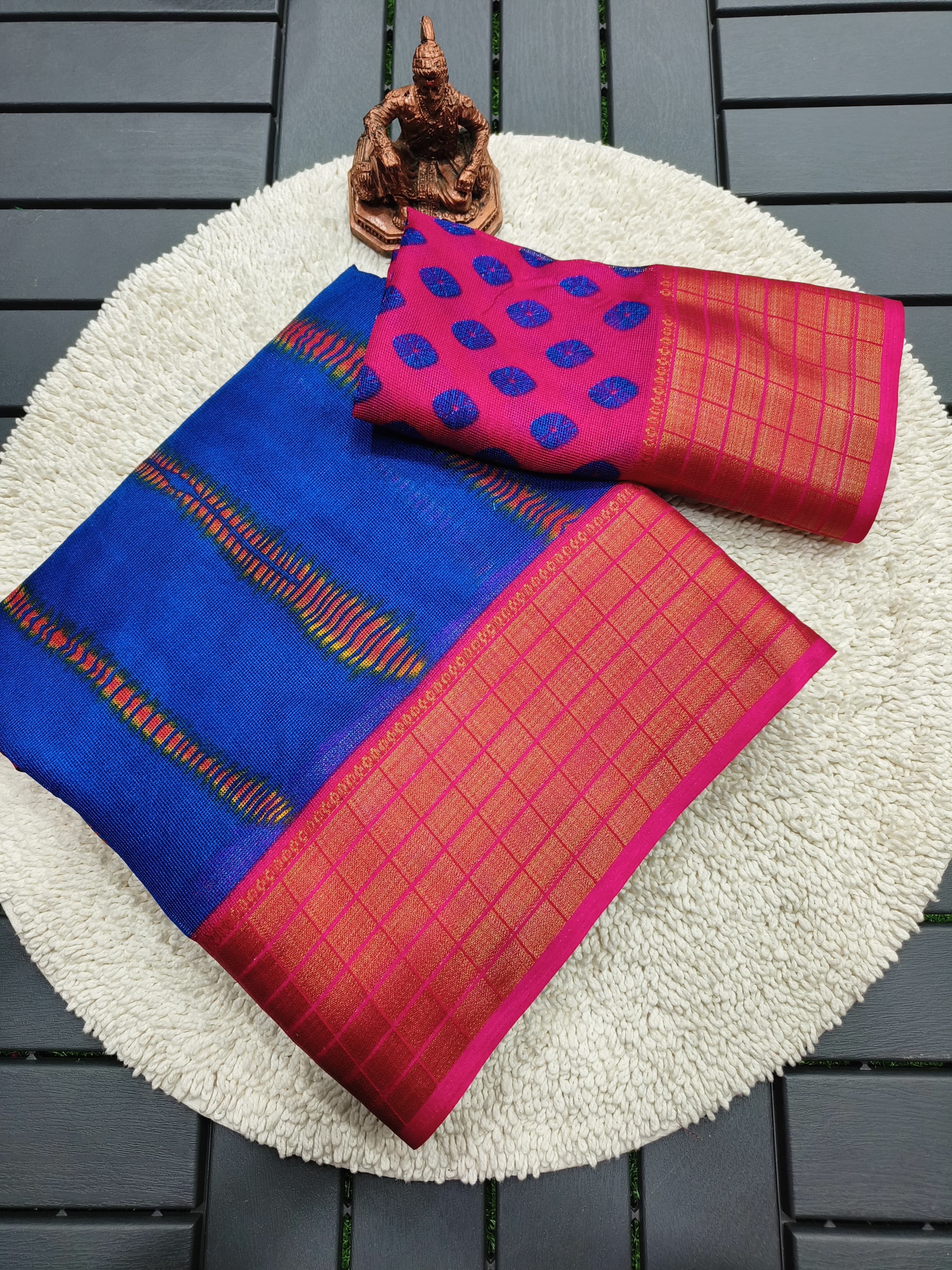
Teal and blue evoke a calm, river-adjacent palette and work well for daytime photographs. Time-honoured Teal Banarasi Saree for Festive Wear pairs naturally with antique gold jewellery, while Blue Banarasi Silk Saree with Digital Ethnic Design can take silver-toned accessories or a blouse with a small contrast border.
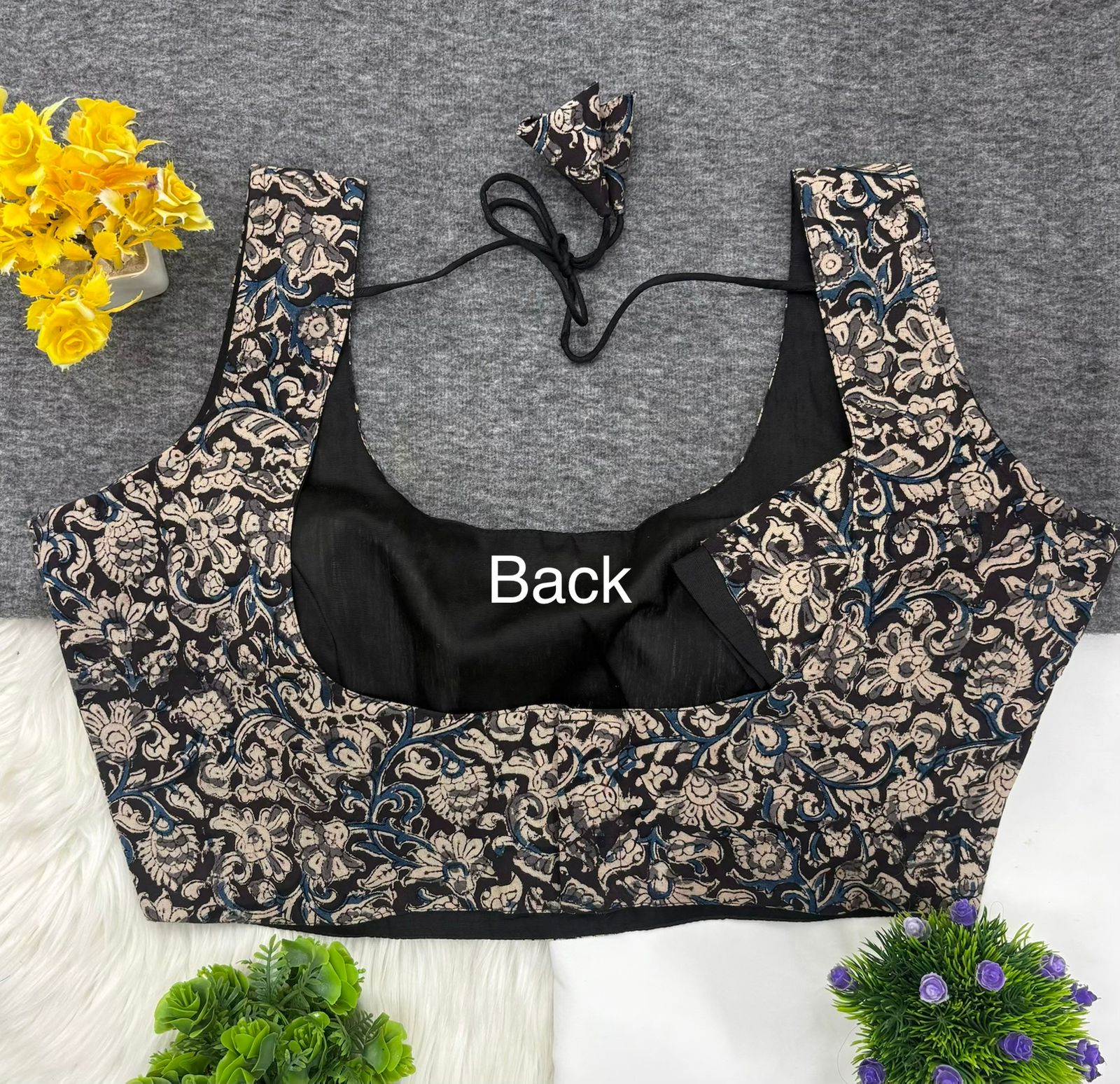
Maroon and magenta feel warmer in winter and photograph strongly in open fairgrounds. Maroon Banarasi Lichi Silk Saree With Zari Work is a dependable choice for a family gathering, while Magenta Zari Banarasi Lichi Silk Saree With Blouse suits a more celebratory evening appearance. Black can be particularly striking when balanced with mirror work, silver jewellery or a bright shawl; Black Ethnic Mirror Work Bandhej Silk Saree brings that contrast through a traditional textile-inspired surface.
Floral prints are useful when the rest of the outfit should remain quiet. Pastel Linen Cotton Floral Print Saree with Designer Blouse and Pastel Floral Tissue Handloom Cotton Saree with Zari Weaves both demonstrate how flowers can soften an ethnic look. Keep the jewellery modest when the saree already contains a busy print, zari or mirror detail.
Sonepur Mela Fashion Guide: What should you wear in winter?
A light shawl, warm blouse layer and closed-toe or supportive footwear are the most useful winter additions to a Sonepur Mela saree outfit.
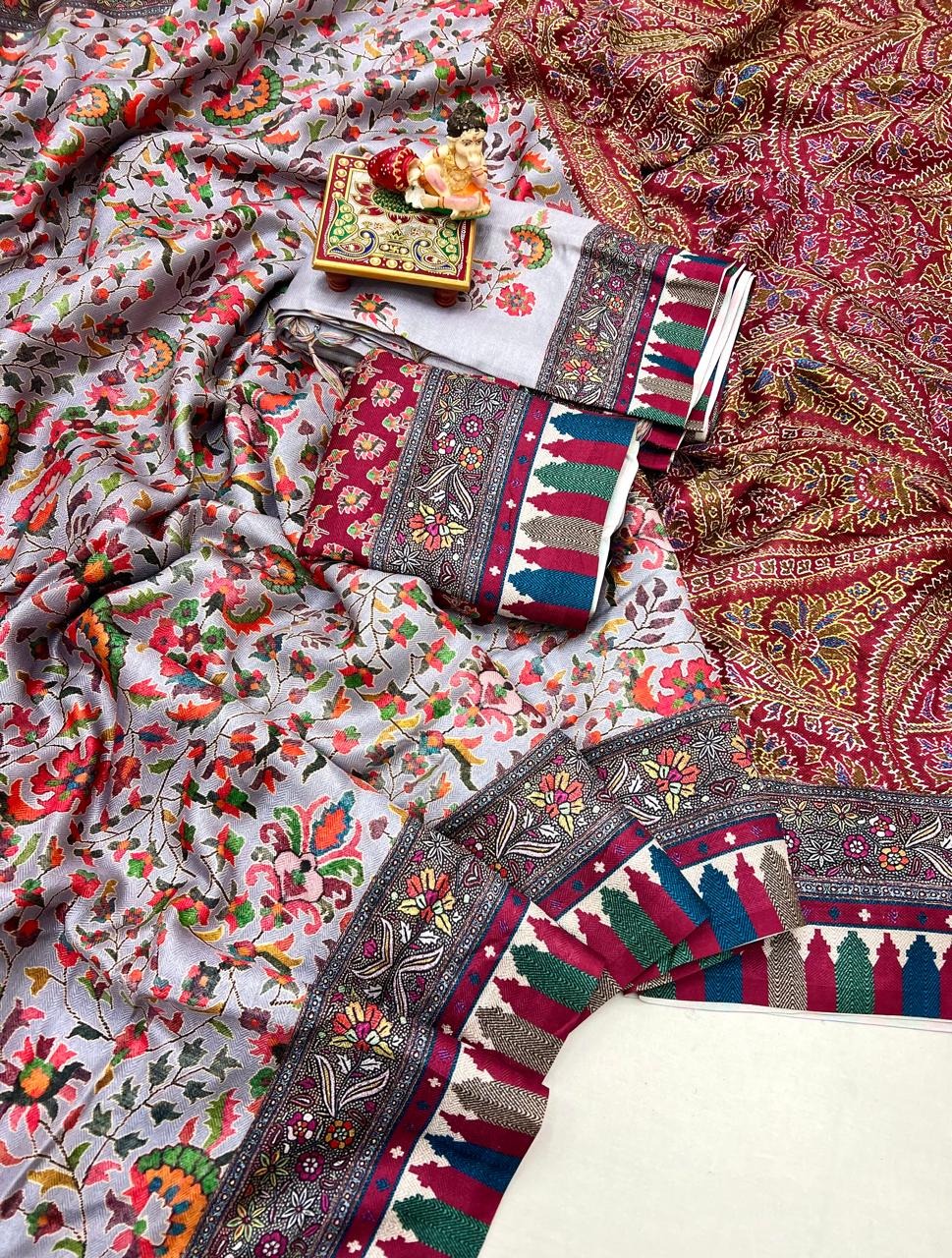
A pashmina-style shawl, wool-blend stole or soft cotton-wool wrap can sit over the shoulders without overwhelming a zari saree. Choose cream, beige, charcoal, maroon or deep green when the saree has a strong colour. A shawl with a smooth finish is less likely to catch on zari than a heavily fringed or loosely knitted layer.
Thermal leggings or warm innerwear can be worn under a saree petticoat on a particularly cold morning, provided the petticoat still ties securely and the extra layer doesn't create bulky pleats. A full-sleeved blouse is more comfortable than adding a jacket over a short-sleeved blouse if you expect to sit on the ground or remain outside after sunset.
Footwear needs more attention than most saree styling advice suggests. Choose cushioned juttis, flat sandals with a secure back strap or low block heels with a broad base. Avoid narrow stilettos because uneven ground, temporary flooring and crowded lanes make them unstable. Break in new footwear for at least three short walks before wearing it to the fair.
Carry a compact crossbody bag or a small top-handle bag that closes fully. The bag should hold a phone, cash, identification, hand sanitiser, tissues, lip balm and a few safety pins without becoming heavy. A separate cloth bag is useful for small purchases, but avoid carrying a large handbag that interferes with your pallu.
Sonepur Mela Fashion Guide: How can you plan a practical saree purchase?
A practical saree purchase starts with the itinerary, fabric requirement, blouse fit and maintenance budget rather than colour alone.
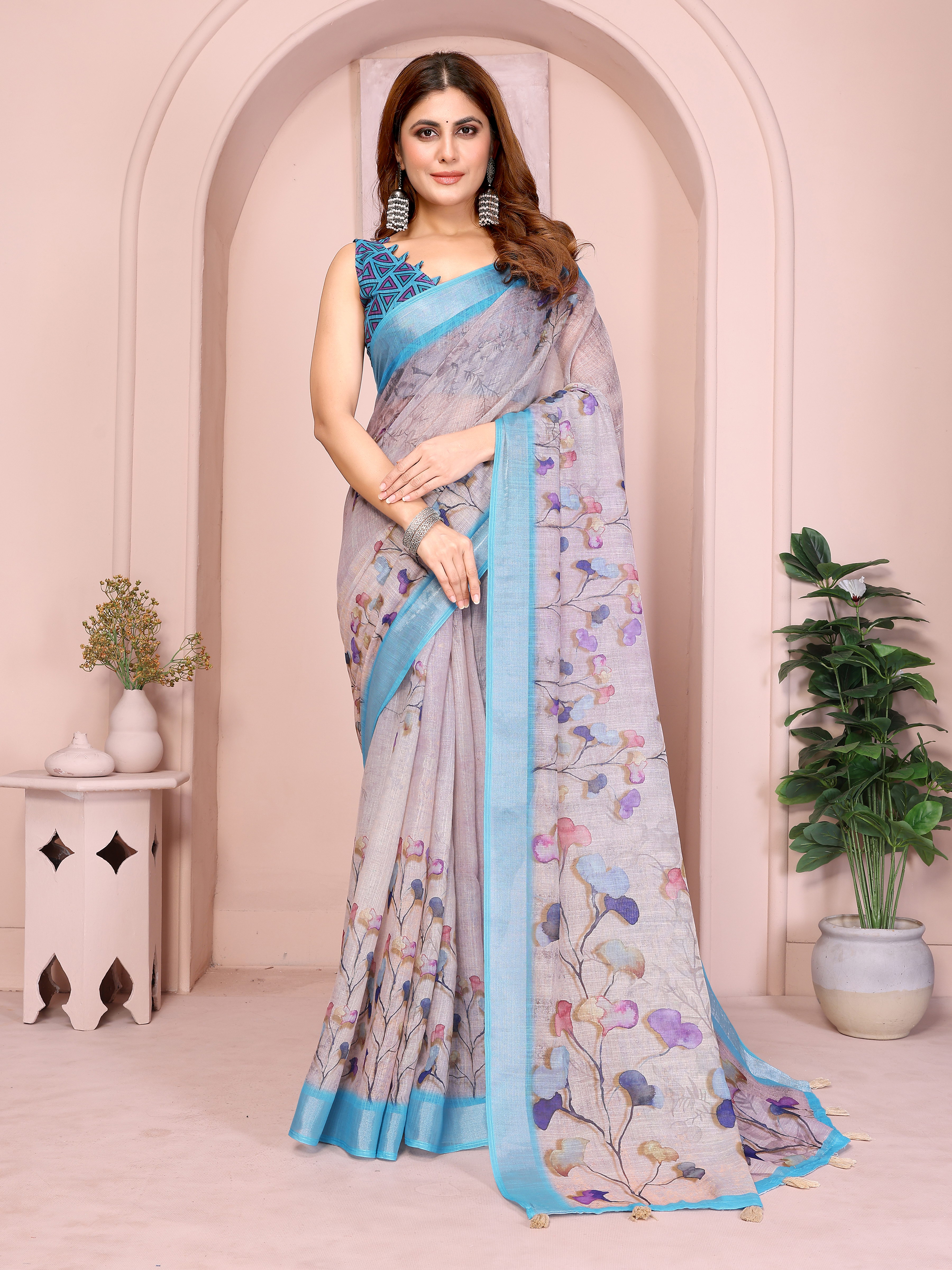
For a daytime cotton option, a budget-led shopper can compare the Sarees from Rs 1000 to Rs 1500 collection with the Sarees Under 20% Off collection. These price ranges can be useful when you want one fair-day saree and still need to budget for footwear, a shawl and travel expenses. Check the fabric description, blouse details, saree length and wash instructions before choosing.
Shoppers looking for a festive Banarasi or zari-led look can also review Sarees Under 10% Off. A discount percentage should not replace a quality check. Look at the border finish, zari placement, blouse measurements and return conditions, especially when the saree is intended for a dated event.
When planning a family celebration around the fair, Sarees Flat 60% Off and Sarees Flat 50% Off may offer additional options across different styles. Compare the final price rather than the advertised percentage, and remember that a lower-priced synthetic or embellished saree may require more careful heat and wash management than cotton.
Measure the blouse area accurately before ordering. The bust, under-bust, shoulder and armhole measurements affect comfort more than the nominal blouse size. A blouse that pulls at the back can make a saree feel uncomfortable within an hour. If alterations are possible, leave enough time for a trial fitting at least one week before the visit.
Pack the saree in a breathable cotton bag rather than plastic for long travel. Carry two safety pins, a small sewing kit, a stain-removal tissue, a spare bindi and a lightweight stole. These small items can prevent a minor mishap from ending the day early.
Sonepur Mela Fashion Guide: How should you care for the saree afterwards?
A saree worn at Sonepur Mela should be aired, gently cleaned according to its fibre and stored away from direct sunlight and moisture.

don't place a worn saree directly into a sealed cupboard. Hang the saree indoors for several hours so that perspiration and outdoor odours can dissipate. Shake out loose dust gently rather than brushing zari or mirror work aggressively. Check the lower hem, pleats and pallu for grit before folding.
Linen-cotton and cotton sarees may usually be washed according to their care label, but strong detergent, prolonged soaking and direct midday sunlight can weaken colour and fibres. Use cool or lukewarm water only when the label permits home washing. Fold cotton sarees with the zari border inside to reduce surface abrasion.
Banarasi silk and zari sarees should generally be dry-cleaned when the care label recommends professional cleaning. Store Banarasi silk in clean muslin, refold it every few months to prevent permanent crease lines and keep neem leaves or a moisture absorber nearby without allowing either to touch the textile directly. Never iron zari at high heat.
Mirror work requires a separate check. Loose mirrors, threads or embellishments should be repaired before storage because a small snag can spread during the next wear. Keeping each saree separate from rough jewellery and metal accessories protects the weave.
Sonepur Mela Fashion Guide: What is the simplest complete outfit formula?
The simplest complete outfit formula is a breathable saree, a fitted three-quarter-sleeve blouse, pinned pleats, flat supportive footwear, compact jewellery and a smooth shawl.
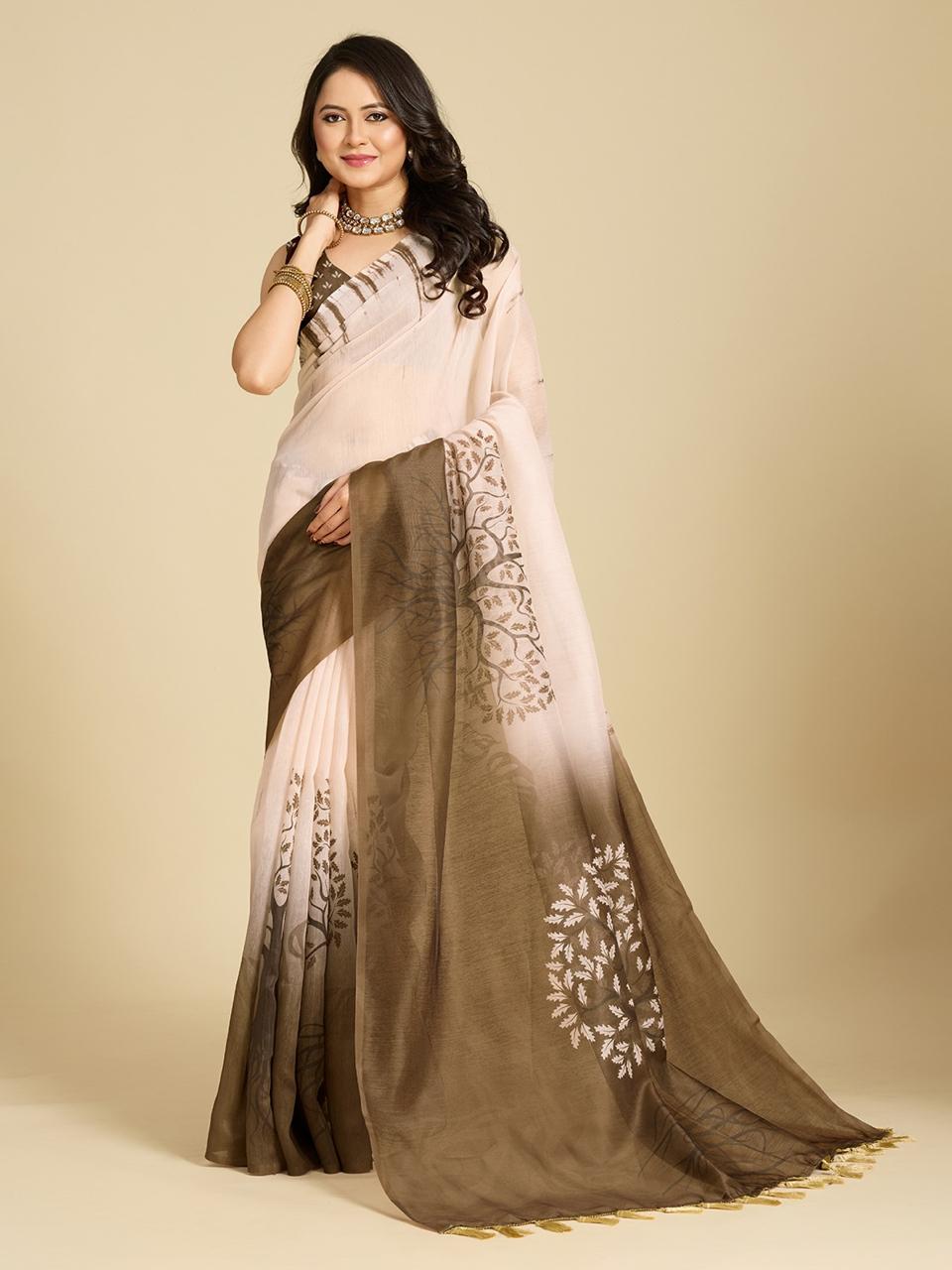
For a morning-to-afternoon visit, choose linen-cotton or handloom cotton, a low bun, small earrings and juttis. For a late-afternoon family gathering, choose Banarasi silk or tissue cotton, a secure pallu, a warm wrap and low block heels. For photography, select a contrasting blouse and avoid combining a heavy zari saree with oversized jewellery, a sequinned shawl and a highly embellished bag.
The most successful Sonepur Mela outfit is one that remains comfortable after several hours. A saree that stays in place, footwear that supports the feet and layers that adapt to changing temperatures will make the visit more enjoyable than a look that requires constant adjustment.
Common Questions About Sonepur Mela Sarees and Bihari Ethnic Wear
What type of saree is best for Sonepur Mela?
Cotton, linen-cotton and tissue cotton sarees are best for long daytime visits because they are breathable and relatively easy to manage. Banarasi silk is more suitable for an evening programme, family celebration or shorter visit when a more formal look is needed.
Can I wear a Banarasi silk saree to Sonepur Mela?
Yes, a Banarasi silk saree works well for an evening visit or a ceremonial gathering at Sonepur Mela. Pin the pallu securely, wear supportive footwear and add a smooth shawl because zari-heavy silk can become tiring during extended walking.
How can I keep a saree comfortable in a crowded fair?
Use a firm petticoat, make compact front pleats and secure the pallu with two small safety pins. Keep the hem just above the ground, choose a crossbody bag and avoid long jewellery or trailing embellishments that can catch on people and stalls.
What blouse should I wear with a winter saree for Sonepur Mela?
A three-quarter-sleeve blouse with a moderate or high neckline is the most practical winter choice. The blouse should allow you to raise both arms and sit comfortably, while its colour can match the saree border or contrast with a strong print.
Which footwear is suitable with a saree at Sonepur Mela?
Cushioned juttis, flat sandals with a secure back strap and low block heels are suitable choices. Avoid narrow stilettos because uneven ground, dusty paths and temporary flooring can make them unstable.
How should I store a saree after wearing it at Sonepur Mela?
Air the saree indoors for several hours, remove loose dust gently and follow the care label before washing or dry-cleaning it. Store cotton, tissue cotton and Banarasi silk in breathable muslin, away from direct sunlight, moisture and rough jewellery.