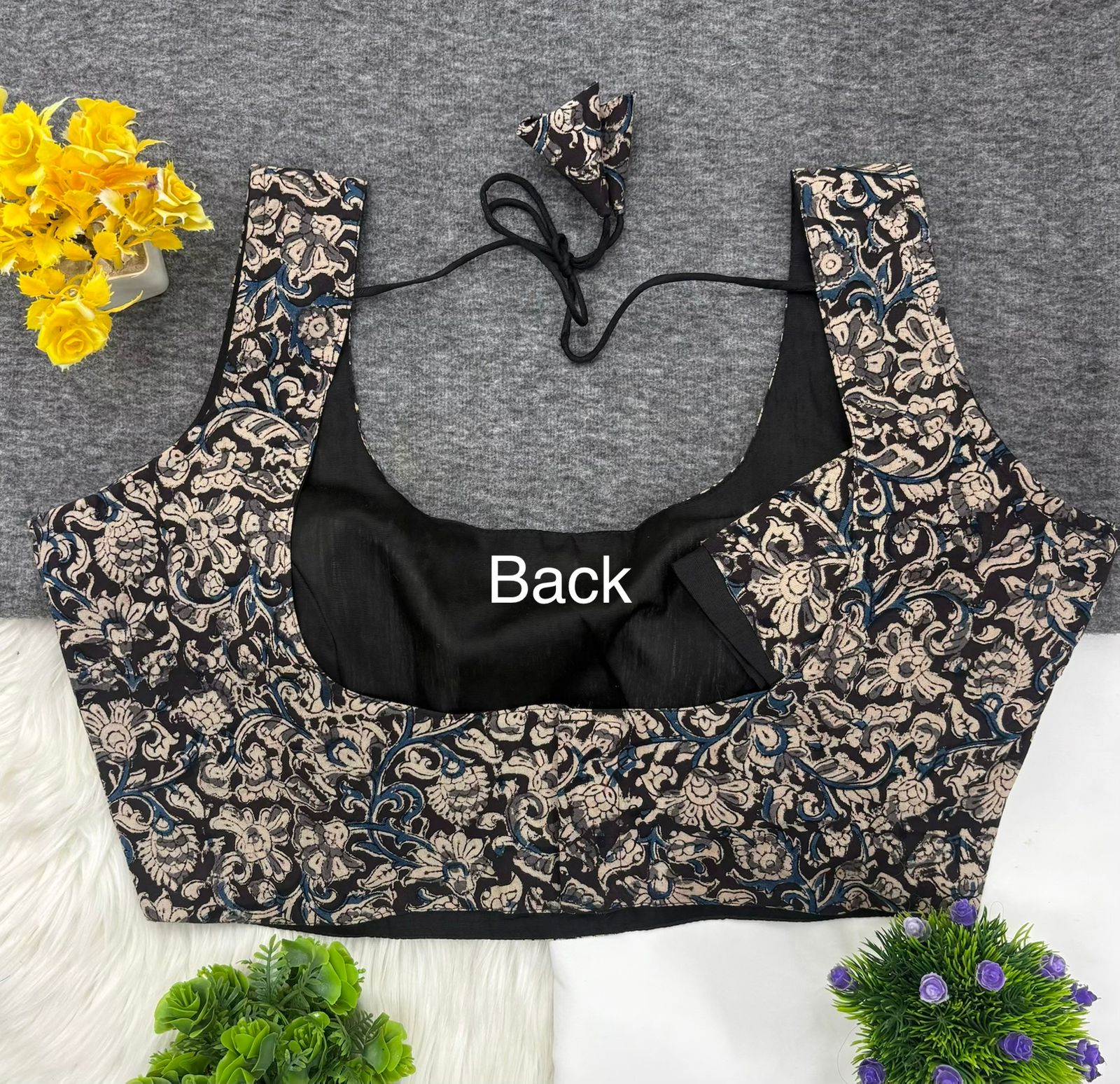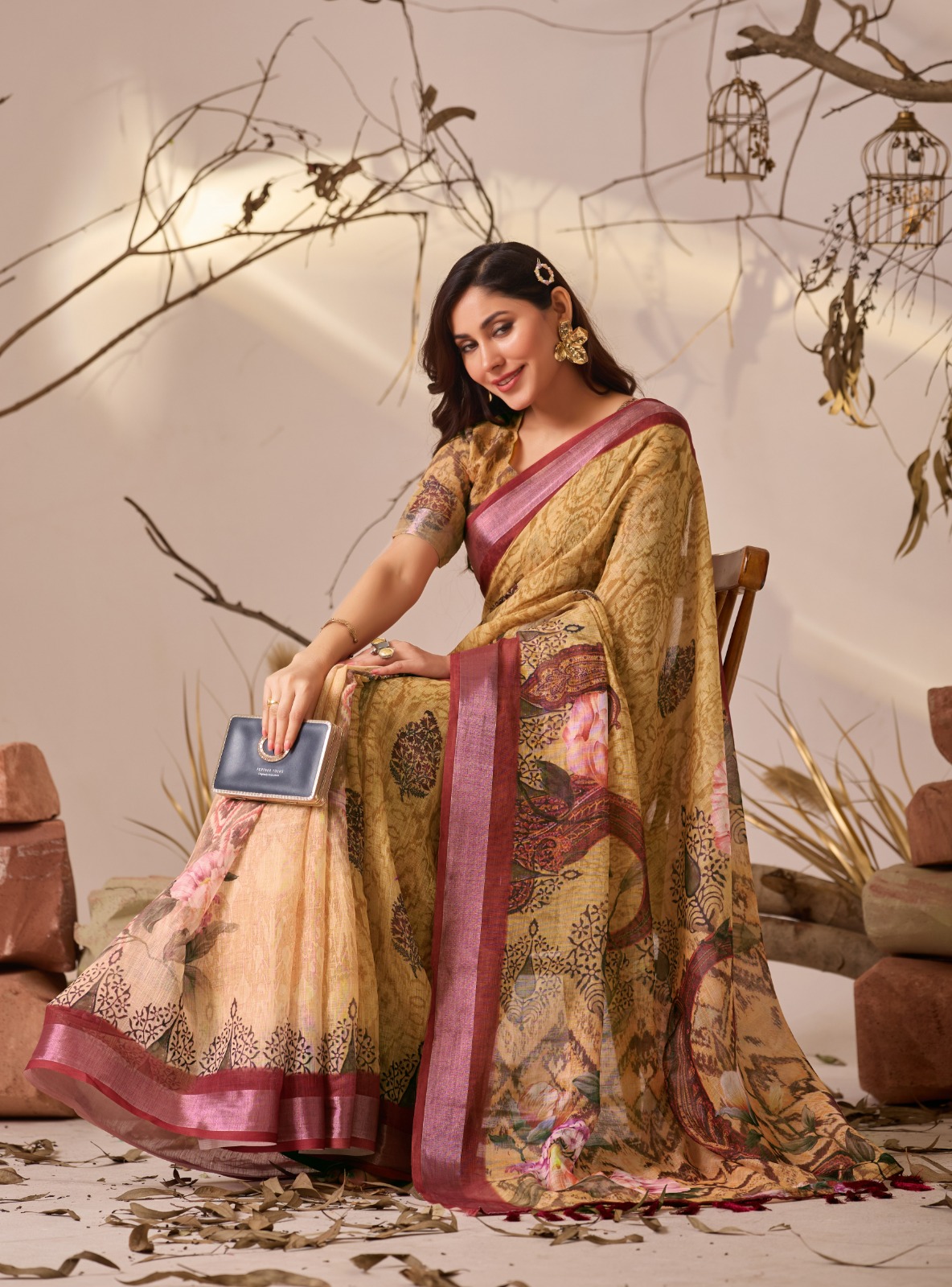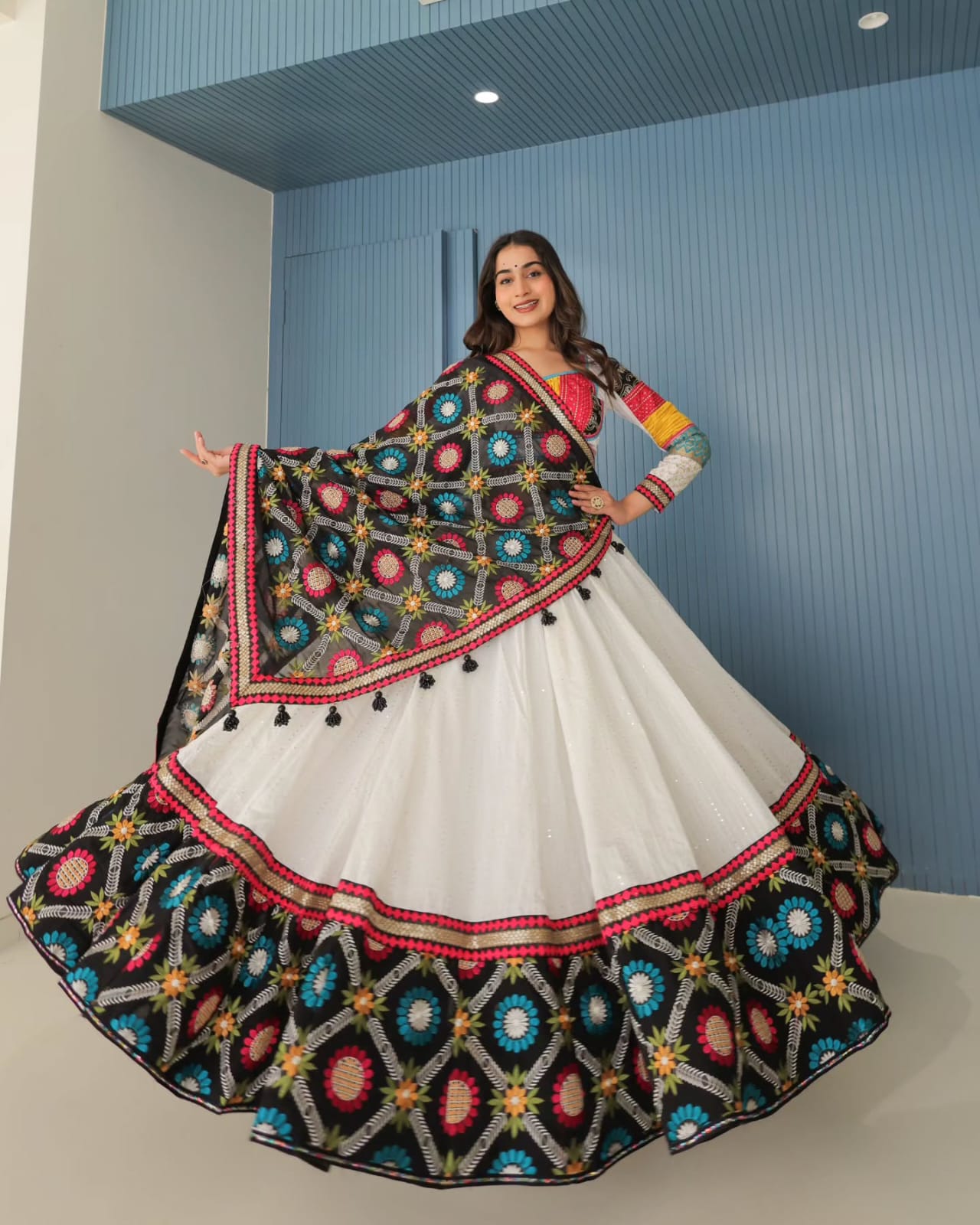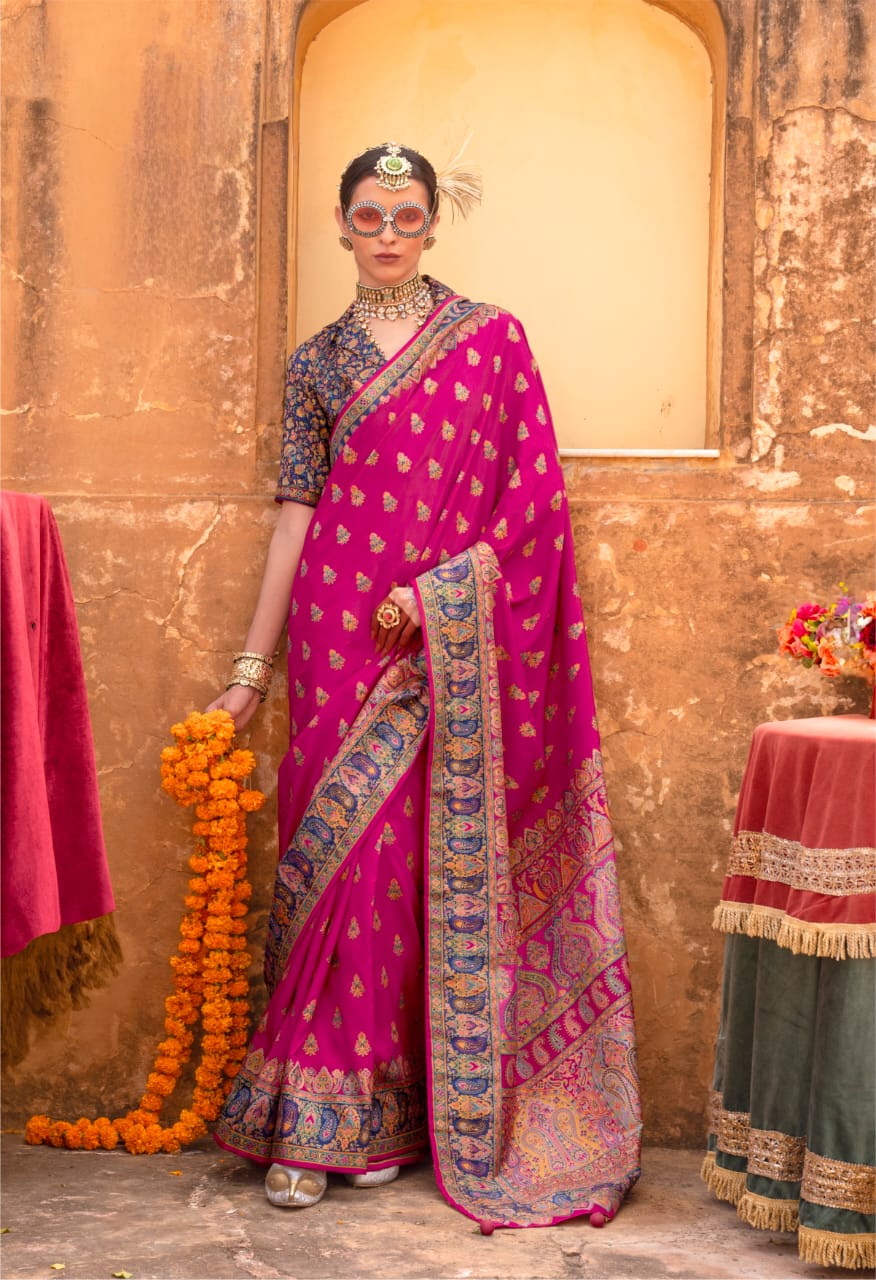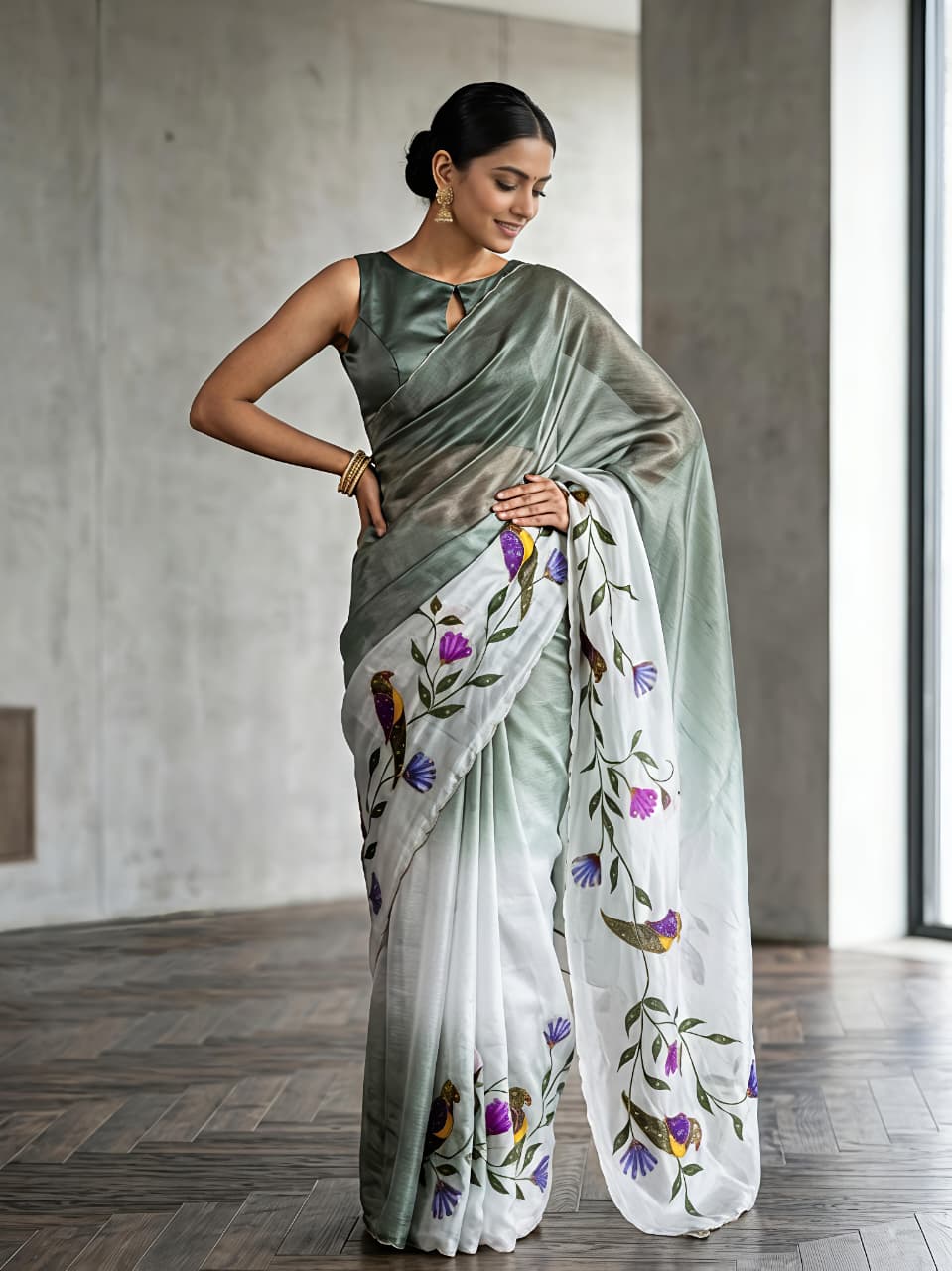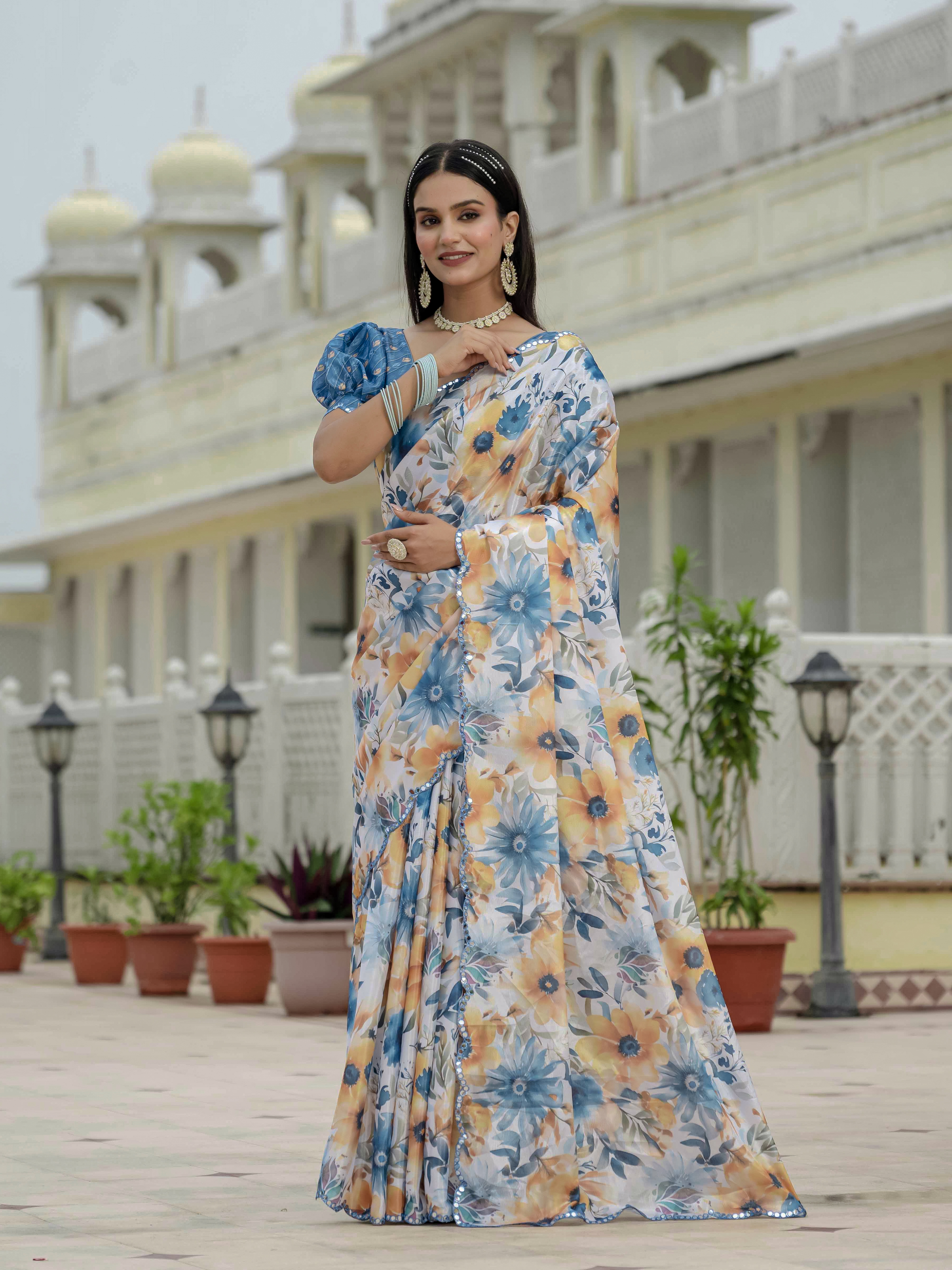
Solung Festival Outfit Ideas: Traditional Arunachal Ethnic Wear should begin with cultural understanding, not just colour matching. Solung is an important agricultural festival of the Adi people of Arunachal Pradesh, traditionally associated with community prayers, food, music, dance and hopes for a healthy harvest. A thoughtful outfit can acknowledge the visual language of Arunachal Pradesh while remaining comfortable, modest and honest about what is traditionally Adi and what is a contemporary Indian-wear adaptation.
The most useful approach is to choose breathable fabric, grounded colours, woven or textured surfaces and restrained accessories. A saree, salwar suit or sharara can work for a public celebration, but such garments should not be presented as authentic Adi dress unless they're genuinely made in an Adi style by an appropriate artisan. Cultural appreciation becomes stronger when clothing is worn with context and care.
Solung Festival Outfit Ideas: Classic Arunachal Ethnic Wear and cultural meaning
Solung Festival clothing becomes culturally meaningful when it respects Adi traditions, community identity and the difference between inspiration and imitation. Solung is celebrated by the Adi community, particularly in districts of Arunachal Pradesh such as East Siang, Upper Siang and Lower Dibang Valley, although practices can vary by locality and family.
Solung is generally observed in early September and is linked to agriculture, prosperity and protection. Celebrations may include rituals, communal meals, time-honoured songs and Ponung, a well-known women's group dance associated with Adi ethnic life. Clothing therefore appears within a larger ethnic setting rather than as an isolated fashion display.
Time-honoured Adi textiles often communicate identity through handwoven surfaces, strong horizontal or vertical bands, geometric arrangements and a practical relationship with the climate. Red, black, white, blue and earthy tones are frequently seen across Northeast Indian textile traditions, but colour meanings and garment forms are not identical across every tribe. A general "tribal print" should not be treated as a substitute for a named Adi textile.
Visitors and guests can dress festively without copying ceremonial objects or claiming a cultural identity that's not theirs. Avoid using sacred motifs, ritual items or community-specific ornaments as costume props. A simple handloom garment, natural texture and respectful behaviour usually communicate more appreciation than an exaggerated headpiece or imitation of a ritual ensemble.
Solung Festival Outfit Ideas: Heritage Arunachal Ethnic Wear for women
Women attending a Solung celebration can choose a breathable saree, a modest salwar suit or a coordinated skirt-and-top set in a structured textile. The best outfit allows easy movement, covers the body comfortably and suits the heat, rain and long hours common during outdoor or community celebrations.
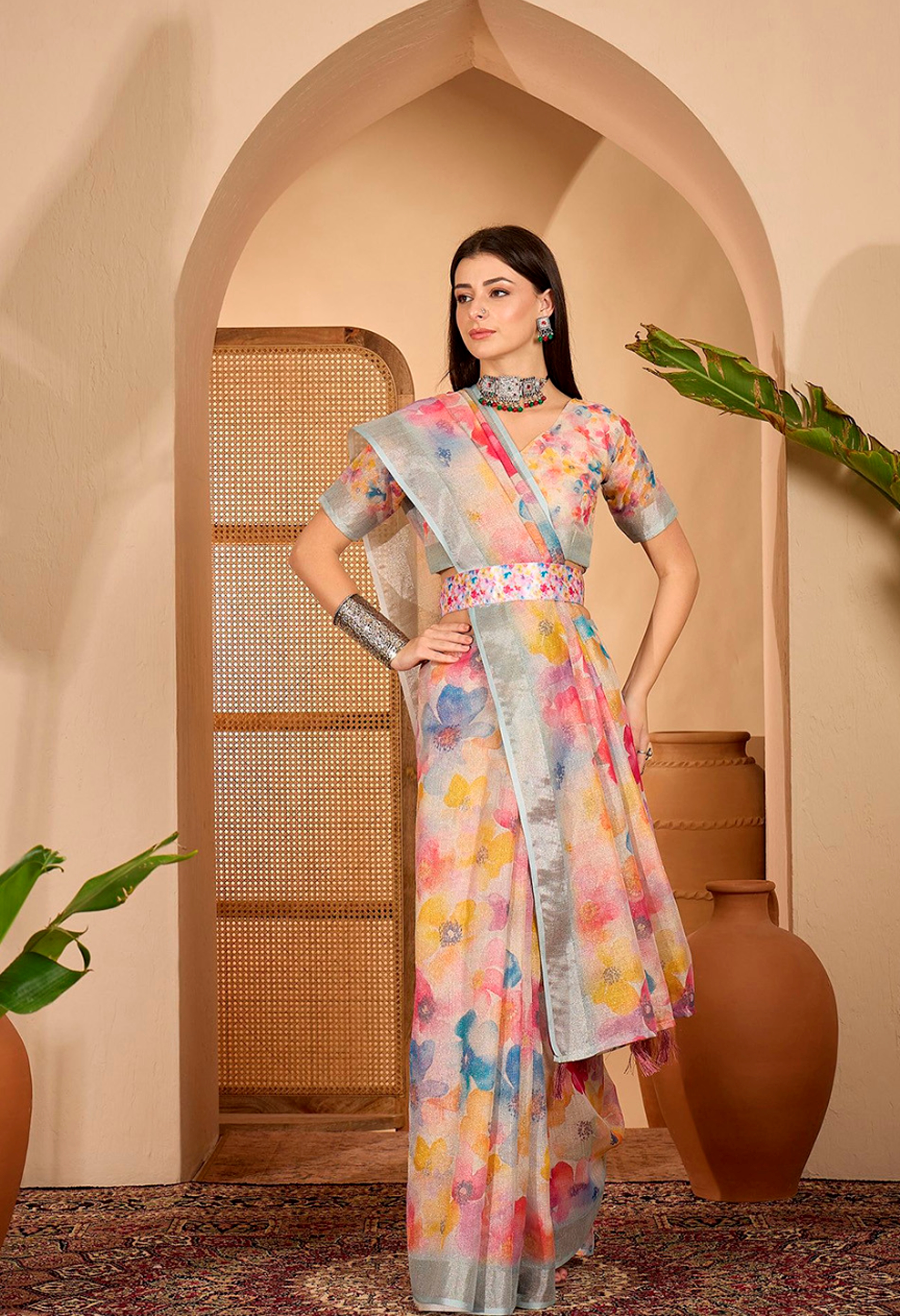
Sarees with woven texture
A lightweight cotton saree offers an elegant Indian-wear option for a festival held in a warm, humid season. Mal cotton, handloom cotton, linen cotton and Chanderi can provide texture without the weight of heavily embroidered silk. A narrow border or quiet geometric pattern can echo the visual discipline of woven textiles without claiming to reproduce an Adi garment.
Maroon Mal Cotton Ethnic Saree With Blouse from VARNAVI can work for an evening gathering because maroon gives depth while Mal cotton remains easier to wear than dense brocade. Navy Blue Mal Cotton Woven Saree With Blouse - VARNAVI. Brings a more restrained palette for a daytime programme, especially when paired with silver-toned earrings and a plain blouse.
Wine Blue Mal Cotton Floral Saree With Blouse - VARNAVI brings colour without depending on sequins or heavy zari. Teal Mal Cotton Woven Saree With Blouse Piece - VARNAVI is useful for a monsoon-season celebration because the colour feels festive while the woven cotton keeps the silhouette relatively light. These sarees are contemporary Indian ethnic-wear choices, not replacements for heritage Adi attire.
Salwar suits and sharara sets
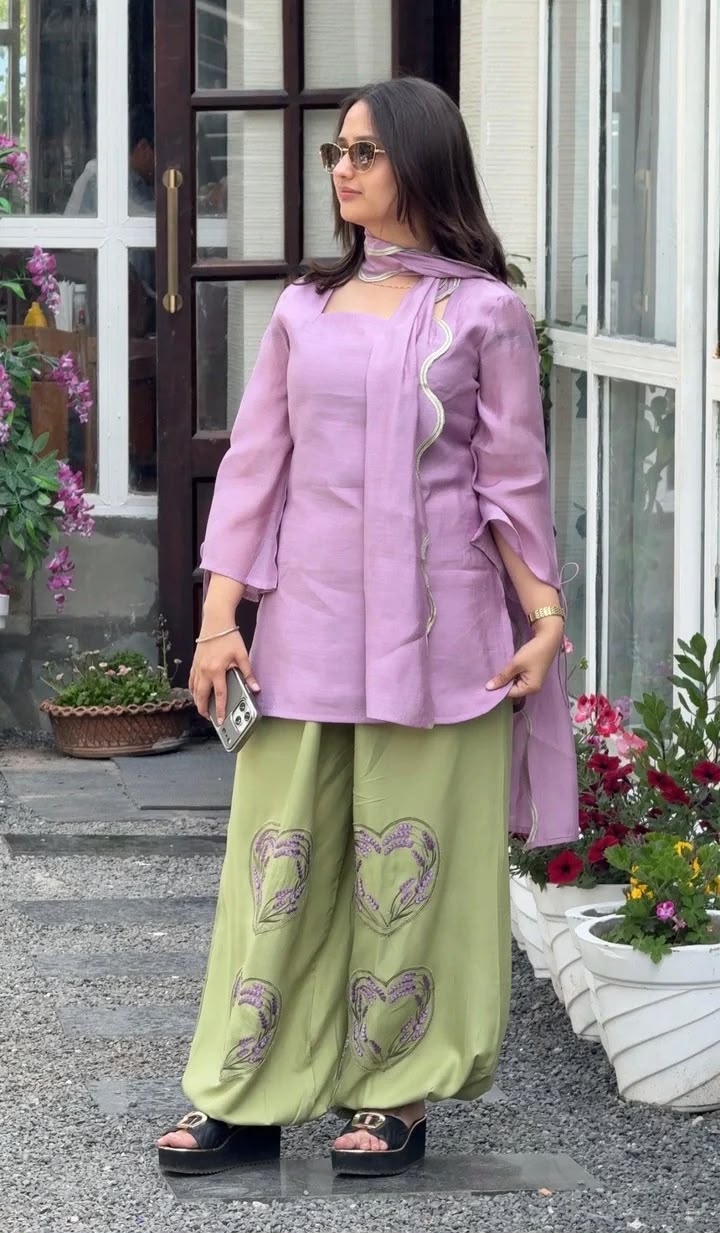
A salwar suit is often the most practical choice when a festival includes walking, sitting on the floor or participating in group activities. Choose a straight kurta with relaxed trousers, a cotton dupatta and a neckline that stays secure while moving. A sharara can suit a more formal cultural programme, but a heavily layered set may become uncomfortable in warm weather.
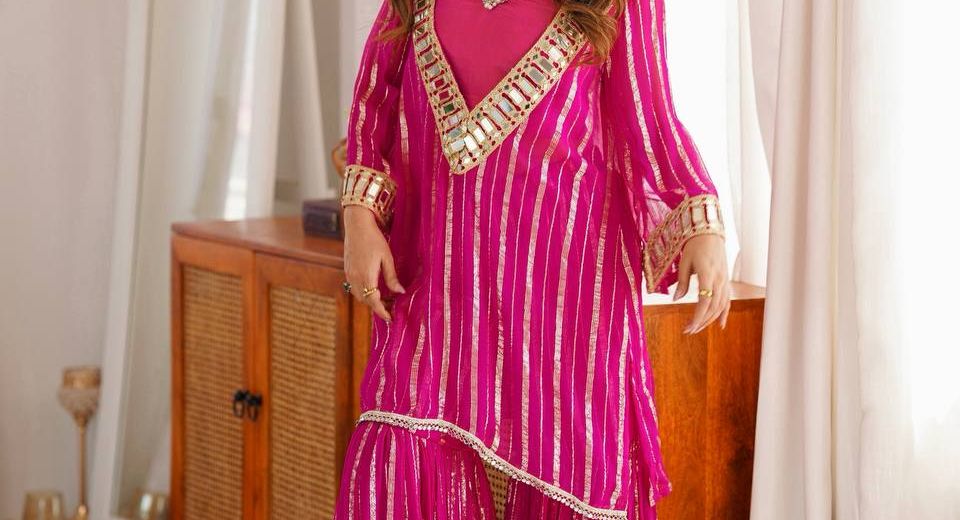
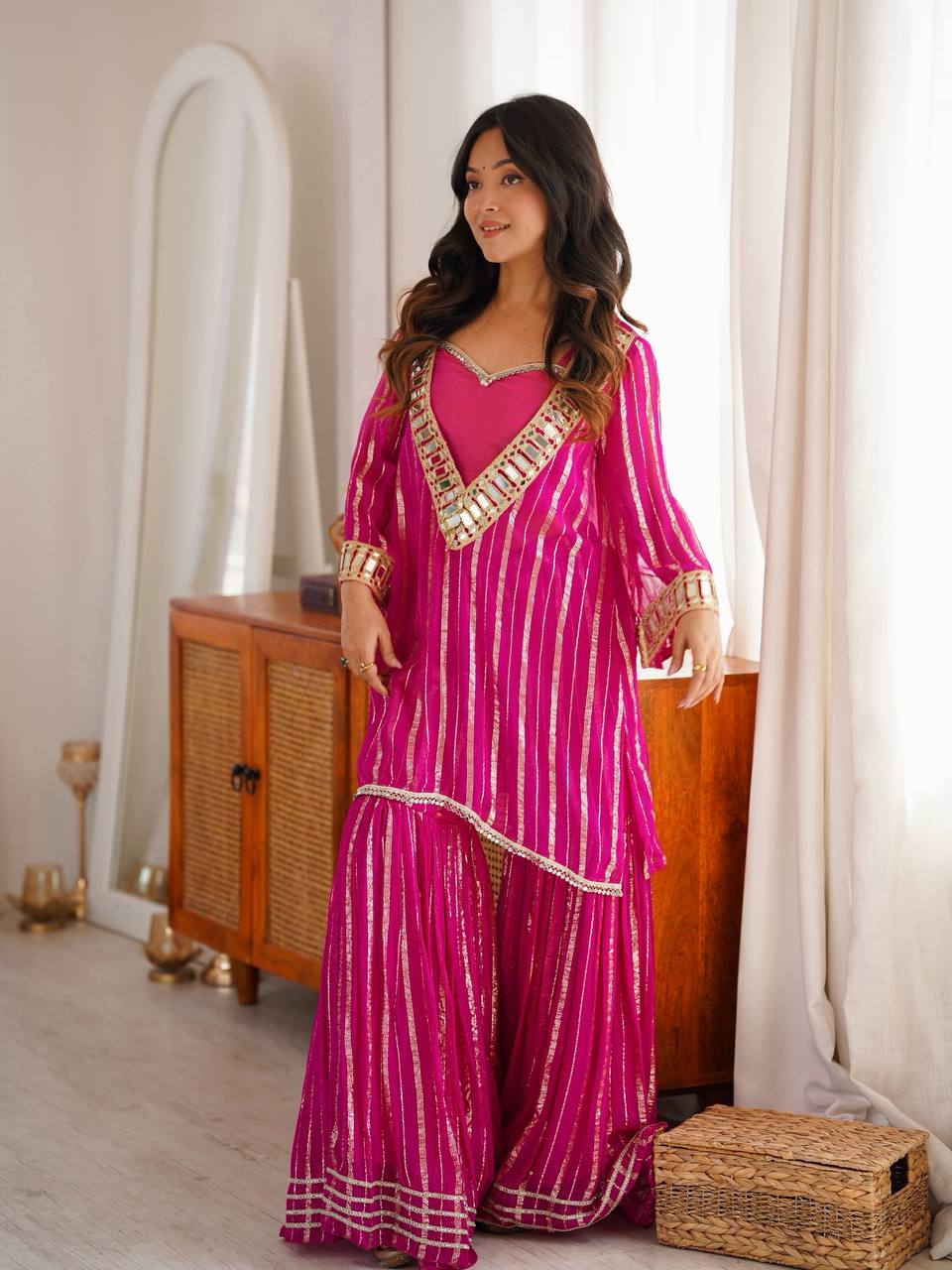
Pink Mirror Work Zari Sharara Suit Set Online - Varnavi can suit an evening celebration where festive sparkle is appropriate. Keep the rest of the styling controlled by choosing small earrings, flat footwear and a simple hairstyle. Mirror work and zari are South Asian embellishment techniques, so they should be described as festive Indian styling rather than as heritage Adi decoration.
Solung Festival Outfit Ideas: Time-honoured Arunachal Ethnic Wear for men and gender-neutral dressers
Men and gender-neutral dressers can choose a clean cotton kurta, a handloom shirt, relaxed trousers or a simple jacket in a grounded colour palette. Navy, charcoal, rust, ivory, forest green and muted red create a festival-ready appearance without relying on costume-like styling.
A plain kurta with a woven stole provides texture while remaining easy to remove during outdoor activities. A cotton shirt with straight trousers is also suitable for guests who prefer contemporary clothing. Natural fabrics such as cotton and linen cotton are practical for September weather, although a light synthetic layer may dry faster if rain is likely.
Classic Adi men's clothing can include garments and accessories with specific community meanings, so visitors should avoid buying a ceremonial-looking ensemble merely for photographs. A generic black-and-red combination doesn't automatically become Adi clothing. When a classic garment is sourced from an Adi artisan or cultural organisation, ask about the correct way to wear and describe it.
Gender-neutral styling can focus on fabric, proportion and colour rather than categories. A boxy handloom shirt, wide-leg cotton trousers, a short waistcoat or a draped stole can create a polished festival outfit. Comfortable footwear matters because celebrations may involve uneven ground, standing and walking between community spaces.
Solung Festival Outfit Ideas: Time-honoured Arunachal Ethnic Wear in practical fabrics and colours
Breathable cotton, Mal cotton, linen cotton and light silk blends are practical fabrics for a Solung celebration, while red, maroon, navy, teal, ivory and black can create a grounded festive palette. Fabric weight matters more than surface shine when the event takes place outdoors in early September.

Choosing fabric for September weather
Mal cotton is an useful option when a wearer wants a soft drape with visible textile character. Linen cotton tends to feel crisp and airy, although it can crease during travel. Chanderi is lightweight and festive but may require more careful handling. Banarasi silk and Kanjeevaram silk are beautiful for formal ceremonies, yet their heavier zari or silk structure may feel excessive for a daytime agricultural festival unless the programme is particularly formal.
Rain can affect hems, footwear and bags, so avoid dragging a long pallu across wet ground. A saree with a manageable length, a pre-pleated drape or a salwar suit with ankle-length trousers can reduce practical problems. Pack a small safety pin, a spare blouse hook and a transparent garment bag if travel is involved.
Building a respectful colour story
A two- or three-colour outfit usually looks more considered than a combination of several competing prints. A maroon saree can be paired with antique silver jewellery and a cream blouse. A teal saree can take a navy or ivory blouse. A dark blue outfit can be balanced with red glass bangles or a woven stole, provided the accessories are not presented as classic Adi ornaments.
Navy Blue Mal Cotton Floral Saree With Blouse - VARNAVI has a softer floral direction than a geometric handloom textile, which makes it suitable for guests who want a familiar Indian silhouette. Purple Mal Cotton Printed Saree With Blouse - VARNAVI can be balanced with minimal jewellery and neutral sandals so that the print remains the visual focus. A Royal Blue Floral Linen Cotton Saree Online | Varnavi gives a crisp alternative for a daytime gathering.
Solung Festival Outfit Ideas: Classic Arunachal Ethnic Wear with jewellery and accessories
Jewellery supports a Solung celebration outfit when it complements the clothing and doesn't imitate sacred, ceremonial or community-specific objects without permission. Silver-toned earrings, small hoops, bead necklaces, glass bangles and a simple cuff can add festive interest without overwhelming the garment.

Beaded jewellery deserves particular care because beads, colours and forms may carry different meanings across Northeast Indian communities. A guest should not call a commercially produced necklace "time-honoured Adi jewellery" without knowing its origin. Describing an accessory accurately as a contemporary beaded necklace or silver-toned ornament is more responsible.
Hair can be kept in a low braid, bun or half-up style that remains secure during movement. Fresh flowers may be suitable in some celebrations, but guests should follow local guidance rather than assuming that every floral arrangement is appropriate. A small bindi is a personal styling choice within many Indian contexts, but it should not be used to imply Adi identity.
Footwear should combine comfort and stability. Flat sandals, low block heels and clean embroidered juttis are more practical than narrow stilettos for outdoor grounds or uneven paths. A crossbody bag or compact shoulder bag keeps both hands free and protects a phone, tissues, payment cards and a small rain cover.
Solung Festival Outfit Ideas: Classic Arunachal Ethnic Wear and respectful styling rules
Respectful styling means naming the garment accurately, avoiding sacred imitation and following local photography and participation etiquette. These choices matter as much as the clothing itself.
- Describe adaptations honestly: Call a cotton saree a contemporary festival outfit rather than authentic Adi dress unless its provenance supports that description.
- Ask before photographing: Performers, elders, artisans and ritual spaces may have different expectations about photography.
- don't handle ceremonial objects: Headgear, weapons, ritual items and heirloom jewellery should never be borrowed as fashion accessories without explicit permission.
- Support artisans responsibly: Buy handwoven textiles from identified makers, cooperatives or cultural organisations when possible, and ask about fibre, technique and community origin.
- Dress for participation: Secure dupattas, shorter manageable hems and breathable layers are safer when walking, dancing or sitting in a community space.
Responsible dressing also means accepting that not every visual reference belongs in a festival outfit. A commercially printed motif may resemble Northeast Indian geometry without representing a particular community. Researching the origin of a pattern prevents accidental mislabelling and gives textile traditions the recognition they deserve.
Solung Festival Outfit Ideas: Traditional Arunachal Ethnic Wear care and packing tips
Careful packing preserves cotton, linen cotton, zari and mirror-work garments during travel to a Solung celebration. Fold sarees along existing pleats, place tissue paper between embellished surfaces and use a breathable cotton garment bag instead of sealing damp clothing in plastic.

Mal cotton and cotton sarees should generally be washed according to the care label, using cool water and mild detergent. Avoid wringing woven sarees because twisting can distort the drape and weaken zari or decorative borders. Dry garments in shade, away from prolonged direct sunlight that can fade maroon, purple, teal and royal blue dyes.
Mirror work and zari benefit from gentle spot cleaning rather than repeated machine washing. Store embellished shararas flat or on a broad hanger so that mirror pieces don't press against one another. A folded dupatta should not be placed beneath heavy footwear or toiletry bags.
Pack a practical emergency kit containing safety pins, fashion tape, a needle and thread, stain-removal wipes, blister plasters and a small waterproof pouch. Such details are especially useful when the celebration involves travel, rain, shared seating and several hours away from home.
A respectful Solung outfit doesn't need to look like a costume; it needs to be comfortable, accurately described and worn with regard for the people and traditions being encountered.
Common Questions About Solung Festival Outfit Ideas and Arunachal Ethnic Wear
What should I wear to a Solung Festival celebration?
Wear a breathable cotton saree, salwar suit, kurta set or relaxed handloom outfit in a comfortable, grounded colour palette. Choose practical footwear and avoid presenting a contemporary Indian garment as authentic Adi dress unless its origin is verified.
Which colours are suitable for Solung Festival clothing?
Maroon, red, navy, black, teal, ivory, rust and earthy tones can create a festive and respectful palette. Colour choices should not be treated as proof that a garment belongs to the Adi tradition, because textile meanings vary between communities.
Can I wear a saree to the Solung Festival?
Yes, a lightweight cotton, Mal cotton or linen cotton saree can be suitable for a Solung celebration. Keep the drape secure, choose a manageable length and describe the saree as contemporary Indian ethnic wear rather than traditional Adi attire unless it was made and identified as such.
What fabric is comfortable for a Solung celebration in September?
Mal cotton, cotton and linen cotton are practical choices for warm or humid September weather. Chanderi can work for a lighter formal look, while heavy Banarasi silk, Kanjeevaram silk and dense zari may feel less comfortable for outdoor daytime events.
Is it appropriate to wear Adi jewellery as a festival guest?
Wear community-specific Adi jewellery only when its origin, meaning and correct use are clear and permission has been given where necessary. Contemporary silver-toned earrings, simple beads and glass bangles are safer alternatives when you are unsure.
How can I avoid cultural appropriation when dressing for Solung?
Avoid copying sacred objects, ceremonial headgear, ritual items or community-specific ornaments as costume accessories. Research textile origins, support identified artisans, ask before photographing people and describe your outfit accurately as inspired or contemporary when it is not traditional Adi clothing.