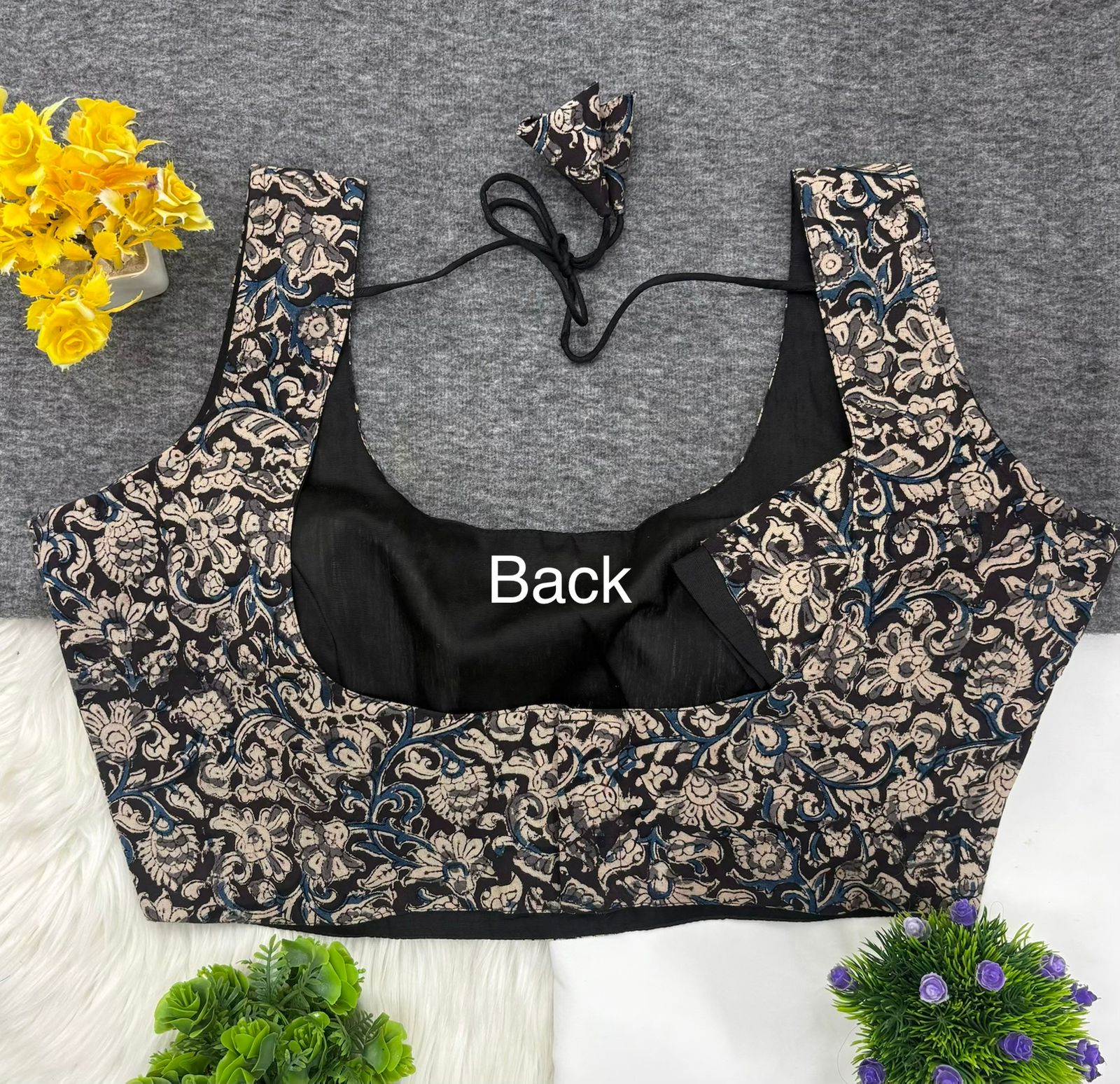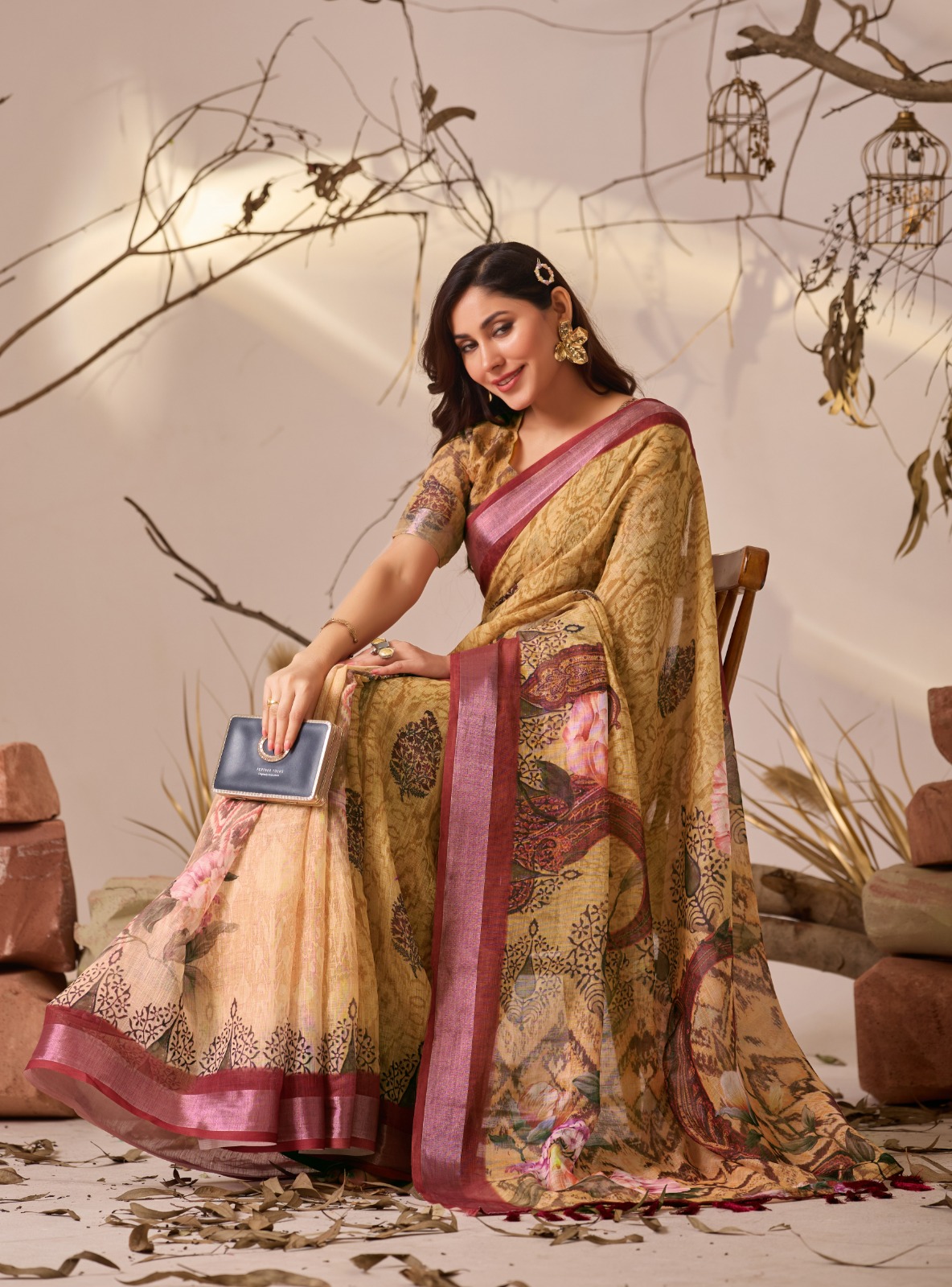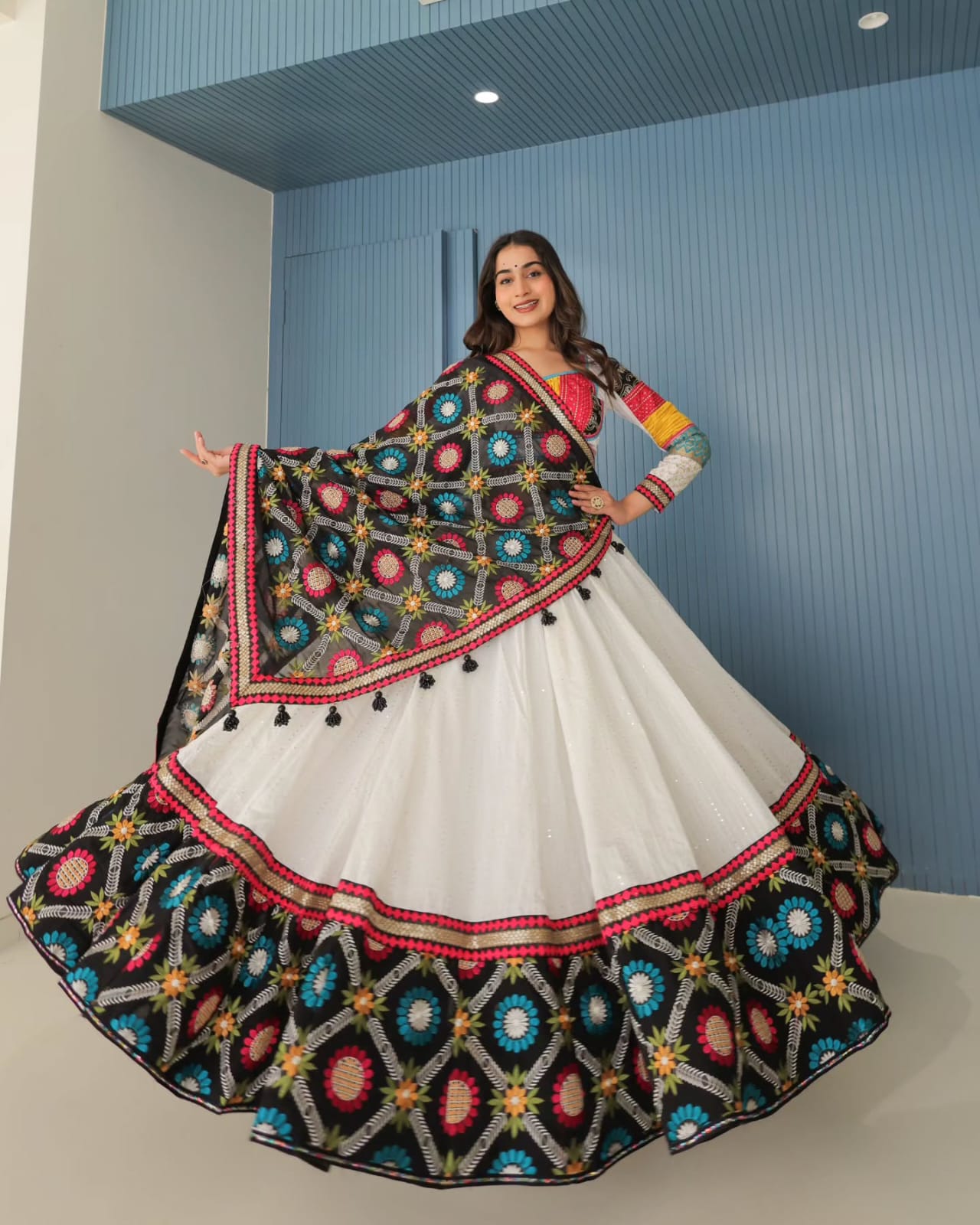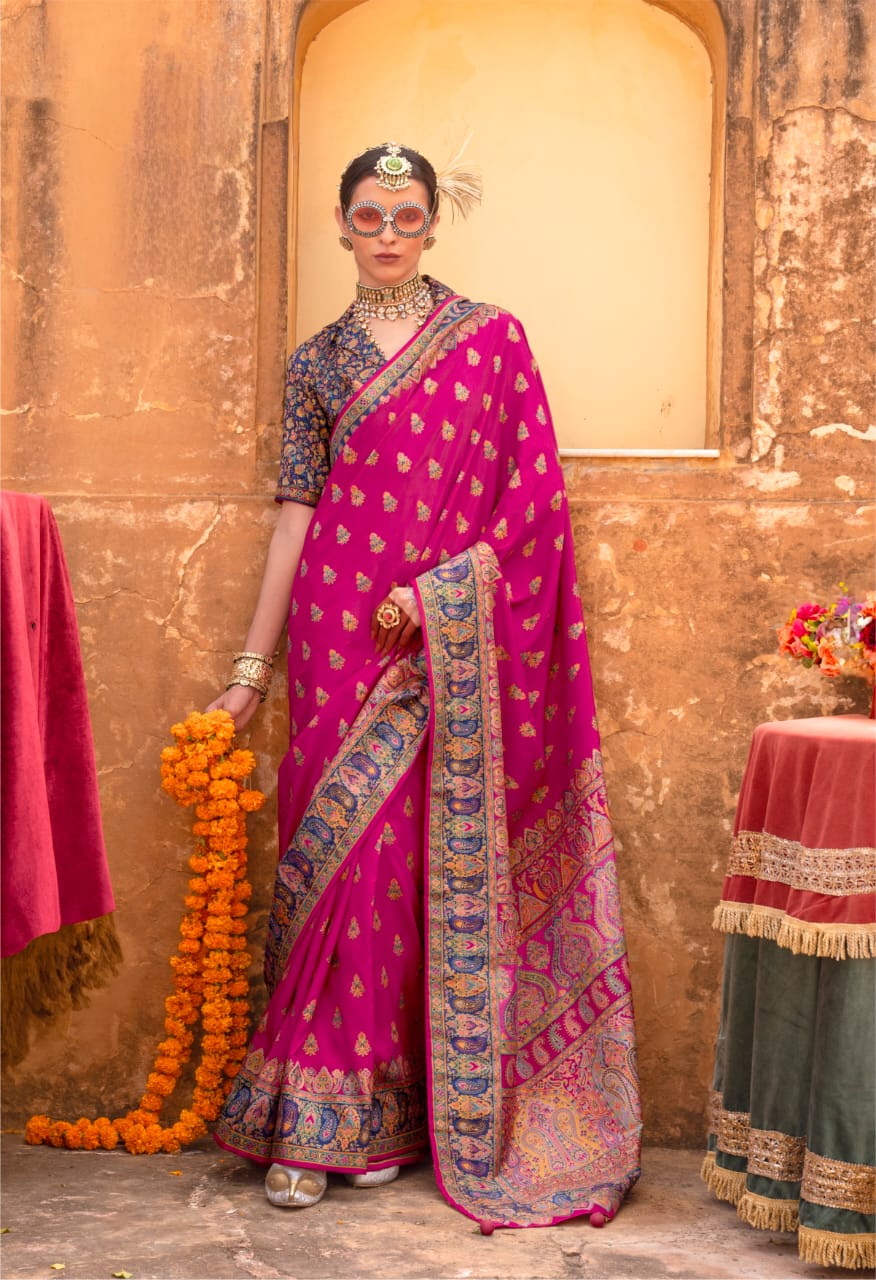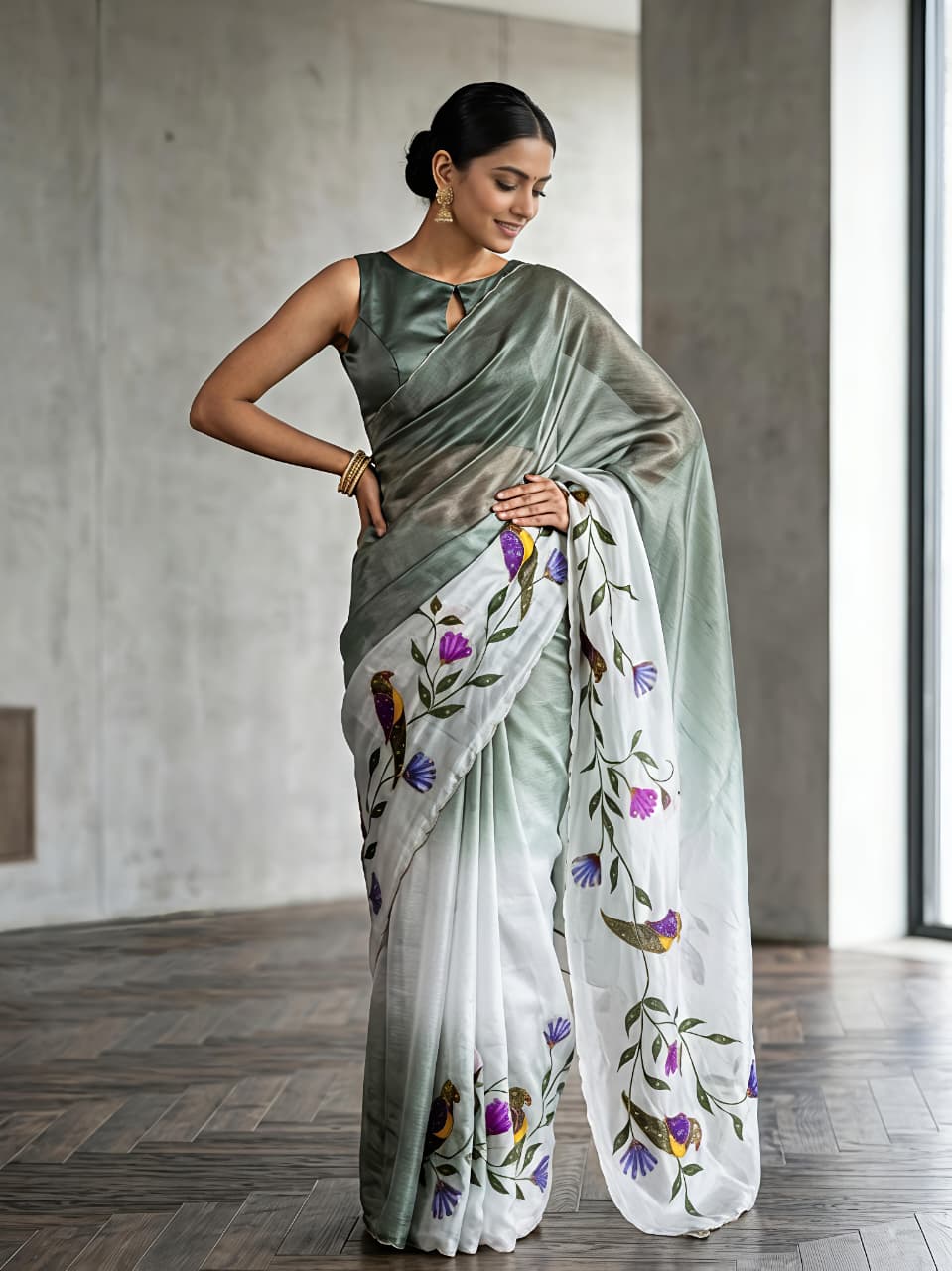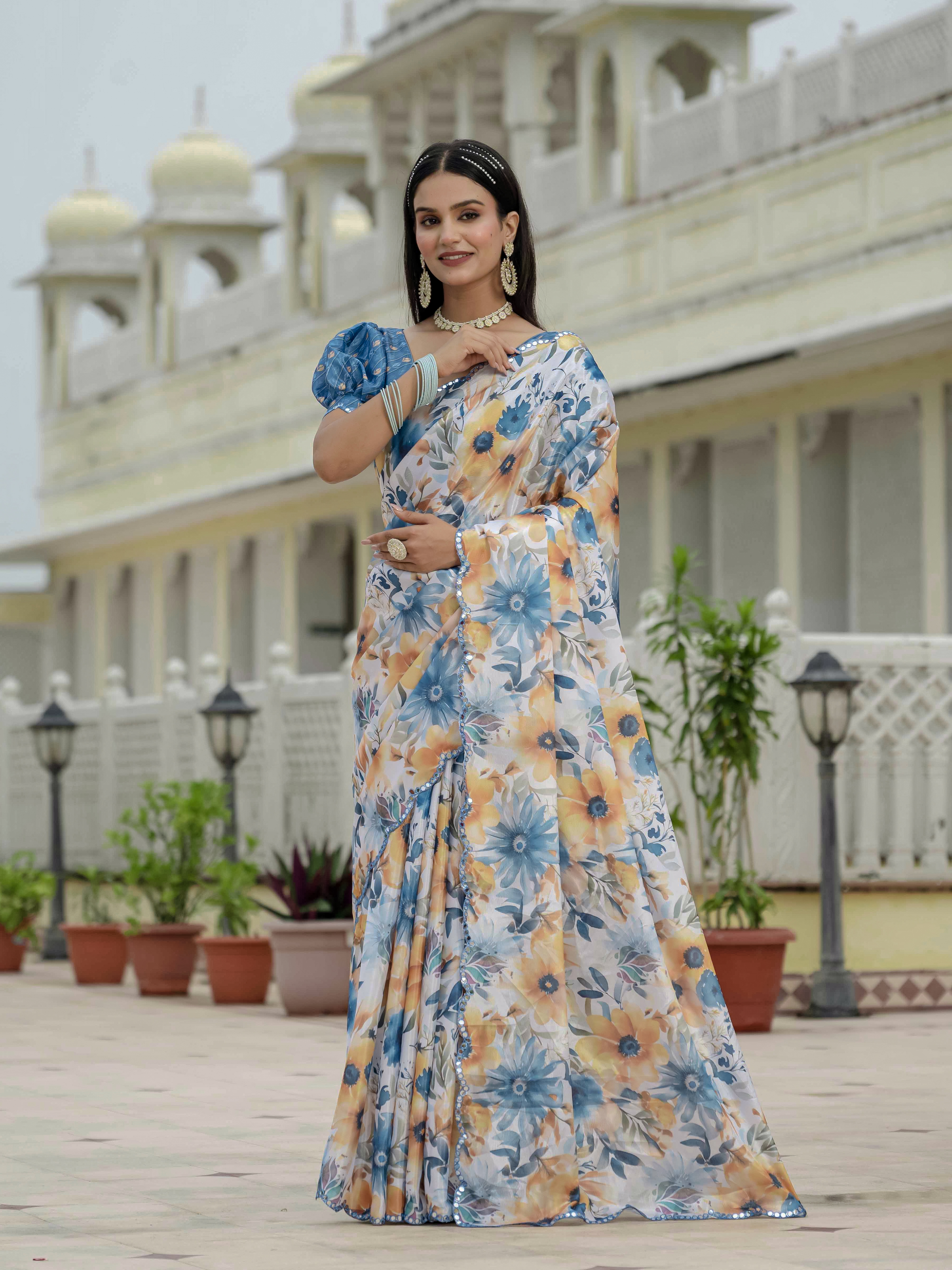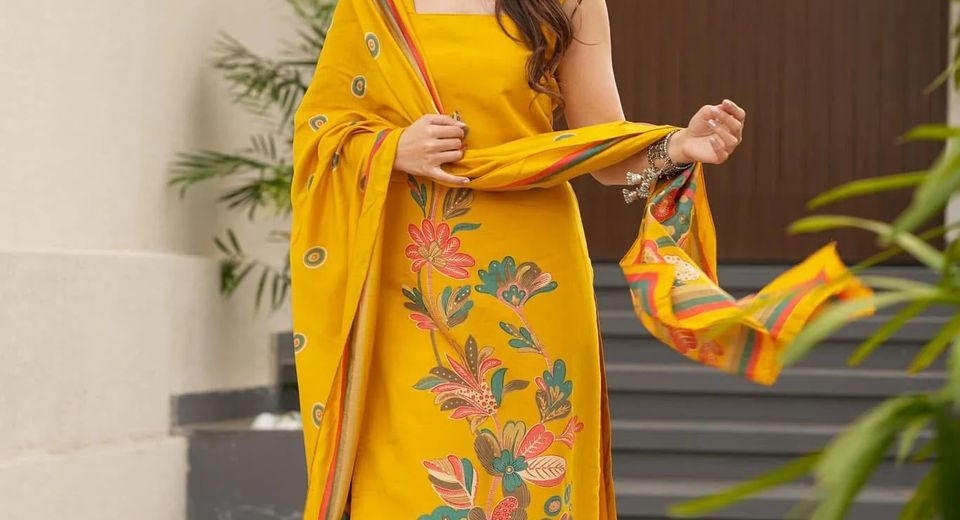
A dependable salwar suit earns its place in a daily wardrobe when it feels easy at 8 a.m. And still looks presentable after a full day of work, commuting or errands. The most useful Simple Salwar Suit Looks for Daily Wear are built around fabric weight, movement, colour practicality and styling time-not elaborate decoration. A straight kurta with trousers, a printed kurta set or a lightly embroidered palazzo suit can each work well when the proportions suit your routine.
The right choice also depends on climate and care. Rayon can feel fluid and comfortable, Chanderi can add a dressier texture, and a restrained print can reduce the need for jewellery. The following guide explains how to create women salwar suits daily wear outfits that look considered while remaining genuinely wearable.
What makes a salwar suit suitable for daily wear?
A salwar suit is suitable for daily wear when the fabric, fit and embellishment allow comfortable movement and practical maintenance for several hours. A daily outfit should not require constant adjustment, delicate handling during a commute or accessories that interfere with work.
Start with the activity rather than the trend. A straight kurta and narrow or regular-fit pants are useful for office routines, classes and shopping because the silhouette occupies less space than a wide flare. A palazzo suit gives more airflow and visual ease, making it helpful for warm days or relaxed workplaces. Anarkali shapes can also work for everyday dressing when the flare is moderate and the fabric isn't heavy.
Fabric weight matters as much as fibre. Rayon threadwork suits such as Pista Green Rayon Threadwork Salwar Suit and Teal Rayon Threadwork Salwar Suit offer a soft, fluid fall that pairs naturally with low-effort styling. Chanderi has a crisper, more luminous surface, so Lavender Chanderi Kurta with Olive Embroidered Palazzo Suit is better suited to days when you want a polished appearance without adding a jacket or heavy jewellery.
Look closely at the neckline, sleeve opening and trouser waistband before buying. A neckline that sits flat, sleeves that permit arm movement and a waistband that doesn't dig in are more valuable for daily wear than dense embroidery. Side pockets, if provided, are useful for small essentials, although a phone should not be carried in a pocket that pulls the kurta out of shape.
Which fabrics and silhouettes work best for everyday dressing?
Lightweight cotton, rayon and moderately sheer Chanderi blends are practical starting points for everyday salwar suits, provided the weave and lining suit the weather. Cotton salwar suits daily wear shoppers often prefer breathability, while rayon is valued for its smooth drape and relatively fluid movement.
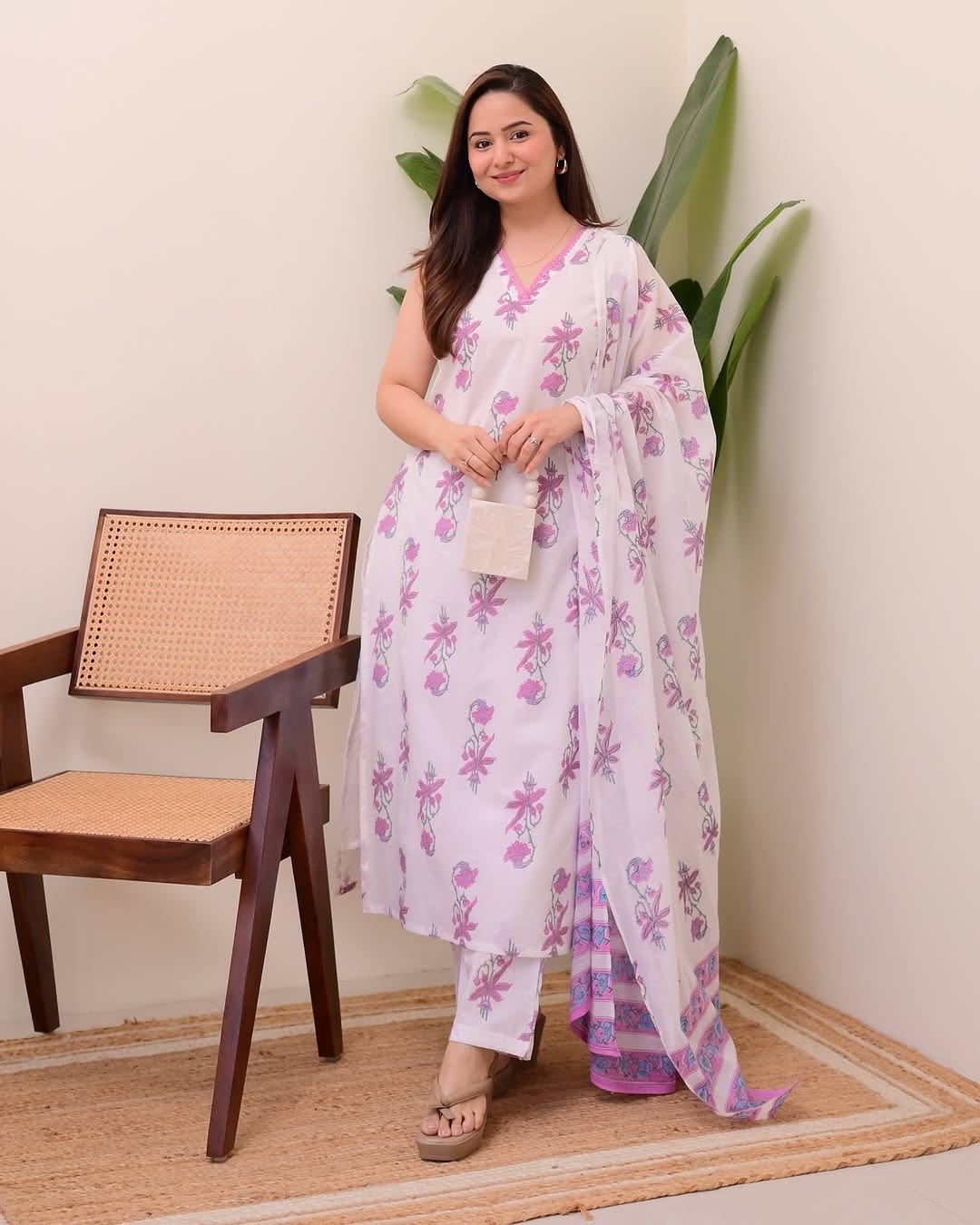
Choose the silhouette around your schedule
A straight suit works well when you want a neat vertical line and easy layering. A palazzo suit gives a wider leg and a more relaxed appearance, but the hem should be long enough to fall cleanly without dragging. A salwar with extra volume is comfortable for movement, though it can need more fabric management while travelling.
Anarkali suits are most practical for daily use when the flare is controlled and the fabric is light. The collection titled Ladies Dress Anarkali Salwar Suits can be useful when you want that shape, but choose a simpler design for regular rotation rather than reserving your entire wardrobe for occasion dressing.
Match fabric care to your available time
Rayon garments should be washed according to their care label and generally benefit from gentle handling, low agitation and shade drying. Chanderi garments should be folded rather than crammed into a crowded wardrobe because crushing can create persistent creases. Printed fabrics should be washed inside out when the care instructions permit, helping reduce friction on the surface.
A fabric that looks beautiful but needs frequent pressing may become inconvenient if you dress quickly every morning. A slightly textured or printed suit can conceal minor creasing better than a plain, highly polished surface. Daily wear suit ladies often benefit from keeping one easy-care option, one work-ready option and one relaxed weekend option in regular rotation.
How can you create simple salwar suit looks for daily wear?
You can create Simple Salwar Suit Looks for Daily Wear by pairing one practical suit with restrained accessories, comfortable footwear and a dupatta arrangement that stays secure. The goal is to make one visual decision-the colour, print or embroidery-do most of the styling work.
For office hours
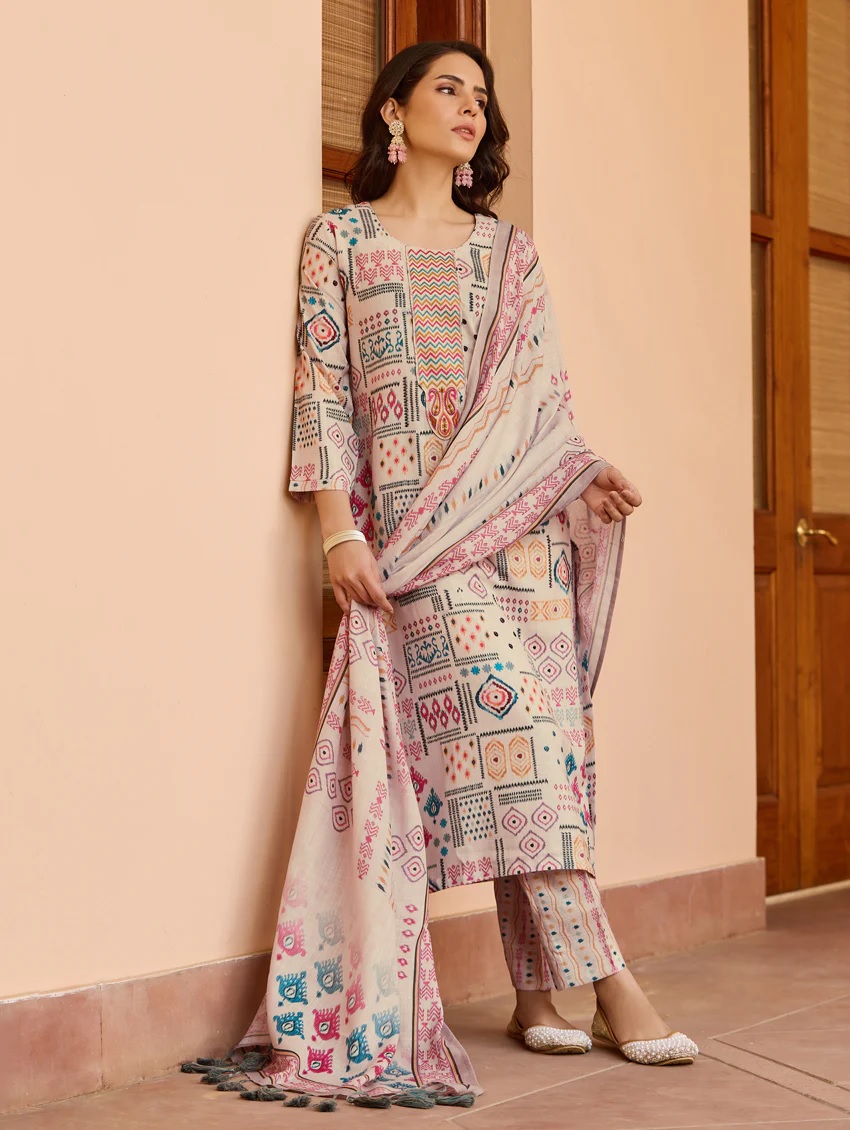
Choose a straight kurta set in a medium or muted colour, then add small studs, a structured tote and closed-toe flats or low block heels. Elegant Pink Print Daily Wear Kurta Set can demonstrate how a print removes the need for elaborate jewellery: keep the rest of the outfit neutral and let the kurta provide the colour.
A lightweight dupatta can be folded lengthwise and placed evenly over both shoulders, or secured at one shoulder with a discreet pin. This arrangement gives a tidy appearance during meetings while leaving both hands free. Avoid very long, loose ends if your day includes public transport, cooking or frequent movement between rooms.
For errands and college
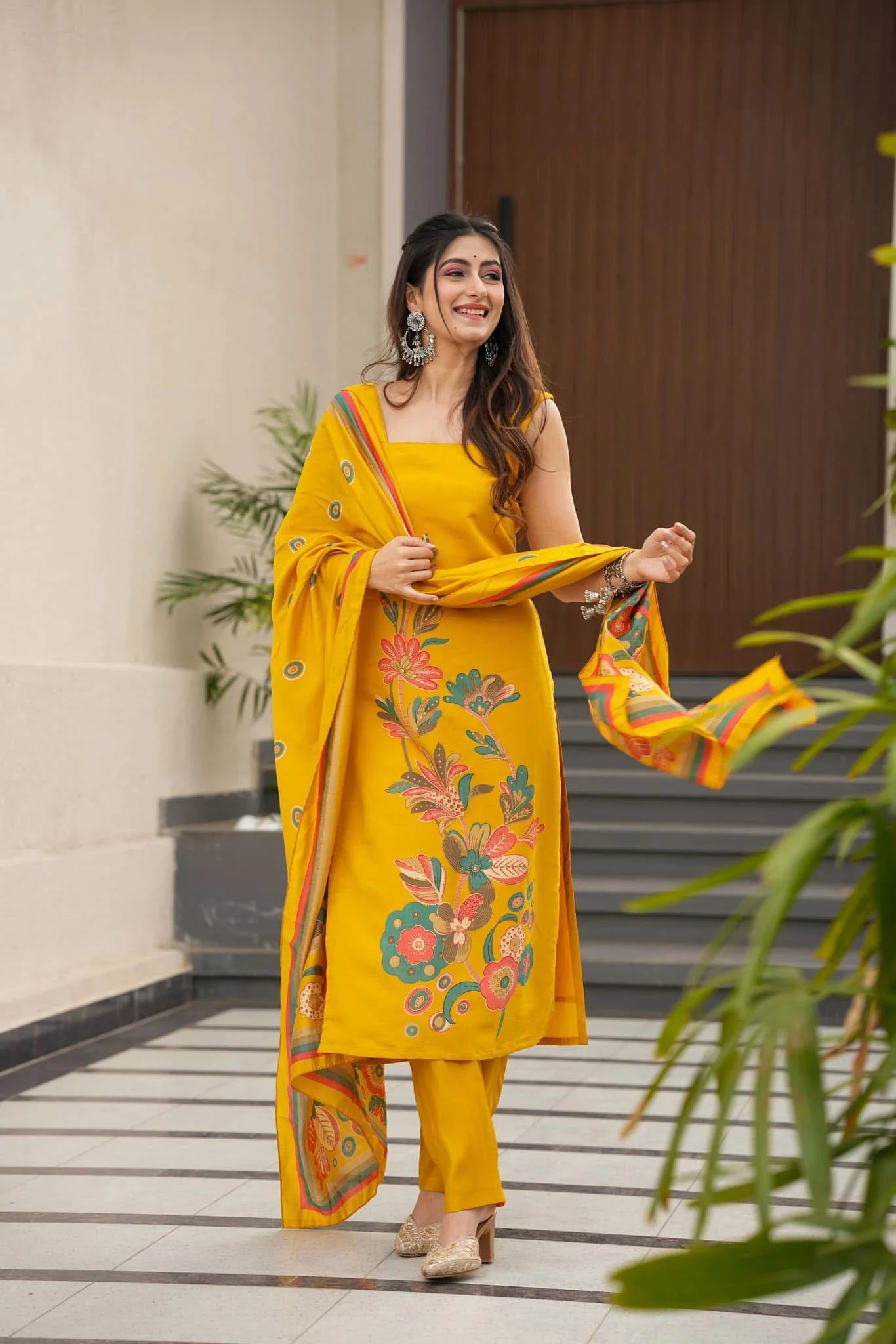
A printed suit with flat sandals, a crossbody bag and a simple watch creates an efficient outfit for errands or classes. Yellow Flower Printed Salwar Suit works as an useful example of a bright printed look; pair it with tan, cream or brown accessories instead of introducing another strong colour.
When a dupatta is optional for your setting, drape it once around the neck with both ends falling in front, or fold it compactly inside the bag until needed. A three-quarter sleeve and a straight or lightly flared hem usually provide a practical balance between coverage and movement.
For a relaxed weekend
Use softer colours, a looser trouser shape and minimal jewellery for a weekend outfit. Green Chanderi Embroidered Salwar Suit with Organza Dupatta has enough surface interest to stand alone, so pair it with plain footwear and avoid adding a heavily embellished bag.
For a gentler tonal look, Elegant Green Floral Silk Kurta Pant Dupatta Set can be styled with simple earrings and neutral sandals. Silk-inspired or silk garments need more attention to care and snag prevention than a basic daily kurta, so they're most useful for lighter schedules rather than rough travel days.
Which colours and prints are easiest to repeat?
Mid-tone greens, blues, pinks, lavender, yellow and earthy neutrals are easy to repeat when the accessories remain simple and the prints are not too occasion-specific. A repeatable wardrobe usually has more value in three compatible colours than in several isolated statement shades.
Green works with tan, ivory, brown and muted gold accessories. Pista Green Rayon Threadwork Salwar Suit can be worn with beige footwear for daytime, while a small gold-toned earring can make the same outfit feel more polished without changing the garment.
Teal pairs naturally with cream, charcoal, black and old-metal accessories. Teal Rayon Threadwork Salwar Suit is therefore an flexible choice for women who want colour without a very bright finish. Lavender can be balanced with olive, pure, taupe or soft grey, which explains why the lavender-and-olive combination in Lavender Chanderi Kurta with Olive Embroidered Palazzo Suit feel coordinated without matching every element exactly.
Floral prints are easiest to style when the accessory colour is taken from the print rather than chosen as a competing contrast. Keep large floral motifs for days when you want the kurta to be the focal point, and choose small or spaced prints when you need a quieter office appearance. Printed suits also make useful travel outfits because they can be worn with fewer accessories and still appear complete.
How should you style a daily wear salwar suit with a dupatta?
A daily wear salwar suit with a dupatta is easiest to manage when the drape is short, secure and proportionate to the kurta. A neatly folded shoulder drape, a single front loop or a two-shoulder arrangement can all work, depending on the fabric and activity.
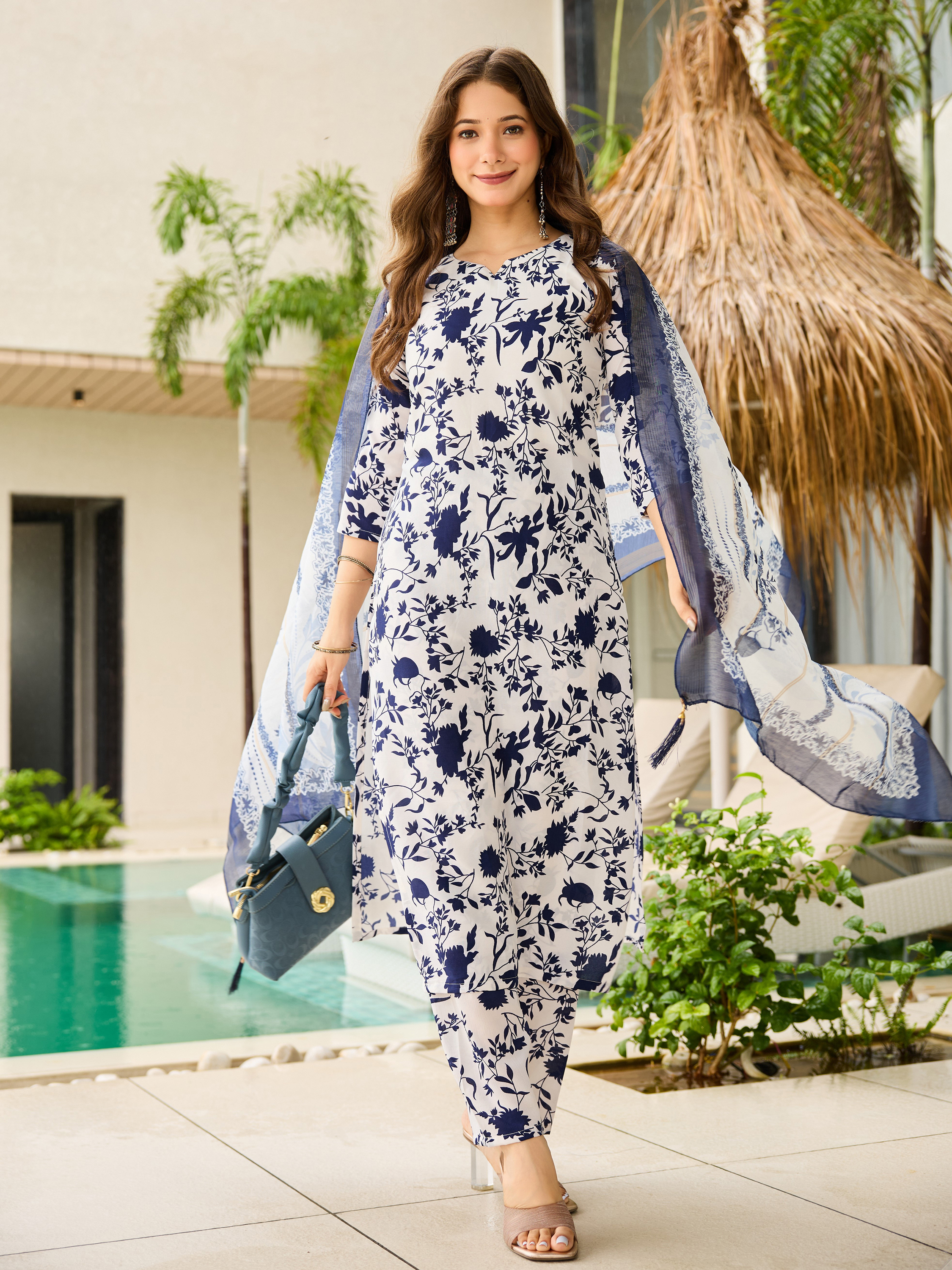
For a lightweight printed dupatta, fold the fabric lengthwise and place one end over the left shoulder, letting the other end fall near the hip. Add a small pin under the shoulder seam if you need stability. For an organza dupatta, avoid rough brooches and sharp jewellery because the open, crisp weave can snag; a concealed pin or a carefully placed shoulder tuck is safer.
When the kurta has embroidery, keep the dupatta plain or lightly detailed so the outfit doesn't become visually crowded. Conversely, a plain kurta can support a printed dupatta. The Purple SlubCharm Embroidered Salwar Suit already has texture and surface detail, so clean draping and understated footwear will usually look more balanced than layered necklaces.
Dupatta length also affects comfort. A very long dupatta may look graceful in photographs but can drag near wet floors, catch on bags or require repeated adjustment. For public transport and active days, a shoulder drape ending around the upper thigh or hip is generally easier to control than a loose floor-length arrangement.
How can simple salwar suits look festive without becoming impractical?
Simple salwar suits can look festive when one deliberate detail-threadwork, a richer colour, a refined fabric or an elegant dupatta-is supported by quiet accessories. A daily wardrobe doesn't need to turn every outfit into party wear; it needs adaptable pieces that can move from a workday to a small gathering.
For a family lunch or low-key celebration, wear Green Chanderi Embroidered Salwar Suit with Organza Dupatta with small jhumkas, a compact clutch and low heels. For an evening visit, Purple SlubCharm Embroidered Salwar Suit can take on a dressier mood with metallic sandals and a clean updo. Keep the makeup and jewellery proportionate to the embroidery so the outfit remains comfortable.
Daily wear Salwar Suit Dupatta styling becomes more versatile when you own two or three drapes rather than one complicated technique. A front loop is relaxed, a two-shoulder drape is more formal and a pinned shoulder drape is the safest choice for movement. These small changes can make the same suit appear different without buying a new outfit.
If you specifically want a salwar suit women party wear option, separate it from your daily rotation by checking the weight of the embellishment and the care requirement. Dense zari, sequins or delicate trims may be appropriate for a function but inconvenient for repeated daytime use. A lightly embroidered rayon or Chanderi suit gives a more realistic bridge between ordinary dressing and small occasions.
How do you build an useful everyday salwar suit wardrobe?
An useful everyday salwar suit wardrobe starts with four roles: one quiet office set, one printed set, one comfortable relaxed silhouette and one slightly dressier outfit. This approach prevents repeated purchases of nearly identical colours while ensuring that different parts of your week are covered.
Begin with a dependable printed or minimally embroidered set in a colour you already wear. Add one fluid rayon option, such as Teal Rayon Threadwork Salwar Suit, for comfort and movement. Add a Chanderi or palazzo silhouette for days when you want a more structured appearance, then keep one brighter floral or embroidered set for social plans.
When shopping for a daily wear suit under a fixed budget, compare the complete outfit rather than the kurta alone. Check whether the salwar or trousers and dupatta are included, whether the lining is comfortable, and whether the fabric will need specialist care. The Salwar Suits with 30% Off collection and Salwar Suits Flat 40% Off collection can be useful places to compare value, but a discount should not override fit or fabric suitability.
Dress materials can be a better option when you already have a trusted tailor or need to adjust sleeve length, kurta width or trouser shape. Dress Materials allow greater control over the final fit, while Red Dress Materials Under 2000 can help budget-conscious shoppers compare fabric and tailoring costs together. Remember to include stitching, lining and alteration charges in the actual budget.
Finally, inspect the garment in daylight. Check print alignment, embroidery edges, seam neatness, transparency and the fall of the trousers. A striking salwar suit becomes a genuinely useful purchase only when the garment fits your movement, climate and laundry routine.
Common Questions About Everyday Salwar Suit Styling
What is the best salwar suit for daily wear?
A straight or lightly flared salwar suit in breathable cotton, rayon or a lightweight blend is usually best for daily wear. Choose a moderate fit, manageable dupatta and restrained embroidery so the outfit remains comfortable and easy to maintain.
Which fabric is best for women’s daily wear salwar suits?
Cotton is a strong choice for hot weather because it is breathable, while rayon offers a fluid drape and soft movement. Chanderi can work for polished daytime dressing, but its care and texture should suit your routine before you buy.
How can I style a daily wear salwar suit with a dupatta?
Fold the dupatta lengthwise and use a pinned shoulder drape, a simple front loop or an even two-shoulder arrangement. Choose the pinned option for commuting and active days, and avoid sharp jewellery with delicate organza.
Which salwar suit is trending now for everyday wear?
Straight kurta sets, palazzo suits, floral prints and light threadwork are currently practical directions for everyday dressing. The most wearable choice is the trend that matches your climate, movement and preferred care routine.
Can a simple salwar suit work as party wear?
A simple salwar suit can work for a small celebration when it has one refined feature such as Chanderi texture, light embroidery, a rich colour or an elegant dupatta. Add modest jewellery and dressier footwear instead of combining several heavy details.
How do I choose an affordable daily wear suit online?
Compare the full set contents, fabric, measurements, lining, care instructions and alteration needs before comparing discounts. A lower-priced suit is worthwhile only when the fit and maintenance requirements make it practical for repeated use.