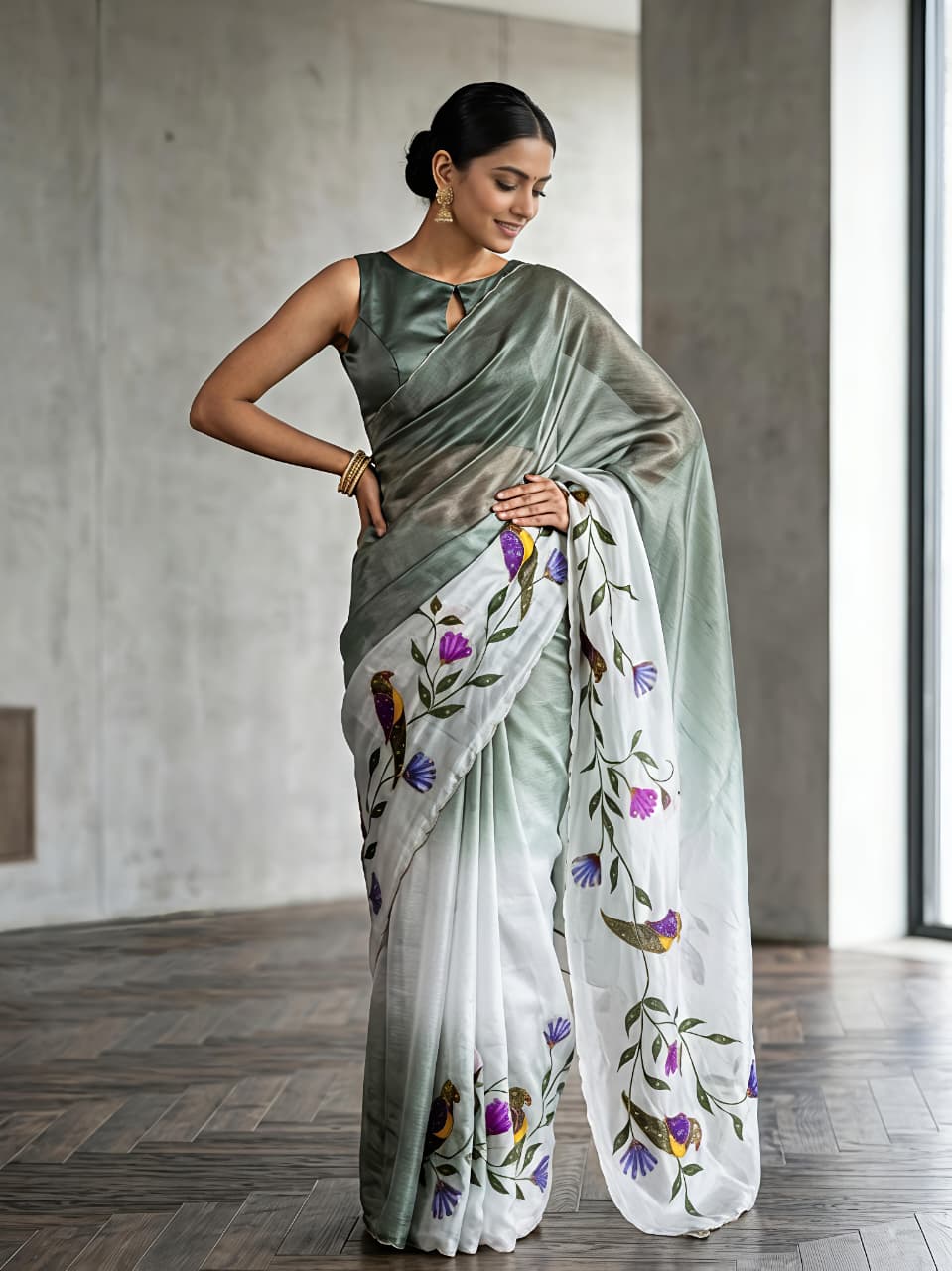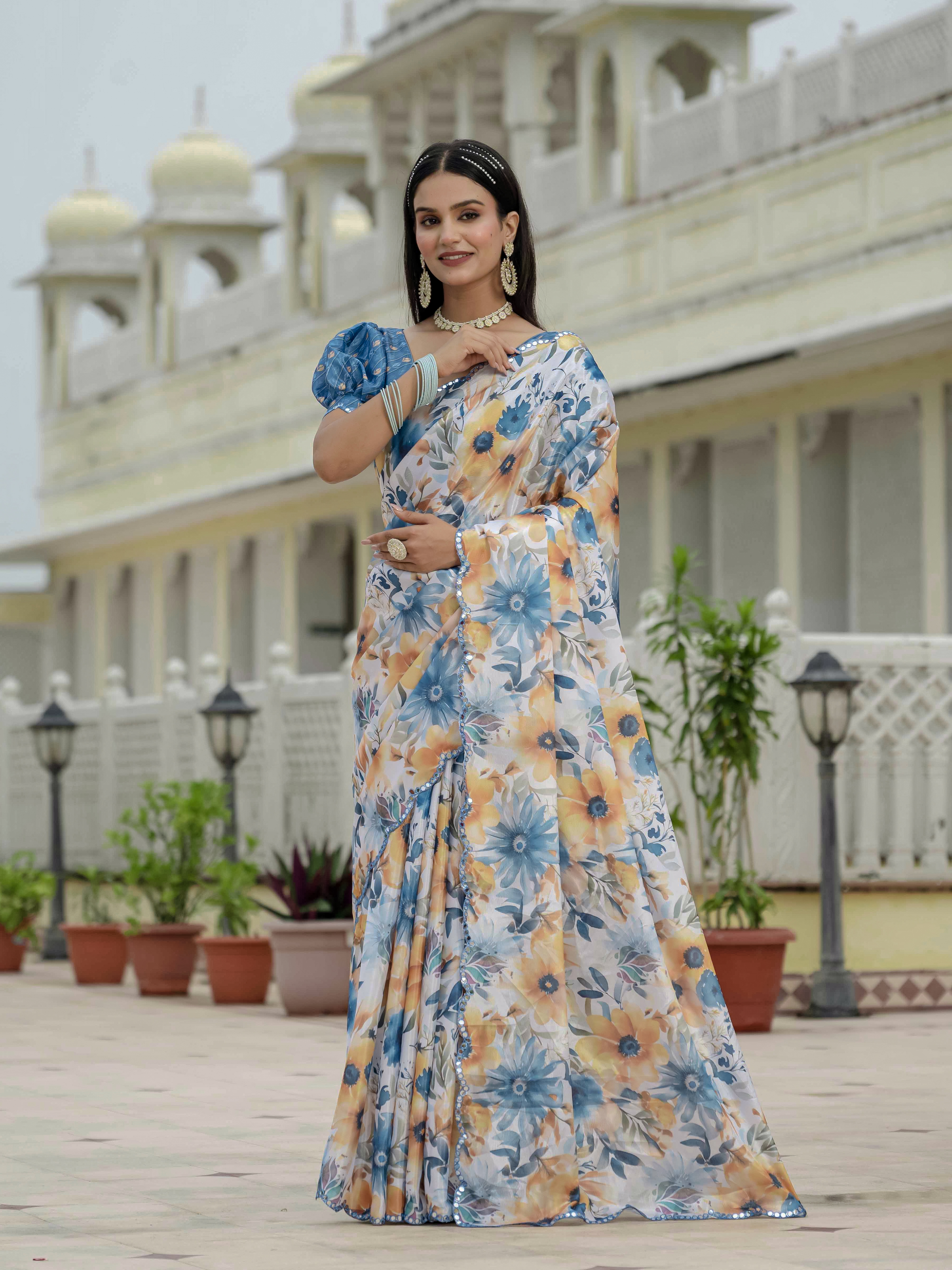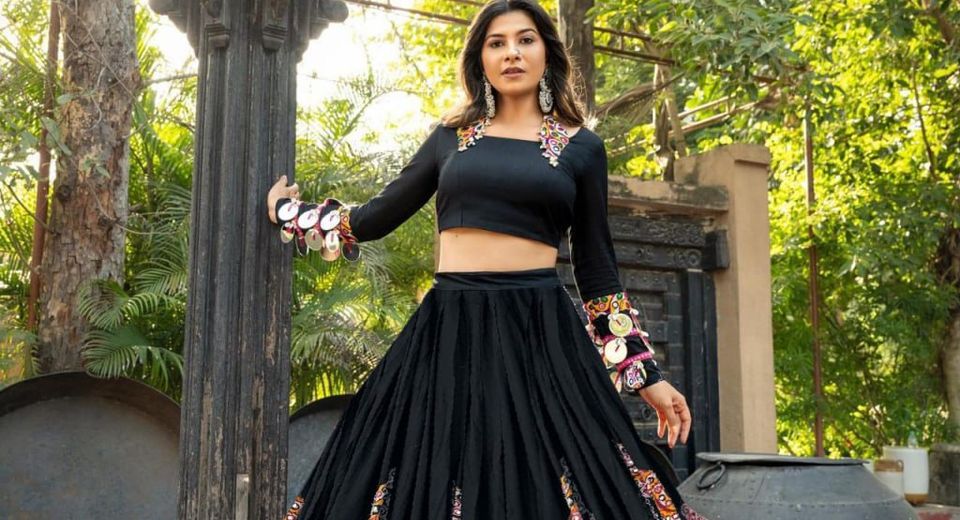
Sikkim Winter Wedding Fashion requires more planning than simply adding a shawl to a festive outfit. A December or January celebration in Gangtok, Namchi or Pelling can move between bright sunshine, cold wind and sharply chilly evenings, while wedding venues may involve stone floors, open courtyards or short uphill walks. Sarees, suits and lehengas can all work beautifully when the fabric, lining, layers and footwear are chosen for the location.
The most reliable approach is to build the outfit around one warm base layer, one occasion-appropriate main garment and one outer layer that can be removed for photographs. The result should keep you comfortable during a ceremony without hiding the embroidery, pleats or silhouette that make Indian wedding clothing special.
Sikkim Winter Wedding Fashion and the Mountain Climate
Sikkim winter weddings are shaped by altitude, strong daytime sunlight and quick temperature changes. Gangtok sits at approximately 1,650 metres, and temperatures in winter can fall close to freezing at night even when afternoons feel pleasant; higher destinations such as Pelling can feel colder, particularly after sunset.
Travel time also affects clothing decisions. A guest arriving from a warmer city may notice the cold immediately, while a local celebration may include outdoor photographs, a procession or a ceremony in a semi-open venue. A sleeveless blouse or sheer net dupatta that feels comfortable indoors can become impractical during a late-evening pheras or reception.
Check the forecast for the exact town and event date rather than relying on a general Sikkim forecast. Pack for the coldest part of the schedule, usually between 7 pm and 7 am, and choose layers that can be folded into a garment bag without crushing delicate zari or mirror work.
An useful packing rule is to carry one additional warm layer for every event that lasts beyond two hours outdoors. A compact wool shawl, thermal camisole, closed footwear and warm socks take up less space than a bulky coat and can protect an outfit from sudden drops in temperature.
Sikkim Winter Wedding Fashion Fabric Choices
Silk, velvet, brocade, wool blends and lined georgette provide more warmth than unlined chiffon, organza or fine net. Fabric weight matters, but a lining and the number of layers between the body and the outside air matter just as much.
Saree fabrics for cold weather
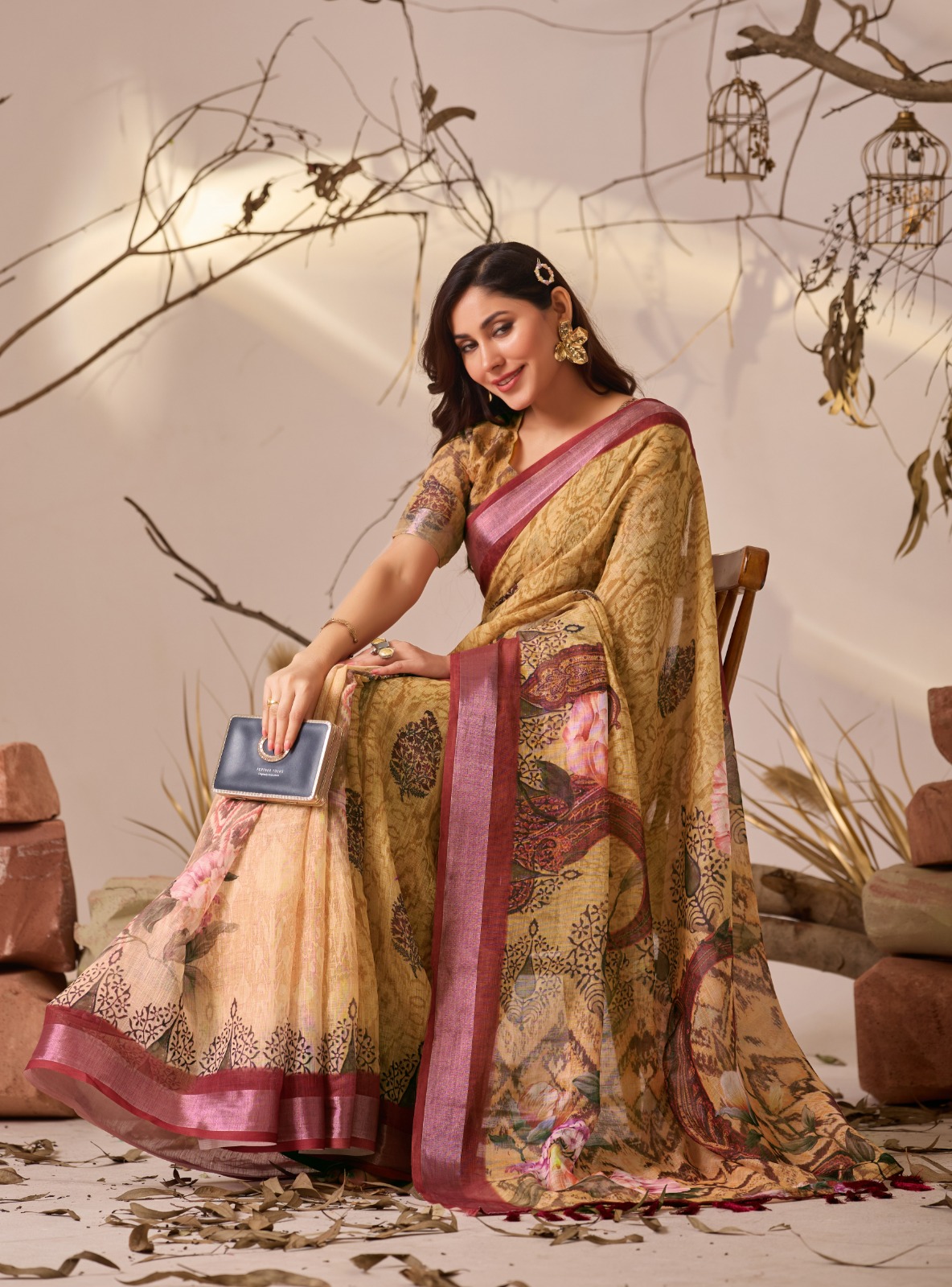
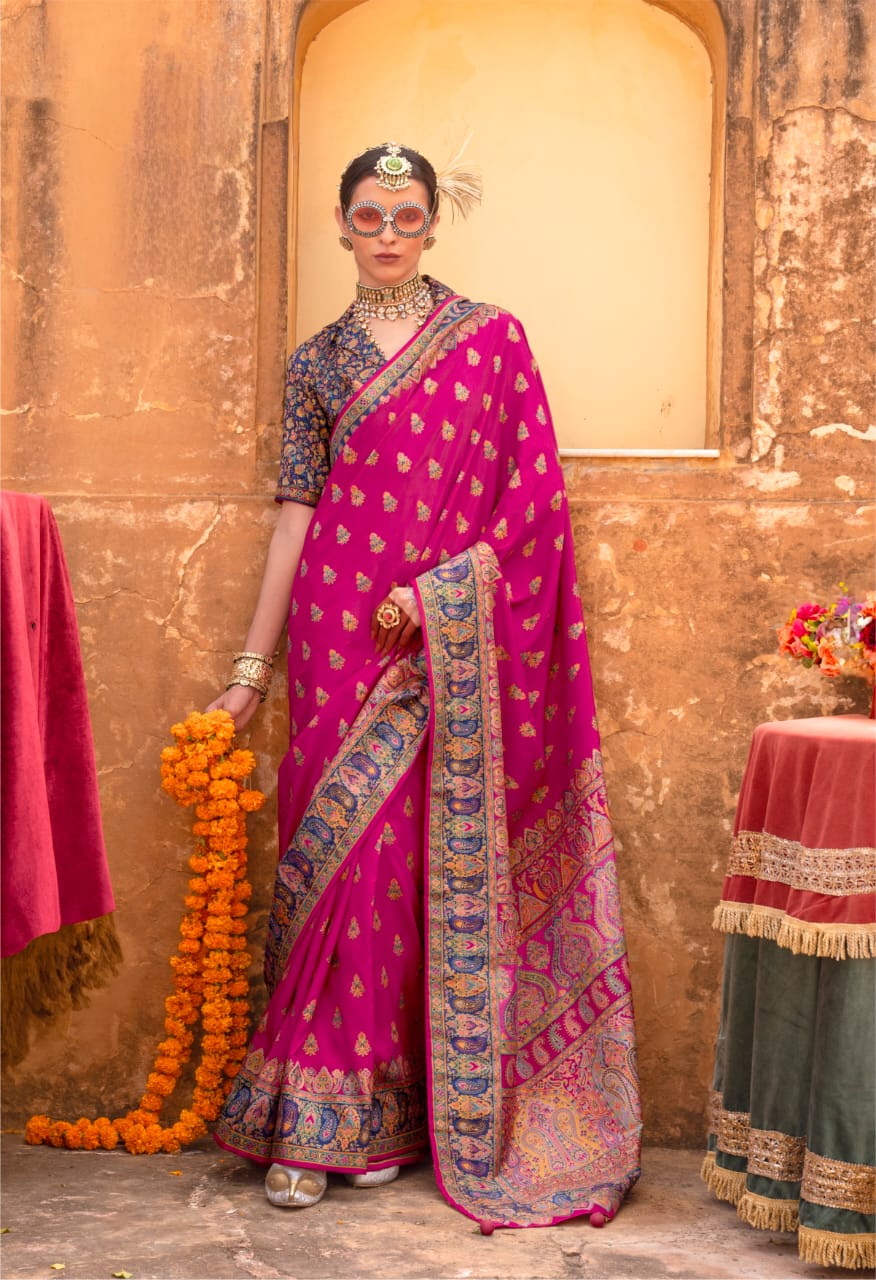
Banarasi silk, Kanjeevaram silk, raw silk and thicker silk blends are dependable winter saree choices because their dense weave blocks some wind and holds the shape of pleats. A silk saree with a full-sleeved blouse creates a warmer outfit than a lightweight sheer saree with a sleeveless blouse.
Chanderi can still work for a Sikkim wedding, but Chanderi silk is more suitable with a thermal camisole, a lined blouse and a substantial shawl. A pashmina-style wrap or wool stole is more useful than a very light decorative dupatta when the event includes outdoor time.
Suit fabrics that travel well
Silk-blend salwar suits, velvet-trimmed suits, brocade kameezes and lined crepe provide warmth while remaining easier to manage than a large lehenga during travel. A straight-cut kameez with churidar or cigarette trousers leaves room for a thin thermal legging underneath.
For a winter wedding suit, choose a dupatta with enough width to cover the shoulders and upper arms. A woven Banarasi dupatta, velvet-bordered dupatta or wool-silk stole can serve as both an accessory and an extra layer during the ceremony.
Lehenga fabrics and lining
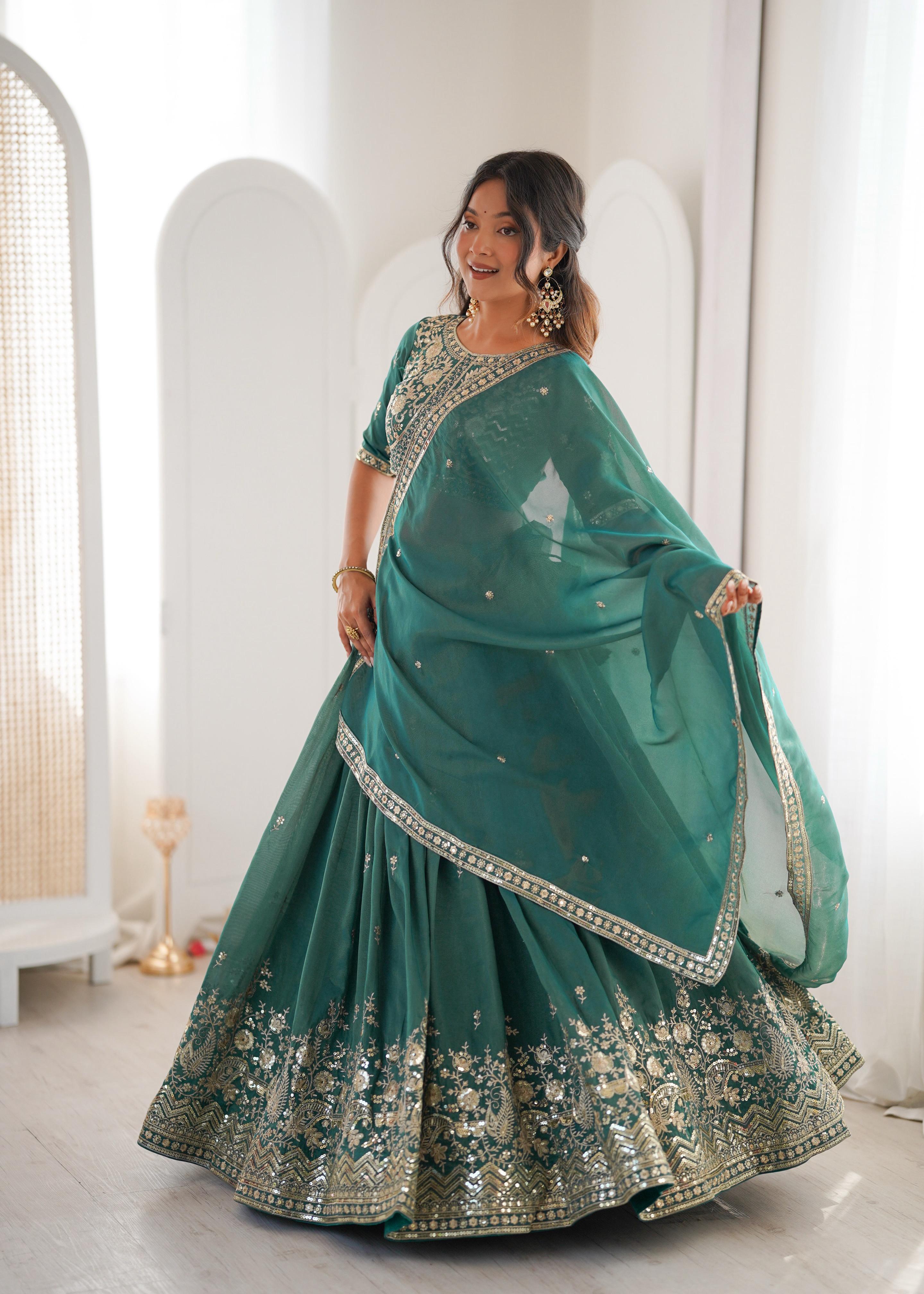
Silk, velvet panels, brocade and a well-lined satin or crepe skirt are more comfortable than a single layer of net in cold weather. Net remains useful for volume and surface detail, but net alone doesn't provide meaningful insulation.
Designer Threadwork Silk Lehenga Choli Set with Dupatta demonstrates why silk is useful for a mountain wedding: the main fabric offers structure and a denser surface, while the dupatta can be draped around the shoulders during travel. Mint Embroidered Lehenga Set with Net Dupatta for Women can also work when worn over a full-sleeved inner blouse or a thin fitted thermal layer.
Sikkim Winter Wedding Fashion Layering for Lehengas
A winter lehenga should be layered from the skin outward, with fitted warmth underneath and visual volume on top. Start with a seamless thermal camisole or long-sleeved inner top, add a lined choli, wear a petticoat or underskirt beneath the lehenga, and finish with a dupatta or shawl.
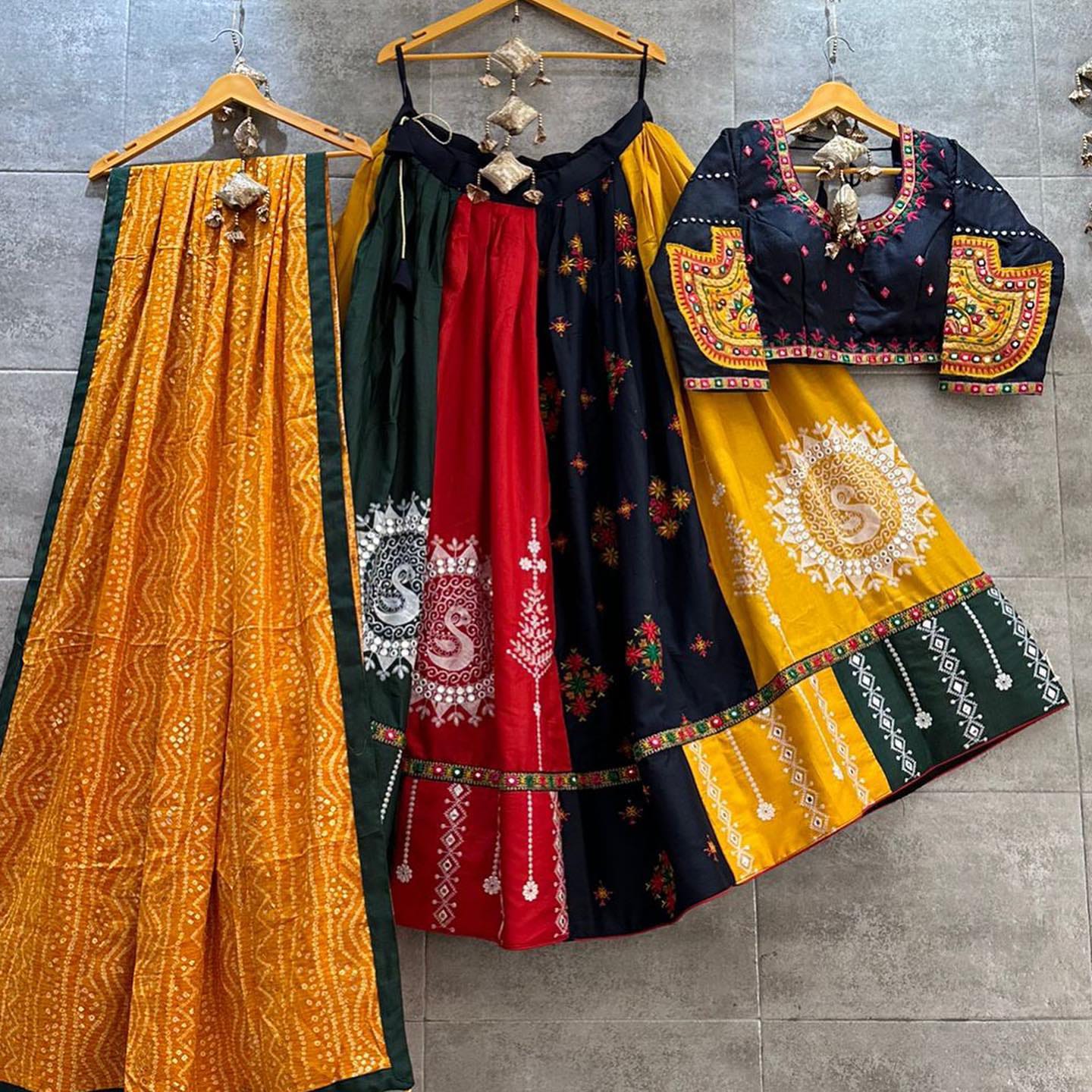
Choose a thermal layer in a colour close to the blouse instead of a contrasting shade. Nude, ivory, black or deep wine thermals are easier to conceal beneath embroidery. Avoid bulky sweaters under a fitted choli because excess fabric can create folds at the bust, waist and armhole.
A tailor can add a lightweight cotton or satin lining to a lehenga without changing its outer appearance. Ask for a lining that ends slightly above the hem if the skirt already has a stiff net border; a full-length lining that catches on footwear can make walking difficult.
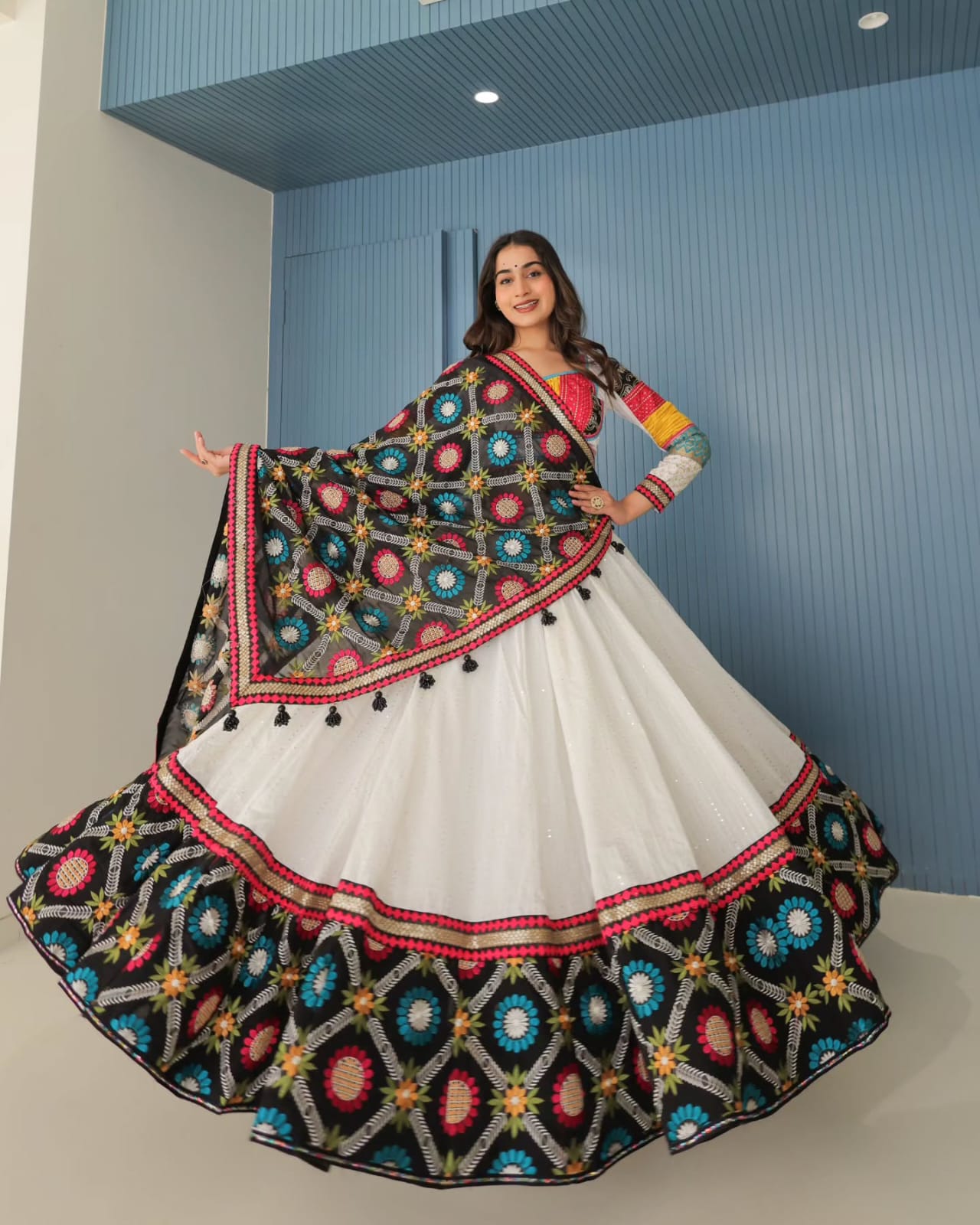
Festive White Lehenga Choli with Mirror Work Design needs particular attention to lining because white and pale fabrics can reveal darker thermals. A white, ivory or skin-tone base layer will preserve the clean appearance of the skirt. Cream Peacock Embroidered Net Lehenga Set for Women benefits from the same approach, especially when the event includes photography in bright daylight.
Use the dupatta as a practical layer rather than carrying it only as a styling prop. A double-sided drape across one shoulder provides more coverage than a narrow front fall, while a pinned shoulder pleat prevents the fabric from slipping when you're walking on uneven ground.
Test the complete layered outfit at home at least one week before the wedding. Sit on a chair, climb stairs, walk for ten minutes and raise both arms. These simple tests reveal whether a thermal sleeve pulls against the choli, whether the skirt hem catches under a shoe or whether the dupatta needs an additional discreet pin.
Sikkim Winter Wedding Fashion Saree Styling
A winter saree is easiest to manage when the underskirt, blouse and pleats are secured before leaving for the venue. Wear a firm cotton or satin petticoat, place the saree at a comfortable height above the shoe, and use small safety pins at the shoulder and waist without piercing visible zari.
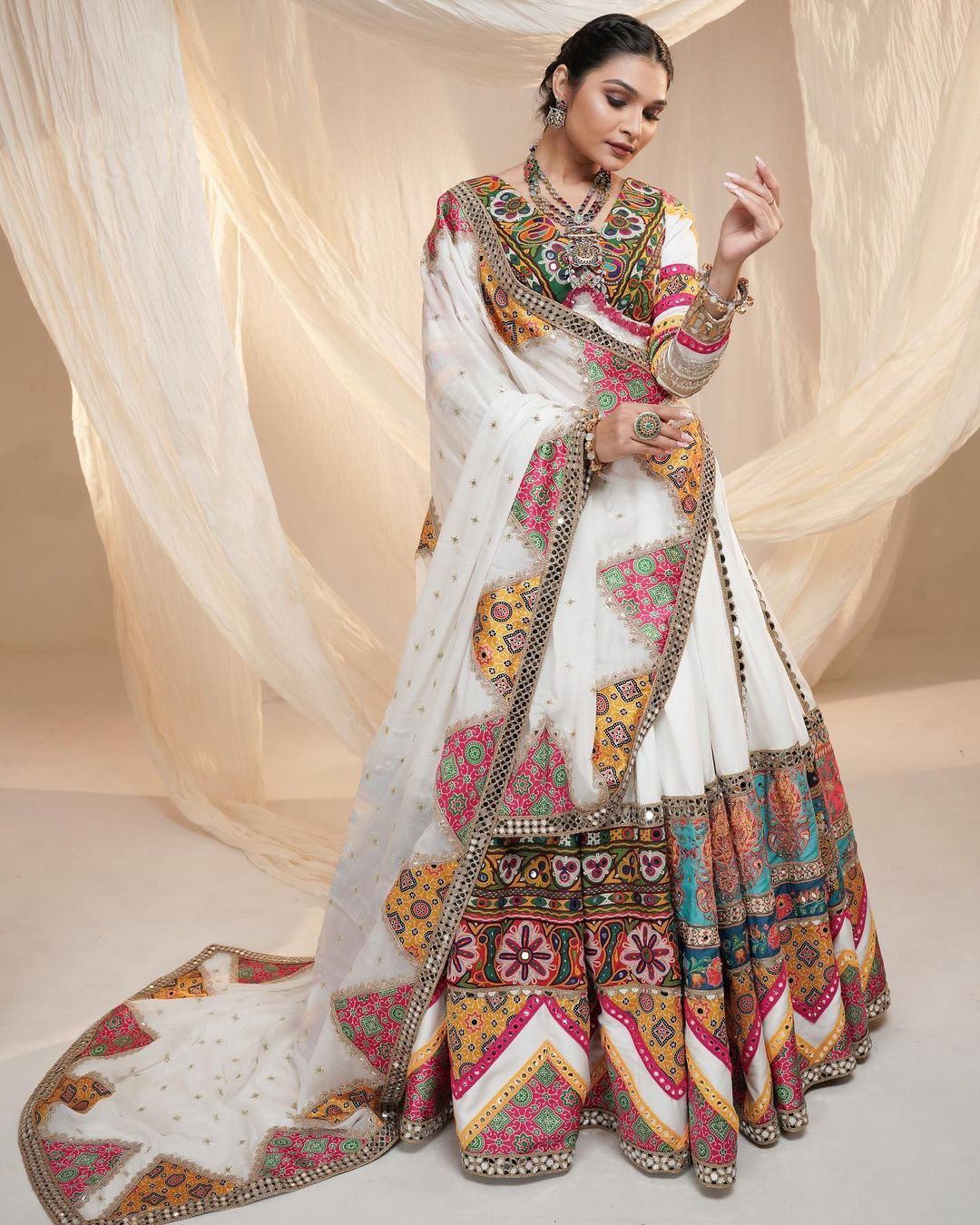
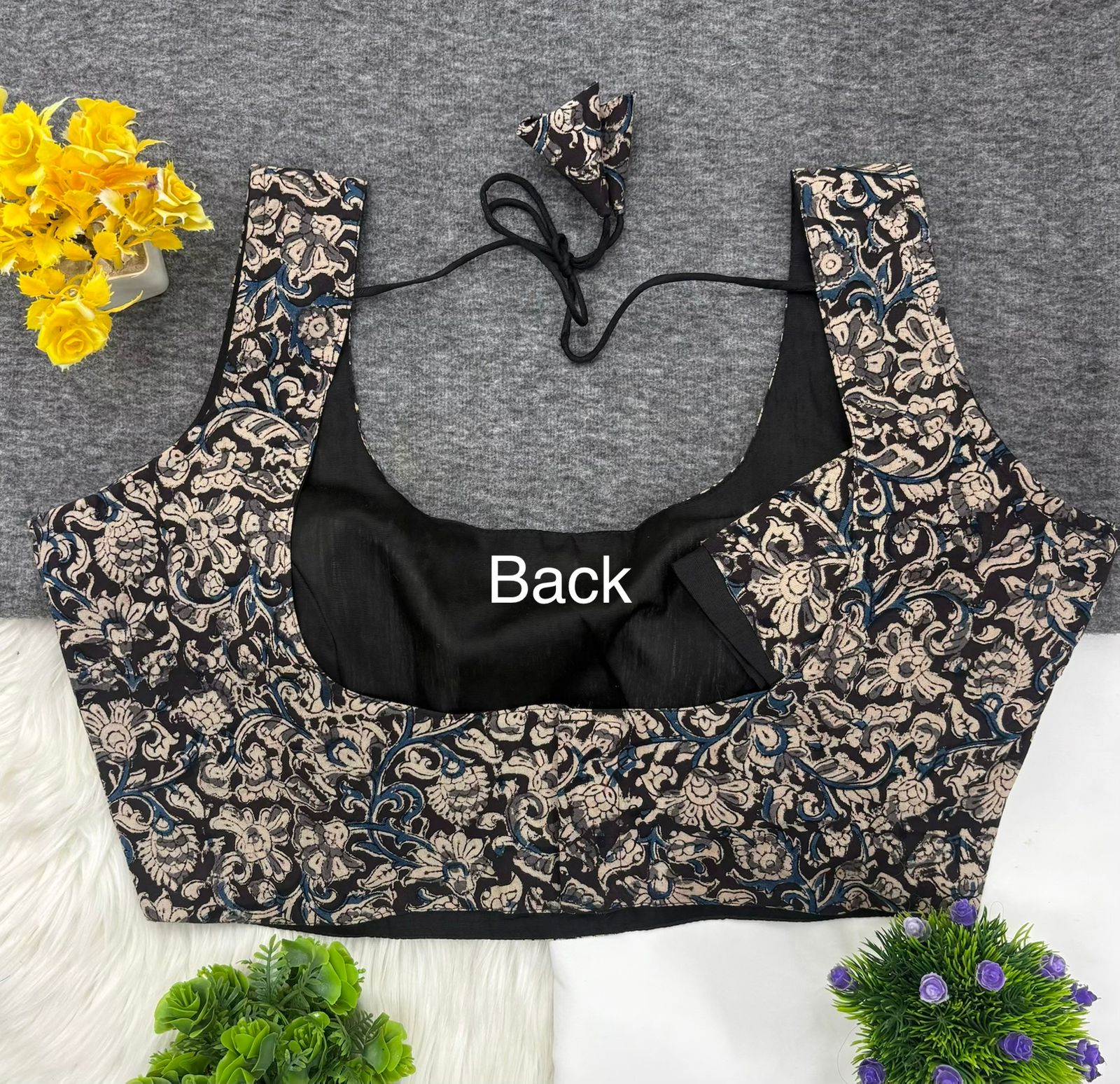
Full sleeves, elbow-length sleeves and high necklines make a saree blouse more suitable for Sikkim evenings. Velvet sleeves can add warmth and texture, while a silk blouse creates a coordinated look with Banarasi silk or Kanjeevaram. A blouse with a back closure is also safer than a loosely tied style when you'll be wearing a shawl over it.
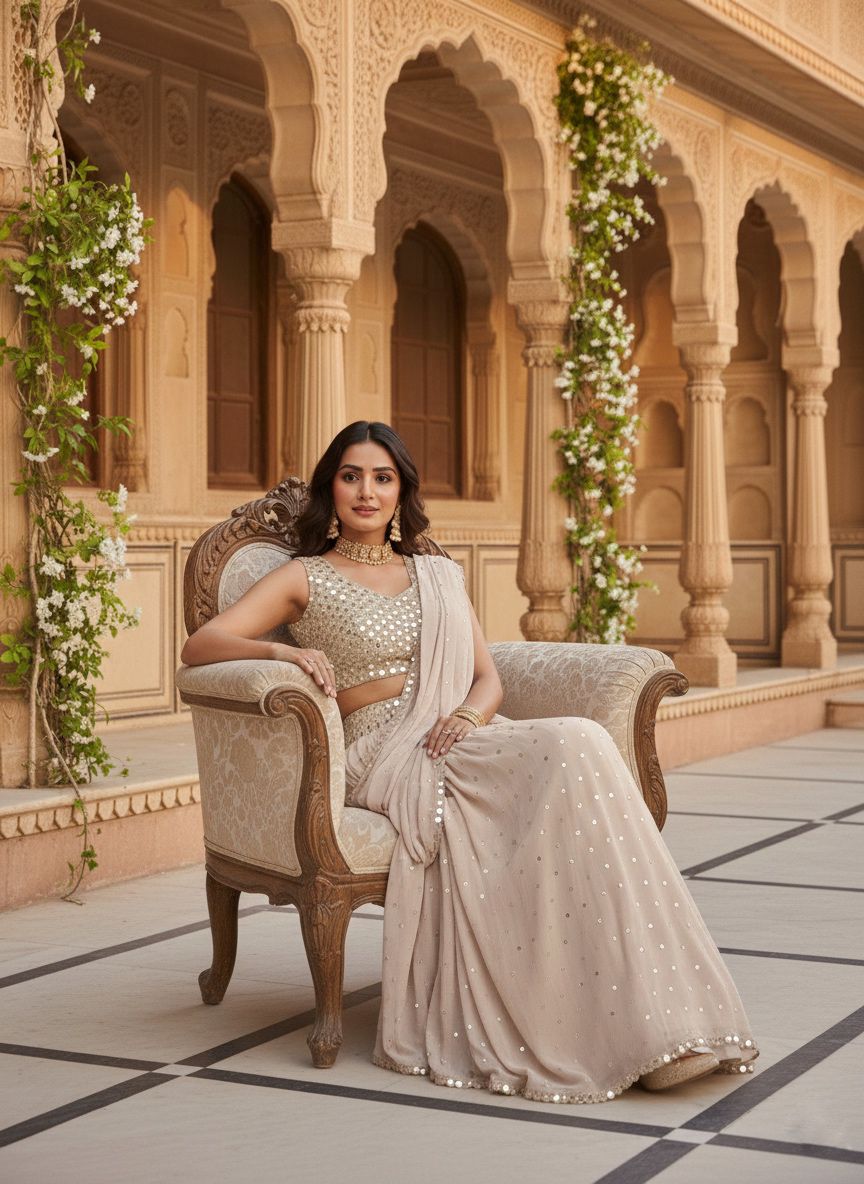
Beige Mirror Work Ready to Wear Saree with Blouse is practical for guests who need a quicker dressing process. A ready-to-wear saree can be paired with a long-sleeved blouse or a fitted thermal top beneath the existing blouse, provided the extra layer doesn't pull at the armhole.
Keep the pallu close to the body during outdoor photographs. Pinning the pallu at the shoulder and waist creates a cleaner outline, leaves both hands free and reduces the chance of mirror work catching on a shawl or handbag.
Choose footwear before finalising the saree length. A saree hem should sit approximately 1 to 2 centimetres above the sole or floor line when worn with the actual wedding shoes. That small clearance helps prevent dampness, mud and loose stones from catching the fabric during an outdoor ceremony.
Sikkim Winter Wedding Fashion Colours and Embellishment
Deep jewel tones, warm neutrals and carefully chosen pastels photograph well against Sikkim's green hills, mist and winter light. Emerald, rust, wine, plum, navy, maroon, mustard and antique gold create visual depth in overcast conditions, while ivory, blush and mint look luminous in daytime ceremonies.
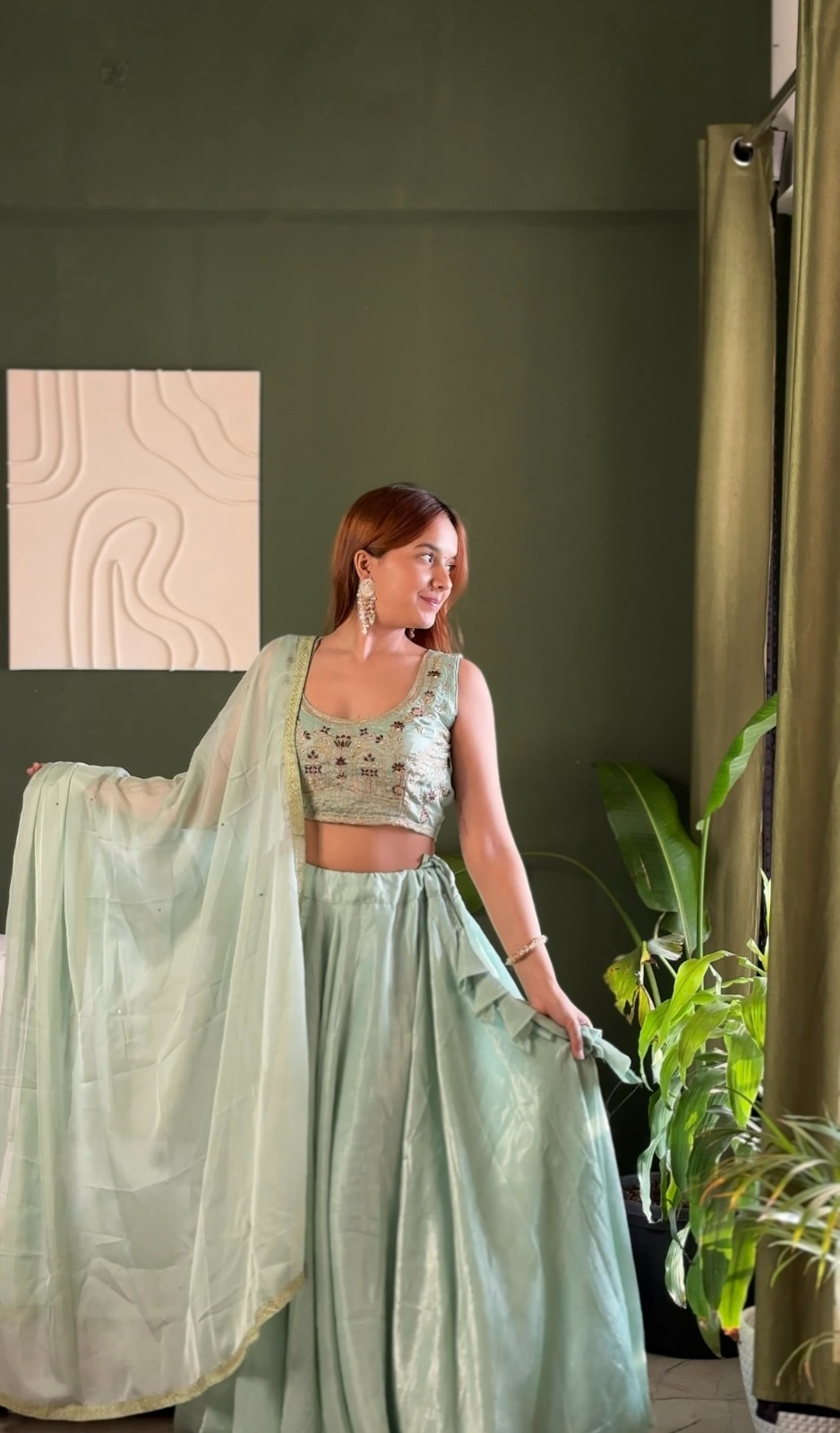
Reflective embellishment should match the time of day. Mirror work and bright zari catch sunlight handsomely for a Haldi ceremony or afternoon engagement, but a heavily reflective outfit can appear stark under direct flash at night. Threadwork, tonal sequins and antique-gold embroidery are often easier to photograph at an evening reception.
Stylish Multicolor Butter Silk Lehenga Choli Set can suit a daytime function because its multicolour surface gives the outfit energy without depending entirely on silver sparkle. Black Wedding & Festive Wear Designer Lehenga brings a stronger evening direction, particularly when balanced with antique-gold jewellery, a coloured dupatta or warm-toned makeup.
Haldi clothing should allow movement and tolerate turmeric stains. Haldi Lehengas Under 5500 is an useful collection reference for choosing brighter silhouettes that don't require a fragile, floor-length train. A shorter hem, washable lining and secure blouse are sensible for sitting on the floor or participating in rituals.
White, cream and pale pink outfits need practical protection in mountain venues. Apply makeup and hair products before putting on the garment, carry a clean cotton cloth for accidental spills and avoid placing a pale dupatta directly on damp stone, wooden benches or outdoor railings.
Sikkim Winter Wedding Fashion for Every Function
The right garment depends on the activity, temperature and amount of time spent outdoors, not only on the formality of the invitation.
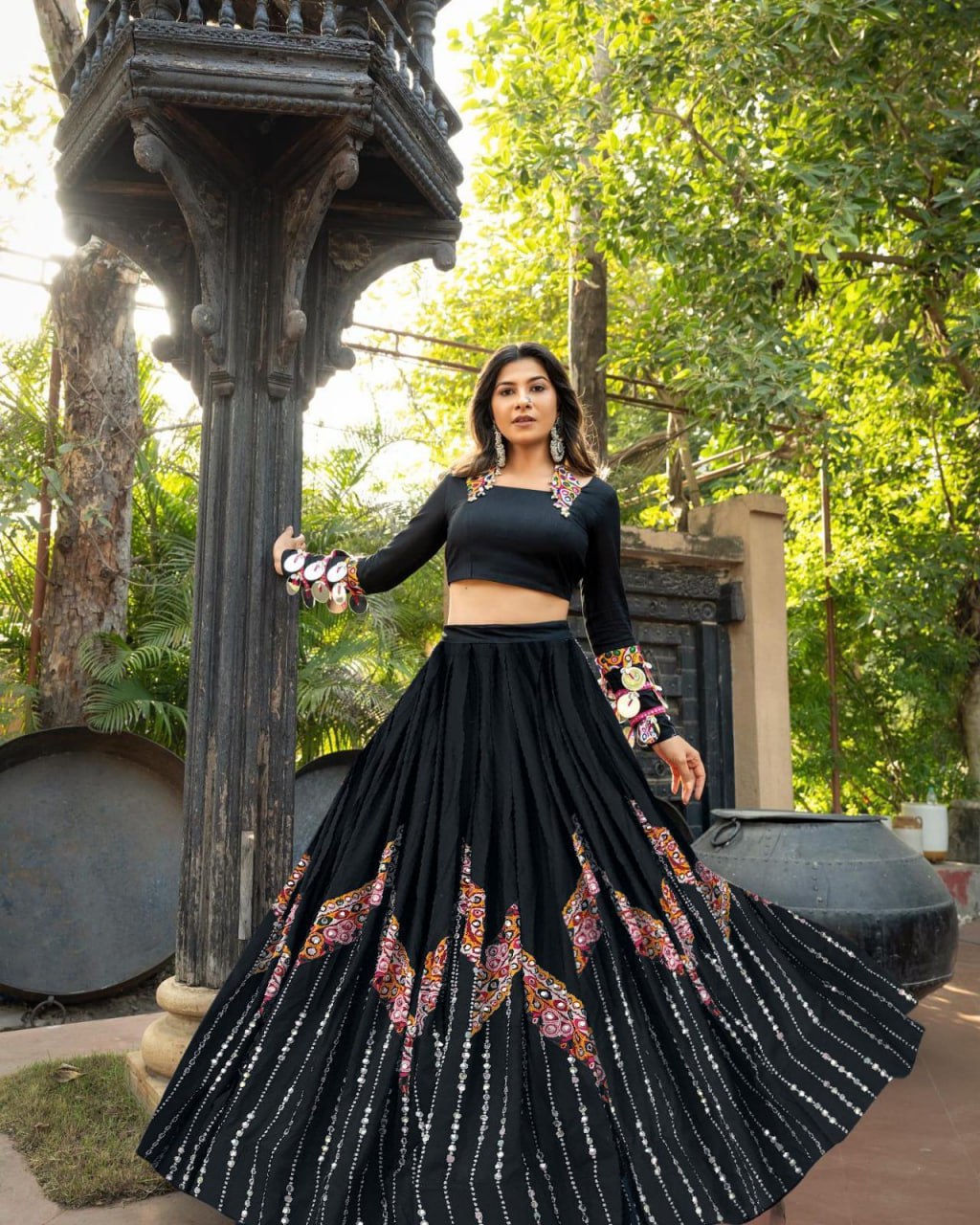
Haldi ceremony
A Haldi ceremony calls for a light, easy-to-wash outfit with a manageable hem. Yellow, marigold, lime, pink and coral are traditional choices, but silk-blend separates or a shorter lehenga can be more practical than heavily embellished bridal wear.
Keep jewellery modest and secure, because turmeric paste, water and movement can damage delicate pieces. Choose flat embellished juttis or closed-back footwear if the ceremony takes place on grass, stone or a sloping surface.
Mehendi and daytime celebrations
A daytime Mehendi outfit can use lighter colours and breathable layers because sunlight may make a heavily insulated garment uncomfortable. A Chanderi suit, silk-blend saree or butter silk lehenga paired with a lined blouse gives a good balance between festive appearance and mobility.
Pink Lehengas Under 4000 with 50% Discount can guide guests looking for bright pink silhouettes at a lower budget, while Net Lehengas Under 4500 with 51% Discount brings volume and surface detail. Add warmth through a fitted inner layer rather than choosing an excessively heavy skirt for a daytime event.
Sangeet and reception
An evening Sangeet or reception calls for a secure silhouette that allows dancing and movement. A lehenga with a moderate flare, a pre-pleated saree or a palazzo suit is easier to manage than a long train on a crowded floor.
Elegant Mirror Work Navratri Lehenga Choli Set can provide a lively, reflective look for an evening function, but pair mirror work with a secure blouse and low, stable footwear. Bridesmaids who expect to move between tables, photographs and dance performances should avoid sleeves, tassels or dupattas that snag easily.
Wedding ceremony
A wedding ceremony usually benefits from a more structured outfit with secure pleats, a lined blouse and a dupatta that stays in place during sitting and standing. A silk lehenga, brocade suit or heavier saree gives enough visual formality for the ceremony while providing more warmth than transparent occasion fabrics.
Bridesmaid Lehengas Under 5500 is an useful budget reference when several attendants need coordinated outfits without identical styling. Silk Lehengas Under 3000 can also help guests compare denser fabrics and simpler embroidery at a controlled price point.
Sikkim Winter Wedding Fashion Travel and Care Tips
Pack embellished garments in breathable cotton covers rather than sealed plastic bags. Fold a lehenga along its existing seam lines, place acid-free tissue between mirror work or zari-heavy sections, and keep the blouse and dupatta in separate soft bags to reduce abrasion.
don't iron zari, sequins, mirror work or velvet directly. Use a steamer from a safe distance, place a cotton cloth between the steam source and delicate embroidery, and test the method on an inside hem first. A hotel bathroom with high humidity can release minor creases, but hanging a garment near a direct heater can dry or distort silk and synthetic fibres.
Allow cold garments to reach room temperature before packing them tightly after an outdoor event. Brush off dry dirt gently with a soft clothes brush, but don't rub turmeric, oil or makeup stains into the weave. Professional dry cleaning is safer for silk, velvet, zari and dense embroidery than home washing.
Carry a small emergency kit containing safety pins, double-sided fashion tape, a sewing needle, matching thread, stain-removal wipes, blister plasters and two spare hooks. Add warm socks and a compact shawl even when the outfit already includes a dupatta, because mountain weather can change faster than a wedding schedule.
Finally, reserve enough time for dressing after travel. Repeated folding in a car or bus can crease a saree or distort a lehenga waistband, while rushing over uneven paths can damage a hem. Comfortable layering, secure construction and sensible footwear will make the outfit look better because you'll be able to move naturally throughout the celebration.
Questions About Sikkim Winter Wedding Fashion
What should I wear to a winter wedding in Sikkim?
Choose a lined silk or brocade lehenga, a full-sleeved saree blouse or a silk-blend suit, and carry a wool shawl or warm stole. Add a thin thermal layer and closed footwear if the event includes outdoor photographs or an evening ceremony.
Which lehenga fabric is warmest for a Sikkim wedding?
Velvet, silk, brocade and satin-lined lehengas generally provide more warmth than unlined net, chiffon or organza. A well-fitted thermal layer under the blouse and a lined skirt can make a lighter lehenga suitable for a daytime function.
Can I wear a saree to a winter wedding in Gangtok?
Yes, a saree works well in Gangtok when paired with a full-sleeved blouse, a firm underskirt and a wool or pashmina-style shawl. Banarasi silk, Kanjeevaram silk and heavier silk blends are more comfortable than very sheer fabrics after sunset.
How can I keep warm under a lehenga without making it bulky?
Wear a thin seamless thermal camisole or fitted long-sleeved inner layer, then use a lined blouse and skirt. Select a thermal colour close to the outfit and avoid thick sweaters, which can create visible folds around the armholes and waist.
What footwear is practical for a Sikkim wedding venue?
Choose closed-back juttis, low block heels or embellished flats with textured soles. Stable footwear is safer than narrow stilettos on stone paths, grass, slopes and uneven outdoor surfaces, and warm socks can be hidden beneath a full-length lehenga.
Which colours photograph well at a winter wedding in Sikkim?
Emerald, wine, plum, rust, navy, mustard, maroon and antique gold stand out against misty hills and muted winter light. Ivory, blush and mint work especially well for daytime events, but pale fabrics should be paired with light-coloured lining and careful stain protection.