Sikkim Wedding Lehenga Ideas Inspired by Traditional Fashion start with respect for the region's layered clothing, vivid textiles and cultural diversity. Sikkim's wedding dressing isn't defined by one single lehenga tradition: Bhutia, Lepcha and Nepali communities each bring different garments, colours and styling practices. A modern lehenga can therefore borrow visual ideas-such as rich red, saffron, green, blue, woven borders and graceful layering-without pretending to reproduce a traditional costume.
The most successful interpretation balances celebration with context. A fully stitched choli and skirt may provide the familiar lehenga silhouette, while the dupatta, jewellery, colour placement and drape can acknowledge Sikkim's mountain cultures. The result feels personal, practical and festive rather than like a costume assembled from disconnected regional references.
What makes Sikkim-inspired wedding dressing distinctive?
Sikkim-inspired wedding dressing is distinctive because it combines layered silhouettes, saturated colour, textile texture and community-specific heritage. Bhutia clothing commonly includes the bakhu, a wrap-style garment worn with a blouse and belt; Lepcha dress includes garments such as the dumdyam and distinctive shoulder or head coverings; Nepali communities contribute sari, gunyu cholo and other South Asian styles.
These traditions developed for Sikkim's cool mountain climate, so layering is functional as well as decorative. A wrap, shawl, fitted inner blouse or structured belt can add warmth and visual depth. When translated into a lehenga, those ideas work especially well for winter weddings, outdoor ceremonies and evening receptions.
Traditional Sikkim fashion also demonstrates why silhouette matters as much as surface decoration. A simple garment gains character through the way fabric crosses the body, how a waistband defines the waist and how a contrasting border frames the outfit. A lehenga inspired by Sikkim should therefore not depend only on heavy sequins; its proportion and styling should carry part of the story.
Sikkim Wedding Lehenga Ideas Inspired by Traditional Fashion for each wedding function
The best outfit choice depends on the function's time, movement and level of ritual. A ceremony, Haldi ceremony, Mehendi, reception and sangeet each allow a different interpretation of Sikkim-inspired colour and layering.
Haldi ceremony and Mehendi
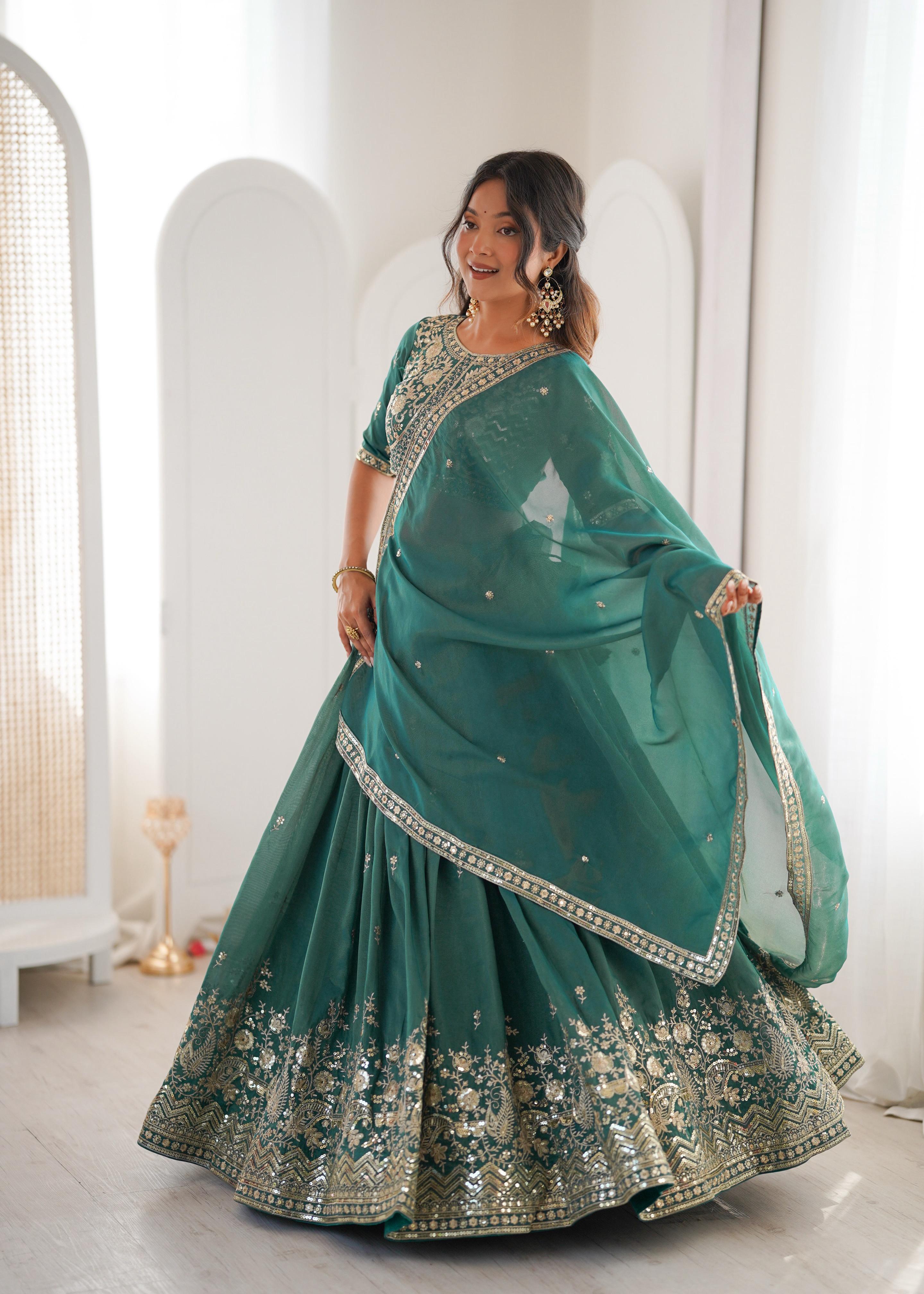
Yellow, green and lighter botanical shades suit daytime pre-wedding functions because they photograph well in natural light and remain comfortable during movement. A Yellow Lehengas edit can guide a Haldi ceremony look, while Green Lehengas offers a cooler alternative for Mehendi.
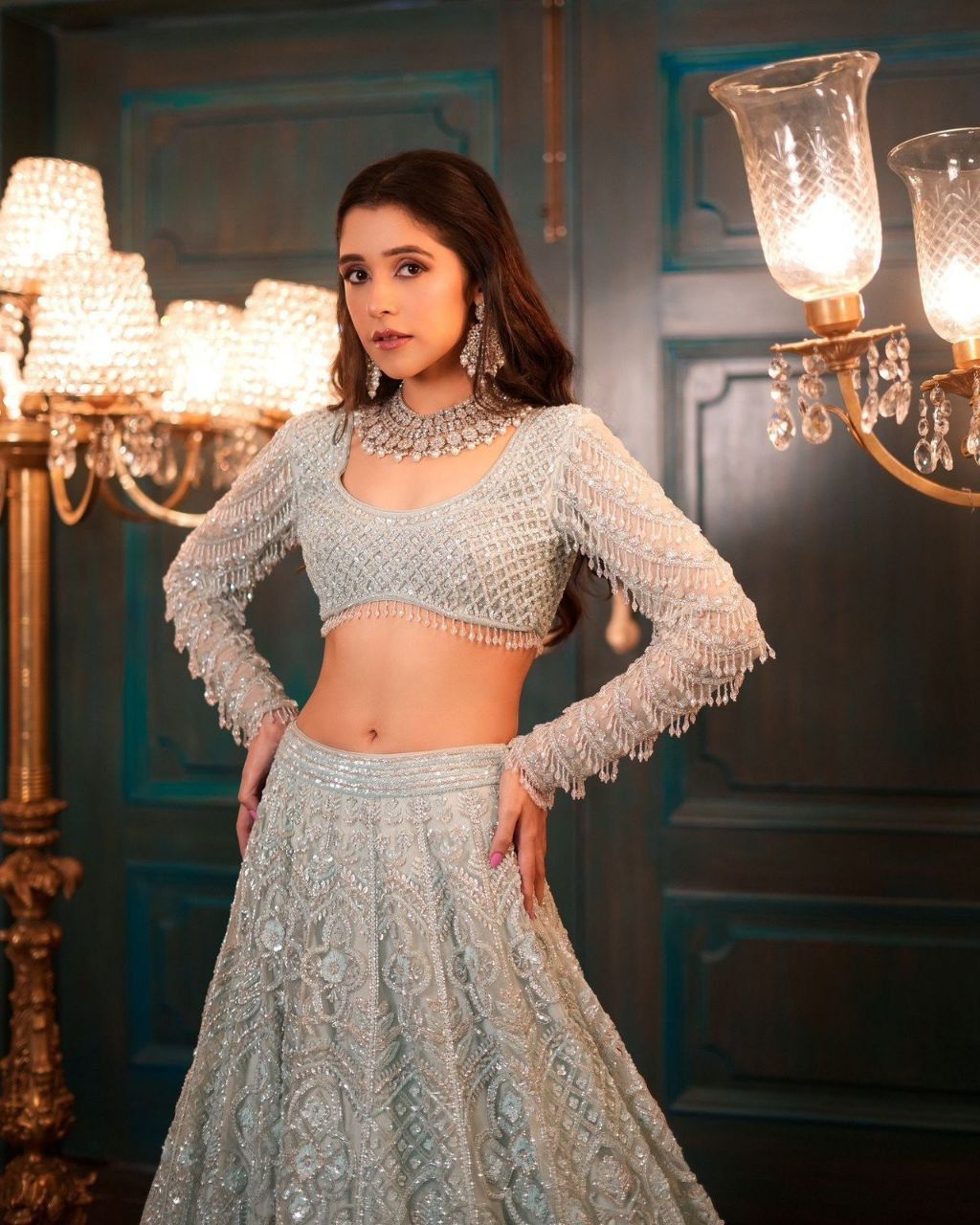
Choose a lighter skirt, a short or medium-length choli and a dupatta that can be secured at the shoulder. Mirror work or small thread motifs provide enough festive detail without making the outfit difficult to sit in. A mint-toned option such as Mint Embroidered Lehenga Set with Net Dupatta for Women works well when the décor includes marigold, foliage or pale wood accents.
Wedding ceremony
A wedding ceremony calls for a stronger colour story and more secure draping than a casual pre-wedding event. Red, deep wine, saffron, royal blue and forest green can echo the intensity of Himalayan textiles while still reading as bridal.
Red Butterfly Net Sequins Lehenga Set Wedding Wear creates a traditional bridal impression through colour and sparkle, while Black Wedding & Festive Wear Designer Lehenga gives a dramatic evening direction for a guest or reception rather than a ceremony where family customs specify red. Add a contrasting dupatta or sash instead of piling on multiple competing embellishments.
Sangeet and reception
A sangeet or reception allows more experimentation with metallic surfaces, unusual colour combinations and movement-friendly skirts. Stylish Multicolor Butter Silk Lehenga Choli Set is useful when the outfit needs to bridge several shades in the décor, jewellery and footwear.
A reception look can also use cream, ivory or blue as a base and place colour only on the border, blouse or dupatta. Cream Peacock Embroidered Net Lehenga Set for Women brings a softer foundation for antique gold jewellery, while Exclusive Blue Traditional Navratri Lehenga Choli can inspire a vivid sapphire-led palette for an evening celebration.
How should colours and motifs be translated into a lehenga?
Translate Sikkim's visual language through controlled colour pairing, border placement and textile texture rather than copying sacred or community-specific symbols without context. A practical palette might combine deep red with saffron, pine green with cream, or indigo with muted gold.
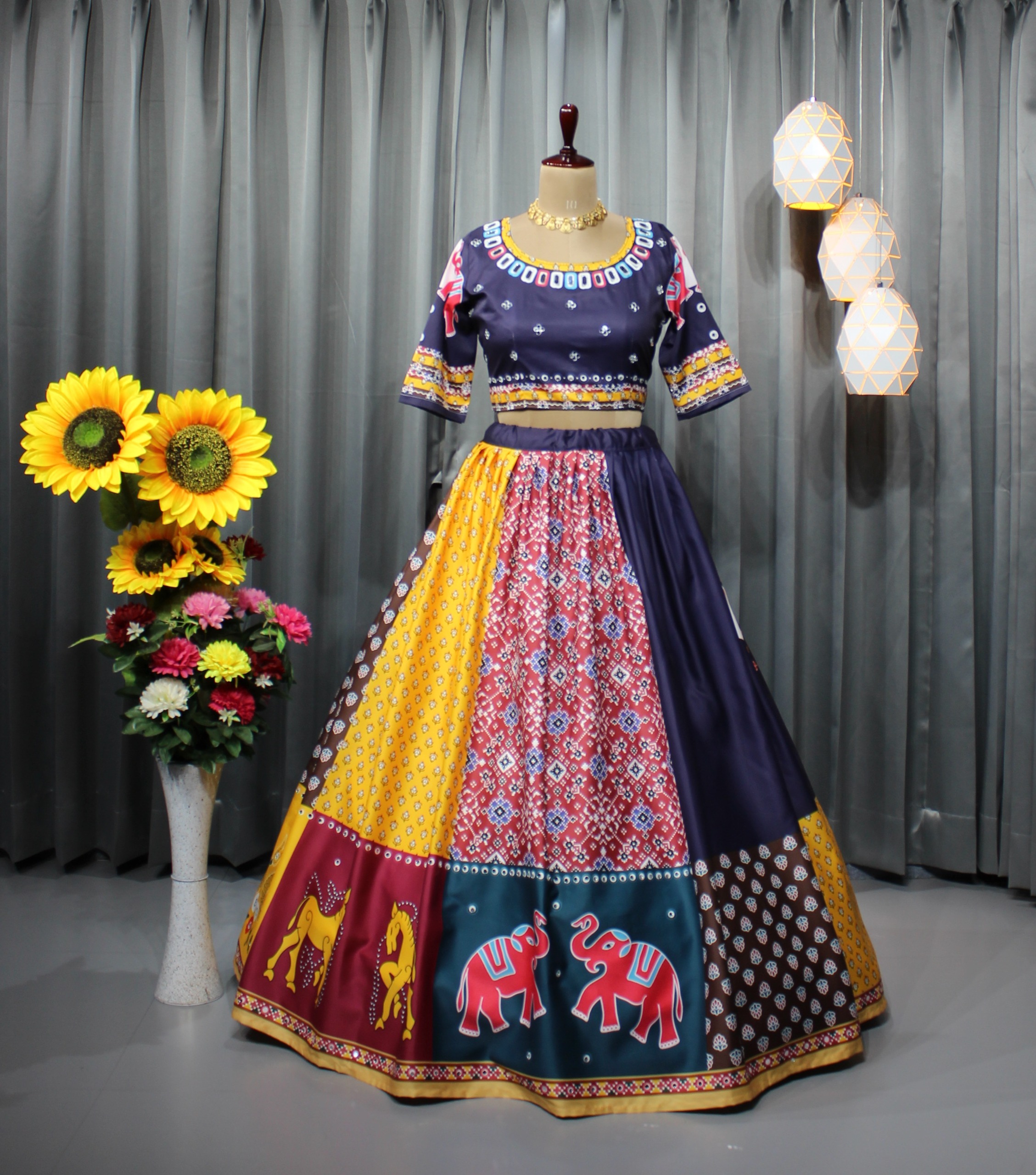
Mountain landscapes provide an useful starting point. Pine green can appear on the skirt border, glacier white on the dupatta, and midnight blue on the blouse. Rhododendron red, turmeric yellow and earthy brown create a warmer combination for daytime functions. Using two dominant colours and one accent usually looks more intentional than combining five equally bright shades.
Floral and botanical embroidery is a safe decorative direction because it reflects the importance of landscape without claiming a specific ceremonial meaning. Peacock-inspired embroidery, paisley forms, geometric borders and small mirror details can add richness. The placement matters: a broad hem border visually grounds the skirt, while vertical motifs lengthen the body.
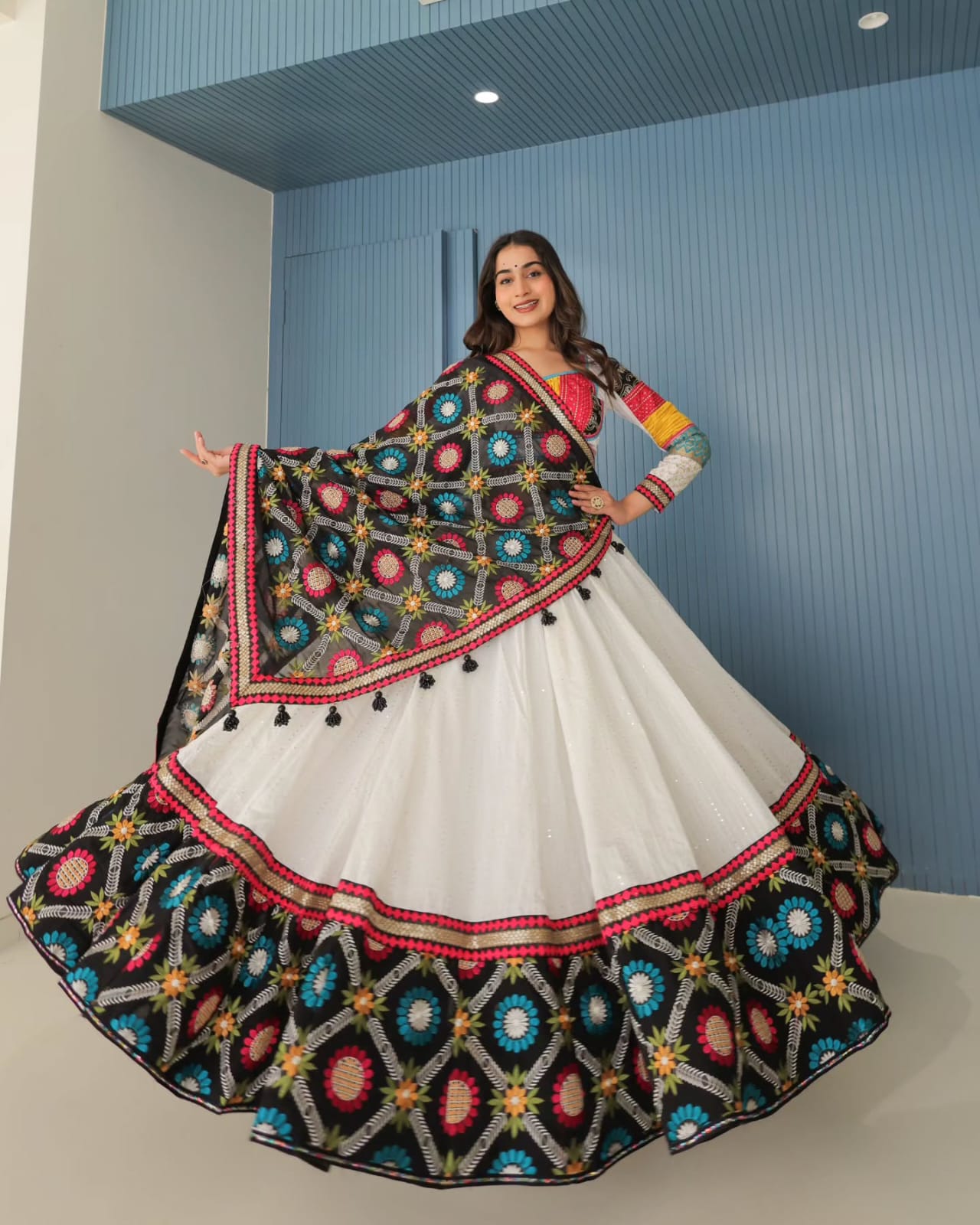
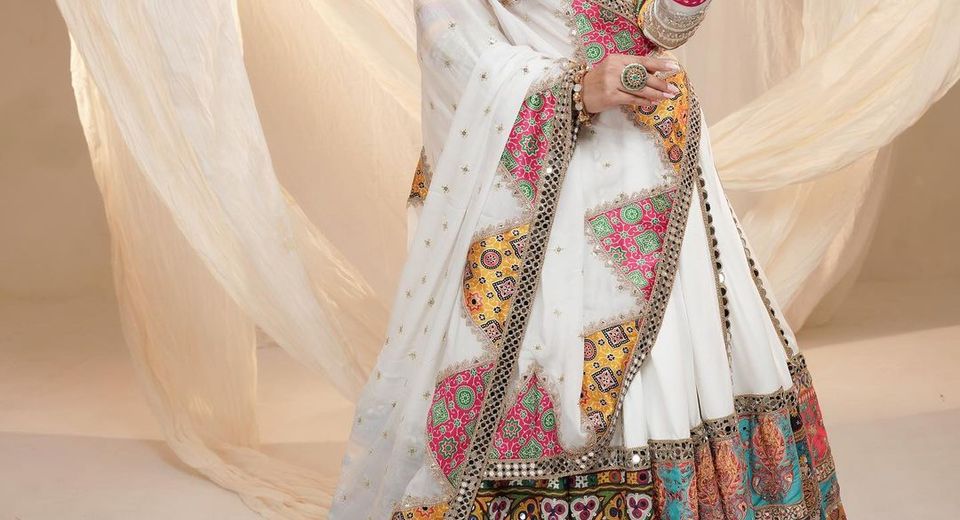
Festive White Lehenga Choli with Mirror Work Design shows how a pale base can make reflective embellishment the focus. The styling can become more regionally suggestive through a woven-looking contrasting dupatta, a broad belt and jewellery in oxidised silver or antique gold. The design should remain an interpretation, not a claim that mirror work alone represents Sikkimese dress.
Which fabrics and layers work for a Sikkim-inspired lehenga?
Silk blends, butter silk, net, georgette and structured lining can all work, but the right choice depends on weather, venue and the amount of walking required. A lined skirt with moderate flare is usually more practical than a very heavy, multilayered bridal skirt.
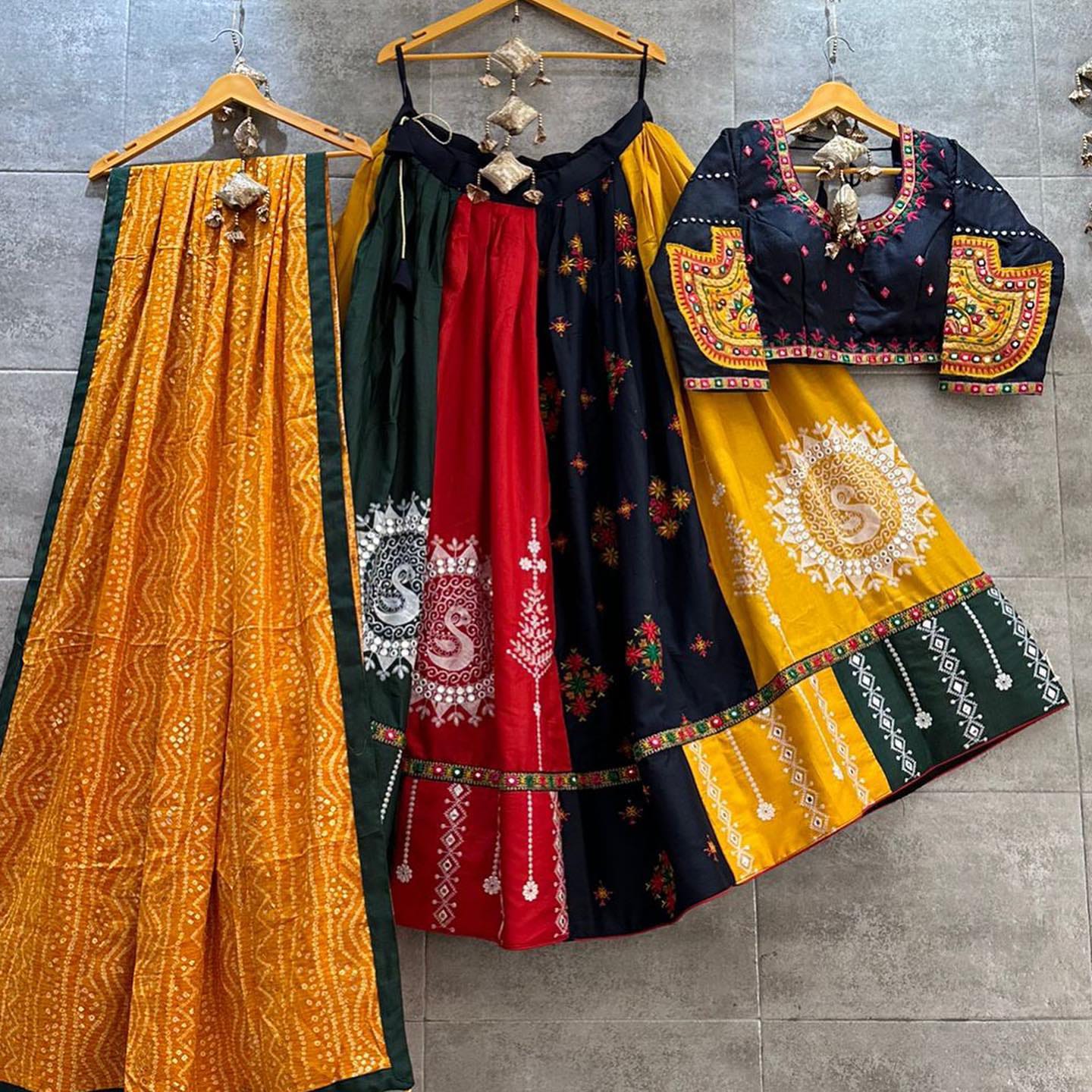
Silk gives a ceremonial finish and holds a clean waistband, making it useful for a winter wedding or formal reception. Designer Threadwork Silk Lehenga Choli Set with Dupatta demonstrates the polished effect of a silk-led ensemble, especially when threadwork provides texture without excessive shine.
Net is effective for a lighter dupatta or an outer layer, but net alone may feel delicate in crowded venues and cold weather. Pair a net dupatta with a lined choli and comfortable underskirt. Mint Embroidered Lehenga Set with Net Dupatta for Women can be styled with a full-sleeve inner blouse or a shawl-inspired wrap when the temperature drops.
Butter silk brings softness and colour depth, while a firm lining prevents cling and supports the skirt's shape. For outdoor ceremonies, check whether the hem clears grass, stone paths and stairs. A skirt hem that sits 2 to 3 centimetres above the floor with footwear on is safer than a floor-pooling hem that catches on uneven ground.
Layering should also remain breathable. One warm blouse layer, one skirt lining and one dupatta or shawl are generally easier to manage than several thick layers. If the ceremony is in a cold hill location, plan the outfit around a concealed thermal camisole, a fitted long-sleeve base and a removable wrap instead of altering the choli so tightly that additional clothing becomes impossible.
How can a lehenga reflect Sikkim's layered silhouettes respectfully?
A respectful interpretation uses the idea of wrapping and layering while clearly presenting the outfit as a contemporary lehenga inspired by Sikkim. The bakhu, dumdyam and other community garments should be acknowledged as distinct cultural clothing rather than renamed as lehengas.
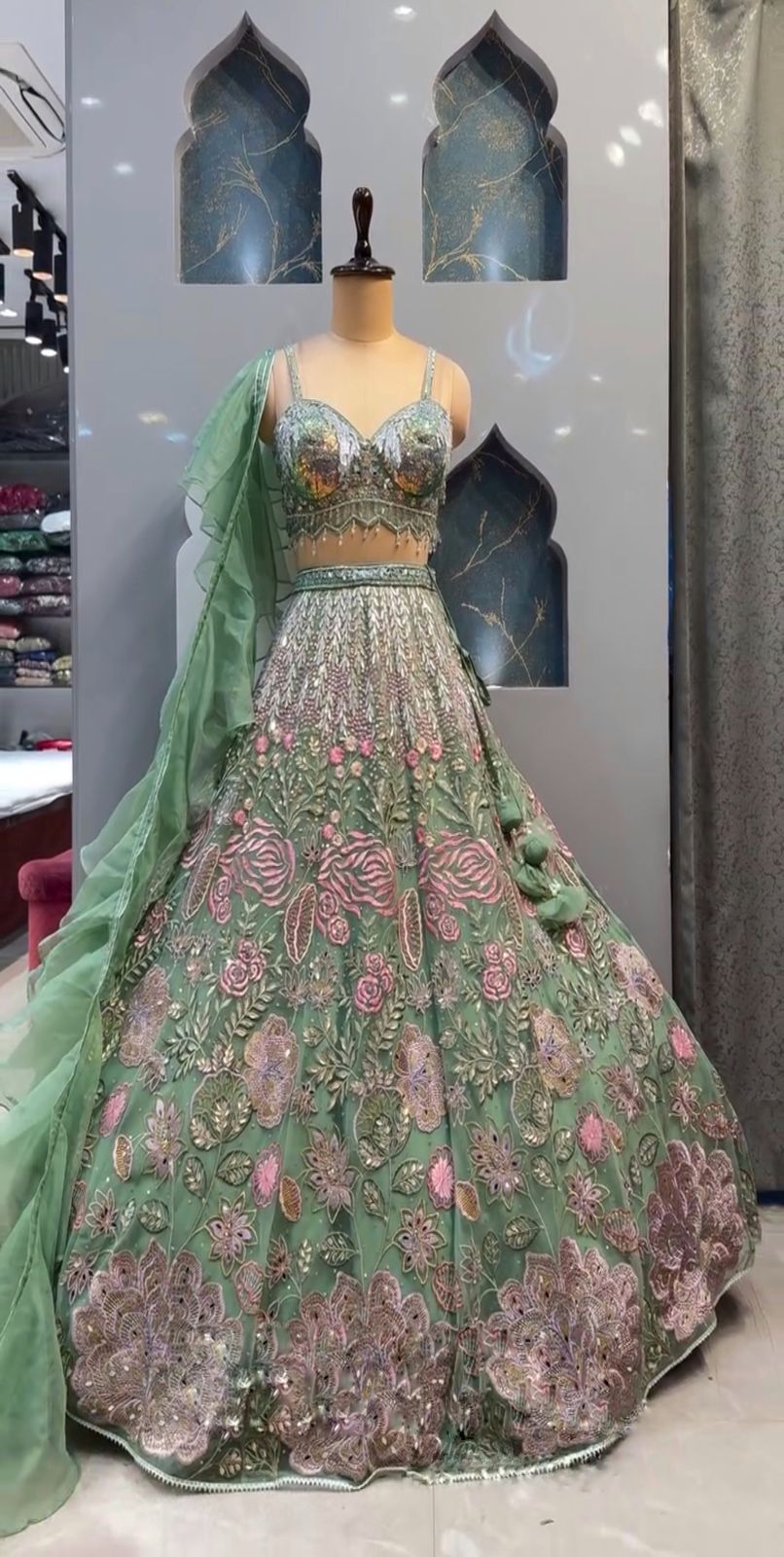
A wide waistband can reference the visual importance of a belt in wrapped dressing. Wear the dupatta across one shoulder and secure it at the waist, or create a neat front pleat that gives the outfit a structured, wrap-like line. A shawl placed over one shoulder can add warmth and an elegant vertical fall for a winter reception.
A blouse with elbow-length or full sleeves can make the outfit more suitable for cool weather and gives embroidery a larger surface. Keep the neckline comfortable for sitting and dancing. A higher neckline, modest back and lined armhole often make a fully stitched choli more wearable across several hours.
Shopping for a fully stitched choli is sensible when the priority is reliable fit and quick preparation. Readymade sets also help when a wedding date is close, but measure the bust, waist, armhole and blouse length against the garment's size chart rather than relying only on a standard small, medium or large label. Semi-stitched Lehengas Collection can offer more alteration flexibility when the wearer needs a customised waist or sleeve.
What jewellery and accessories complete the look?
Jewellery should reinforce the outfit's colour and scale without competing with the lehenga's embroidery. Oxidised silver, antique gold, enamel, beads and textile accessories can all work, depending on whether the outfit is bright, muted, heavily embellished or minimal.
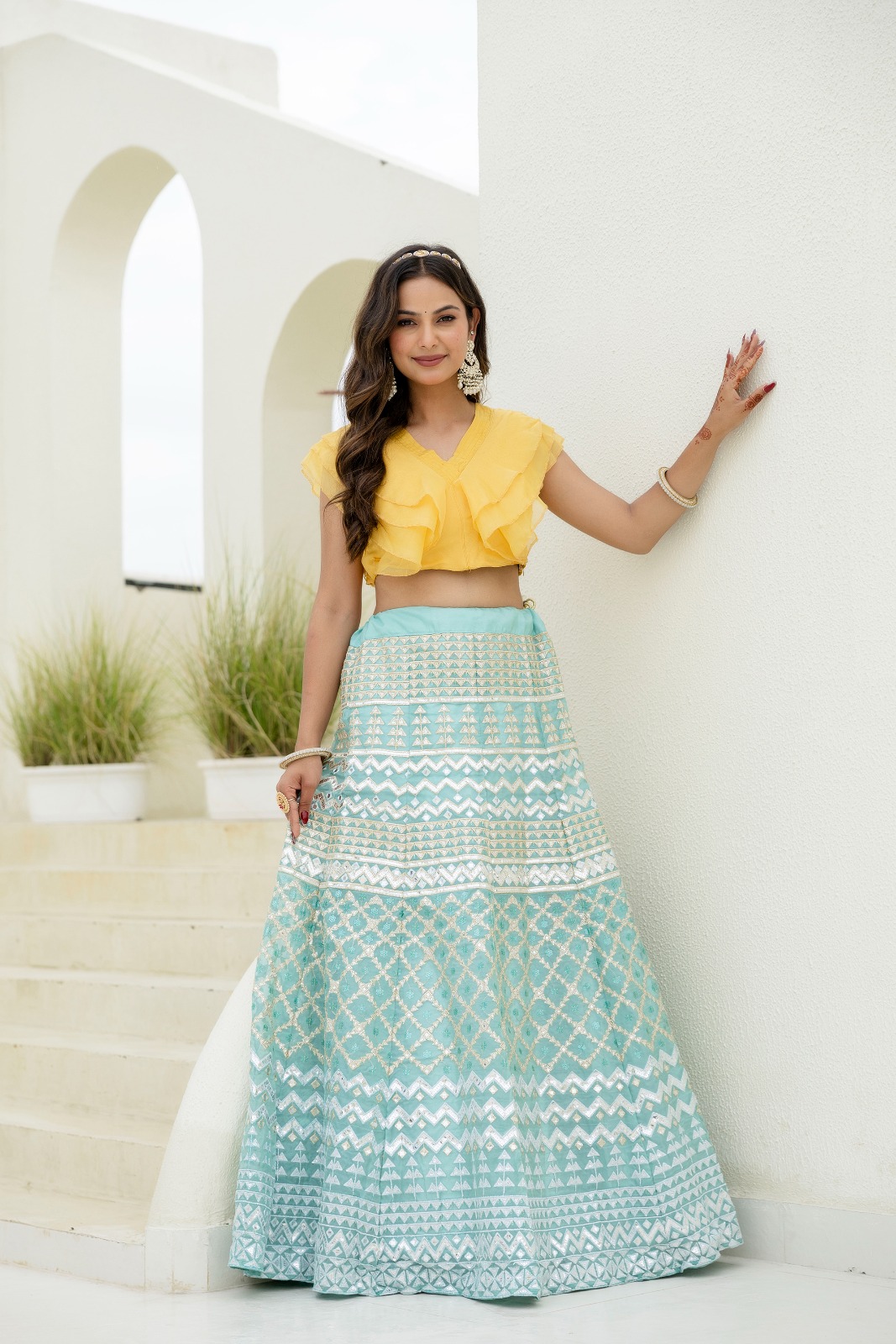
For a deep red or saffron lehenga, choose one dominant jewellery finish and repeat it in two or three places, such as earrings, bangles and a waist accent. For cream or white, antique gold creates warmth, while silver or mixed-metal jewellery gives blue and green outfits a cooler finish.
A broad belt or kamarbandh can make the layered styling feel deliberate and keep the dupatta in position. Avoid a belt that compresses the waist when seated. Test the full outfit by sitting on a low chair, climbing stairs and raising both arms before the event.
Footwear should have a stable sole, particularly for hillside venues or outdoor mandaps. A block heel of 2 to 3 inches is generally easier to walk in than a narrow high heel. Match the shoe height during the final hem alteration; changing footwear later can make the skirt too long and increase the chance of tripping.
How should you shop for a wedding lehenga online?
Online lehenga shopping becomes safer when measurements, construction and delivery time are checked before colour and embellishment. Start at least four to six weeks before the wedding if alterations, blouse adjustments or exchange time may be required.
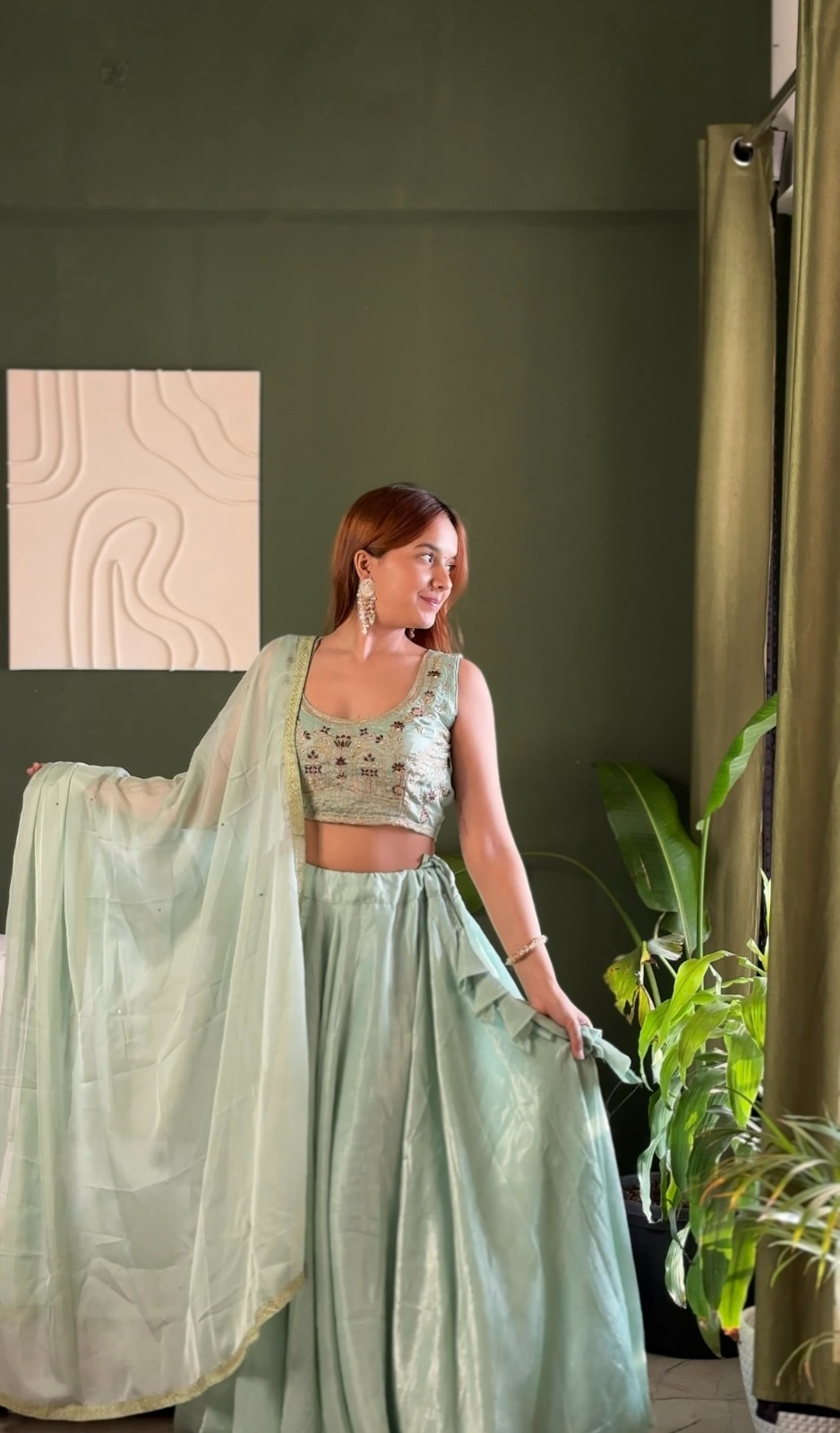
Confirm whether the set includes the skirt, choli and dupatta, and check whether the choli is fully stitched, adjustable or semi-stitched. Read the fabric description carefully: net, silk, butter silk and synthetic blends behave differently under movement, sunlight and dry cleaning. Product photographs can show shine differently from natural indoor light, so compare the written colour name with customer images when available.
Inspect the waist closure, lining, zip, hook-and-eye placement and seam allowance. A skirt with a drawstring or extra hooks may accommodate small changes, while a fixed zip offers a cleaner finish but less flexibility. Check the garment length with the intended footwear and ask a tailor to assess alterations before removing tags.
Collections can simplify the search by occasion and colour. Mehendi Lehengas are useful for lighter green and yellow directions, Yellow Lehengas suits turmeric-led daytime styling, and Green Lehengas supports a botanical palette. Ready Made Lehenga options are convenient for short timelines, while a Semi Stitched Lehengas Collection is better when a close fit or sleeve change is important.
Price should be judged against construction rather than embellishment count alone. A lower-priced outfit may be suitable for a guest look if the lining, seams and closures are sound. A bridal outfit deserves closer attention to comfort, colourfastness, support at the waist and the cost of professional alterations.
How can you care for and reuse a Sikkim-inspired lehenga?
Store an embellished lehenga clean, dry and supported by a breathable garment bag rather than folding it tightly in plastic. Air the outfit after wearing, remove surface dust with a soft brush and follow the fabric-specific cleaning instructions before placing it in storage.
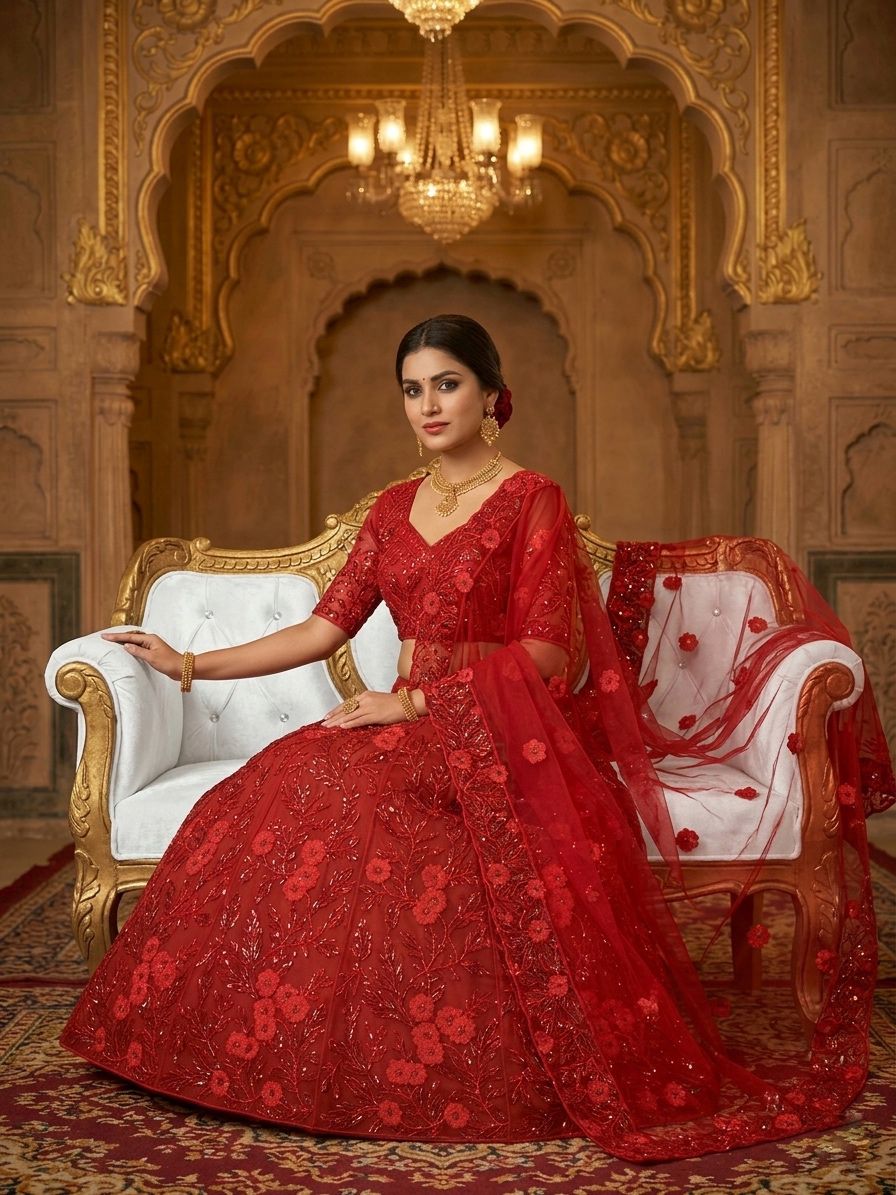
Sequins, mirror work and metallic thread can snag against rough jewellery or furniture, so fold the embellished side inward with acid-free tissue between layers. Do not iron directly over embroidery, sequins or net. Use a pressing cloth and low heat only when the care label permits it.
Professional dry cleaning is usually safer for silk, heavy threadwork and fragile net, while spot cleaning should be tested on an inner seam first. Store the dupatta separately if its weight could stretch the blouse or damage the skirt's embellishment.
Rewearing the outfit becomes easy when the styling isn't overly bridal. Pair the choli with a plain sari, wear the skirt with a simple blouse for a festive dinner, or use the dupatta over a salwar suit. A thoughtful Sikkim Wedding Lehenga Ideas Inspired by Traditional Fashion look can therefore become part of a longer wardrobe rather than a single-use purchase.
Common questions about Sikkim-inspired wedding lehengas
These answers clarify how to draw from Sikkim's traditional fashion without confusing cultural garments with contemporary lehenga design.
What should I wear for a Sikkim-themed wedding?
A layered lehenga in red, saffron, green, blue or cream works well for a Sikkim-themed wedding when paired with a structured dupatta, belt and climate-appropriate blouse. Describe the outfit as Sikkim-inspired unless you're wearing an authentic community garment with guidance from someone familiar with that tradition.
Is a lehenga traditional wedding wear in Sikkim?
A lehenga isn't the single traditional wedding outfit for all Sikkim communities. Bhutia, Lepcha and Nepali communities have different clothing histories, so a contemporary lehenga should be presented as an interpretation influenced by Sikkim's colours, layering and textile aesthetics.
Which colour is best for a Sikkim-inspired bridal lehenga?
Deep red is a strong bridal choice, while saffron, pine green, royal blue and cream create distinctive alternatives. Choose one main colour, one supporting shade and one metallic accent so the outfit looks cohesive in photographs.
Are readymade lehengas suitable for wedding ceremonies?
Readymade lehengas are suitable when the size chart, blouse construction and skirt length match the wearer's measurements. Buy early enough to test the outfit with footwear and allow time for waist, sleeve or hem alterations.
How can I stay warm in a lehenga at a Sikkim wedding?
Choose a lined skirt, a full-sleeve or layered blouse and a removable shawl or wrap. A fitted thermal base under the choli can add warmth, but the blouse should have enough room to prevent restricted movement and visible pulling at the seams.
Can Sikkim-inspired wedding outfits be worn again?
Yes, a lehenga becomes more reusable when the choli, skirt and dupatta can be styled separately. Pairing the skirt with a plain blouse or wearing the dupatta with a salwar suit turns a culturally inspired festive outfit into a practical occasion wardrobe.
Questions About Styling Sikkim-Inspired Wedding Lehengas
What should I wear for a Sikkim-themed wedding?
A layered lehenga in red, saffron, green, blue or cream works well for a Sikkim-themed wedding when paired with a structured dupatta, belt and climate-appropriate blouse. Describe the outfit as Sikkim-inspired unless you are wearing an authentic community garment with guidance from someone familiar with that tradition.
Is a lehenga traditional wedding wear in Sikkim?
A lehenga is not the single traditional wedding outfit for all Sikkim communities. Bhutia, Lepcha and Nepali communities have different clothing histories, so a contemporary lehenga should be presented as an interpretation influenced by Sikkim's colours, layering and textile aesthetics.
Which colour is best for a Sikkim-inspired bridal lehenga?
Deep red is a strong bridal choice, while saffron, pine green, royal blue and cream create distinctive alternatives. Choose one main colour, one supporting shade and one metallic accent so the outfit looks cohesive in photographs.
Are readymade lehengas suitable for wedding ceremonies?
Readymade lehengas are suitable when the size chart, blouse construction and skirt length match the wearer's measurements. Buy early enough to test the outfit with footwear and allow time for waist, sleeve or hem alterations.
How can I stay warm in a lehenga at a Sikkim wedding?
Choose a lined skirt, a full-sleeve or layered blouse and a removable shawl or wrap. A fitted thermal base under the choli can add warmth, but the blouse should have enough room to prevent restricted movement and visible pulling at the seams.
Can Sikkim-inspired wedding outfits be worn again?
Yes, a lehenga becomes more reusable when the choli, skirt and dupatta can be styled separately. Pairing the skirt with a plain blouse or wearing the dupatta with a salwar suit turns a culturally inspired festive outfit into a practical occasion wardrobe.