Sikkim Wedding Guest Outfits: Traditional & Modern Ethnic Wear should balance respect for local customs with the practical realities of a mountain celebration. Weddings in Gangtok, Namchi, Pelling and minor towns may involve Bhutia, Lepcha or Nepali traditions, indoor ceremonies, outdoor photographs and cold weather in the same day. A beautiful outfit therefore needs more than colour and ornament: it needs the right fabric weight, secure draping, comfortable footwear and a thoughtful approach to cultural references.
Guests can wear sarees, salwar suits, lehengas, shararas or coordinated ethnic sets without copying ceremonial garments that belong to the family or community. The strongest look usually combines one traditional element with modern tailoring and sensible layers. Understanding the setting first makes every later decision easier.
Sikkim Wedding Guest Outfits: What should guests consider before choosing?
Guests should confirm the wedding community, venue, season, ceremony type and dress expectations before selecting Sikkim Wedding Guest Outfits. A formal evening reception in Gangtok allows a different level of embellishment from a daytime ceremony in a village homestay or a venue near a monastery.
Sikkim has significant altitude and weather variations. Gangtok sits at approximately 1,650 metres, while destinations such as Pelling are higher and can feel noticeably colder after sunset. Rain is common during parts of the year, and hill roads may require walking between parking areas, hotels and venues. A delicate outfit that works in a heated banquet hall may become uncomfortable during an outdoor photo session.
- Ask about the ceremony: A Buddhist, Hindu, Nepali or mixed-family wedding may have different expectations around head coverings, footwear and colour.
- Check the venue: A hotel ballroom supports heels and heavier embroidery, while a garden, courtyard or hillside venue calls for stable shoes and a manageable hemline.
- Confirm the time: Daylight ceremonies suit breathable fabrics and softer colours; evening receptions can carry velvet accents, zari and deeper jewel tones.
- Plan for temperature: Carry a shawl, wool stole, tailored jacket or thin thermal layer that doesn't disrupt the silhouette.
- Pack for movement: A saree with a secured pallu or a suit with a narrow, well-finished hem is more reliable than a loose train on uneven ground.
Guests should distinguish between inspiration and imitation. Bhutia, Lepcha and Nepali clothing carries community meaning, so a guest can acknowledge the region through colour, woven texture, jewellery or a local-inspired wrap without presenting a ceremonial garment as a costume.
Sikkim Wedding Guest Outfits: Which traditional influences shape the look?
Bhutia, Lepcha and Nepali traditions are the principal cultural influences commonly encountered in Sikkim wedding clothing, although individual families may follow distinct customs. Sikkim is a multi-ethnic state, so one wedding may combine rituals, textiles and styling conventions from more than one community.
Bhutia influences
Bhutia dress is often associated with the bakhu, a wrap-style garment worn with a blouse or shirt and secured around the body. For a guest, the useful style lesson is the composed, layered shape rather than reproducing formal attire without guidance. A long brocade jacket over a plain kurta, a structured wrap or a wool stole can echo the sense of layering while remaining clearly contemporary ethnic wear.
Lepcha influences
Lepcha traditional clothing uses distinctive drapes and woven textiles, with accessories and colour combinations that vary by garment and occasion. A guest can take inspiration from handwoven texture, restrained borders and a clean rectangular stole. Natural-fibre shawls, textured cottons and understated jewellery are especially appropriate for a daytime ceremony where heavy sparkle may feel excessive.
Nepali influences
Nepali wedding style may include sarees, gunyu-cholo influences, daura suruwal for men and elaborate jewellery for festive events. Women guests can choose a saree, anarkali or lehenga while using a neatly pinned pallu, a modest blouse and practical accessories. Gold-toned details, red accents and traditional earrings can acknowledge the celebratory mood without assuming a bride's exact styling.
These references should be treated as cultural context, not a shopping checklist. If an invitation requests traditional dress, ask the host or a local tailor which form is suitable. If an invitation simply says festive or formal, modern Indian ethnic wear is usually the safer and more versatile choice.
Sikkim Wedding Guest Outfits: Which fabrics work best for a mountain wedding?
Medium-weight silk blends, Banarasi silk, wool-silk, velvet accents, linen cotton and lined crepe work well for Sikkim weddings because they offer warmth, structure and manageable movement. Fabric choice should follow the season and venue rather than the assumption that every mountain wedding requires heavy clothing.
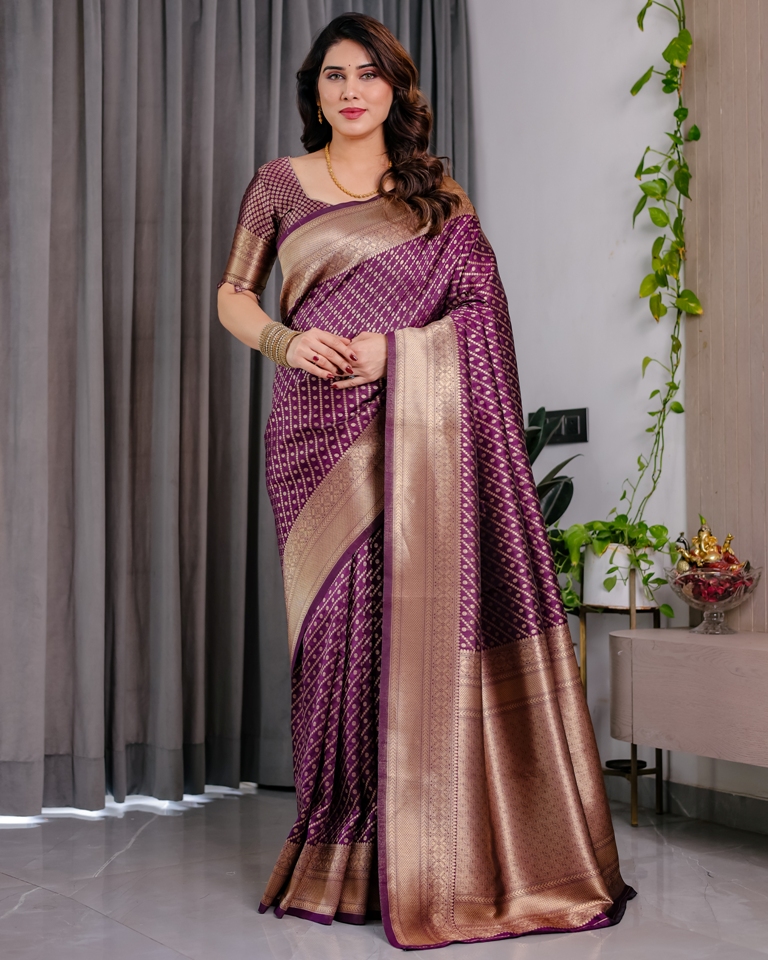
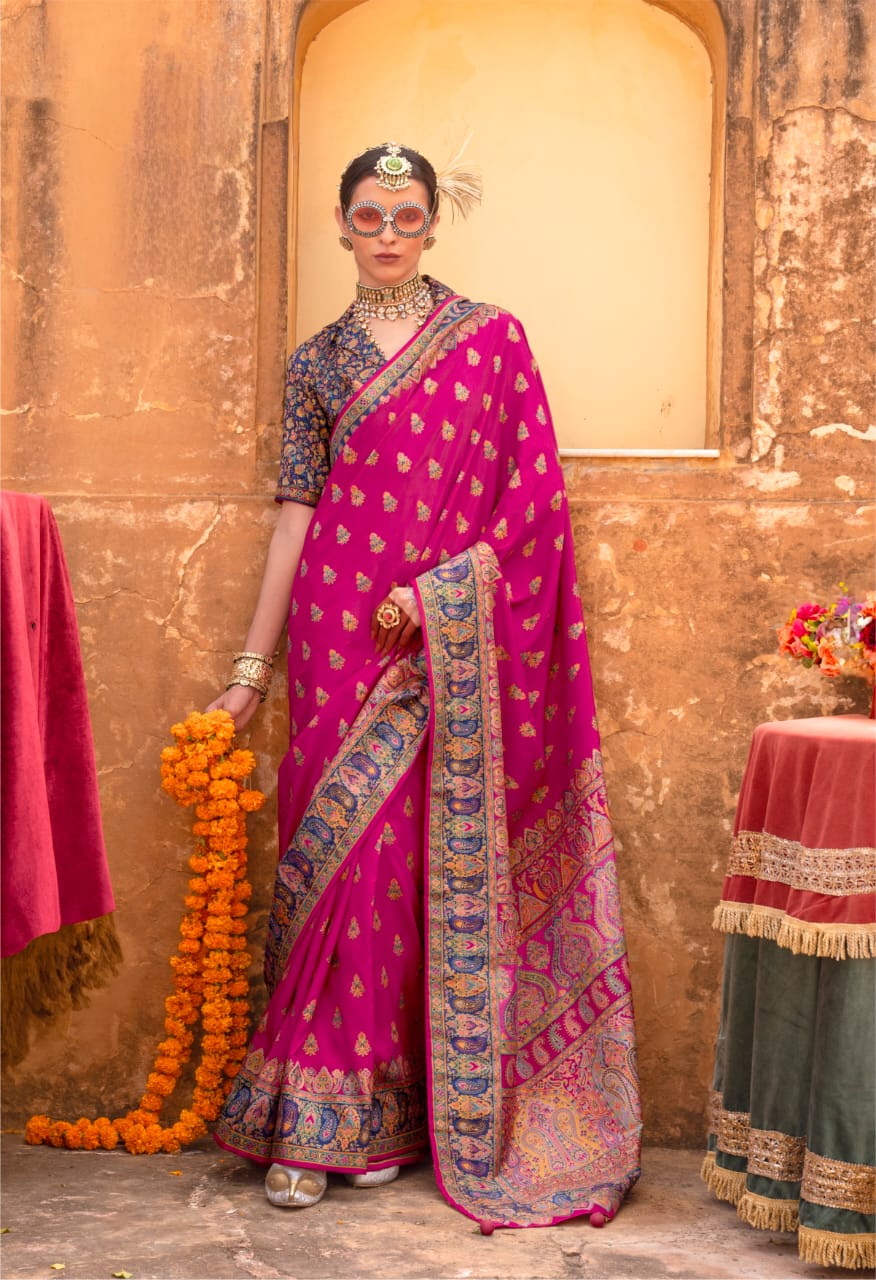
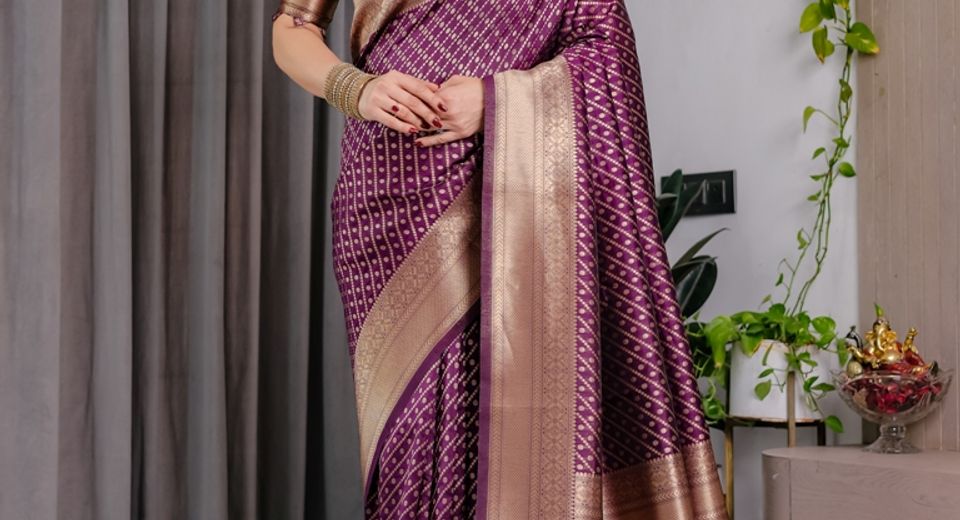
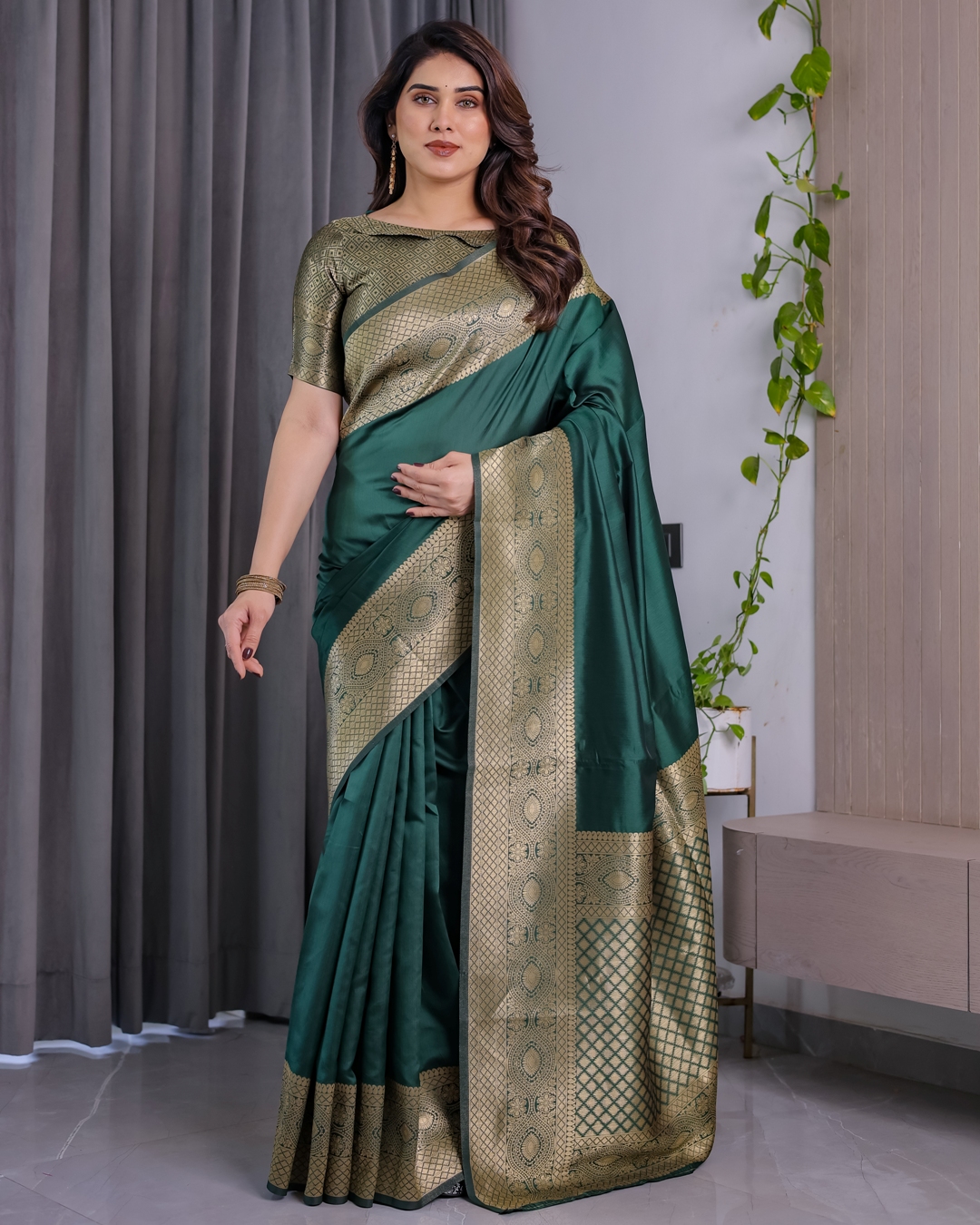
Banarasi silk is a strong choice for a formal indoor wedding because its zari catches warm lighting and its structured fall photographs well. Red Banarasi Soft Silk Zari Saree Online | Varnavi demonstrates how a saturated colour and metallic border can create a complete look without requiring a heavily embroidered blouse. Emerald Green Banarasi Soft Silk Saree with Zari Border offers a similarly festive direction with a cooler jewel tone.
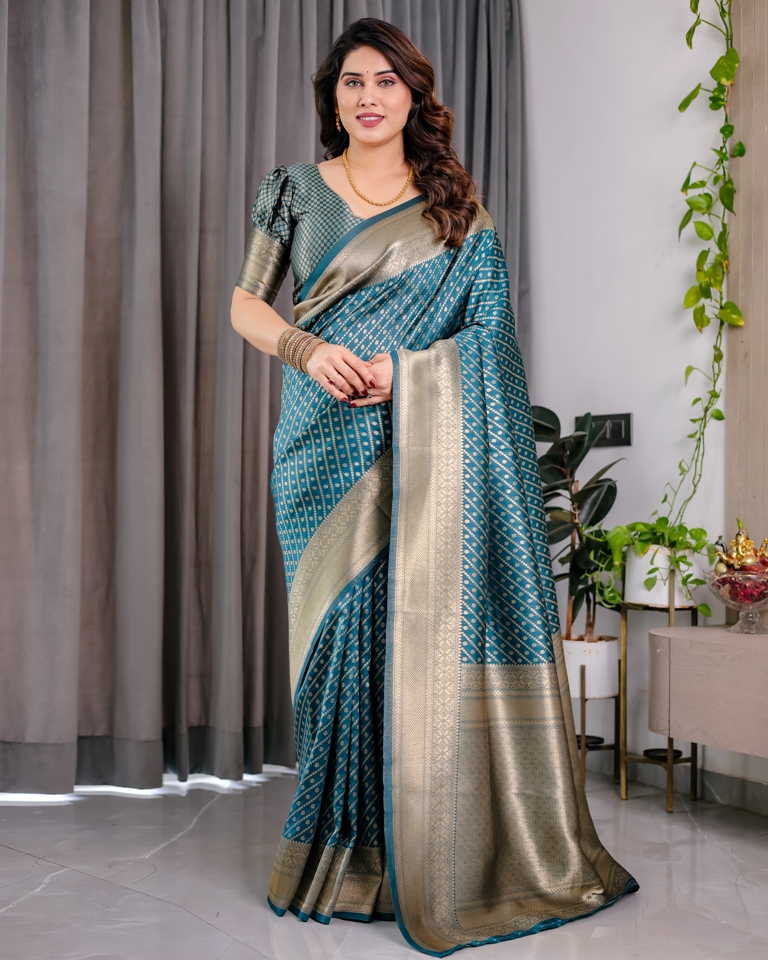
Teal Blue Banarasi Silk Zari Saree Online provides an useful option when a guest wants contrast without wearing bridal red. A teal saree pairs effectively with antique gold, dull silver or deep navy accessories, depending on the zari tone. For a cooler evening, a wool-blend shawl over the shoulders adds insulation while preserving the saree's formal line.
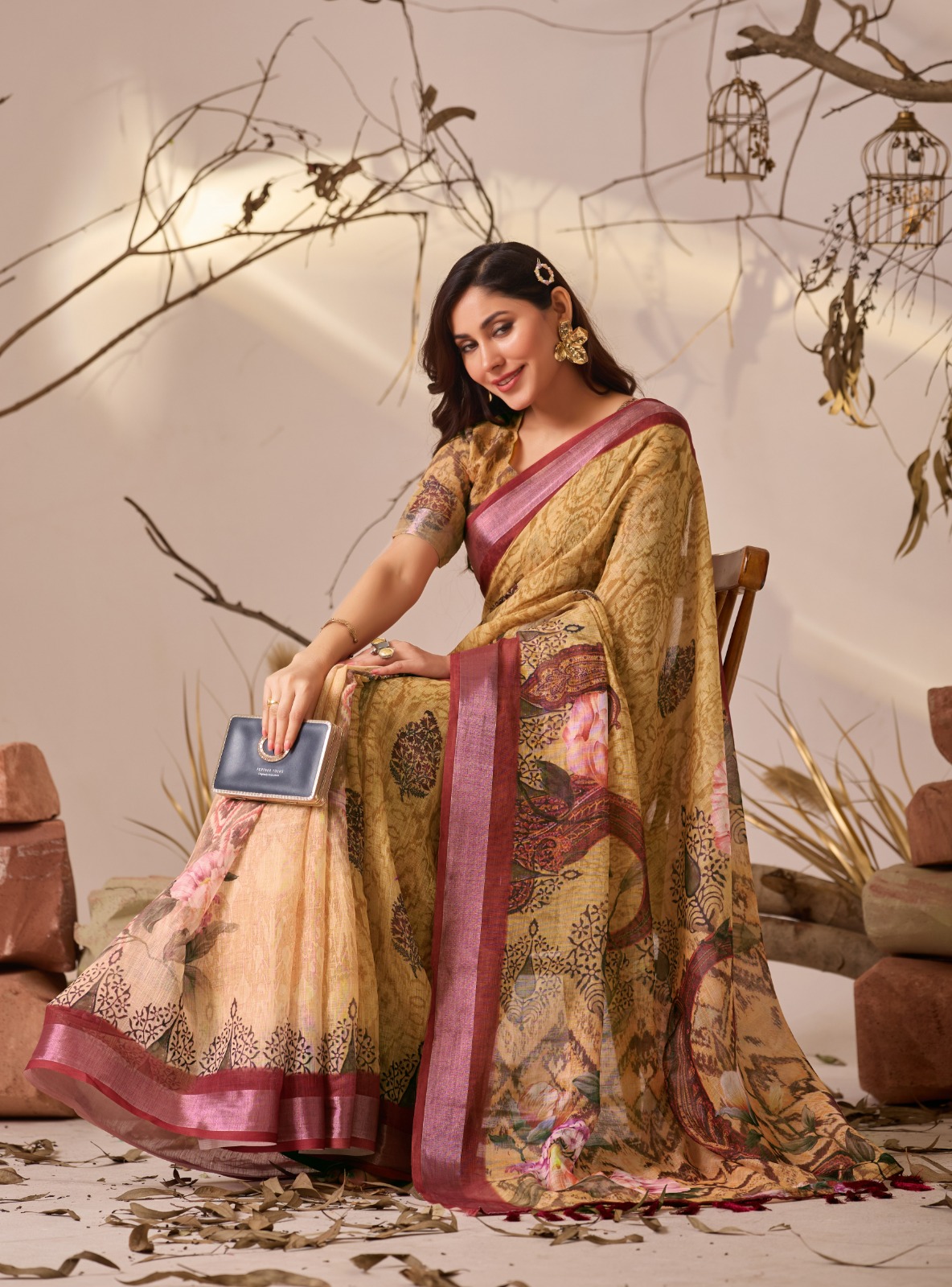
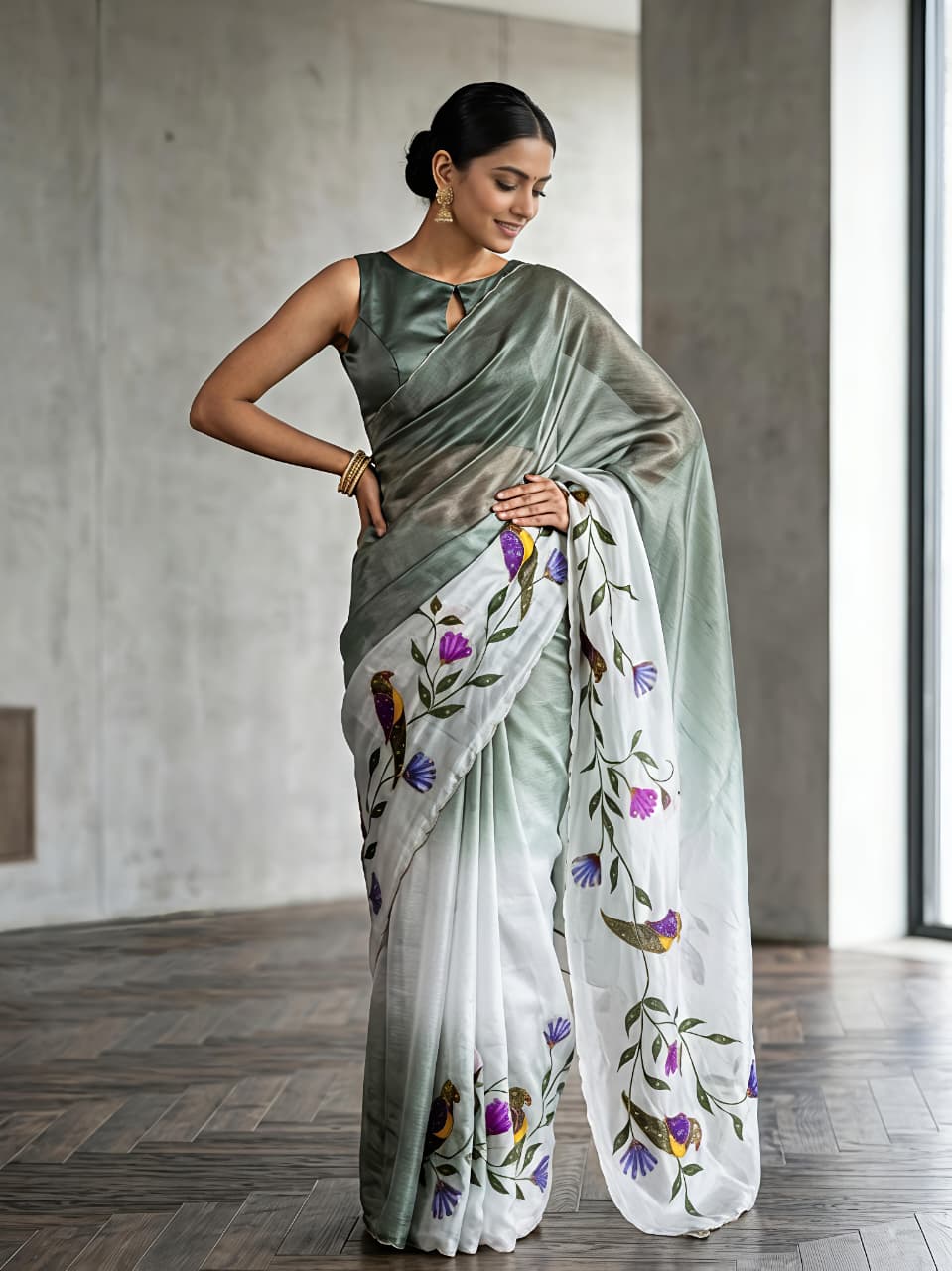
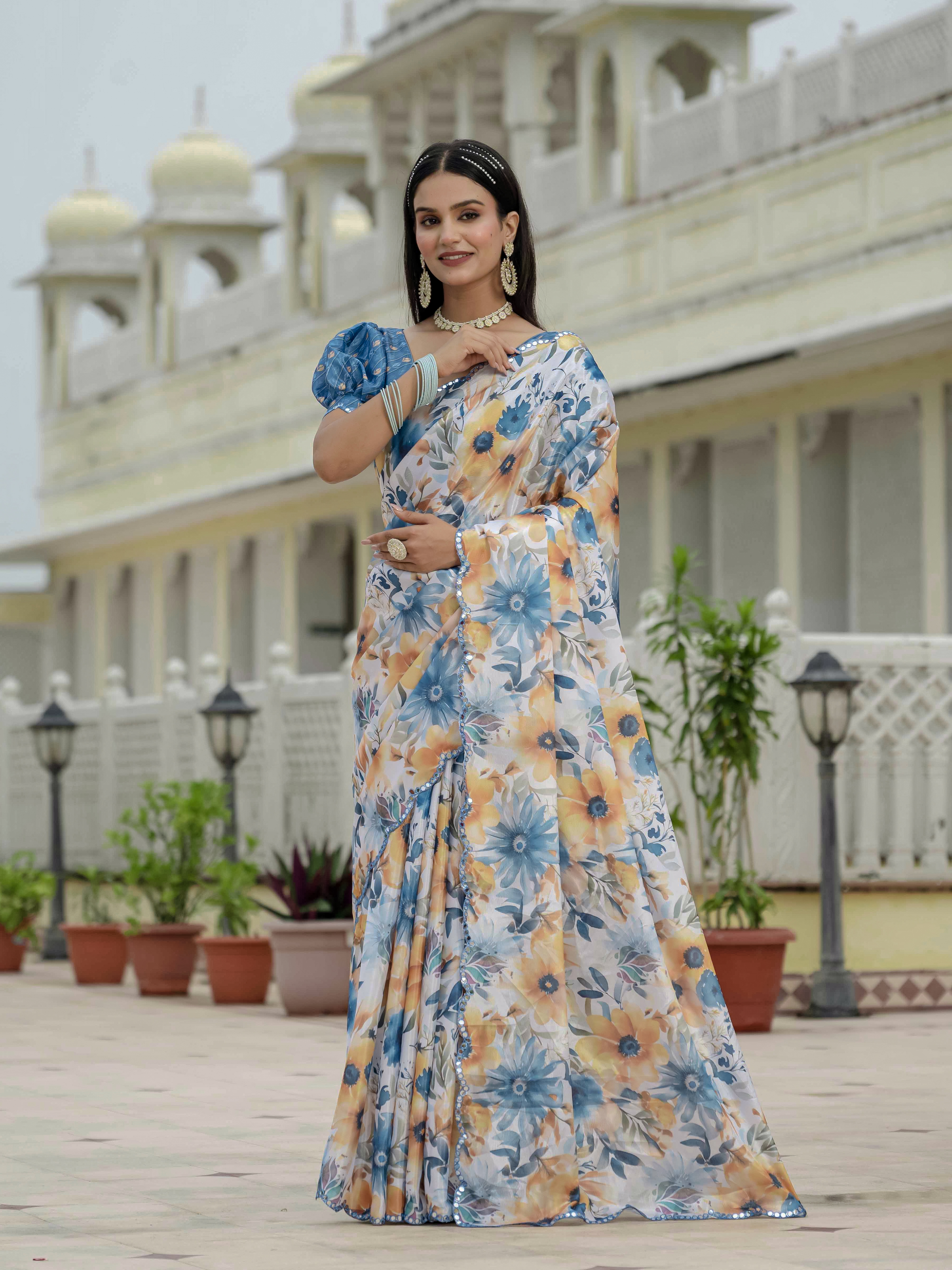
Linen cotton is more comfortable for a daytime ceremony, especially during spring or in a heated indoor venue. Pastel Linen Cotton Floral Print Saree with Designer Blouse works for a garden or brunch wedding because the floral print supplies visual interest without the weight of dense embroidery. A lined blouse and a compact petticoat help the saree retain shape in wind.
Velvet is best used as an accent rather than a full head-to-toe fabric unless the wedding is a winter evening event. Velvet borders, a short jacket, a blouse panel or a clutch can add warmth and richness. Chanderi is elegant and light but may need a shawl or lined jacket in colder locations; its airy transparency also makes a proper lining essential.
Sikkim Wedding Guest Outfits: How can a saree be styled for the weather?
A saree becomes suitable for a Sikkim wedding when the drape is securely pinned, the blouse allows layering and the footwear can manage the venue. The safest guest drape is a standard Nivi style with the pleats pressed flat and the pallu fixed at the shoulder with discreet pins.
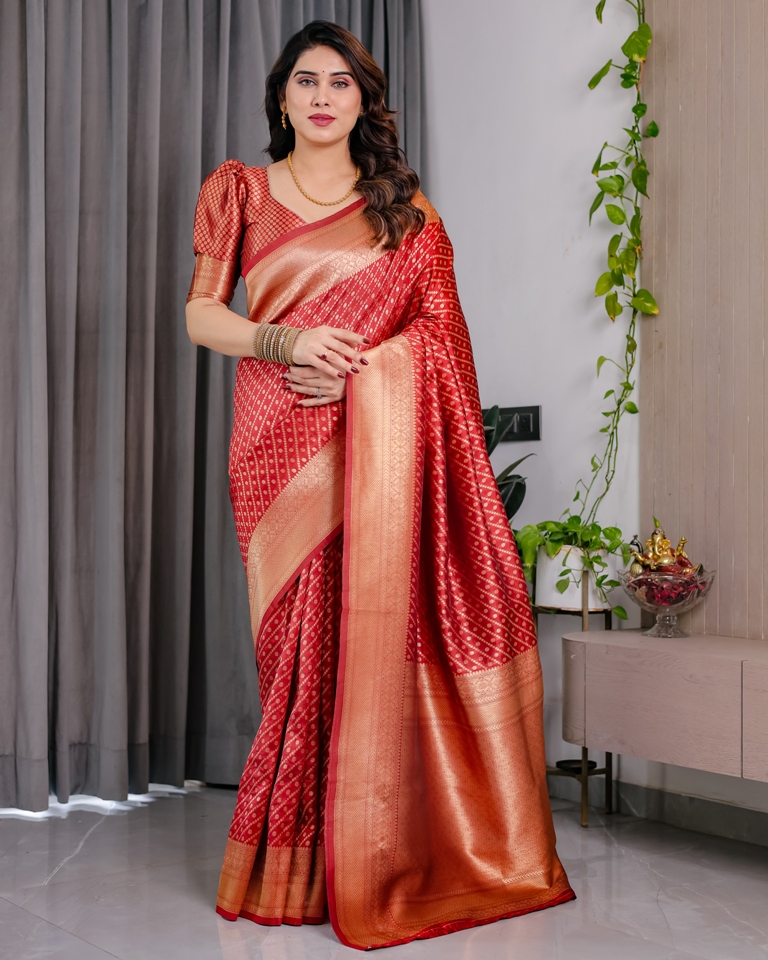
Choose a blouse with sleeves if the ceremony is outdoors or scheduled after sunset. Three-quarter sleeves in raw silk, brocade or lined velvet provide warmth without making the outfit look winter-heavy. A high boat neck or modest V-neck also works well when paired with a shawl. Avoid very slippery satin petticoats if the venue includes stairs or outdoor paths.
Teal Blue Banarasi Soft Silk Saree With Golden Zari Border can be styled with a long-sleeved blouse in wine, rust or muted gold. The golden zari should guide the jewellery metal; mixing bright silver with yellow gold can look accidental unless the contrast is deliberate. Keep the necklace moderate if the saree already has a wide border, and use earrings as the main statement.
A saree should not drag on wet ground. The lower edge should sit approximately 1 to 2 centimetres above the floor when worn with the intended shoes. Guests who expect substantial walking can use concealed fashion tape at the pallu, double-pin the pleats and carry two spare safety pins in a small pouch.
Sikkim Wedding Guest Outfits: Which modern ethnic silhouettes are practical?
Anarkalis, sharara sets, palazzo suits and coordinated co-ord sets suit Sikkim wedding guests because they offer warmth, movement and easier layering than some sarees. The most adaptable silhouettes have a defined shoulder, a comfortable sleeve and a hem that won't catch on steps.
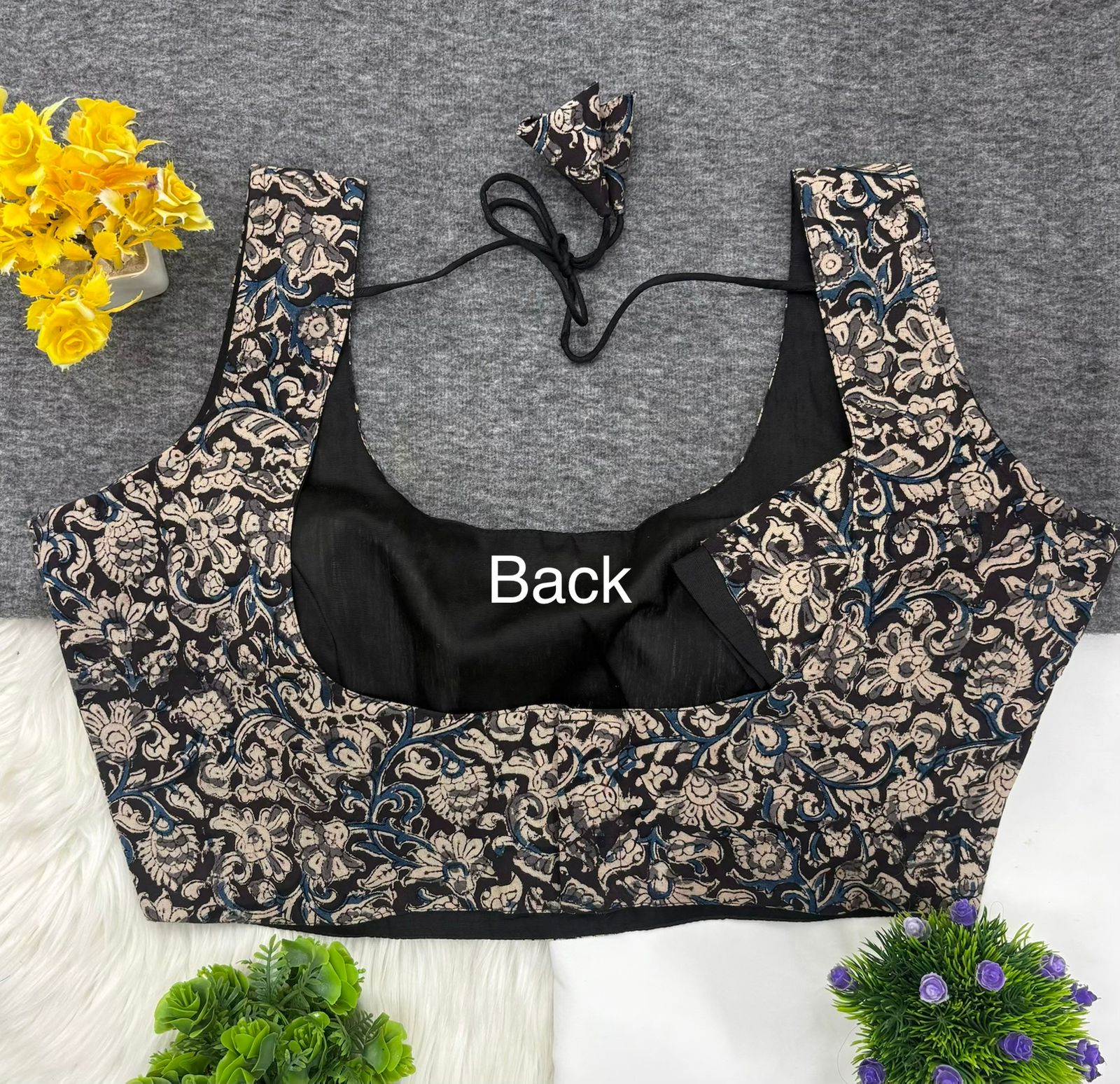
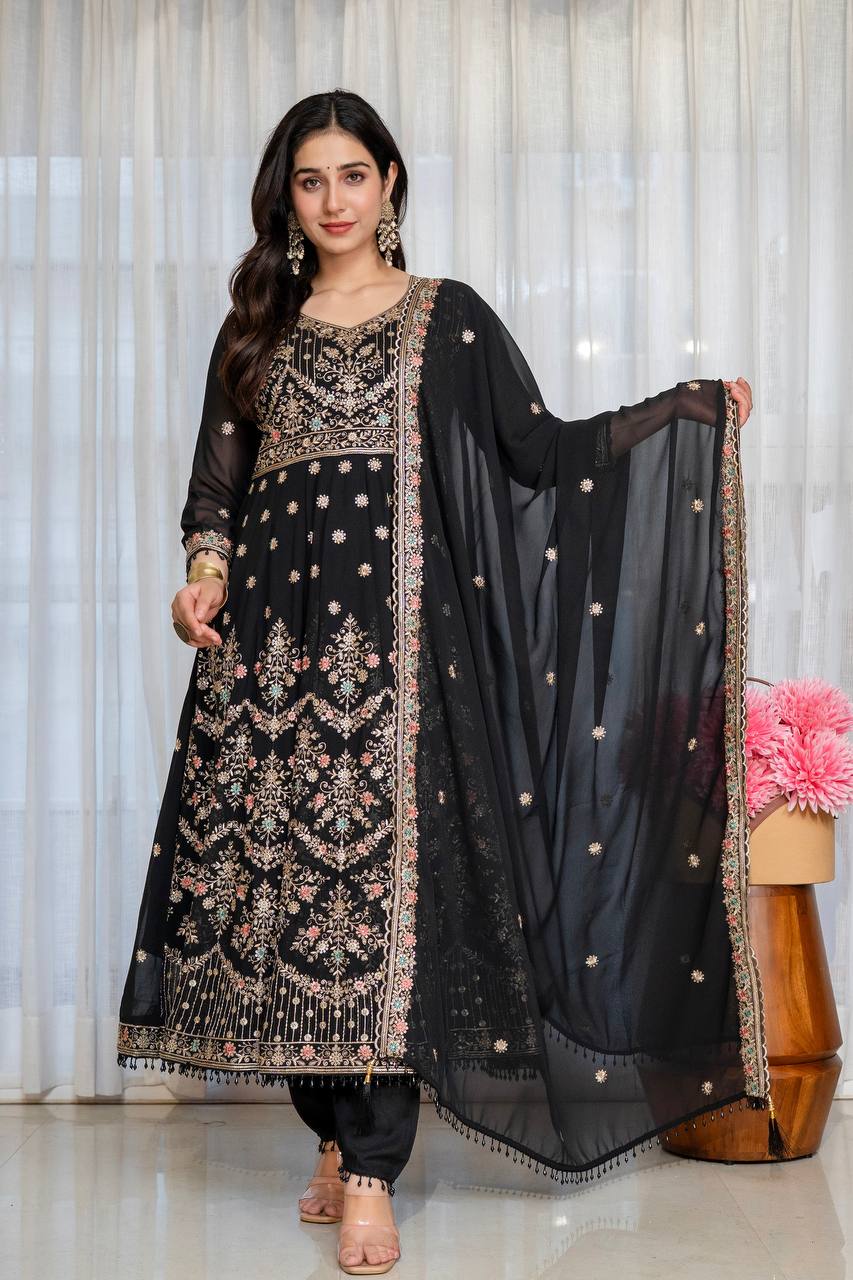
Black Anarkali Suit Set with Sequin Zari and Moti Lace Work is appropriate for an evening reception when styled with a plain wool shawl or a fitted longline jacket. Black can look festive when sequins, zari and pearl-like lace provide dimension, but the guest should avoid adding so much jewellery that the outfit competes with the bride's reception look.
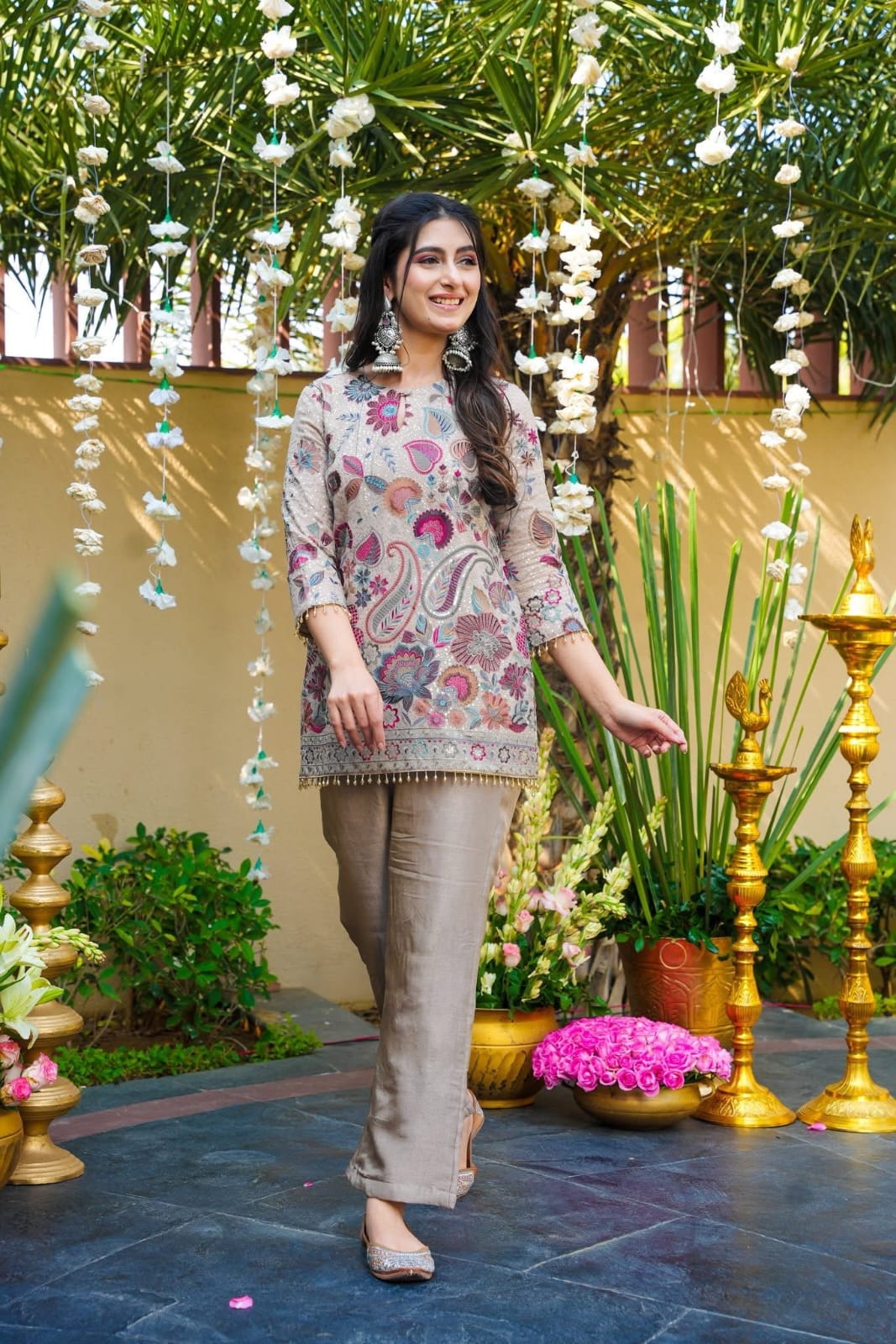
Modern Taupe Vichitra Silk Embroidered Co-Ord Set for Women brings a quieter alternative for a cocktail-style function or a contemporary hotel wedding. Taupe, mushroom and bronze shades work well with antique gold accessories and can be warmed with a rust, maroon or emerald shawl. A coordinated set also makes travel easier because the pieces can be worn separately for another event.
Sharara and palazzo suits are especially practical when the guest expects to sit on varied seating or walk outdoors. Choose a palazzo leg that clears the ground by at least 2 centimetres and avoid excessive flare if the venue has narrow stairs. A short kurta with a structured dupatta can look festive without the trailing fabric of a floor-length anarkali.
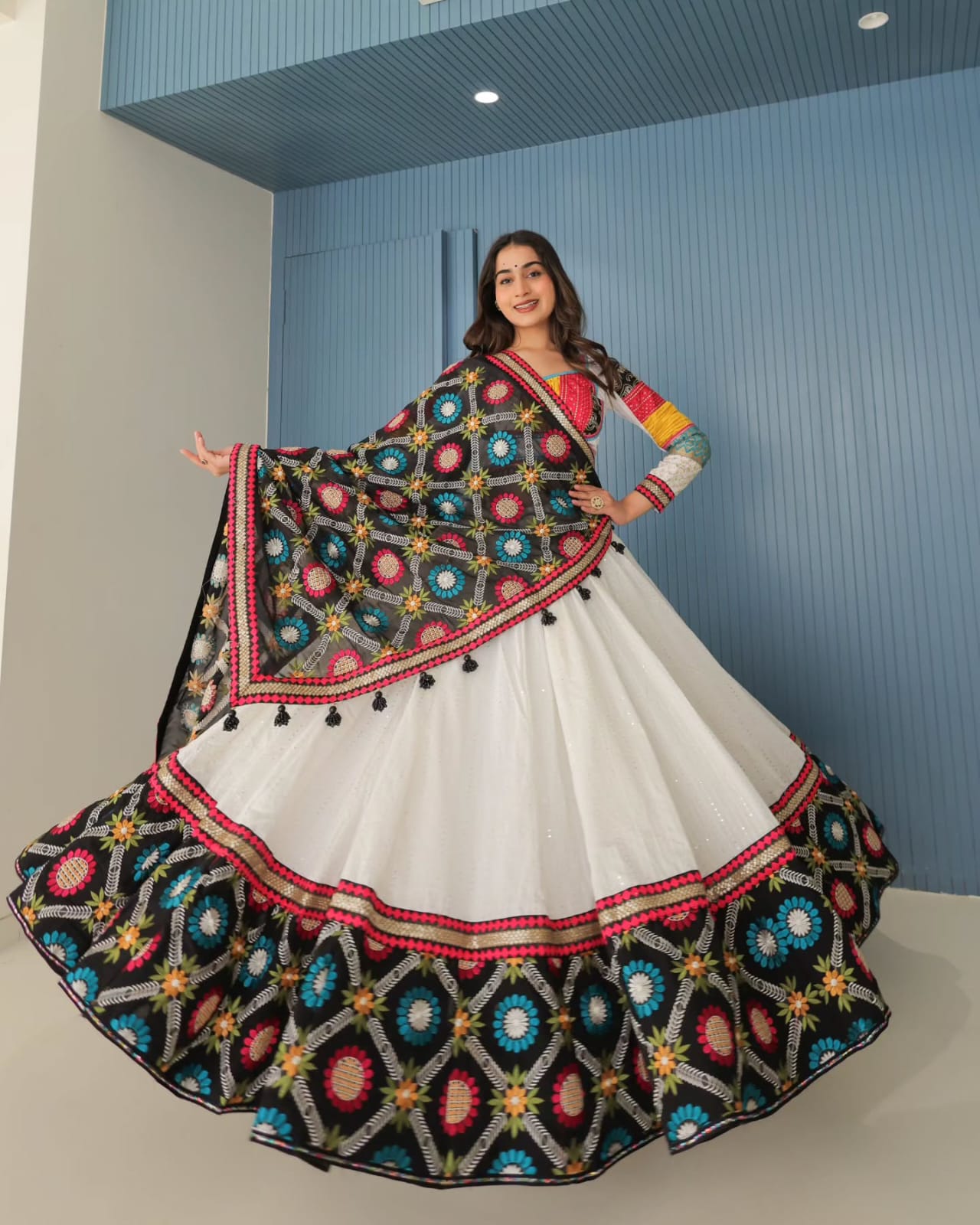
Lehengas work best for a formal evening wedding, but guests should choose a lighter skirt and a secure dupatta rather than a bridal-style veil, trailing train or very dense red embroidery. A cropped velvet jacket over a lehenga can provide warmth and create a polished silhouette for photographs.
Sikkim Wedding Guest Outfits: How should guests finish the look?
The finishing details should improve warmth, stability and cultural sensitivity without overwhelming the outfit. Jewellery, footwear, makeup, bags and outer layers should support the chosen silhouette rather than compete with its strongest feature.
Choose block heels, low wedges, juttis or embellished flats when the venue includes slopes, stone paths or extended standing. A heel between 1.5 and 2.5 inches usually brings height without the instability of a narrow stiletto. Break in new shoes before travelling, and pack blister plasters because mountain venues often involve more walking than the invitation suggests.
Gold jhumkas, pearl drops, a single long necklace or a narrow stack of bangles can finish an ethnic outfit. Avoid wearing every traditional accessory at once. If the saree has prominent zari, select simpler earrings; if the suit is relatively plain, a substantial earring or embroidered clutch can supply the focal point.
A shawl should be pinned so that it doesn't cover the blouse embroidery or slide into food and photographs. Wool, pashmina blends and brushed cotton are warmer than very thin synthetic scarves. A short jacket is often more secure than a large stole during travel, particularly when the guest will move between a car, ceremony space and dining area.
Makeup should account for cool air, wind and possible rain. A moisturising base, waterproof mascara and a lip colour that can be reapplied easily are more practical than a complex look requiring frequent touch-ups. Carry blotting paper, compact powder, safety pins and a small foldable umbrella in a structured handbag.
Colour also deserves consideration. Red, vermilion and heavily bridal gold may be central to the bride's styling, depending on the family and ceremony. Guests don't need to avoid red completely, but they can choose rust, berry, coral, wine, emerald, teal, ivory or taupe and keep the embellishment clearly below bridal intensity.
Sikkim Wedding Guest Outfits: What should guests pack and care for?
Guests should pack one adaptable warm layer, secure accessories, weather protection and a garment-care kit alongside the main outfit. Careful packing prevents wrinkles, moisture damage and last-minute styling problems during travel to Sikkim.
- Pack sarees and dupattas in breathable cotton covers rather than sealed plastic for the entire journey.
- Roll soft garments loosely, but fold heavily embellished pieces around acid-free tissue or clean muslin to reduce pressure on zari and sequins.
- Carry a travel steamer only if the accommodation permits it; otherwise use a low-heat iron through a cotton cloth.
- Keep zari, silk and velvet away from rain, perfume and hair spray because moisture and chemicals can dull metallic surfaces.
- Store damp shawls and umbrellas separately until completely dry to prevent musty odour.
- Carry neutral-toned inner layers that won't show beneath a light blouse, anarkali or translucent dupatta.
Banarasi silk should be aired after use before being folded along a different line for storage. Dry cleaning is generally safer for heavily embellished sarees, while care labels should take priority for silk blends, linen cotton and embroidered co-ord sets. Do not scrub zari borders or wring wet silk, because friction can loosen threads and distort the fall.
The most reliable Sikkim Wedding Guest Outfits respond to the actual celebration rather than relying on a single idea of mountain style. A lined saree, a jewel-toned Banarasi silk drape, an embroidered anarkali or a layered modern set can all work when the outfit respects the ceremony, manages the weather and allows the guest to move comfortably. Cultural awareness and practical preparation are what make ethnic wear look considered rather than costume-like.
Common Questions About Sikkim Wedding Guest Outfits
What should a woman wear to a wedding in Sikkim?
A woman can wear a saree, anarkali, sharara, palazzo suit or modest lehenga, depending on the ceremony and venue. Long sleeves, a warm shawl and stable footwear are useful for outdoor or evening weddings in Gangtok, Pelling and other hill locations.
Can guests wear a saree to a Sikkim wedding?
Yes, a saree is suitable for many Sikkim weddings when the drape is secure and the fabric matches the weather. Banarasi silk works well for formal evening events, while linen cotton is more comfortable for daytime functions; pin the pallu and keep the hem slightly above the floor.
What traditional clothing is associated with Sikkim?
Bhutia, Lepcha and Nepali communities contribute important clothing traditions in Sikkim. The Bhutia bakhu, Lepcha woven garments and Nepali saree or gunyu-cholo influences are culturally meaningful, so guests should ask the family before wearing a specific traditional garment rather than treating it as a costume.
Which colours are appropriate for a Sikkim wedding guest outfit?
Jewel tones such as emerald, teal, plum and sapphire, along with rust, taupe, ivory and pastel shades, are generally versatile choices. Guests should check family customs and avoid reproducing a bride's complete red, vermilion or heavily embellished gold look.
What fabrics are best for a winter wedding in Sikkim?
Medium-weight silk, Banarasi silk, wool-silk, lined crepe and velvet accents are practical for winter weddings. A warm shawl, jacket or thermal inner layer is often more useful than choosing an extremely heavy outfit that restricts movement.
What footwear should guests pack for a Sikkim wedding?
Guests should choose block heels, low wedges, juttis or embellished flats with good grip. Shoes between 1.5 and 2.5 inches are generally easier to manage on slopes, stone paths and wet ground than narrow high heels.