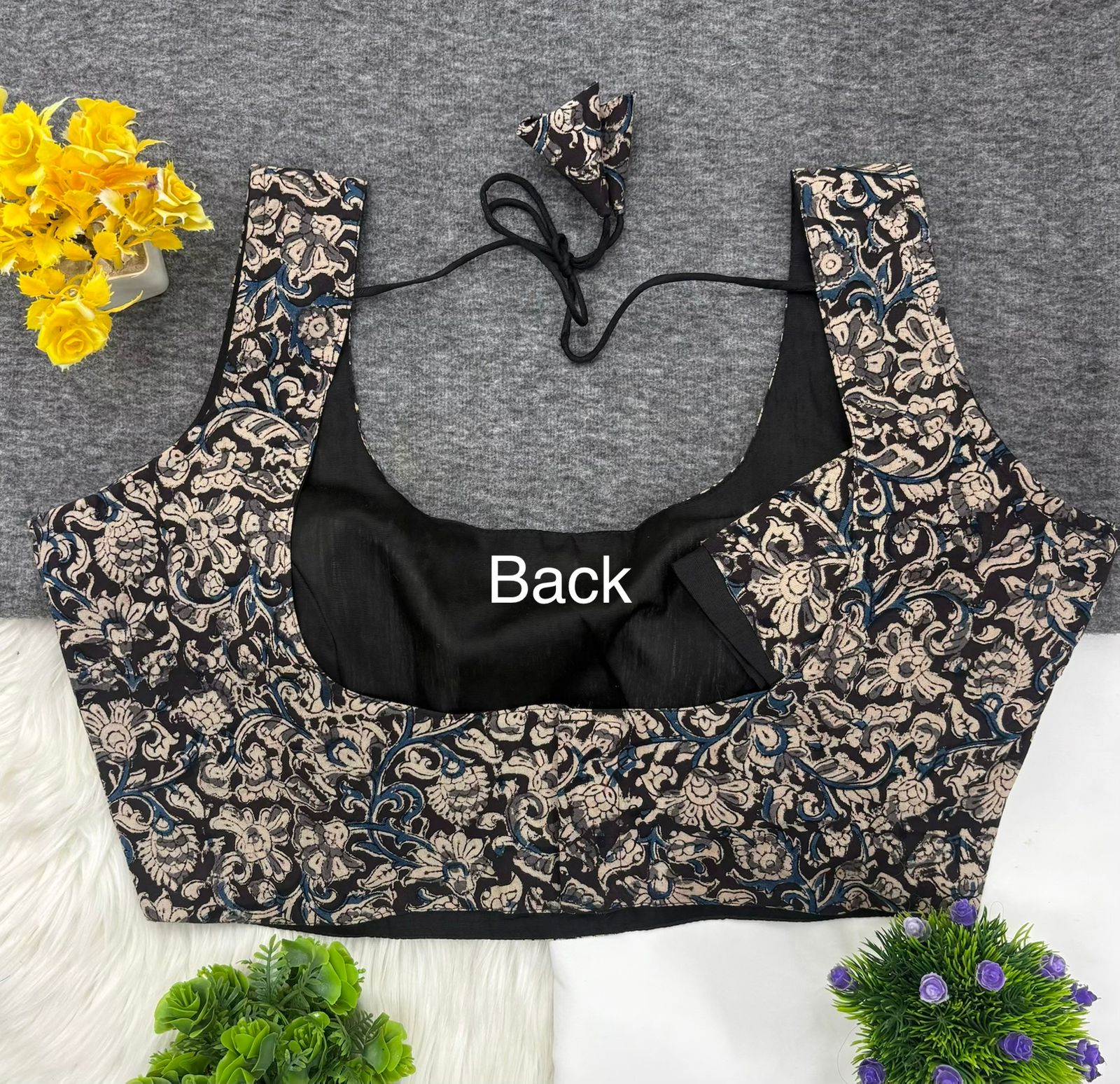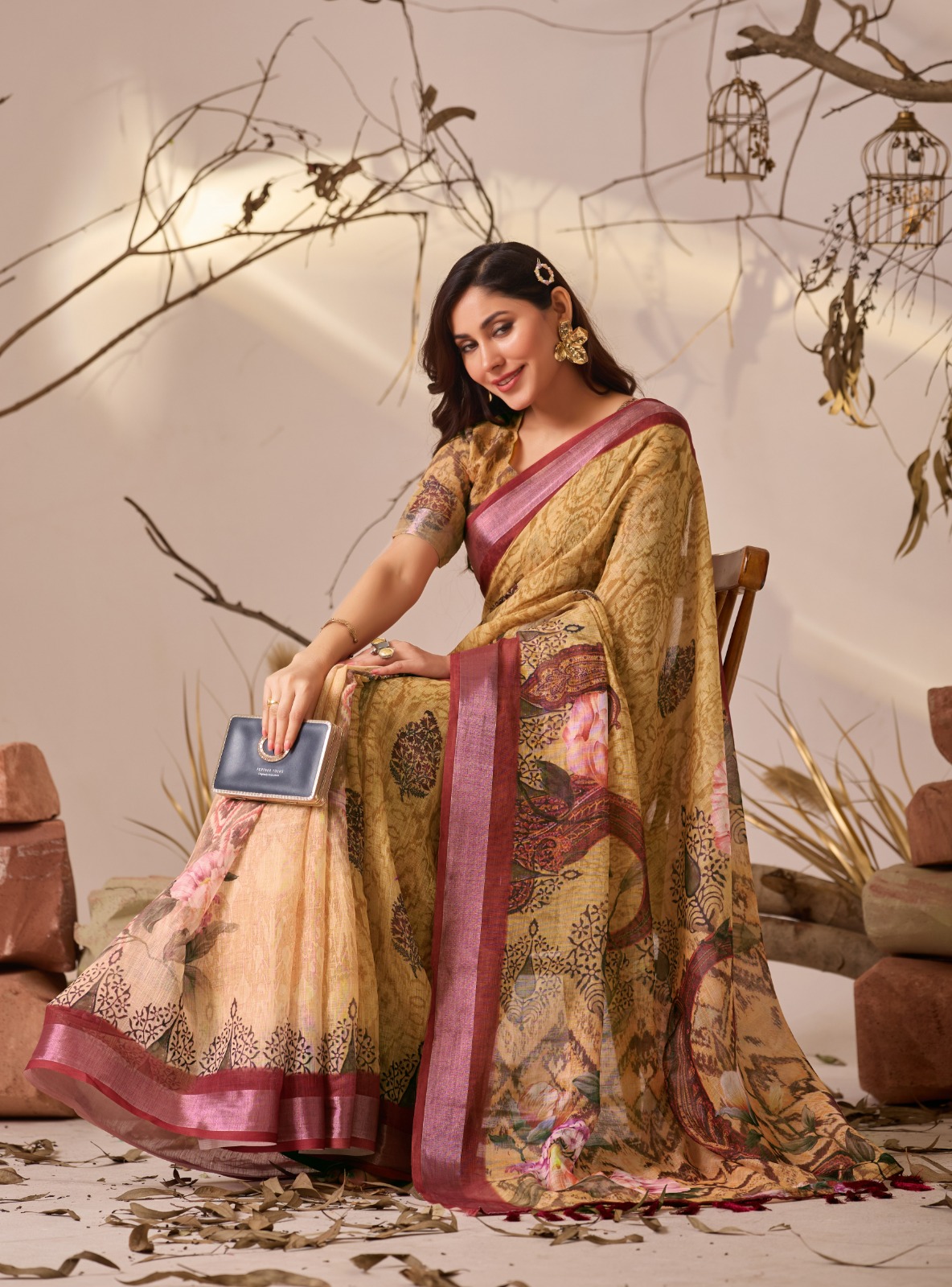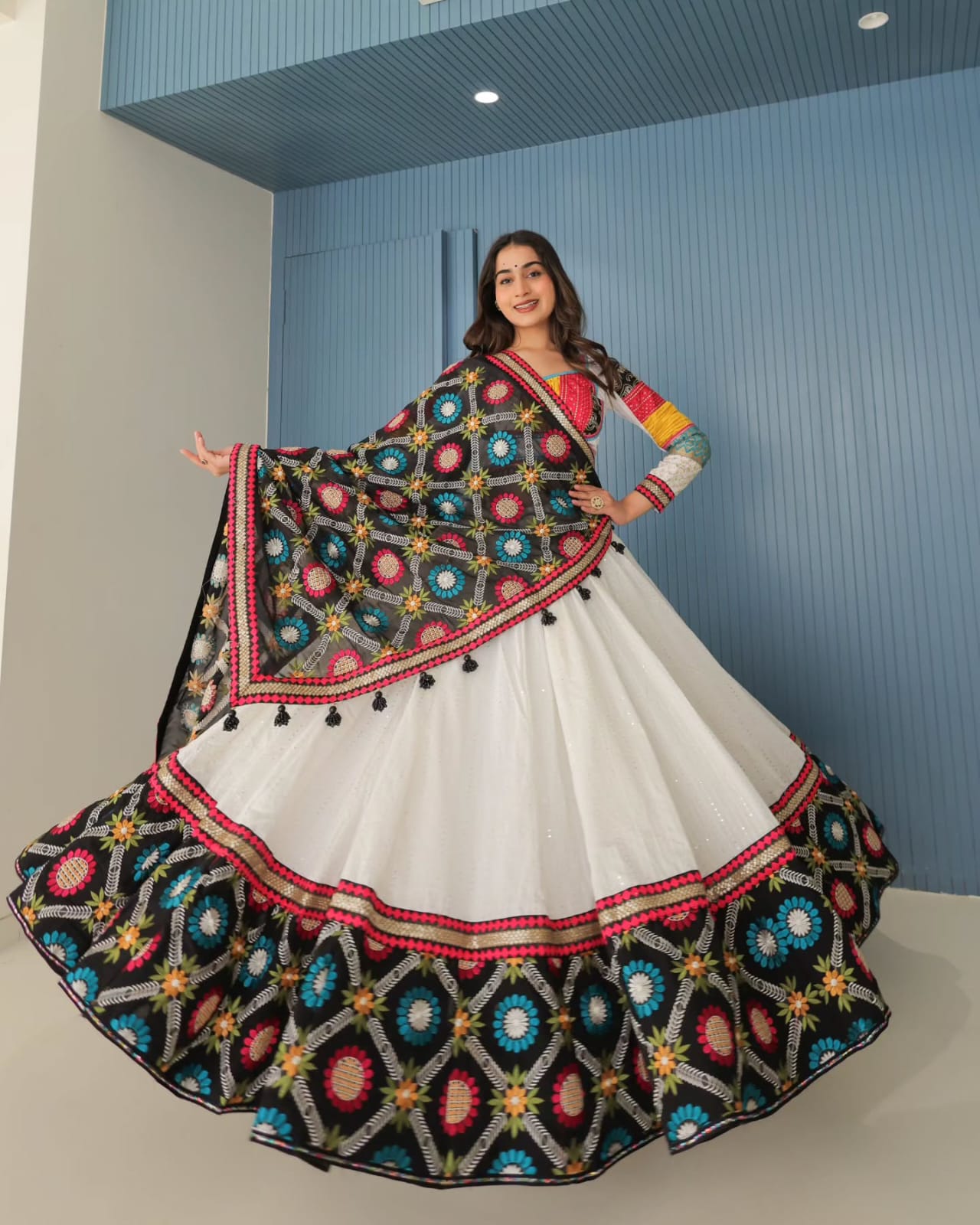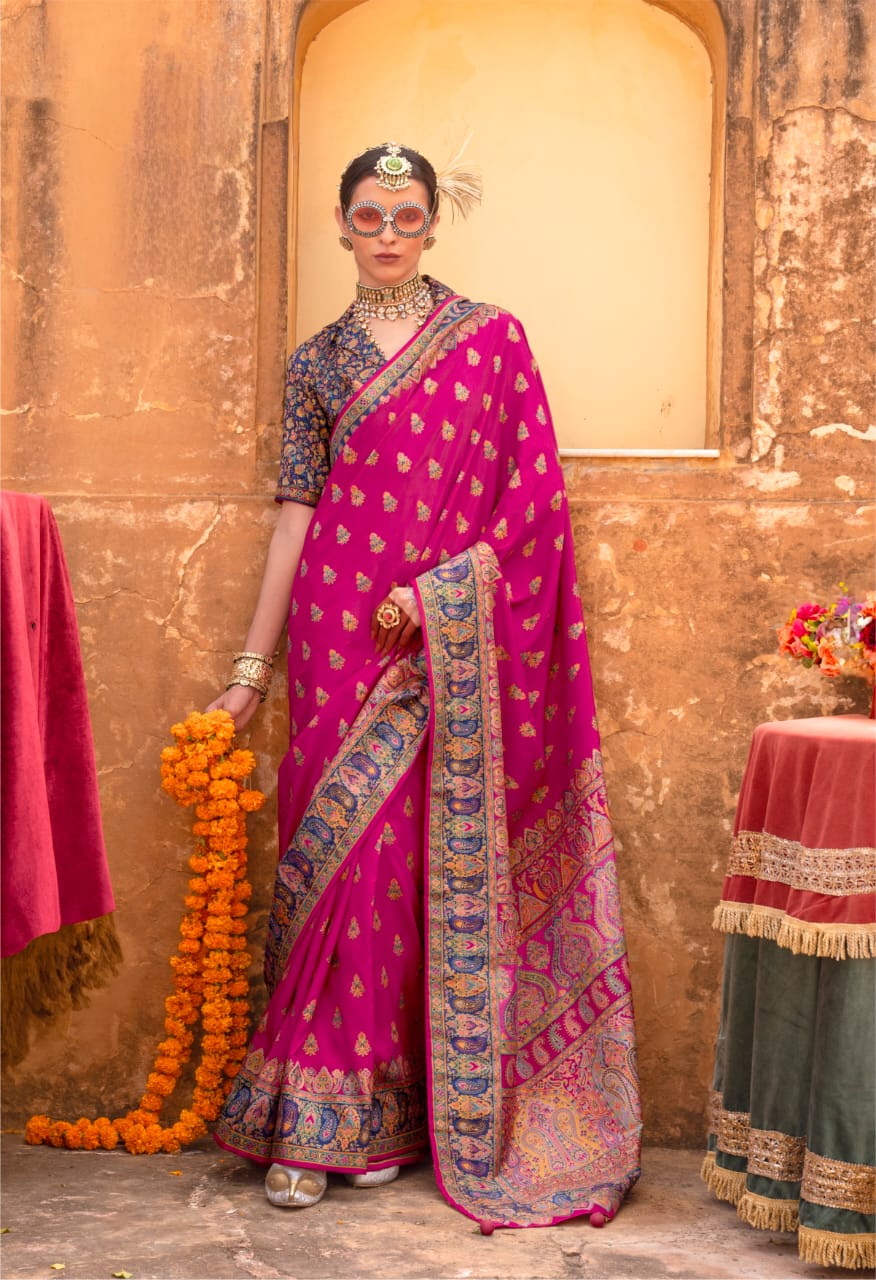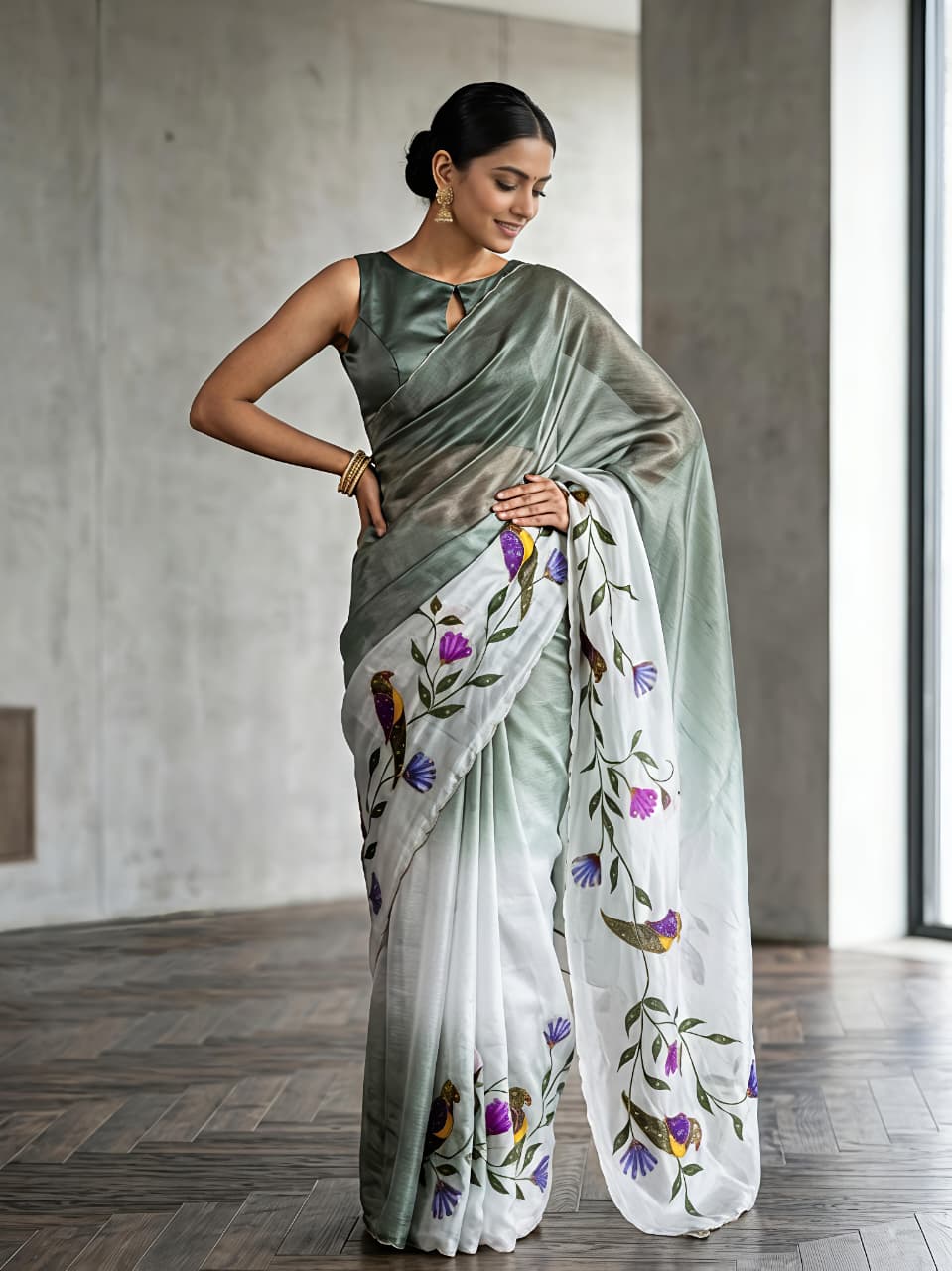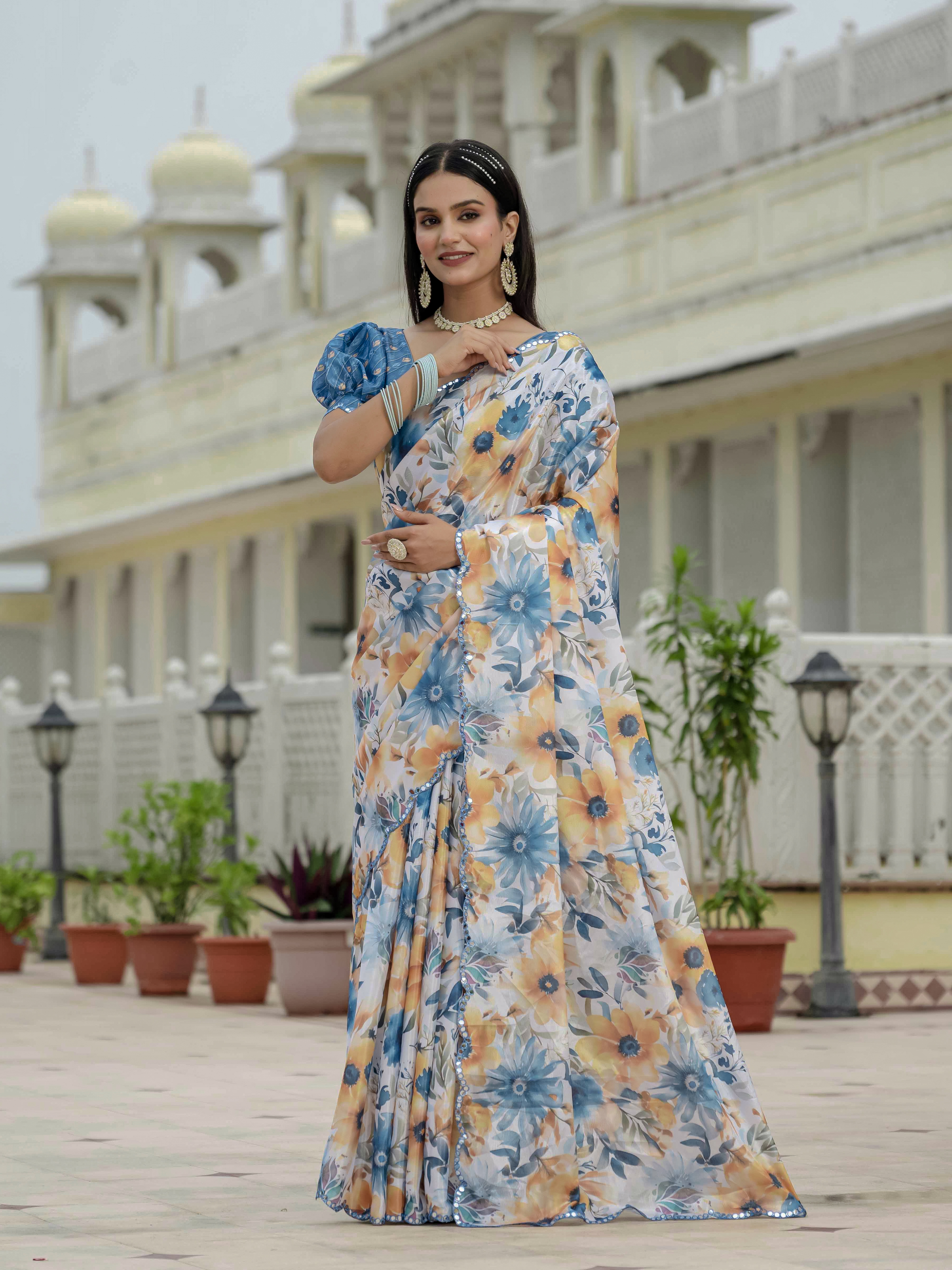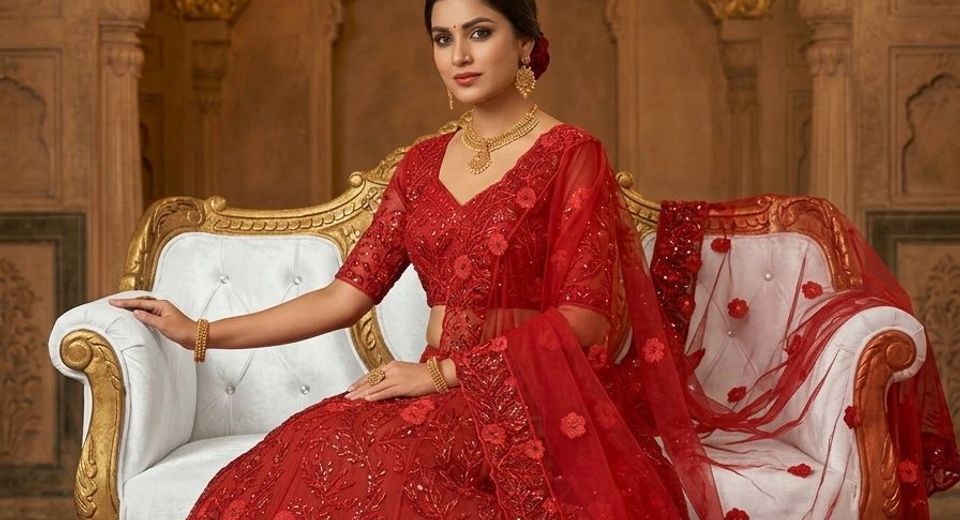
Sikkim Wedding Fashion needs to balance celebration, regional sensitivity and mountain weather. A Banarasi silk saree, a tailored salwar suit or a layered lehenga can all work beautifully, but the right choice depends on the ceremony, venue, time of day and amount of travel involved. Cool evenings, sudden showers and sloping outdoor venues make comfort a practical part of looking well dressed.
Sikkim has a rich social and cultural landscape shaped by Lepcha, Bhutia and Nepali communities, among others. Wedding customs differ between families, so no single outfit represents every Sikkim wedding. Guests should ask the couple or a close family member whether a particular ceremony has a dress expectation, especially when a Buddhist, Hindu or community-specific ritual is involved.
The most reliable approach is to choose a polished Indian silhouette, add useful warmth without hiding the outfit, and reserve heavily embellished clothing for events where it will be comfortable. Sikkim Wedding Fashion becomes easier to plan when clothing is selected ceremony by ceremony rather than as one outfit repeated across the whole wedding.
Sikkim Wedding Fashion starts with the ceremony schedule
The ceremony schedule should determine the outfit before colour, embroidery or accessories are chosen. A daytime Haldi ceremony, an evening reception, a religious ritual and a photographed outdoor event each create different demands for movement, coverage and warmth.
Daytime haldi and mehendi
Lightweight cotton-silk, Chanderi, viscose crepe and soft georgette are practical for haldi and mehendi because they breathe well and don't feel restrictive when guests sit on the floor or move between activities. Yellow, marigold, green, coral and pink are festive without requiring heavy bridal-level decoration.
A yellow kurta with straight pants or a pre-draped saree is easier to manage around turmeric than a long train. A lehenga with a washable or detachable dupatta also offers useful flexibility. Haldi Lehengas Under 5500 can provide a starting point for comparing bright colours and manageable silhouettes, but the fabric and lining should still be checked before purchase.
Wedding rituals and religious ceremonies
More covered silhouettes are usually the safest choice for religious ceremonies because they provide easy shoulder and leg coverage. A full-length anarkali, a salwar suit with a dupatta or a saree worn with a properly secured pallu can look formal without competing with the couple.
Ask whether head covering is expected before arriving at a monastery, temple or family ritual. A lightweight stole or dupatta in a matching colour is more useful than a very short decorative scarf. Avoid shoes that are difficult to remove if the venue requires guests to leave footwear outside.
Evening reception
An evening reception allows richer textiles and stronger embellishment, including Banarasi silk, velvet accents, zari, sequins and mirror work. A structured blouse, an A-line lehenga or a jewel-toned saree creates a formal appearance while leaving room for a shawl or cropped jacket.
Red Butterfly Net Sequins Lehenga Set Wedding Wear suits a reception-led wardrobe when the event is indoors and the wearer is comfortable with sparkle. Black Wedding & Festive Wear Designer Lehenga gives a darker, more dramatic direction, although black may not suit every family's preferences for a wedding ceremony.
How Sikkim Wedding Fashion compares sarees, salwar suits and lehengas
A saree gives adaptable elegance, a salwar suit provides maximum mobility and a lehenga creates a festive silhouette with a defined waist and coordinated layers.
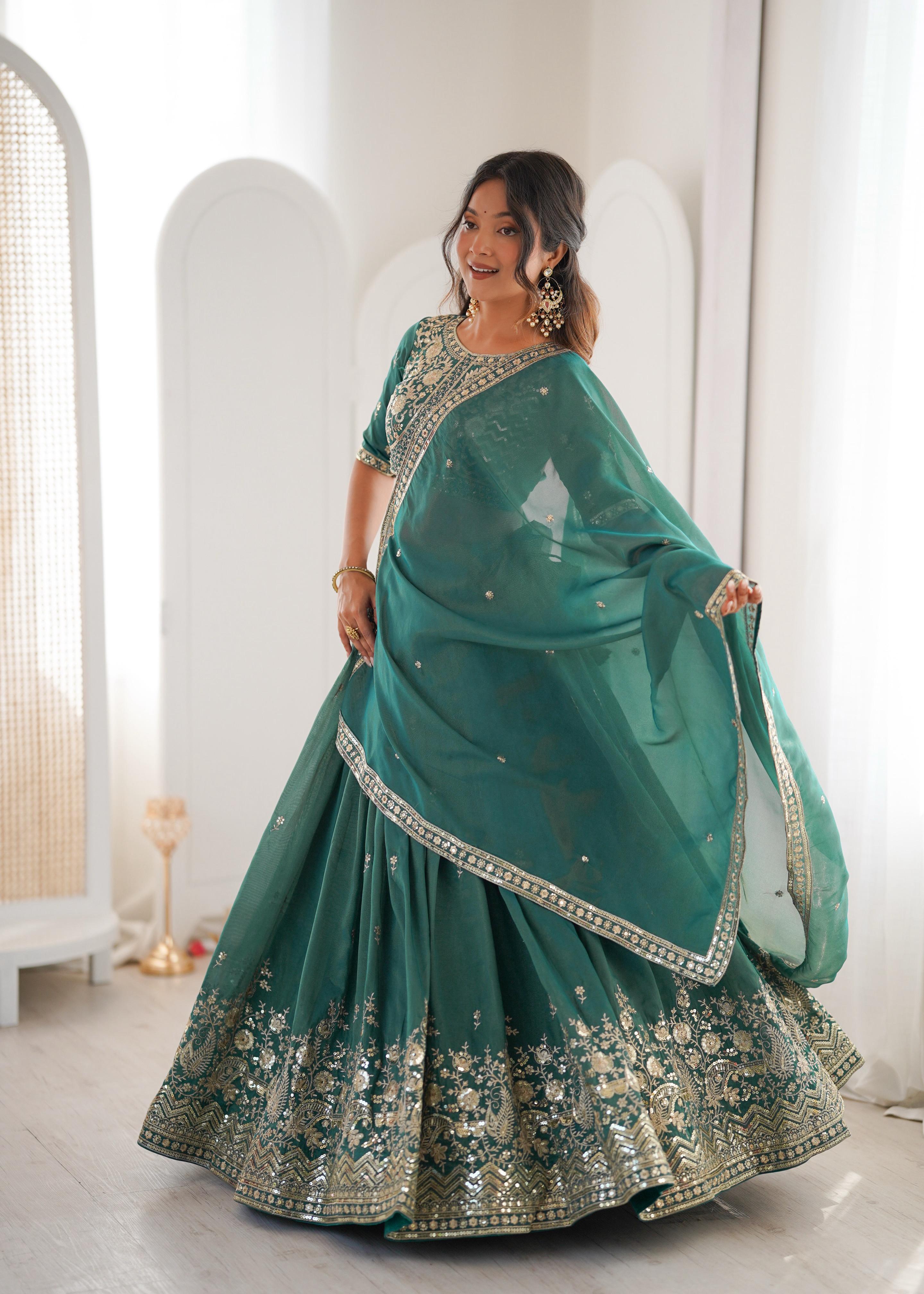
A saree works well when the wedding includes several formal moments because the same base garment can be restyled with a different blouse, belt, shawl or jewellery. Banarasi silk gives body and warmth for an evening celebration, while Chanderi creates a lighter daytime effect. Georgette and crepe are easier to drape than a stiff silk when the wearer is travelling or dressing without professional assistance.
A salwar suit is often the most practical choice for Sikkim travel. Straight pants, palazzos and churidar trousers allow easier walking on uneven ground, while an anarkali supplies the visual richness associated with occasion wear. A suit with a lined dupatta also makes it simple to add a thermal camisole or a thin base layer underneath without changing the overall appearance.
A lehenga gives a strong wedding look, but hem length and volume matter. A floor-sweeping skirt can collect moisture on grass, stairs and stone paths. A hem that sits approximately 2 to 3 centimetres above the floor while wearing the intended footwear is safer for movement.
Designer Threadwork Silk Lehenga Choli Set with Dupatta shows how silk and threadwork can create occasion impact without relying exclusively on reflective sequins. The silk body also pairs naturally with a shawl or cropped jacket for an evening celebration.
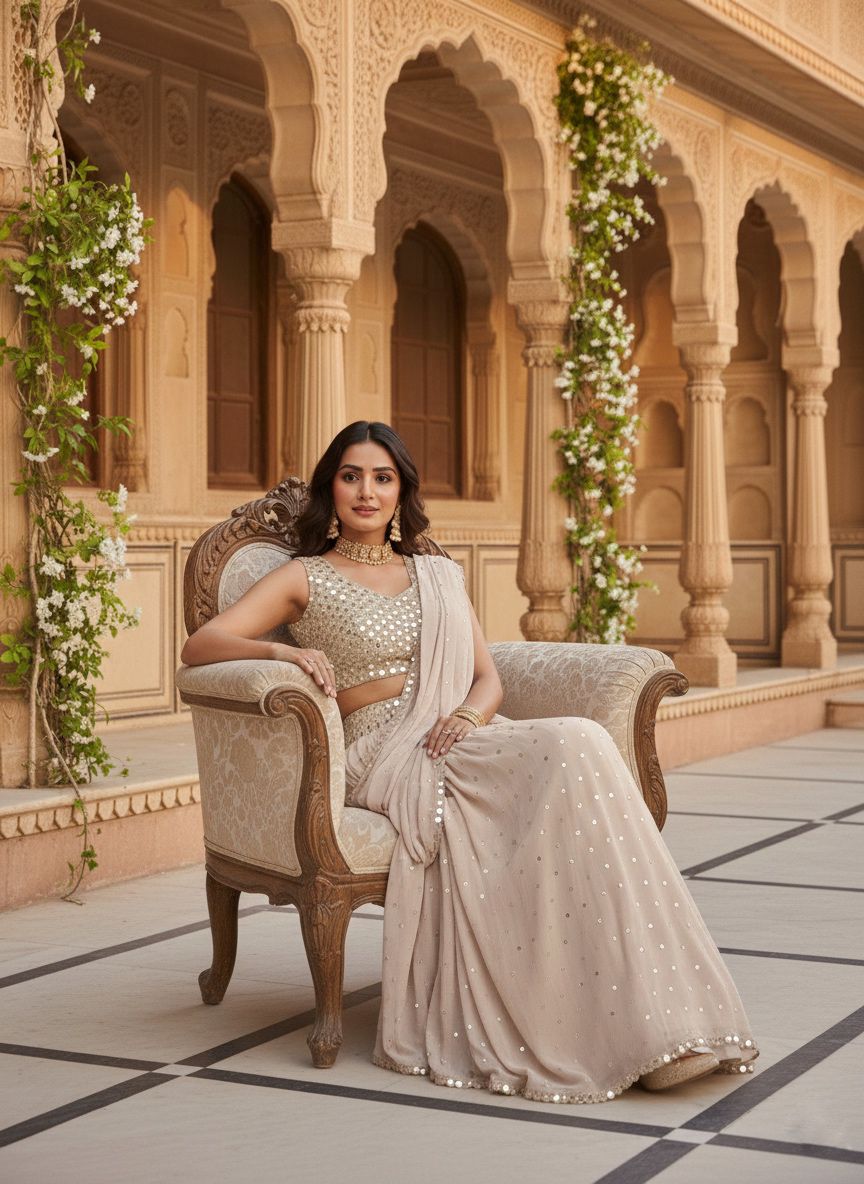
Ready-to-wear sarees can be useful for guests who want saree styling without repeated pleat adjustment. Beige Mirror Work Ready to Wear Saree with Blouse brings a neutral base for coloured jewellery and a warm wrap. A pre-stitched style should still be tested while sitting, climbing stairs and walking quickly before the event.
Sikkim Wedding Fashion depends on weather-ready fabrics
Medium-weight silk blends, lined georgette, velvet details and layered crepe generally work better than very thin net or unlined chiffon in cool Sikkim evenings.
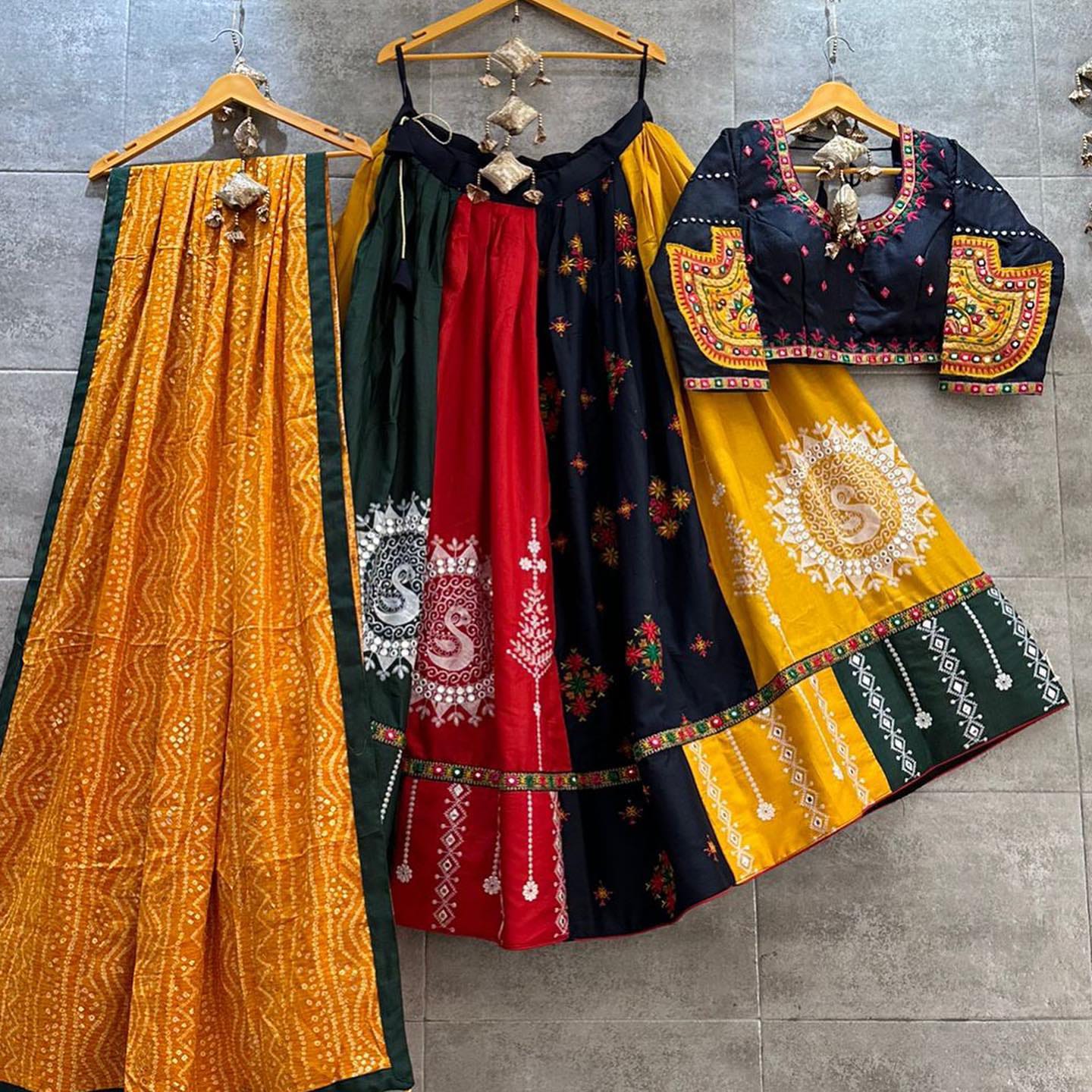
Silk has natural body and can sit comfortably over a thin thermal layer, making Banarasi silk, tussar-inspired textures and silk blends useful for evening wear. A silk skirt with a lined blouse retains warmth better than an unlined net lehenga. Stylish Multicolor Butter Silk Lehenga Choli Set is an example of a colourful silk-led option that can transition from a daytime photo session to an indoor celebration.
Chanderi is light and elegant but can feel too cool by itself after sunset. Pairing a Chanderi saree with a full-sleeve blouse, a silk petticoat and a shawl improves practicality. Cotton-silk is similarly versatile because it has more breathability than heavy synthetic velvet while retaining enough structure for pleats and flared skirts.
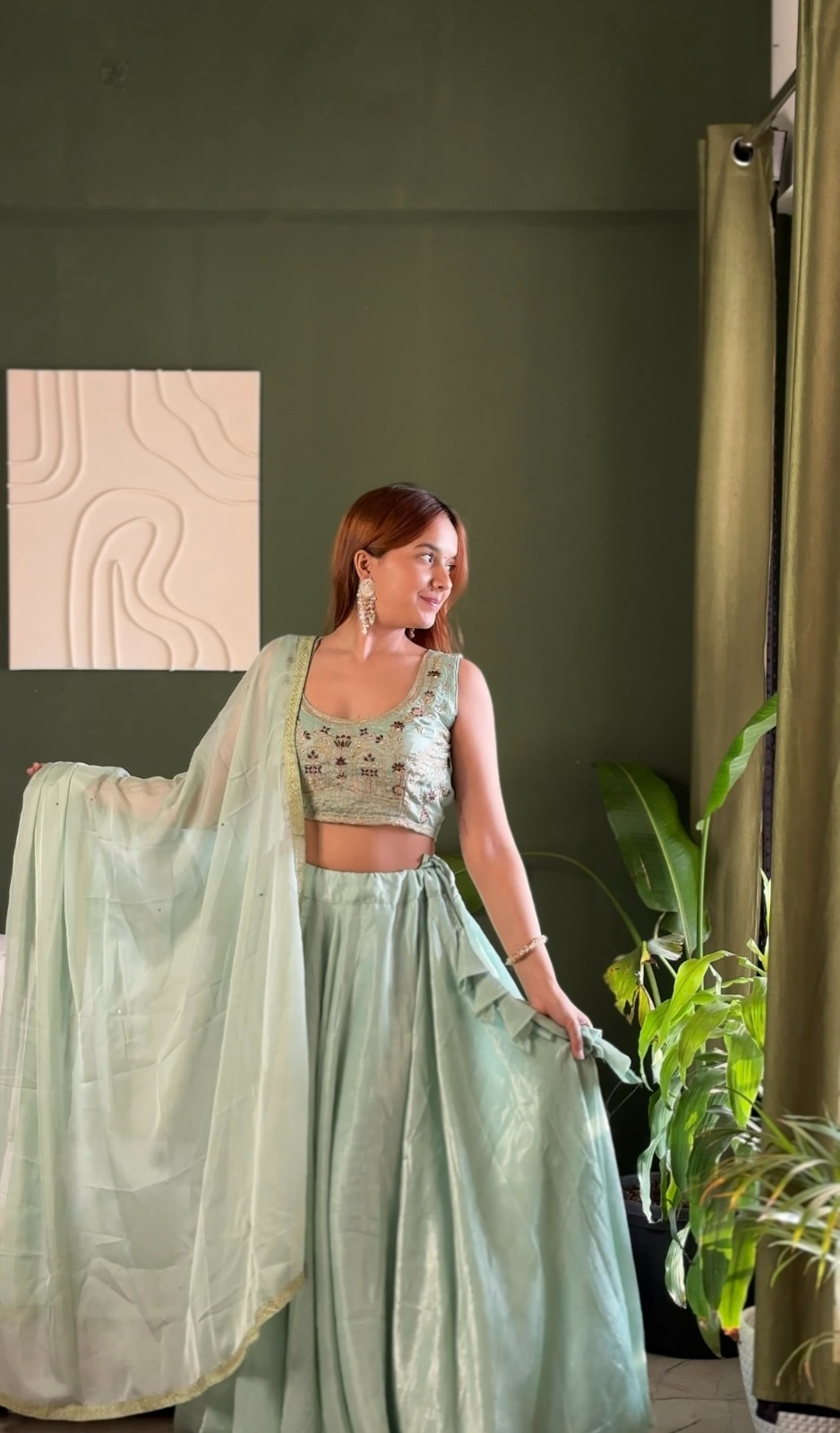
Net, organza and chiffon are best treated as outer layers rather than the only source of warmth. A net dupatta can look delicate in photographs, but it won't replace a woollen wrap. Mint Embroidered Lehenga Set with Net Dupatta for Women works more comfortably when combined with a plain full-sleeve blouse layer or a coordinated shawl for a late event.
Check lining, seam finishing and fabric weight before ordering. A lined skirt reduces cling and protects the legs from scratchy embroidery. A blouse with cotton or satin lining feels more comfortable than a raw embellished interior. For travel, fabrics that recover from gentle folding are preferable to fragile zari-heavy pieces that require immediate pressing.
Layering makes Sikkim Wedding Fashion more comfortable
A coordinated shawl, cropped jacket or full-sleeve blouse adds warmth while preserving the intended shape of a saree, salwar suit or lehenga.
For a saree, choose a pashmina-style wrap, wool-blend stole or silk shawl in a colour already present in the border. Drape the wrap over both shoulders during travel and move it to one shoulder for photographs. A belt can secure the pallu underneath the wrap, but the belt should sit comfortably and should not pull delicate zari.
For a lehenga, a velvet or brocade cropped jacket is more practical than a long open coat because it keeps the waistline visible and avoids catching on the skirt. A longline jacket can work with a relatively slim skirt, but a jacket over a very wide can-can lehenga may create excess bulk. A full-sleeve blouse in velvet, satin or lined raw silk also brings warmth without introducing another layer.
For a salwar suit, the dupatta can provide the most useful coverage. A shawl-weight dupatta in silk or wool blend looks intentional when its border matches the kurta embroidery. Palazzo trousers are comfortable for long ceremonies, but very wide legs can drag on wet ground; straight pants are usually safer for outdoor movement.
Keep a neutral wrap in the vehicle or hotel rather than relying on the venue to provide one. A compact pair of foldable flats, blister plasters and safety pins are equally useful because mountain venues may involve stairs, gravel or extended standing.
Colour and accessories shape Sikkim Wedding Fashion
Wedding colour choices should respect family preferences while allowing guests to wear festive shades such as pink, emerald, marigold, wine, ivory and blue.
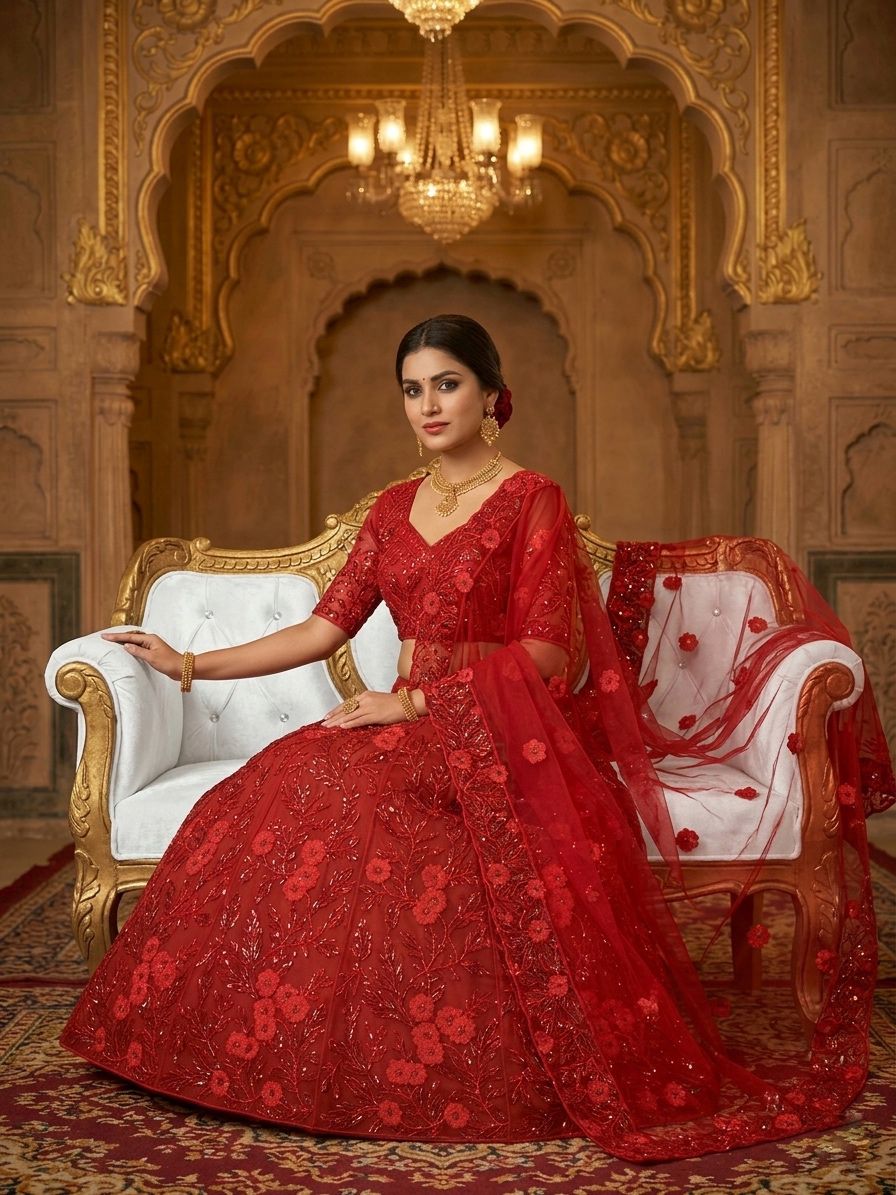
Red remains strongly associated with bridal clothing in many Indian families, so guests can use red as an accent rather than choosing a fully bridal red lehenga with a heavy veil. Pink, coral and berry tones provide celebration without making the outfit look like formal bridal wear. White can be perfectly appropriate in some modern celebrations but may carry different meanings in different households; confirm before wearing an all-white outfit.
Mirror work catches daylight and camera flash, while zari gives a more traditional reflective finish. Festive White Lehenga Choli with Mirror Work Design is best balanced with coloured earrings or a contrasting dupatta so the look remains festive rather than bridal-minimal. Green Chinon Silk Sequins Embroidered Lehenga Set brings jewel-tone colour, but sequins should be checked for snagging if the event involves crowded seating or children.
Jewellery should follow the neckline and embroidery scale. Choker necklaces suit open or sweetheart necklines, long earrings work with high-neck blouses and a maang tikka should be worn only when it feels appropriate for the ceremony. Gold-toned jewellery complements maroon, mustard and green, while silver or oxidised metal works naturally with mirror work, cool pink and blue.
Colour coordination doesn't require identical outfits for a wedding group. Bridesmaids can choose related shades in different silhouettes, such as one person in a saree, another in a salwar suit and another in a lehenga. Bridesmaid Lehengas Under 5500 can be useful for comparing coordinated event dressing without requiring every member of the group to wear the same design.
Buying and packing for Sikkim Wedding Fashion
The safest purchase combines a tested fit, manageable weight, secure closures and enough time for alterations before travel.
Measure the bust, waist, hip and shoulder rather than relying only on a usual size. Check whether a blouse has seam allowance, whether the lehenga waistband has adjustability and whether the dupatta is long enough to cover the shoulder comfortably. Alterations are especially important for petite wearers because excess hem length becomes a safety problem on wet paths and stairs.
Price should be assessed alongside fabric, lining, embroidery density and finishing. Silk Lehengas Under 3000 may suit a daytime function when the garment has a comfortable lining and modest embellishment, while heavier reception clothing may justify a higher budget. Pink Lehengas Under 4000 with 50% Discount and Net Lehengas Under 4500 with 51% Discount can help with price comparison, but a discount should not replace checking construction and return measurements.
Pack embellished clothing in a breathable cotton garment bag rather than sealing it in plastic for several days. Roll a saree around a soft muslin layer or fold a lehenga with tissue paper between embroidered panels. Carry a small repair kit containing safety pins, matching thread, a needle, fashion tape and spare hooks.
Press garments at the correct temperature after unpacking. Banarasi silk and zari should be turned inside out and protected with a cotton cloth, while sequins should not be placed directly under a hot iron. Do not machine-wash embellished lehengas or mirror-work sarees unless the care label expressly allows it. Professional dry cleaning is safer for zari, mirror work and structured lining.
An useful Sikkim wedding outfit should survive the journey, the weather and the ceremony without constant adjustment.
Practical Questions About Sikkim Wedding Fashion
What should a guest wear to a wedding in Sikkim?
A guest can wear a saree, salwar suit or lehenga with a shawl, full-sleeve blouse or cropped jacket for cooler weather. Choose the outfit according to the ceremony, venue and family preferences, and confirm whether a religious event requires additional coverage.
Which fabric is warmest for a Sikkim wedding lehenga?
A lined silk blend, Banarasi silk or a lehenga with velvet details is generally warmer than unlined net or chiffon. A thin thermal layer under a lined blouse can add warmth without changing the visible silhouette.
Can I wear a saree to a Sikkim wedding?
Yes, a saree is suitable for a Sikkim wedding when the drape is secured and the fabric suits the weather. Choose silk, cotton-silk, lined georgette or crepe, and carry a shawl for cool evenings and outdoor photographs.
What should I wear to a haldi ceremony in Sikkim?
A lightweight yellow, green, pink or coral salwar suit, saree or lehenga is practical for a Haldi ceremony. Select a manageable hem and a washable or less delicate fabric because turmeric can stain embroidery and pale textiles.
How can I stay warm while wearing a lehenga at a wedding?
Wear a full-sleeve lined blouse, a thin thermal camisole, a coordinated velvet jacket or a wool-blend shawl. Choose a lined skirt and avoid relying on a transparent net dupatta as the only protective layer.
Is black appropriate for a Sikkim wedding guest outfit?
Black can work for an evening reception, especially when combined with festive embroidery, metallic jewellery or a colourful dupatta. Since some families prefer traditional wedding colours, ask the hosts before wearing an all-black outfit to a main ceremony.