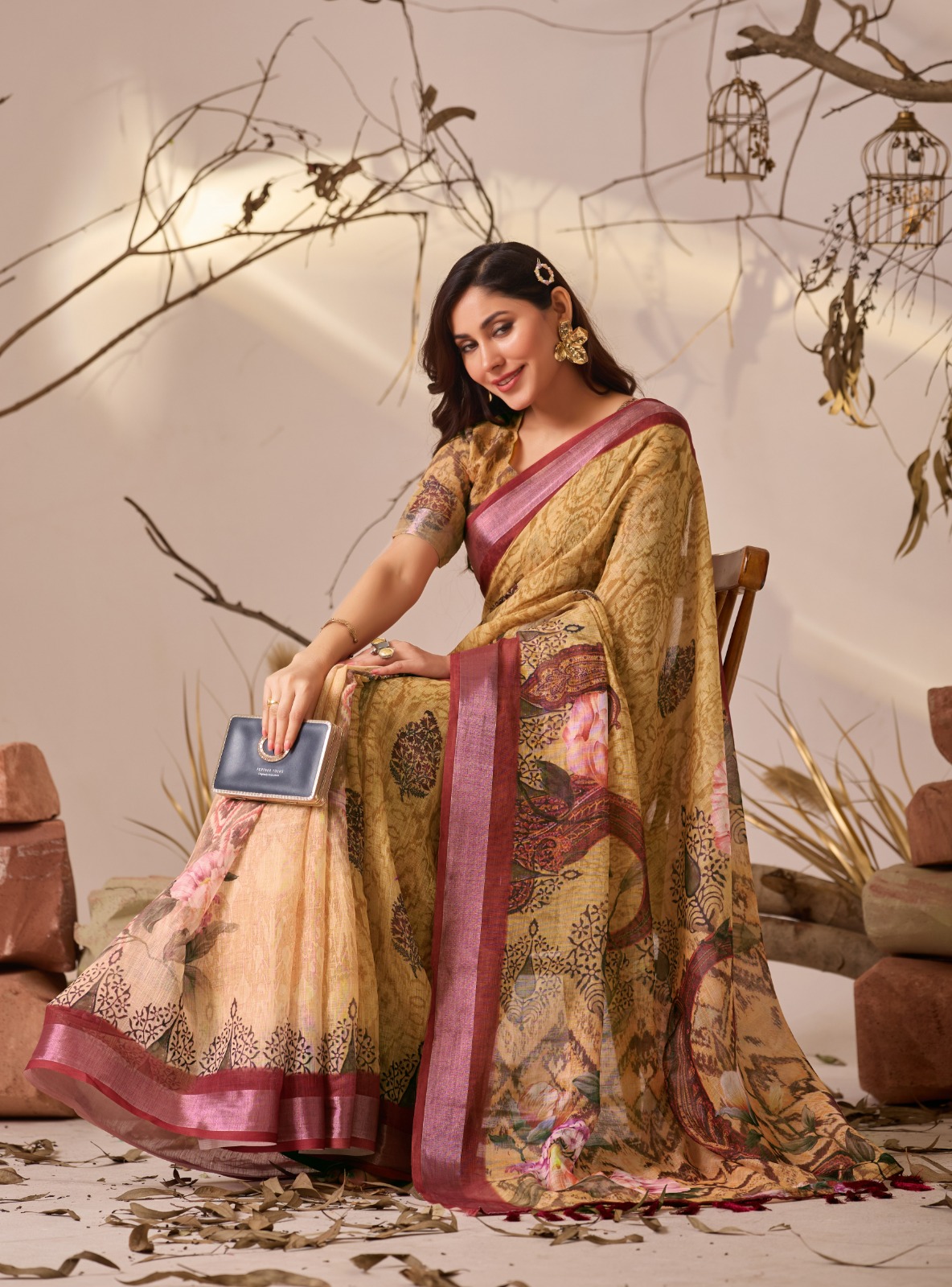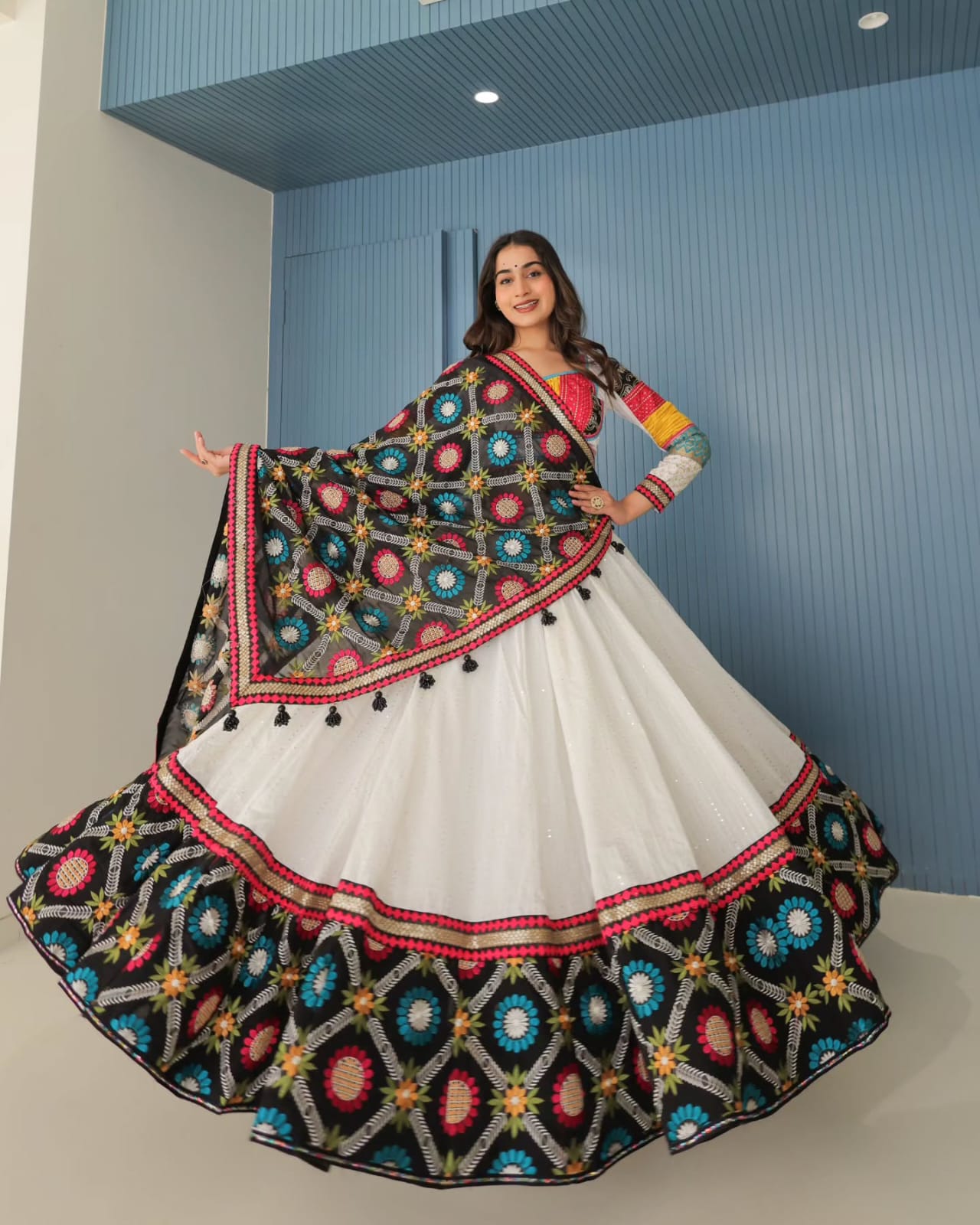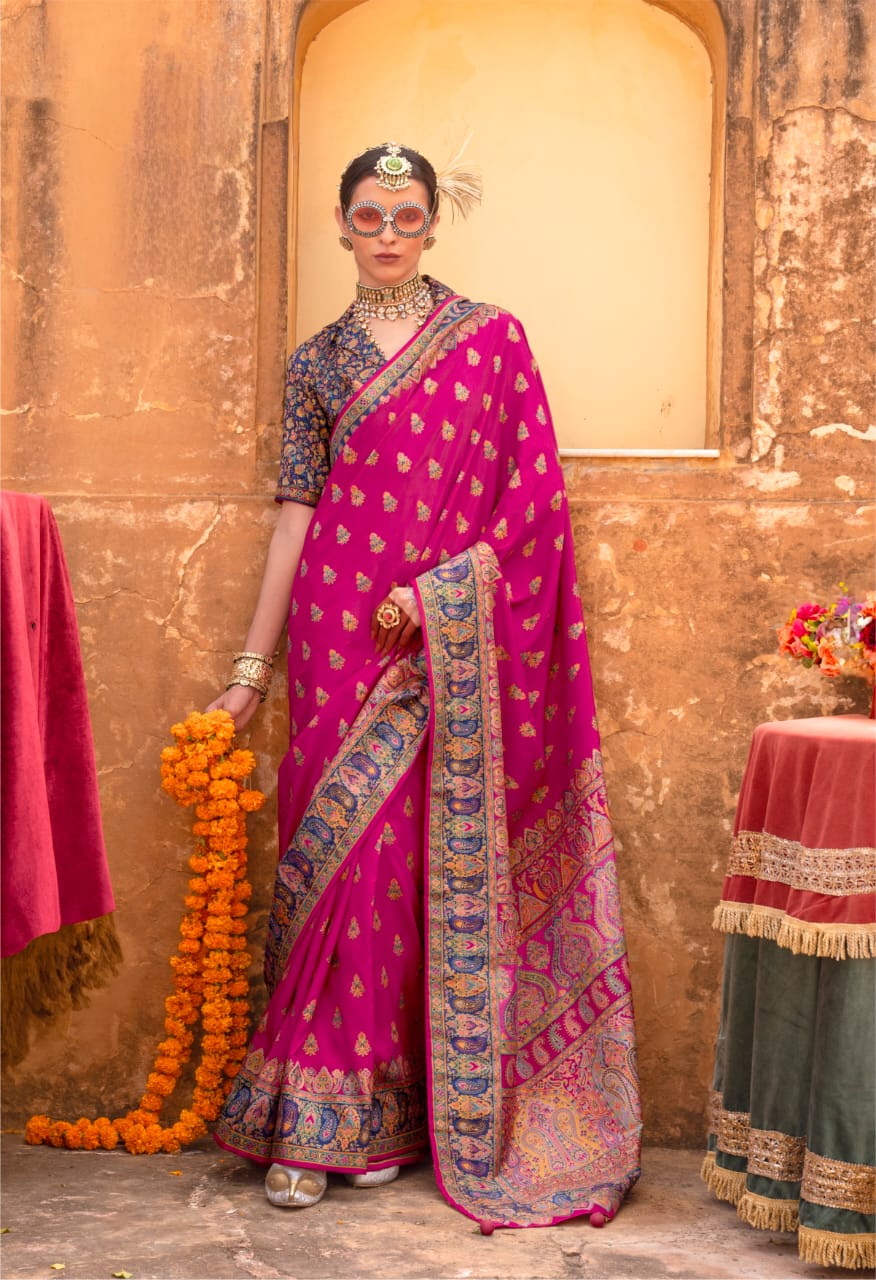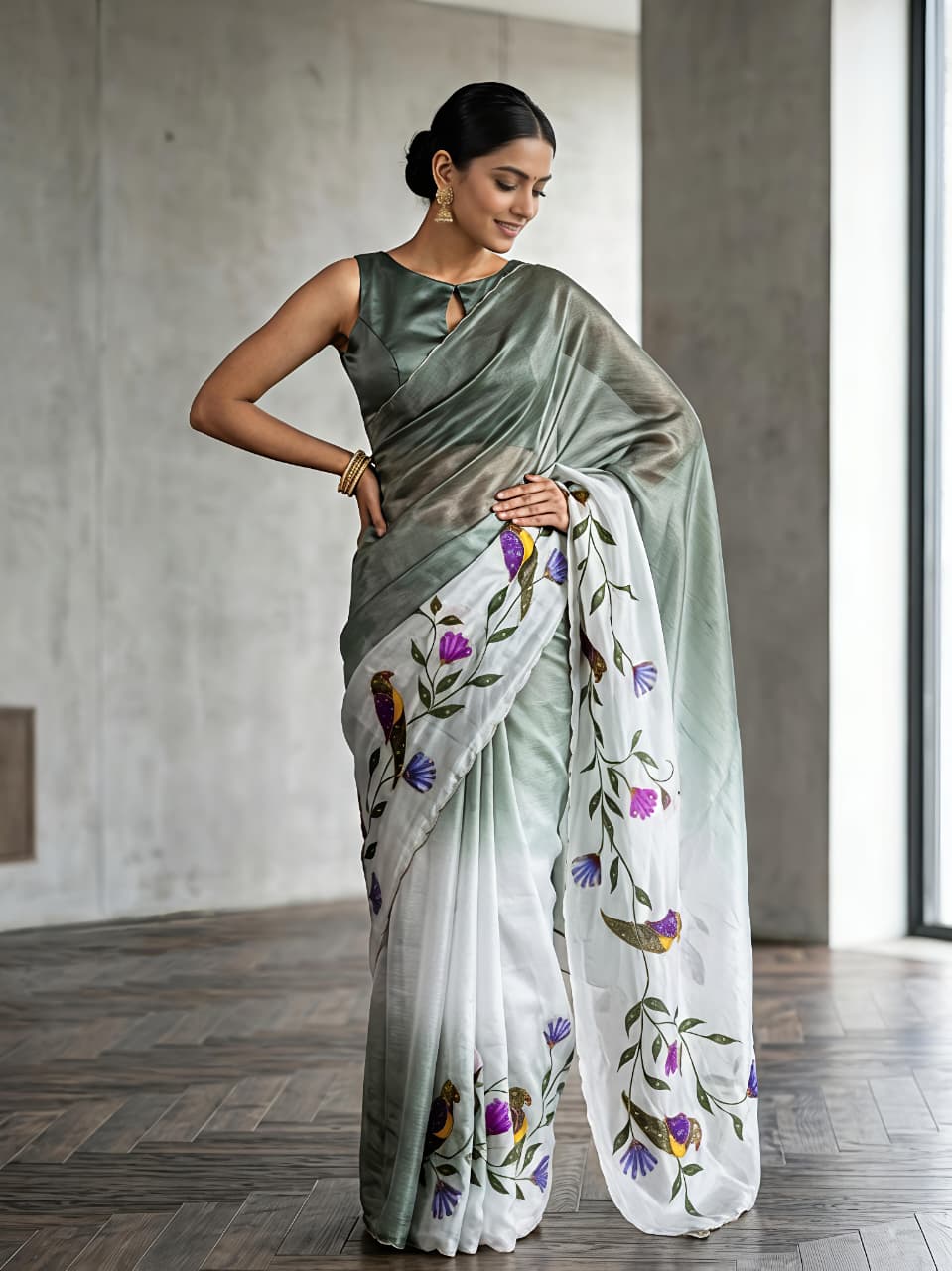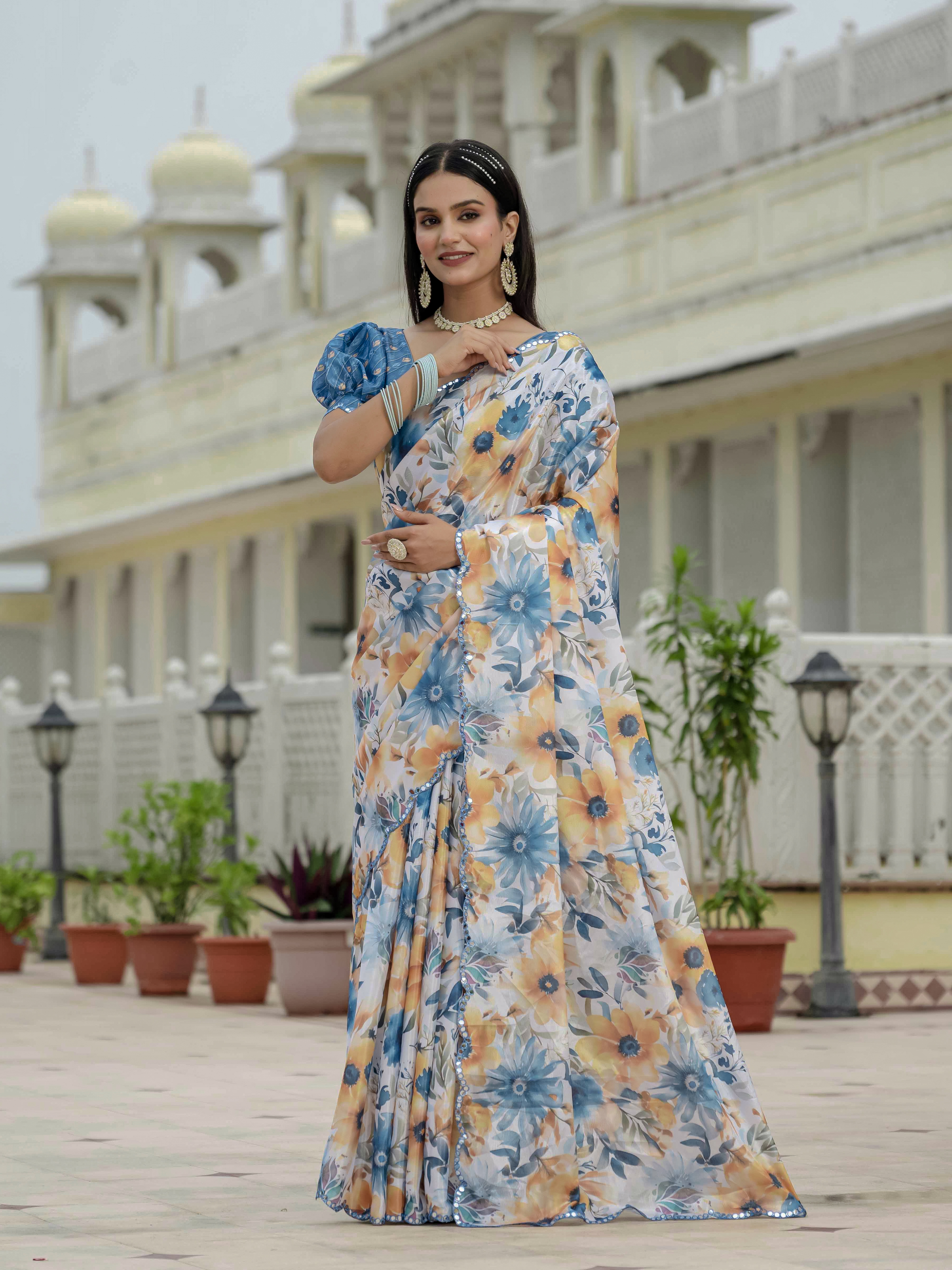
Sikkim Traditional Textile-Inspired Blouse Designs bring the visual language of Himalayan weaving into a garment that can be worn with a saree, mekhela-style drape or festive skirt. The most useful references come from Lepcha weaving, Bhutia dress traditions and the geometric colour arrangements found across Sikkim's textile culture. A good blouse doesn't copy a ceremonial garment casually; it borrows a border, colour relationship, weave or construction idea with care.
That distinction matters when choosing a blouse for a traditional event. A red-and-black geometric border, a compact woven texture, a high neckline or a deep earthy palette can suggest Sikkim without turning cultural clothing into a costume. The following guide explains which details translate well, how to select fabric and lining, and how to style the finished blouse with an Indian wardrobe.
What gives Sikkim-inspired blouses their visual identity?
Sikkim-inspired blouses usually draw their identity from geometric patterning, strong border placement, dense colour contrast and tactile handloom surfaces. Lepcha textiles are especially associated with striped and patterned woven cloth, while Bhutia clothing traditions are recognised through structured silhouettes, rich colours and layered dressing.
Common visual references include narrow horizontal stripes, stepped diamonds, chevrons, small checks and repeated bands. These motifs work particularly well on a blouse because a sleeve cuff, neckline or back panel can display a pattern without covering the entire outfit. A border placed along the sleeve opening may be more wearable than a large all-over print.
Colour also carries much of the effect. Vermilion red, deep maroon, black, indigo, forest green, saffron, cream and muted gold create a Himalayan-inspired palette. Pairing one saturated colour with a quiet neutral prevents the blouse from competing with a heavily woven saree.
A blouse inspired by Sikkim textiles should also feel substantial in construction. Cotton handloom, cotton-silk, raw silk and medium-weight silk provide enough body for geometric borders and structured necklines. Very thin polyester can reproduce a colour, but it often loses the grounded texture that makes woven references look convincing.
Sikkim Traditional Textile-Inspired Blouse Designs to consider
The strongest Sikkim Traditional Textile-Inspired Blouse Designs use one clear textile reference instead of combining every Himalayan detail in one garment. A border blouse, a striped blouse and a woven-texture blouse each offer a different level of statement.
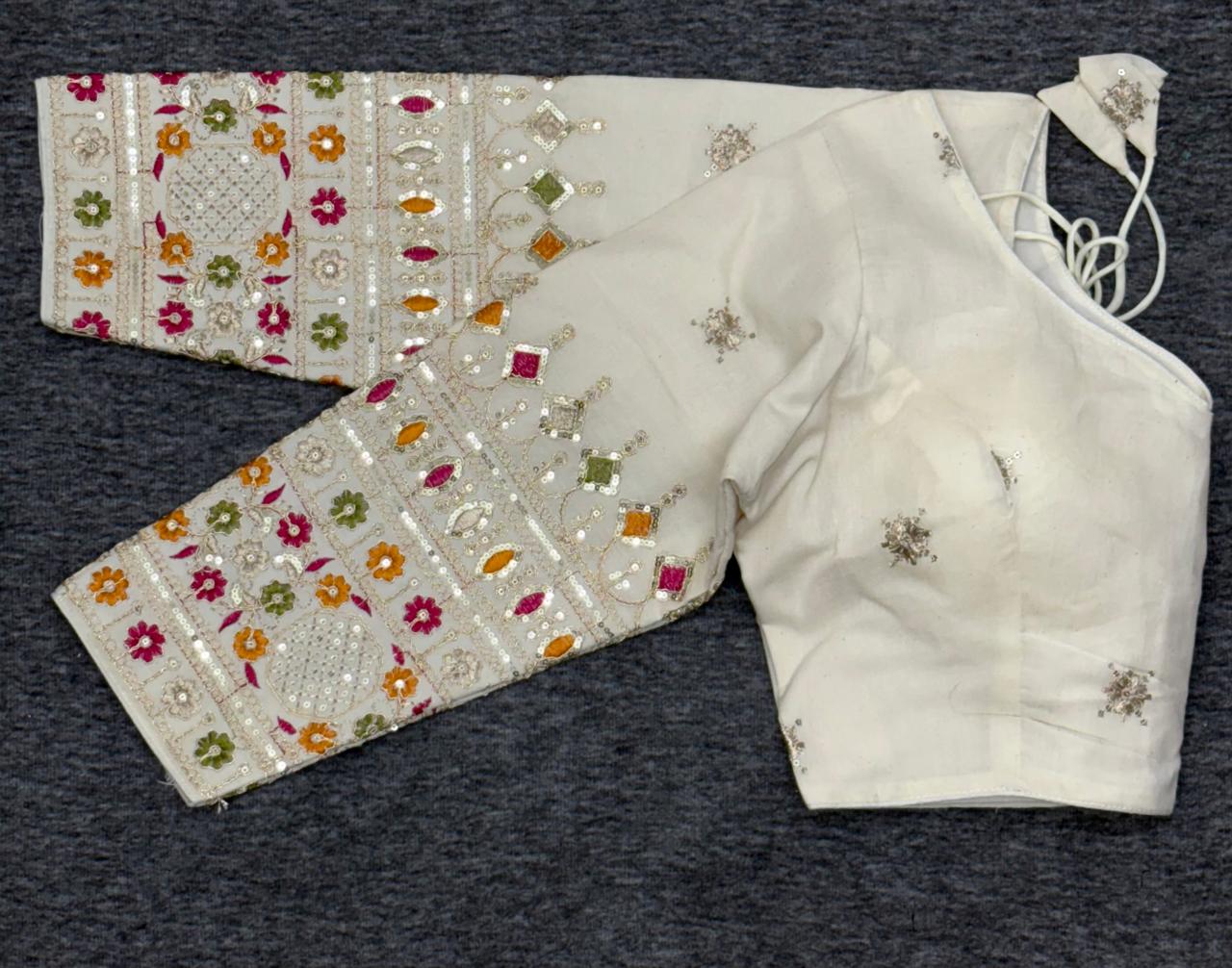
Border-led blouses
A border-led blouse places a geometric woven strip along the neckline, sleeve hem, front opening or lower edge. A 1.5- to 3-inch border is usually sufficient for a balanced saree blouse, especially when the saree already contains zari, brocade or a large pallu.
For a restrained look, use a black blouse with a narrow red and cream border. For a festive look, use maroon with a muted gold geometric band. A border running vertically beside the front placket can visually lengthen the torso, while a horizontal sleeve border gives more attention to the arms.
Stripe and banded blouses
Striped blouses work best when the stripe scale matches the saree. Fine stripes suit delicate cotton sarees and Chanderi, while wider bands suit plain silk or handloom drapes. Vertical stripes can create a longer visual line, but horizontal stripes are valuable when the design aims to echo a woven textile panel.
Keep the blouse body plain when the stripes are prominent. A plain maroon saree with a black, cream and red striped blouse gives the eye one focal point. Adding a striped saree, striped blouse and patterned jewellery together can make the outfit look visually crowded.
Woven-texture blouses
Woven texture provides a quieter interpretation than a printed motif. Ikat cotton, slub cotton, cotton-silk and raw silk can suggest the irregular surface of handloom cloth while remaining comfortable for long ceremonies. A textured fabric looks especially effective with a solid saree in silk, linen or cotton.
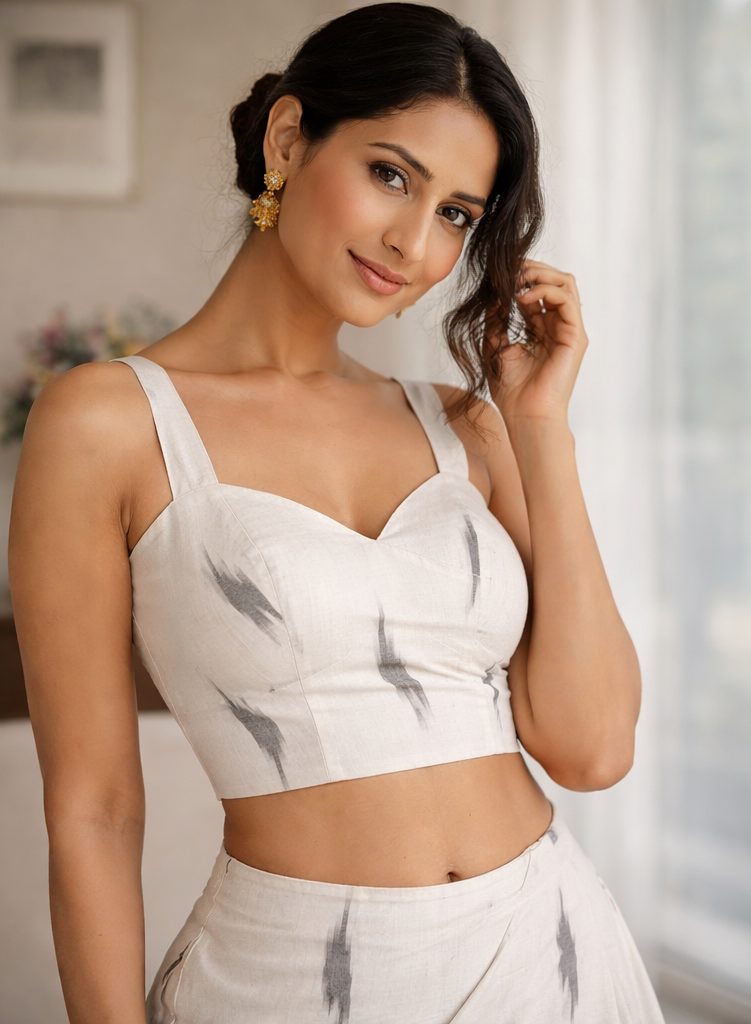
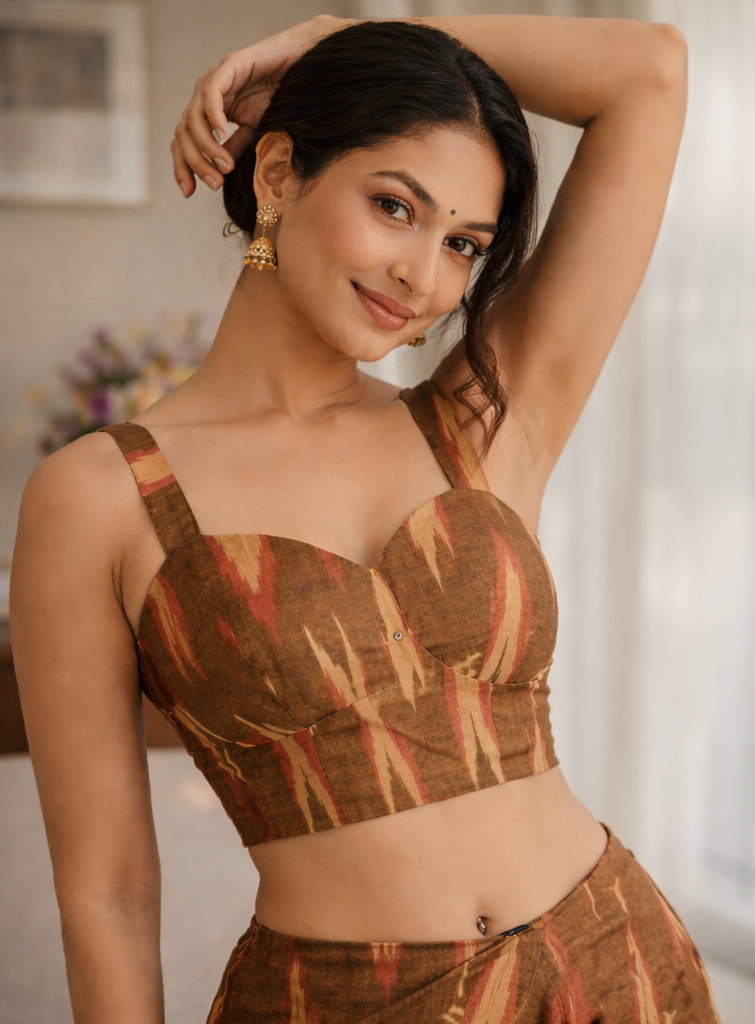
The Cream Ikat Cotton Padded Blouse Sleeveless Trendy and Brown Ikat Cotton Padded Blouse Sleeveless Stylish demonstrate how an ikat surface can carry visual interest without heavy embellishment. Their neutral and earthy directions can support a Sikkim-inspired palette when paired with a red, black, indigo or rust saree.
How should you choose fabric, lining and structure?
Choose the blouse fabric according to the saree weight, season and amount of movement expected during the event. Medium-weight cotton works for daytime functions, cotton-silk suits festive dressing, and raw silk or silk blends offer a more formal finish.
Cotton is breathable and holds geometric details sharply, but cotton can crease at the waist and under the arms. Cotton-silk has a mild sheen and better drape, although it needs gentler washing. Raw silk gives a firm shape to a square neckline or sculpted sleeve, but the fabric can feel warm in crowded indoor venues.
A cotton or poly-cotton lining improves comfort and prevents rough yarns from touching the skin. Use a breathable lining for summer ceremonies and avoid a heavy synthetic lining when the blouse has padded cups. A lining that's 1 to 2 centimetres shorter than the outer fabric at the hem helps prevent peeking and keeps the edge neat.
Padded construction is useful when a blouse must hold its shape under a saree pleat, but padding should not make the bust area feel rigid. The pad should sit flat inside the lining, and the armhole should allow the wearer to raise both arms comfortably. A two-finger ease at the armhole is a practical starting point, although individual measurements matter more than a fixed rule.
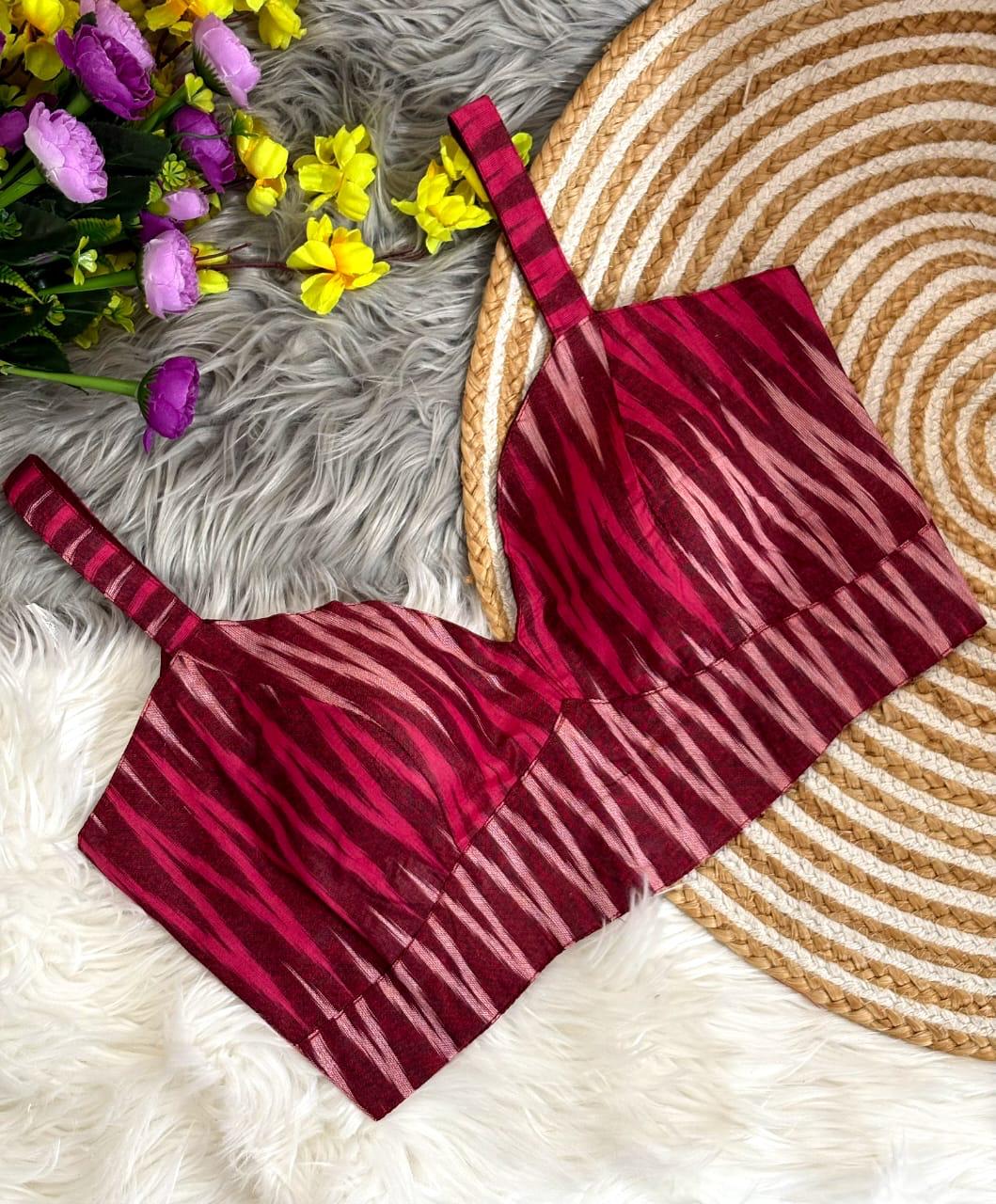
Ready-made references such as Ikkat Cotton Padded Blouse for Women Sleeveless and Cream Ikat Cotton Padded Blouse Sleeveless Trendy can help a shopper assess the relationship between fabric texture, bust shaping and sleeve length before ordering a custom textile-inspired blouse.
Which necklines and sleeves suit the textile reference?
A high round, square or shallow boat neckline usually complements Sikkim-inspired woven details because these shapes leave room for a border without making the blouse look ornate. A V-neck can work with a vertical border, but a very deep V may shift attention away from the textile reference.
A 2- to 4-inch sleeve is the most adaptable choice for sarees. A short sleeve with a geometric cuff looks crisp and keeps the motif visible. Three-quarter sleeves create a more covered, heritage-led appearance and suit winter events or structured silk sarees.
Sleeveless styles can look contemporary when the armhole is cut cleanly and the shoulder isn't too narrow. The Brown Ikat Cotton Padded Blouse Sleeveless Stylish offers a useful styling direction for pairing an earthy textile surface with a draped saree and bold earrings. Sleeveless doesn't automatically mean casual; fabric quality, neckline and finishing determine the formality.
Back details should remain proportionate to the front design. A keyhole opening, fabric-covered buttons or a simple tie can provide interest without competing with a broad pallu. If the blouse has a large back motif, keep the front neckline and sleeve border comparatively quiet.
How can you style these blouses with a saree?
Pair a Sikkim-inspired blouse with a saree that gives the woven detail enough visual space. Solid silk, handloom cotton, linen, Chanderi and lightly patterned sarees are dependable choices because they support the blouse without repeating every motif.
A maroon blouse with black and cream geometric accents works with a cream handloom saree and oxidised silver jewellery. An indigo or black blouse can ground a saffron, rust or mustard saree. A cream ikat blouse looks particularly polished with a dark red, bottle-green or charcoal drape.
Zari can be introduced through the saree border, earrings or bangles rather than stitched across every blouse panel. A narrow antique-gold zari edge on a maroon blouse connects the look to festive dressing while preserving the matte character of cotton or handloom fabric.
For a Haldi ceremony, choose a washable cotton blouse in cream, turmeric yellow, rust or green and avoid delicate unfinished trims. For a formal reception, silk or cotton-silk with a controlled geometric border can sit comfortably beside a Banarasi silk saree. For a cultural programme or daytime gathering, a breathable cotton blouse with a compact print or ikat texture is easier to wear for several hours.
A product such as Classic Festive Wear Blouse for Stylish Saree Look can serve as a useful comparison when deciding how much structure and embellishment a festive blouse needs. A heavily decorated saree may need only a clean, well-fitted blouse rather than another ornate surface.
What fit details make a traditional blouse comfortable?
Comfort depends on accurate measurements, breathable materials and enough ease at the bust, armhole and waist. Measure over the intended innerwear, record the fullest bust point, and check the shoulder width separately because a broad woven border can make a shoulder feel visually and physically heavier.
The blouse hem should meet the saree's natural waist position without riding up when the wearer sits. A practical test is to sit, lift both arms and bring the hands forward before finalising alterations. Pulling across the bust, gaping at the neckline and diagonal wrinkles near the armhole all indicate a fit problem rather than a styling problem.
Hook-and-eye closures are convenient for small adjustments, while a side zip creates a smoother front but requires precise measurement. Fabric-covered buttons work beautifully with handloom-inspired designs, although buttons placed directly over a heavy border may distort the pattern.
Choose a neckline depth based on movement and support needs. A shallow neckline is often more secure for dancing, greeting guests or carrying a child. A wider shoulder strap is useful for sleeveless padded styles because a narrow strap can dig into the shoulder under a saree's weight.
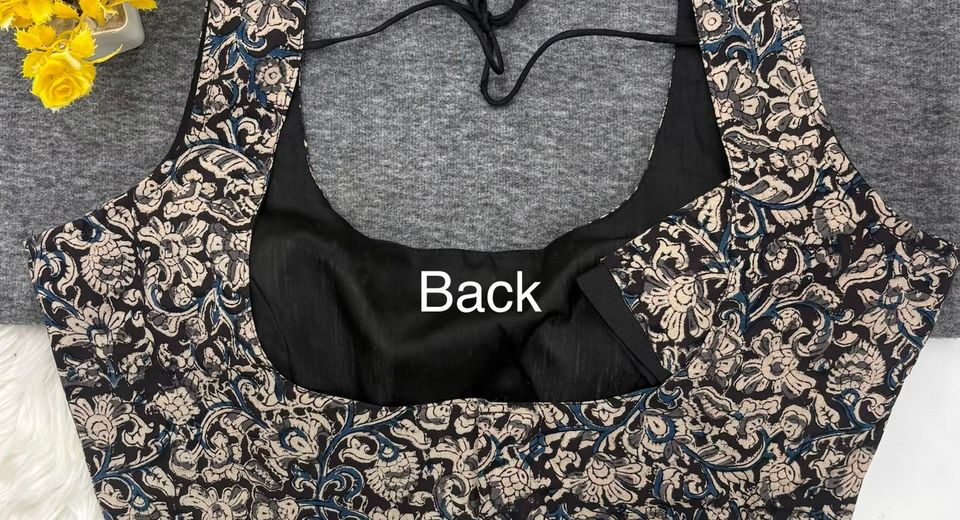
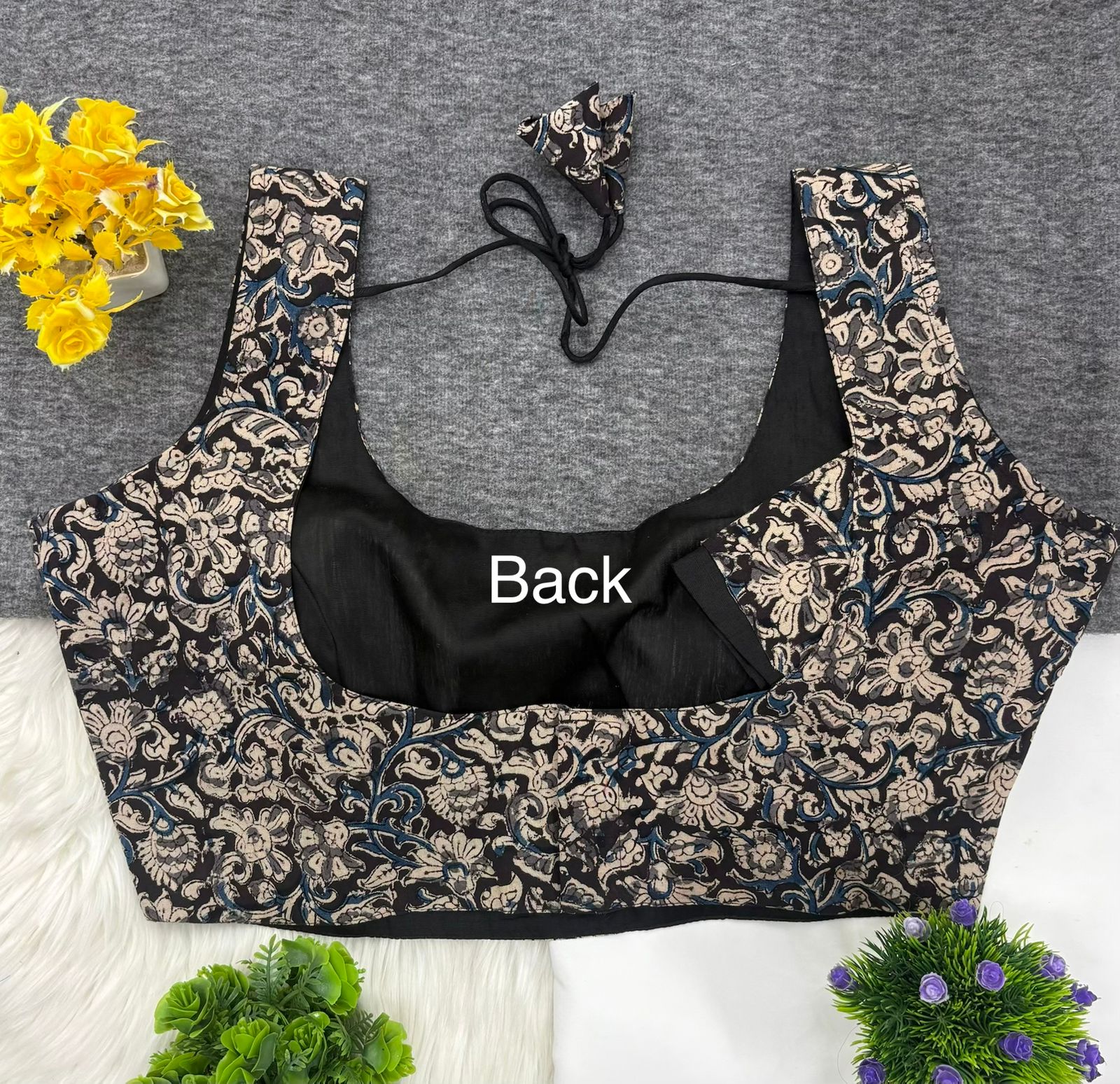
Pure Kalamkari Cotton Padded Blouse for Women shows how a patterned cotton blouse can combine print, padding and a practical everyday silhouette. Kalamkari isn't a Sikkim textile tradition, but the comparison makes an important point: regional textile references should remain identifiable rather than being described as interchangeable.
How should Sikkim-inspired blouses be cared for?
Wash cotton and ikat blouses gently in cold water, separately from dark garments, and dry them inside out in shade. Strong sunlight can fade indigo, maroon and black dyes, while aggressive rubbing may roughen handloom yarns and distort padded sections.
Dry-clean silk, raw silk and embellished blouses when the care label recommends it. Do not wring a padded blouse because twisting can crease the cups and shift the inner lining. Press cotton on the reverse side at a medium temperature, and place a thin cotton cloth between the iron and silk.
Store a completely dry blouse flat or on a broad padded hanger. Narrow wire hangers can leave shoulder marks, especially on structured sleeves. Keep zari and metallic borders away from damp wardrobes, and use breathable fabric covers rather than sealed plastic for long-term storage.
Inspect hooks, seams and sleeve borders before each major event. Repairing a loose hook or reinforcing a stressed armhole early is less disruptive than discovering the problem after the blouse has been worn with a pleated saree.
Making the reference respectful and personal
Respectful styling begins with naming the source accurately and avoiding claims that a contemporary blouse is an authentic ceremonial Sikkim garment. A blouse may be inspired by Lepcha weaving, Bhutia colour palettes or Himalayan geometric borders without reproducing the complete meaning of traditional dress.
Use one or two recognisable cues and let the rest of the outfit remain personal. A geometric cuff, handloom texture and restrained palette can communicate the reference more thoughtfully than a costume-like combination of borrowed motifs, oversized jewellery and exaggerated headwear.
When commissioning a blouse, ask the textile maker where a motif comes from, whether the pattern is printed or woven, and how the fabric should be washed. Those questions improve the garment's quality and encourage more responsible engagement with regional craft knowledge.
The best result is a blouse that works beyond one themed event. A well-cut indigo blouse can accompany a cotton saree, a handloom skirt and even a plain palazzo outfit. The textile reference remains visible, while the garment earns a place in the everyday festive wardrobe.
Questions About Wearing Sikkim-Inspired Textile Blouses
What are Sikkim Traditional Textile-Inspired Blouse Designs?
Sikkim Traditional Textile-Inspired Blouse Designs adapt visual elements associated with Sikkim's Lepcha and Bhutia textile traditions, including geometric borders, stripes, rich colour contrasts and handloom textures. They are contemporary blouses inspired by regional textiles, not necessarily replicas of ceremonial garments.
Which fabrics work best for a Sikkim-inspired blouse?
Cotton, ikat cotton, cotton-silk, raw silk and medium-weight silk work well because they hold borders and structured necklines. Cotton suits daytime events, while cotton-silk and silk are more appropriate for formal festive sarees.
What saree matches a Sikkim-inspired blouse?
Solid silk, handloom cotton, linen, Chanderi and lightly patterned sarees provide the best background for a geometric or textured blouse. A cream ikat blouse can balance a dark red saree, while a maroon or black blouse can support a cream or saffron drape.
Can an ikat blouse be styled for a traditional event?
An ikat blouse can suit a traditional event when its colour, fit and fabric quality match the saree. Pairing a structured ikat blouse with a plain silk saree, restrained jewellery and a neat drape keeps the outfit festive rather than casual.
How do I care for a padded cotton blouse?
Wash a padded cotton blouse gently in cold water, avoid wringing, and dry it inside out in shade. Store the blouse flat or on a broad hanger so the cups, seams and shoulder area retain their shape.
Are sleeveless Sikkim-inspired blouses suitable for sarees?
Sleeveless Sikkim-inspired blouses are suitable for sarees when the armhole fits securely and the textile detail is balanced with the drape. A clean shoulder line, medium-weight fabric and a modest neckline make the style comfortable for festive wear.