

Sikkim Traditional Dress for Women: Complete Ethnic Fashion Guide begins with one important fact: Sikkim doesn't have a single uniform women's costume. Bhutia, Lepcha and Nepali communities have shaped the state's clothing traditions, and each community brings distinct garments, weaving practices and styling customs. The Bhutia Bakhu is the most widely recognised dress, while Lepcha women wear garments such as Dumdyam and Tago, and Nepali communities contribute sari, kurta and other South Asian forms.
Traditional clothing in Sikkim also changes according to age, marital status, locality, ceremony and personal preference. A ceremonial Bakhu may use rich brocade, silk or velvet, while an everyday version can be lighter and easier to move in. Contemporary wardrobes often borrow the colour combinations, wrap shapes and woven borders of Sikkimese clothing rather than reproducing a complete community-specific ensemble.
Sikkim Traditional Dress for Women: What Does It Include?
Sikkim Traditional Dress for Women generally refers to community-specific clothing such as the Bhutia Bakhu, the Lepcha Dumdyam and Tago, and Nepali-influenced sari or kurta ensembles. The Bakhu is a wraparound, robe-like garment worn with a blouse, belt and often a shawl or jacket. The complete appearance depends on how the fabric is wrapped, where the belt sits and which accessories are added.
The word "traditional" therefore covers several related systems rather than one fixed outfit. Bhutia clothing reflects Tibetan cultural connections, Lepcha clothing carries distinctive indigenous Sikkimese forms, and Nepali dress reflects the long-established Nepali-speaking population of the state. Festivals, weddings and community events may bring these traditions together, but cultural borrowing should remain informed and respectful.
What makes the Bakhu distinctive?
The Bakhu is distinctive because a large rectangular or robe-like piece of cloth is wrapped around the body and secured at the shoulders and waist. The garment usually reaches below the knees or toward the ankles, creating a clean vertical silhouette. A long-sleeved blouse or shirt is worn underneath, and a fabric belt holds the wrap in place.
Bhutia women may pair the Bakhu with a Honju, a fitted inner blouse, and a shawl or jacket when warmth or formality calls for another layer. Silver jewellery, coral-like red accents, turquoise tones and beaded ornaments add visual interest without requiring heavy surface embroidery. Wool, silk, brocade and cotton versions serve different purposes, from daily wear to Losar celebrations, weddings and cultural performances.
Sikkim Traditional Dress for Women: Bakhu, Honju and Pangden
Bhutia women's traditional clothing commonly includes a Bakhu, a fitted Honju or blouse, a waist sash and a shawl or outer layer. Married Bhutia women may also wear a Pangden, a striped or patterned apron tied around the waist. Pangden is an important cultural marker in Tibetan and Himalayan dress, although its exact use and appearance can vary by community and family practice.
A classic Bakhu outfit often uses contrast deliberately. A dark maroon, deep blue or black outer wrap can be balanced with a bright Honju, a coloured sash and a patterned Pangden. Silver-toned jewellery, red accents, turquoise tones and beaded ornaments add colour without obscuring the garment's construction.
How should a Bakhu be fitted?
A Bakhu should sit securely at the shoulders and waist while leaving enough room for comfortable walking and layering. The inner blouse must not pull across the chest, and the waist sash should hold the wrap without compressing the body. A tailor can adjust shoulder width, sleeve length and hem length more effectively than simply sizing up the entire garment.
For an event, test the outfit by sitting, walking up stairs and lifting the arms before finalising the fit. A Bakhu that looks elegant while standing may loosen at the waist or restrict the shoulders during movement. Soft cotton lining, a smooth inner blouse and a properly tied sash make a noticeable difference over several hours.
Sikkim Traditional Dress for Women: Lepcha and Nepali Influences
Lepcha women's traditional dress includes forms such as Dumdyam, Tago and Nyamrek, although names, construction and styling details may differ across sources and communities. Dumdyam is generally associated with a wrapped dress, while Tago can refer to a blouse or upper garment used with traditional Lepcha attire. Lepcha clothing often uses handwoven textiles, restrained stripes and practical draping.
Lepcha dress should not be treated as a decorative variation of the Bakhu. The garments belong to a distinct indigenous tradition with its own relationship to landscape, weaving and community identity. When a contemporary outfit borrows a Lepcha-inspired border or wrap, describing the inspiration accurately is better than labelling every Himalayan-style garment "Bakhu".
Nepali women in Sikkim may wear sari, kurta sets, shawls and festival clothing connected to broader Nepali and North Indian traditions. Red, green, gold and jewel tones are common in festive styling, but colour choices vary by family, event and region. A sari with a warm shawl, a handwoven border or traditional jewellery can feel connected to Sikkim without imitating a Bhutia or Lepcha costume.
Sikkim Traditional Dress for Women: Fabrics, Colours and Motifs
Banarasi silk, wool, cotton, brocade, velvet, raw silk and handwoven Himalayan textiles all have a place in modern interpretations of Sikkimese ethnic wear. A fabric should be selected according to climate, season, event and the amount of movement required. Lightweight cotton is practical for daytime functions, while wool blends, silk and velvet provide warmth and formality during winter celebrations.
Colour also communicates mood and occasion. Deep red, saffron, emerald, navy, burgundy and black create a ceremonial impression, while cream, beige, muted brown and soft blue suit daytime gatherings. Zari can highlight borders and dupattas, but metallic ornament should not replace the structure of the garment. A woven stripe, geometric trim or narrow contrast border may express Himalayan influence more quietly than dense sequins.
Several modern Indian garments illustrate how these ideas can enter an everyday wardrobe. Mustard Viscose Chanderi Kurta Set with Sequence Embroidery uses a warm mountain-season colour, while Mustard Embroidered Chanderi Kurta Set for Women offers a related palette with a more traditional kurta-set structure. Chanderi is lighter than wool and works better for indoor events or milder weather than for cold outdoor ceremonies.
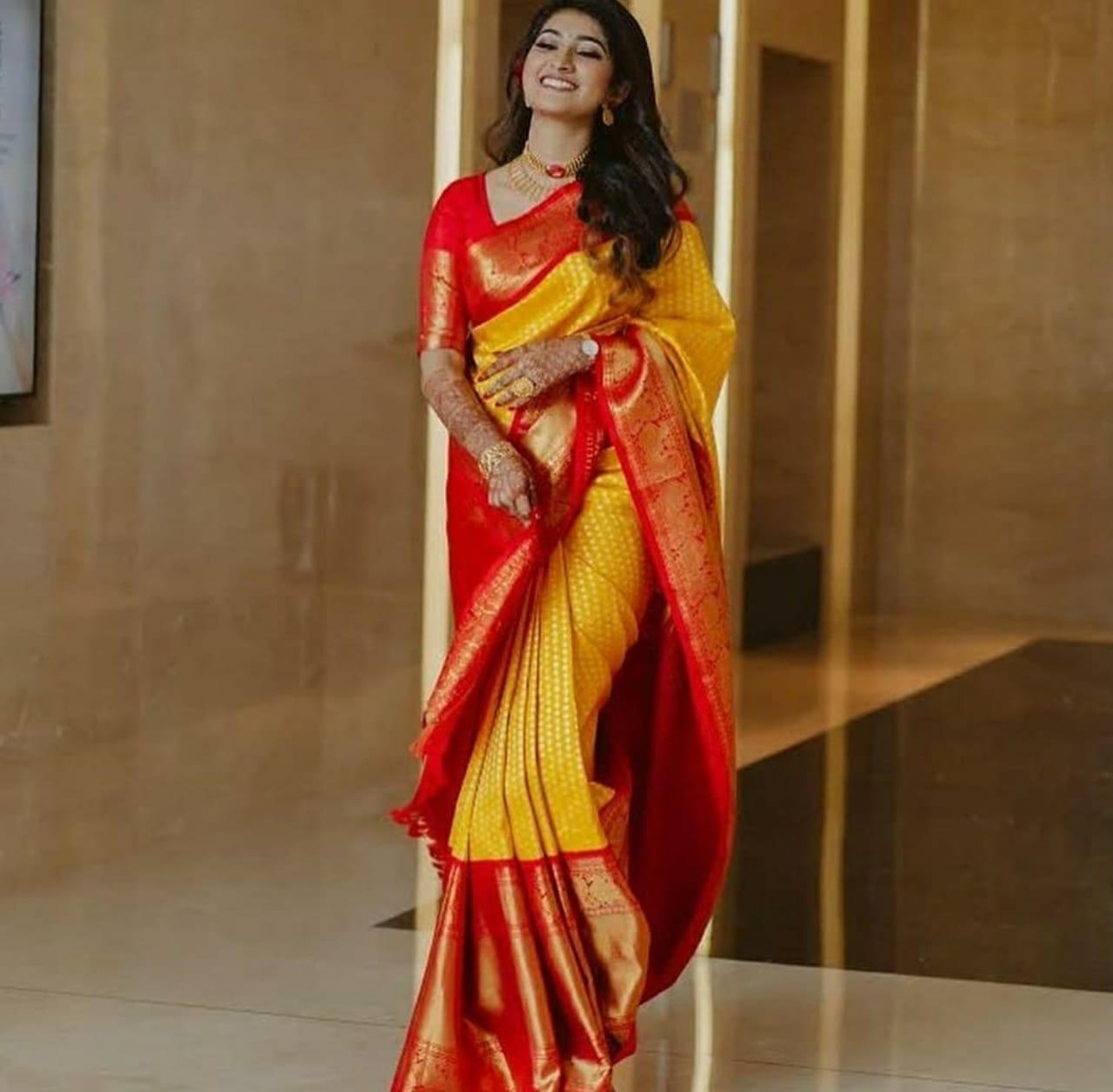
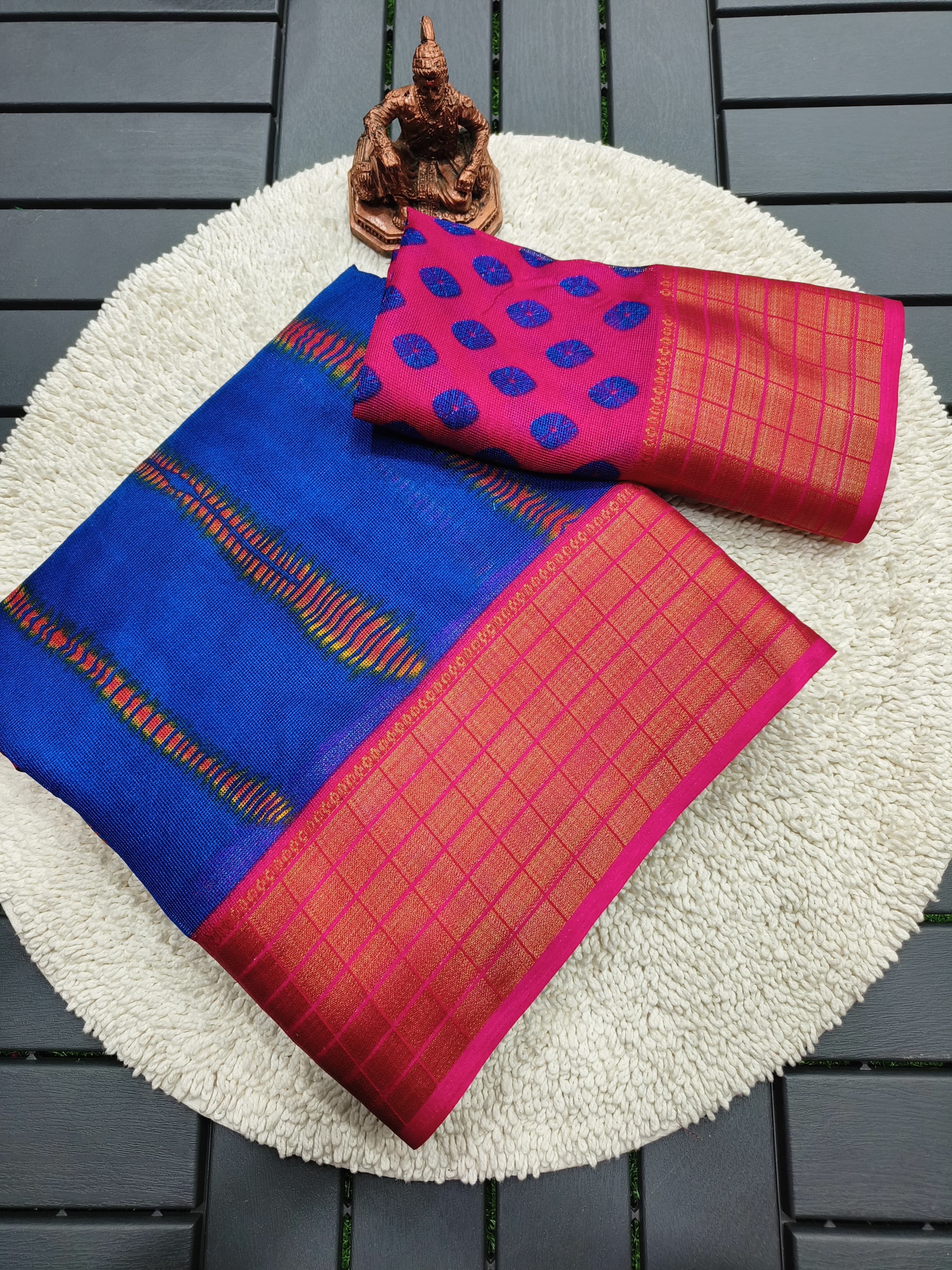
Banarasi silk and Kanjeevaram should not be presented as native Sikkimese textiles, but both can be worn respectfully in Sikkim when an event calls for broader Indian festive clothing. Colorful Ethnic Chinon Saree for Women can be styled with a full-sleeved blouse, a warm shawl and understated jewellery for a winter gathering. The distinction between local traditional dress and pan-Indian occasion wear should remain clear.
Sikkim Traditional Dress for Women: Jewellery and Accessories
Sikkimese festive styling often becomes complete through jewellery, waist details, footwear and a practical outer layer rather than through embroidery alone. Silver-toned earrings, layered necklaces, bracelets, beaded ornaments and colourful stones can complement a Bakhu or a modern kurta set. A shawl is both a style element and an useful garment in Sikkim's cool climate.
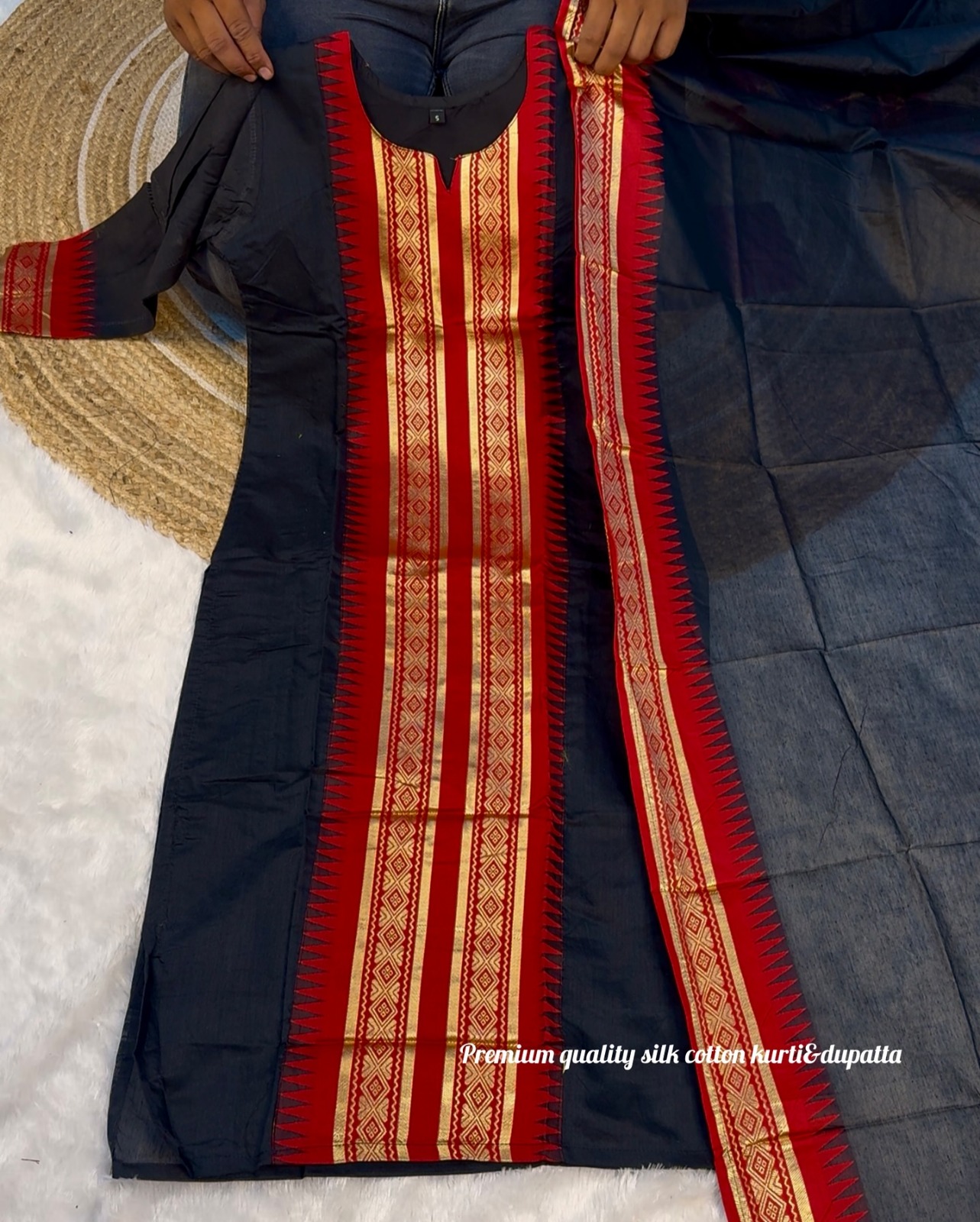
Accessories should support the garment's silhouette. A broad belt works well with a wrap dress, while a slim waist sash suits a straighter kurta. Heavy necklaces can compete with a high neckline, so long earrings or a single pendant may create better balance. Flat juttis, embroidered slip-ons or low block heels are safer choices for uneven paths, long ceremonies and outdoor venues.
Hair and makeup generally work best when they don't overpower the textile. A low bun, braid or half-up style keeps a shawl and earrings in place. Warm skin-toned makeup, a defined eye and a berry or red lip can suit rich festive colours, while lighter makeup works with beige, cream and muted Chanderi outfits.
Sikkim Traditional Dress for Women: Modern Styling for Events
Modern Sikkim-inspired dressing works when a contemporary outfit retains one or two identifiable elements such as a wrap silhouette, woven border, layered shawl or structured waist. Wearing every possible motif at once can make an outfit look like a costume rather than clothing connected to a living tradition.
What works for a daytime cultural event?
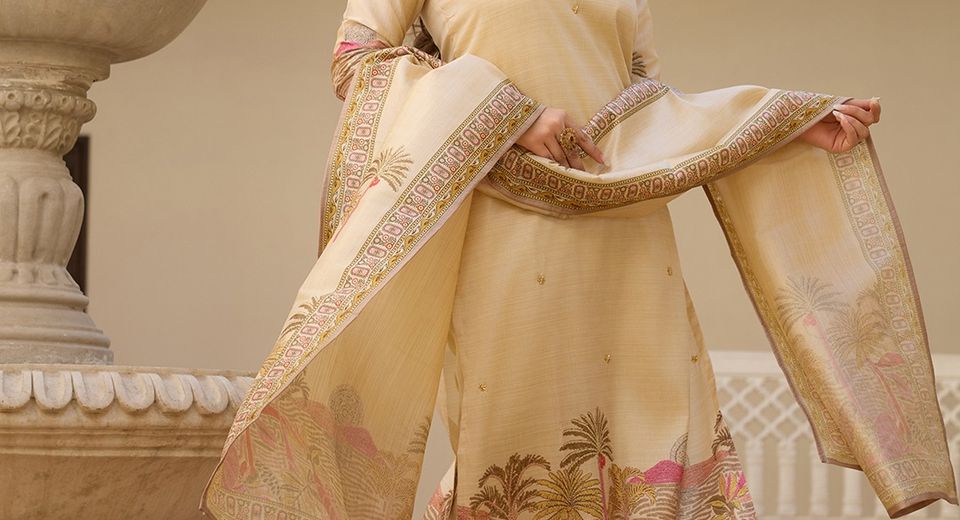
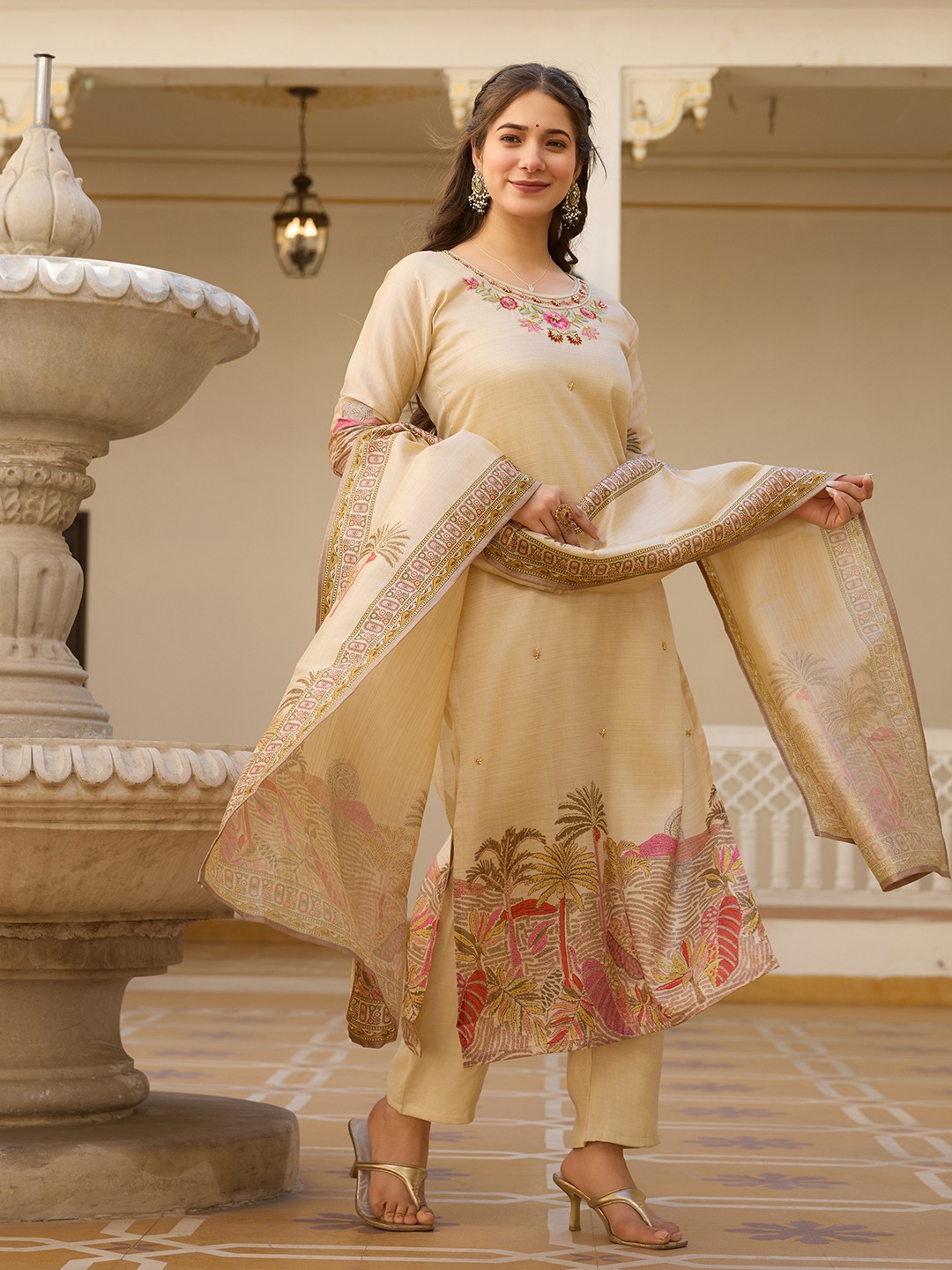
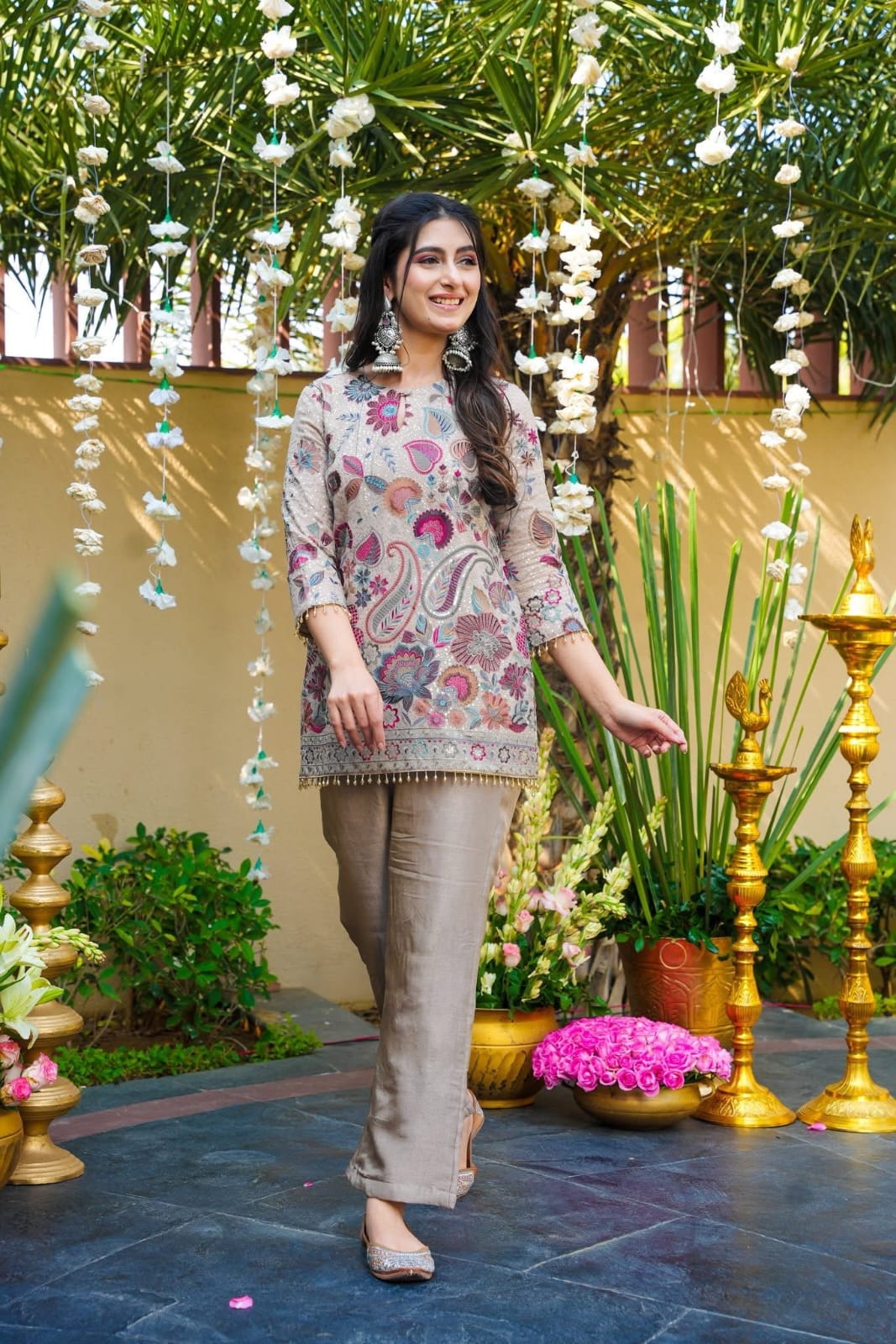
A light kurta set with a woven or embroidered dupatta is a practical choice for a daytime cultural event. Polished Beige Vichitra Silk Embroidered Kurta Set for Women creates a softly structured look that can be paired with oxidised silver earrings and flat footwear. A simple dupatta drape keeps the embroidery visible and the outfit comfortable.
Beige Embroidered Silk Kurti Pant Dupatta Set Women gives another route for people who prefer trousers to a skirt or wrap. Pair the set with a narrow belt, a textured shawl and a low bun rather than adding several competing accessories. The result carries an ethnic, layered feel without claiming to be a complete Bhutia or Lepcha costume.
What works for a wedding or evening celebration?
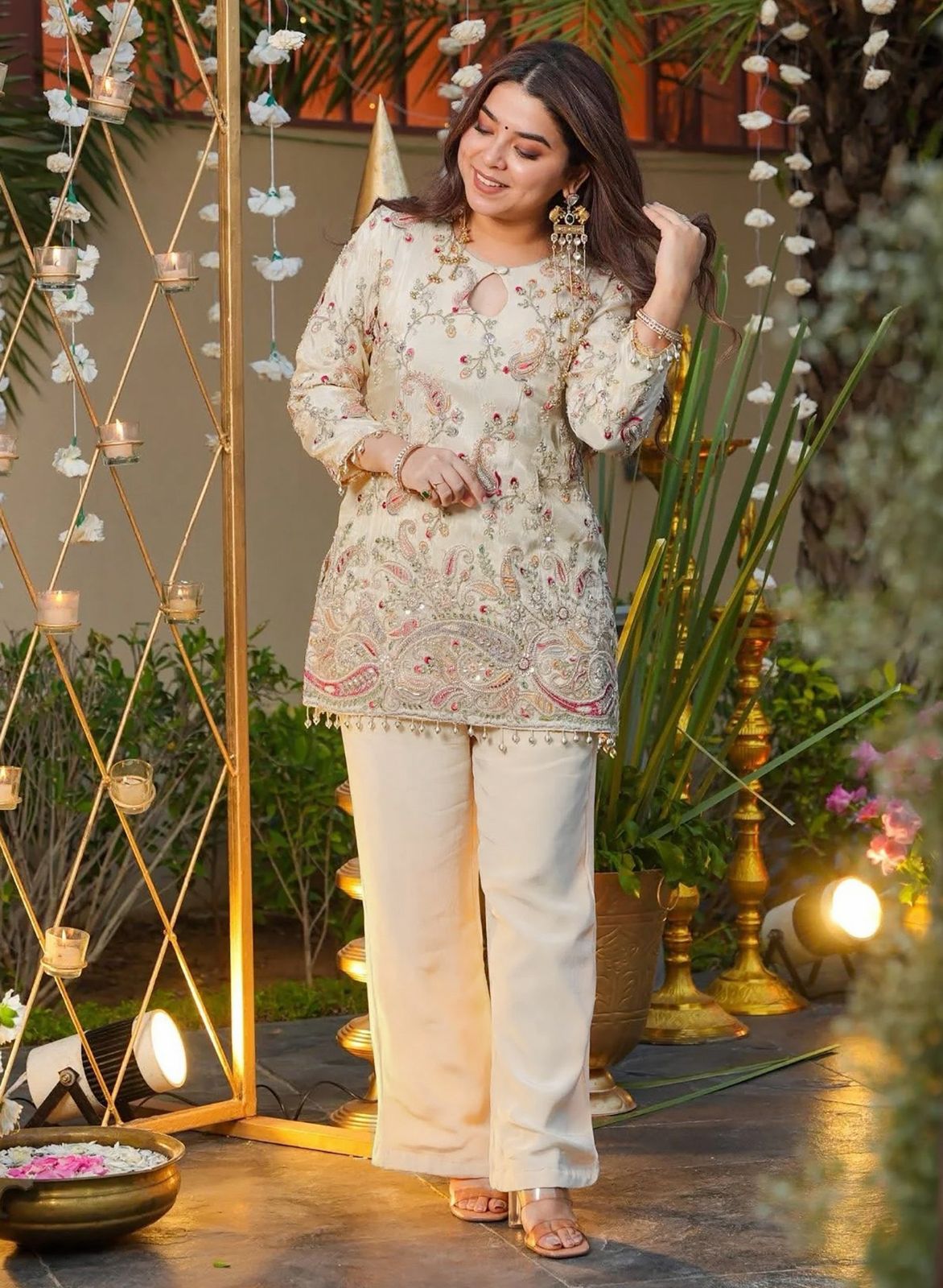
An evening celebration calls for richer texture, stronger contrast and accessories that can withstand artificial light. Cream Embroidered Silk Kurta Pant Set for Women can be elevated with a deep wine shawl, statement earrings and embroidered footwear. A cream base allows red, turquoise or saffron accents to stand out clearly.
Kanchi Cotton Zari Woven Kurti Set with Traditional Dupatta suits guests who want a woven finish without the weight of velvet or heavy silk. Modern Taupe Vichitra Silk Embroidered Co-Ord Set for Women brings a quieter neutral option for an intimate dinner or gallery-style event. Mustard Embroidered Chanderi Kurta Set for Women - Varnavi can be styled with antique-finish earrings and a burgundy shawl for a warm, autumnal palette.
Wearing a modern garment at a Sikkim-themed gathering becomes more respectful when the outfit is described honestly as Sikkim-inspired or Himalayan-influenced rather than labelled as authentic Bhutia or Lepcha dress without community knowledge. Avoiding sacred symbols, ceremonial objects and inaccurate costume claims is more important than reproducing every visual detail.
Sikkim Traditional Dress for Women: Care, Shopping and Respect
Proper care depends on fibre, embellishment and construction. Dry-clean silk, velvet, heavy brocade and garments with dense zari when the care label requires it. Air wool garments after use, fold them with breathable cotton rather than plastic, and store them with cedar or another moth-protection method that doesn't touch delicate fabric directly.
Embroidered Chanderi and lighter cotton should be washed only according to the garment's care instructions because excess soaking can distort embroidery or shrink the fabric. Keep zari away from perfume, deodorant, hair spray and prolonged moisture. Store folded textiles in a cool, dry cupboard and refold them every few months to prevent permanent crease lines.
Before buying an outfit inspired by Sikkimese dress, check the fabric composition, lining, measurements, closure system and return conditions. A wrap garment needs enough length for secure draping, while a kurta set requires accurate shoulder and hip measurements. For travel to Sikkim, layering matters more than choosing the heaviest fabric: a breathable inner layer, warm shawl and weather-resistant footwear provide greater comfort.
The most thoughtful approach to Sikkim Traditional Dress for Women combines accurate naming, suitable materials and cultural restraint. Learn whether a garment is Bhutia, Lepcha, Nepali-inspired or simply contemporary ethnic wear. That small distinction honours the people whose clothing traditions make Sikkim's fashion history so rich.
Common Questions About Sikkim Traditional Dress for Women
What is the main traditional dress of women in Sikkim?
The Bhutia Bakhu is the most widely recognised traditional dress for women in Sikkim. Lepcha women may wear Dumdyam and Tago, while Nepali women in Sikkim may wear sari, kurta sets and other Nepali or North Indian garments.
What do women wear with a Bakhu?
Women commonly wear a Honju or fitted blouse under a Bakhu, along with a waist sash, shawl or jacket. A Pangden, which is a striped or patterned apron, may also be worn by married Bhutia women depending on community and family practice.
Is Bakhu the same as Lepcha traditional dress?
Bakhu is associated primarily with Bhutia clothing and is not the same as Lepcha traditional dress. Lepcha clothing includes forms such as Dumdyam, Tago and Nyamrek, each belonging to a distinct indigenous tradition.
Which fabric is suitable for a Sikkim traditional outfit in winter?
Wool, velvet, brocade, silk and lined heavier fabrics are suitable for winter celebrations because Sikkim can be cold, especially outdoors and at higher elevations. A warm shawl and layered inner blouse often provide more practical comfort than choosing an extremely heavy outer garment.
Can I wear a modern kurta set as Sikkim-inspired ethnic wear?
Yes, a modern kurta set can be styled as Sikkim-inspired ethnic wear by using a layered shawl, woven border, structured waist, muted mountain colours or understated jewellery. Describe the outfit as inspired by Sikkim rather than calling it authentic Bhutia or Lepcha dress unless it follows that community's recognised construction.
How should traditional Sikkimese clothing be stored?
Silk, velvet, heavy brocade and zari garments should generally be dry-cleaned according to their care labels and stored folded in a cool, dry cupboard. Wool should be aired and protected from moths, while embroidered Chanderi and cotton should be washed only according to the manufacturer's instructions.





