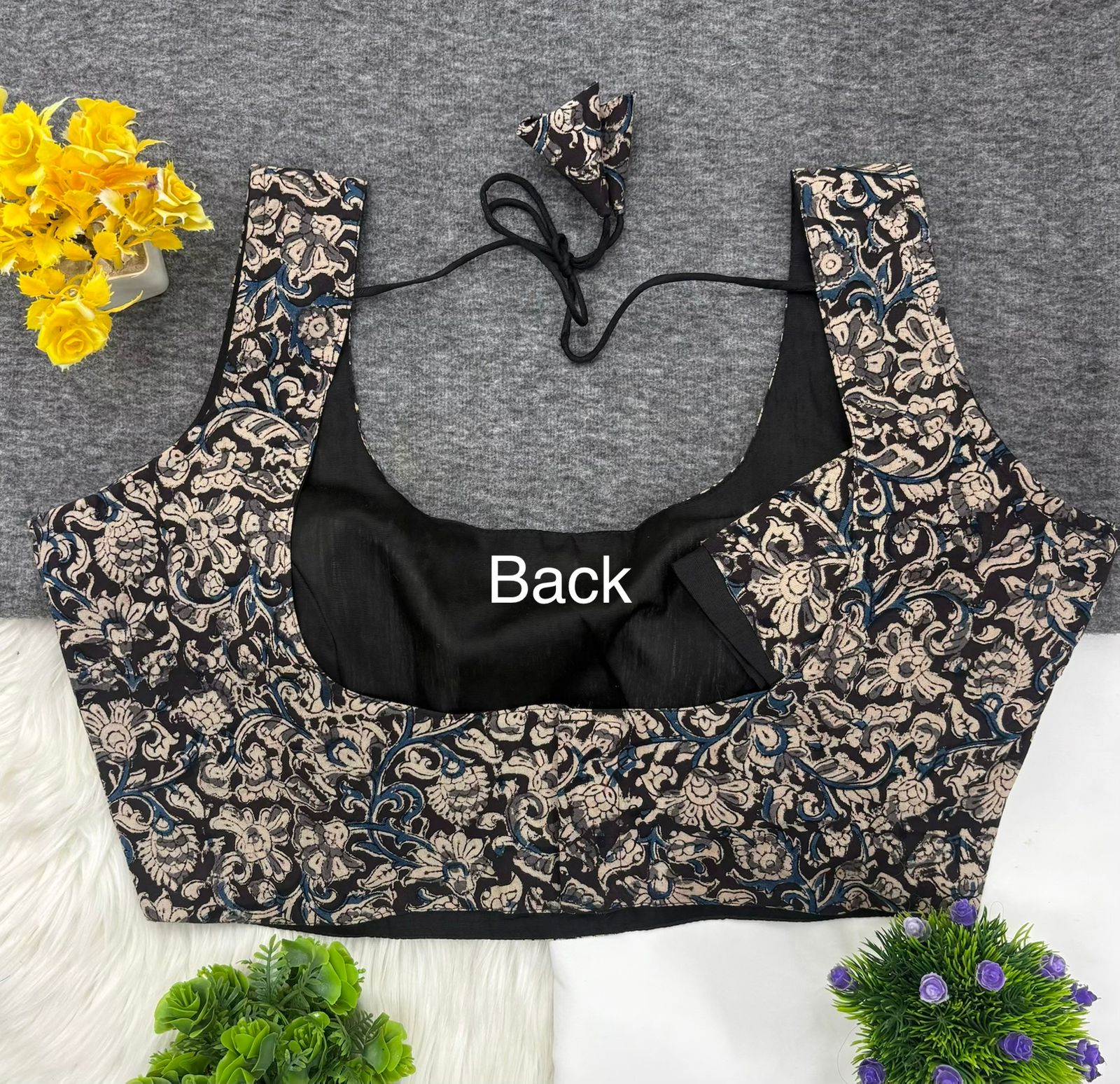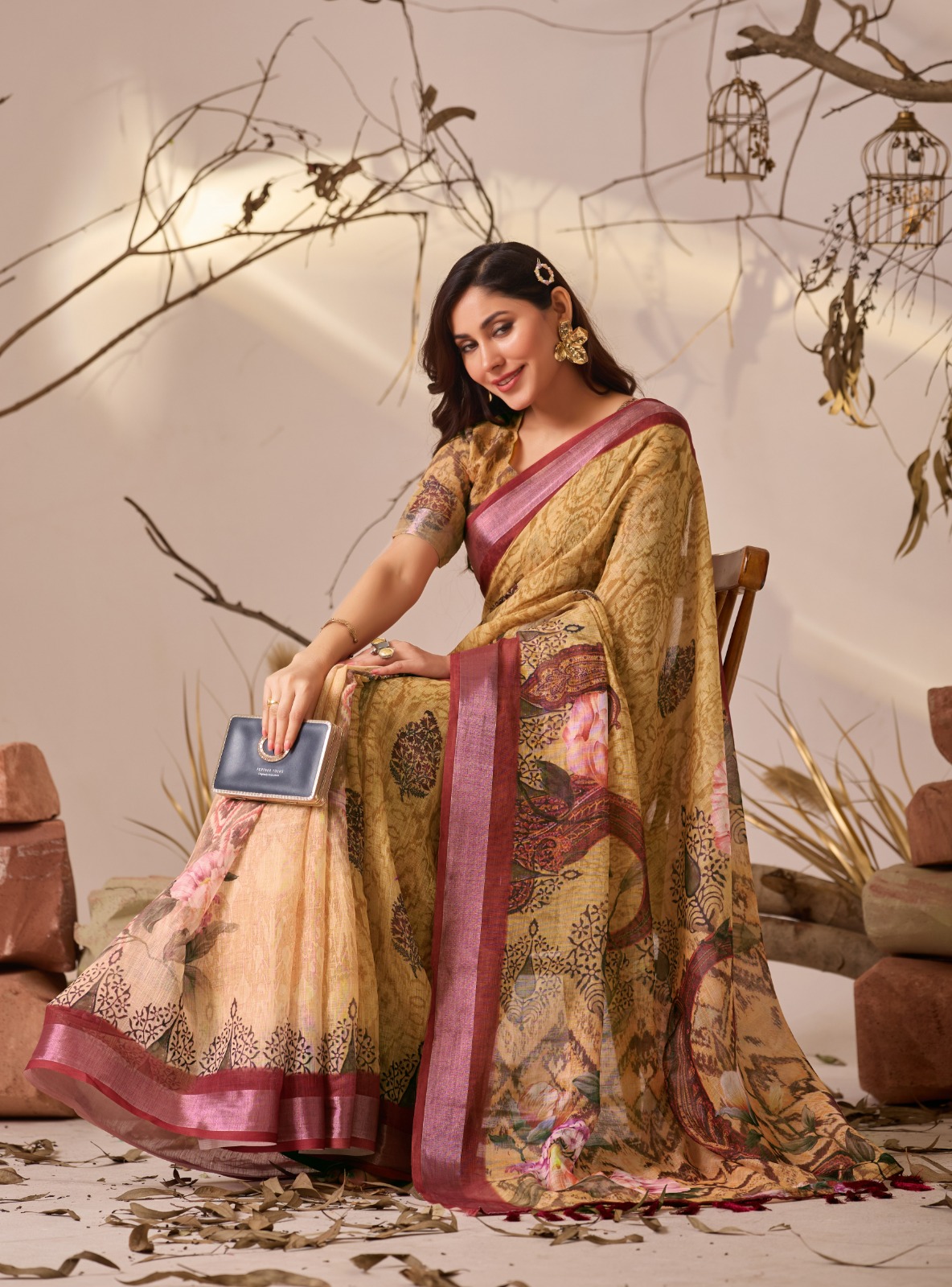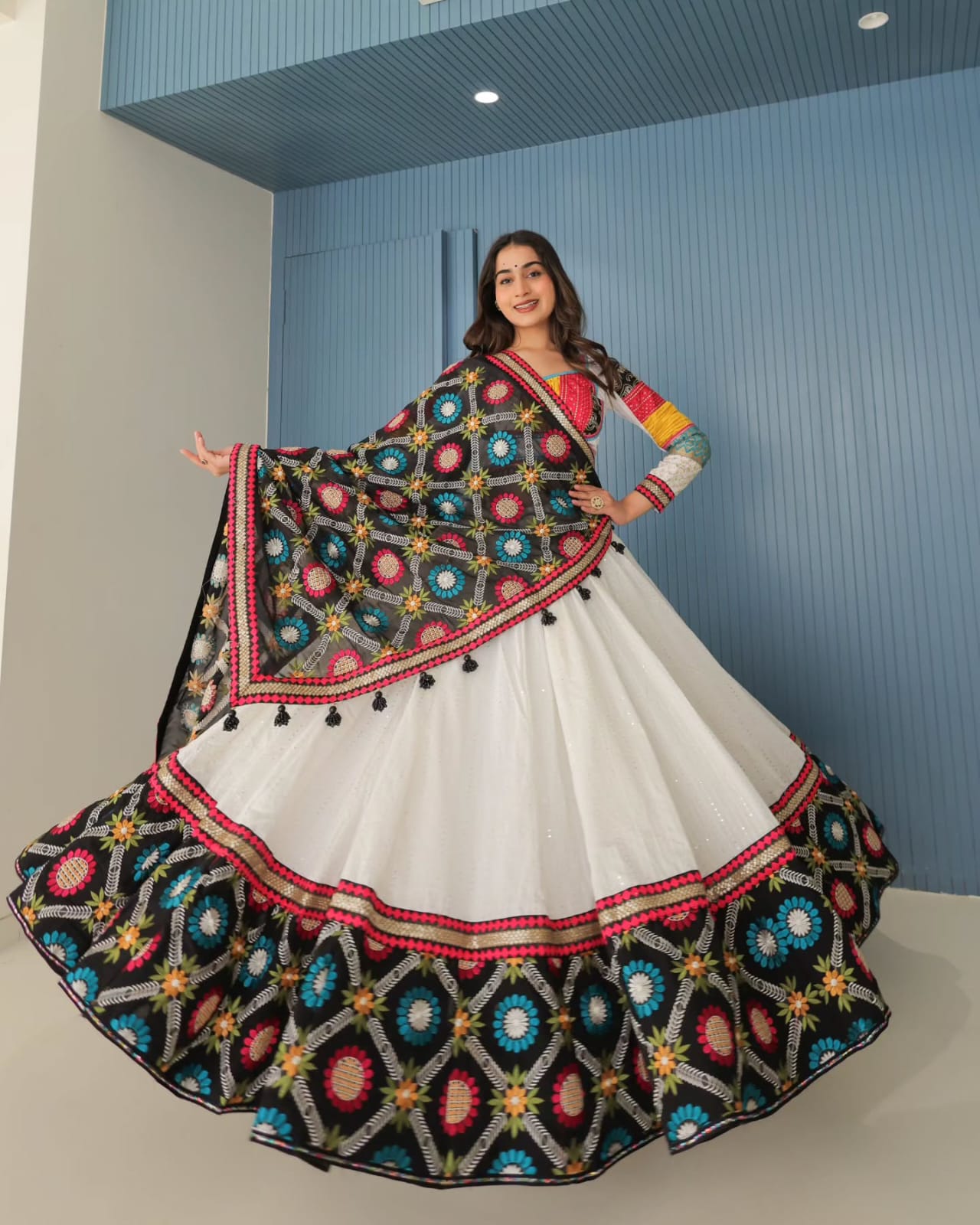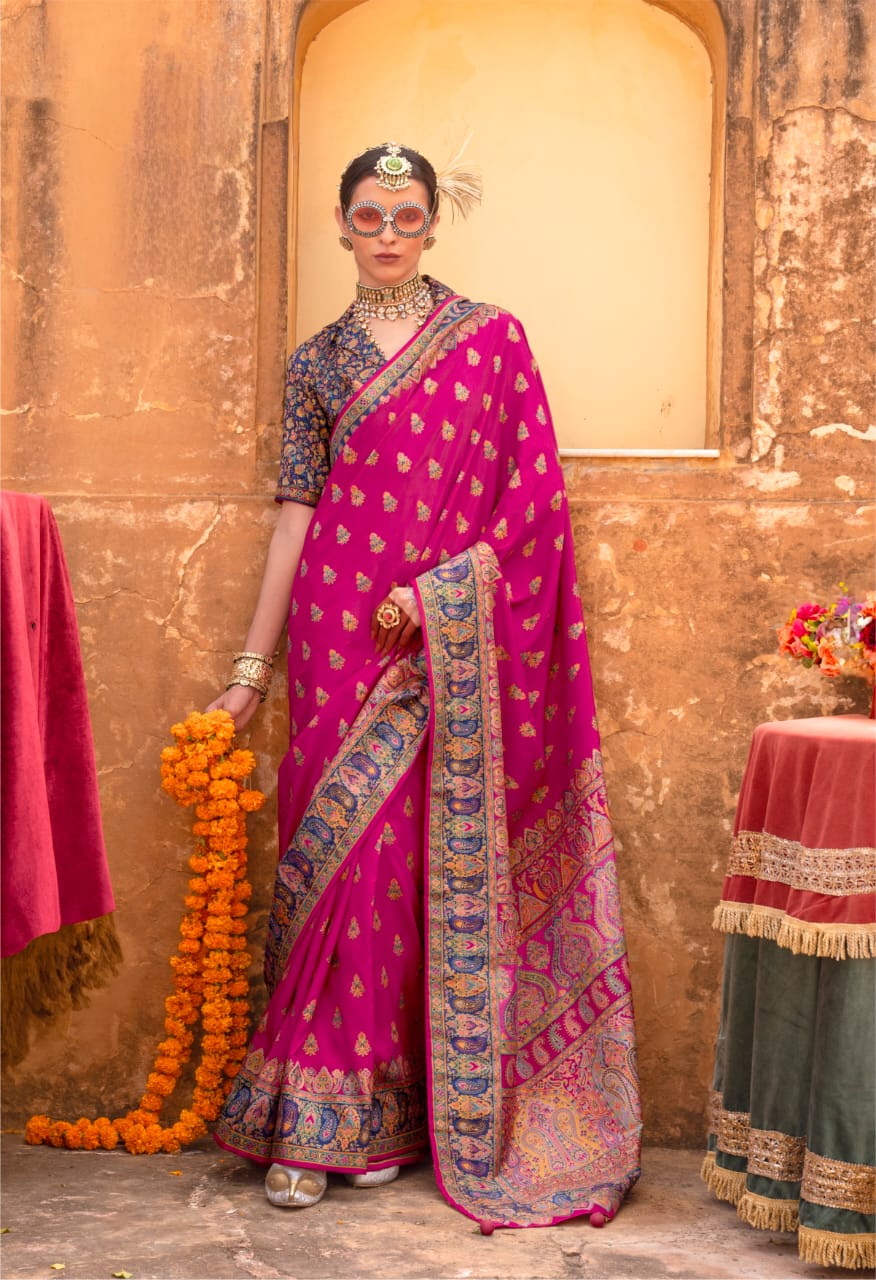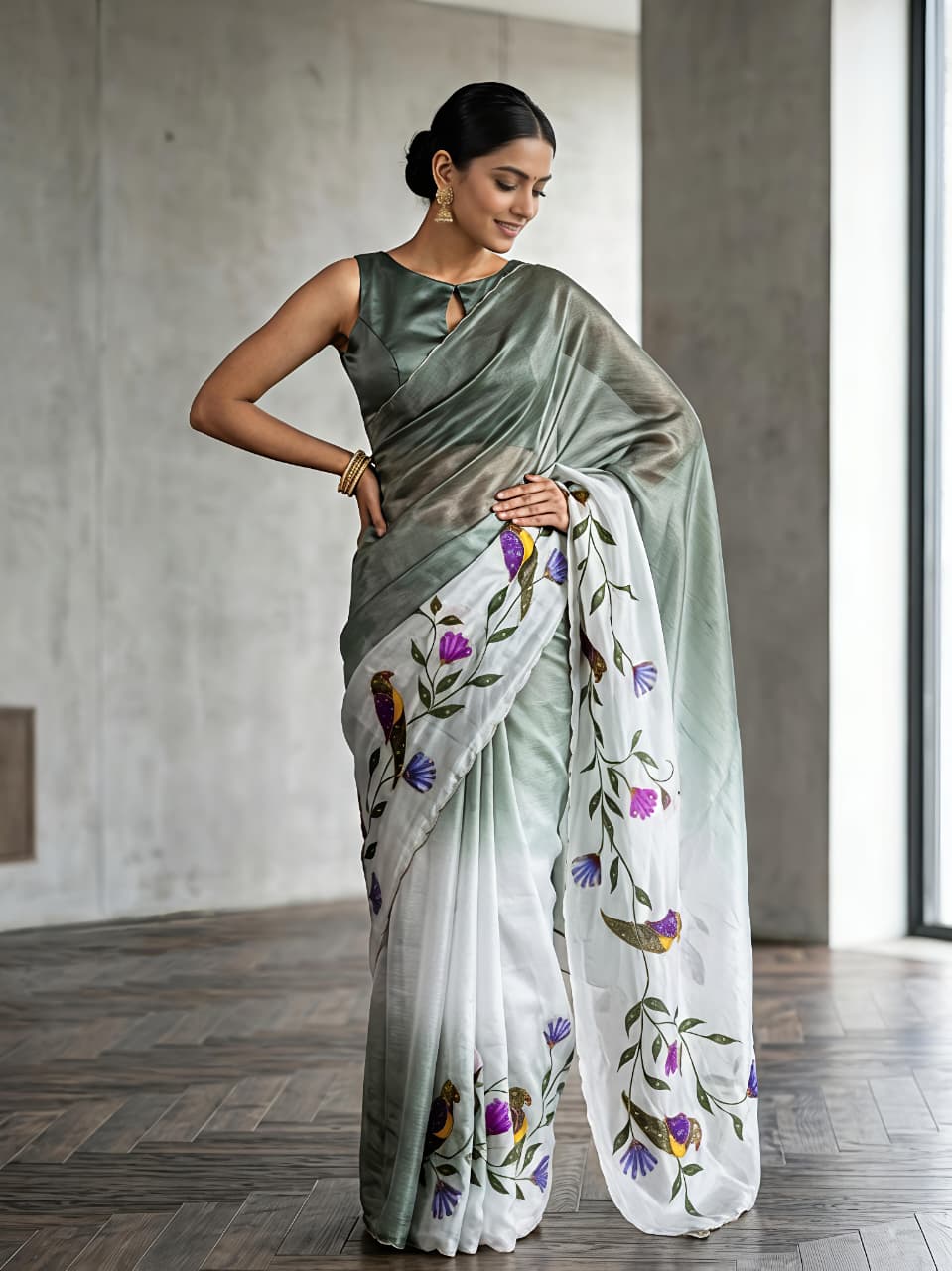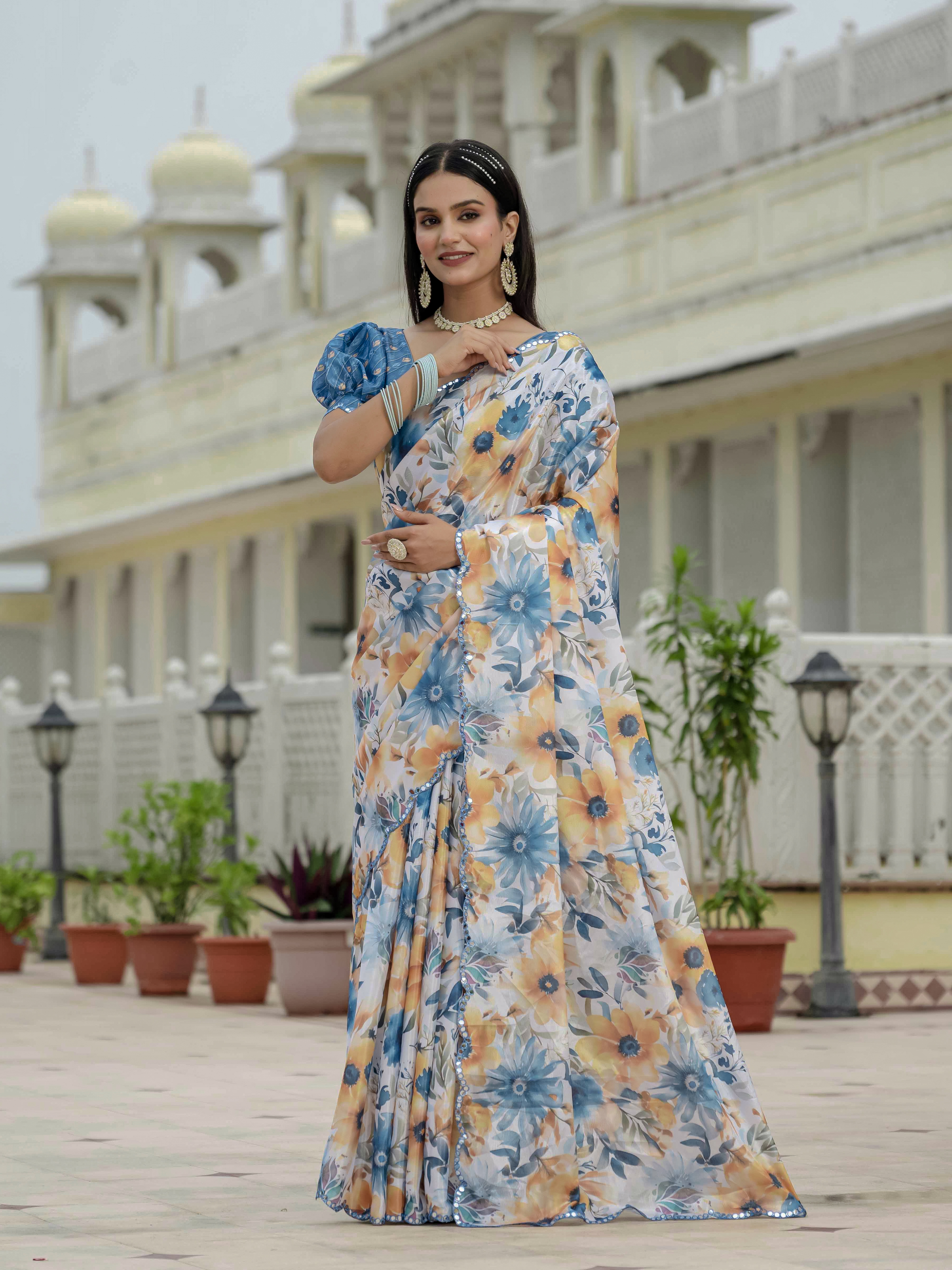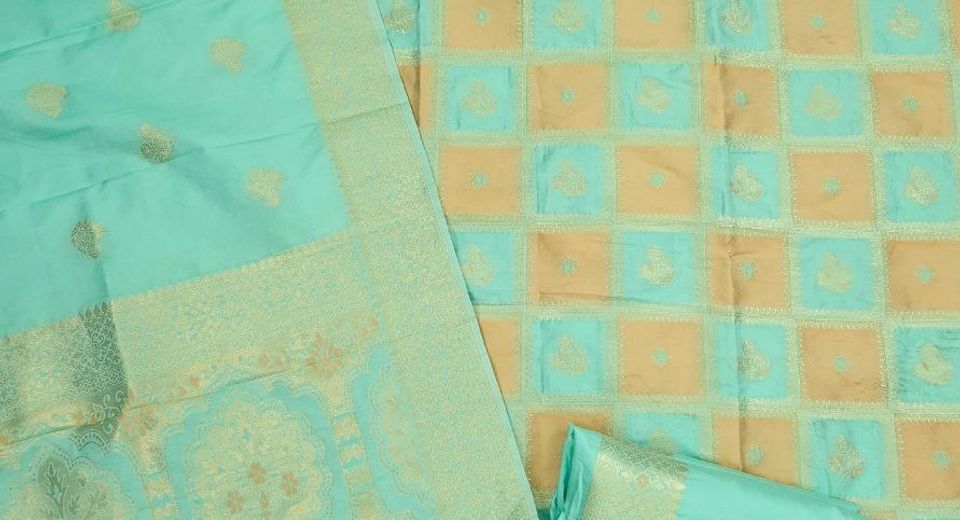
Sikkim Festival Salwar Suit Ideas for Women need to account for more than colour and embroidery. Mountain temperatures can change quickly, festival venues may involve walking or standing outdoors, and Buddhist and local cultural settings reward clothing that feels graceful rather than overly restrictive. The most useful approach combines a festive salwar suit with breathable layers, secure footwear and a dupatta that stays in place.
A well-chosen outfit can work for Losar, Pang Lhabsol, Losoong, Dasain and community celebrations without looking like a costume. Fabric weight, sleeve length, hemline, colour, footwear and practical accessories all shape whether a salwar suit remains comfortable from the first ritual or performance to the final photograph.
What should a woman wear to a Sikkim festival?
A woman should wear a modest, layered salwar suit in a medium-weight fabric with comfortable footwear and a secure dupatta for a Sikkim festival. Long sleeves, a lined kurta and a straight or gently flared bottom provide useful coverage when the air is cool, while festive embroidery keeps the outfit appropriate for photographs and celebrations.
Sikkim has varied weather because Gangtok, Namchi, Pelling and higher-altitude areas don't feel identical. A morning event in Gangtok may be cool and bright, while an evening gathering can become cold after sunset. Pack a lightweight thermal camisole, a fitted cardigan or a neutral shawl that can sit under or over the dupatta without creating bulky folds.
For a temple visit, cultural programme or family gathering, avoid clothing that requires constant adjustment. A knee-length or longer kurta, opaque trousers, churidar or palazzo and a dupatta with a manageable width create a polished silhouette while allowing easy movement. A pinned dupatta is especially useful when walking between outdoor spaces.
How can Sikkim Festival Salwar Suit Ideas for Women suit changing mountain weather?
Sikkim Festival Salwar Suit Ideas for Women work best when the outfit is built in three light layers: a breathable base, the salwar suit itself and a removable outer layer. Three thin layers usually offer better comfort than one very heavy garment because they can be adjusted as sunlight, wind and indoor heating change.
Choose the base layer carefully
A cotton camisole or fine thermal top creates warmth without making the kurta cling uncomfortably. Avoid thick turtlenecks under a close-fitting neckline because they can distort the neckline and make embroidered yokes feel crowded. A neutral base in ivory, beige, black or soft grey disappears under most festive colours.
Add warmth without hiding the outfit
A cropped wool-blend jacket, longline cardigan or pashmina-style shawl can add warmth while leaving the kurta embroidery visible. A jacket should end at the waist or upper hip when worn with a palazzo, while a longer straight coat can balance a narrow trouser or churidar. Keep the outer layer plain when the salwar suit already has zari, sequins or dense threadwork.
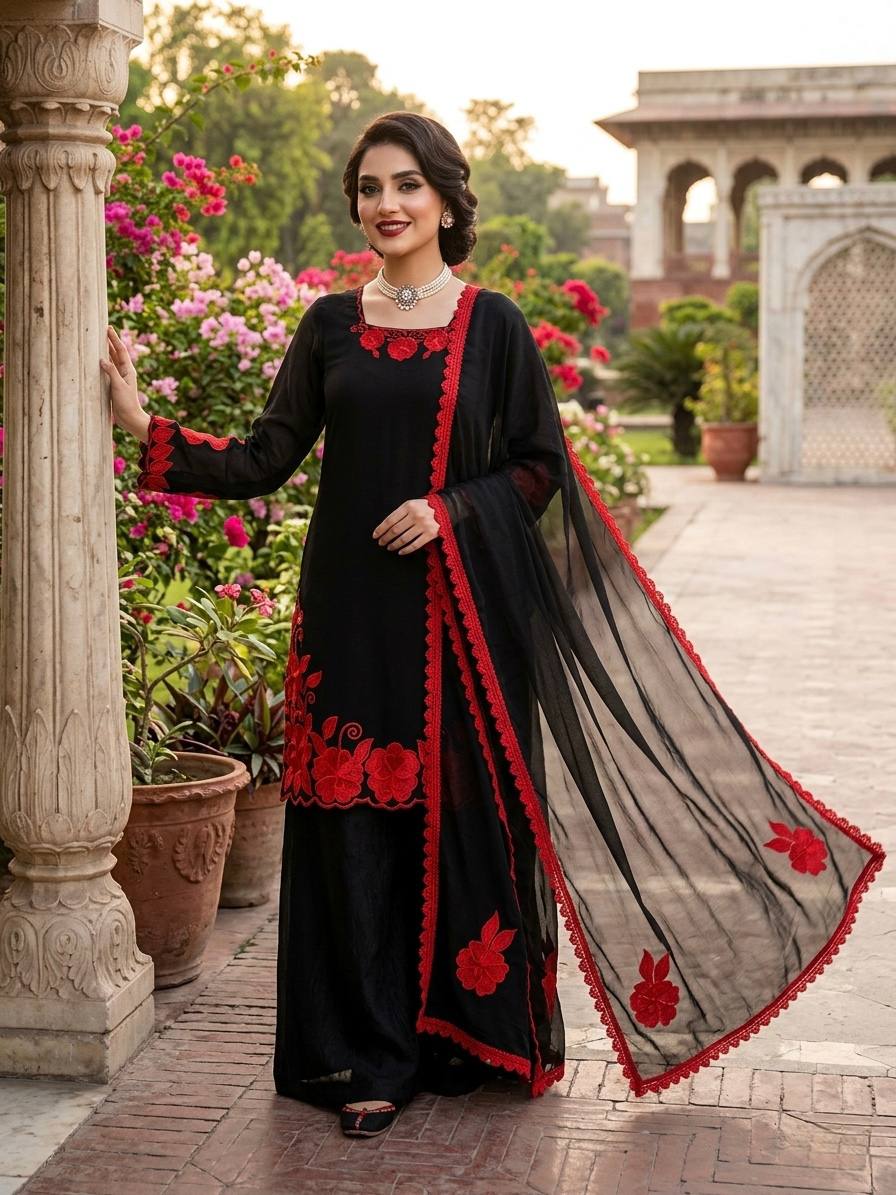
The Black Red Fendy Silk 3 Piece Readymade Salwar Suit Set is an useful example of a three-piece approach because the coordinated set gives a festive base and an additional layer can be added without disturbing the colour story. Silk-blend surfaces also photograph well in low winter light, although a breathable inner layer remains important for indoor gatherings.
Which fabrics and silhouettes perform well at Sikkim festivals?
Medium-weight silk blends, lined Chanderi, cotton-silk, jacquard and soft velvet accents perform well at Sikkim festivals because they provide structure and moderate warmth without becoming difficult to carry. The right silhouette depends on walking distance, temperature and the kind of celebration rather than on embroidery alone.
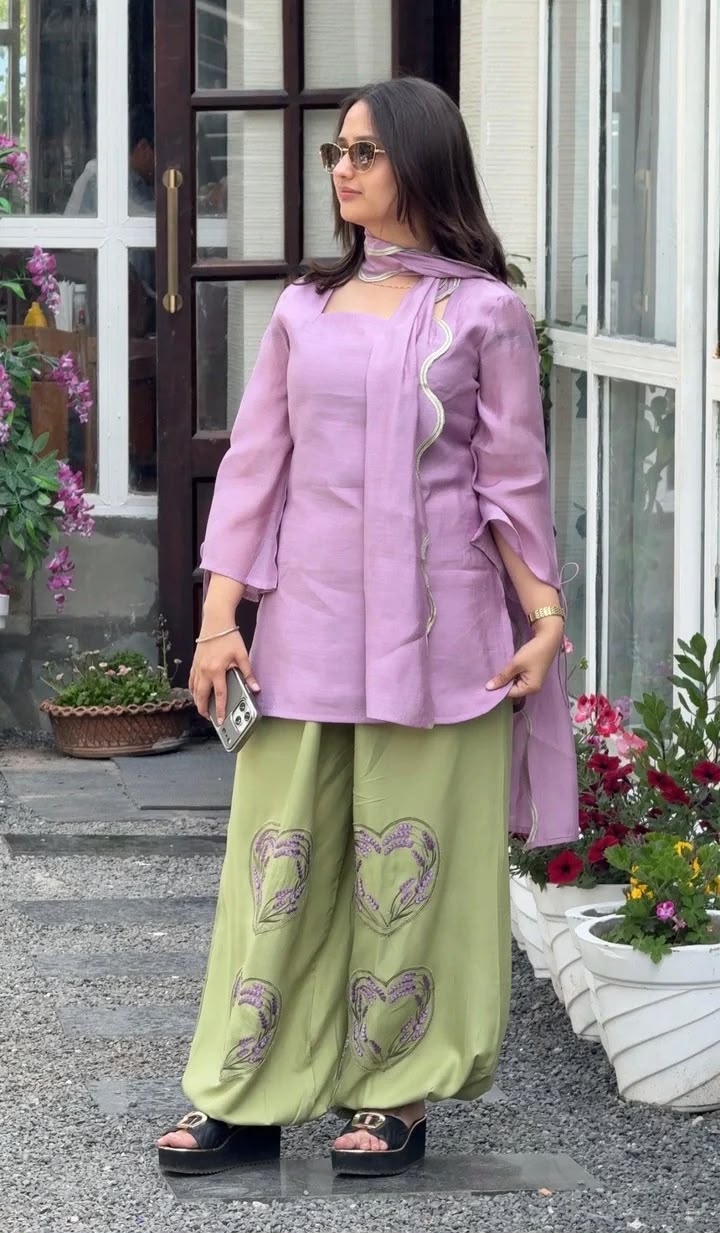
Chanderi has a light, elegant hand and works well for daytime celebrations when paired with a warm shawl or jacket. The Lavender Chanderi Kurta with Olive Embroidered Palazzo Suit offers an useful contrast between a soft lavender upper layer and an earthy olive bottom, making it easy to add tan, cream or olive outerwear.
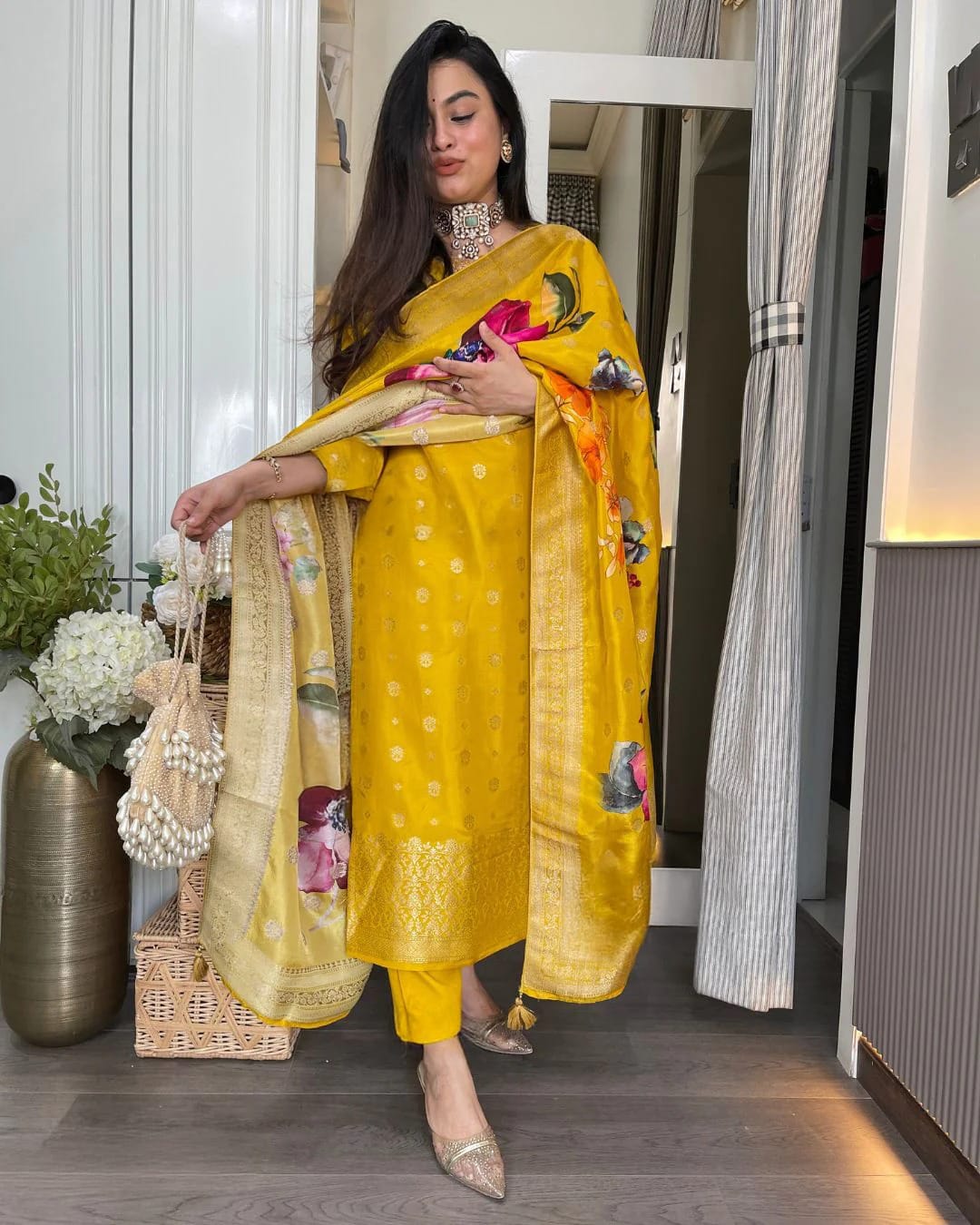
Jacquard has a more substantial surface and can feel suitably festive in cool weather. The Mustard Yellow Jacquard Kurta Set with Embroidery & Dupatta brings texture and warmth visually, while mustard pairs effectively with deep green, burgundy, navy and warm brown accessories. A jacquard kurta may need a smooth cotton lining if the weave feels textured against the skin.
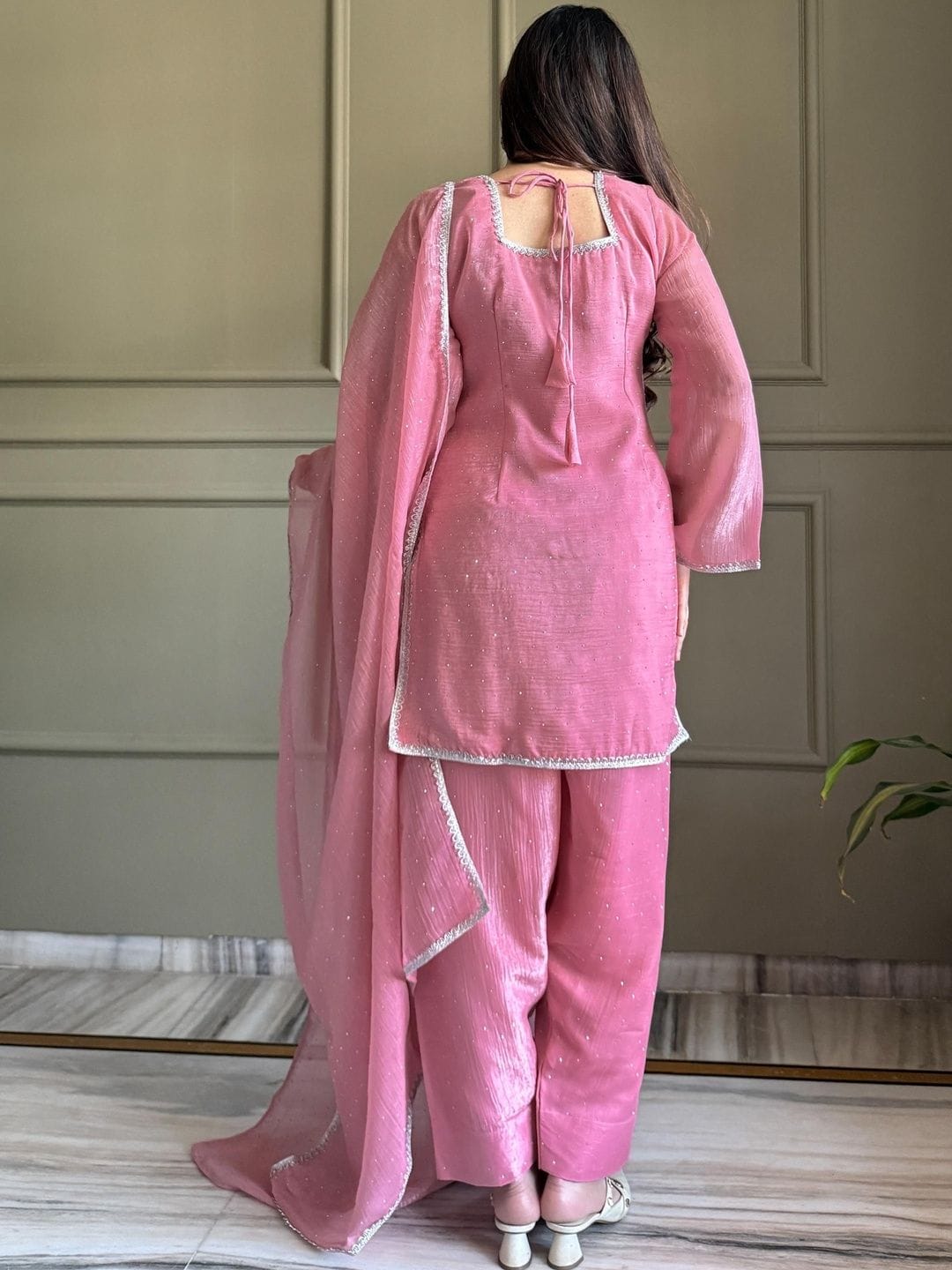
Silk and silk-look fabrics catch light beautifully, but they can be less forgiving for long outdoor wear if the garment has no lining or ventilation. The Pink Crunchy Silk Kurta Pant Set with Diamond Work, Dupatta is better suited to a planned celebration where the wearer can add a shawl and choose a smooth, non-slip petticoat or inner layer beneath the kurta.
Anarkali silhouettes create movement for cultural programmes and family photographs, but a very wide flare can become inconvenient on stairs or crowded paths. The Ivory Zari Sequins Embroidered Anarkali Suit Set | Varnavi can be balanced with low block heels, a compact handbag and a shawl draped over one shoulder rather than a trailing dupatta.
Which colours feel festive and appropriate in Sikkim?
Deep red, mustard, ivory, emerald, cobalt, plum and rose create a festive palette for Sikkim while remaining easy to style across daytime and evening events. Colour choice should complement the setting and personal comfort, not imitate traditional dress from a community to which the wearer doesn't belong.
Red can be styled with antique gold or black for an evening celebration, while mustard looks especially effective with dark green or brown in autumn and winter. Ivory and lavender soften metallic embroidery for daytime events. Black and white create a crisp, modern combination, particularly when floral embroidery supplies the colour.
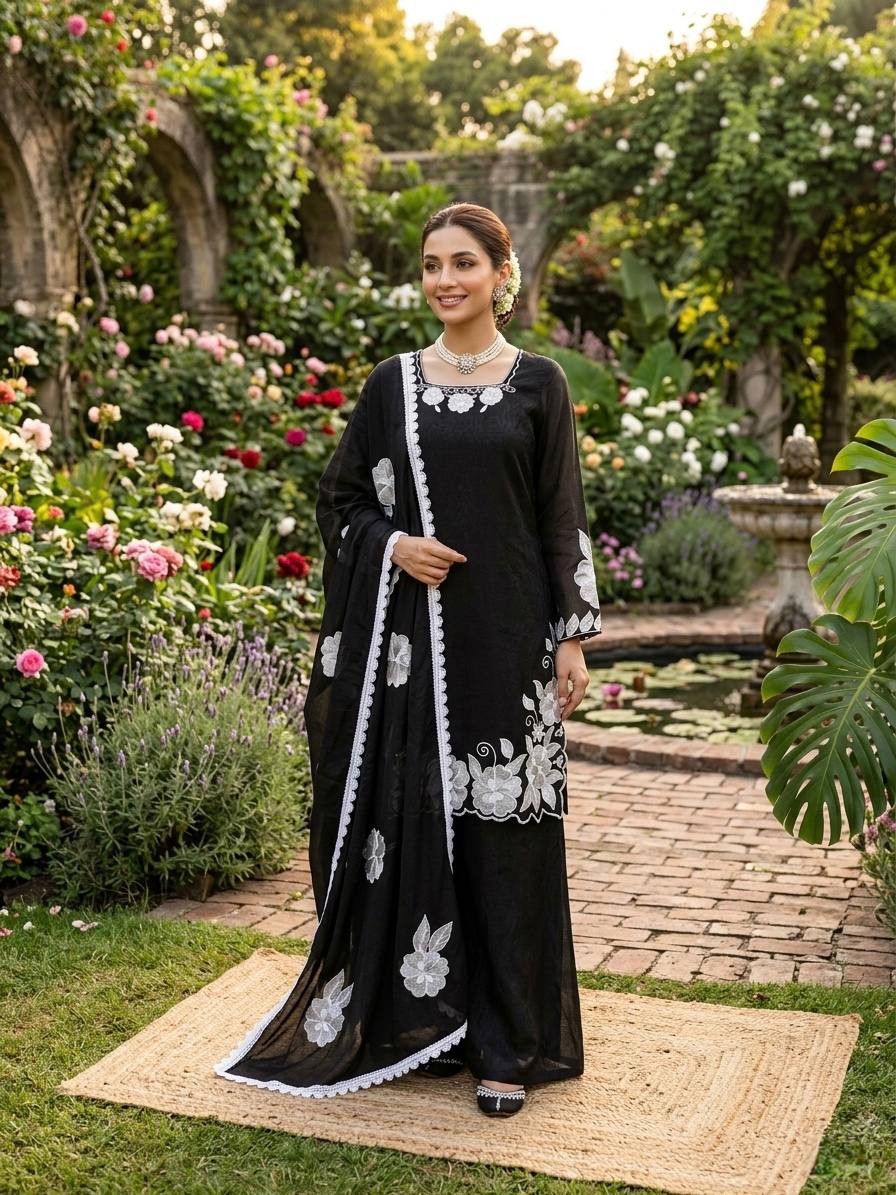
The Black White Floral Embroidered Readymade Salwar Suit demonstrates how floral detail can make a monochrome base feel festive without relying on heavy zari. Pair it with silver-toned earrings for a cooler palette, or introduce a wine, rust or mustard shawl when the weather requires additional warmth.
Colour symbolism varies across communities and festivals, so visitors should not assume that one colour has a universal religious meaning in Sikkim. Wearing a colour because it's personally flattering is generally safer than assigning a borrowed cultural meaning to it. When attending a monastery-related programme, understated elegance and respectful coverage matter more than dramatic styling.
How can you style a salwar suit for different Sikkim festivals?
Salwar suit styling should respond to the festival's setting: choose polished layers for Losar, richer texture for Pang Lhabsol, and practical movement for outdoor cultural programmes. Sikkim's festivals include religious observances, masked dances, music, processions and community gatherings, so one outfit formula can't suit every event.
Losar and winter celebrations
Losar often falls during a cold period, so a full-sleeve salwar suit with a wool-blend shawl and closed shoes brings a practical festive combination. Choose small to medium earrings, a neat braid or low bun and a dupatta pinned at both shoulders if the celebration includes movement or outdoor waiting.
A richer fabric such as silk-blend, jacquard or lined cotton-silk gives visual depth in winter photographs. The Black Red Fendy Silk 3 Piece Readymade Salwar Suit Set can be styled with a black shawl and minimal gold jewellery, allowing the red surface to remain the focal point.
Pang Lhabsol and cultural programmes
Pang Lhabsol-related events call for respectful, comfortable clothing that allows attention to remain on the ceremony and cultural performances. A straight kurta with palazzo trousers or a modest Anarkali works better than a trailing hem, especially if the venue involves standing, walking or sitting on different surfaces.
The Lavender Chanderi Kurta with Olive Embroidered Palazzo Suit can be paired with a plain olive or cream shawl for a muted, composed look. Keep metallic accessories restrained, and select a dupatta that can be pinned securely rather than repeatedly repositioned.
Losoong, Dasain and community gatherings
Losoong and Dasain gatherings may include meals, visits and extended family activities, so a readymade suit with a comfortable waistband and washable or easily aired fabric can be more useful than an extremely elaborate outfit. Mustard, red, green and pink provide a celebratory appearance without requiring very dense embellishment.
The Mustard Yellow Jacquard Kurta Set with Embroidery & Dupatta works well for a daytime-to-evening schedule when worn with flat embroidered juttis or cushioned sandals. A small crossbody bag keeps both hands free for greetings, food and movement between venues.
Which regional textile influences can inspire a Sikkim festival outfit?
Regional textile influences can inspire colour and craft choices, but they should be worn with clear appreciation rather than presented as Sikkimese classic dress. Banarasi silk, Kanjeevaram, Chanderi, zari, Phulkari and Paithani each come from distinct textile histories, and naming those origins accurately prevents cultural details from being blended carelessly.
The Maharashtra Paithani Inspired Salwar Suits collection can suggest jewel-toned borders and peacock-inspired colour contrasts, while the Mint Green Paithani Style Zari Woven Unstitched Suit Material gives a route for shoppers who prefer a tailored fit. Mint green with antique gold works particularly well for daytime celebrations in cool weather.
The Punjab Phulkari Embroidered Salwar Suits collection gives a different visual language through colourful floral threadwork. Phulkari-inspired styling can be balanced with a plain shawl and simple earrings so the embroidery remains visible rather than competing with multiple prints.
Kalamkari Print Salwar Suits (Copy) can provide an artistic, conversational alternative to sequins and metallic work. Kalamkari motifs are especially suitable for daytime gatherings, although a warmer solid-colour shawl may be needed in higher or windier areas.
Karnataka Silk Salwar Suits and Kashmir Embroidered Salwar Suits can also provide styling references for lustrous surfaces and intricate embroidery. Neither collection should be described as Sikkimese clothing; each represents a different regional vocabulary that can be worn respectfully in a Sikkim festival setting.
What footwear and accessories make a festival salwar suit practical?
Low block heels, cushioned juttis, ankle boots with a clean profile and secure flat sandals are the most practical footwear choices for Sikkim festivals. Shoes should have a reliable grip and enough room for socks because wet paths, uneven ground and long periods of standing can make delicate footwear uncomfortable.
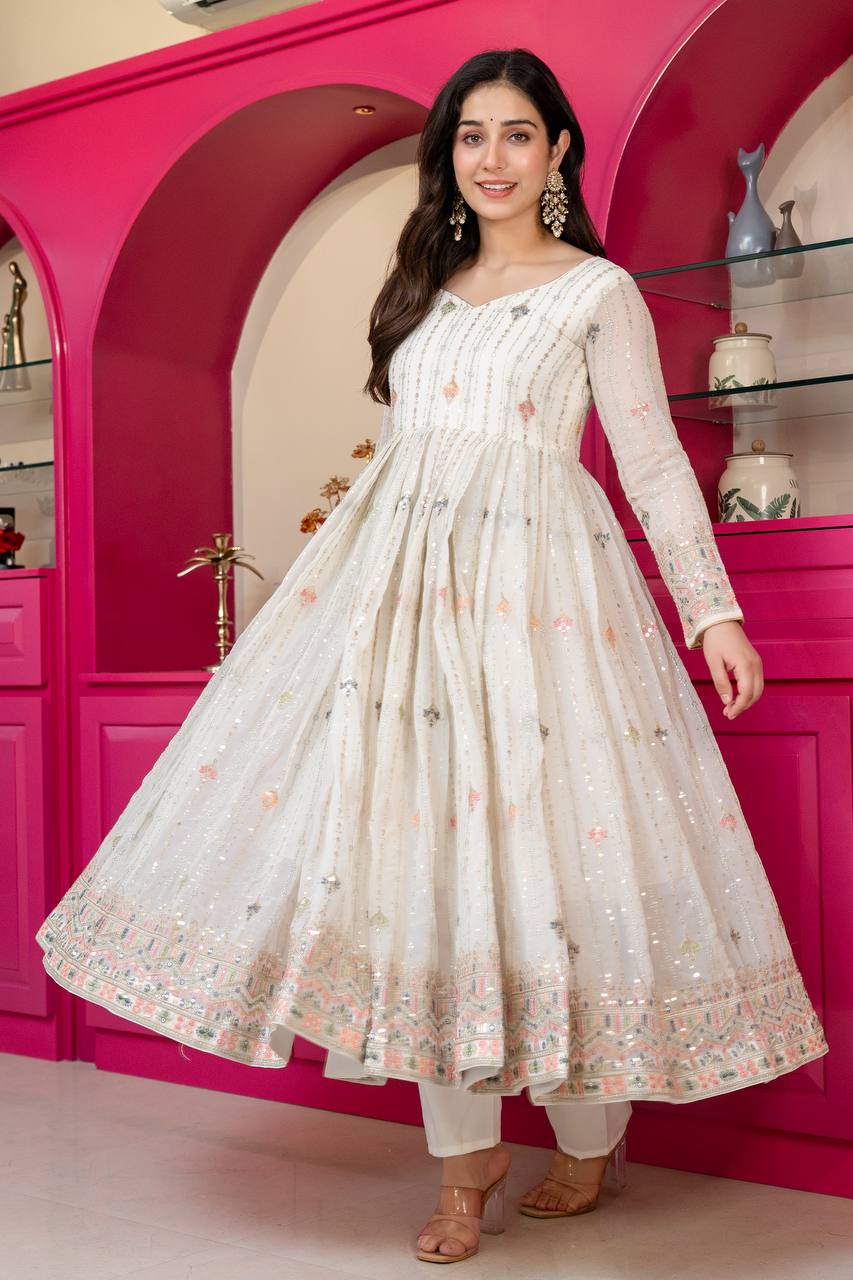
Choose jewellery according to the embroidery density. Zari or sequin work usually needs only earrings and one ring, while a plain cotton or Chanderi suit can carry a necklace, bangles or a statement brooch. Avoid very long necklaces or dangling earrings if the celebration includes dancing, processions or frequent movement.
A medium-sized crossbody bag or structured potli with a secure clasp protects essentials without requiring constant hand support. Carry tissues, lip balm, a compact umbrella and a small safety pin. A spare hair tie and two hidden dupatta pins can solve common wardrobe problems during a full day outdoors.
How should you prepare and care for the outfit?
Prepare a Sikkim festival salwar suit at least one day before wearing it by checking seams, testing the dupatta pins and confirming that the footwear remains comfortable after a 20-minute walk. Advance preparation prevents minor issues from becoming distracting during a ceremony or group photograph.
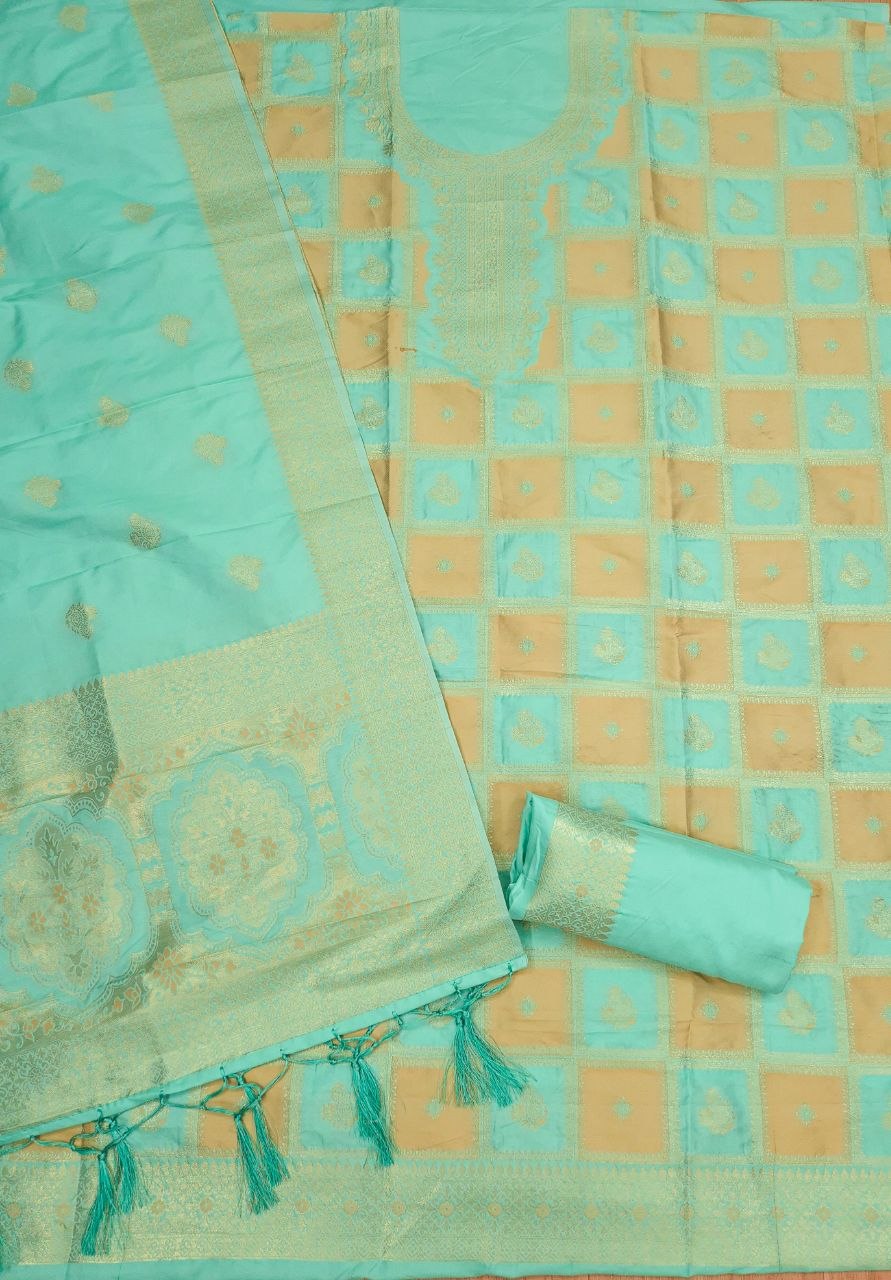
Read the care label before packing silk, Chanderi, jacquard or embellished garments. Many embellished suits require dry cleaning, while some cotton-blend pieces can be gently hand-washed in cool water with mild detergent. Do not wring zari, sequins or delicate embroidery, and keep embellished surfaces turned inward inside a breathable cotton garment bag.
Mountain moisture and sudden rain make plastic garment covers a poor long-term storage choice because trapped humidity can encourage odour or tarnish metallic details. Air the outfit in shade after wearing it, allow perspiration to dry fully and store the garment folded with acid-free tissue or clean cotton between heavy embroidery layers.
A final fitting check should include the sleeve opening, trouser length, dupatta width and kurta lining. Trouser hems that brush the ground collect moisture quickly, while an excessively long dupatta can drag on stairs. Small alterations made before travel usually improve comfort more than adding extra accessories later.
Common Questions About Choosing Salwar Suits for Sikkim Festivals
What type of salwar suit is suitable for a Sikkim festival in winter?
A full-sleeve, lined salwar suit in jacquard, silk-blend, cotton-silk or medium-weight Chanderi is suitable for winter festivals in Sikkim. Add a thin thermal layer, wool-blend shawl and closed shoes so the outfit remains warm without becoming bulky.
Can I wear a salwar suit to a monastery or Buddhist festival in Sikkim?
Yes, a salwar suit is appropriate when it provides modest coverage and allows comfortable movement. Choose a kurta with covered shoulders, a respectful hemline and a dupatta that stays secure, and follow any venue-specific instructions about footwear or head covering.
Which colours are best for a Sikkim festival outfit?
Red, mustard, ivory, emerald, rose, plum and cobalt are versatile festive colours for Sikkim. Colour meanings can vary by community and ceremony, so select shades that suit the setting without claiming that a colour represents a tradition you have not researched.
Is Chanderi suitable for cold weather in Sikkim?
Chanderi can work in cool weather when layered with a thermal camisole, cardigan or warm shawl. The Lavender Chanderi Kurta with Olive Embroidered Palazzo Suit is more suitable for daytime or milder locations than for a cold evening without an outer layer.
What footwear should women wear with salwar suits in Sikkim?
Cushioned juttis, low block heels, secure flat sandals and neat ankle boots are practical choices. Select footwear with grip and enough room for socks because festival venues may involve uneven paths, rain or extended standing.
How can I keep a dupatta secure during a Sikkim festival?
Pin the dupatta at one shoulder and, when necessary, add a discreet second pin near the opposite collarbone. A medium-width dupatta made from a fabric with slight grip is easier to manage than a very slippery or excessively long style.