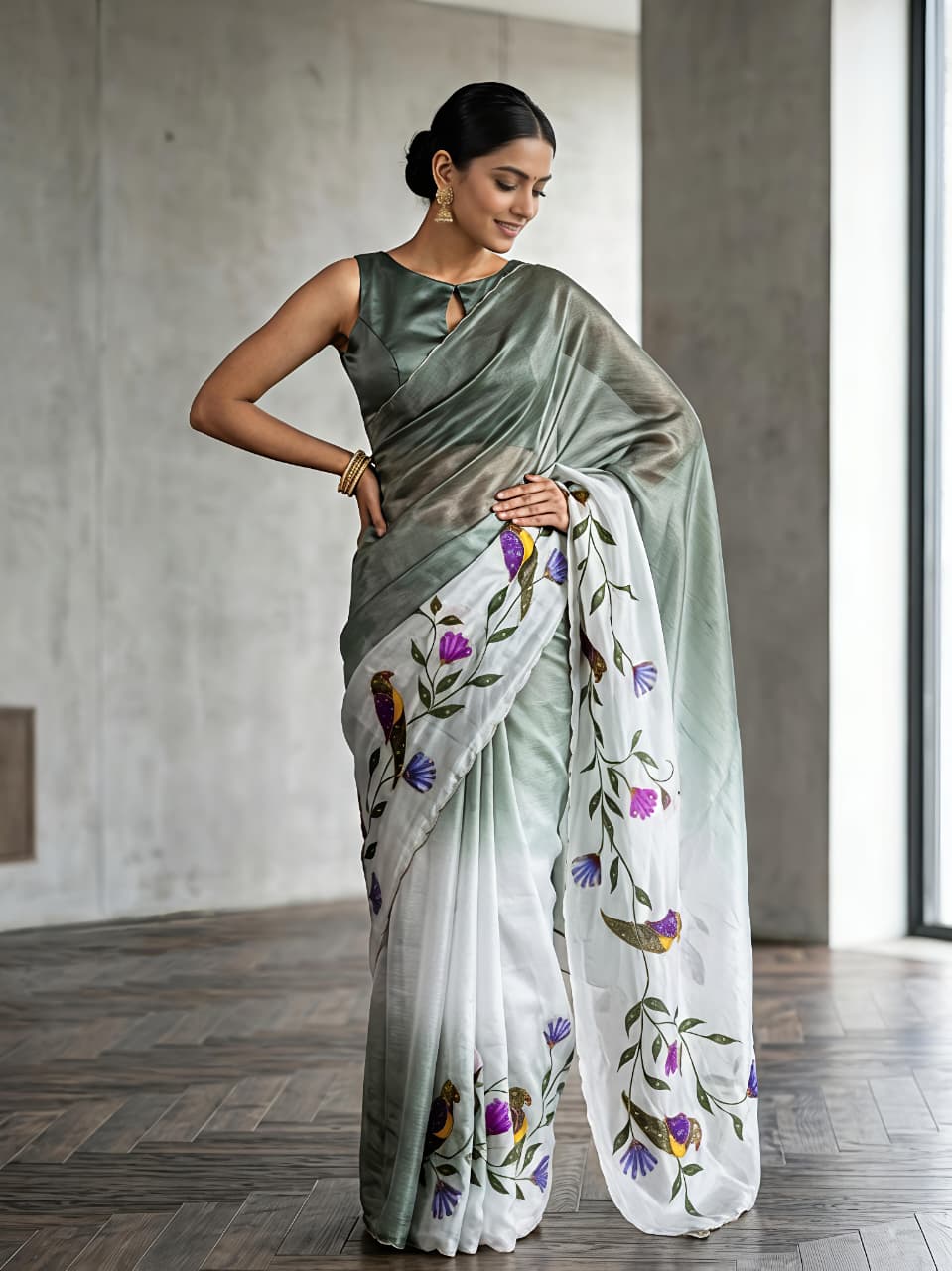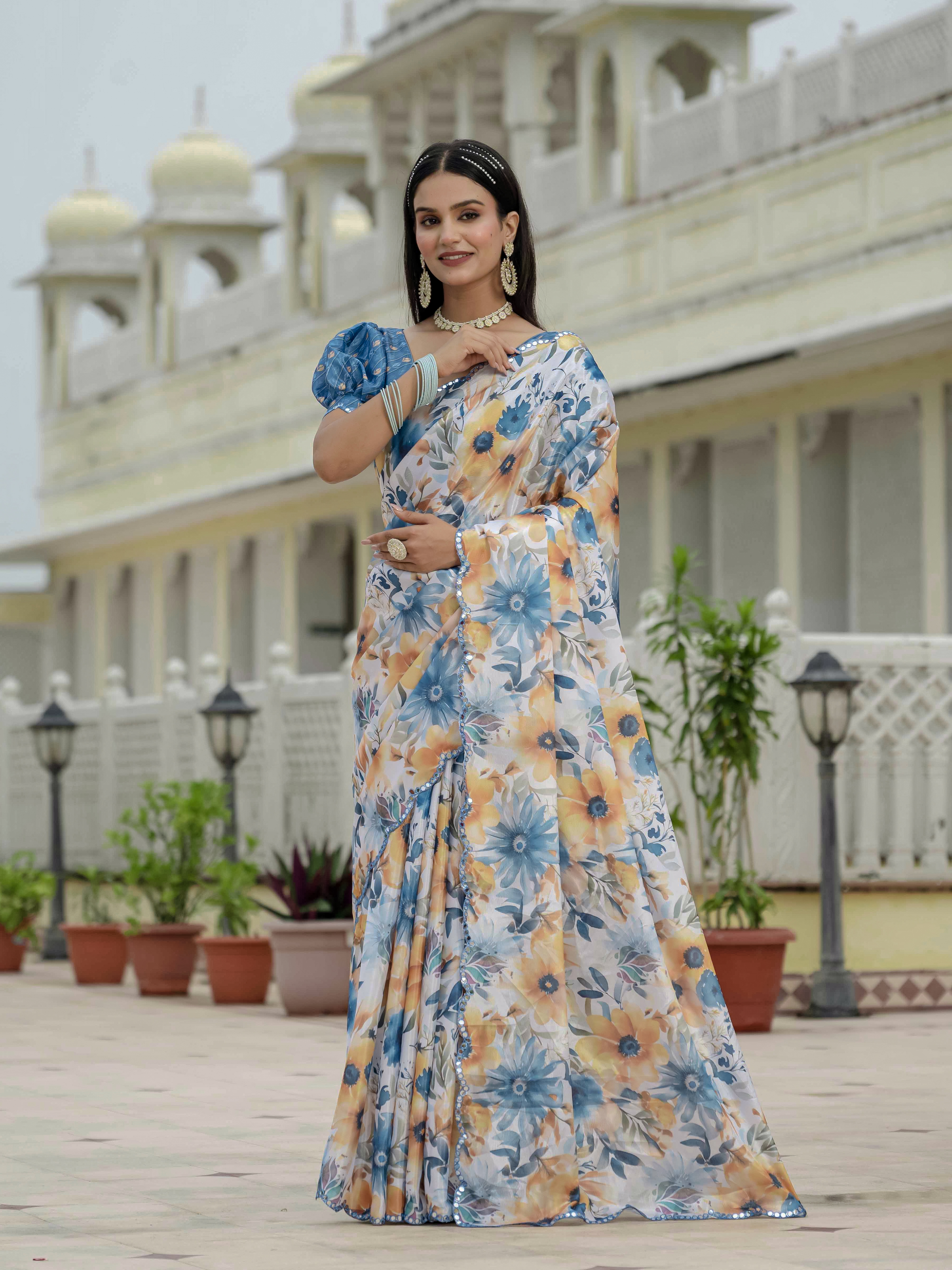
The Sikkim Festival Fashion Calendar: Traditional Outfits helps you match clothing to the season, community and ceremonial mood of Sikkim's celebrations. A January Losar gathering, an August Pang Lhabsol ceremony and an October Tihar visit don't call for identical clothing. Temperature, altitude, religious setting and cultural identity all influence a suitable festive look.
Sikkim's festive wardrobe brings together Bhutia, Lepcha and Nepali traditions alongside contemporary Indian occasion wear. A thoughtful outfit can acknowledge those traditions without copying ceremonial dress carelessly. The practical approach is to understand the calendar first, then choose a fabric, silhouette and level of ornamentation that suits the event.
Sikkim Festival Fashion Calendar: Traditional Outfits by season and setting
The Sikkim Festival Fashion Calendar: Traditional Outfits follows both lunar and solar calendars, so several festival dates change every year. Losar and Saga Dawa follow Tibetan Buddhist lunar timing, while Tihar, Dasain and Maghe Sankranti generally fall between October and January according to the Hindu calendar.
Sikkim's weather changes sharply across locations. Gangtok can feel cool and damp during winter, North Sikkim is considerably colder, and lower areas may remain mild during the same month. A festive outfit therefore needs a base layer, a polished main garment and a warm outer layer that can be removed indoors.
- Winter, roughly December to February: choose silk, brocade, wool blends and full-length layers for Losar, Sonam Lochar and Maghe Sankranti.
- Spring, roughly March to May: use breathable silk, cotton-silk and light dupattas for Bumchu and Buddha Jayanti-related gatherings.
- Monsoon and late summer, roughly June to September: select quick-drying inner layers, secure drapes and lighter festive fabrics for Saga Dawa, Tendong Lho Rum Faat and Pang Lhabsol.
- Autumn, roughly October to November: festive silk sarees, kurta sets and layered blouses work well for Dasain, Tihar and regional community celebrations.
Dates, public programmes and dress expectations can vary by monastery, neighbourhood and family. Checking a local event notice is more reliable than treating a printed calendar as a fixed dress code.
Sikkim Festival Fashion Calendar: Traditional Outfits for winter festivals
Winter festival dressing in Sikkim works best with a warm inner layer, a structured festive garment and a coat, shawl or woollen wrap. The combination preserves comfort without making the outfit look like ordinary cold-weather clothing.
Losar and Sonam Lochar
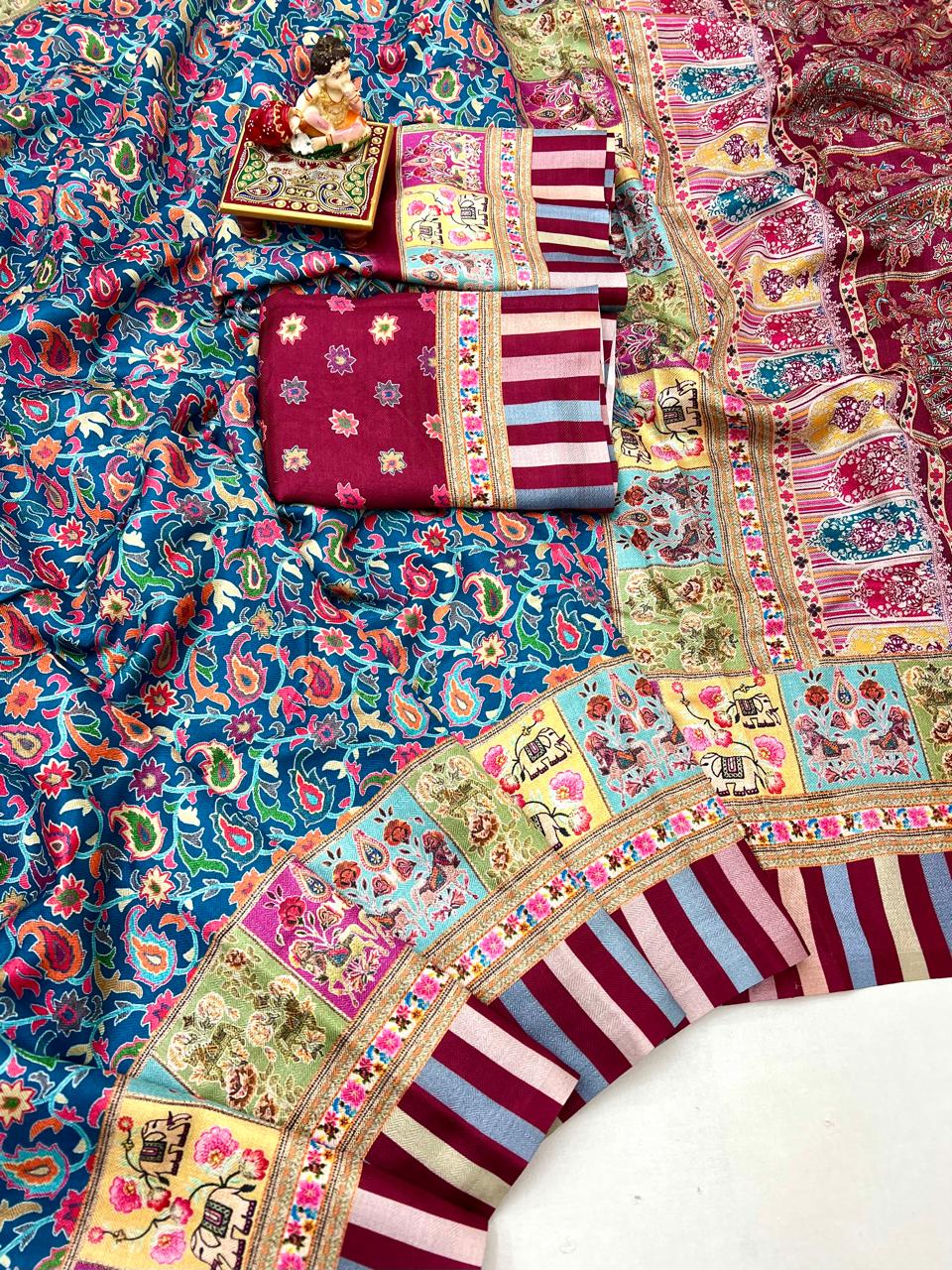
Losar marks the Tibetan New Year and is strongly associated with Buddhist communities, while Sonam Lochar is an important Tamang New Year celebration. Bhutia families may wear the bakhu, a wrap-style robe traditionally secured with a belt, often over a blouse and with a shawl or warm layer. Tamang and other communities may express identity through their own jewellery, textiles and festive combinations.
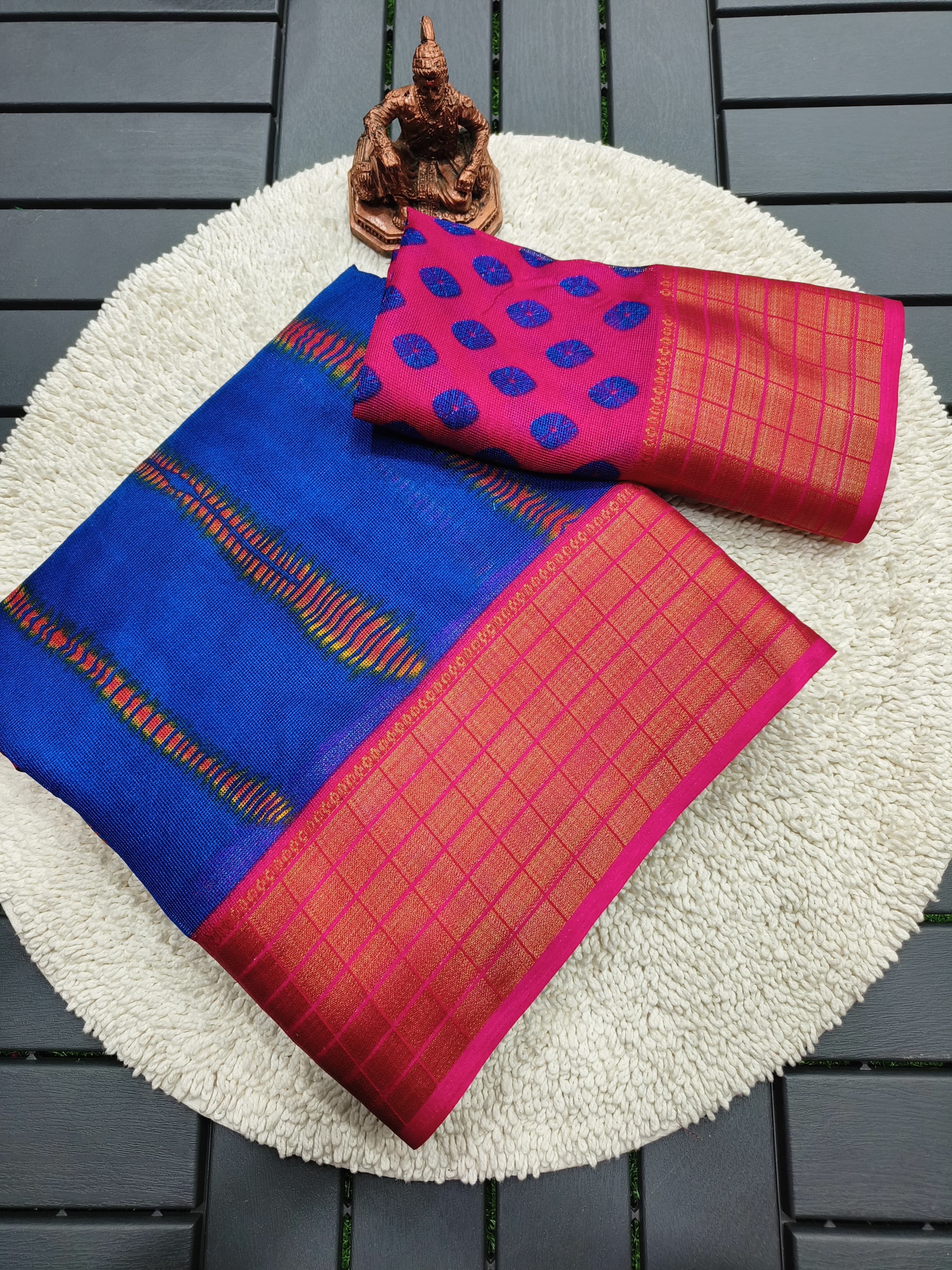
A silk saree can work for a contemporary family gathering, especially when paired with a high-neck blouse, closed footwear and a warm shawl. Festive Wear Blue Silk Saree for Women offers a useful colour direction for winter evening events because deep blue reads formal and pairs easily with silver, gold or muted wool layers. A saree worn in compact pleats and firmly pinned is more practical than a loose, floor-sweeping drape in a crowded venue.
Silk Festive Kurta Pant Set with Zari Jacquard Dupatta provides another winter styling formula: a structured base, a coordinated bottom and a decorative dupatta. Thermal leggings can be worn beneath wide trousers only when the fabric remains smooth and the additional layer doesn't distort the silhouette.
Maghe Sankranti
Maghe Sankranti is a winter harvest and seasonal observance celebrated by Nepali communities across the region. A kurta set, saree or regional ensemble in jewel tones suits a family meal, cultural programme or community gathering.
Elegant Pista Festive Wear Kurta Pant Set gives a softer option for daytime celebrations. Pista green works particularly well with antique gold jewellery, a rust shawl or a maroon bindi. A medium-weight dupatta is preferable to a very sheer one when morning temperatures are low.
Sikkim Festival Fashion Calendar: Traditional Outfits for spring observances
Spring festival clothing in Sikkim should feel festive while remaining breathable, because daytime gatherings can become warm when people move between sunlit courtyards and indoor prayer spaces.
Bumchu and Buddhist observances
Bumchu, held at Tashiding Monastery, is a significant Buddhist festival associated with the opening of a sacred vessel and predictions for the coming year. Visitors should prioritise modesty, easy movement and respect for monastery rules over dramatic styling.
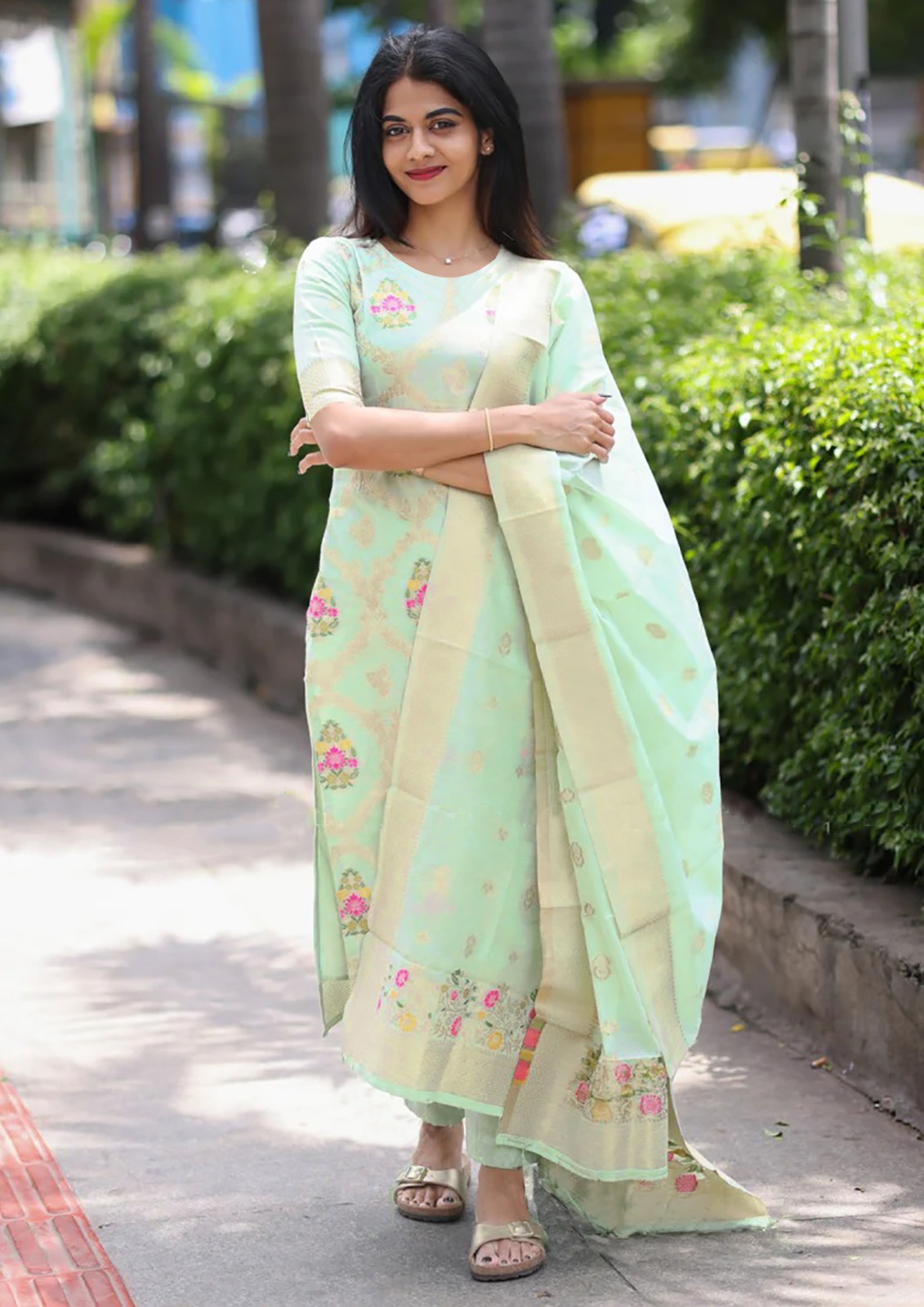
Chanderi, lightweight silk and cotton-silk blends are practical choices for a spring daytime event. A saree with a secure shoulder drape or a long kurta with a modest neckline avoids repeated adjustments. Zari can add occasion value, but a narrow border is often more comfortable than heavy all-over metallic work.
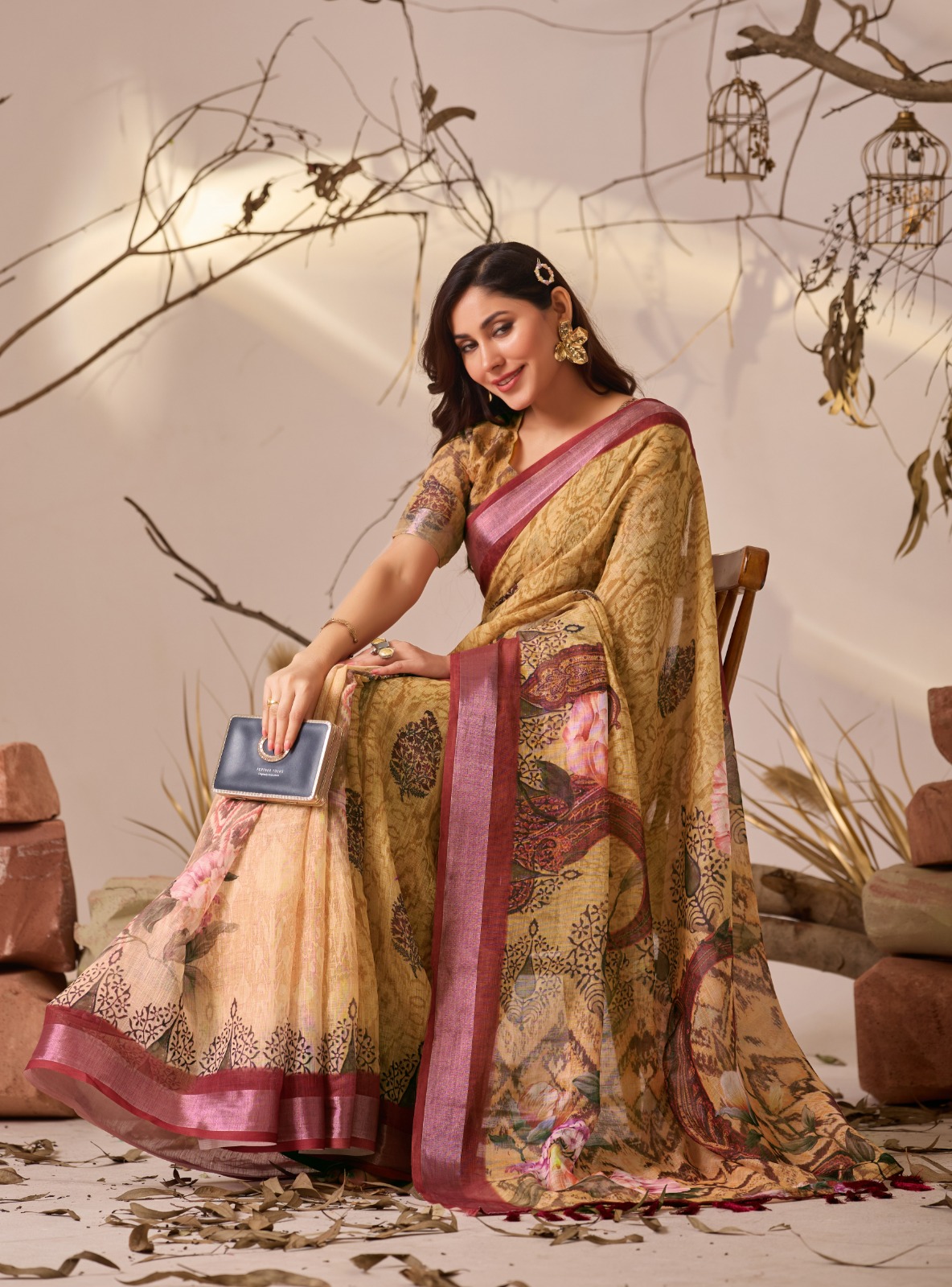
Premium Chikoo Floral Tussar Silk Ethnic Wear Saree shows how textured silk and an earthy neutral palette can look ceremonial without becoming excessively bright. Pair the saree with a lined blouse, low-heeled shoes and a compact handbag that leaves both hands free for walking and greeting elders.
Saga Dawa
Saga Dawa commemorates key events in the life of Gautama Buddha and is observed by Buddhist communities with prayers, processions and visits to monasteries. Clothing should be clean, modest and comfortable rather than designed solely for photographs.
White, ivory, soft blue, muted green and natural silk shades can create a calm spring palette. Very low necklines, unstable strapless blouses and excessive trailing fabric are unsuitable for prayer halls. A light shawl is useful because indoor monastery spaces may feel cool even when the afternoon is warm.
Sikkim Festival Fashion Calendar: Traditional Outfits for monsoon celebrations
Monsoon festival outfits in Sikkim should use breathable materials, stable footwear and drapes that remain neat in humidity and rain. Smooth silk, viscose blends and lighter georgette or Chinon can be more manageable than heavy velvet or densely layered brocade.
Tendong Lho Rum Faat
Tendong Lho Rum Faat is a Lepcha festival honouring Mount Tendong, which tradition associates with protection from a great flood. Lepcha cultural identity is expressed through distinctive dress, music and community performance, so guests should avoid presenting a costume imitation as an authentic Lepcha ensemble.
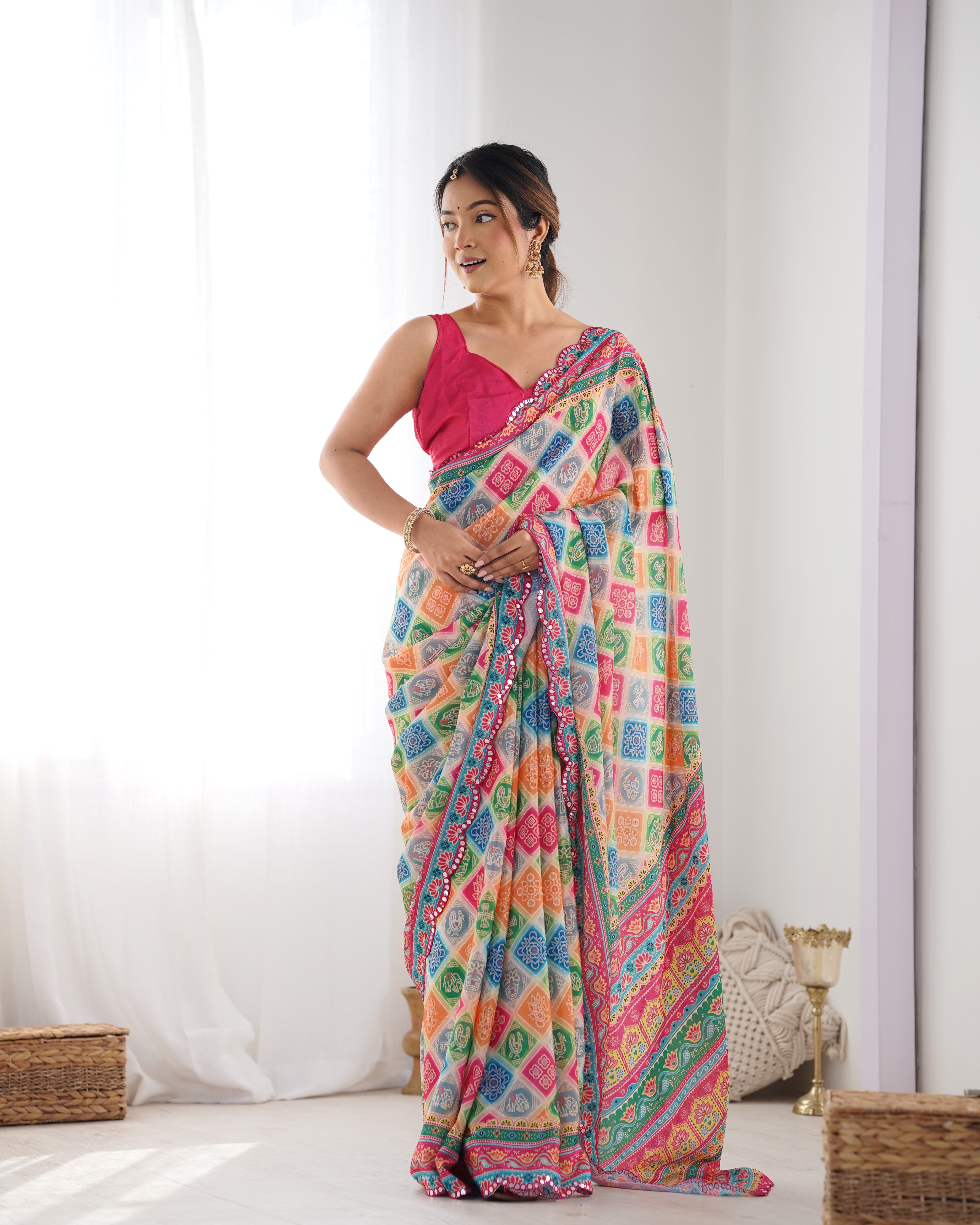
A contemporary guest can acknowledge the setting through natural colours, handloom textures and a modest silhouette. Colorful Ethnic Chinon Saree for Women can suit an indoor cultural programme when the drape is pinned at the shoulder and the hem is kept clear of wet ground. A non-slip petticoat, several safety pins and a short outer layer are useful additions for a rainy venue.
Pang Lhabsol
Pang Lhabsol honours Mount Khangchendzonga, regarded as a guardian deity in Sikkim, and is associated with community rituals and masked dances. The festival's sacred character makes respectful coverage and comfortable movement especially important.
For a public celebration, a long kurta, full-length skirt with a modest top or securely draped saree is safer than a heavily embellished party outfit. Flat shoes with grip are valuable because festival venues may include sloped paths, stone courtyards or damp ground. Small earrings and a textile bracelet can provide polish without competing with ceremonial activity.
Sikkim Festival Fashion Calendar: Traditional Outfits for autumn colour
Autumn is the strongest season for visibly festive clothing in Sikkim because Dasain and Tihar bring family visits, worship, music and community gatherings. Sarees, silk kurta sets and embellished blouses become easier to wear when humidity falls.
Dasain
Dasain is a major Nepali Hindu festival associated with family blessings, elders and worship. Red, maroon, mustard, green and deep pink are common celebratory directions, although colour choices differ by family and region.
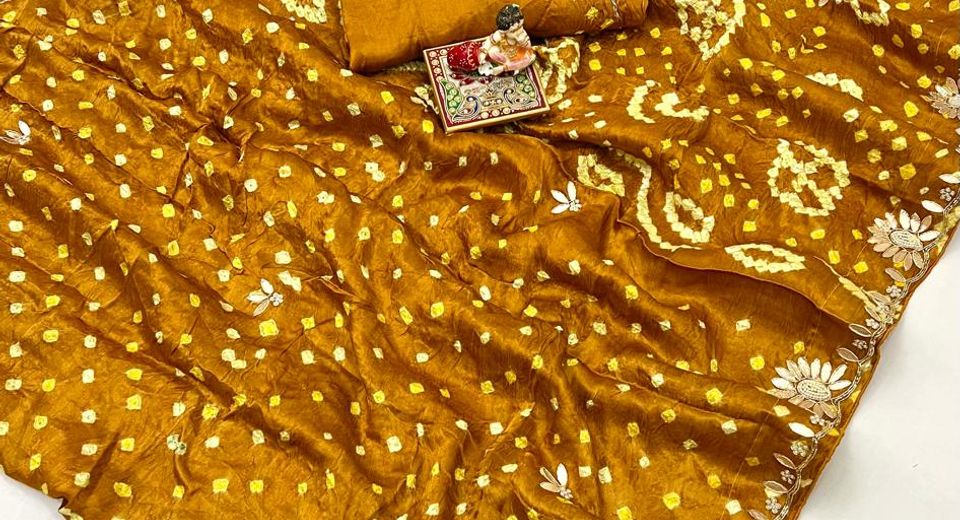
Mustard Bandhani Viscose Gajji Silk Saree with Handwork brings a bright festive reference for a Dasain visit. Bandhani-inspired patterning and handwork provide visual detail, while a well-fitted blouse keeps the outfit balanced. One statement necklace or a pair of larger earrings is usually enough for a daytime family gathering.
Tihar
Tihar, also known as Deepawali in many Nepali communities, unfolds over several days and includes worship of different animals, Lakshmi Puja and Bhai Tika. Since visits may involve sitting on the floor, walking between homes and helping with decorations, a manageable outfit is more useful than an elaborate one.
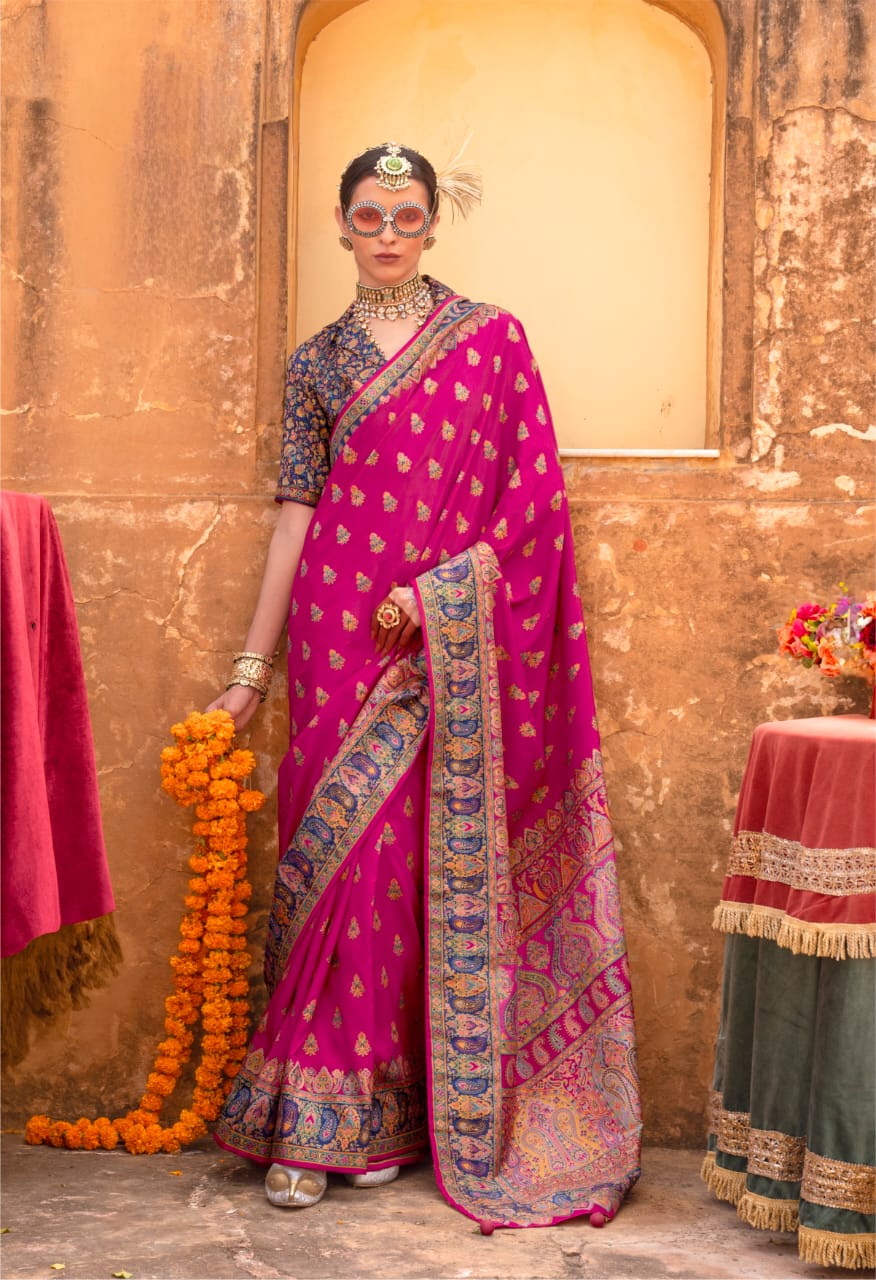
Pink Green Floral Silk Saree with Zari Border Festive suits the colourful mood of Tihar while offering a clear border that helps define the drape. Pin the pallu securely, keep the front pleats narrow and choose a blouse with enough shoulder coverage for repeated movement. Embellished flats are generally more practical than delicate high heels.
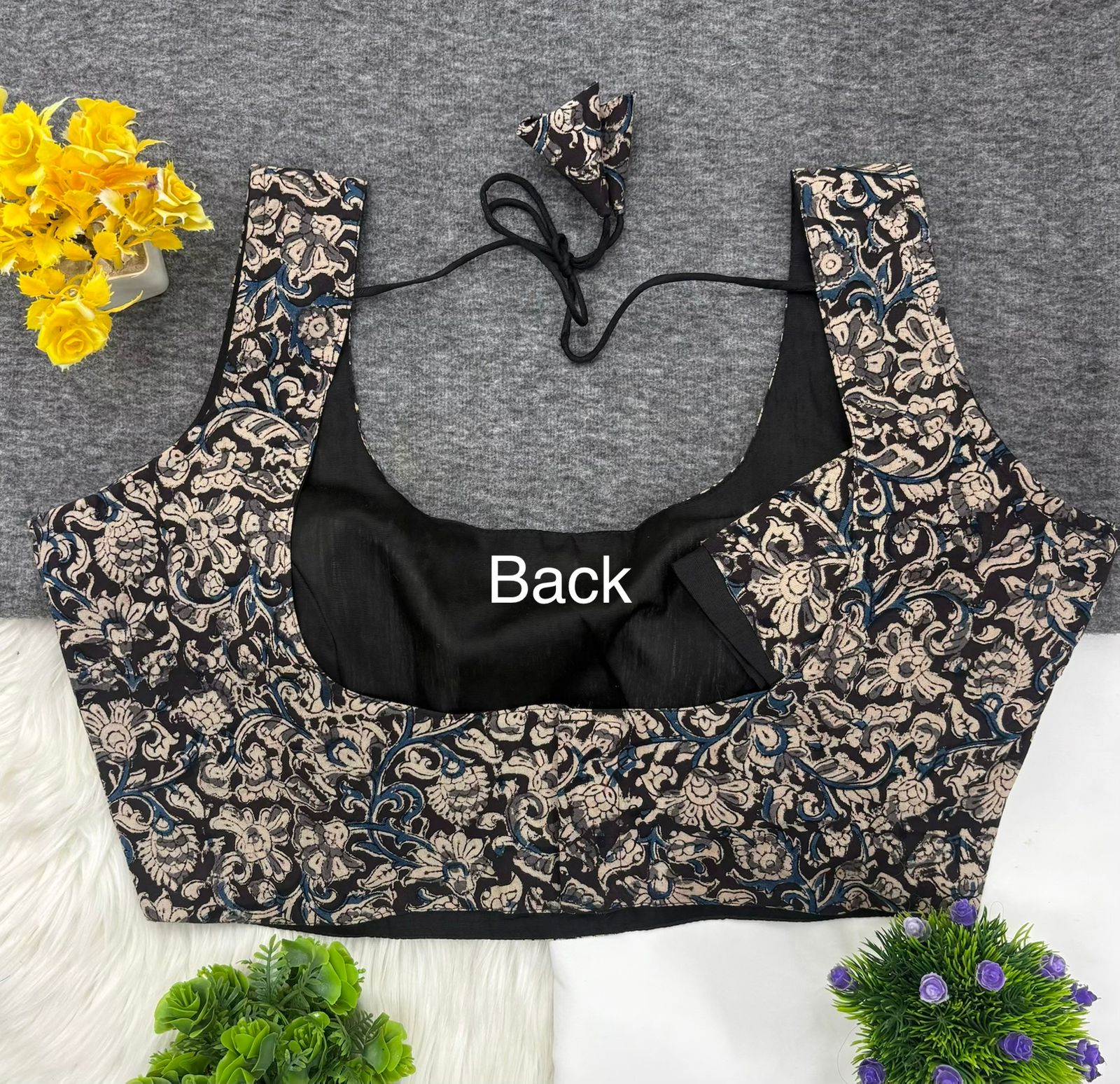
A blouse can change the perceived formality of a familiar saree. Classic Festive Wear Blouse for Stylish Saree Look can be considered when the main saree has a bold print or border and needs a simpler, better-structured upper half. The correct blouse length, armhole depth and sleeve fit matter more for comfort than a heavily decorated neckline.
Sikkim Festival Fashion Calendar: Traditional Outfits with respectful styling choices
Respectful festival styling means distinguishing between wearing contemporary festive clothing and reproducing a community's ceremonial dress without understanding its meaning. Bhutia, Lepcha and Nepali clothing traditions each have their own history, regional variations and contexts of use.
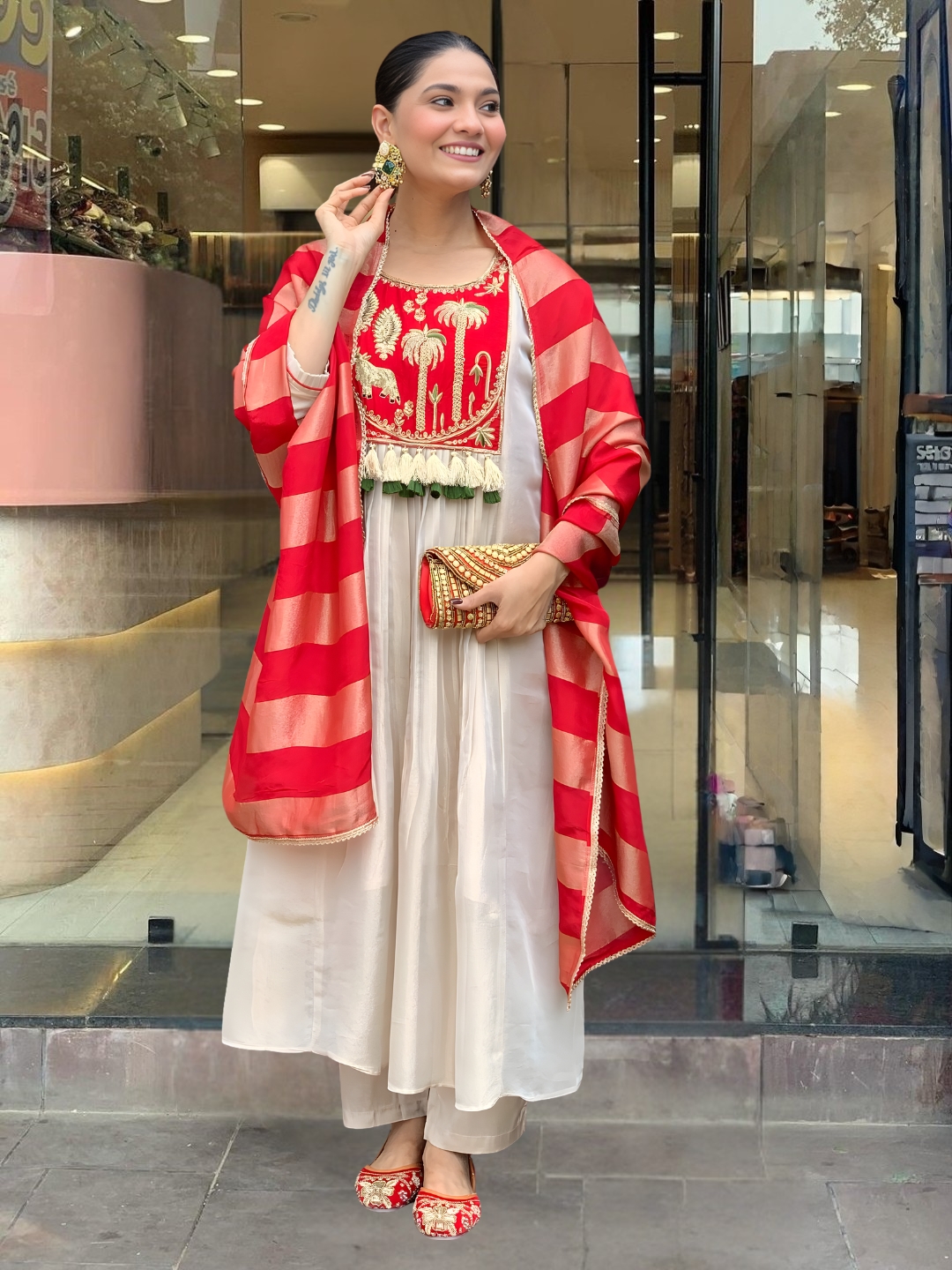
A guest can dress appropriately by choosing modest coverage, avoiding novelty versions of sacred symbols and asking permission before photographing people in traditional attire. Monastery settings usually call for covered shoulders and knees, quiet colours or restrained ornamentation, and footwear that can be removed easily when required.
Fabric choice also affects cultural and practical suitability. Banarasi silk and zari offer formal shine for evening celebrations, while Tussar silk gives a textured, less reflective finish for daytime gatherings. Chanderi can be comfortable in spring, but a delicate Chanderi weave should be protected from rain. Viscose Gajji silk and Chinon can provide colour and fluidity, although both should be stored dry after humid-weather wear.
Layering should be planned before jewellery. A thermal camisole beneath a saree blouse, a fine long-sleeved inner top beneath a kurta and a wool shawl over silk can add warmth without requiring a bulky jacket. Choose a petticoat or underskirt with enough grip to hold the saree, and test the full outfit by walking, sitting and climbing stairs before the festival.
Care after a mountain festival is equally important. Air a saree or kurta set away from direct sunlight, blot rainwater with a clean towel and never rub zari or handwork while damp. Silk garments should generally be dry-cleaned according to the care label, while embellished dupattas should be folded with acid-free tissue or a clean cotton cloth to reduce snagging.
The most dependable outfit formula is simple: select a culturally respectful silhouette, match the textile to the month, secure the drape and carry one warm or rainproof layer. That formula leaves room for personal colour choices while keeping the clothing appropriate for Sikkim's varied festivals and terrain.
Common Questions About Sikkim Festival Fashion Calendar: Traditional Outfits
What should I wear to a festival in Sikkim?
Wear a modest saree, kurta set or another full-length festive outfit suited to the weather and venue. Add a shawl or warm layer in winter, choose secure footwear during the monsoon and avoid copying Bhutia or Lepcha ceremonial clothing without understanding its context.
What do people traditionally wear during Losar in Sikkim?
Bhutia communities may wear the bakhu, a wrap-style robe traditionally secured with a belt, along with a blouse and warm layers. Contemporary guests can choose a modest silk saree or kurta set while keeping the styling practical for cold weather and community gatherings.
What is suitable clothing for Pang Lhabsol?
A long kurta, modest full-length skirt or securely draped saree is suitable for many visitors attending Pang Lhabsol events. Covered shoulders, comfortable clothing and flat shoes with good grip are especially useful around monasteries, sloping paths and damp courtyards.
Can I wear a saree to a Sikkim festival?
Yes, a saree can work well for a Sikkim festival when the fabric, drape and coverage suit the event. Pin the pallu, keep the hem clear of wet ground, select footwear for the terrain and carry a shawl or rain layer according to the season.
Which fabrics work best for Sikkim festival outfits?
Silk, Tussar silk, cotton-silk and lighter blends work across much of the festival calendar, while wool layers help in winter. Chanderi and lighter fabrics suit spring, whereas Chinon and smooth viscose blends can be easier during humid weather if protected from rain.
How can visitors dress respectfully at Sikkim monasteries?
Visitors should wear clean, modest clothing with covered shoulders and knees, avoid novelty versions of sacred symbols and follow local instructions about footwear and photography. A simple silk saree, long kurta or full-length ensemble is usually more appropriate than a revealing or heavily theatrical party outfit.