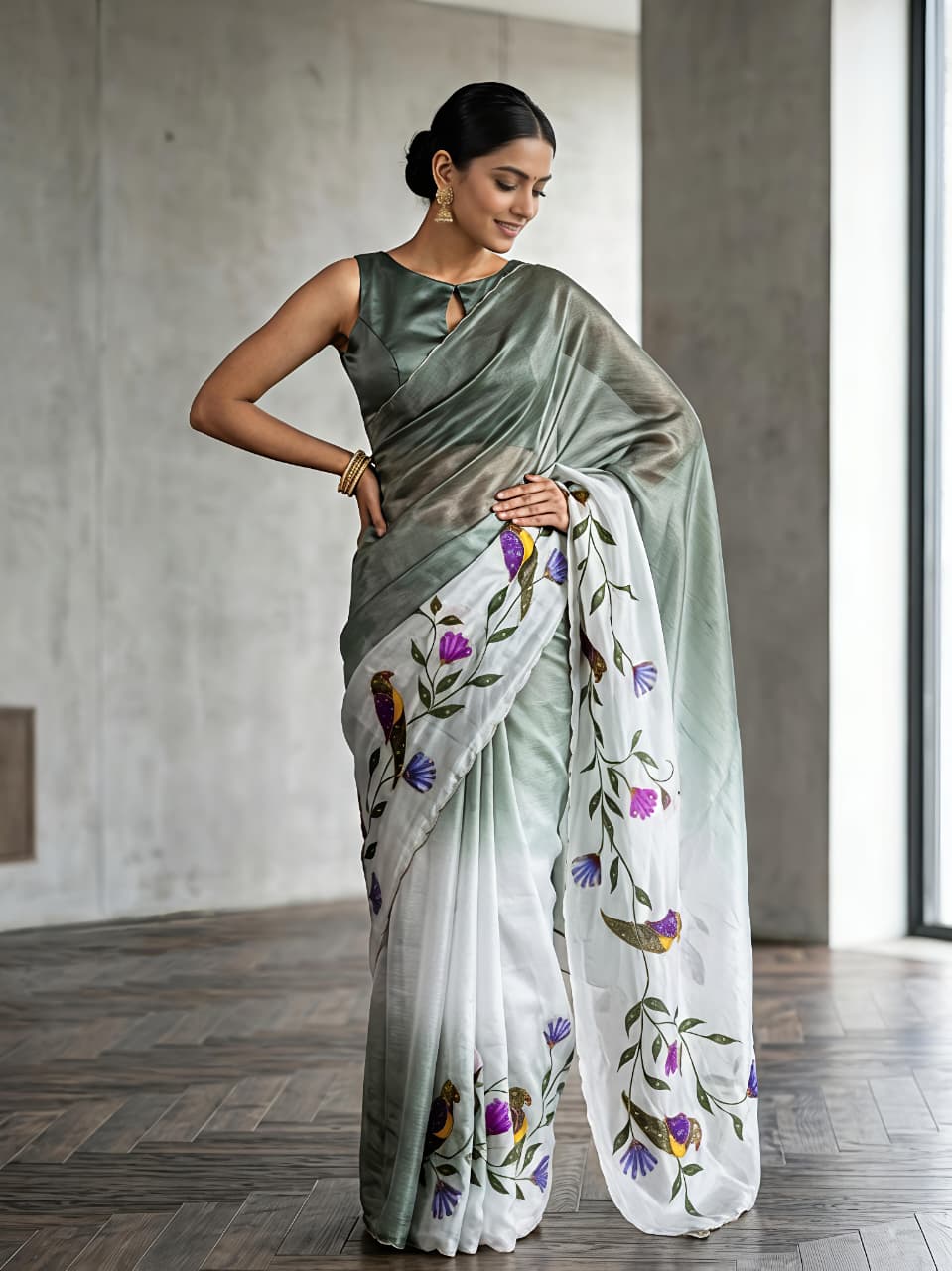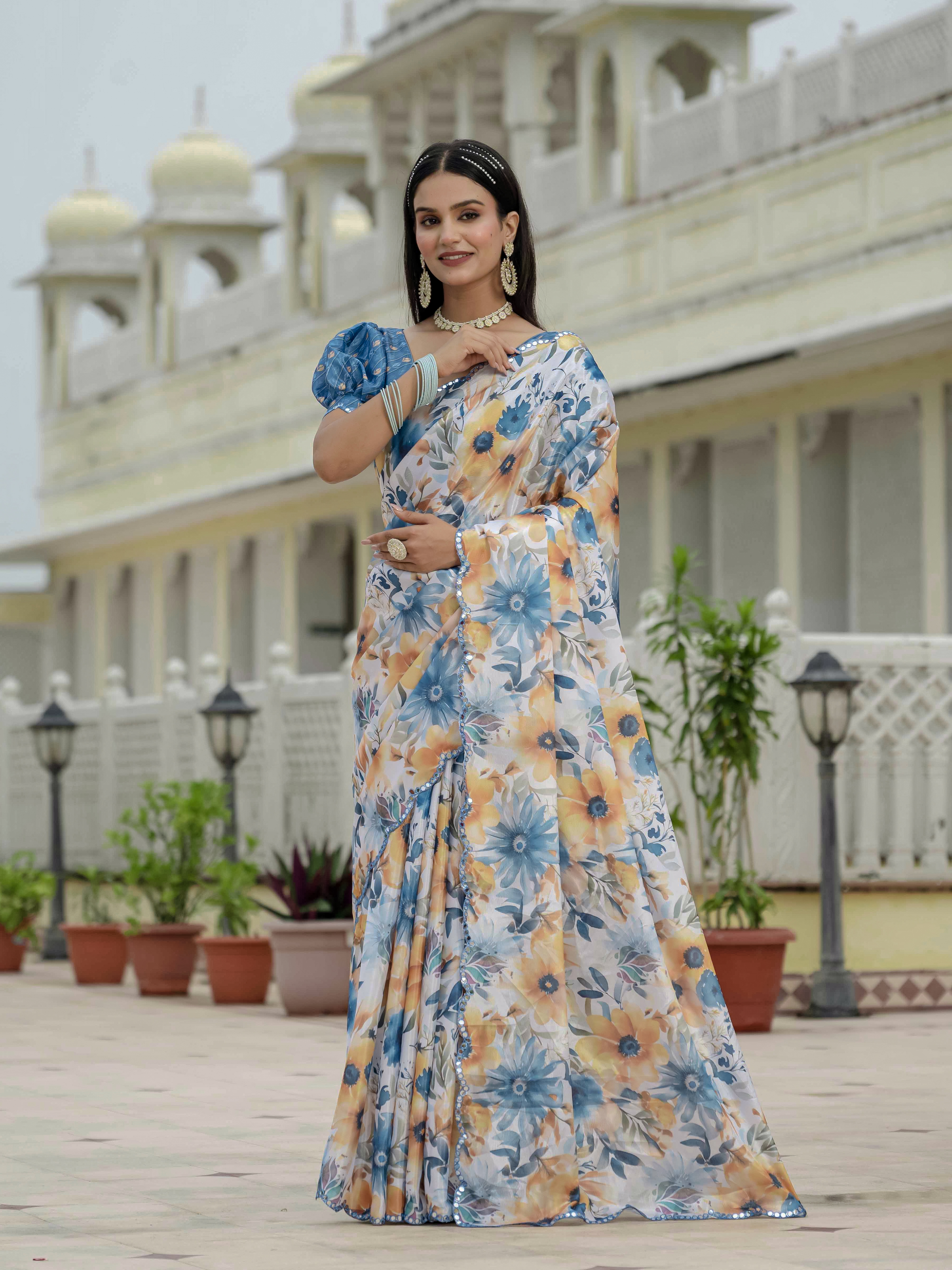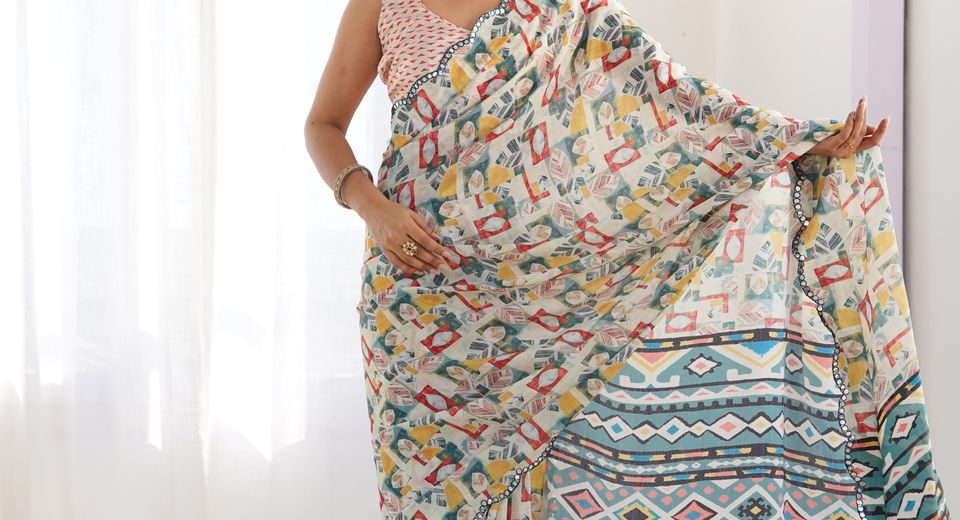
A Sikkim Ethnic Fashion Guide for Women should begin with the region's people, climate and layered dressing traditions, not with a single costume label. Sikkim's clothing reflects Lepcha, Bhutia and Nepali communities, each with distinct histories and garments. Modern wardrobes can respectfully draw from those influences through woven textures, shawl layers, earthy colour combinations and practical silhouettes while avoiding the careless use of sacred or community-specific dress.
Sikkim's cool weather also changes how an outfit works. A beautiful garment needs a warm layer, comfortable footwear and enough movement for steep streets, long ceremonies or outdoor celebrations. The most useful approach combines cultural awareness with adaptable pieces such as silk sarees, embroidered kurta sets, dupattas, shawls and coordinated separates.
Sikkim Ethnic Fashion Guide for Women: Which cultural influences shape the region?
Lepcha, Bhutia and Nepali clothing traditions are the three major cultural influences commonly seen in Sikkim's ethnic fashion, although each community contains its own variations and occasions for dress.
Lepcha clothing is associated with garments such as the dumdyam for women, traditionally wrapped and secured around the body. The fabric, drape and restrained styling make a practical silhouette suited to movement. Lepcha-inspired contemporary dressing can therefore focus on clean wrapping, woven borders and unbleached colours rather than copying a formal garment without understanding its use.
Bhutia women traditionally wear the bakhu, a robe-like garment wrapped around the body and held with a belt. A loose blouse or shirt is worn underneath, while an apron-like pangden is significant in married women's dress in Tibetan and Bhutia contexts. Pangden patterns and colours can carry social meaning, so fashion adaptation should not treat every striped apron as a generic accessory.
Nepali influence appears through garments and textiles connected with communities across the Himalayan region. Women may wear sari ensembles, gunyu-cholo traditions in some cultural settings, shawls, woven waistcoats and decorated blouses. Dhaka fabric, recognised for geometric woven patterns, is especially useful as a visual reference for borders, bags, blouses and jackets.
These traditions don't form one interchangeable "Sikkimese costume." A Sikkim Ethnic Fashion Guide for Women identifies the community or visual reference behind an outfit and uses contemporary styling without claiming that a modern fusion look is an authentic ceremonial uniform.
Sikkim Ethnic Fashion Guide for Women: Which traditional garments matter?
The bakhu, pangden, dumdyam and Dhaka textiles are important reference points, but each should be understood in relation to community, marital status, ceremony and region.
Bakhu and the logic of layered dressing
The bakhu is a wrap-style robe associated particularly with Bhutia women. A fitted or relaxed inner blouse, a belt and a warm outer layer help create its recognisable structure. The wrap accommodates layering, which makes practical sense in Sikkim's changing temperatures.
A contemporary wardrobe need not reproduce a bakhu to borrow its useful principles. Try a long silk kurta over a high-neck inner layer, add a broad woven belt and finish with a wool shawl or cropped jacket. Keep the proportions deliberate: one substantial outer layer works better than several bulky pieces competing at the waist.
Pangden and visual identity
A pangden is an apron associated with married Bhutia women and should not be used casually as a decorative prop. The striped textile is culturally meaningful, so visitors and fashion creators should avoid wearing one as a costume without permission or context.
For a safer styling reference, select a striped handloom stole, geometric border or woven belt that's not presented as a pangden. The result can acknowledge Himalayan textile language while leaving community-specific attire in its proper cultural setting.
Dhaka and woven geometry
Dhaka fabric uses colourful geometric patterns and is strongly associated with Nepali textile traditions. A Dhaka-inspired blouse, sash, jacket or bag can add visual character to a plain saree or kurta set without overwhelming the complete outfit.
Look for small-scale motifs when pairing Dhaka-inspired textiles with embroidery. A large geometric jacket works best with a solid base, while a patterned blouse can balance a plain drape in cream, charcoal, rust or deep green.
Sikkim Ethnic Fashion Guide for Women: How can modern wardrobes use these references?
Modern Sikkim-inspired dressing works best when one regional reference anchors the outfit and the remaining pieces stay simple.
For example, pair a plain silk kurta with a woven geometric dupatta, or wear a solid saree with a shawl that introduces Himalayan colour. A broad belt can suggest the structure of wrapped garments, but the belt should secure the outfit comfortably rather than imitate a heritage community garment exactly.
Silhouettes should suit the occasion. A straight kurta with cigarette pants is practical for a daytime cultural programme. A flared kurta with a dupatta works for a family ceremony. A saree with a full-sleeve blouse and shawl is better for an evening event in Gangtok or another cool hill setting than a sleeveless, lightly layered ensemble.
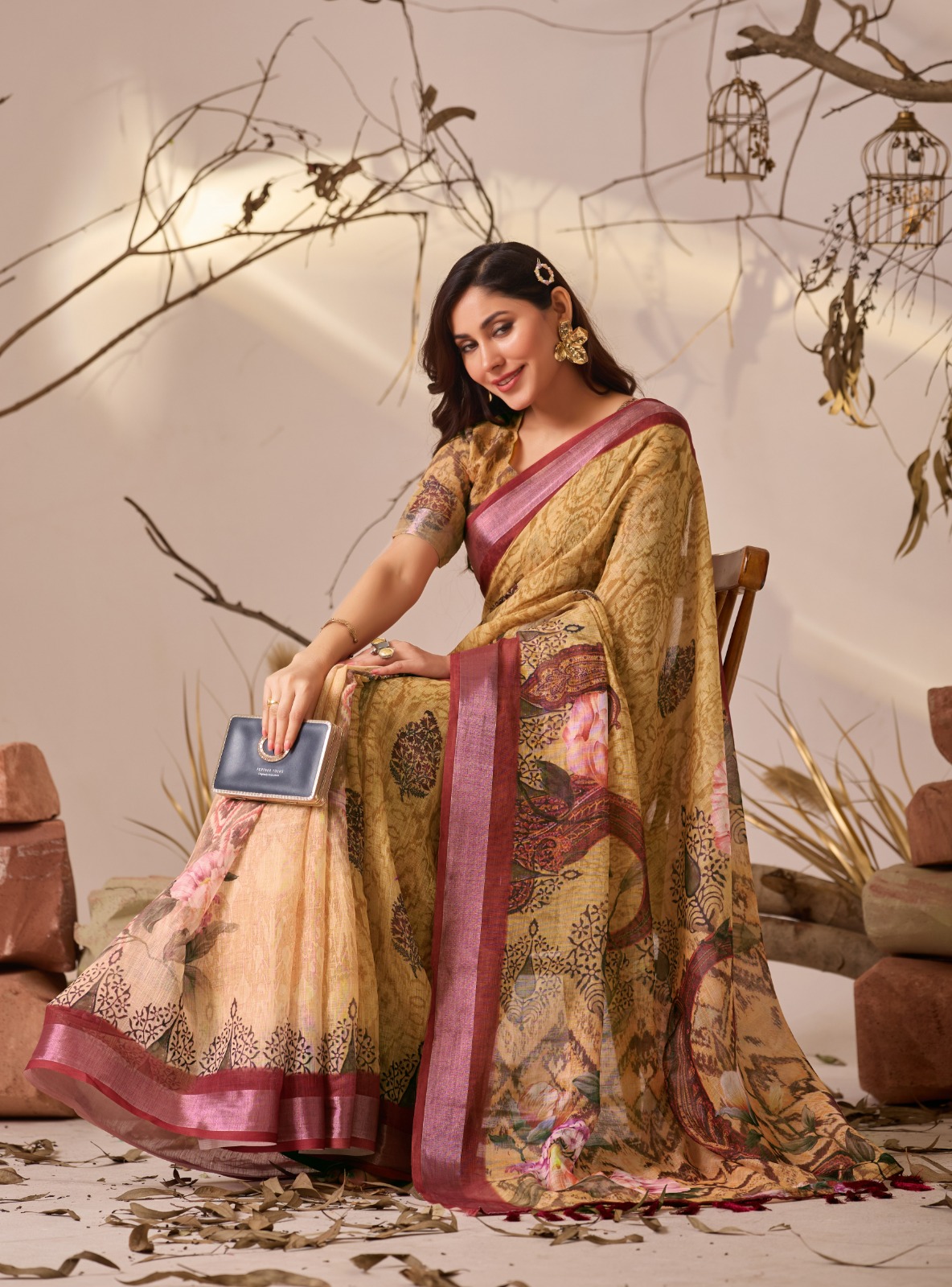
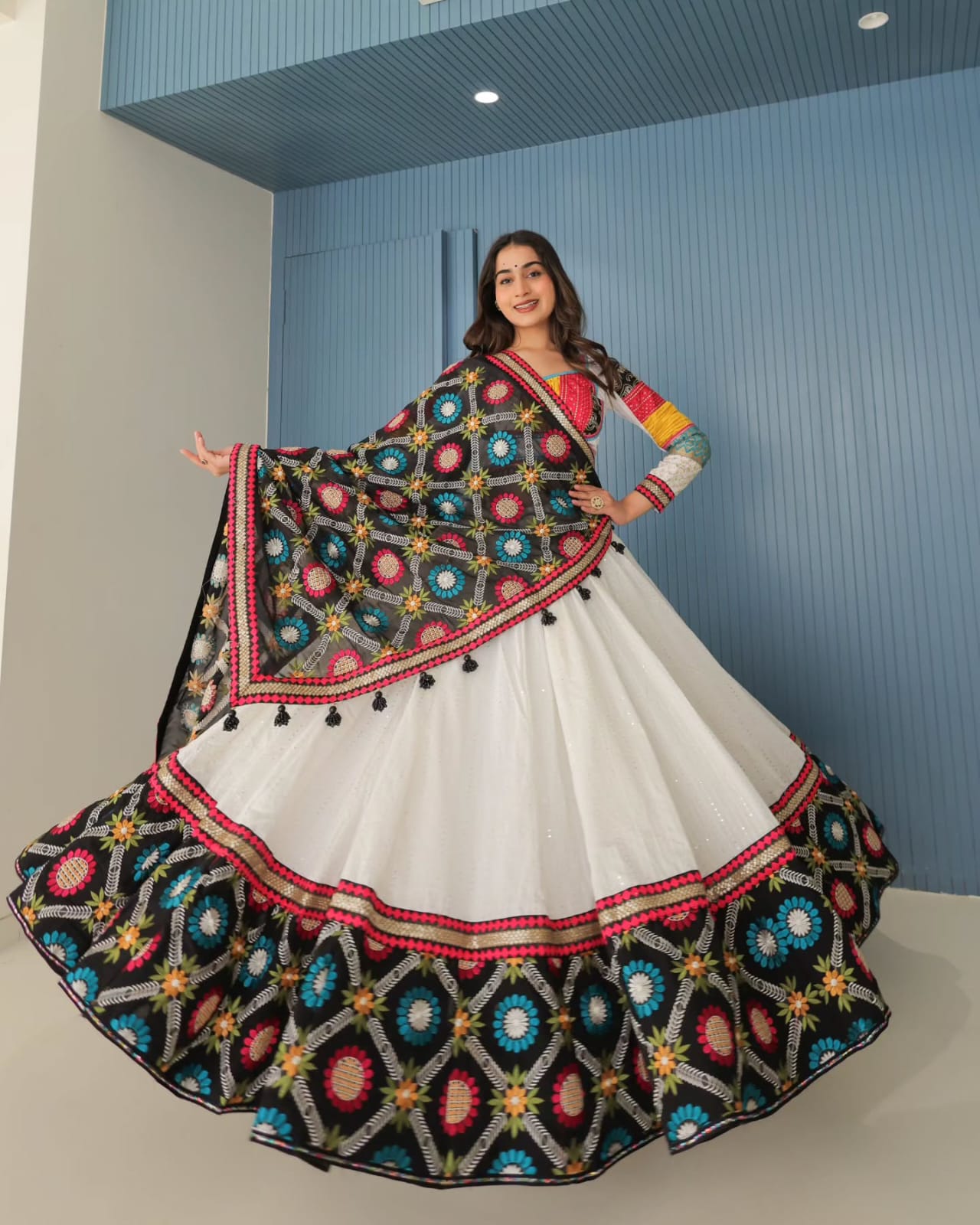
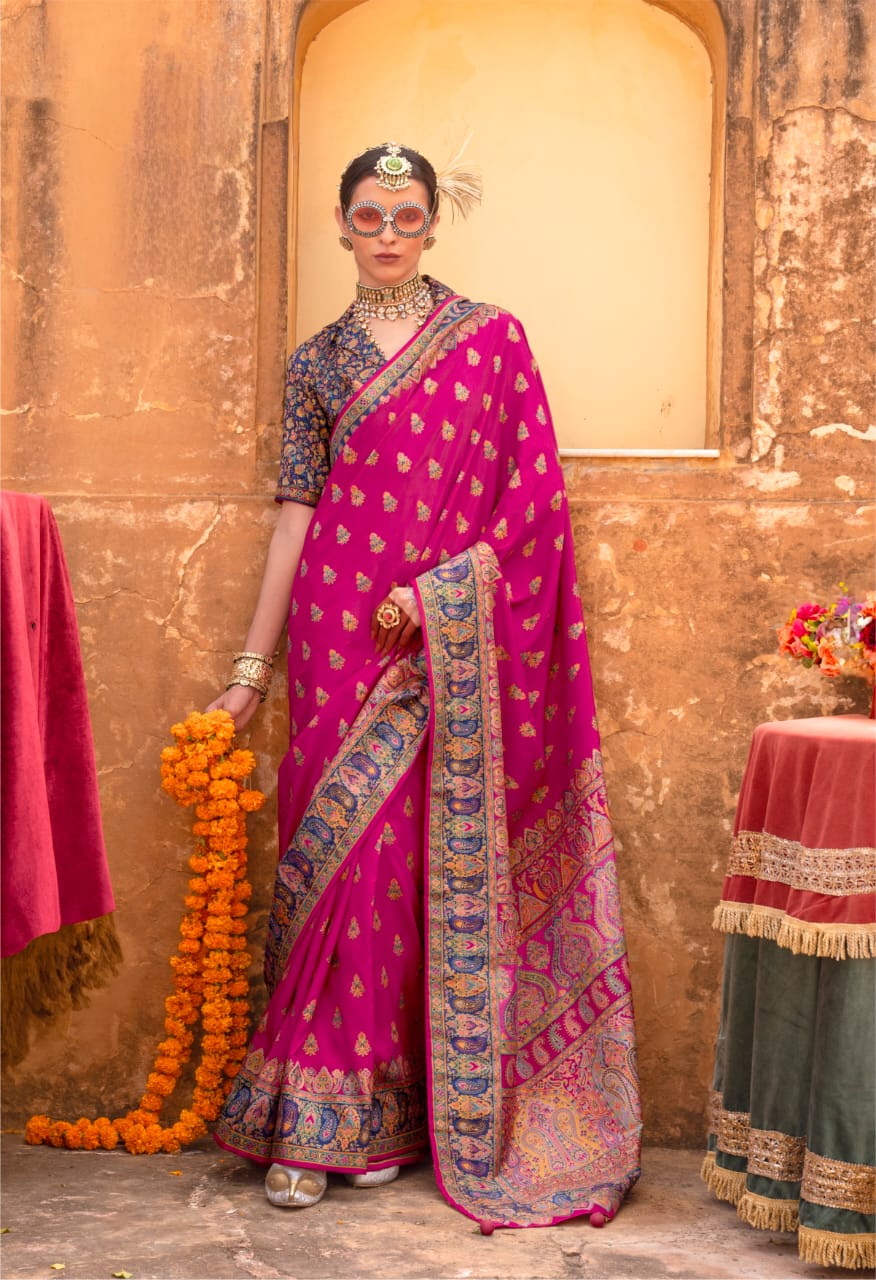
The Colorful Ethnic Chinon Saree for Women can support a festive look when its bright palette is balanced with a plain blouse and a muted shawl. The Ivory Ethnic Print Chinon Saree for Women offers a quieter base for a geometric stole, oxidised silver earrings or a textured belt.
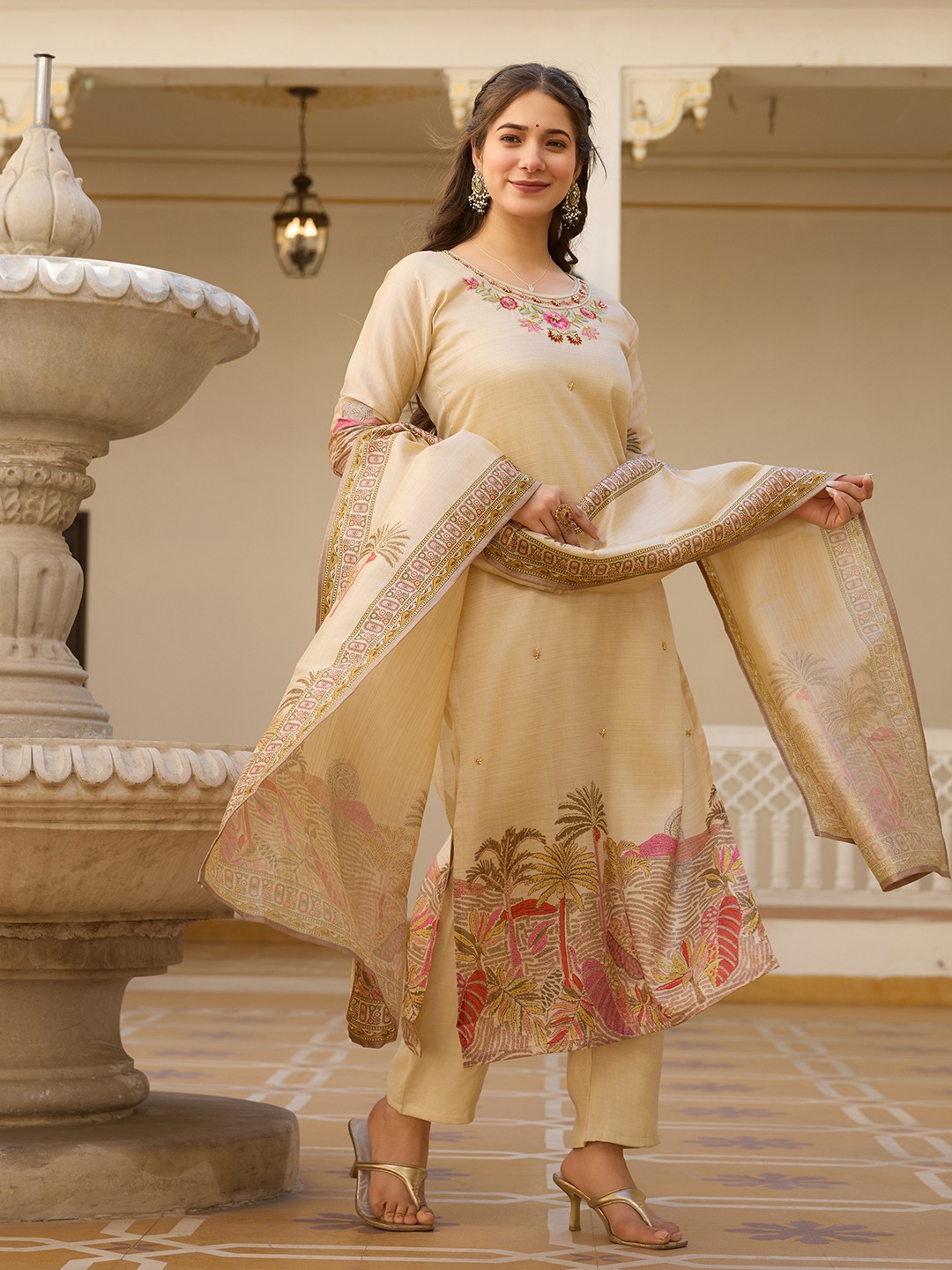
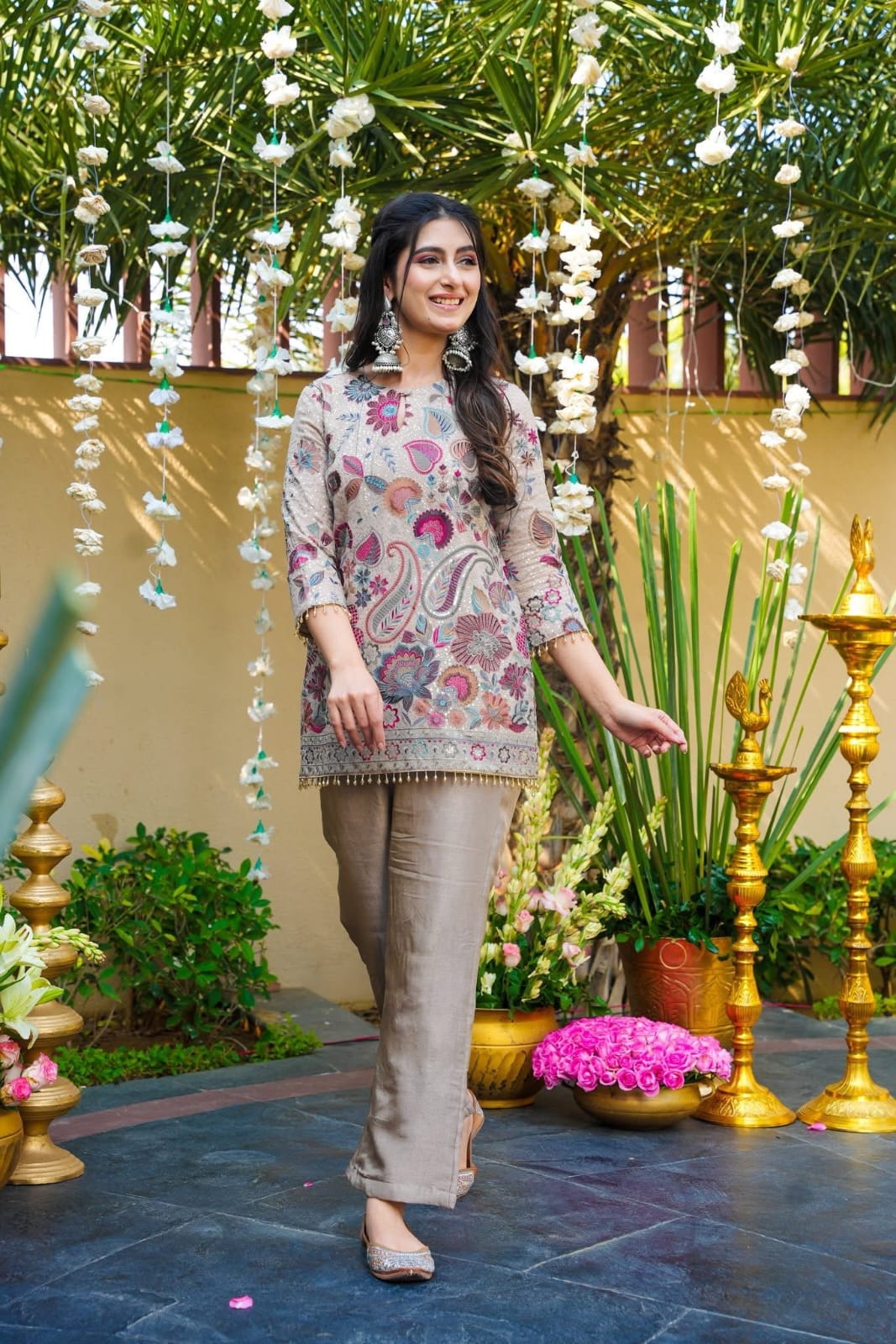
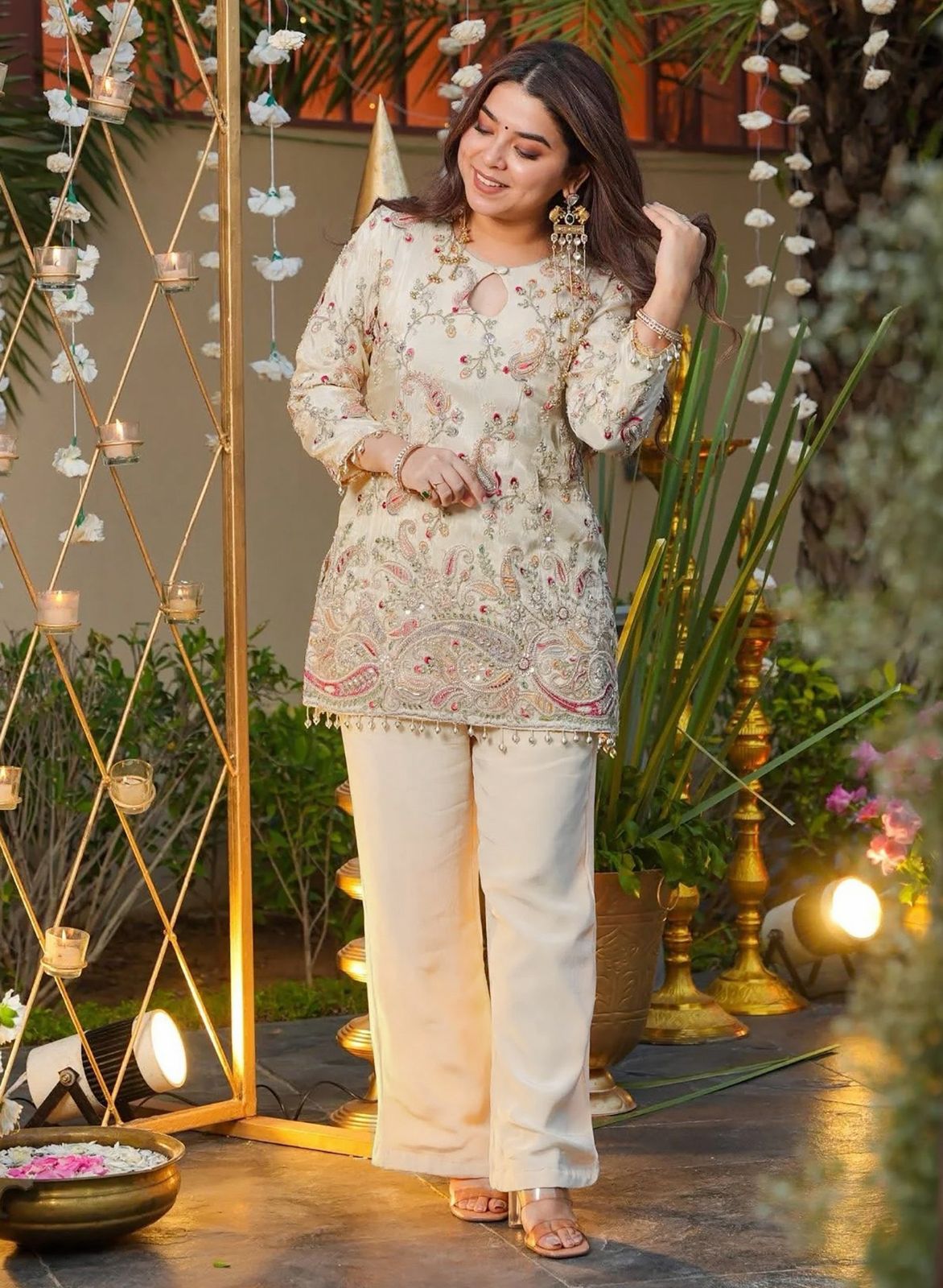
Kurta sets are useful when temperature and movement matter. The Beige Embroidered Silk Kurti Pant Dupatta Set Women gives a neutral foundation for a patterned shawl, while the Cream Embroidered Silk Kurta Pant Set for Women can be styled with a deep green, maroon or rust outer layer for stronger Himalayan contrast.
Sikkim Ethnic Fashion Guide for Women: Which fabrics and colours suit the climate?
Silk blends, wool, cotton, viscose and lined fabrics are more useful in Sikkim than very light, unlined synthetics, especially during cool mornings and evening events.
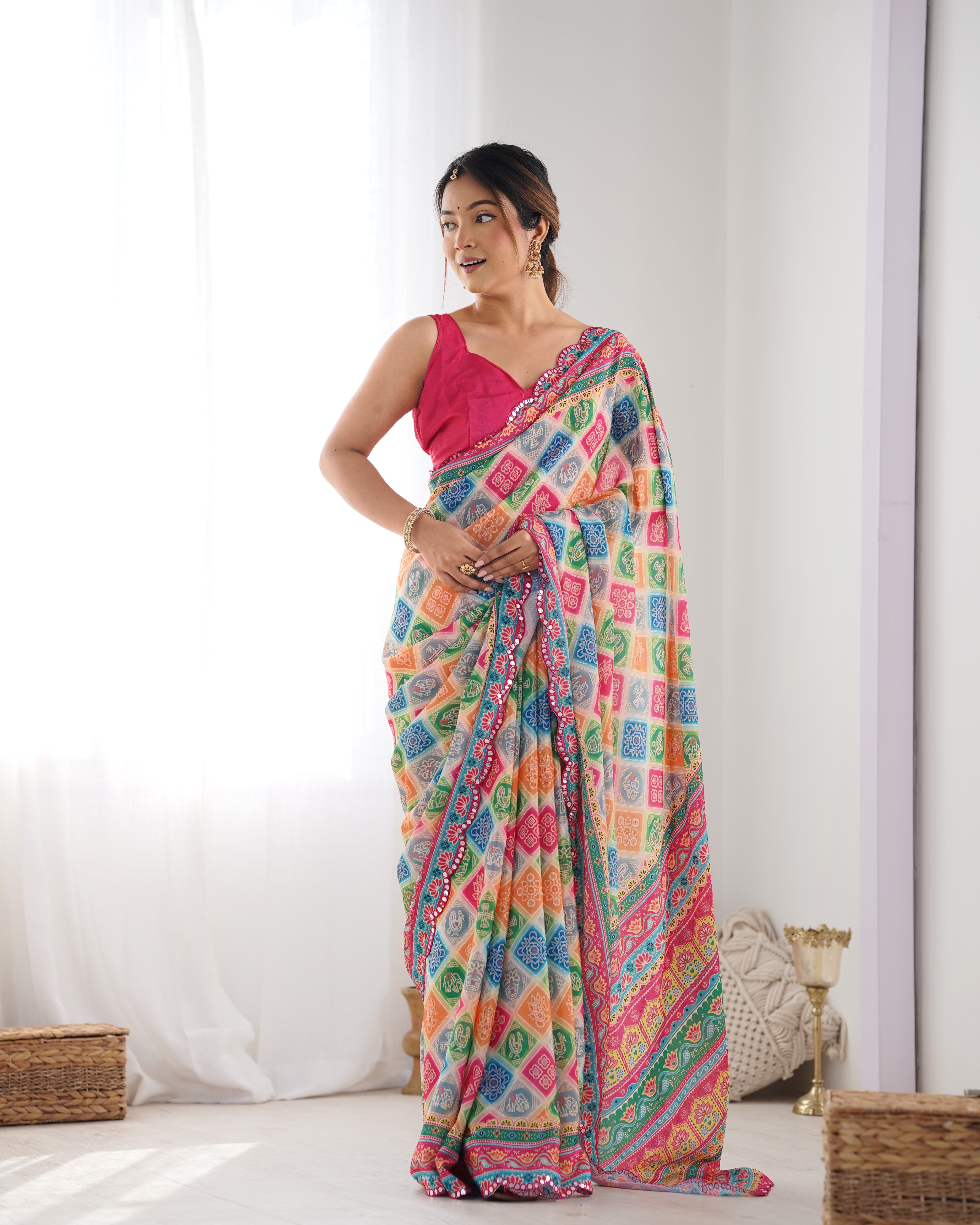
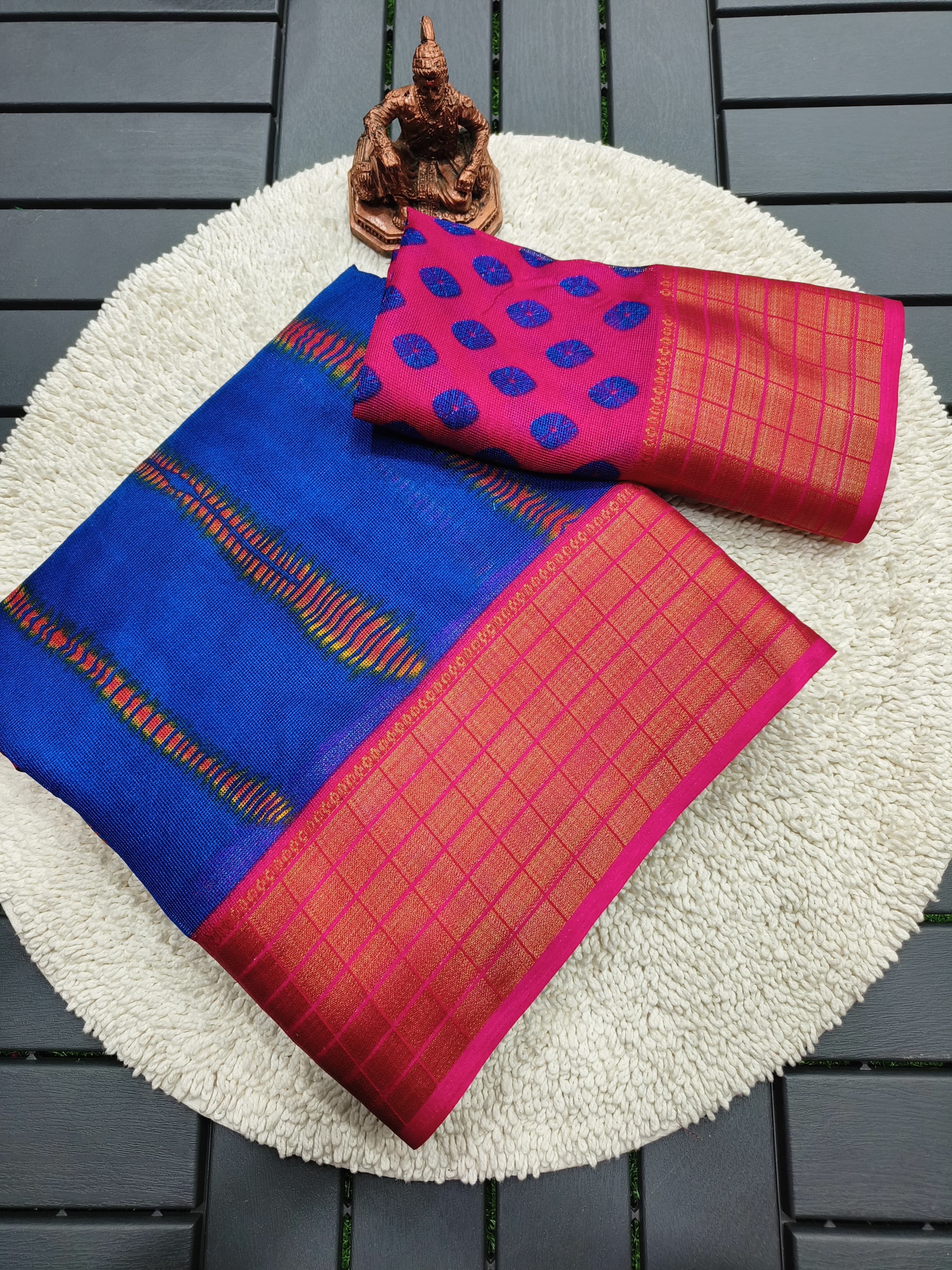
Banarasi silk adds structure and sheen but may need a warm shawl in winter. Chanderi is light and breathable, making it suitable for indoor daytime functions, although its fine texture benefits from careful layering. Vichitra silk has a soft, fluid appearance that works well in kurta sets and coordinated outfits. Chinon drapes easily and packs well, but a Chinon saree may require a slip or jacket when temperatures fall.
Wool stoles, pashmina-style wraps and lined jackets provide warmth without changing the ethnic character of an outfit. Choose a shawl large enough to cover the shoulders and upper arms; a very narrow scarf may look attractive but won't provide meaningful insulation.
Colours can reflect the landscape without becoming a predictable palette. Pine green, slate blue, charcoal, maroon, turmeric, cream and rust combine well with metallic details. Bright pink, cobalt and red also work, particularly for celebrations, but one vivid colour is often more polished than five competing saturated shades.
The Elegant Beige Vichitra Silk Embroidered Kurta Set for Women demonstrates why warm neutrals are useful: beige allows jewellery, a woven stole or a coloured jacket to provide the regional accent. The Modern Taupe Vichitra Silk Embroidered Co-Ord Set for Women brings a similar base for contemporary travel dressing, particularly when paired with a wool layer and low-heeled shoes.
Sikkim Ethnic Fashion Guide for Women: What works for weddings and festivals?
For a Sikkim wedding or festival, choose a polished ethnic outfit with a warm layer, secure footwear and accessories that don't imitate community-specific ceremonial items without context.
Daytime wedding functions usually reward lighter colours and breathable fabrics. A cream or beige kurta set with embroidered detail works for a mehendi-style gathering, family lunch or indoor blessing ceremony. The White Embroidered Viscose Jacquard Kurta Set for Women can be dressed with a maroon dupatta and gold-toned earrings, provided the event doesn't call for a specific classic dress code.
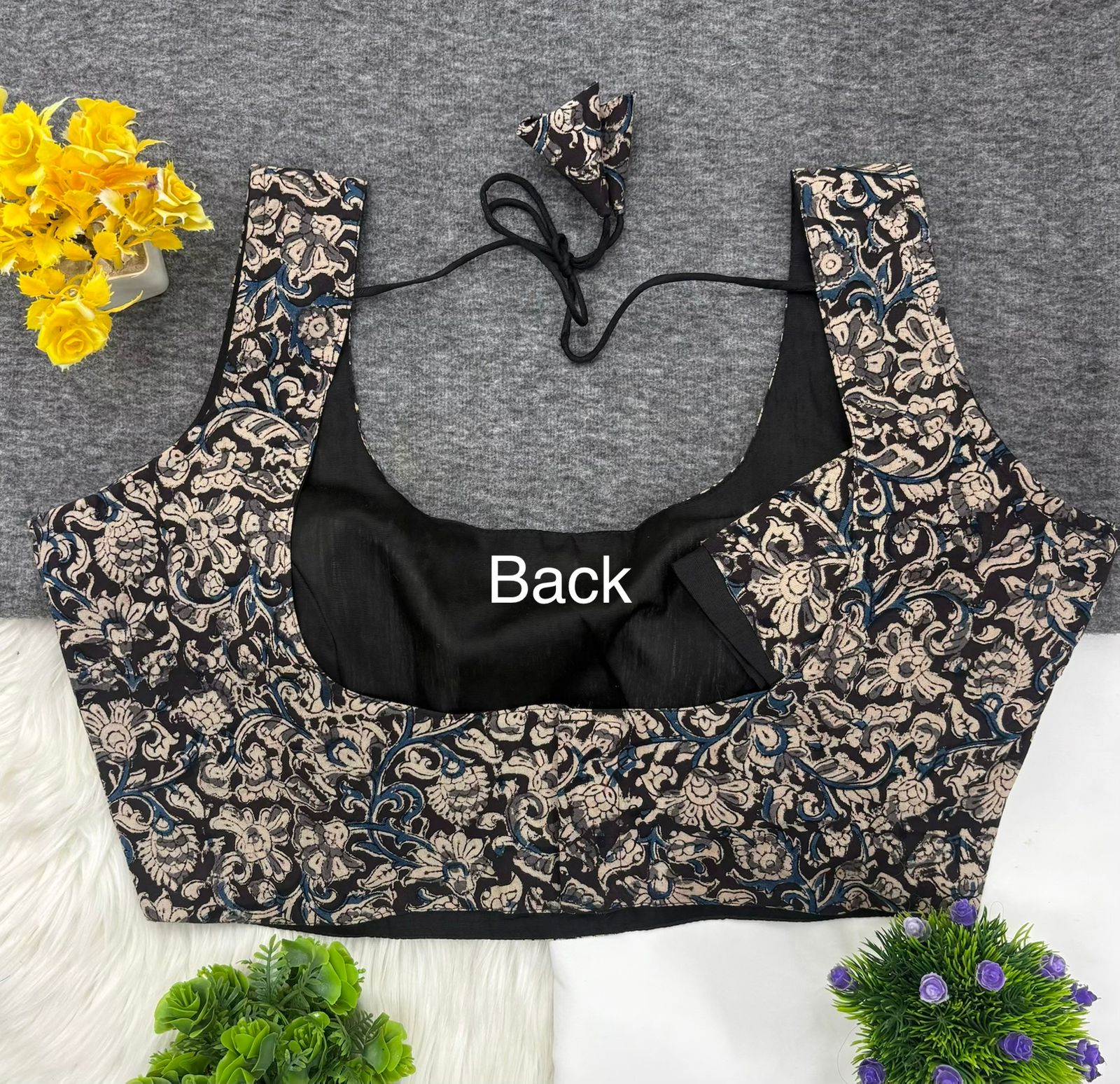
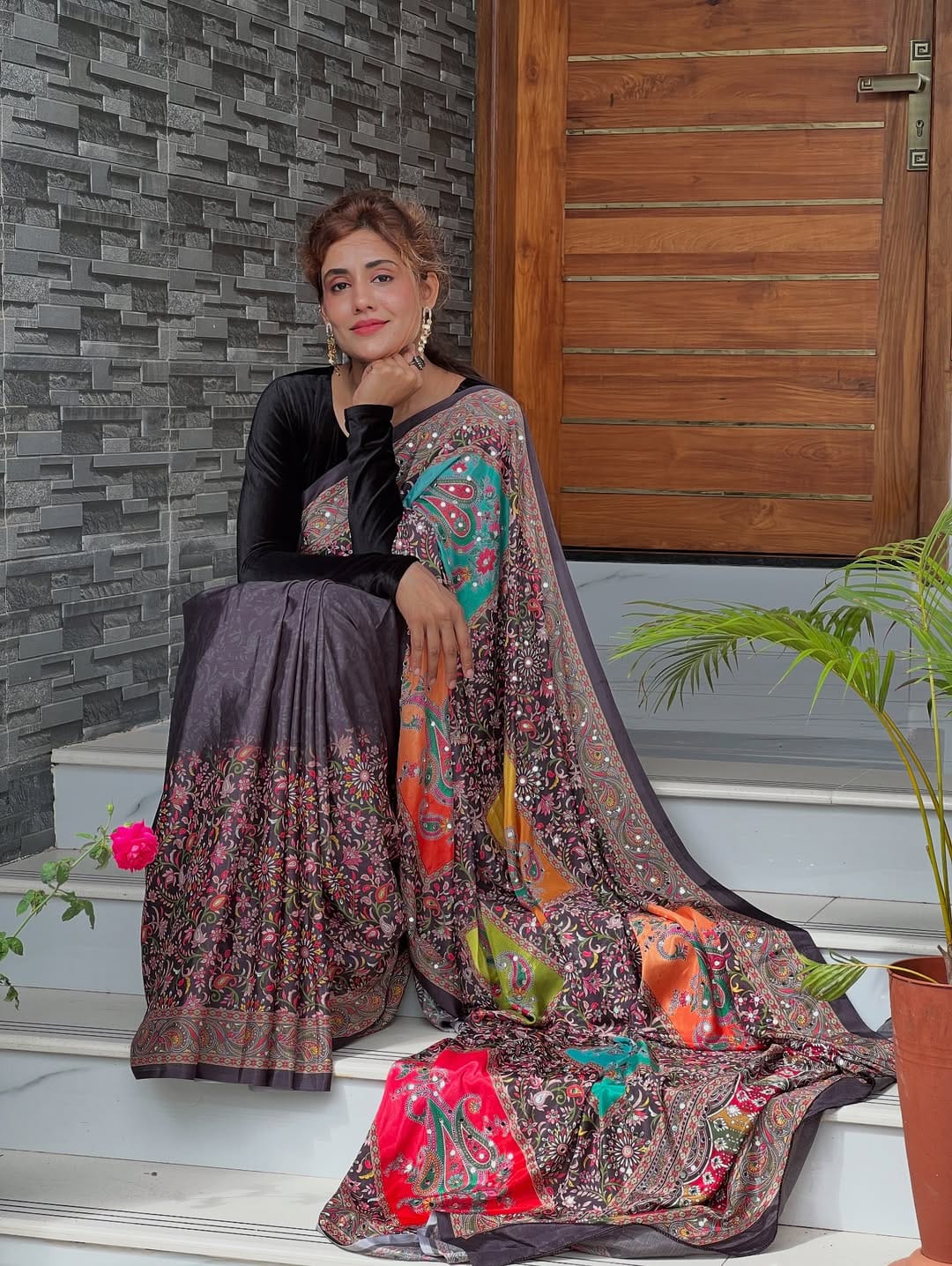
An evening reception allows deeper colour and more surface detail. The Black Printed Lichi Silk Saree with Ethnic Digital Design creates a strong base for a long-sleeve blouse, a compact clutch and a warm stole. Keep the jewellery balanced: statement earrings may be enough when the saree already has a prominent print.
Festival clothing needs extra practical planning. Wear a petticoat or underskirt that allows walking, pin a dupatta at both shoulders when moving outdoors and select shoes with traction. A low block heel, embroidered jutti with a firm sole or clean ankle boot is generally safer on sloped or uneven ground than a narrow stiletto.
Check invitations and organisers before wearing garments identified as Lepcha, Bhutia or Nepali ceremonial dress. Cultural dress codes vary by community and event, and a host can clarify whether guests should wear a sari, formal ethnic wear, a specific time-honoured garment or simple festive clothing.
Sikkim Ethnic Fashion Guide for Women: How should jewellery and accessories be chosen?
Jewellery should support the outfit's textile and silhouette rather than turn cultural references into costume.
Oxidised silver pairs naturally with charcoal, indigo, rust and ivory. Gold-toned jewellery suits silk embroidery, beige, cream and warm reds. Choose one focal element: a broad necklace, large earrings, a cuff or a decorated belt. Wearing every statement accessory at once can hide the textile details that make an outfit fascinating.
Handwoven bags, compact potlis and structured crossbody bags are practical for travel and ceremonies. A bag with a geometric border can echo Dhaka-inspired patterning without reproducing a ceremonial garment. Avoid oversized bags with delicate sarees because the strap can pull the drape out of place.
Hair and makeup can remain polished but uncomplicated. A low bun, braid or half-up style works well with a shawl and high-neck blouse. A berry lip, warm brown eye makeup or a small bindi can complement the palette, but styling should follow personal preference and the event's customs rather than a forced "tribal" aesthetic.
Sikkim Ethnic Fashion Guide for Women: How can travellers dress respectfully?
Travellers can dress respectfully by researching the community connected with a garment, asking before borrowing ceremonial clothing and choosing practical ethnic wear for the local climate.
Comfort matters in Sikkim. Temperatures can change quickly between sunny afternoons and cold evenings, while sightseeing may involve stairs, uneven paths and long walks. Carry a light thermal layer, wear a saree or kurta with secure movement and keep a shawl accessible rather than packing it at the bottom of a bag.
Photographs require the same consideration as clothing. Ask permission before photographing people in heritage dress, especially during a ceremony or religious event. Do not touch jewellery, headwear, woven pieces or ceremonial accessories without invitation.
Responsible shopping also improves the experience. Ask sellers about fibre content, weaving method, production location and care requirements. A geometric print made in a factory isn't the same as handwoven Dhaka fabric, and a modern wrap isn't automatically a bakhu. Clear descriptions protect both buyers and cultural knowledge.
The most respectful modern outfit takes inspiration from colour, layering and craftsmanship while naming the tradition accurately and leaving ceremonial symbols in their proper context.
A considered Sikkim Ethnic Fashion Guide for Women finally leads to outfits that are attractive, warm and culturally literate. Choose one clear reference, balance it with modern basics, verify the dress expectations of the event and give every fabric the care its construction requires.
Common Questions About Sikkim Ethnic Fashion for Women
What is traditional dress for women in Sikkim?
Traditional dress varies by community. Bhutia women are associated with the bakhu, Lepcha women with garments such as the dumdyam, and Nepali communities with sari, gunyu-cholo and Dhaka textile traditions in relevant cultural settings.
Can women wear a bakhu as a fashion outfit?
A bakhu should not be treated as a generic costume because it is a community-specific garment with cultural context. Visitors can choose contemporary wrap silhouettes, full-sleeve blouses and woven shawls instead, or wear a bakhu only when appropriately invited and guided.
What should women wear to a wedding in Sikkim?
A warm saree, embroidered kurta set or elegant coordinated outfit is suitable for many Sikkim weddings. Add a shawl or lined jacket, secure footwear and modest jewellery, then check with the hosts if the ceremony has a specific Lepcha, Bhutia, Nepali or religious dress code.
Which fabrics are practical for ethnic wear in Sikkim?
Silk blends, Vichitra silk, viscose, cotton and wool layers are practical choices because they combine polish with comfort in cool weather. Very lightweight unlined fabrics may need a thermal inner layer, shawl or jacket during mornings and evenings.
How can women style a saree for cold weather in Sikkim?
Wear a full-sleeve blouse or fitted inner layer, use a wool or pashmina-style shawl and choose a closed shoe or low block heel with good grip. Secure the pallu at the shoulder so the saree remains comfortable during walking and outdoor events.
Is Dhaka fabric part of Sikkim ethnic fashion?
Dhaka fabric is strongly associated with Nepali textile traditions and appears as a cultural influence in the region. A Dhaka-inspired blouse, sash, jacket or bag can be used in contemporary styling, but it should not be presented as a universal Sikkimese garment.