Sikkim Bakhu and Kho Terms in Traditional Clothing Searches often refer to the same broad garment tradition, but online results can blur regional history, community identity, and modern fashion styling. Bakhu, also written as Baku or Khho in some references, is a wrapped robe strongly associated with Sikkim's Bhutia community. The garment has a loose rectangular body, a front opening, and a belt or sash that secures the fabric around the waist.
Understanding the vocabulary makes online research more accurate. A shopper looking for a ceremonial Sikkimese outfit should not assume that every Himalayan robe, Kullu shawl, or embroidered kurta is a Bakhu. The name points to a particular Sikkimese clothing tradition, while Kho can function as an alternate spelling or regional term in search results.
What do Bakhu and Kho mean in Sikkimese clothing?
Bakhu and Kho generally describe the same traditional Sikkimese robe associated especially with the Bhutia community. Bakhu is the spelling most commonly used in English-language fashion and cultural writing, while Kho or Khho appears in other references and searches.
The garment resembles a long, sleeveless robe or wraparound coat. Fabric is folded around the body and held with a belt, creating a vertical silhouette that can accommodate warm inner layers. Traditional versions may use wool, cotton, silk, or other woven textiles suited to Sikkim's climate and the formality of the setting. A blouse or shirt is worn underneath, and the outfit may be completed with a sash, jewellery, boots, or a shawl.
Terminology isn't perfectly uniform across websites. Transliteration from regional languages can produce different spellings, and retailers sometimes use Kho as a searchable synonym for Bakhu even when a product is a modern interpretation. Searchers should therefore examine garment construction, community reference, and place of origin instead of relying on the title alone.
Why do Sikkim Bakhu and Kho Terms in Traditional Clothing Searches overlap?
Sikkim Bakhu and Kho Terms in Traditional Clothing Searches overlap because people use cultural names and English fashion descriptions to find one regional dress tradition. Search engines combine queries such as Sikkim traditional dress, Bhutia dress, Bakhu, Kho, and Northeast Indian clothing, even though those terms don't always describe identical garments.
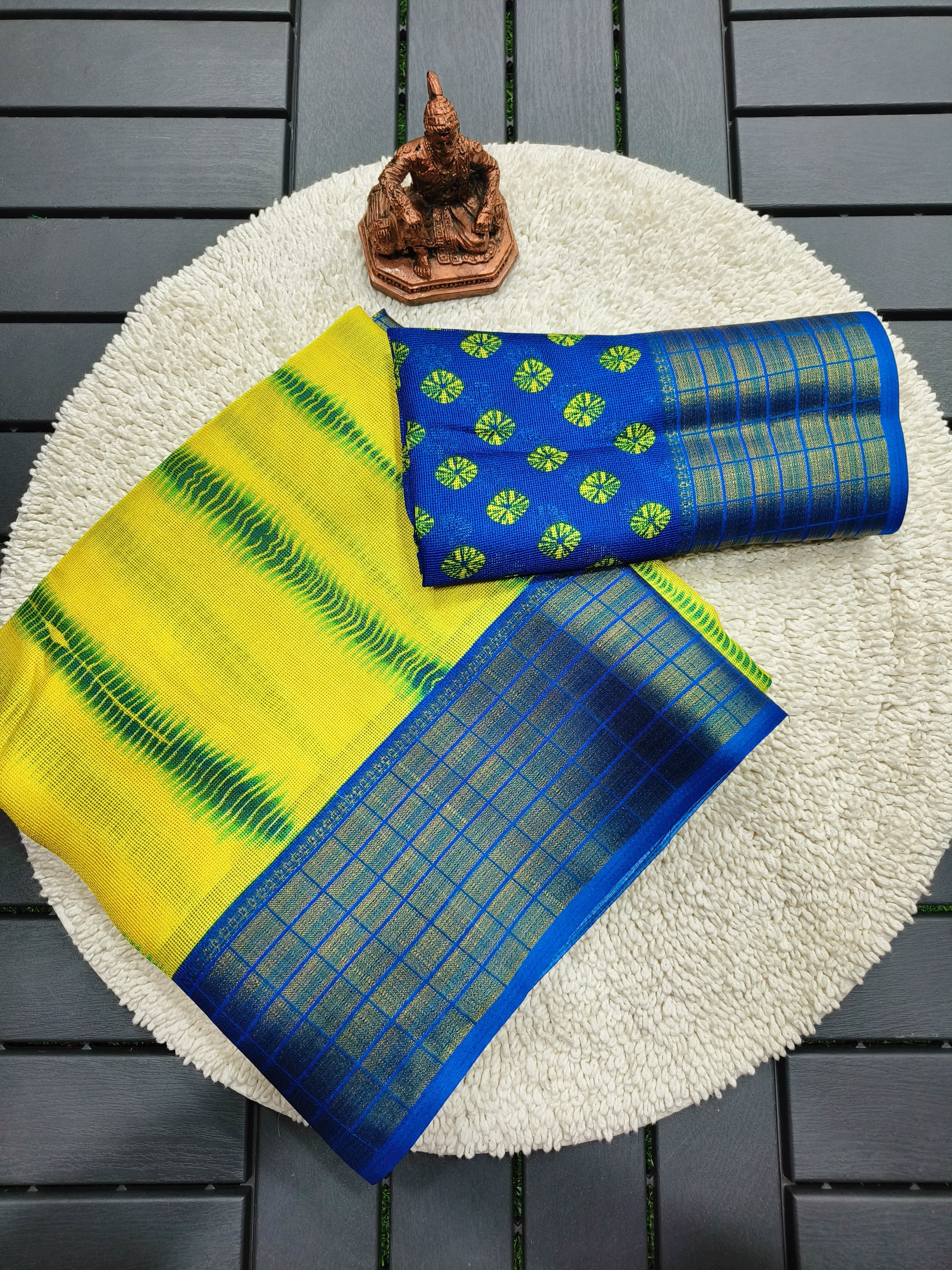
Three search habits explain the overlap. First, users may encounter Bakhu in a museum, school project, or cultural article and then search for Kho after seeing another spelling. Second, online shops often use broad phrases such as traditional robe, Himalayan dress, or ethnic wrap dress to help shoppers find a modern adaptation. Third, multi-region collections may group Sikkimese clothing with garments from Assam, Nagaland, Manipur, Uttarakhand, or Himachal Pradesh.
A useful search strategy is to combine the garment name with a specific intention. Queries such as Bhutia Bakhu women's dress, Sikkim Bakhu costume, Bakhu with sash, or Sikkim traditional robe for cultural event produce more focused results than the single word Kho. Adding women's or men's also helps because Sikkimese clothing traditions include different silhouettes and accompanying pieces.
How is a Bakhu constructed and worn?
A Bakhu is constructed as a roomy wrapped garment secured at the neck or shoulders and drawn in at the waist with a belt or sash. The layered shape provides warmth and movement without depending on a close-fitting cut.
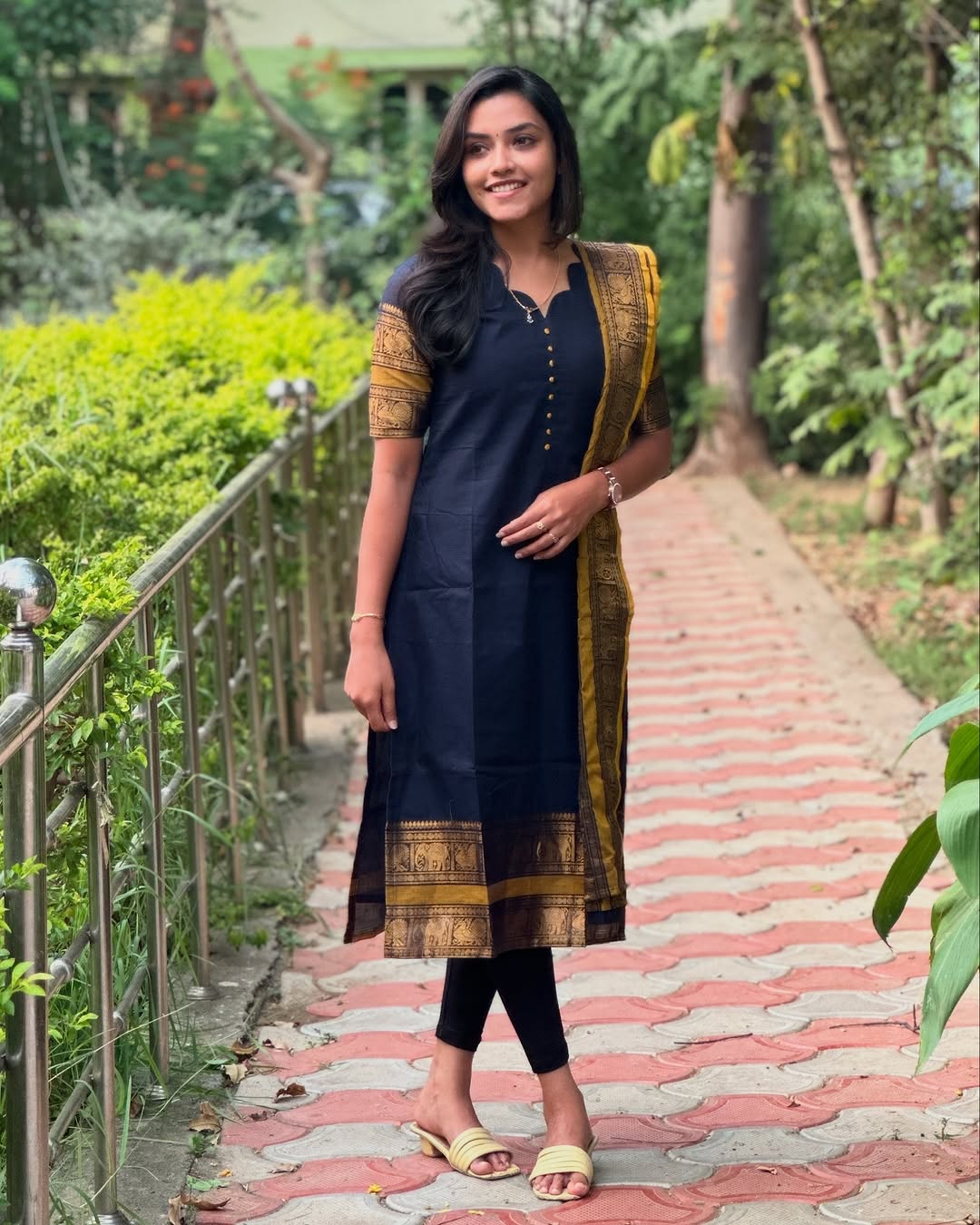
Women's styling traditionally includes an inner blouse or high-necked top under the robe. The Bakhu may be worn with a belt at the waist, and the front arrangement can be adjusted for comfort and activity. Decorative jewellery, a shawl, and suitable footwear add formality without changing the garment's essential structure.
Men's Bhutia attire is often discussed alongside Bakhu in descriptions of Sikkimese dress, although the full outfit may have different proportions and accompanying pieces. Regional clothing should not be reduced to one universal uniform. Community, gender, age, season, ceremony, and family practice can influence fabric, colour, and accessories.
Modern versions may replace heavy wool with lighter cotton blends, silk, satin, or structured synthetic textiles. That change affects drape and comfort but doesn't automatically make a garment inauthentic. A contemporary garment can acknowledge Bakhu construction while being designed for urban wardrobes, stage performances, cultural programmes, or festive gatherings.
How does Bakhu differ from nearby Himalayan and Northeast Indian dress?
Bakhu differs from nearby regional dress through its Sikkimese Bhutia association, wrapped robe construction, and waist-secured silhouette. Similarity in climate or layering doesn't make every neighbouring garment a Bakhu.
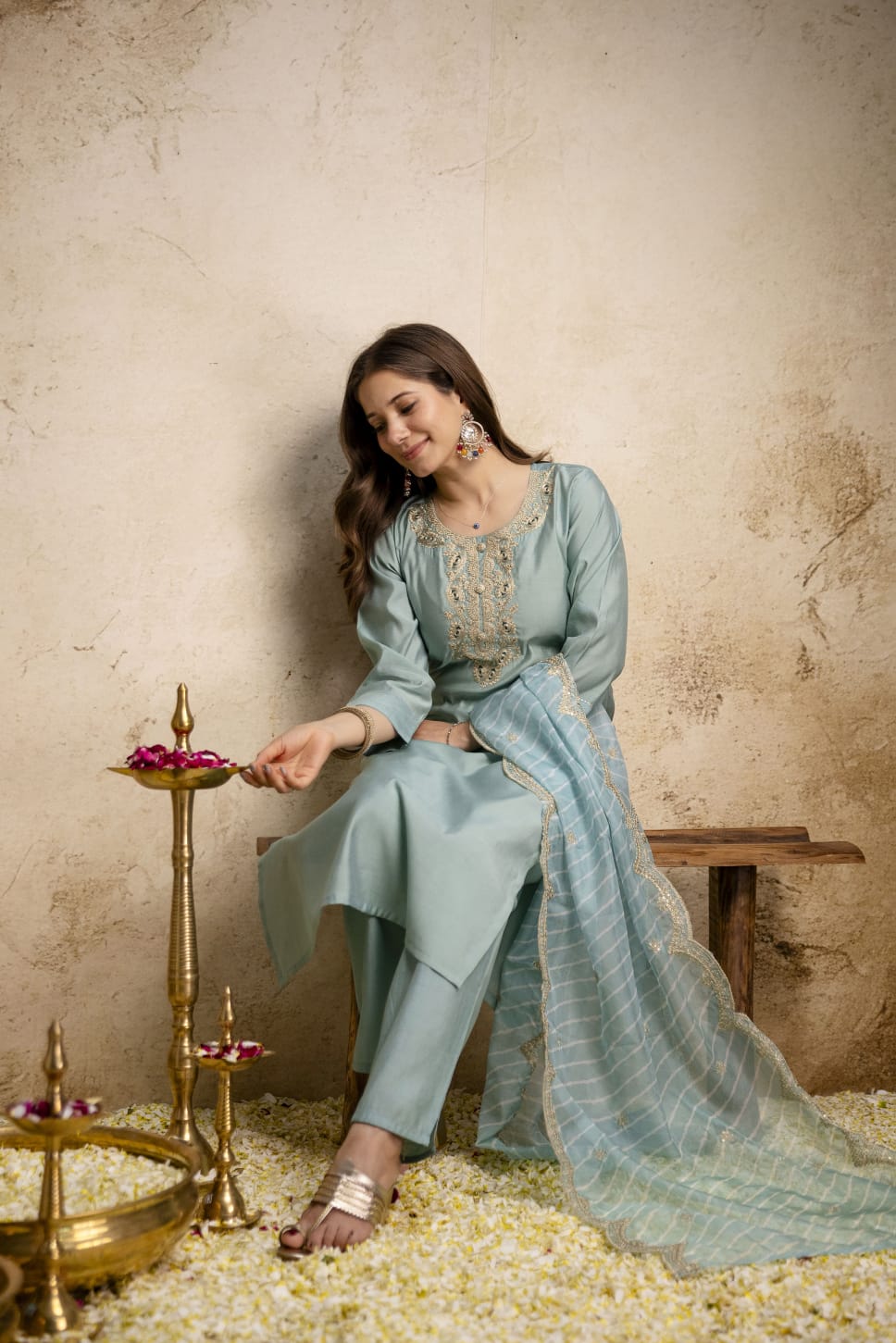
Bhutanese kira, Tibetan chuba, and Sikkimese Bakhu share broad visual connections because Himalayan clothing traditions developed through long-standing cultural contact. These garments still have different names, wearing practices, and regional identities. Kullu and Himachali clothing may feature woollen pattus, embroidered shawls, caps, or other layered pieces rather than the same Sikkimese robe structure.
Lepcha clothing in Sikkim also deserves separate recognition. The Lepcha community has its own dress traditions, including garments and textiles that should not be casually labelled Bhutia Bakhu. Nepali communities in Sikkim likewise contribute different clothing forms, such as daura suruwal and gunyu cholo traditions. A respectful article or product description names the community or region instead of treating all Sikkimese clothing as interchangeable.
The distinction matters when browsing wider collections. Sikkim Traditional Women's Dress Collection signals a specific geographic focus, while Traditional Northeast Indian Dress Occasion Collection may include several regional influences. Traditional Uttarakhand Dress for Women and Traditional Himachal Dress for Women can provide useful comparisons, but neither collection proves that a pattu, ghagra, or shawl is a Bakhu.
How can a modern wardrobe use Bakhu-inspired styling respectfully?
A modern wardrobe can use Bakhu-inspired styling respectfully by identifying the source, avoiding unsupported claims of authenticity, and treating the silhouette as more than a costume prop. A wrapped outer layer over a simple blouse, straight trousers, or a long skirt can echo the garment's proportions without copying ceremonial details carelessly.
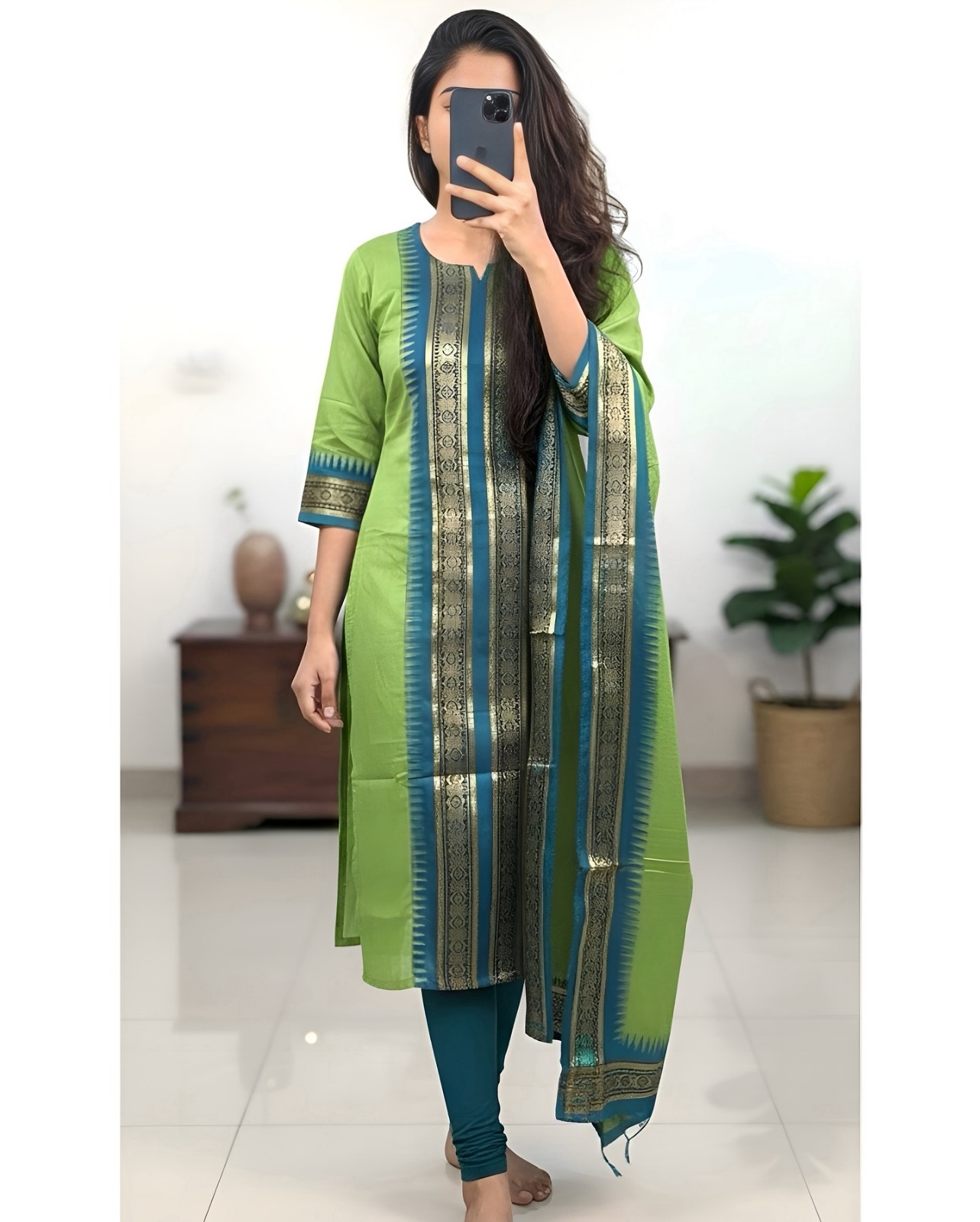
For a traditional or cultural programme, a plain inner layer allows the robe to remain the visual focus. A narrow sash can define the waist, while a shawl adds warmth and regional texture. Jewellery should be selected with restraint when the clothing already carries woven borders, metal details, or a strong colour contrast.
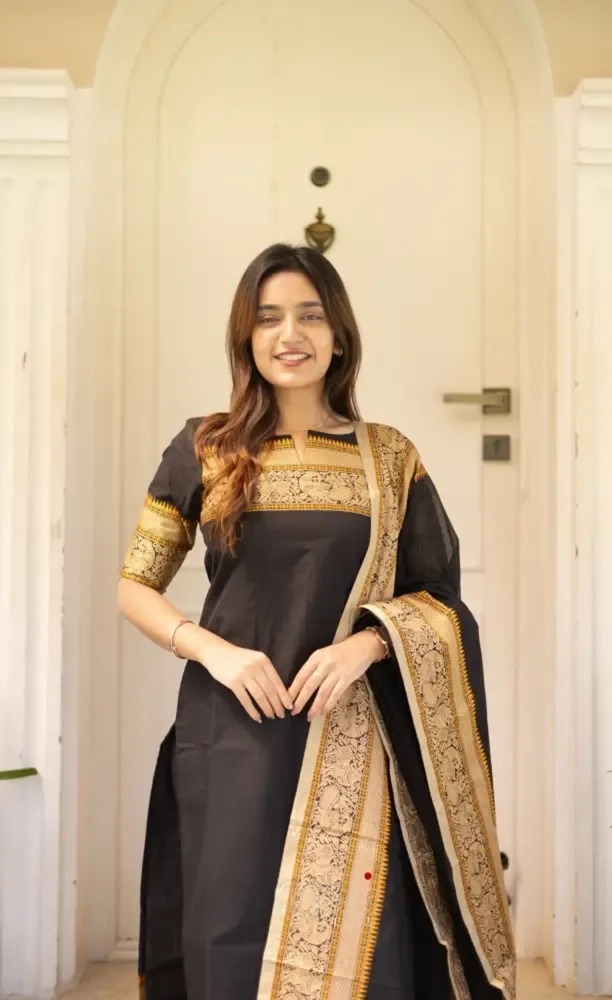
For a contemporary festive wardrobe, the same principle can be translated through a long jacket, belted kurta, or draped textile. Black Kanchi Cotton Jacquard Kurti with Woven Dupatta Set demonstrates how a structured woven surface can create visual depth without requiring heavy ornamentation. Kanchi Cotton Zari Woven Kurti Set with Traditional Dupatta offers another example of using a traditional textile vocabulary in a coordinated, practical outfit.
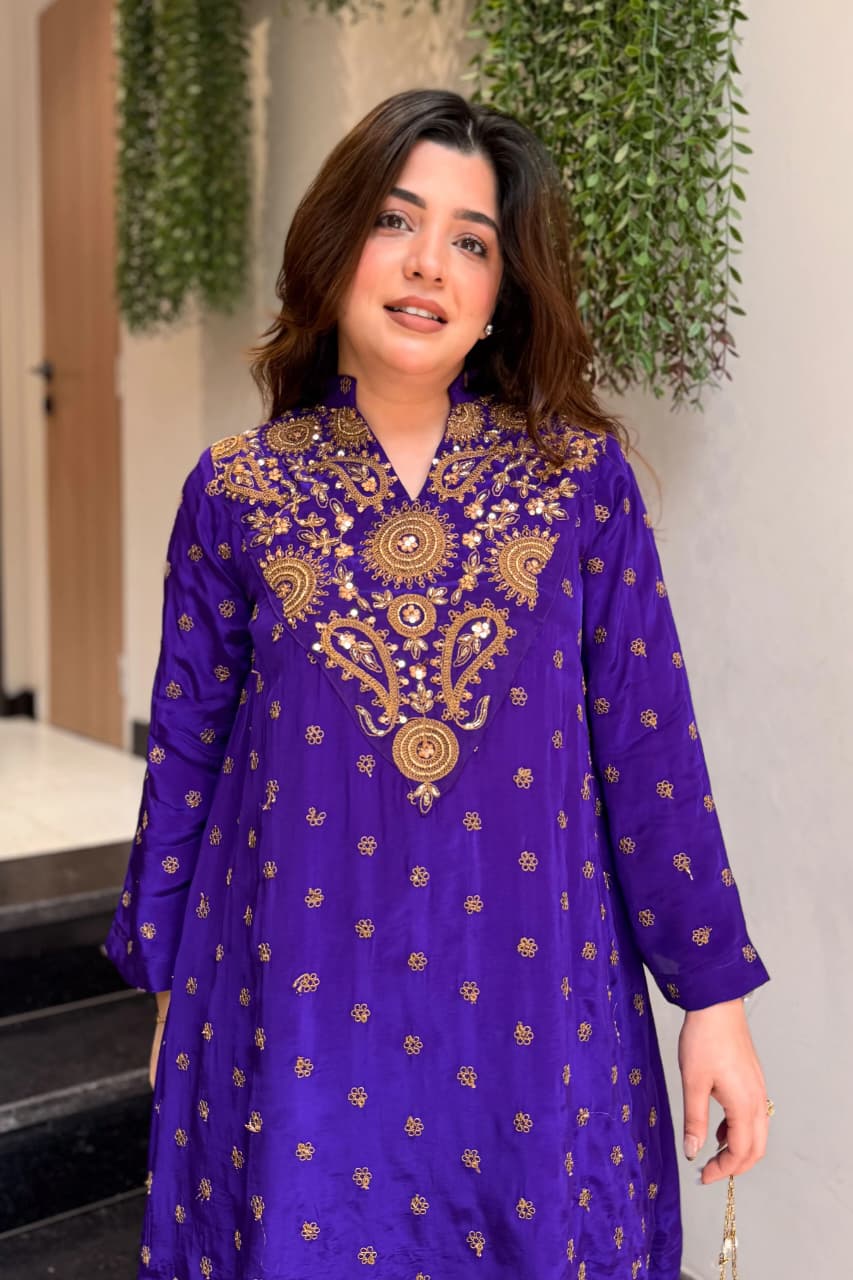
Not every modern Indian outfit should be described as Bakhu-inspired. Beige Embroidered Silk Kurti Pant Dupatta Set Women works better as a silk kurti set with a layered festive styling approach than as a Sikkimese robe. Accurate descriptions make clothing easier to find and prevent regional names from becoming decorative keywords without cultural meaning.
What should shoppers check before buying a Sikkimese traditional outfit?
Shoppers should check garment shape, fabric, sizing, cultural description, and intended use before buying a Sikkimese traditional outfit. A product title alone can't confirm whether an item is a Bakhu, a Kho, or a general ethnic adaptation.

- Read the construction details: Look for a wrap or robe body, a front opening, a belt or sash, and information about the inner layer. A standard kurta with a dupatta isn't automatically a Bakhu.
- Check fabric weight: Wool and dense woven fabrics can suit cooler settings but may feel heavy indoors. Cotton, linen cotton, silk, and satin are more adaptable for warm-weather celebrations, although each material drapes differently.
- Separate occasion from authenticity: A festive co-ord set may be excellent for a family celebration without being traditional Sikkimese dress. Modern Taupe Vichitra Silk Embroidered Co-Ord Set for Women is better assessed for its fabric, cut, and styling versatility than labelled as Bakhu.
- Inspect measurements: Wrapped garments need enough ease across the chest, hips, and arm opening. Check finished length and belt placement rather than relying only on a small, medium, or large label.
- Ask how the garment is cared for: Zari, silk, jacquard, and embroidery may require dry cleaning or gentle professional care. Sun exposure, rough washing, and high-heat ironing can damage metallic thread and delicate fibres.
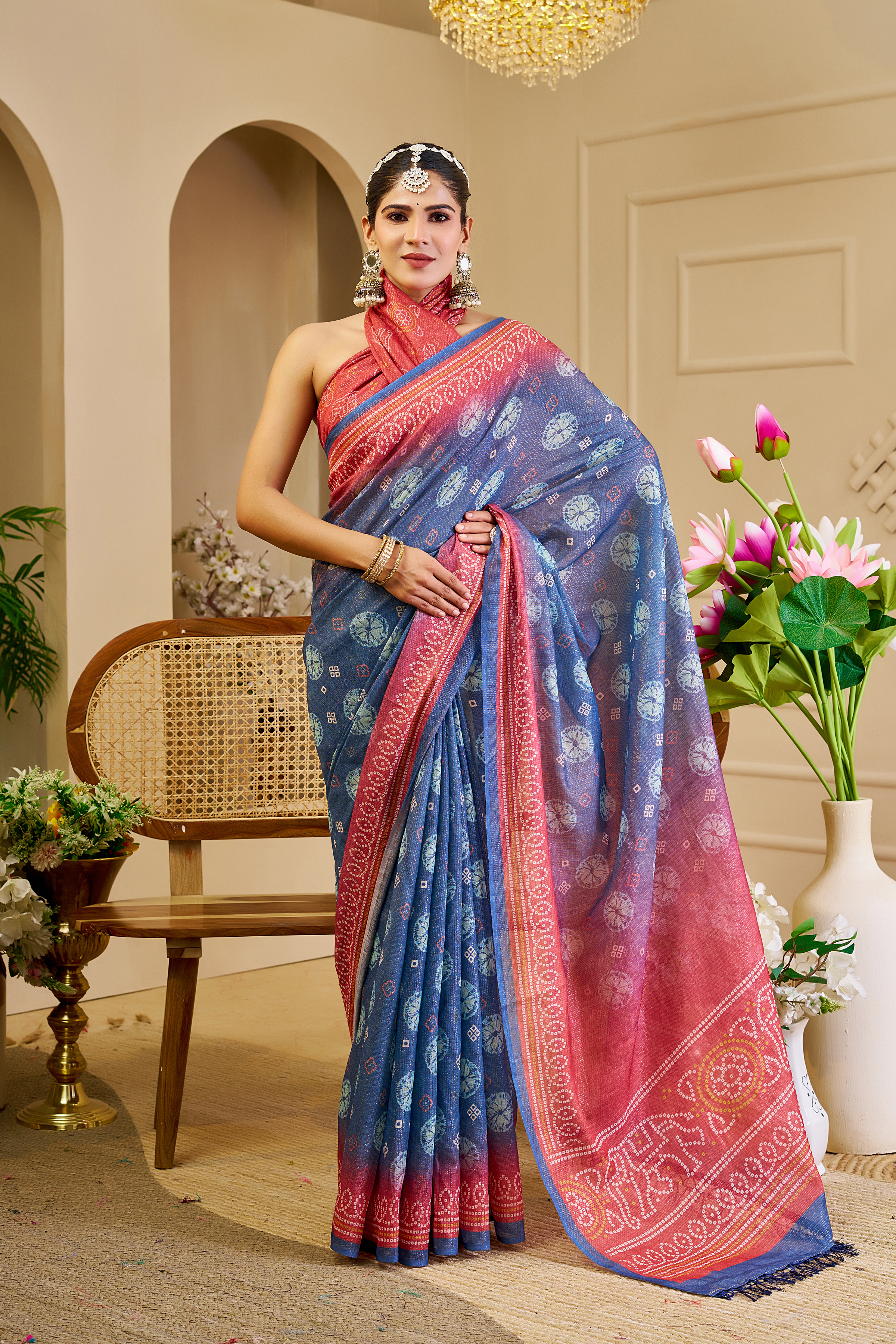
Product comparisons become clearer when the searcher names the desired feature. Silk Festive Kurta Pant Set with Zari Jacquard Dupatta suits someone seeking coordinated festive layers and zari texture. Navy Blue Linen Cotton Bandhani Print Saree with Blouse Set suits a shopper seeking breathable fabric, a printed surface, and a ready-made blouse rather than a wrapped Himalayan robe.
Indigo Peach Satin Saree with Striped Pallu and Border Work is another example of a garment whose identity comes from saree drape, satin sheen, and border placement. Black Jacquard Woven Kanchi Cotton Kurti Set belongs to a kurti-set vocabulary, even though its woven texture may appeal to someone researching structured traditional clothing. Clear product language helps shoppers compare form, function, and cultural context without collapsing distinct traditions.
How should Bakhu and Kho be described in fashion writing?
Bakhu and Kho should be described with the region, community association, garment structure, and degree of modern adaptation stated plainly. A strong description can say that a garment is inspired by the wrapped silhouette of Sikkimese Bakhu without claiming that a generic ethnic outfit is an authentic ceremonial garment.
Writers and retailers should avoid using Sikkim, Bhutia, Bakhu, or Kho only as attention-grabbing keywords. Cultural terms carry information about people and place, not just colour, warmth, or visual style. Mentioning whether a garment is historical, contemporary, inspired, or community-made gives the reader a more reliable basis for interpretation.
Photographs also need context. A model wearing a belted robe doesn't establish that the garment is Bakhu. Product copy should identify the fabric, closure, layering, measurements, and source of the design. Those details help readers distinguish a wrapped Sikkimese silhouette from a long jacket, kurta set, shawl ensemble, or stage costume.
Traditional clothing searches become more useful when cultural specificity and practical shopping information appear together. Searchers can then locate the right garment, compare regional traditions responsibly, and choose clothing that suits a traditional event without making inaccurate claims about identity.
Common Questions About Sikkimese Bakhu and Kho Dress
Is Bakhu the same as Kho?
Bakhu and Kho generally refer to the same broad Sikkimese wrapped robe tradition, although spelling and usage vary across sources. Some references use Baku or Khho, so garment structure and regional description should be checked alongside the name.
Which community is associated with the Bakhu?
The Bakhu is strongly associated with the Bhutia community of Sikkim. Sikkim also has distinct Lepcha and Nepali clothing traditions, so every traditional garment from Sikkim should not be labelled a Bakhu.
What does a traditional Bakhu look like?
A traditional Bakhu has a roomy robe-like body, a front opening, and a belt or sash that secures the fabric around the waist. An inner blouse or shirt, jewellery, a shawl, and suitable footwear may complete the outfit.
Is a kurta set the same as a Bakhu?
A kurta set is not automatically a Bakhu. A Bakhu is a wrapped robe associated with Sikkimese Bhutia dress, while a kurta set usually consists of a stitched kurta worn with trousers, a skirt, or a dupatta.
How can someone style a Bakhu-inspired outfit for a cultural event?
A Bakhu-inspired outfit can be styled with a simple inner blouse, a defined waist sash, minimal jewellery, and practical footwear. The wearer should describe a modern garment as inspired by Bakhu unless its construction and cultural provenance support a more specific claim.
How should a Bakhu or Kho garment be cared for?
Care depends on the material, but silk, zari, jacquard, embroidery, and metallic thread commonly need gentle professional cleaning. Store the garment away from direct sunlight, avoid high-heat ironing, and follow the care label before washing or pressing.