Si-Donyi Festival Fashion: Traditional Arunachal Outfits & Styling begins with cultural understanding, not just choosing a bright festive outfit. Si-Donyi is a sacred festival of the Tagin community of Arunachal Pradesh, traditionally associated with reverence for Si, the Sun, and Donyi, the Moon. Clothing for a Si-Donyi celebration can combine dignity, regional references, comfort and personal expression, provided fashionable garments are not presented as exact replicas of Tagin ceremonial dress.
The most useful approach separates three ideas: authentic Tagin attire worn by community members, Arunachal-inspired festive clothing, and general Indian ethnic wear suitable for a celebration. That distinction helps a guest dress attractively without claiming that a saree, an Anarkali or a decorative motif is traditional Tagin clothing when it's not.
Si-Donyi Festival Fashion: What does the celebration represent?
Si-Donyi Festival Fashion represents a respectful meeting point between Tagin cultural identity, ceremonial symbolism and contemporary festive dressing. Si-Donyi is generally celebrated by Tagin communities around 6 January, although local programmes and public events can vary by place and year.
The festival honours the relationship between the sun, moon, people, land and the wider natural world. Community gatherings may include prayers, traditional songs, dances, speeches, shared meals and displays of indigenous clothing. Dress is part of that visual language because woven textiles, ornaments and colour choices can communicate belonging, age, occasion and regional identity.
Visitors should avoid treating the festival as a costume theme. A responsible outfit can acknowledge Arunachal Pradesh through handwoven textures, restrained natural colours, locally made accessories or a silhouette that allows movement, while leaving community-specific ceremonial garments to people who know how to wear them properly.
A respectful festival outfit should show appreciation for Tagin culture without reducing Tagin identity to a pattern, ornament or photograph-friendly costume.
Si-Donyi Festival Fashion: Which traditional Arunachal outfits are relevant?
Traditional Arunachal outfits vary between tribes and districts, so no single outfit represents every Arunachal community at Si-Donyi. Tagin ceremonial clothing should be identified through Tagin community sources, local artisans, cultural organisations or event hosts rather than through generic North East styling.
Si-Donyi Festival Fashion and women's clothing
Women's traditional dress in Arunachal Pradesh often includes woven skirts, shawl-like wraps, tunics, waist ornaments and distinctive beadwork, but the exact names, construction and styling differ across communities. Tagin women's dress should not be substituted casually with the better-known garments of another Arunachal tribe, such as Apatani, Nyishi, Adi or Monpa attire.
Handwoven fabric is especially important because weaving carries knowledge about fibres, patterns, construction and community practice. A narrow woven band, a textured wrap or a shawl can create a regional visual reference more responsibly than copying a sacred-looking motif onto mass-produced clothing.
Si-Donyi Festival Fashion and men's accessories
Men's ceremonial clothing may include woven wraps, jackets, headgear, bead ornaments and other community-specific accessories, but the correct combination depends on Tagin practice and the event. A plain shirt with a handwoven stole is safer for a visitor than borrowing ceremonial headgear or ornaments whose meaning the wearer doesn't understand.
Photographs of Si-Donyi events can help a visitor observe proportions and textile combinations, but a photograph alone can't establish whether a garment is everyday wear, a dance costume, a ritual item or a contemporary stage adaptation. Ask a local organiser before reproducing a distinctive ensemble.
Si-Donyi Festival Fashion: How can women style a celebration outfit?
Women can style a Si-Donyi celebration outfit respectfully by choosing a comfortable Indian silhouette, adding one or two textile-led regional references and clearly describing the look as inspired rather than traditional Tagin dress.
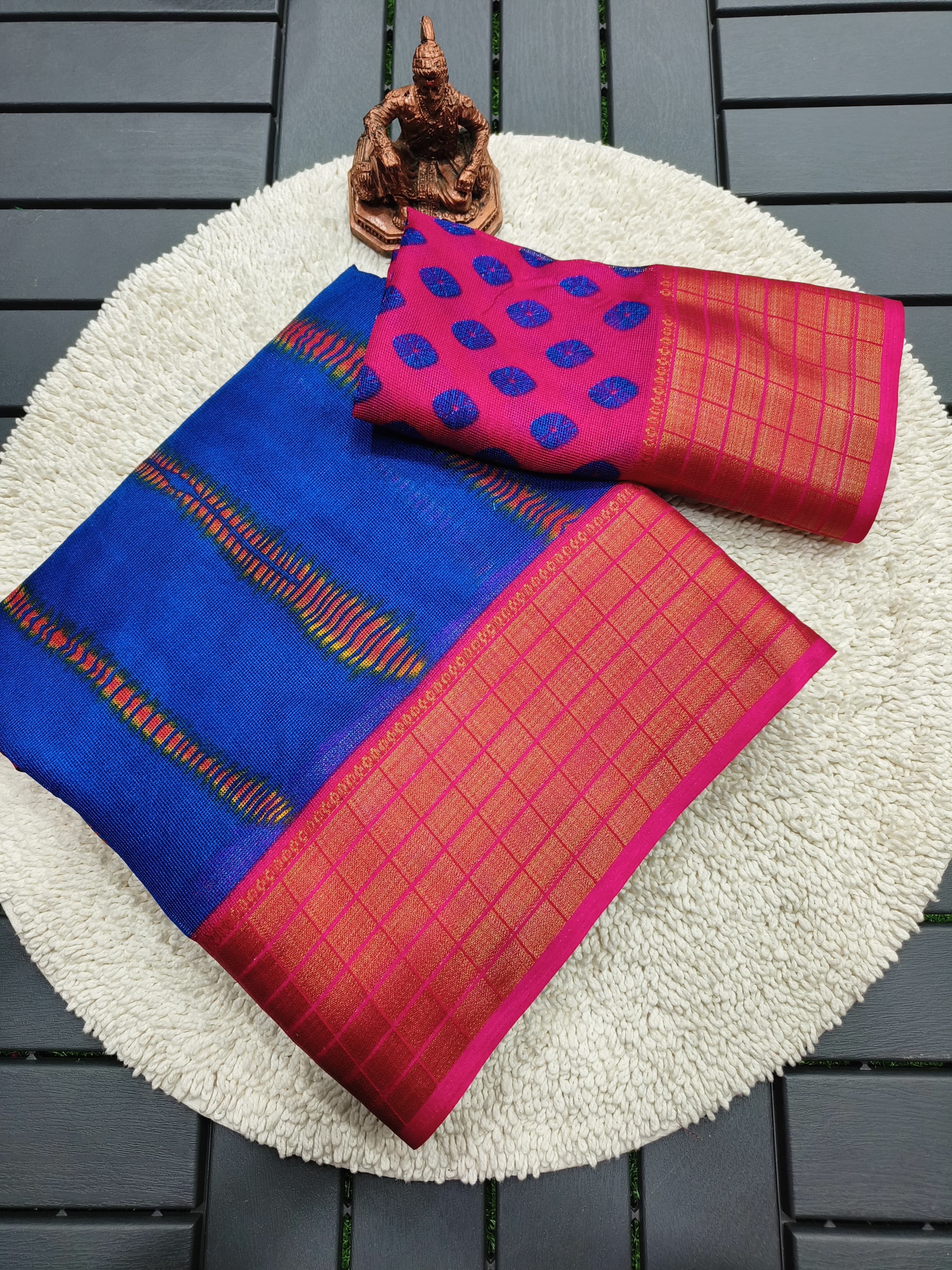
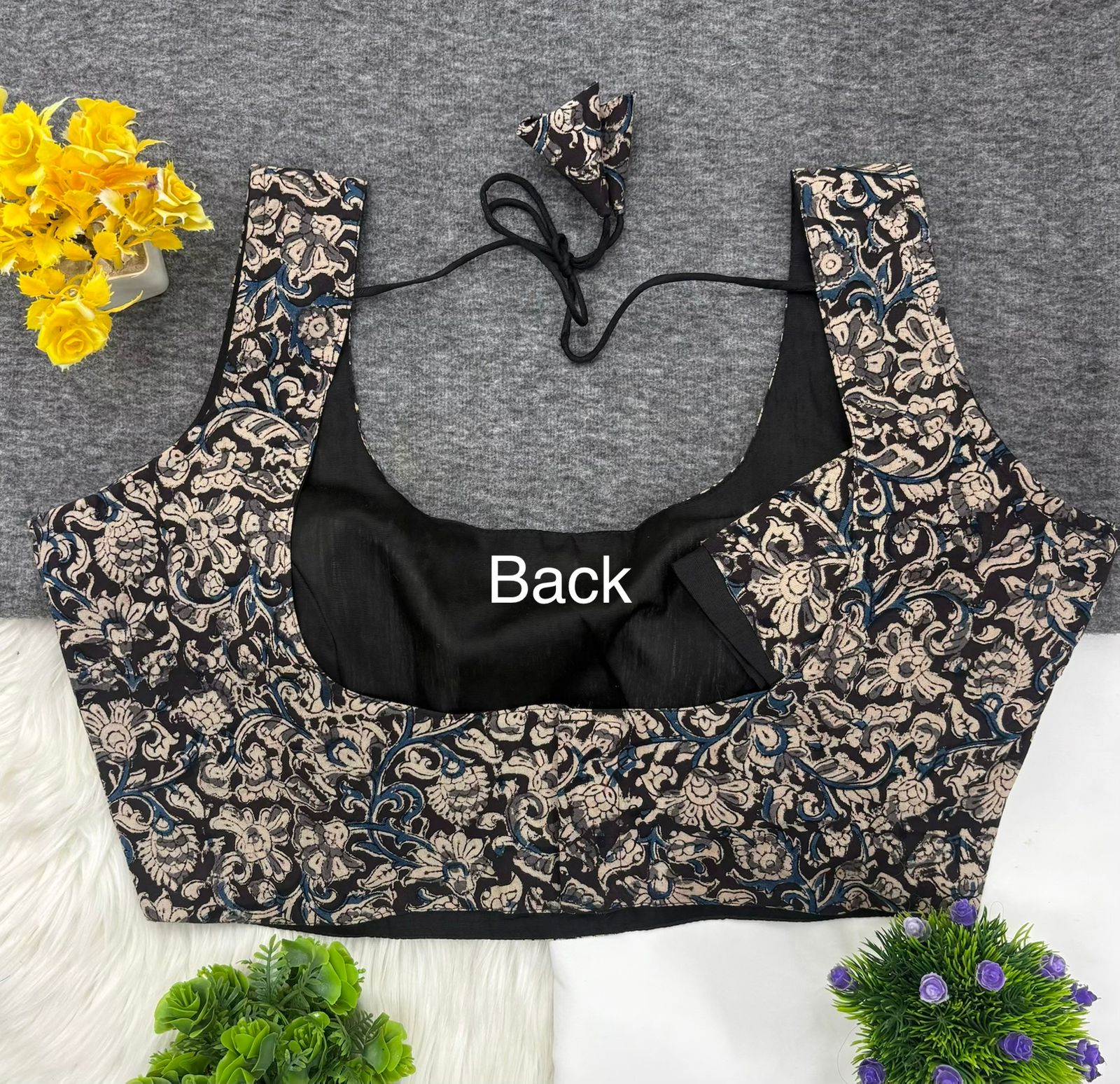
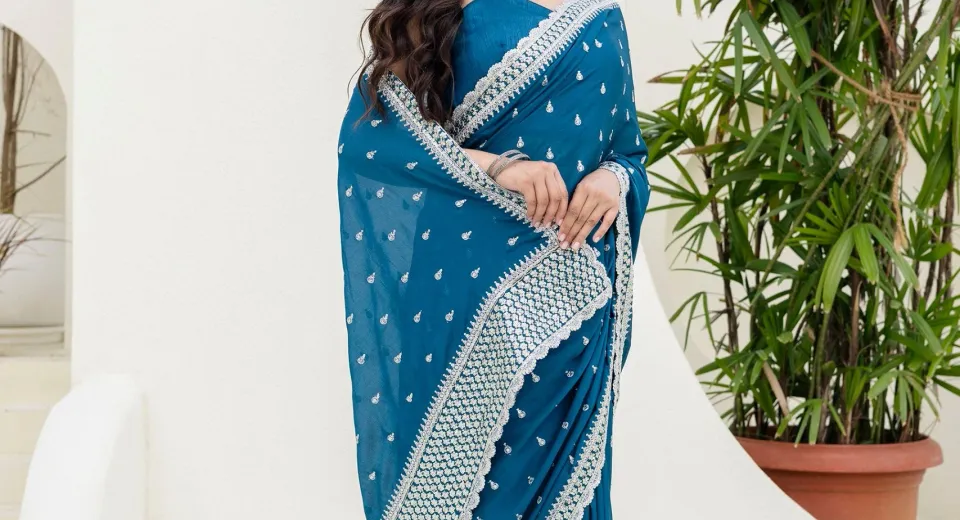
A saree works well for a formal public programme because a saree offers coverage, movement and room to highlight a blouse or woven accessory. Blue Chinon Saree with Zari, Dori and Sequin Work with Banglori Silk Blouse for Festive Wear creates a polished evening look through its blue base and decorative surface, but zari and sequin work should be described as festive Indian styling rather than Tagin embroidery.
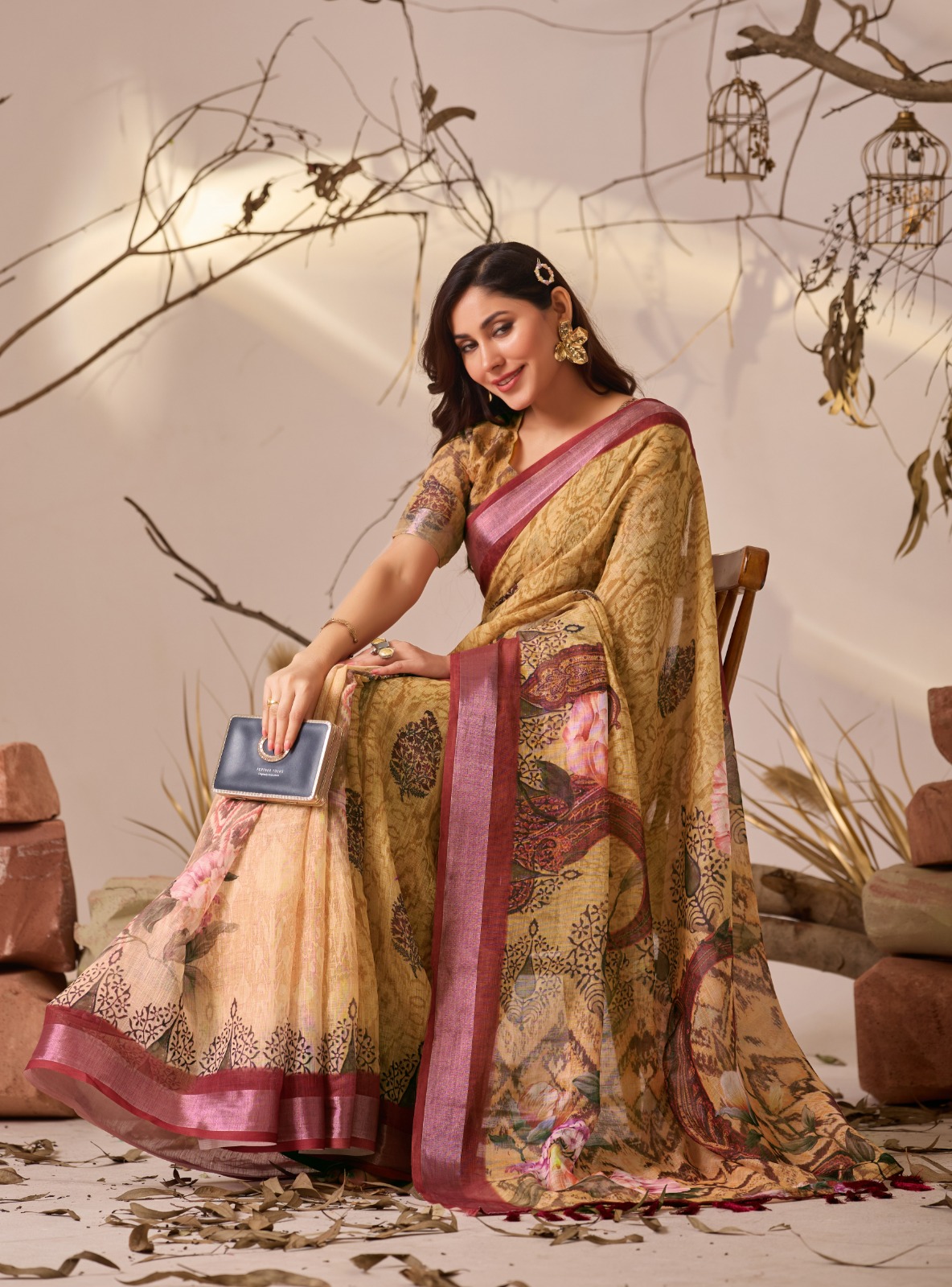
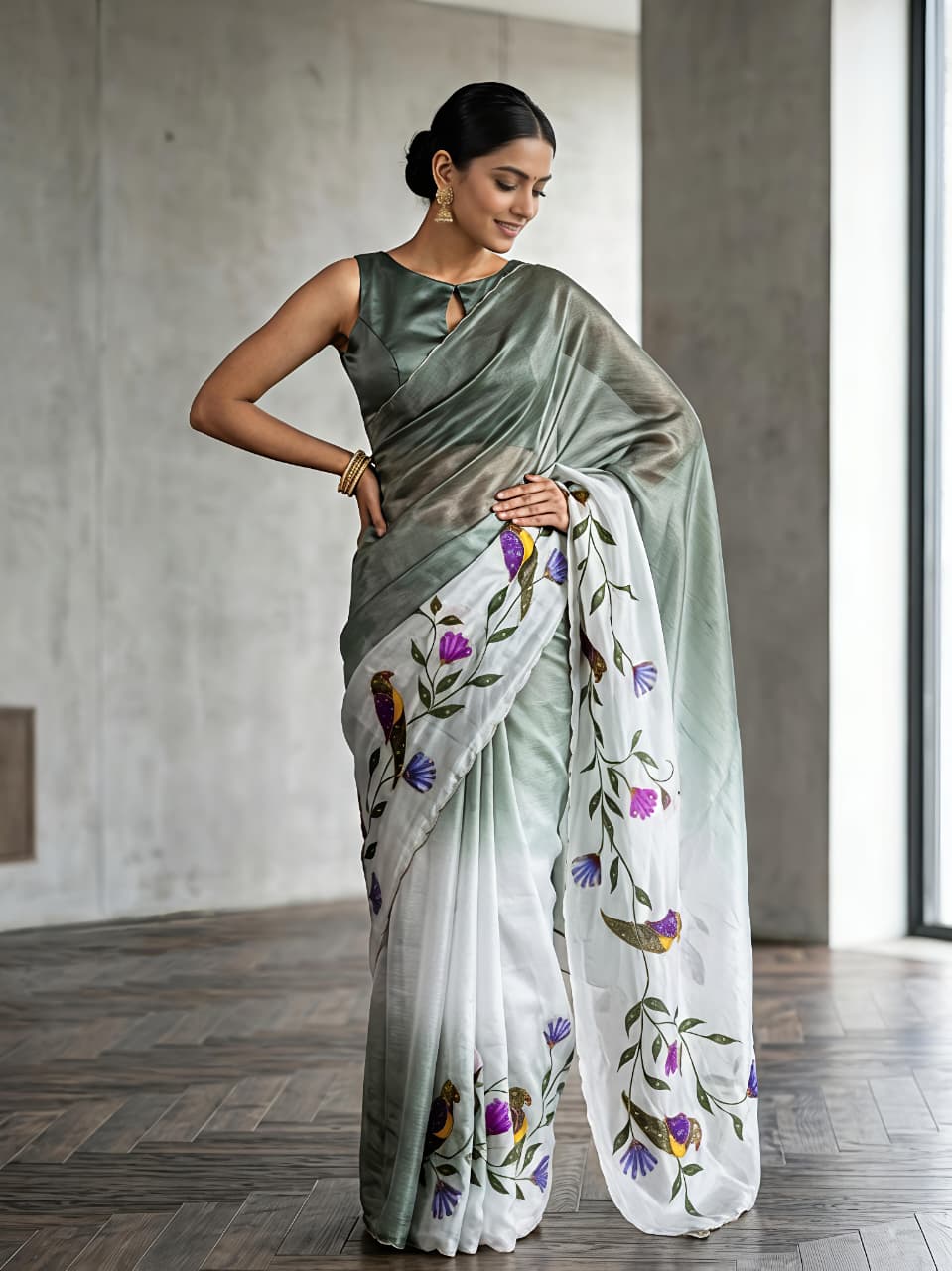
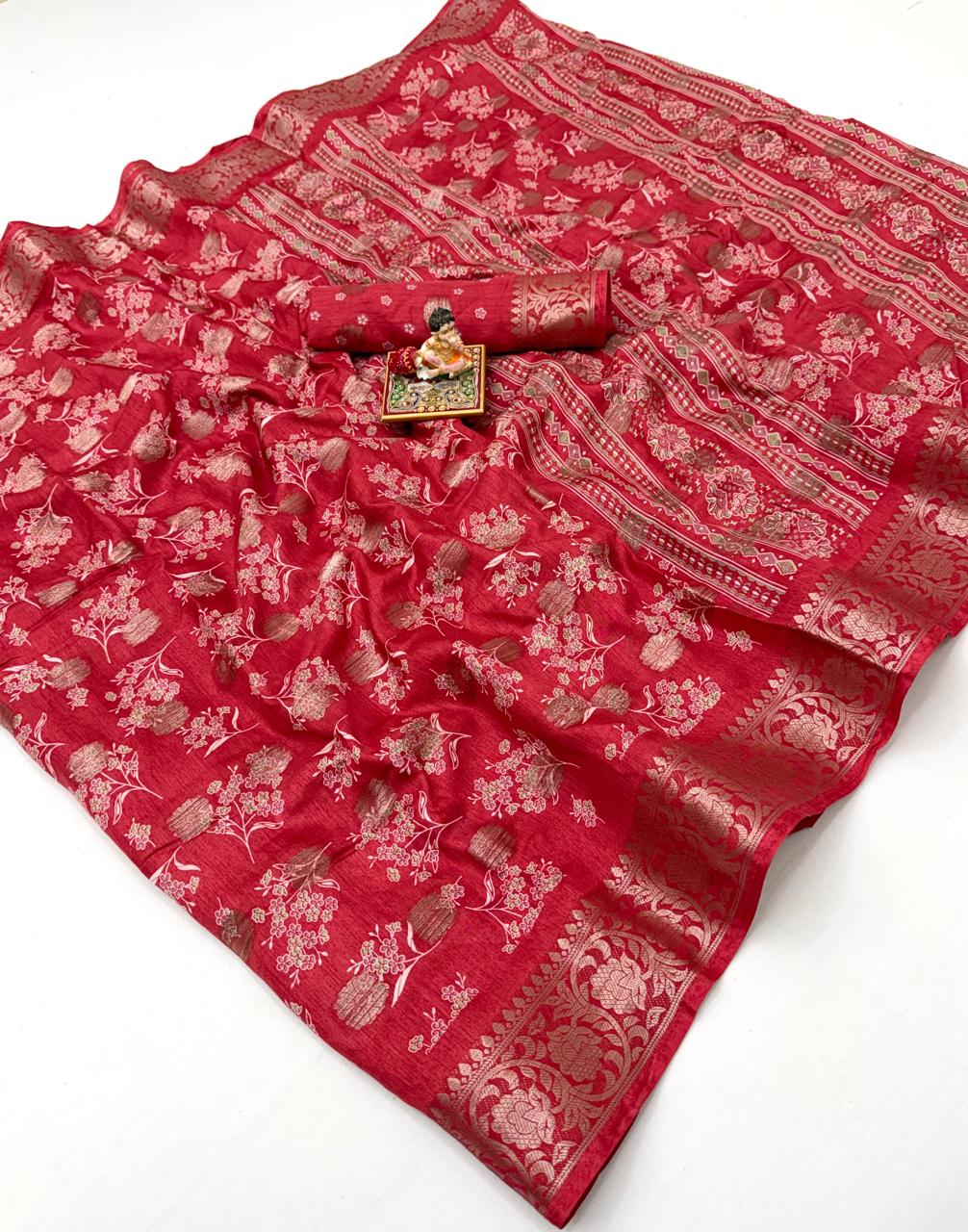
For a softer daytime appearance, Soft Tussar Silk Floral Saree For Festive Wear gives a more tactile, natural-fibre impression. Pair a tussar saree with a plain blouse, a narrow handwoven stole and minimal metal jewellery to keep the outfit grounded. Floral prints can acknowledge the natural setting of Arunachal without pretending to reproduce a community pattern.
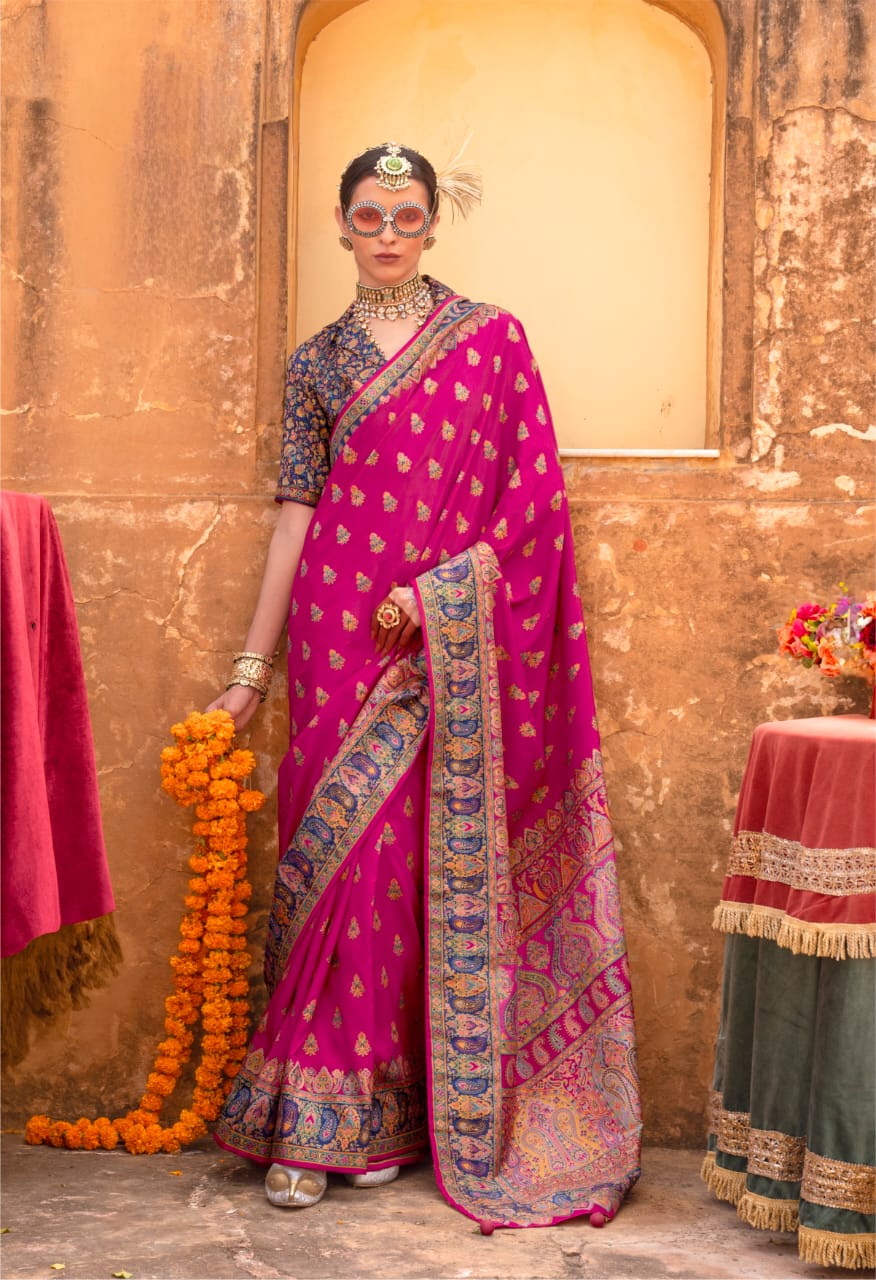
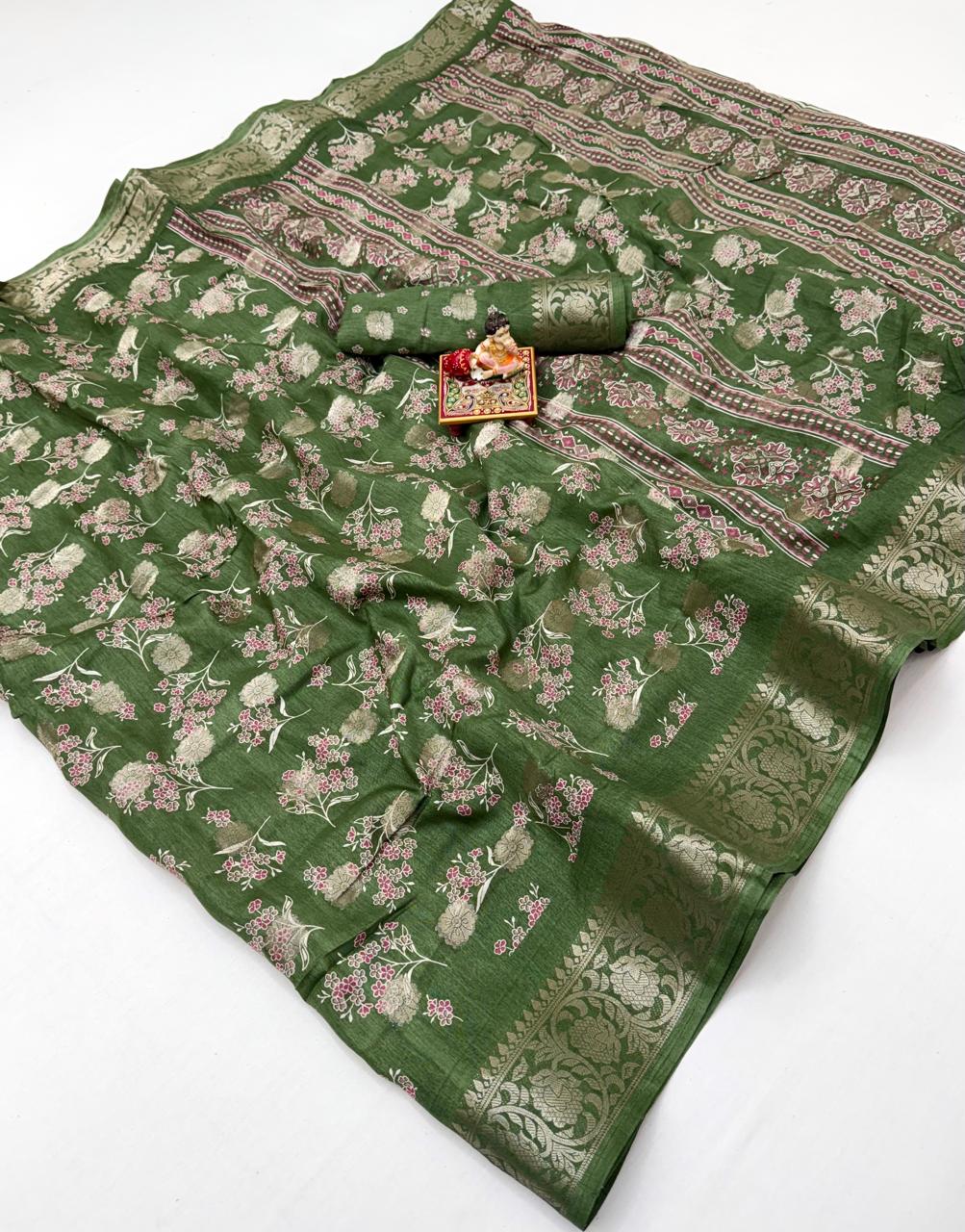
A deeper colour palette can suit an evening cultural gathering. Festive Olive Green Dola Butti Silk Saree With Blouse gives a muted base that works with antique-gold earrings, a low bun and a handloom-textured shawl. Keep the jewellery intentional because one statement element is usually more convincing than several unrelated accessories.
An Anarkali is practical when a programme involves standing, walking or sitting on the floor. Festive Wear Maroon Silk Anarkali Suit Set for Women provides a rich festive colour and a full-length silhouette, while Green Embroidered Anarkali Suit Set for Women brings a brighter alternative. Both outfits can be styled with comfortable flat shoes and a woven dupatta, but neither should be labelled a traditional Tagin garment.
Si-Donyi Festival Fashion: Which colours and fabrics work best?
Earthy greens, indigo, maroon, rust, ivory, black, deep blue and natural beige suit a thoughtful Si-Donyi-inspired palette because these colours work with handwoven textures and the forested landscape of Arunachal Pradesh. Colour symbolism isn't uniform across all communities, so personal preference and local guidance should take priority over invented meanings.
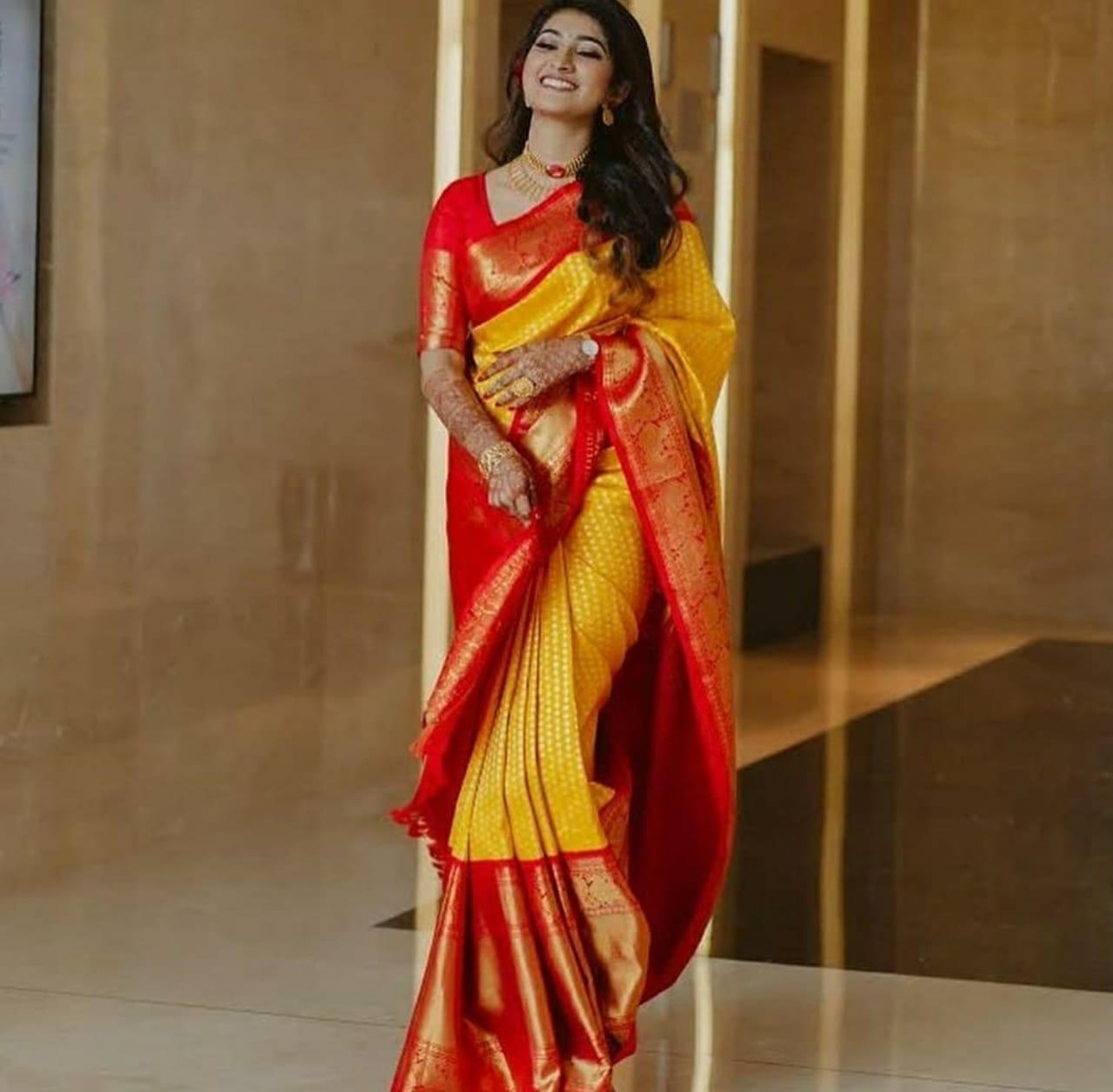
Silk, tussar, cotton, rayon and chinon each create a different practical result. Banarasi silk and other zari-rich silks look formal but can become heavy during long ceremonies. Tussar silk has a dry texture and moderate structure, while cotton is generally easier for daytime outdoor events. Chinon drapes softly and photographs well, although slippery fabric may need extra pleat support.
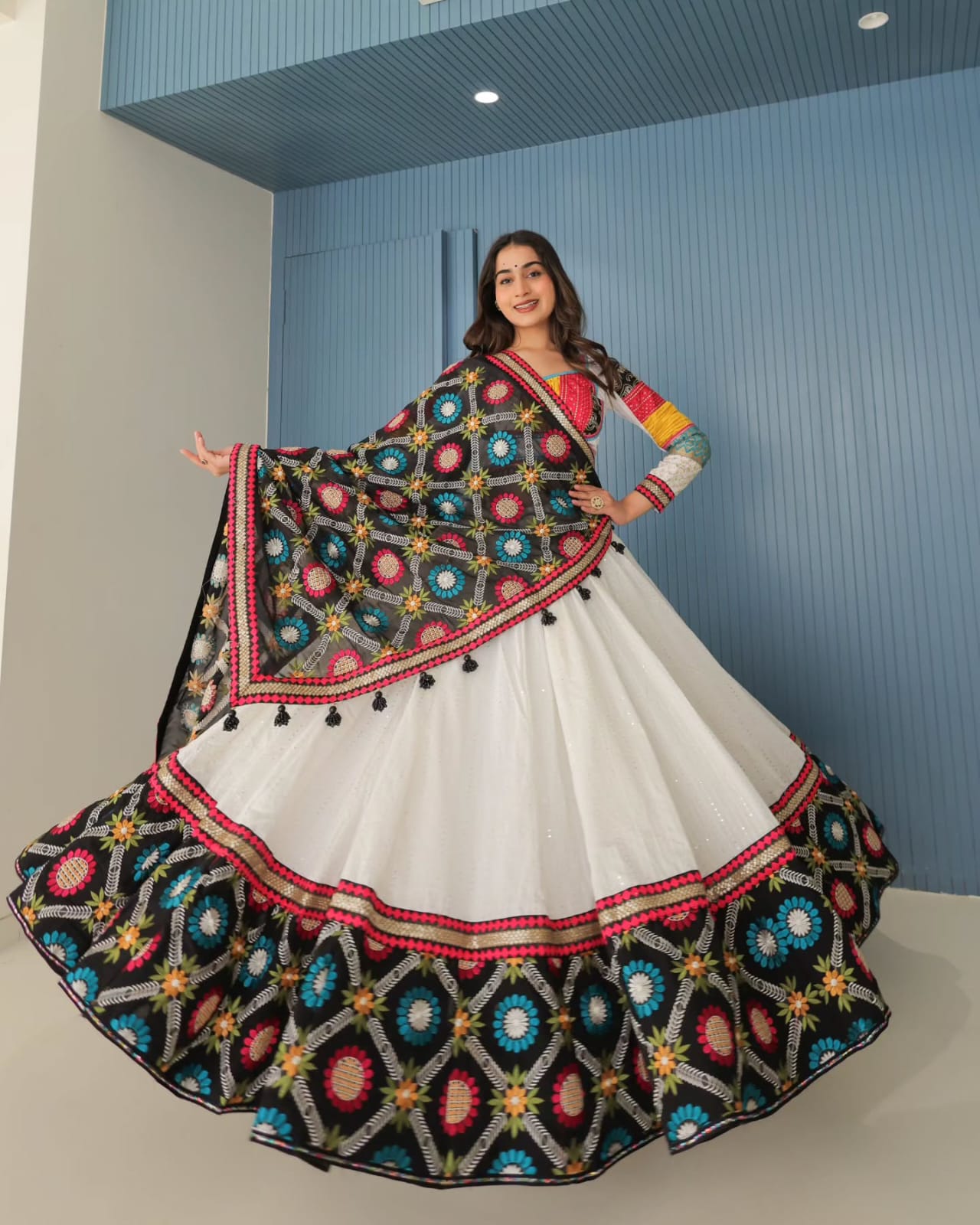
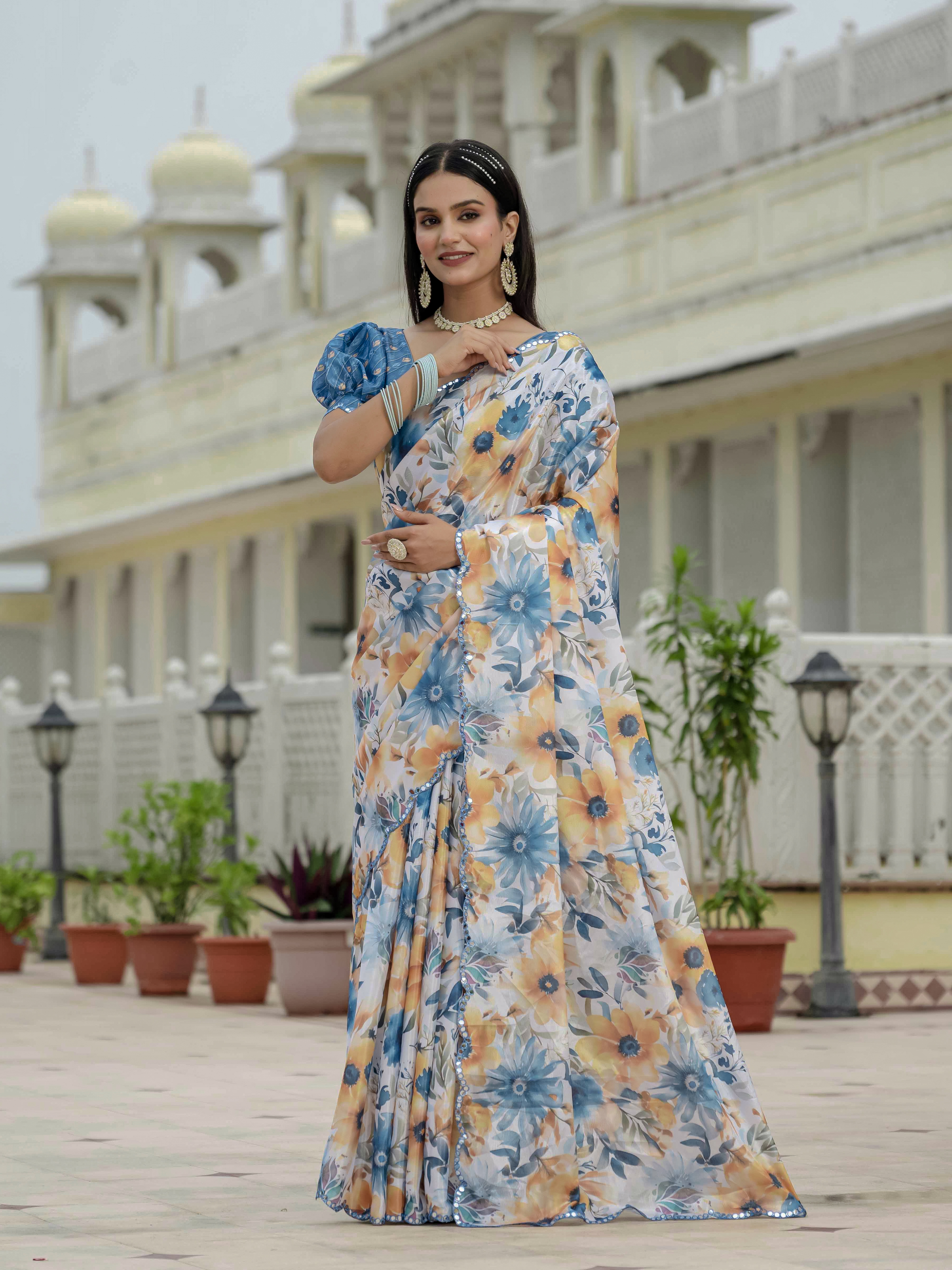
Colorful Ethnic Chinon Saree for Women can suit a lively public celebration when balanced with a plain blouse and restrained jewellery. A colourful saree already supplies visual energy, so adding a heavily embroidered bag, large earrings and ornate footwear can make the outfit appear disconnected from the setting.
Festive Beige Saree with Floral Print and Rich Zari Work demonstrates another useful balance: a neutral ground allows zari to stand out without requiring a dramatic accessory set. Beige, ivory and muted gold also work well for morning ceremonies, but a lining, petticoat or slip should be chosen carefully because pale fabrics can become transparent in strong daylight.
Fabric weight matters more than surface shine when a programme lasts several hours. Before wearing a new saree or suit, sit for ten minutes, walk up stairs, raise both arms and check whether the drape shifts. That simple test reveals whether the outfit is suitable for a real festival rather than only for a standing photograph.
Si-Donyi Festival Fashion: How should jewellery, hair and footwear be chosen?
Jewellery, hair and footwear should support the outfit and remain comfortable enough for ceremonies, community meals and outdoor movement. Bead necklaces, silver-toned earrings, woven belts and modest metal bangles can create a handmade impression without imitating a specific ceremonial ornament.
don't wear borrowed ritual objects, distinctive tribal headgear or community-specific jewellery merely as decoration. Ask the owner or event organiser about appropriate use, especially when an accessory appears in formal dance or prayer contexts. A plain beaded necklace from an independent artisan is a safer choice than an unverified tribal replica sold without information about its origin.
A low bun, braid or half-up hairstyle keeps the face clear and works with sarees, Anarkalis and shawls. Fresh flowers may be suitable for a general festive look, but flowers and hair ornaments can have local meanings, so confirmation is sensible for a community-led programme.
Choose closed flats, low wedges or secure sandals with cushioned soles. Thin stilettos are impractical on uneven ground, and newly purchased footwear can cause blisters during a full-day event. A small crossbody or fabric potli bag keeps both hands available for greeting people, eating and moving through a crowded venue.
Si-Donyi Festival Fashion: What should men wear?
Men can wear a clean kurta, a plain shirt with tailored trousers, or a simple jacket with a handwoven stole, depending on the formality of the programme. The most respectful choice is a well-fitted outfit with breathable fabric and no unverified imitation of Tagin ceremonial accessories.
For a daytime gathering, cotton or linen-blend trousers with a solid kurta in ivory, charcoal, olive or deep blue offer comfort. For an evening stage programme, a silk-blend kurta or a structured Nehru jacket can add formality without overwhelming the event. A woven stole should sit securely and should not be styled to resemble a community garment unless a Tagin wearer has advised you.
Premium Rayon Elephant Design Kurti Set Women can work as a relaxed, contemporary option for a woman attending an informal cultural programme, but an elephant motif doesn't make the set a Tagin garment. Motifs should be selected for their design value rather than assigned cultural significance without evidence.
Si-Donyi Festival Fashion: How can visitors avoid cultural appropriation?
Visitors can avoid cultural appropriation by asking before wearing community-specific garments, crediting artisans, avoiding sacred symbols and describing inspired clothing honestly. Respect becomes especially important when a festival is photographed or presented on social media to audiences unfamiliar with Tagin culture.
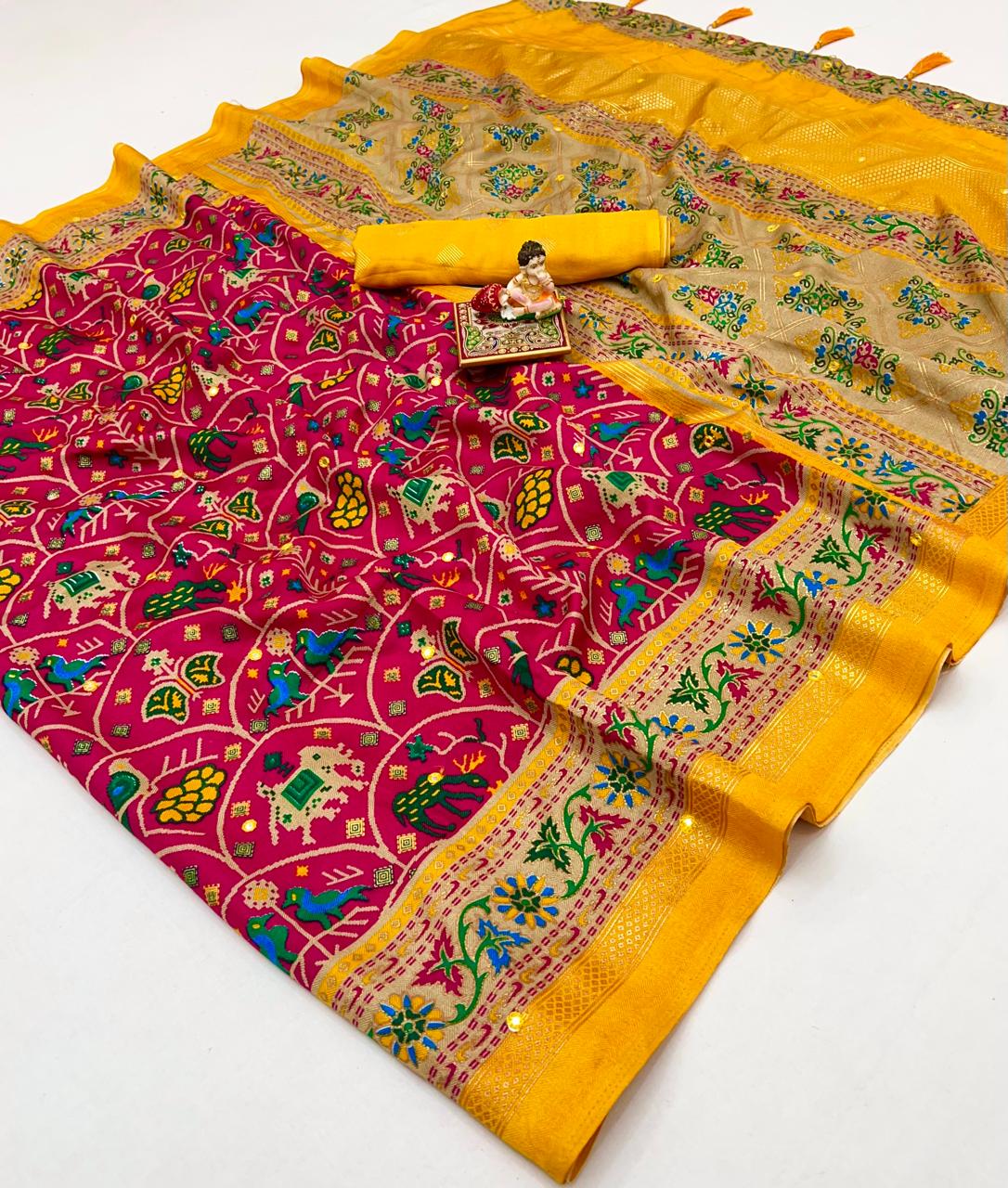
don't use phrases such as authentic Tagin costume for a commercially produced saree, Anarkali or kurta unless a knowledgeable Tagin source confirms the description. Do not combine unrelated tribal jewellery, headgear and motifs into a fantasy version of Arunachal attire. A simple festive outfit with one handwoven accessory is often more respectful than a complete look assembled from stereotypes.
Support local craft where possible by purchasing directly from a weaver, artisan cooperative or verified cultural enterprise. Ask about the fibre, weaving location, maker, care method and intended use. Paying fairly for a textile recognises labour more meaningfully than adding an unverified tribal print to a mass-produced garment.
Photography also requires consideration. Ask permission before photographing people in ceremonial clothing, children, prayer spaces or performances. A festival image should not be treated as permission to reproduce a garment commercially or to caption a community member's outfit inaccurately.
Si-Donyi Festival Fashion: How should an outfit be prepared and cared for?
A Si-Donyi festival outfit should be prepared at least one day in advance, checked for movement and packed with weather-appropriate layers. Arunachal Pradesh can have cool mornings, changing outdoor conditions and uneven walking surfaces, so a beautiful outfit must also be functional.
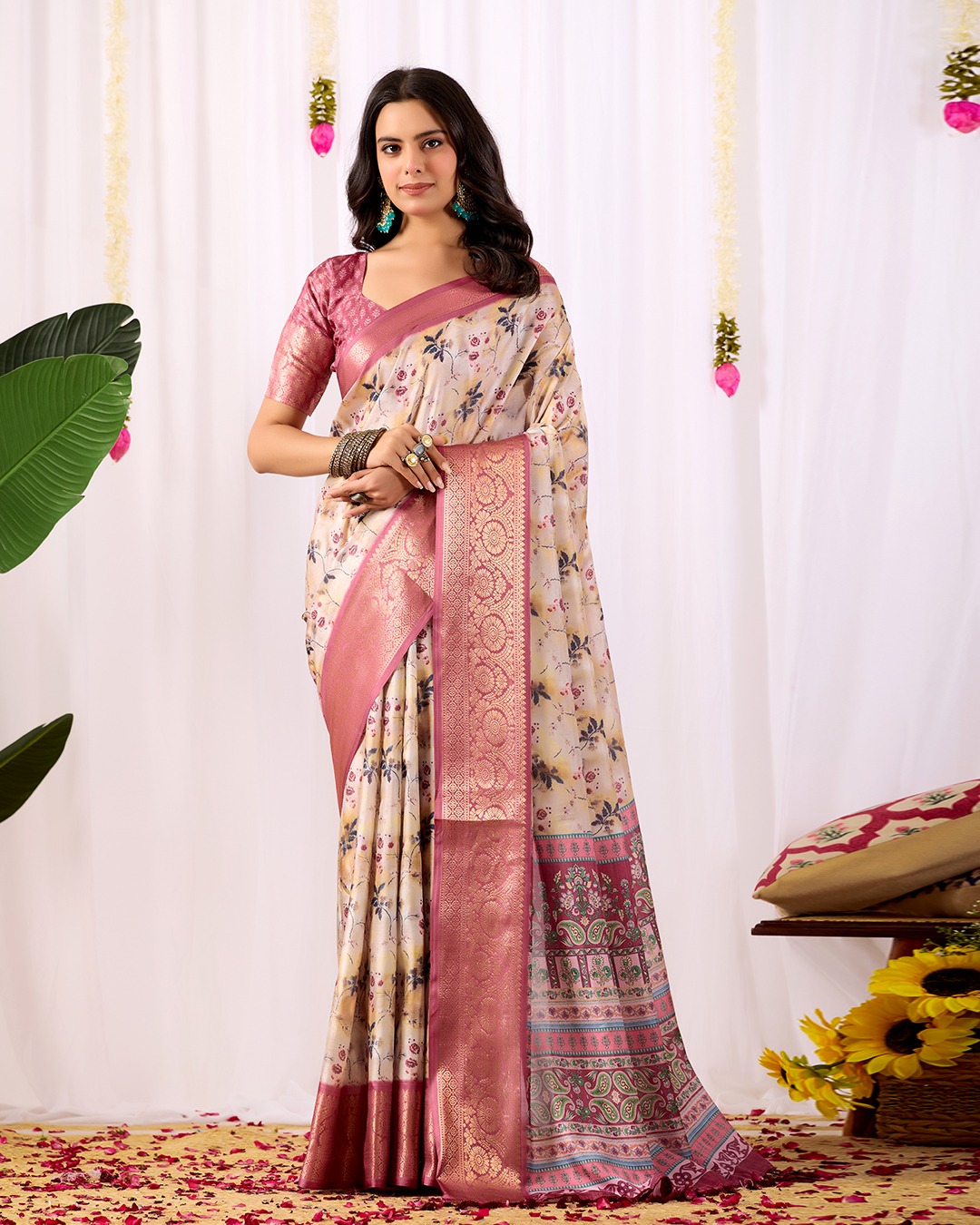
Steam a saree or suit gently according to the fabric label, and avoid high heat on zari, sequins, chinon and synthetic blends. Test colourfastness on an inner seam before spot-cleaning. Banarasi silk, tussar silk and zari work generally need careful dry cleaning, while many cotton garments can be hand-washed in cool water if the care label permits.
Carry safety pins, a small sewing kit, blister plasters, a shawl and a transparent rain cover for a handbag. Saree wearers benefit from securing the pallu at the shoulder for walking, while Anarkali wearers should check that the dupatta doesn't drag near food stalls or wet ground.
After the event, air the garment away from direct sunlight before storing it. Fold silk and zari pieces with soft cotton fabric between layers, avoid plastic for long-term storage and refold expensive textiles every few months to reduce permanent crease lines.
Si-Donyi Festival Fashion becomes meaningful when clothing supports cultural respect, personal comfort and accurate storytelling. Traditional Tagin attire deserves recognition on its own terms, while contemporary sarees, suits and handloom-inspired accessories can provide elegant options for visitors who dress with care.
Questions About Si-Donyi Festival Fashion and Arunachal Styling
What should a woman wear to a Si-Donyi festival celebration?
A woman can wear a comfortable saree, Anarkali or modest kurta set with a handwoven stole and restrained jewellery. The outfit should be described as festive or Arunachal-inspired unless a Tagin source confirms that the clothing is traditional Tagin attire.
Is a saree traditional Tagin clothing for Si-Donyi?
A saree is not automatically traditional Tagin clothing. A saree can be an appropriate Indian festive outfit for a visitor, but Tagin ceremonial dress has its own community-specific textiles, garments and accessories.
Which colours are suitable for Si-Donyi festival dressing?
Deep blue, olive, green, maroon, rust, ivory, beige and other natural shades suit a respectful festive palette. Colour meanings are not identical across all Arunachal communities, so local guidance should take priority over assumed symbolism.
Can visitors wear tribal jewellery to a Si-Donyi event?
Visitors should wear tribal jewellery only after confirming that the accessory is appropriate and understanding its cultural context. A plain artisan-made bead necklace or modest metal jewellery is safer than borrowing ritual ornaments or distinctive ceremonial headgear.
What fabric is comfortable for a long Si-Donyi programme?
Cotton and lightweight tussar are usually comfortable for daytime events, while silk blends can suit formal evening programmes. Chinon drapes softly but may need secure pleats, and zari-rich silk can feel heavy during several hours of walking or outdoor activity.
How can someone style Arunachal-inspired clothing without misrepresenting Tagin culture?
Choose a contemporary Indian outfit, add a verified handwoven accessory and avoid claiming that commercial motifs or silhouettes are authentic Tagin dress. Ask event organisers or local artisans for guidance before using community-specific patterns, ornaments or ceremonial garments.