Should You Buy an Anarkali or a Straight Suit for a Day Wedding? Choose an Anarkali when you want movement, a traditionally festive shape and a skirt-like fall; choose a straight suit when you prioritise ease, breathable layers and a polished look that stays practical through several wedding rituals. The right decision depends on the venue, weather, ceremony length, fabric weight, embroidery and how much walking or sitting your day will involve.
A daytime wedding requires a different balance from an evening reception. Strong sunlight reveals fabric texture, lining, colour contrast and finishing details, while warm weather can make dense layers uncomfortable. A good salwar suit should look celebratory without making you adjust the hem, dupatta or sleeves every few minutes.
Should You Buy an Anarkali or a Straight Suit for a Day Wedding based on silhouette?
An Anarkali is fitted through the upper body and flares from the waist or below the bust, while a straight suit falls in a comparatively narrow line from shoulder to hem. An Anarkali creates volume and movement; a straight suit creates a cleaner vertical silhouette.
The cut changes how the outfit behaves. An Anarkali can swirl attractively when you walk and gives a dramatic shape for photographs, but extra fabric may feel warm or occupy space when you sit. A straight kurta generally uses less fabric, feels easier on public transport and remains manageable during pheras, family photographs or a long wedding lunch.
An Anarkali often looks complete with a narrow churidar, slim cigarette pant or fitted trouser because the flare supplies visual volume. A straight suit can be paired with trousers, palazzos or salwar bottoms, although a wide bottom with a wide kurta can reduce definition. The proportion between kurta length, sleeve volume, bottom width and dupatta size matters more than the label attached to the suit.
For a formal wedding party, an Anarkali gives a more occasion-led impression without requiring a lehenga. A straight suit works well for guests who want designer salwar suits wedding party styling with a tailored, contemporary line rather than a princess-like flare.
Should You Buy an Anarkali or a Straight Suit for a Day Wedding if you want comfort?
Choose an Anarkali for a day wedding when you want graceful movement, a visibly festive silhouette or extra room around the hips and legs. Choose a straight suit when you expect substantial walking, repeated sitting and standing, travel between venues or several hours in warm weather.
The Anarkali shape photographs particularly well from three-quarter angles because the flare creates a soft outline around the body. The silhouette can also balance a fuller lower body when the flare begins below the narrowest part of the torso. Petite wearers should check the flare placement and total length carefully because a very long, heavily gathered Anarkali can overwhelm a smaller frame.
A straight suit is usually easier to manage around chairs, car doors, crowded corridors and temple floors. The narrower kurta reduces the amount of fabric caught under a seat or folded into a vehicle. The practical advantage becomes significant when the outfit must remain neat for six to eight hours.
An Anarkali isn't automatically a cool choice. Full lining, multiple layers, thick synthetic fabric and substantial zari can trap heat. For a summer Haldi ceremony or an outdoor wedding, inspect the lining, sleeve construction and fabric weight before deciding. A rayon-cotton blend may be more practical than a dense silk-look outfit when the ceremony lasts several hours.
Should You Buy an Anarkali or a Straight Suit for a Day Wedding when choosing fabric?
Breathable cotton blends, lightweight silk, Chanderi and fluid rayon-cotton blends are generally more comfortable for daytime wedding dressing than thick, heat-retaining layers. The final choice should consider the season, indoor ventilation, lining and embroidery density.
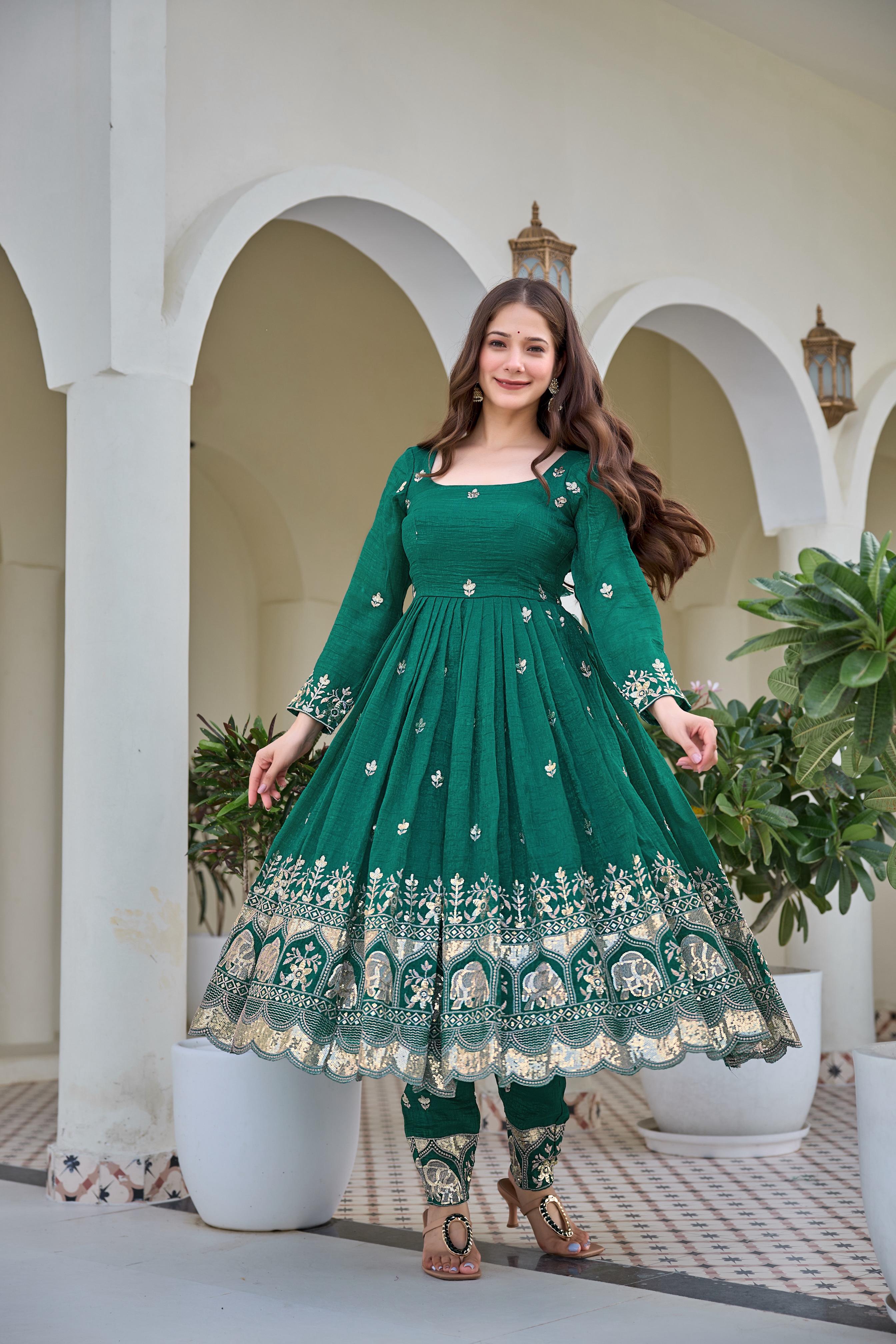
Chanderi catches daylight with a delicate surface glow rather than a heavy reflective flash, making Chanderi suitable for a refined morning or afternoon ceremony. Banarasi silk and zari look richer and more formal, but dense Banarasi silk can feel warm under direct sun. Kanjeevaram-inspired colour combinations and borders can add traditional character, although garment construction still determines comfort.
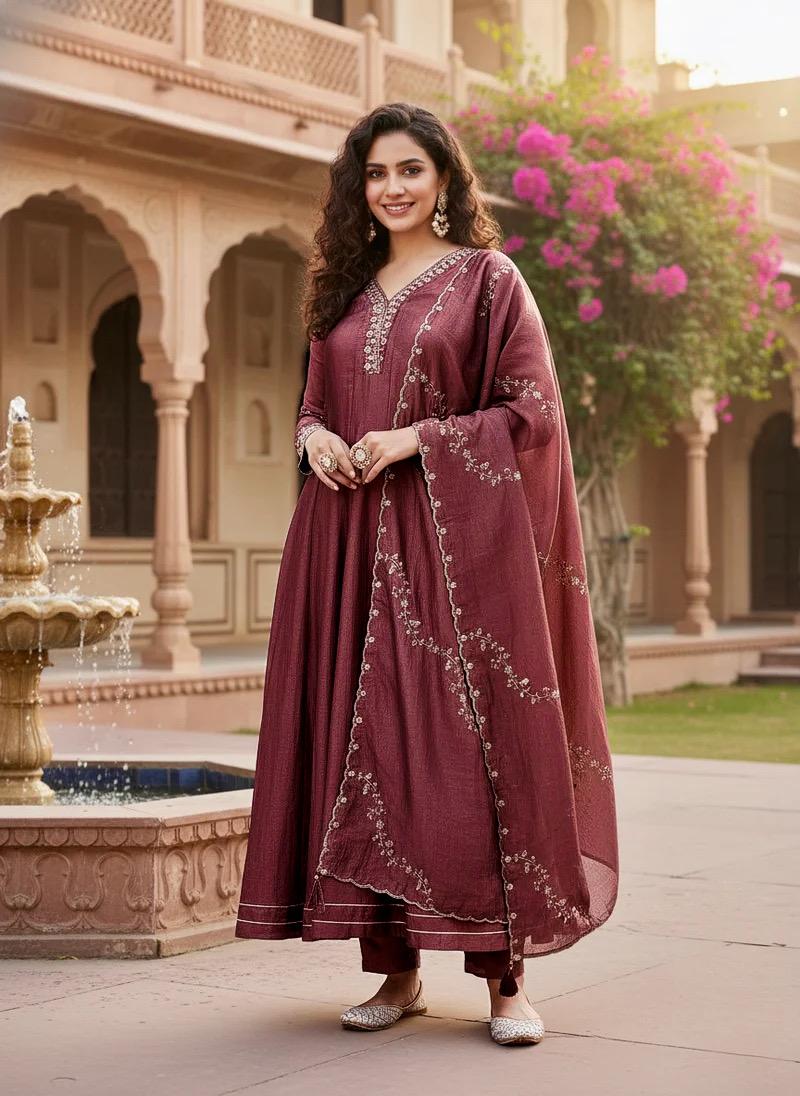
Rayon cotton is useful when softness and movement matter. Maroon Embroidered Rayon Cotton Anarkali Suit Set | Varnavi shows how a blended fabric can support festive embroidery while remaining less rigid than a heavily structured silk outfit. Maroon works especially well for a late-afternoon wedding, whereas coral, powder blue, ivory, peach and leaf green often feel fresher in strong midday light.
Lightweight silk can support a more formal look without the stiffness of a heavily layered garment. Royal Blue Vichitra Silk Embroidered Anarkali Suit Set demonstrates how a saturated colour and embroidered surface can create occasion value while preserving a clear silhouette. Royal blue also photographs effectively against outdoor greenery, pale walls and neutral wedding décor.
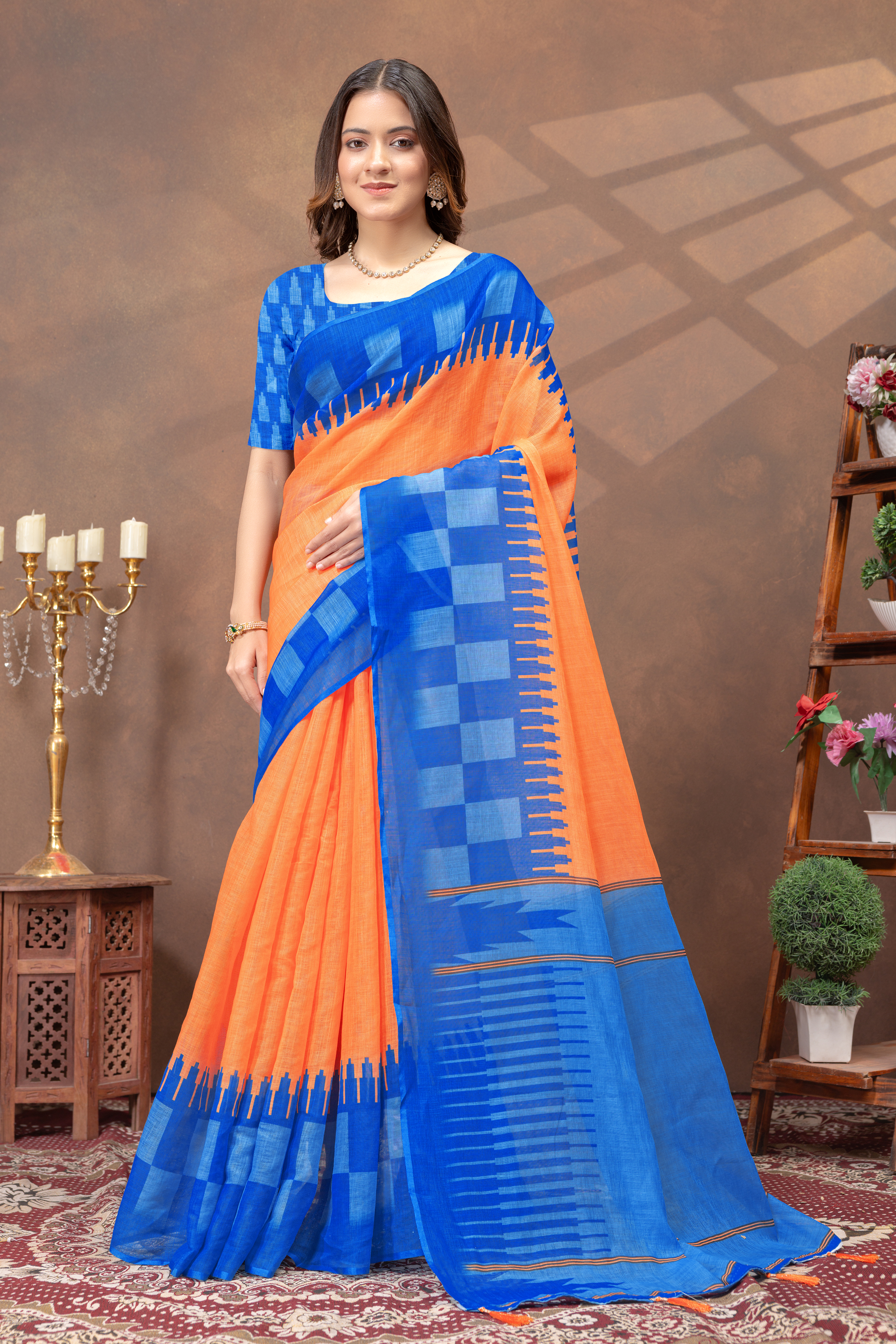
Cotton salwar suits wedding guests choose for daytime events should have enough finish to match the invitation. Plain everyday cotton may look too casual for a formal reception, but a refined print, woven texture, embroidered neckline or dressy dupatta can raise the overall appearance. Kalamkari Print Salwar Suits (Copy) offers an useful direction for guests who prefer an expressive printed surface over metallic embellishment.
Should You Buy an Anarkali or a Straight Suit for a Day Wedding with embellishment?
Choose moderate, strategically placed embellishment for daylight because concentrated zari, sequins or gota can look festive without making the entire outfit visually heavy. Embellishment around the neckline, sleeve edge, yoke or hem is usually easier to wear than decoration covering every surface.
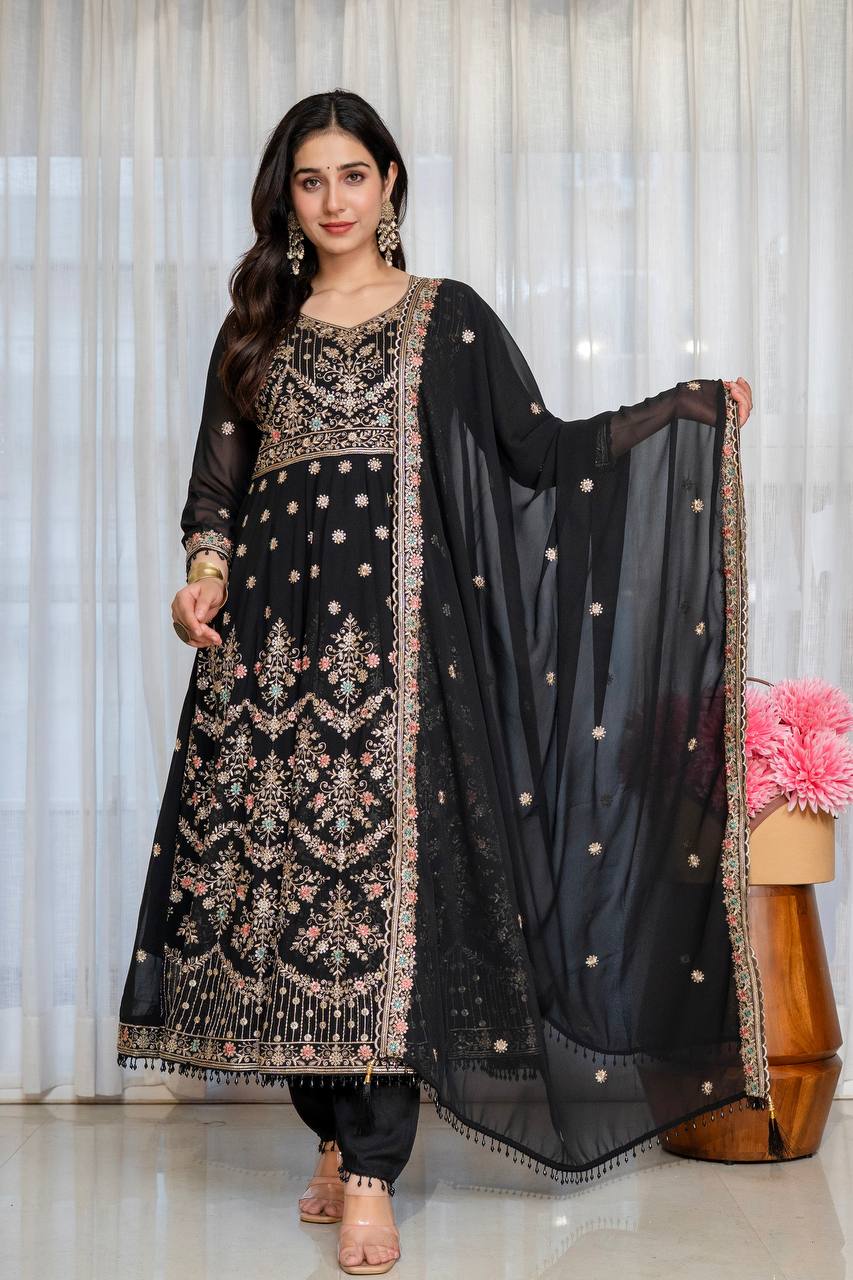
Zari, sequins, pearls and Moti lace work should be judged by placement rather than counted simply as decoration. Gold zari around a neckline, sleeve edge or hem can look elegant in photographs. Dense black zari over a large surface can absorb light and make an outfit appear heavier.
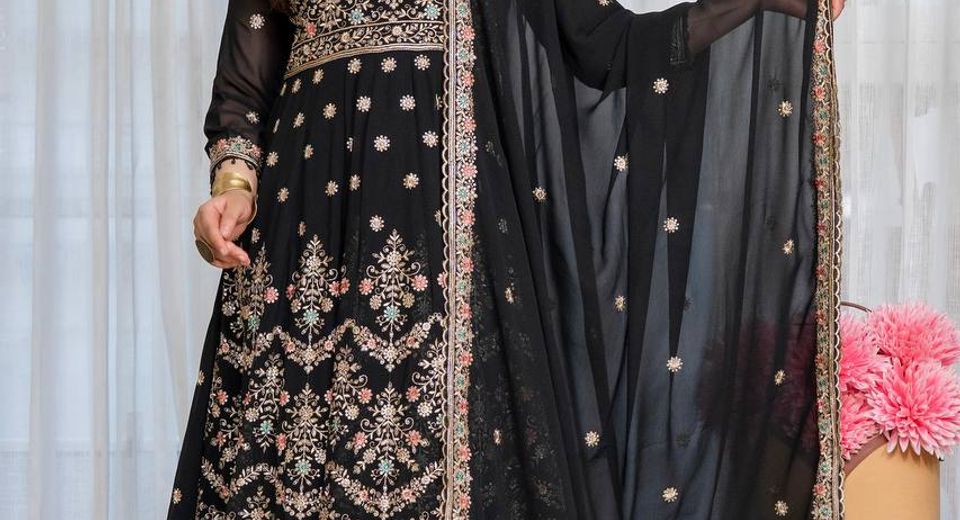
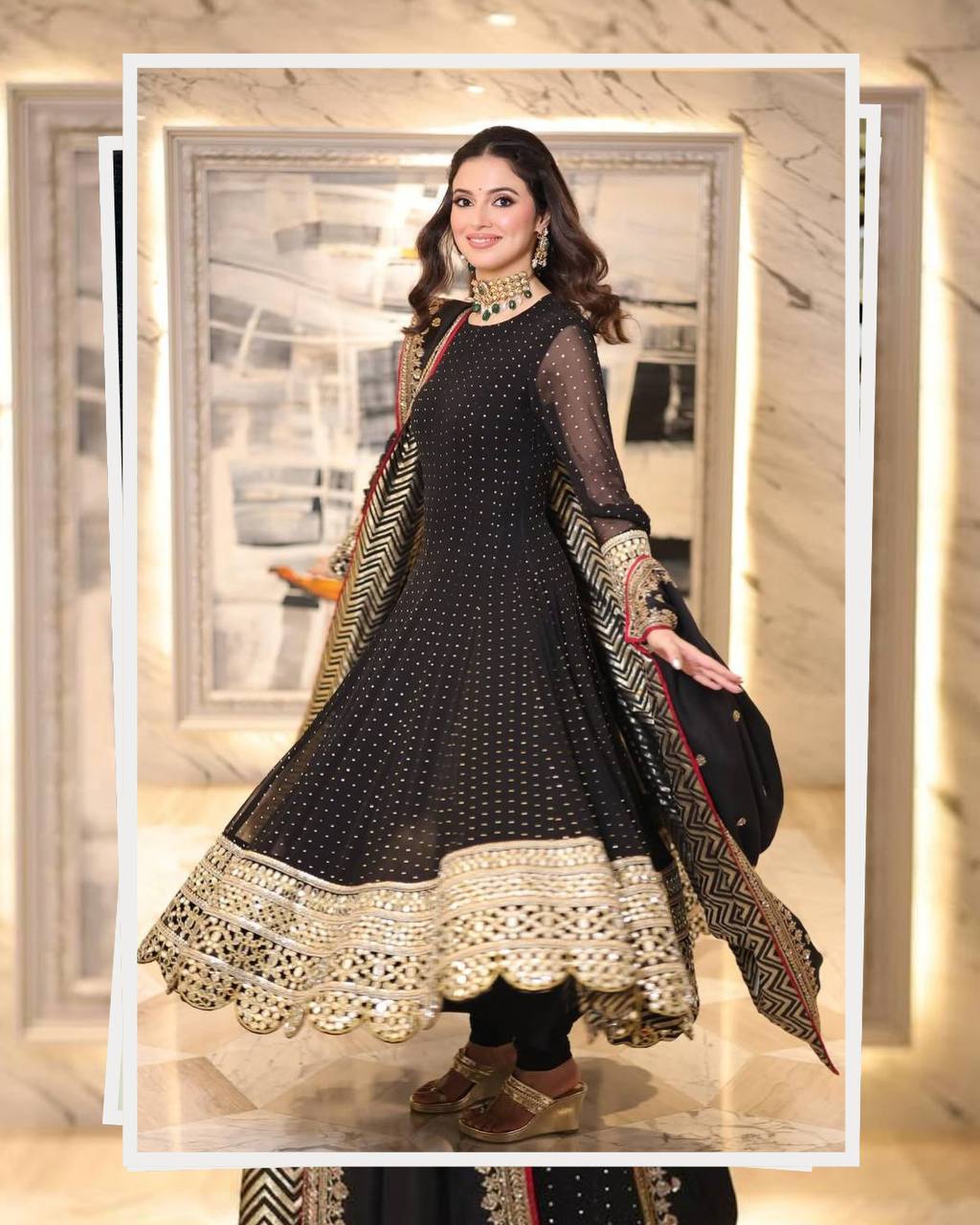
Black Anarkali Suit Set with Sequin Zari and Moti Lace Work and Black Embroidered Anarkali Suit Set with Zari Work can suit a formal invitation, but black needs thoughtful daylight styling. Add lighter jewellery, a contrasting dupatta or metallic accents with a warm finish so the outfit retains definition in bright surroundings.
Black Anarkali Suit with Zari, Sequins & Moti Lace Work brings another example of a high-impact surface. Such a heavy salwar suit wedding look is more suitable when the invitation calls for formal dressing, the venue is air-conditioned or the wedding extends into the evening. A dense, embellished black outfit can feel too visually weighty for an informal outdoor lunch.
White and ivory require additional care because pale fabric photographs brightly and may not suit every regional dress code. White Floral Vichitra Silk Anarkali Suit Set | Varnavi uses floral interest to soften a pale base, while White Embroidered Anarkali Suit Set with Gota Patti Dupatta gives a more visibly ceremonial finish. Confirm whether the bride's family has requested guests to avoid white before selecting either look.
Should You Buy an Anarkali or a Straight Suit for a Day Wedding by ritual?
Match the suit's weight and decoration to the ritual: choose breathable styling for Haldi and outdoor functions, moderate embroidery for a daytime wedding ceremony, and richer zari or silk for a formal indoor reception.
A Haldi ceremony involves turmeric, outdoor movement and close contact, so washable or easy-to-clean fabrics and shorter, controlled dupattas are sensible. Bright yellow, green, pink or floral prints suit the celebratory setting, but delicate pale fabric can show stains quickly. A straight suit with a secure dupatta often gives more practical movement than a wide Anarkali during games and photographs.
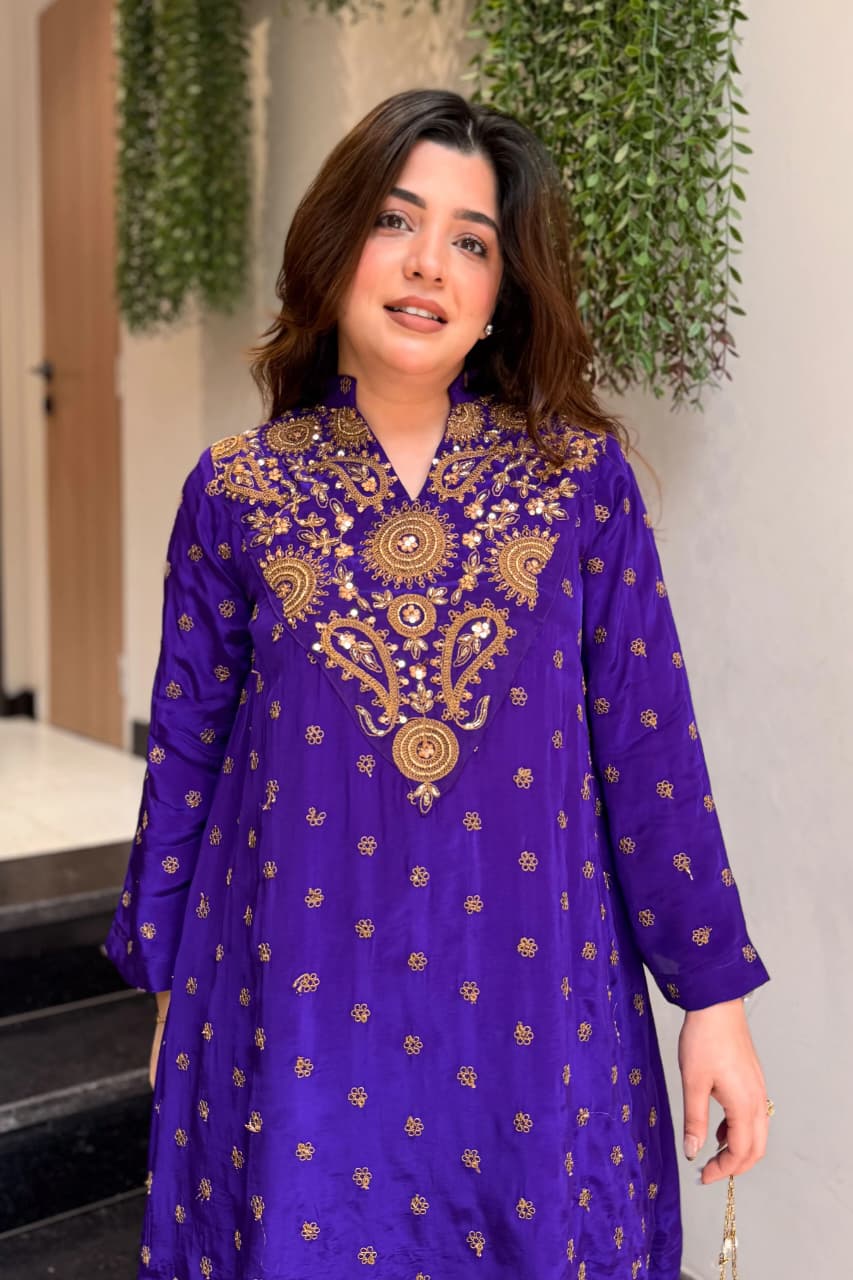
A daytime wedding ceremony permits more ornament than Haldi, but comfort still matters if rituals extend beyond an hour. Purple Embroidered Silk Anarkali Suit Set for Weddings can suit a guest who wants a formal colour and classic shape. Balance the richness with restrained jewellery and a lighter makeup finish for daylight.
For a reception held during the afternoon, a straight suit with a substantial dupatta can provide polish without the volume of an Anarkali. For an evening reception, darker colours, stronger contrast and heavier zari become easier to carry because artificial lighting supports reflective embellishment.
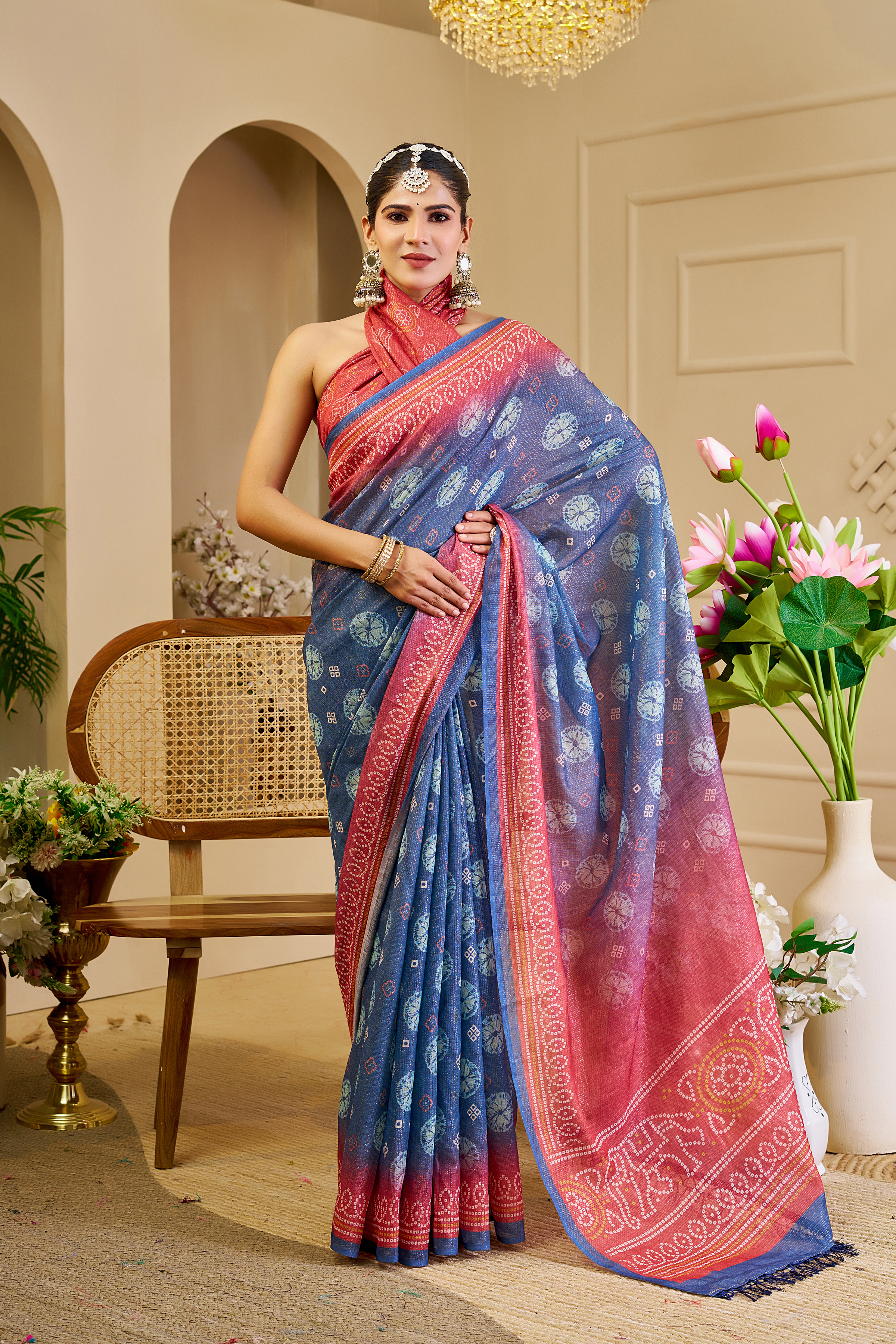
Regional references can guide styling without dictating the silhouette. Maharashtra Paithani Inspired Salwar Suits can suggest jewel-toned borders and time-honoured colour relationships. Punjab Phulkari Embroidered Salwar Suits can add a lively embroidered surface for a daytime function. Karnataka Silk Salwar Suits can inform a richer silk-led palette when the ceremony is formal.
Should You Buy an Anarkali or a Straight Suit for a Day Wedding after checking the dupatta?
Choose a dupatta that complements the suit's volume, embroidery and weather rather than treating the dupatta as a separate purchase. A lighter, narrower dupatta suits a full Anarkali, while a straight suit can carry a broader or more decorative drape when the kurta is relatively simple.
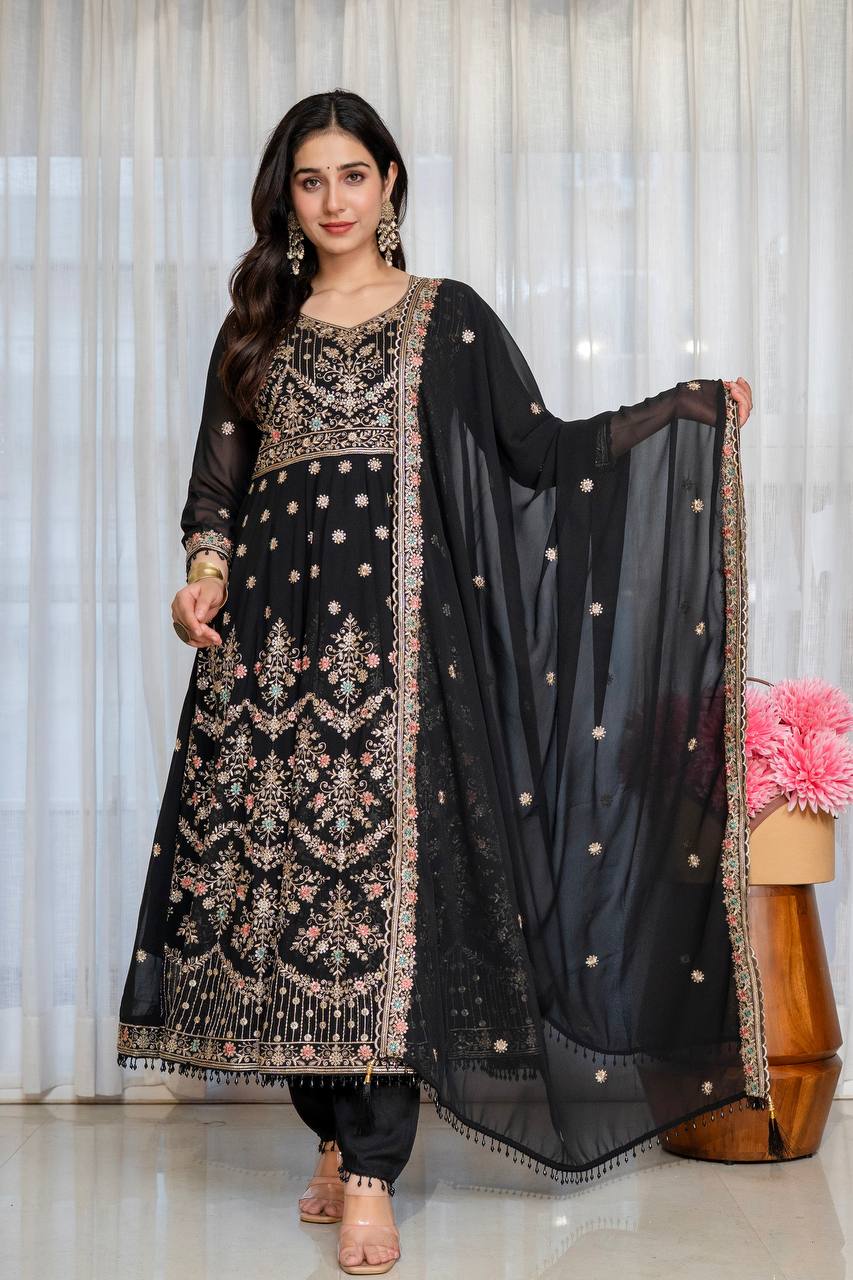
A heavily embroidered Anarkali usually needs a controlled dupatta so the flare remains visible. Drape the dupatta over one shoulder and secure it at the opposite side with a discreet pin, or place it across both shoulders when you need reliable coverage during rituals. Avoid excessive pleating if the suit already contains dense gathers.
A straight suit gives more freedom with the drape. A printed kurta can take a contrasting solid dupatta, while a minimally embellished kurta can support zari edging, organza or silk. A ready-made salwar suit with dupatta is convenient, but check whether the dupatta length allows the style you prefer; approximately 2.25 to 2.5 metres gives more flexibility than a very short scarf.
For outdoor weddings, use safety pins at the shoulder and waist, and test the complete drape while walking before leaving home. A dupatta that slips during a fitting can become especially difficult to manage during garlands, group photographs or dancing. A light cotton, chiffon or soft georgette layer may feel more comfortable than a stiff, heavily embellished drape in humid weather.
Should You Buy an Anarkali or a Straight Suit for a Day Wedding after checking fit?
Check shoulder width, bust ease, armhole comfort, kurta length, sleeve circumference and bottom measurements before buying a readymade salwar suit. A beautiful fabric can't compensate for restricted movement, a dragging hem or an armhole that cuts into the body.
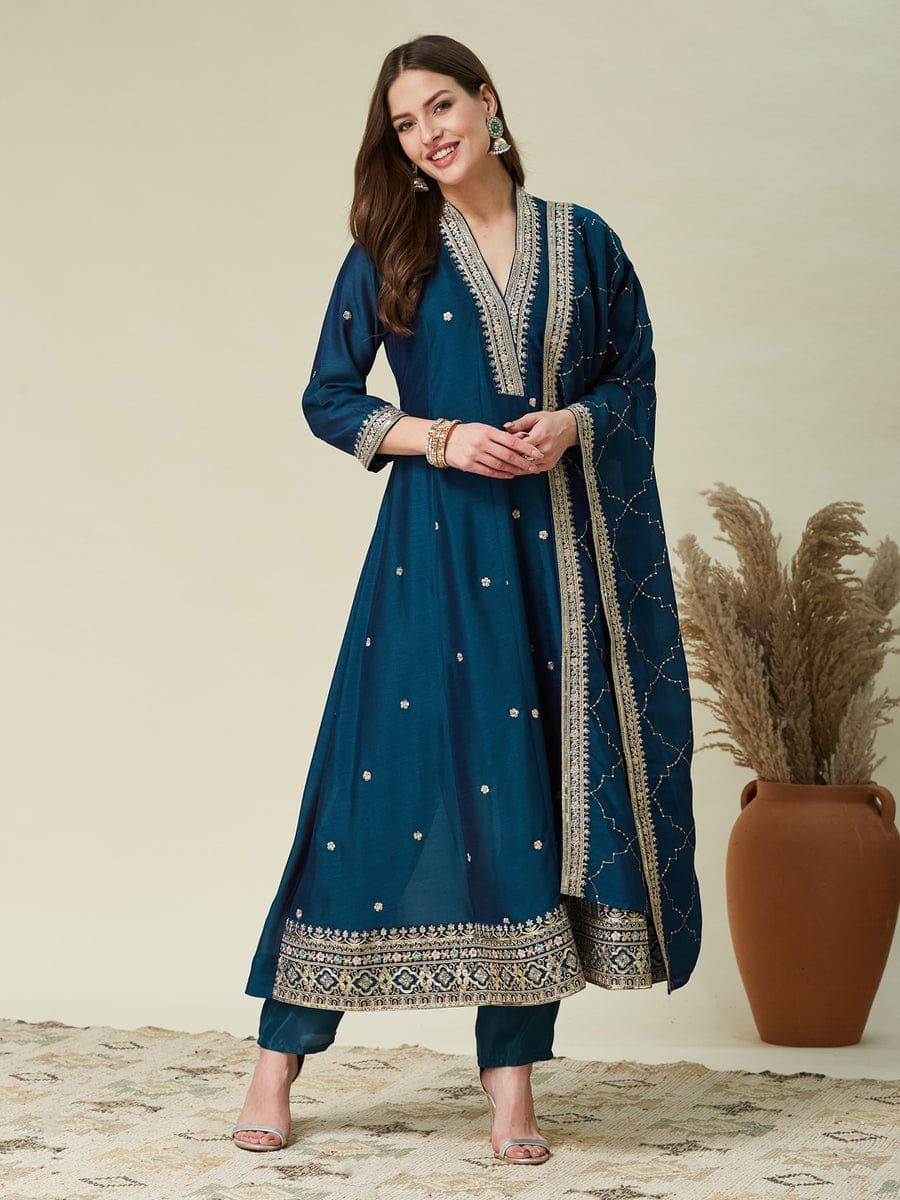
For an Anarkali, measure the fullest part of the bust and check where the flare begins. The waist seam should not pull when you sit, and the hem should remain safely above the ground with the footwear you intend to wear. For a straight suit, check the side seams and hip ease because a narrow lower section can restrict walking even when the shoulders fit.
Try the full outfit with footwear, jewellery and the intended undergarments. A kurta that seems long in bare feet may become practical with a low block heel, while an ankle-length straight suit can look unexpectedly short with flat sandals. Allow enough time for alterations, particularly when the wedding is less than two weeks away.
The final decision can be reduced to one practical test. Choose the Anarkali if movement, dramatic shape and ceremonial presence matter most. Choose the straight suit if ventilation, easy travel, a flexible dupatta and long-duration comfort matter most. Both silhouettes can look wedding appropriate when fabric weight, embellishment and fit match the daytime setting.
Common Questions About Choosing a Day Wedding Salwar Suit
Which is better for a day wedding: an Anarkali or a straight suit?
A straight suit is usually better for heat, walking and long ceremonies, while an Anarkali is better when you want movement and a more dramatic festive silhouette. Your venue, fabric weight and the level of formality should decide the final choice.
What are some good salwar suits for a wedding party?
Moderately embellished Anarkalis in Vichitra silk, lightweight silk or rayon cotton work well for a formal wedding party. A straight suit with an embroidered or zari-edged dupatta is a practical alternative when you want a polished look with less volume.
Are cotton salwar suits suitable for a wedding?
Cotton salwar suits can suit a daytime wedding when the fabric has a refined print, embroidery, woven texture or dressy dupatta. Plain everyday cotton may be too casual for a formal reception, so match the finish to the invitation and venue.
How heavy should a salwar suit be for a daytime wedding?
Choose moderate embellishment and breathable construction for most daytime weddings. Dense zari, sequins, multiple layers and thick lining may be uncomfortable outdoors, particularly during summer or a ceremony lasting several hours.
Is a ready-made salwar suit with dupatta practical for wedding shopping?
A ready-made salwar suit with dupatta is practical when the shoulder, bust, armhole, sleeve and length measurements are checked carefully. Try the complete set with footwear and pin the dupatta before the wedding to confirm that the outfit permits comfortable movement.
Which salwar suit is trending for wedding guests now?
Embroidered Anarkalis, refined straight suits, Vichitra silk styles, Phulkari-inspired surfaces and statement dupattas remain versatile choices for wedding guests. The most wearable trend is one that balances visible craftsmanship with fabric weight and comfort suitable for the time of day.