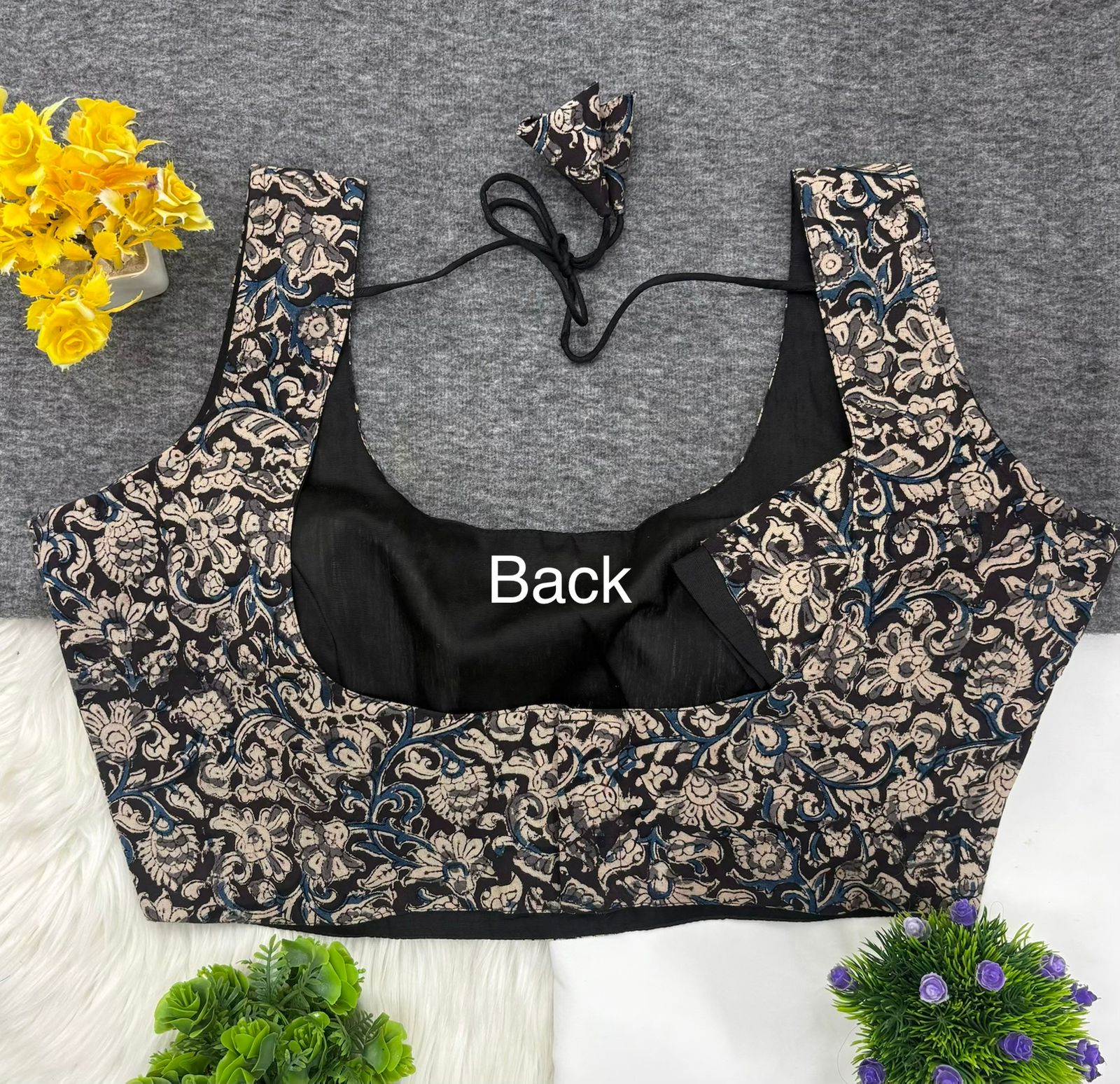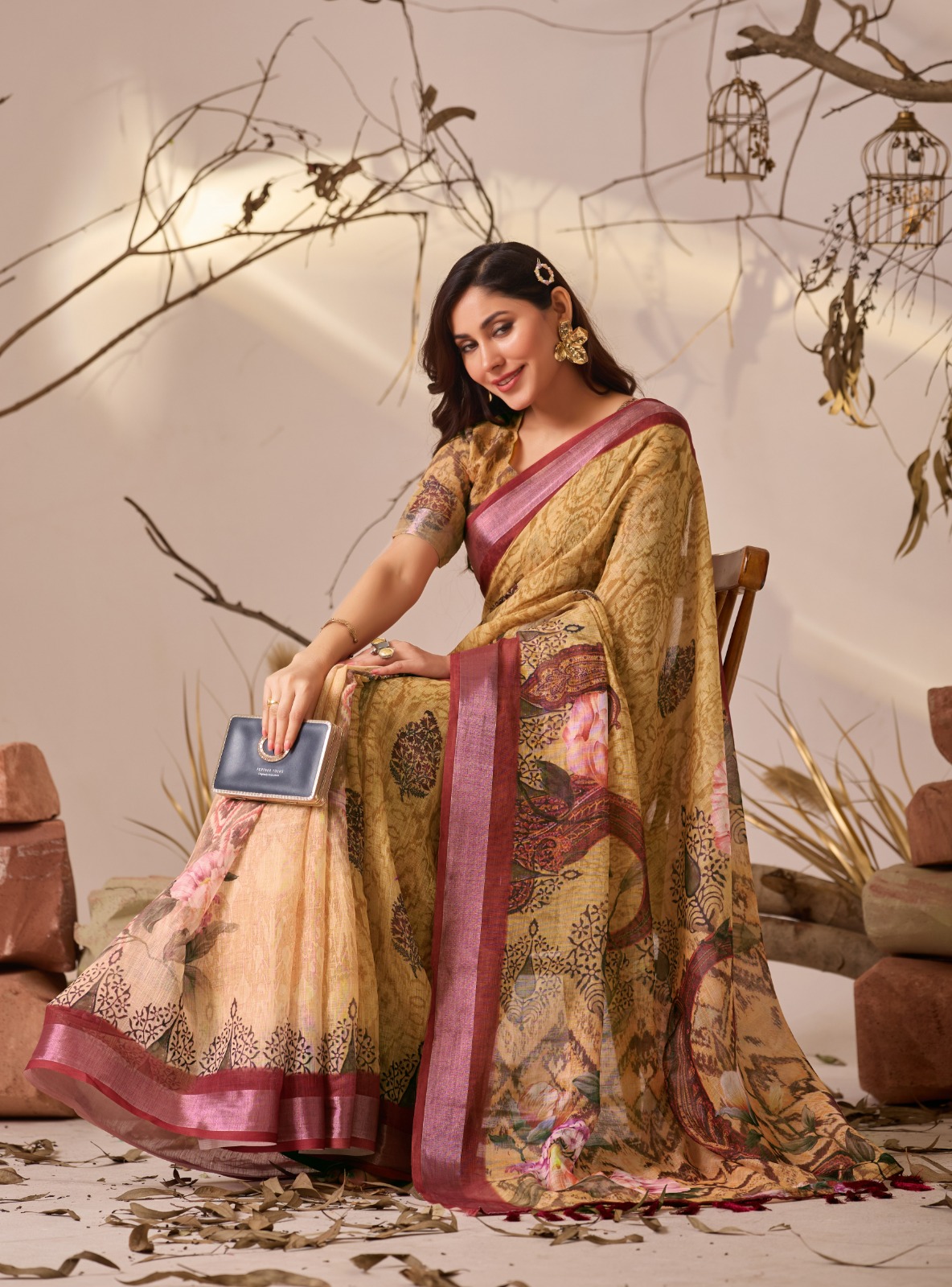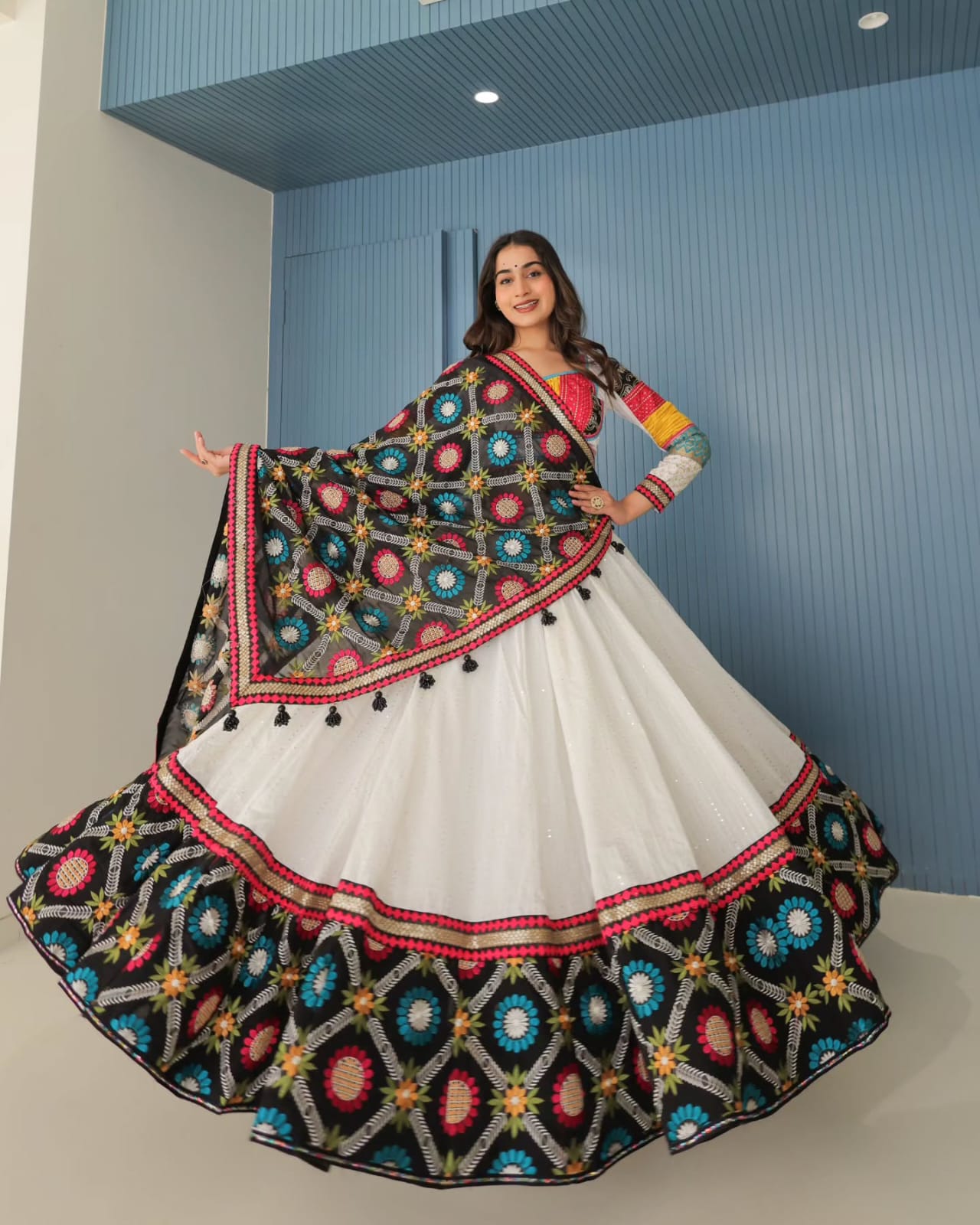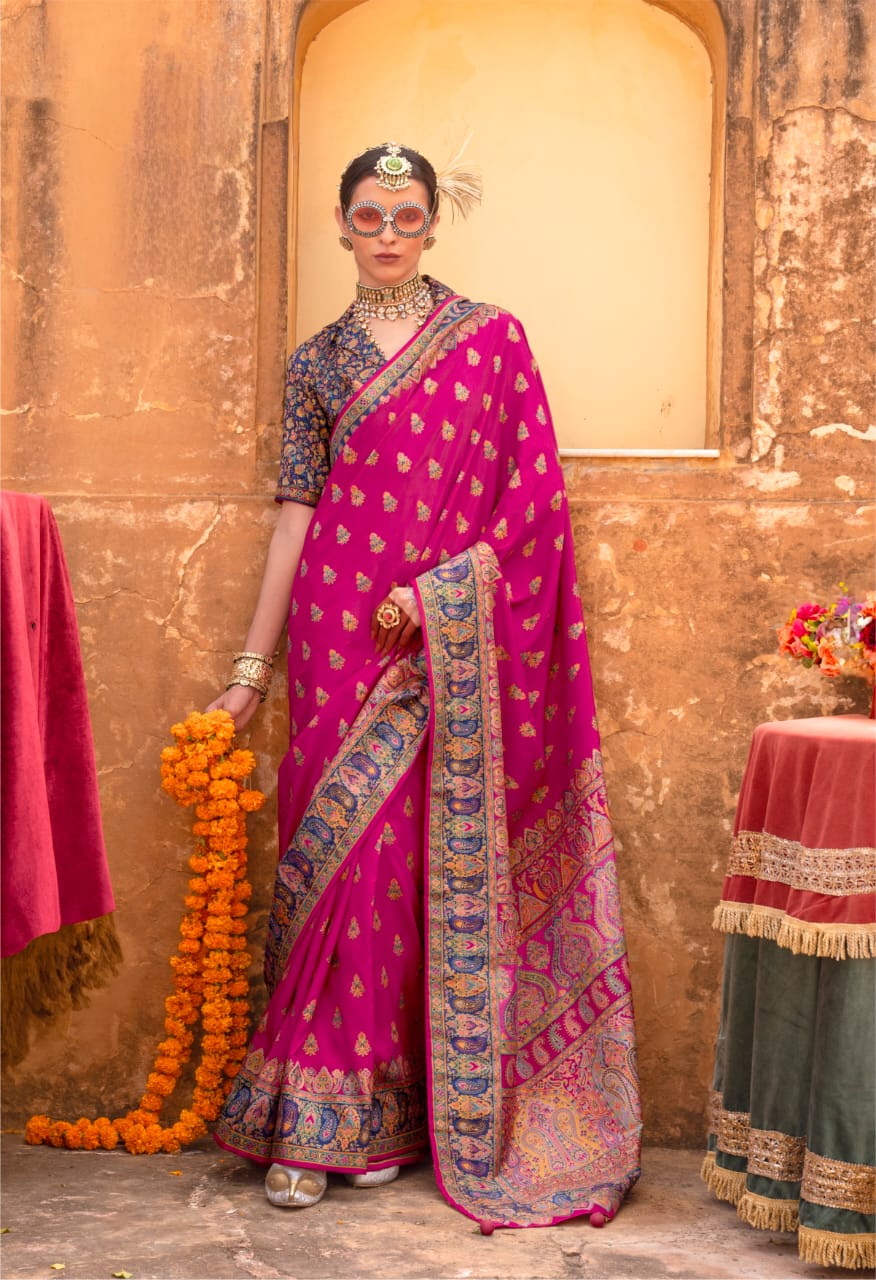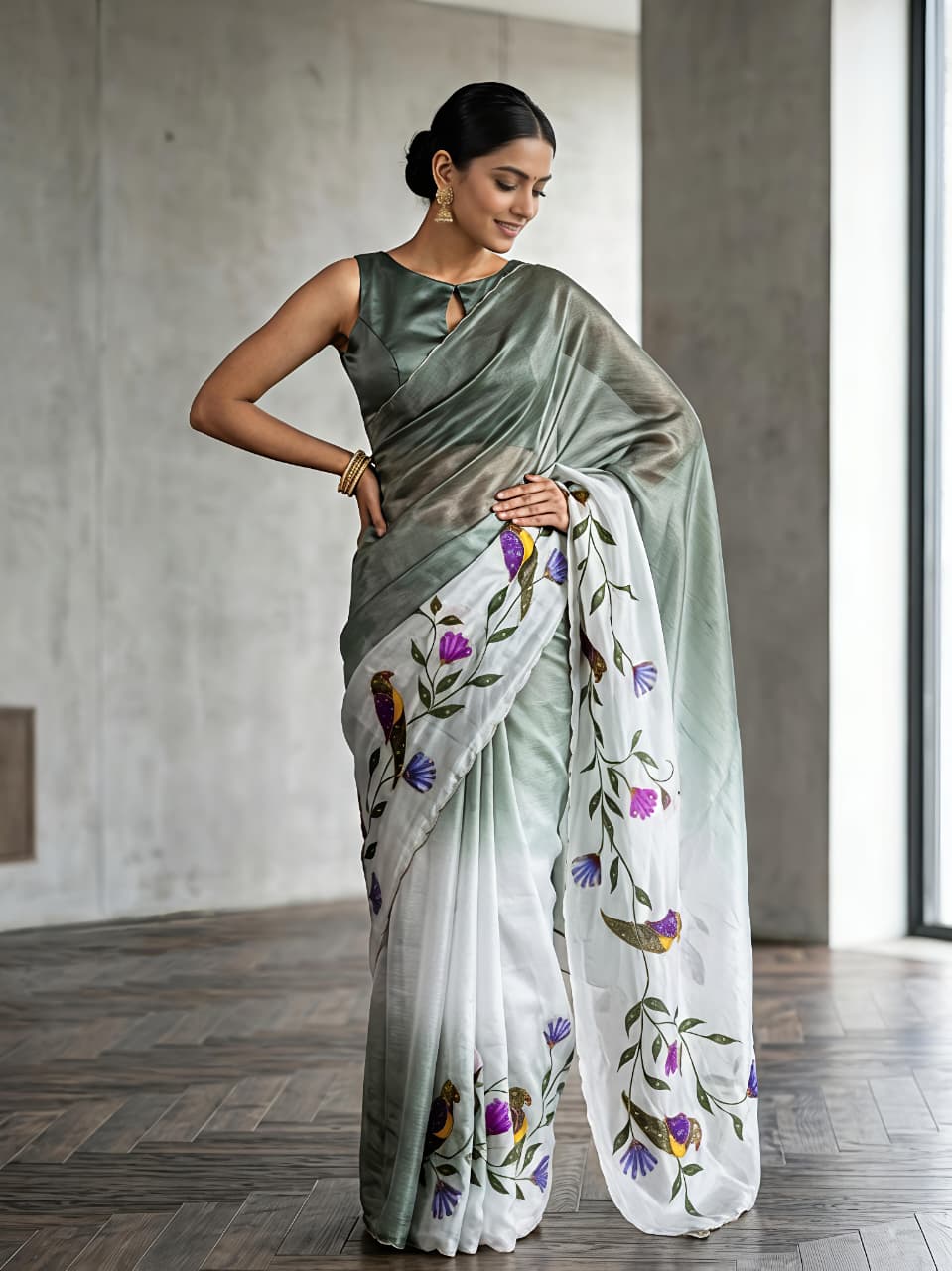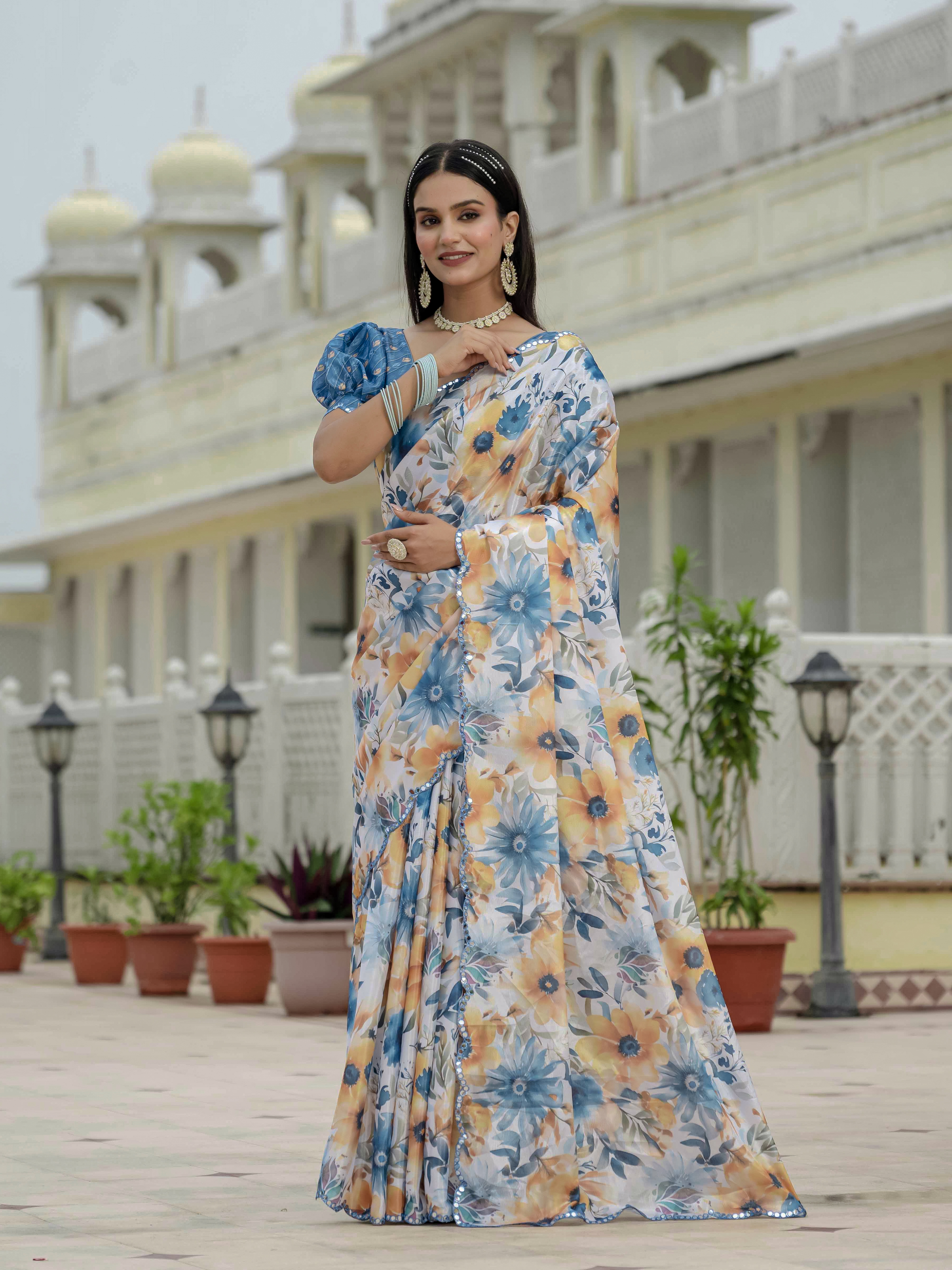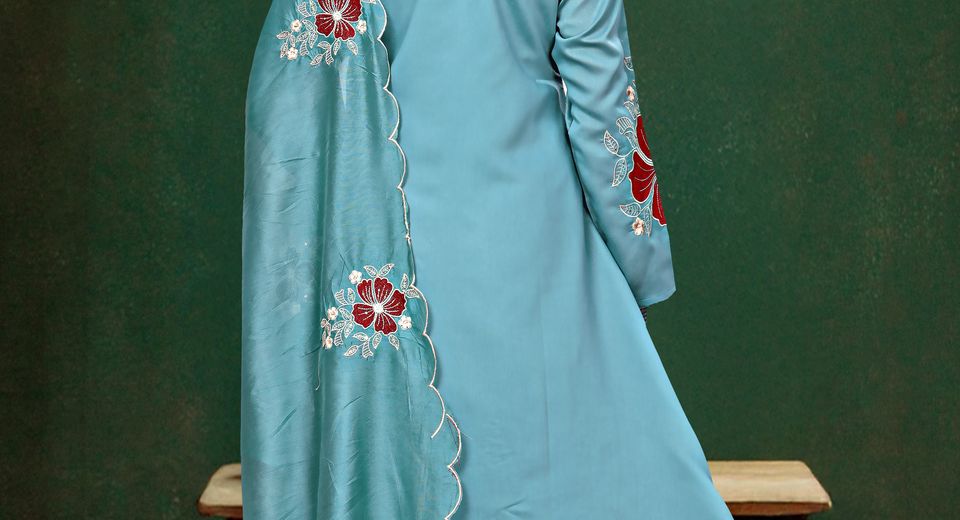
Shivratri in Kashmir: Traditional Kashmiri Outfit Ideas for Women should balance reverence, winter warmth and the distinctive visible language of Kashmiri clothing. Herath, the Kashmiri name commonly used for the festival of Shivratri, is marked by prayers, family rituals and long hours spent moving between heated homes, courtyards and places of worship. A graceful long silhouette, a covered shoulder and a certain warm layer are therefore more useful than a look chosen only for photographs.
Kashmiri dress traditions offer more than one fixed costume for women. The pheran, a loose long tunic worn across the region, remains an important reference point, while sarees, anarkalis, salwar suits and sharara sets can also be adapted for a festive gathering. Fabric weight, sleeve length, hem comfort and the ability to add a shawl matter as much as colour or embroidery.
Shivratri in Kashmir: Traditional Kashmiri Outfit Ideas for Women and the meaning of the silhouette
Shivratri clothing in Kashmir is distinctive because it combines modest festive dressing with practical protection from cold weather. A long, flowing silhouette, a covered shoulder, a warm shawl and restrained jewellery create an appearance that feels appropriate for religious observance and family celebration.
Herath takes place during the colder part of the year, so lightweight summer fabrics may look attractive but prove uncomfortable after sunset. Pashmina, wool blends, silk, lined Chanderi and medium-weight woven fabrics offer more useful choices. A long kurta or anarkali also provides better coverage than a cropped blouse and narrow skirt when women sit on the floor or walk outdoors.
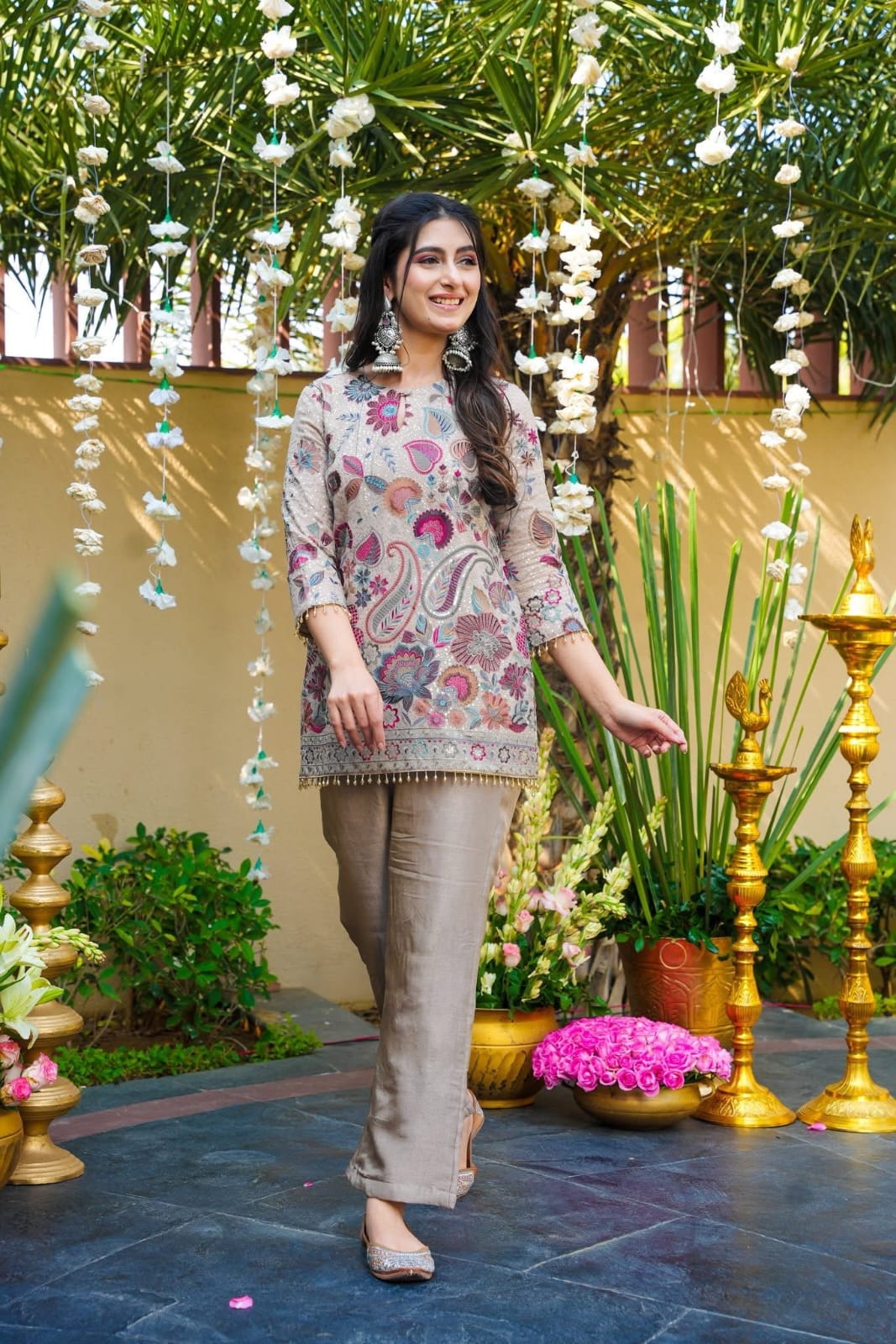
Kashmiri visual details can be introduced without turning an outfit into costume. Paisley motifs, delicate floral embroidery, muted jewel tones, zari borders and a carefully draped shawl connect with the region's textile vocabulary. Respectful adaptation means using recognisable elements while keeping the outfit practical for the woman wearing it.
Shivratri in Kashmir: Traditional Kashmiri Outfit Ideas for Women for choosing a silhouette
Women should choose a Kashmiri silhouette for Shivratri according to the day's movement, temperature and level of formality. A long kurta set suits prayer visits and daytime family rituals, while a saree or richly worked anarkali is better for a formal evening gathering.
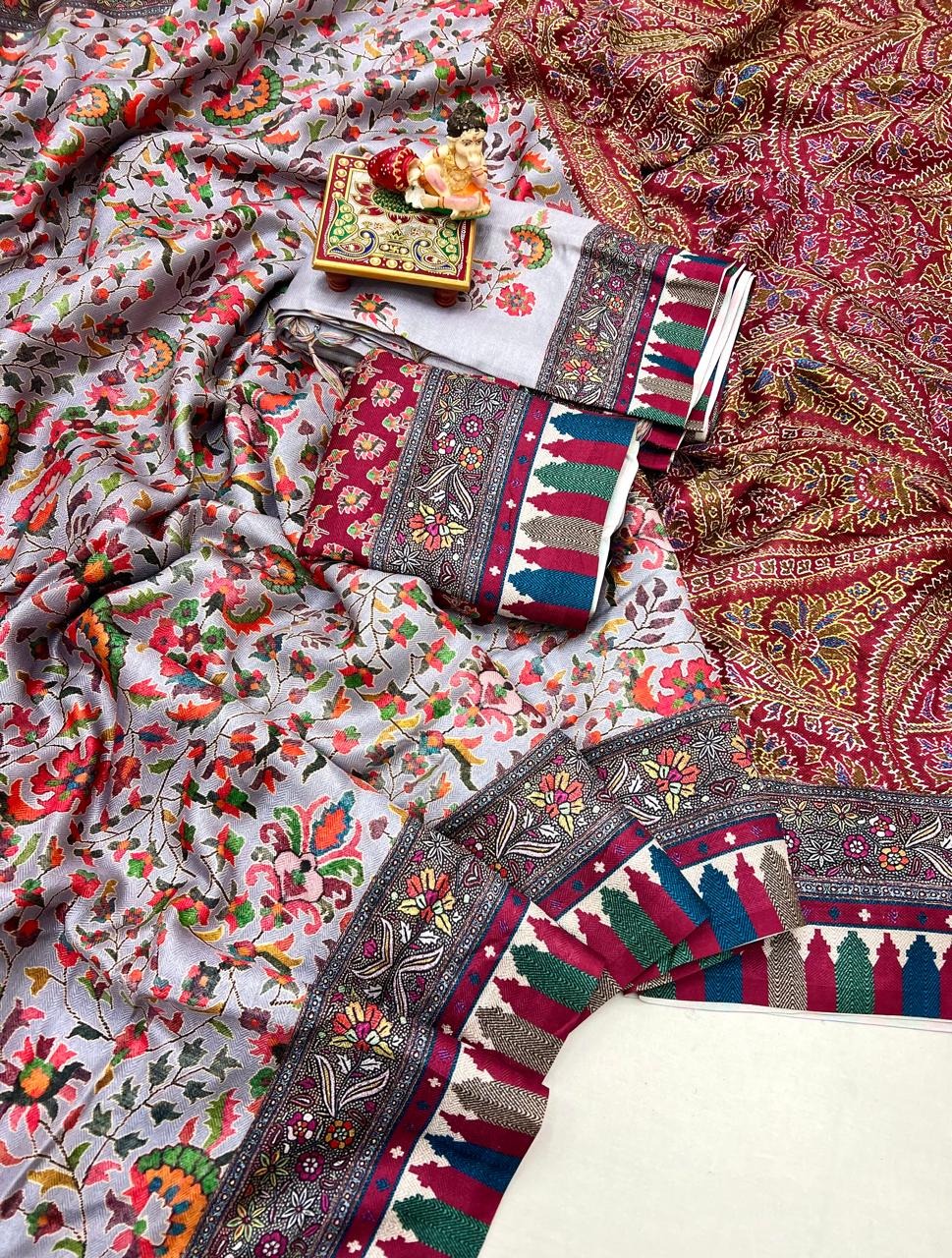
Pheran-inspired kurta sets
A pheran-inspired kurta has a relaxed body, generous sleeves and a hem that usually falls below the knee. The shape allows a thermal vest or thin blouse underneath without looking tight, which is useful when temperatures drop. Pairing a long kurta with straight pants or a narrow churidar preserves ease while keeping the overall line neat.
The Festive Red Chanderi Kurta Pant Dupatta Set Women demonstrates how a long, festive kurta set can provide structure without excessive bulk. Chanderi is lighter than wool, so add a fine thermal layer and a pashmina shawl if the gathering extends outdoors. Red works well for a festive family setting, while maroon, ivory, bottle green and plum create quieter alternatives for a prayer visit.
Sarees with a warm shoulder layer
A saree works well for Shivratri when the blouse has comfortable sleeves and the pallu remains securely draped over the shoulder. Silk, silk blends and pashmina-textured sarees are more suitable than very thin georgette for a cold Kashmiri evening.
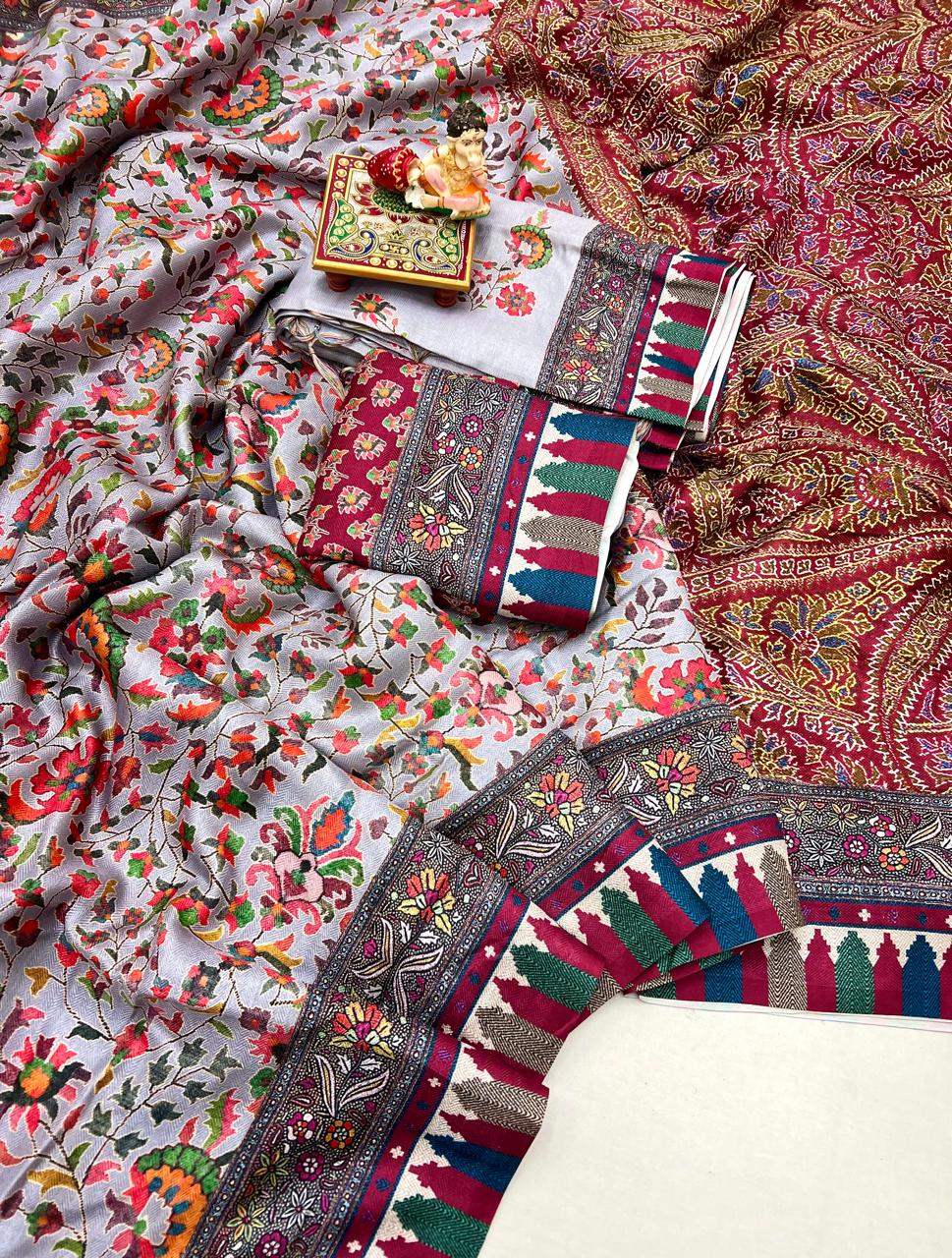
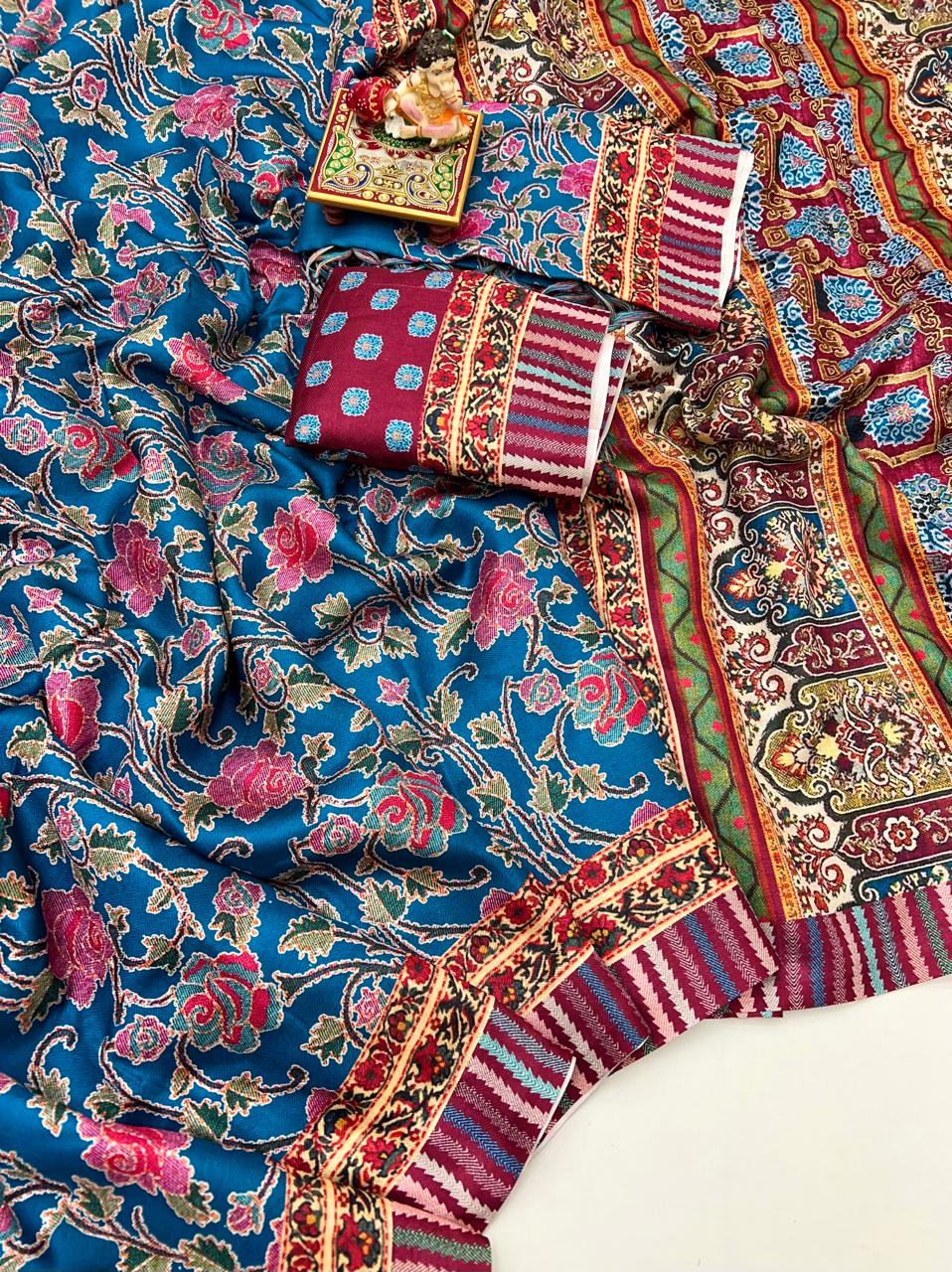
The Kashmiri Style Pashmina Saree With Shawl Set illustrates an useful styling principle: coordinate the saree and shawl rather than treating the shawl as an afterthought. The Grey Kashmiri Style Pashmina Saree With Shawl & Blouse offers another practical direction for women who prefer a complete layered look. Grey, dove, charcoal and silver tones allow zari jewellery or a coloured bindi to provide the visual accent.
Anarkalis and shararas
Anarkalis and shararas are suitable for festive Shivratri gatherings because both silhouettes offer movement and can accommodate a full-length inner layer. Choose a lined bodice, a comfortable waist and trousers that don't drag on the floor during prayer or while walking.
The Festive Wear Maroon Silk Anarkali Suit Set for Women creates a formal winter profile through its deeper colour and fluid fall. The Brown Chinon Silk Sharara Suit Set for Women can work for a family celebration when paired with a full-sleeved inner blouse or a warm, close-fitting camisole. Chinon silk may require additional layering because a rich appearance doesn't automatically mean thermal warmth.
Shivratri in Kashmir: Traditional Kashmiri Outfit Ideas for Women and suitable fabrics
Pashmina, wool, silk, lined Chanderi and medium-weight blends are among the most useful fabrics for a warm Shivratri outfit. The best choice depends on whether the wearer will remain indoors, travel between locations or spend time outdoors after sunset.
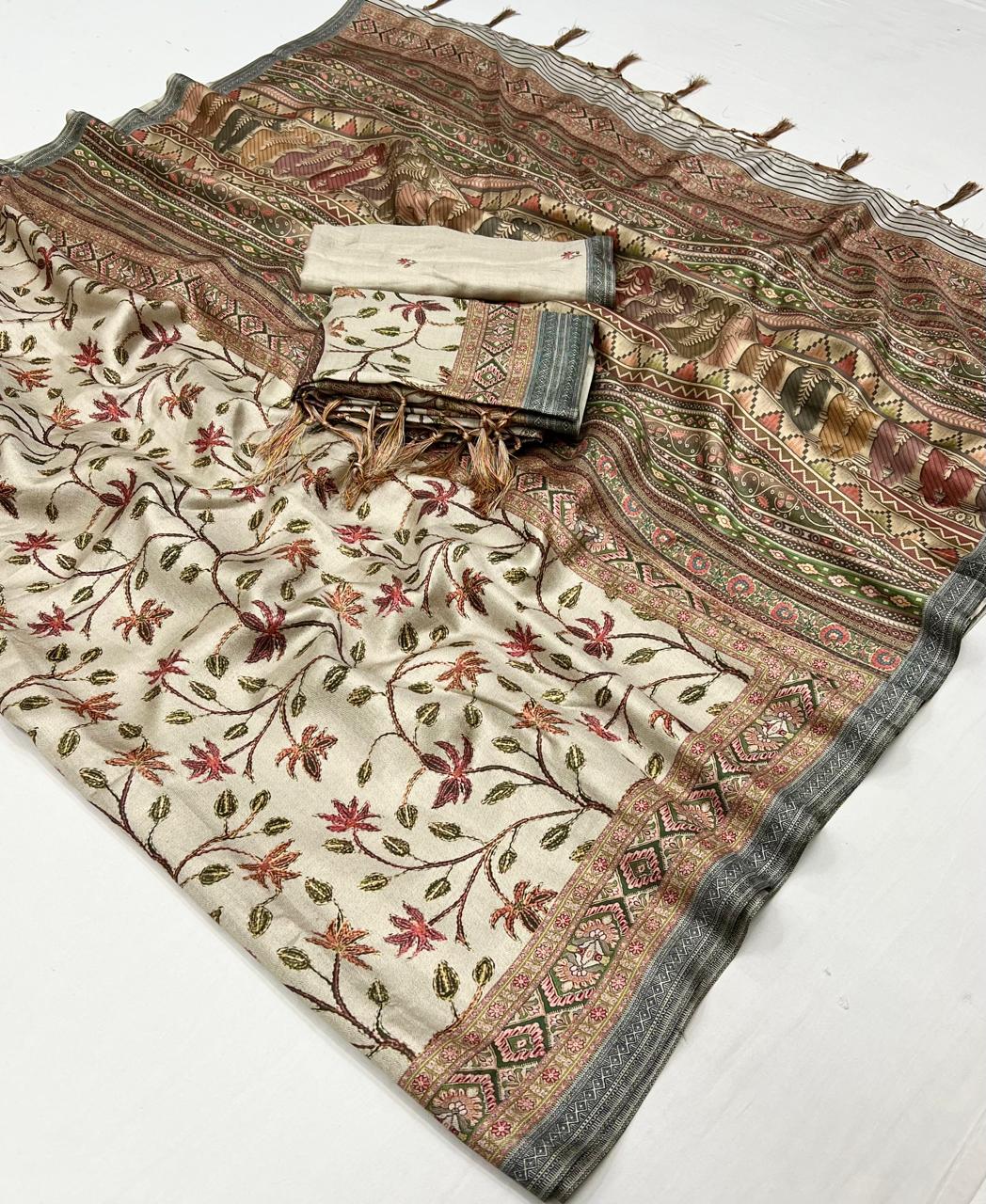
Banarasi silk adds ceremonial richness through woven zari and a patterned surface, but Banarasi silk alone may not provide enough insulation for a cold night. A silk saree becomes more practical with a warm petticoat, a full-sleeved blouse and a substantial shawl. Kanjeevaram is similarly festive and durable, although its heavier body may feel too formal for a relaxed home ritual.
Pashmina gives softness and warmth with relatively little weight, making it especially useful as a shoulder wrap. Genuine pashmina generally feels warm without becoming stiff, while very low-cost synthetic imitations may create static and offer less breathability. Ask about fibre composition before buying, and check whether the shawl is wide enough to cover both shoulders.
Chanderi is airy, crisp and elegant, but Chanderi needs an insulating layer in winter. A cotton or thermal inner slip, a lined kurta and a pashmina wrap can make Chanderi appropriate for a daytime ceremony. Silk blends offer an easier middle ground when the wearer wants sheen without the weight of a heavily woven silk.
Velvet accents can add warmth around cuffs, collars or shawl borders, but an entirely velvet outfit may become heavy indoors. A silk or Chanderi main garment with a velvet-trimmed dupatta or warm shawl is usually more comfortable. Avoid scratchy embellishment at the neckline because prayer and family visits can involve many hours of wear.
Shivratri in Kashmir: Traditional Kashmiri Outfit Ideas for Women using colour and embroidery
Kashmiri festive dressing can use maroon, saffron, ivory, deep green, plum, rust, navy and muted red to create a seasonal palette without relying on excessive decoration. Richer tones suit evening gatherings, while soft neutrals and controlled contrast work well for daytime rituals.
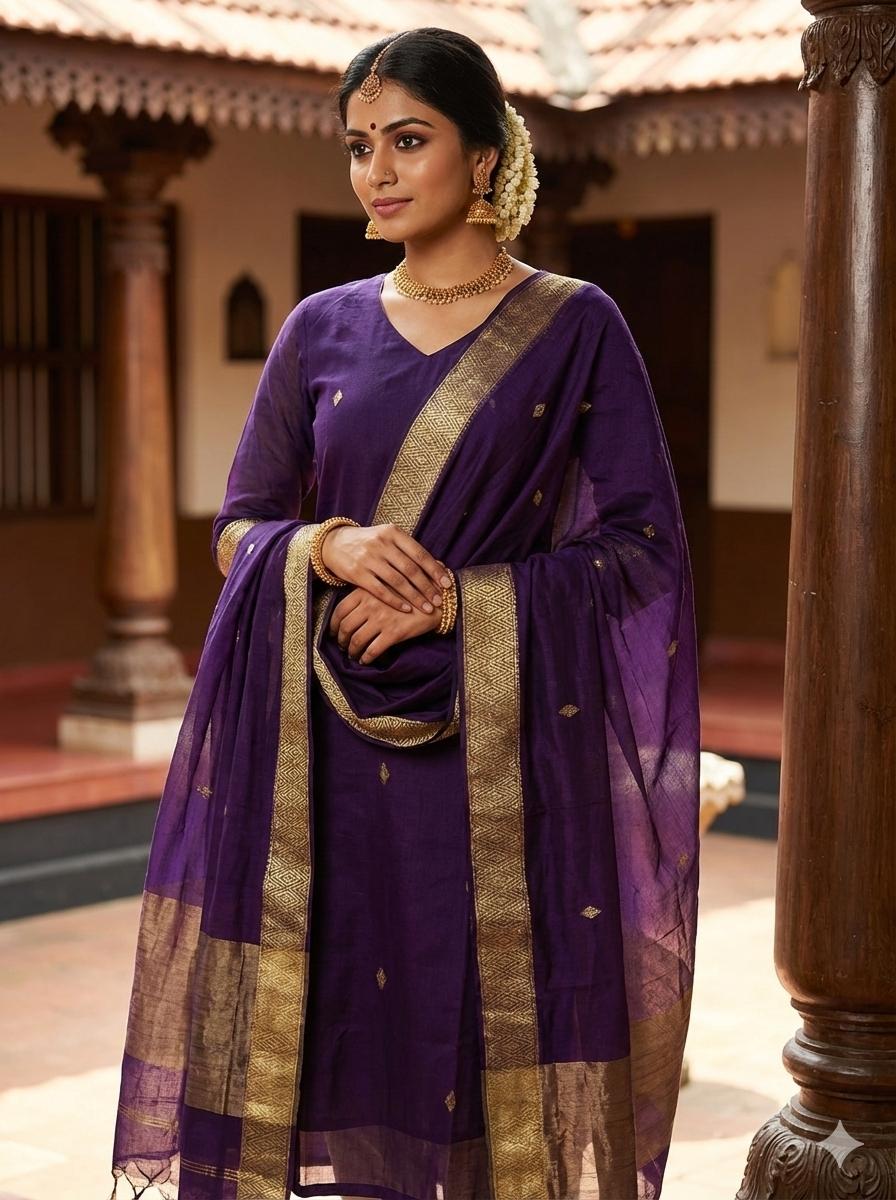
Maroon silk with antique gold zari gives an evening outfit depth, while grey pashmina with silver accents feels understated and winter-appropriate. Saffron and warm yellow acknowledge the celebratory mood of Shivratri, but muted ochre is often easier to style than a very bright shade. Ivory paired with walnut brown, forest green or burgundy creates a refined palette for a traditional home gathering.
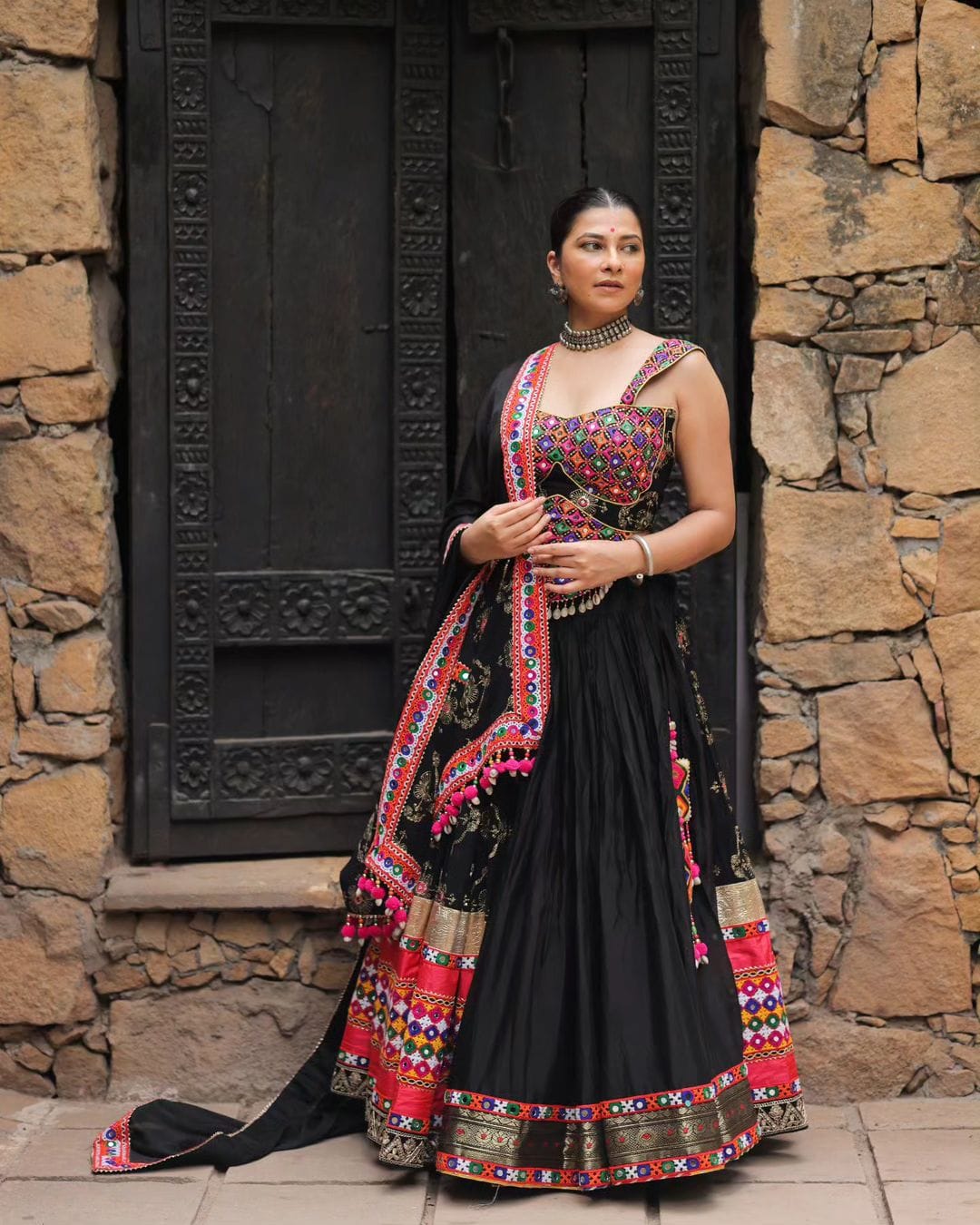
Kashmiri embroidery often draws on floral and paisley forms, and these motifs can be echoed through a border, shawl print or small panel rather than covering every surface. Zari should be checked for secure attachment, particularly on dupattas that may brush against door handles or jewellery. The Pink Mirror Work Zari Sharara Suit Set Online - Varnavi is more festive and reflective, making it better suited to a lively family celebration than a subdued prayer setting.
Embroidery placement also affects comfort. Dense work on the shoulder can make a shawl sit awkwardly, while heavy embellishment near the ankle can catch underfoot. A decorated yoke, cuff or hem gives visual interest while leaving the shoulder, waist and walking area flexible.
Shivratri in Kashmir: Traditional Kashmiri Outfit Ideas for Women with practical layers
Women should layer a traditional Kashmiri outfit with a thin thermal base, a warm shawl and, when needed, a long wool coat that can be removed indoors. Layering works best when each garment has a clear purpose and doesn't disturb the drape of the dupatta or saree.
Start with a breathable inner layer in a close fit. A thermal camisole or long-sleeved base can sit beneath a kurta without adding visible volume. For a saree, choose a blouse with enough room for the base layer and test the armhole before the event; a tight armhole makes a shawl difficult to arrange and restricts movement.
A shawl should cover the upper back and both shoulders when the wearer is outside. Drape one end over the opposite shoulder and secure the middle discreetly with a small brooch if the shawl keeps slipping. A brooch should sit on the fabric rather than pierce delicate pashmina repeatedly, because repeated pinning can weaken fine fibres.
The Modern Taupe Vichitra Silk Embroidered Co-Ord Set for Women brings a contemporary base for a layered look. Taupe pairs with rust, wine or forest-green outer layers, while the coordinated construction keeps the outfit visually clean under a large shawl. For particularly cold travel, a long neutral coat over a salwar suit is more useful than a thin cropped jacket.
Women travelling from warmer regions should plan the complete layering system before leaving home. Wear the thermal layer, outfit, shawl and coat together for at least ten minutes, then sit, walk and raise both arms. A practical outfit should allow these movements without exposing the waist, pulling at the neckline or making the shawl fall.
Shivratri in Kashmir: Traditional Kashmiri Outfit Ideas for Women with accessories and footwear
Accessories for Shivratri should be light enough for long wear and secure enough for prayer, travel and family greetings. A pair of jhumkas, small studs, a delicate pendant, glass bangles and one statement ring usually provide sufficient festive detail.
Choose jewellery that echoes the outfit's metal. Antique gold suits maroon, brown, saffron and deep green, while silver or oxidised metal complements grey, violet, navy and ivory. A maang tikka can suit a formal family gathering, but a small bindi is often more comfortable for a long day involving a shawl and head covering.
Footwear should have a warm, non-slip sole and enough room for socks. Closed juttis, flat mojaris with a padded insole or clean ankle boots can work better than delicate open sandals in cold weather. Avoid a very high heel if the itinerary includes uneven paths, removing footwear at a place of worship or standing for extended periods.
Keep handbags compact and hands-free where possible. A small structured potli or crossbody bag can hold a phone, tissues, keys and a spare hair tie without competing with the shawl. Metal chains may snag delicate saree borders, so a fabric strap is often the safer choice.
Shivratri in Kashmir: Traditional Kashmiri Outfit Ideas for Women beyond one regional wardrobe
Regional inspiration should be used thoughtfully when a woman wants to compare Indian festive silhouettes. The Sikkim Traditional Women's Dress Collection, Traditional Northeast Indian Dress Occasion Collection, Traditional Goa Dress for Women, Traditional Uttarakhand Dress for Women and Traditional Himachal Dress for Women each reflect different climates, histories and construction methods rather than interchangeable versions of one national costume.
For Shivratri in Kashmir, a Himalayan reference can be particularly useful when selecting sleeves, shawls and winter layers, but a garment should not be labelled Kashmiri solely because it's long or heavily embroidered. Check the fabric, cut, motif and regional description. This distinction helps preserve cultural accuracy while still allowing a modern personal wardrobe.
Women who prefer a brighter contemporary look can use a violet or pink accent through a dupatta, shawl or jewellery rather than replacing the entire winter palette. The Stylish Violet Ethnic Kurta Dupatta Set for Festive Wear brings an useful example of a saturated colour that can be grounded with a charcoal shawl and antique jewellery.
A brown or maroon base can be softened with ivory, while a grey saree can be warmed with rust or saffron. These combinations keep the outfit connected to a cold-weather setting and make existing accessories easier to reuse after Shivratri.
Shivratri in Kashmir: Traditional Kashmiri Outfit Ideas for Women and a final preparation checklist
A complete Shivratri outfit should be tested for warmth, modesty, movement, footwear comfort and fabric care before the festival day. Preparation prevents last-minute styling decisions from creating a beautiful but impractical ensemble.
- Check the weather forecast and plan one thermal layer for daytime travel and an additional outer layer for after sunset.
- Try the complete outfit while sitting on the floor, walking up steps and carrying a small bag.
- Secure the saree pallu or dupatta with a discreet pin placed away from delicate zari and pashmina fibres.
- Confirm that the hem stays above the ground and that sharara or palazzo trousers don't catch underfoot.
- Keep a spare hair tie, safety pins, tissues and a small fabric-friendly stain cloth in the handbag.
- Air silk, Chanderi and pashmina after wearing them, then store each garment clean, dry and away from direct sunlight.
For pashmina and embellished silk, dry cleaning should follow the care label rather than personal guesswork. Do not wring pashmina, scrub zari or iron directly over embroidery. Fold delicate shawls with acid-free tissue or a clean cotton cover, and avoid hanging heavy sarees for long periods because the fabric can lose its shape.
The strongest Shivratri wardrobe respects both the setting and the wearer. A pheran-inspired kurta, a pashmina saree, a lined Chanderi set or a silk anarkali can all feel appropriate when the clothing gives warmth, secure coverage and freedom to participate comfortably in family and religious observances.
Common Questions About Women’s Shivratri Dressing in Kashmir
What should women wear for Shivratri in Kashmir?
Women can wear a pheran-inspired kurta set, a warm saree with a shawl, a lined anarkali or a comfortable sharara suit. Pashmina, silk, lined Chanderi and wool-blend layers are practical choices because Shivratri falls during cold weather in Kashmir.
Is a saree suitable for Shivratri in Kashmir?
A saree is suitable when the blouse has comfortable sleeves and the pallu remains secure over a warm shoulder layer. Pashmina-textured sarees, silk sarees and medium-weight blends are more practical than thin georgette for an outdoor evening.
What colours are appropriate for a Kashmiri Shivratri outfit?
Maroon, ivory, saffron, deep green, plum, rust, navy, grey and muted red are appropriate festive choices. Use richer colours for evening gatherings and softer neutrals for daytime prayers or intimate family rituals.
How can women stay warm in traditional clothes during Shivratri?
Wear a thin thermal layer under the outfit, choose full or comfortable sleeves, add a pashmina or wool shawl and carry a long coat for travel. Test all layers while sitting and walking because excessive bulk can disturb a saree, dupatta or prayer posture.
Can women wear a pheran-inspired outfit for a Shivratri family gathering?
A pheran-inspired outfit is a practical and culturally resonant choice for a Shivratri family gathering. Select a long relaxed kurta with straight pants or a churidar, then add restrained embroidery, a warm shawl and secure flat footwear.
How should pashmina and zari outfits be cared for after Shivratri?
Air pashmina and embellished garments after wearing them, follow the care label and avoid wringing, scrubbing or direct ironing. Store delicate shawls folded in a clean breathable cover, and keep zari away from moisture, friction and prolonged sunlight.