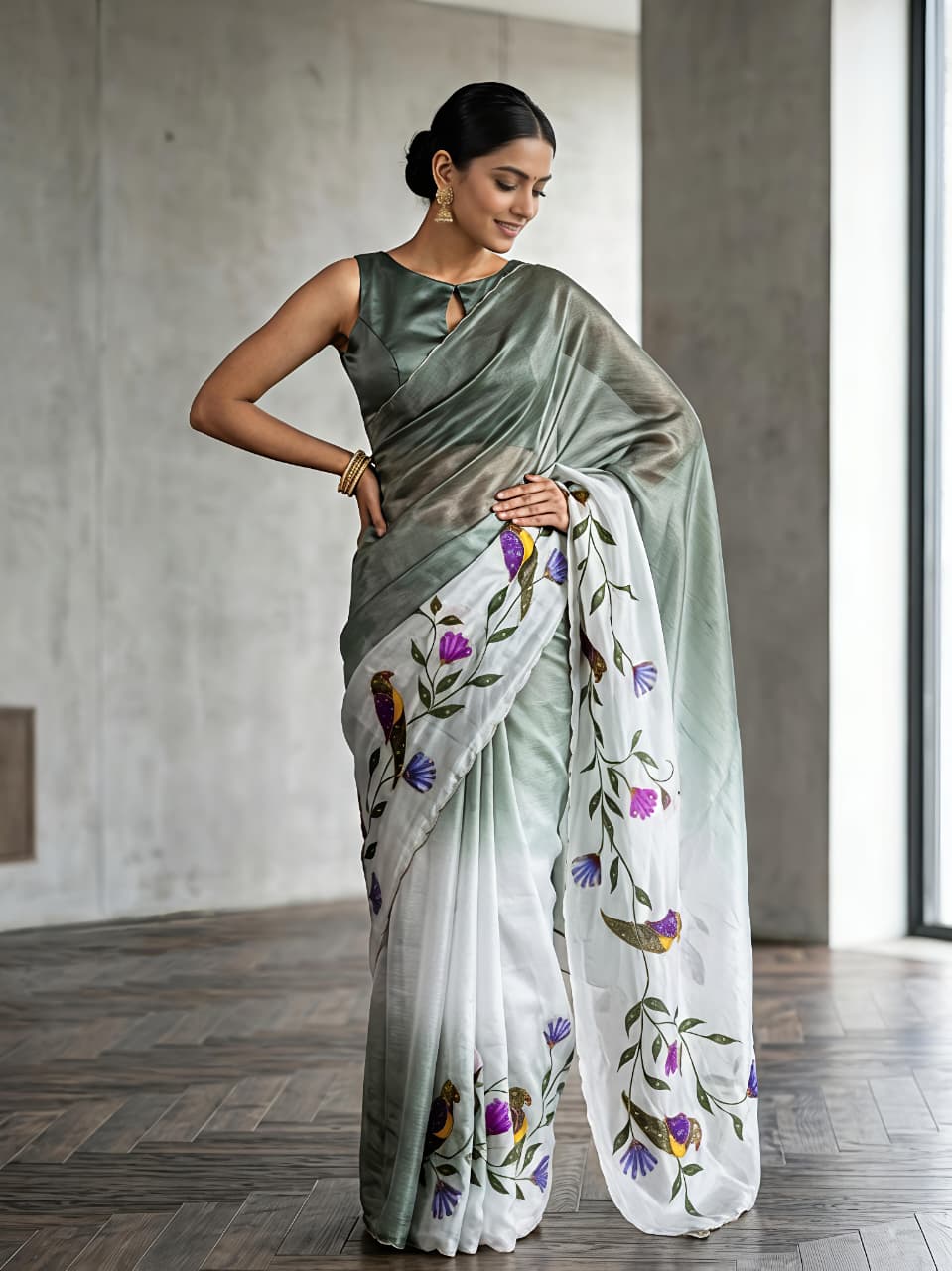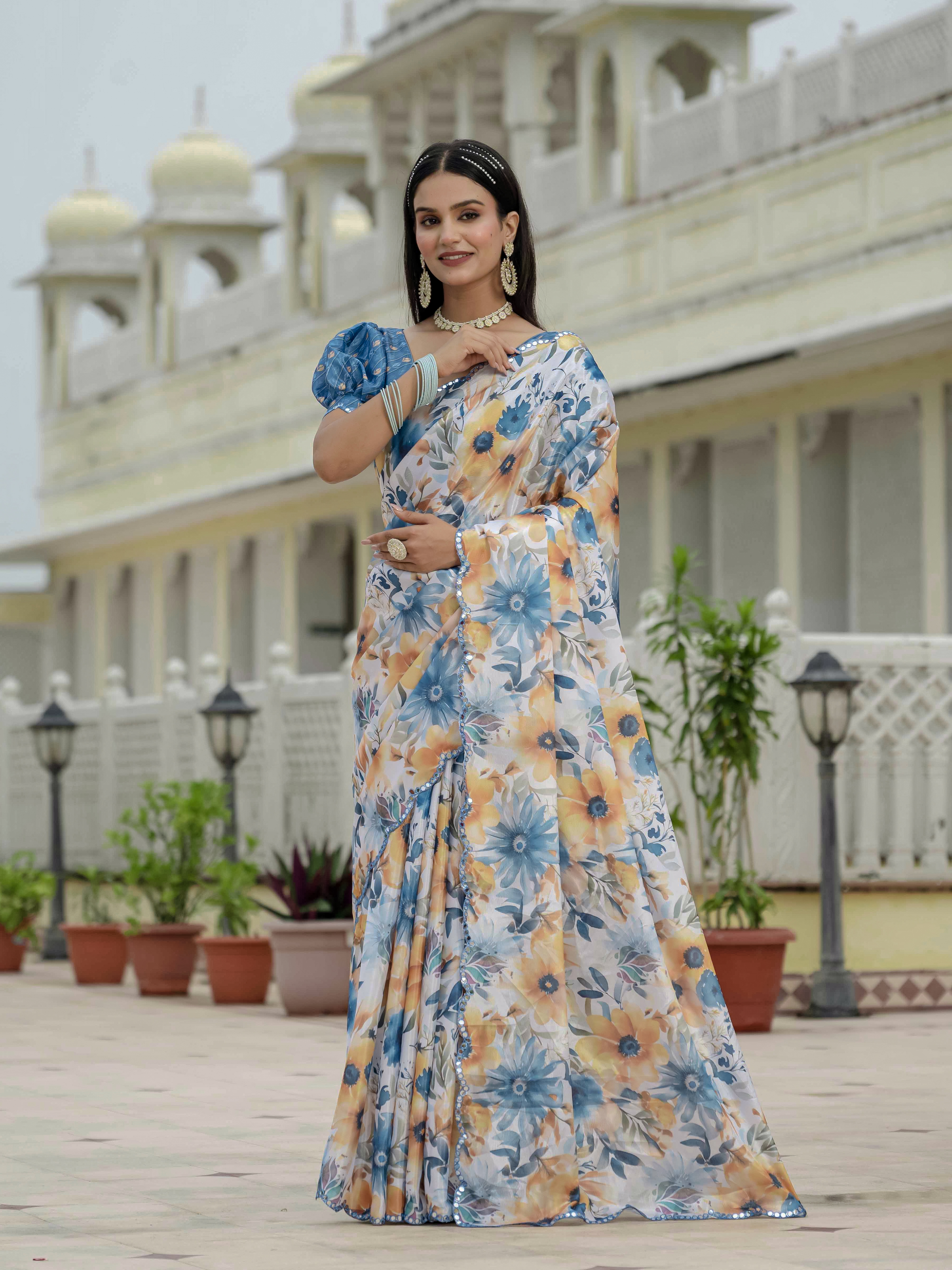
Shigmo Festival Outfit Ideas should account for more than bright colour and festive embroidery. Goa's spring celebration includes parades, folk performances, music, processions and long periods outdoors, so the strongest outfit combines regional character with breathable fabric, secure draping and comfortable movement. A Goan-inspired saree, salwar suit, sharara or kurta set can look celebratory without becoming difficult to wear in warm, humid weather.
Shigmo, also called Shimga in parts of Goa and the Konkan region, traditionally marks the arrival of spring. The festival is associated with community processions, gulal, folk dances, mythological tableaux and colourful floats. Clothing for Shigmo doesn't follow one single uniform dress code, but rich Indian textiles, vivid colours, floral details and traditional jewellery suit the festive atmosphere especially well.
Shigmo Festival Outfit Ideas should begin with weather and movement
Choose a Shigmo outfit according to the venue, weather, amount of walking and level of colour play planned for the day. A lightweight saree or salwar suit works well for a daytime procession, while a more embellished sharara, silk saree or gown can suit an evening cultural programme.
Goa's climate is warm for much of the year, and Shigmo celebrations may involve several hours outside. Fabrics such as Chanderi, crepe, cotton blends, lightweight silk and soft georgette usually feel easier to manage than heavily layered velvet or dense brocade. A lined blouse, opaque kurta and secure dupatta are useful when an outfit must remain comfortable during movement.
Colour can carry the festive mood without requiring excessive embellishment. Fuchsia, marigold, parrot green, teal, vermilion, royal blue and ivory with gold are suitable choices. A plain outfit can look distinctly festive when paired with a bright dupatta, oxidised earrings, a gajra or a traditional waist belt.
Which Shigmo Festival Outfit Ideas work for a long procession?
A practical procession outfit has a secure neckline, manageable hemline, comfortable footwear and accessories that don't snag easily. Choose a saree with a firmly pinned pallu, a salwar suit with side pockets where possible, and footwear with a cushioned sole rather than a delicate high heel.
Gulal and coloured water may be present at some celebrations, although participation varies by neighbourhood and event. Avoid wearing a very pale, dry-clean-only garment if close contact with colours is likely. A colourful outfit with washable lining, detachable accessories and a simple protective stole is easier to enjoy and maintain.
Shigmo Festival Outfit Ideas for Goan sarees and festive drapes
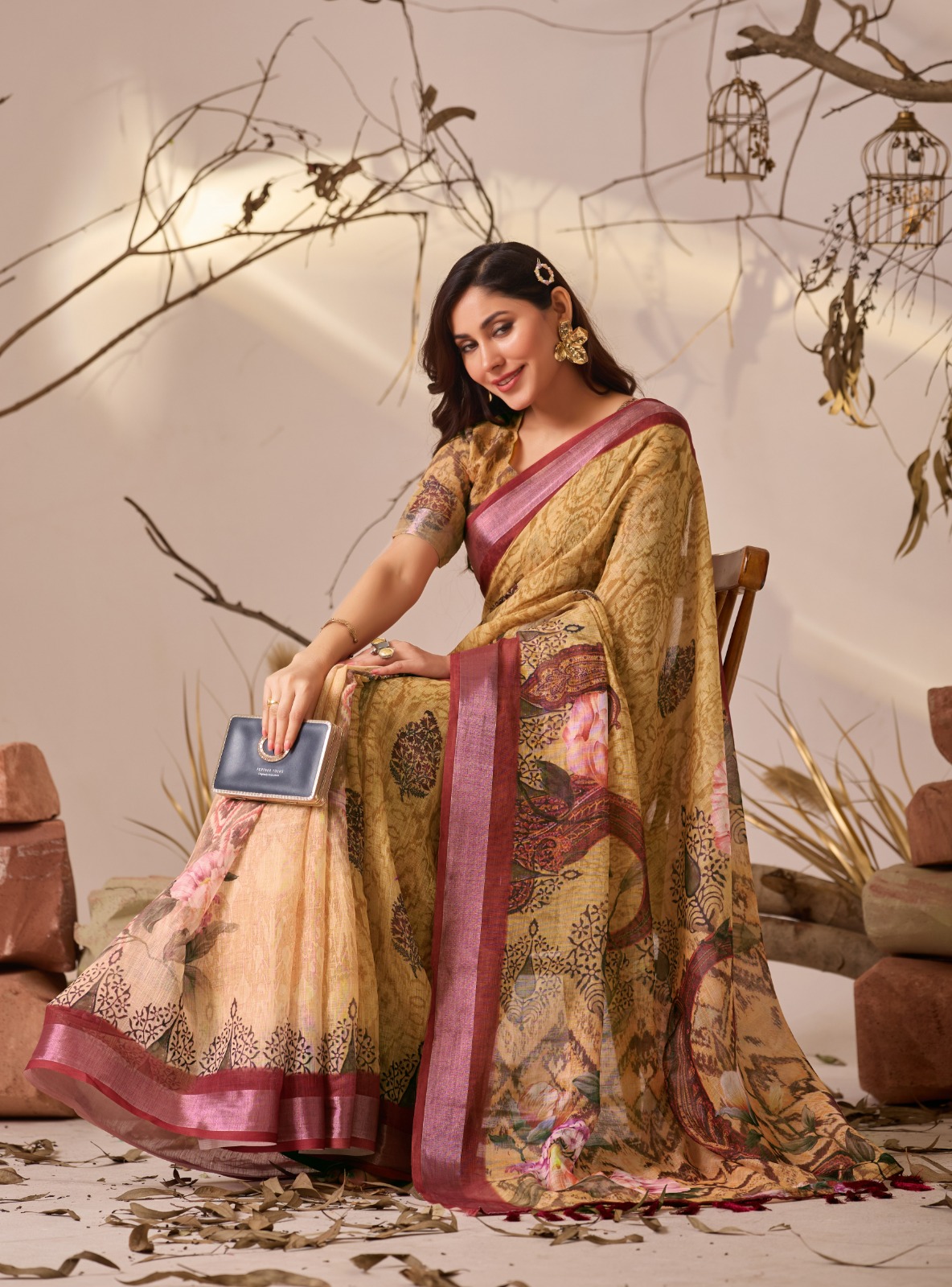
A Goan saree for Shigmo should be lightweight, colourful and easy to secure for walking, dancing or sitting outdoors. Traditional inspiration can come from bright borders, floral motifs, temple-style jewellery, handloom textures and regional drapes rather than from copying a single fixed costume.
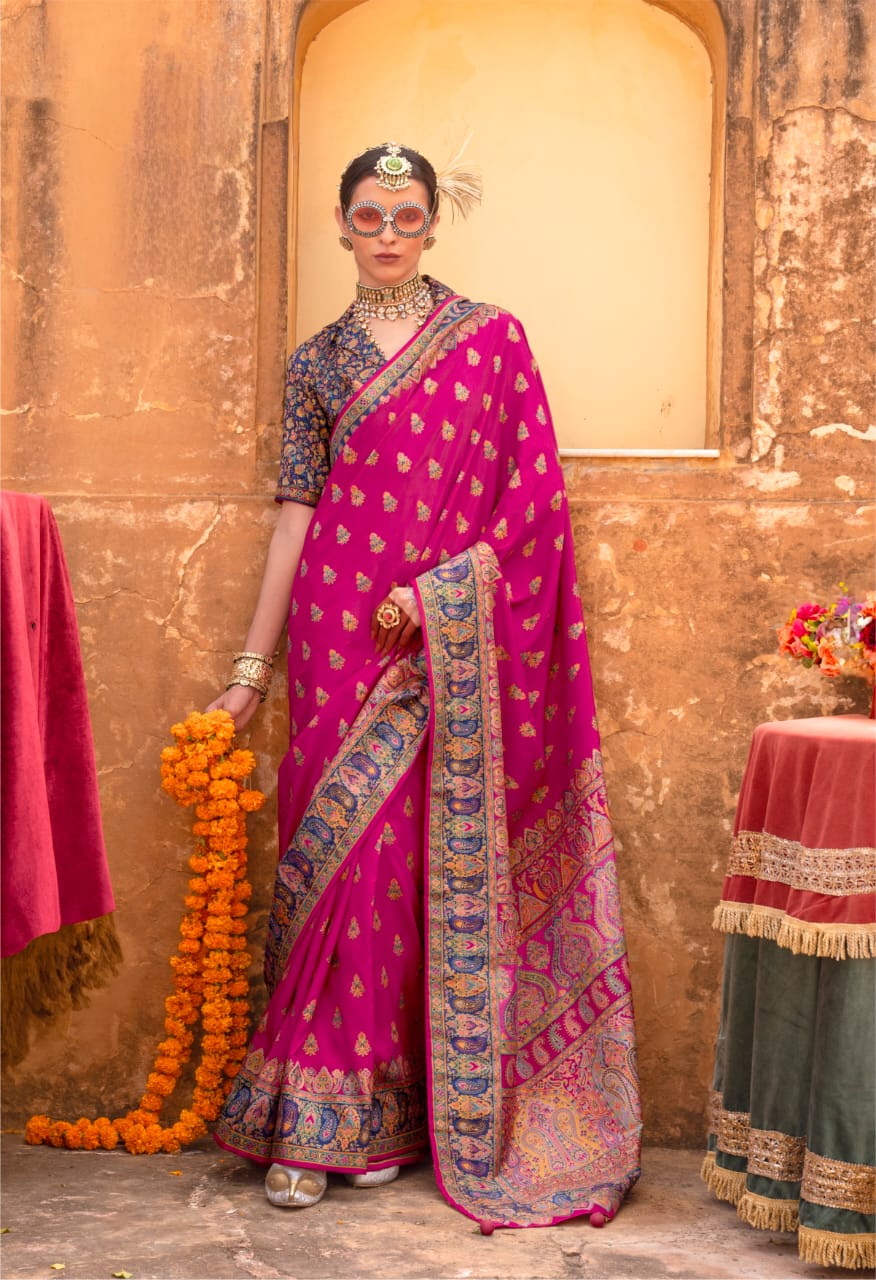
A Banarasi silk saree can bring gold zari and formal richness to an evening Shigmo event, but a lighter Banarasi blend is more comfortable for daytime wear. A Chanderi saree offers a translucent, airy appearance, while a cotton-silk saree gives better structure for pleats. Kanjeevaram can work for a formal family celebration, although its heavier silk body may feel warm during a long outdoor procession.
Festive Teal Banarasi Saree with Traditional Motifs shows how a jewel tone and traditional pattern can create a complete look without excessive surface decoration. Pair a teal saree with a marigold, coral or antique-gold blouse to echo Goa's vivid festival palette. A three-quarter-sleeve blouse is useful when the event continues into the evening or when additional arm coverage is preferred.
How can Shigmo Festival Outfit Ideas keep a saree comfortable?
Keep a saree comfortable by using a well-fitted petticoat, lightweight blouse, secure pleats and low, stable footwear. A cotton or breathable shapewear petticoat reduces heat, while six to eight firm pleats help prevent the lower edge from dragging during walking.
Pin the pallu at the shoulder and, if needed, add a discreet pin near the waist. Avoid placing heavy brooches on delicate Chanderi or organza because concentrated weight can pull the weave. Small jhumkas, a stack of two or three bangles and a compact potli usually provide enough decoration without making the outfit cumbersome.
Shigmo Festival Outfit Ideas featuring practical salwar suits
Salwar suits are among the most practical Shigmo Festival Outfit Ideas because they provide coverage, easy movement and several options for adjusting warmth. Straight-cut suits suit family gatherings, anarkali silhouettes create graceful movement during cultural programmes, and palazzo suits offer a modern shape with generous leg room.
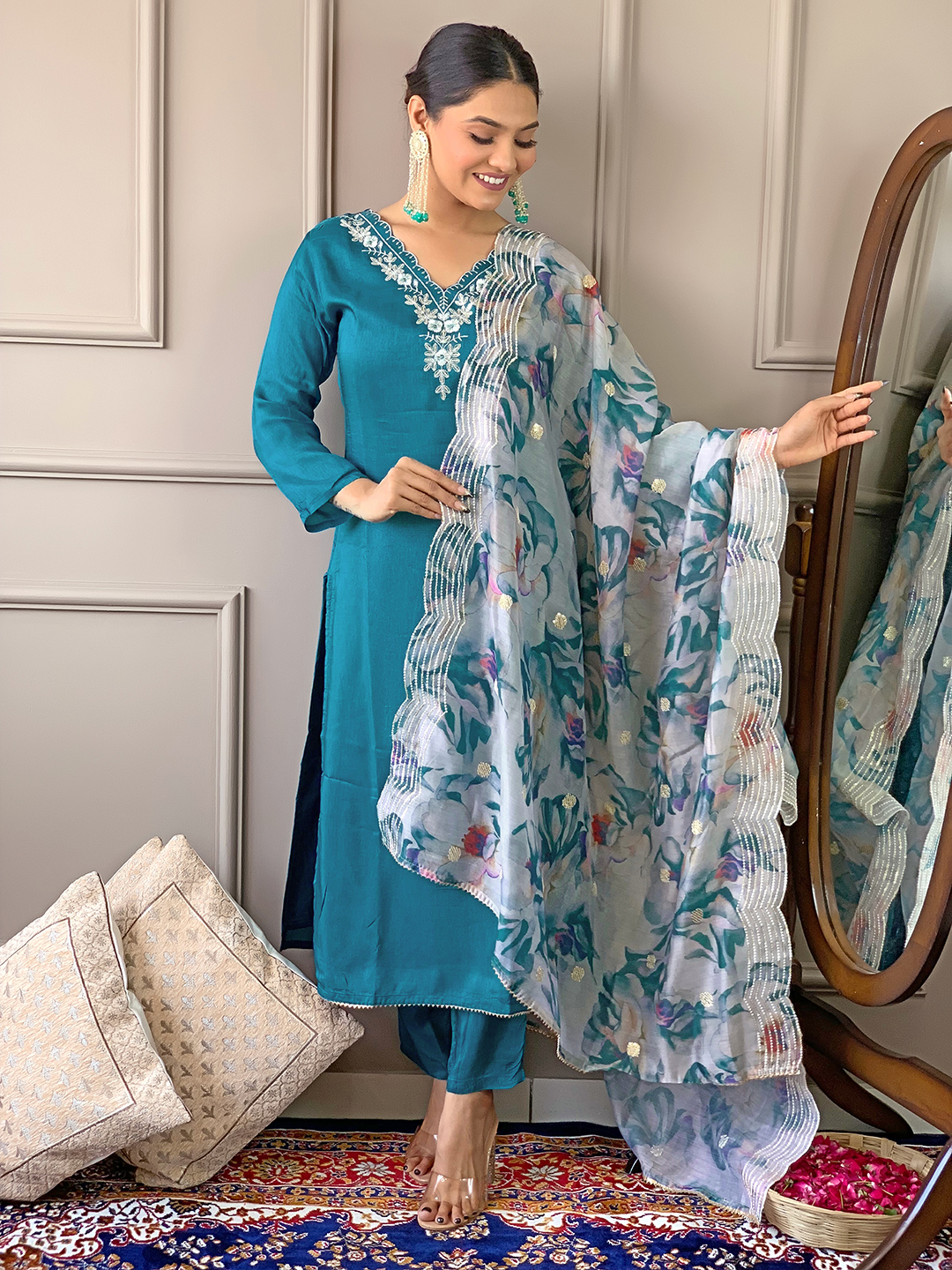
A crepe or soft georgette maxi suit creates a flowing festive silhouette while remaining easier to walk in than a floor-length gown with a wide train. Maroon, green, teal and multicolour embroidery work particularly well for Shigmo because these shades remain visible in outdoor light and complement colourful decorations.
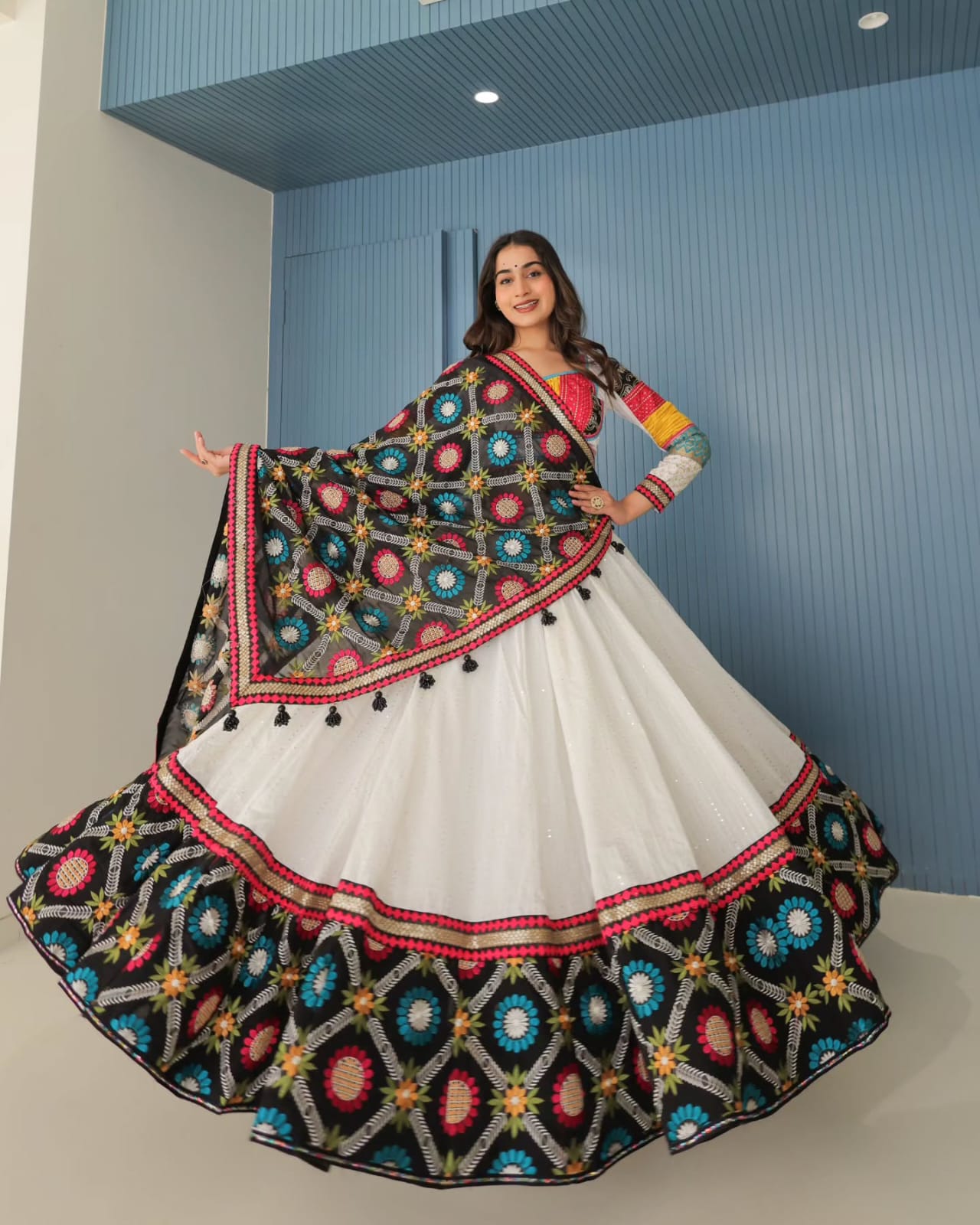
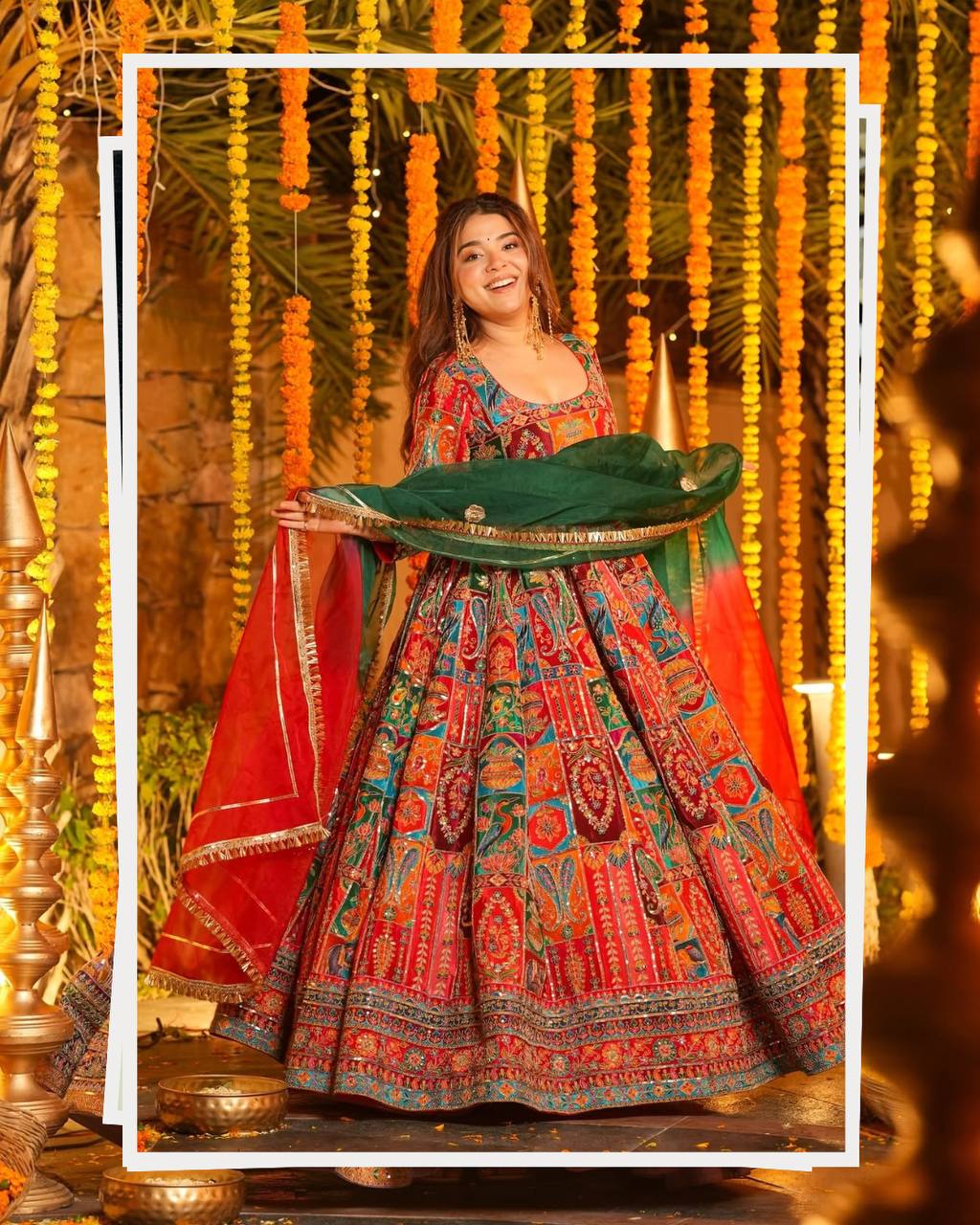
Multicolor Embroidered Crepe Maxi Suit Set for Festive Wear is a useful example of a statement silhouette for an evening event. Keep jewellery restrained when the fabric already carries several colours: choose gold-toned studs, a slim bangle stack and a small clutch instead of a large necklace and layered chains.
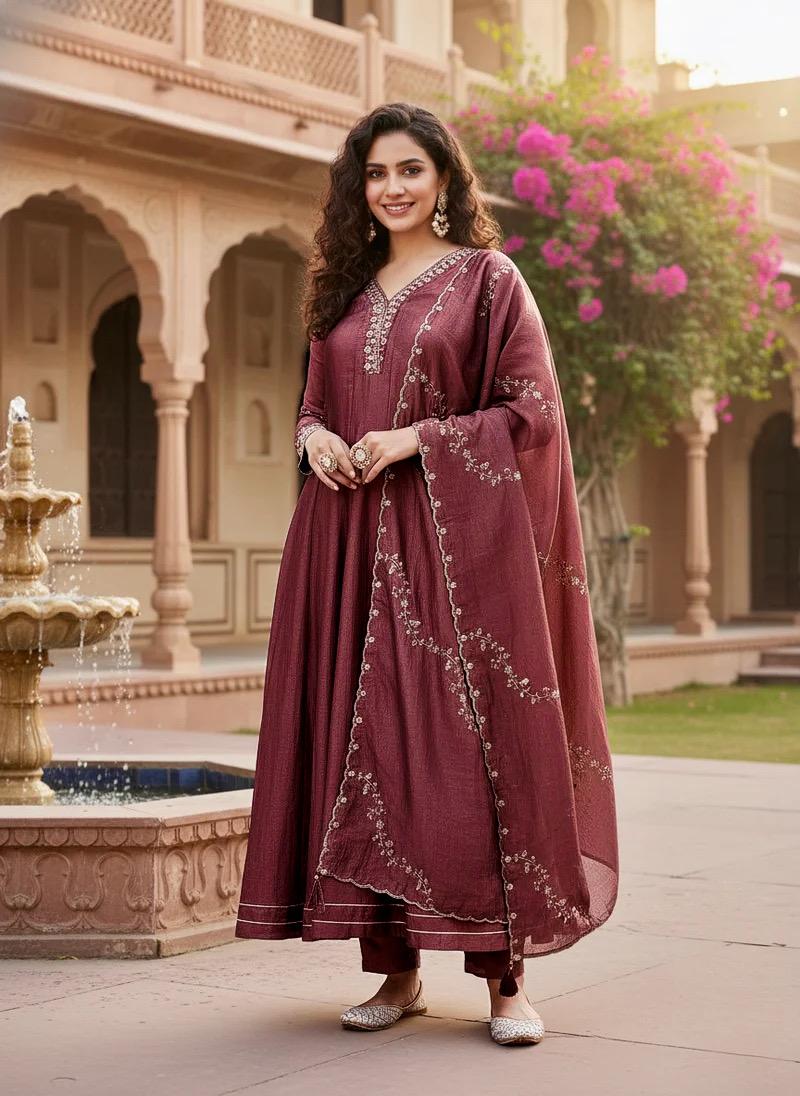
Maroon Embroidered Chanderi Kurta Set with Dupatta brings a more structured choice for a family lunch, temple visit or cultural gathering. Chanderi adds lightness and a subtle sheen, while maroon provides depth without relying on metallic embellishment. Style the set with tan juttis, antique-gold earrings and a neatly folded dupatta secured at one shoulder.
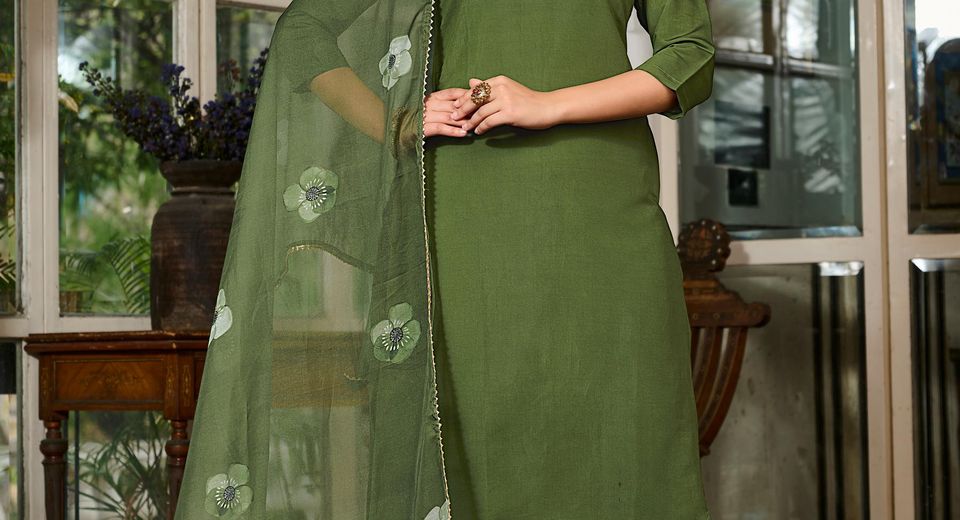
Trendy Green Ethnic Kurti Dupatta Set for Festive Wear can work for a daytime Shigmo programme where comfort and easy layering matter. Green connects naturally with spring, foliage and the lively outdoor setting. Add a contrasting pink or orange bindi and flat footwear to make the outfit feel more festive without increasing its weight.
Which salwar suit silhouette suits Shigmo walking and dancing?
A straight kurta with palazzo trousers or a lightly flared anarkali is usually best for walking during a festival. These silhouettes provide room around the knees and ankles while avoiding a hem that can catch on uneven pavements.
Check the trouser length before the event and keep the hem approximately 1 to 2 centimetres above the floor when wearing flats. A dupatta measuring roughly 2 to 2.25 metres gives enough drape without creating excessive fabric around the feet. Secure one shoulder with a small hidden pin and leave the other side relaxed for easier movement.
Shigmo Festival Outfit Ideas beyond the traditional saree
Traditional Shigmo dressing can include sharara sets, kurta-dupatta combinations, embroidered Anarkali suits and regional textile influences. The most convincing look usually combines one strong traditional element with comfortable contemporary construction.
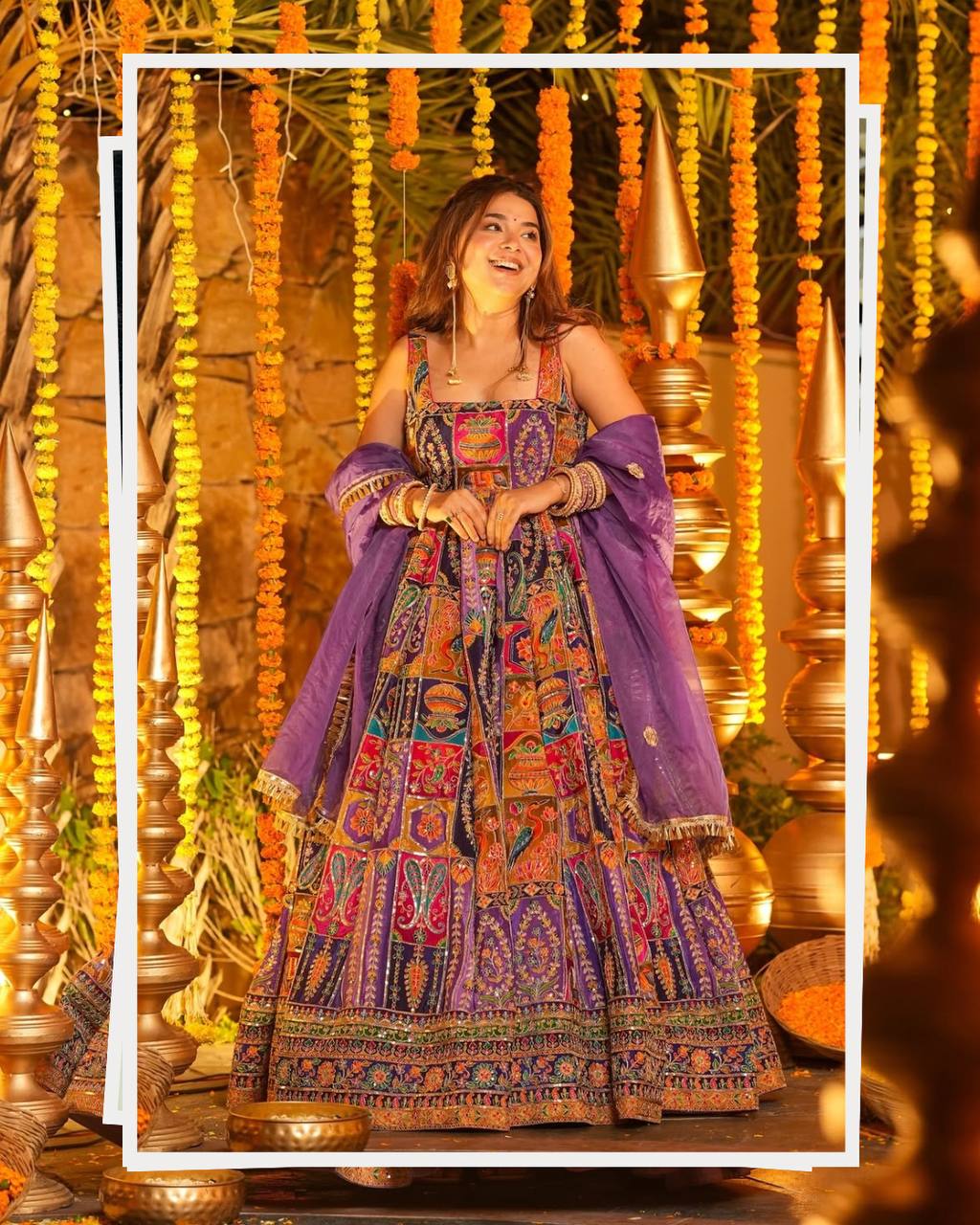
Brown Chinon Silk Sharara Suit Set for Women brings movement through its wide-leg sharara while the brown base gives metallic embroidery and colourful accessories a grounded backdrop. Pair the set with a bright dupatta, embroidered juttis and a low bun decorated with small flowers. This combination suits an evening performance or a festive dinner after the procession.
Green Chanderi Grace Embroidered Suit Set gives a lighter, more refined interpretation of traditional wear. Chanderi's crisp fall works well with a straight kurta and narrow trousers, while green reflects the spring character of Shigmo. Wear the dupatta over both shoulders for a formal gathering or pin it on one side when more movement is expected.
Vichitra Jacquard Woven Gown Dupatta Set brings a gown-style alternative for people who prefer one-piece dressing. The woven surface supplies visual interest, so keep the styling clean with a single statement earring, metallic sandals and a small structured bag.
Regional textile references can also guide the choice of accessories and colour. Maharashtra Paithani Inspired Salwar Suits can suggest jewel-toned borders and peacock-inspired accents. Karnataka Silk Salwar Suits can inform richer silk textures for an evening event. Punjab Phulkari Embroidered Salwar Suits can add bright floral needlework to a simpler base. These references are best treated as styling inspiration rather than as claims that every Shigmo celebration follows a particular regional costume.
Shigmo Festival Outfit Ideas for colour, jewellery and accessories
Build a balanced Shigmo look by choosing one focal colour, one supporting colour and one metallic accent. Teal with marigold and antique gold feels festive, while green with pink and silver feels brighter and more playful.
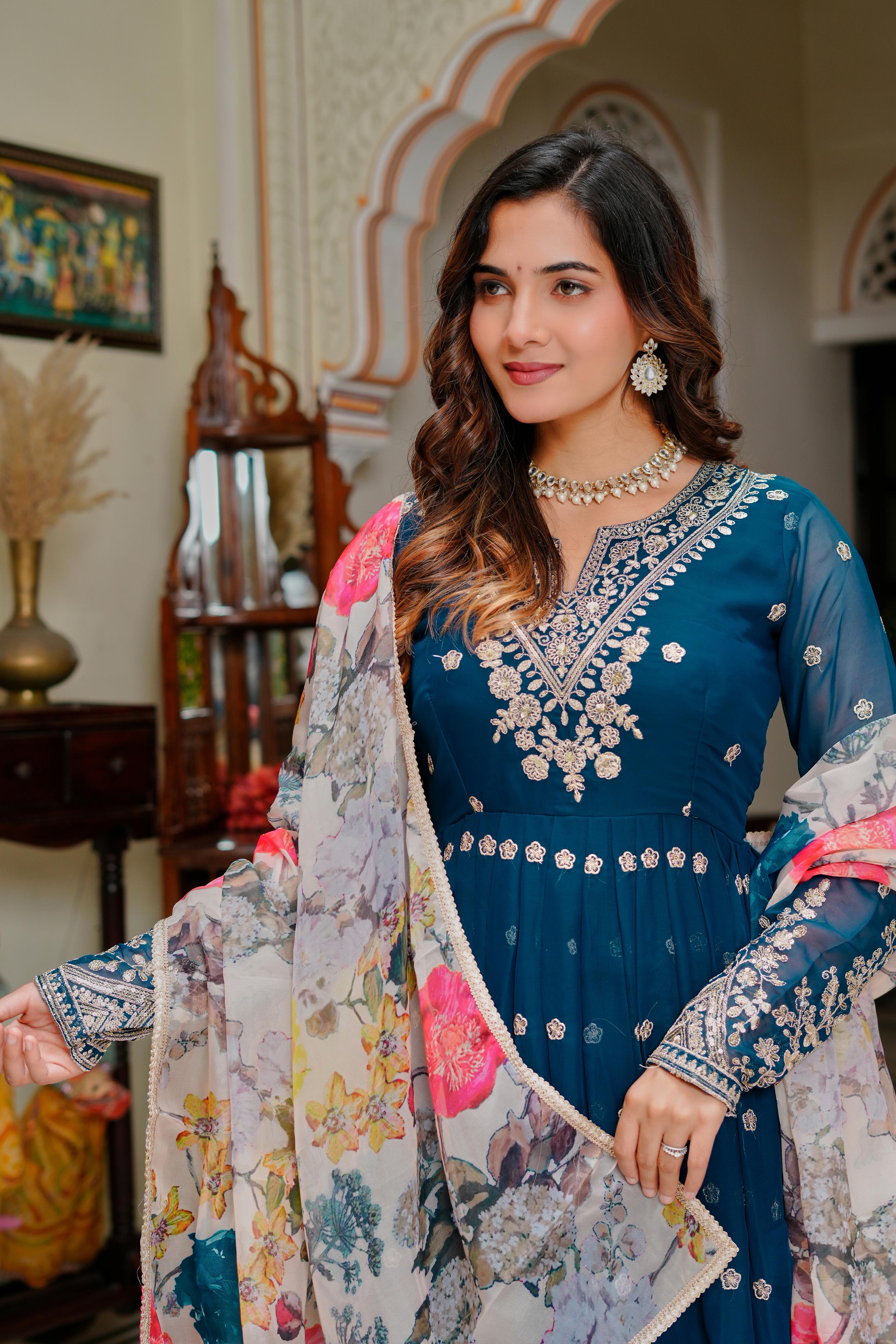
Traditional jewellery can transform a simple kurta or saree. Temple-style earrings work with zari and silk, oxidised silver suits cotton and printed textiles, and pearl details soften highly saturated colours. A nath, maang tikka or kamarbandh can be beautiful for a formal programme, but wearing every accessory together may become uncomfortable during a long procession.
Floral details have a natural place in a spring festival wardrobe. A small jasmine gajra, marigold-inspired hair accessory or floral bindi can connect the outfit to the season. Use fresh flowers only when the event is short or when you can replace them during the day, since heat can wilt jasmine quickly.
Footwear should support the actual schedule. Cushioned juttis, kolhapuris with a soft footbed and low block heels are more suitable for walking than narrow stilettos. Break in new footwear at home for at least two short wears, and carry blister patches in a small bag if the celebration involves several hours on foot.
Shigmo Festival Outfit Ideas inspired by regional collections
Regional collections can provide colour and textile direction for Shigmo styling without requiring a literal historical costume. Choose motifs and materials that complement the event while respecting the fact that Shigmo traditions differ across villages, communities and family celebrations.
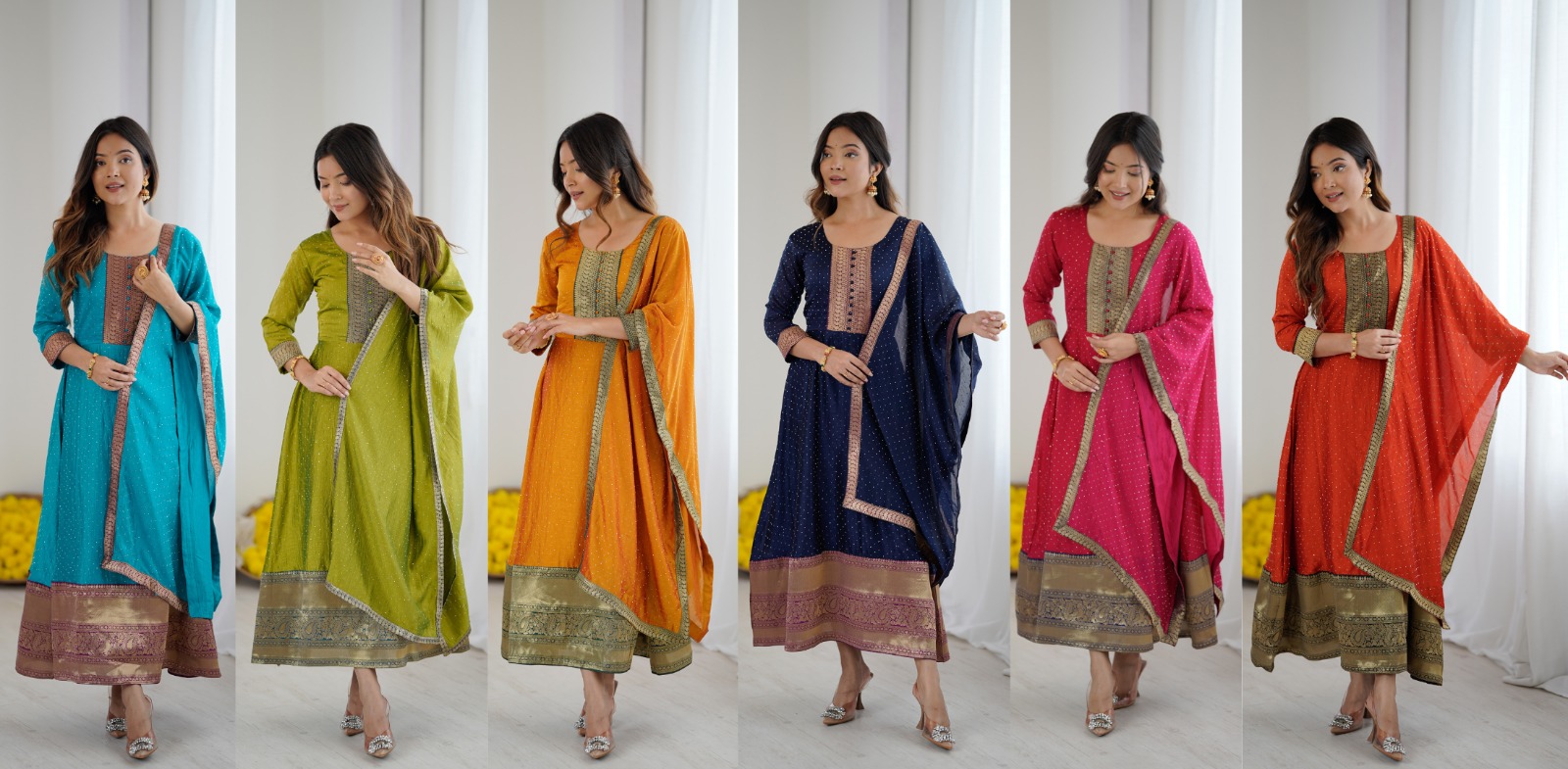
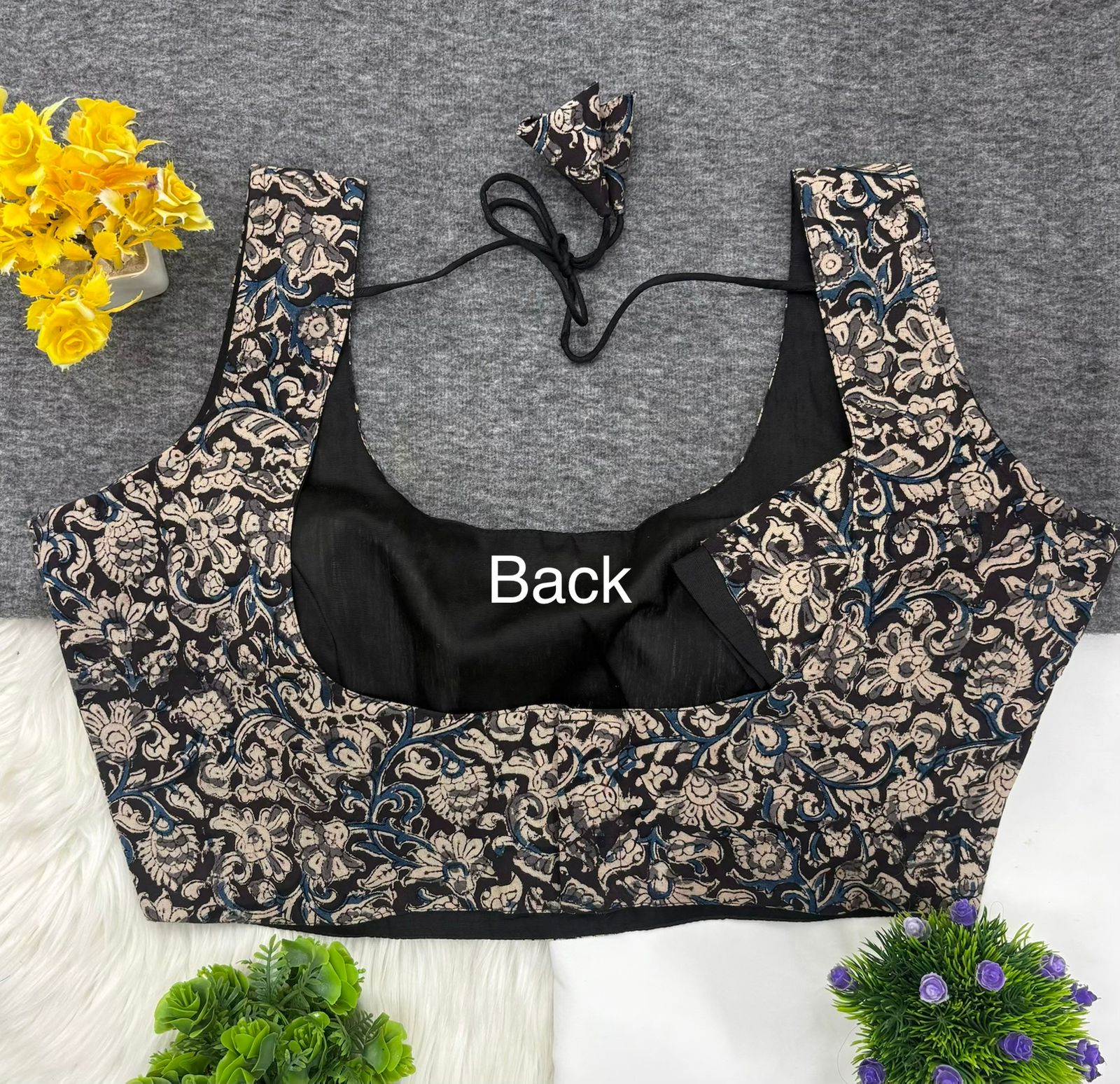
Kalamkari Print Salwar Suits (Copy) can introduce hand-drawn floral and narrative motifs to a daytime outfit. Keep the rest of the styling simple with wooden bangles, a plain dupatta and flat sandals so that the printed surface remains the visual focus.
Kashmir Embroidered Salwar Suits can inspire the use of delicate embroidery and deeper jewel tones for an evening gathering. A navy, wine or emerald base can be balanced with gold earrings and a warm-toned lipstick, while a lightweight fabric keeps the outfit more suitable for Goa's climate.
Textile references should not override comfort. A richly woven silk suit may look appropriate for a formal indoor event but become tiring outdoors. For a procession, prioritise breathable lining, a hem that clears the ground, secure fastenings and a dupatta that can be pinned in place.
Shigmo Festival Outfit Ideas for preparation, care and repeat wear
Prepare the outfit at least one day before Shigmo by checking fit, pressing the garment, testing the drape and packing necessary accessories. A short rehearsal reveals whether a saree pleat opens, a trouser hem catches or a dupatta slips from the shoulder.
Check the care label before using steam, ironing embroidery or applying stain treatment. Banarasi silk, Chanderi, Chinon silk and jacquard fabrics may require different care, and metallic zari can lose brightness when exposed to harsh detergent. Store a dry saree or suit away from direct sunlight and avoid folding heavy embellishment along the same crease repeatedly.
Gulal should be removed gently after wear. Shake off loose powder outdoors, lift surface colour with a soft dry cloth and follow the garment's care instructions rather than rubbing aggressively. Do not soak a dry-clean-only Banarasi silk or embellished garment without professional guidance.
A well-planned Shigmo outfit can be colourful, culturally aware and comfortable for many hours. The most reliable choices combine breathable materials, secure construction, practical footwear and one or two vivid traditional details rather than adding weight everywhere.
Common Questions About Shigmo Festival Outfit Ideas
What should women wear to a Shigmo festival in Goa?
Women can wear a lightweight saree, salwar suit, sharara, anarkali or kurta-dupatta set in bright colours such as teal, green, maroon, pink or marigold. Breathable fabric, secure draping and comfortable footwear are important because Shigmo celebrations may involve outdoor processions and extended walking.
Which saree is suitable for a Shigmo celebration?
A lightweight Banarasi, Chanderi, cotton-silk or soft georgette saree is suitable for most Shigmo celebrations. Choose a firmly pinned pallu and avoid very heavy silk or dense embellishment for a long daytime procession in warm weather.
Are salwar suits appropriate for Shigmo festival celebrations?
Salwar suits are highly appropriate for Shigmo because they allow easy walking, sitting and dancing while offering comfortable coverage. Straight kurtas with palazzos, lightly flared anarkalis and breathable embroidered sets are especially practical.
What colours are traditionally suitable for Shigmo outfits?
Bright and saturated colours such as green, teal, marigold, fuchsia, vermilion, royal blue and maroon suit the visual energy of Shigmo. Colour choice is flexible because Shigmo does not require one universal outfit colour across Goa.
How can I protect a Shigmo outfit from gulal?
Choose a colourful garment that is washable or suitable for professional cleaning, and avoid pale dry-clean-only clothing if close contact with gulal is expected. Remove loose powder gently after wearing the outfit and follow the care label instead of rubbing or soaking delicate silk and embellished fabrics.
What footwear is best for a Shigmo procession?
Cushioned juttis, soft-footbed kolhapuris and low block heels are practical for a Shigmo procession. Break in footwear before the event, check that the sole grips the ground and avoid narrow high heels on uneven outdoor surfaces.