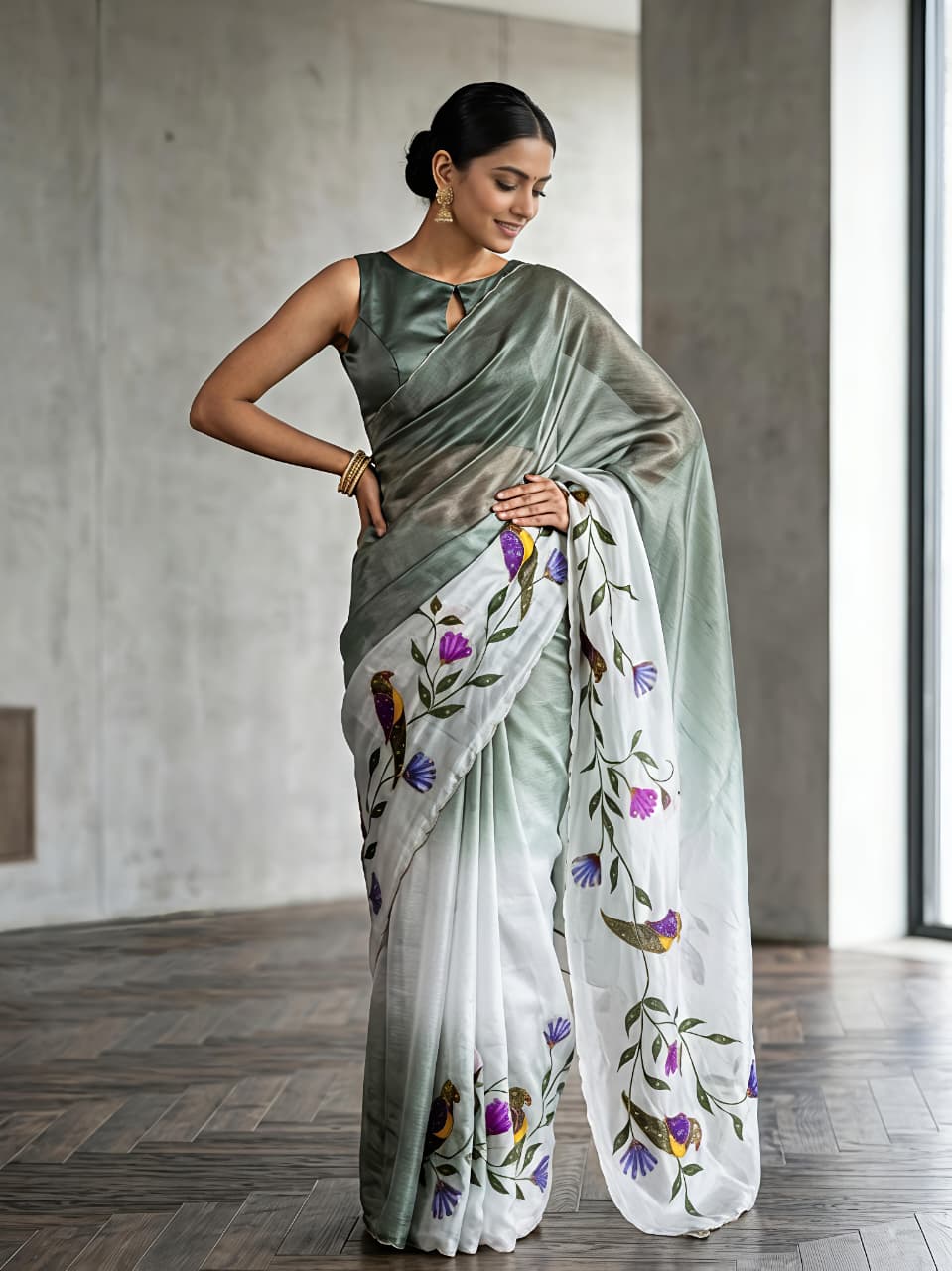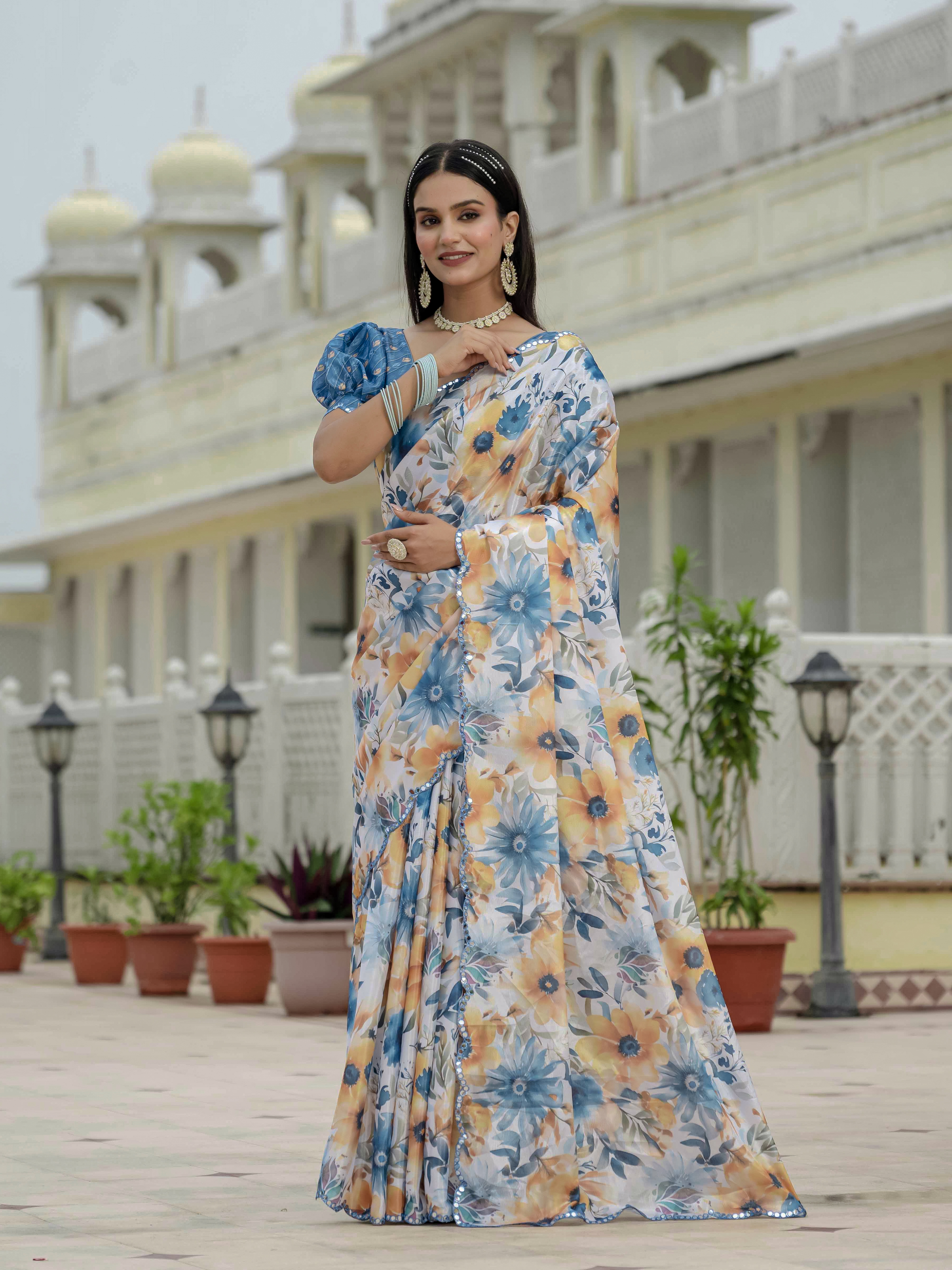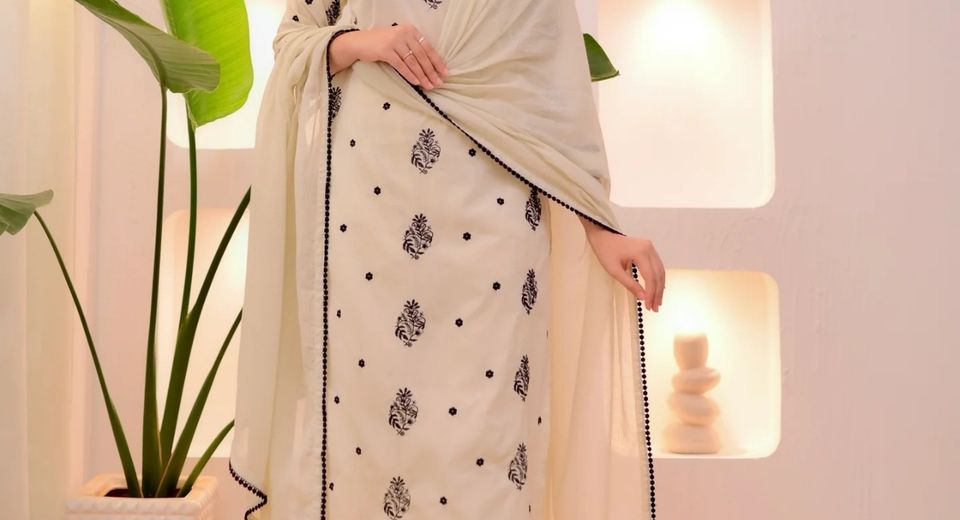
Shigmo Fashion Guide: Sarees, Salwar Suits & Festive Goan Looks begins with one practical truth: Shigmo clothing must look significant while remaining comfortable enough for processions, music, dancing and warm spring weather. Shigmo, also called Shigmo or Shimga in different parts of Goa and the Konkan region, is associated with colour, folk performance, village celebrations and the arrival of spring. An useful outfit therefore needs more than surface sparkle. Fabric weight, movement, footwear, jewellery and the length of the dupatta all matter.
The strongest festive wardrobe choices combine regional character with personal ease. A traditional saree can work beautifully for a family gathering, while a readymade salwar suit is often more practical for walking between events. The right choice depends on how long you'll wear the outfit, whether you expect outdoor activity and how much hand movement the garment allows.
Shigmo Fashion Guide: Sarees, Salwar Suits & Festive Goan Looks for the right occasion
A good Shigmo outfit balances bright colour, breathable construction, secure draping and enough movement for a lively celebration. Embroidery, printed motifs, zari or a richly coloured border can create a festive effect without requiring a heavily layered ensemble.
Shigmo celebrations may involve outdoor parades, temple visits, cultural performances and community meals. These settings favour clothing that stays in place and doesn't become uncomfortable after several hours. A saree with a firmly pinned pallu, a straight kurta with trousers or a modestly flared suit can all be suitable when styled for the activity.
Colour carries much of the visual energy in Goan festive dressing. Coral, turmeric yellow, leaf green, fuchsia, cobalt, teal and vermilion red photograph well in daylight and complement the colour-filled atmosphere of Shigmo. A neutral cream or ivory base also works when paired with a vivid dupatta, statement earrings or a contrasting border.
Shigmo fashion doesn't require wearing every festive element at once. One strong feature, such as an embroidered neckline, a Banarasi silk surface, a saturated dupatta or a wide zari border, usually looks more polished than competing embellishments across the entire outfit.
Shigmo Fashion Guide: Sarees, Salwar Suits & Festive Goan Looks for choosing between silhouettes
Choose a saree for a more traditional silhouette and choose a salwar suit when you prioritise walking comfort, quick dressing and reliable coverage. Both options can look appropriate for Shigmo when the fabric and styling match the event.
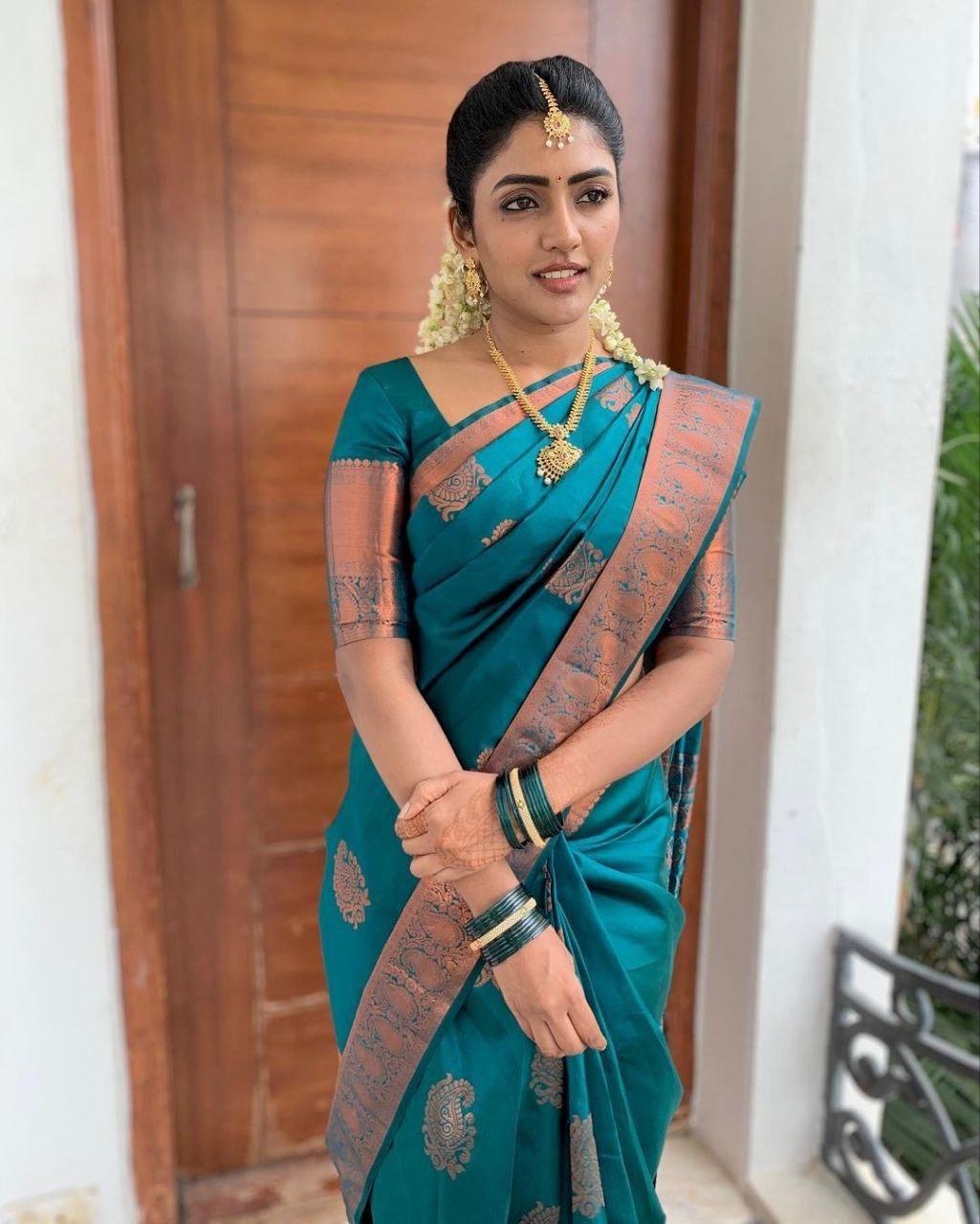
When a saree makes sense
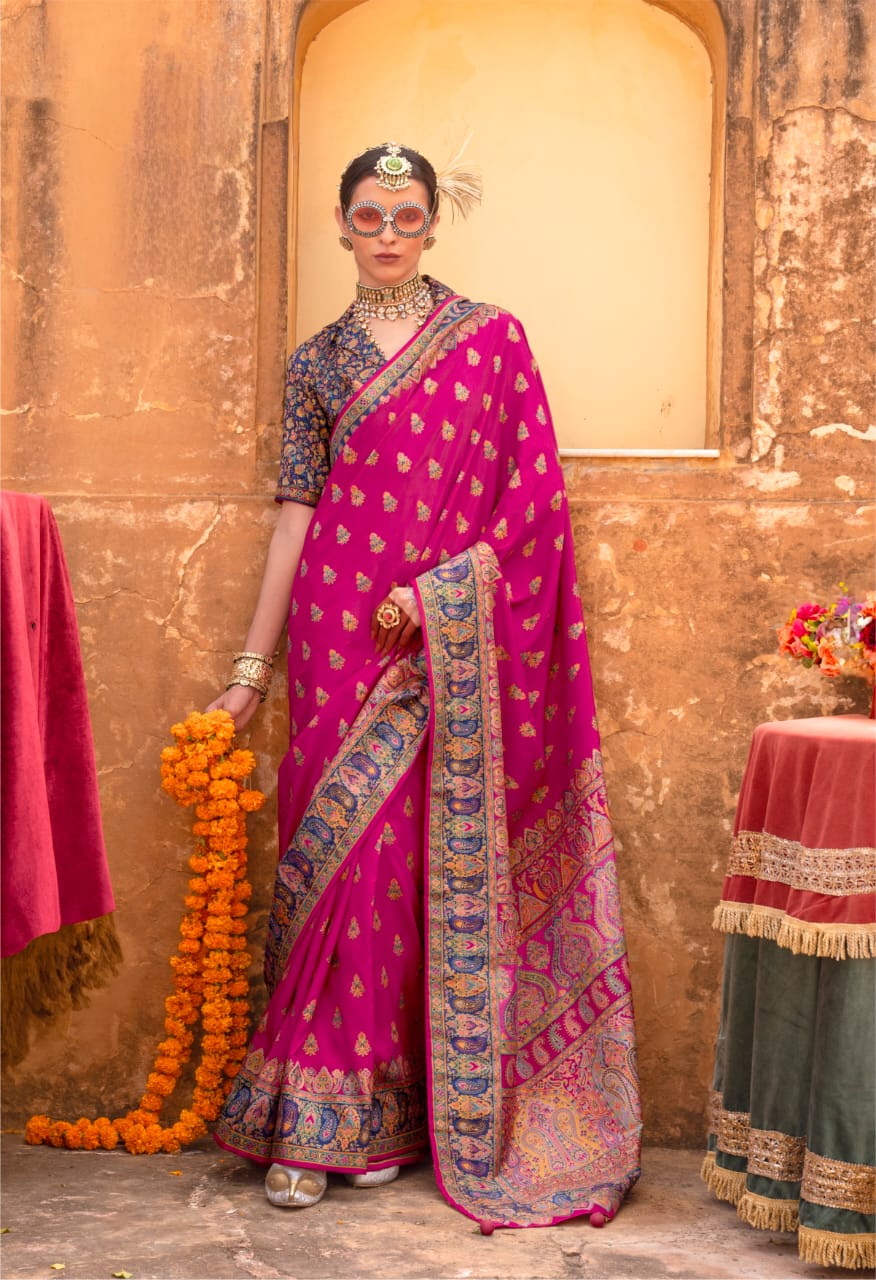
A saree is a strong choice for a formal family celebration, a temple visit or an evening gathering where you want a graceful, recognisably Indian silhouette. Festive Teal Banarasi Saree with Traditional Motifs illustrates how a deep jewel tone and traditional pattern can create impact without excessive accessories.
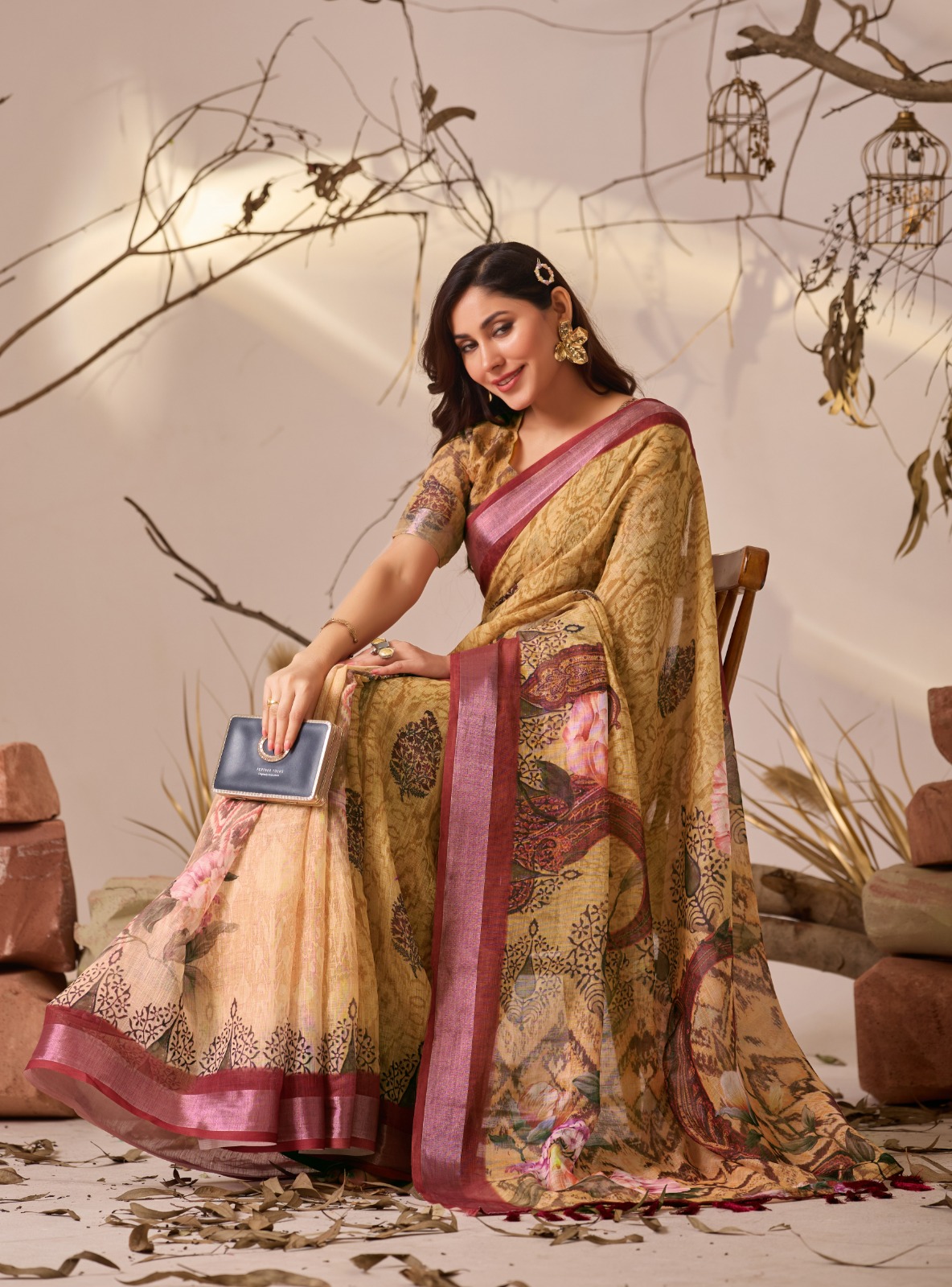
Banarasi silk and Banarasi-style weaves tend to hold pleats well, but heavier versions can feel warm during prolonged outdoor wear. Cotton, Chanderi and lightweight silk blends are often easier for daytime events. A saree made from a fluid fabric may need extra pleat pins, while a stiffer weave generally offers more structure at the waist and pallu.
When a salwar suit is more practical
A salwar suit is more practical for Shigmo processions, travel between venues and celebrations that involve frequent sitting or walking. Trousers remove the need to manage a lower hem, and a stitched kurta brings more predictable coverage than an improvised drape.
Women salwar suits festive styles range from straight-cut kurta sets to anarkali silhouettes, sharara sets and palazzo suits. A straight kurta with cigarette pants is suitable for a neat daytime appearance, while a flared anarkali or sharara creates more movement for an evening function. A readymade salwar suit dupatta is particularly useful when the matching scarf has a finished border and a manageable length.
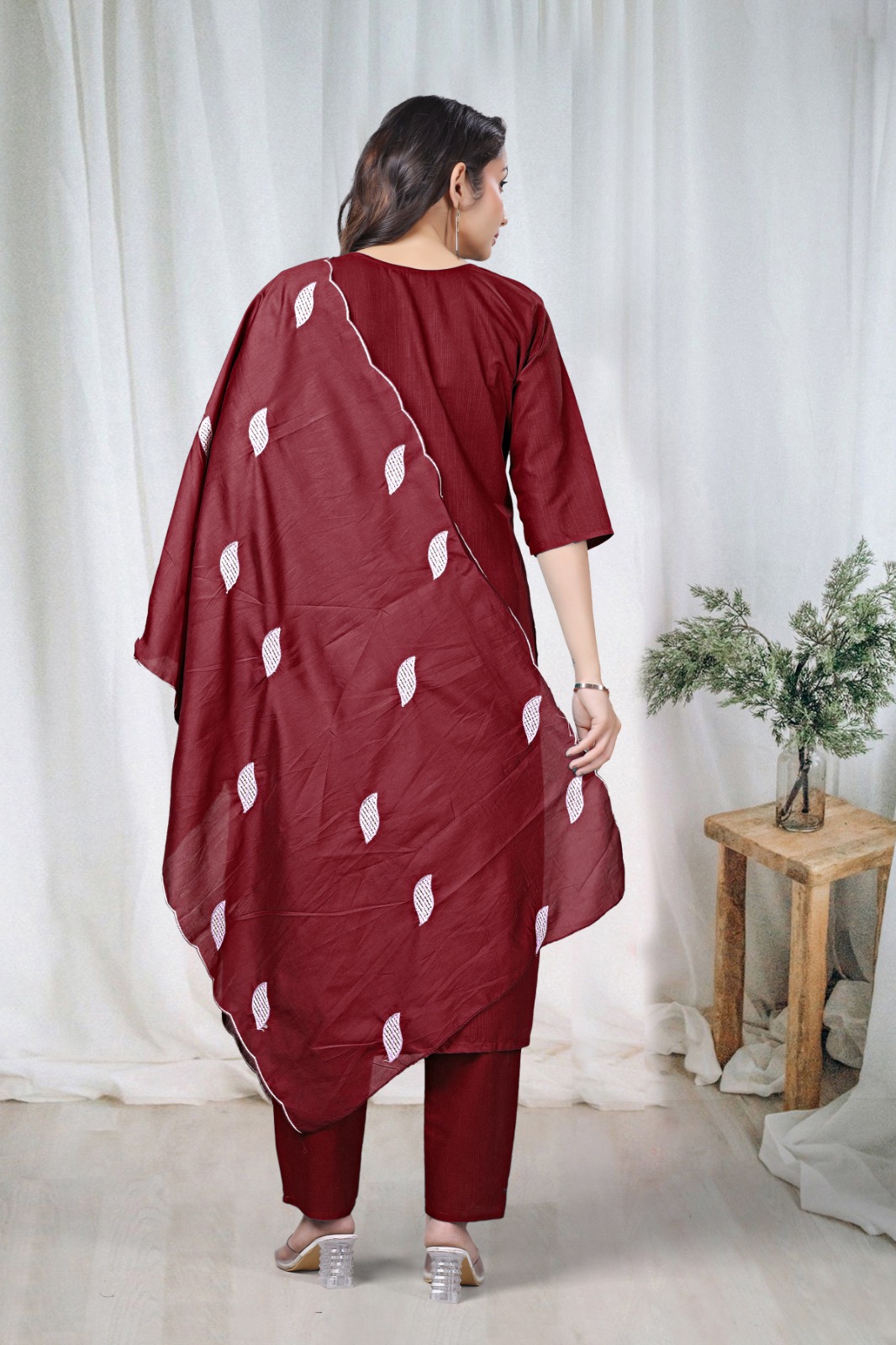
Maroon Embroidered Cotton Kurta Pant Set Online is an example of a practical festive direction because cotton can feel easier in warm weather and a pant-shaped bottom is simple to walk in. The set can also suit a family lunch or a formal daytime programme when paired with small gold earrings rather than heavy layered jewellery.
Shigmo Fashion Guide: Sarees, Salwar Suits & Festive Goan Looks through fabric choice
Lightweight cotton, georgette, crepe, Chanderi and breathable silk blends are generally the most comfortable choices for a warm Goan festive day. The best fabric depends on whether you need structure, drape, airflow or a dressier finish.
Cotton absorbs moisture and usually feels dependable for daytime events, although dense embroidery can reduce its breathability. Georgette drapes close to the body and packs easily, but the slippery surface benefits from a well-fitted lining and secure shoulder pins. Crepe has a smooth fall and can support a flowing silhouette, while a cotton-silk blend gives a festive sheen without the weight of heavily ornamented bridal clothing.
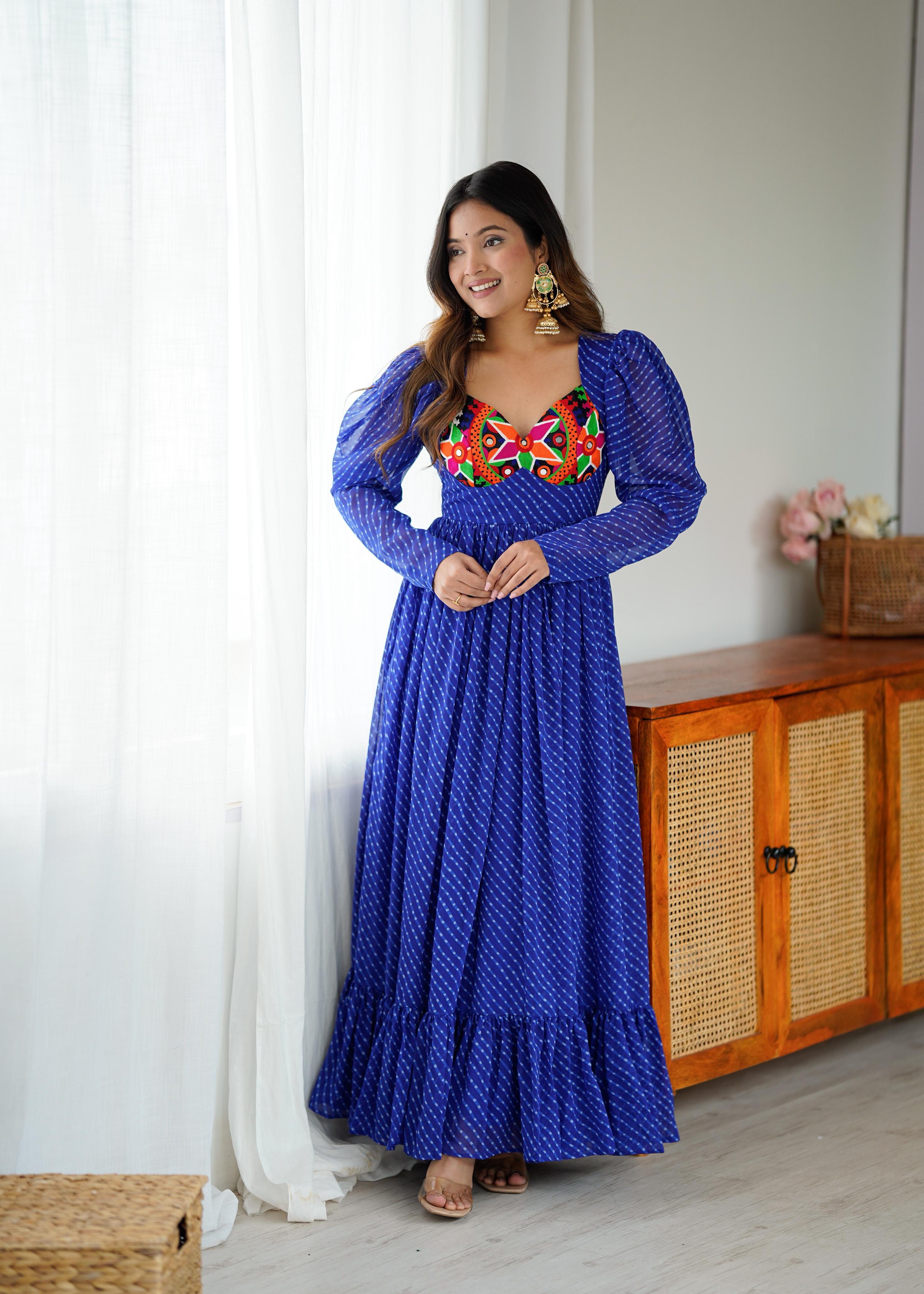
Blue Printed Georgette Designer Gown for Women Festive shows how georgette can create a dressier, flowing option for a function where a gown silhouette feels appropriate. The design direction is closer to party wear than a conventional salwar kameez, so it suits an evening celebration, a cultural programme or a reception-style gathering rather than a physically active procession.
Chanderi is valued for its lightness and subtle sheen, but its delicate surface needs careful handling around rough walls, jewellery hooks and crowded outdoor spaces. Kanjeevaram silk is magnificent for major ceremonial dressing, although its weight and formal character may be excessive for a daytime Shigmo procession. Fabric choice should follow the event schedule rather than the idea that the most ornate textile is automatically the most festive.
Check the lining, sleeve opening and waistband before buying a readymade suit. A polyester lining can feel warmer than the outer fabric, narrow armholes restrict movement during dancing and a tight waistband becomes uncomfortable after a full meal. Five to eight centimetres of comfortable ease around the body usually makes a noticeable difference in long-wear comfort, although the exact fit depends on the cut and garment measurements.
Shigmo Fashion Guide: Sarees, Salwar Suits & Festive Goan Looks with balanced embellishment
A salwar suit looks festive when colour, proportion and one or two well-placed decorative details work together. Embroidery at the neckline, cuffs or dupatta border often creates enough occasion value for a daytime Shigmo event.
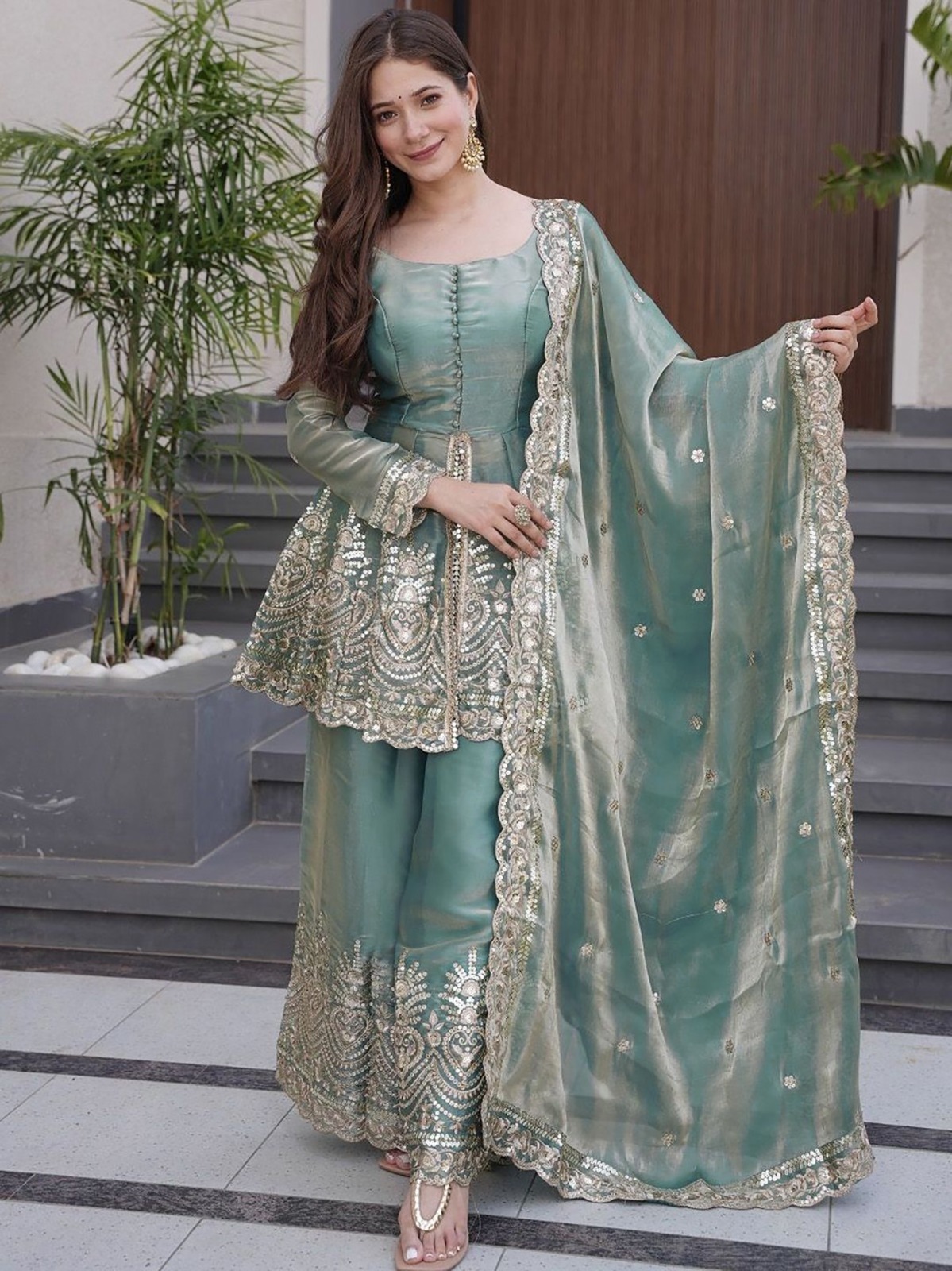
Sea Green Embroidered Silk Kurta Set with Dupatta gives an useful example of tonal dressing. Sea green has a fresh spring quality, while silk introduces a richer surface; matching or closely related accessories allow the embroidery to remain visible instead of competing with the outfit.
Festive Wear Cream Embroidered Kurta Set takes a different route by using a light base as the visual foundation. Cream can appear formal when paired with antique gold earrings, a bright bindi and a contrasting bag. A coral, green or magenta dupatta can add the colour associated with Shigmo while keeping the kurta versatile for other family occasions.
A Salwar Suit Design Girl might choose an anarkali, a peplum kurta with sharara trousers or a cropped straight kurta with a flared palazzo. The most useful selection rule is to match volume across the outfit: a wide palazzo needs a kurta with enough length and structure, while a heavily flared anarkali usually needs a simpler dupatta and less bulky jewellery.
Trendy Green Ethnic Kurti Dupatta Set for Festive Wear demonstrates a lighter styling approach for younger wearers and casual festive gatherings. A green kurti and dupatta can be dressed up with jhumkas and embroidered footwear or made more understated with flat sandals and a small shoulder bag.
Multicolor Embroidered Crepe Maxi Suit Set for Festive Wear brings another route for someone who wants colour and movement in a single coordinated outfit. Multicolour embroidery already supplies visual variety, so neutral footwear and one dominant metal tone help the ensemble remain composed.
Shigmo Fashion Guide: Sarees, Salwar Suits & Festive Goan Looks inspired by regional craft
Regional influences can guide colour, surface decoration and textile references without requiring a costume-like outfit. Gujarati, Marwari, Maharashtrian and Punjabi details can each contribute a distinct festive mood when used selectively.
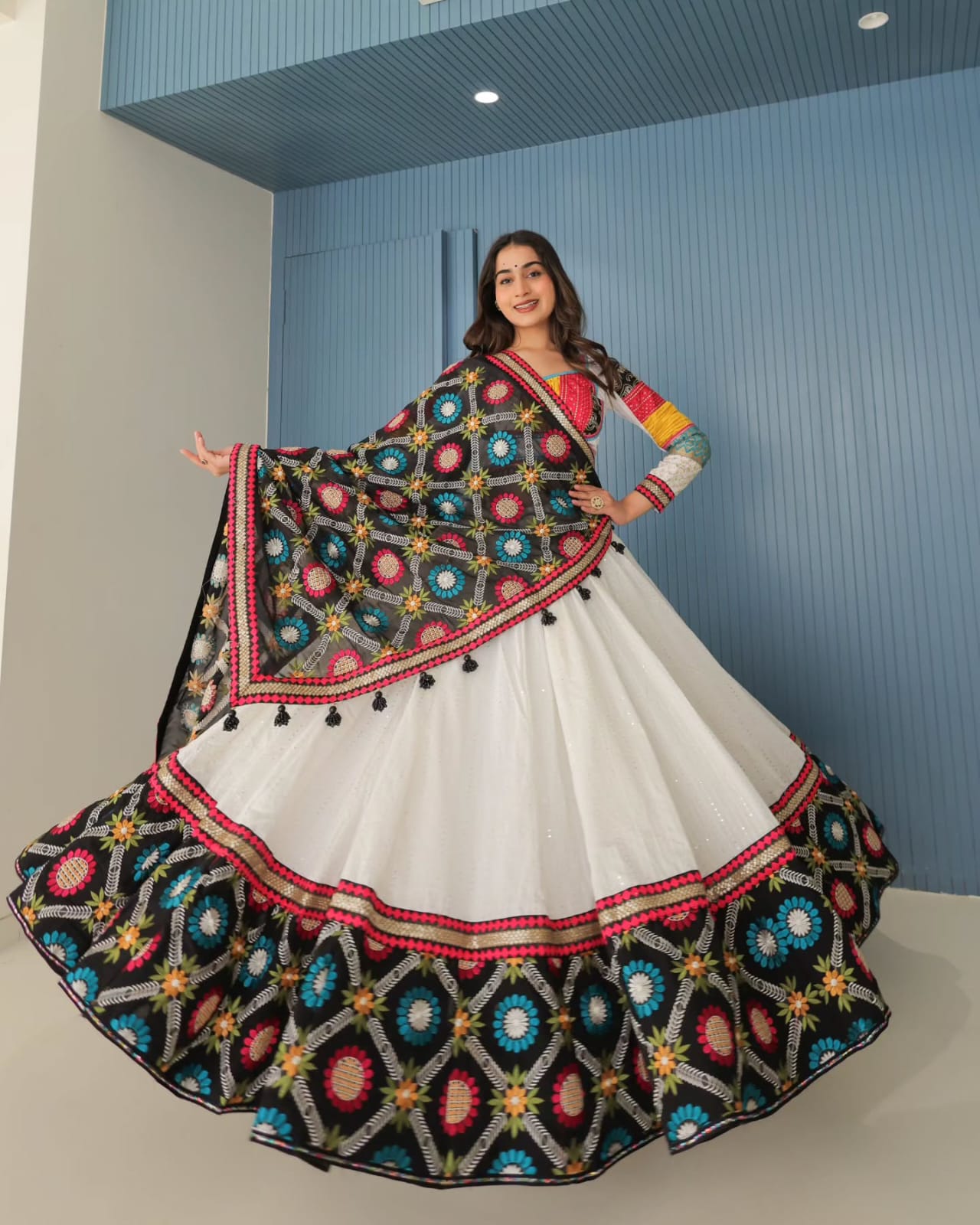
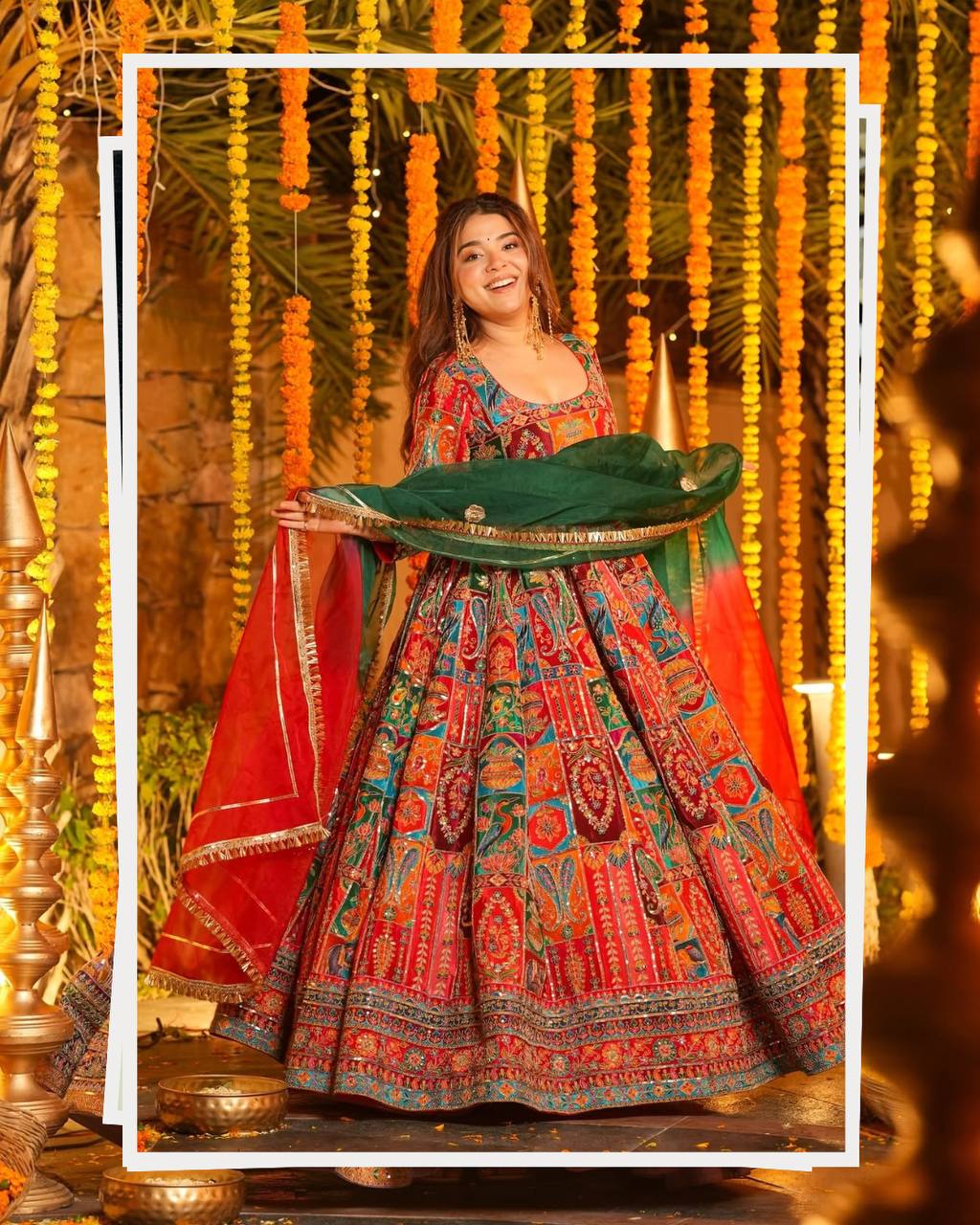
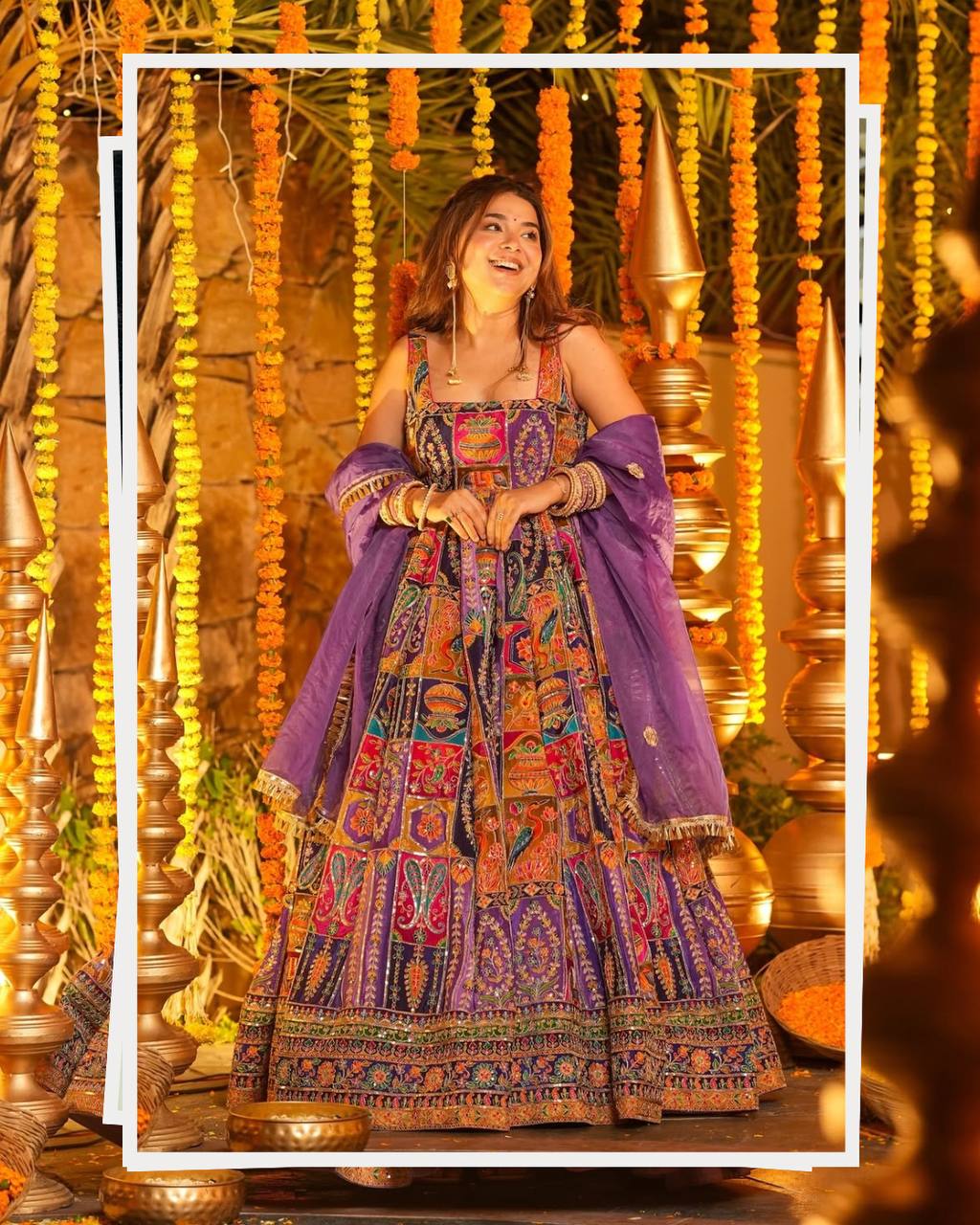
Gujarati Festive Salwar Suits often suggest lively colour combinations, mirror-inspired sparkle and energetic pattern placement. A colourful dupatta or small reflective embellishment can bring that spirit to Shigmo dressing without covering the entire garment in decoration.
Marwari Style Festive Salwar Suits can inform richer jewel tones, gota-style borders and ornate neckline treatments. These details are especially useful for evening family gatherings, where warm metallic accents look more balanced under indoor lighting.
Maharashtra Paithani Inspired Salwar Suits draw visual inspiration from Paithani's peacock, floral and metallic vocabulary. A Paithani reference doesn't make a salwar suit a traditional Paithani saree, so the wording matters: look for inspired motifs and colour relationships rather than assuming that the garment has the construction of a handwoven Paithani.
Punjab Phulkari Embroidered Salwar Suits bring a bright, floral embroidered language to festive styling. Phulkari-inspired colour can work particularly well with simple silhouettes because the surface detail becomes the central feature instead of being lost among multiple layers.
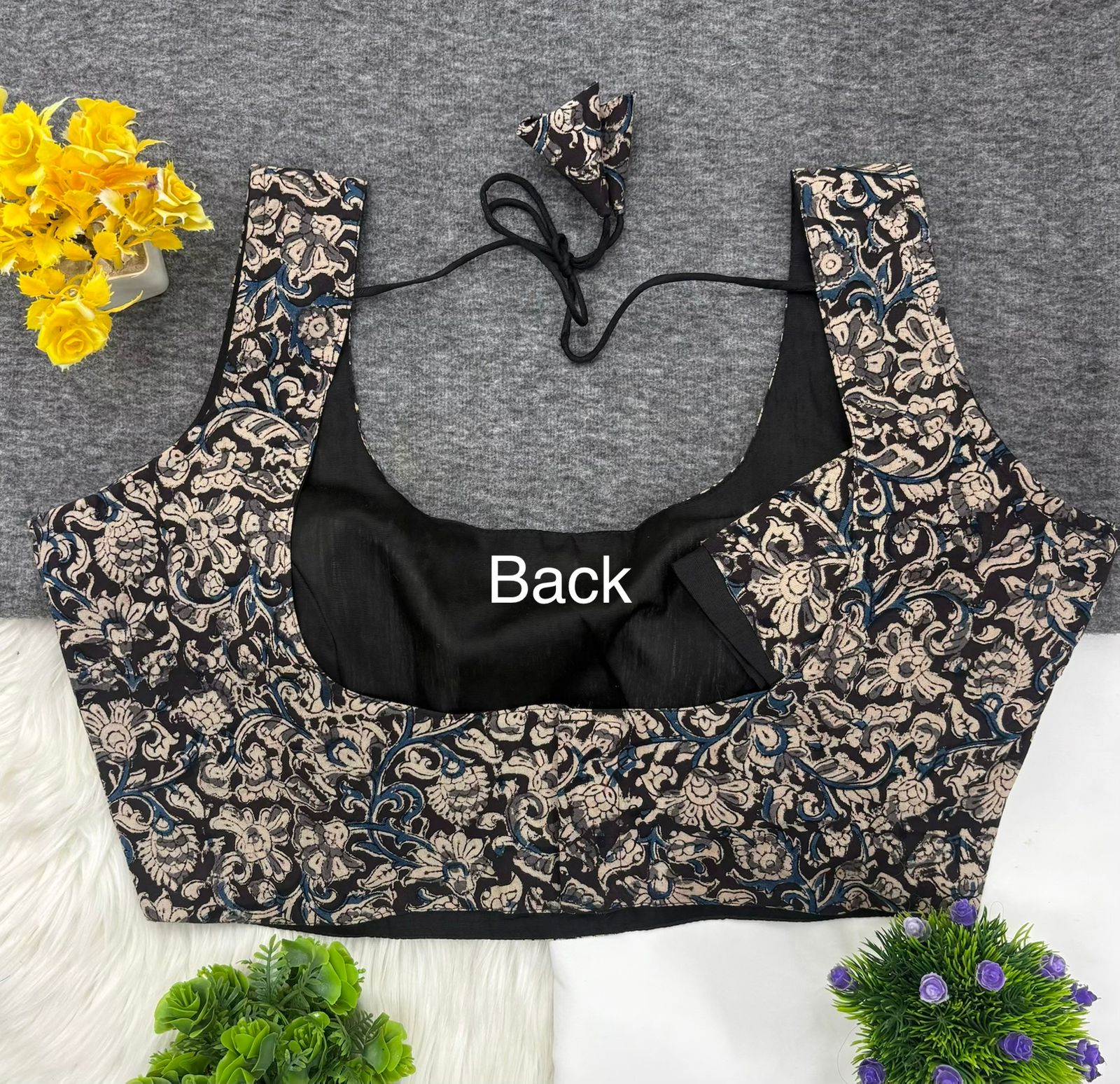
Kalamkari Print Salwar Suits (Copy) provide a printed alternative for someone who prefers storytelling motifs to metallic embellishment. Kalamkari-style prints pair well with wooden earrings, fabric potli bags and flat sandals, creating a festive look that feels artistic rather than heavily formal.
Shigmo Fashion Guide: Sarees, Salwar Suits & Festive Goan Looks with accessories
Choose accessories according to the garment's visual weight, the event duration and the amount of walking expected. Lightweight jhumkas, a bindi, a compact shoulder bag and supportive footwear are usually more useful than a large set of jewellery.
Gold-tone earrings complement maroon, cream, teal and mustard outfits, while oxidised silver works naturally with indigo, green, printed cotton and Kalamkari-inspired surfaces. A single necklace is enough when a kurta has a decorated neckline. A longer necklace can balance a plain high-neck kurta but may catch on a dupatta during movement.
Dupatta placement affects both comfort and proportion. Drape a heavier embroidered dupatta over one shoulder and secure it near the collarbone with a small pin. Keep a slippery georgette dupatta closer to the body rather than allowing a long end to trail near the feet. A saree pallu also benefits from two discreet pins if you expect to dance, travel or carry food.
Footwear should have a cushioned sole and a secure strap for outdoor Shigmo events. Embroidered juttis, low wedges and flat sandals are more practical than narrow heels on uneven ground. Break in new footwear for at least two short outings before wearing it for a full-day festival.
Makeup should withstand heat and movement without feeling heavy. Waterproof kajal, a lightweight base, a bright lip tint and a small touch-up pouch are enough for many daytime celebrations. Hair secured in a braid, low bun or pinned half-up style reduces the need to adjust it repeatedly in crowds.
Shigmo Fashion Guide: Sarees, Salwar Suits & Festive Goan Looks for buying and care
Buy a Shigmo outfit by checking measurements, lining, embellishment security, delivery time and care instructions before judging its appearance alone. A festive garment that can't withstand several hours of wear is a poor choice regardless of how attractive it looks online.
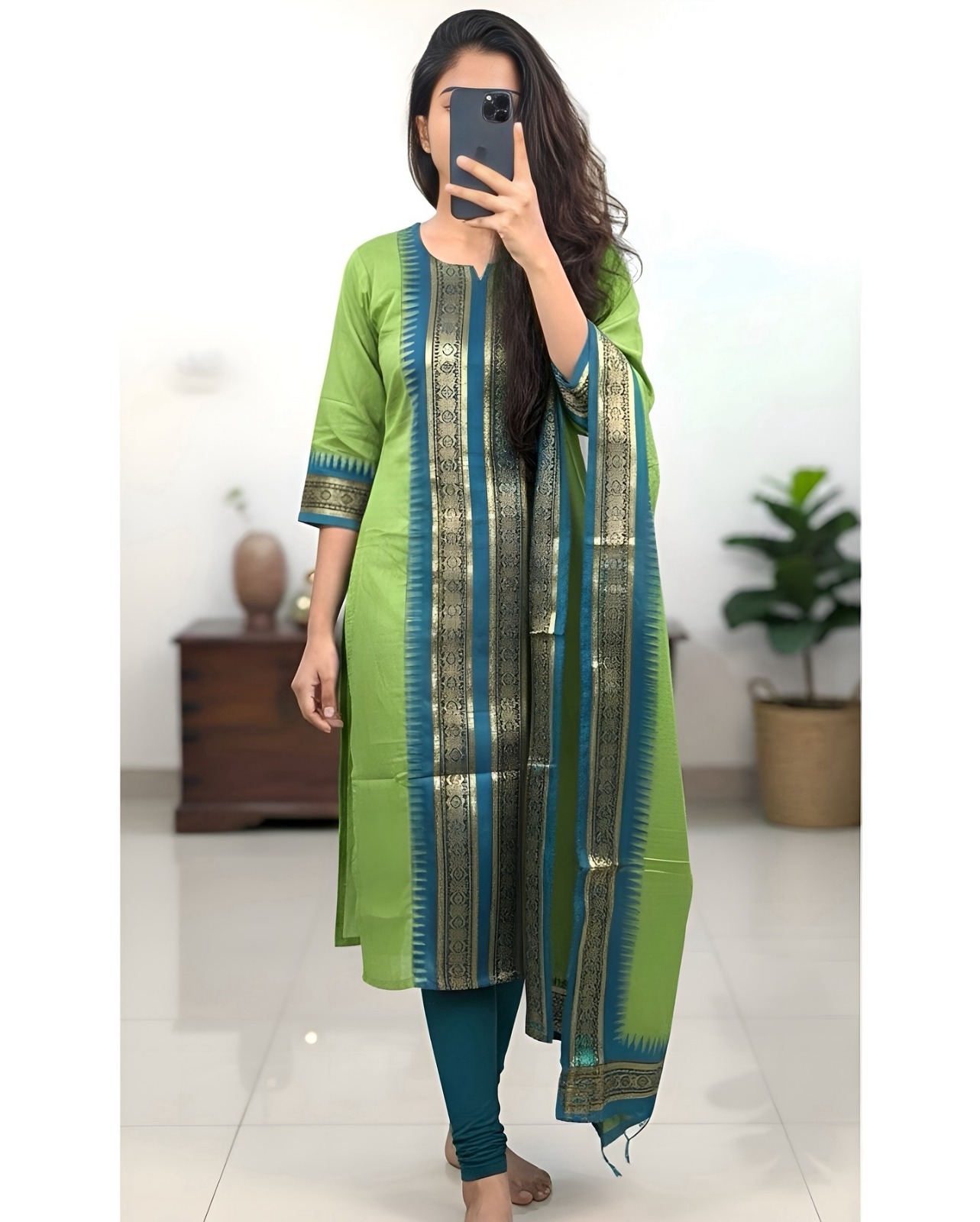
For readymade party wear suits female shoppers should compare bust, waist, hip, kurta length, sleeve length and trouser measurements with a garment's size chart. Do not rely only on a general small, medium or large label. A difference of two to three centimetres in the armhole or waist can change comfort significantly.
Formal salwar suit ladies styles are usually defined by cleaner construction, restrained embellishment and a more polished fit rather than by maximum shine. An embroidered silk set may suit an evening gathering, while cotton salwar suits festive styles are generally more dependable for daytime heat and repeated movement.
Store embroidered garments folded with a clean cotton or muslin layer between embellished surfaces. Air a worn outfit completely before placing it in a cupboard, and avoid spraying perfume directly on zari, silk or metallic thread. Follow the care label for dry-clean-only garments; hand washing can distort embroidery, bleed dark dyes or damage lining adhesives.
Inspect zari, sequins and embroidered edges after the event. Loose threads should be secured rather than pulled, and stains should be treated promptly by a professional cleaner when the care label recommends dry cleaning. These small steps can preserve a festive salwar suit for future celebrations instead of limiting it to one Shigmo season.
Shigmo Fashion Guide: Sarees, Salwar Suits & Festive Goan Looks in quick answers
Shigmo dressing works best when the outfit combines colour, cultural sensitivity, ease of movement and weather-appropriate fabric. A saree creates a more traditional impression, while a salwar suit usually gives easier movement and faster preparation.
A teal Banarasi saree, a cotton kurta pant set, a printed georgette gown or an embroidered silk kurta set can each work for a different Shigmo setting. The final choice should follow the day's schedule, the venue and the amount of walking rather than trend alone.
Common Questions About Shigmo Sarees and Festive Salwar Suits
What should women wear for a Shigmo celebration?
Women can wear a bright saree, a cotton kurta pant set, a straight salwar suit, an anarkali or a sharara set for Shigmo. Choose breathable fabric, secure draping and comfortable footwear when the celebration includes outdoor processions or extended walking.
Which fabric is best for a Shigmo outfit in Goa?
Cotton, lightweight georgette, crepe, Chanderi and breathable silk blends are practical choices for warm Goan weather. Heavy Banarasi silk, dense lining and extensive embroidery may feel uncomfortable during a long daytime event.
Are readymade salwar suits suitable for festive Shigmo wear?
Readymade salwar suits are suitable when the measurements, lining and dupatta length provide comfortable movement. A stitched kurta and trouser set is especially practical for walking, sitting and participating in outdoor celebrations.
How can I style a festive salwar suit without looking overdressed?
Use one dominant feature, such as an embroidered neckline, a vivid dupatta or a richly coloured fabric, and keep the remaining accessories restrained. Small jhumkas, a bindi and supportive flats can complete the look without competing with the garment.
Can I wear a Banarasi saree for a Shigmo festival?
A Banarasi saree can suit a family gathering, temple visit or evening Shigmo event when the drape is secure and the weather is comfortable. A lighter Banarasi weave is easier for daytime wear than a very heavy silk saree.
What footwear works best with festive Goan outfits?
Flat sandals, cushioned juttis and low wedges with secure straps are practical for Shigmo celebrations. Break in new footwear before the event because uneven outdoor surfaces and several hours of walking can make untested shoes uncomfortable.