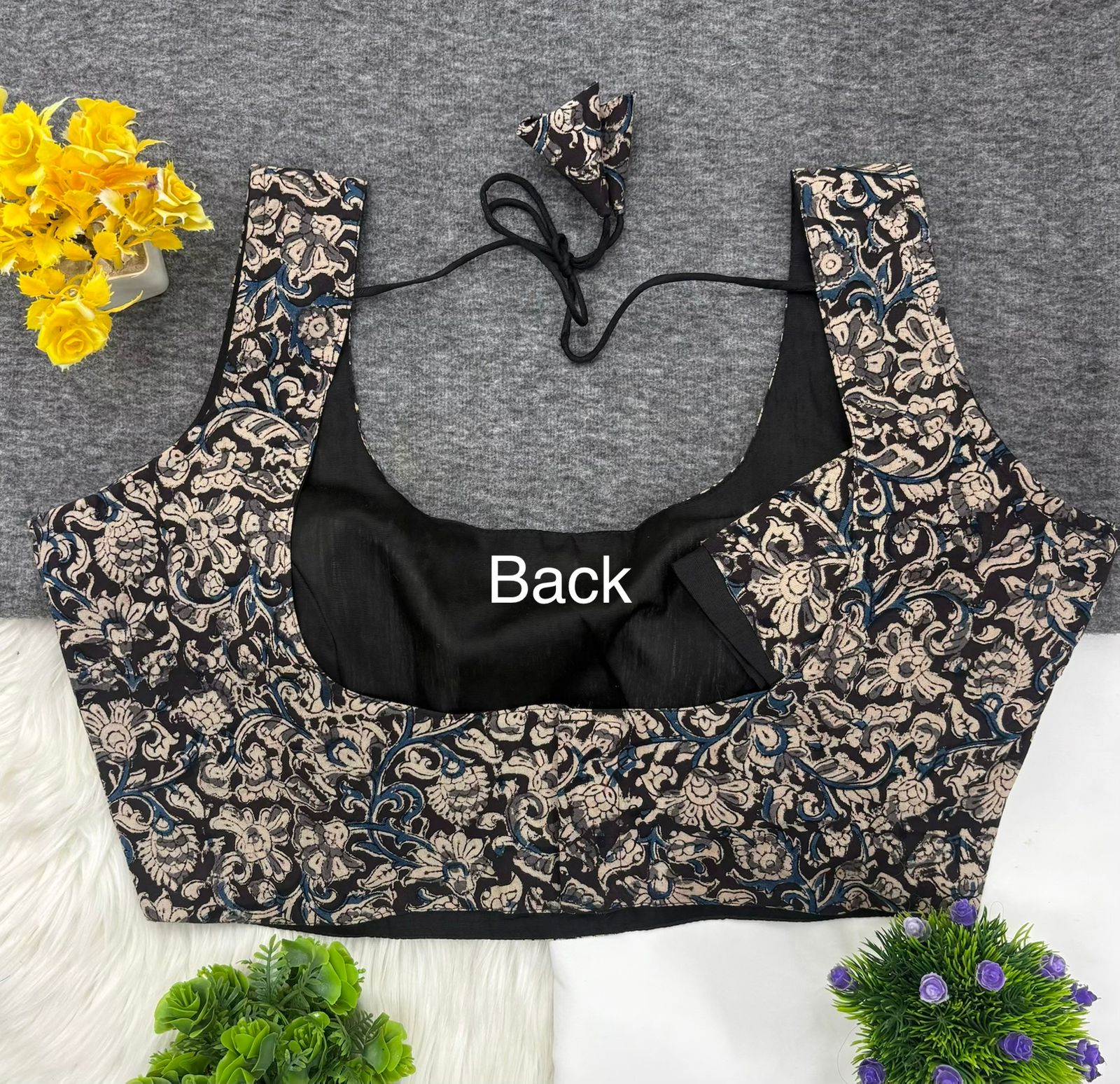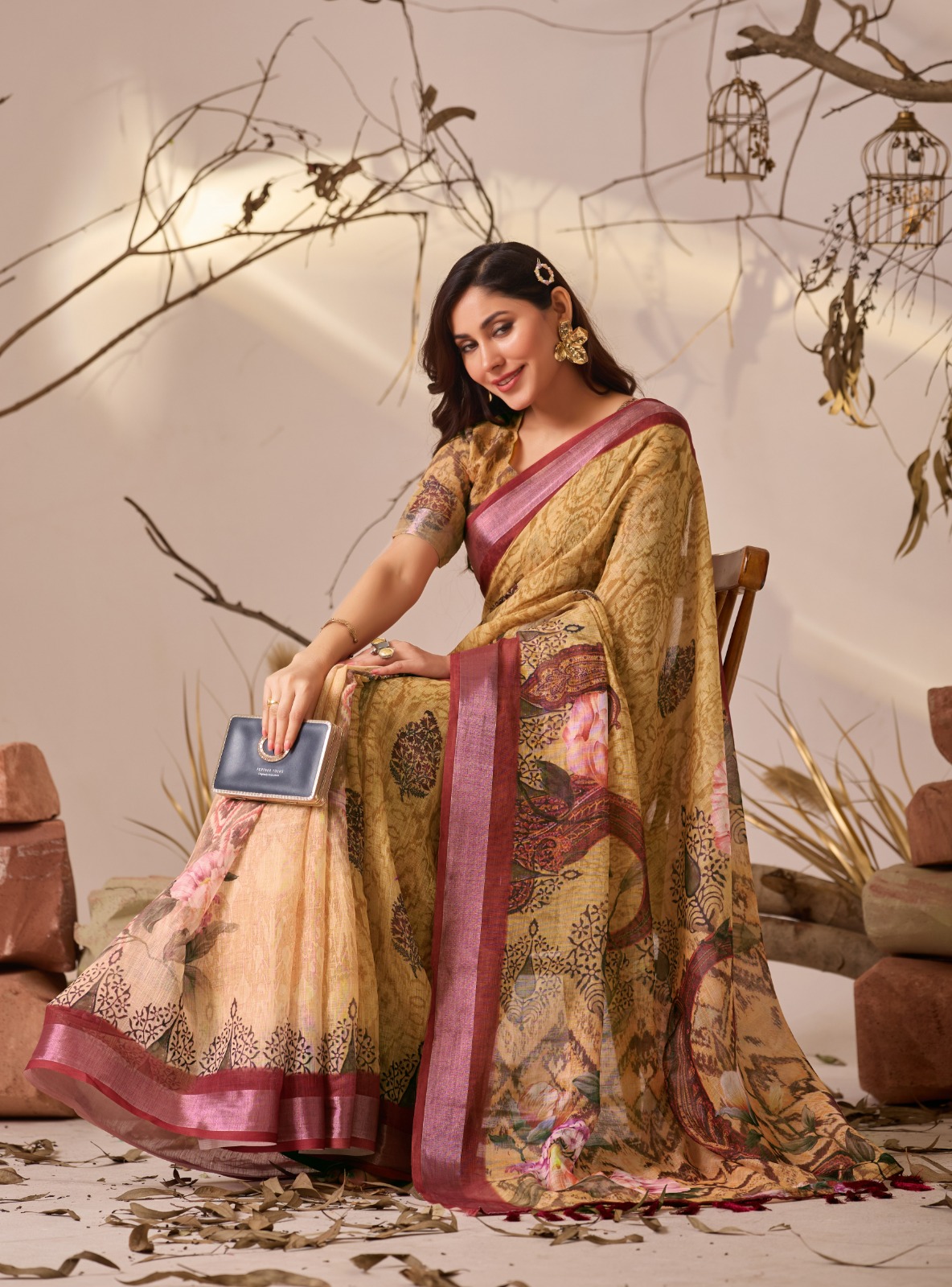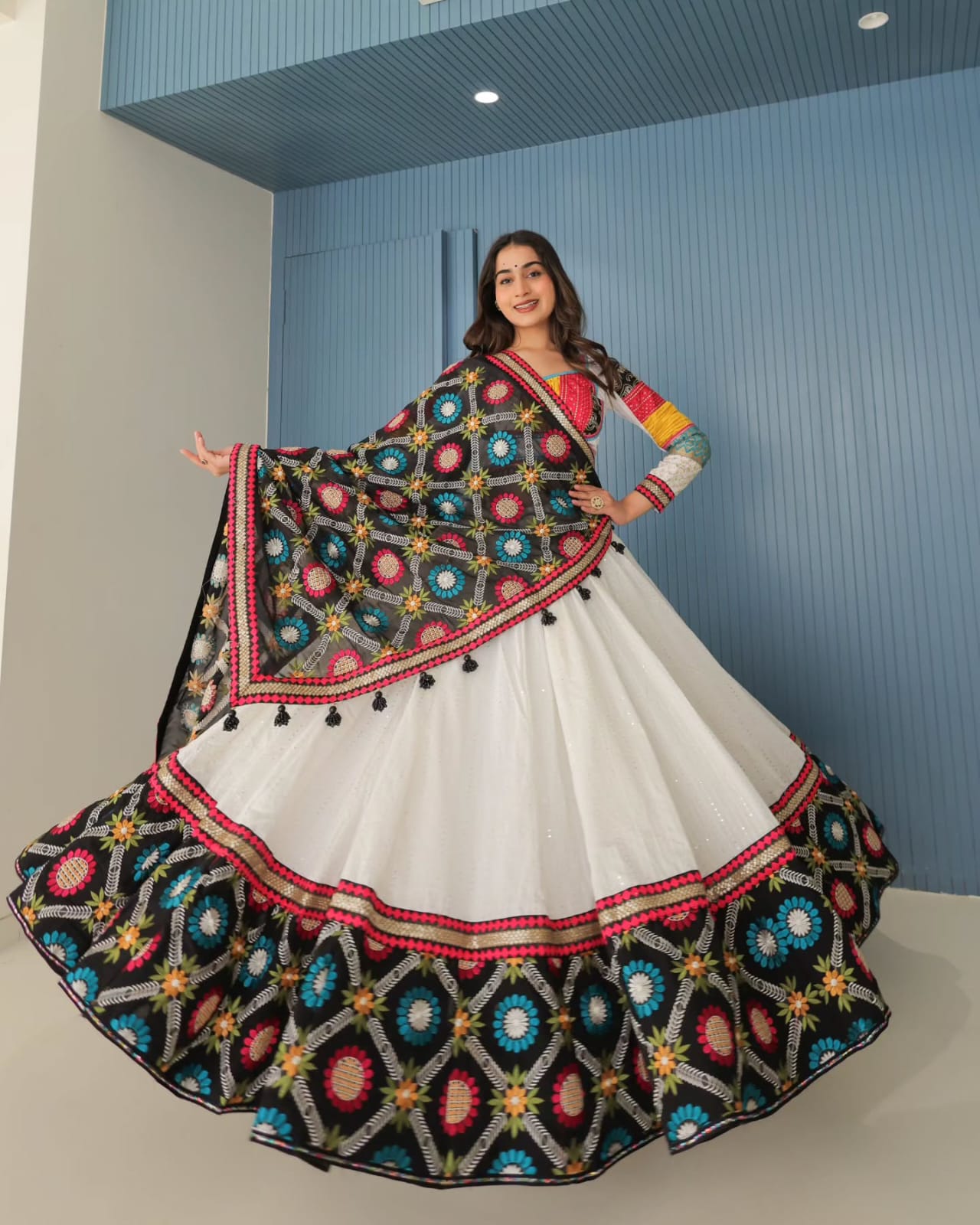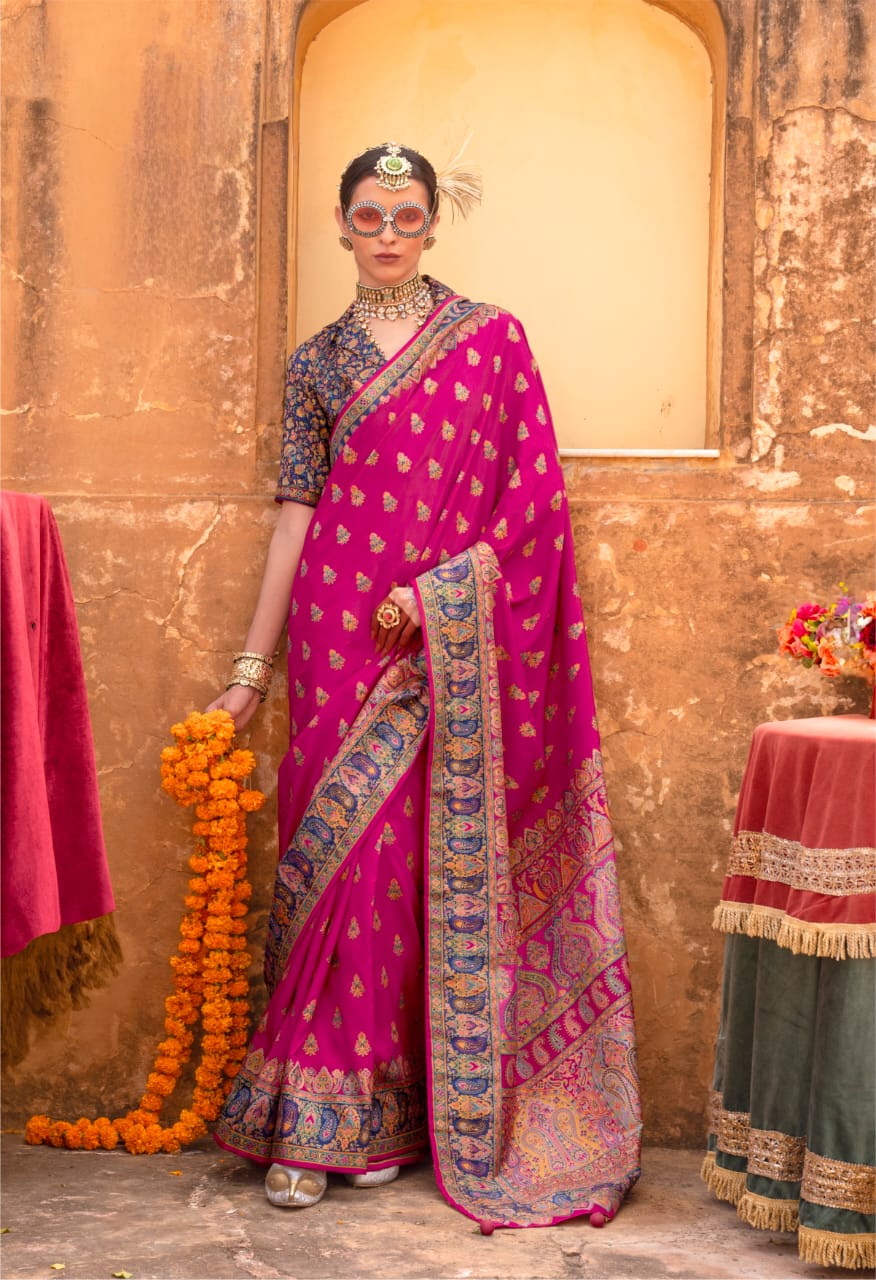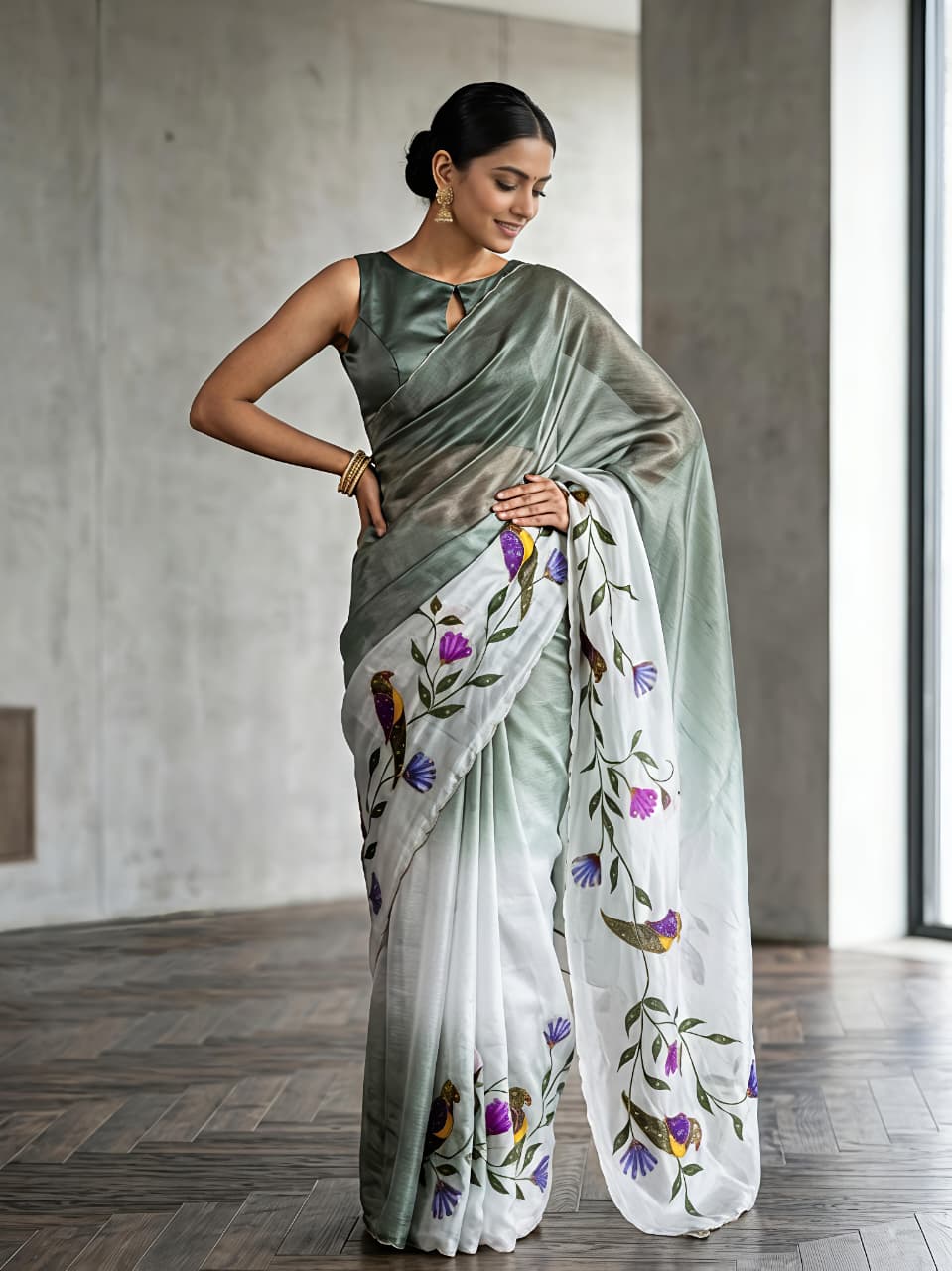
Sarhul Saree Ideas: Traditional Jharkhandi Looks for Women begin with respect for the festival's connection to nature, community and spring. A red, white, yellow or earthy saree can create a beautiful celebration look, but the most convincing outfit also considers breathable fabric, a secure drape, modest movement and locally meaningful styling. Sarhul is celebrated by several Adivasi communities of Jharkhand, generally around spring when sal trees flower, so clothing that feels vivid, comfortable and connected to the landscape works especially well.
A saree for Sarhul doesn't need heavy bridal embellishment. A crisp cotton saree, a handloom-inspired border, a floral print, silver-toned jewellery and a neatly arranged pallu can look more appropriate than excessive sparkle. The best festival celebration outfit is one that lets you participate in dancing, walking, visiting community spaces and spending time outdoors without constantly adjusting the fabric.
Sarhul Saree Ideas: What should a woman wear for Sarhul?
A woman should wear a comfortable saree in a nature-inspired or festive colour, paired with a practical blouse, secure pleats and jewellery that reflects her personal and cultural context. Red is often a strong choice because it photographs beautifully and brings festive warmth, while white, yellow, green and maroon can be introduced through the saree, blouse, border or accessories.
Sarhul has many regional and community-specific expressions, so there's no single universal saree uniform. Women may choose a classic drape associated with their family or community, or wear a familiar Nivi-style drape with a few culturally thoughtful details. Asking an elder or local community member about customary dress is better than treating one styling formula as representative of every Jharkhandi group.
For a daytime festival, cotton, linen-cotton and light silk-cotton blends are useful because they allow airflow. For an evening gathering or a more formal family event, Banarasi silk can add structure and zari without requiring sequins or dense embroidery. A practical outfit usually includes a cotton or cotton-blend petticoat, a blouse with secure shoulder seams and footwear that can handle uneven outdoor ground.
Sarhul Saree Ideas: Which colours create a time-honoured festive look?
Red, white, yellow, green and maroon create a strong Sarhul colour palette, with red and white offering the clearest contrast for a festive heritage look. Colour choices should be guided by family customs and personal comfort rather than by a claim that one shade is compulsory for every wearer.
Red for a high-impact festival look
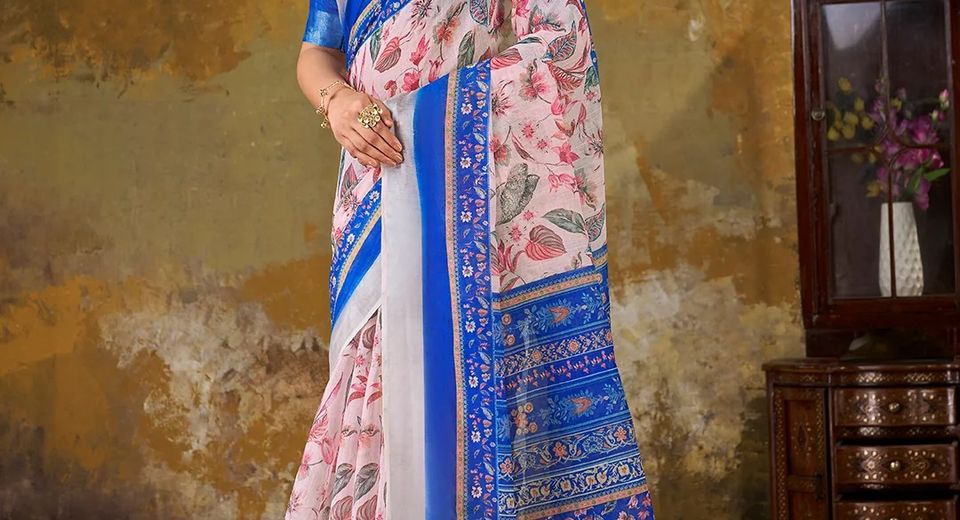
A red saree gives a Sarhul outfit immediate visual energy and works especially well with natural makeup, a low bun and silver or antique-gold jewellery. Red Floral Linen Cotton Saree with Beautiful Printed Border offers a lighter daytime direction because a floral border adds interest without making the entire outfit feel heavy. A red blouse with a plain saree creates a coordinated result, while an ivory or off-white blouse softens the contrast.
Red Banarasi Soft Silk Saree with Jacquard Zari Border suits a more formal Silk festival celebration, particularly for an evening cultural programme or family gathering. Jacquard zari brings a time-honoured finish, but a simple blouse and restrained jewellery keep the outfit connected to a community festival rather than a wedding reception.
Maroon for depth and evening wear
Maroon works well when you want the warmth of red with a deeper, more understated finish. Maroon Mal Cotton Ethnic Saree With Blouse from VARNAVI can support an easy Cotton festival celebration because the colour carries festive weight while the cotton character remains suitable for daytime wear. A mustard, cream or muted green blouse can bring out the saree's earthy side.
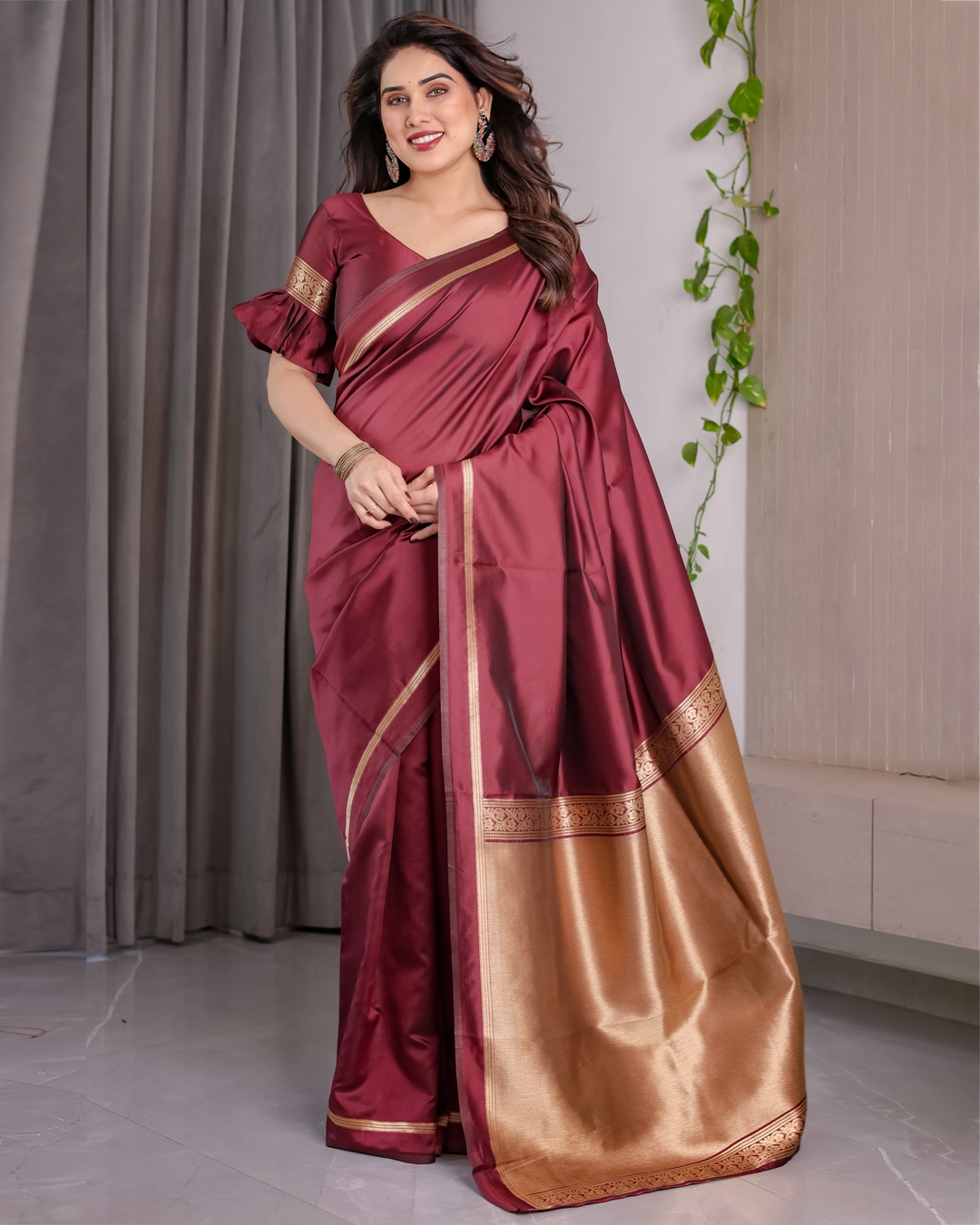
For a richer Silk look Festival outfit, Maroon Banarasi Silk Saree With Floral Jacquard Zari Border introduces floral detail and a defined border. Maroon Banarasi Soft Silk Saree with Golden Zari Border is another evening-friendly option when you want a clean gold accent instead of an all-over embellished surface. Since two listings may use similar naming for maroon Banarasi sarees, check the product images, fabric description and border finish before ordering.
White, yellow and blue as supporting colours
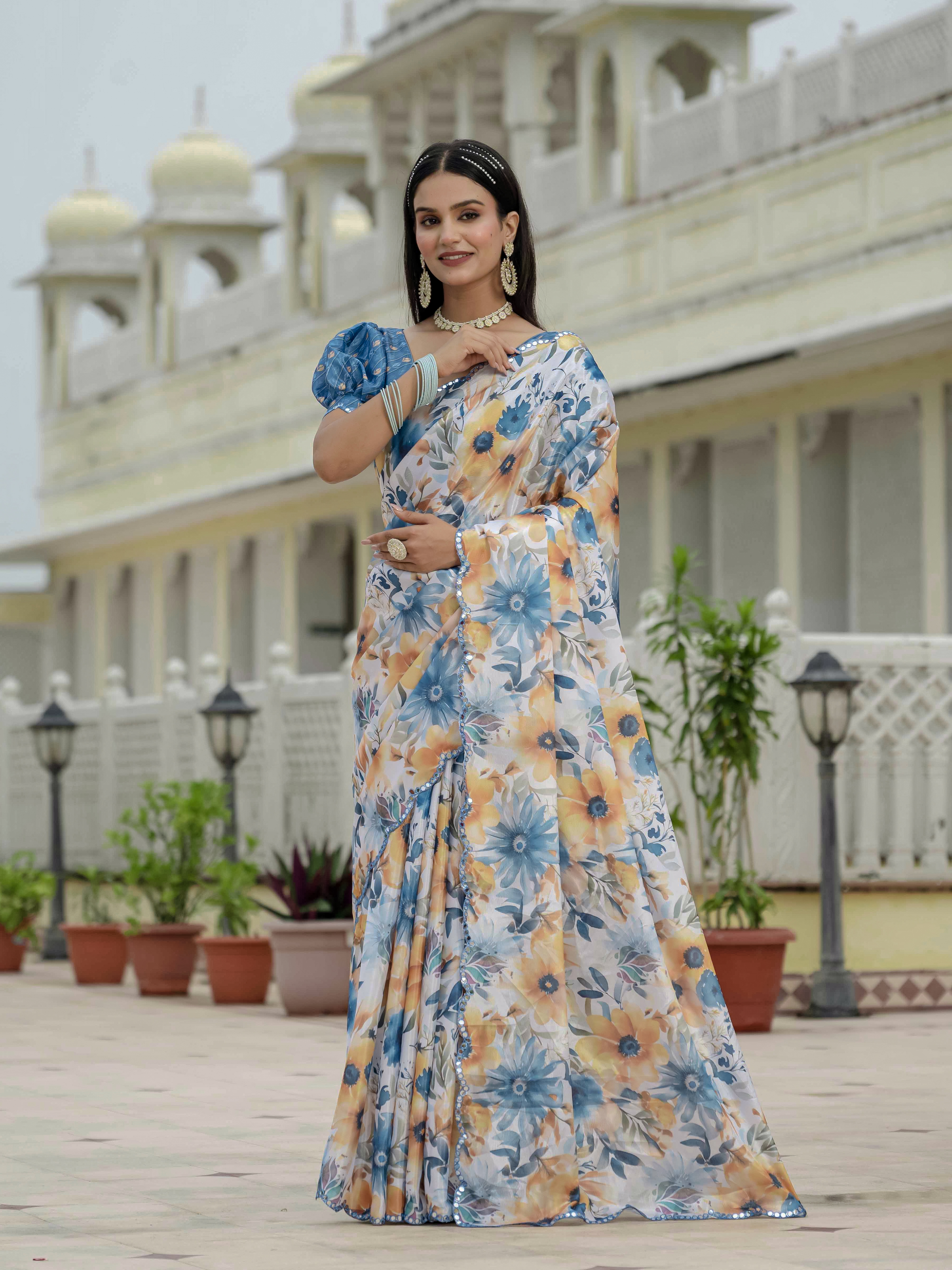
White or ivory can make red jewellery, flowers and borders stand out, while yellow brings a spring-like brightness that suits a morning celebration. Blue isn't the first colour many people associate with Sarhul, but a floral blue saree can feel fresh and grounded when styled with silver jewellery and a warm-toned blouse. Blue Linen Cotton Floral Printed Saree With Contrast Border demonstrates how a cooler base can still look festive through print and border contrast.
Sarhul Saree Ideas: Which fabrics work best for the festival?
Linen cotton, cotton, Mal cotton and soft silk are practical fabric choices for Sarhul because they cover different needs: breathability for daytime, easy movement for community activities and richer texture for evening events. Fabric weight matters as much as colour because a stiff or very heavy saree becomes uncomfortable during several hours of standing, walking and dancing.

Linen cotton usually gives a dry hand-feel and airflow, although it may apply more strongly than synthetic blends. Cotton and Mal cotton are comfortable in cooler weather and generally easy to manage for a long festival day. Banarasi soft silk has more body and sheen, making pleats hold their shape well, but it can feel warm than cotton under direct sun. A light cotton saree is therefore often more suitable for a daytime festival visit, while soft silk belongs more naturally to an evening celebration.
Check the product measurements before buying. A saree around 5.3 to 5.5 metres is commonly manageable with a standard petticoat, while a longer 6-metre saree may provide more pallu coverage but requires additional fabric handling. A broad zari border can add weight near the hem, so test the drape at home before the festival rather than discovering that the pleats pull sideways on the day.
Red Banarasi Soft Silk Saree With Golden Zari Floral Border is an useful example of a statement saree that already has decorative structure in the border. When the border and pallu are detailed, the blouse can remain plain or carry only a narrow sleeve trim. This approach prevents the finished outfit from looking visually crowded.
Shoppers comparing prices can also browse Silk Sarees Under 3000 With Discount when they want a formal silk-inspired appearance within a defined budget. Pink Georgette Sarees and Party Wear Sarees may offer more dressy alternatives, but lightweight georgette is less connected to the breathable cotton direction discussed here and may require more careful pinning.
Sarhul Saree Ideas: How can you drape a saree comfortably?
A comfortable Sarhul drape uses a fitted petticoat, secure waist pleats, a pinned pallu and enough hem clearance to walk safely. The Nivi drape is a practical choice for many women because the front pleats fall predictably and the pallu can be worn over the left shoulder with one or two discreet pins.
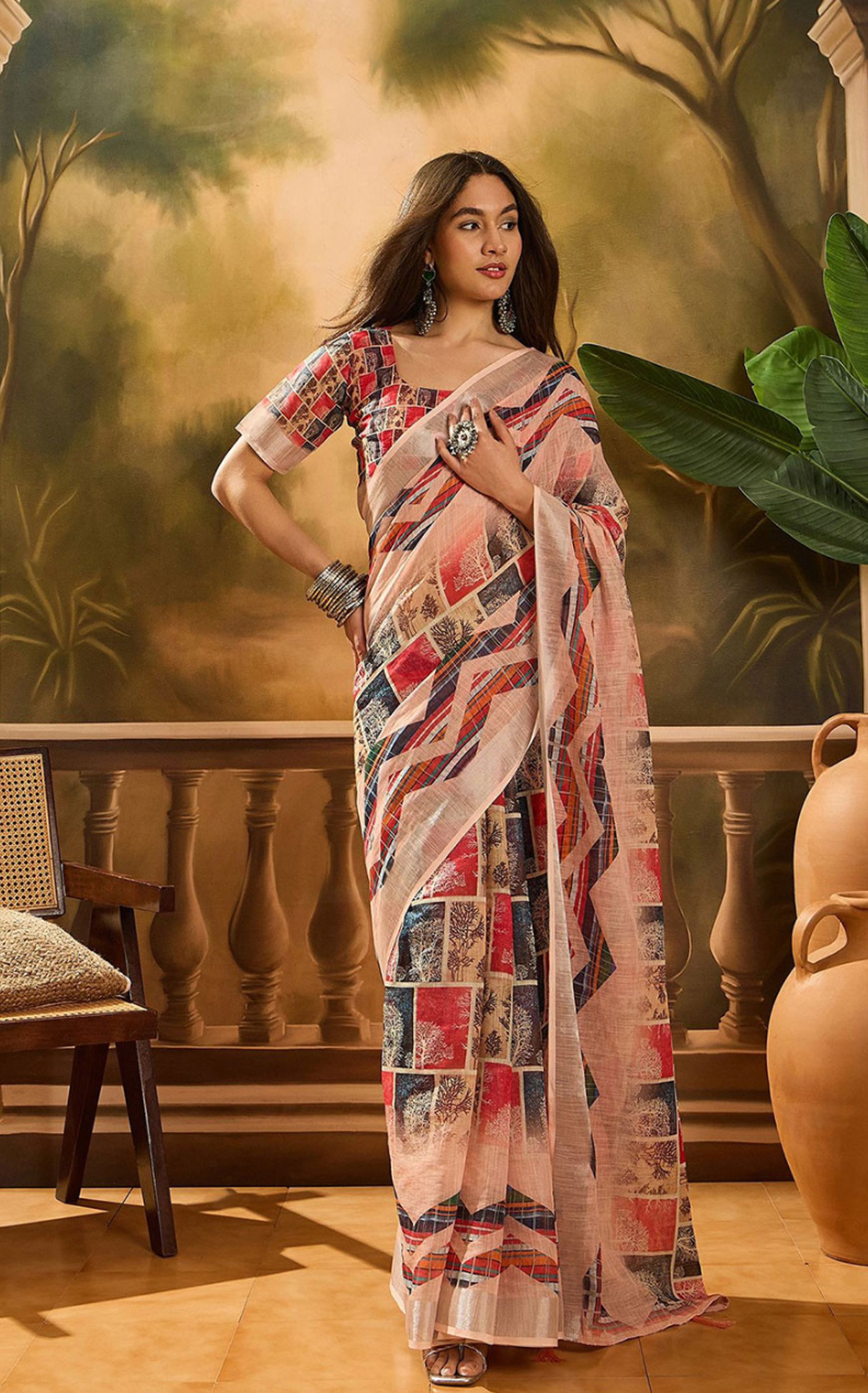
- Choose the base correctly: Wear a petticoat with a firm drawstring or a well-fitting elastic waist, and match the petticoat colour closely to the saree so small gaps don't show.
- Set the hem: Put on the footwear you'll actually wear and adjust the saree so the lower edge sits just above the floor. A hem that drags collects dust and creates a tripping risk outdoors.
- Make five to seven pleats: Medium-width pleats are easier to control than very narrow pleats, especially in linen cotton or cotton. Align the pleats at the centre and pin them discreetly to the petticoat.
- Secure the pallu: Place one safety pin near the shoulder and a second hidden pin near the blouse underarm if the fabric is slippery. Leave enough length for comfortable arm movement.
- Test the movement: Sit, climb a step, lift your arms and walk for five minutes before leaving home. These simple checks reveal whether the waist is too tight, the pallu is too short or the hem needs adjustment.
Women who prefer a regional drape should follow the technique taught by their family or community. Regional drapes carry meaning that can't be reproduced accurately through a generic styling tutorial. A familiar drape also tends to stay secure because the wearer already understands how the fabric behaves during movement.
Sarhul Saree Ideas: What blouse and jewellery details complete the look?
A blouse with a comfortable neckline, secure sleeves and enough armroom completes a Sarhul saree better than a heavily decorated blouse that restricts movement. Short sleeves, elbow-length sleeves and simple round or square necklines all work, provided the cut supports the saree's fabric and the wearer's comfort.

Pair a printed cotton saree with a solid blouse pulled from its border. A red floral saree can take an ivory, green, maroon or red blouse; a maroon Banarasi saree can take cream, rust, mustard or matching maroon. With a zari-heavy saree, avoid automatically adding sequins, mirror work and a glittering belt. One clear focal point usually looks more intentional.
Silver-toned earrings, a small nose pin, glass bangles, beads, a metal necklace or a heritage-looking pendant can work with a cotton saree. Gold-toned jewellery complements Banarasi silk and golden zari, while oxidised silver creates a more earthy contrast. Jewellery traditions vary across Jharkhand's communities, so inherited pieces or locally familiar ornaments are more meaningful than accessories selected only because they're currently fashionable.
A centre-parted bun, braid or low ponytail is practical for a long celebration. Fresh flowers can be added if they're available and culturally appropriate, but hair should be secured first so humidity, movement and outdoor activity don't loosen the style. A small bindi, kajal and a restrained lip colour can complete the face without competing with a printed border or zari pallu.
Red Banarasi Silk Sarees for Weddings Under 1100 may appear in searches when shoppers want an affordable red silk look, although a wedding-focused collection may be more ornate than a daytime Sarhul outfit. Gray Color Sarees Under 1000 can be useful for comparing understated colour options, but a grey saree usually needs a warm blouse, red accessories or floral details to retain a festive character.
Sarhul Saree Ideas: How can you shop thoughtfully for a festival outfit?
Thoughtful shopping means checking fabric, measurements, blouse details, return information and delivery time before placing an order. A saree bought for Sarhul should ideally arrive at least seven to ten days before the event, leaving time for blouse alterations, pre-draping and a wash or steam test when the care label permits.
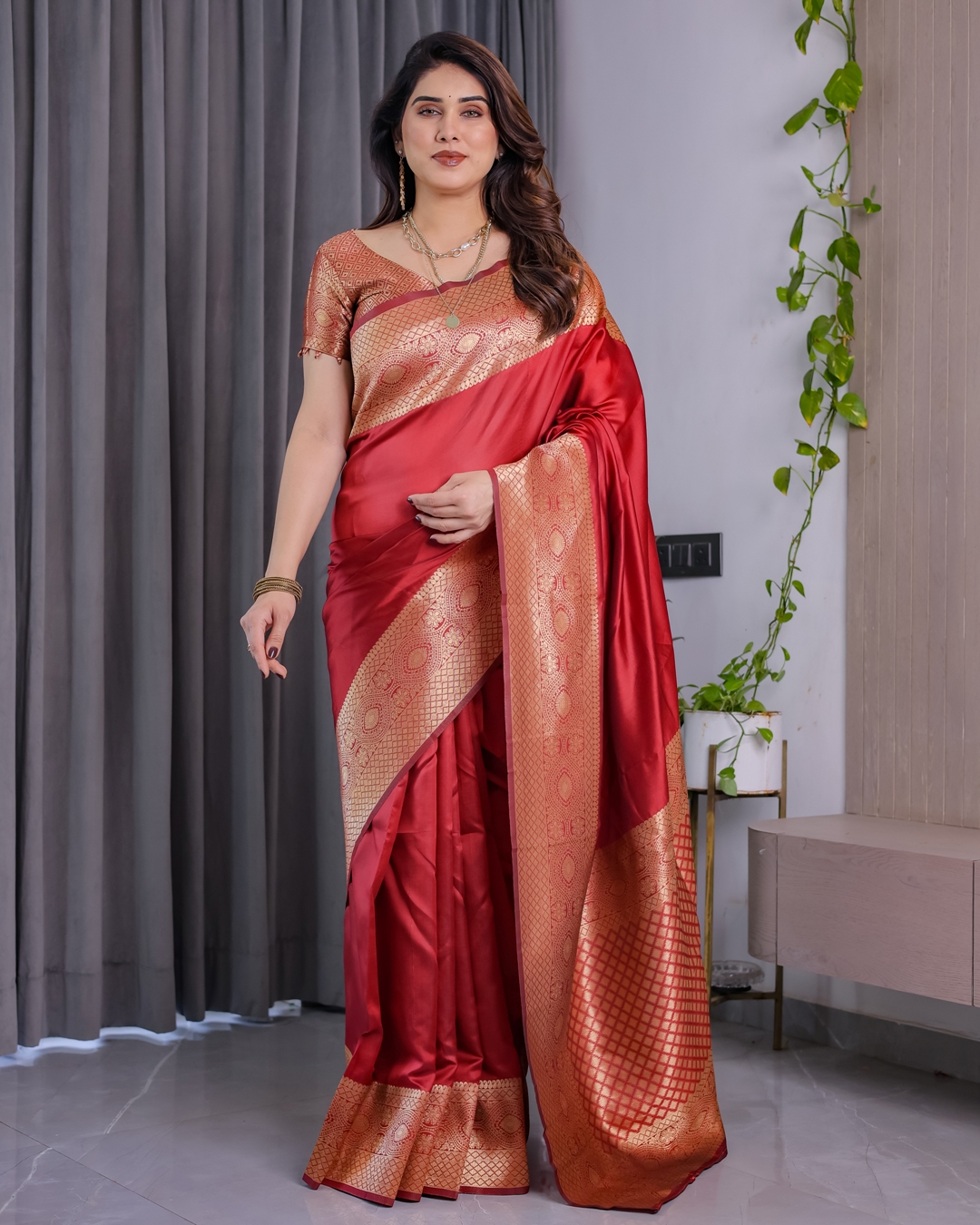
Read the fabric description instead of judging material from a photograph. Banarasi silk can have a noticeably different weight from linen cotton, and a printed cotton saree may soften after use while zari borders need gentler handling. Check whether the blouse is included, whether the blouse piece is unstitched, and whether the saree has a separate fall or petticoat requirement.
Inspect colour contrast on a larger screen when possible. Red, maroon and gold can look very similar in compressed product images, while blue and green may shift under different lighting. Compare the border width, pallu pattern and print placement because those details determine how the saree will appear after pleating.
Collections such as Pink Georgette Sarees, Party Wear Sarees and Red Banarasi Silk Sarees for Weddings Under 1100 can help compare silhouettes and price points, but the final decision should follow the festival's weather, your expected movement and the customs of your household. A festive saree doesn't become more appropriate simply because it has more shine.
Sarhul Saree Ideas: What should you remember before the celebration?
The strongest Sarhul outfit combines cultural sensitivity, breathable fabric, a secure drape and a colour story that feels personal. Red and maroon create confident traditional looks, cotton and linen cotton support daytime comfort, and Banarasi silk adds evening formality when used with restraint.
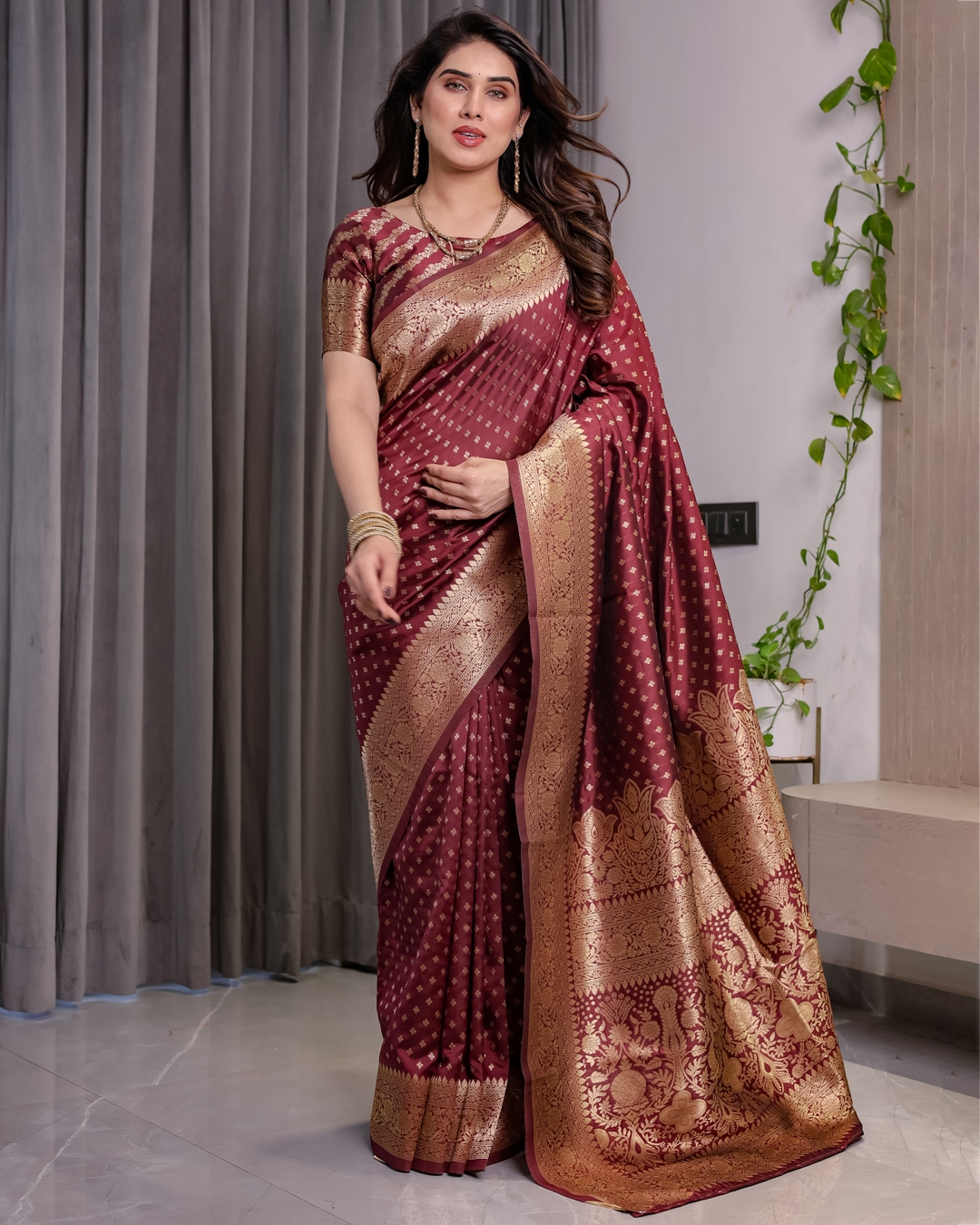
Try the complete outfit once before the festival, including footwear, jewellery, blouse and hairstyle. Sit on the floor if that's part of your gathering, walk outdoors, raise your arms and check that the pallu remains secure. Practical testing turns attractive Sarhul Saree Ideas into an outfit that remains comfortable throughout the celebration.
Respect for Jharkhandi traditions should guide styling choices more strongly than trend reports. When a saree allows you to move freely, participate confidently and honour the customs familiar to your family or community, the finished look becomes more than festival wear.
Common Questions About Sarhul Saree Styling for Women
Which saree colour is suitable for Sarhul?
Red, white, yellow, green and maroon can all work for Sarhul, depending on family and community customs. Red is a popular festive choice, while white or ivory, yellow and earthy green can be introduced through the blouse, border or accessories.
Which fabric is most comfortable for a Sarhul saree?
Cotton, Mal cotton and linen cotton are generally the most comfortable choices for a warm daytime celebration because they allow airflow and support movement. Banarasi soft silk is better suited to an evening event when you want more structure and sheen.
Can I wear a Banarasi silk saree for Sarhul?
Yes, a Banarasi silk saree can suit an evening Sarhul gathering or a formal family celebration. Choose a saree with a defined border, then balance zari with a simple blouse and restrained jewellery rather than adding several competing embellishments.
How can I keep my saree secure during a festival?
Use a well-fitting petticoat, pin the centre pleats and secure the pallu at the shoulder and near the blouse underarm. Walk, sit and raise your arms in the complete outfit before leaving home to check the hem and pins.
What jewellery goes well with a traditional Jharkhandi saree look?
Silver-toned earrings, glass bangles, beads, a metal necklace and a small nose pin can complement cotton and floral sarees. Gold-toned jewellery works well with Banarasi silk and golden zari, while inherited or locally familiar ornaments add greater cultural meaning than trend-led accessories.
How early should I buy a saree for Sarhul?
Buy the saree at least seven to ten days before the festival whenever possible. That timeframe allows you to check the fabric, arrange blouse alterations, practise the drape and resolve a sizing or delivery issue before the celebration.