

Sarhul Festival Fashion: Traditional Jharkhand Sarees & Ethnic Wear begins with respect for nature, community and the arrival of spring. Sarhul is a major spring festival celebrated by several Adivasi communities in Jharkhand and neighbouring regions, traditionally connected with the worship of the Sal tree and the renewal of the unbleached world. A thoughtful outfit should therefore feel festive without becoming costume-like: breathable fabric, graceful draping and carefully chosen colours weigh more than excessive decoration.
Sarhul celebrations commonly take place around March or April, although the date follows the lunar calendar and varies each year. Warm afternoons, community processions, dancing and long hours of sitting or standing make comfort especially important. A lightweight cotton or linen-cotton saree can be more practical than a heavy silk, while a modest zari border or woven motif adds enough occasion value for a festival celebration.
How Does Sarhul Festival Fashion Reflect Jharkhand's Spring Traditions?
Sarhul Festival Fashion reflects seasonal renewal, cultural belonging and reverence for nature through clothing that's colourful, comfortable and connected to local identity. Dress customs differ between communities, families and districts, so no single saree style represents every Sarhul celebration.
Traditional Jharkhand clothing is often associated with handwoven textiles, regional drapes and strong colour contrasts. Women may wear sarees in cotton or other locally familiar fabrics, paired with a blouse, silver jewellery and flowers. The significance comes from the occasion and the wearer's connection to the celebration, not from copying a particular motif without understanding its context.
White, red, yellow and earthy shades can work naturally for a spring festival. Red may bring warmth and visibility to a gathering, while cream, ivory, muted pink, leaf green and ochre create a softer connection with flowers, soil and new foliage. Colour preferences are not universal rules, so personal comfort and community guidance should lead the final choice.
Traditional styling also benefits from restraint. A handloom texture, a woven zari edge, a neatly draped pallu and one or two pieces of silver jewellery can create a complete look. Heavy bridal embroidery, oversized trains and extremely delicate fabrics may be less suitable for outdoor rituals or energetic dancing.
Which Fabrics Work Best for Sarhul Festival Fashion?
Cotton, linen-cotton and light handloom fabrics generally work best for Sarhul Festival Fashion because they support airflow, movement and long hours of wear in spring weather. Silk and satin can suit formal evening programmes, but their weight, lining and heat retention should be considered before choosing them for an outdoor celebration.

Why choose cotton and handloom sarees?
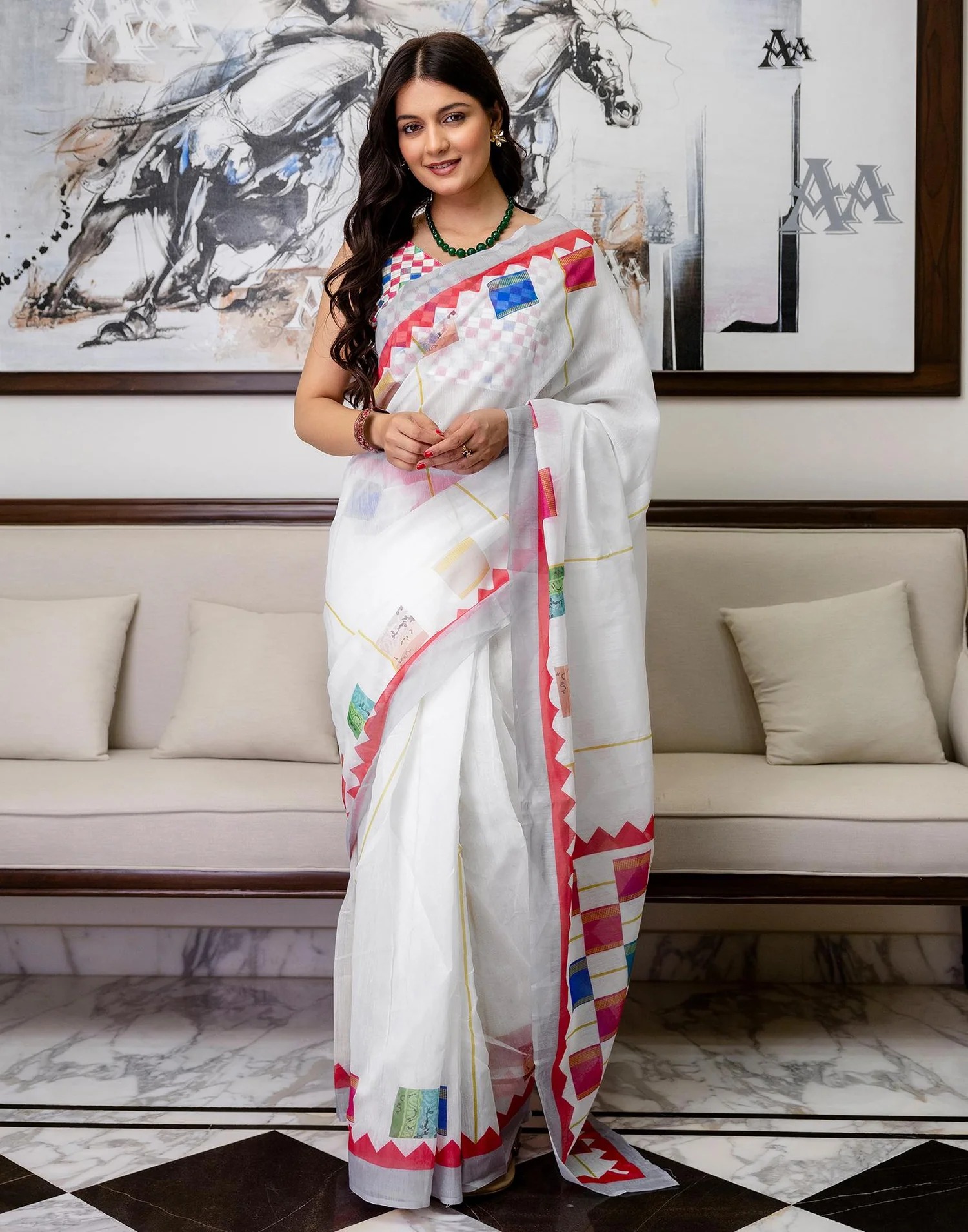
A cotton saree is useful when the event includes travel, outdoor gatherings or several hours of activity. Pastel Floral Tissue Handloom Cotton Saree with Zari Weaves combines a light visual mood with a festive border, making it suitable for someone who wants handloom character without a very dark or heavy palette. Cream Pink Tissue Handloom Cotton Saree with Zari offers another gentle direction for a daytime celebration.
Mal cotton is another practical choice because it can feel lighter than many dense cotton weaves while retaining a traditional appearance. Maroon Mal Cotton Ethnic Saree With Blouse from VARNAVI provides a deeper colour option for an evening gathering or for wearers who prefer a richer, more grounded palette.
When is silk appropriate?
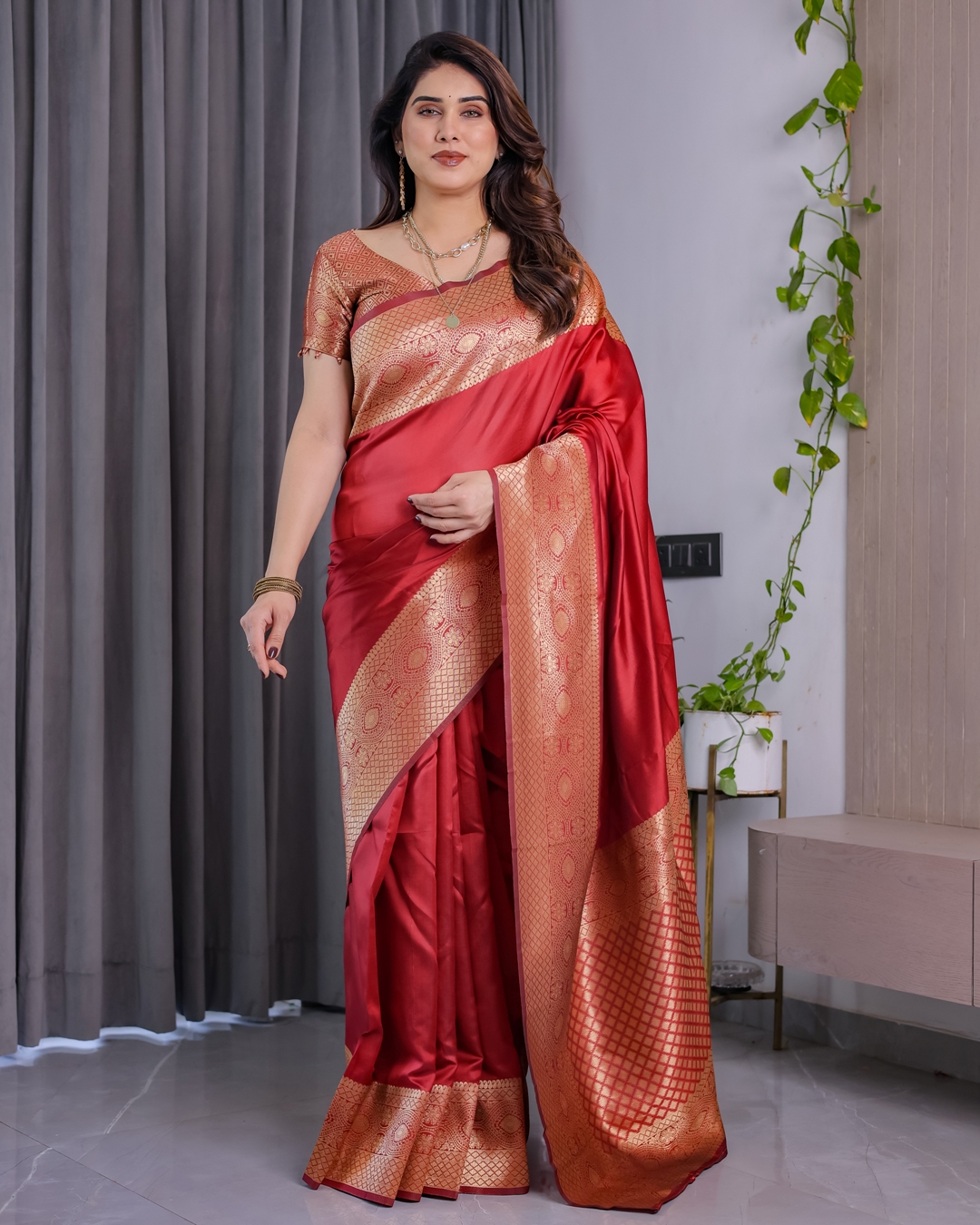
Silk works well when the Sarhul programme includes a formal cultural event, family portraits or an evening meal, but the weight and shine should suit the weather. Red Banarasi Soft Silk Saree with Jacquard Zari Border can create a celebratory silk look through its woven border rather than depending on layers of additional embellishment.
Banarasi silk and jacquard zari are visually rich, so a simpler blouse and fewer accessories often produce a more balanced result. A saree with a silk-like finish can also be comfortable when the fabric is soft and the pallu isn't overloaded with metallic work.
Why consider linen-cotton?
Linen-cotton is a strong middle ground for Sarhul because it combines a relaxed texture with enough structure for a defined pleat. Multicolor Linen Cotton Floral Saree with Blouse Online suits a wearer who wants a spring-inspired look with visible colour, especially for daytime events where floral prints feel seasonally appropriate.
Which Colours Suit Sarhul Festival Fashion?
Colours inspired by spring, foliage, flowers and the earth suit Sarhul Festival Fashion, provided the palette feels personal and appropriate to the community setting. Red, cream, yellow, pink, green, rust and maroon can all work, while metallic gold is best used as a border or small accent rather than the entire visual focus.

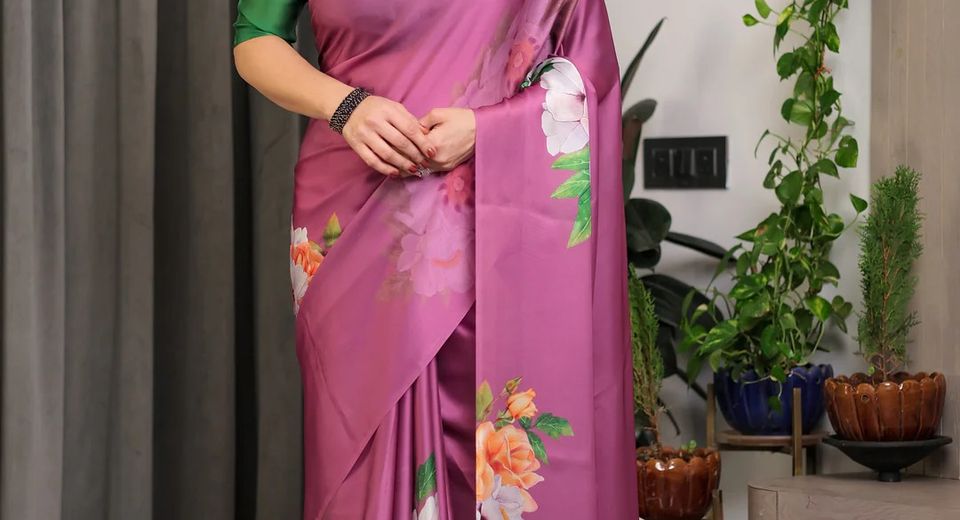
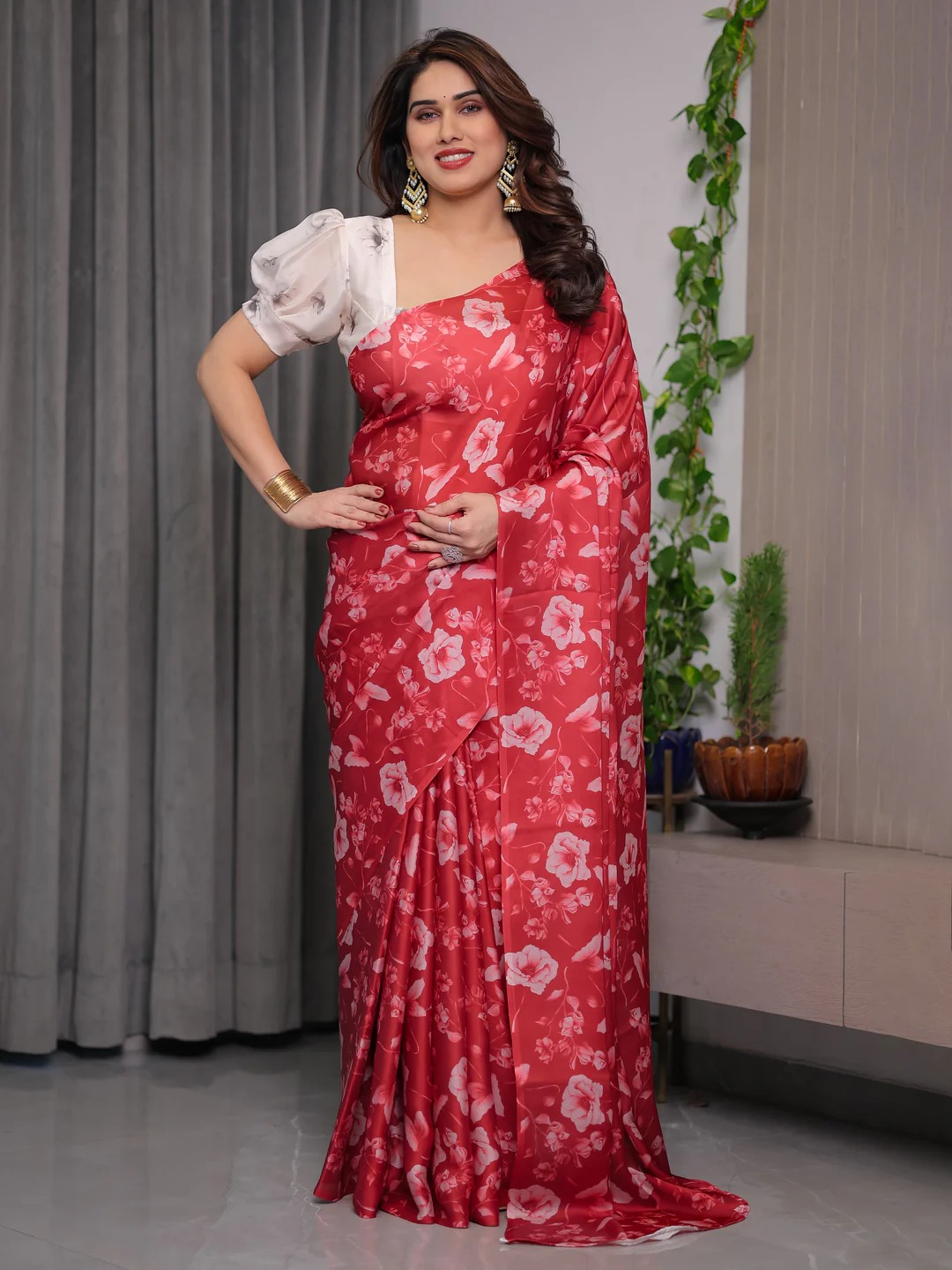
Floral prints are a straightforward way to acknowledge the season without imitating sacred symbols. Red Satin Floral Print Saree with Unstitched Blouse Textile creates a brighter, more contemporary interpretation, while Light Pink Floral Satin Saree with Unstitched Blouse Fabric gives a softer option for a daytime family function. Satin can reflect light attractively, but satin may feel warmer than cotton, so satin is better suited to shorter events or cooler evenings.
Black Satin Rose Floral Saree with Unstitched Blouse Fabric can work for a modern evening look when balanced with a bright blouse, silver jewellery or red accents. Black isn't automatically unsuitable for a festival, but local customs and family expectations should guide the decision. A colour that feels stylish in a photograph may not be appropriate for every ritual setting.
Motifs deserve similar care. Flowers, leaves and abstract borders can support a spring theme, but sacred emblems, community-specific patterns and Adivasi art forms should not be reproduced casually as decoration. When a motif has cultural meaning, learning its origin and buying from a responsible maker is more respectful than choosing it only because it's visually fashionable.
How Can Sarhul Festival Fashion Be Styled Respectfully?
Sarhul Festival Fashion can be styled respectfully by keeping the drape secure, choosing regionally familiar jewellery and allowing the fabric's texture to remain visible. Authenticity doesn't require theatrical imitation; authenticity requires context, comfort and respect for the people whose traditions inspire the look.
What blouse and drape choices are practical?
A high-neck, short-sleeved or elbow-length blouse can be practical for daytime gatherings, especially when the saree has a sheer or lightweight body. A plain blouse in maroon, cream, red, mustard or leaf green helps a printed saree remain the focus. An unstitched blouse piece gives more control over sleeve length, neckline and fit, but tailoring should be completed several days before the festival rather than immediately before travel.
A secure Nivi-style drape is suitable when you need familiar movement and easy pinning. Keep the pleats narrow enough for comfortable walking, place the pallu at a length that doesn't drag, and use discreet pins at the shoulder and waist. Anyone participating in dancing or a procession should test the complete drape by walking, sitting and raising both arms before the event.
Which accessories complete the look?
Silver-toned earrings, a simple necklace, bangles and a small nose pin can complement a cotton or handloom saree without overwhelming it. Oxidised silver works especially well with maroon, cream, red and mustard, while polished silver creates a cleaner look with pastel colours. Jewellery associated with a particular community should be worn with knowledge of its meaning rather than as a generic tribal accessory.
A braid, low bun or securely pinned half-up hairstyle is more practical than loose hair for outdoor celebrations. Fresh flowers can add a seasonal element, but their use should follow local custom and personal preference. Comfortable flat sandals are generally more useful than narrow heels on uneven ground.
How Should You Adapt Sarhul Festival Fashion for Weather and Activity?
Adapt Sarhul Festival Fashion for weather and activity by reducing layers, securing the pallu and choosing accessories that remain comfortable for at least four hours. Spring temperatures can rise quickly, so a breathable blouse and cotton lining often make a larger difference than the saree's colour or embellishment.
Wear a cotton slip that fits closely without restricting movement, and avoid a bulky underskirt that makes the pleats stand away from the body. A blouse with cotton lining can reduce the discomfort caused by satin or synthetic surfaces. Carry safety pins, a small packet of tissues, a hair tie and a few plasters if the celebration involves travel or outdoor walking.
For a daytime Sarhul festival celebration, choose handloom cotton, linen-cotton or a light printed saree with a narrow zari edge. For an evening cultural programme, soft silk, satin or a slightly richer jacquard border can raise the formality. The difference between a daytime and evening look can come from jewellery and blouse styling rather than buying a completely separate wardrobe.
People comparing festive options by budget may look at Silk Sarees Under 3000 With Discount for a formal fabric at a controlled price point. Pink Georgette Sarees can provide a lighter, dressier alternative when the event is indoors, although georgette usually needs careful pleating and secure pinning. Red Banarasi Silk Sarees for Weddings Under 1100 may suit someone seeking a richer red look, but the weave, lining and actual fabric composition should be checked before purchase.
How Can You Plan Sarhul Festival Fashion on a Practical Budget?
Plan Sarhul Festival Fashion on a practical budget by prioritising a versatile saree, a well-fitted blouse and reusable accessories instead of buying heavy decoration for one festival. A saree that works for a family puja, cultural programme and later festive gathering brings better value than a highly specialised outfit.
Party Wear Sarees can be useful for an evening celebration when the styling remains modest and the fabric permits movement. Gray Color Sarees Under 1000 offer a neutral base that can be changed with a red, yellow or green blouse and silver jewellery. Neutral sarees are especially useful for wardrobes that already contain bright accessories.
Check the saree length, blouse-piece availability, fabric composition, transparency and care instructions before ordering. A standard saree is commonly around 5.5 metres, with an additional blouse piece when included, but measurements vary by product. Confirm whether the blouse is stitched, unstitched or absent, because tailoring time and cost can materially change the final budget.
Before buying, compare the event setting with the fabric. A cotton festival celebration in an open ground demands different clothing from an indoor silk look festival or a formal evening reception. A beautiful saree that requires constant adjustment is less useful than a simpler saree that remains secure throughout the programme.
How Should You Care for Sarees Worn at Sarhul?
Care for a Sarhul saree by following its fibre-specific washing instructions, airing it fully after wear and storing it away from direct sunlight. Cotton, Banarasi silk, satin and zari need different handling, so a single washing method should not be applied to every saree.

Remove surface dust with a soft, dry cloth and allow perspiration to evaporate before folding the saree. Do not leave a damp saree tightly folded in a wardrobe. Cotton sarees can often be washed more simply, but colour bleeding should be tested on a concealed edge first. Banarasi silk, zari and satin are safer when handled according to the care label or by a reputable professional cleaner.
Fold zari borders inward and refold stored sarees every few months to reduce permanent crease lines. Acid-free tissue or clean cotton fabric can protect delicate surfaces, while a breathable storage space helps prevent musty odours. Avoid pressing zari directly with a hot iron; use a pressing cloth and a low appropriate temperature.
The most successful Sarhul outfit allows the wearer to participate fully in the celebration. A breathable saree, secure drape, thoughtful colour palette and culturally aware accessories create a festive appearance while keeping attention on community, nature and the meaning of the day.
Common Questions About Sarhul Festival Sarees and Ethnic Wear
Which saree is best for a Sarhul festival celebration?
A lightweight cotton, handloom cotton or linen-cotton saree is usually the most practical choice for a Sarhul festival celebration because these fabrics support airflow and movement. Choose a modest zari border, floral print or woven texture when you want additional festive detail without excessive weight.
What colours can women wear for Sarhul?
Women can wear red, cream, yellow, pink, green, maroon, rust and other spring or earth-inspired shades for Sarhul. Colour customs vary by family and community, so local guidance should take priority over general fashion advice.
Is silk suitable for Sarhul Festival Fashion?
Silk is suitable for a formal evening programme, family portraits or an indoor celebration, provided the saree is not too heavy for the weather. Banarasi silk with a manageable zari border can provide a festive look, while a simpler blouse keeps the outfit comfortable.
How can I keep a saree secure during Sarhul dancing or processions?
Use a well-fitting cotton petticoat, make firm waist pleats and secure the pallu at the shoulder and waist with discreet safety pins. Walk, sit and raise both arms in the complete outfit before leaving so that the drape can be adjusted in advance.
Can floral sarees be worn for a Sarhul festival?
Floral sarees can be worn for a Sarhul festival because flowers connect naturally with the spring season. Choose ordinary floral prints or woven motifs rather than copying sacred or community-specific symbols without understanding their cultural meaning.
How should I care for a saree after wearing it to Sarhul?
Air the saree completely before folding it and store it away from direct sunlight and moisture. Follow separate care methods for cotton, satin, silk and zari, and use professional cleaning when the care label recommends it.





