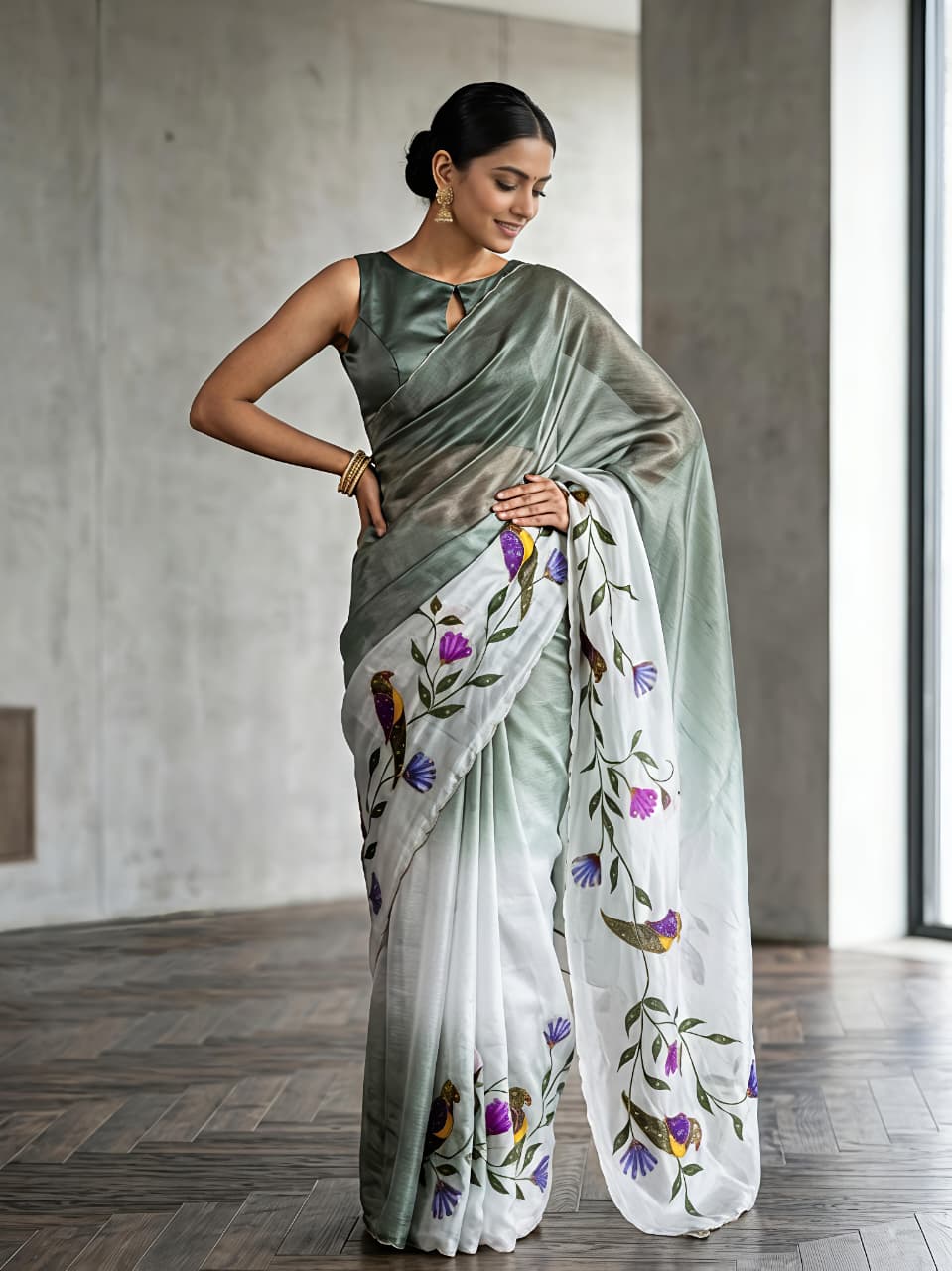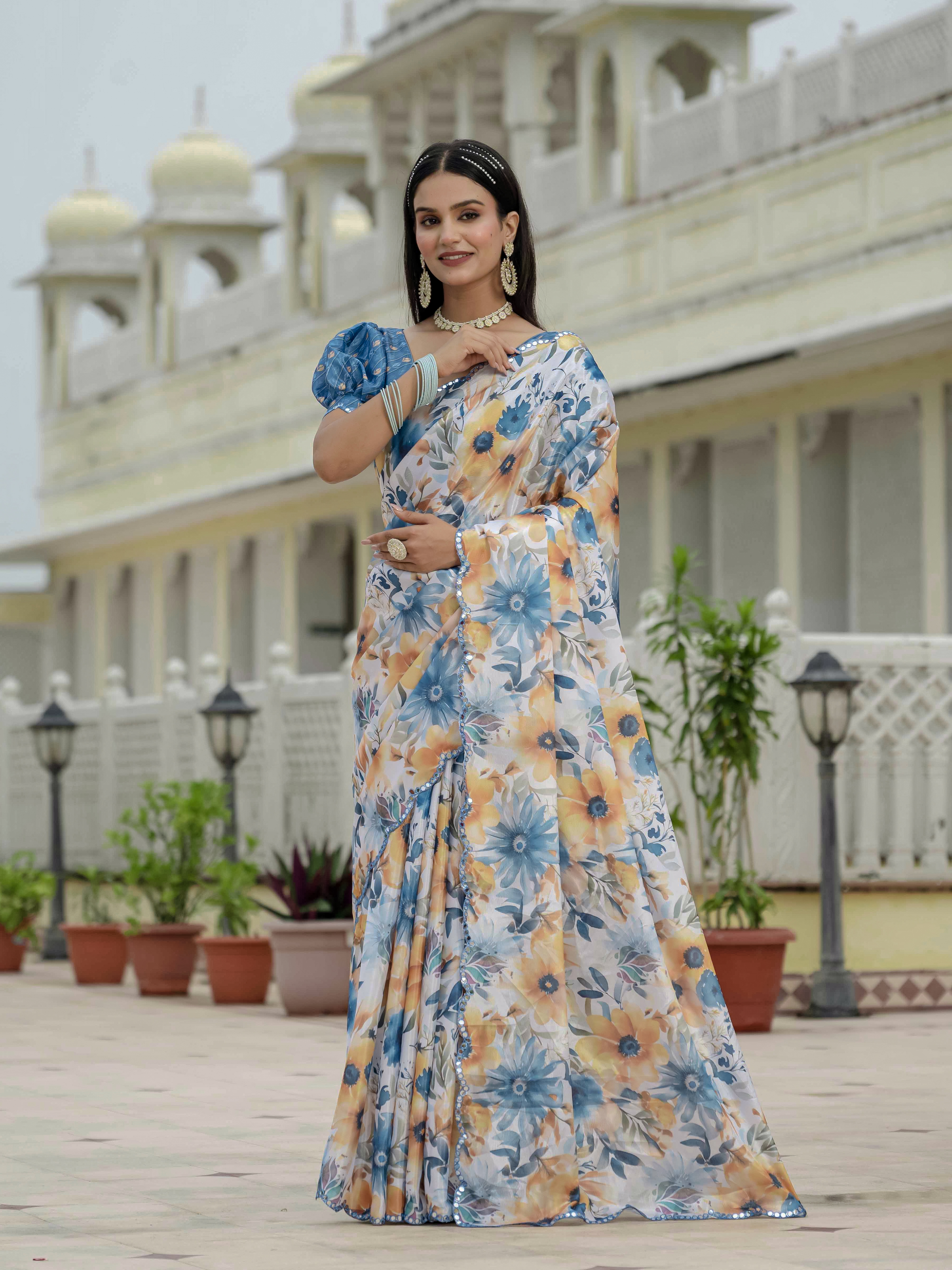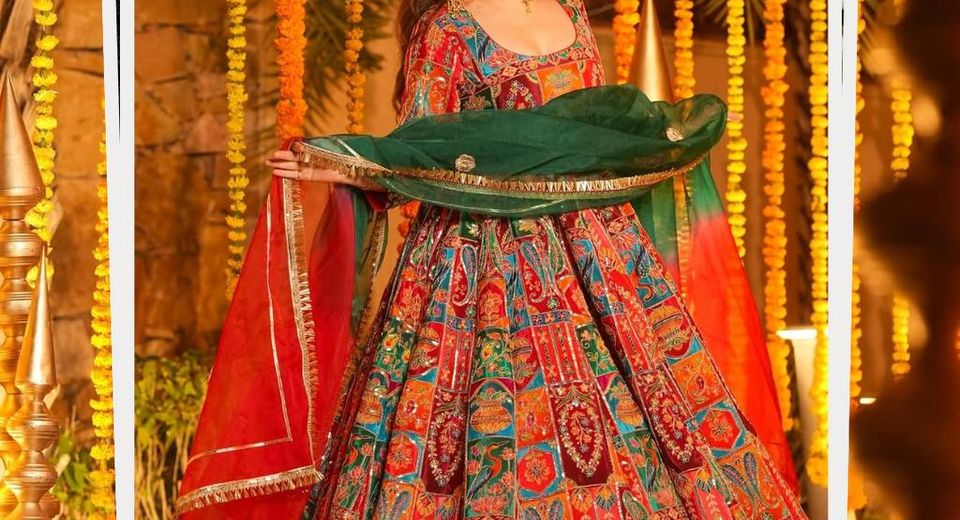
Saree vs Salwar Suit: What to Wear for Different South Indian Festivals? The useful answer depends on the festival setting, the amount of walking and sitting involved, the weather, and how formal your family gathering will be. A silk saree creates a traditionally ceremonial look, while a well-fitted salwar suit offers easier movement and simpler draping. Both can be appropriate for Pongal, Onam, Ugadi, Vishu, Tamil New Year and temple visits when the fabric, colour and styling suit the setting.
Choosing between the two outfits becomes easier when you separate visual formality from practical comfort. A Kanjeevaram saree may be the strongest choice for a wedding-linked puja, whereas a Chanderi salwar suit can be more comfortable for several hours of visiting relatives. The right garment should respect local customs without making you spend the day adjusting a pleat, dupatta or sleeve.
Saree vs Salwar Suit: Which One Works Better for a South Indian Festival?
A saree works better for highly ceremonial rituals, while a salwar suit works better when comfort, movement and quick dressing matter equally. The choice also changes according to whether you're attending a temple, preparing food, joining a cultural programme or sitting through a family lunch.
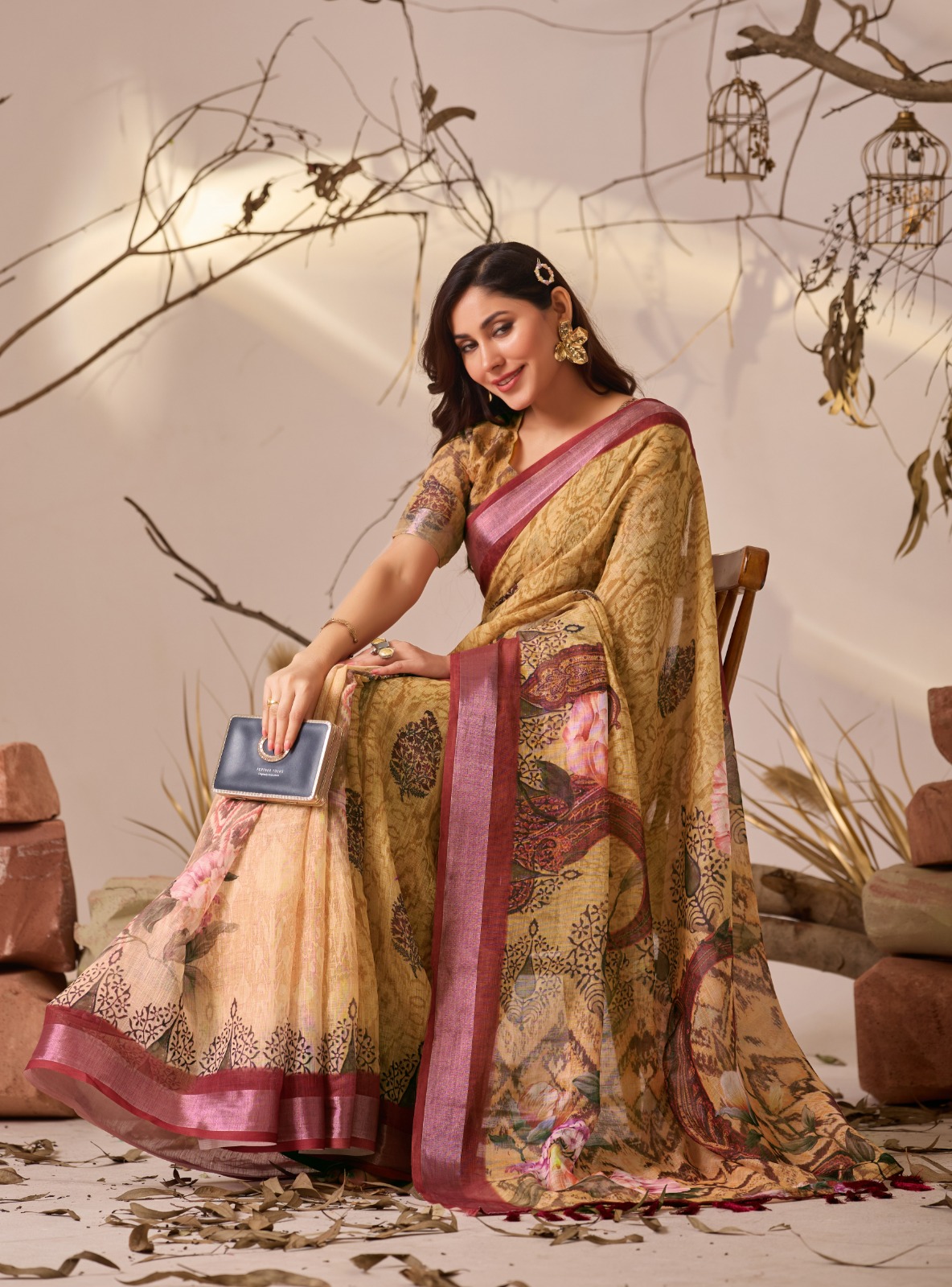
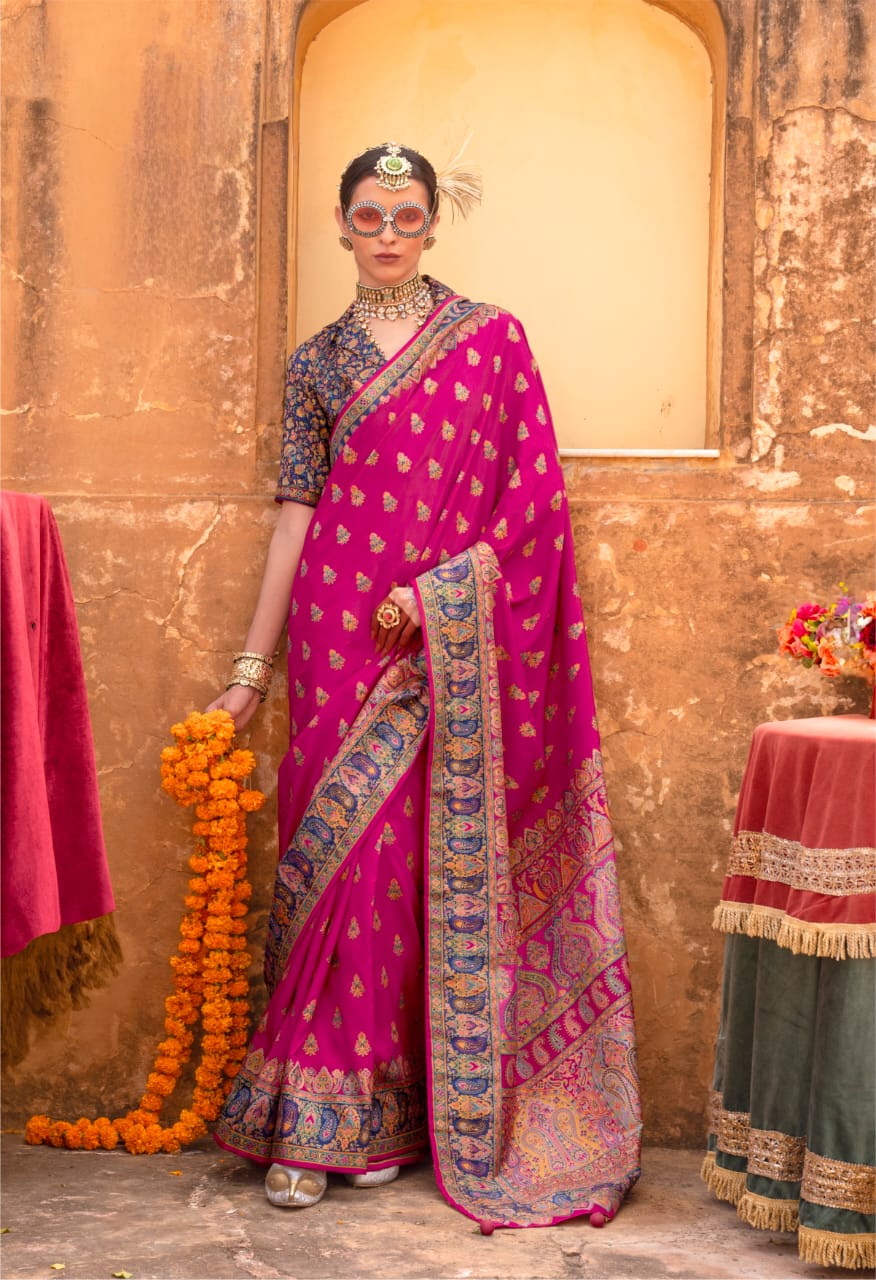
Sarees carry strong visual associations with South Indian festive dressing because silk, zari borders and traditional draping are often connected with family ceremonies. A Banarasi silk saree, Kanjeevaram saree or zari-rich festive saree can look suitably formal for a morning puja or wedding-related celebration. A salwar suit can reach a similar level of polish through a structured kurta, coordinated bottoms, a finished dupatta and restrained embroidery.
Consider four practical questions before choosing: Will you walk or stand for more than two hours? Will you sit on the floor? Is the venue hot and humid? Does the invitation indicate traditional silk or simply festive ethnic wear? Three or four "yes" answers about movement and heat usually favour a salwar suit. A formal family ceremony with photographs and limited movement usually makes a saree worthwhile.
What Should You Wear for Pongal and Tamil New Year?
A saree or an elegant salwar suit can suit Pongal and Tamil New Year, but a breathable fabric and warm festive colour are especially practical for daytime celebrations. Cotton-silk, Chanderi, silk-blend and lightweight cotton options handle heat better than heavy layered garments.
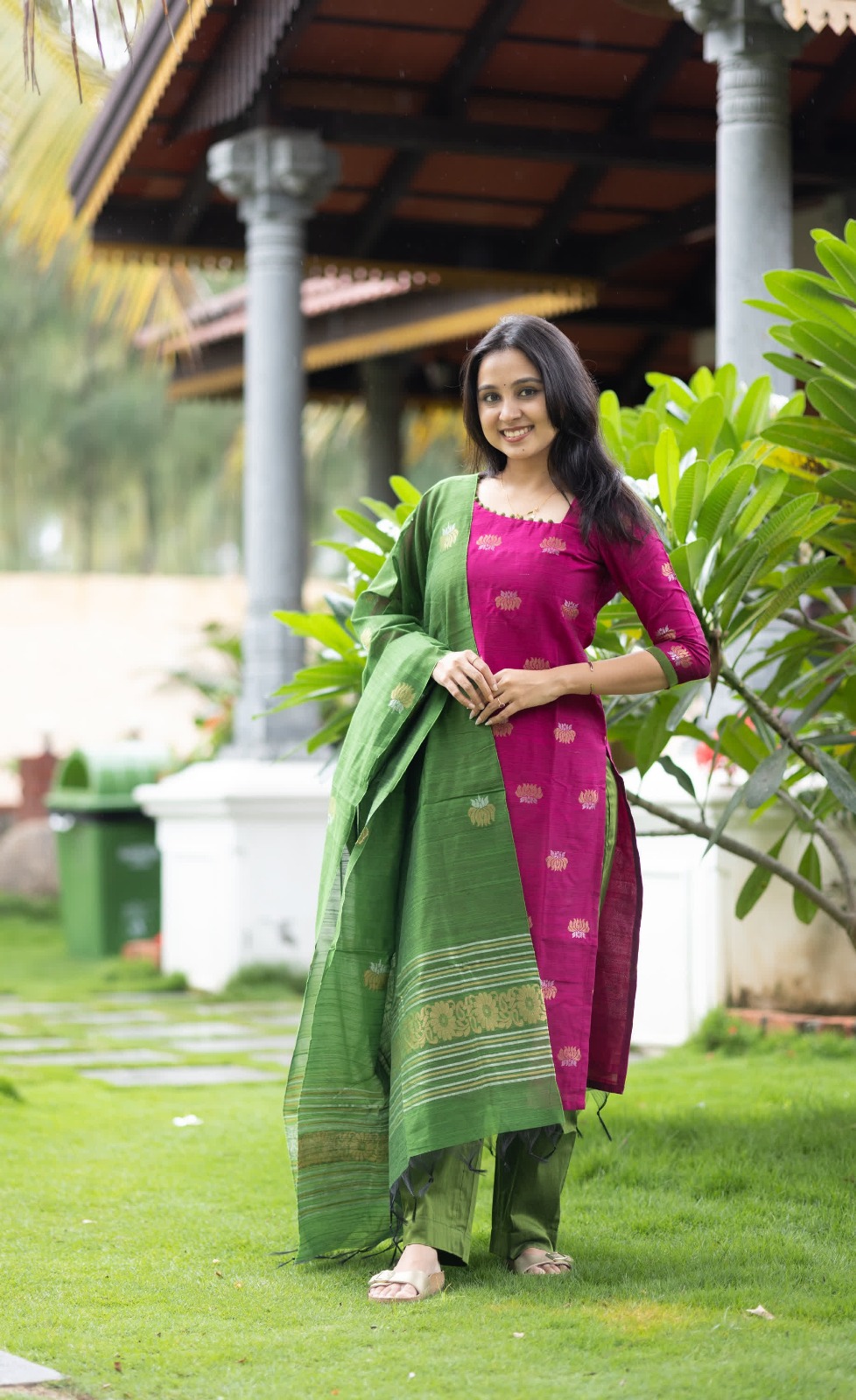
Pongal often includes outdoor rituals, kolam activities, cooking and visits between homes. A saree with a secure tuck and a medium-weight pallu looks traditional, but the drape should not trail near a cooking area. A salwar suit with straight or cigarette trousers allows easier movement around the home. A dupatta pinned at both shoulders is safer and more comfortable when you're helping with food preparation.
Mustard, turmeric yellow, maroon, leaf green, rust, coral and cream can create a festive palette without relying entirely on heavy gold. A Yellow Readymade Chanderi Embroidered Salwar Suit provides an useful example of how a bright colour and a relatively light textile can work for a daytime celebration. The Yellow Readymade Chanderi Embroidered Salwar Suit can be paired with small jhumkas, a low bun and flat sandals for a practical Pongal look.
Tamil New Year gatherings may range from a temple visit to a formal lunch. A silk saree is appropriate for a more traditional family setting, while a coordinated suit is easier if the day includes travel. A White Chanderi Blossom Salwar Suit gives a softer option for daytime dressing; gold-toned earrings and a coloured bindi can add definition without making the outfit look bridal.
Is a Saree or Salwar Suit Better for Onam and Vishu?
A light saree is the most recognisable choice for Onam and Vishu, while an ivory or cream salwar suit is a comfortable alternative for long celebrations. Kerala kasavu styling traditionally favours an off-white base with a gold border, so colour restraint often looks more authentic than dense multicolour embellishment.
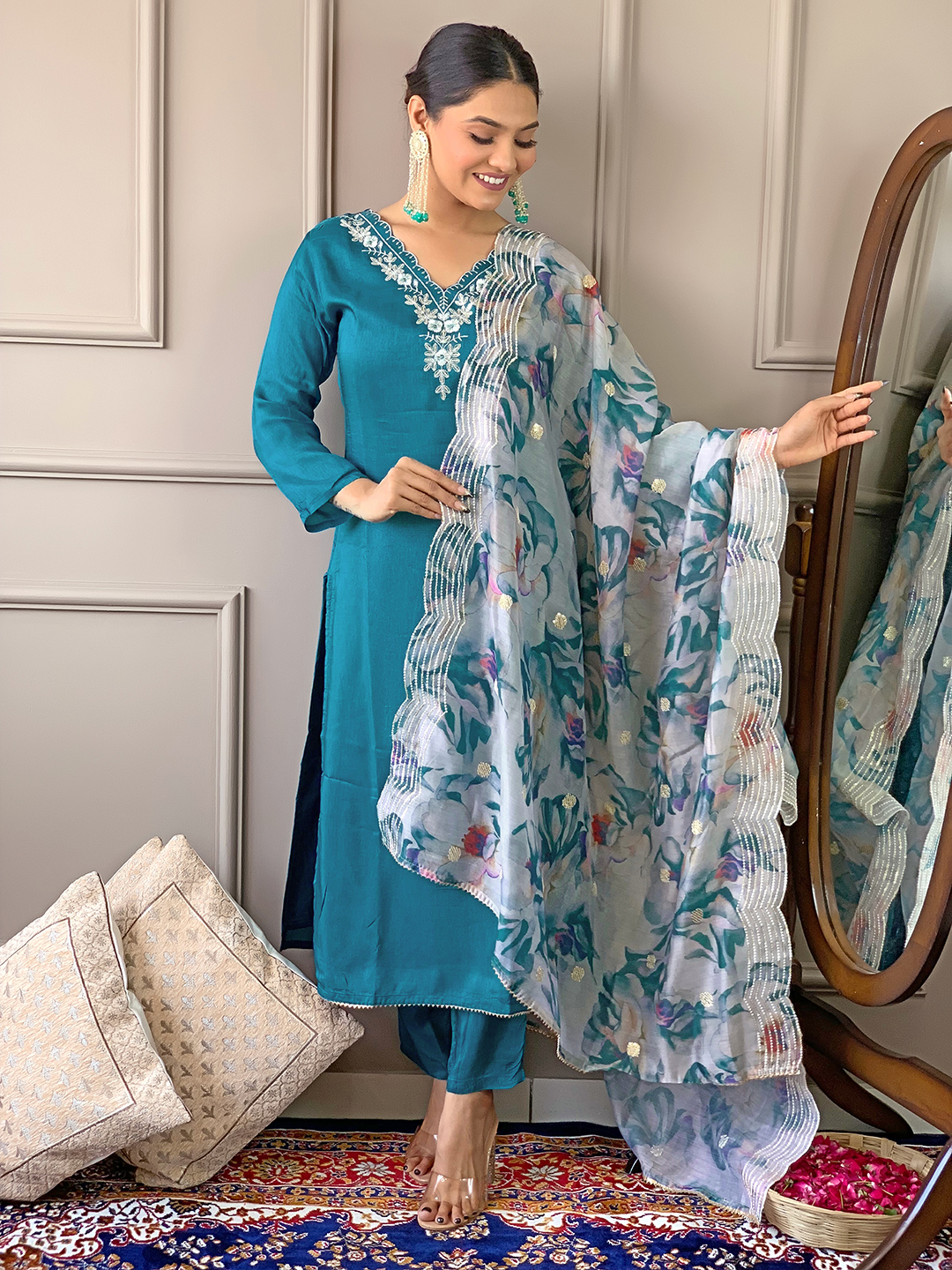
For Onam, an off-white saree with a narrow zari border can echo the visual language of the kasavu saree. Keep the blouse fitted and the pallu secure if you'll participate in a group photograph, flower arrangement or cultural programme. Gold studs, a jasmine strand and a neat bun provide enough finish for a morning event.
A cream salwar suit can follow the same principle through gold piping, a muted zari dupatta or small embroidered motifs. The White Embroidered Salwar Suit with Orange Silk-Blend Dupatta demonstrates how a light base can gain warmth from a contrasting dupatta. The orange accent also makes the outfit suitable for Vishu, where jewel tones and gold details are commonly seen in festive wardrobes.
Vishu celebrations often begin early and may involve a temple visit or family gathering. Choose a fabric that doesn't crease excessively during travel, especially if you'll sit in a car or wait in a queue. Chanderi, silk-blend and lightweight woven fabrics can look refined while remaining less cumbersome than heavily layered garments.
How Do You Dress for Ugadi and Other Temple Festivals?
A modest saree or a full-coverage salwar suit is suitable for Ugadi and temple festivals, with the salwar suit often being easier for walking, queueing and sitting. The most important details are covered shoulders, a comfortable neckline, a secure hem and footwear that can be removed quickly.
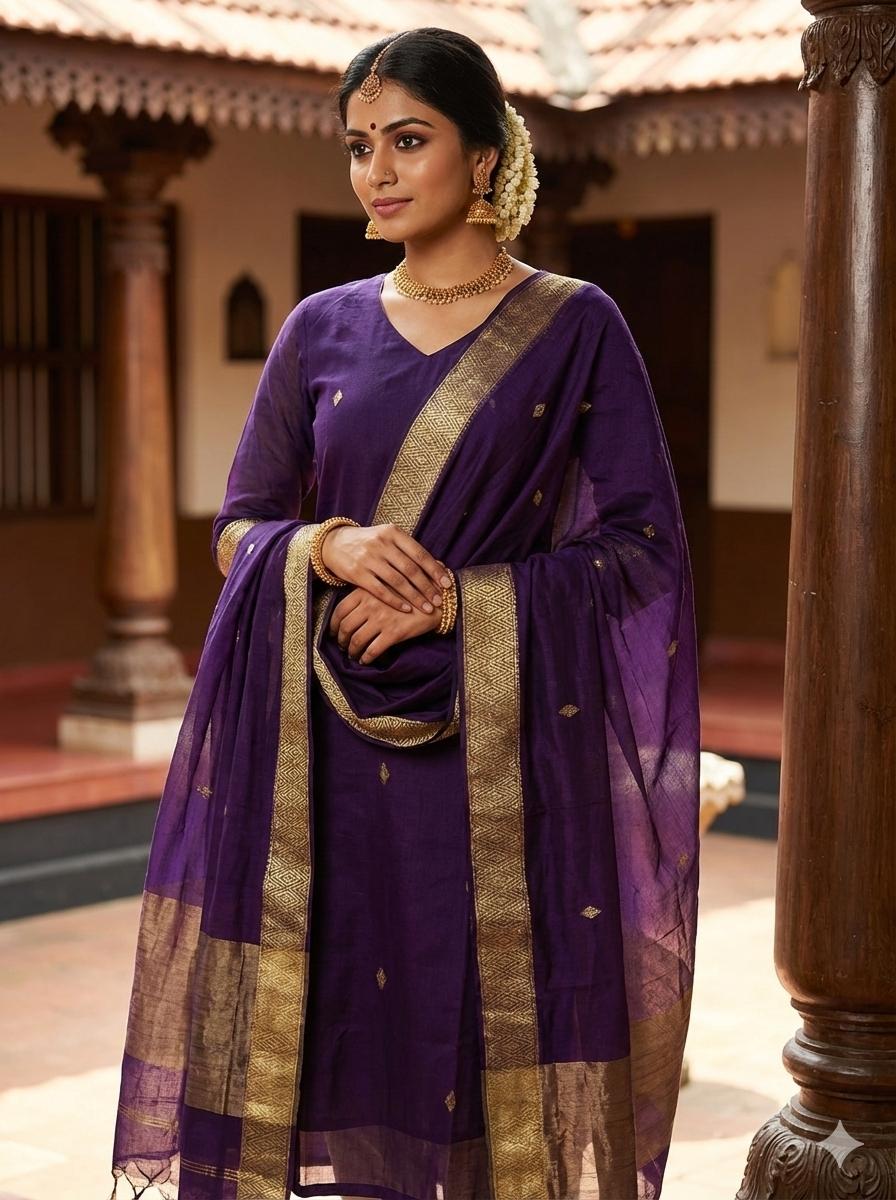
Temple dressing benefits from practical construction rather than excessive ornament. A kurta that reaches at least the knee, full-length bottoms and a dupatta that stays in place reduce repeated adjustments. Avoid very long palazzo hems if the temple path may be wet or crowded. Straight trousers, churidar bottoms or ankle-length pants are generally easier to manage.
A saree remains an excellent option when the visit is part of a formal family ritual. Choose a medium-weight saree and pin the pleats at the waist if you expect to walk up steps. Zari can be festive without covering the entire garment; a border or pallu detail is often enough for a temple morning.
The Embroidered Salwar Suit Set for Women can serve as a versatile template for Ugadi dressing because embroidery supplies formality without requiring a complicated drape. The Navy Blue Embroidered Salwar Suit brings a deeper colour option for an evening puja or a family meal after temple visits. Pair either style with closed-back flats, a small handbag and minimal dangling jewellery when movement is involved.
Which Fabrics and Silhouettes Handle South Indian Weather?
Lightweight Chanderi, cotton, silk-blend and breathable crepe generally handle warm South Indian festival weather better than thick velvet or multiple heavy layers. Fabric weight, lining, sleeve length and the number of garments worn together all affect comfort more than the label "festive" alone.
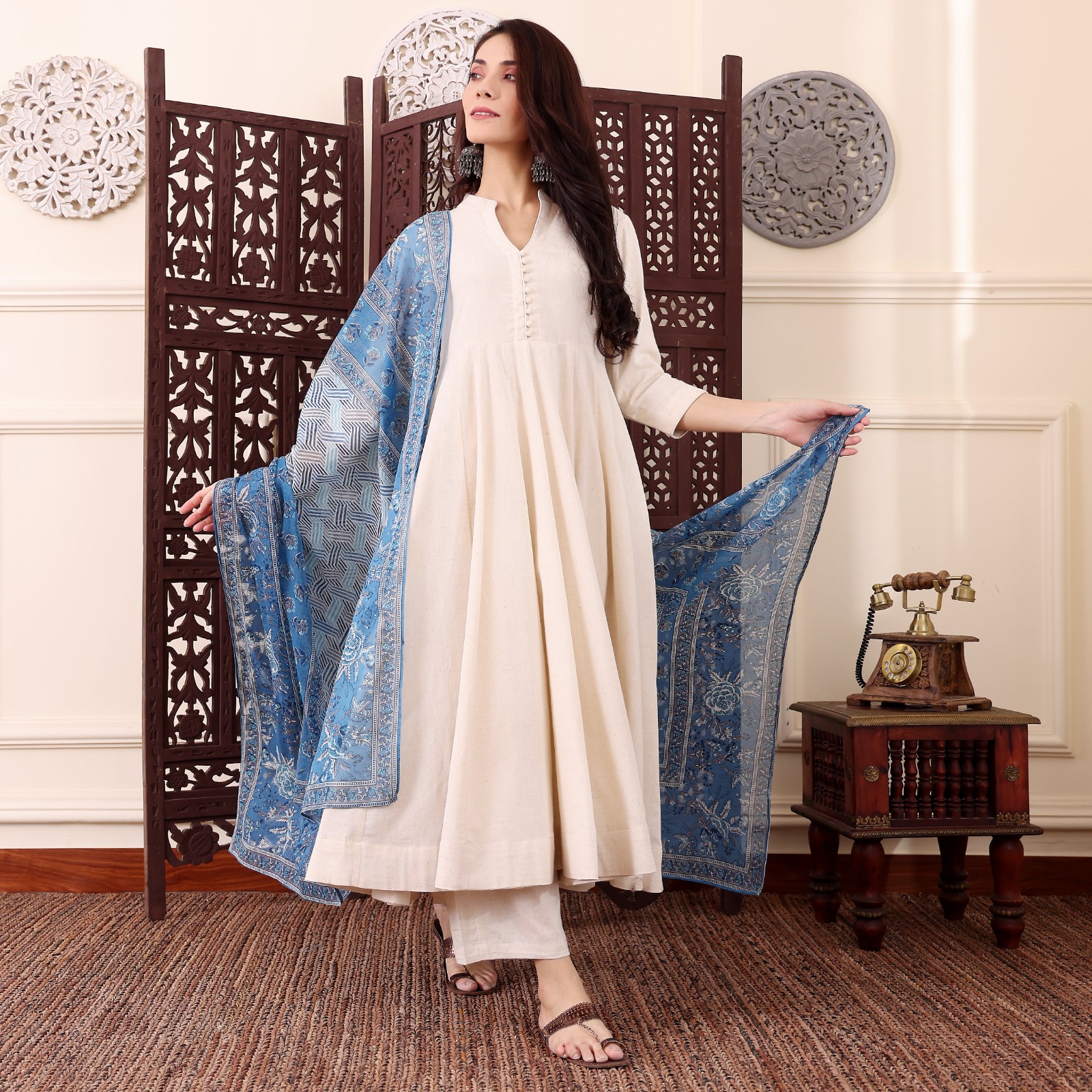
Chanderi has a light hand and a crisp appearance, which makes it useful for daytime functions. A Chanderi suit may need careful storage because its fine texture can snag on rough jewellery or exposed bag hardware. Cotton is practical for outdoor rituals but may crease more visibly. A silk-blend fabric gives some of the sheen associated with silk while often weighing less than a fully embellished silk outfit.
Crepe falls smoothly and can be comfortable for a long event, although the lining and fit should be checked before purchase. The Multicolor Embroidered Crepe Maxi Suit Set for Festive Wear shows how a fluid silhouette can create occasion impact without a traditional saree drape. A maxi suit works best when the hem clears the floor and the dupatta doesn't add unnecessary bulk.
Silk and zari remain valuable choices for formal ceremonies, but they require more planning. The Silk Festive Kurta Pant Set with Zari Jacquard Dupatta gives a coordinated alternative to a saree for a dressier event. The Black Red Fendy Silk 3 Piece Readymade Salwar Suit Set demonstrates how a darker base and a contrasting accent can create evening formality while retaining the convenience of a three-piece set.
How Can Regional Motifs Guide Your Festival Outfit?
Regional motifs can add cultural relevance when they're chosen for the festival's setting rather than used as random decoration. Kalamkari, Paithani-inspired borders, Bandhej and Sambalpuri references can all work in salwar suits when the rest of the outfit remains balanced.
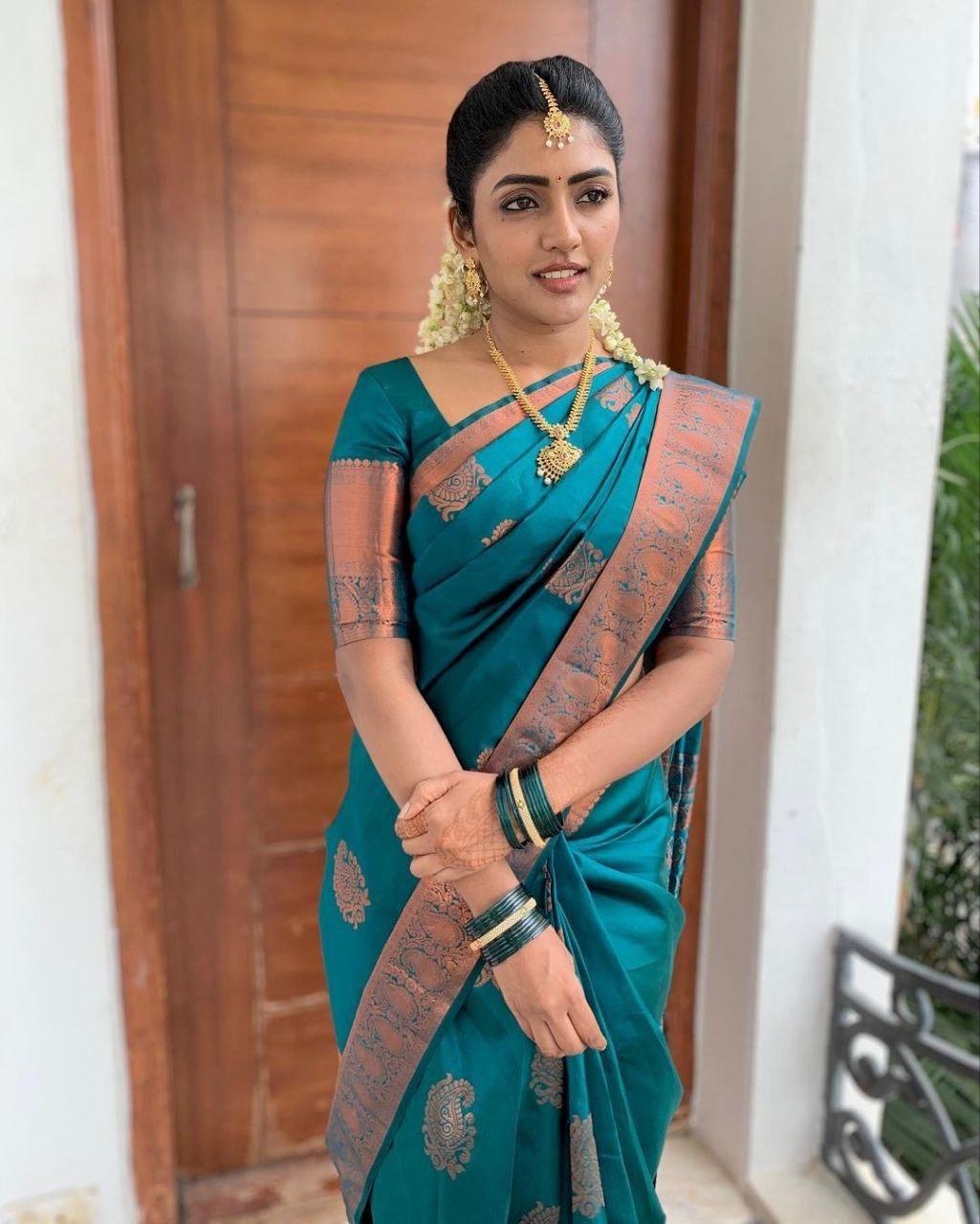
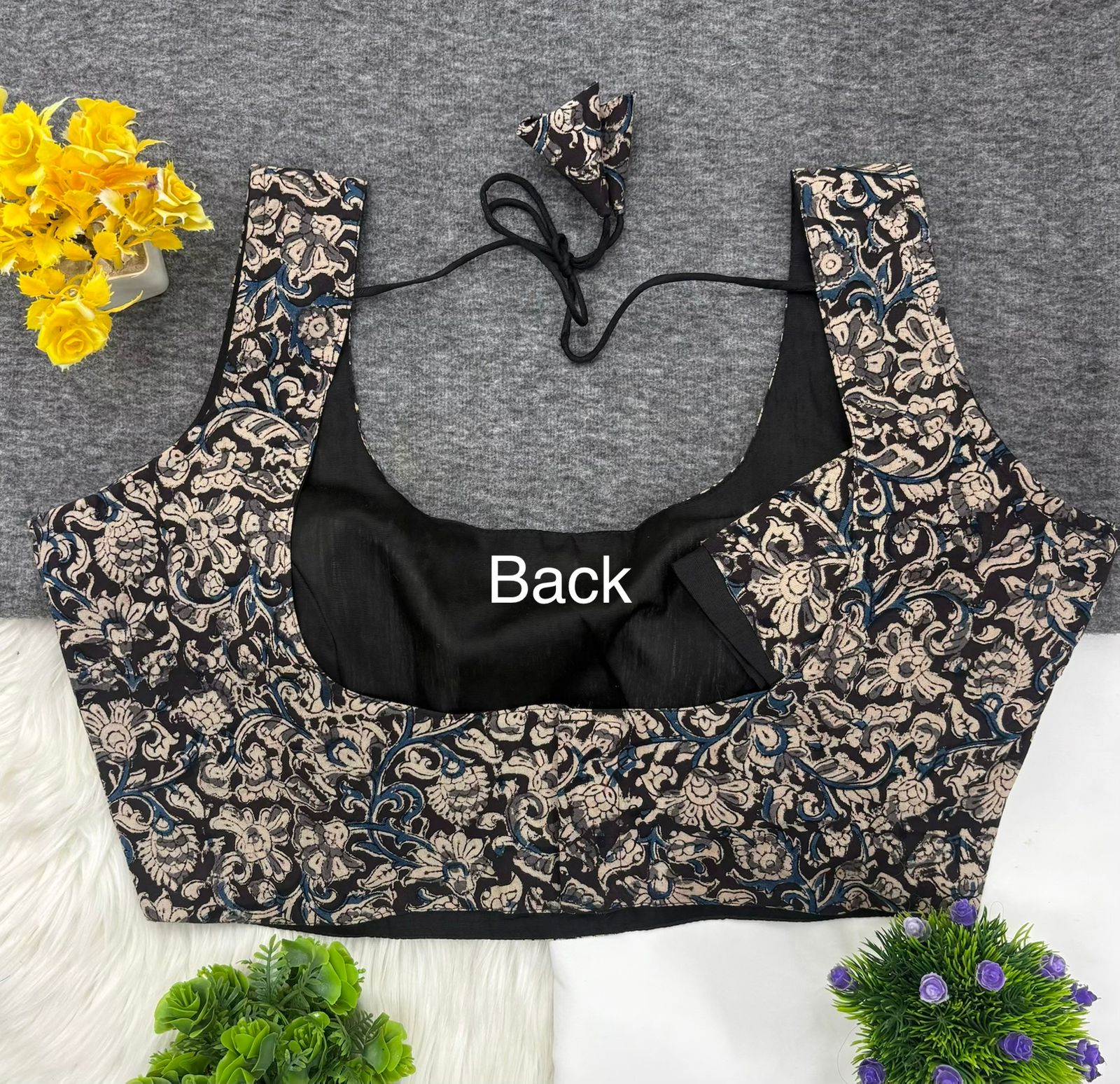
Kalamkari-inspired prints bring narrative floral, nature and mythological influences into festive dressing. Kalamkari Print Salwar Suits can work for a daytime cultural programme, especially when styled with modest jewellery and neutral footwear. Keep the print as the main feature and avoid pairing it with a heavily patterned dupatta.
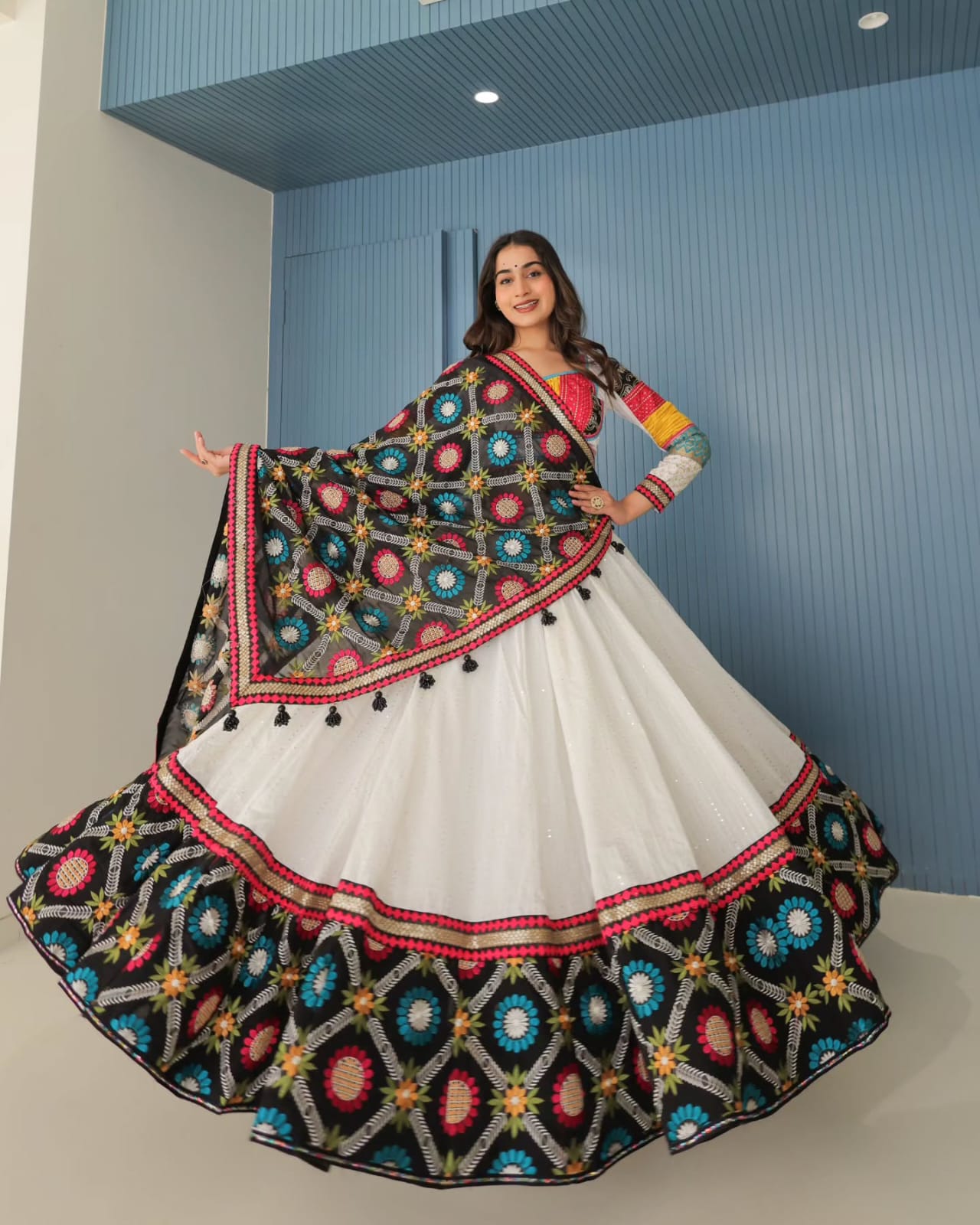
Maharashtra Paithani Inspired Salwar Suits can be useful when you want the visual richness of a woven border in a more mobile silhouette. Gujarat Bandhej Salwar Suits add a lively tiedye effect that suits social lunches and celebratory visits. Odisha Sambalpuri Salwar Suits offer another textile-led direction through distinctive regional pattern language.
Regional references don't need to match the state where a festival takes place exactly. A South Indian festival outfit can respectfully include a regional motif when the garment is worn as a celebration of Indian textile traditions rather than presented as a historically exact local costume. Keep the styling clean and avoid combining several unrelated craft references in one look.
How Should You Style a Saree for Long Festival Days?
A festival saree becomes more comfortable when the drape is secured at the waist, the pallu is anchored and the blouse allows unrestricted arm movement. Practical preparation matters as much as the saree fabric.
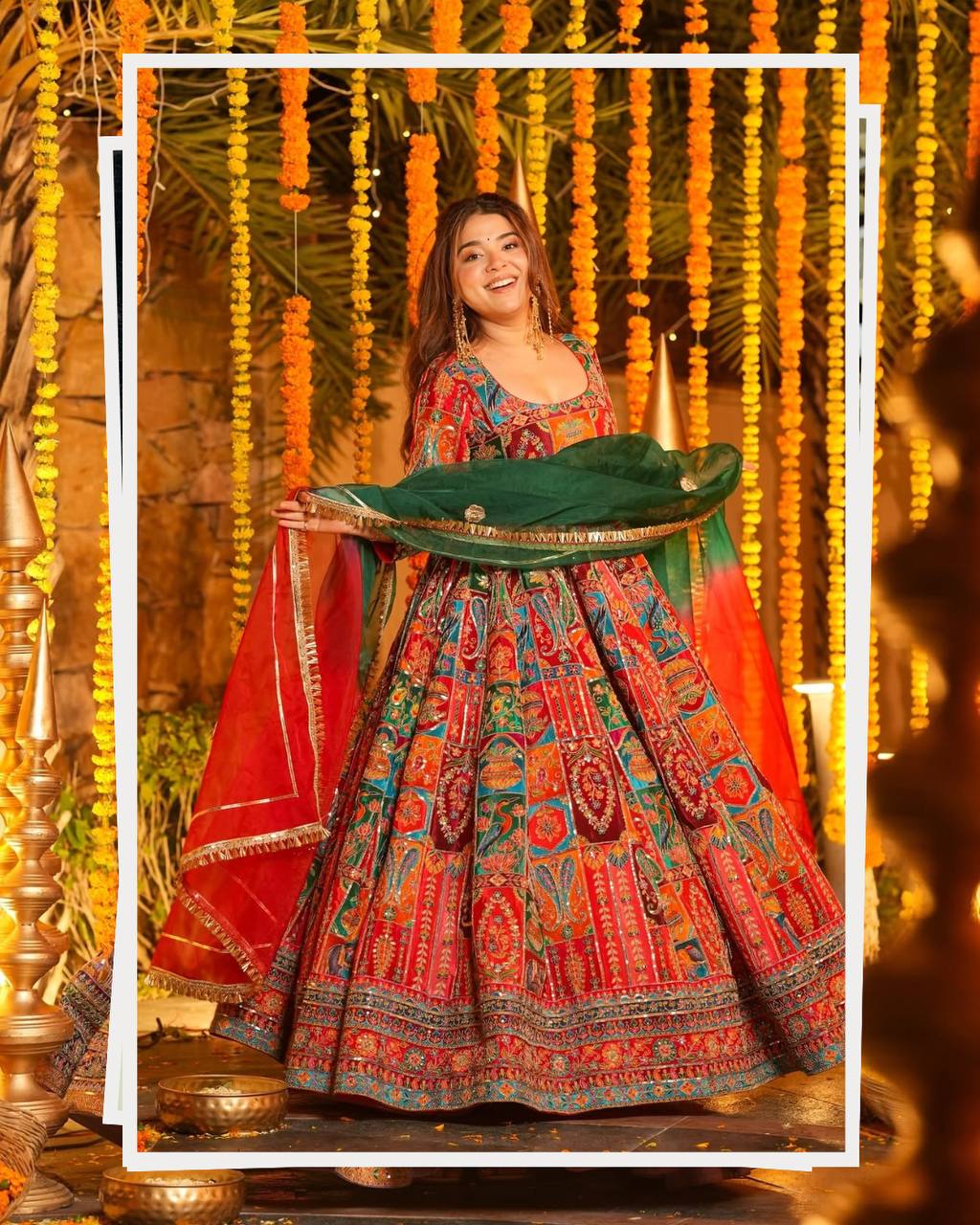
Wear a well-fitted petticoat or suitable inner layer so the pleats don't loosen while walking. Make five to seven even pleats, depending on the saree width and your preferred fullness, and secure them discreetly if you'll be active. Two small safety pins at the shoulder and waist can prevent the pallu from sliding, but pins should not pierce delicate zari repeatedly.
Choose a blouse with sleeves and a neckline appropriate for the venue. Elbow-length sleeves can feel more secure during cooking or rituals than very short sleeves. A low bun, braid or pinned hairstyle is usually more manageable than loose hair in humid weather. Block heels of approximately one to two inches offer elevation without the instability of narrow stilettos.
Plan a small emergency kit containing two safety pins, a stain-removal wipe, a few hairpins and a spare bindi. A cotton handkerchief placed inside a handbag can also help manage perspiration without rubbing the saree surface.
How Should You Style a Salwar Suit for a Traditional Function?
A salwar suit looks traditional for a festival when the cut, fabric, dupatta and accessories create a deliberate coordinated outfit. Readymade construction doesn't make a suit casual if the silhouette is polished and the finishing is appropriate.
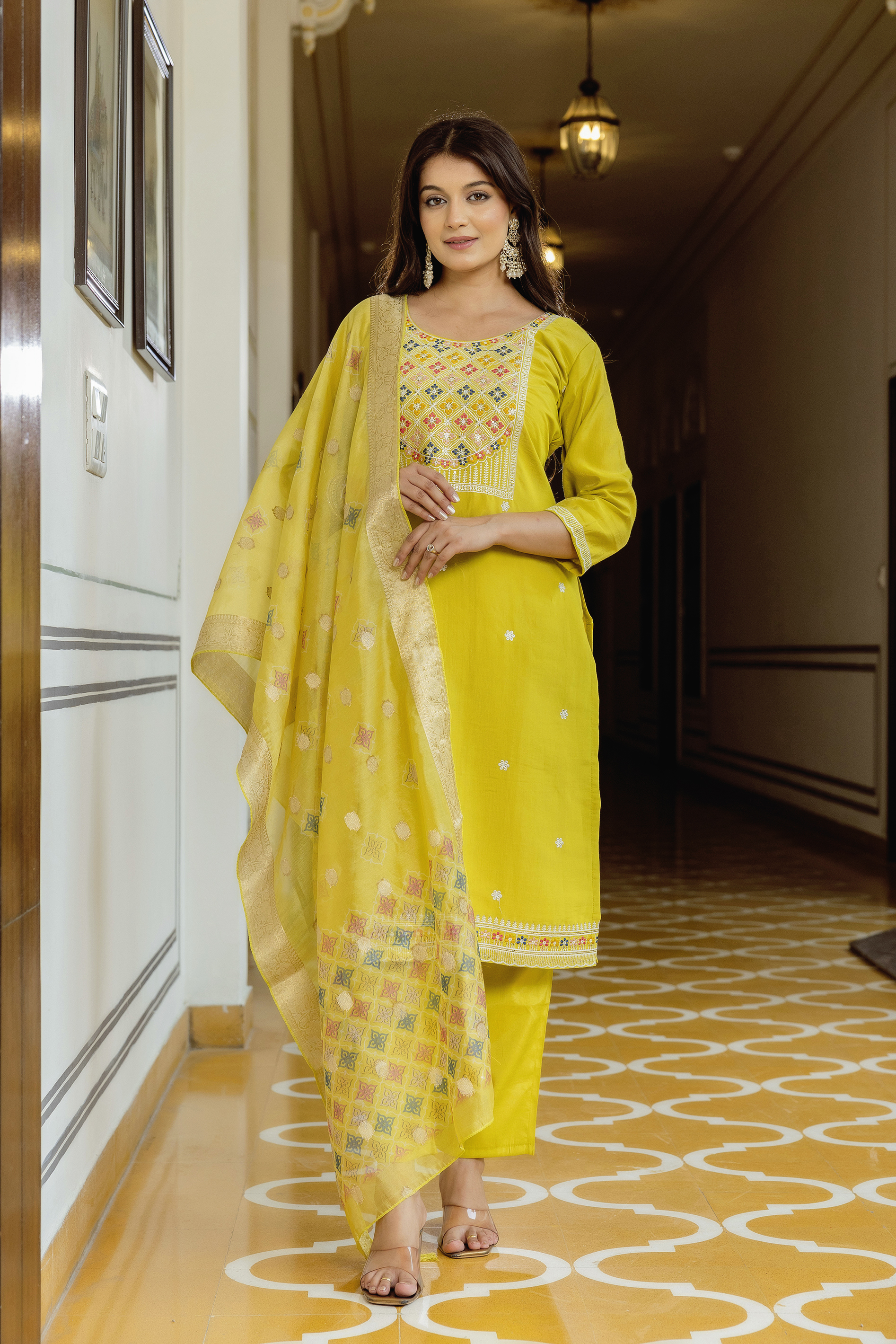
For a formal family puja, choose embroidery, zari, jacquard or a refined woven texture rather than an overly casual jersey. For daytime, select lighter colours or a controlled print. For evening gatherings, deeper shades such as navy, black, wine, emerald and red can provide formality without requiring heavy jewellery.
Pin a dupatta at one shoulder and one side of the waist when you'll be walking or greeting guests. A shoulder-only drape creates a softer look but may need frequent adjustment. Keep the hem at ankle level or slightly above the shoe so that it doesn't collect dust during temple visits.
Gold-toned earrings, a bindi and bangles can make a simple suit festive. Add only one prominent accessory, such as a statement earring or embroidered dupatta, when the garment already contains dense work. Footwear should match the amount of walking: padded flats are more sensible for temple queues, while low block heels suit seated family functions.
A Quick Decision Guide for Saree vs Salwar Suit
Choose a saree when the event is highly ceremonial, photographs are central, the venue is mainly seated and traditional silk or zari is expected. Choose a salwar suit when you need to travel, climb steps, sit on the floor, help with food or remain comfortable in hot weather.
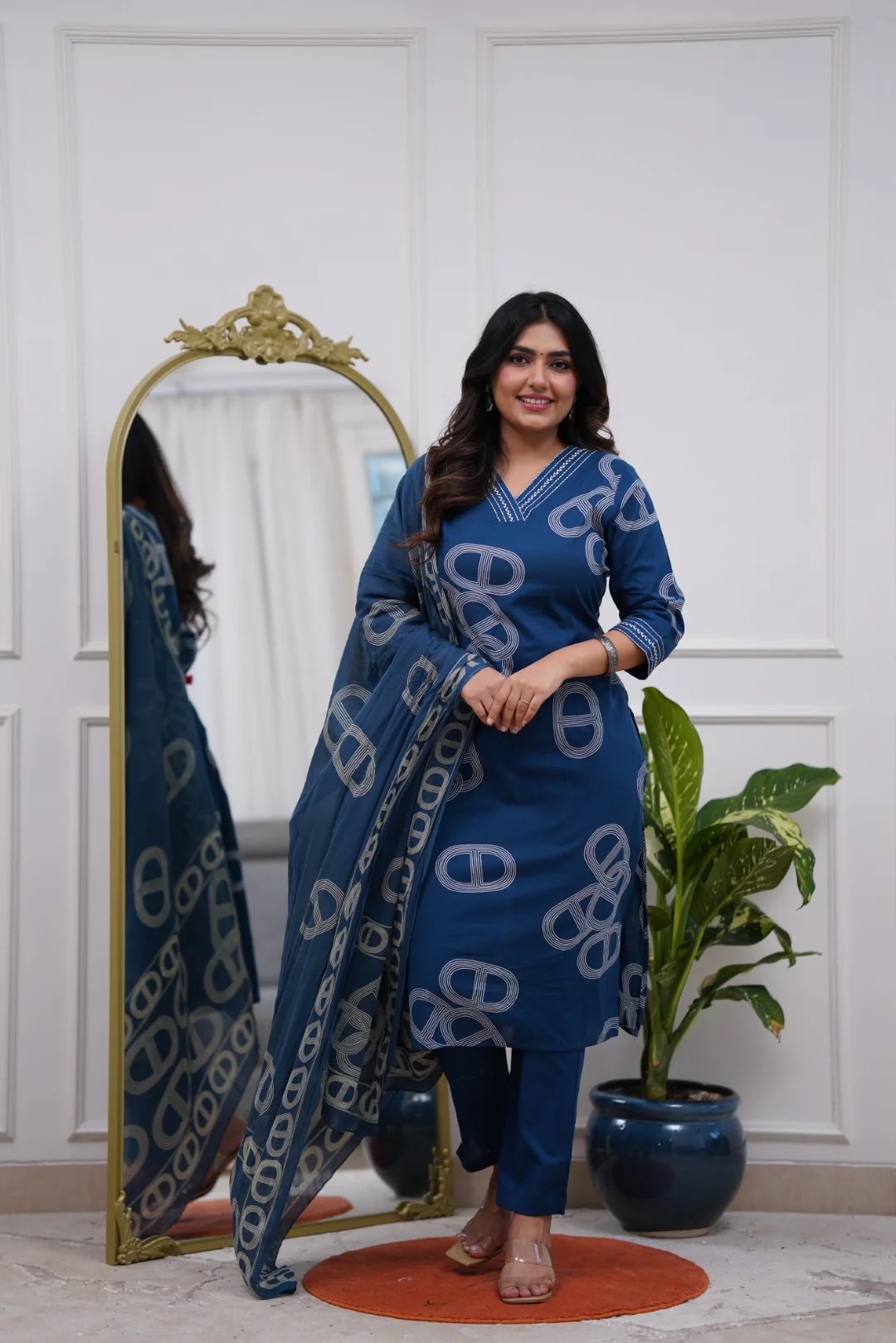
- For Pongal: Select a cotton-silk or Chanderi saree for a traditional home ritual, or a yellow, cream or rust salwar suit for easier movement.
- For Onam: Choose an off-white saree with a gold border, or an ivory salwar suit with a restrained gold or orange accent.
- For Vishu: Wear a light silk saree for a formal morning visit, or a silk-blend suit when travel and waiting are involved.
- For Ugadi: Pick either a modest saree or a full-coverage suit with secure styling for temple visits and family meals.
- For evening cultural programmes: Use silk, zari jacquard, embroidery or a deeper colour, while keeping the hem and footwear practical.
Budget should also influence the decision. A saree may require a blouse alteration, petticoat, fall and professional finishing, while a readymade salwar suit usually arrives as a coordinated outfit. A higher garment price doesn't automatically indicate greater suitability; cost per wear improves when the fabric, colour and silhouette work across several festivals.
Ultimately, Saree vs Salwar Suit: What to Wear for Different South Indian Festivals? Is a question of context rather than a permanent rule. Select the saree when ceremony and heritage expression take the brief. Select the salwar suit when mobility, climate and reliable comfort leave it. Both choices become festive through corporate fabric, respectful coverage, secure styling and accessories suited to the setting.
Practical Questions About Sarees and Salwar Suits for South Indian Festivals
Is a saree mandatory for South Indian festivals?
A saree is not mandatory for most South Indian festivals. A well-fitted salwar suit with suitable coverage, festive fabric and a coordinated dupatta is an appropriate alternative for Pongal, Onam, Vishu, Ugadi and many temple visits.
Which is more comfortable for a long festival day: a saree or salwar suit?
A salwar suit is usually more comfortable for a long festival day because it allows easier walking, sitting and travel. A saree can also be comfortable when the fabric is lightweight, the pleats are secured and the pallu is pinned properly.
What should I wear for Pongal if I will help with cooking?
Choose a salwar suit with ankle-length bottoms and a dupatta pinned at both shoulders, or wear a saree with a securely tucked pallu and pleats. Avoid trailing hems, loose scarves and very delicate embellishment near cooking areas.
Can I wear a salwar suit to an Onam celebration?
You can wear a salwar suit to an Onam celebration, especially an ivory, cream or white design with gold, orange or muted green details. A light fabric and restrained styling can echo the visual simplicity of a kasavu-inspired look.
Which fabric is best for a South Indian festival in hot weather?
Lightweight Chanderi, cotton, silk-blend and breathable crepe are practical choices for hot weather. Check the lining, sleeve length and garment weight because heavy embroidery or synthetic lining can reduce comfort even when the outer fabric feels light.
How can I make a readymade salwar suit look more traditional?
Add a neatly pinned dupatta, a bindi, gold-toned earrings, bangles and festive footwear to make a readymade salwar suit look more traditional. Choosing embroidery, zari, jacquard or a regional print also gives the outfit greater ceremonial presence.