A visit to a Maheshwar weavers cooperative can turn saree shopping into a useful conversation about yarn, loom work, zari and the people who make the fabric. The most valuable Saree Shopping Questions to Ask at a Weavers Cooperative in Maheshwar are specific enough to verify what you're buying, yet open enough to let a weaver explain the work. Whether you're choosing a lightweight Maheshwari saree for regular wear or comparing silk sarees for a celebration, the answers below help you judge quality without relying only on colour or a low price.
Why ask questions instead of choosing by appearance?
Questions reveal construction details that photographs and surface shine can't show. Two sarees may both look crisp and lustrous while differing in fibre, loom method, zari content, finishing and expected durability.
Maheshwar has a strong handloom identity shaped by cotton, silk and cotton-silk weaving traditions. A cooperative may stock several constructions, including sarees made for different budgets and levels of ornamentation. Asking how a particular saree was woven prevents you from assuming that every attractive drape has the same origin or performance.
A good conversation also clarifies price. A higher amount may reflect silk yarn, a more time-consuming border, real metal zari, extra testing or a weaver's labour rather than simply a designer label. A lower price may be reasonable for a simpler cotton weave, but the seller should still be able to explain the material and finishing.
Keep a small note on your phone with the answers. Recording fibre, width, length, zari type, care method and the cooperative's name makes later comparison easier, especially when several sarees look similar under indoor lighting.
Saree Shopping Questions to Ask at a Weavers Cooperative in Maheshwar
What fibres are used in the warp and weft?
The first question should be: "What fibre is used in the warp, and what fibre is used in the weft?" The answer may be cotton, silk, or a cotton-silk combination, and the two directions don't always use identical yarn.
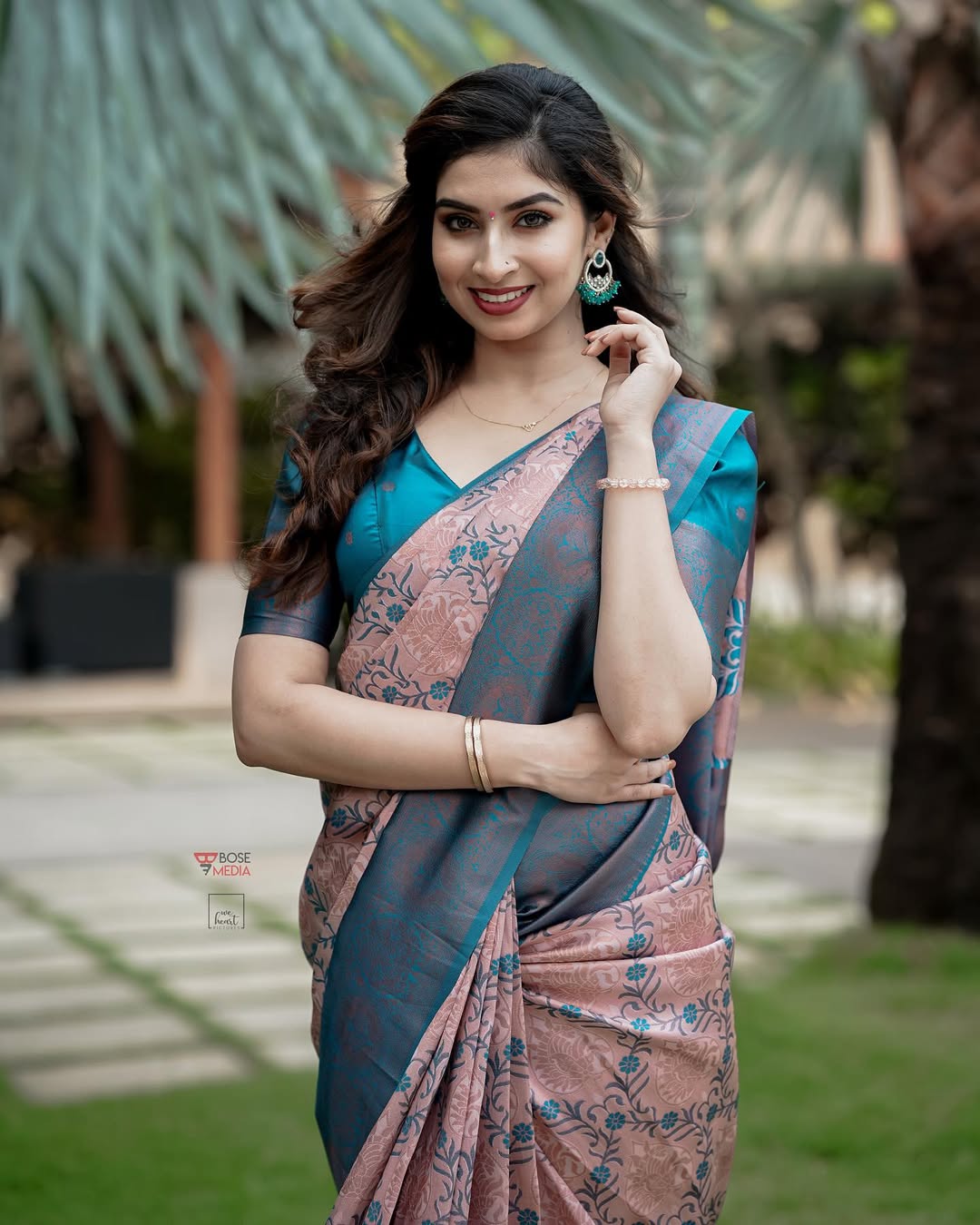
The warp runs lengthwise through the loom, while the weft travels across the width. Fibre choice affects weight, fall, breathability, texture and care. Cotton generally feels cooler and more absorbent, while silk usually contributes lustre and a smoother drape. A blended saree can balance those qualities, but you should know the approximate composition before comparing it with a pure silk or pure cotton saree.
Ask whether the silk is Banarasi silk, tussar, mulberry silk or another specified type only when the seller uses that description. Do not treat every shiny saree as silk. A seller who can explain the fibre, yarn preparation and feel of the fabric is giving you more useful information than a broad term such as "designer silk."
Is the saree handloom, powerloom or partly machine-made?
Ask directly whether the full saree is handwoven, whether any process is machine-assisted, and whether the border or pallu was made separately. "Handloom" refers to the loom and weaving process, but printing, embroidery, dyeing and finishing may involve other methods.
Small irregularities in spacing, selvedge thickness or motif alignment can occur in handwoven cloth and are not automatically defects. However, irregularity should not excuse broken threads, open selvedges, oil marks or weak joins. Request permission to inspect the reverse side, where skipped threads and joins are often easier to see.
Ask whether the person demonstrating the loom also wove the saree or whether the cooperative represents several households. Both arrangements can be legitimate. The important point is transparent information about production rather than an unverified "artisan-made" claim.
How can you examine weave, border and zari quality?
You can assess a saree at the cooperative by checking its selvedge, weave density, border joins, pallu construction and zari backing in natural or neutral light. A careful inspection takes five to ten minutes and can prevent an expensive mistake.
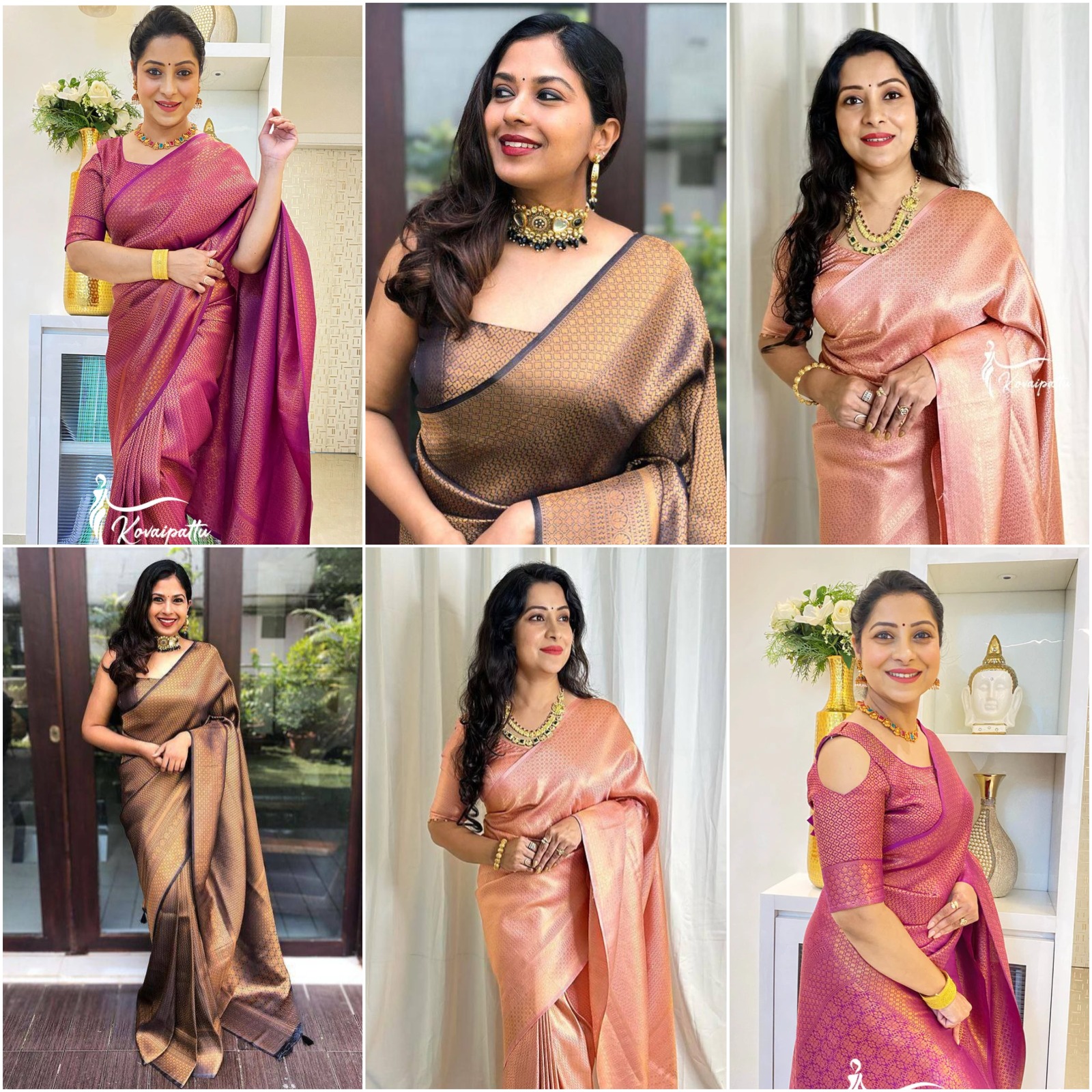
Which details should you inspect on the loom?
Start with the selvedge, the finished edge running along both sides of the saree. A stable selvedge should look secure and reasonably even rather than loose, wavy or heavily frayed. Next, hold the fabric against light to look for thin patches, abrupt changes in density or broken warp threads.
Check the pallu and border where decorative work creates additional weight. Ask whether the zari pattern is woven into the structure or added through printing, surface work or another technique. A woven motif should have a corresponding structure on the reverse, although the reverse may not look identical to the front.
Ask what kind of zari is used. Zari may contain precious metal, metallic-coated material or synthetic metallic fibre, and the price difference can be substantial. A responsible seller should identify the type used rather than using "zari" as a complete quality description.
Rub a small concealed area gently with a clean white handkerchief only if the cooperative permits it. Colour transfer suggests that you should ask more about dyeing and washing before buying. Never perform an abrasive test that could damage the saree or its finish.
What measurements matter?
Ask for the finished length and width, not merely the loom's standard measurement. A saree commonly measures around 5.5 to 6.3 metres, but the actual length varies, and a blouse piece may be separate, attached or absent.
Measure the border width if you plan a particular drape. A broad border can alter how much fabric appears at the front pleats, while a heavy pallu can change shoulder comfort. Ask whether shrinkage is expected after the first wash and whether the saree has already been pre-washed or relaxed.
How should a buyer compare price and workmanship?
Compare price against fibre, zari, weaving time, dimensions, finishing and seller documentation rather than against colour alone. A cooperative should be able to explain the main cost drivers in plain language.

Ask, "What part of this price goes toward the weaver's work?" A seller may not disclose an exact percentage, but the question encourages a transparent explanation of cooperative margins, transport, finishing and retail costs. Ask for a bill that records the saree description, material, price, date and seller details.
don't assume that a discount proves value. For example, a listing such as Silk Sarees Under 3000 With Discount may suit a budget search, but the title alone can't confirm fibre purity, handloom status or zari composition. The same principle applies when browsing Pink Georgette Sarees or Gray Color Sarees Under 1000: colour and price are useful filters, not proof of construction.
Use comparable questions when shopping online. Ask the website for fibre composition, exact measurements, blouse-piece information, close-up photographs and a return policy for defects. A reliable online seller should answer those questions before purchase, just as a cooperative seller would in person.
For wedding shopping, a price comparison can be especially misleading. Red Banarasi Silk Sarees for Weddings Under 1100 may appeal to shoppers seeking a low-cost festive look, while a handloom Maheshwari saree from a cooperative may be priced differently because the weave, fibre and labour are different. Neither should be judged by the other's label.
Which questions protect comfort and occasion suitability?
Ask how the saree behaves after six hours of wear, whether the zari feels abrasive, and whether the fabric needs a specific blouse or petticoat. Comfort depends on weight, friction, stiffness and climate as much as on appearance.
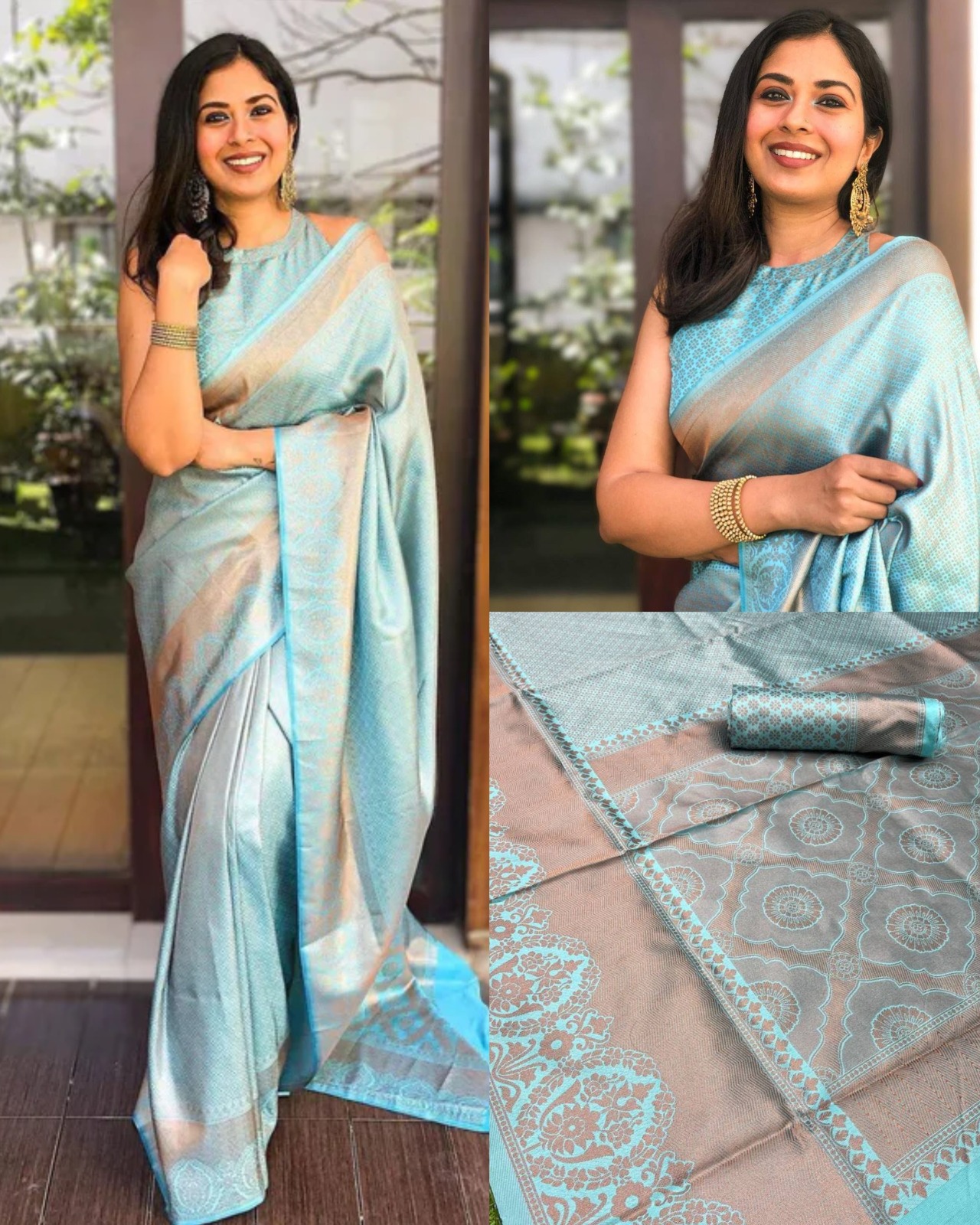
For a Haldi ceremony or daytime gathering, ask whether the dye may bleed with perspiration or water and whether the fabric breathes well in warm weather. Cotton and lighter cotton-silk constructions can feel practical, but the actual weave and finish still matter more than the fibre label alone.
For evening celebrations, inspect the pallu weight and border stiffness. A heavily decorated pallu may photograph beautifully but can slide from the shoulder if the blouse and pleats don't provide enough support. A saree intended for women party wear should still allow comfortable walking, sitting and arm movement.
Party Wear Sarees can include many fabrics and construction methods, so ask whether the shine comes from silk, zari, metallic yarn, a synthetic fibre or finishing. A product such as Green Maslin Silk Zari Woven Designer Saree with Blouse can help a shopper compare the relationship between silk feel, woven zari and an included blouse piece, but the product description should still be read separately from assumptions about Maheshwar weaving.
Other examples show why visual comparison needs precise questions. Pastel Floral Tissue Handloom Cotton Saree with Zari Weaves and Wine Tissue Handloom Cotton Saree with Zari & Floral Prints both signal cotton, tissue-like texture and decorative detail in their names. But the buyer should still confirm measurements, wash care and the type of zari before ordering.
What should you ask about finishing, care and repairs?
Ask whether the saree has been washed, starched, polished or otherwise finished, and request written care instructions. Finishing can change the initial crispness, softness, lustre and apparent weight.
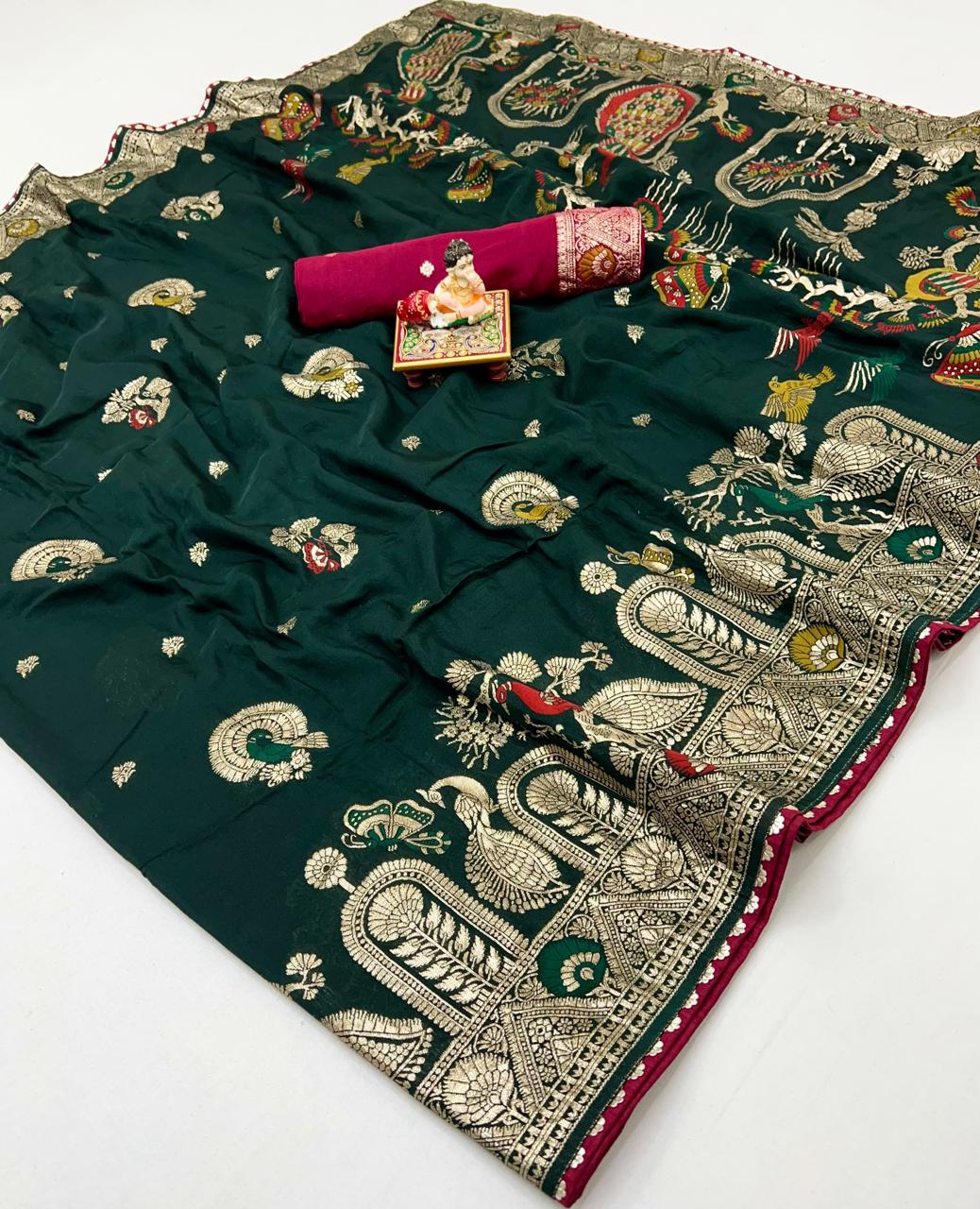
Ask for the safest washing method in exact terms. Many silk or zari sarees require dry cleaning or gentle professional cleaning, while some cotton sarees may tolerate a careful hand wash. If hand washing is approved, use cool water, mild detergent, no soaking unless instructed, and shade drying away from direct sunlight. Avoid wringing zari borders or storing a damp saree.
Fold zari sarees in a clean cotton or muslin cloth and refold them every few months to reduce permanent creases. Store silk away from high humidity, perfume, damp walls and direct heat. Never place naphthalene balls directly against the textile because their chemicals and odour can affect stored clothing.
Ask whether the cooperative repairs loose threads, replaces fall and pico, or provides a contact for post-purchase work. A repair option is valuable because a minor loose thread can become a larger opening if pulled. Photograph the saree's condition when you receive it, especially if it's shipped from a website.
How can you verify a saree when shopping online?
Online saree shopping becomes safer when the product page answers the same questions you would ask in Maheshwar: fibre, weave, dimensions, zari, blouse piece, care, origin, price and returns.

Request a daylight video showing the front, reverse, selvedge, border and pallu. Ask the seller to place a ruler beside the border and to state whether the colour may vary between screens. A video can't prove handloom status by itself, but it can reveal thin areas, rough joins and misleading close-up photography.
Read the return conditions before payment. Check the deadline, whether the saree must remain unused with its original tags, who pays return shipping, and whether colour variation or minor handloom irregularity is excluded from returns. Keep the invoice and unboxing photographs until the saree has been inspected.
When comparing collections, Silk Sarees Under 3000 With Discount is useful for budget browsing, while Party Wear Sarees helps narrow an occasion-based search. These collection labels don't replace a material description. A shopper looking at a Pastel Peach Teal Banarasi Lichi Silk Saree Zari Work or a Maroon Lichi Silk Jacquard Saree with Rich Pallu should still confirm the exact silk description, zari type, measurements and care instructions.
What does a respectful cooperative purchase look like?
A respectful purchase gives the seller time to explain the textile, avoids aggressive bargaining that ignores labour, and records the information needed for future care. Ask permission before photographing a weaver, loom or workspace.
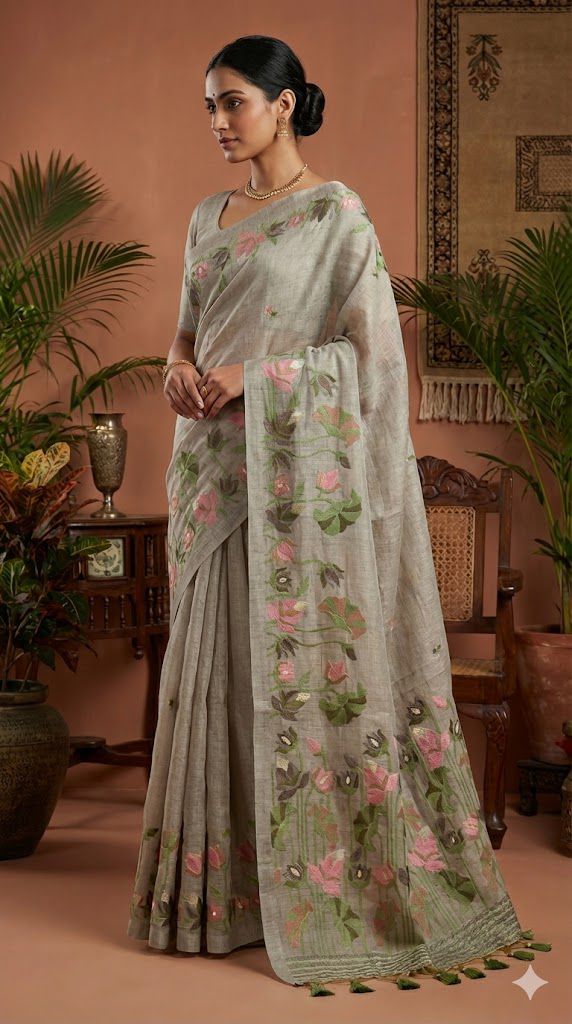
Buyers can also ask whether the cooperative offers a receipt, artisan identification, weave information or a repeat-order process. These details help preserve traceability without demanding a performance of tradition from the weaver.
Before leaving, repeat the key facts aloud: fibre, handloom or powerloom status, zari type, length, width, blouse piece, finishing, care and final price. This simple recap catches misunderstandings while changes are still possible.
A beautiful saree becomes a better purchase when you know why it costs what it does, how it was made and how to keep it wearable. The right questions don't reduce the pleasure of choosing colour or texture; they give that pleasure a reliable foundation.
Questions Shoppers Ask Before Buying a Maheshwari Saree
What is the best online store for sarees in India?
The best online store is one that clearly states fibre, weave, measurements, zari type, blouse-piece details, care instructions and return terms. Compare those facts rather than choosing only by discount, ratings or the number of designs shown.
Which company saree is best in India?
No single company makes the best saree for every buyer because the right choice depends on fibre, occasion, budget and weaving method. A cooperative, established retailer or specialist website is a stronger choice when it provides verifiable material details, a proper invoice and responsive support.
Which app is best for saree shopping in India?
The best shopping app is the one that provides complete product specifications, seller information, close-up images, secure payment and a workable return process. Check whether the app identifies handloom status and zari composition instead of relying on the app's size or advertising claims.
Which online site is the best for buying silk sarees?
The best site for silk sarees is one that names the silk type, explains the weave, provides measurements and states the care method. Buyers should also confirm whether zari is real metal, metallic-coated or synthetic and retain the invoice until the saree has been checked.
How can I tell whether a Maheshwari saree is handloom?
Ask the seller directly whether the complete saree was handwoven and inspect the selvedge, reverse side, motif joins and weave consistency. Handloom cloth can show small irregularities, but those irregularities do not replace documentation or an honest explanation of how the saree was made.
What should I check before buying a saree from a weavers cooperative?
Check fibre, loom method, zari type, finished dimensions, blouse-piece details, colour fastness, finishing, care instructions, invoice and repair or return support. Repeating those details before payment helps prevent confusion between a handloom saree, a blended saree and a machine-made product.