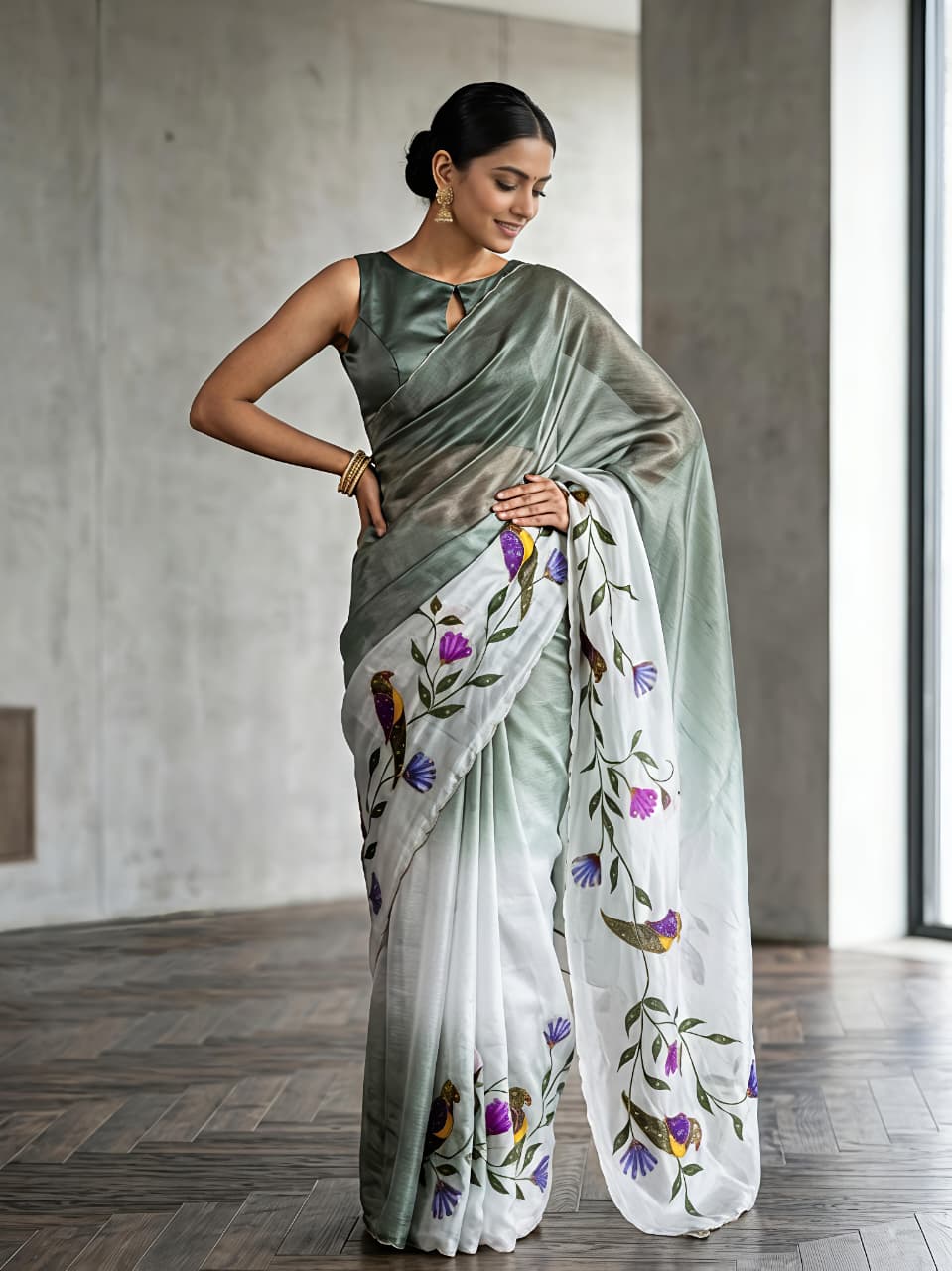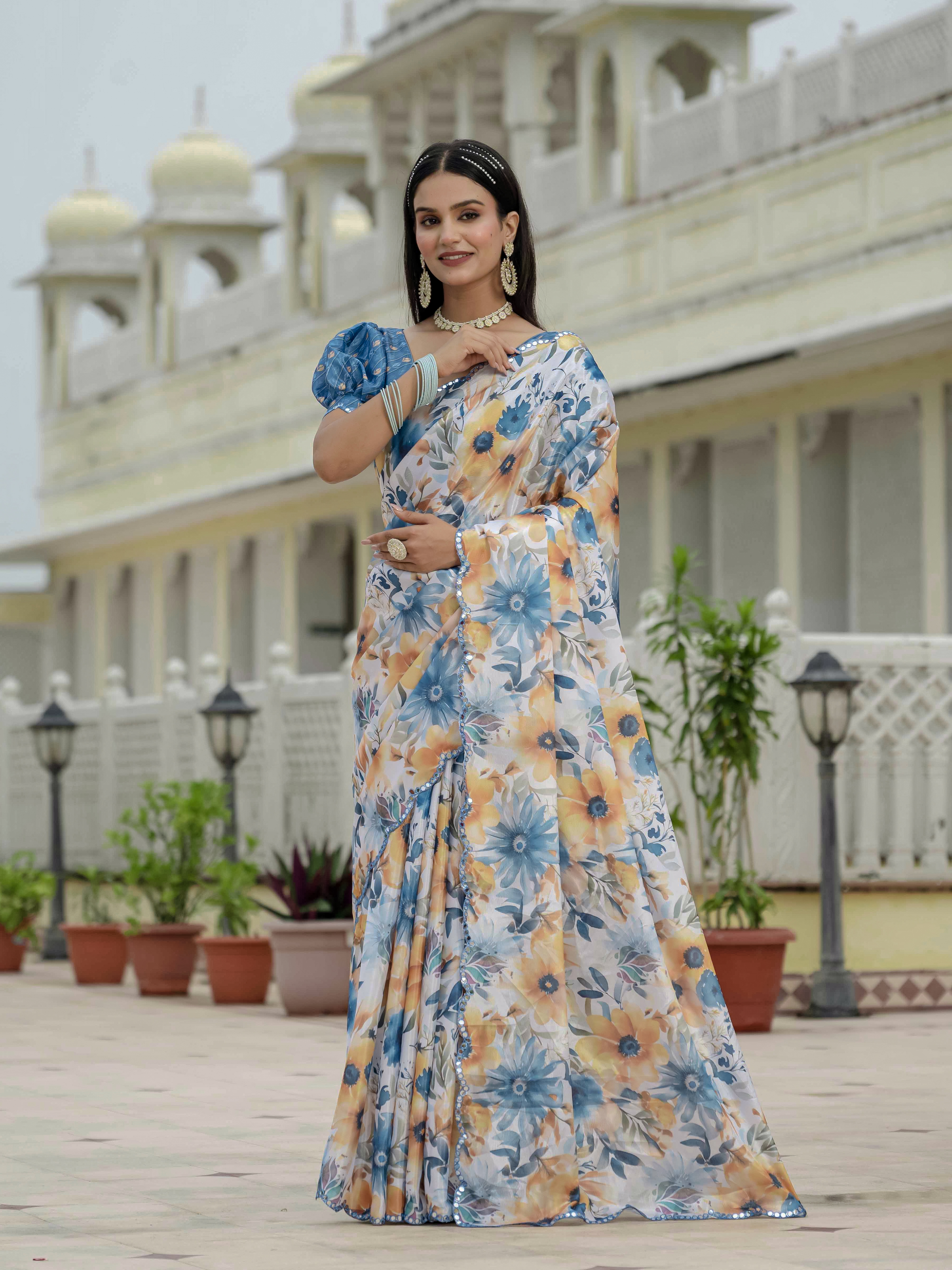
Bright rangoli, freshly harvested rice, sugarcane and family gatherings give Sankranti dressing its characteristic warmth. A Sankranti Saree Guide: Traditional Andhra Fashion for Women should consider more than colour or surface shine; the right saree must suit a day of puja, visiting relatives, cooking, outdoor rituals and photographs. Fabric weight, border scale, blouse comfort and pleat control matter just as much as the weave.
Andhra festive style balances visual richness with movement. Banarasi silk, cotton handloom, linen cotton and zari details can all work for Sankranti when they're matched to the weather, the time of day and the formality of the gathering. The following advice explains how to make those choices deliberately instead of treating every festive saree as interchangeable.
Sankranti Saree Guide: Traditional Andhra Fashion for Women and the right fabric
A suitable Sankranti saree combines a festive colour or border with enough comfort for several hours of movement. Women often need to sit on the floor during puja, walk between rooms, help with food preparation and stand outdoors, so a saree that slips constantly is a poor practical choice.
Sankranti falls in January, when many parts of Andhra Pradesh and Telangana have mild mornings and sunny afternoons. A medium-weight Banarasi silk can provide structure for a formal family celebration, while linen cotton or handloom cotton is more breathable for daytime visits. Soft silk offers the sheen of silk without the weight of a very heavy bridal weave.
Border width changes the impression of a saree. A 2- to 4-inch zari border gives a refined festive finish and remains easy to pleat. A broad contrast border creates a more traditional silhouette, but extra border weight can pull the pallu backward. A narrow floral zari border feels lighter and suits women who prefer a less formal look.
For a full day of Sankranti activities, prioritise a stable drape and a breathable blouse before adding more jewellery or embellishment.
Sankranti Saree Guide: Traditional Andhra Fashion for Women through colour choices
Red, rani pink, maroon, yellow, green and warm gold are dependable Sankranti colours because they connect festive dressing with flowers, turmeric, kumkum, ripe crops and sunlight. Red creates a strong traditional effect, while pink looks celebratory without the visual weight of deep crimson.
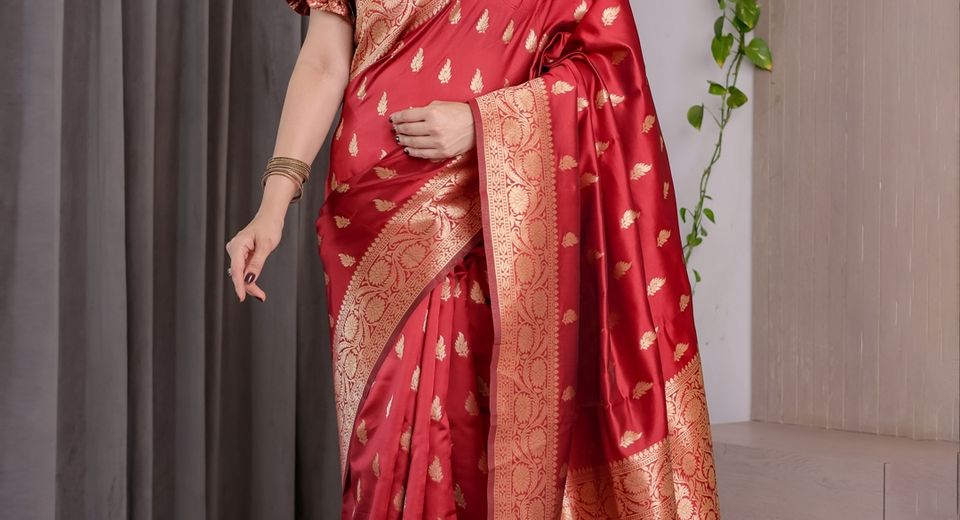
Red works particularly well with antique-gold or bright-gold zari. Red Banarasi Soft Silk Saree with Jacquard Zari Border can be styled with a gold blouse for a classic family-puja appearance. Red Banarasi Soft Silk Saree With Golden Zari Floral Border gives a softer floral direction, especially when paired with a blouse in muted gold, peach or deep green.
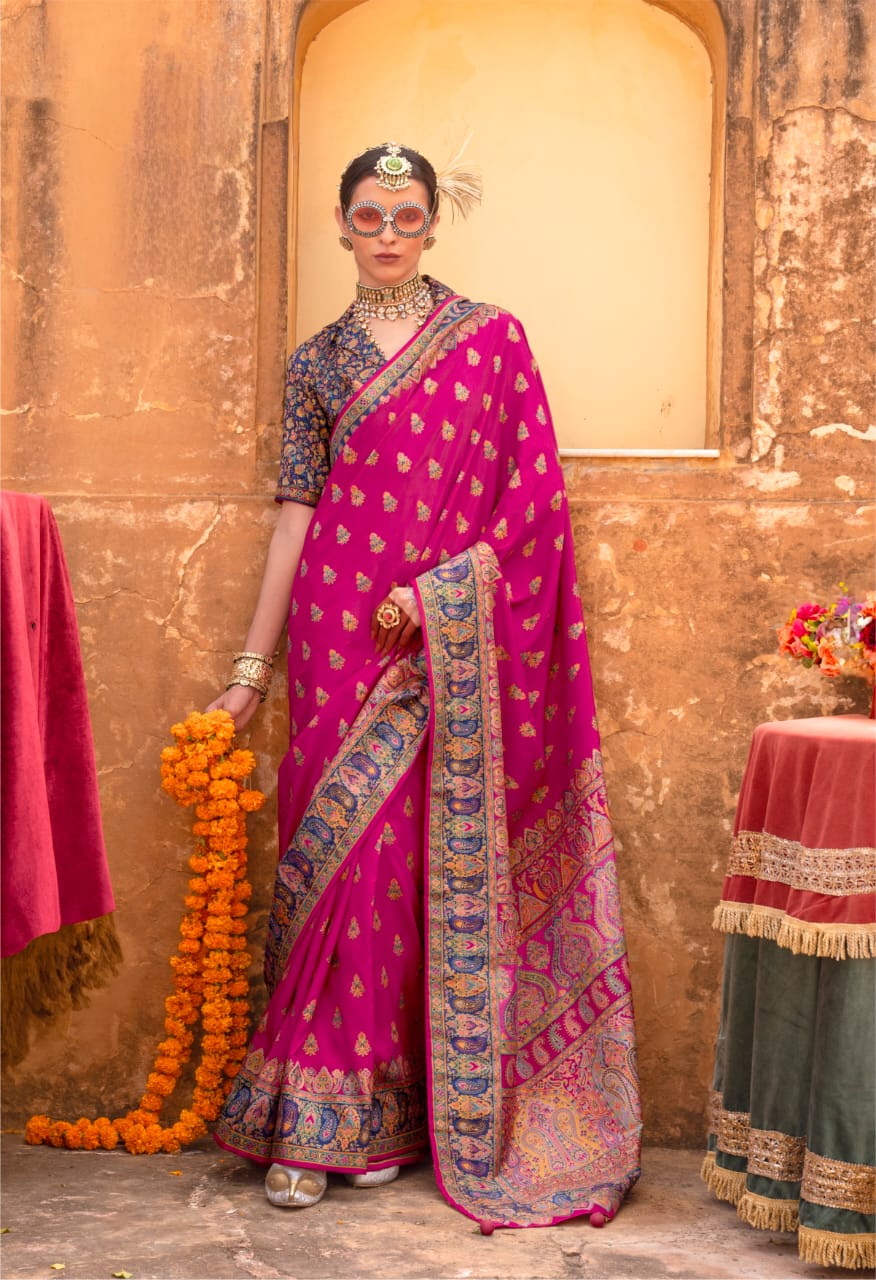
Rani pink is a lively choice for women who want colour in photographs without choosing red. Buy Rani Pink Banarasi Silk Saree with Jacquard Zari Border can be balanced with a blouse in magenta, wine, ivory or antique gold. The colour pairing should repeat one shade from the saree border rather than introduce several unrelated bright colours.
Maroon suits evening gatherings and formal Sankranti dinners because the deeper tone absorbs light while the border supplies brightness. Maroon Banarasi Soft Silk Saree with Golden Zari Border looks composed with a high-neck blouse, three-quarter sleeves or a simple elbow-length sleeve. For daytime functions, yellow, leaf green or coral can bring more light to a maroon saree.
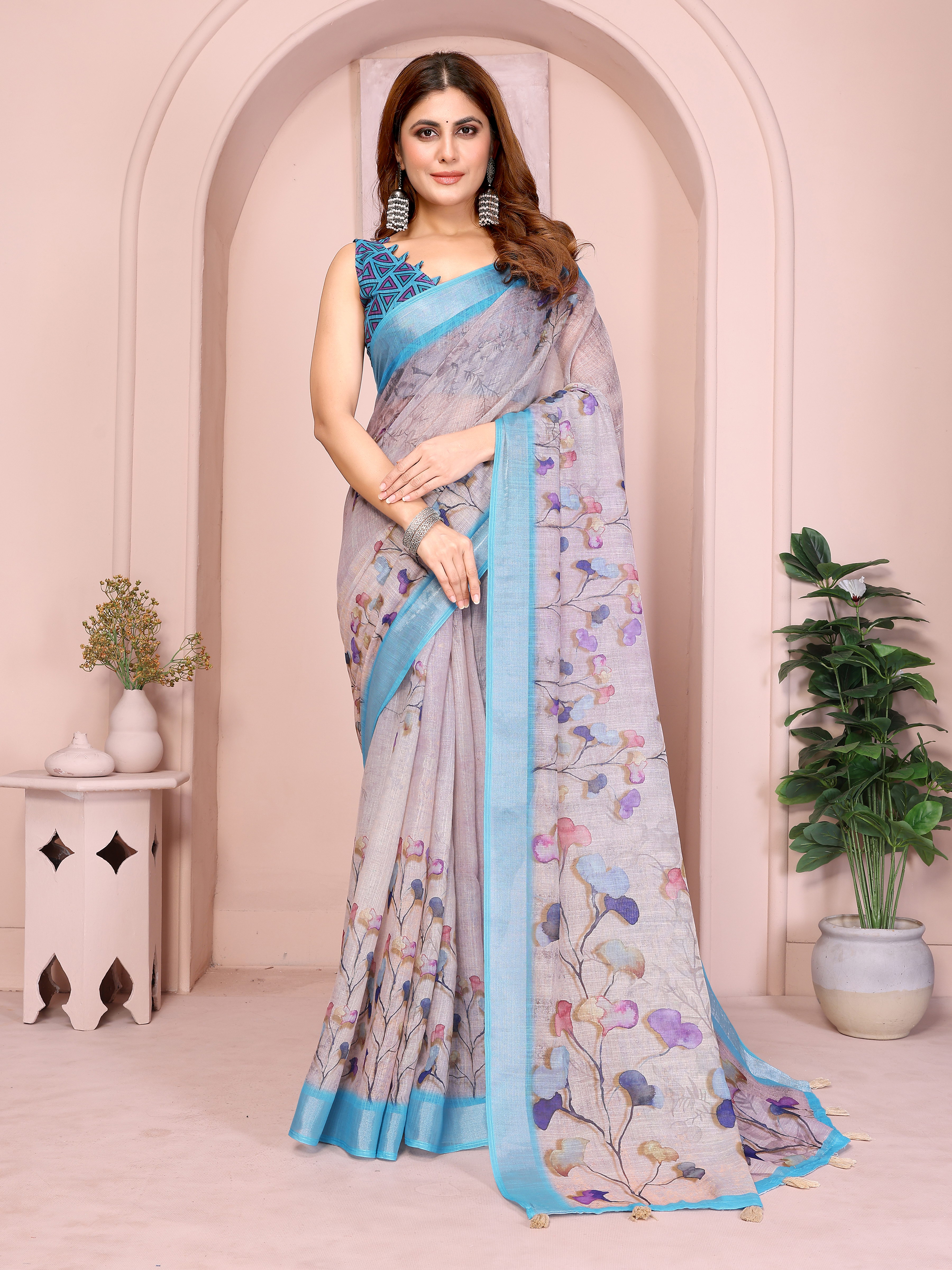
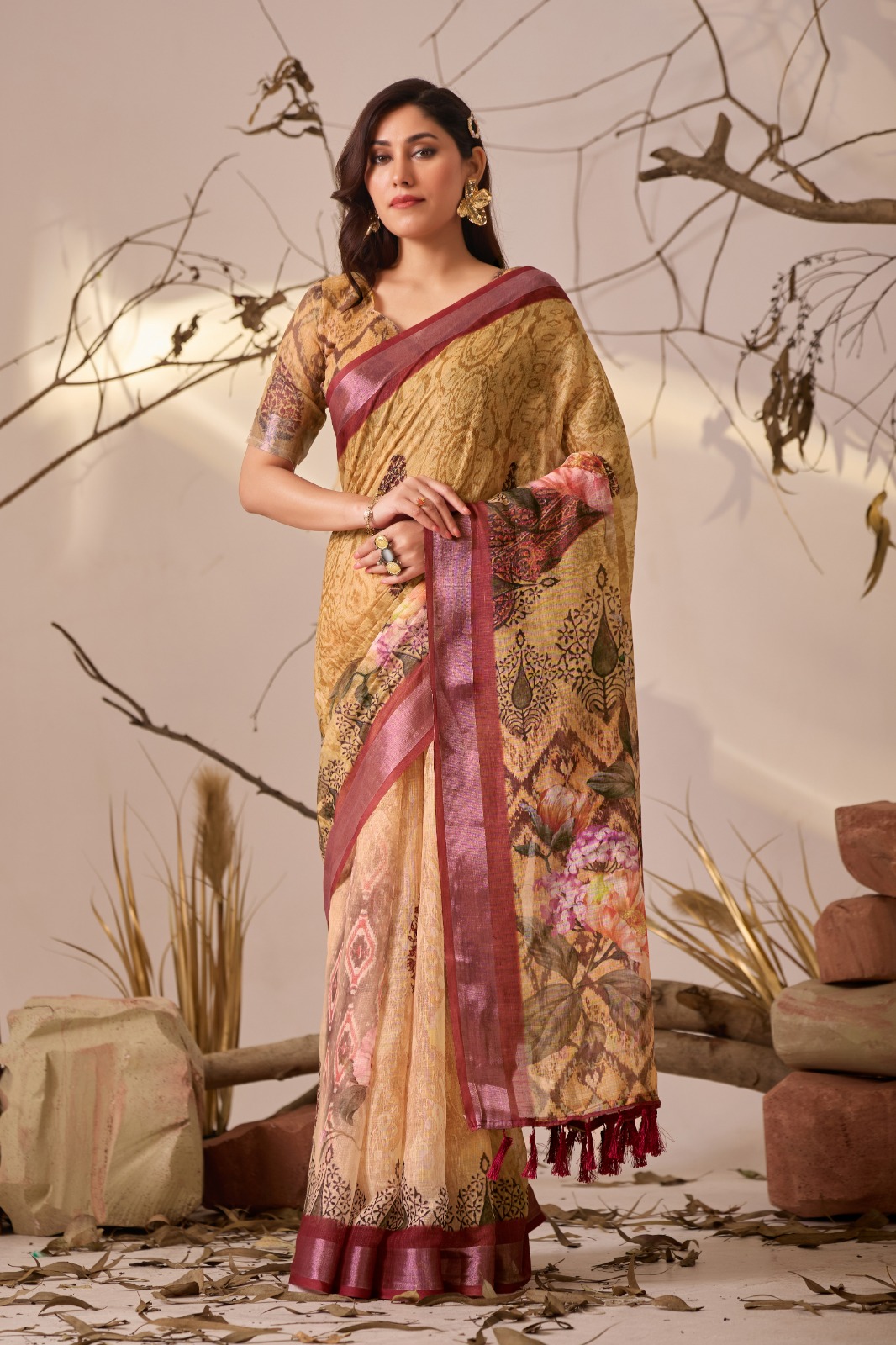
Pastels are appropriate when the saree includes a distinctly festive detail. A pale base with flowers, a zari weave or a contrasting blouse can look graceful for a morning visit. Pastel Floral Tissue Handloom Cotton Saree with Zari Weaves shows how a lighter palette can retain ceremony through texture rather than saturated colour.
Sankranti Saree Guide: Traditional Andhra Fashion for Women by occasion and fabric
The best fabric depends on activity, weather and the amount of structure required in the drape. No single weave is automatically more traditional or more comfortable for every Sankranti event.
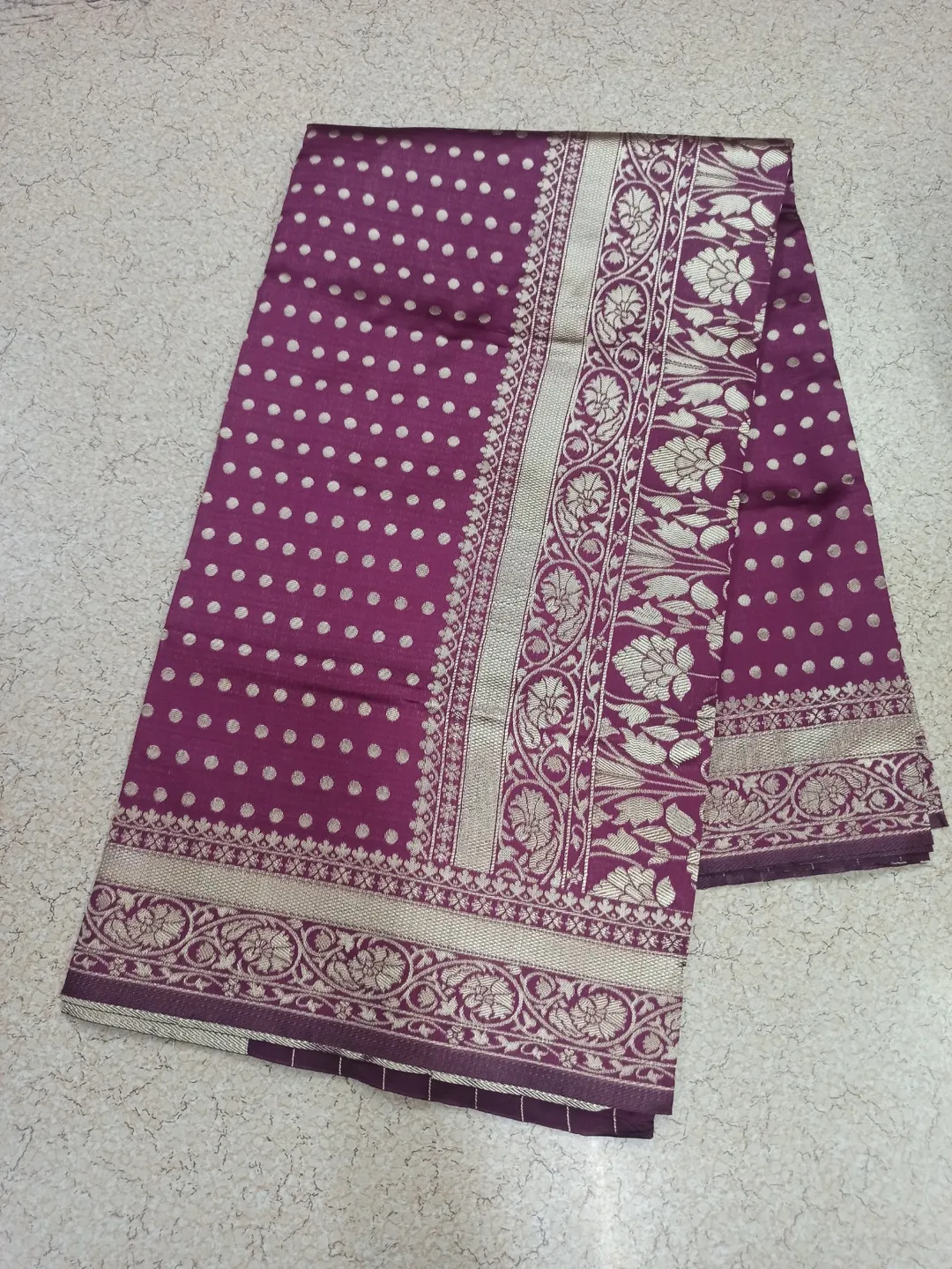
Banarasi silk for formal family gatherings
Banarasi silk is a strong choice for a formal puja, a larger family gathering or an evening celebration because zari and jacquard patterns hold their shape and catch light. Soft silk generally feels easier to handle than a very heavy bridal silk, although final comfort depends on the lining, blouse fit and saree weight.
Red Banarasi Soft Silk Zari Saree Online | Varnavi illustrates a high-shine festive direction suitable for women who want the saree to carry most of the visual impact. Silk Sarees Under 3000 With Discount can be useful when comparing accessible silk options, but check the product description for fibre composition, border construction and care instructions before ordering.
Linen cotton and handloom cotton for daytime comfort
Linen cotton is breathable, absorbs some moisture and usually feels less restrictive during a long daytime event. Cotton handloom sarees offer texture and a slightly relaxed appearance, which suits home puja, neighbourhood visits and outdoor photographs.
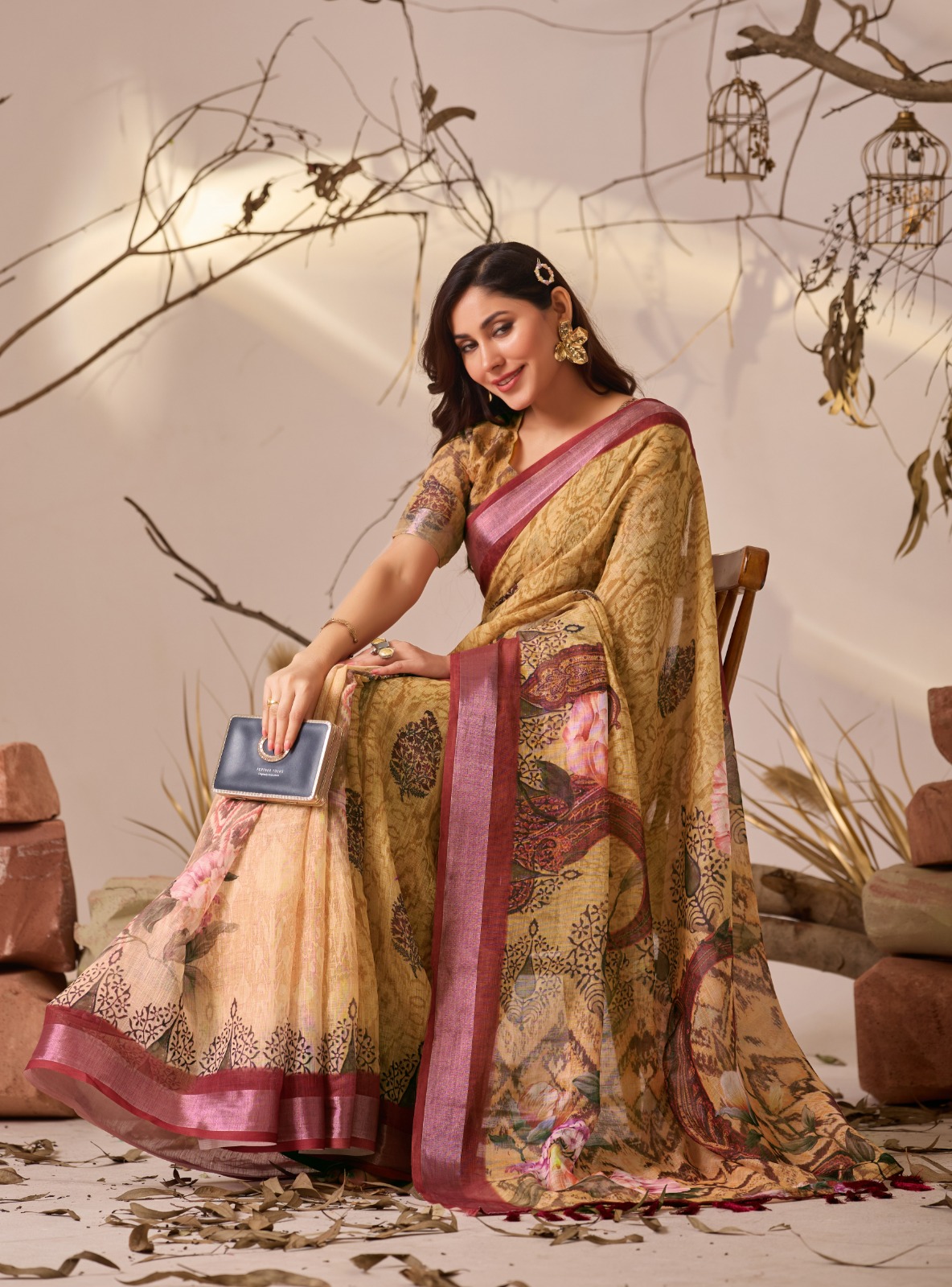
Pastel Linen Cotton Floral Print Saree with Designer Blouse is an example of a lighter styling route. A floral print can be made more festive with gold jhumkas, a defined bindi and a blouse that echoes one printed colour. Cotton may crease more visibly than silk, so pressing the saree before draping and sitting carefully on low seating will improve the finish.
Georgette and tissue when movement matters
Georgette drapes close to the body and works well for women who want a fluid pallu with less bulk. Pink Georgette Sarees can suit a festive lunch or social gathering when the border, blouse or accessories provide enough definition for Sankranti.
Tissue has a crisp, reflective surface that photographs well, but the fabric can catch on rough jewellery and may need careful folding. Tissue blends with cotton or handloom construction can offer a balance between festive texture and daytime wearability.
Sankranti Saree Guide: Traditional Andhra Fashion for Women and blouse proportions
A successful Sankranti blouse repeats one colour or motif from the saree, fits securely at the shoulder and leaves enough room for arm movement. A blouse that's too tight across the upper arm can make pleat adjustment and household tasks uncomfortable within an hour.
For Banarasi silk, a plain silk blouse with a zari sleeve edge prevents the outfit from becoming visually crowded. A contrasting blouse works best when the saree has a restrained border: maroon with mustard, rani pink with deep green, red with antique gold and ivory with red are reliable combinations. The blouse need not match the saree exactly; matching the border is often more polished.
Neckline and sleeve length change the traditional impression. A round neck with elbow-length sleeves looks classic and photographs neatly. A square neck can modernise a heavy saree without removing its festive character. Three-quarter sleeves offer useful coverage for winter mornings, while short sleeves keep the look lighter for indoor daytime gatherings.
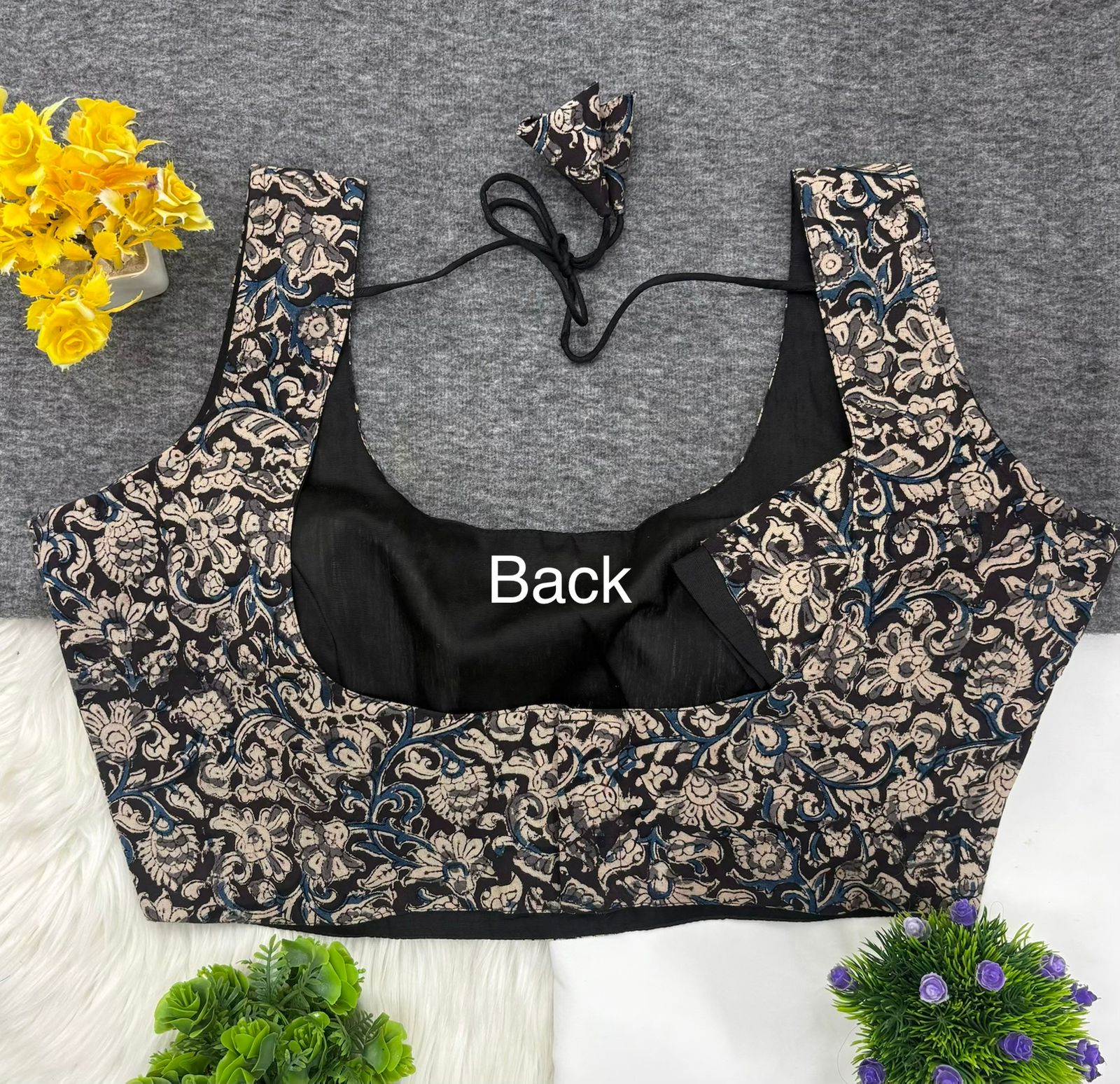
Practical construction deserves attention. Ask for a firm hook-and-eye closure, a comfortable armhole and lining that doesn't scratch the skin. A blouse with a 1- to 2-inch seam allowance is easier to alter later. A modest front neckline and secure back fastening are especially useful when the saree will be worn during cooking or when children may pull at the pallu.
Sankranti Saree Guide: Traditional Andhra Fashion for Women and secure draping
The Nivi drape remains a practical choice for Sankranti because it gives a familiar pleated front, a manageable pallu and freedom to walk. The lower edge should sit just above the floor so the wearer can move without stepping on the saree.
Begin with a well-fitted petticoat or underskirt that doesn't loosen at the waist. Tuck the saree firmly, make 5 to 7 front pleats of similar width, and place the pleats slightly to the left of the navel so the centre line remains comfortable while sitting. Pin the pleats from the inside rather than allowing a visible safety pin to catch the fabric.
Use one small pin at the shoulder and, for slippery silk or tissue, a second concealed pin near the waist. The pallu should fall at least to mid-calf when worn open. Women who need both hands free can pleat the pallu neatly over the shoulder, but the pallu should not be so narrow that the border twists.
A narrow belt worn under the pallu can stabilise a soft silk saree, while a saree pin at the waist can help during repeated sitting and standing. Avoid pinning directly through prominent zari motifs because repeated punctures can weaken metallic threads. Test the complete drape at home for 15 minutes before the event, including walking, sitting and lifting one arm.
Sankranti Saree Guide: Traditional Andhra Fashion for Women with jewellery and hair
Gold-tone jewellery, temple-inspired motifs, jhumkas, pearl accents and green or red glass bangles complement Sankranti sarees without competing with harvest symbolism. Choose the jewellery scale according to the border: heavy zari needs fewer statement pieces, while a simple cotton saree can carry a more noticeable necklace.
A pair of medium jhumkas and a short necklace is enough for a floral cotton or linen-cotton saree. A silk saree with a broad border can take a longer haram, a waist chain or layered bangles, but wearing every traditional accessory together can make the outfit feel heavy. Select one focal piece near the face and let the saree border provide the second point of interest.
A low bun decorated with jasmine creates a traditional Andhra-inspired finish and remains secure during a long day. A braid with a ribbon or fresh flowers works well with cotton handloom sarees. If fresh flowers are unavailable, a neat low bun and small gold hair accessories provide a polished alternative without looking costume-like.
Makeup should withstand warmth and movement. A light base, defined brows, kajal, a warm blush and a red, rose or terracotta lip complement festive sarees. A bindi that repeats the saree's strongest colour connects the face to the outfit and takes only a few seconds to apply.
Sankranti Saree Guide: Traditional Andhra Fashion for Women and after-wear care
Proper after-wear care protects zari, colour and fabric shape. Air the saree in shade for 30 to 60 minutes after wearing it, then fold it only when completely dry and free of perspiration.

Banarasi silk and zari sarees should usually be dry-cleaned rather than machine-washed. Do not spray perfume directly onto silk, zari or tissue because alcohol and moisture can mark the surface. Store a silk saree in a clean cotton or muslin cover, refold it every few months to prevent a permanent crease in one position, and keep it away from direct sunlight.
Linen cotton and handloom cotton can often be gently washed if the care label permits. Use cool water, mild detergent and very limited soaking; avoid wringing because twisting can distort the border. Roll the saree in a clean towel to remove excess water, dry it in shade and iron it on the reverse side at a suitable temperature.
Before buying for Sankranti, check five details: fibre composition, saree length, blouse inclusion, border weight and care instructions. A standard saree commonly measures about 5.5 metres, while the blouse piece may measure about 0.8 metres, but measurements vary by product. Confirm the available length if you're tall, prefer deep pleats or need a longer pallu.
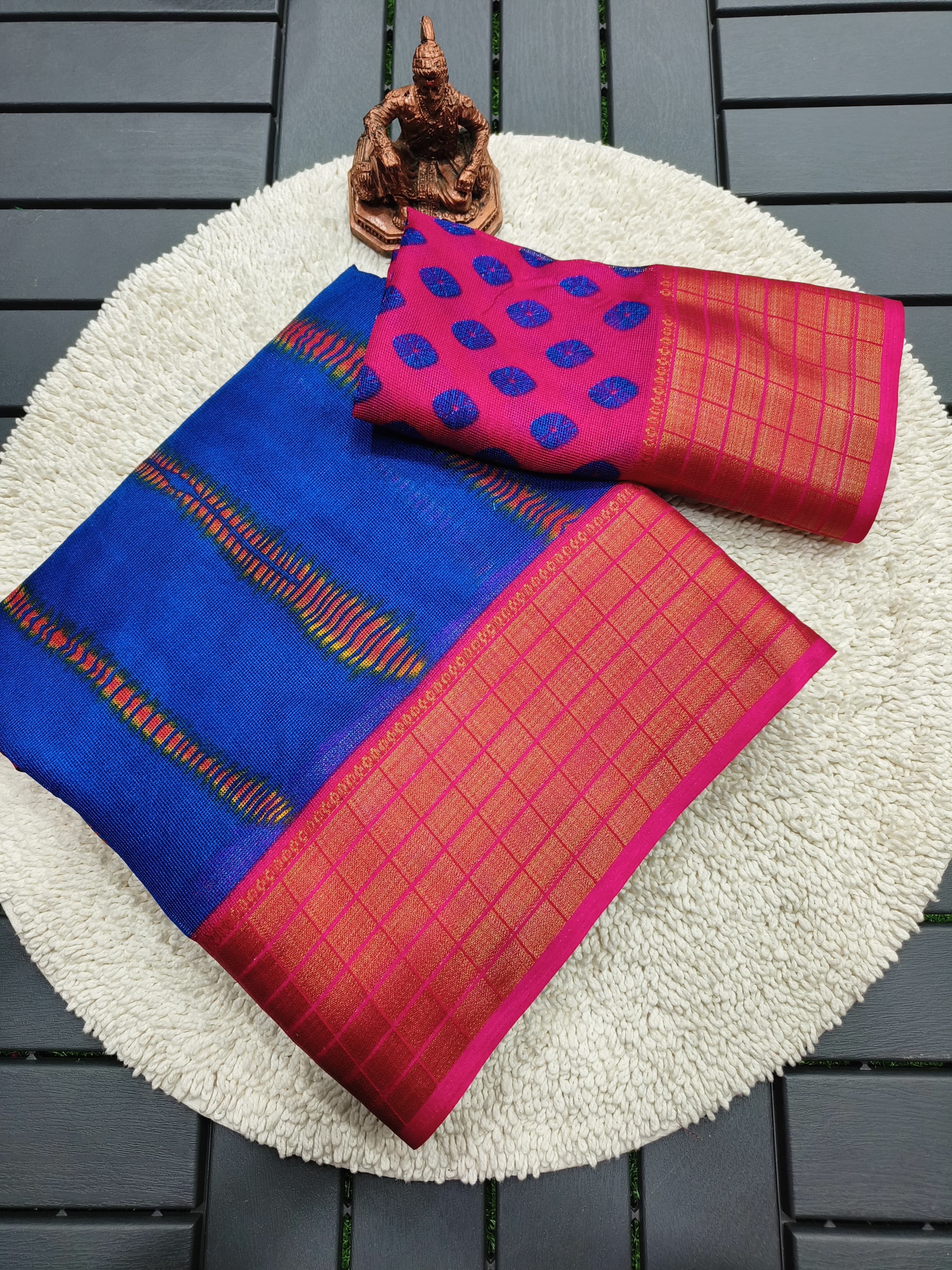
For a more budget-conscious festive wardrobe, Red Banarasi Silk Sarees for Weddings Under 1100 and Party Wear Sarees may provide useful comparison points, while Gray Color Sarees Under 1000 can help when looking for a neutral saree for future styling. Price alone doesn't establish quality; examine weave clarity, finishing, fall, blouse fabric and return or exchange terms before committing.
Sankranti Saree Guide: Traditional Andhra Fashion for Women for a confident final choice
Choose the saree by matching three variables: the formality of the gathering, the hours of wear and the amount of movement required. Banarasi silk or soft silk suits a formal evening and family photographs; linen cotton or handloom cotton suits a daytime puja; georgette or lighter tissue suits a fluid social look.
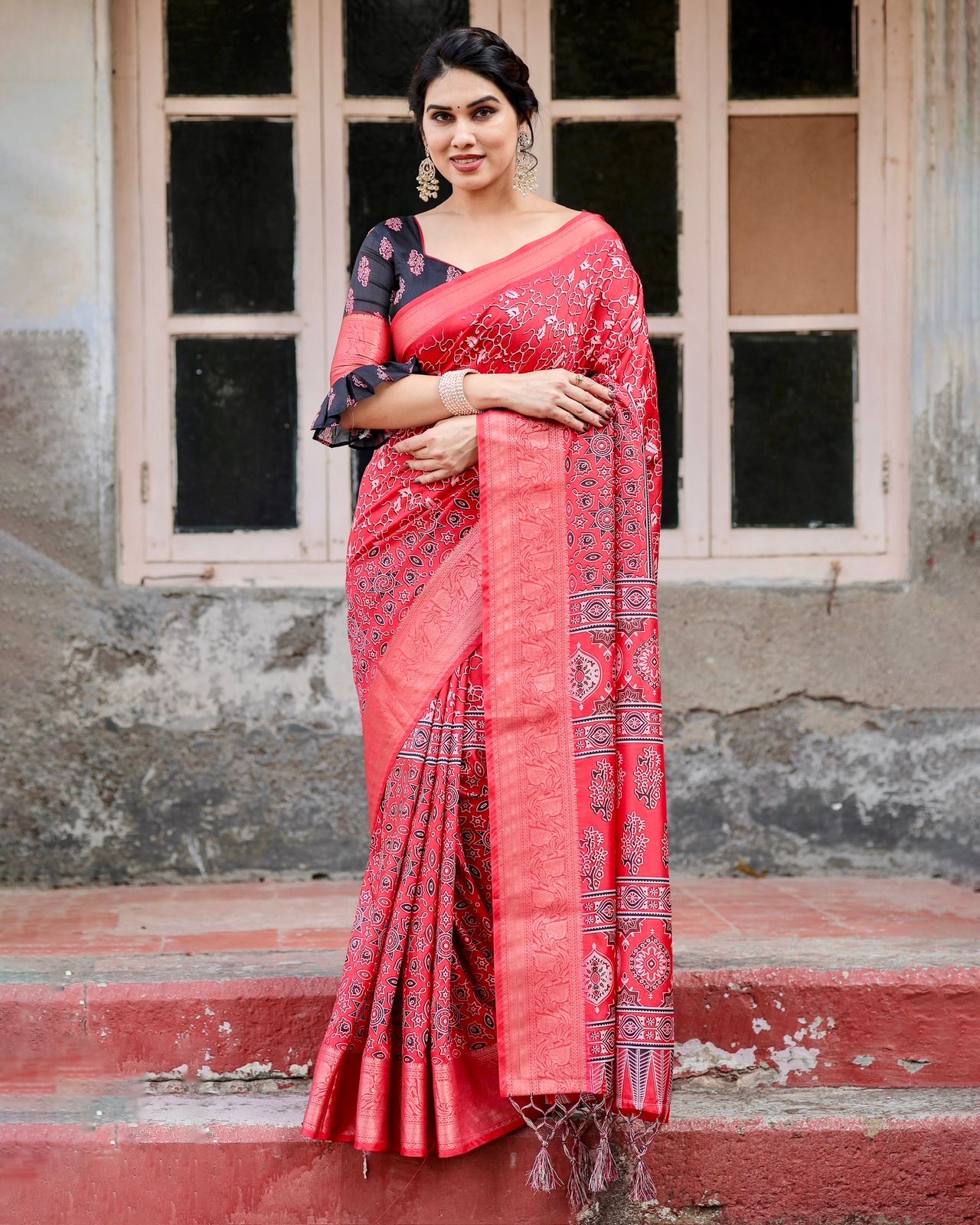
Before the event, press the saree, check every hook and pin, practise sitting in the complete outfit and keep spare safety pins in a small pouch. A comfortable blouse, secure pleats and a pallu that stays in place will make more difference to your confidence than adding another accessory.
Traditional Andhra fashion can remain deeply rooted while responding to modern schedules. A harvest-inspired colour, a considered zari border, breathable fabric and respectful styling are enough to create a memorable Sankranti look that feels festive from the first puja to the final family photograph.
Common Questions About Sankranti Saree Styling
Which saree colour is considered suitable for Sankranti?
Red, rani pink, maroon, yellow, green and warm gold are suitable Sankranti colours because they reflect festive flowers, turmeric, kumkum, crops and sunlight. Choose the shade according to the time of day and your blouse or jewellery preferences.
Which fabric is most comfortable for a daytime Sankranti celebration?
Linen cotton and handloom cotton are generally comfortable for daytime Sankranti celebrations because they allow airflow and feel lighter during extended wear. Soft silk is a good alternative when you want more sheen and structure without choosing a very heavy saree.
How should a Banarasi saree be styled for Sankranti?
Style a Banarasi saree with a blouse that repeats its border colour, moderate gold jewellery and a secure Nivi drape. A plain silk blouse with a zari sleeve edge prevents a heavily patterned saree from looking overcrowded.
What blouse colour goes with a red Sankranti saree?
Gold, antique gold, deep green, ivory, peach and maroon can work with a red Sankranti saree. The most coordinated choice usually repeats the colour of the saree's zari or border rather than adding several unrelated bright shades.
How can I stop a silk saree from slipping during puja?
Wear a well-fitted petticoat, make even front pleats and use one concealed shoulder pin plus a second waist pin if needed. Practise walking, sitting and raising your arms in the complete drape before the celebration.
How should a Sankranti saree with zari be stored?
Air a zari saree in shade after wearing it, keep it away from perfume and moisture, and store it folded in a clean cotton or muslin cover. Dry-clean Banarasi silk when required and refold it periodically so a single crease does not become permanent.