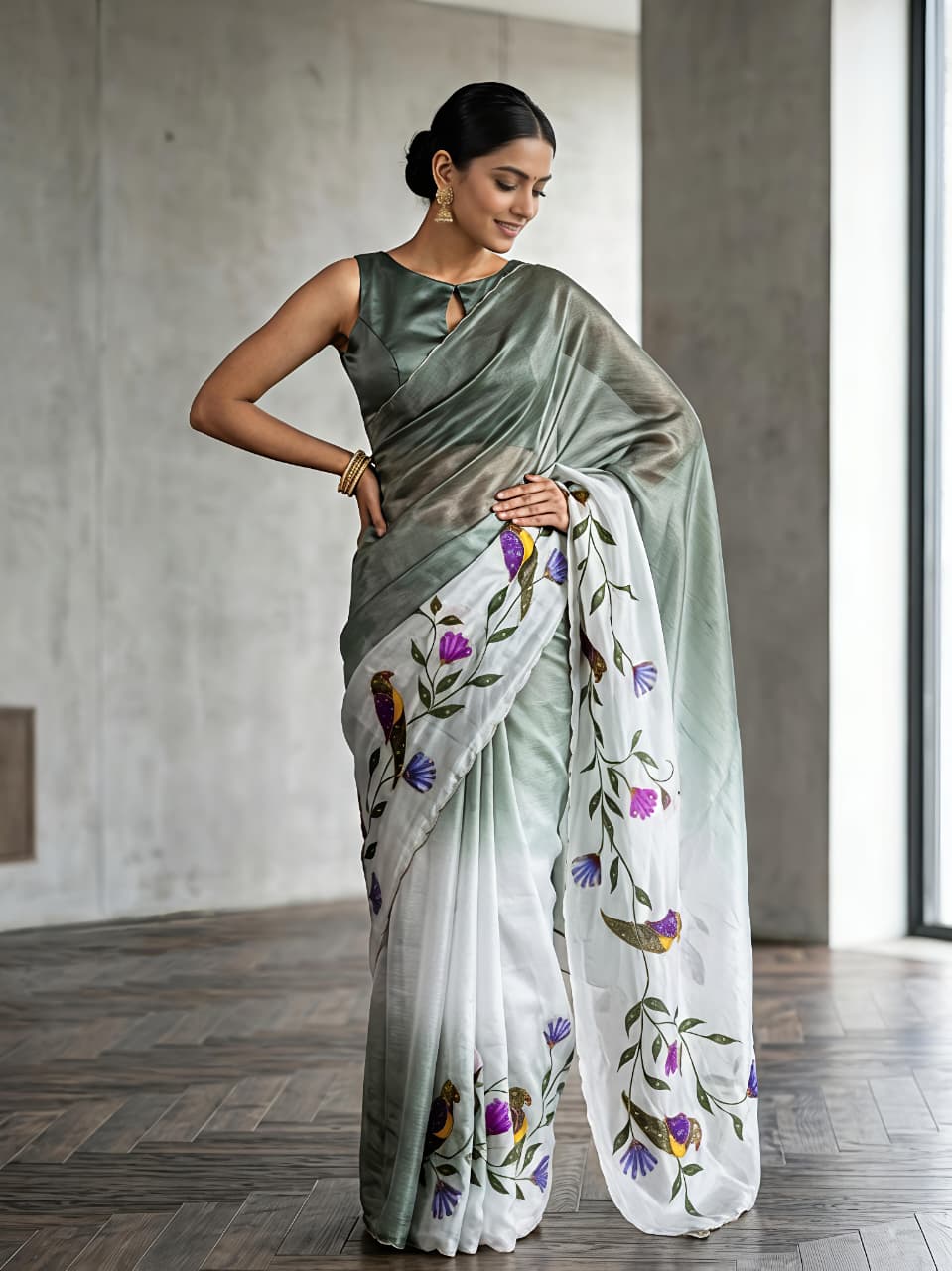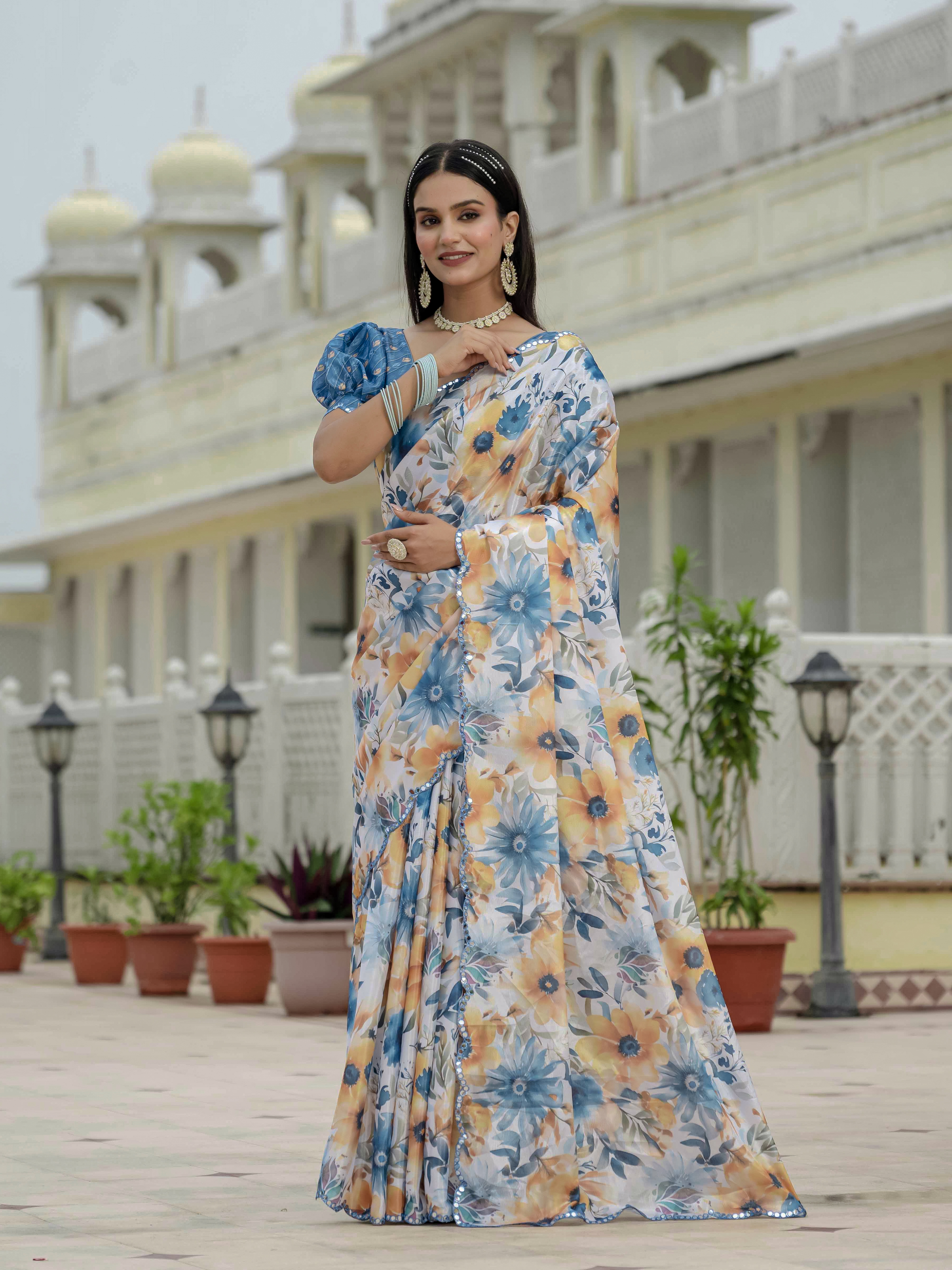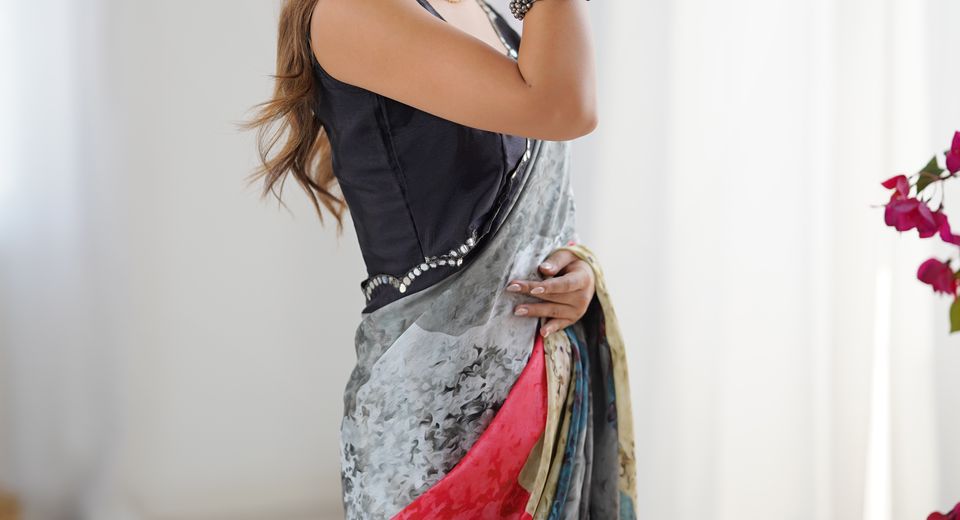
Sankranti 2026: Best Sarees and Traditional Outfits for Women begins with one practical question: how will you spend the day? A morning puja, a family lunch, a kite-flying gathering and a formal festive visit each call for a slightly different saree. The right choice balances regional tradition, January weather, movement, drape security and the amount of dressing involved.
A traditional saree doesn't have to be heavy or difficult to manage. Banarasi silk, cotton, Chanderi, georgette and soft silk can all create a festive look when the border, blouse and accessories are chosen with purpose. This guide explains how to select a fabric, coordinate colours, dress for different Sankranti plans and shop online without relying on vague labels such as "festive" or "designer".
Sankranti 2026: Best Sarees and Traditional Outfits for Women for Different Celebrations
Women should choose a breathable saree with a secure drape, a festive border and a blouse that suits the length of the celebration. Cotton sarees work well for daytime rituals, while Banarasi soft silk, georgette silk and embellished sarees suit visits, lunches and evening gatherings.
Sankranti is celebrated across India under different regional names and customs, so one universal dress code doesn't exist. Pongal celebrations may inspire Kanjeevaram-style silk and traditional jewellery, while Makar Sankranti gatherings often welcome bright yellow, red, orange, green and pink. In several homes, neatness and cultural respect matter more than the level of ornamentation.
For a short puja followed by household work, select a saree with a manageable pallu and a non-slippery texture. For a formal family event, a zari border or embroidered surface adds ceremony without requiring a heavily layered outfit. Women who prefer not to wear a saree can choose a salwar suit, sharara or palazzo suit in silk, brocade or a festive printed fabric.
Sankranti 2026: Best Sarees and Traditional Outfits for Women by Fabric
The best Sankranti saree fabric depends on weather, movement, event length and the amount of structure the wearer wants in the pleats. Fabric weight matters more than the word "traditional" on a product page.
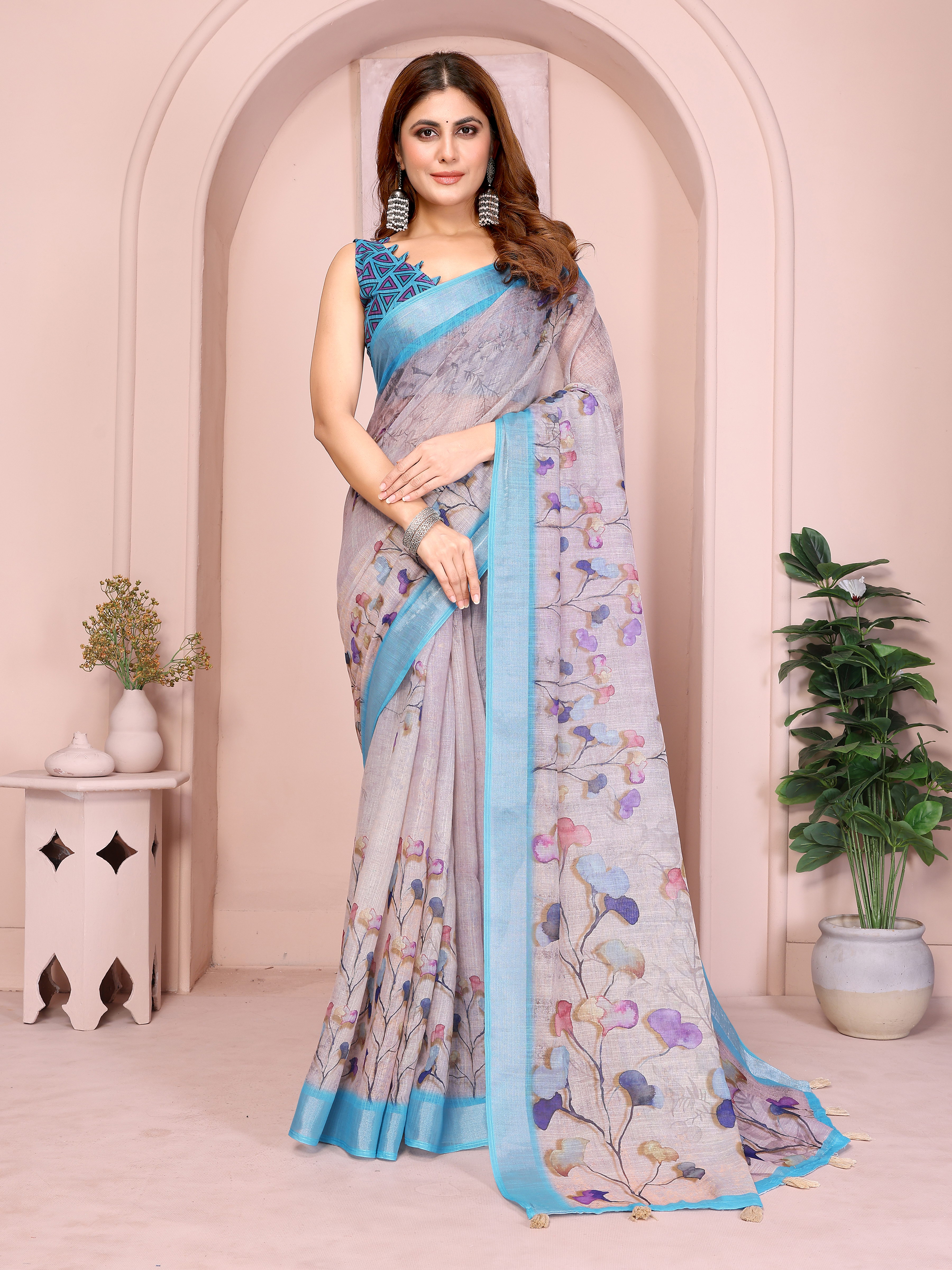
Choose cotton for puja and daytime celebrations
Cotton is the most practical choice for a long daytime celebration because it breathes well and stays comfortable during movement. Maroon Cotton Saree with Zari Work for Wedding shows how a cotton base can still look occasion-ready when zari adds a defined festive accent. Cotton also holds pleats neatly after pressing, although light starch may help with very soft weaves.
Choose cotton for temple visits, home puja, community meals and outdoor gatherings. Pair cotton with a short-sleeved blouse, a secure underskirt and flat sandals when walking or standing for long periods. Avoid excessive jewellery if the saree already has a wide zari border; jhumkas and a modest bangle stack can provide enough finish.
Choose soft silk and Banarasi silk for a richer look
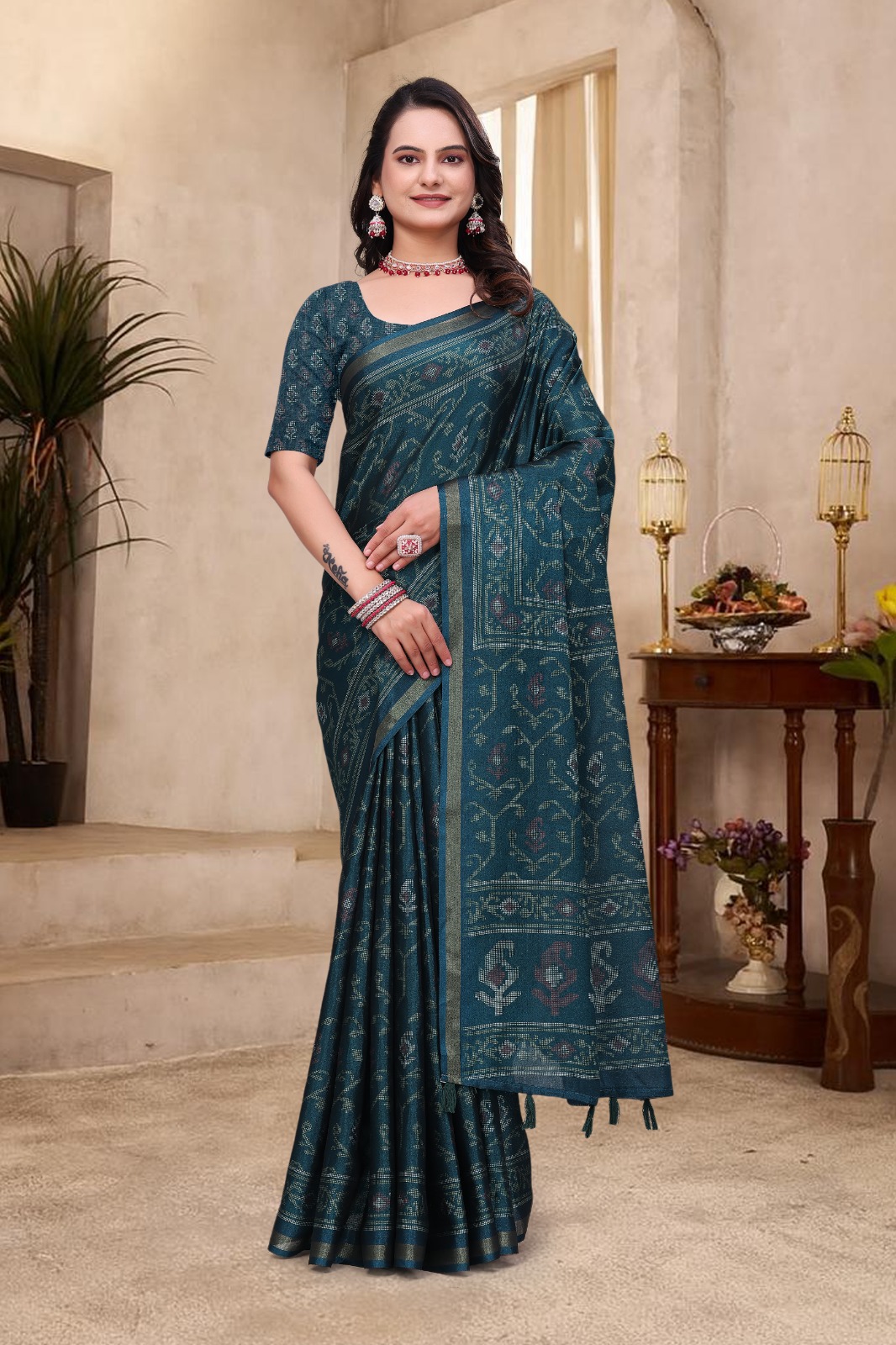
Soft silk and Banarasi silk provide more body, sheen and structure than everyday cotton. Royal Banarasi Soft Silk Zari Weave Saree can anchor a formal Sankranti look because the zari weave supplies visual detail even with a simple blouse. Teal Blue Banarasi Soft Silk Saree With Golden Zari Border offers a cooler jewel tone for women who want something different from the usual warm festival palette.
Banarasi silk generally suits family portraits, festive lunches and evening visits, but the wearer should test the pleats before leaving home. A heavier pallu can pull at the shoulder, so use a discreet safety pin near the blouse and another at the shoulder pleats. Store silk folded in soft cotton rather than plastic after the celebration.
Use georgette and crush fabrics for movement
Georgette and crush fabrics are useful when a lighter, fluid drape matters more than a crisp formal silhouette. Traditional Red Crush Georgette Silk Saree With Tassel Pallu brings movement through the fabric and pallu detail, making it suitable for a family gathering or evening celebration. Georgette usually needs well-positioned pins because its softness can cause pleats to shift while walking.
An embroidered crush saree can replace elaborate jewellery when the event is semi-formal. Premium Gold Crush Embroidered Party Wear Saree for Women and Golden Glow Gold Crush Embroidered Party Wear Saree for Women illustrate how surface embellishment can create a celebratory finish without adding a separate dupatta or layered jacket.
Sankranti 2026: Best Sarees and Traditional Outfits for Women in Festive Colours
Yellow, mustard, red, orange, green, pink and gold are reliable Sankranti colours because they suggest sunlight, harvest, flowers and festive abundance. Colour symbolism varies by family and region, so personal comfort and the ceremony setting should guide the final choice.
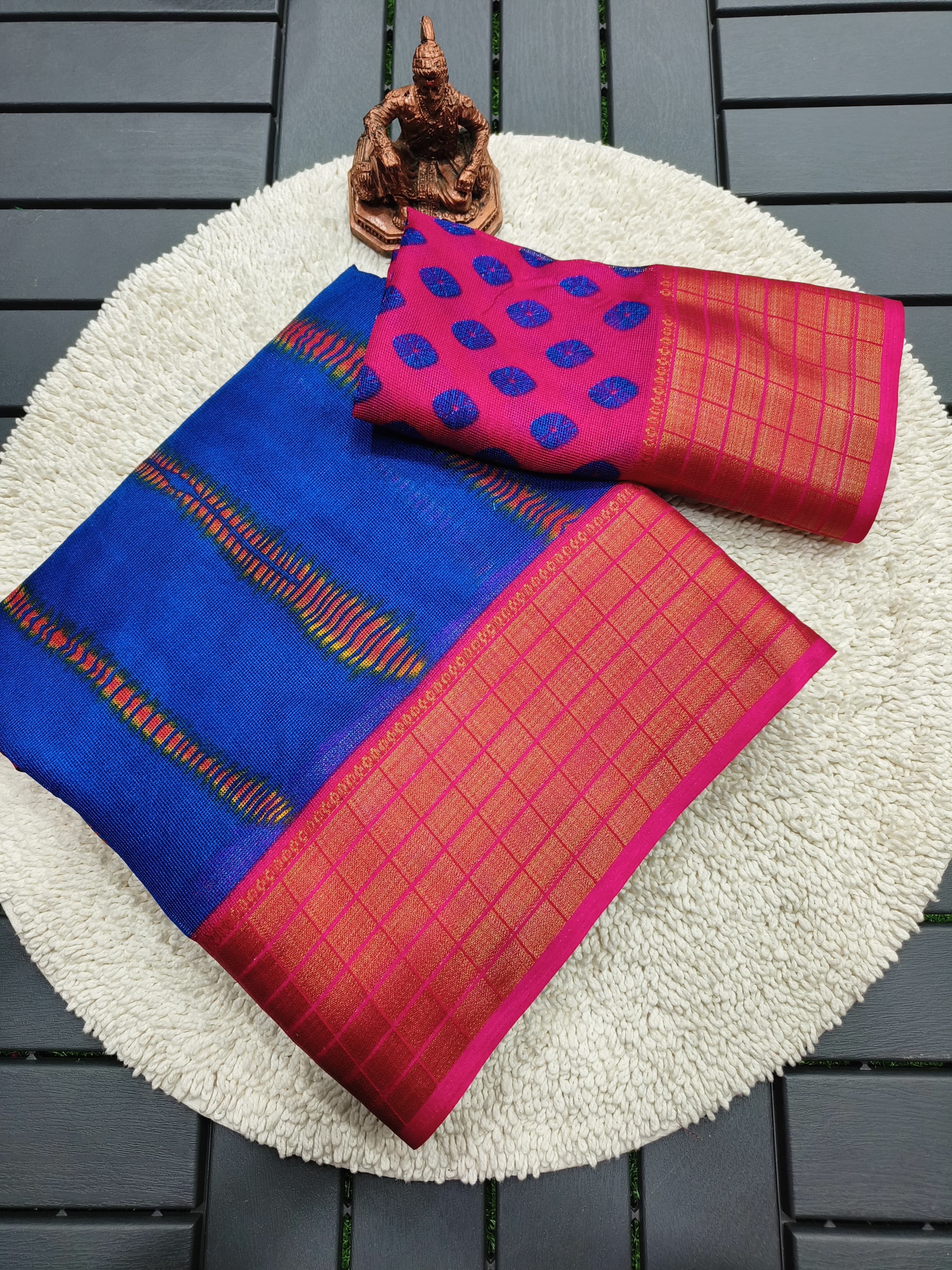
Yellow works especially well for morning puja when paired with red, green or gold. Red creates a more ceremonial appearance and works with antique gold jewellery. Green suits daytime celebrations and looks particularly effective with a gold border. Pink and magenta provide a softer alternative when a bright primary colour feels too strong.
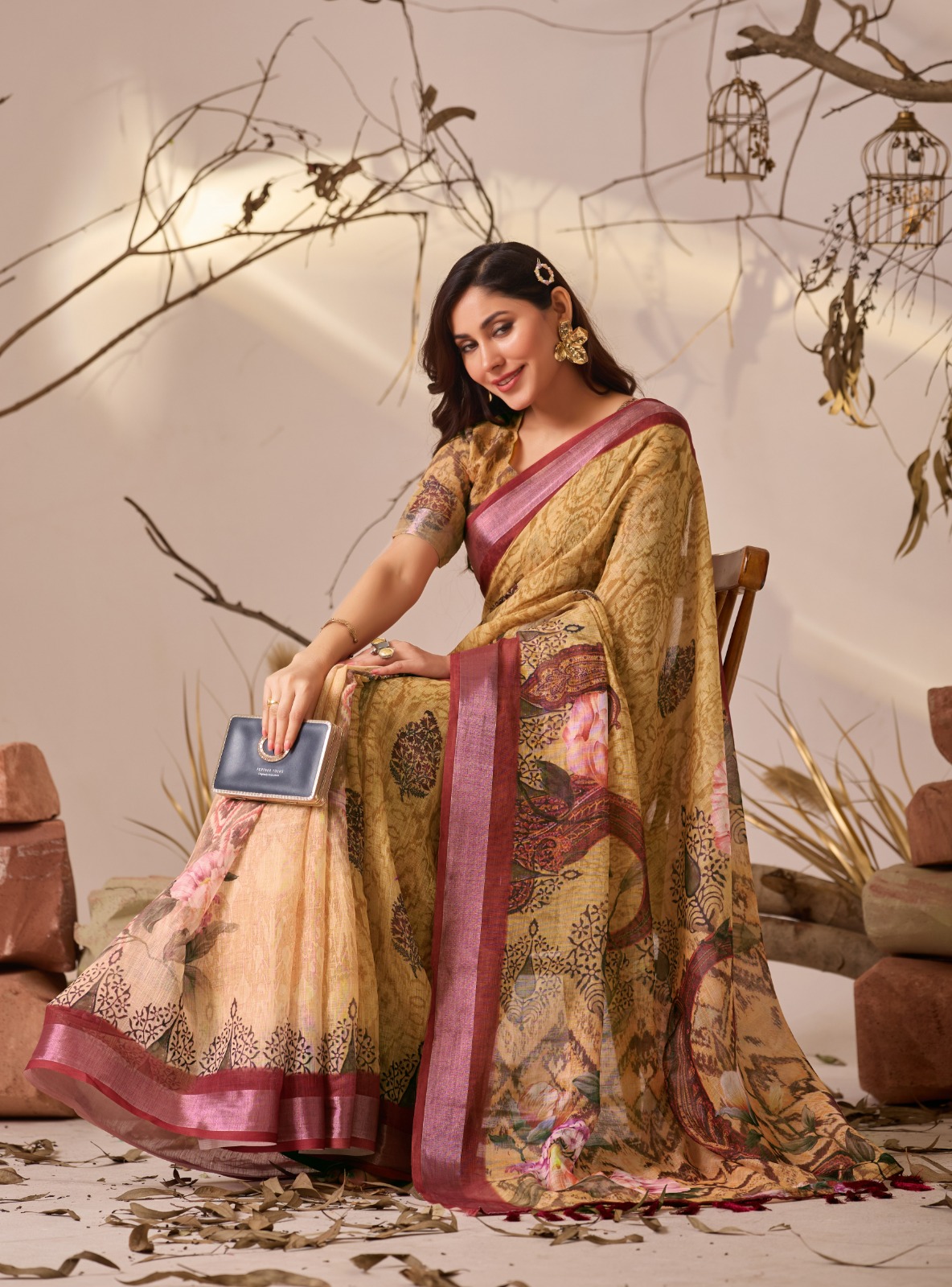
Prints can be traditional without looking formal. Multicolor Heavy Chinnon Printed Saree for Women is a useful option for women who want several festive colours in one outfit. When the saree has a busy print, keep the blouse in one solid shade taken from the print rather than introducing a competing pattern.
Motifs such as florals, paisleys, temple-inspired borders, checks and woven buttas can support a traditional appearance. Zari doesn't always mean the saree is heavy; a narrow zari border can be easier to wear than dense all-over metallic embroidery. Check product measurements and close-up images before assuming that a border is wide or a weave is raised.
Sankranti 2026: Best Sarees and Traditional Outfits for Women by Occasion
A Sankranti saree should be styled according to the day's activities, because a secure and breathable outfit will look better than an ornate one that needs constant adjustment.
For morning puja and temple visits
A cotton, lightweight silk or simple Banarasi saree with a modest blouse is the strongest choice for morning puja. Wear a sleeve length that allows comfortable arm movement, pin the pallu close to the shoulder and choose flat footwear with a firm sole. A small bindi, fresh flowers, stud earrings and a narrow chain can complete the traditional look without making it impractical.
Women who prefer a simple traditional outfit can wear a solid saree with a contrast blouse and minimal zari. A neatly ironed saree, covered midriff where required by the temple, and secure pleats often communicate respect more effectively than excessive embellishment.
For kite flying and outdoor gatherings
A lightweight saree with a shorter, firmly pinned pallu is safest for kite flying and outdoor movement. Avoid very long tassels, loose dupattas and jewellery that can catch on railings, kite string or chairs. Georgette, soft cotton and light chinnon are easier to manage than a very heavy silk saree.
Wear closed sandals or flats with a low, stable sole, and carry a few spare safety pins in a small pouch. A pre-stitched petticoat or a well-fitted underskirt can reduce shifting around the waist. These small adjustments matter when the outfit must remain comfortable for three or four hours outside.
For family lunch and festive visits
A Banarasi soft silk saree, printed chinnon saree or embroidered crush saree works well for a family lunch or festive visit. Add a blouse in velvet, raw silk or a matching plain fabric, depending on the season and the saree's texture. A structured handbag, low heels and medium-sized earrings give the outfit polish without competing with the pallu.
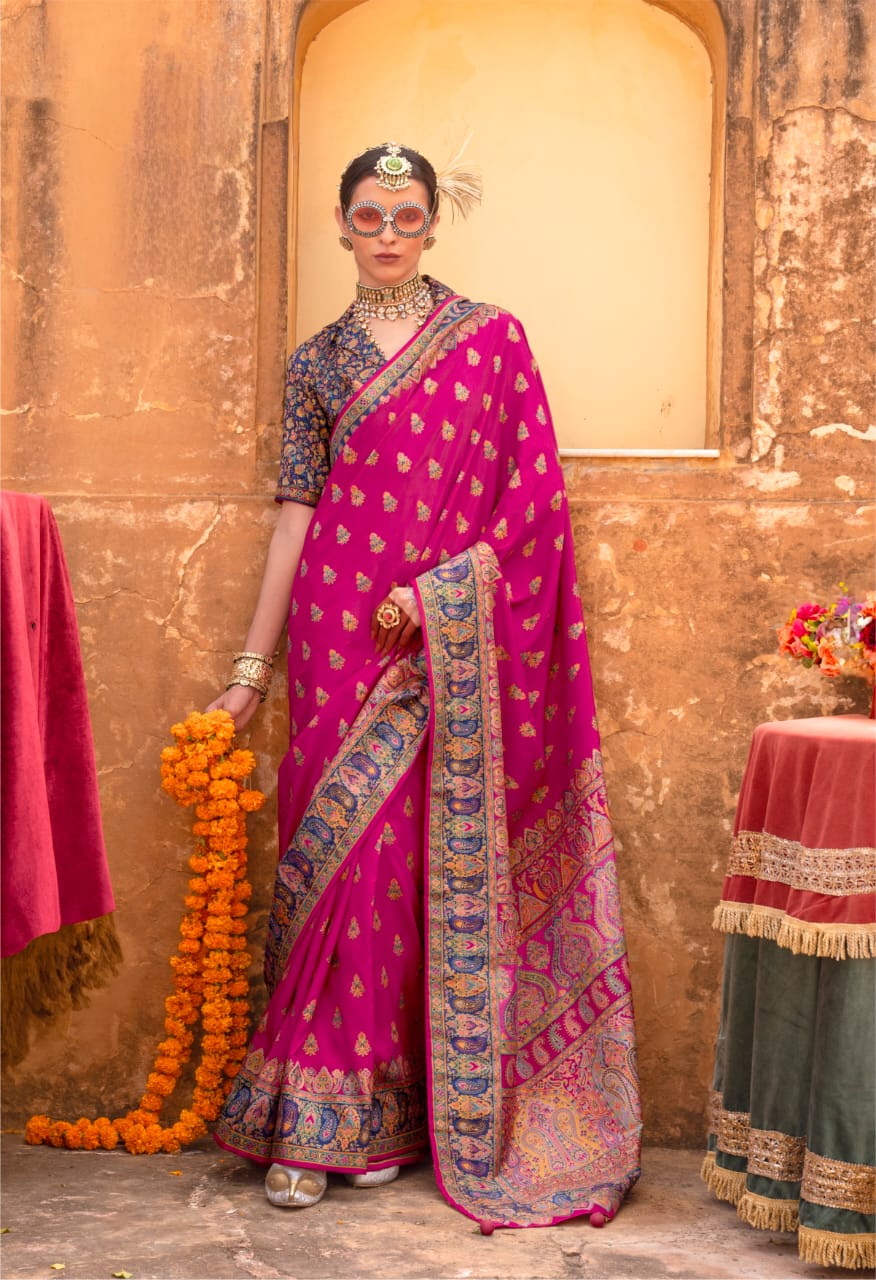
Red Banarasi Soft Silk Saree with Jacquard Zari Border demonstrates how a strong colour and woven border can carry the look on their own. Use gold-toned accessories with red, mustard and maroon; choose pearls or antique-finish jewellery when the saree has a cooler pink, teal or grey base.
Sankranti 2026: Best Sarees and Traditional Outfits for Women with Better Blouse and Drape Details
A well-fitted blouse, a stable petticoat and two strategically placed pins make a saree substantially easier to wear for Sankranti. Blouse comfort should be checked while sitting, raising both arms and walking up stairs.
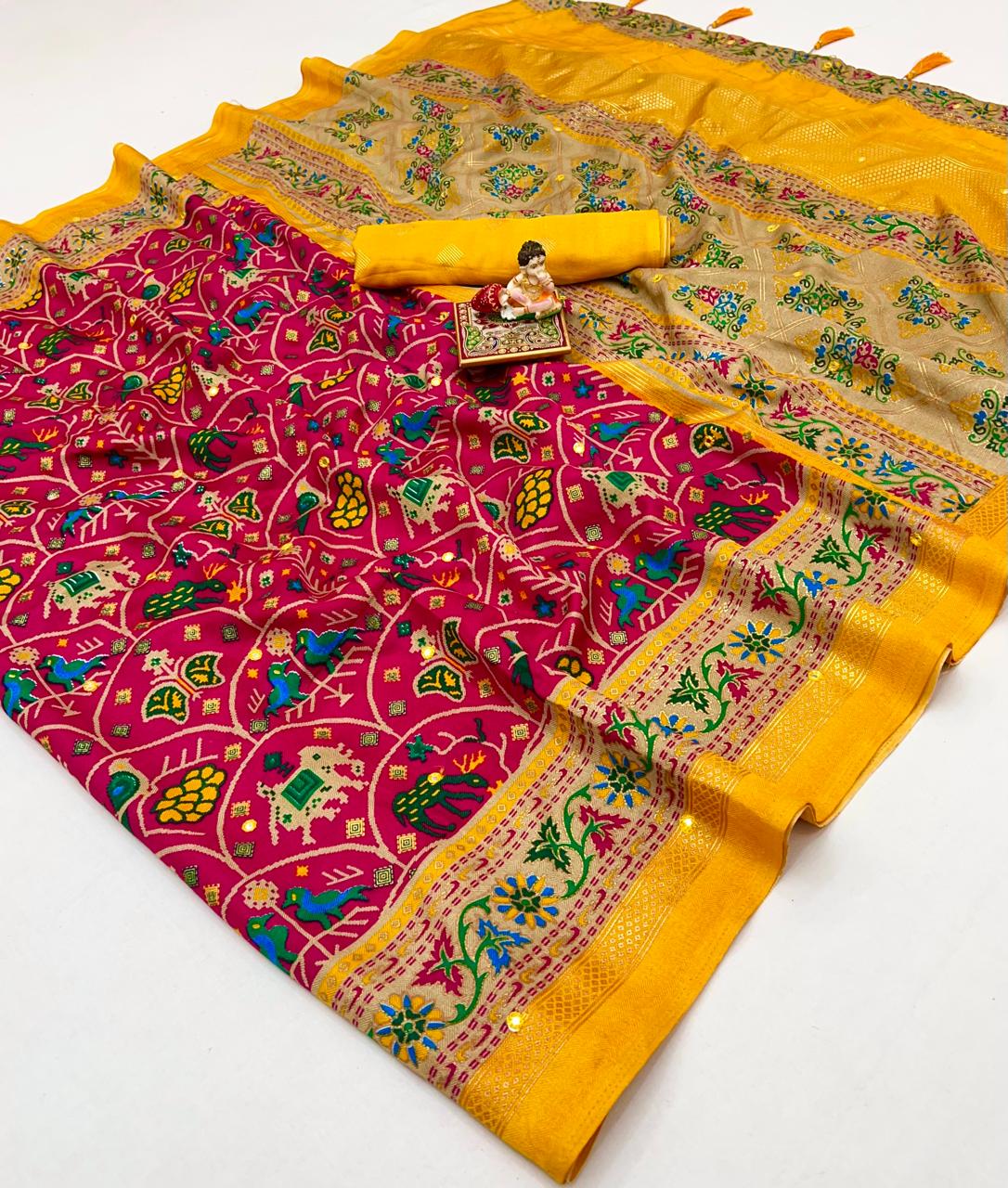
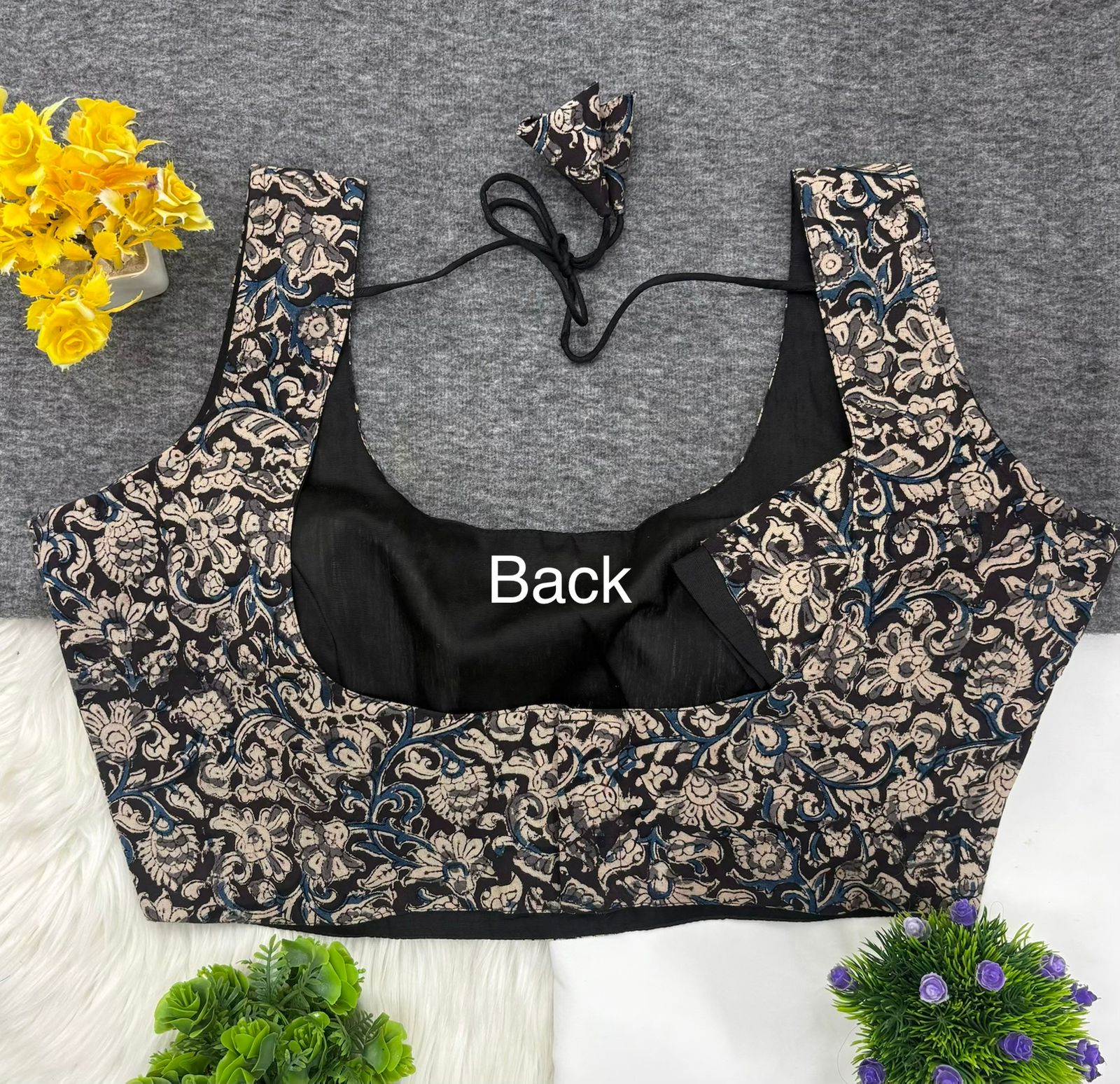
For a zari saree, a plain blouse in a border colour prevents visual overload. For a plain cotton saree, a contrast blouse with piping, woven texture or small embroidery can supply the festive detail. Elbow-length sleeves create a classic appearance, while short sleeves and a modest round or boat neckline suit a lighter modern interpretation.
The standard Nivi drape is practical for most celebrations because the front pleats allow walking and the pallu can be pinned over the shoulder. Keep five to seven pleats of similar width and place the lower edge just above the floor to avoid tripping. A traditional drape without a blouse isn't a practical or generally appropriate styling option; a blouse or fitted choli provides support, coverage and a finished waistline.
Women who find saree pleats difficult can consider a ready-to-wear or pre-stitched style if the garment is available in the required measurements. Check waist range, saree length, pallu position and fastening method before ordering. A pre-stitched saree is especially useful for first-time wearers, travel and events with extensive standing.
Sankranti 2026: Best Sarees and Traditional Outfits for Women When Shopping Online
Online saree shopping becomes safer when the buyer checks fabric, dimensions, lining, care instructions and product photographs instead of relying only on the occasion label. A trustworthy website should provide a usable size guide, clear product details and customer-support information before payment.

Begin by deciding the maximum amount you want to spend, including blouse stitching, alterations and delivery. Collections such as Silk Sarees Under 3000 With Discount can help price-conscious shoppers compare silk-look and soft silk options, while Party Wear Sarees may be more useful for evening gatherings than for a morning puja. A low listed price doesn't automatically indicate poor quality, but the product description should explain the fabric and embellishment clearly.
Search by construction as well as colour. Pink Georgette Sarees may suit women looking for a fluid drape, while Red Banarasi Silk Sarees for Weddings Under 1100 can offer a more ceremonial colour direction at a lower price point. Gray Color Sarees Under 1000 can work for women who prefer a neutral base, especially when paired with a mustard, pink or red blouse.
Before ordering, check whether the saree includes an unstitched blouse piece, whether the blouse fabric matches the border and whether the product requires dry cleaning. Measure a comfortable existing blouse rather than estimating from a standard small, medium or large label. Confirm the return window before alterations, because stitched or modified garments may have different eligibility rules.
Read reviews for concrete information: whether the colour matches the photographs, whether the pallu is sufficiently long, whether zari sheds, whether the fabric feels transparent and whether the saree arrived on time. Product images taken in daylight are more useful than heavily filtered photographs. Order at least seven to ten days before Sankranti when possible, allowing time for delivery, blouse stitching and a trial drape.
Sankranti 2026: Best Sarees and Traditional Outfits for Women That Stay Comfortable
Comfort depends on fit, fabric weight, footwear and preparation rather than on choosing the simplest-looking saree. A festive outfit should allow sitting cross-legged when required, walking safely and raising the arms without pulling at the blouse seams.
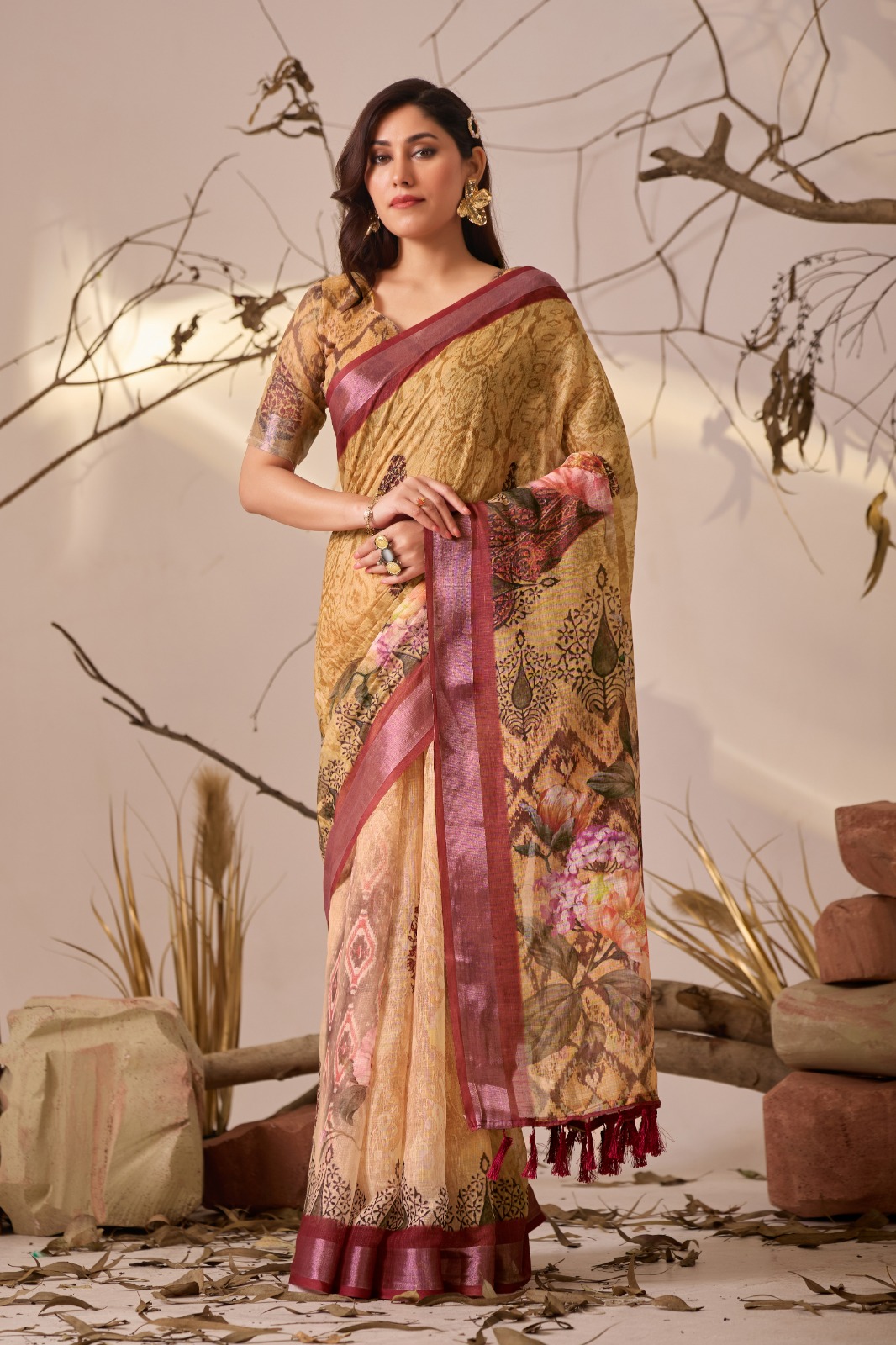
Press the saree according to its care label and test the full outfit at least one day before the event. Wear the intended footwear during the trial so the hem can be set correctly. Keep the front pleats slightly wider if the fabric is bulky, and use a waist belt or extra petticoat tie only if it doesn't create pressure while sitting.
don't place perfume directly on silk, zari or embroidered surfaces. Air the saree after wearing it, remove pins carefully, and fold it along a different line each time to reduce permanent creasing. Cotton can usually be washed or dry-cleaned according to its label, while Banarasi silk, heavy embroidery and metallic zari are safest with professional cleaning.
A thoughtful Sankranti outfit combines cultural familiarity with practical design. The strongest choice may be a Maroon Cotton Saree with Zari Work for Wedding for a daytime ritual, Teal Blue Banarasi Soft Silk Saree With Golden Zari Border for a formal visit, or Traditional Red Crush Georgette Silk Saree With Tassel Pallu for an evening gathering. The fabric, drape and accessories should serve the celebration rather than make the wearer spend the day managing the clothes.
Common Questions About Sankranti 2026 Sarees and Traditional Outfits
What is the best saree to wear for Sankranti 2026?
A breathable cotton, lightweight silk or Banarasi soft silk saree is a strong choice for Sankranti 2026. Choose cotton for puja and outdoor daytime events, and choose soft silk or embellished georgette for formal family visits and evening celebrations.
What colours are considered suitable for a Sankranti saree?
Yellow, mustard, red, orange, green, pink and gold are suitable Sankranti colours because they complement harvest and sunlight-inspired celebrations. Regional and family customs differ, so choose a colour that suits the ceremony and your comfort.
Where can I buy a traditional saree online in India?
A reliable Indian saree website should provide fabric details, measurements, care instructions, product photographs, delivery information and a clear return policy. Compare those details before choosing among Banarasi silk, cotton, georgette and embellished sarees.
Can I wear a traditional saree without a blouse?
A saree should generally be worn with a fitted blouse or choli for support, coverage and a secure drape. Women who want a simpler traditional appearance can choose a plain blouse, a modest neckline and minimal accessories instead of omitting the blouse.
Are ready-to-wear sarees suitable for Sankranti celebrations?
Ready-to-wear sarees are suitable when the waist range, length, pallu position and fastening method fit correctly. Pre-stitched sarees are particularly useful for first-time saree wearers, travel and celebrations that involve extended standing or movement.
Which traditional saree works best for kite flying?
A lightweight cotton, soft georgette or light chinnon saree with a firmly pinned pallu works best for kite flying. Avoid very heavy silk, long loose tassels and jewellery that can catch on kite string or outdoor furniture.