Every two years, the forested region around Medaram in Telangana becomes the setting for one of India's largest tribal pilgrimages. Sammakka Saralamma Jatara: Festival, Culture and Traditional Attire brings together the history of the Koya community, devotion to powerful female figures, sacred offerings and practical choices for visitors. The gathering isn't simply a colourful festival; it's a living tradition shaped by oral memory, ritual authority and community participation.
The Jatara usually takes place during the Magha month of the Hindu calendar, generally in January or February. The exact dates change according to the lunar calendar. Millions of pilgrims may travel to Medaram in the Mulugu district, making cultural awareness, crowd preparation and respectful clothing important parts of the experience.
Sammakka Saralamma Jatara: Festival, Culture and Traditional Attire in Medaram
Sammakka Saralamma Jatara is a biennial tribal pilgrimage held at Medaram in Telangana to honour Sammakka and Saralamma, revered figures associated with the Koya community.
The festival centres on the arrival of sacred forms connected with Sammakka and Saralamma, their placement at ritual platforms called gaddelu and the offerings made by devotees. Families travel from Telangana, neighbouring states and distant parts of India to pray, fulfil vows and seek blessings.
Medaram's forest setting is an essential part of the pilgrimage's identity. Temporary roads, transport arrangements, food stalls, medical facilities and sanitation systems transform the area during the Jatara. The changing landscape demonstrates the scale of the gathering, but crowd size alone doesn't explain its importance.
The Jatara remains rooted in Koya religious practice and regional memory. Visitors may encounter Hindu devotional customs alongside tribal traditions, local oral histories and community-led rituals. Treating the event only as a tourist spectacle overlooks the people whose beliefs and responsibilities sustain it.
Sammakka Saralamma Jatara: Festival, Culture and Traditional Attire through Koya history
The central story of Sammakka Saralamma Jatara presents Sammakka as a courageous woman who resisted injustice against her family and community.
Oral versions vary by village and storyteller, but many accounts associate Sammakka with Pagididda Raju, a Koya chief, and remember Saralamma as her daughter. The story also includes conflict with political authority, suffering among the people and a refusal to accept demands that threatened community welfare. Jampanna, another important figure in the family narrative, is remembered in connection with Jampanna Vagu.
Sammakka's continuing importance comes from the combination of maternal strength, sacrifice and resistance. Many devotees approach her as a mother who defended her people rather than as a distant figure from a completed myth. Saralamma's presence reinforces the importance of family, courage and collective memory within the tradition.
Visitors should understand that oral traditions don't always follow a single standardised version. Different communities may emphasise different episodes, relationships or sacred locations. A responsible account therefore acknowledges variation instead of presenting one short summary as the only complete history.
The story also challenges the assumption that regional heroic traditions must focus on kings or male warriors. Sammakka and Saralamma remain central female figures whose strength is expressed through protection, moral resistance and sacrifice. Their story gives the Jatara a distinctive emotional and social meaning.
Sammakka Saralamma Jatara: Festival, Culture and Traditional Attire rituals
The defining ritual of Sammakka Saralamma Jatara is the ceremonial arrival of sacred representations of Sammakka and Saralamma at their gaddelu, followed by prayer and offerings from pilgrims.
The gaddelu and sacred arrivals
The gaddelu are the principal ritual platforms where devotees gather to seek darshan and present offerings. Sacred objects associated with the revered figures are brought to Medaram through established local ceremonies. The timing and sequence can vary between Jatara editions, so current local announcements should guide visitors.
The gaddelu are not stages designed for entertainment or casual photography. Pilgrims may wait for long periods in dense crowds, particularly during major ritual moments. Visitors should remain behind barriers, follow police and volunteer instructions and avoid touching objects placed for worship.
Bangaram offerings
Devotees commonly offer jaggery, known locally as bangaram, to Sammakka and Saralamma.
The Telugu word bangaram means gold, and jaggery carries the symbolic meaning of offering wealth, gratitude or abundance. Families may bring quantities connected with a vow or a personal prayer. The offering should not be treated as a souvenir or handled casually by visitors.
Jampanna Vagu and sacred geography
Jampanna Vagu forms an important part of the sacred landscape associated with the Sammakka Saralamma tradition.
Pilgrims may gather near water and other locations connected with the story, subject to current arrangements and safety restrictions. Visitors should use marked paths, avoid unsafe water and carry drinking water because heat, walking and crowding can quickly cause exhaustion.
Ritual access, routes and security measures may change from one Jatara to the next. Official notices, local volunteers and district authorities should take precedence over old travel articles or social media videos.
Sammakka Saralamma Jatara: Festival, Culture and Traditional Attire significance
Sammakka Saralamma Jatara matters because it keeps Koya memory, devotion and community identity visible through a major public pilgrimage.
The Jatara has several overlapping meanings. It is a religious gathering for devotees, a cultural expression for Koya communities, a major event in Telangana and an important subject for people studying tribal traditions. These meanings can coexist without making the festival available for outside ownership or careless interpretation.
The festival also highlights women's authority in regional sacred narratives. Sammakka and Saralamma are not secondary figures in a larger male-centred story. They are the emotional and ritual focus of the pilgrimage, remembered for courage, loyalty, sacrifice and resistance.
The event supports seasonal livelihoods for local communities. Transport providers, food sellers, accommodation operators, guides, artisans and temporary workers all contribute to the Jatara economy. At the same time, millions of visitors place pressure on roads, water systems, waste management and the surrounding forest environment.
Responsible attendance means reducing plastic waste, using designated toilets, respecting queues and asking before photographing people. Visitors should not film private rituals, mock unfamiliar practices or describe Koya customs as exotic entertainment. A simple request for consent protects dignity and builds trust.
Sammakka Saralamma Jatara: Festival, Culture and Traditional Attire choices
Lightweight, breathable and modest clothing is the most practical traditional attire for the Medaram pilgrimage.
A cotton saree, simple handloom saree or comfortable salwar suit works well because visitors may walk several kilometres, wait in queues and stand outdoors for hours. A saree wearer should secure the pallu, choose a firm pleat arrangement and wear a comfortable blouse that permits easy movement. Flat footwear with a reliable grip is safer than heels on uneven or crowded ground.
No single colour is universally compulsory for the Jatara. Red, maroon, yellow and earthy shades are common in Indian festive and devotional dressing, but comfort, cleanliness and respectful presentation matter more than copying an unverified colour rule.
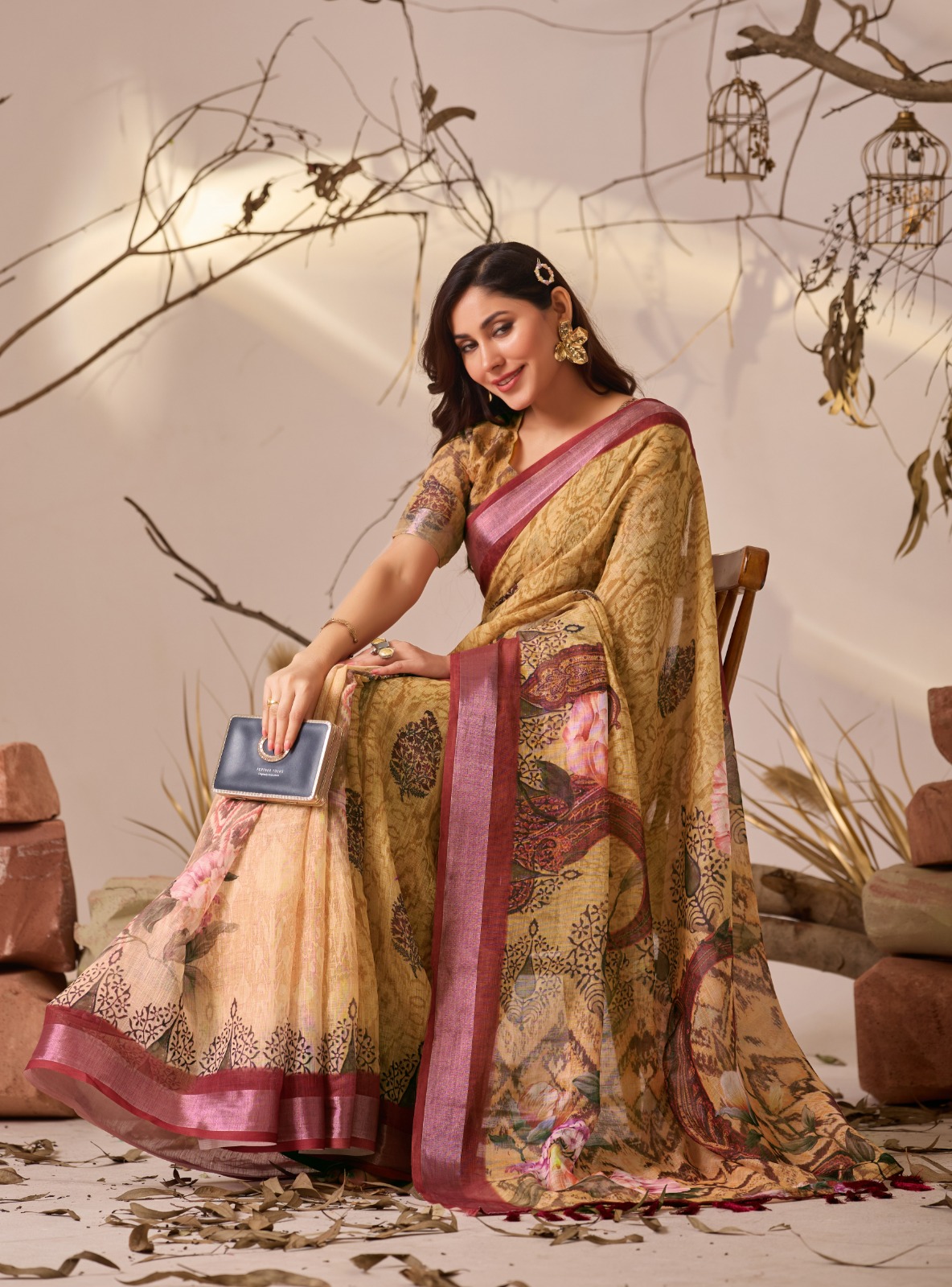
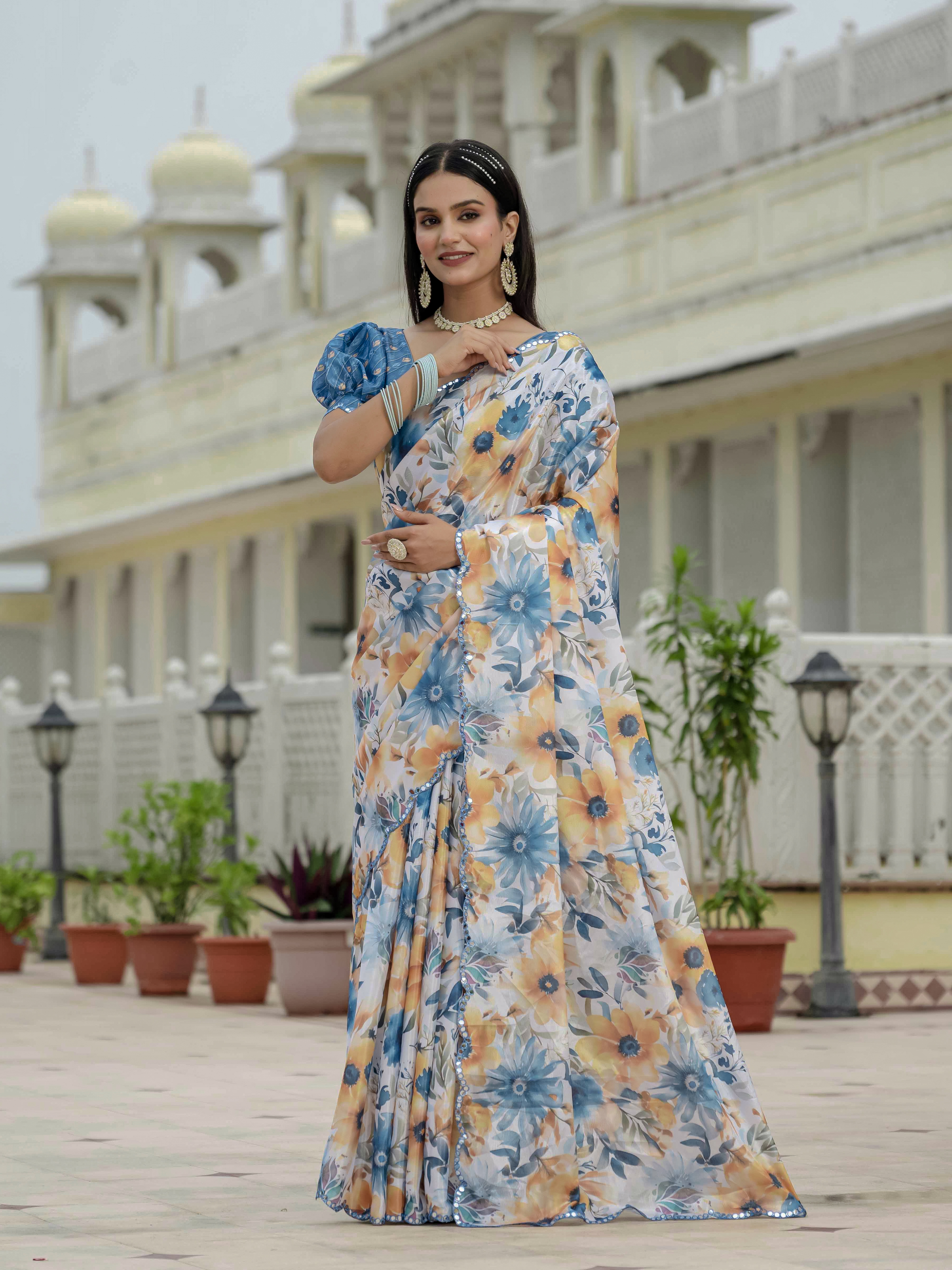
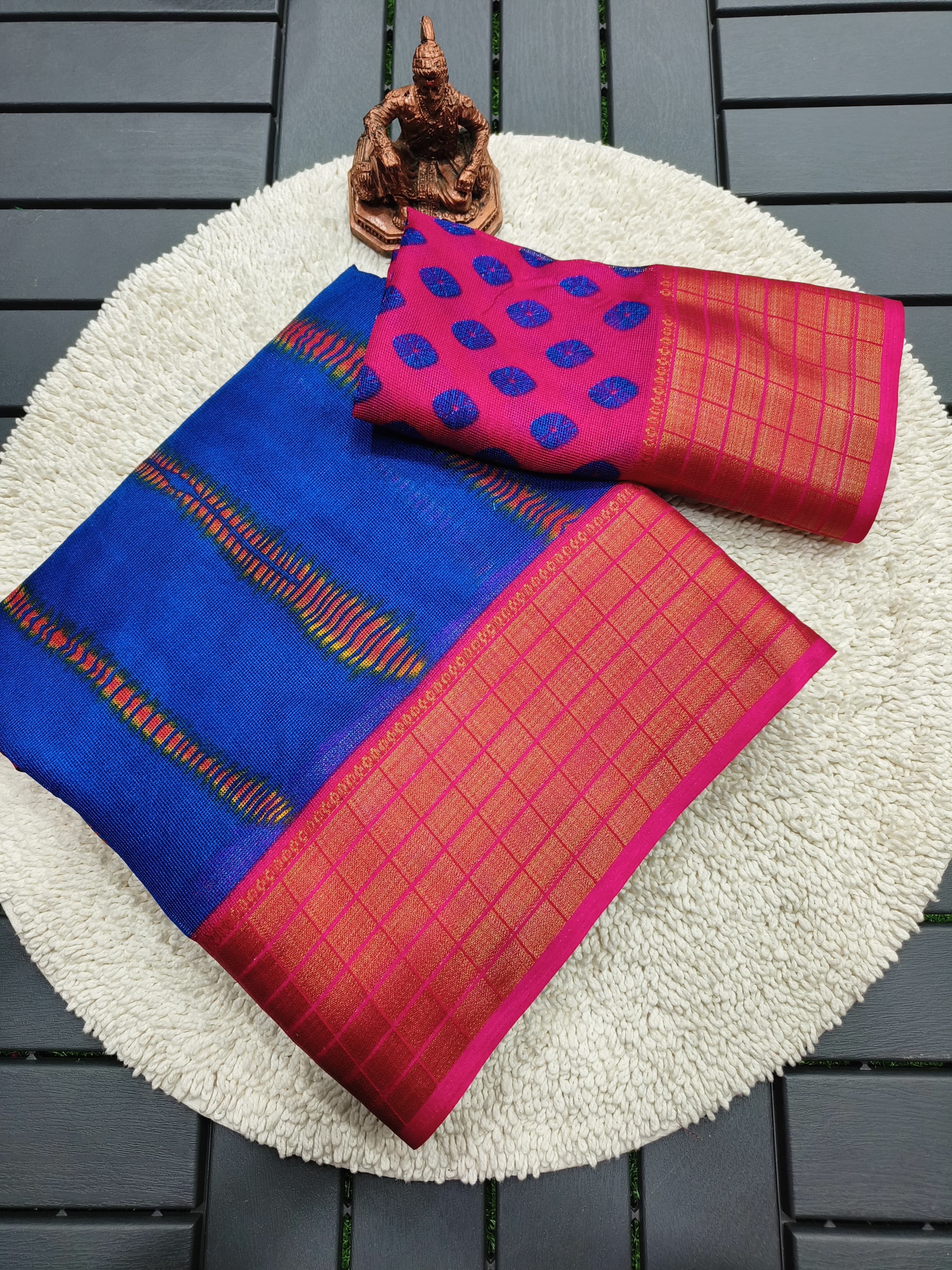
Handloom cotton can connect a visitor's appearance with the wider textile culture of Telangana without imitating ceremonial Koya dress. Pastel Floral Tissue Handloom Cotton Saree with Zari Weaves offers a lighter textile direction, although zari should be protected from rough barricades and crowded surfaces.
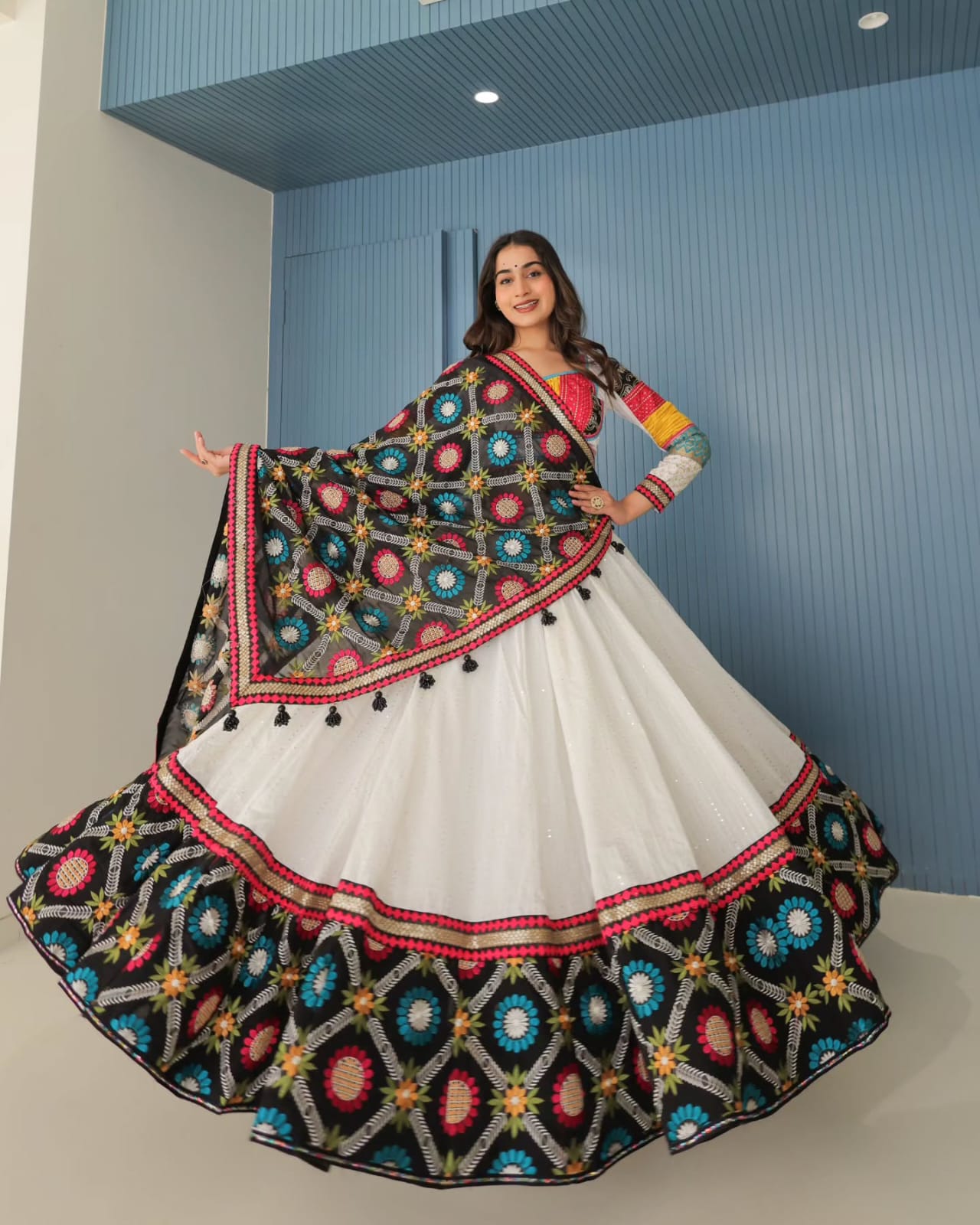
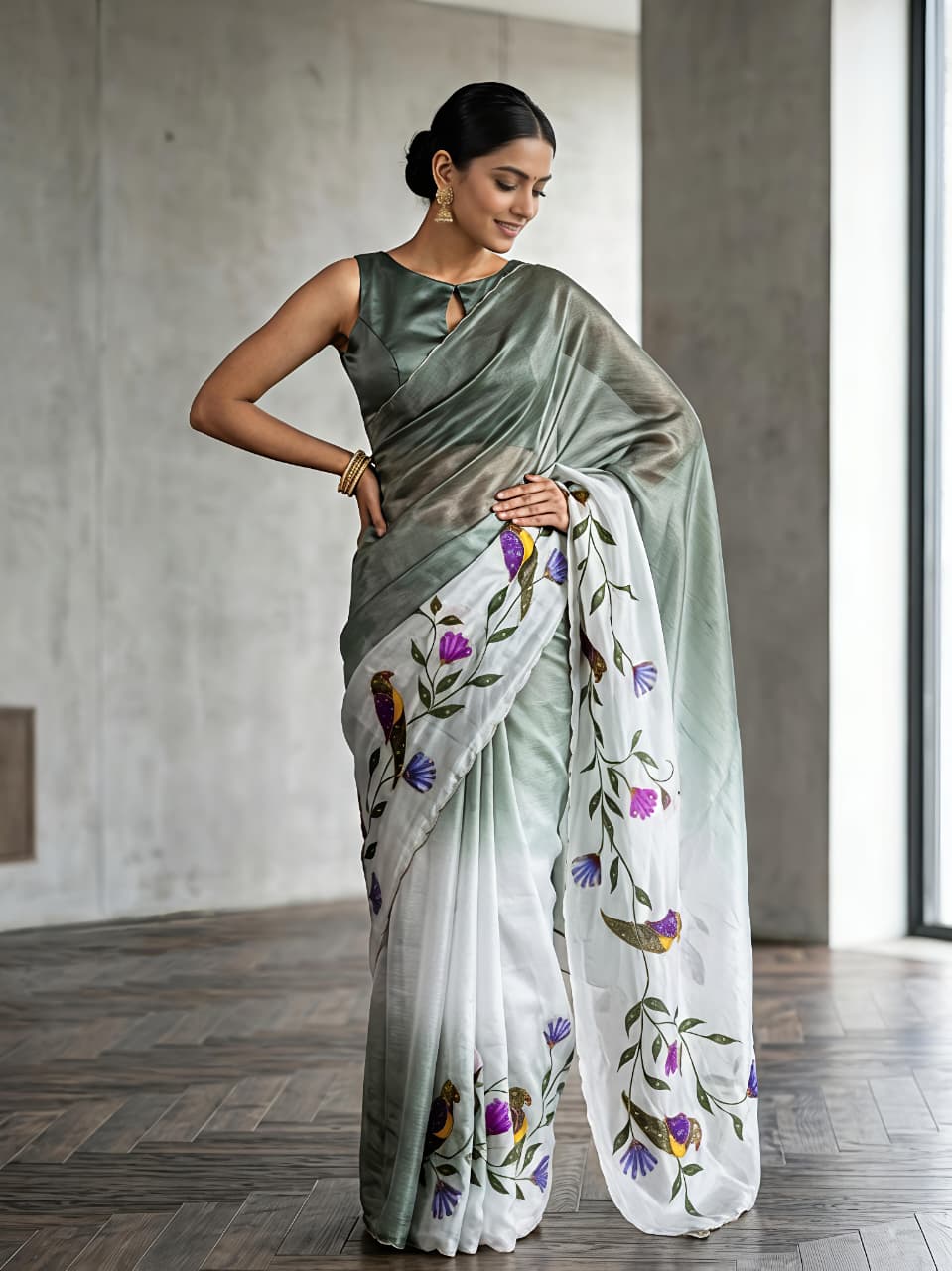
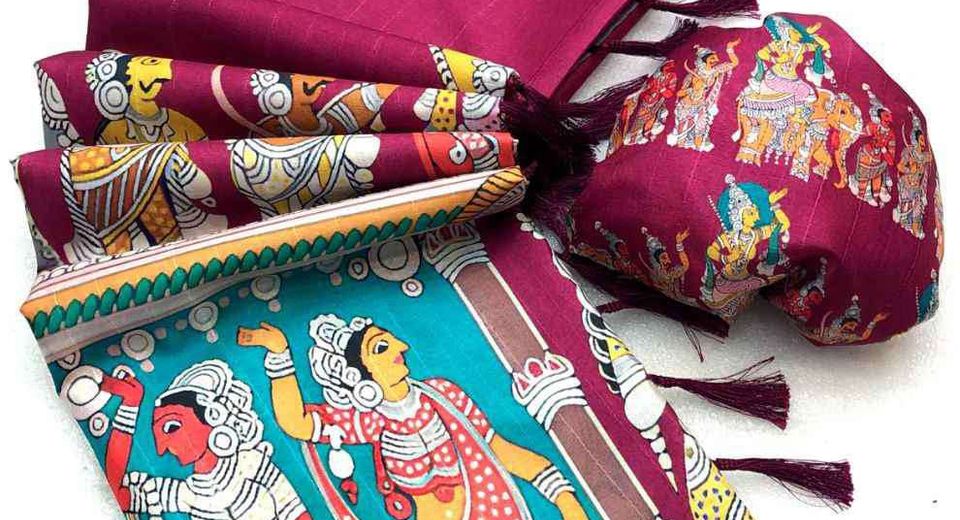
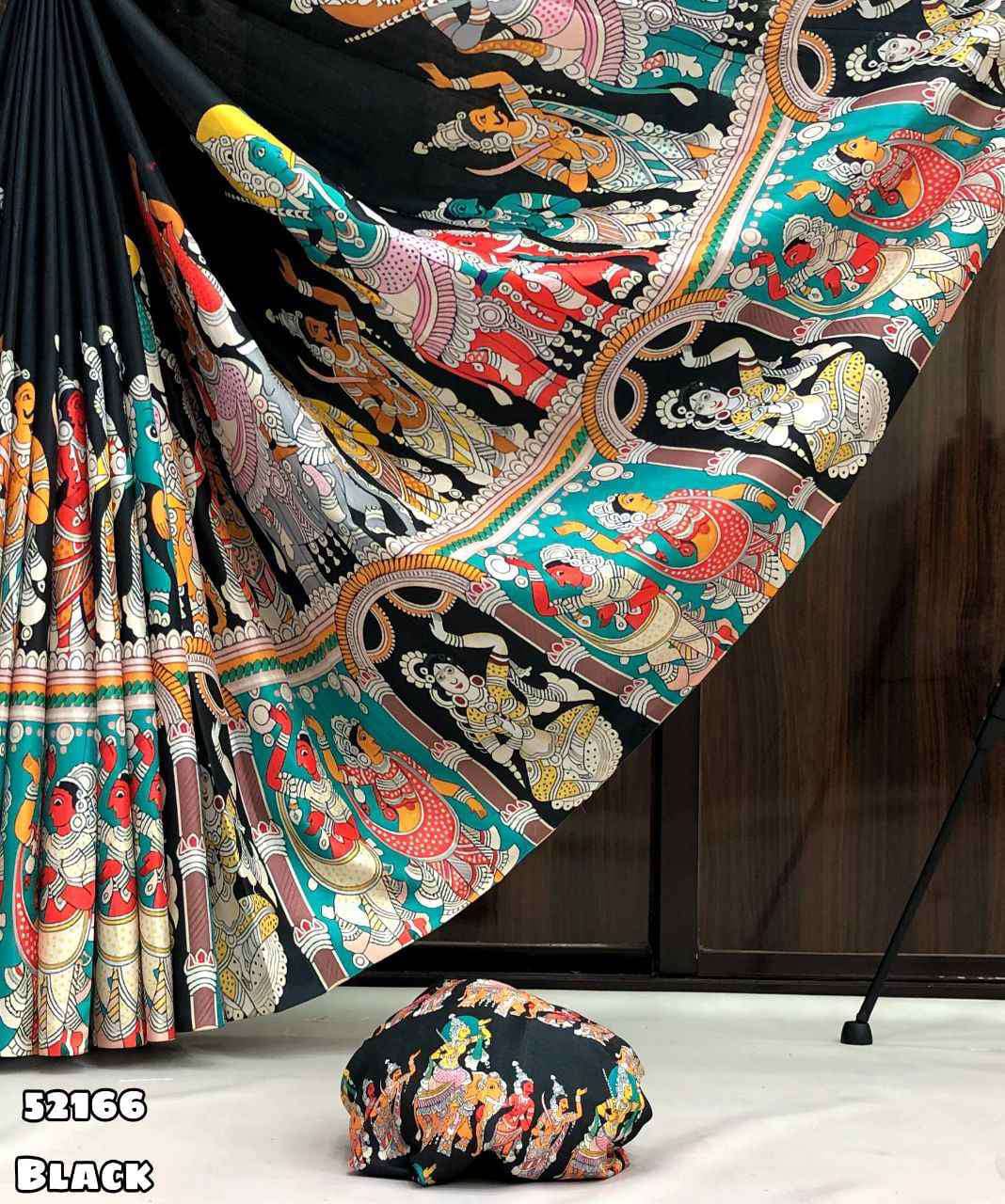
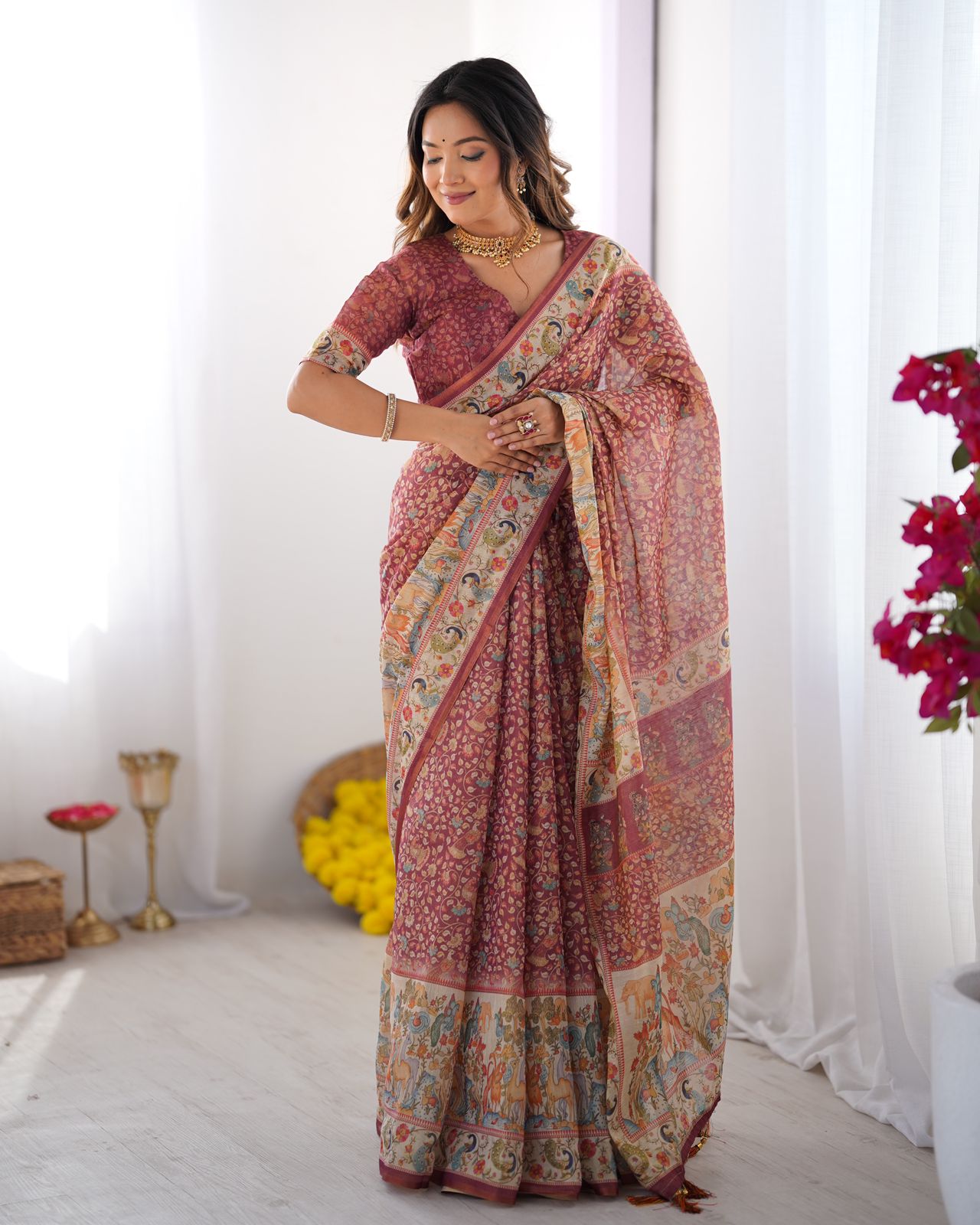
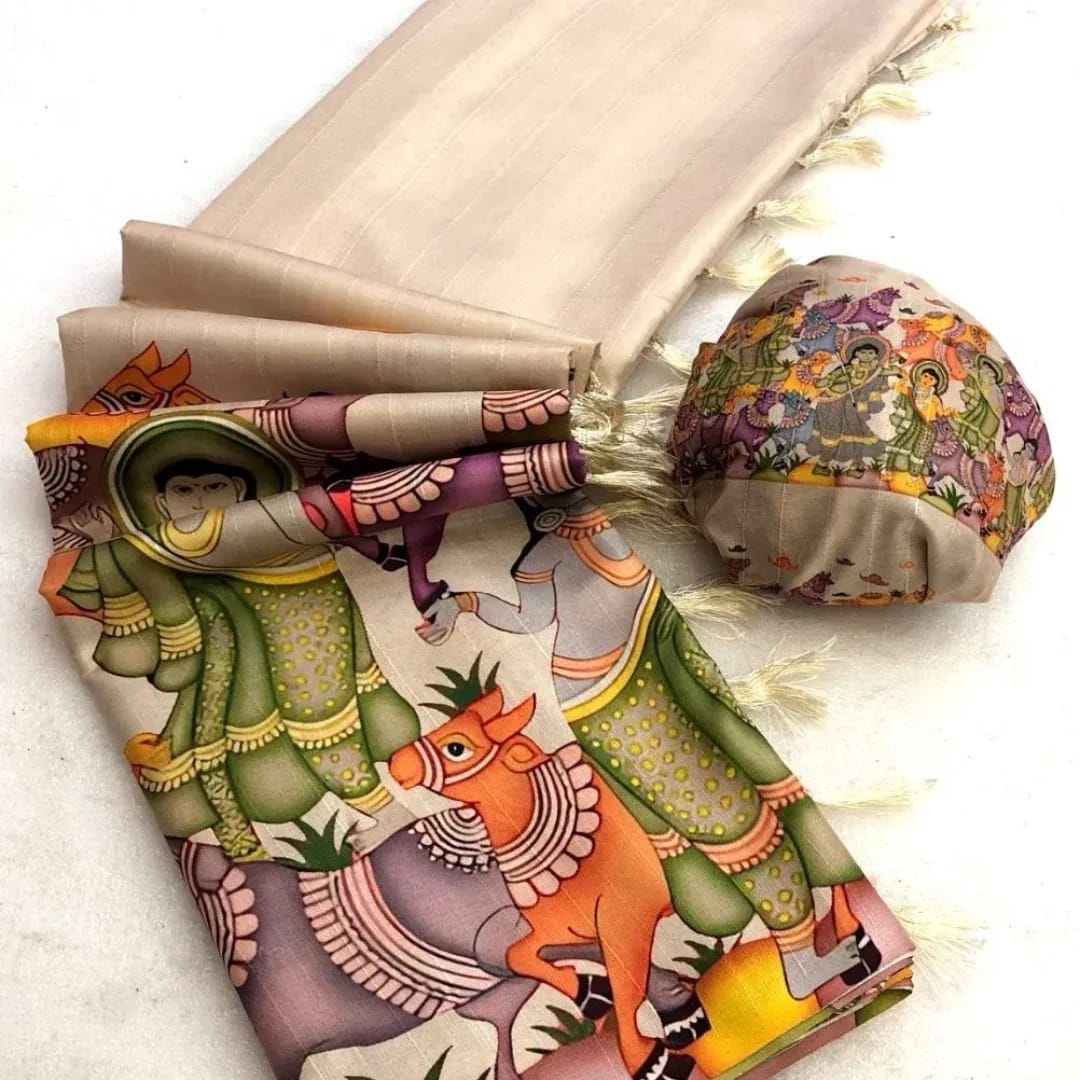
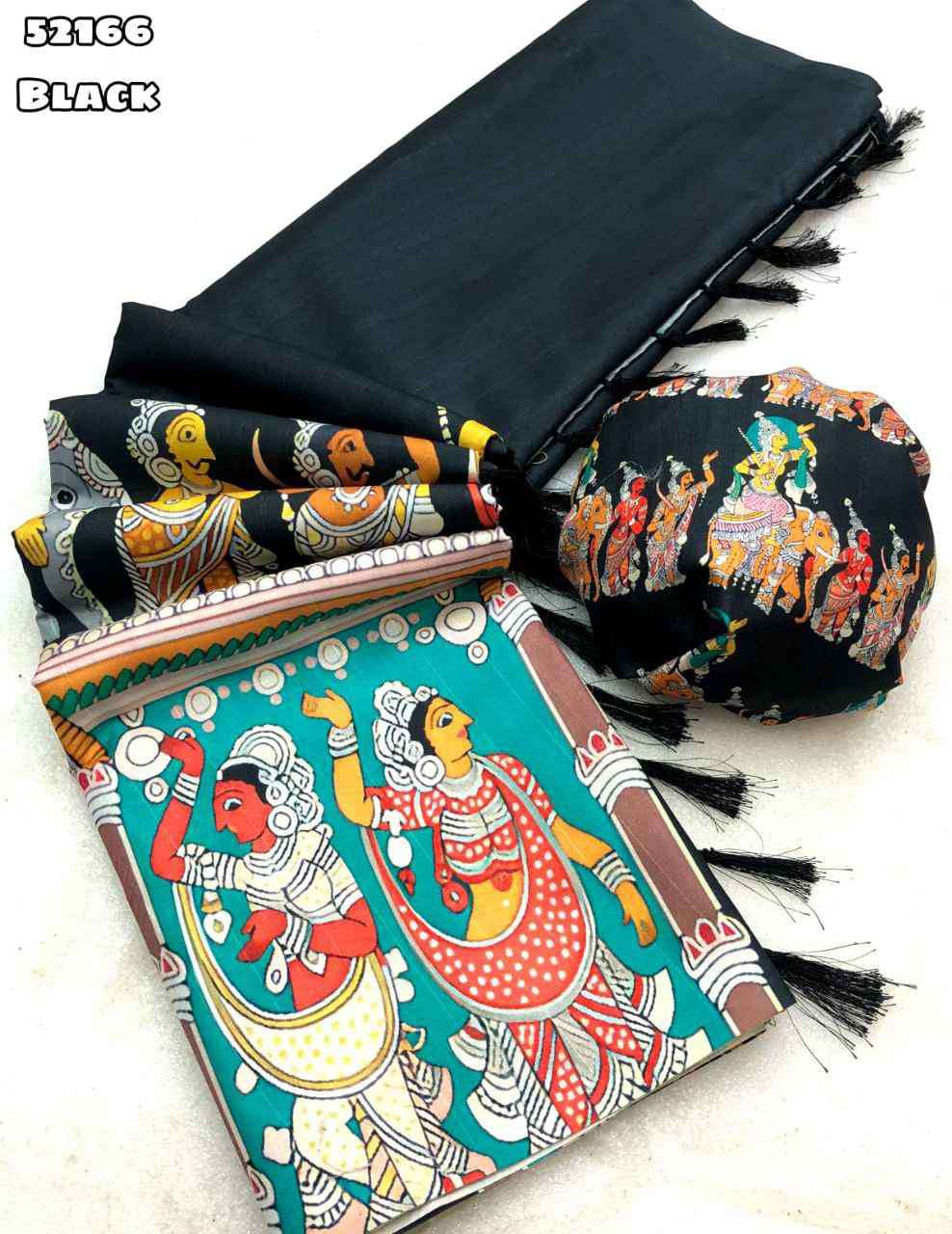
Kalamkari prints provide a traditional visual language through narrative motifs, block-inspired forms and rich colour. Black Traditional Kalamkari Print Silk Saree and Tussar Silk Kalamkari Printed Saree with Blouse show how printed silk and tussar can create a formal ethnic appearance. Silk may feel warm during a long daytime pilgrimage, so these fabrics are more suitable for shorter visits or cooler hours.
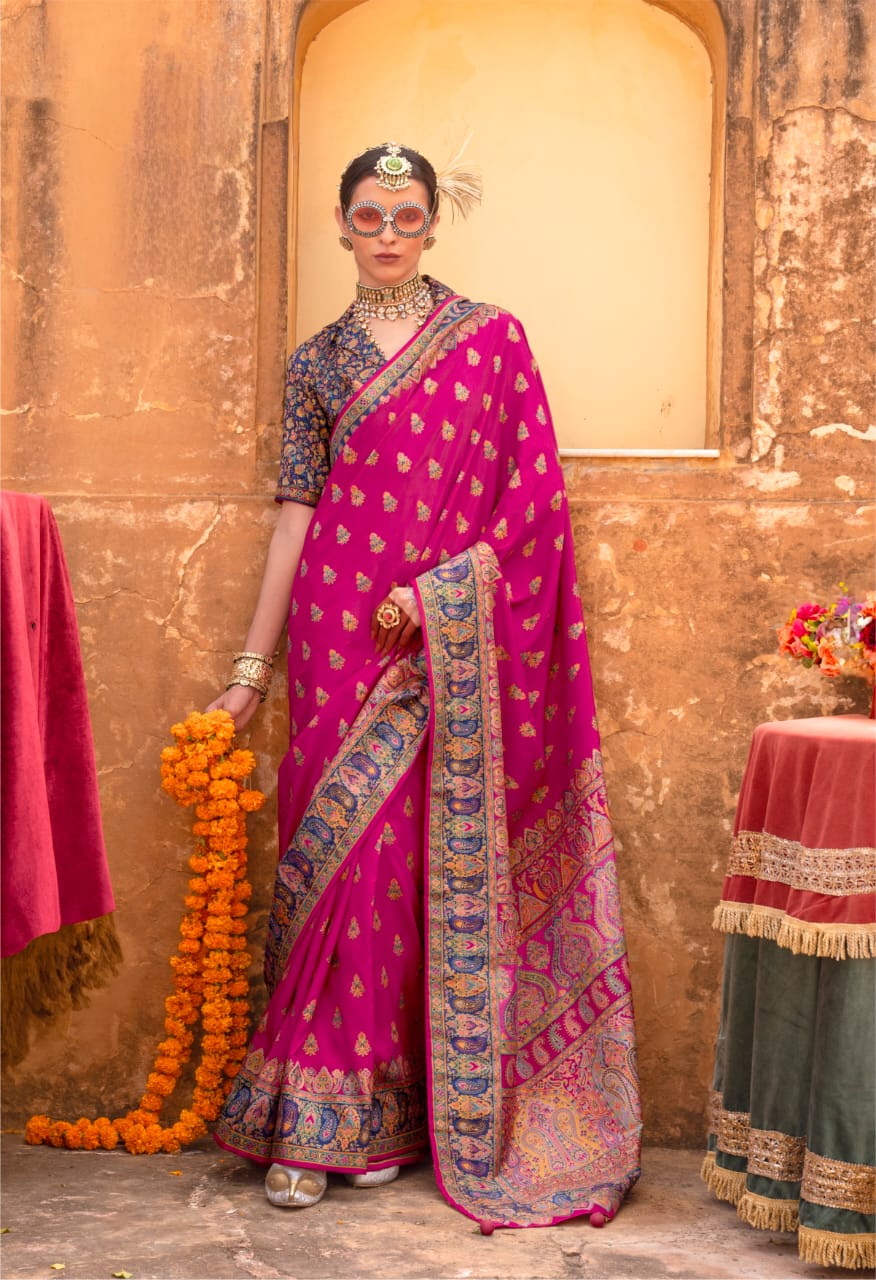
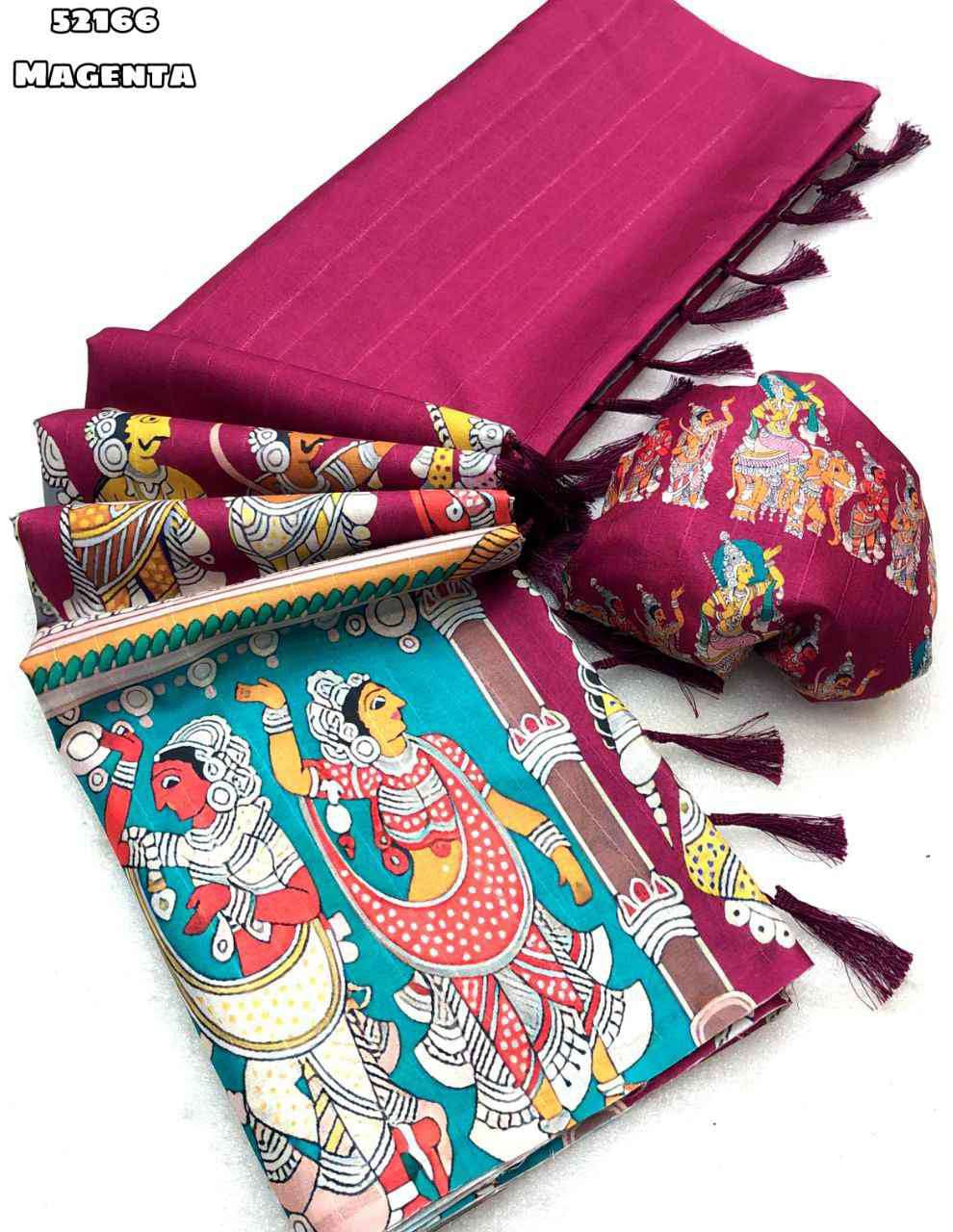
Magenta Traditional Kalamkari Art Saree with Blouse and Varnavi Royal Kalamkari Maroon Handloom Saree offer deeper festive palettes for a family gathering, evening visit or cultural programme. A handloom structure can provide visual richness without requiring heavy embellishment, but the drape should still be secured for walking.
Black Kalamkari Mirror Work Linen Saree with Ethnic Digital Print is better suited to a shorter visit because mirror work may catch on bags, railings or other clothing in dense crowds. Elegant Black Kalamkari Silk Saree with Blouse creates a polished festive look, but dark silk can retain heat under direct sun.
Black Kalamkari Tussar Silk Saree with Blouse brings another traditional option for a gathering outside the busiest darshan period. For the main pilgrimage route, plain cotton or cotton-blend fabric is usually easier to wash, fold and wear for several hours.
Practical clothing details for a crowded pilgrimage
A small crossbody bag or waist pouch keeps identification, cash, phone and medicines more secure than a loose handbag. A cotton scarf can protect the head and shoulders from sun, while a spare blouse or lightweight top is useful if clothing becomes dusty or damp.
Visitors should avoid long trailing dupattas, delicate tassels and very heavy jewellery. Gold-tone or imitation jewellery may be more practical than valuable pieces because crowd movement can loosen chains and bangles. Hair should be tied securely, especially when walking through packed areas.
Traditional attire should support participation rather than compete with the ritual environment. Neat, comfortable dressing communicates respect more effectively than expensive fabric, excessive shine or elaborate styling.
Sammakka Saralamma Jatara: Festival, Culture and Traditional Attire planning
Planning for Sammakka Saralamma Jatara requires preparation for heat, long walks, dense crowds and limited personal space.
Check the official festival schedule, transport notices and district advisories before leaving. Festival routes and vehicle restrictions can change significantly during peak days. Reaching early may reduce some waiting, but the busiest ritual periods can remain crowded throughout the day.
Carry drinking water in a permitted reusable container, oral rehydration salts, prescribed medicines, sunscreen and a power bank. Keep emergency contact details written on paper because mobile networks can become congested. Families travelling with children or older adults should agree on a meeting point before entering crowded areas.
Wear footwear that has already been used and tested. New sandals can cause blisters after several hours of walking. A thin cotton underskirt, breathable blouse and firmly pinned pallu can make a saree more comfortable than a loose, heavily layered arrangement.
Food and water should come from clean, authorised stalls whenever possible. Visitors should dispose of cups, wrappers and plastic bags in marked bins. Forest areas around Medaram require particular care because waste can damage the environment long after the temporary festival infrastructure is removed.
Sammakka Saralamma Jatara: Festival, Culture and Traditional Attire etiquette
Respectful behaviour at Sammakka Saralamma Jatara begins with recognising that devotees are participating in a sacred pilgrimage, not performing a public show for visitors.
Ask permission before photographing Koya families, priests, musicians, vendors or people completing a ritual. Do not block a queue to take a picture, enter restricted spaces for a better view or touch offerings at the gaddelu. Dress modestly, keep conversations quiet near worship areas and follow instructions from local authorities.
Visitors should avoid making broad claims about Koya culture based on one encounter. A vendor's clothing, a family's offering and a priest's ritual role may carry meanings that an outsider can't immediately interpret. Listening carefully is more valuable than collecting visual details.
Sammakka Saralamma Jatara combines history, faith, community life and regional identity on an extraordinary scale. Traditional attire can help visitors feel prepared and appropriately dressed, but respectful conduct remains the most important part of attending Medaram.
Questions Visitors Ask About Sammakka Saralamma Jatara and Attire
Where is Sammakka Saralamma Jatara held?
Sammakka Saralamma Jatara is held at Medaram in the Mulugu district of Telangana. The pilgrimage takes place in a forested region with temporary transport, sanitation and crowd-management arrangements during the festival.
How often does Sammakka Saralamma Jatara take place?
Sammakka Saralamma Jatara takes place once every two years. The dates usually fall in January or February, but the exact schedule changes according to the lunar calendar and official festival announcements.
What is offered during Sammakka Saralamma Jatara?
Devotees commonly offer jaggery, called bangaram, to Sammakka and Saralamma. The offering symbolises wealth, gratitude or abundance and may be connected with a family vow or personal prayer.
What should women wear to Sammakka Saralamma Jatara?
Women can wear a lightweight cotton saree, simple handloom saree or comfortable salwar suit with secure, modest styling. Flat footwear, a firmly pinned pallu, minimal jewellery and breathable fabric are more practical than heavy embellishment for long queues and walking.
Is there a mandatory colour for Sammakka Saralamma Jatara attire?
There is no single colour that is universally mandatory for visitors attending Sammakka Saralamma Jatara. Red, maroon, yellow and earthy shades may appear in festive dressing, but comfort, modesty and respect are more important than following an unverified colour rule.
How can visitors behave respectfully at Medaram?
Visitors should ask permission before taking close-up photographs, avoid touching offerings, follow queue and security instructions and keep away from restricted ritual spaces. Reducing plastic waste and listening to local guidance are also important forms of respect.